Quick Verdict
I was a little late to the Remedyverse bandwagon, only picking up Control on a whim when it was part of the PlayStation Plus Game Catalog, and I completely fell in love with the experience. That eventually led me to the original Alan Wake and then Alan Wake 2, and by that point I was hooked on Remedy Entertainment’s formula, since every one of those games felt so unique and memorable. Control Resonant continues that streak in a big way, and if every major AAA single-player game has started to feel like it was built from the same checklist, this is the one you need to play.
Control Resonant isn’t a game for everybody, though, because its deliberately confusing version of New York City can leave you lost and wandering for hours at a time. There are also some tedious stretches with semi-repetitive tasks, especially toward the end, and the melee combat can feel a bit button-mashy compared to the original Control. Still, exploring this warped Manhattan is such a joy that I found those pain points acceptable over the close to 40 hours I spent with the game. The story is quite good too, but I’d argue you’ll get the most out of it if you’ve played the original Control and, to a certain extent, both Alan Wake titles.
Breaking the Mold
Ever since I rebooted FullCleared in 2023, I’ve harped on how many of Sony’s first-party sequels have played it safe. I felt it with Marvel’s Spider-Man 2, with God of War Ragnarök (even though I didn’t review it for the site), and most recently with Ghost of Yōtei. I understand the desire to follow a similar formula for a sequel, especially when the original is so beloved, but many modern sequels have just felt too similar to me, almost as if very few risks are being taken. I was hoping that would change with Marvel’s Wolverine, but overall it was a disappointment, especially since it sat at the very top of our most anticipated games of 2026 list.
Jumping into Control Resonant shortly after finishing Marvel’s Wolverine is probably the biggest contrast in gaming experiences I’ve ever had back to back. One game holds your hand to an annoying degree, while the other will leave you lost and confused for hours. Both are pain points in very different ways, but Control Resonant makes that frustration acceptable because its take on New York City is such a joy to explore. For what it’s worth, Control Resonant sat right behind Wolverine at number two on that same list, where I wrote that after playing Control, Alan Wake, and Alan Wake 2, I’d sign up for any single-player game Remedy had in the works.
We knew before Control Resonant released that Remedy was changing up the formula, with the sequel switching to Dylan Faden’s point of view and focusing on melee combat instead of the third-person shooting that defined Jesse’s gameplay. As it turns out, it’s much more than that, because the game’s exploration is wide open, significantly more so than anything the original Control had to offer. Remedy has said Control Resonant isn’t an open-world game, but Manhattan is split into several large zones with plenty of side activities, hidden encounters, and other things to stumble across while exploring.
Upside-Down Town
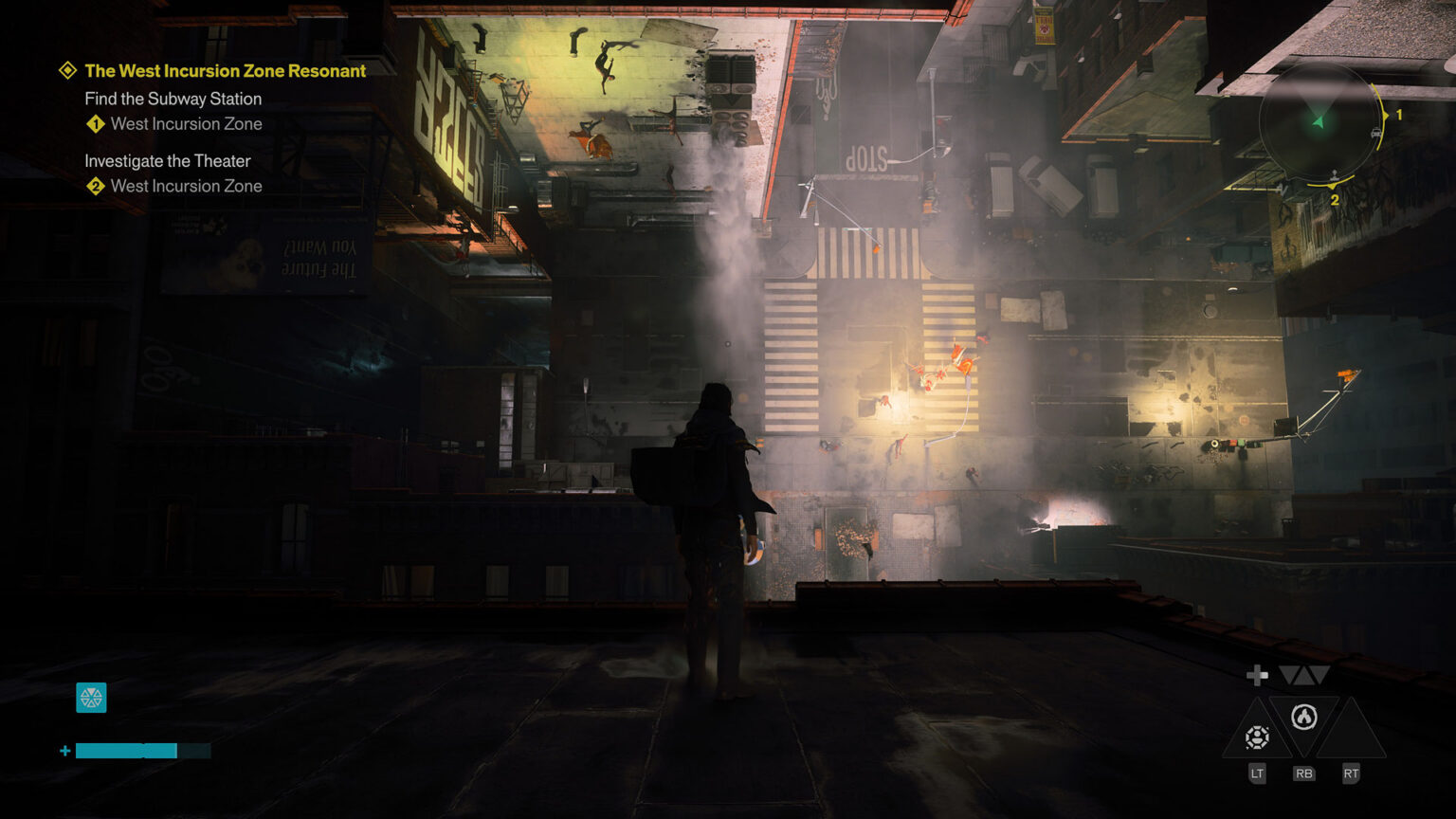
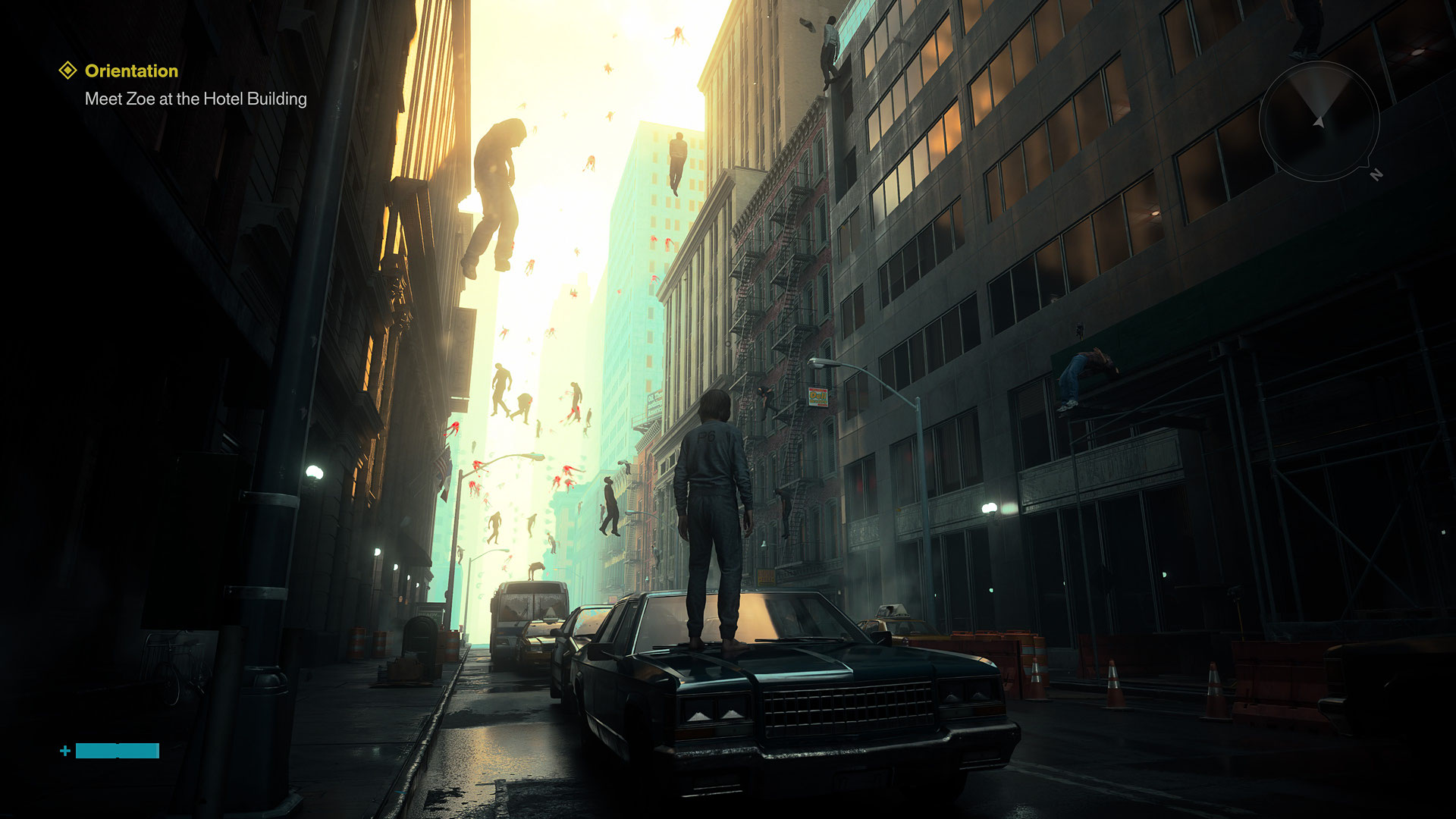
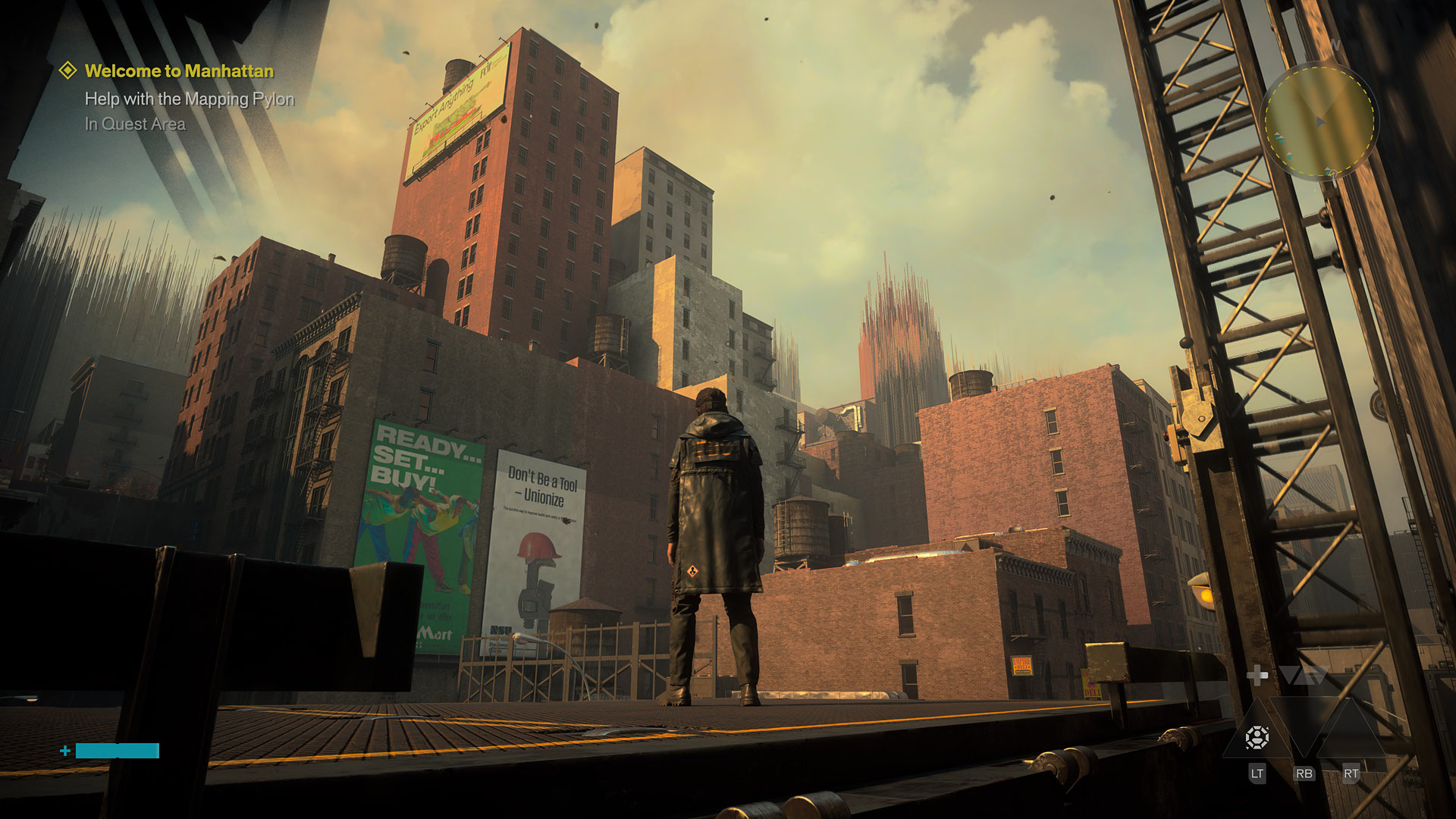
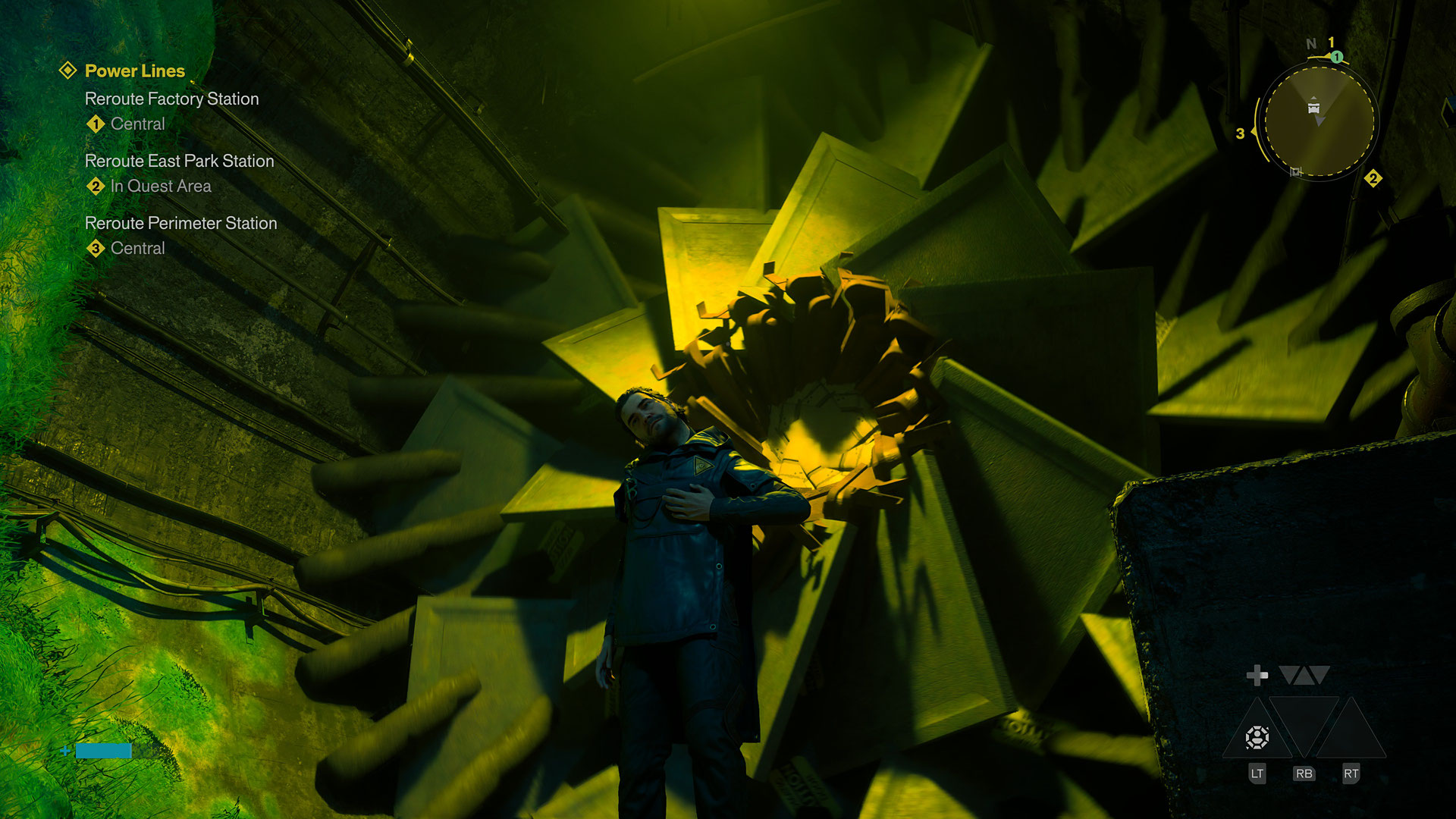
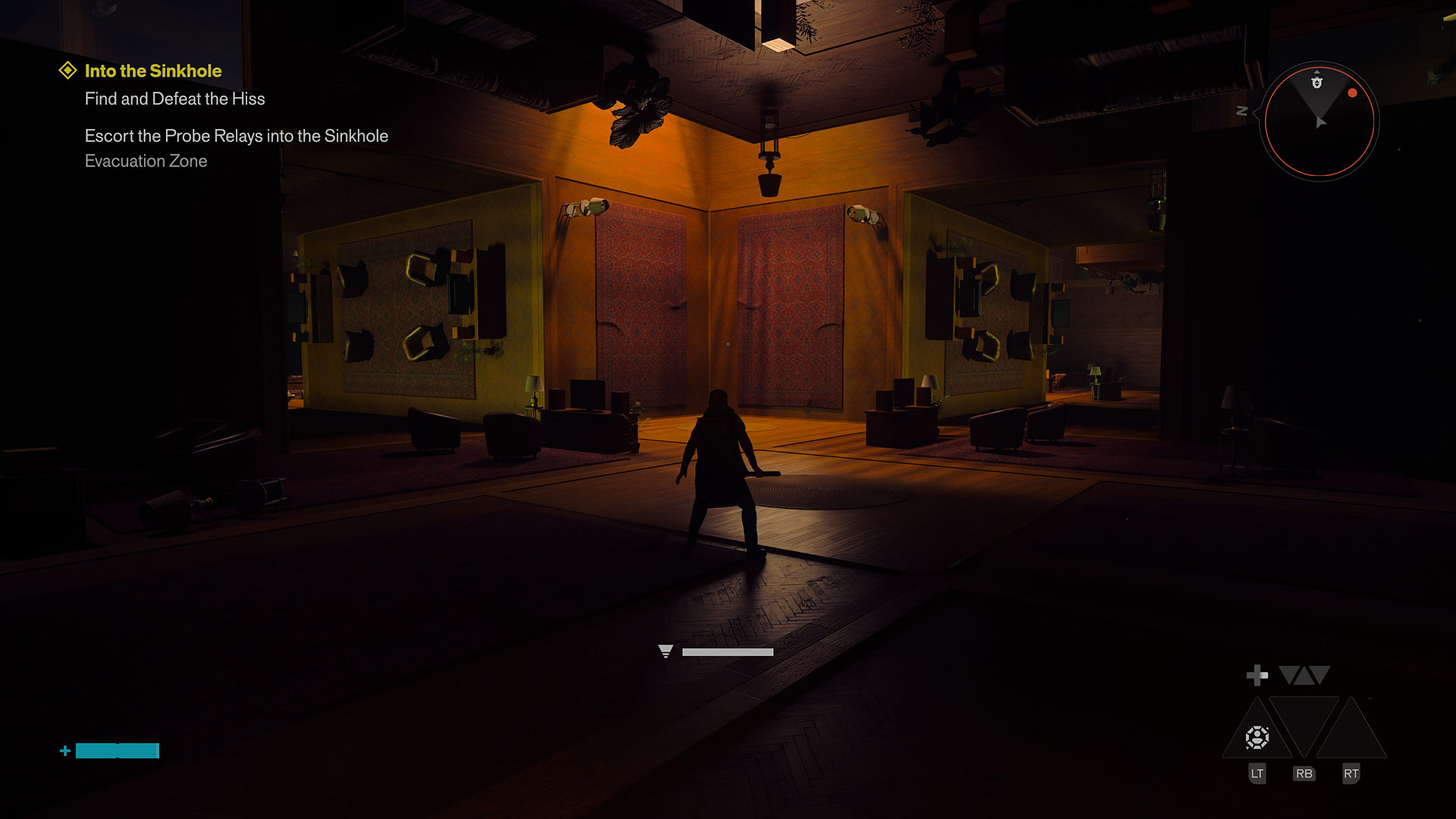
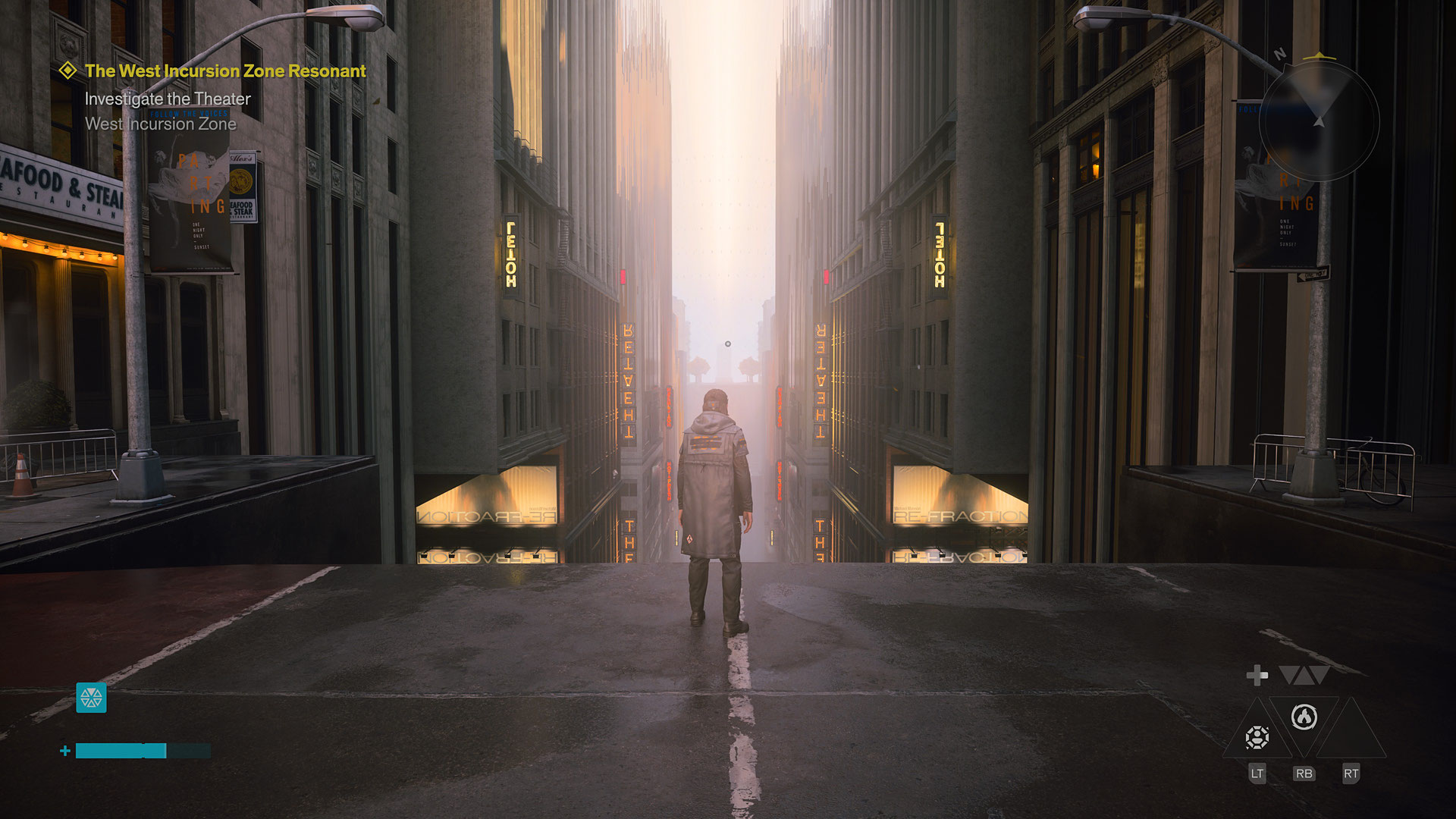
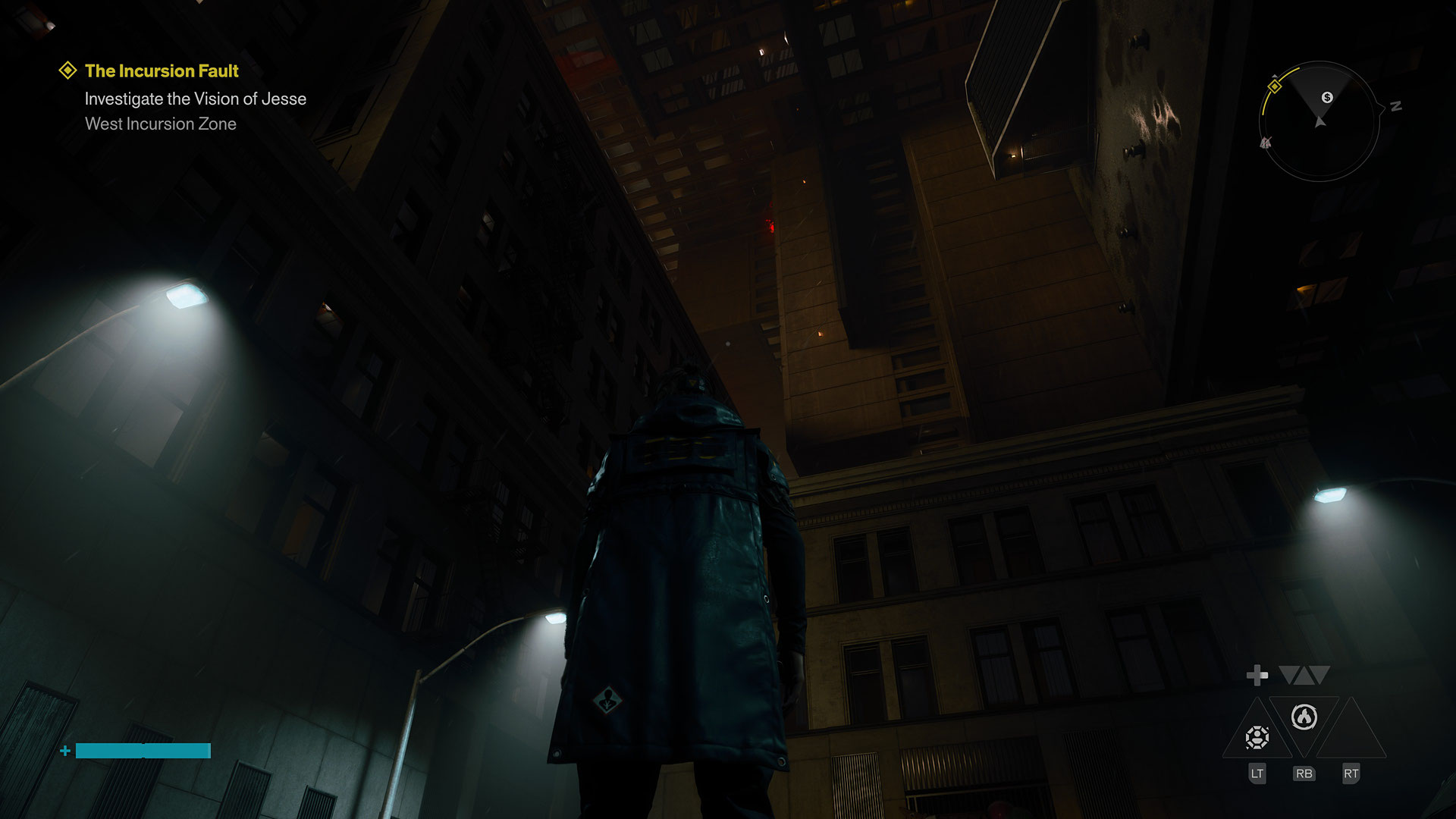
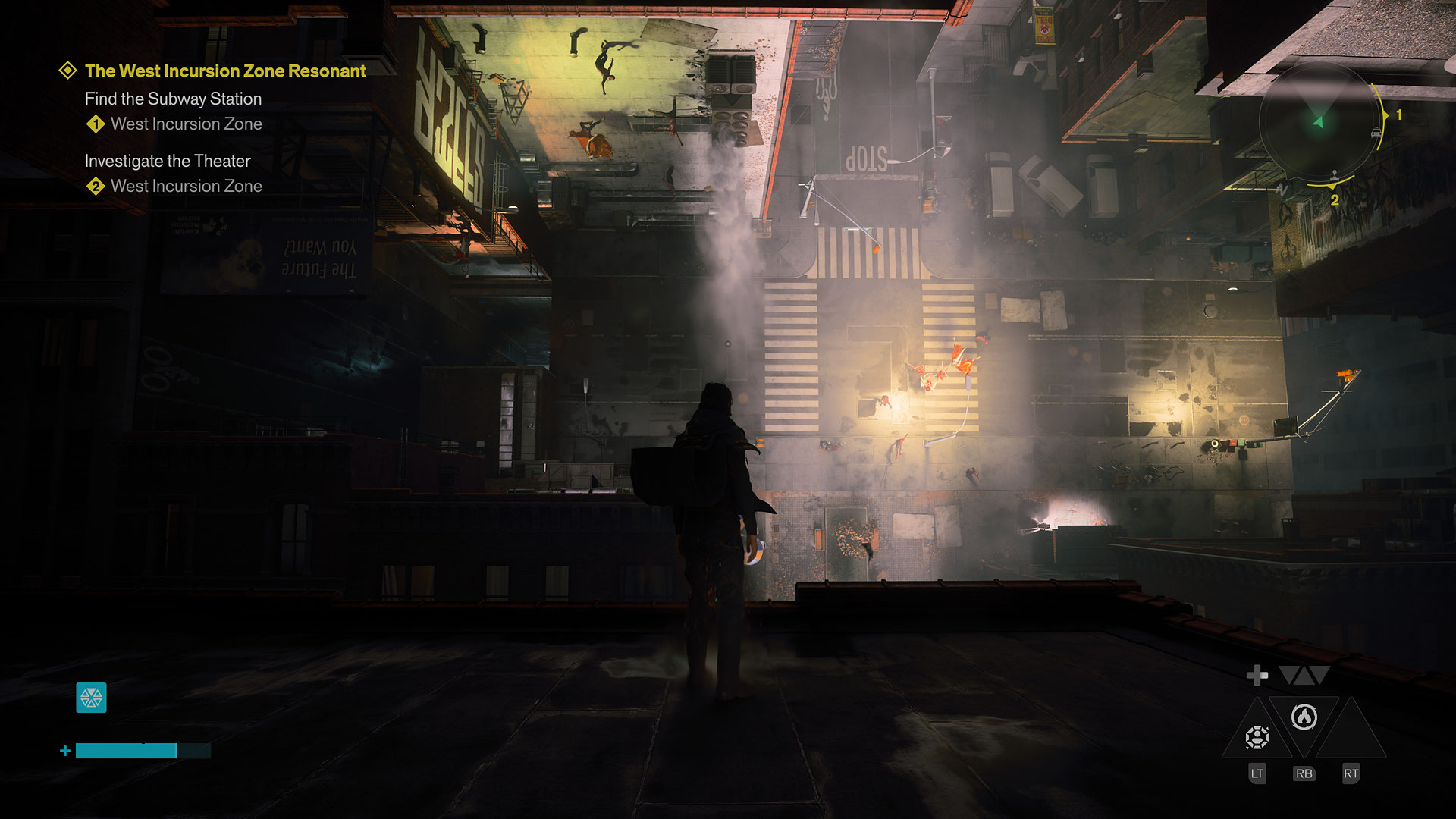
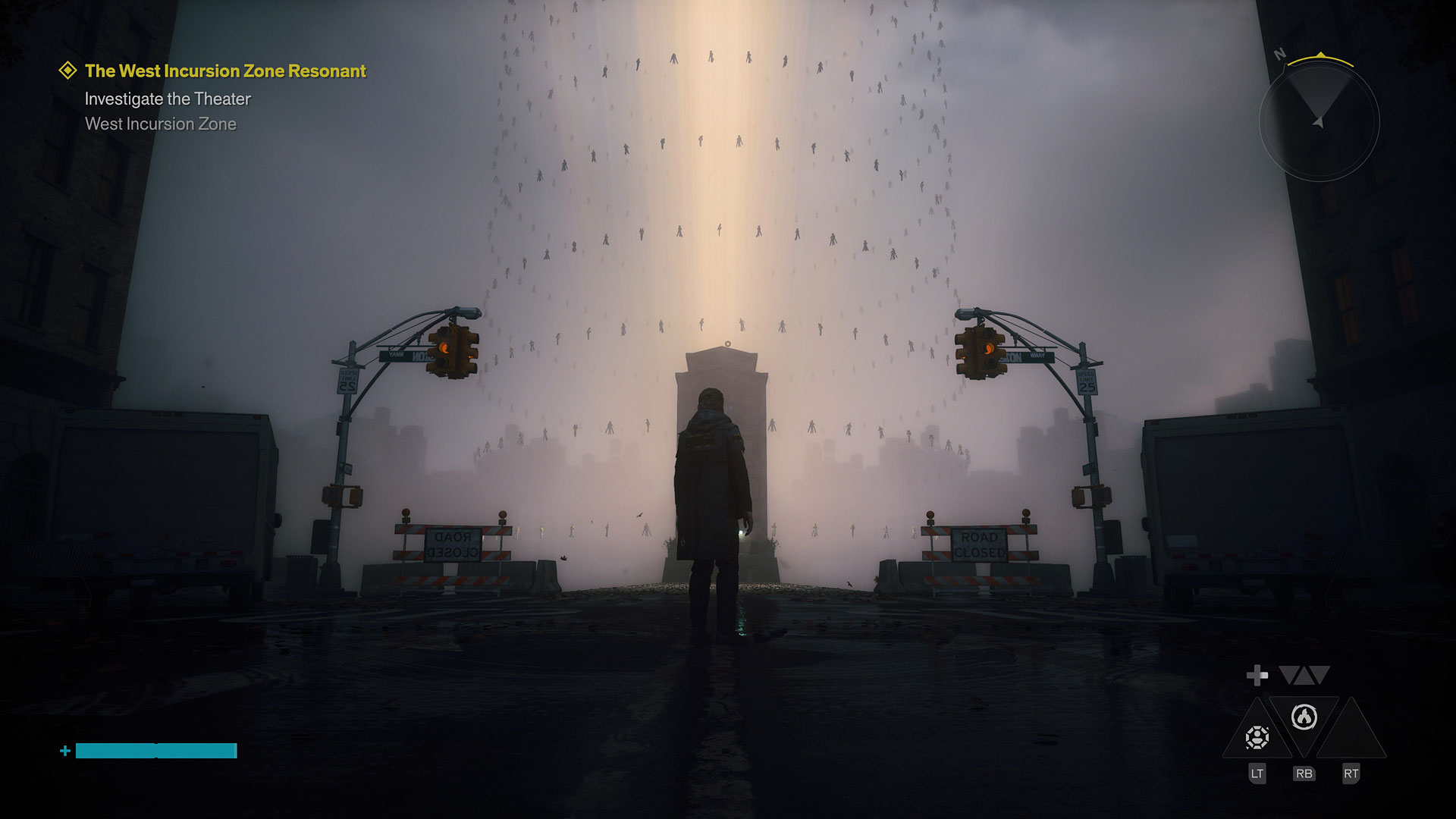
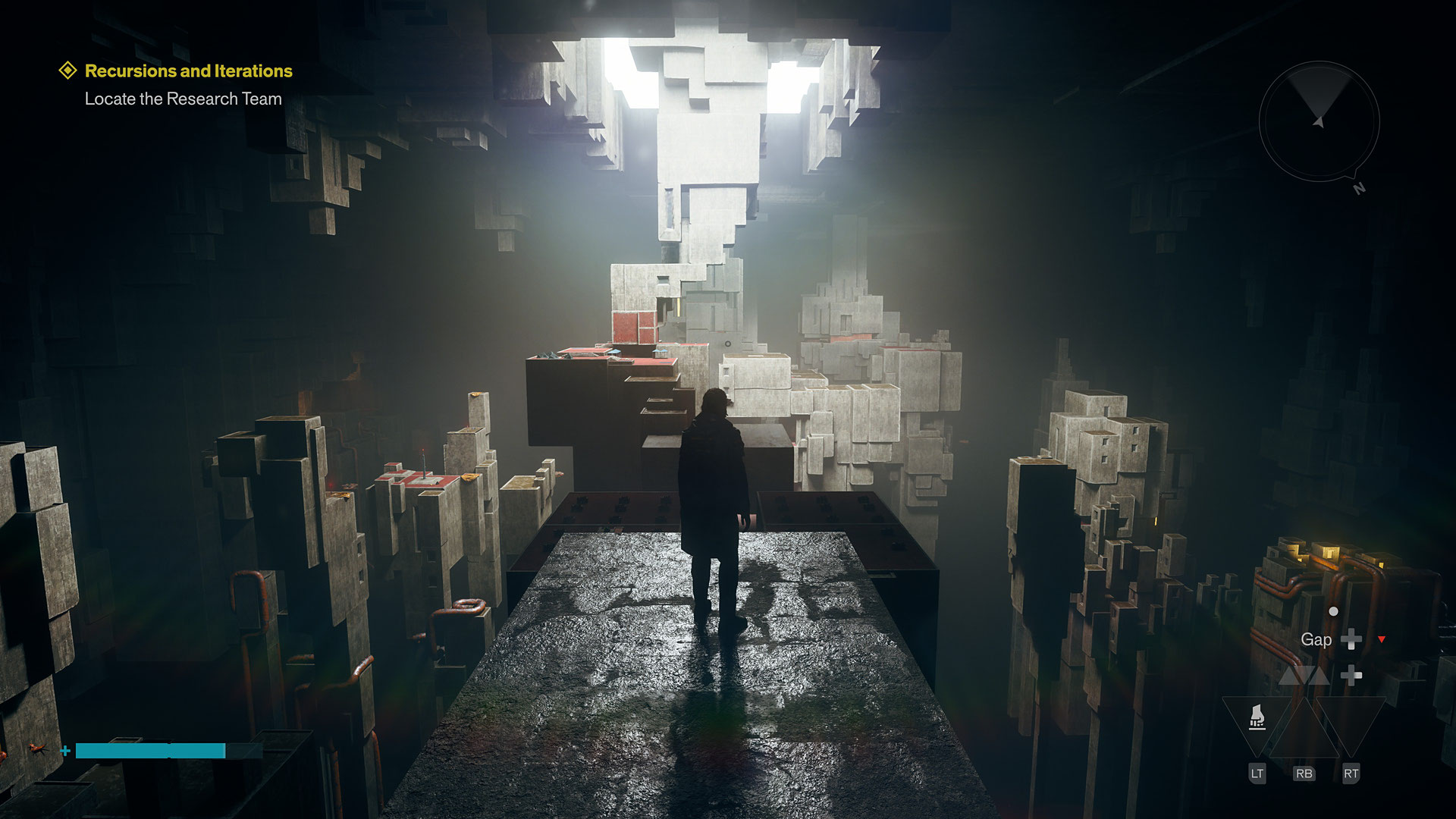
This alternate version of New York City is as confusing as it is breathtaking, with streets flipped upside down overhead and rooftops tilted sideways to form vertical bridges. If Dylan can reach one of those surfaces, he can walk on it like normal ground, which Remedy describes as a challenge of relearning what “ground” even means. The game takes on a Metroidvania-style design, and as you open up more and more traversal abilities, like Reach and Shift, it slowly starts to blow your mind. It’s an interesting way to parallel what Dylan is feeling throughout the game itself.
Dylan was the face of the enemy in the original Control, and the sequel turns that around by making him the sole playable character, waking up after years in a coma to a world he doesn’t recognize, with his sister Jesse missing. The Federal Bureau of Control deploys him into the heart of the crisis with FBC field agent Zoe de Vera acting as his handler, while Simon Arish and Emily Pope return from the original game. I’ll avoid going any further than that to steer clear of spoilers.
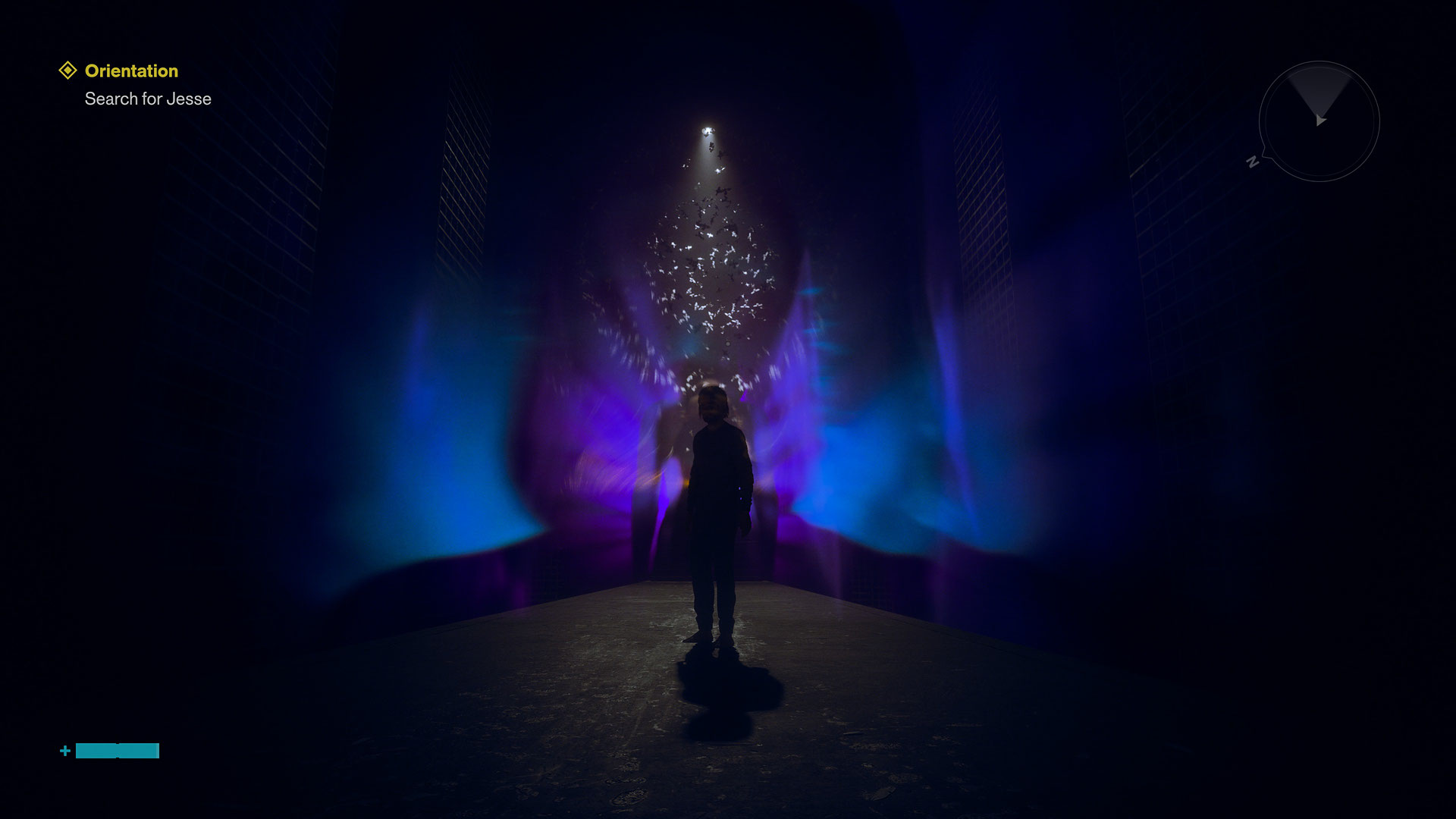
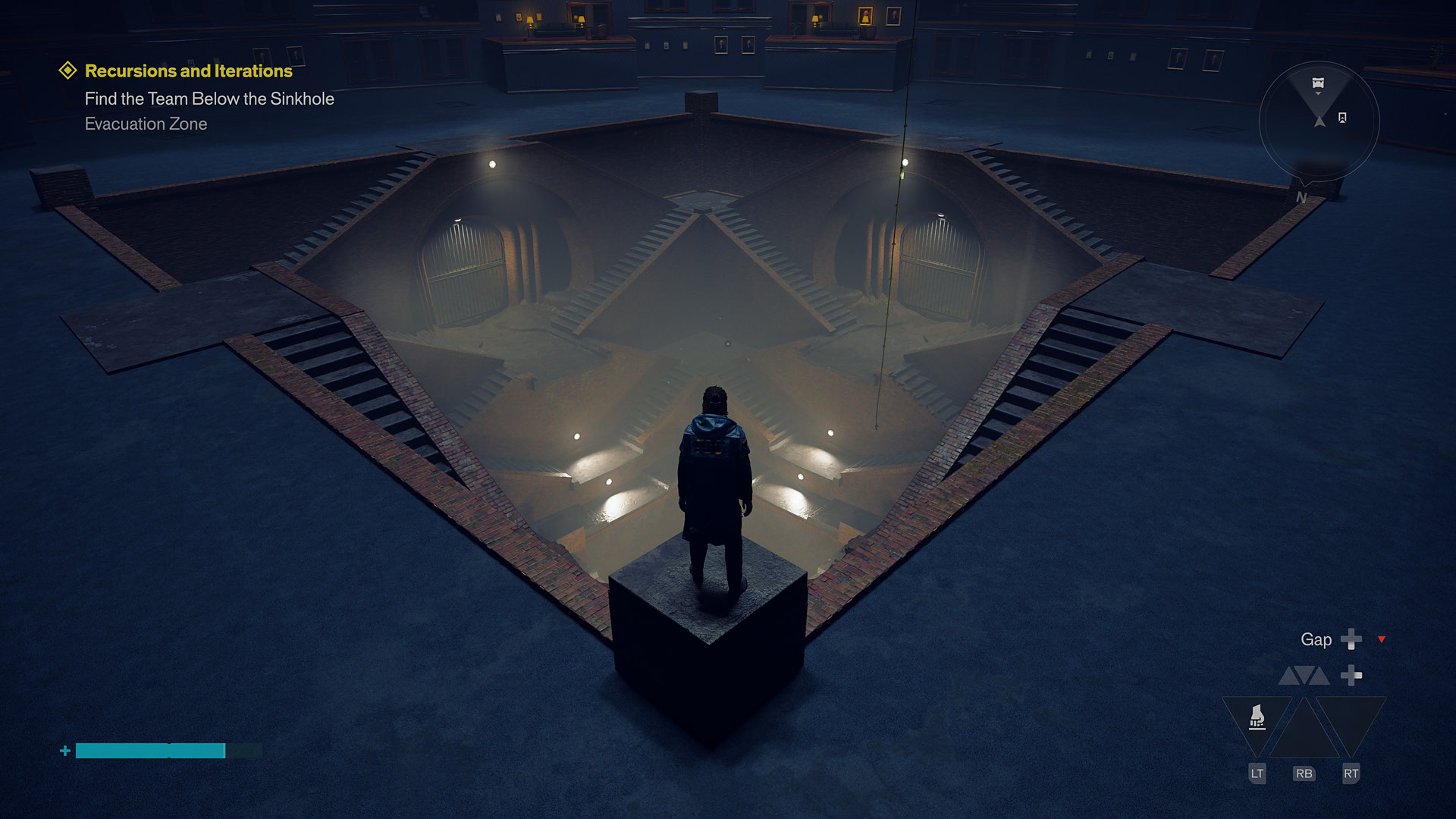
When I covered the game’s first major post-launch update, I mentioned I was taking my time with Control Resonant because I was enjoying the exploration so much, and that stayed true all the way through. Remedy estimates the main story takes 25 to 35 hours, and my playthrough ended up being close to 40. Fast traveling between zones is also nearly instant, as is jumping into the Gap, a liminal space within Dylan’s mind that he can access at will.
Sound and Vision
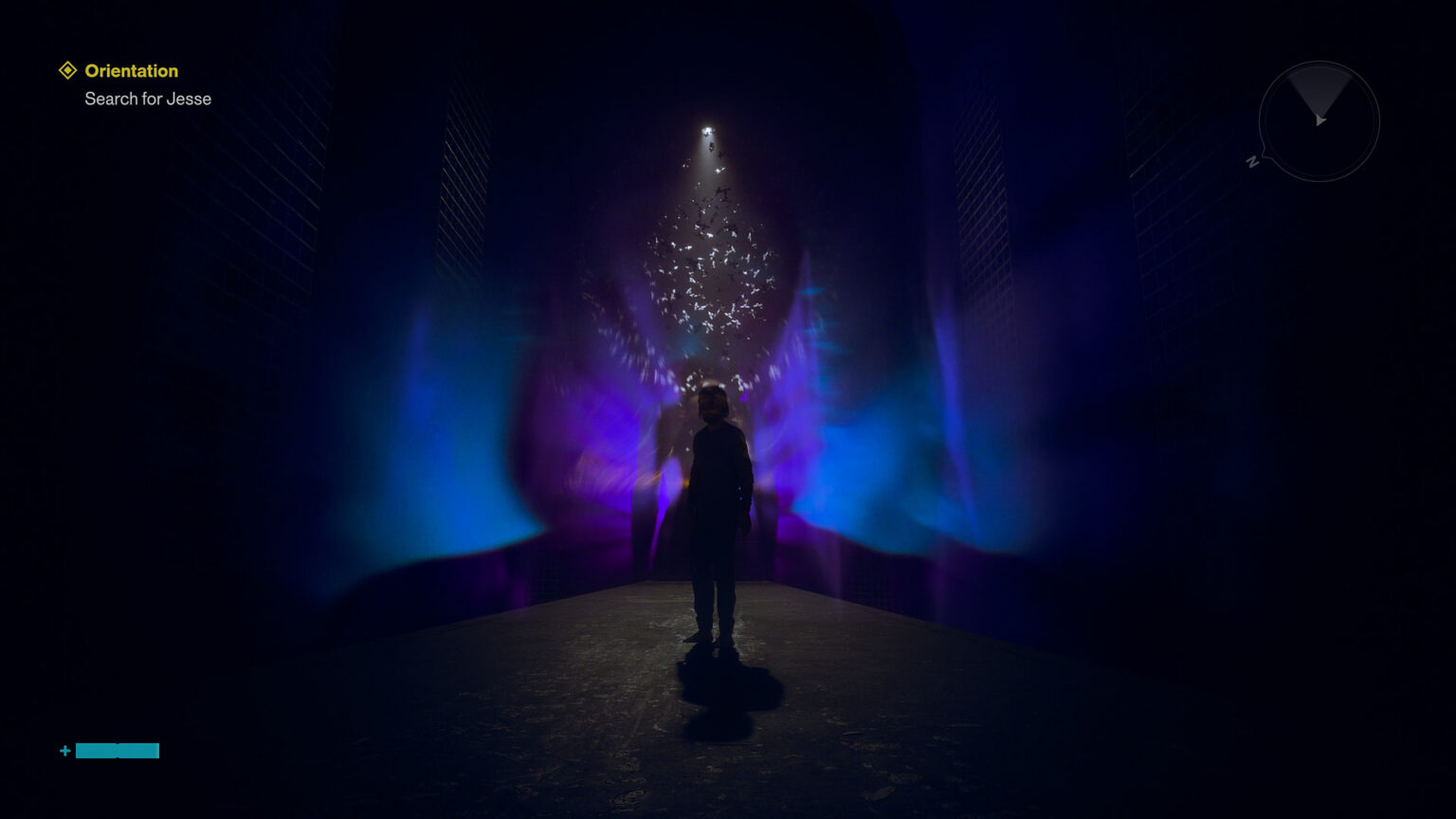
This is really where Control Resonant shines, as its art direction and use of music play an integral role in telling the story and setting the tone. Remedy has used music flawlessly throughout all of its games, and in my Alan Wake 2 review, I wrote about how effectively that game used original songs created specifically for it, with most of them playing at the end of each chapter. Control Resonant follows a similar path, opening with “Upperhand,” a new track from Finnish cello-metal band Apocalyptica, while Dylan’s FBC handler, Zoe, shares some of her favorite songs with him during key moments of the story. Remedy released those six original tracks as Zoe’s Mixtape ahead of launch, with each one written specifically for a particular moment in Dylan and Zoe’s journey.
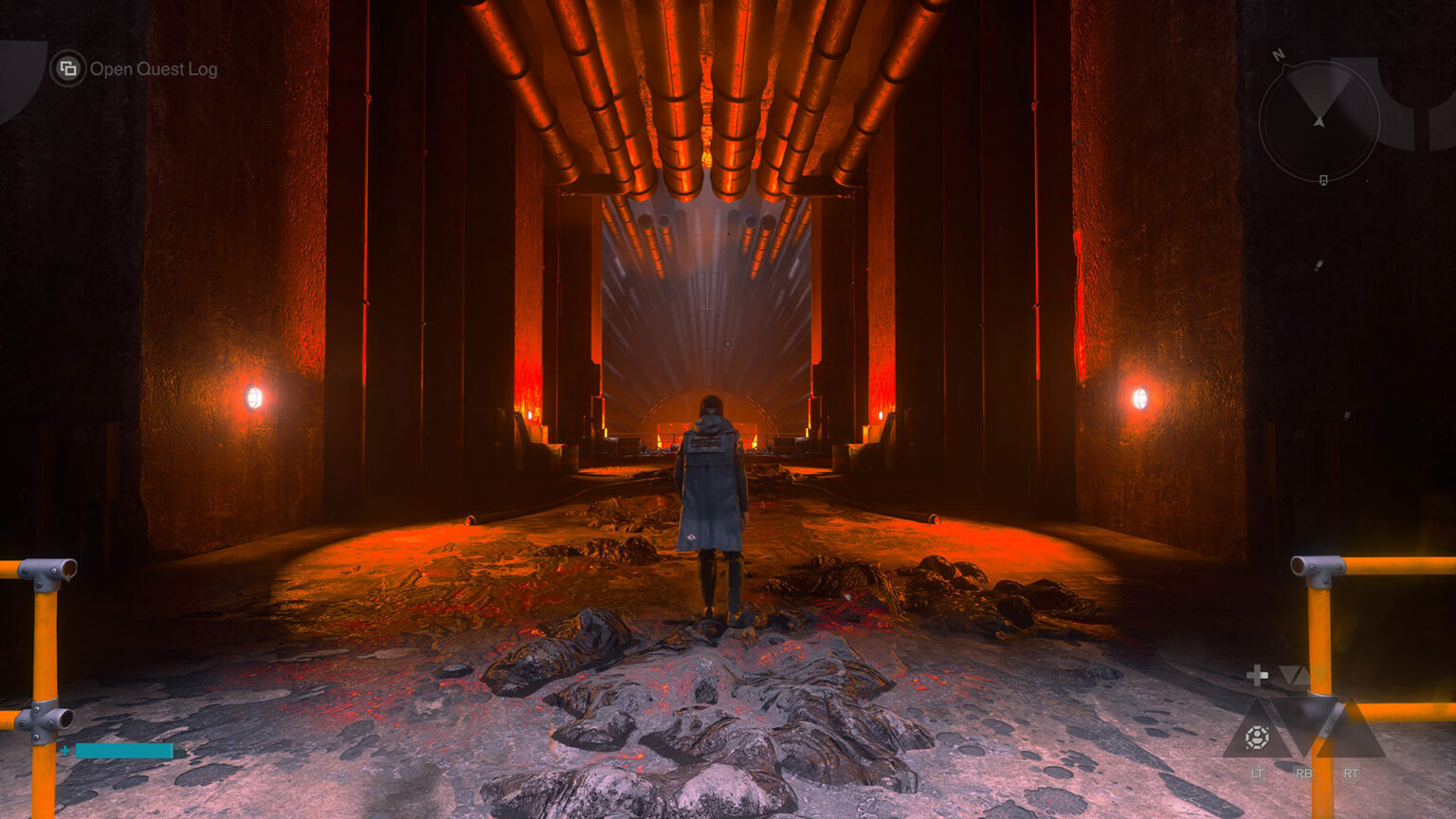
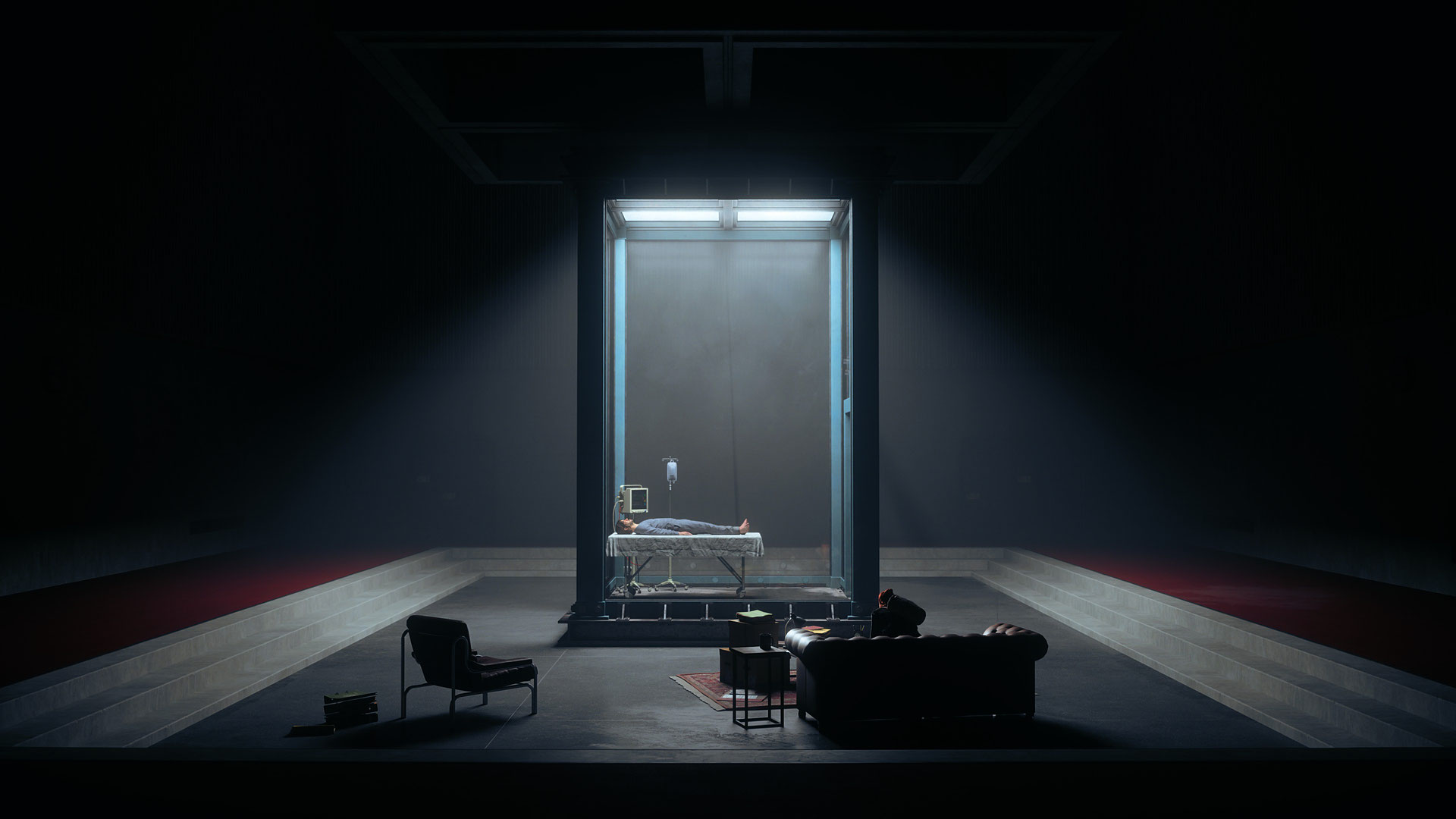
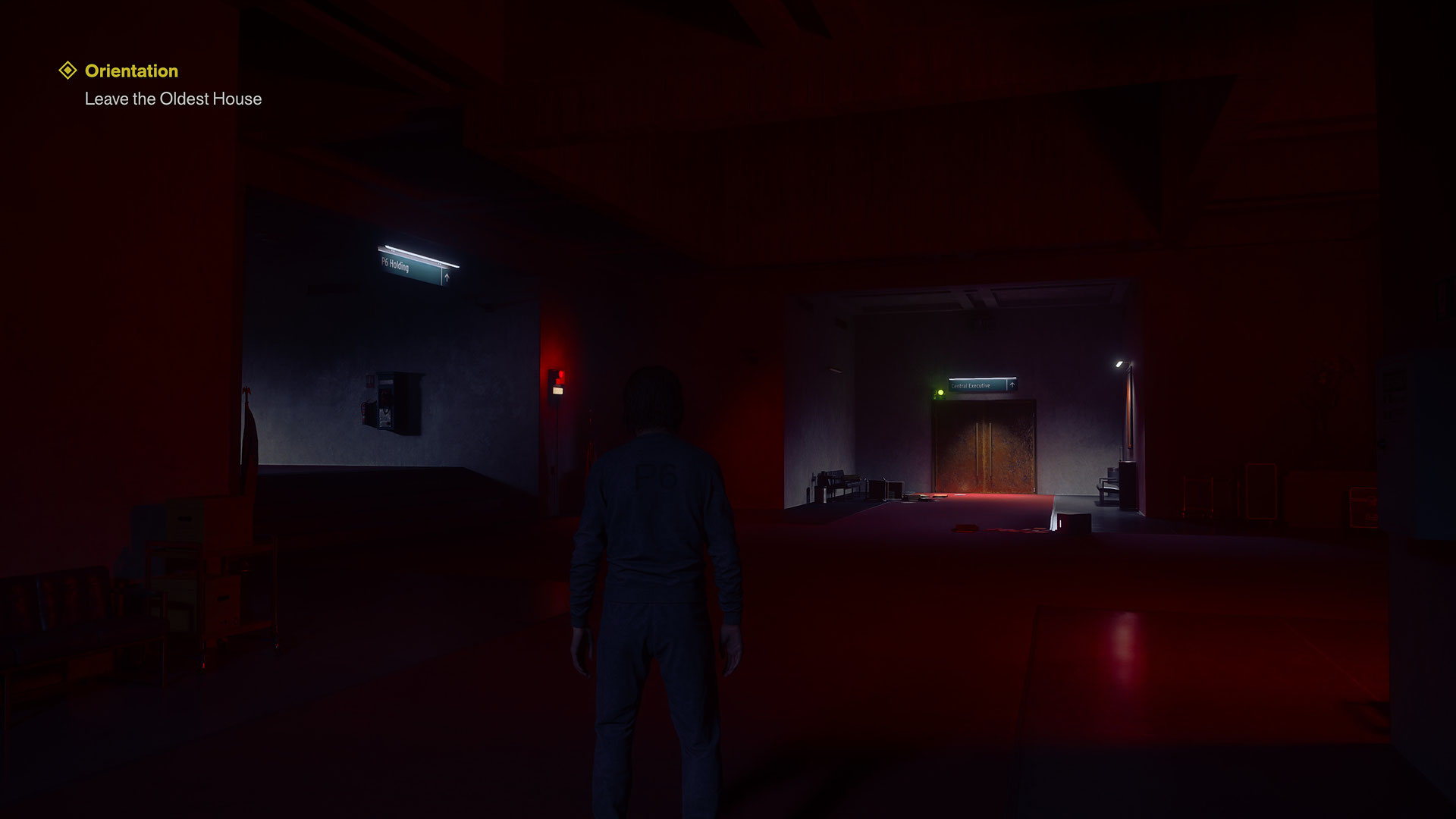
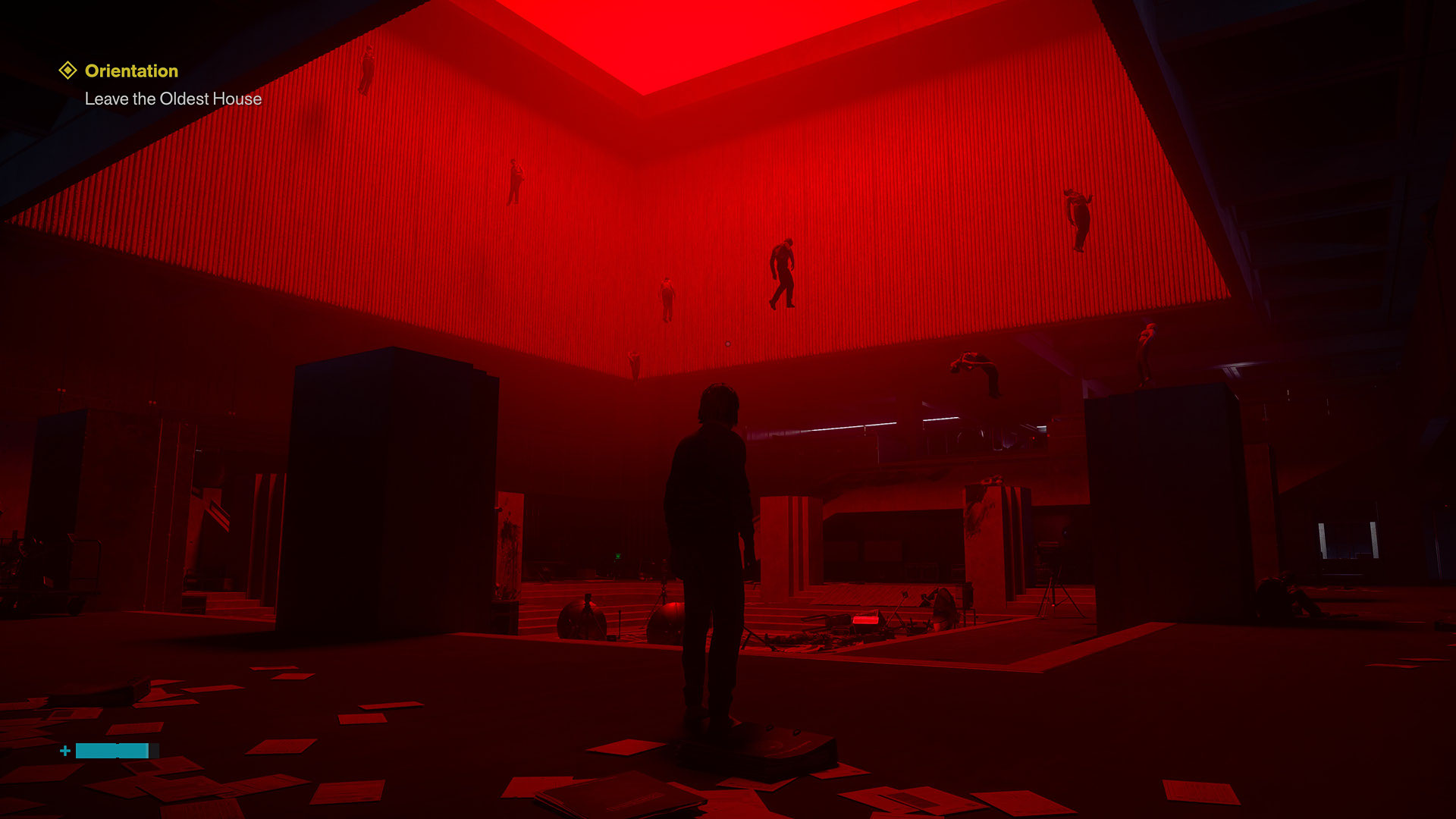
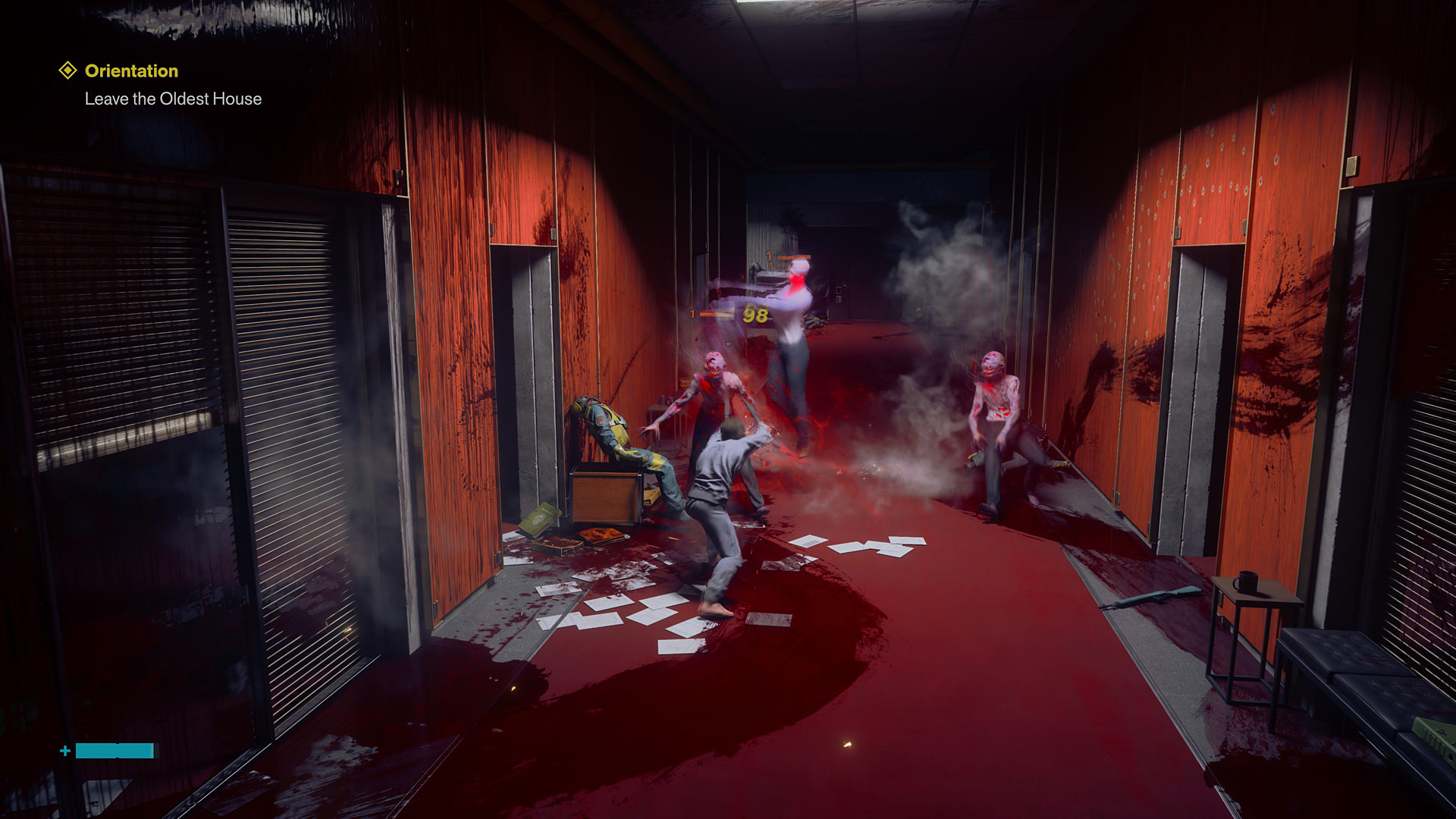
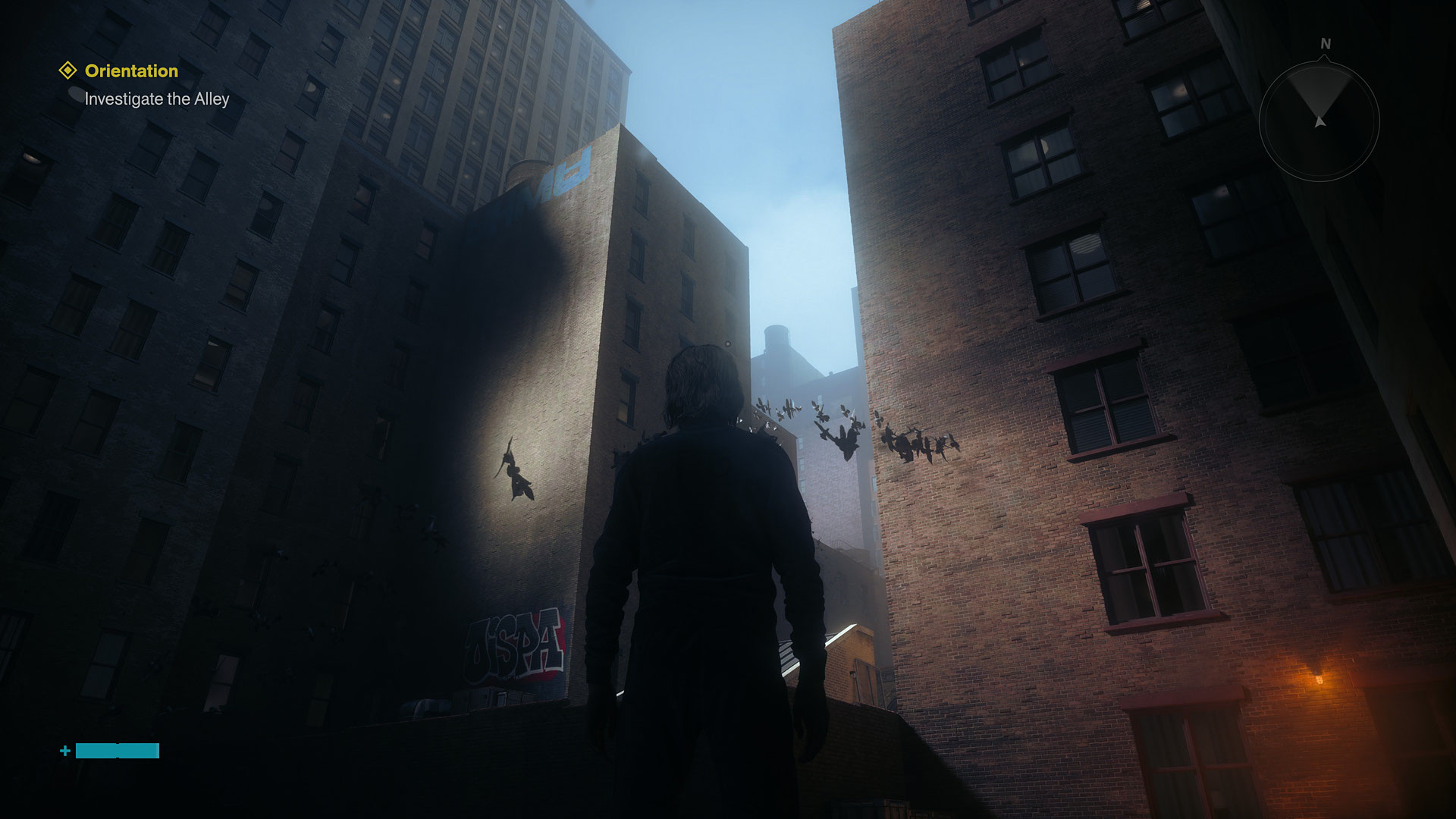
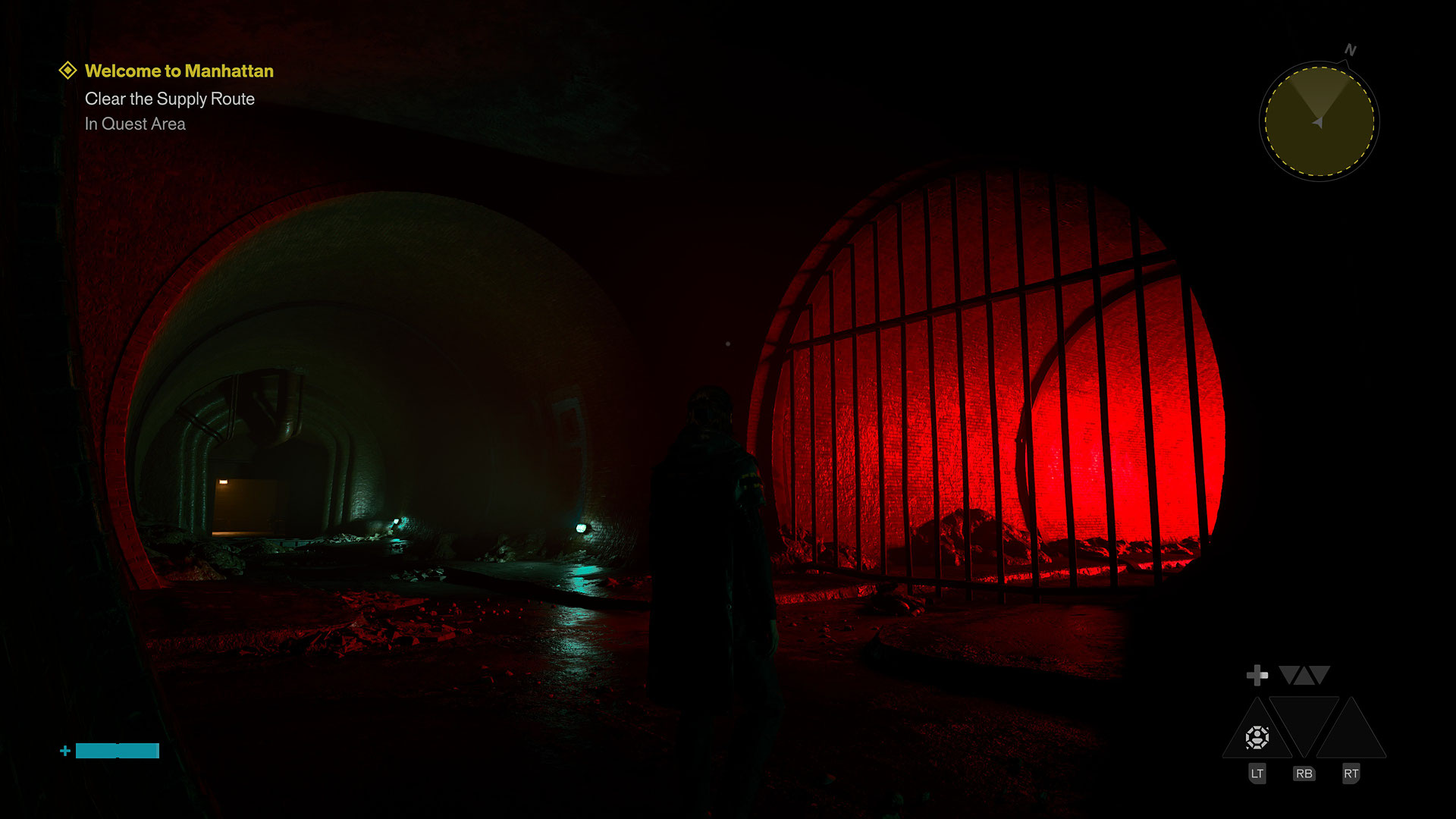
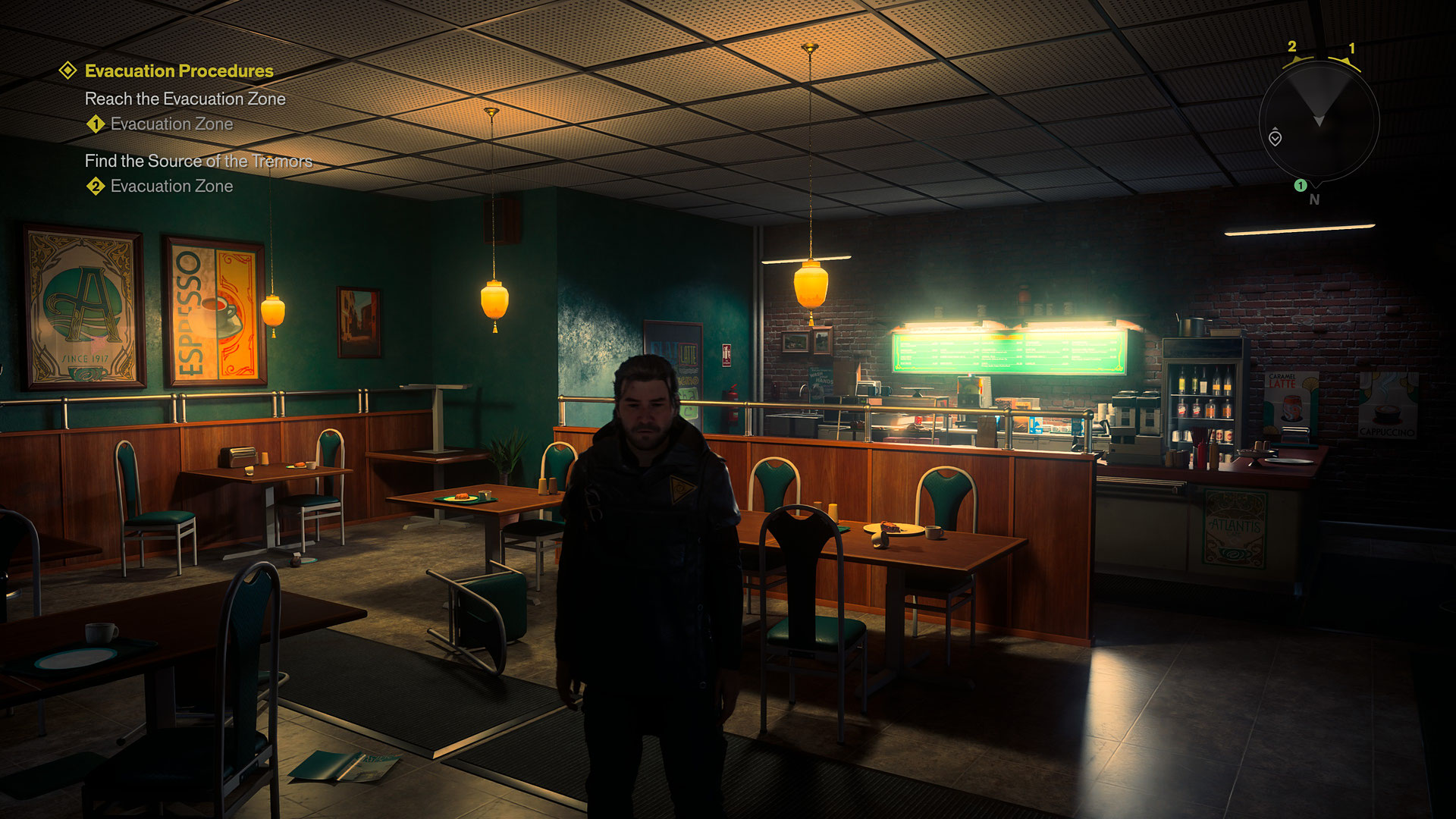
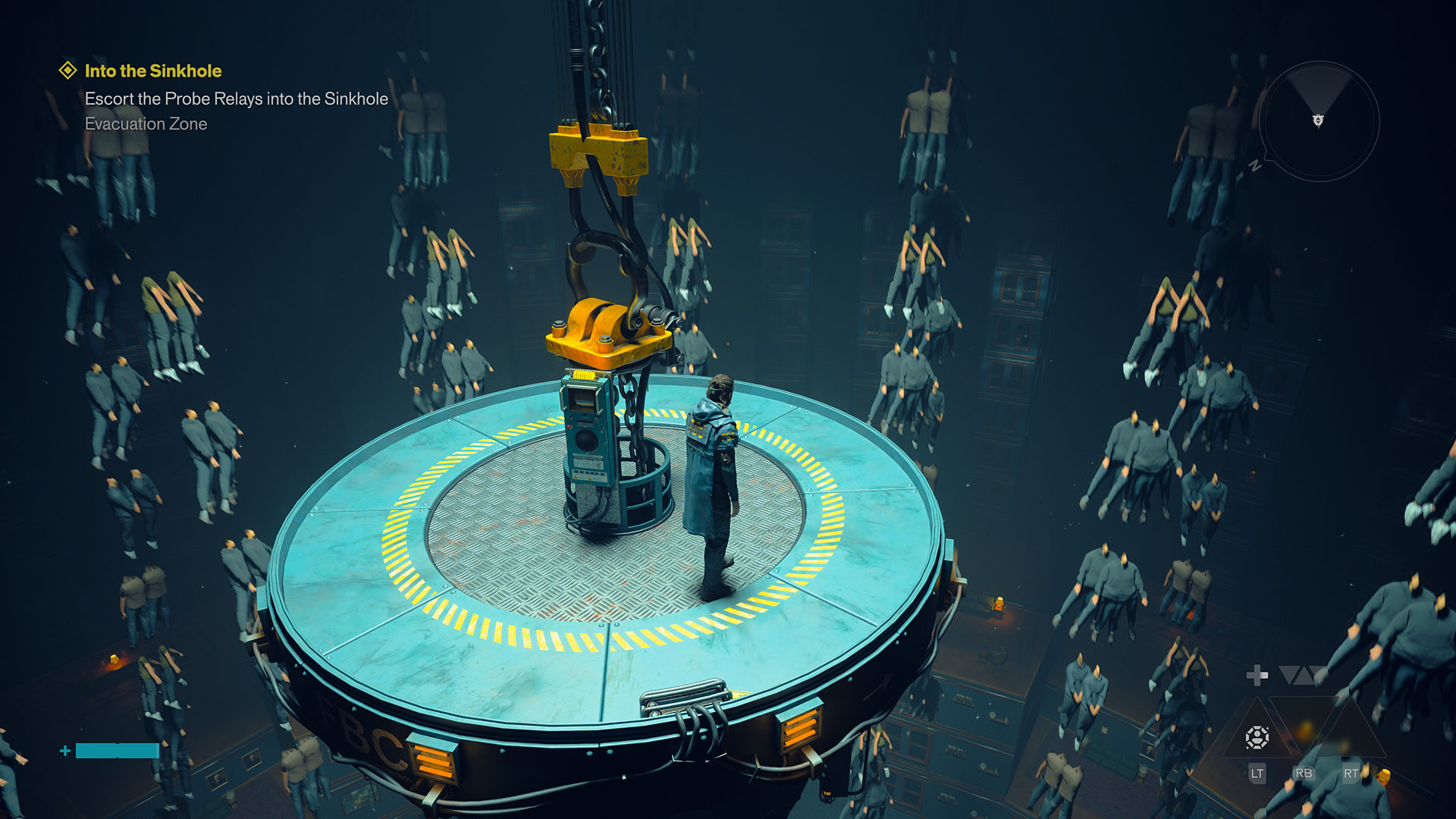
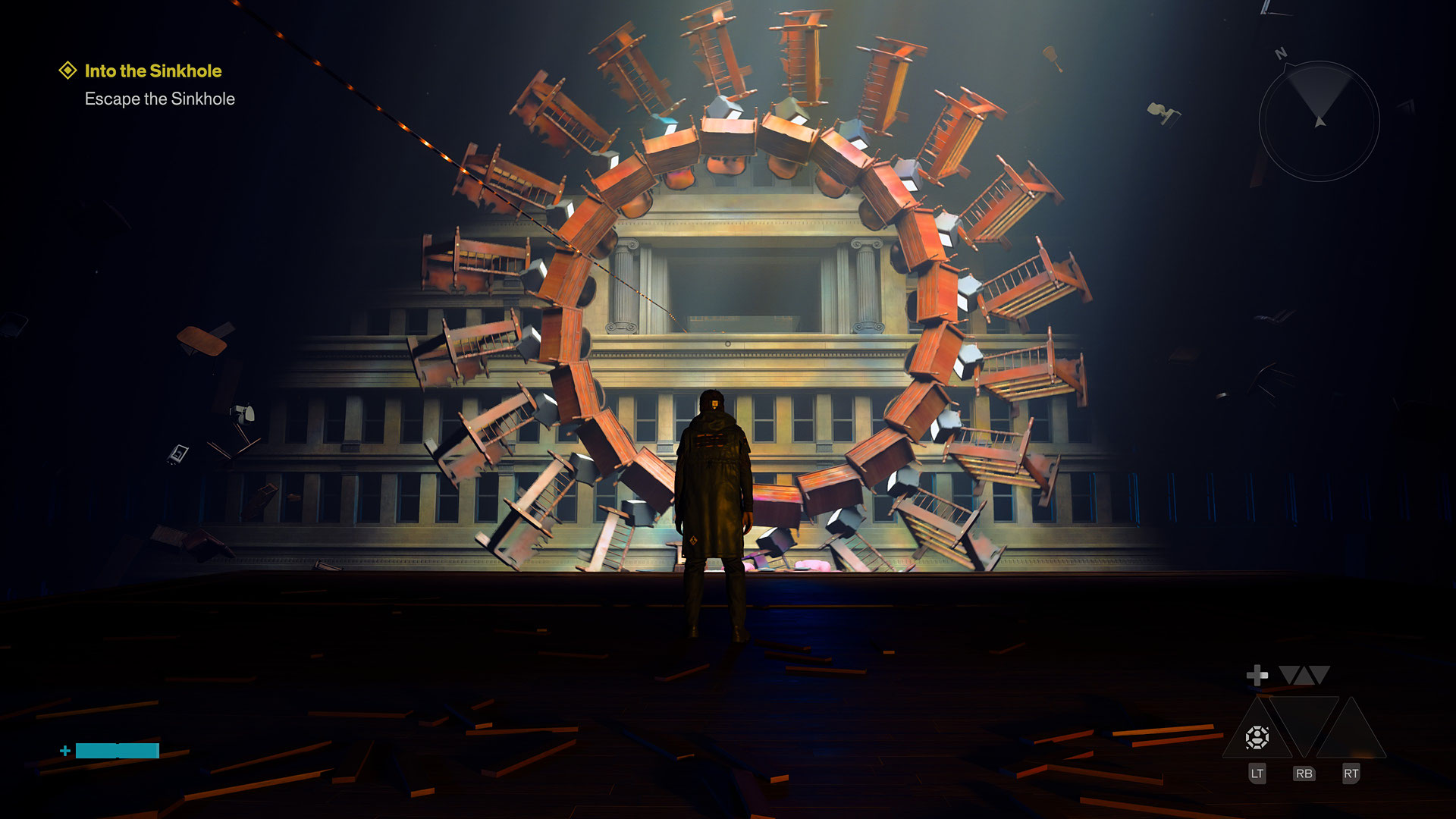
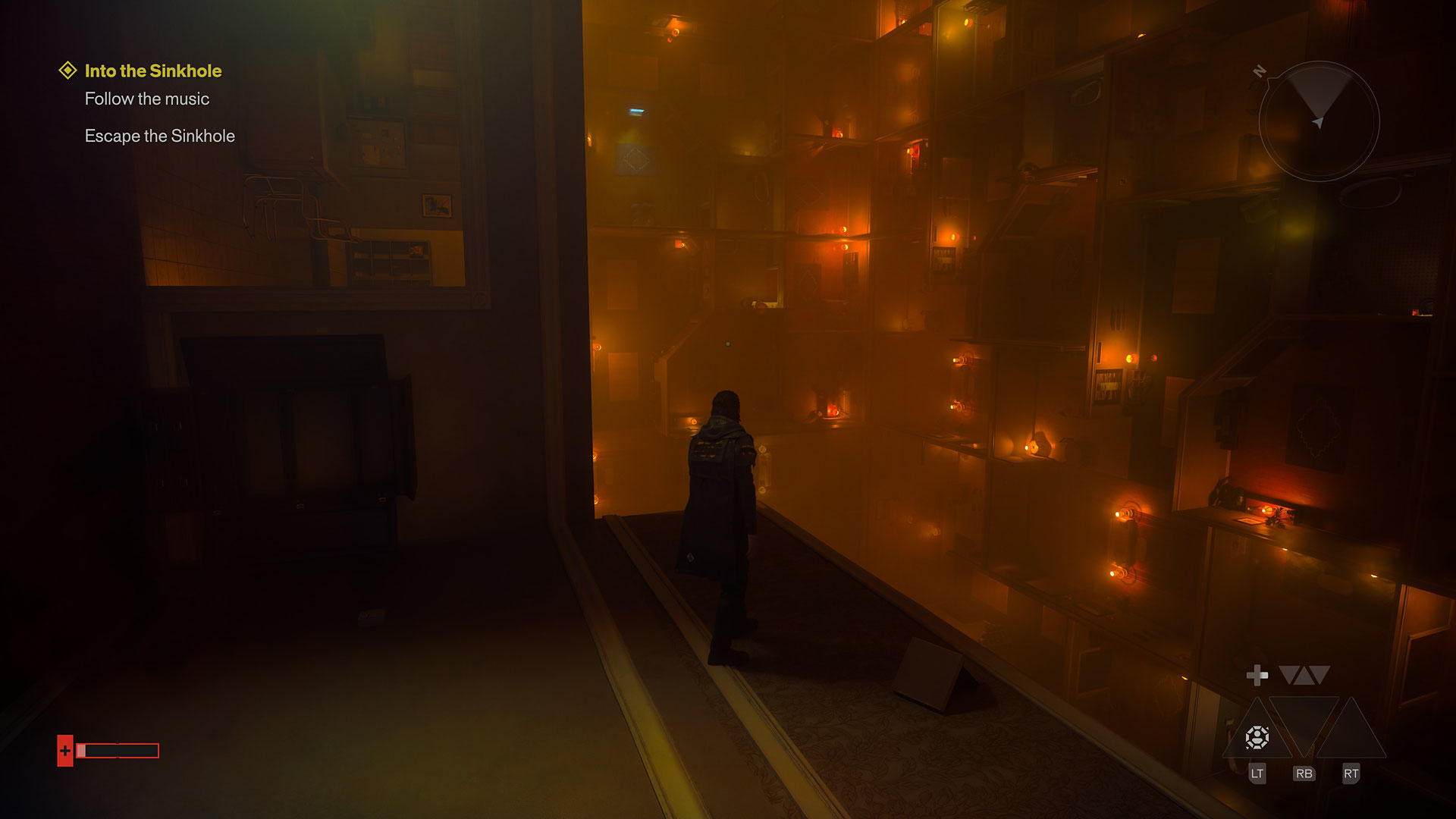
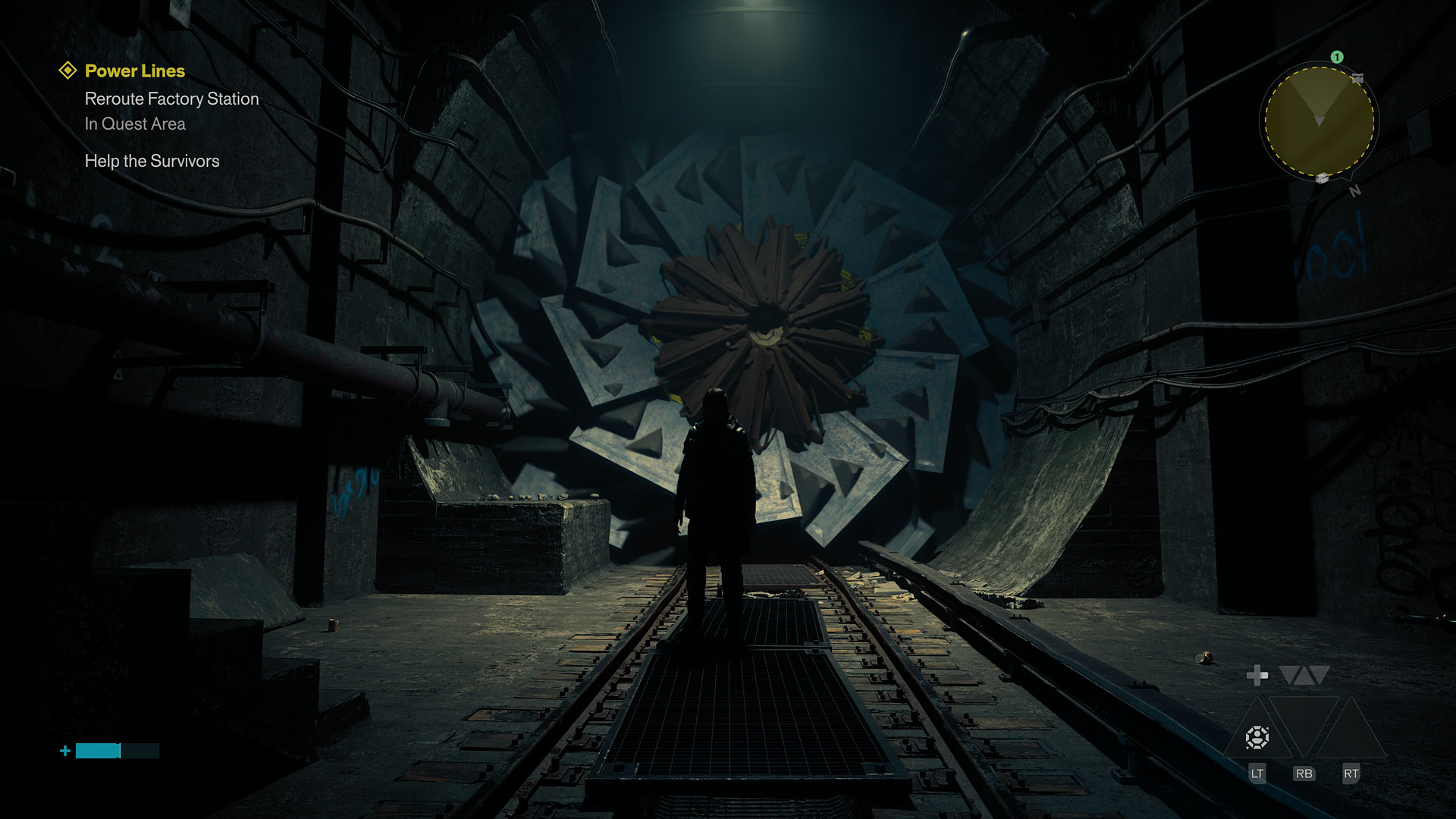
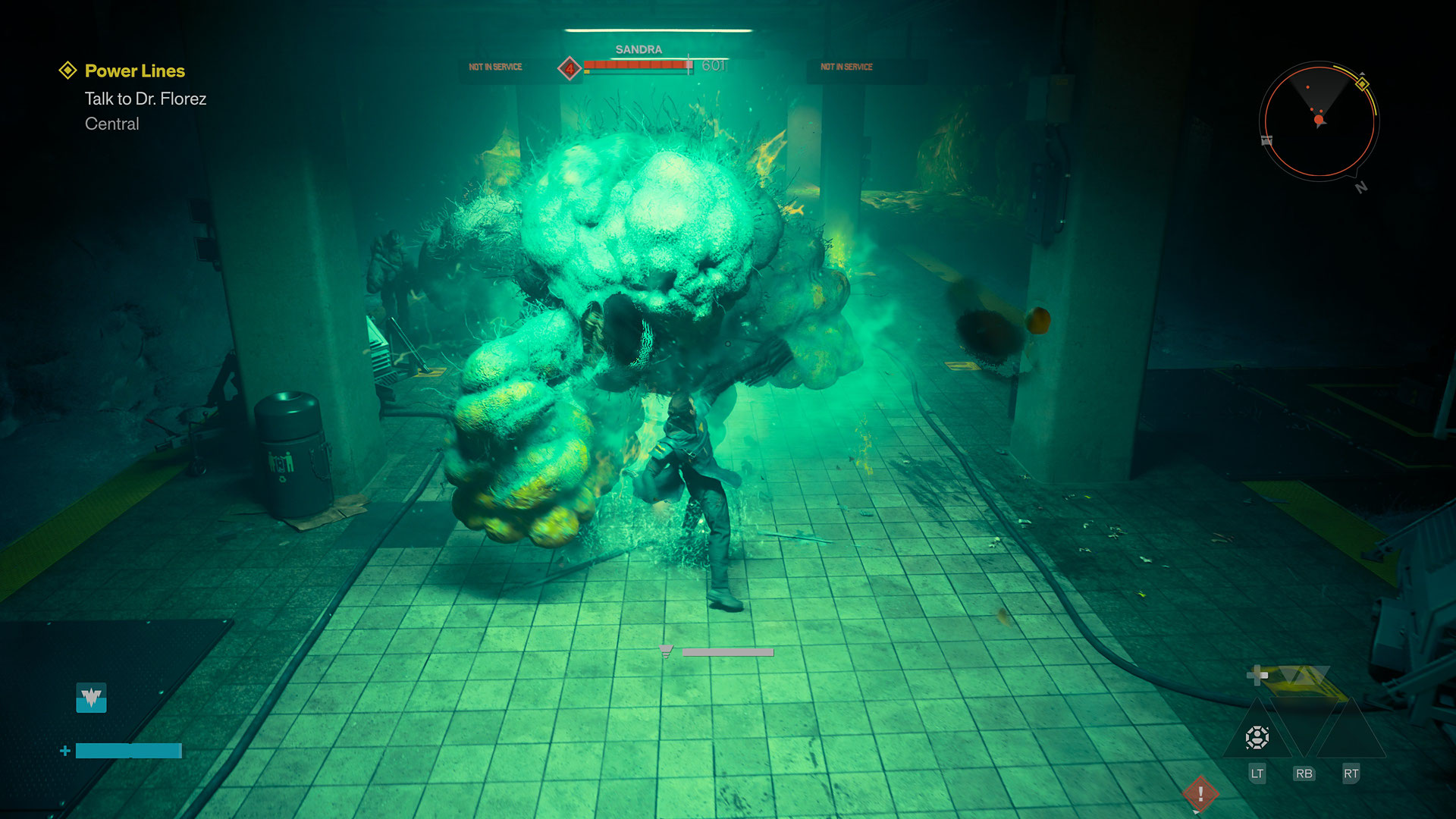
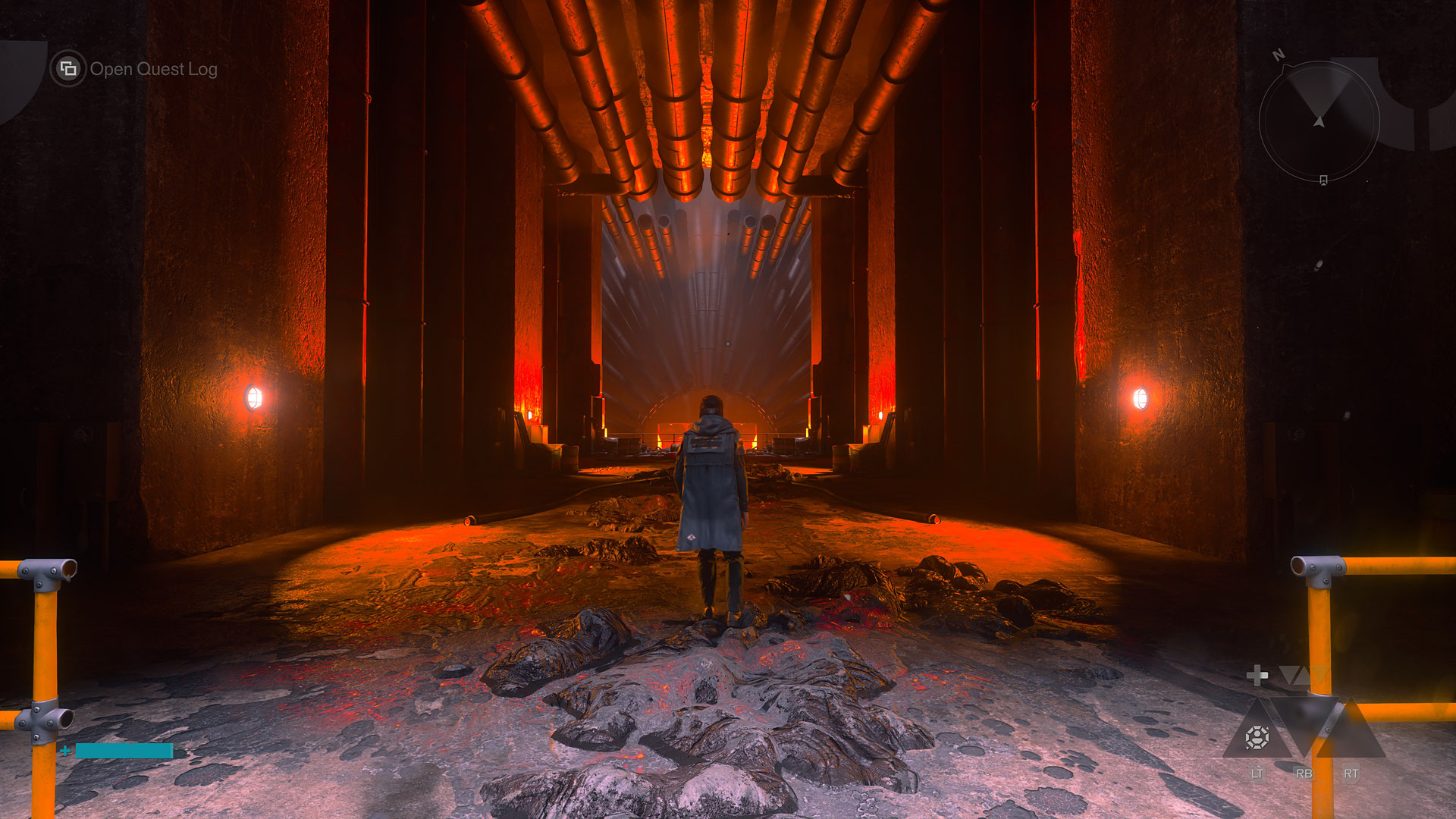
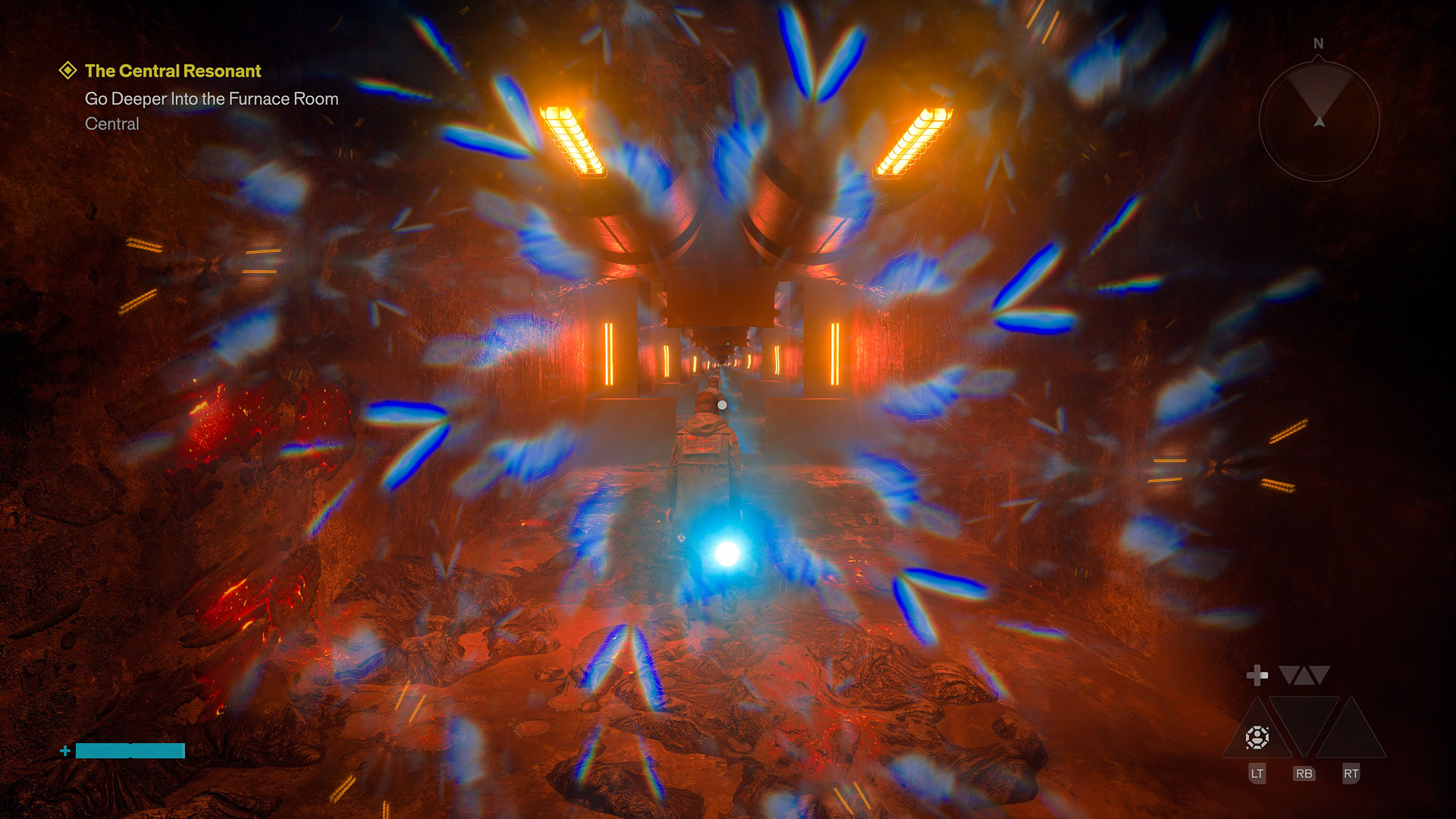
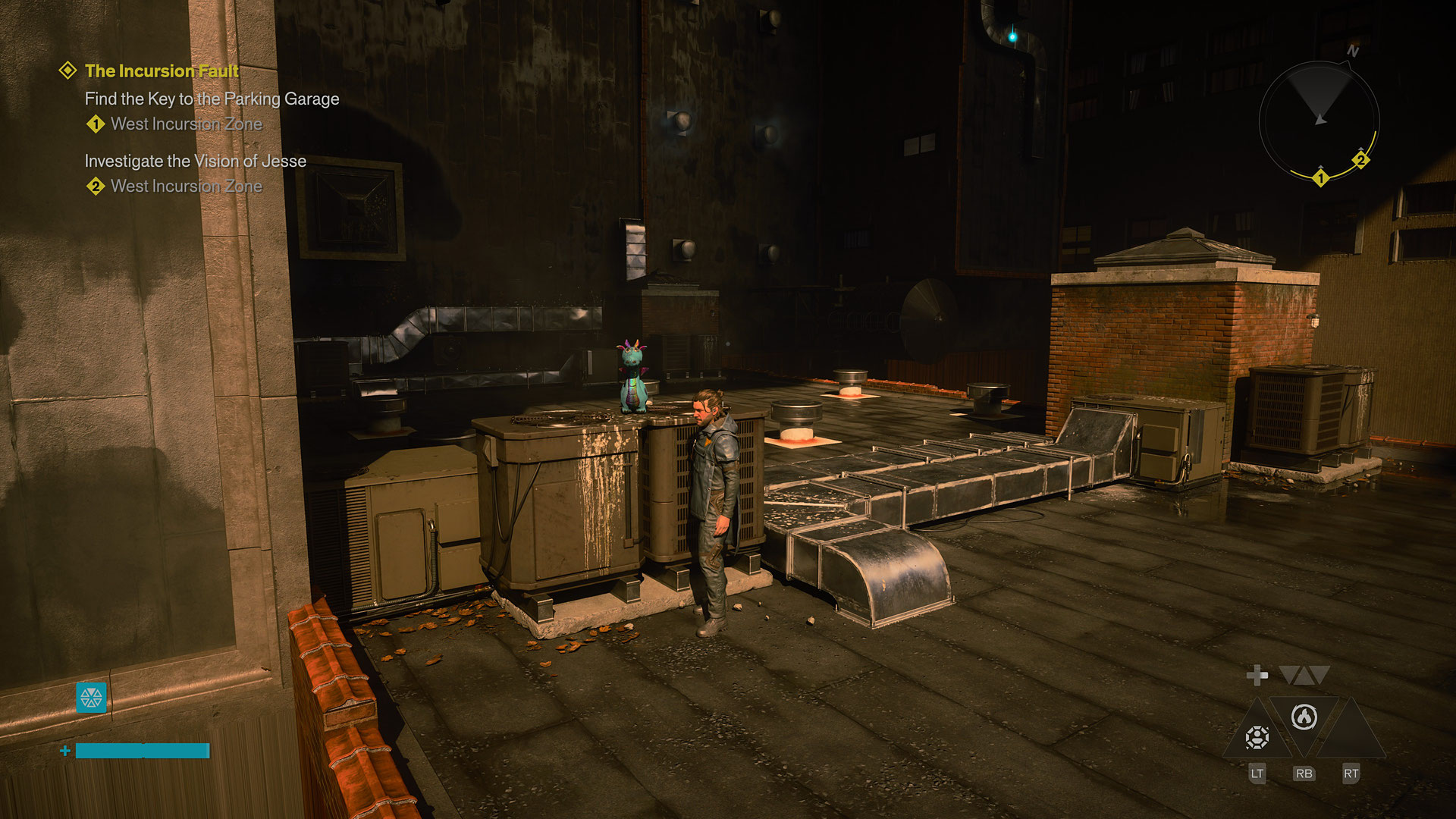
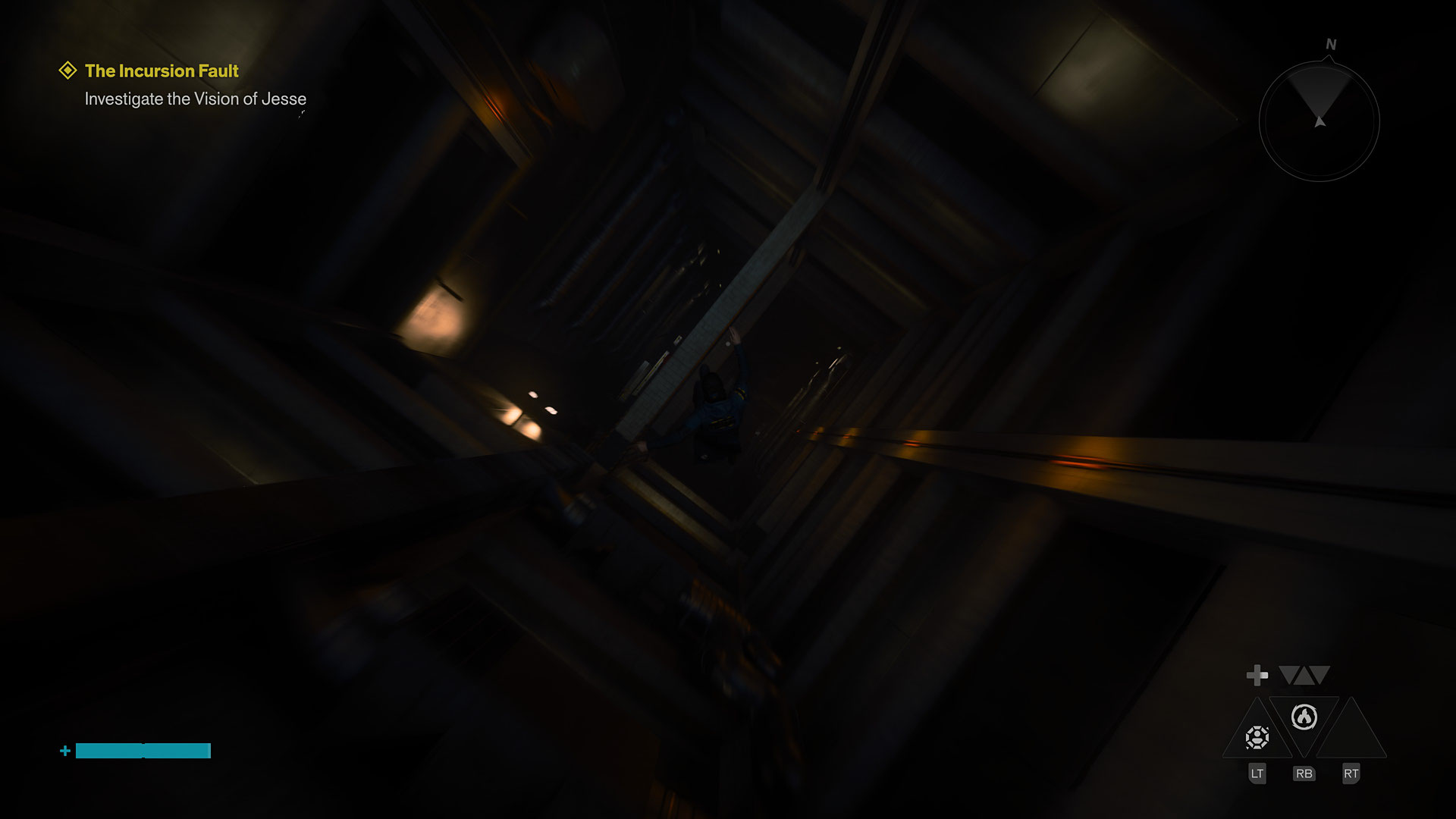
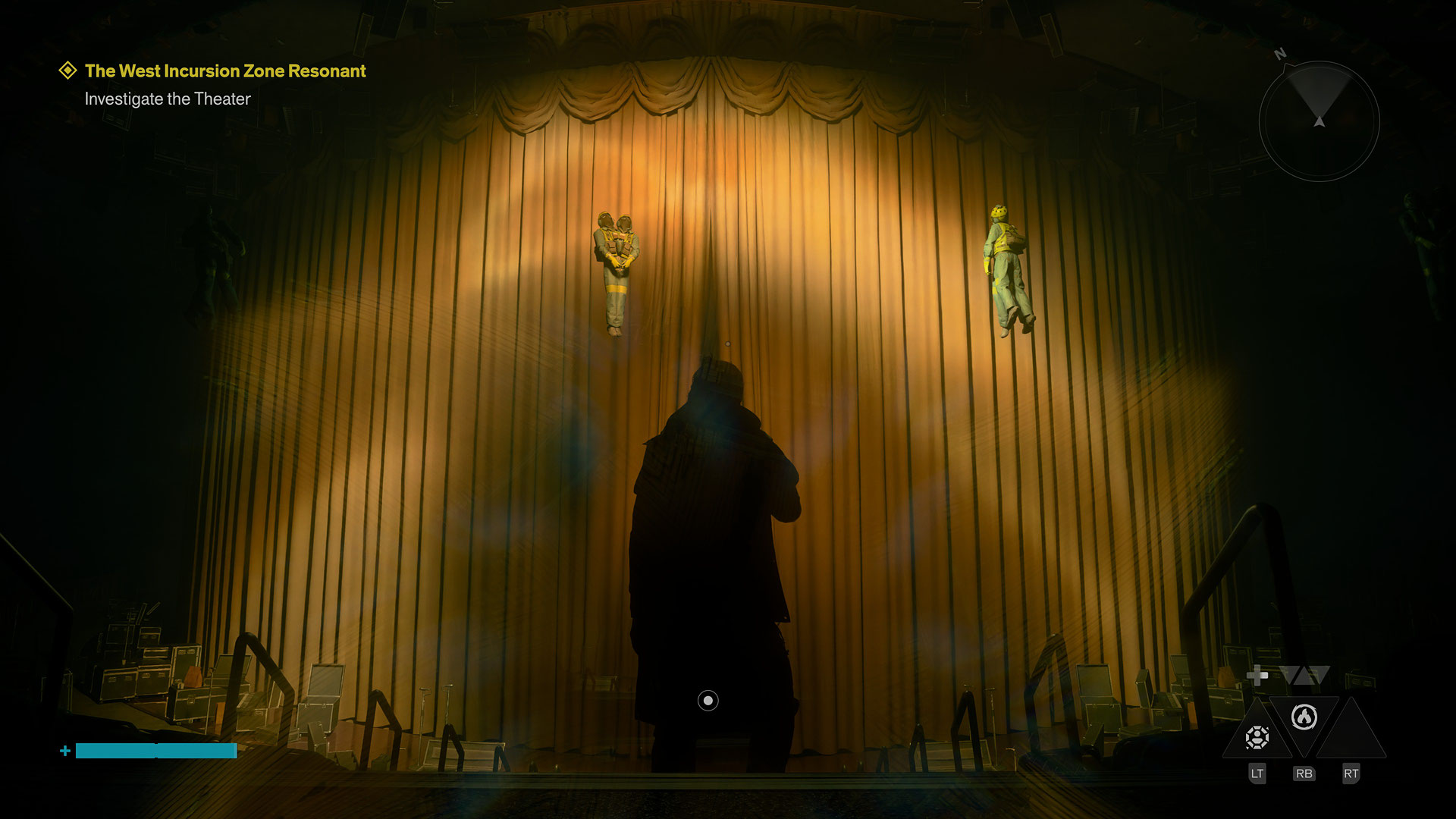
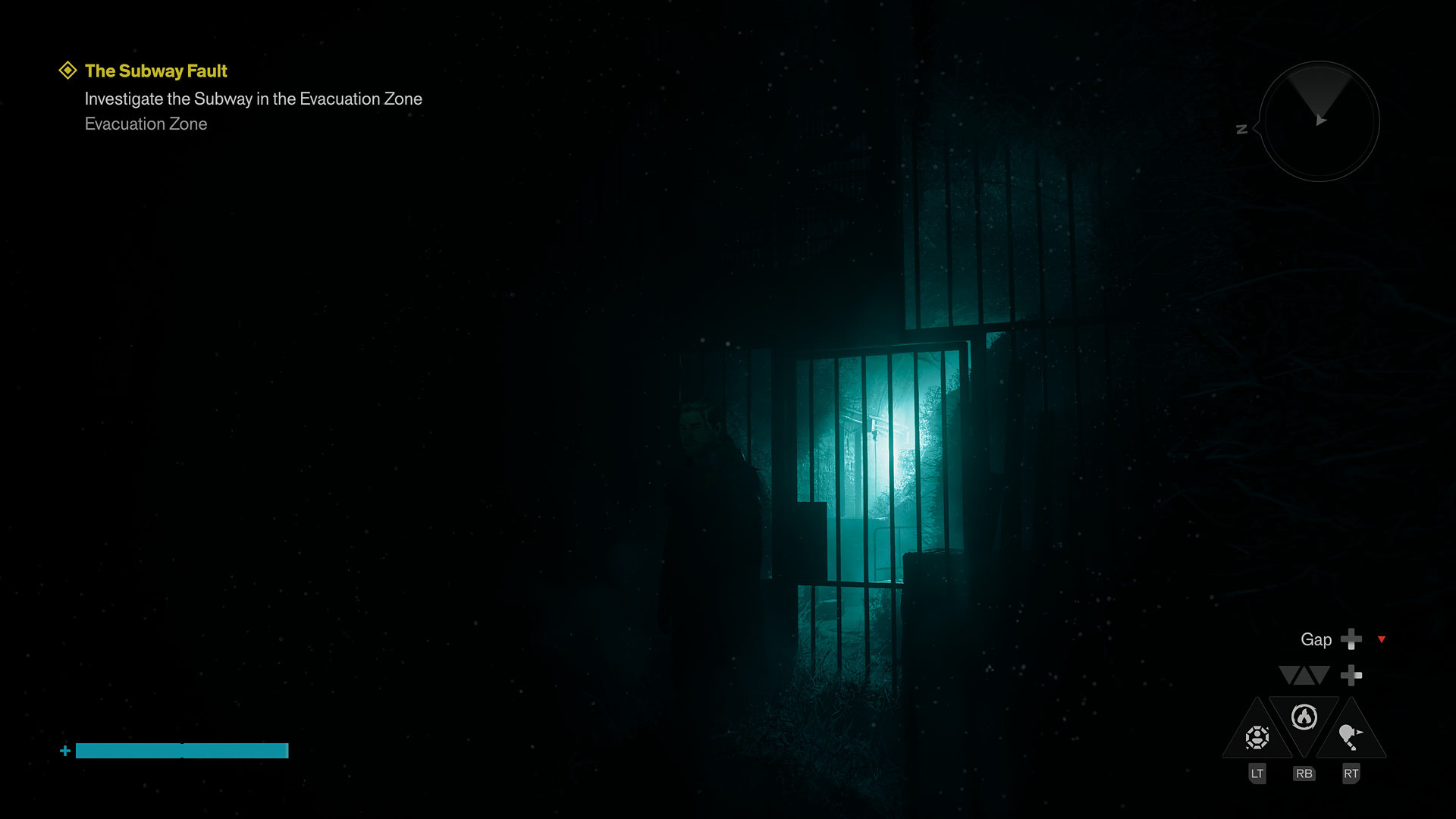
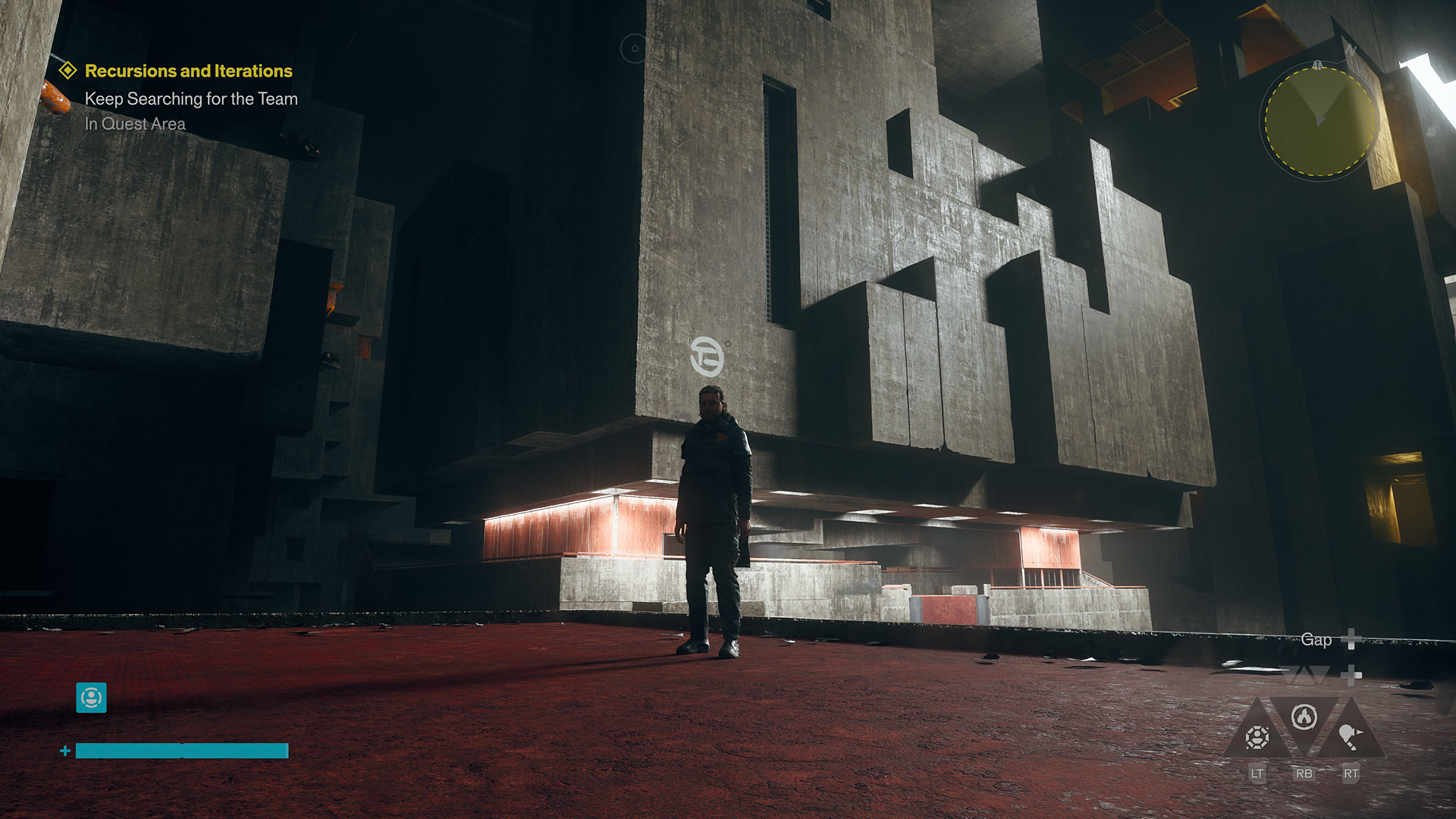
I ended up taking so many screenshots throughout my playthrough because the areas in Control Resonant were so unique and bizarre. I genuinely can’t think of another game that gives you the sort of memorable, mind-blowing environments that Control Resonant does. For those who also find themselves snapping screenshots constantly, Remedy says a dedicated Photo Mode is expected sometime in November, after the studio prioritized getting the game itself into the best possible shape for launch.
I played Control Resonant on my gaming PC, and performance was great throughout my playthrough, with no issues to report. With everything turned on, the game looked really good, and Remedy launched it with full path tracing, DLSS 4.5, and RTX Mega Geometry support on PC. When the studio first detailed those features, I said the original Control was one of the best showcases for ray tracing when it launched in 2019, and that it still holds up as a graphical benchmark today. For anyone with less powerful hardware, Remedy’s PC requirements start at a GeForce GTX 1070 for 1080p at 30 FPS on Low settings, while 4K at 60 FPS with path tracing calls for a GeForce RTX 5080 with Performance upscaling.
Directionally Challenged
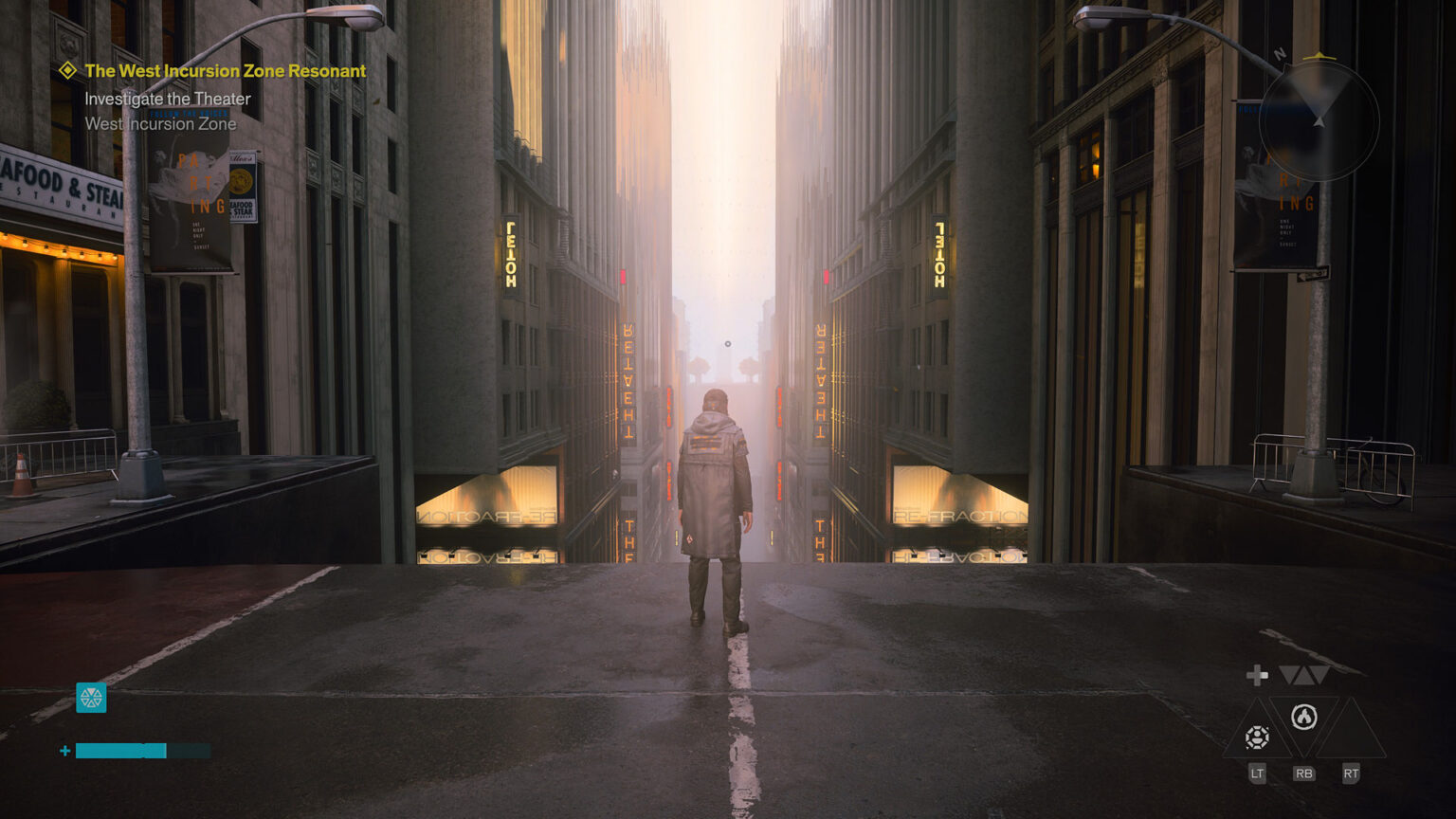
As someone who has a very difficult time recognizing my surroundings and spends hours backtracking and looping through the same areas over and over, some sections of Control Resonant were my worst nightmare. Never has a game made me feel dumber than this one, but in a good way. Once I figured out what I had to do, there was the relief, but also that strange sense of satisfaction you only get when you feel a bit clever (even though you’re really not).
That said, if you’re like me, there are sections you’ll find genuinely frustrating when it comes to figuring out where you have to go. In my Marvel’s Wolverine review, I complained about how linear the game’s structure is, along with the Scent Trails leading Logan to his objectives and the giant pings marking crates and other points of interest. Compared to that, Control Resonant’s deliberate design to leave you lost and confused was a very welcome change of pace.
I also have to give credit to the game’s designers, because there are some sequences that subtly point you toward where you need to go. Going from rooftop to rooftop and trying to figure out how it all works becomes part of the puzzle, too. Still, I do think it’s worth mentioning that some people may not enjoy the idea of being aimlessly lost for potentially hours.
Mash Course
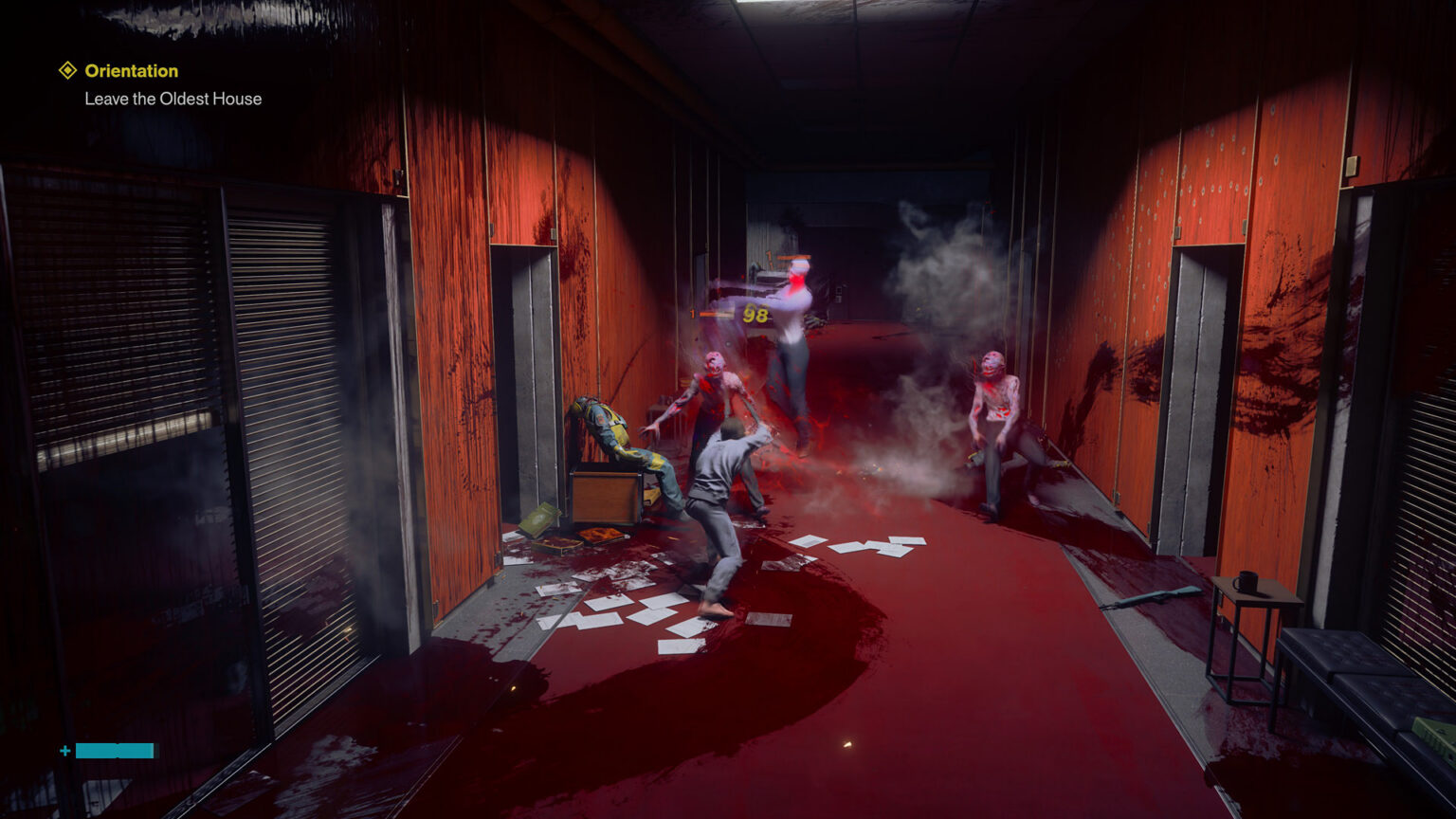
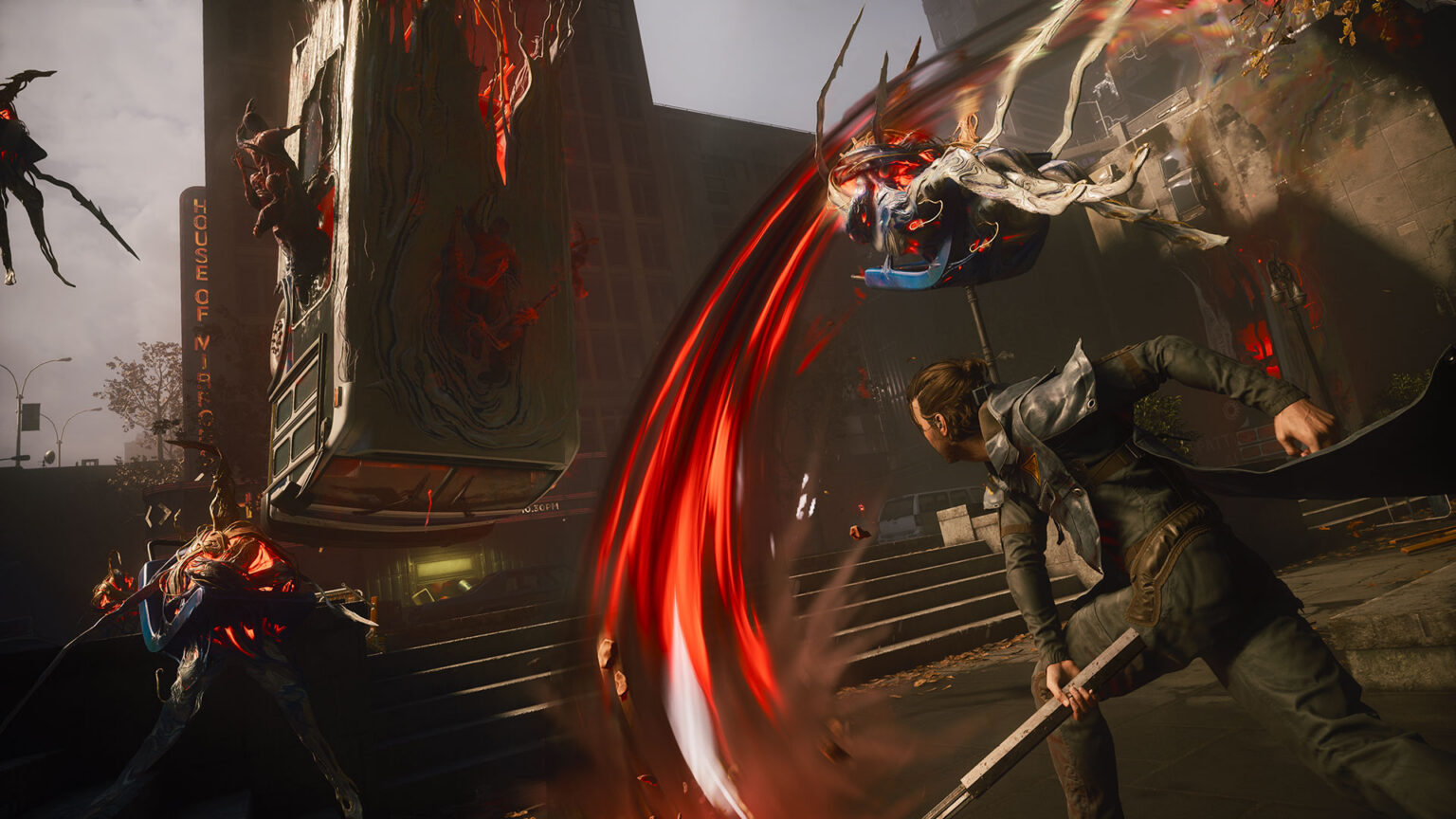
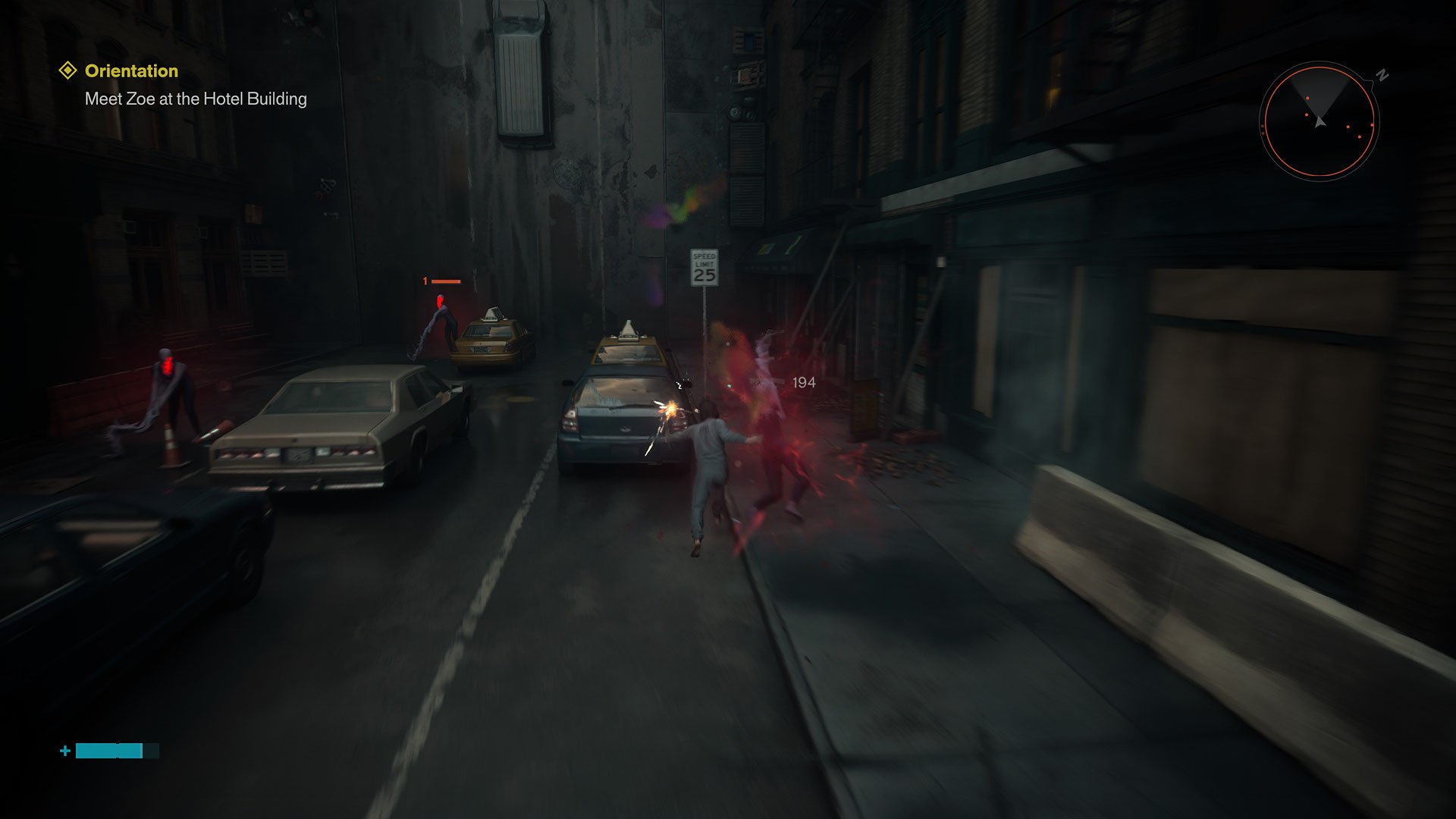
When it comes to combat, I personally enjoyed the original Control’s combat much more, and in my Alan Wake 2 review, I even called out how smooth and intuitive Control’s combat was compared to Alan Wake 2’s. If I ever have a choice in a game, I always pick ranged over melee, which is very likely the reason why I favor Control’s combat. Control Resonant puts Dylan’s shapeshifting weapon, the Aberrant, front and center instead, with forms like the Hammer, Blades, Scythe, and Fists, and you can equip both a primary and secondary form in your loadout.
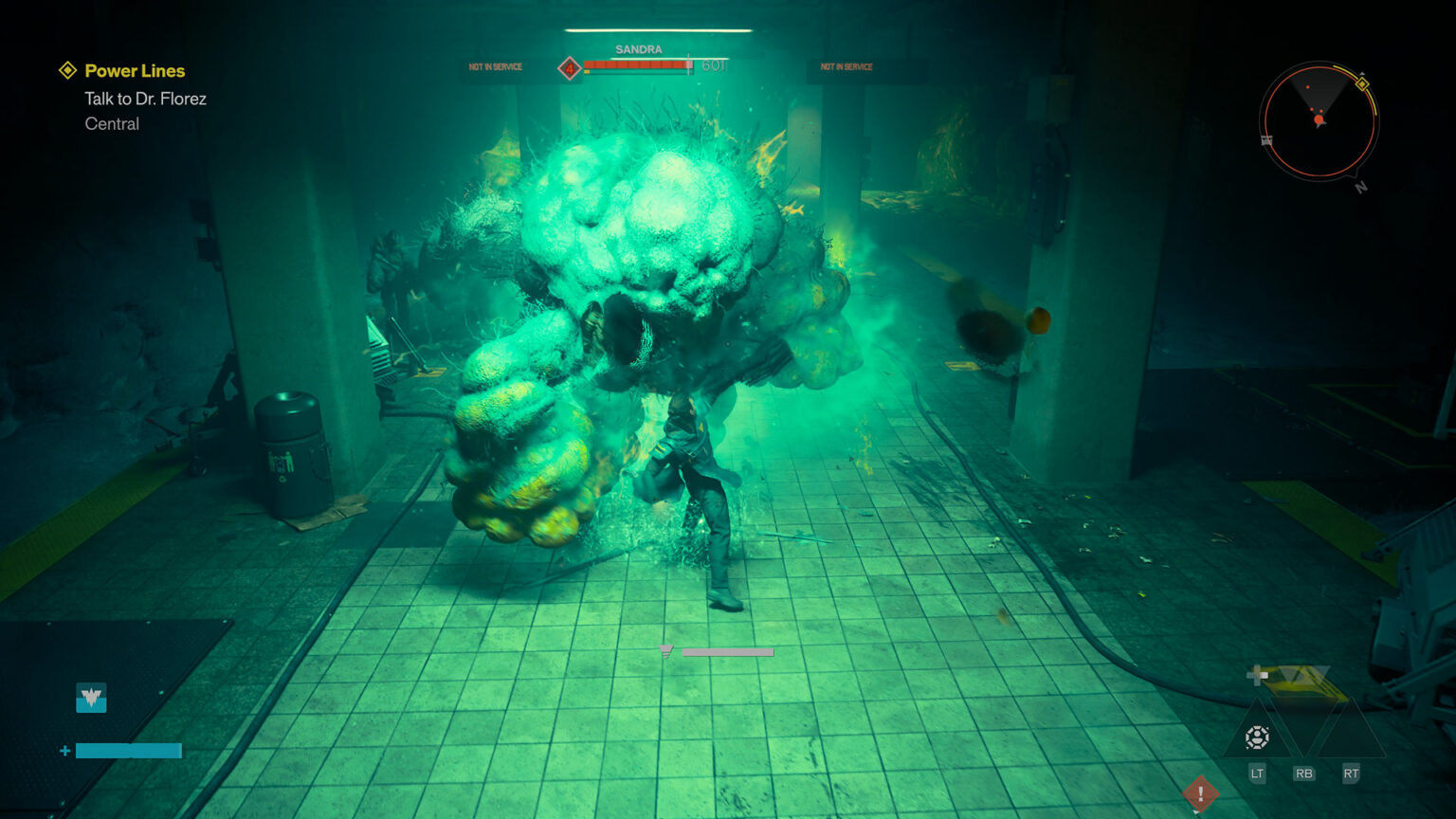
Control Resonant’s combat isn’t boring by any means, but it does feel a bit button-mashy and repetitive. I did find it much more enjoyable than Marvel’s Wolverine, though, especially once I opened up more skills and figured out all the different build ideas there are. That’s a big difference from Wolverine, where, as I noted in my review, the skills you unlock only change fights ever so slightly. Defeating Resonants, the game’s powerful bosses, is also how Dylan gets new combat abilities. By the end, I was juggling powers like Shield, which can protect Dylan while still being used offensively, Growth, which summons Mold allies that fire Infected projectiles at nearby enemies, and Ignite, which sets the Aberrant ablaze and adds fire damage to his melee attacks.
Then there’s enemy variety, as Control Resonant really does expand the types of mobs you fight to keep you on your toes. To a certain extent, it’ll change up how you deal with the groups you run into, and it might even force you to change up your loadout depending on which skills you favor. If the challenge ever becomes too much, Remedy swapped traditional difficulty levels for an Assist Mode with individual sliders for things like enemy aggression, the perfect dodge window, and incoming damage, and as I said when the studio detailed it, Remedy would clearly rather you adjust the rules and keep playing than give up.
Zoning Laws
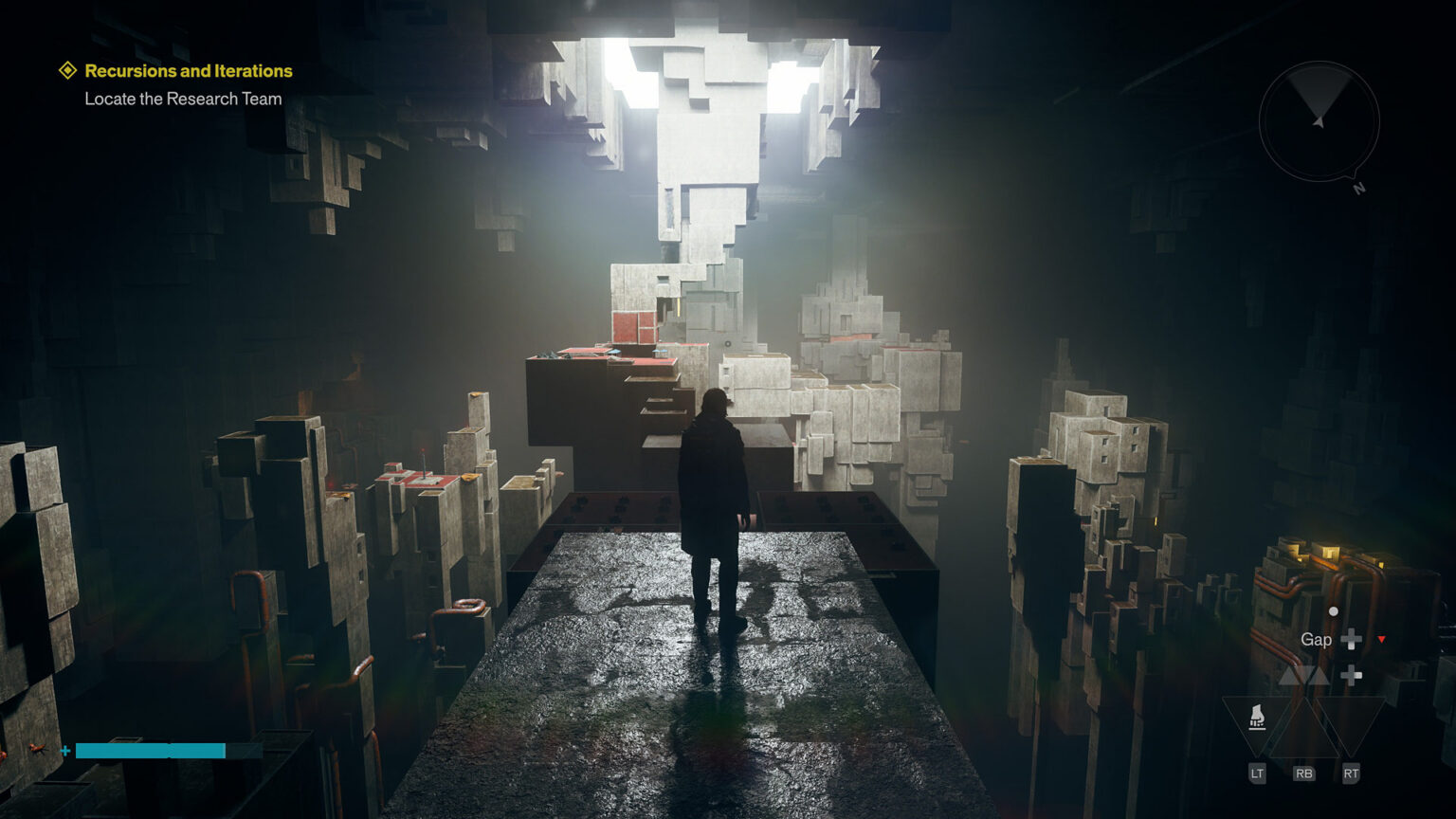
Exploring the world and leveling up each zone is also interesting, mainly because Dylan himself doesn’t earn experience points the way he would in a typical action RPG. Instead, each zone of Manhattan has its own level, so pretty much everything I was doing there, whether it was fighting enemies, finding secrets, completing World Feats, or finishing quests, contributed XP to that area. Every time a zone levels up, it grants zone improvements that apply in that area, such as more health drops during activities, along with a Talent Point to spend on Dylan.
All of Dylan’s upgrades are managed in the Gap, where you can spend Talent Points, upgrade the Aberrant, craft Artifacts, and test out builds. Before heading into a fight, you can choose your primary and secondary Aberrant forms and whichever combat abilities you want to bring with you. Each weapon form also has its own upgrades, on top of Dylan’s Talent trees and core Health and Power upgrades. Defeating a Resonant also does more than reward a new ability, because the world actively becomes more dangerous, with new enemies appearing throughout Manhattan, not just in the zone where you fought the boss.
All of these upgrades feed into a number the game calls Build Power, which Remedy’s launch hotfix clarified is calculated from everything you’ve unlocked, including combat abilities, Aberrant forms and upgrades, Talents, and core upgrades, rather than only what you have equipped. I really liked the idea that even unlocking something you never plan to use increases Dylan’s overall power. Remedy also says Aberrant Strength and Ability Strength scale on a curve, with progressively larger gains toward the end, meaning the more upgrades you have, the more damage you deal.
Family Matters

There are also sections of Control Resonant that might feel like a bit of a slog, with semi-repetitive tasks, especially toward the end of the game. I don’t think they stick around long enough to hurt the overall experience, but those sequences do exist, and tedious might be the best word to describe parts of them. I do feel like those sections tend to creep up in every Remedy game, though, and in my Alan Wake 2 review, I found Saga Anderson’s case board a bit tedious toward the end, so if you’ve played any of Remedy’s previous games, you probably know what to expect here.
As much as I enjoyed my time with Control Resonant, I was very much ready to put it down after the epilogue. The story is quite good, but probably only if you’ve played the original Control and, to a certain extent, both Alan Wake titles. That’s worth keeping in mind, since creative director Mikael Kasurinen said new players don’t need to have played the first game to jump in, and I don’t necessarily agree with him. There are, of course, your typical Remedy surprises, which I won’t spoil here.
If you’re like me and have been feeling like every major AAA single-player experience is a cookie-cutter game where the development team runs down a checklist, you have to play Control Resonant. It’s one of the most bizarre and unique experiences I’ve ever had, and I really can’t recommend it enough. It might not be for everybody, with its tedious sections and deliberately confusing environments, but if you want a video game experience that will stick with you for a long time, Dylan’s adventure is one worth going on.
Control Resonant has an official release date of September 24, 2026, for PlayStation 5, XBOX Series X|S, and PC, with a Mac version due later this year. This review is based on a purchased retail copy of the game on PC (Intel Core i9-14900K, 96GB DDR5-6800 RAM, MSI GeForce RTX 5090 Gaming Trio OC). While FullCleared does have affiliate partnerships, they do not influence our editorial content. We may earn a commission for purchases made through links on this page.
Control Resonant Review Gallery (possible spoilers!)















Continue?
Like our content?
Subscribe to our newsletter and get video game news, reviews, features, and deals straight to your inbox.
You're subscribed!
Thanks for signing up. Look for an email from Substack at .
No email after a few minutes? Subscribe on Substack.
This newsletter may contain advertising, deals, or affiliate links. Subscribing to the newsletter indicates your consent to our Privacy Policy. You may unsubscribe from the newsletter at any time.