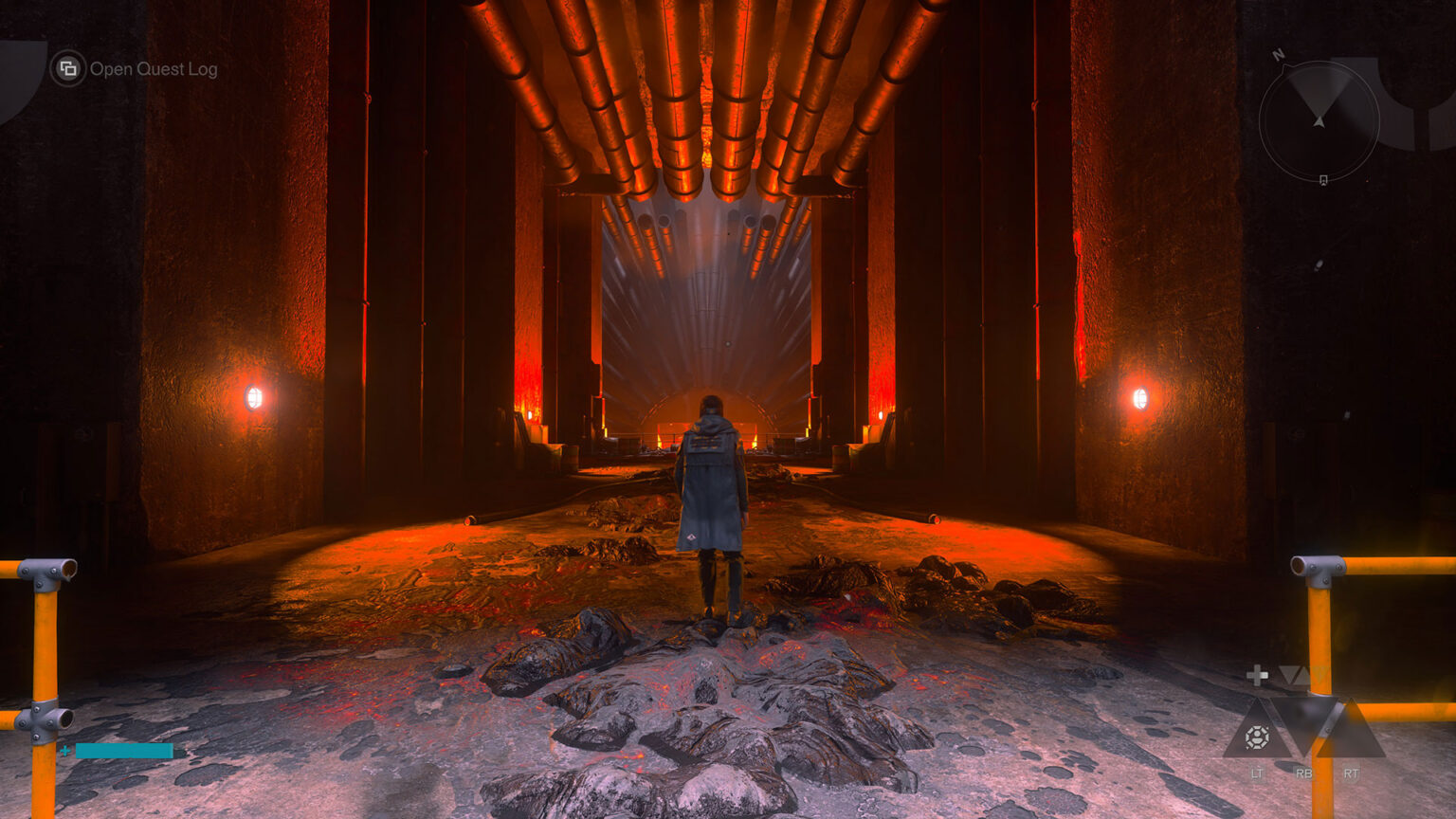
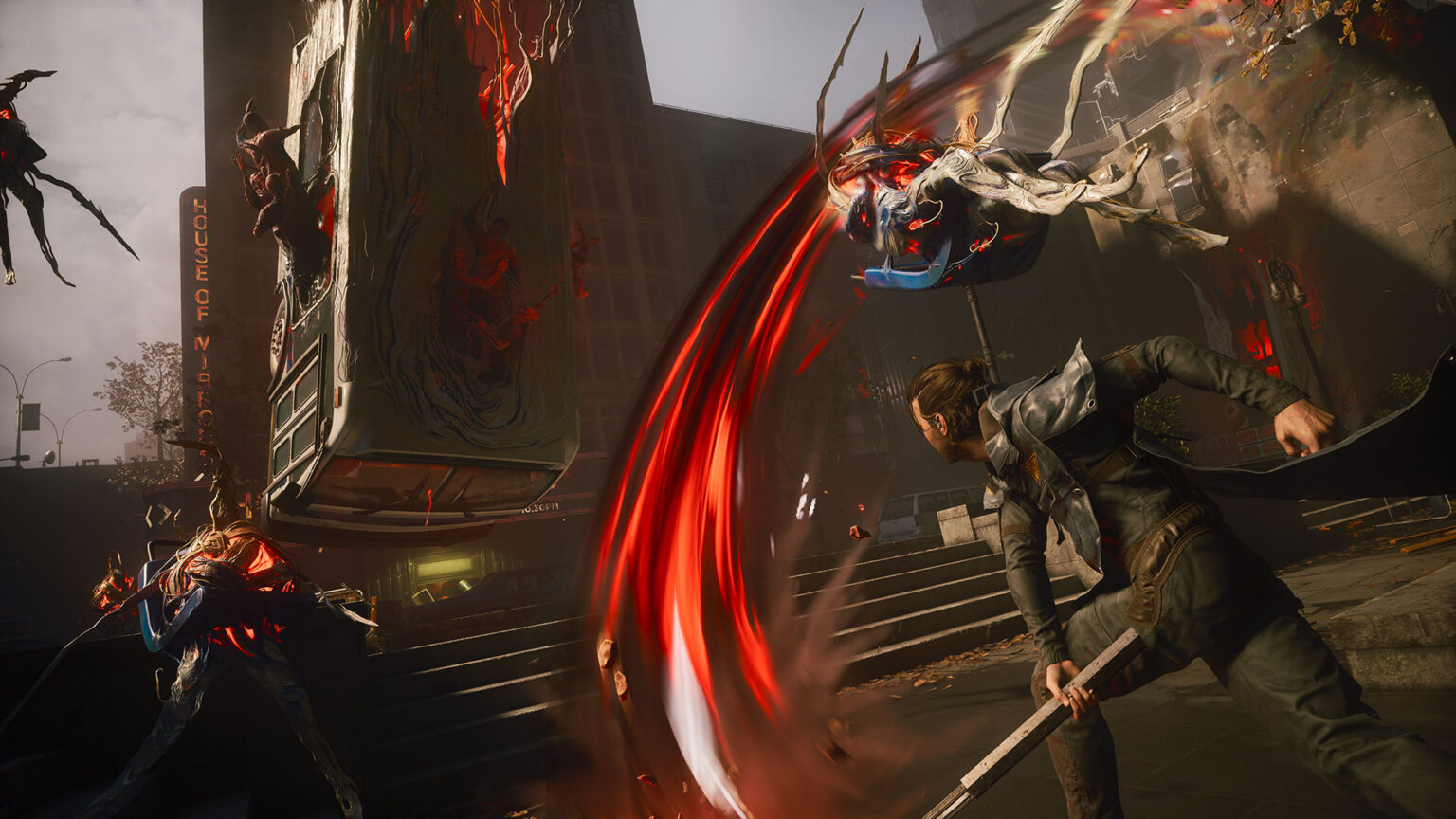
Control Resonant won’t ask you to pick a difficulty level before you start, and Remedy explained the reasoning in a PlayStation Blog post from the game’s lead gameplay designer. The sequel’s combat is built around the Aberrant, Dylan Faden’s shapeshifting melee weapon, and Remedy describes it as close-range and demanding, with enemies that require you to read their attacks, manage staggers and status effects, and time your dodges. Since that comes with a new learning curve, the studio opted for an Assist Mode that lets you adjust the specific mechanics giving you trouble instead of a handful of traditional difficulty settings that change everything at once.
The list of individual sliders is noticeably longer than the original game’s. Enemy Aggression dials back attacks coming from multiple directions, the Perfect Dodge Window can be widened, and Enemy Projectile Speed can be reduced if you’re struggling to read timing. Incoming Damage, Outgoing Damage, and Outgoing Falter, which controls how quickly you break an enemy’s posture, are all independently adjustable, and Power Recovery Speed can be increased if juggling Dylan’s supernatural abilities mid-fight is too much. There’s also Enhanced Melee Magnetizing for more forgiving positioning during melee attacks. Players who just want to explore Manhattan and follow the story get Immortality, One-Hit Kills, and the new One-Hit Falters, and a set of Assist Mode Presets built around different play styles serves as a starting point before fine-tuning.

Remedy deliberately keeps all of this out of your face at the start. The studio’s position is that asking you to make decisions about mechanics you haven’t experienced yet doesn’t make sense, so Assist Mode can be enabled or disabled at any point during gameplay after you’ve had a chance to feel out the intended combat rhythm. The bigger change from the first Control is that the sliders now work in both directions. In the original, they could only reduce the challenge, but here you can increase Enemy Aggression, shrink the Perfect Dodge Window, and raise Incoming Damage if the base game feels too forgiving. None of it gates trophies or achievements either way.
I called Control Resonant one of our most anticipated games of 2026 when it went gold last month, and Remedy’s philosophy here is obvious: if the friction becomes too much, the studio would rather you adjust the rules and keep playing than put the controller down and give up. Control Resonant launches digitally on September 24 for PlayStation 5, XBOX Series X|S, PC, and Mac, with the physical release following on October 15.