Quick Verdict
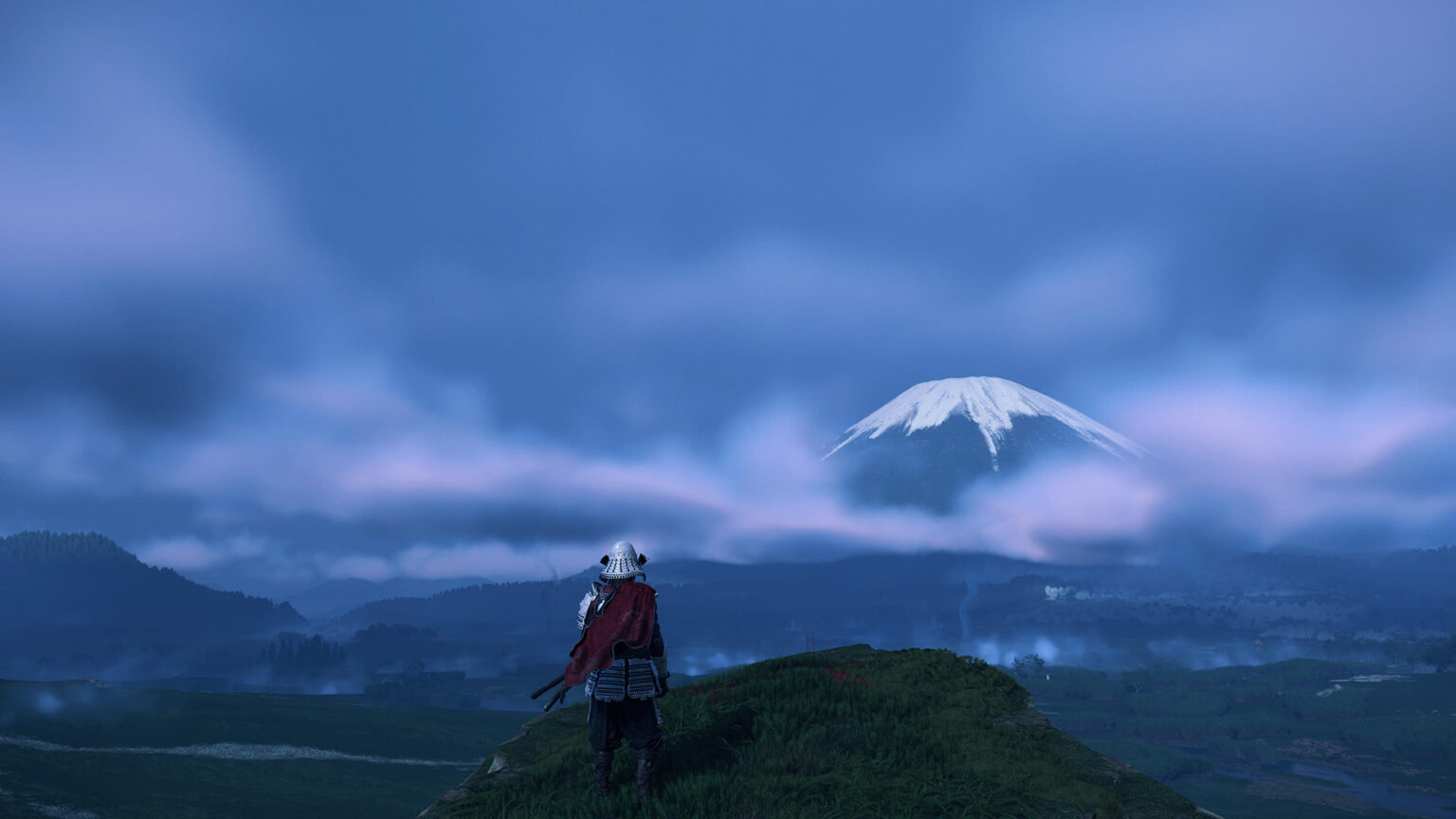
Ghost of Yōtei is a visually jaw-dropping adventure with a vast sense of freedom, but its safe and familiar structure really dampens the experience. The wonderfully crafted open world encourages you to explore, but repetitive tasks and side content really drag the story’s pacing. For those who loved Ghost of Tsushima and just want more of the same, it delivers, and you shouldn’t hesitate to buy it. But if you’re like me and were hoping Sucker Punch would build more on that foundation, you might be a bit disappointed.
While Atsu’s revenge story is predictably generic, it’s bolstered by well-written characters and dialogue that will keep you invested throughout the 20- to 25-hour main adventure. How much you enjoy the game’s combat and world determines whether you’ll sink another 25 hours into all of the side content. Ghost of Yōtei is a beautiful but flawed game with few surprises.
Tail as Old as Time
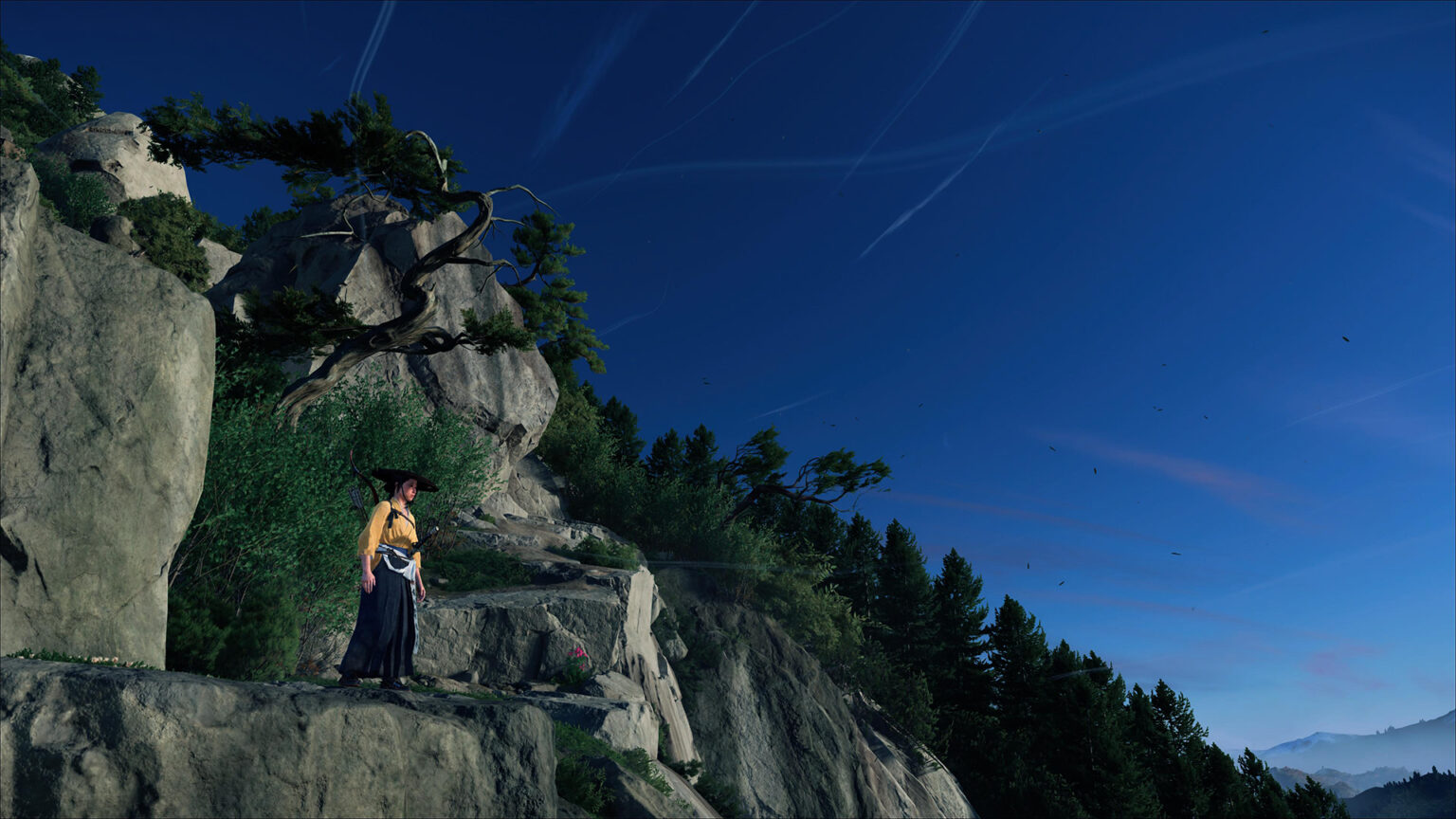
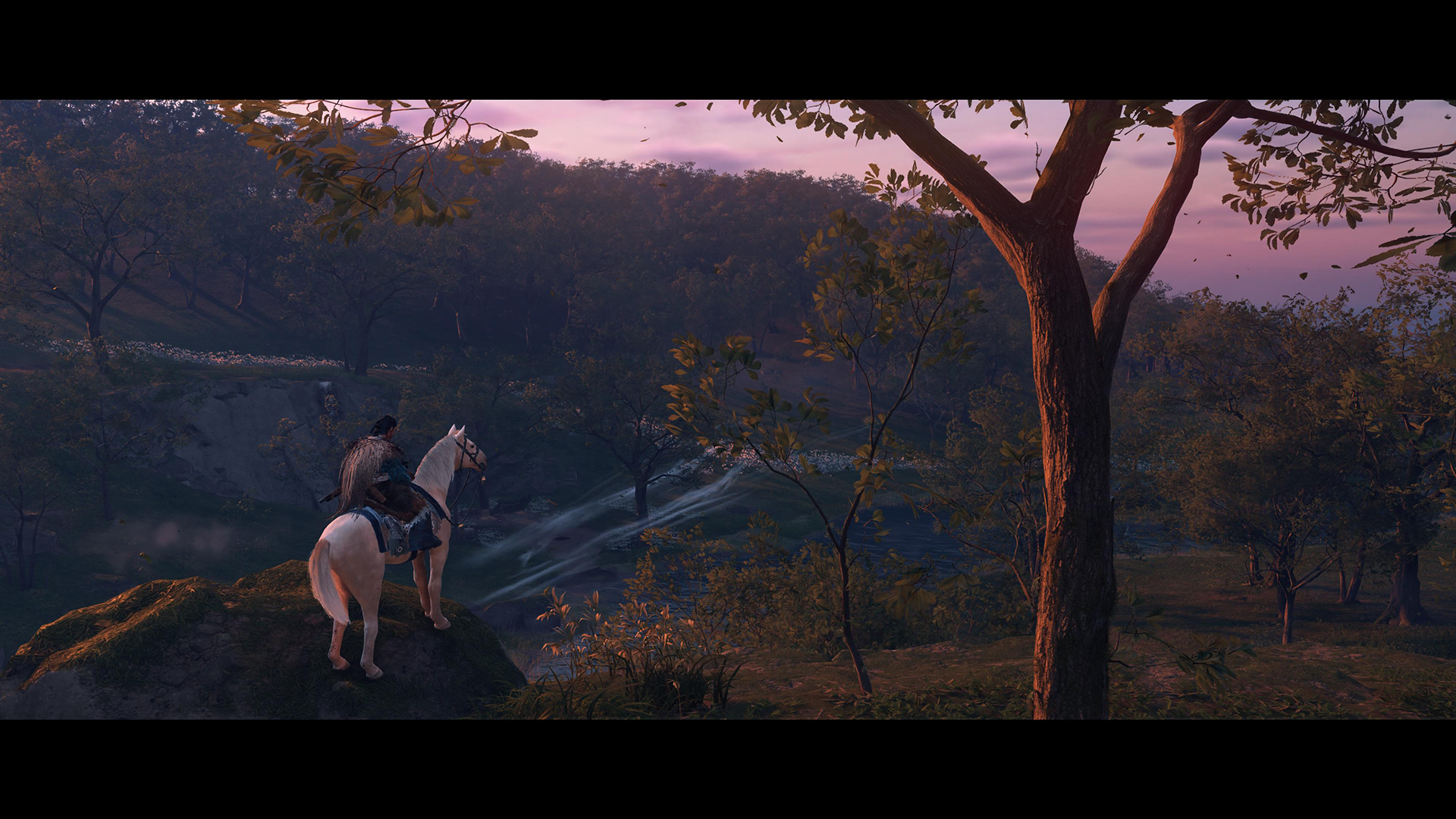
Ghost of Yōtei suffers from the same issue I have with many of PlayStation’s recent first-party sequels, such as Marvel’s Spider-Man 2, God of War Ragnarök, and Horizon Forbidden West, in that it feels too safe. All of these games favor polish over novelty, which isn’t necessarily a bad thing. With Ghost of Yōtei, though, what was wonder in Ghost of Tsushima feels like repetition this time around. Take the guiding wind as an example. The first time you see it in Ghost of Tsushima, there’s real awe in how innovative it feels. But instead of an “oh wow” moment this time around, you’re just thinking “oh, this again?” It wouldn’t matter as much if Yōtei had its own truly surprising mechanics, but they’re few and far between.
It doesn’t help that the game opens with a generic revenge plotline, one that feels all too similar to other PlayStation Studios titles like The Last of Us Part 2. The good news is that, while the overall plot is vanilla, the writing and characters are not. Ghost of Yōtei delivers a very human and realistic story where I agreed with many of Atsu’s decisions because they made sense. Oftentimes, especially in video games, there’s a moment of frustration when a character acts out in a way that contradicts everything building up to that moment. At least for me, I never got that sense with Atsu, which added a lot of weight to the emotional beats.
Of course, none of this matters if you never played Ghost of Tsushima or don’t remember much about it from five years ago. Ghost of Yōtei is a standalone game that doesn’t require having played Ghost of Tsushima, and I’d argue that it’s objectively better than Ghost of Tsushima in nearly every way. I might be overcritical saying its familiar bits lose some luster, but that doesn’t apply if you have never played Jin Sakai’s adventure. Even if you have, I still highly recommend Atsu’s story with a few caveats.
Frost and Found
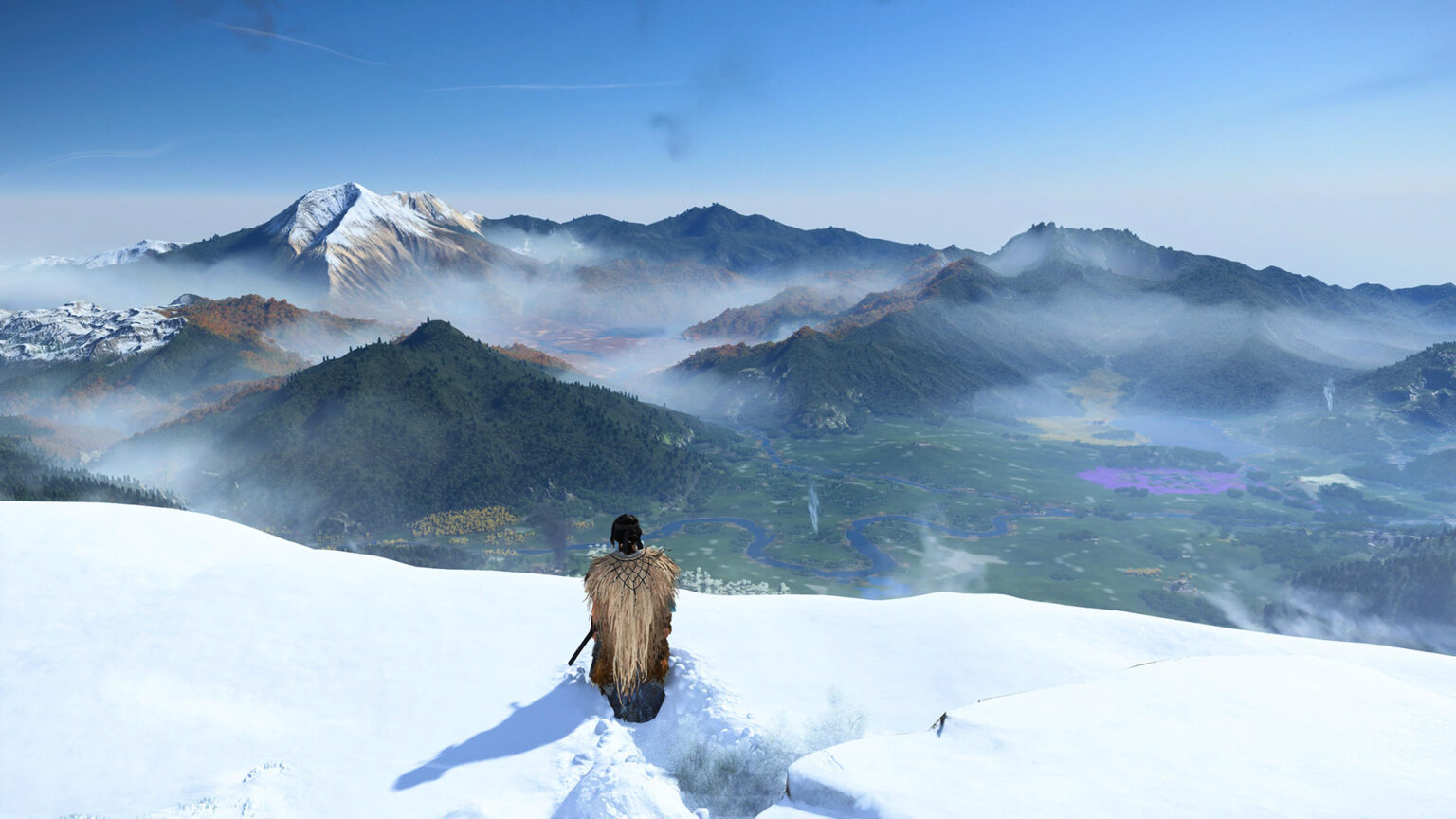
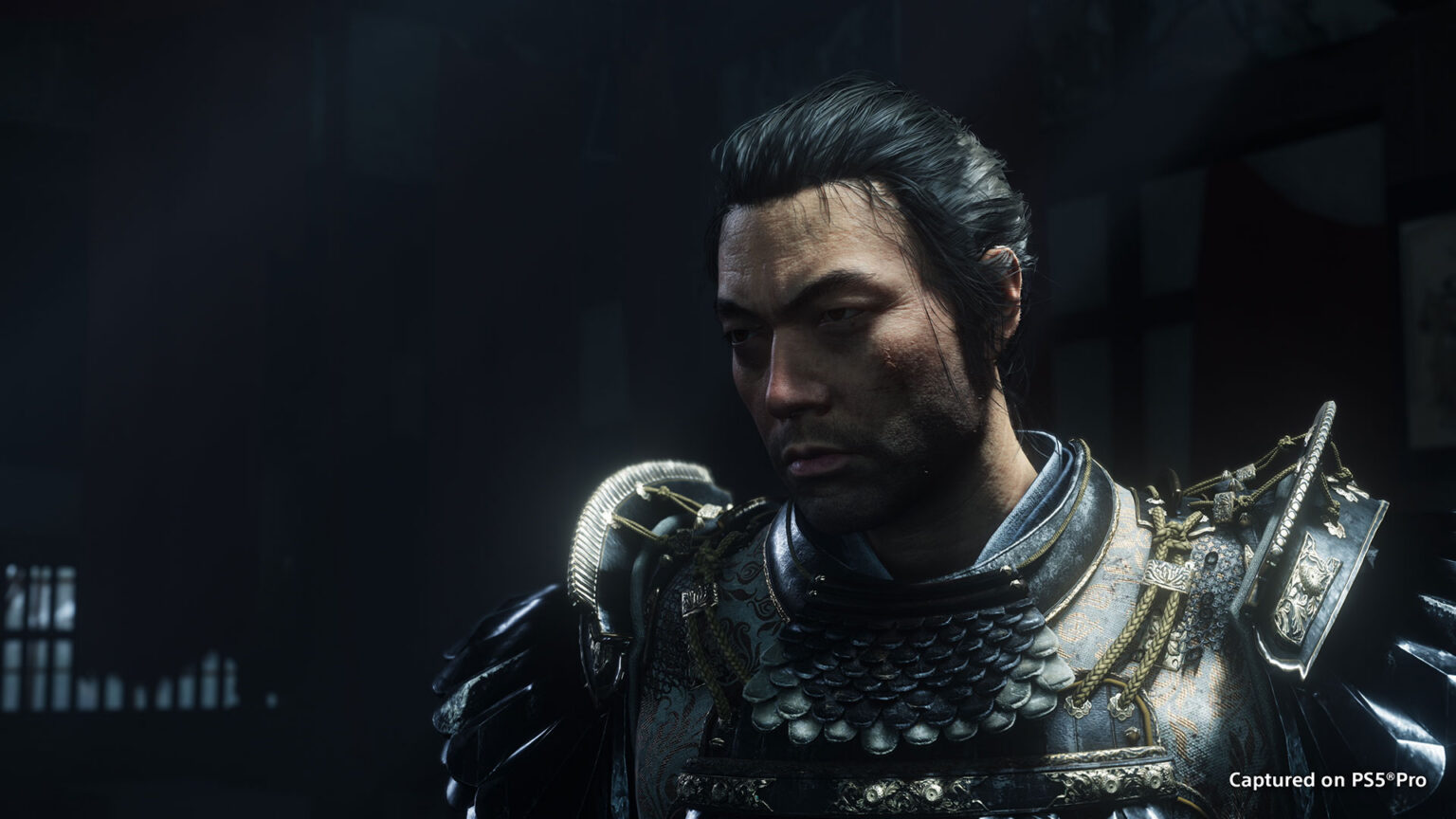
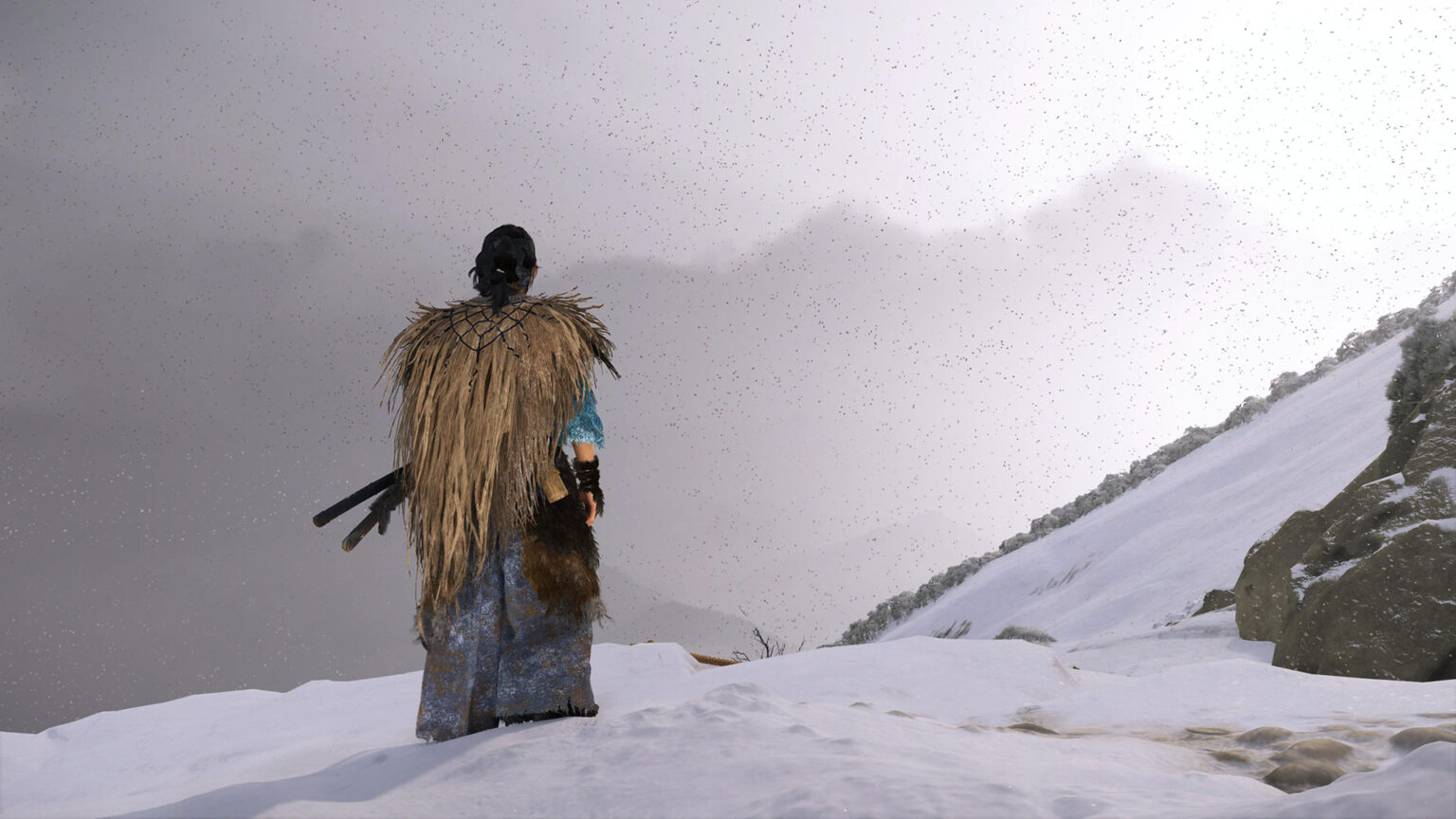
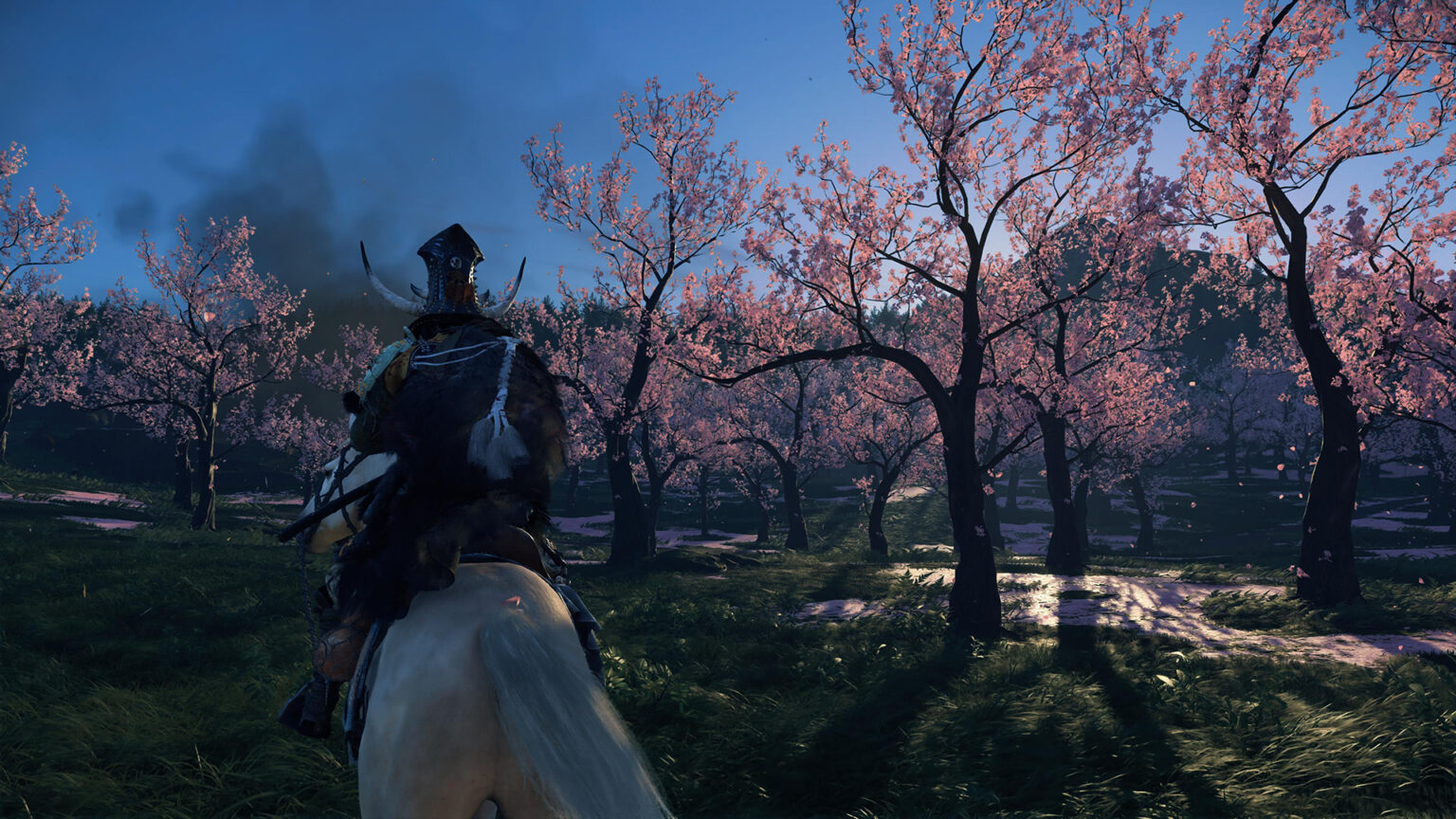
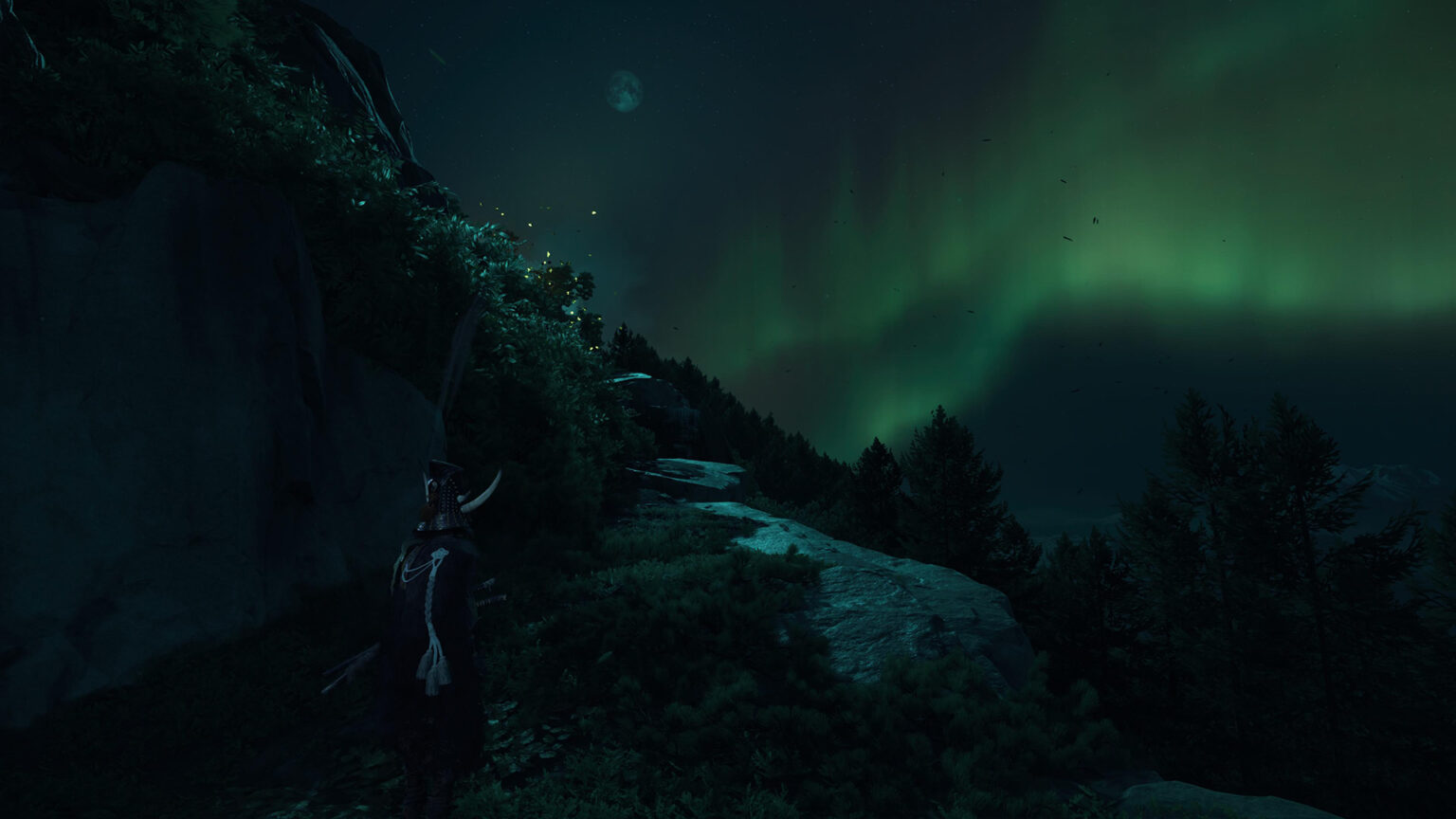
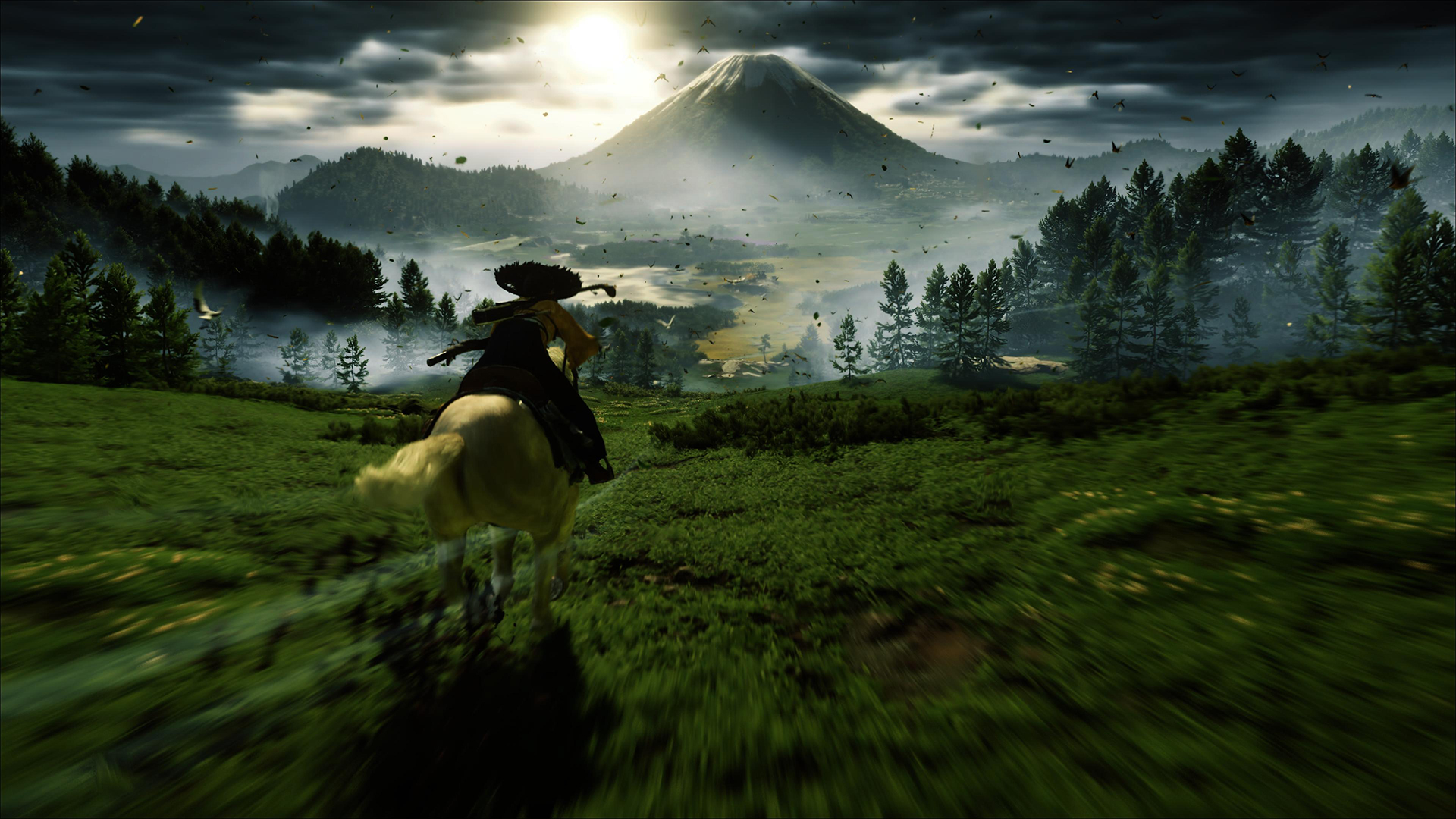
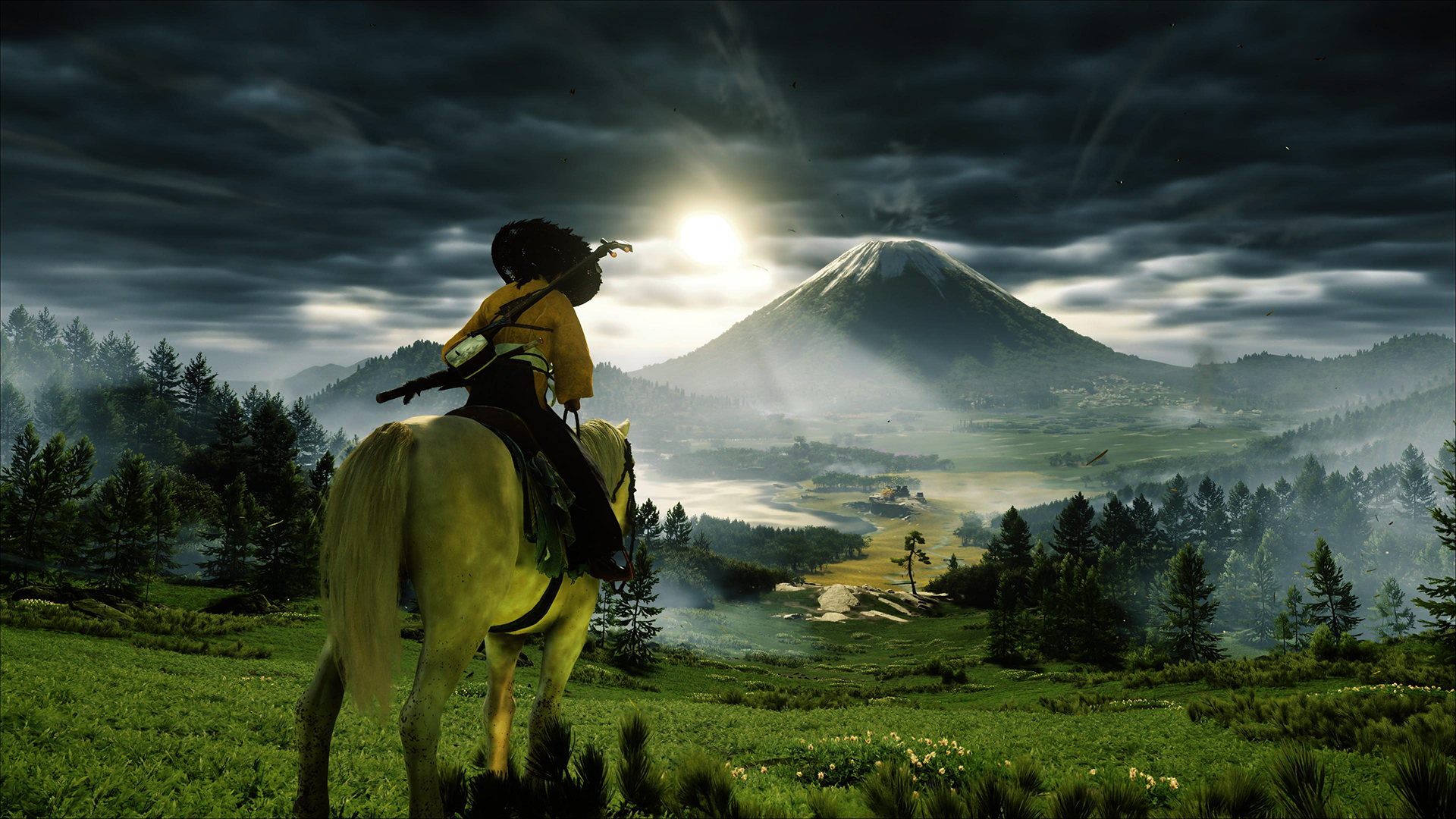
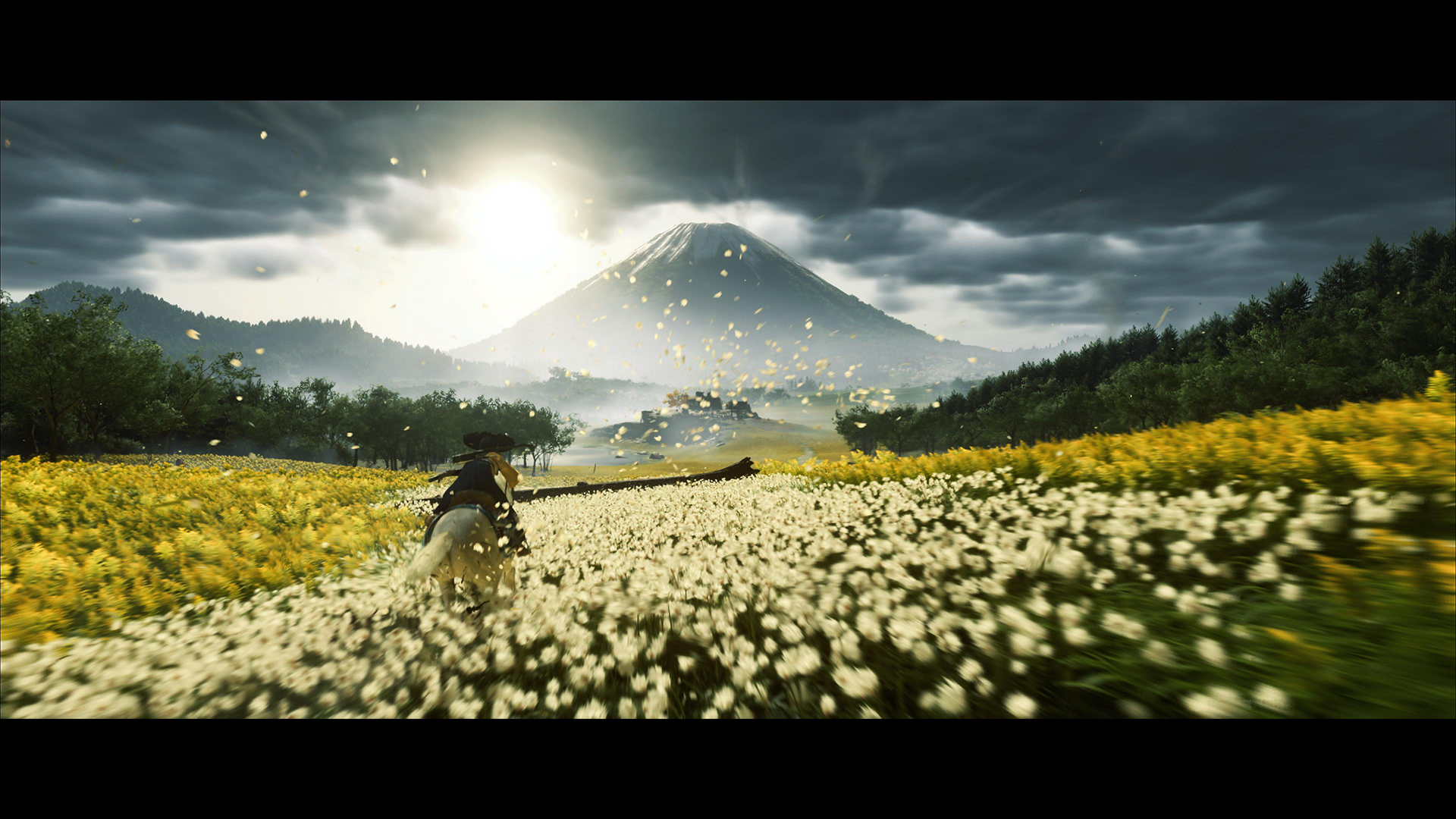
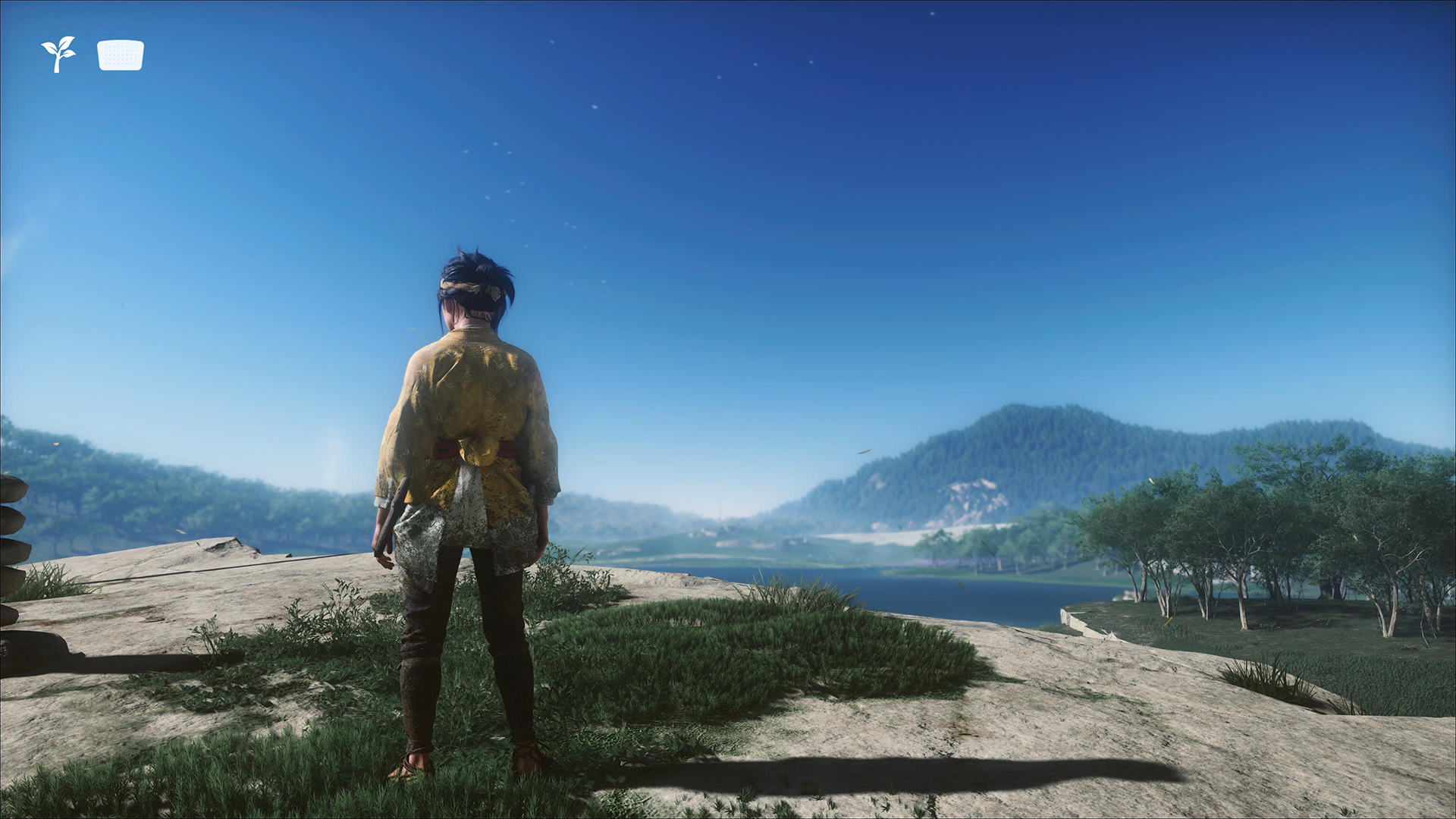
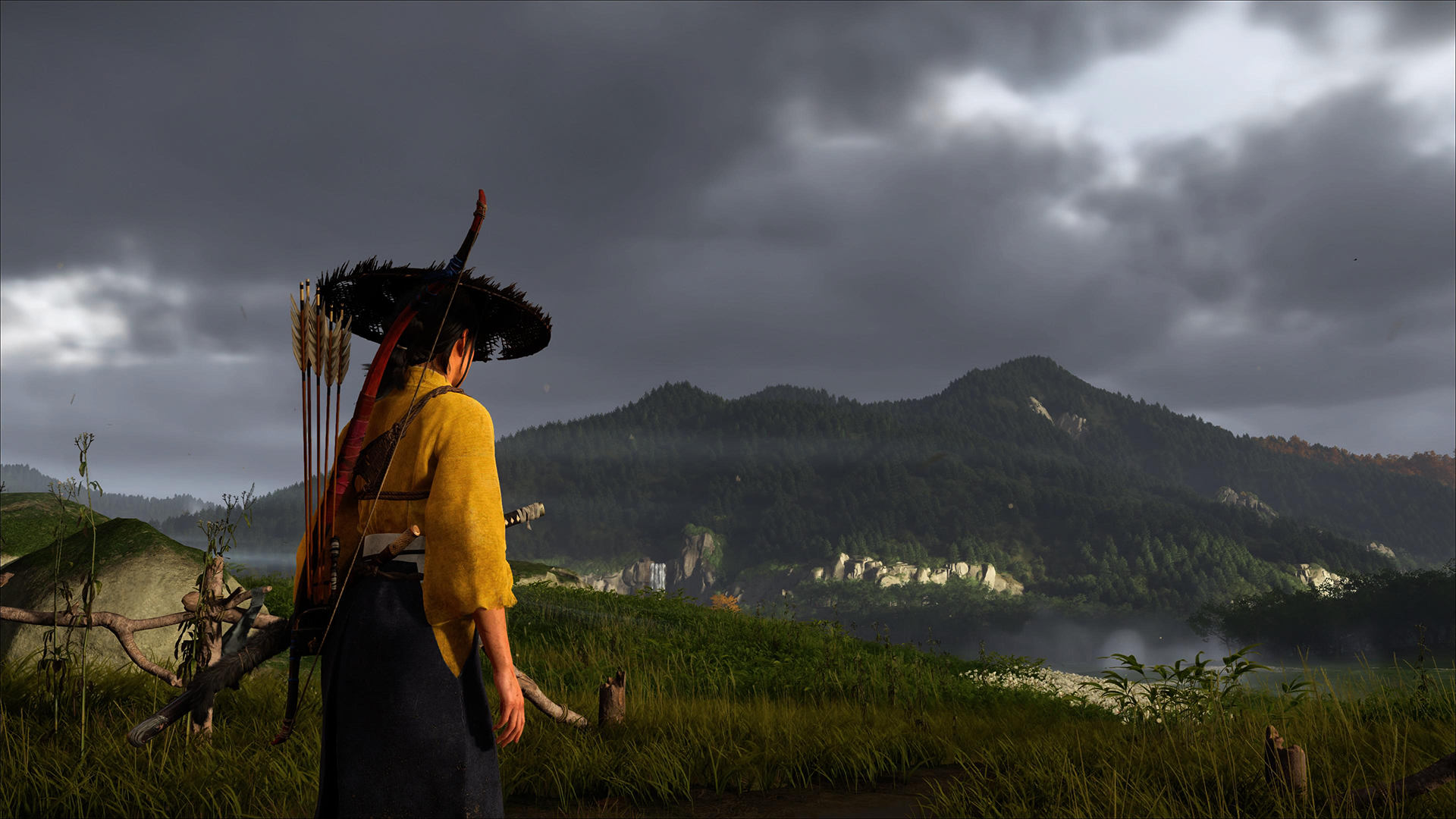
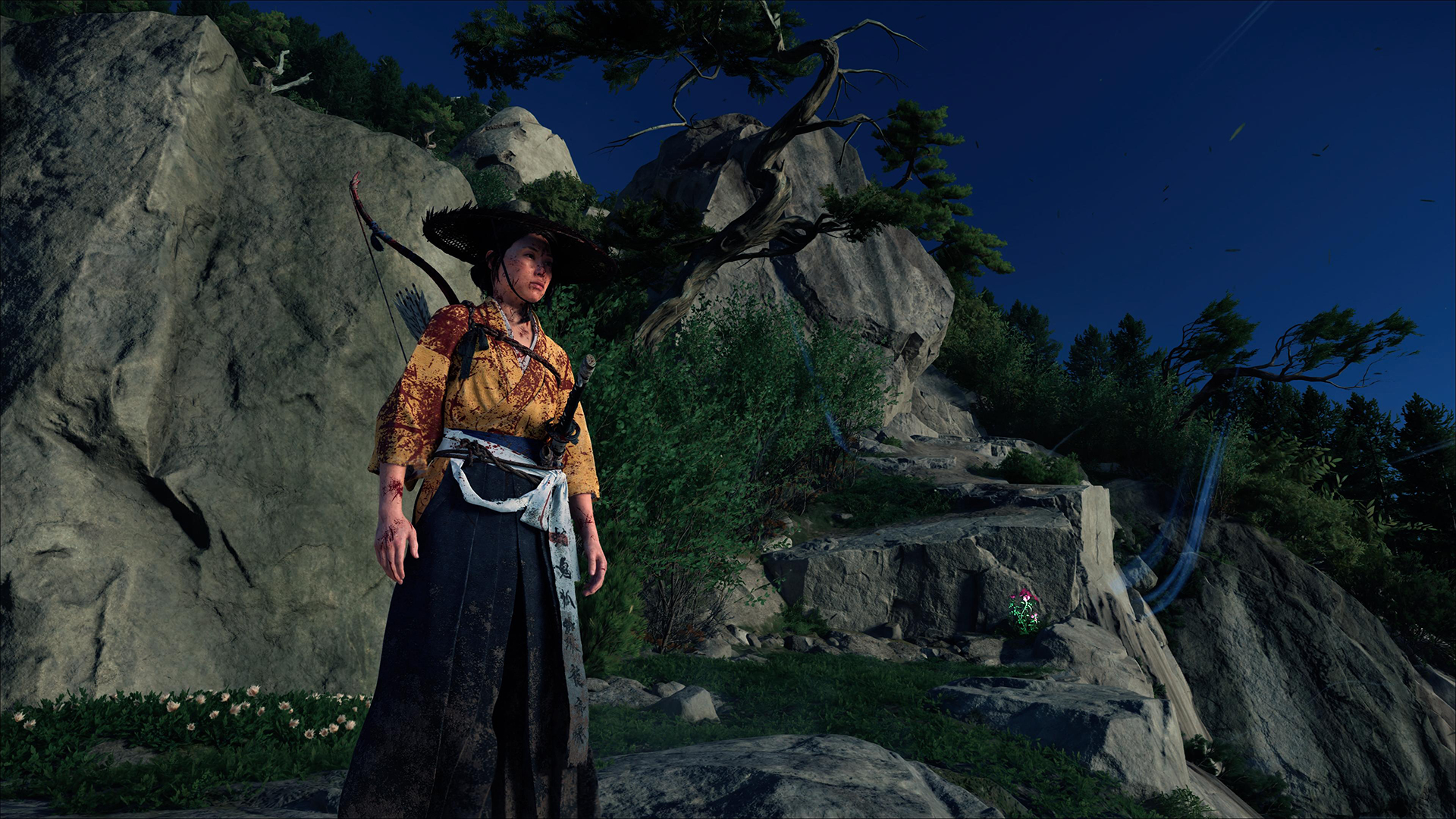
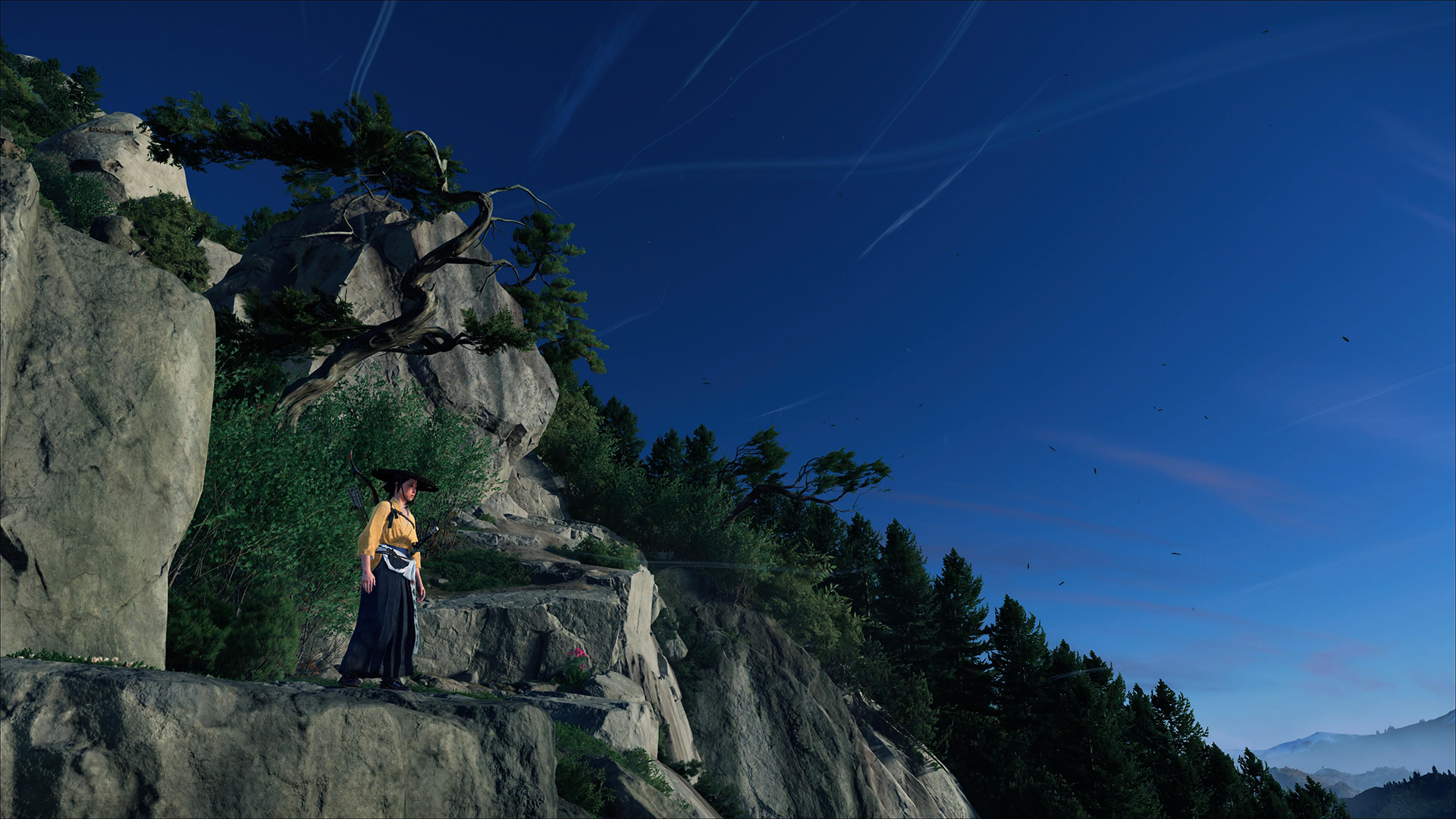
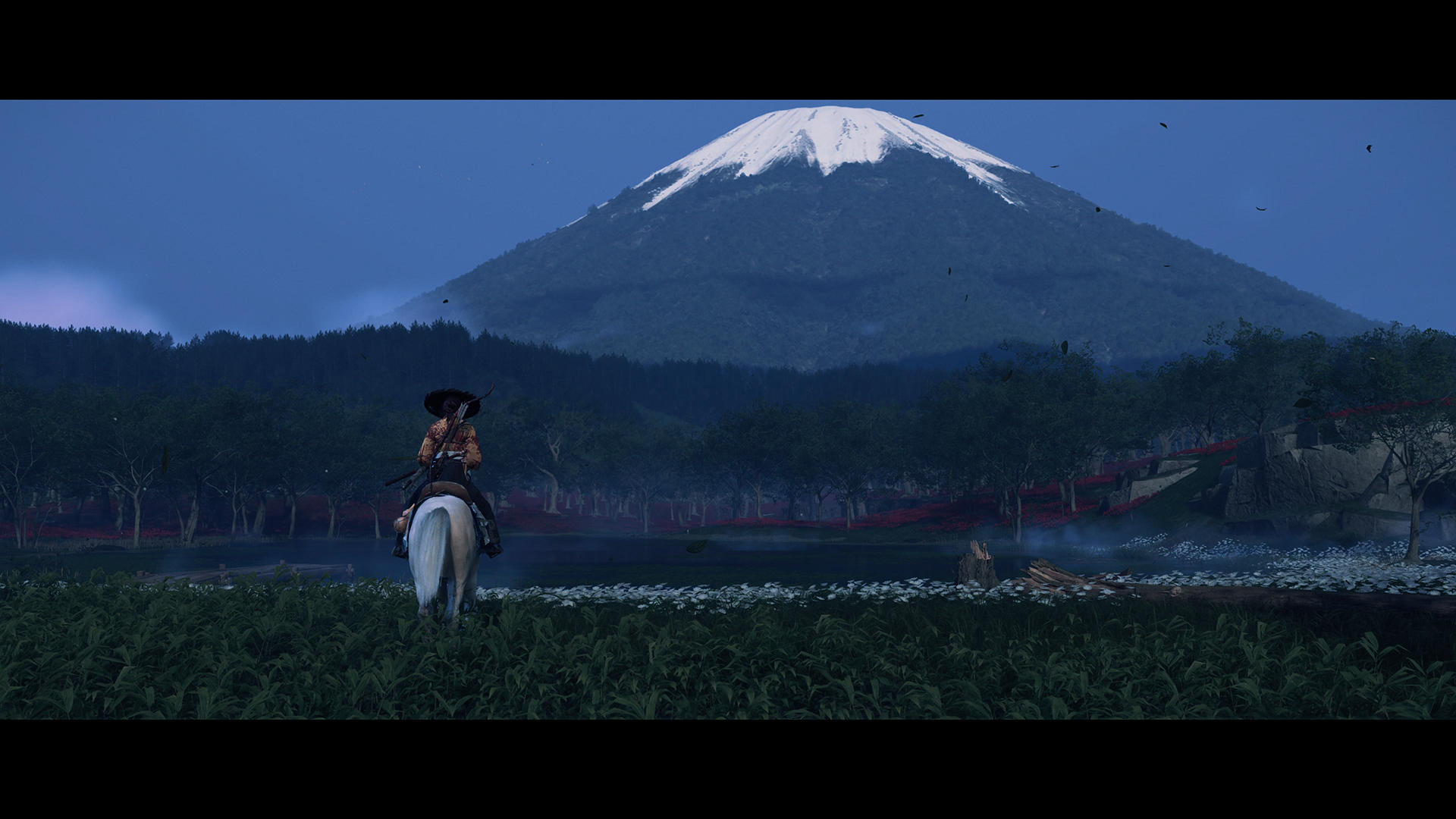
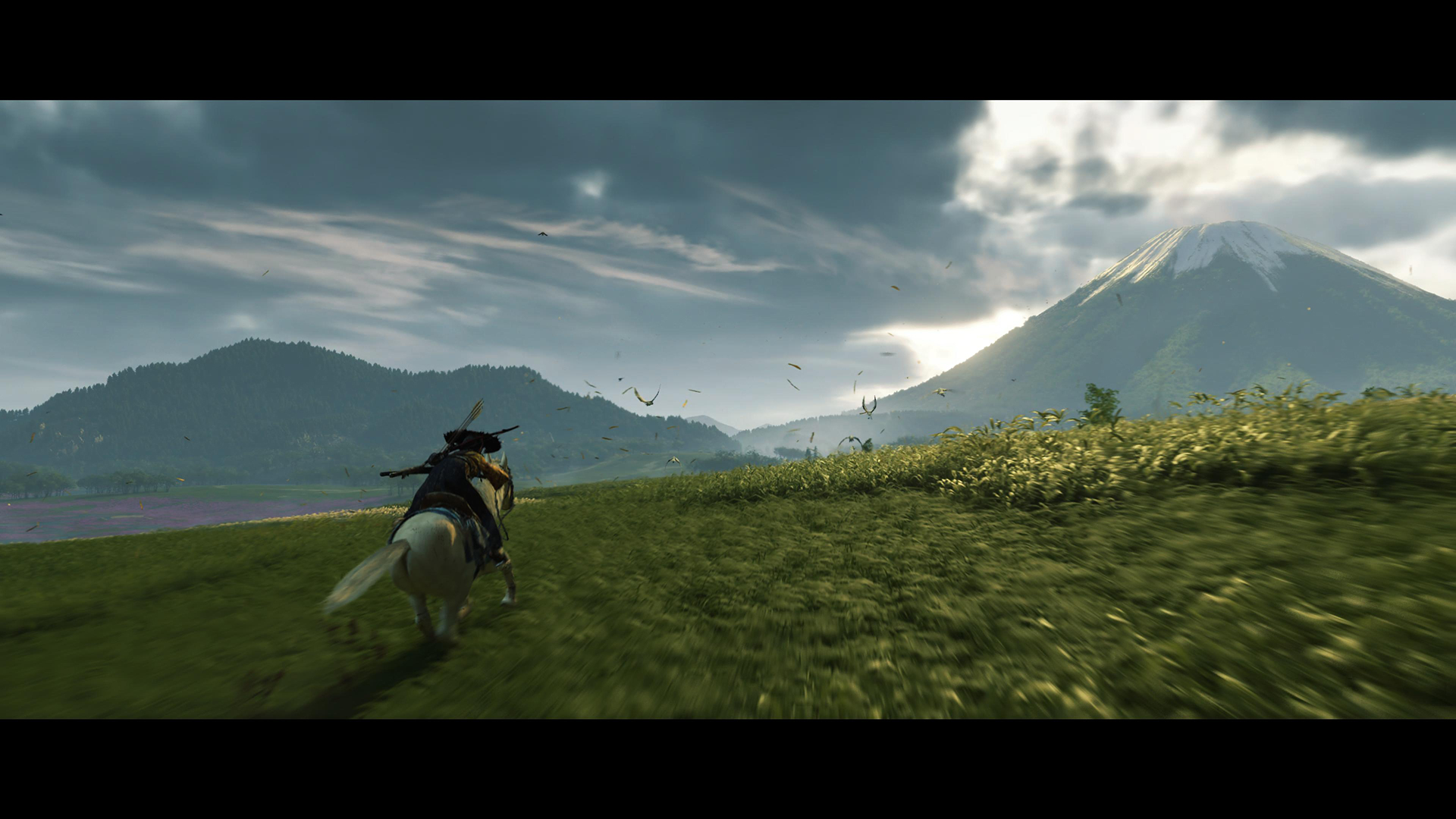
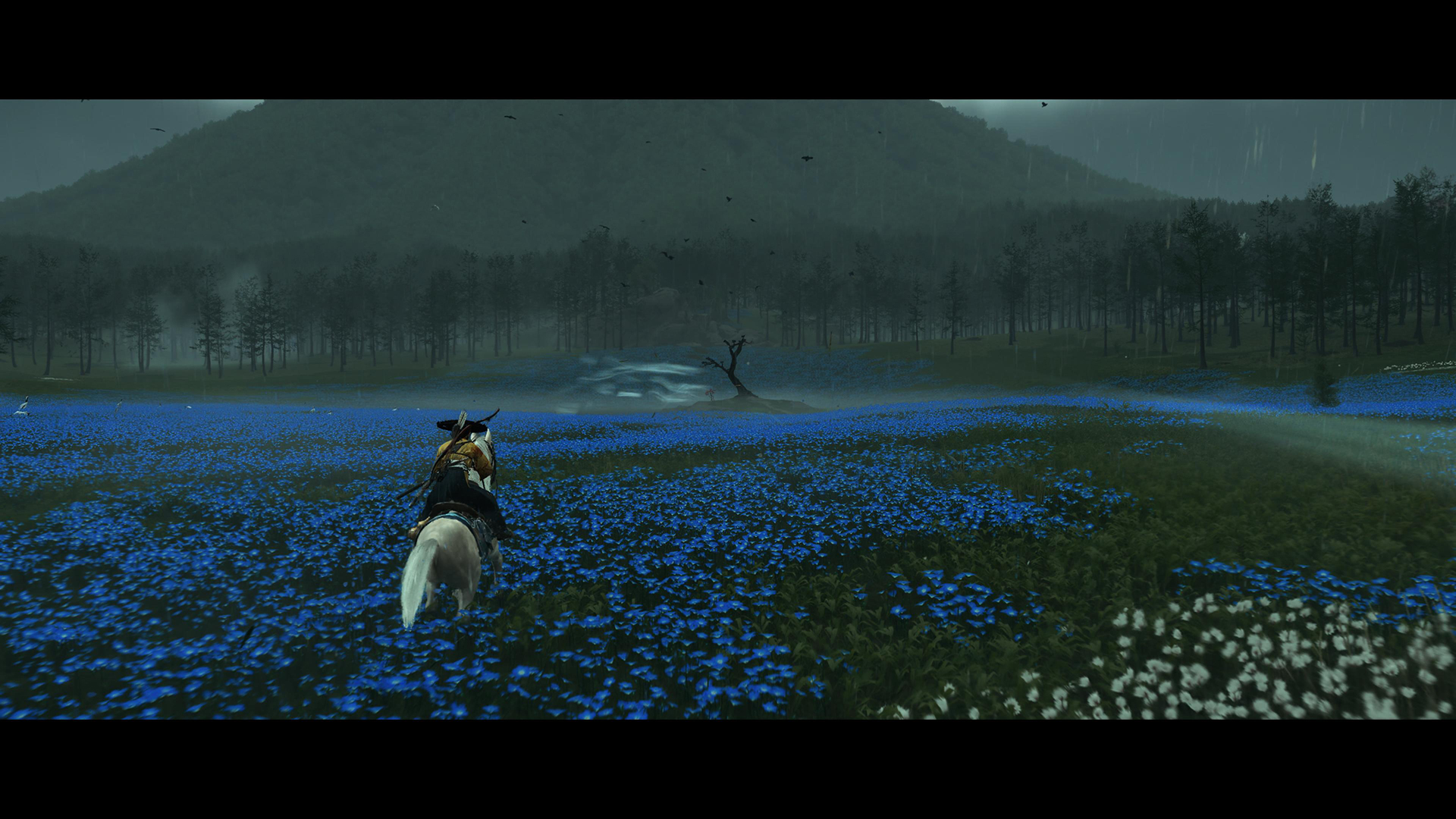
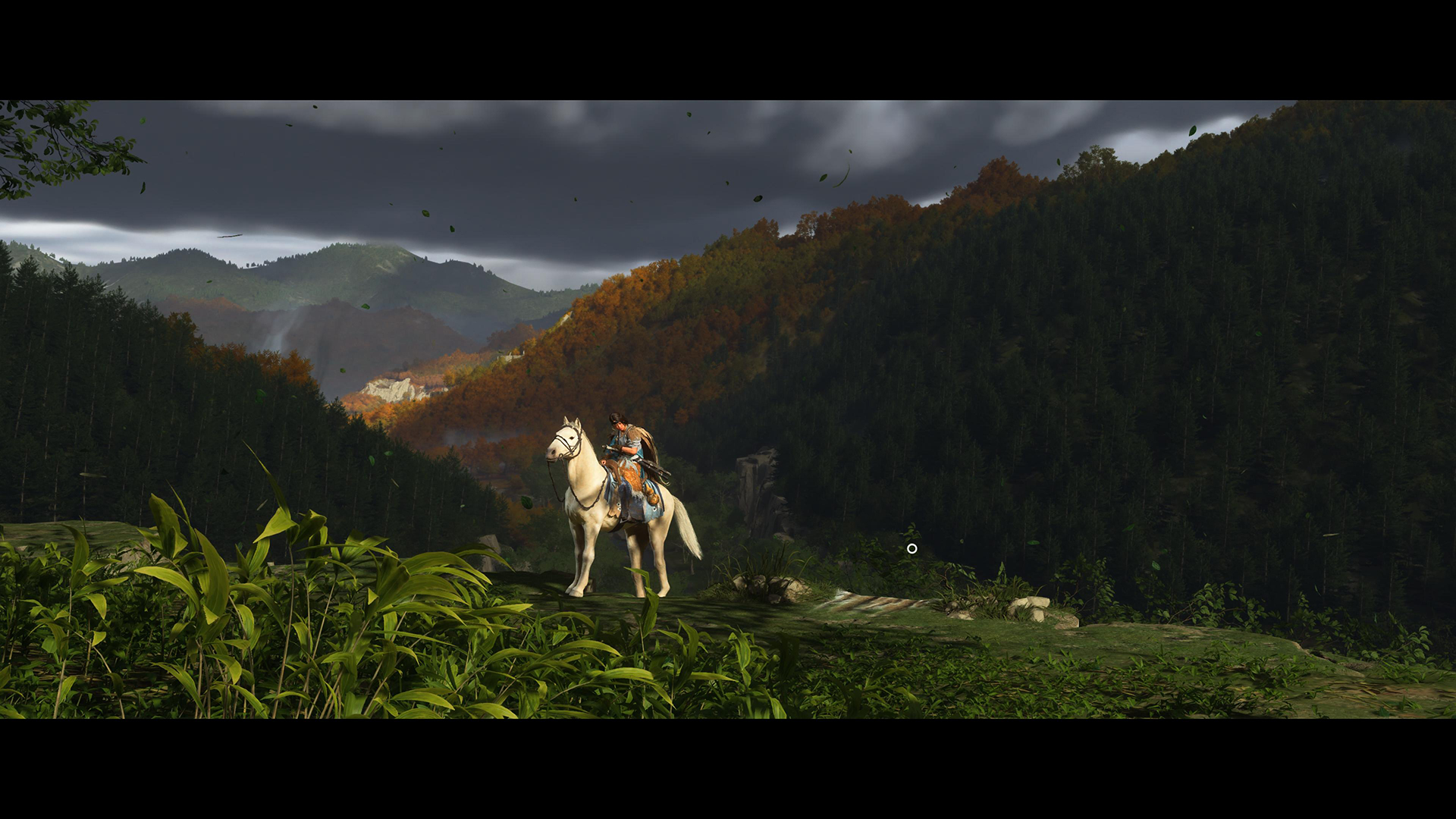
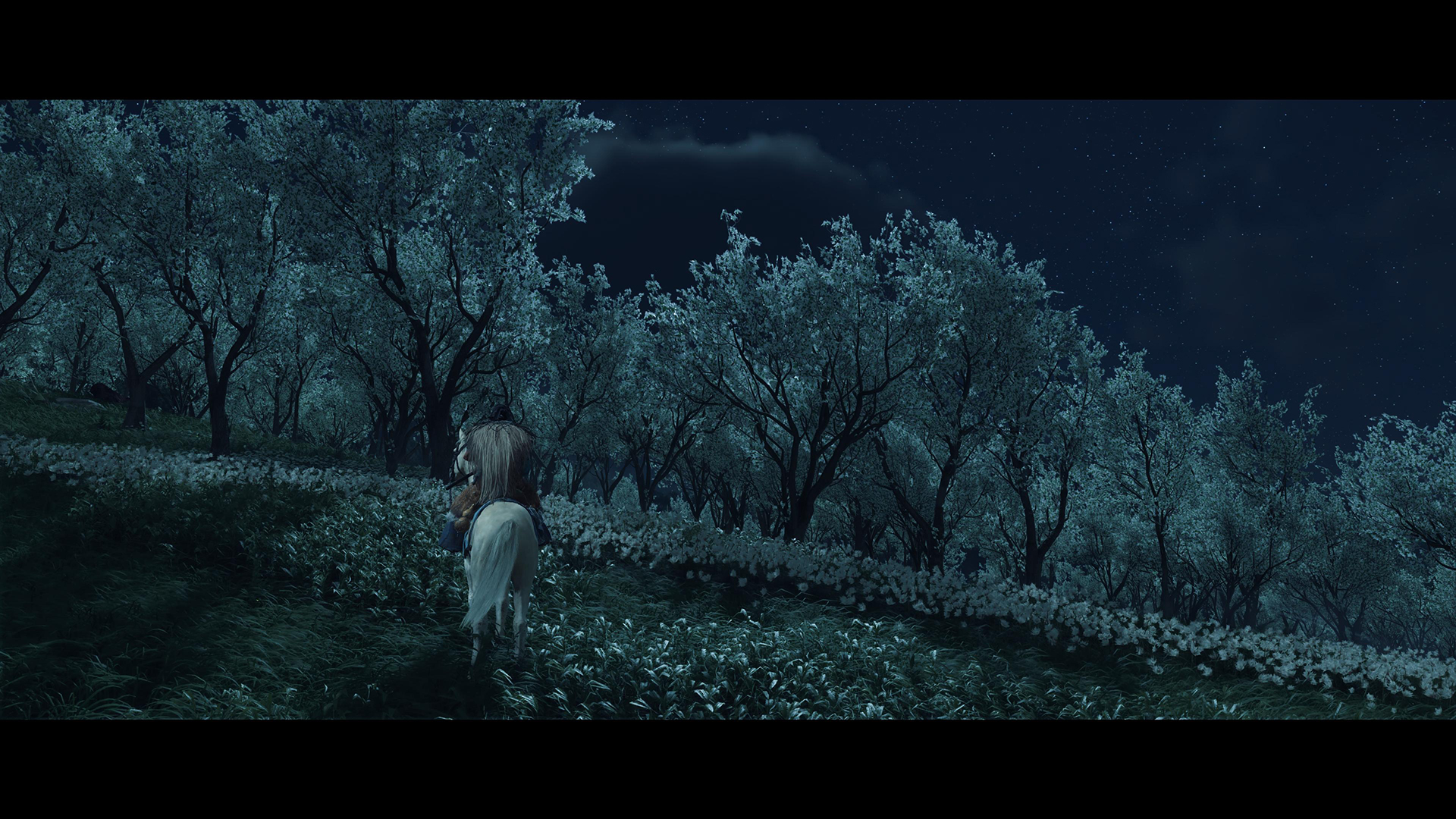
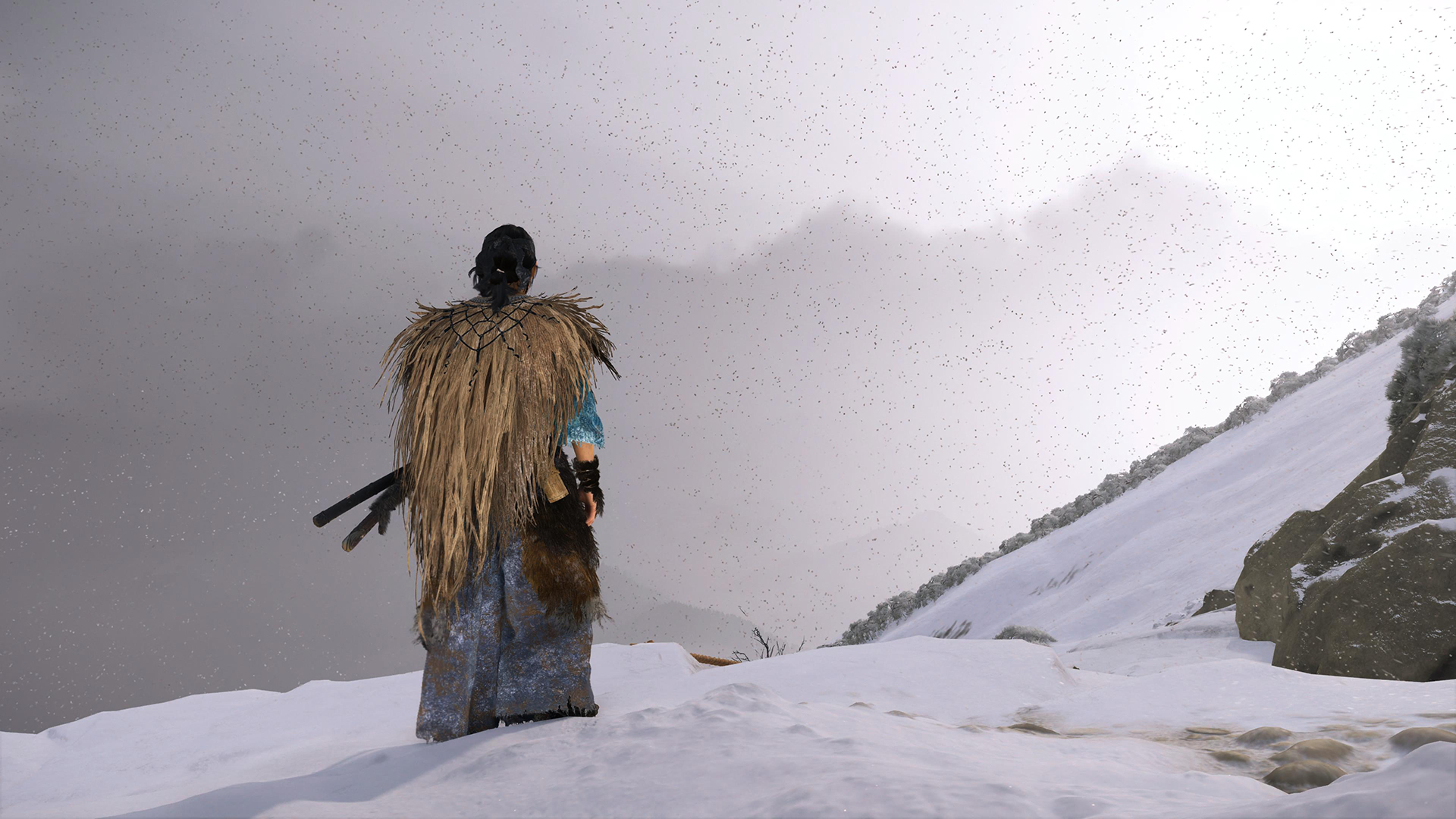
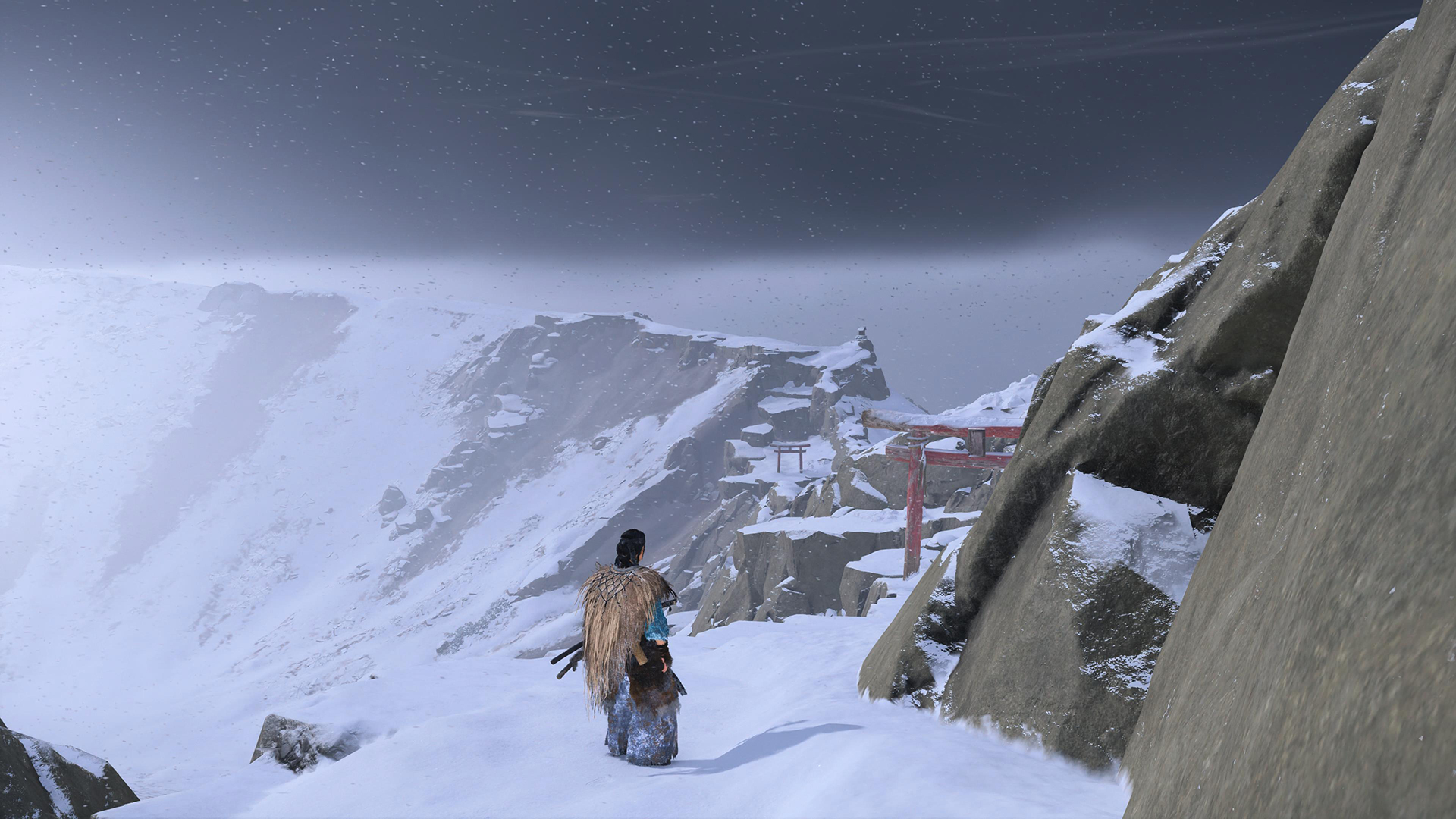
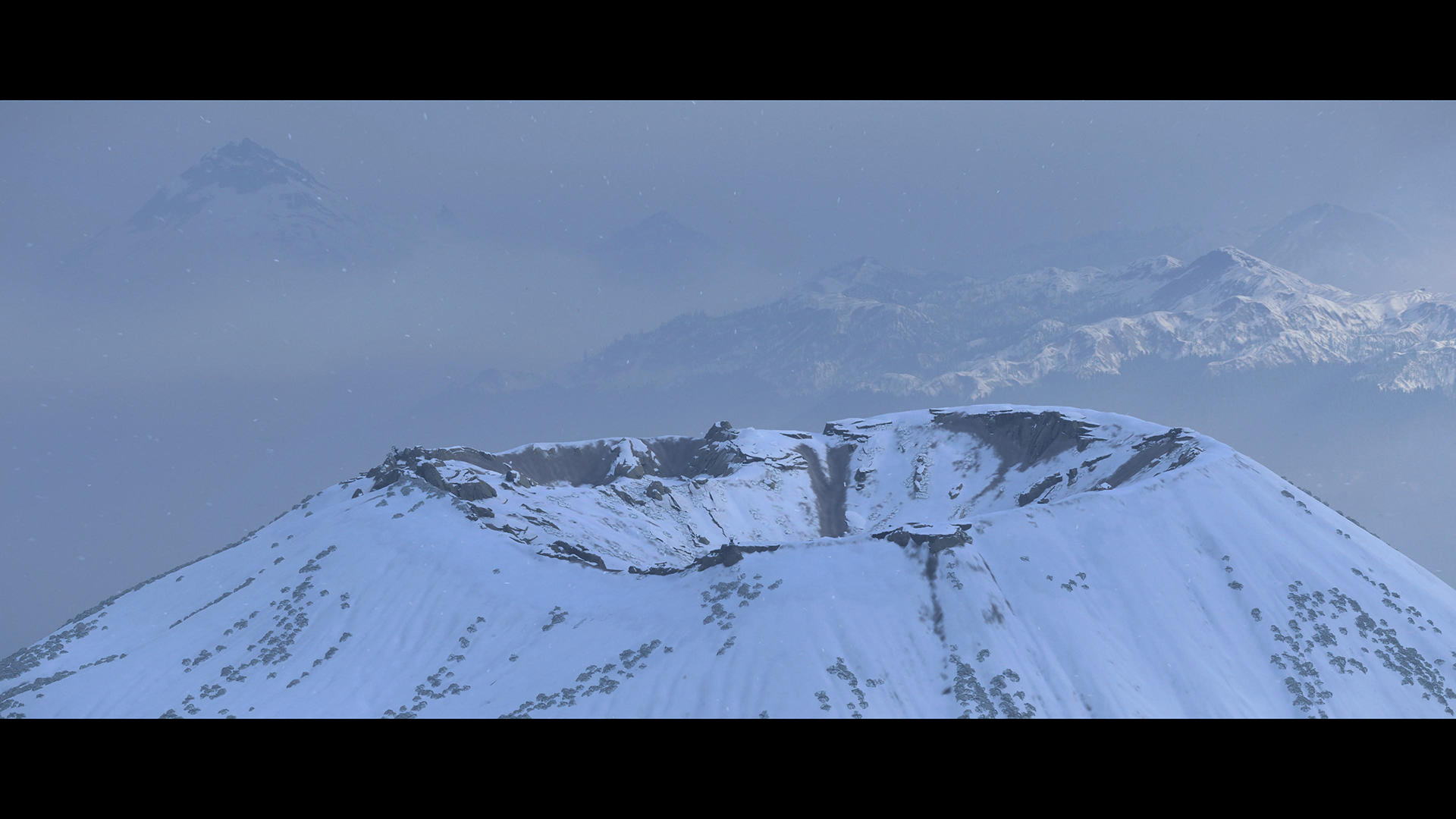
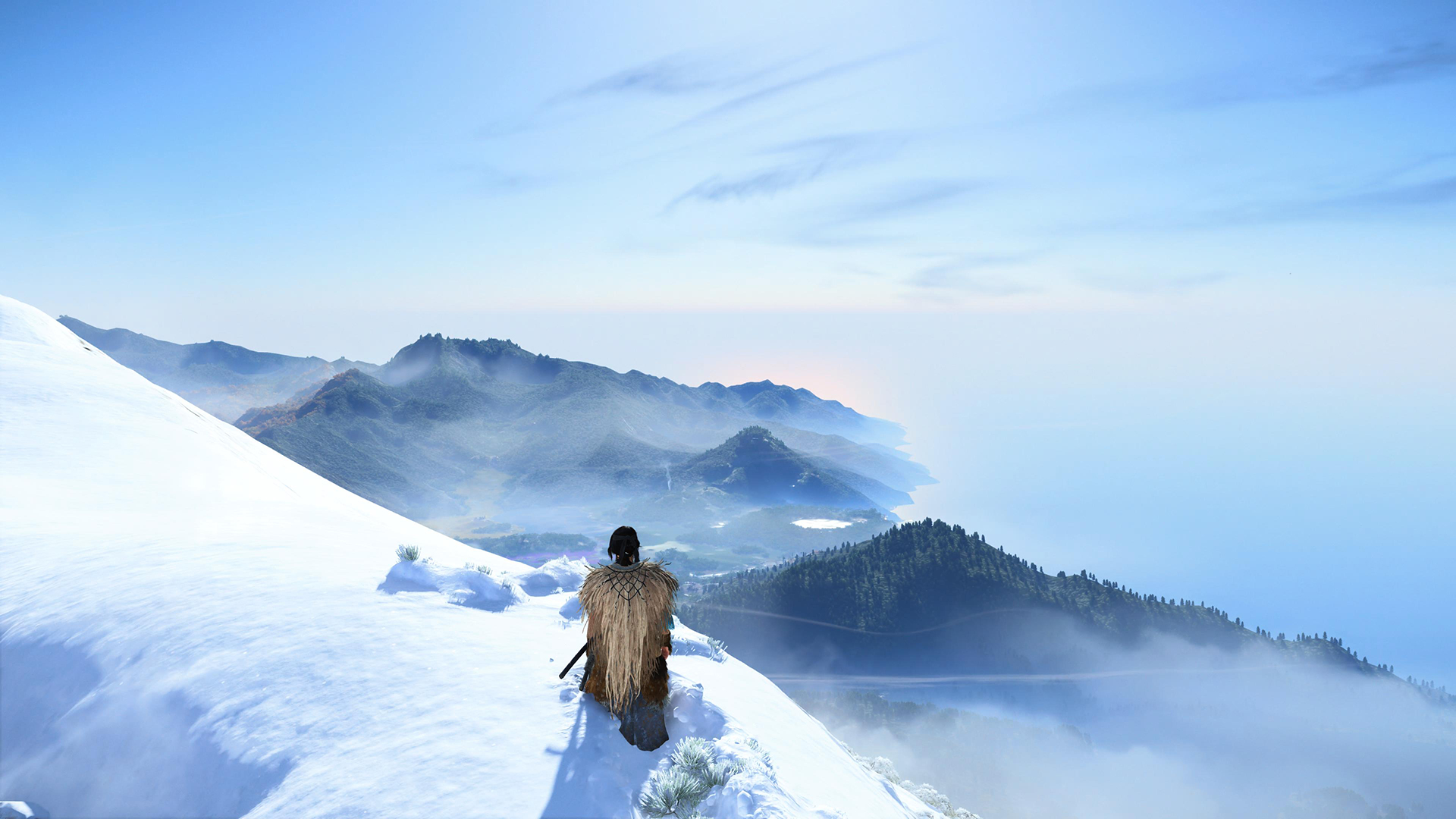
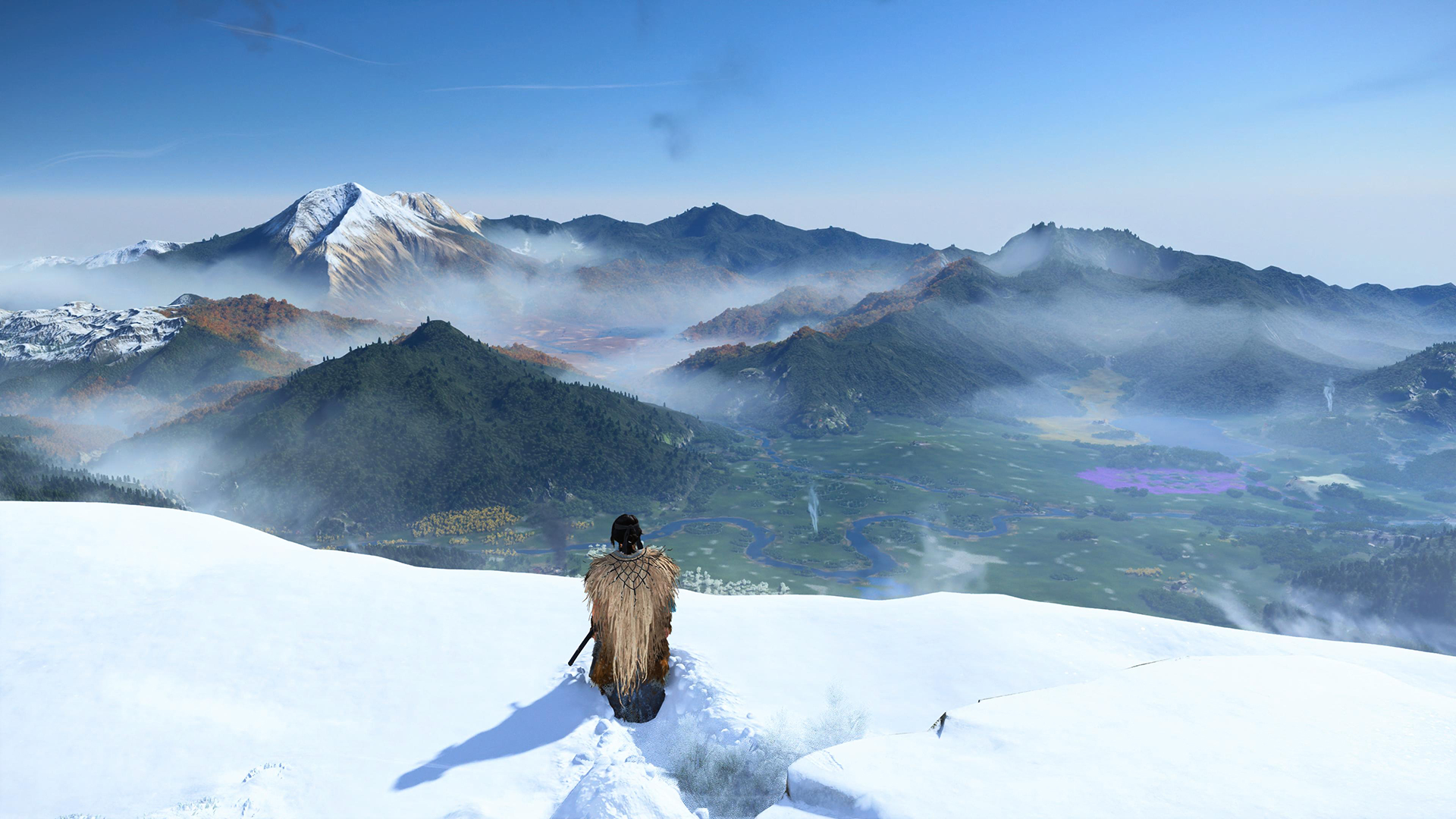
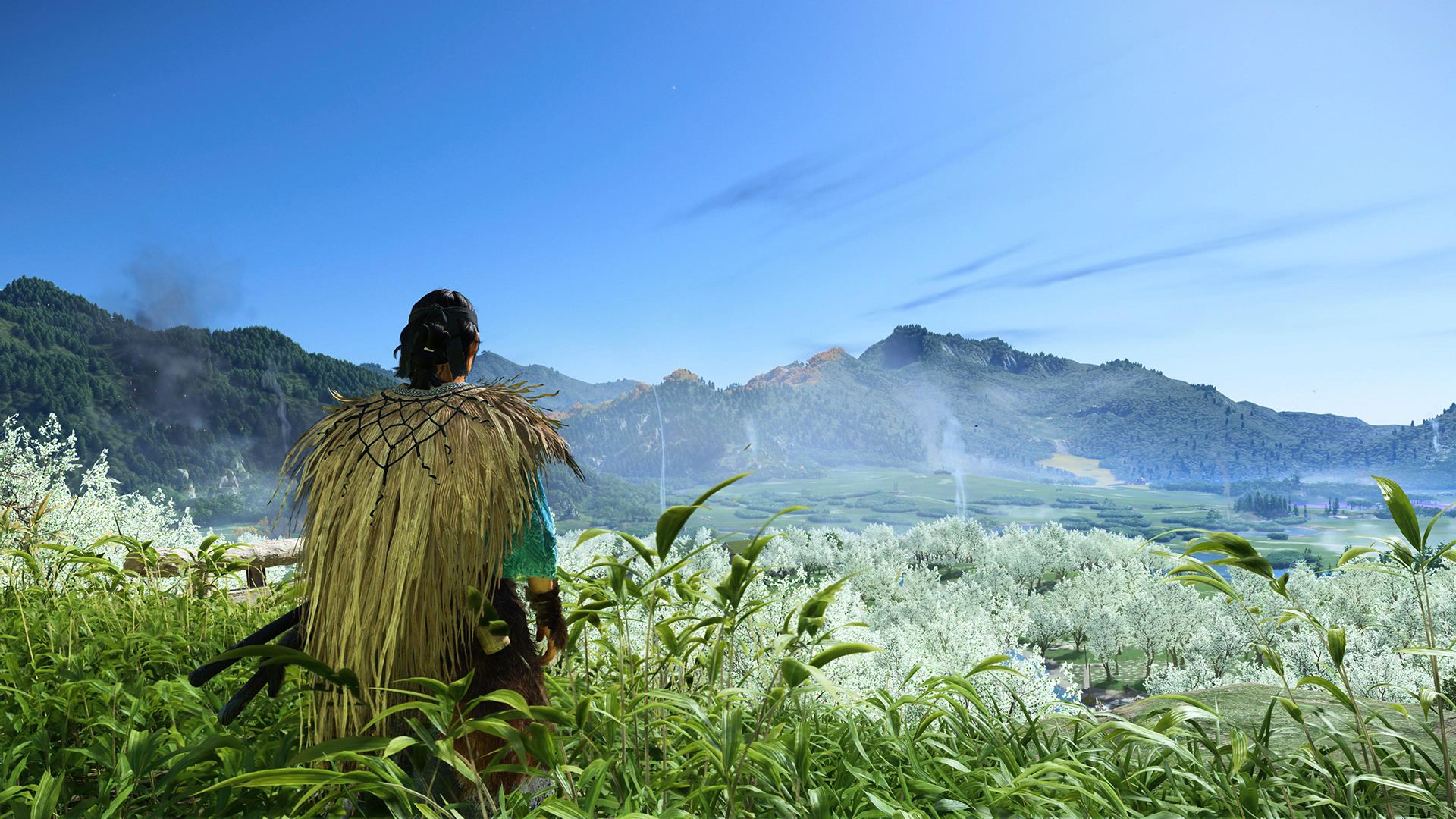
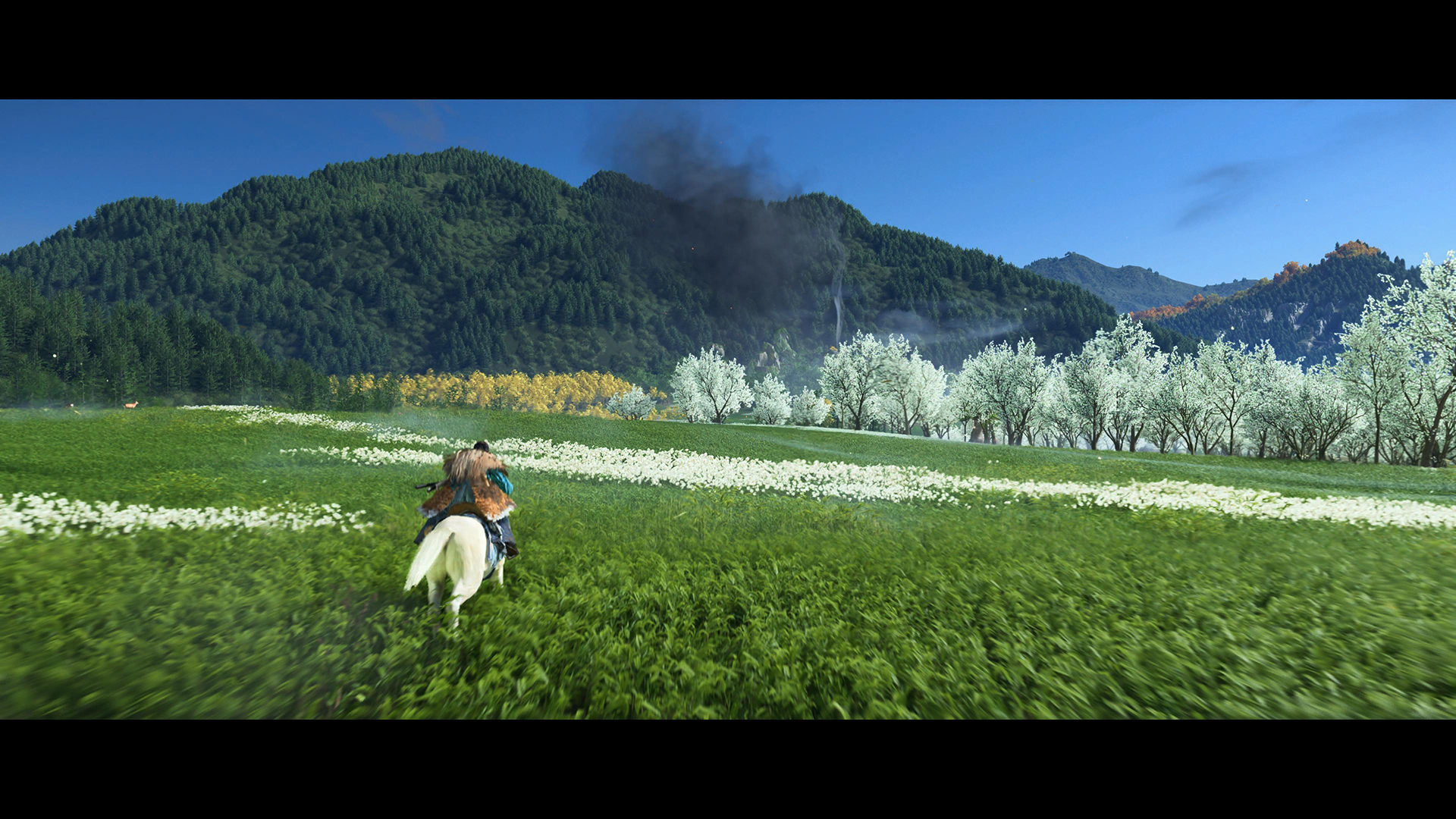
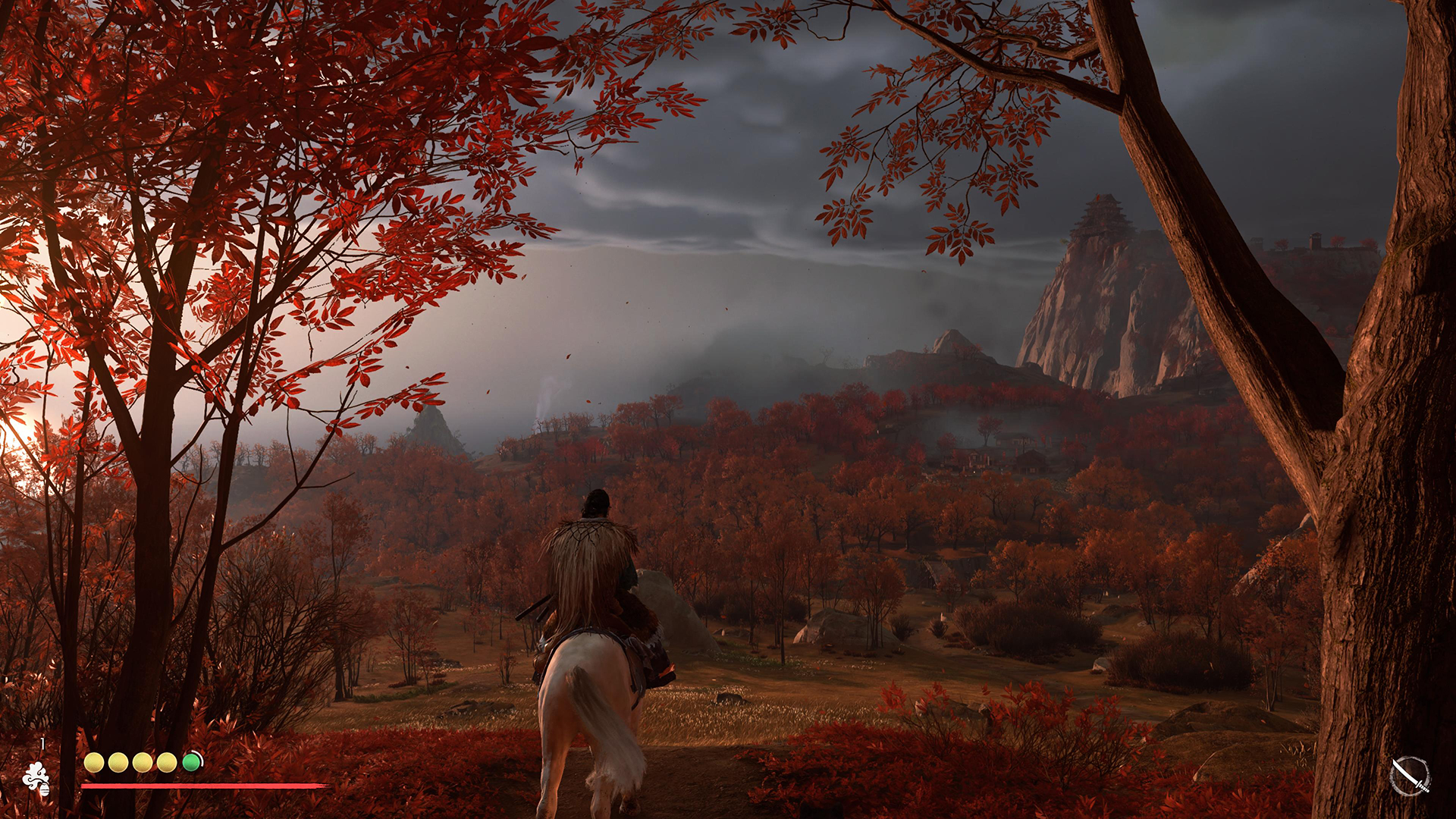
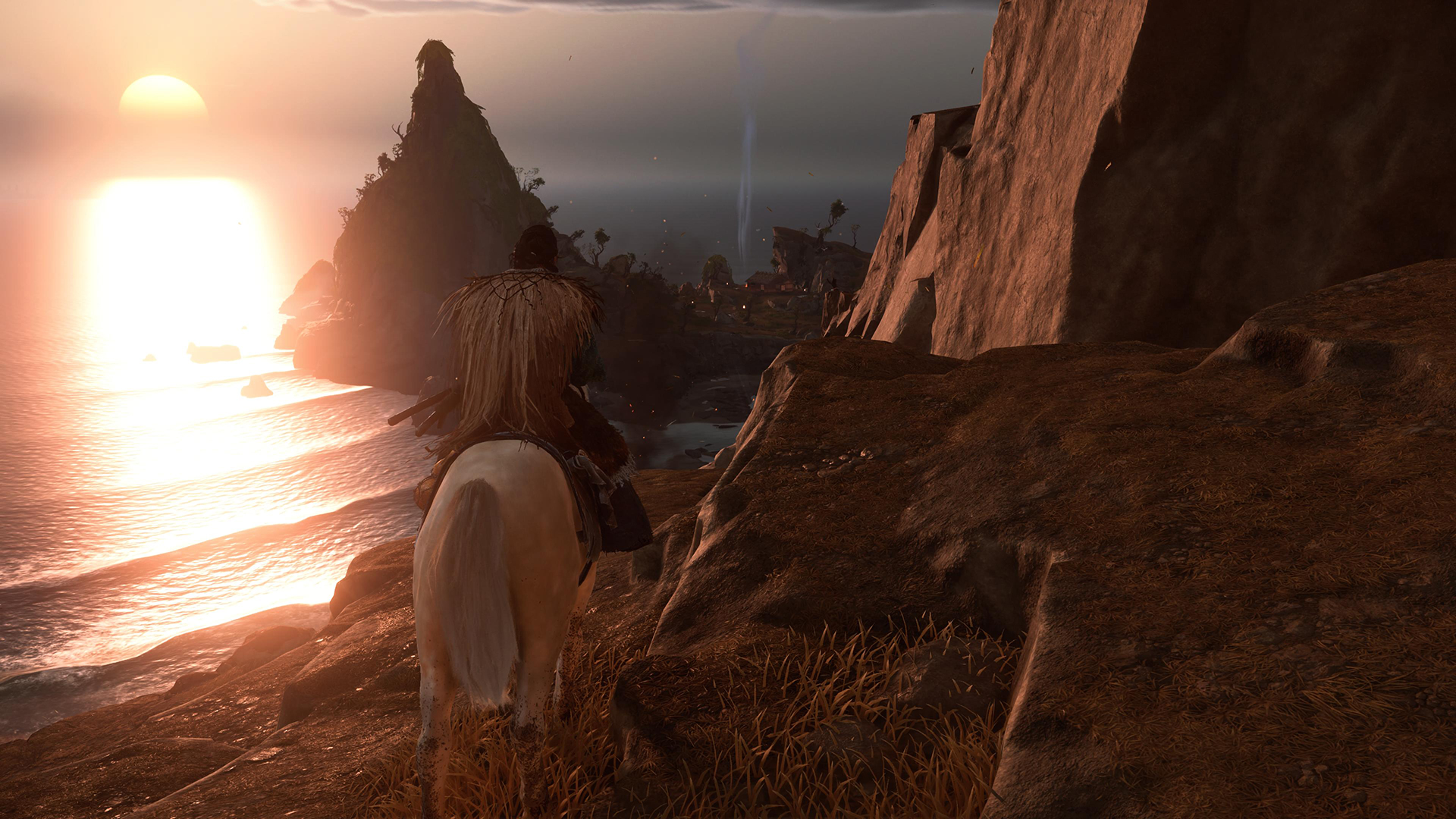
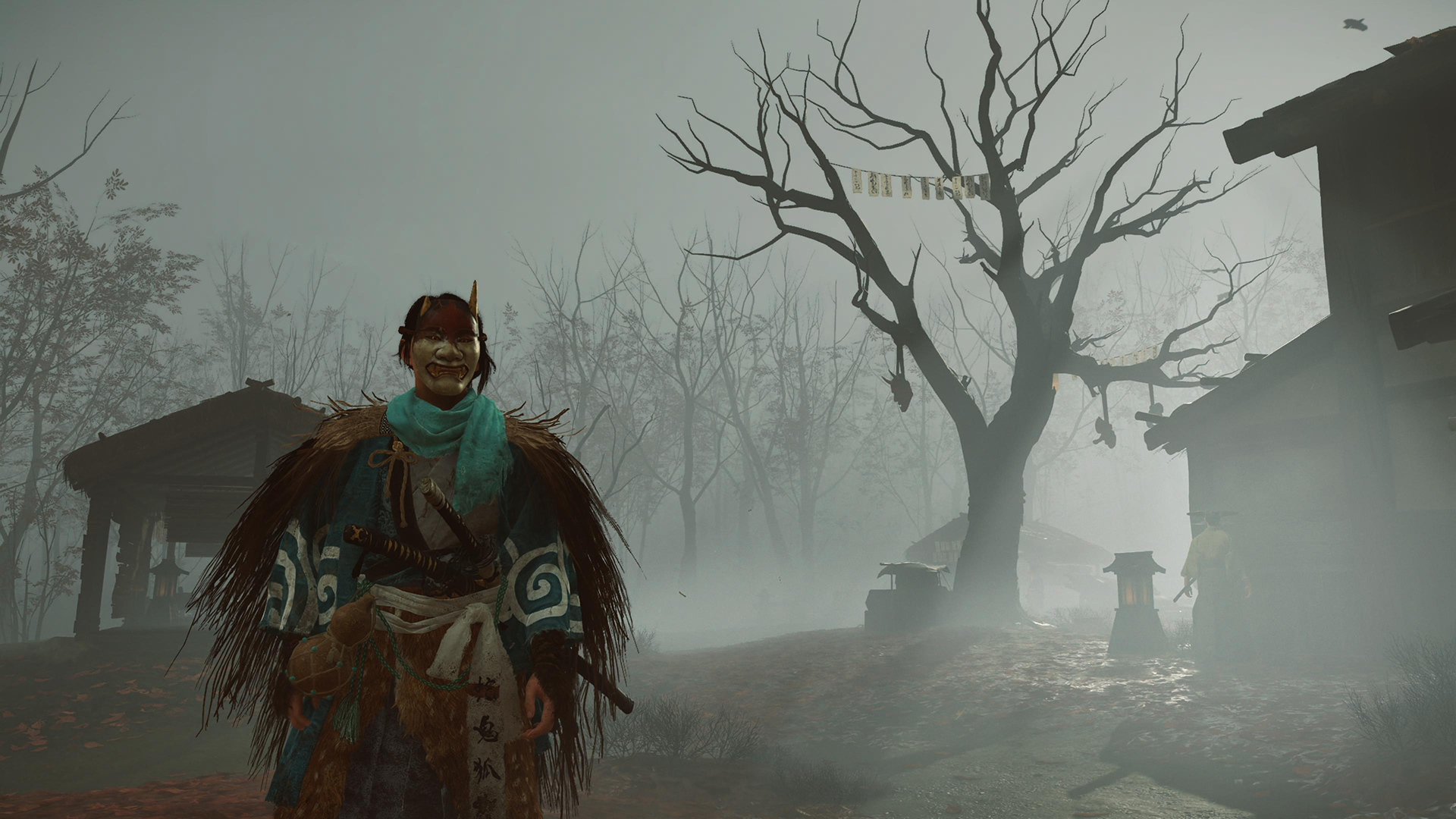
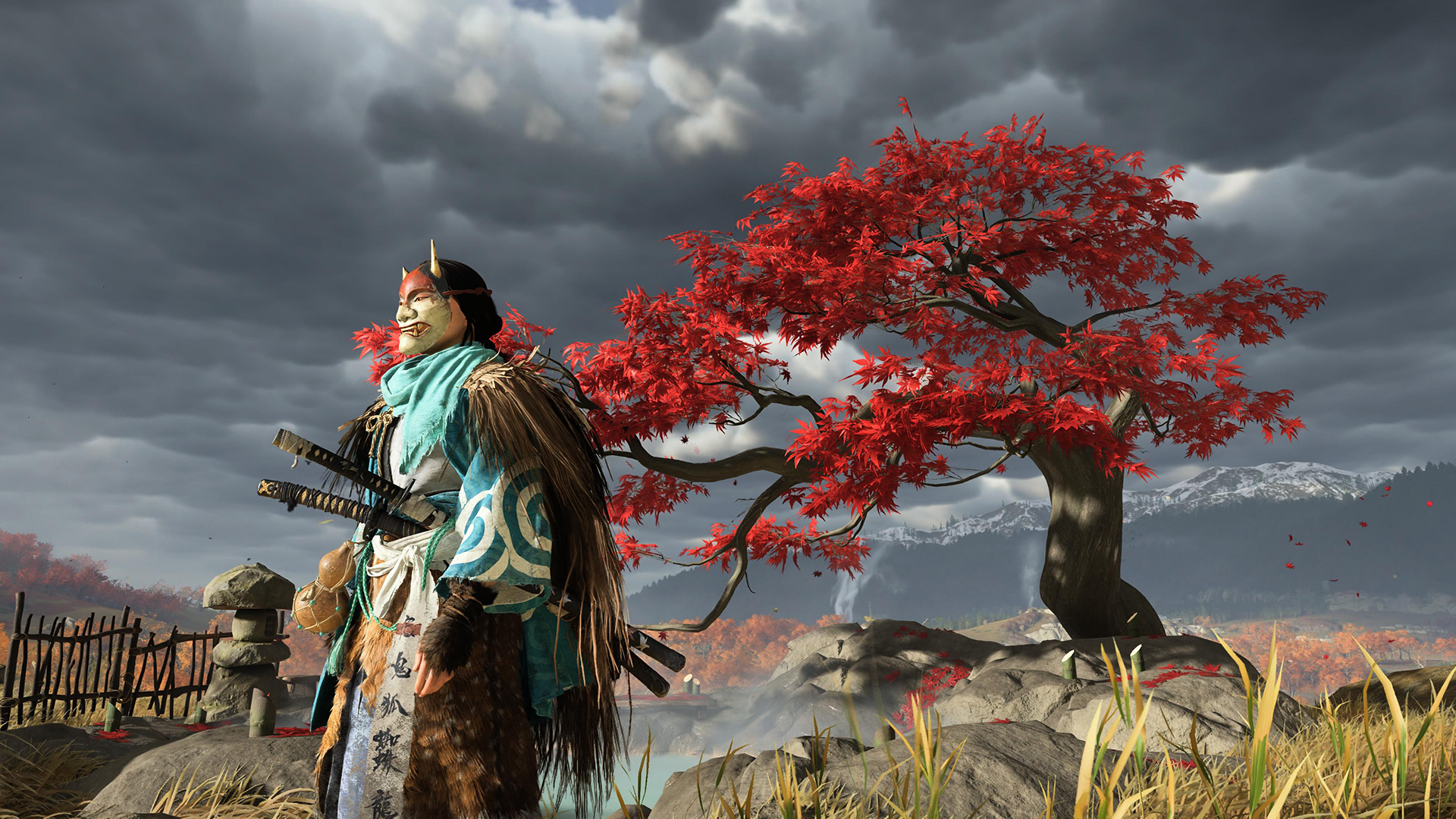
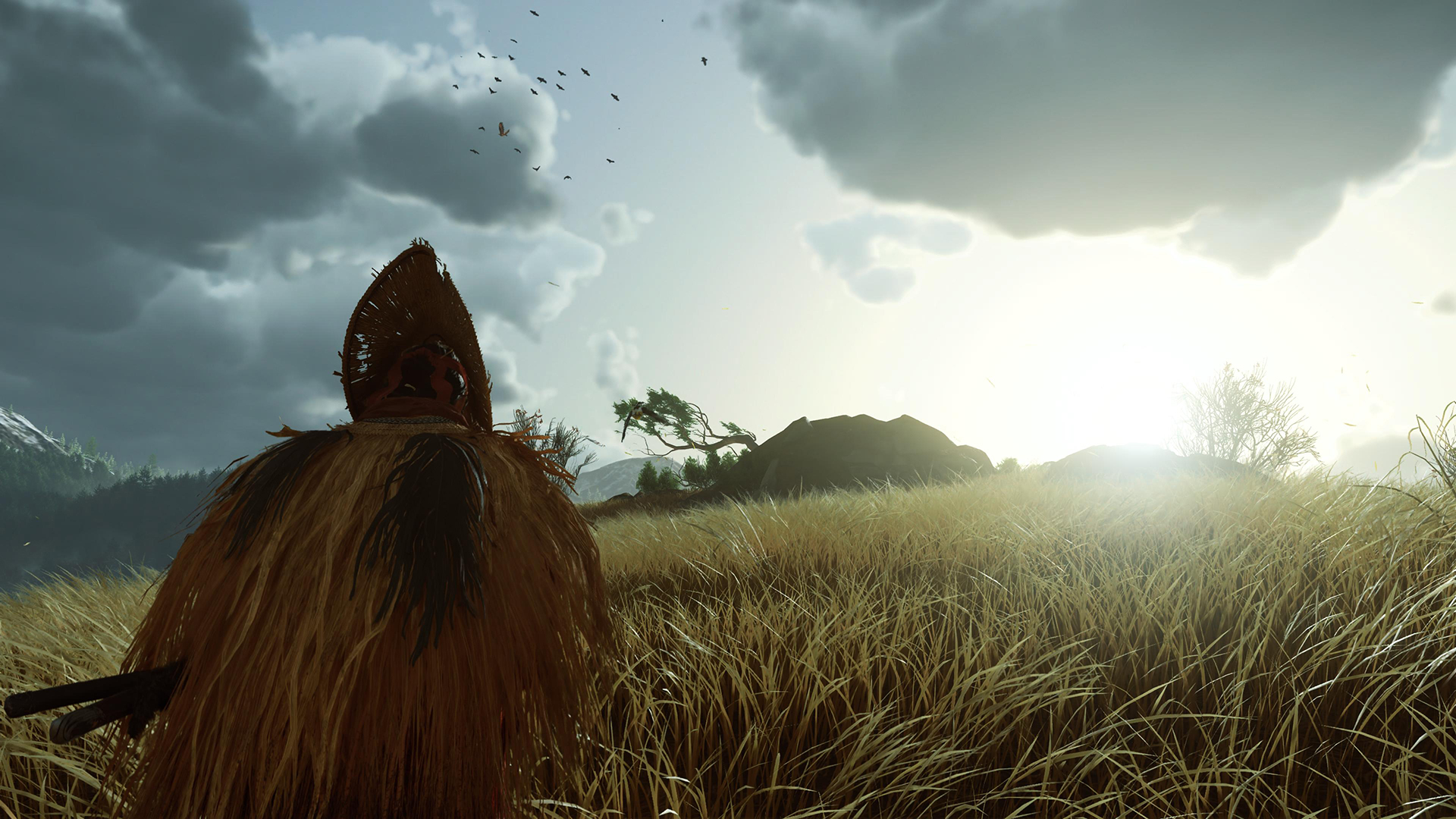
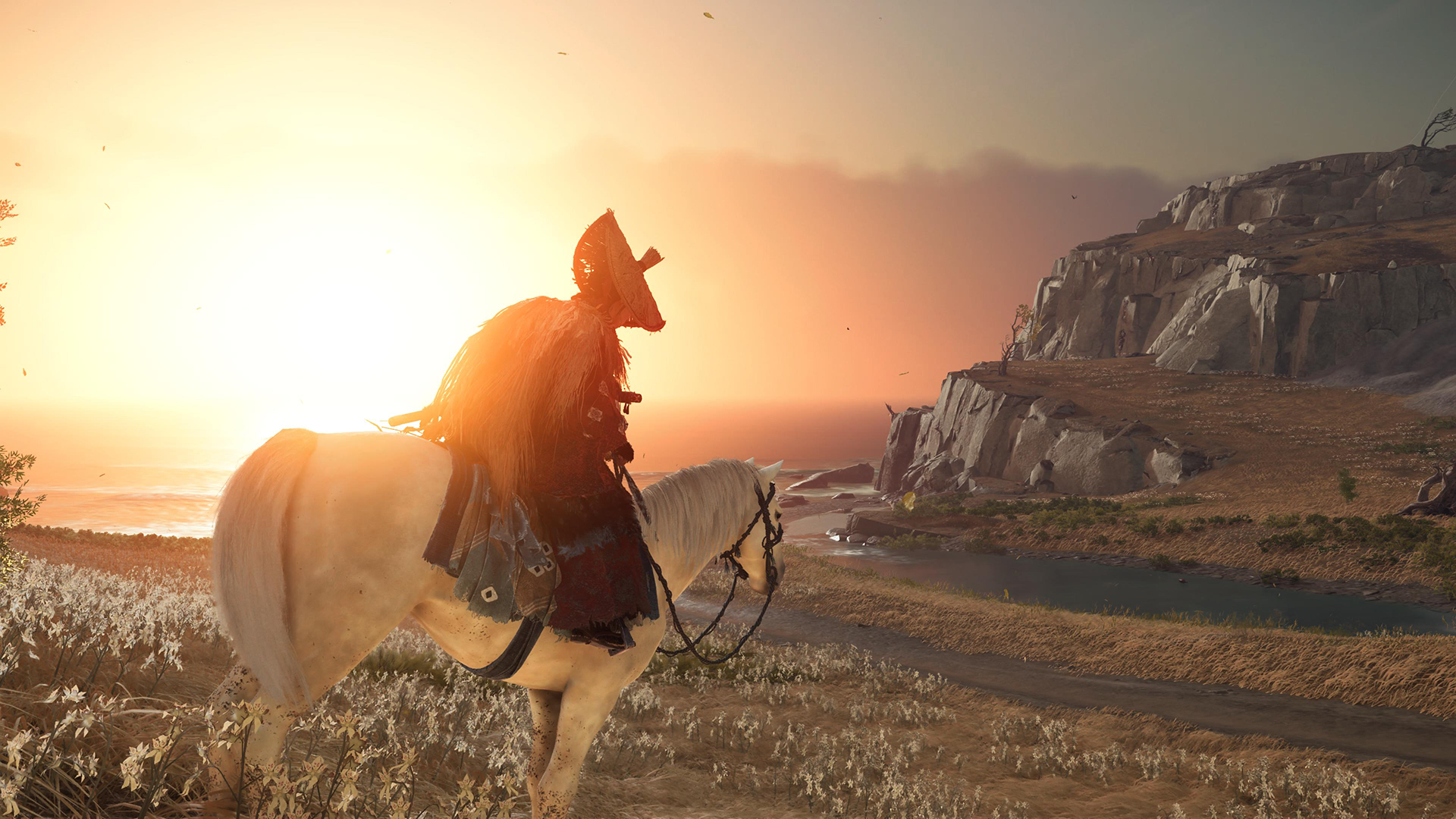
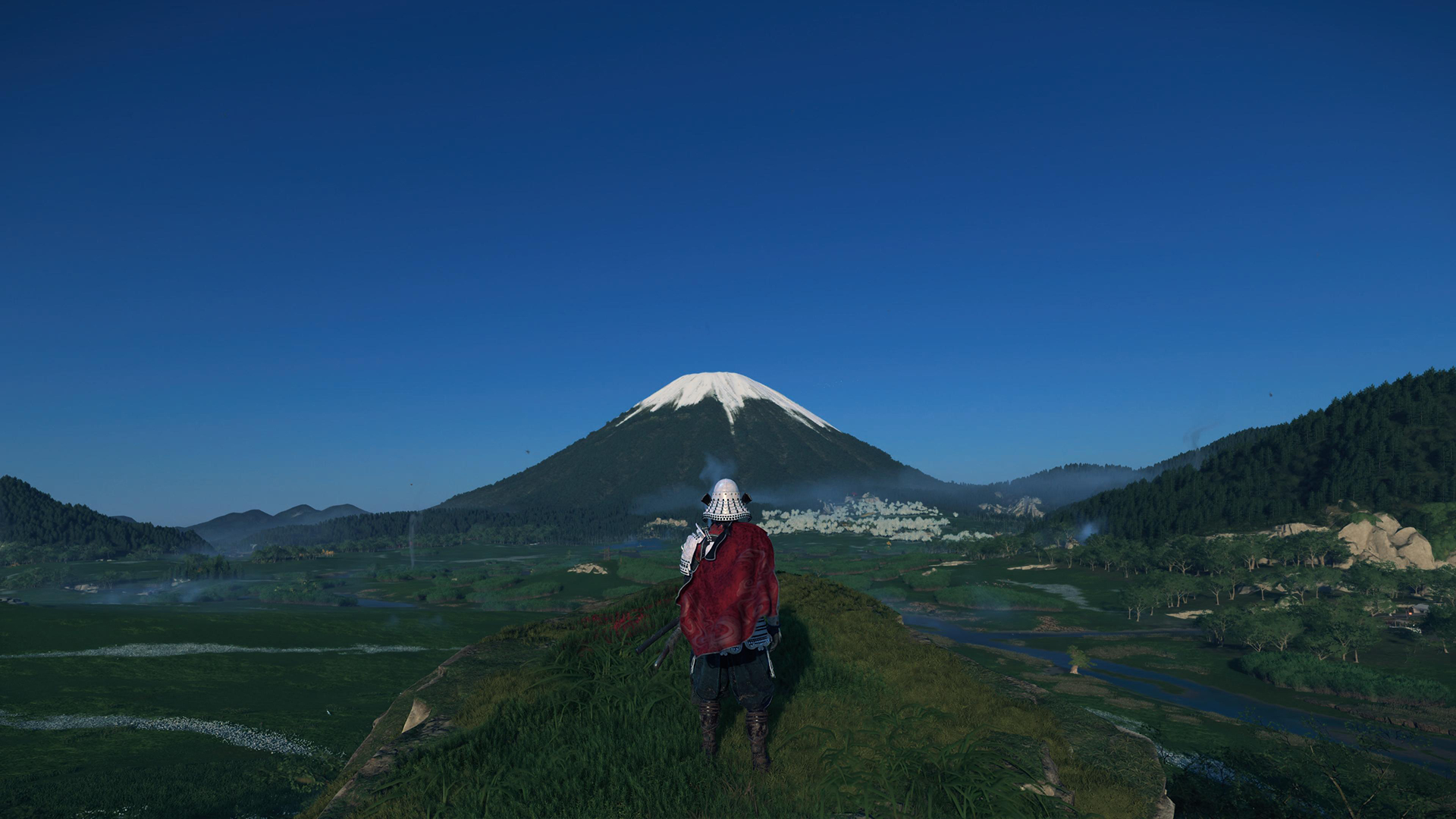
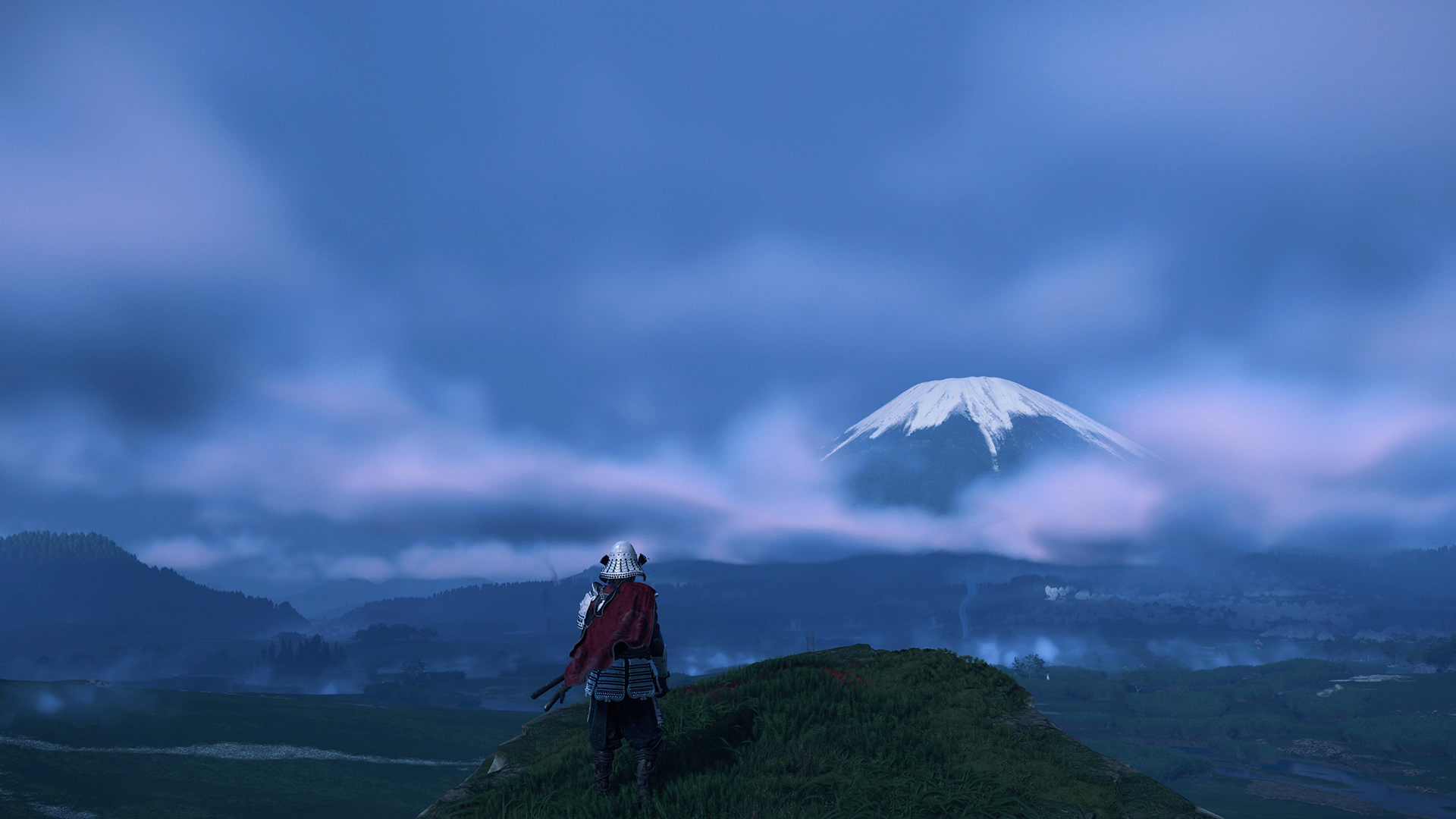
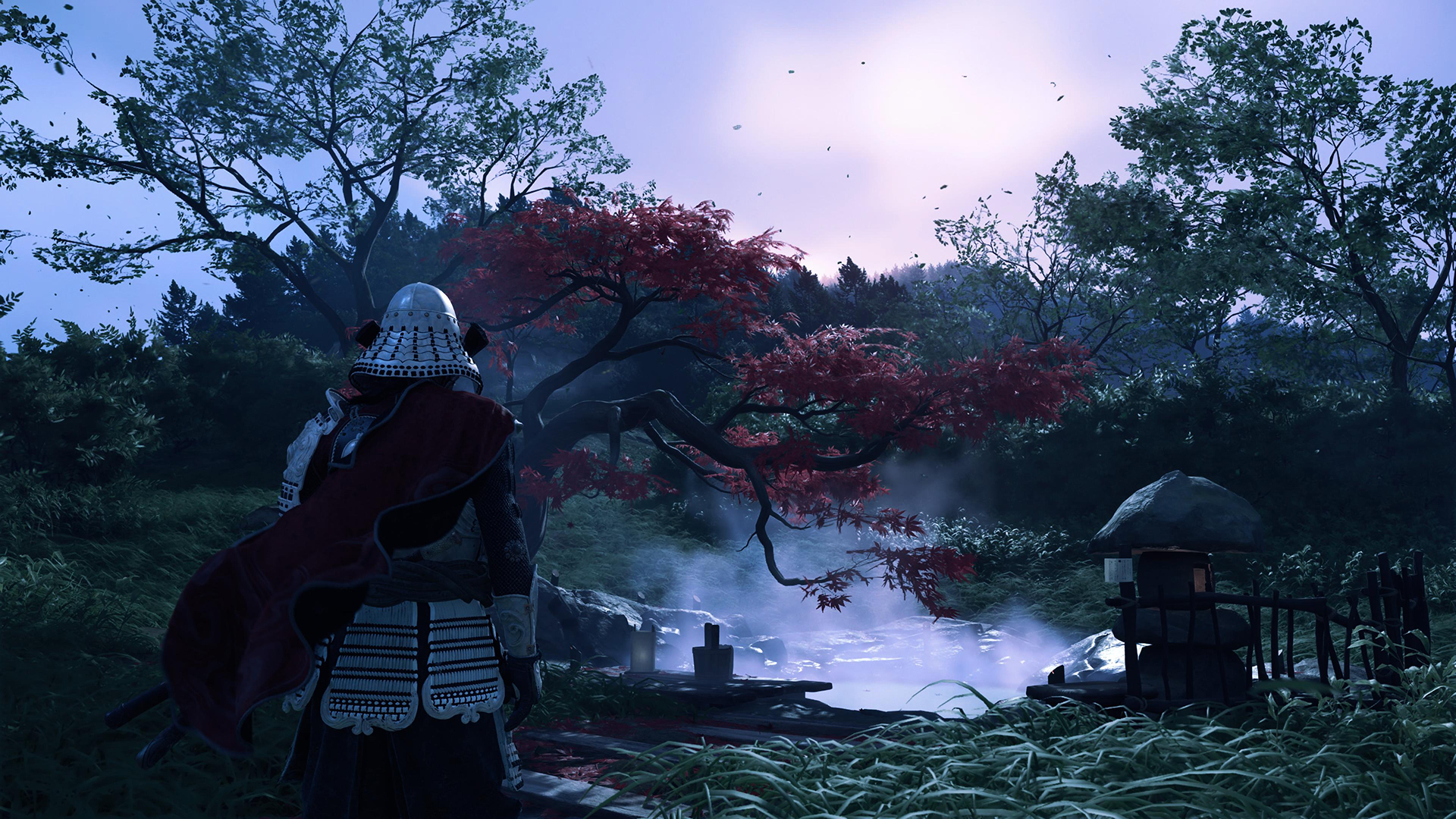
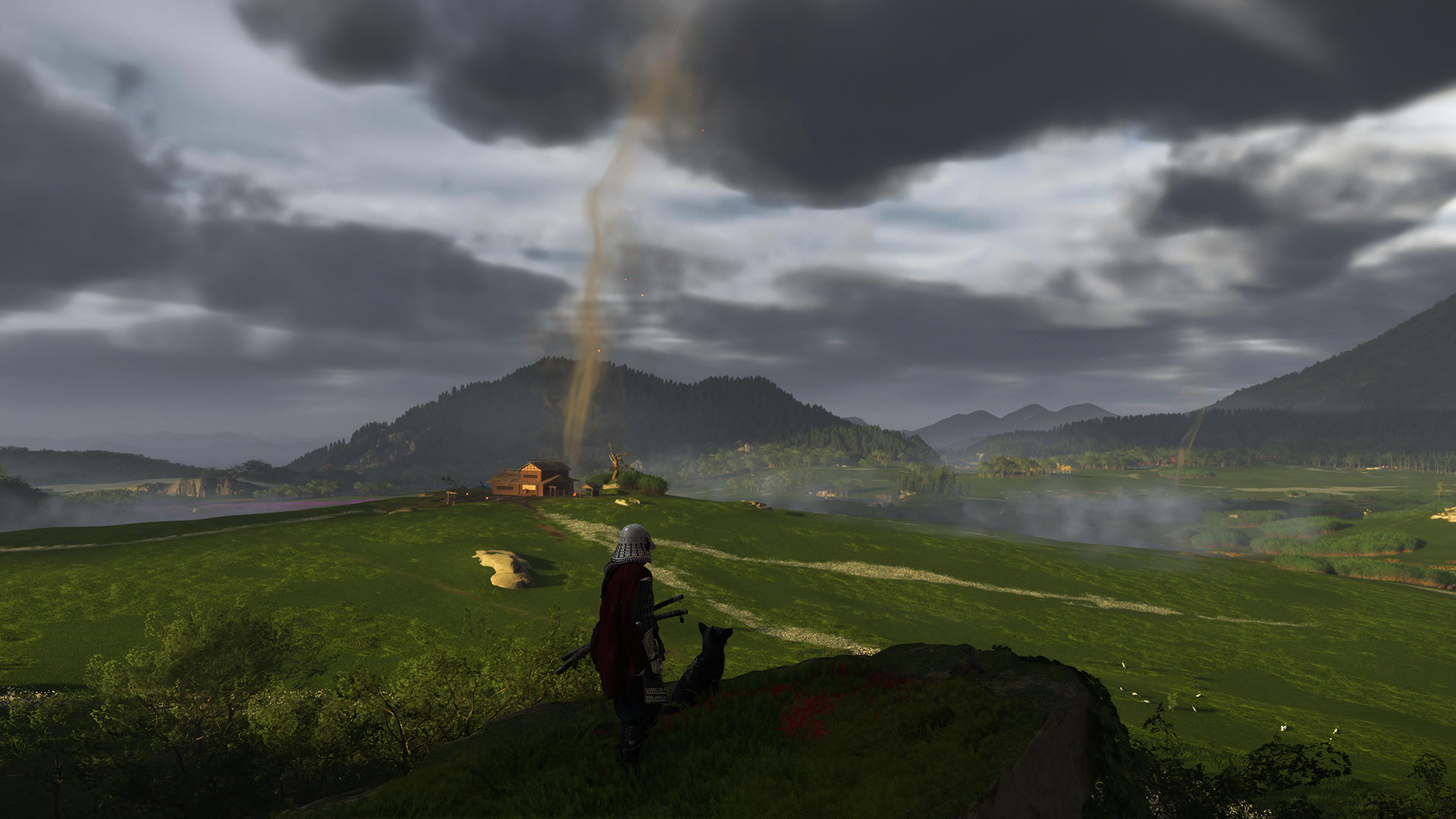
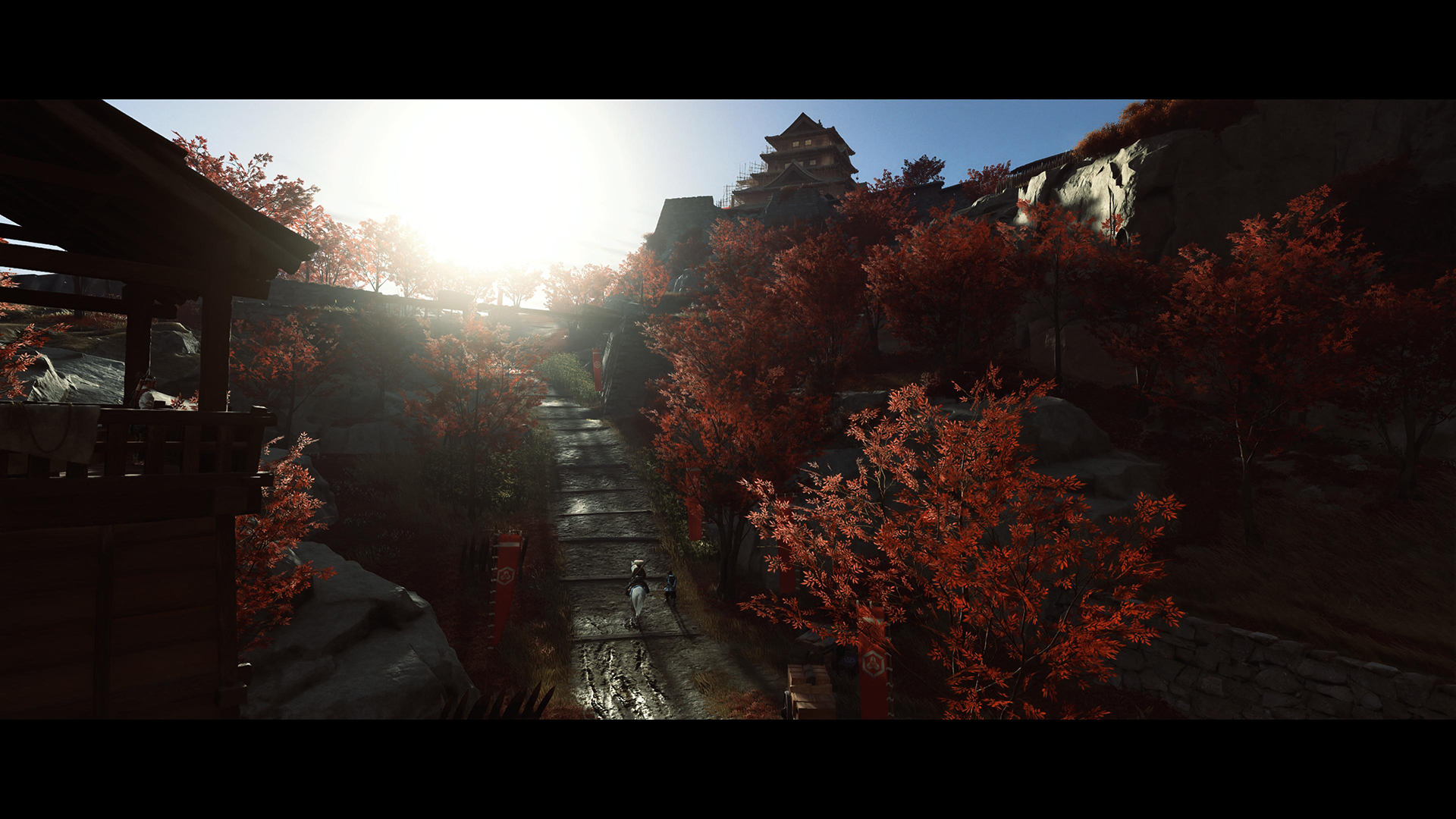
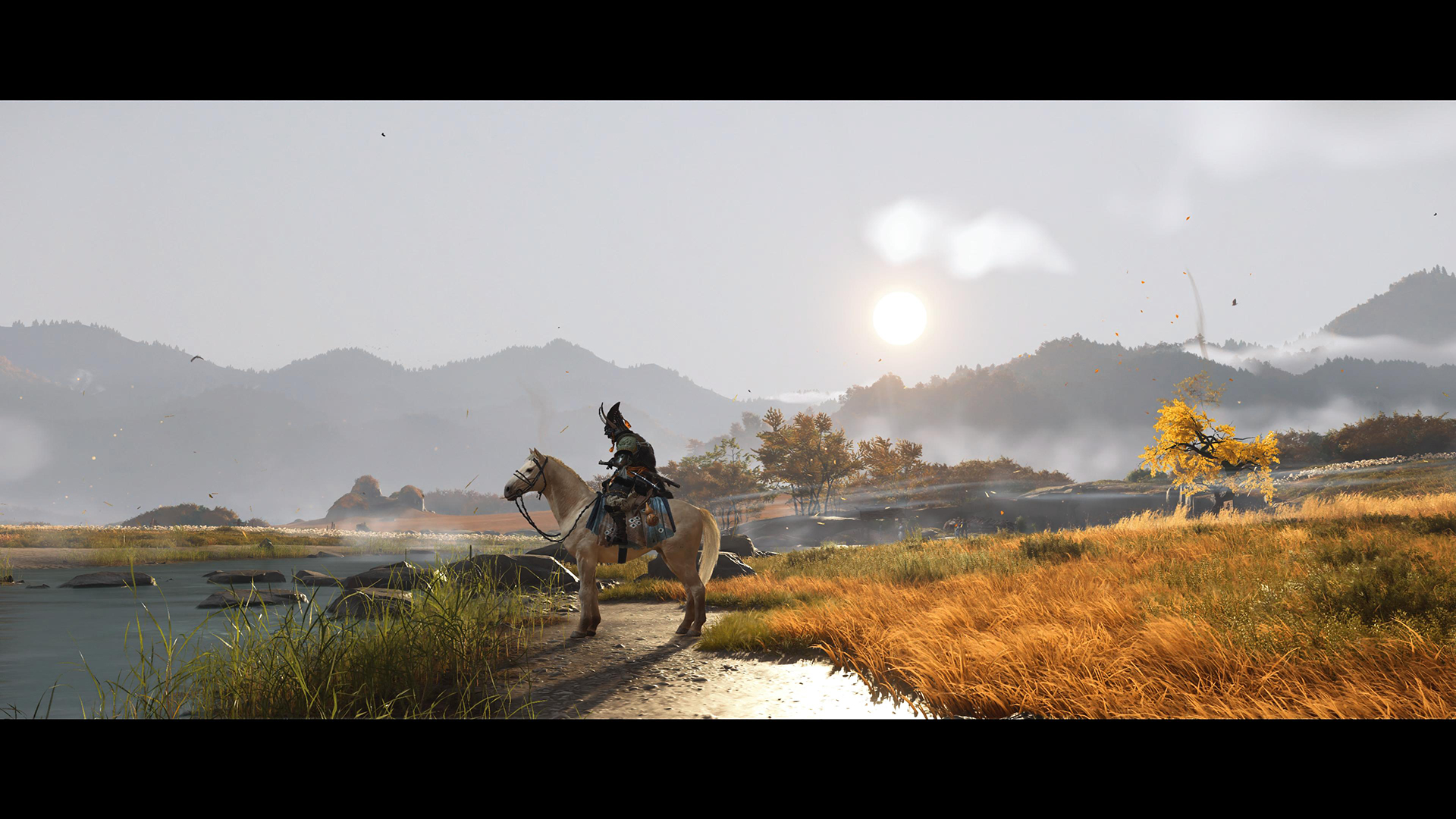
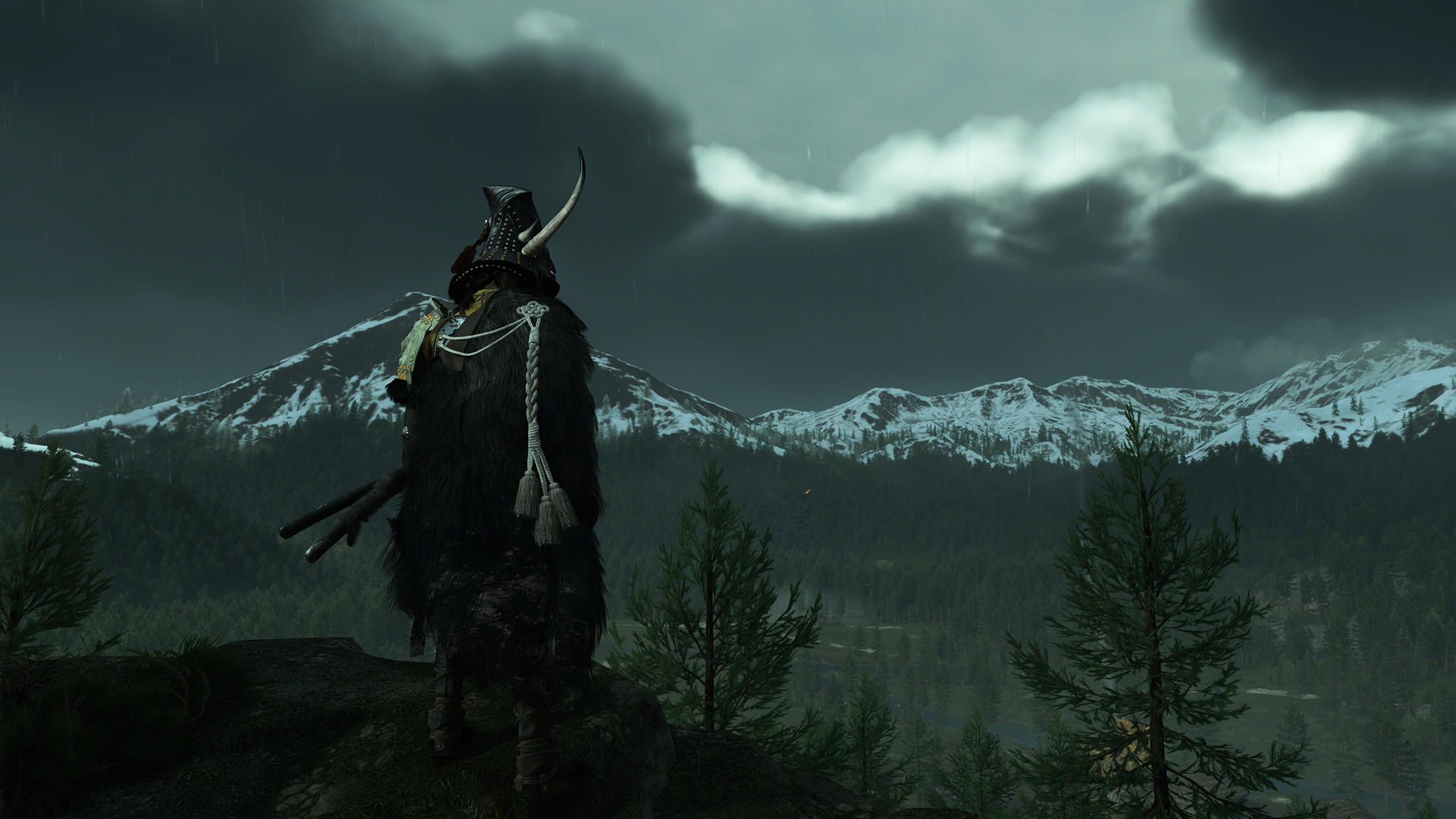
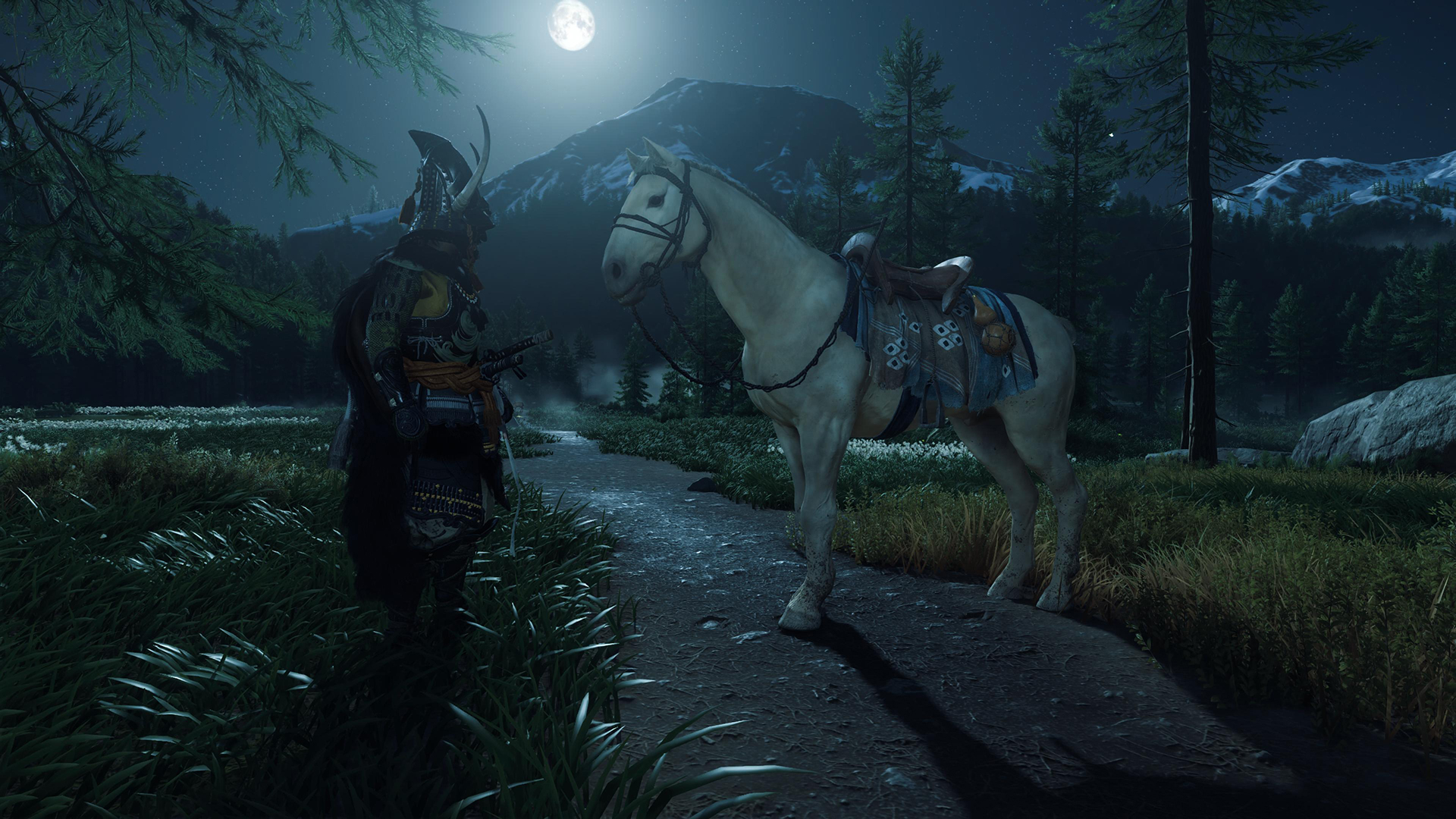
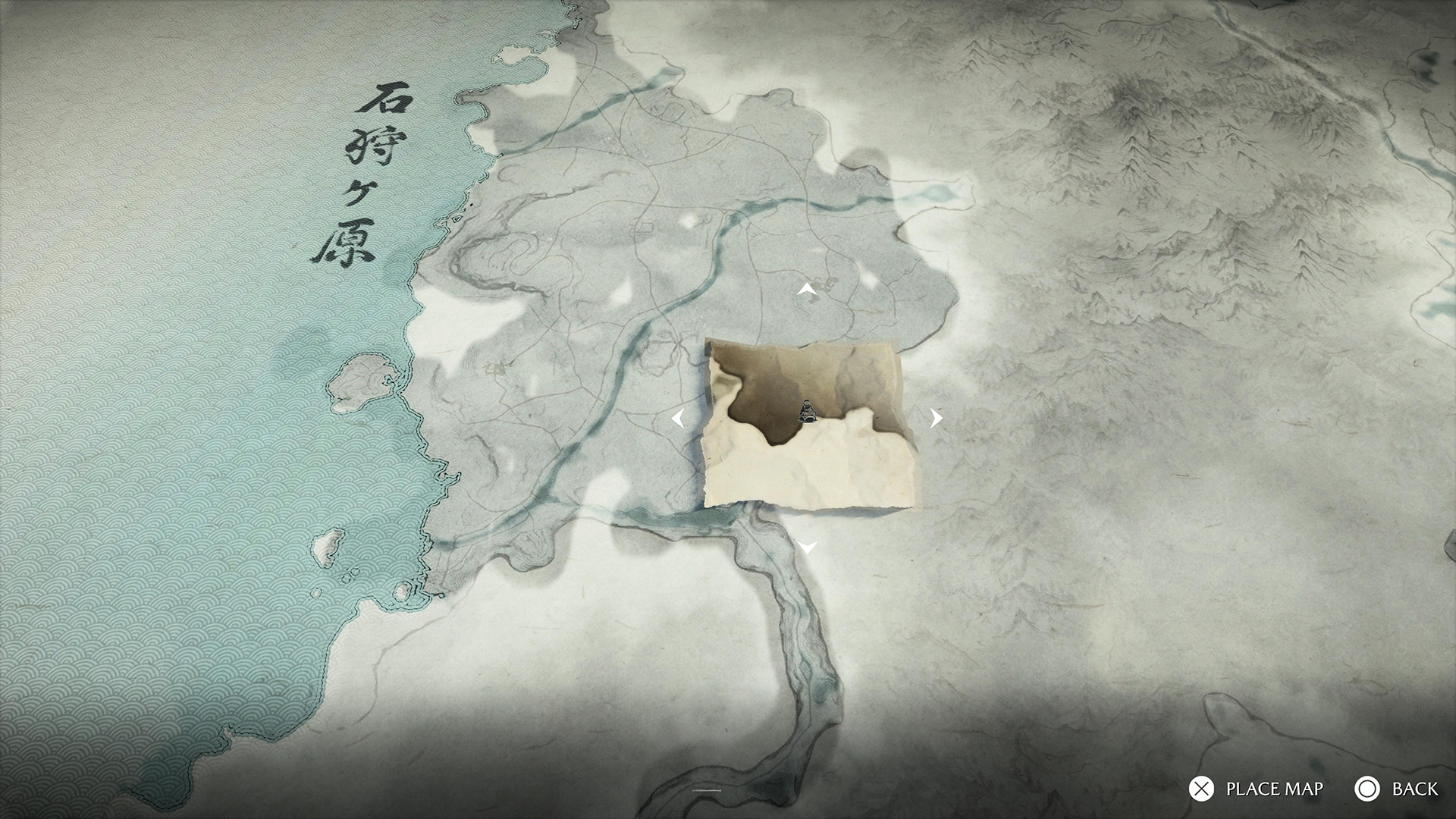
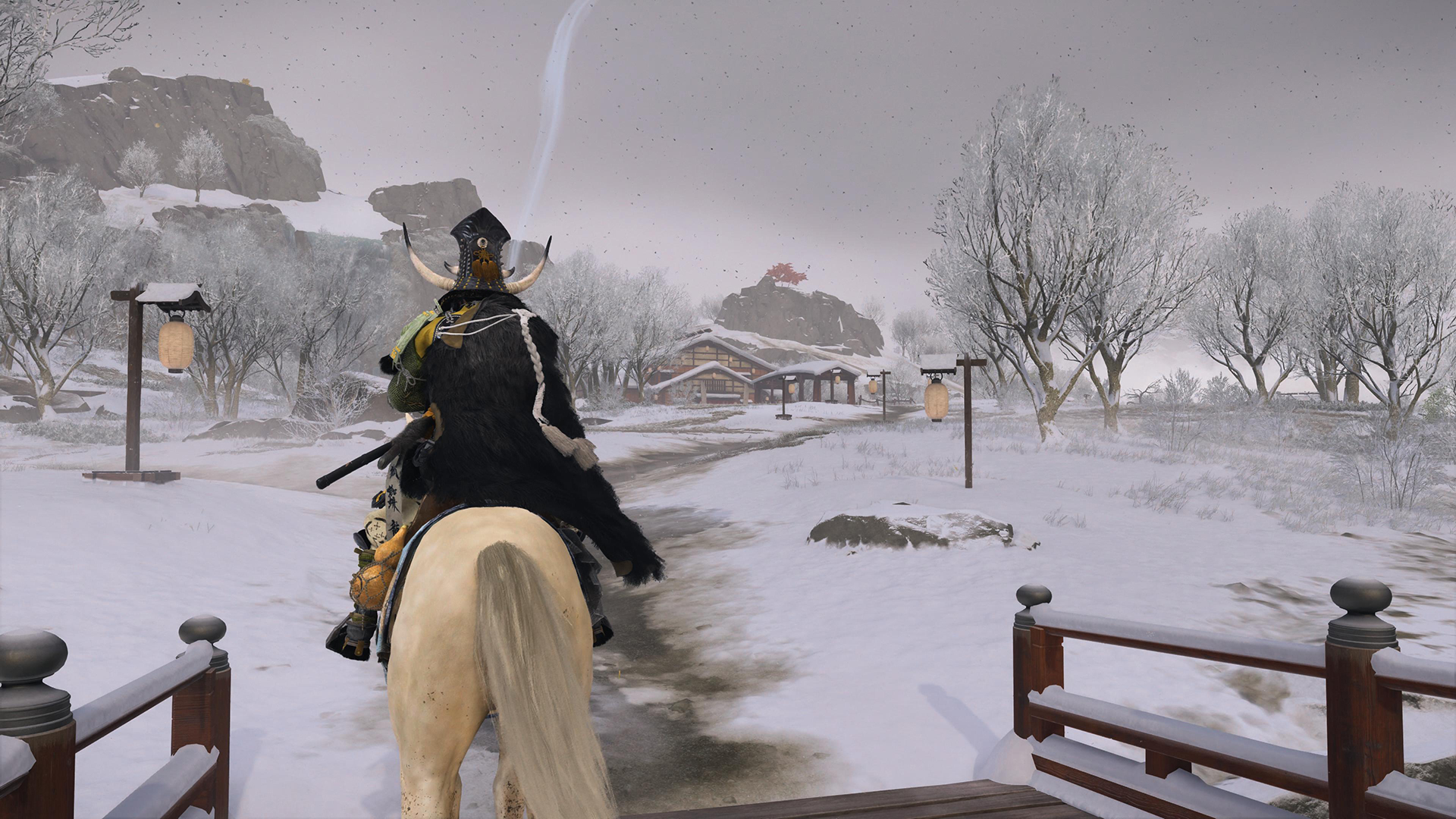
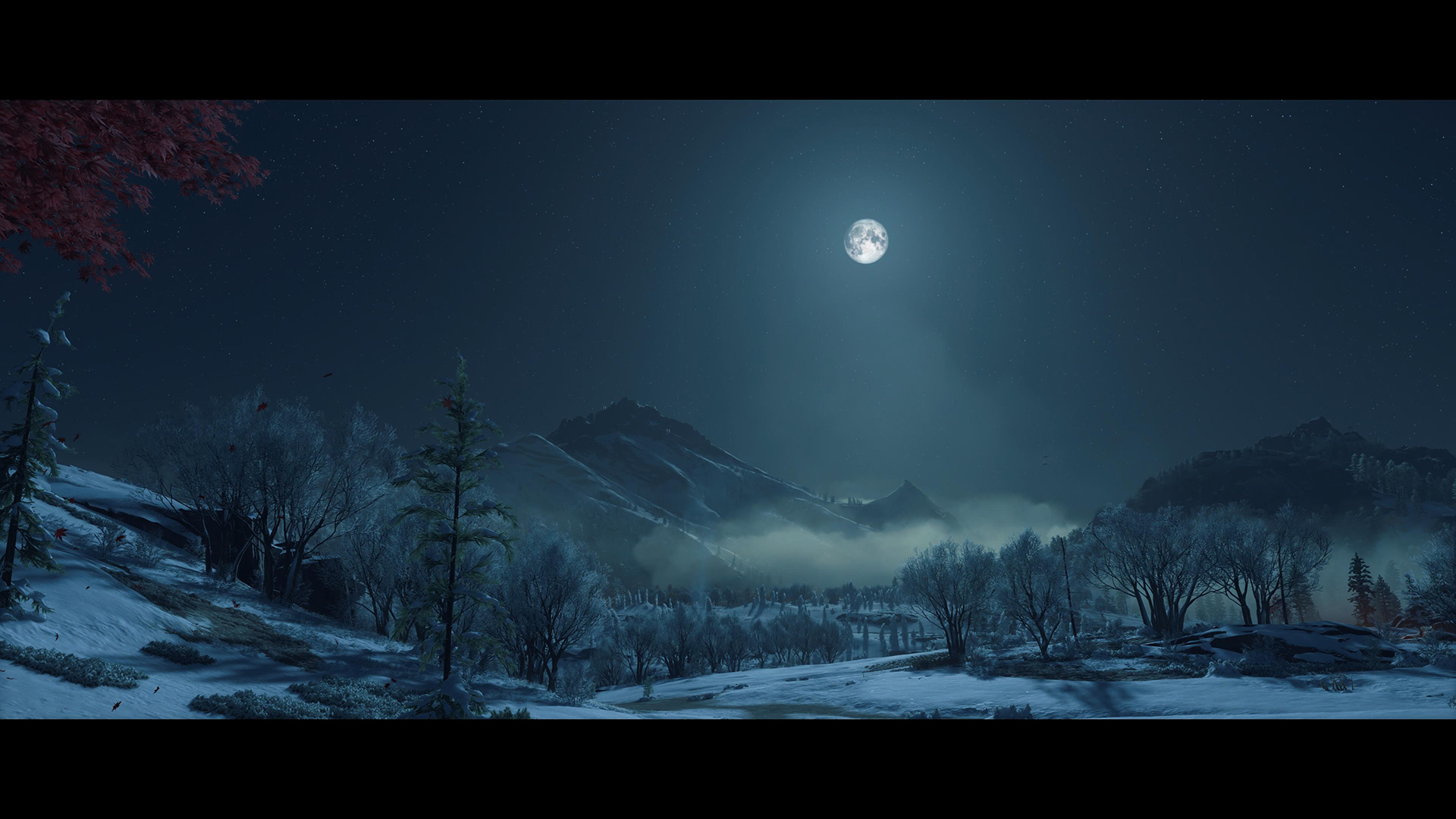
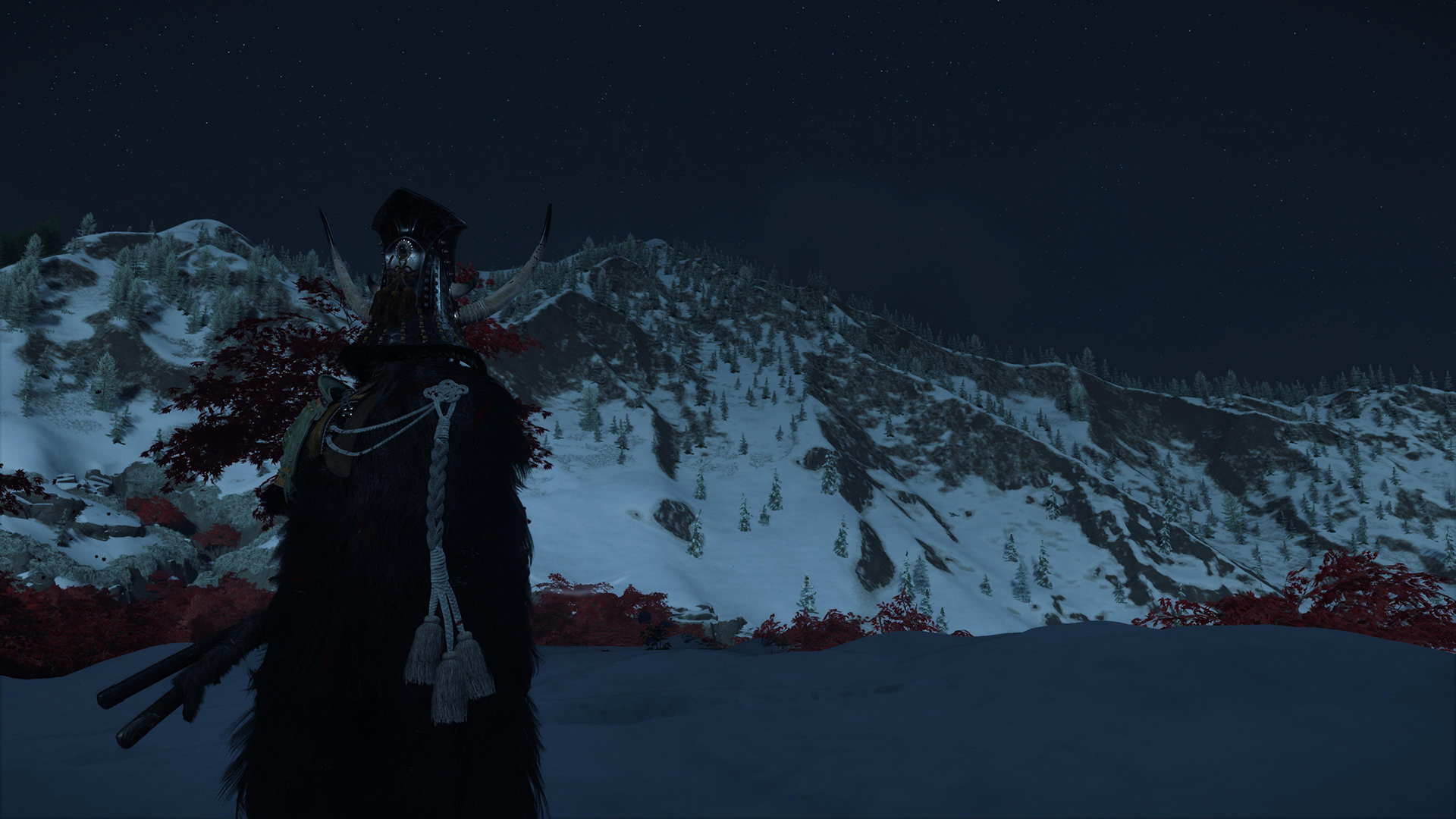
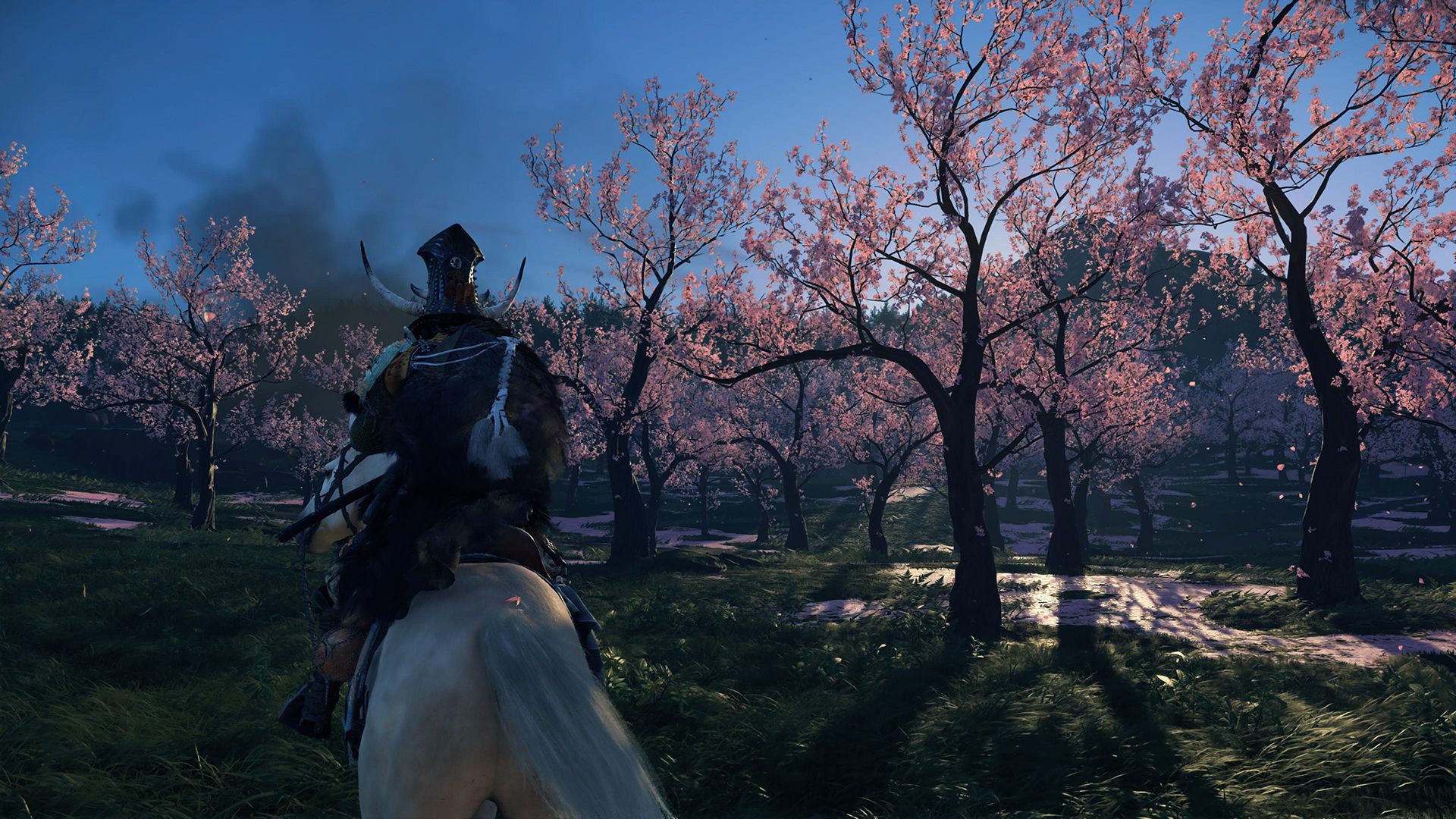
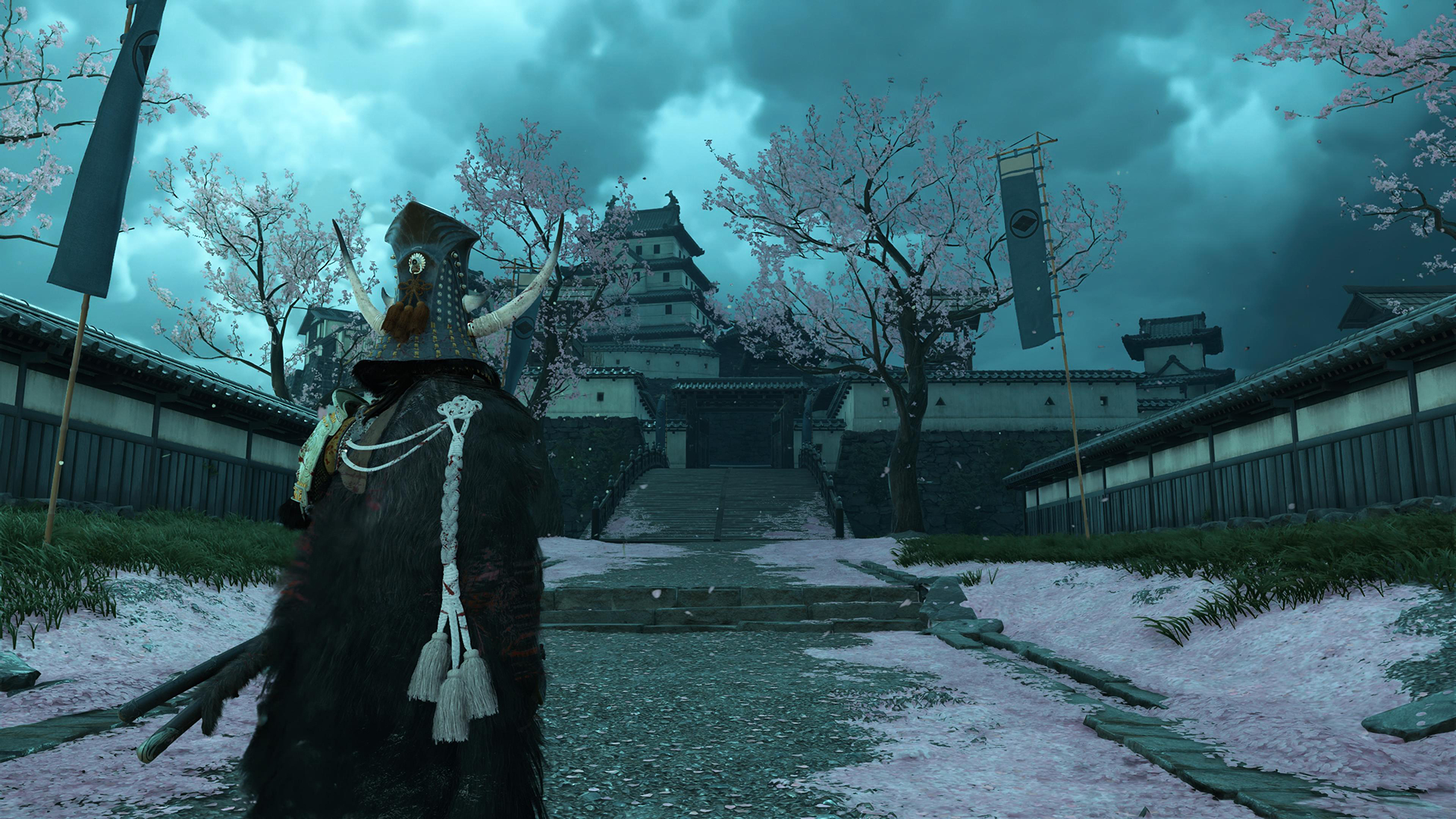
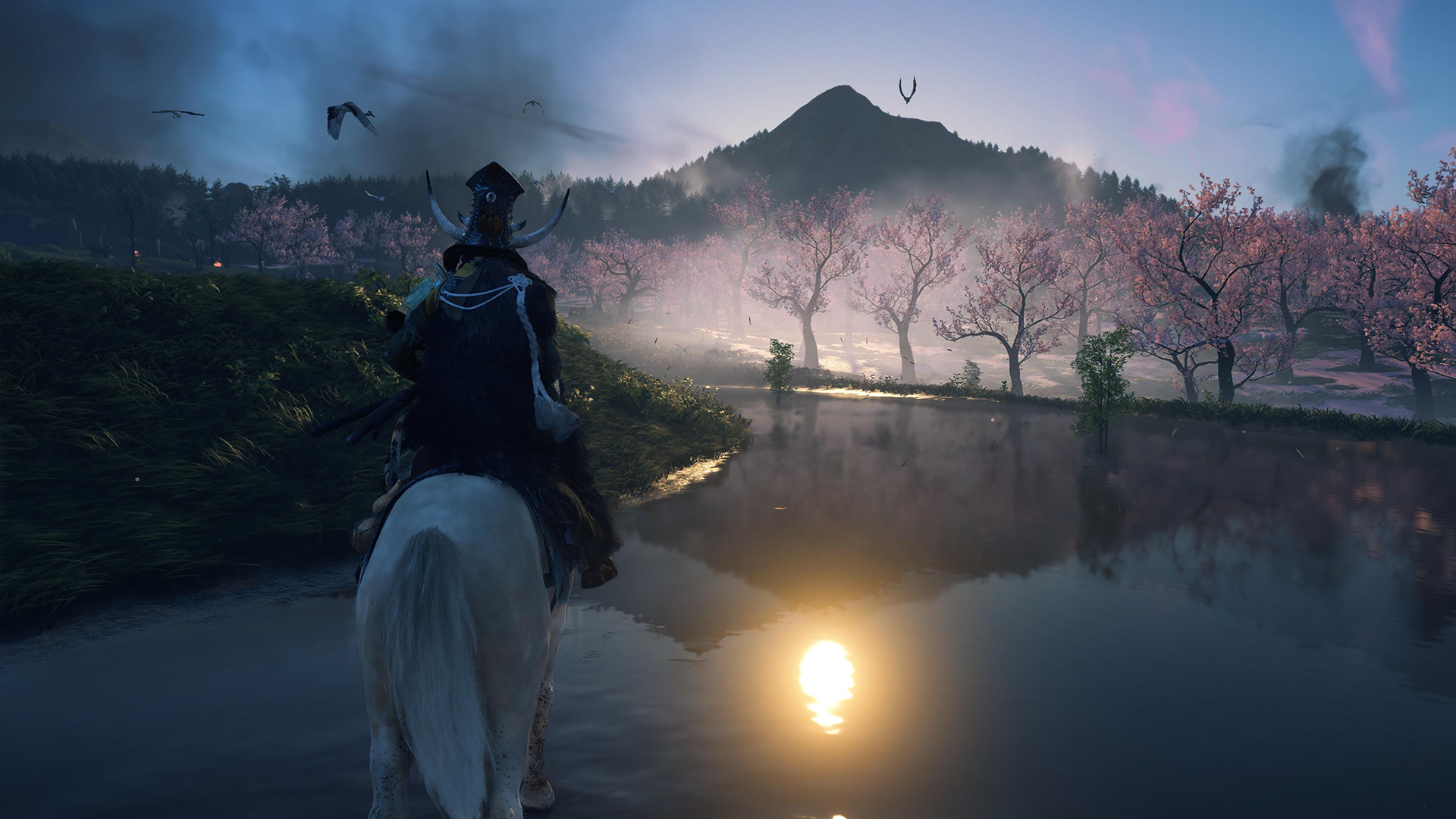
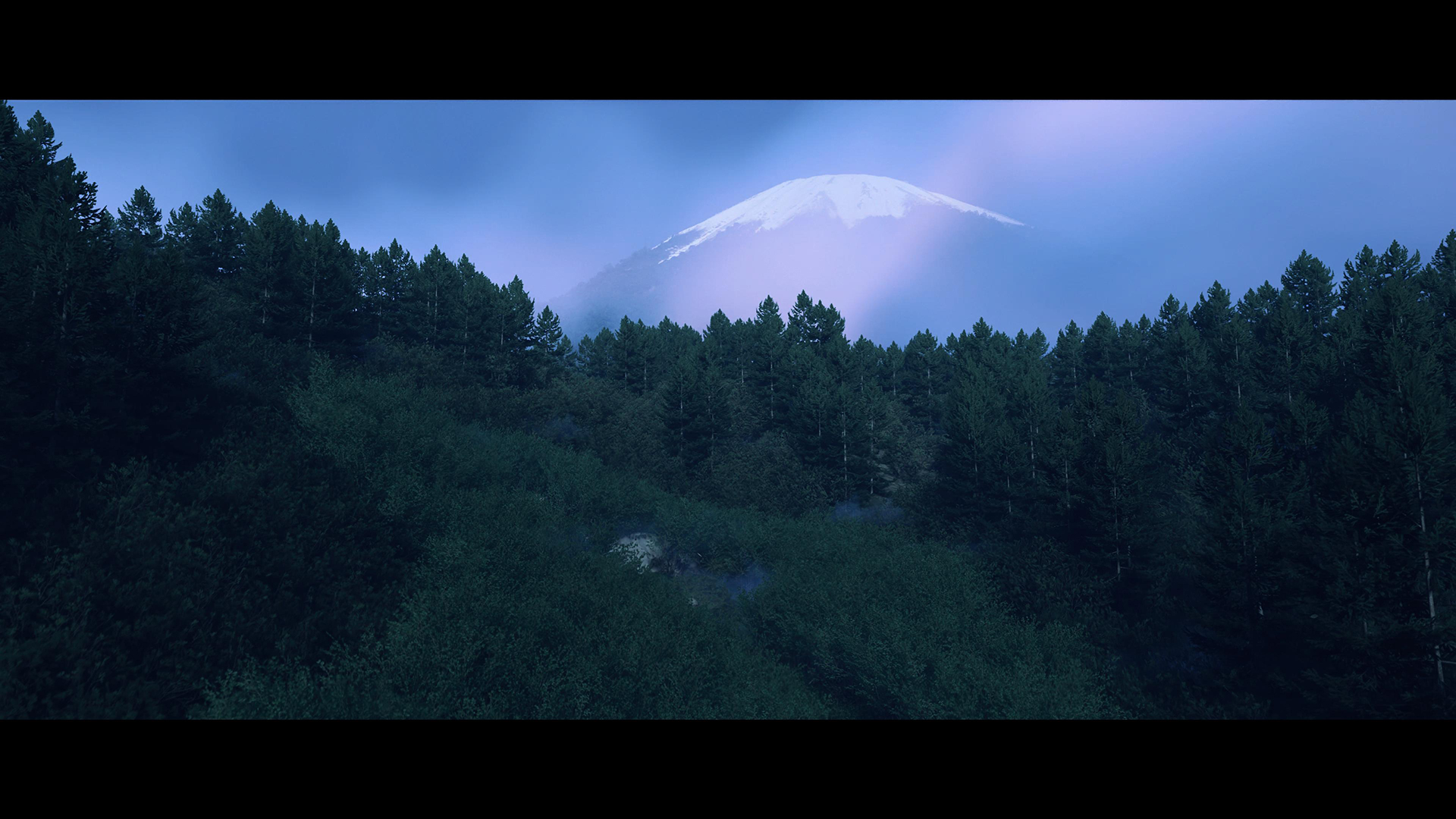
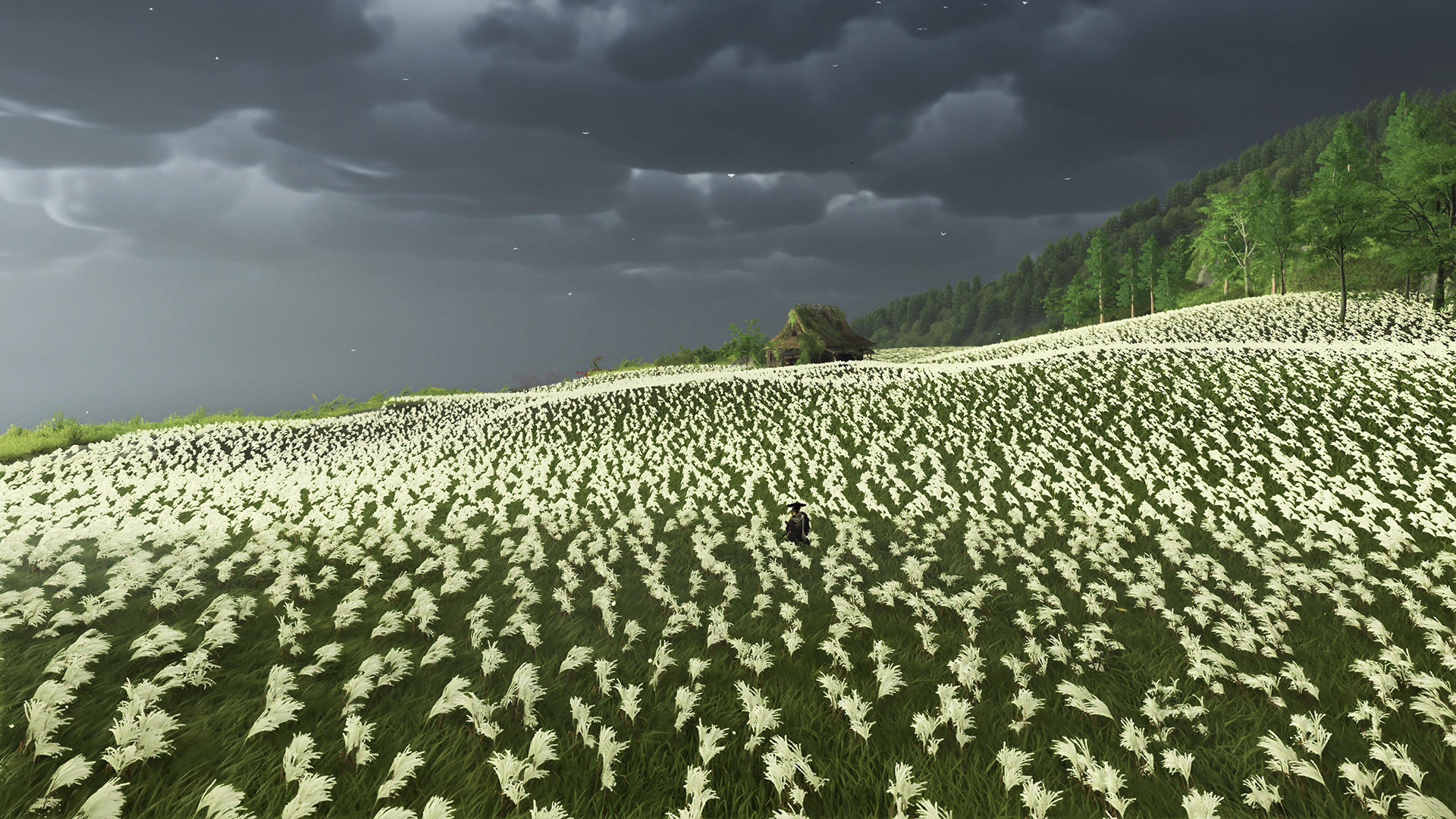
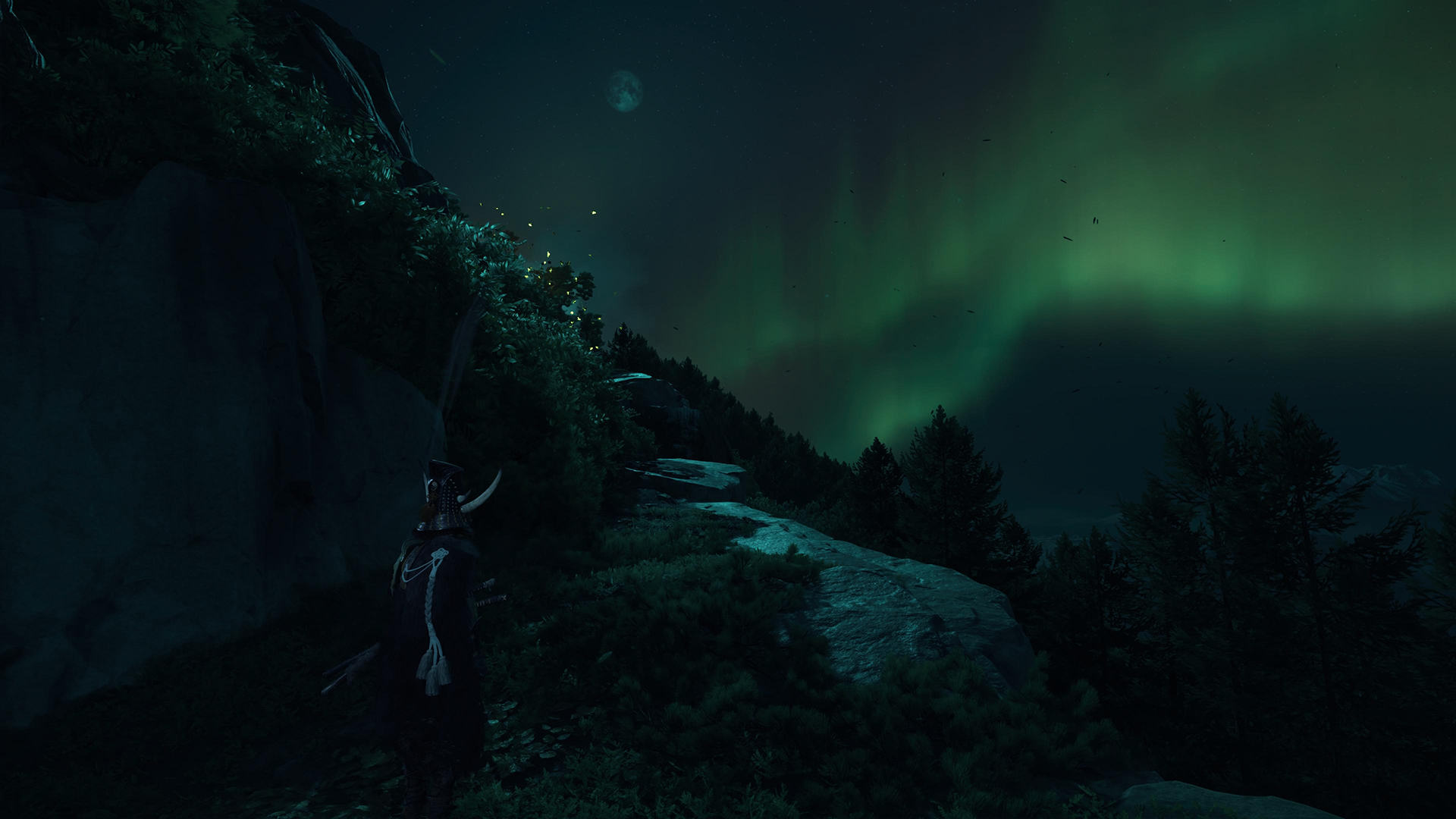
The region of Ezo (modern-day Hokkaido) that the team at Sucker Punch has created is really the standout star of the game. Just when I thought Death Stranding 2: On the Beach wouldn’t be surpassed for picturesque environments, Ghost of Yōtei delivers quite possibly the most beautiful game I’ve ever played. While exploring the world, there were so many moments when I couldn’t help but stop and take screenshots. It’s a stunning variety, too, with each region feeling unique. From the cherry blossoms to the snowy peaks of Mount Yōtei, you’ll feel compelled to explore every inch of this world.
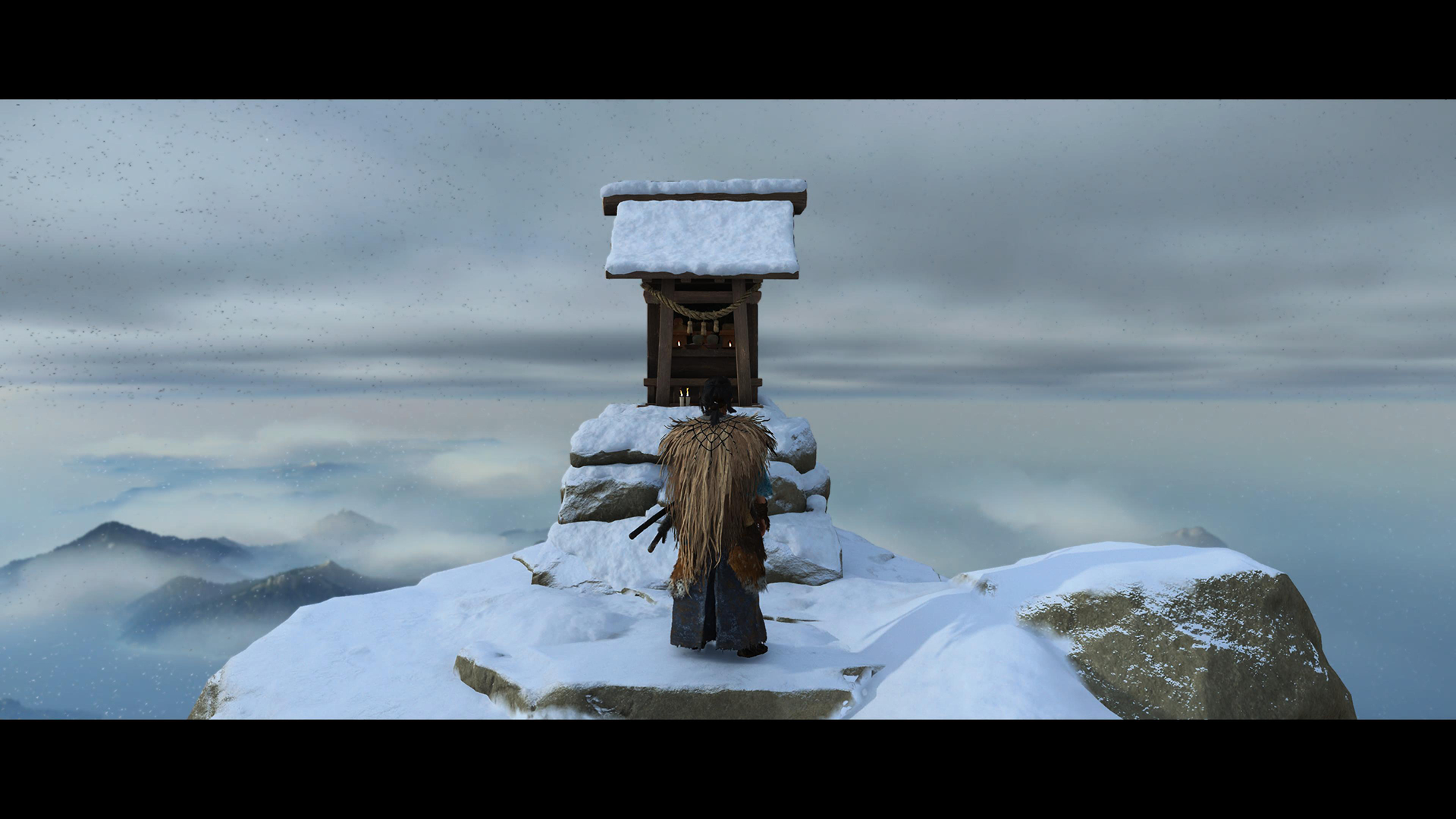
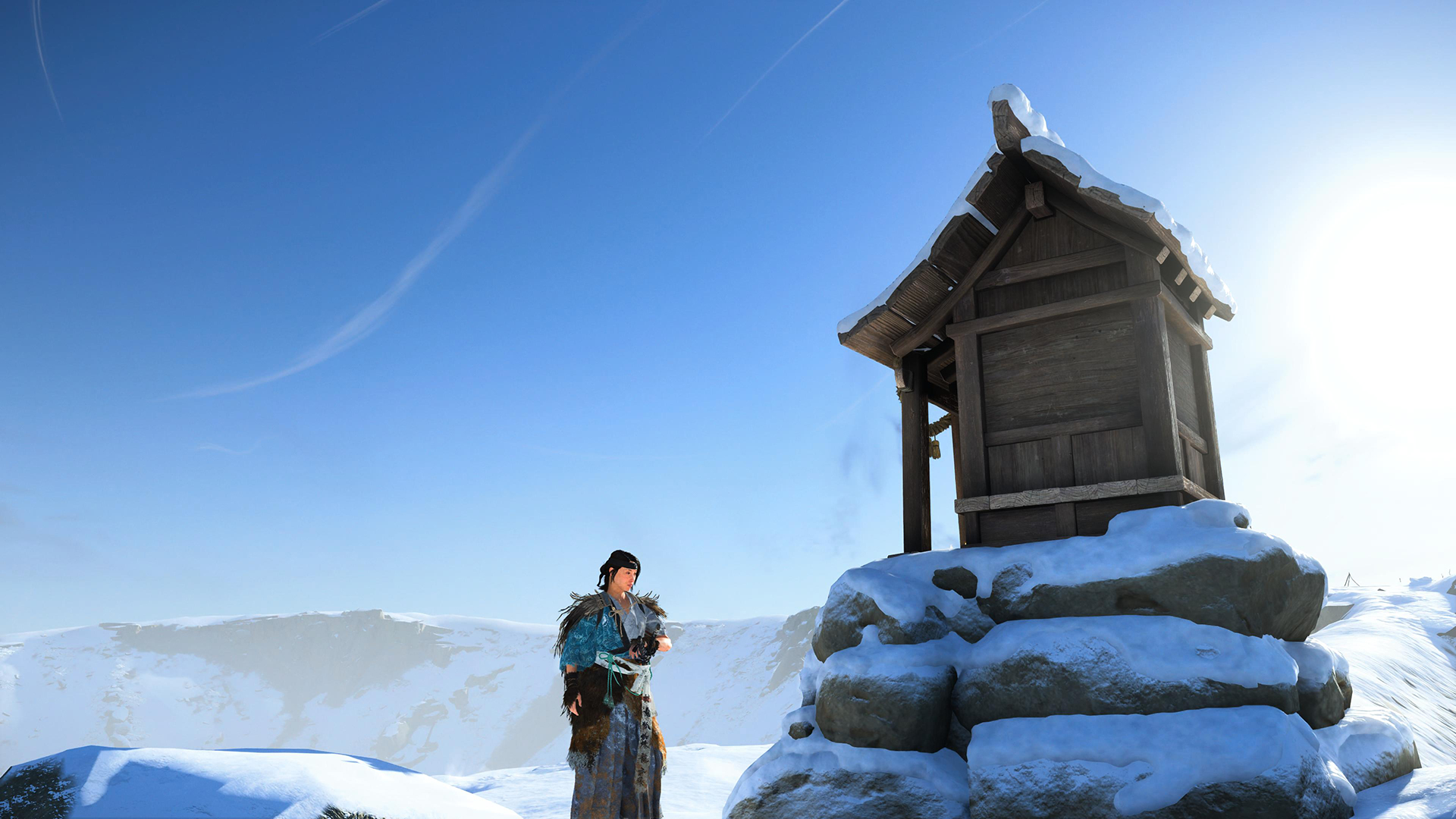
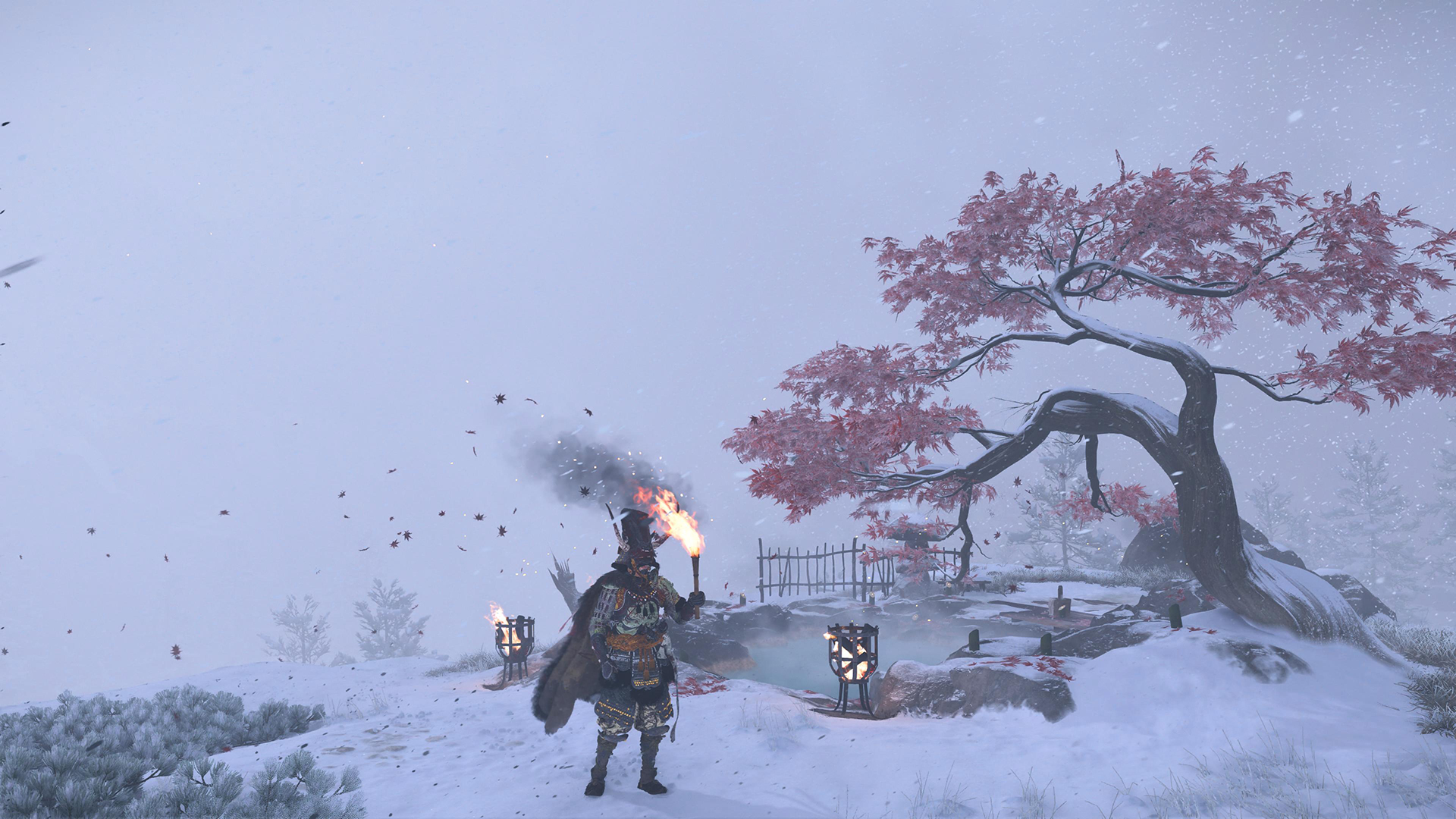
My opening 20 hours with the game pushed me to do just that, with plenty of optional content encouraging me to uncover the map in its entirety. After a while, though, a lot of these activities became repetitive to the point that they felt like a chore. There are only so many times I can climb a mountain to find a hot spring or clear a camp with my faithful wolf companion. While some of the side quests did introduce entertaining characters, making Atsu more formidable largely involves boring tasks. For example, hot springs are necessary to increase your health bar, while finding shrines and altars allows you to unlock new skills. Some players may feel that unlocking all of those is a requirement, and there’s just not enough variety to make it engaging.
Fortunately, unlocking the four other main weapons has more meat on the bone. Each of these quests introduces an interesting personality or two and meaningfully contributes to Atsu’s growth as a character. She starts off as a fairly one-note “I only care about revenge” persona, but each of these interactions gives her a new perspective to consider. The pattern for these quests does feel a bit similar to one another, but they never overstay their welcome, and it’s always fun to play with a new weapon.
Petal to the Metal
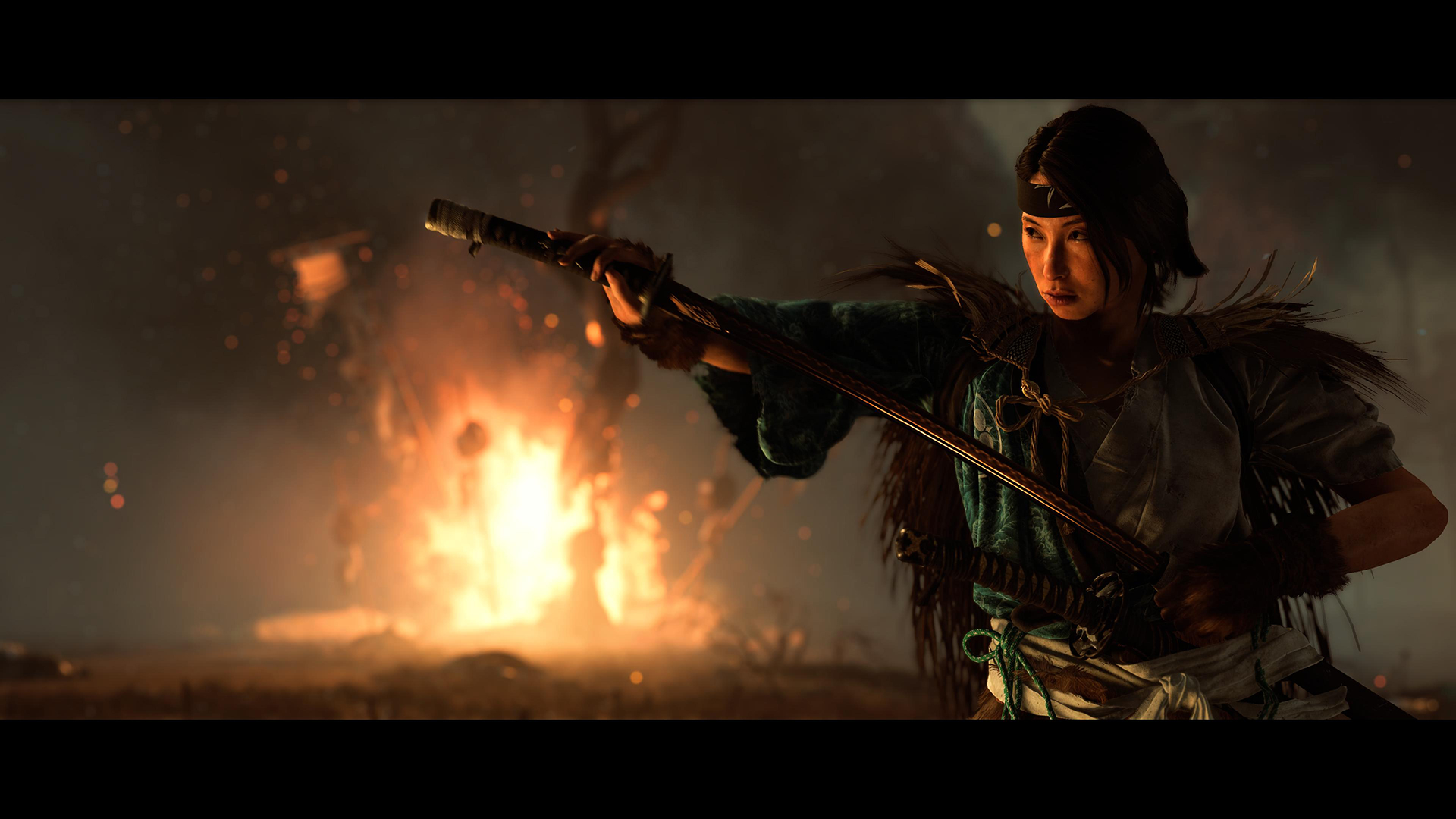
This leads me to the game’s combat systems, which are another shining point. Instead of the stances in Ghost of Tsushima, Atsu eventually has five weapons in her arsenal: Katana (Wolf Blade), Dual Katana, Yari, Kusarigama, and Odachi. Each of these feels very different to wield, with the Dual Katana focusing on fast attacks, while the Kusarigama and Yari give Atsu a bit more range. The large and unwieldy Odachi is the equivalent of a giant two-hander in other action games, with slow but powerful attacks. My issue with this system is that it boils down to a rock-paper-scissors style, meaning you’ll need to swap weapons to counter your opponent’s weapon. Instead of personal preference or a preferred playstyle, you’re essentially forced to switch to play optimally.
That said, you can brute force every enemy type using your favorite weapon. Combat largely focuses on a stagger meter, and using the correct counter-weapon means filling that stagger bar more quickly, allowing you an opening to dish out real damage. If you decide to largely stick with one weapon, it’ll just be more difficult to stagger each of those different enemies. In a sense, it is a matter of personal preference, just whether or not you want the game to be more difficult than it has to be. Depending on the type of player you are, swapping weapons on the fly while in a frantic fight to make sure you’re using the right one can be quite fun. The lack of a target lock-on can be frustrating at times, especially when things get crowded and you find yourself smacking an enemy with the wrong weapon.
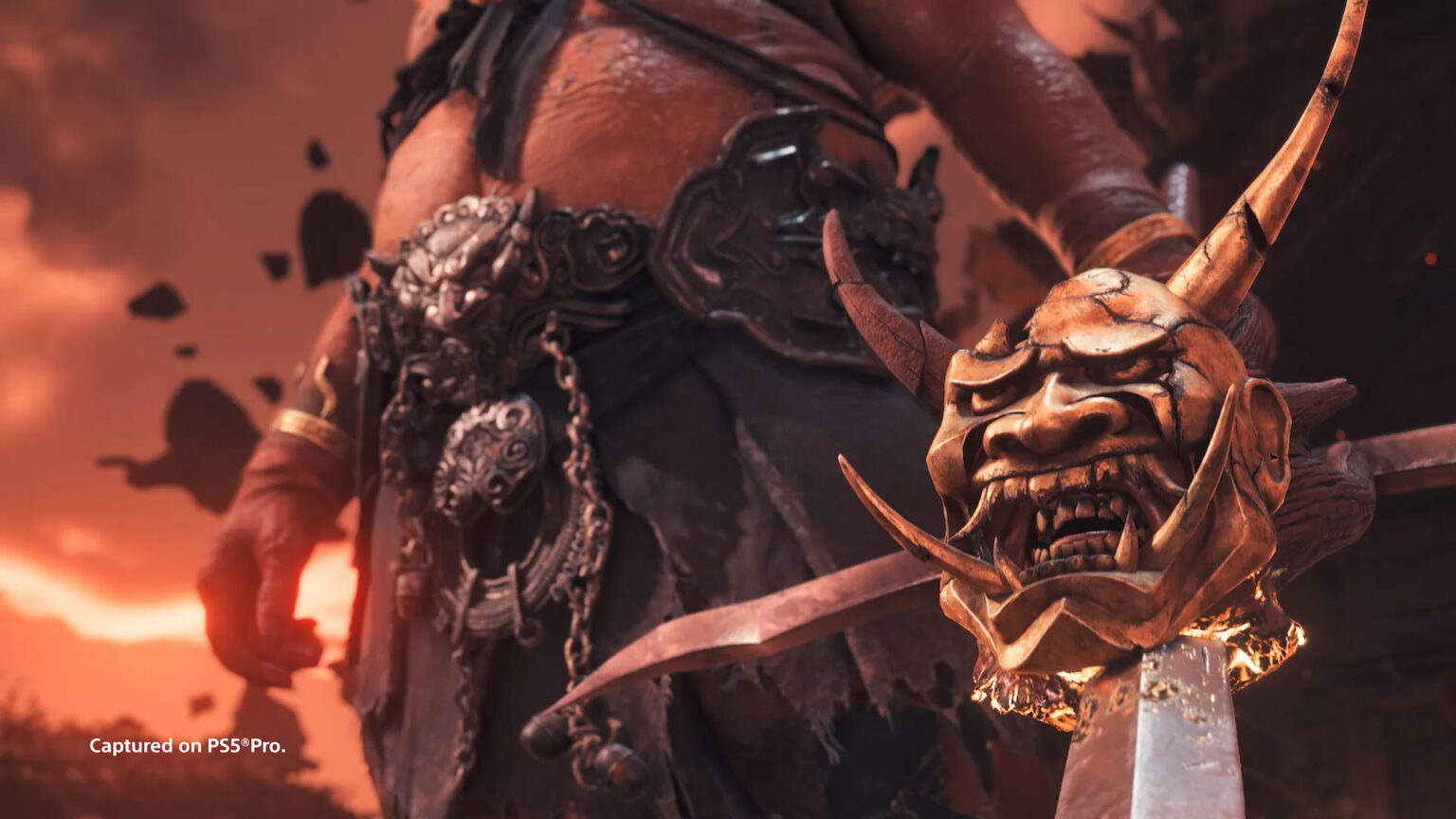
Like other modern action games, combat revolves around parrying, blocking, or dodging attacks, depending on their type. Attacks that can be parried are indicated by a blue indicator, while those that can only be dodged are red. There are also yellow attacks that can disarm you, forcing you to scramble to pick up your weapon or switch to an alternative. Atsu also gets an arsenal of tools to use in combat, which expands the possibilities and makes combat even deeper. From smoke bombs to arrows, you can take a variety of approaches to clearing enemy camps. If you prefer stealth, there are armor sets to complement that style of play, making Atsu more of a shinobi than a samurai. To balance everything, ammo capacity is limited for each of the tools Atsu can use in combat. In certain longer sequences of the game, I wish I had rationed some of those, especially for boss fights. All in all, combat can be pretty challenging, especially early on. But once you master all the tools at your disposal, it’s a barrel of fun to take on groups of enemies at once.
Ronin on Empty
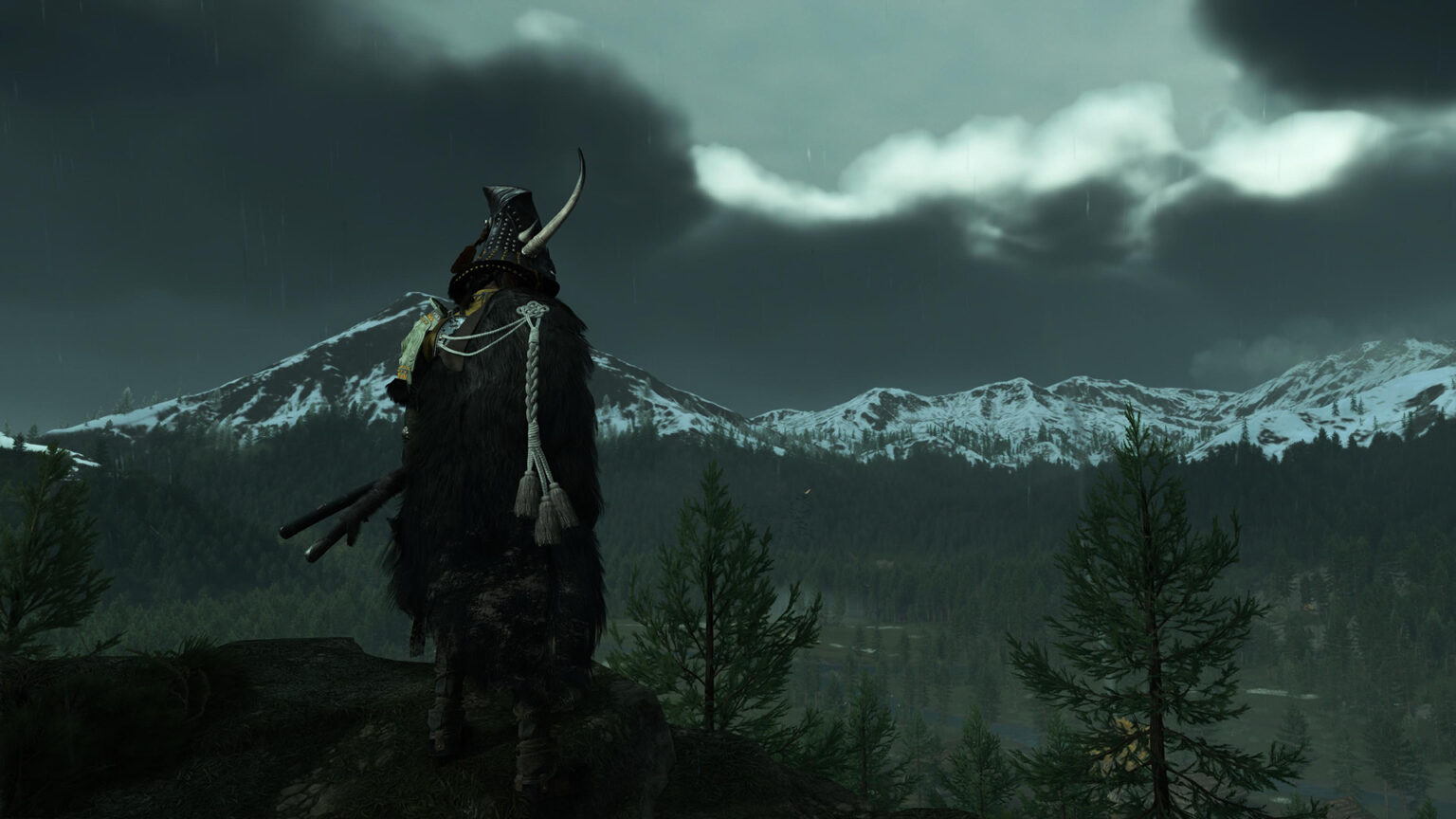
As I mentioned before, Ghost of Yōtei really suffered for me because of the overabundance of side content in the open world. I’d go so far as to say it felt bloated, and at times I found myself riding past enemy camps and random encounters because I knew there was little payoff. Trying to do everything the game has to offer as it became available eventually felt tedious and disjointed. There’s this thing I say about games: at some point you get into a flow where you can’t stop playing. Because so many of Ghost of Yōtei’s side activities are piecemeal to give players freedom, I never felt I got into that flow until I focused only on the main story. Outside of unlocking new weapons and tools, I ignored every camp, shrine, altar, wolf den, and hot spring that wasn’t directly in my path. Only then did the game really click with me because it suddenly felt like a meaningful adventure.
Ironically, as soon as the credits rolled, I picked up where I left off with all the side content. There are some hidden gems in there that I’ll avoid mentioning due to spoilers. What I will say, though, based on my experience, is to explore as much as you want, but when it starts feeling repetitive, get back on track with the main story. It’s never easy balancing a game where you want to give players the freedom to do what they want, when they want, but Ghost of Yōtei could have benefited from side content opening up at certain checkpoints in the story. It feels overwhelming as it is, and I do believe it could have been fine-tuned to be a much smoother experience. The variety works, just not when you feel like it’s a requirement.
As for the wolf companion, she plays less of a role than the game’s trailers would have you think. Clearing wolf den activities unlocks skills for the wolf, but there are only certain instances when you can intentionally summon her to join you in combat. Otherwise, it’s random when she appears and seemingly never when you need her to. I was a bit disappointed with the wolf’s involvement, but I can also understand why it is the way it is. When she does show up, it truly feels special, especially in moments when you think you’re done for.
Snow Country for Sins
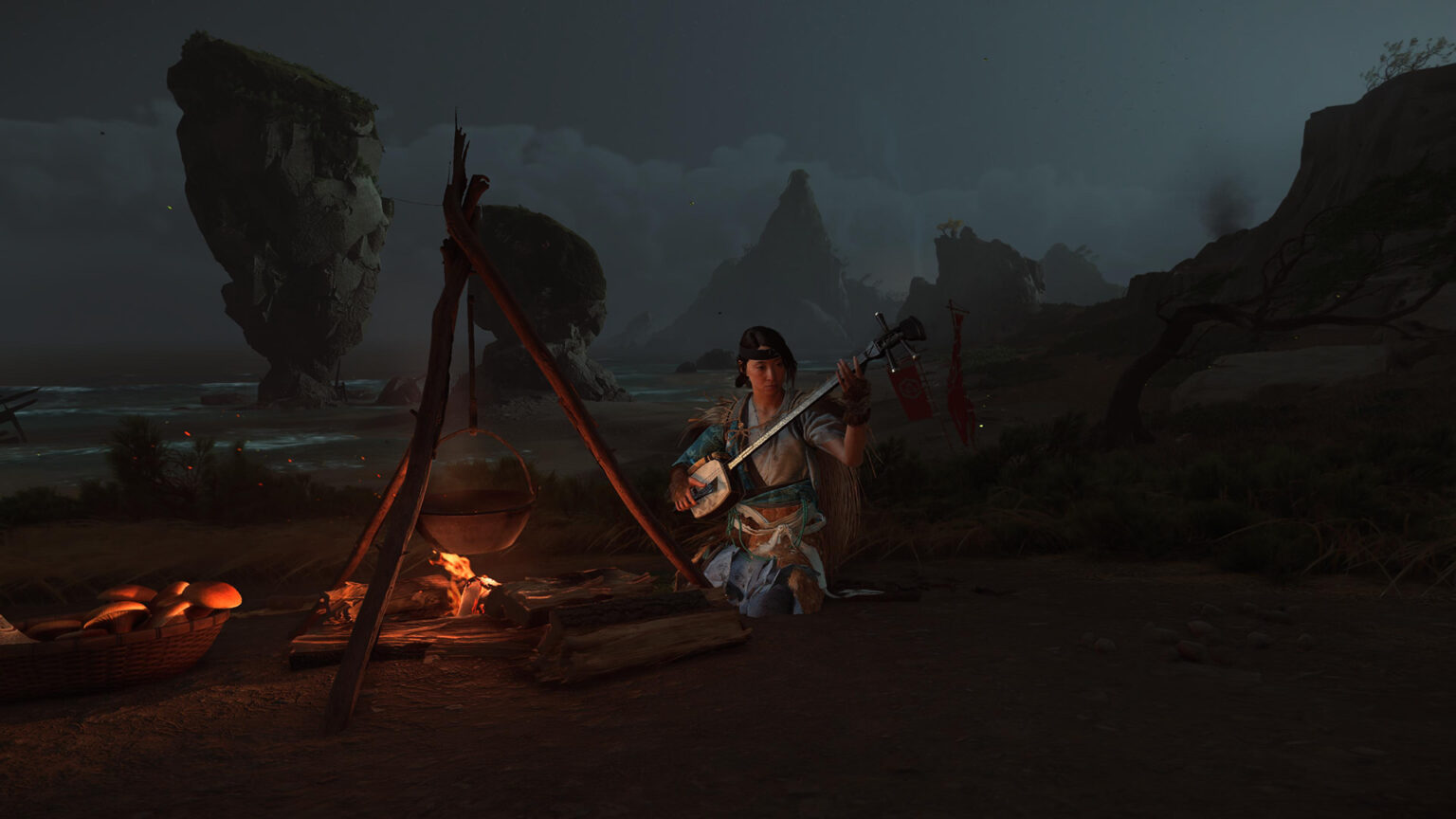
On the PlayStation 5 Pro, Ghost of Yōtei rivals Death Stranding 2: On the Beach as a technical masterpiece. I’ve already mentioned numerous times throughout this review how gorgeous the game looks, from its breathtaking vistas to its lush forests. I ran into a few invisible wall glitches, where the game sort of floats Atsu in place before forcing her back where she belongs. I stuck to PlayStation 5 Pro’s Ray Tracing Pro mode, which targets 60fps with ray tracing but uses upscaled visuals. Despite that, though, it’s hard to see it isn’t native 4K because PSSR is doing some heavy lifting. As far as I could tell, the game held a stable 60fps, but I’m no Digital Foundry.
There are three optional modes to choose from, including the fan-favorite Kurosawa mode inspired by acclaimed director Akira Kurosawa. Although black and white isn’t my cup of tea, I can see how it delivers an immersive cinematic experience. Like Ghost of Tsushima, Ghost of Yōtei is very much a cinematic game, from switching aspect ratios when you’re riding on your horse to the scenes before a boss duel. It’s one of the few games that manage to blend different media for storytelling in a respectful and impactful way. Then there’s Miike mode, inspired by Takashi Miike. In this mode, there’s more mud, more blood, and a tighter cinematic camera. I wasn’t a fan of this because combat gets crowded enough as it is, and the more zoomed-in camera during those sequences was punishing. Lastly, there’s the Watanabe mode inspired by Shinichirō Watanabe. This mode doesn’t impact the game graphically but does so audibly, swapping out the chilling soundtrack for lo-fi beats made exclusively for the game.
One thing I do have to mention: on my LG C1 TV, the initial HDR brightness setting was way off. It had me dial the brightness to zero, but once I got into the game, many environments felt too dark. I found myself sticking to the default setting of 50, so it’s worth noting if you’re finding the game dim despite following the on-screen instructions. Overall, though, performance was near flawless for me, with no crashes during my 50-hour playthrough.
The Wolf Among Us
For those who played and enjoyed Ghost of Tsushima, and live in the “just give us more of that” camp, Ghost of Yōtei will be an amazing experience for you. The game does expand on the formula with the introduction of new weapons and combat tools, but the overall framework remains the same. It will feel like you’ve seen many of these tricks before, but the rough edges, however few, have been polished off. For many, it’s the ideal sequel: bigger, prettier, and more brutal. If you’re craving reinvention, though, expect admiration more than awe with Ghost of Yōtei.
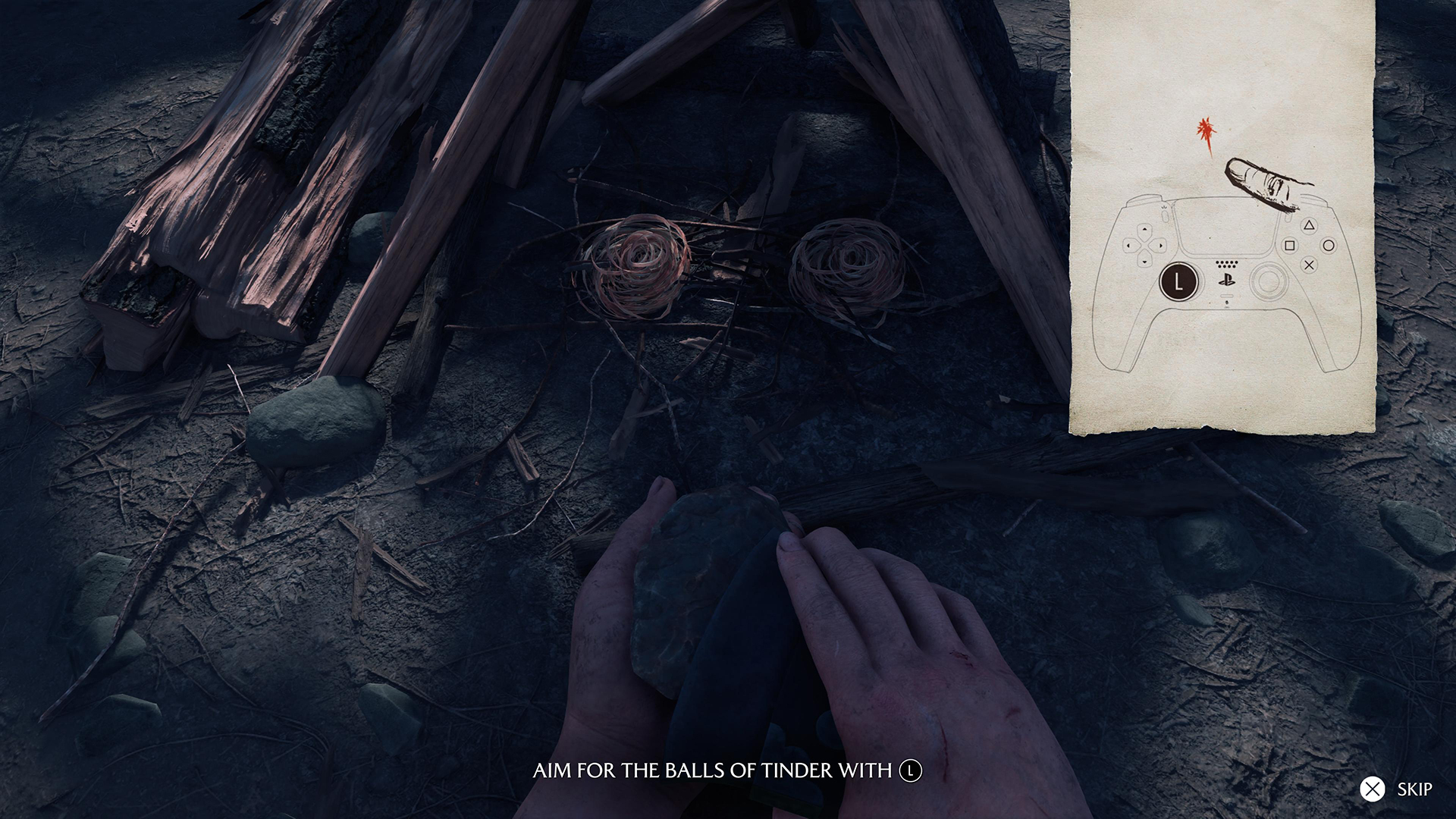
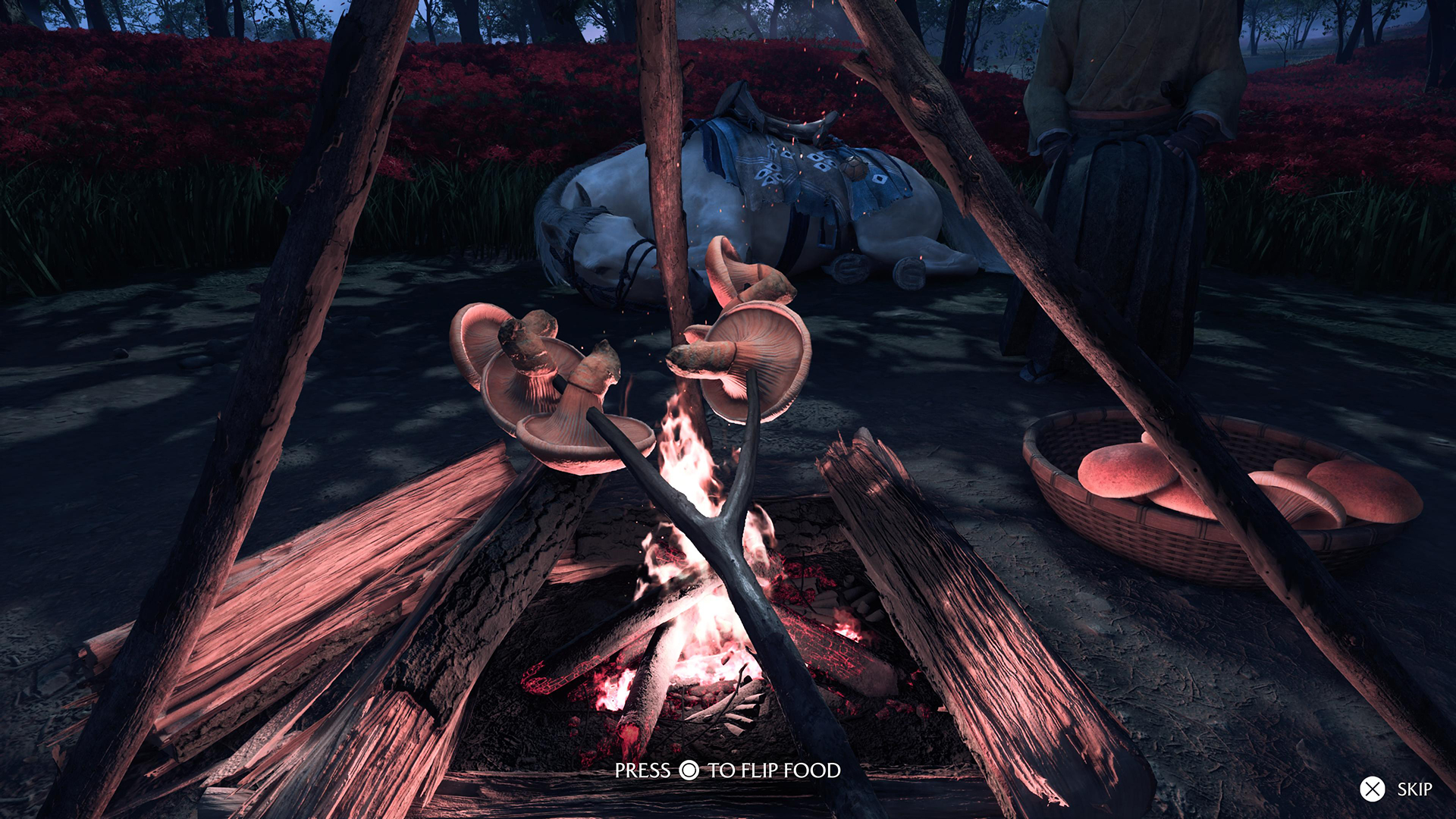
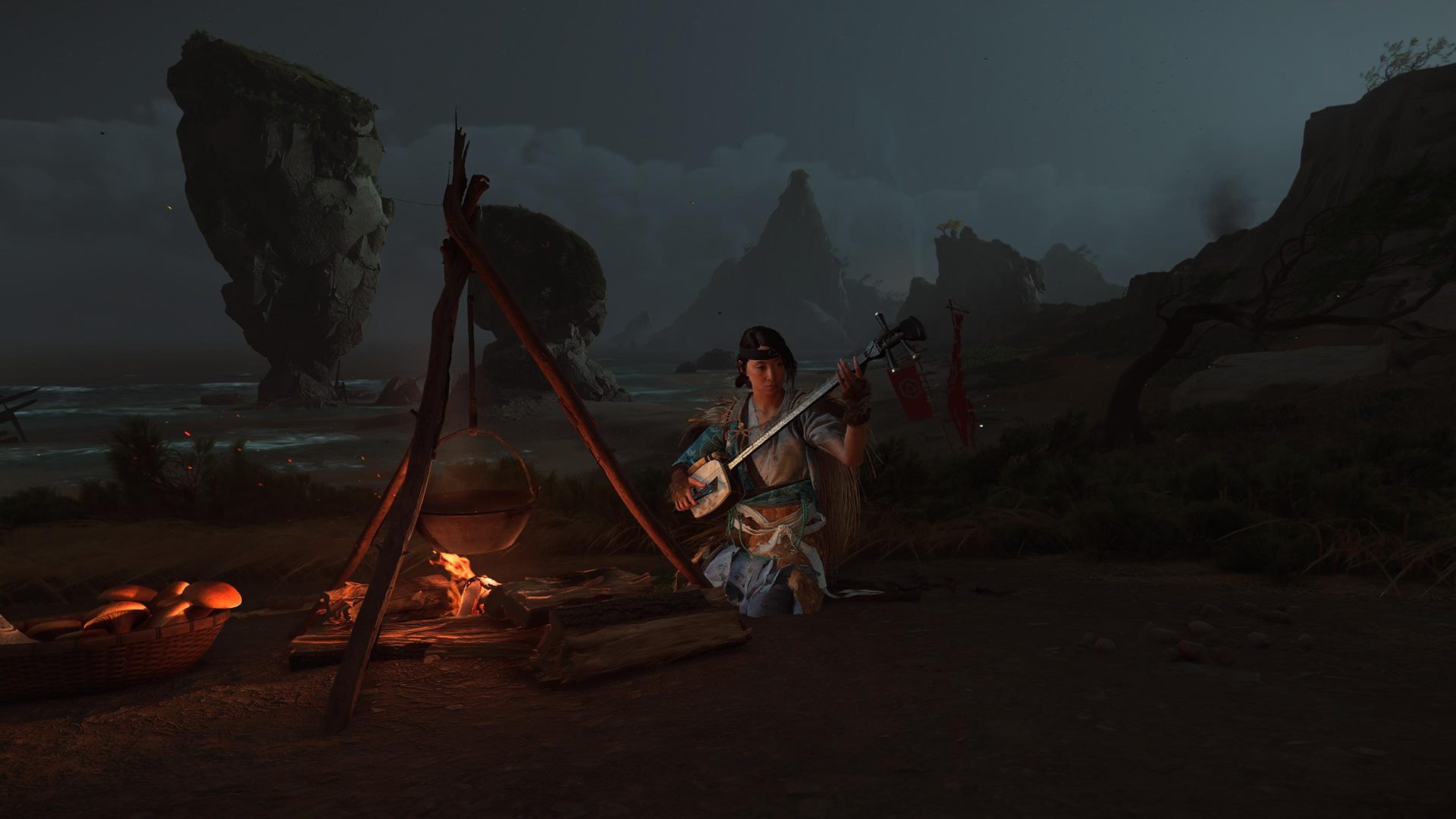
The game really works when sticking to the main story, but there are necessary diversions to keep that campaign engaging and fun. Stick to unlocking all the weapons and tools while hitting up shrines, altars, hot springs, and wolf dens that are in your path unless you really enjoy the side content. The game embraces its exquisite open world design by giving the player a lot of freedom, so take advantage of it. Ghost of Yōtei is best enjoyed at your own pace, whether it’s exploring Ezo, clearing camps, or sitting at a campfire and playing the shamisen. If unlocking cosmetics and uncovering maps are your thing, you’ll eat well.
If you made it this far, I’ll leave you with a really controversial take. I didn’t find Jin Sakai and Ghost of Tsushima’s story all that memorable. In fact, five years later I can hardly recall any of the game’s major plot points or characters, and most of my fond memories of the game are with its multiplayer Legends mode, which I’m very much looking forward to in Ghost of Yōtei. When the credits rolled for Atsu’s story, though, I have a feeling it’ll be the more memorable of the two. These characters and their stories felt more compelling, despite the basic nature of the revenge plot. Like the game, Atsu and her companions have several flaws, and it’s those imperfections that make the best moments land.
Ghost of Yōtei has an official release date of October 2, 2025 for PlayStation 5. This review is based on a purchased retail copy of the game on PlayStation 5. While FullCleared does have affiliate partnerships, they do not influence our editorial content. We may, however, earn commissions for products purchased via affiliate links.
Ghost of Yōtei Review Gallery (possible spoilers!)



Continue?
Like our content?
Subscribe to our newsletter and get video game news, reviews, features, and deals straight to your inbox.
You're subscribed!
Thanks for signing up. Look for an email from Substack at .
No email after a few minutes? Subscribe on Substack.
This newsletter may contain advertising, deals, or affiliate links. Subscribing to the newsletter indicates your consent to our Privacy Policy. You may unsubscribe from the newsletter at any time.