Quick Verdict
I want to be upfront about something before any of this: I did not need a Steam Machine. My desktop now has an RTX 5090 in it, and there isn’t anything in my Steam library it can’t run better than this little cube can. What I actually wanted was to lie in bed and play a game I already own on Steam without running a long HDMI cable across the room or fighting with Windows over where it should send the audio. I’ve tried that approach before and it never worked well.
After roughly 100 hours across two weeks, my honest opinion is that the Steam Machine is a luxury item, and I mean that literally rather than as a dig. It does one thing extremely well, which is put your Steam library on a television with a controller and almost no friction between you and the game. Whether the $1,049 base model or the $1,128 bundle I tested is worth it comes down almost entirely to what you plan to play on it. If you want indie and AA games that don’t lean hard on the hardware, this is a great device. If you want Cyberpunk 2077 at 4K in your living room, buy a PlayStation 5 Pro or an XBOX Series X instead.
Box Seats
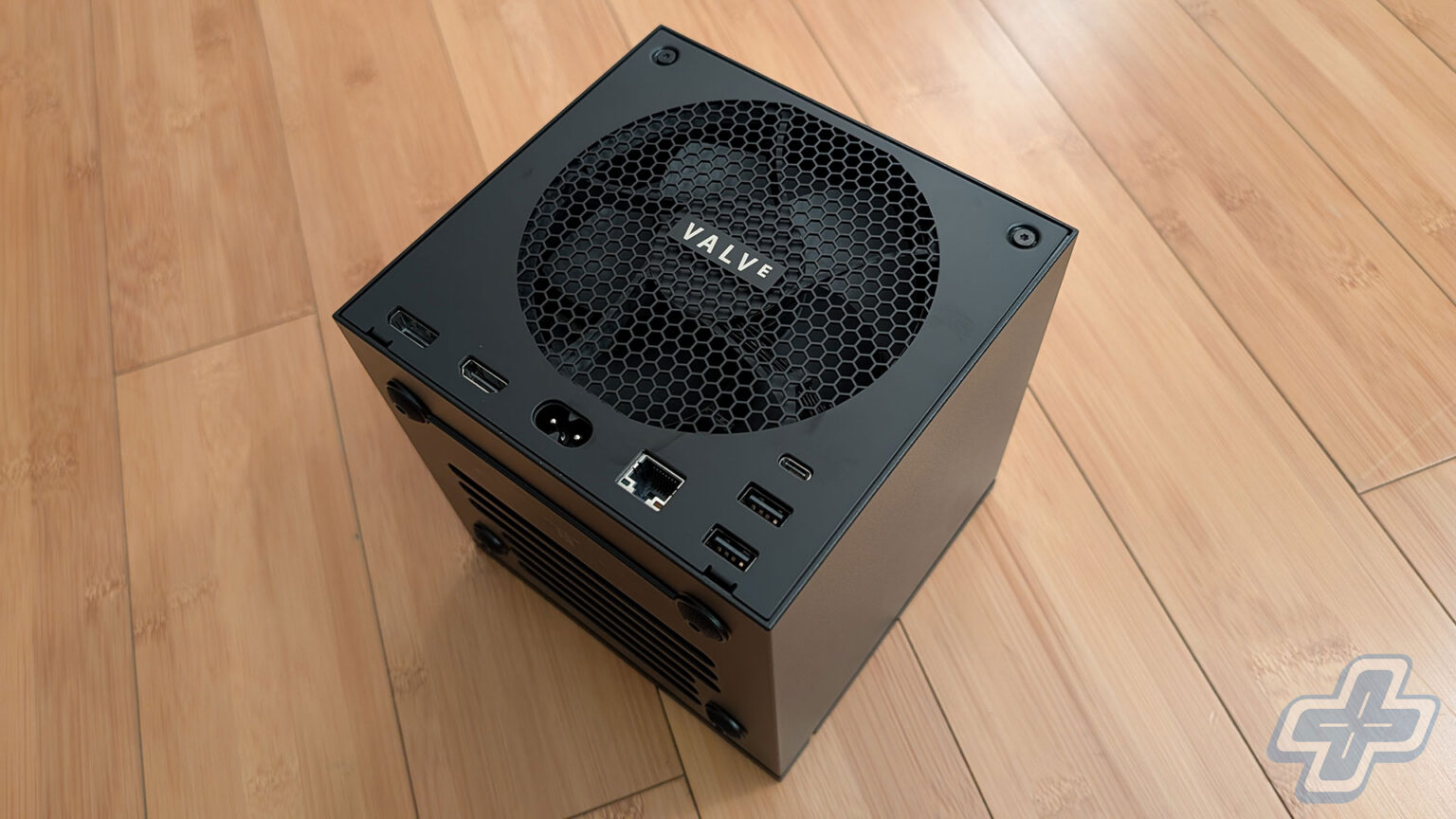
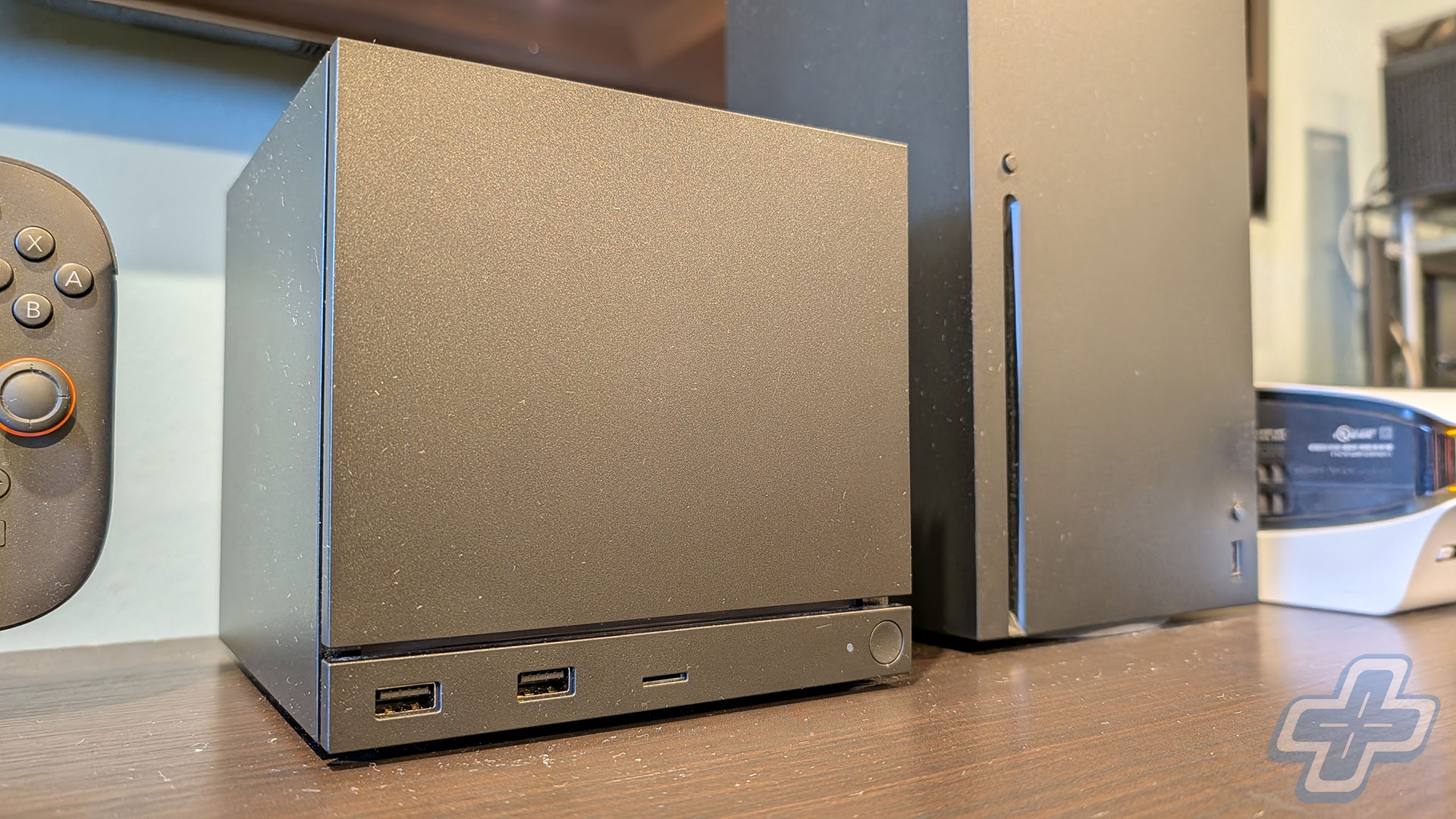
Valve announced the Steam Machine back in November 2025 alongside the Steam Frame and the new Steam Controller, and after a delay tied to memory and storage shortages, the first U.S. purchase invitations went out on June 29, 2026. Inside the cube is a semi-custom AMD Zen 4 CPU with six cores and 12 threads running up to 4.8GHz, paired with a semi-custom RDNA 3 GPU carrying 28 compute units at a 2.45GHz sustained clock and 8GB of GDDR6. There’s 16GB of DDR5 alongside it, and both the memory and the NVMe drive are user-replaceable. Storage comes in 512GB and 2TB configurations with a microSD slot on top of that, and a card already used for Steam Library storage on a Steam Deck should work here without any additional steps.
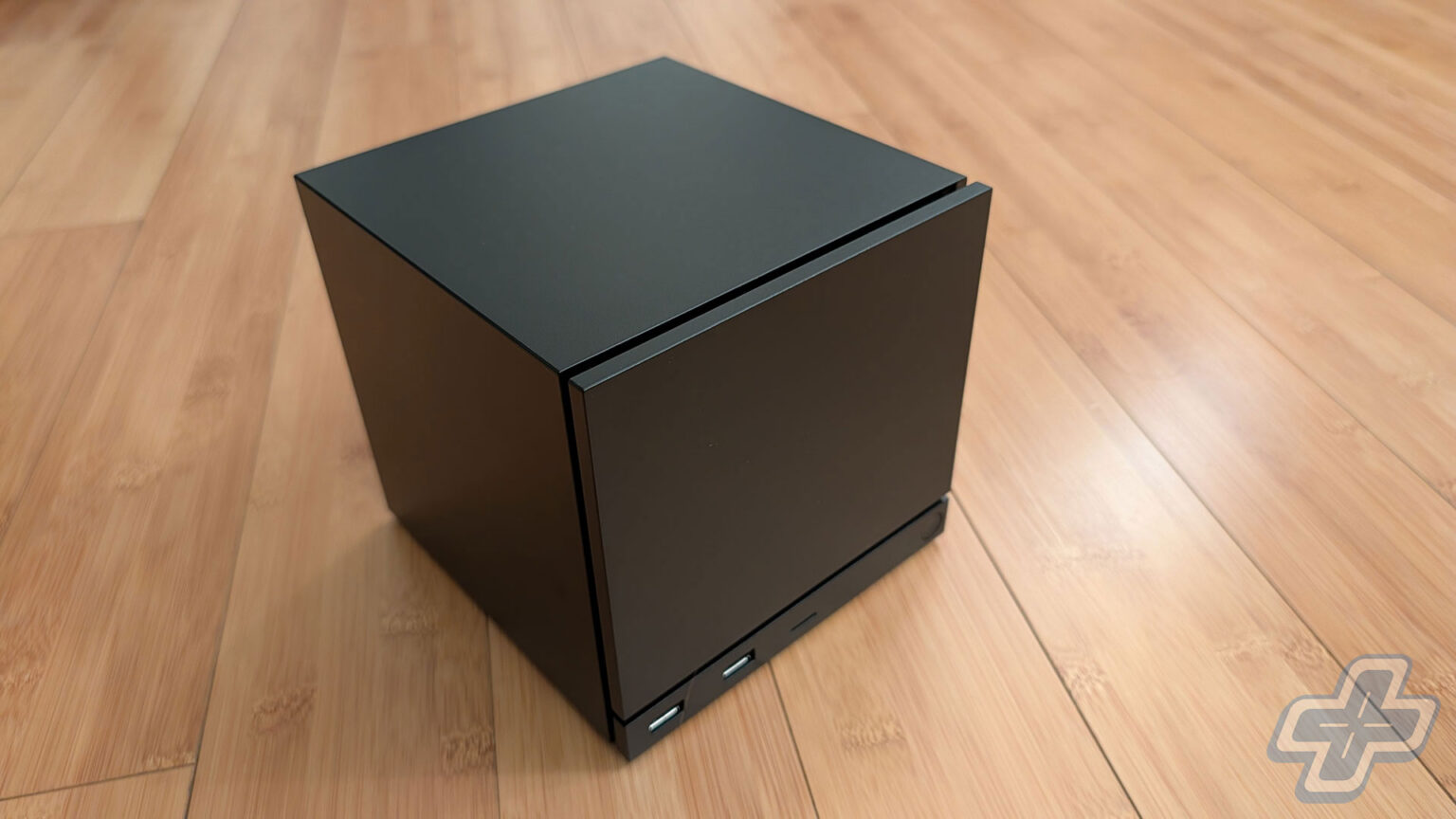
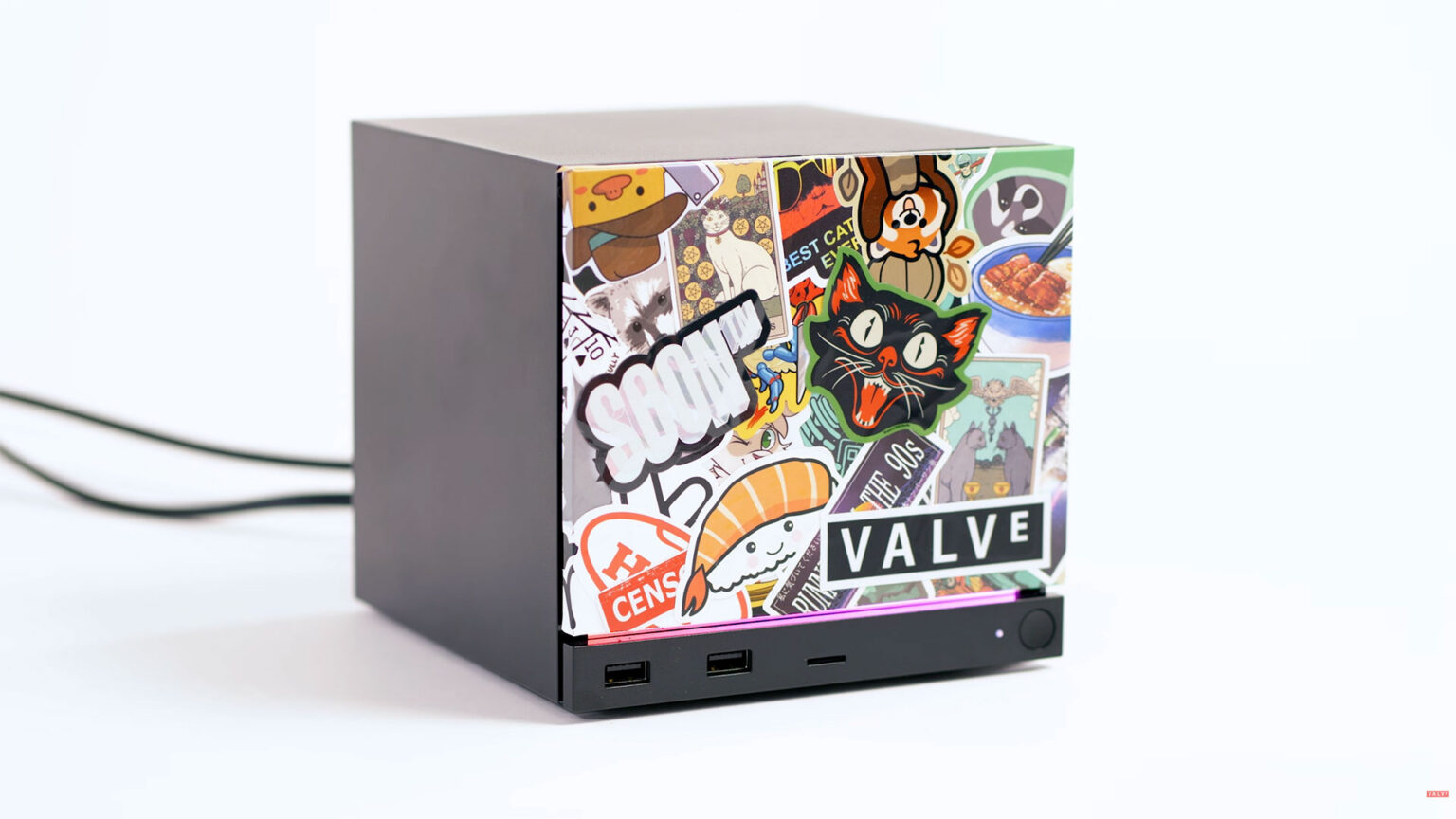
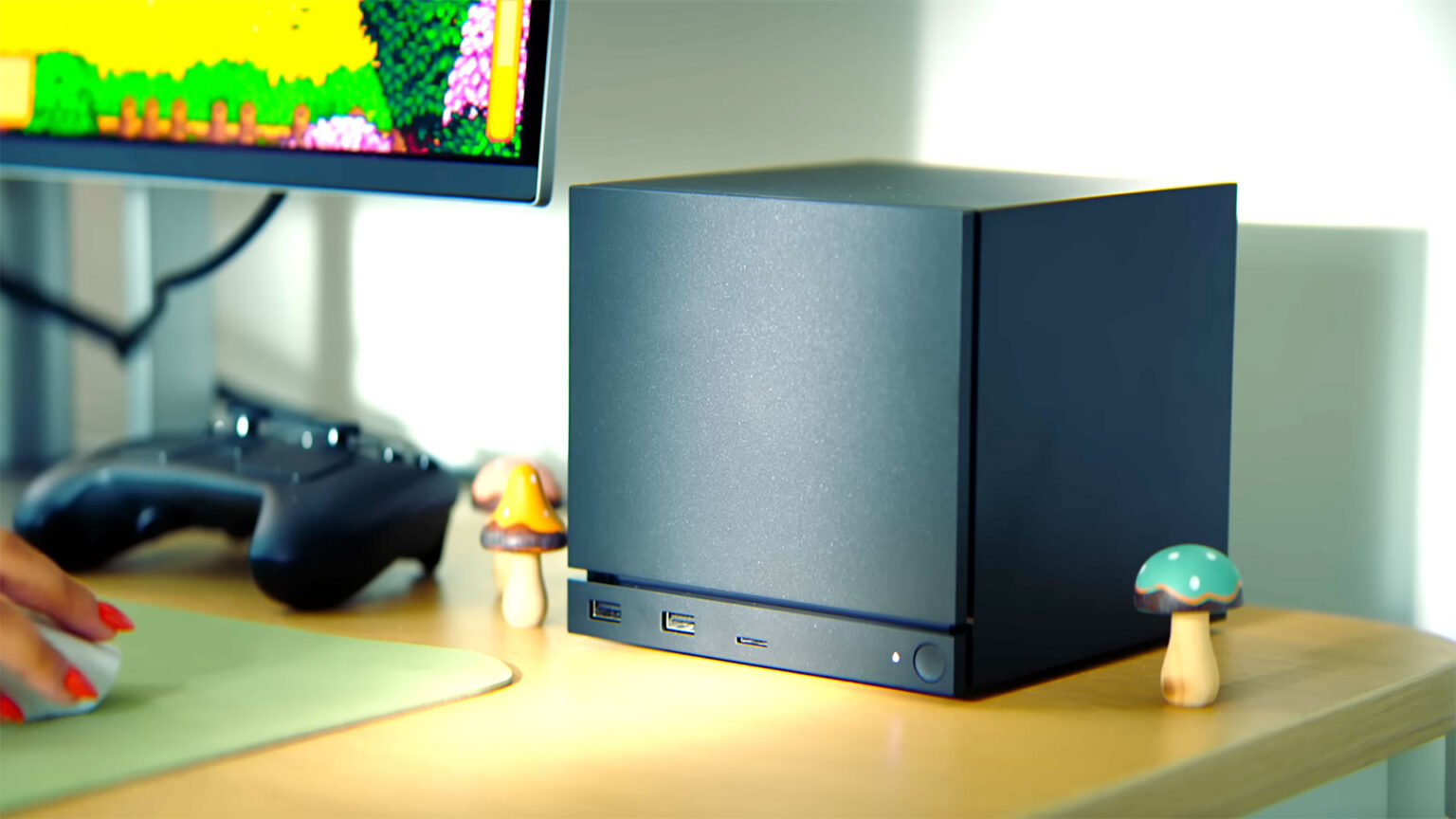
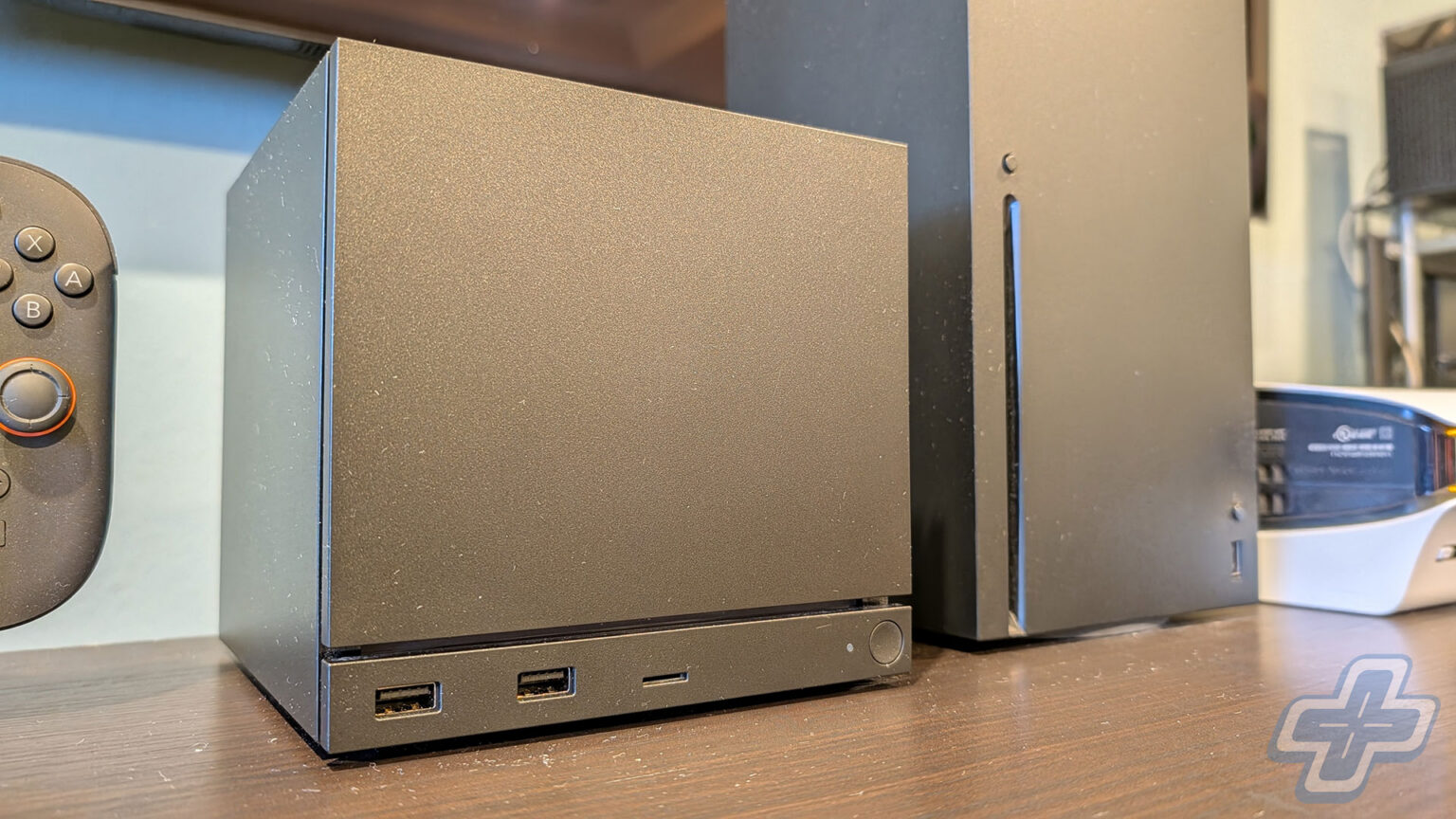
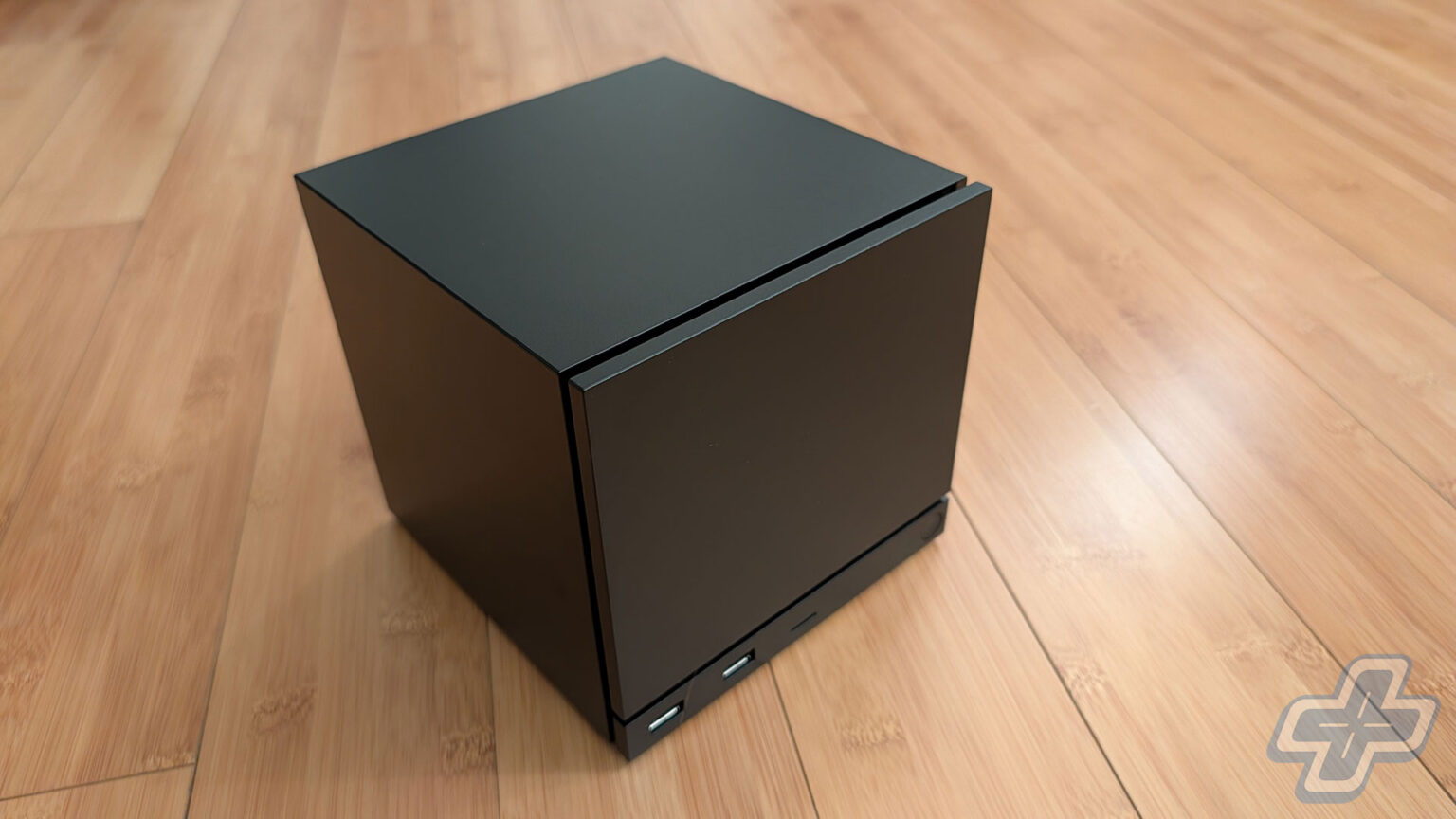
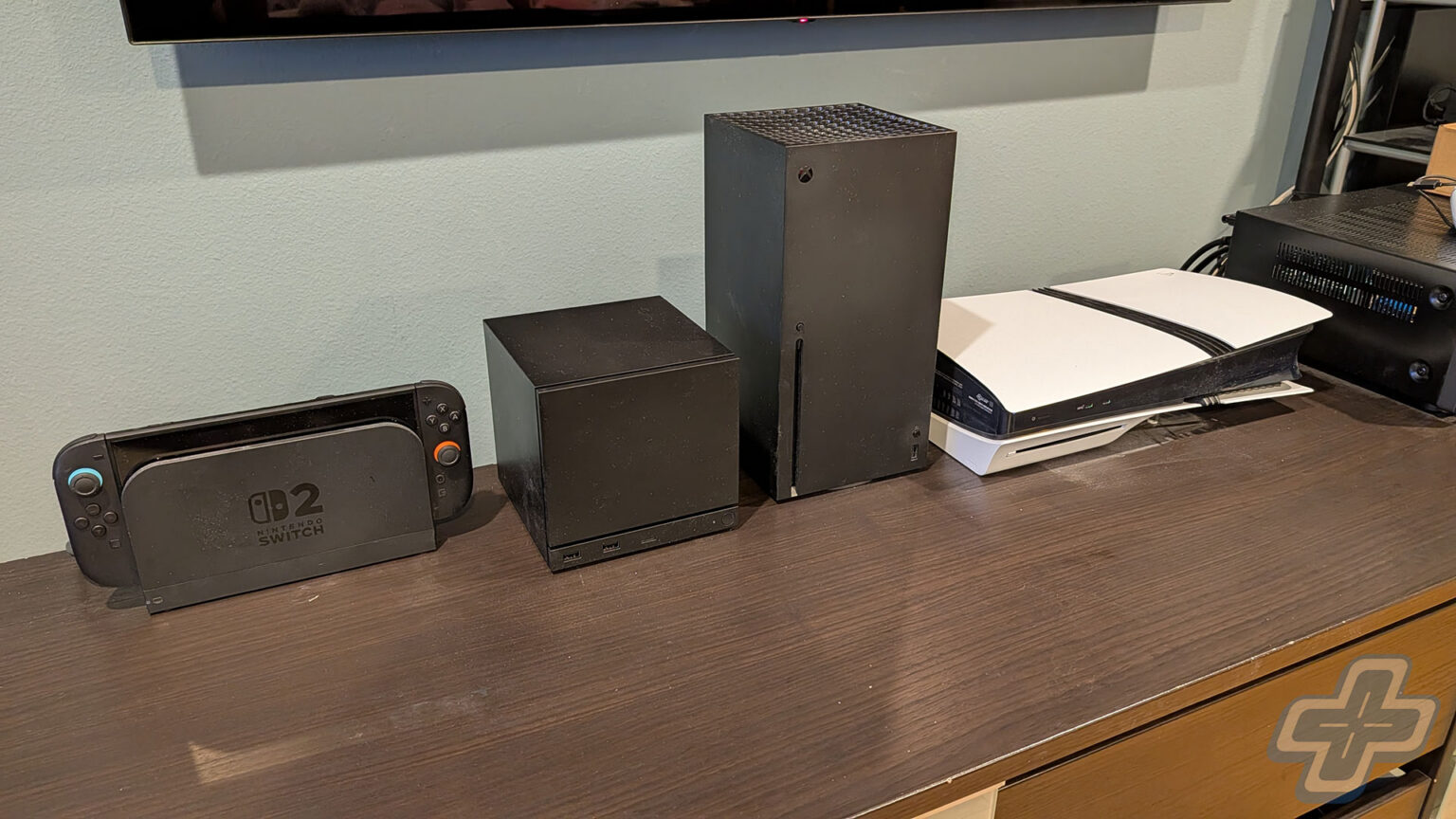
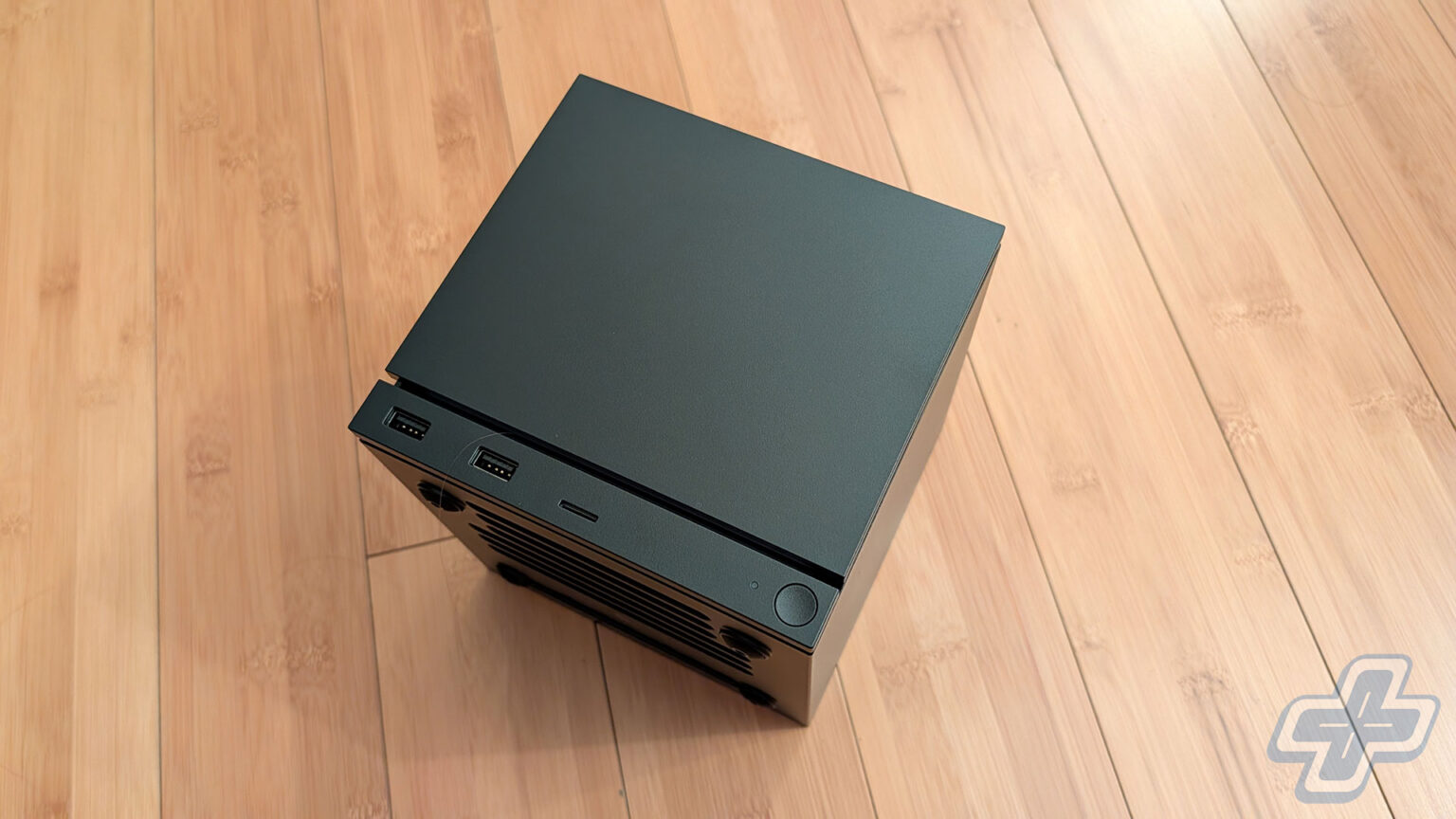
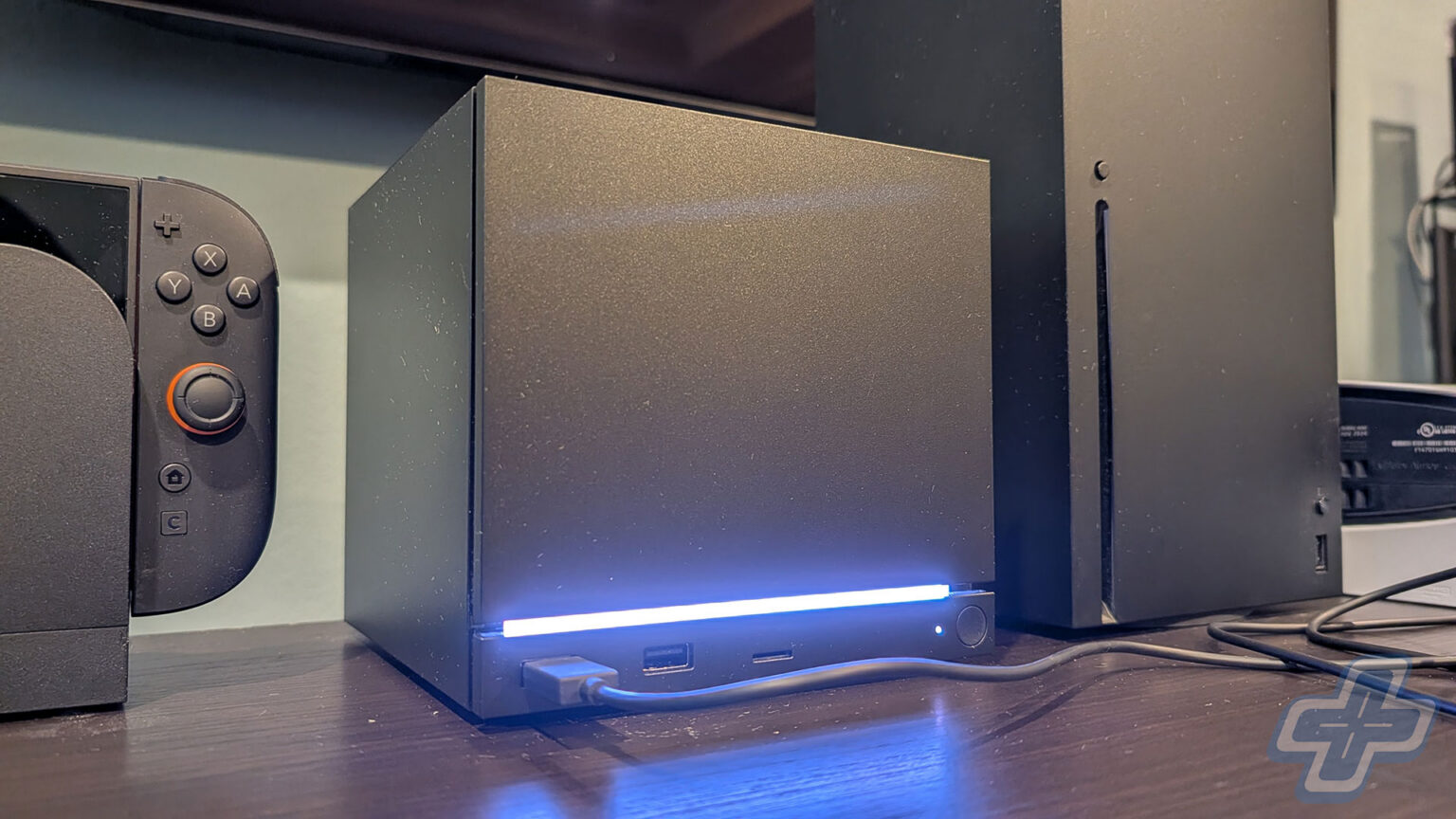
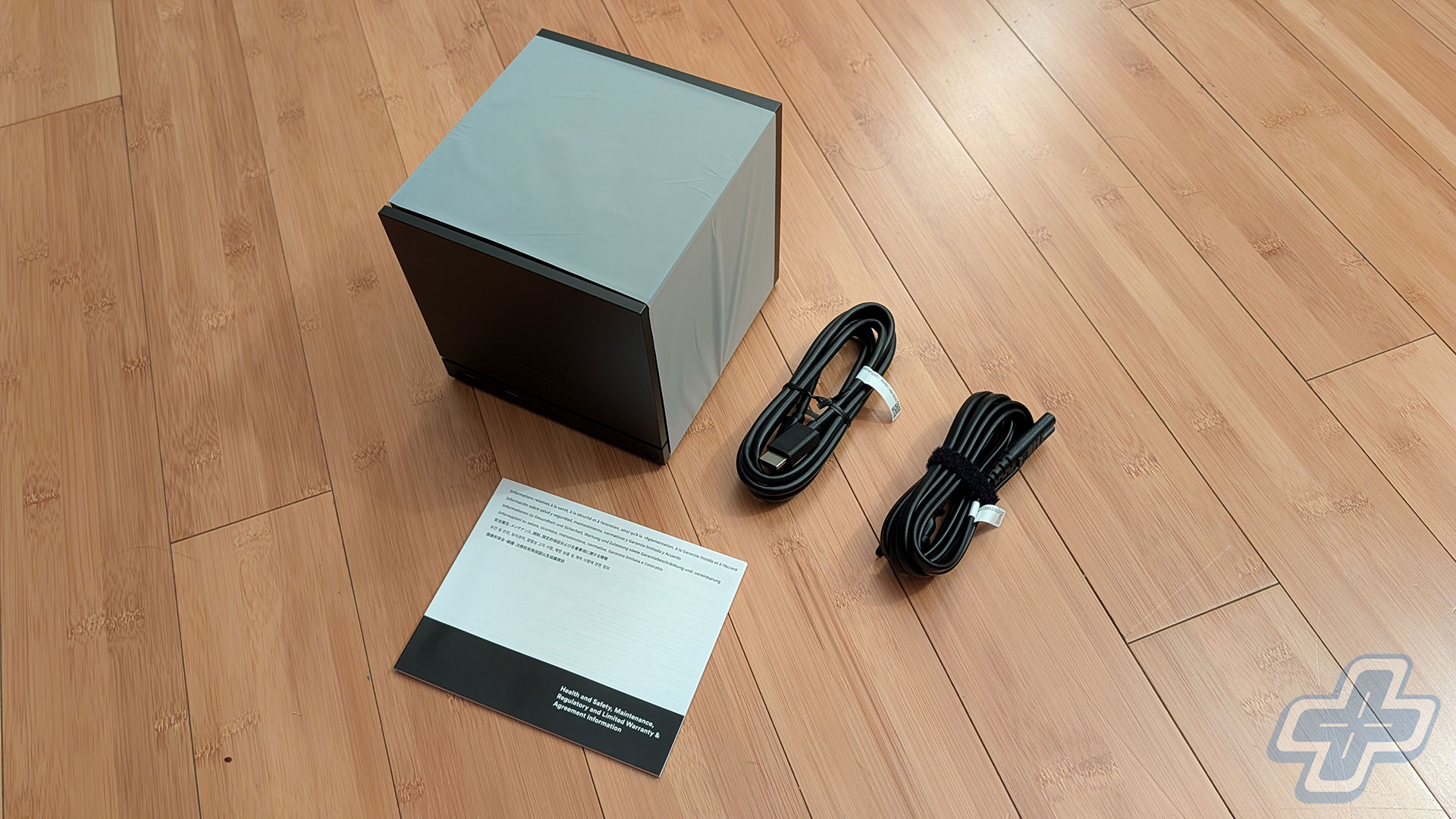
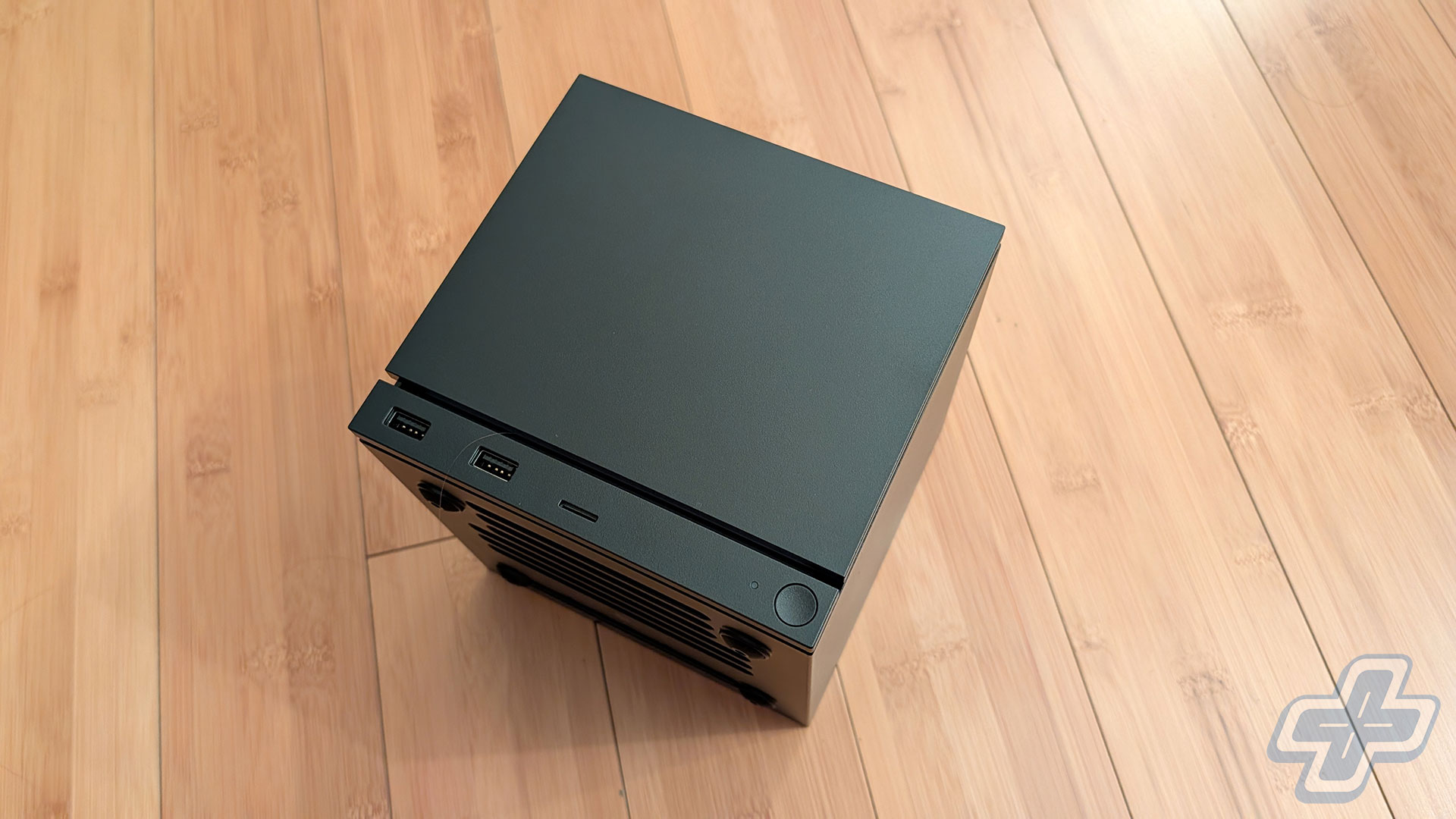
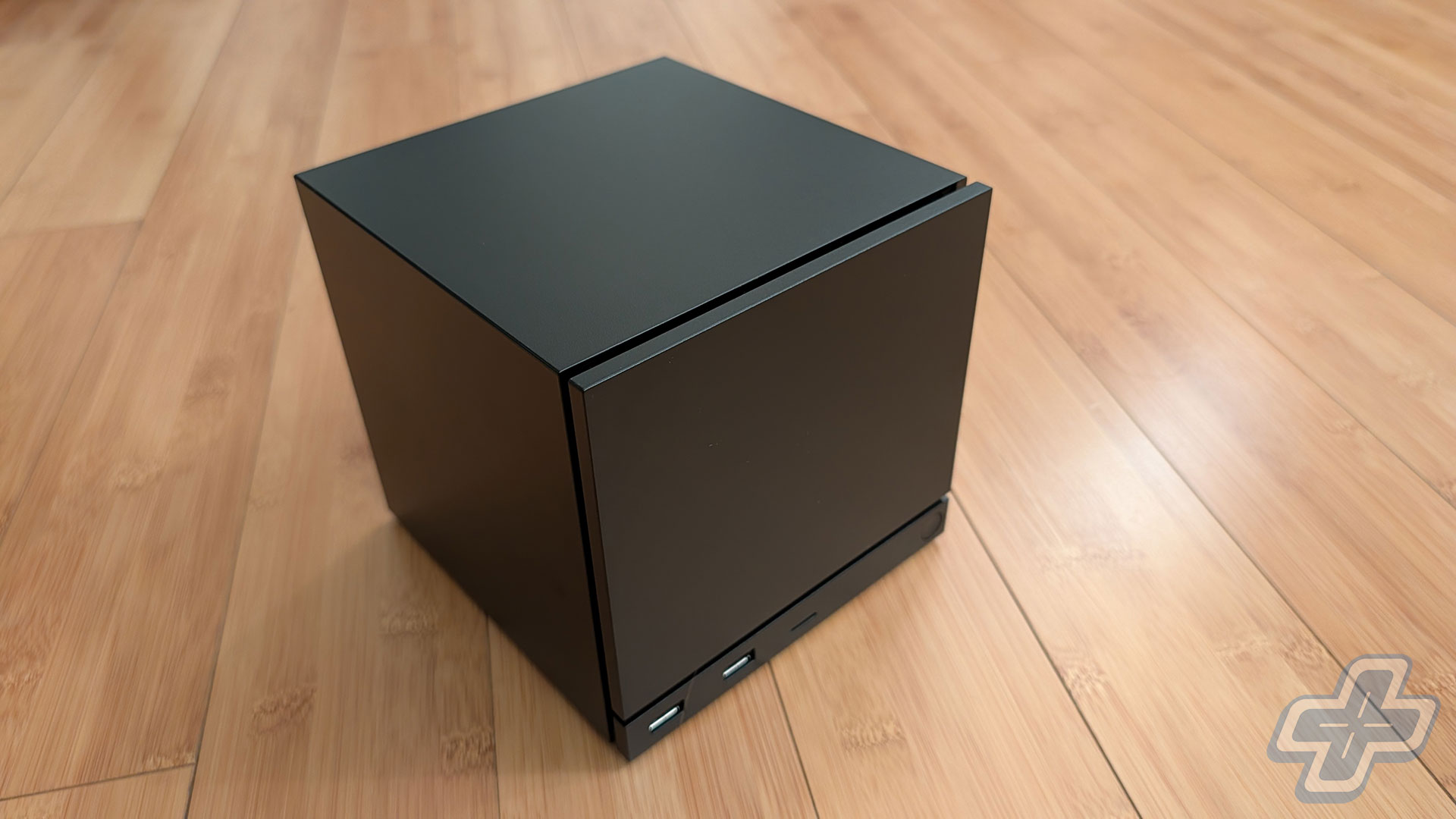
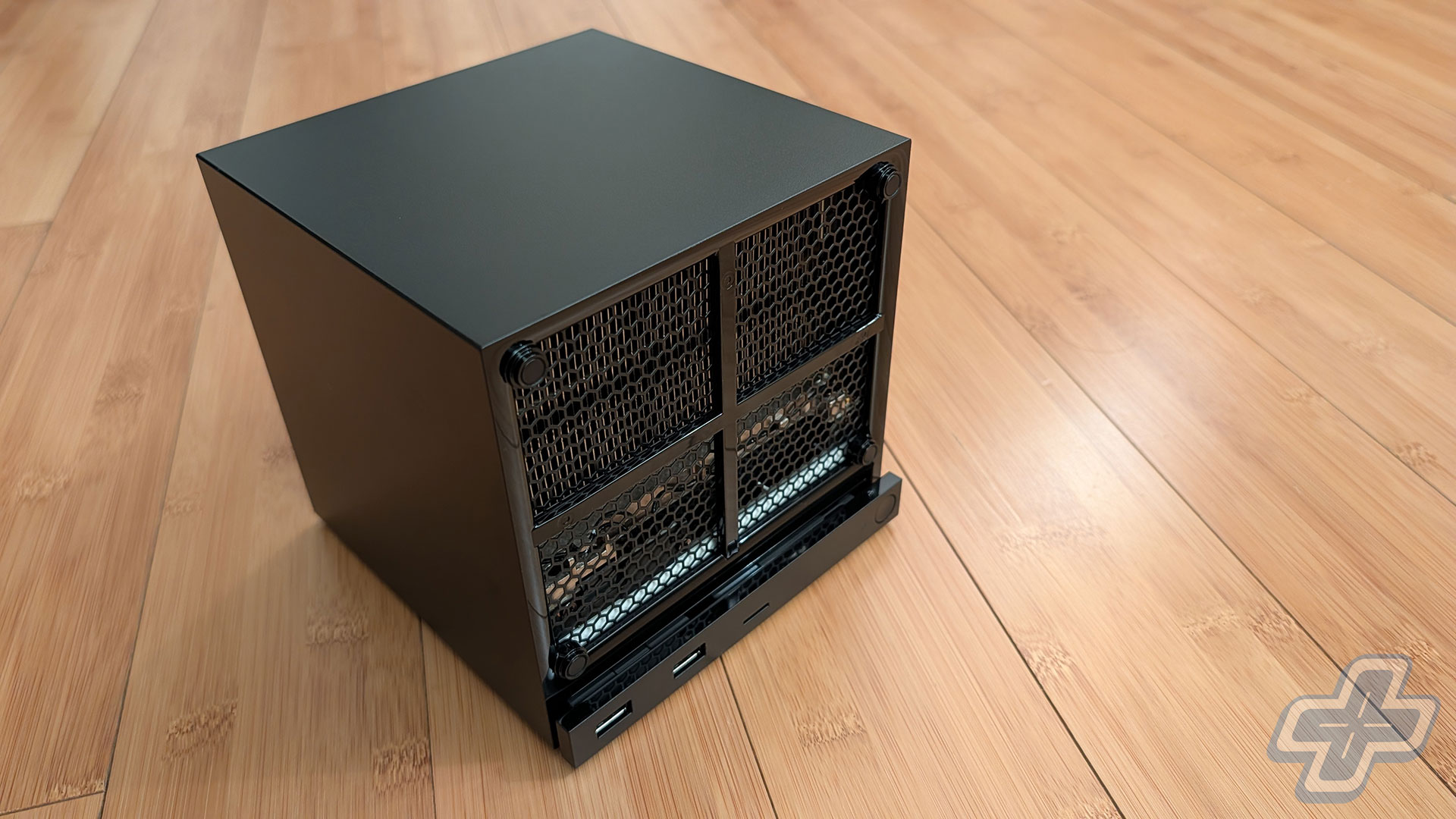
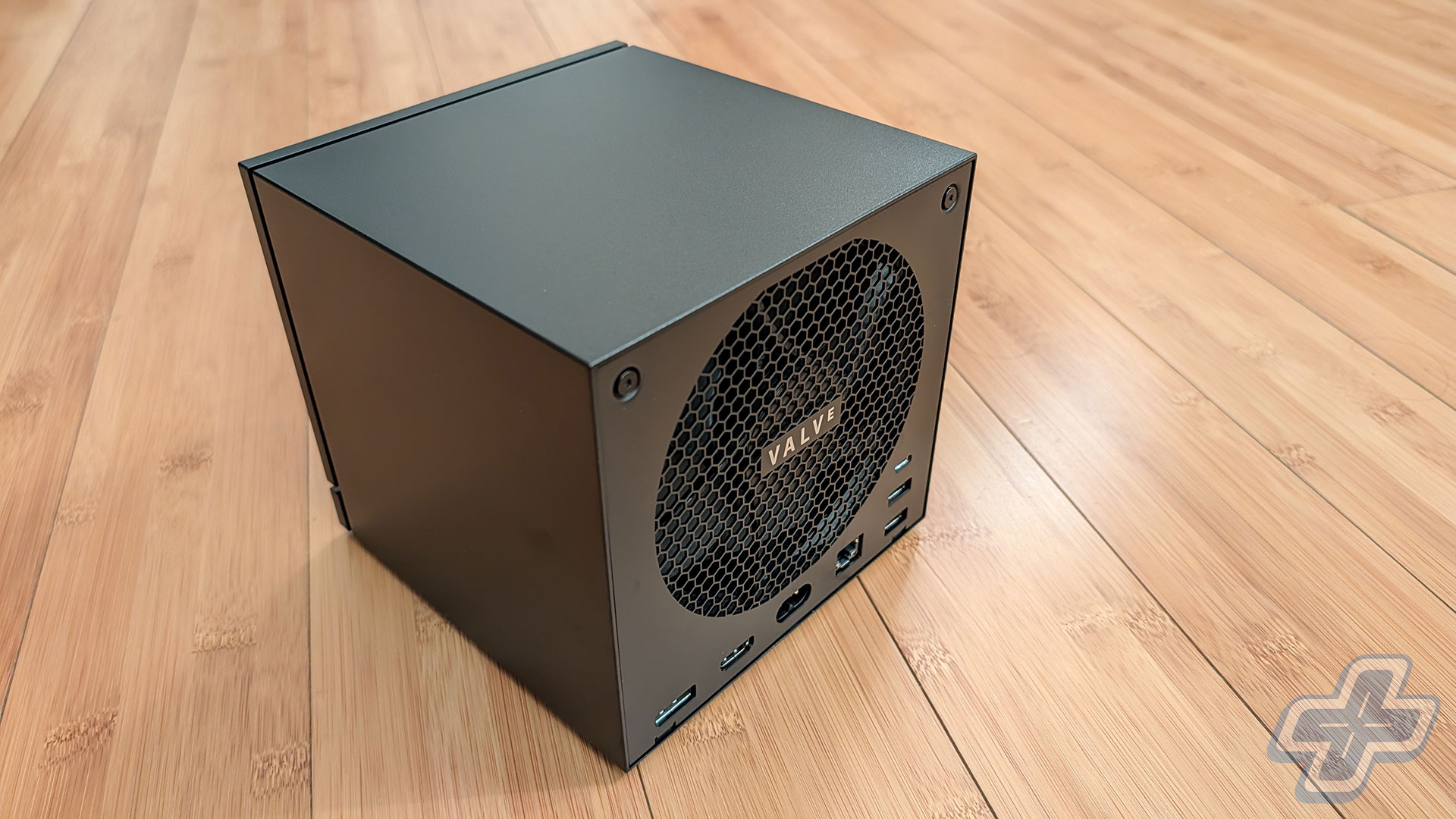
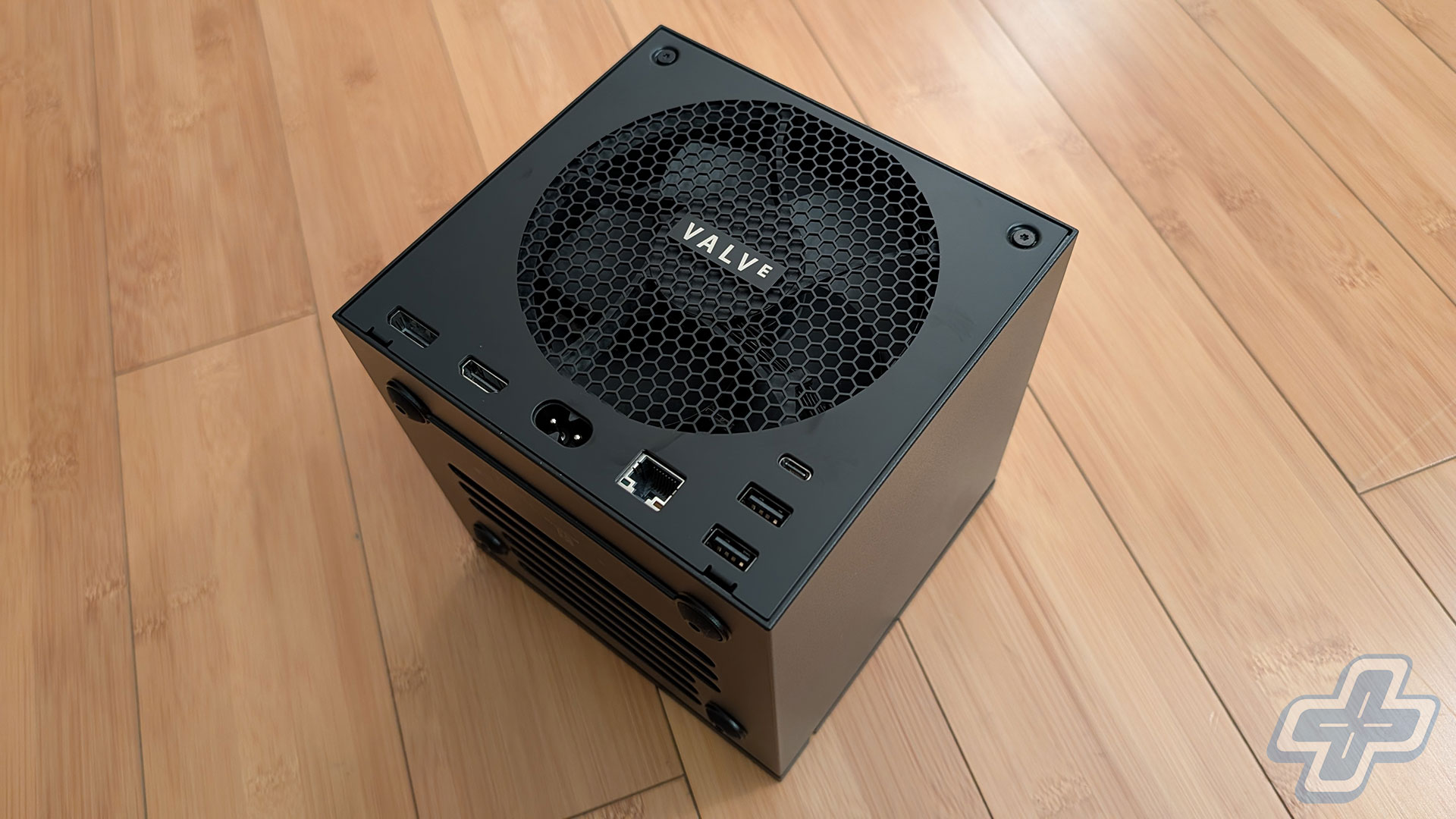
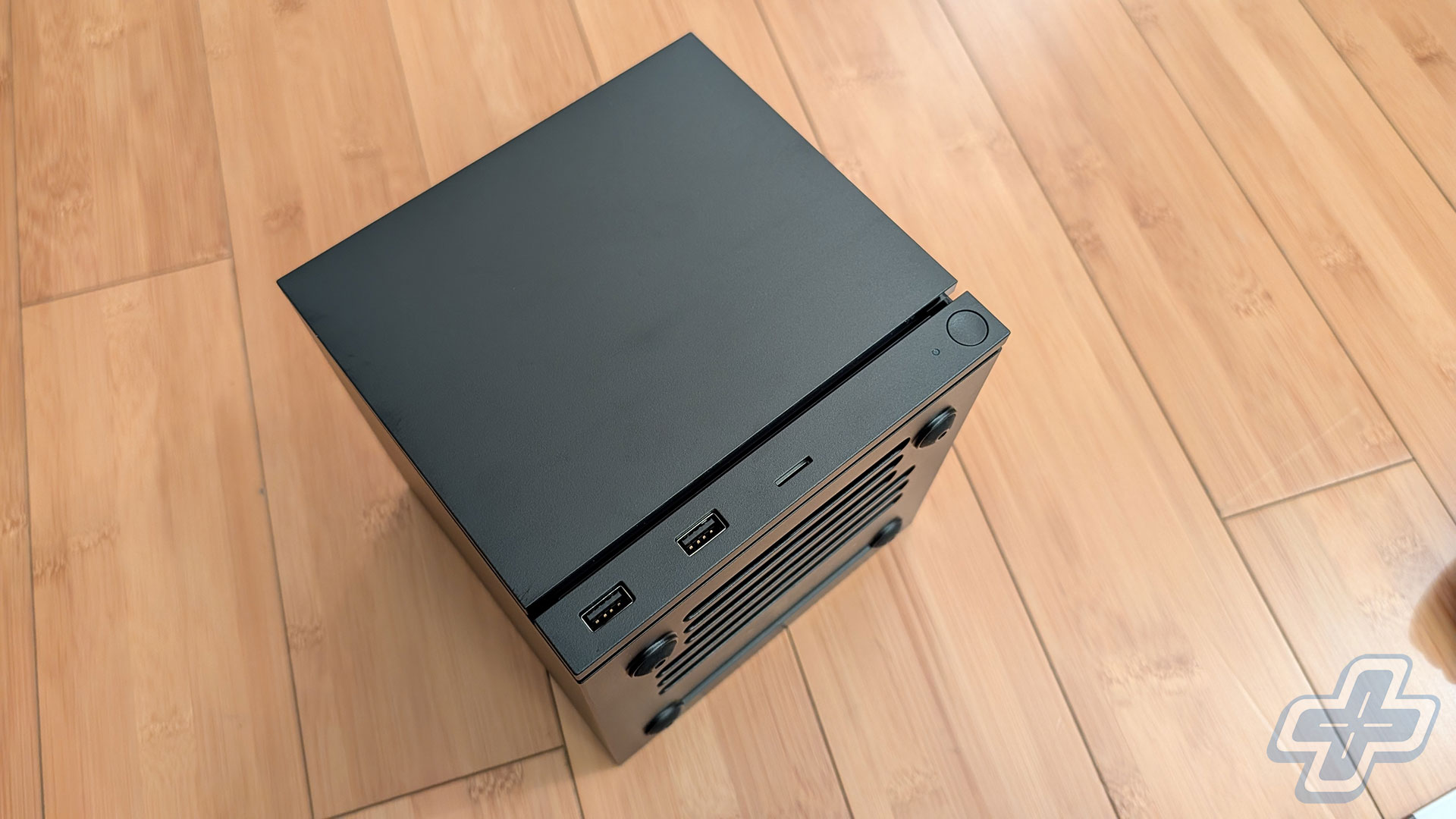
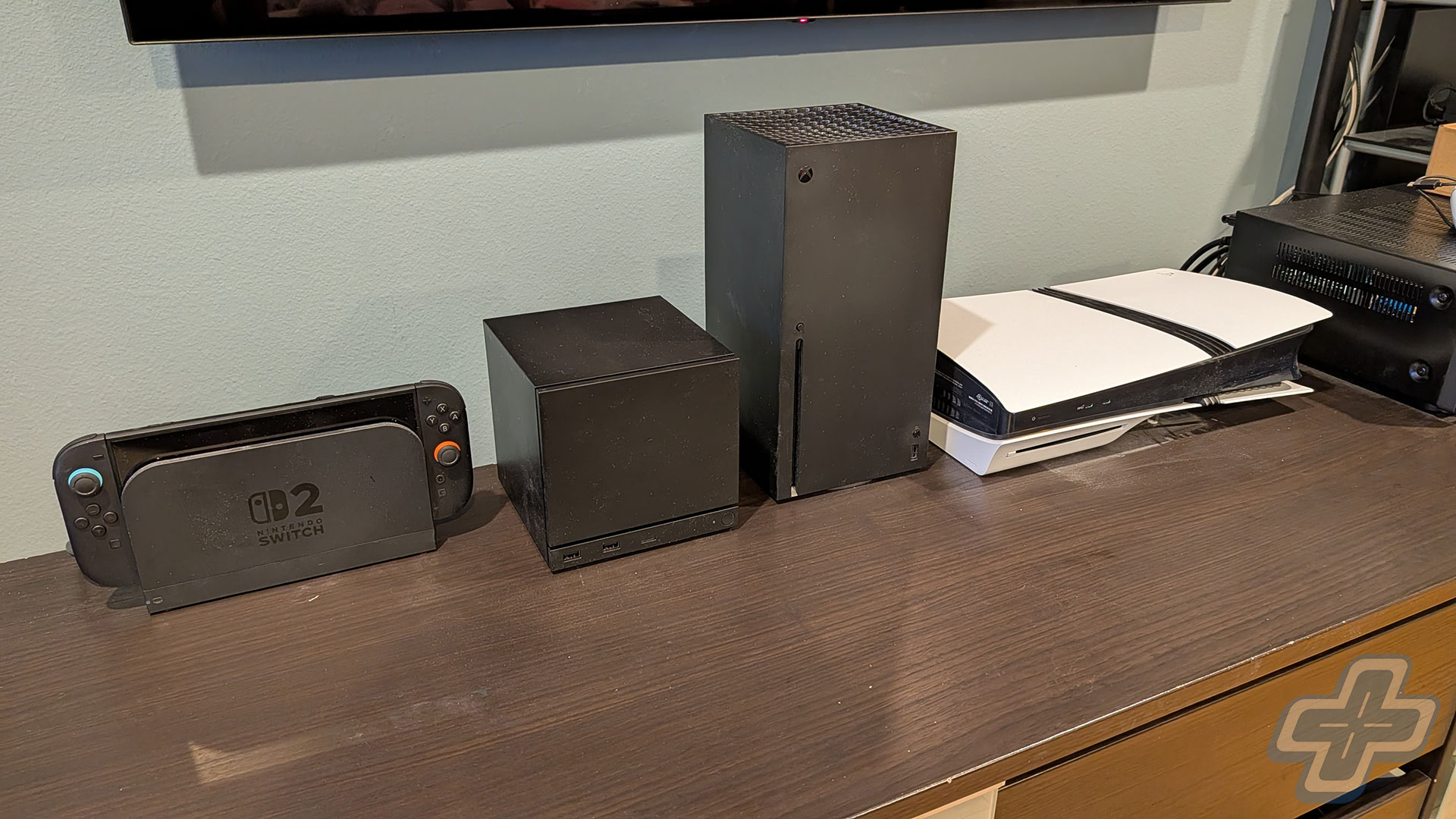
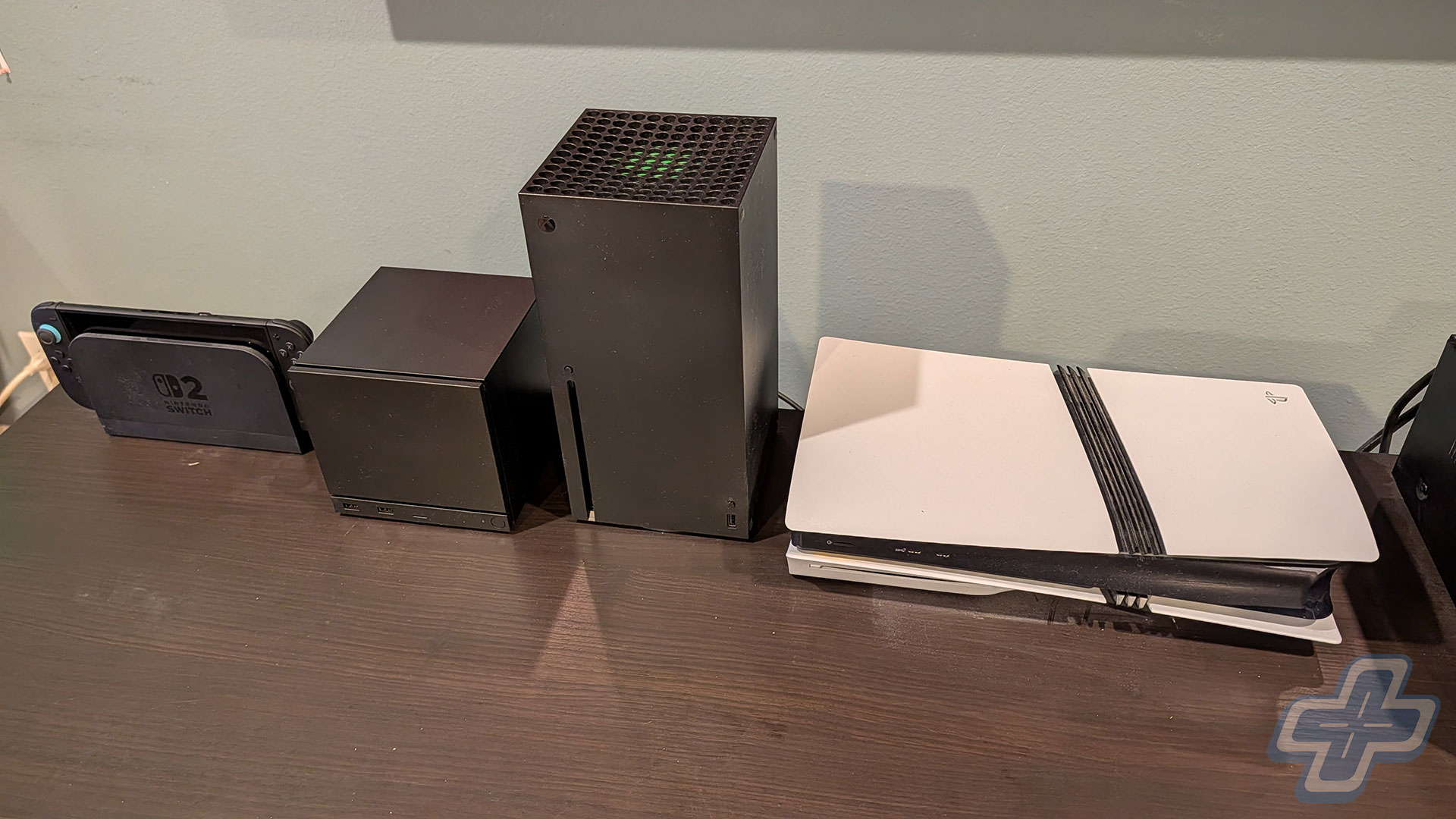
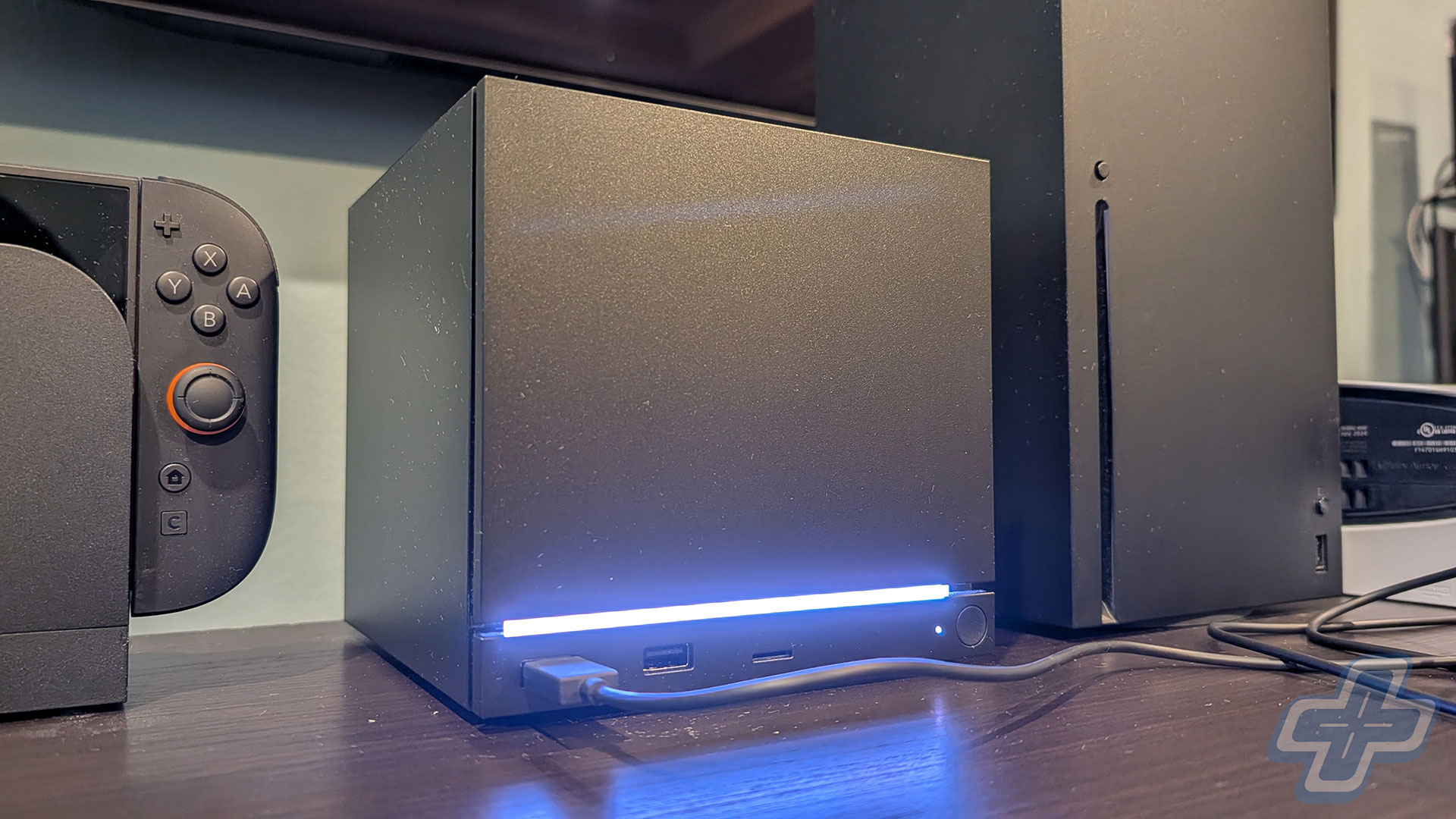
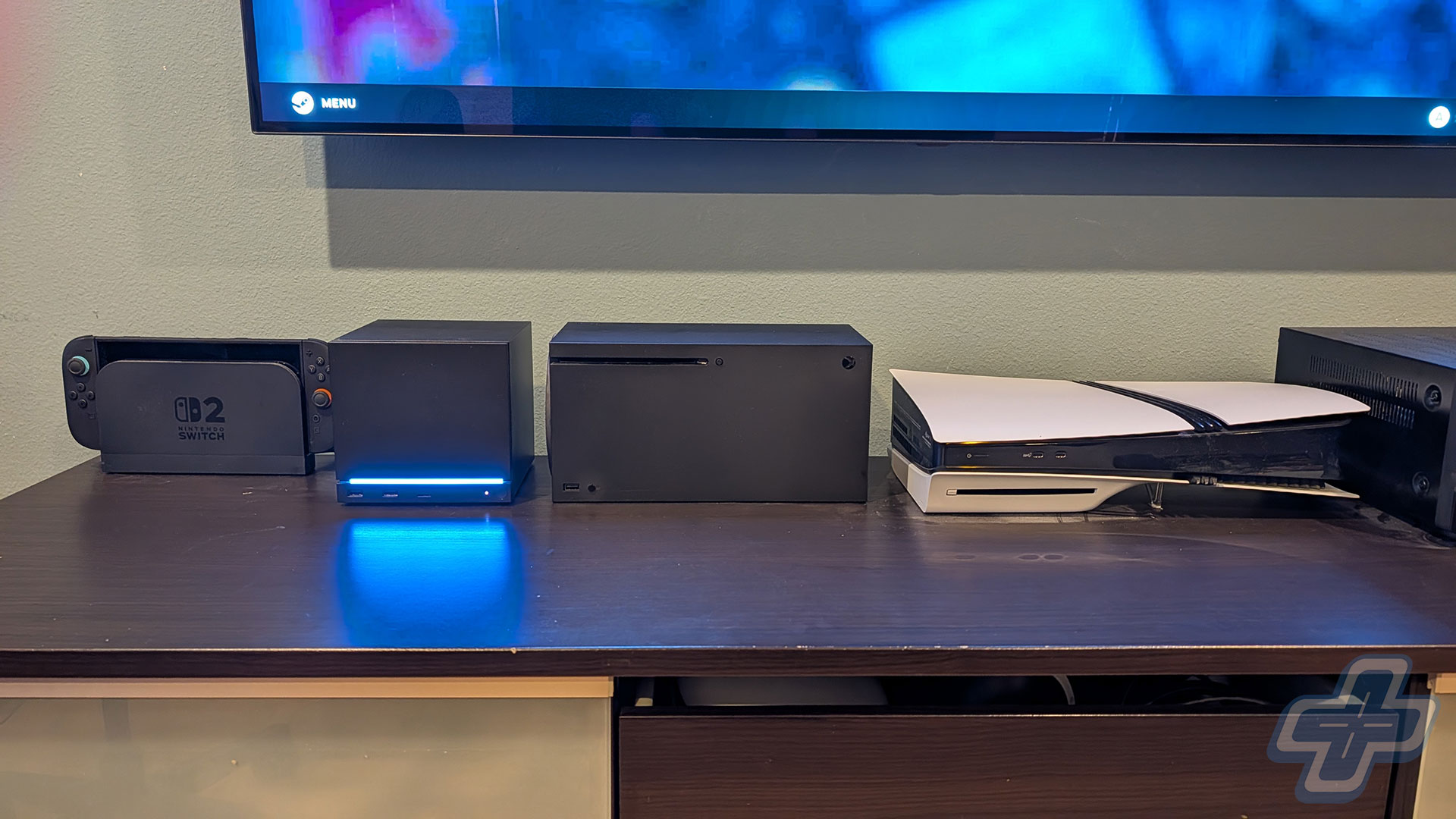
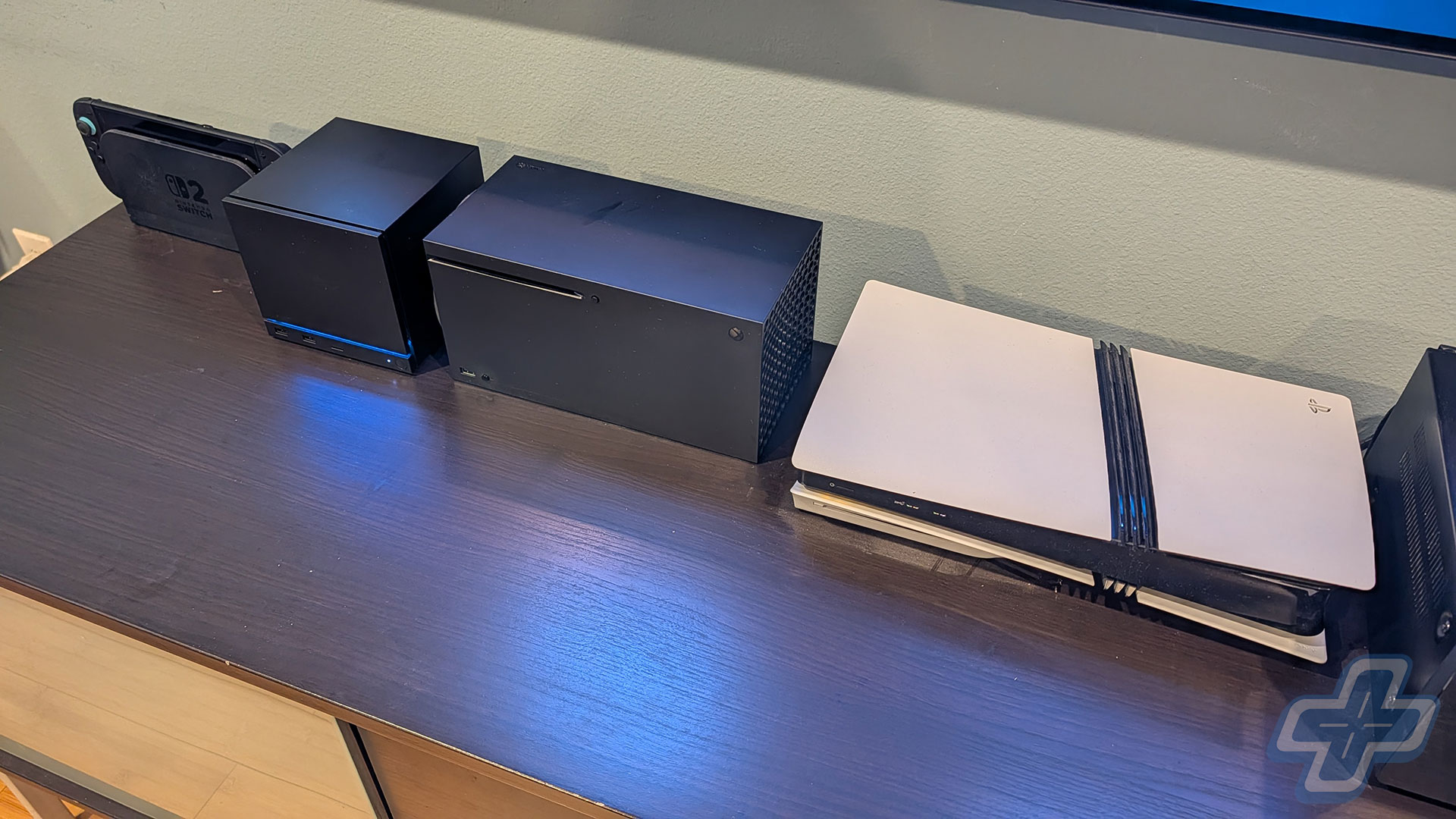
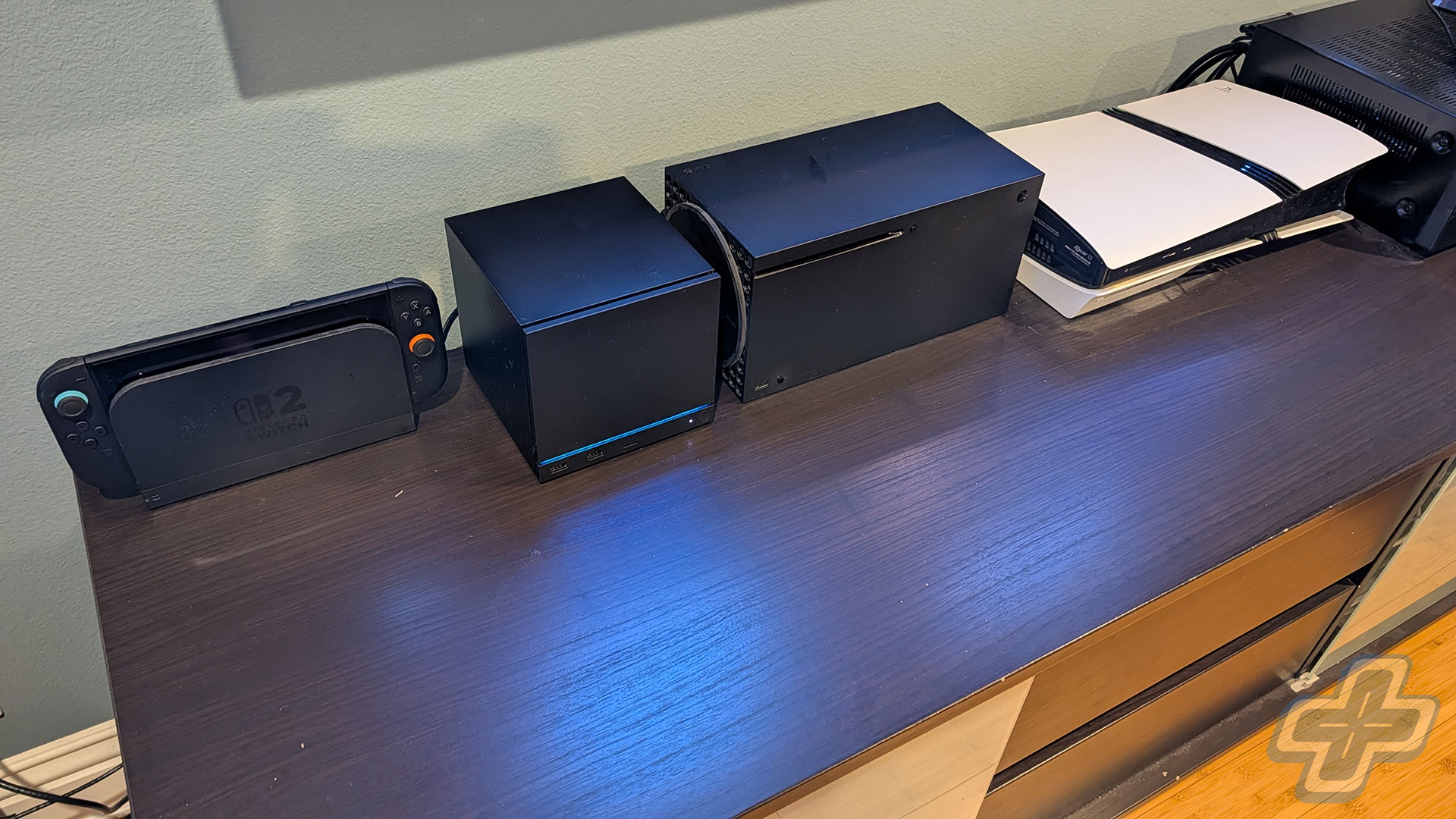
What the spec sheet doesn’t communicate is how small the thing actually is in person. It measures roughly six inches on every side, weighs about 5.7 pounds, and is built around a single 120mm fan, so it disappears into an entertainment center in a way a gaming PC never will. It’s also extremely quiet. For connectivity, you get DisplayPort and HDMI out, gigabit Ethernet, four USB-A ports, one USB-C port, Wi-Fi 6E, Bluetooth 5.3, and a dedicated 2.4GHz radio for the Steam Controller. The front carries a customizable 17-LED light bar that you can shut off entirely, and the magnetic front panel pops off if you want a different look. That swappable cover is a neat touch, though it’s not the kind of thing that’s going to make anyone buy the device.
Plug and Plays
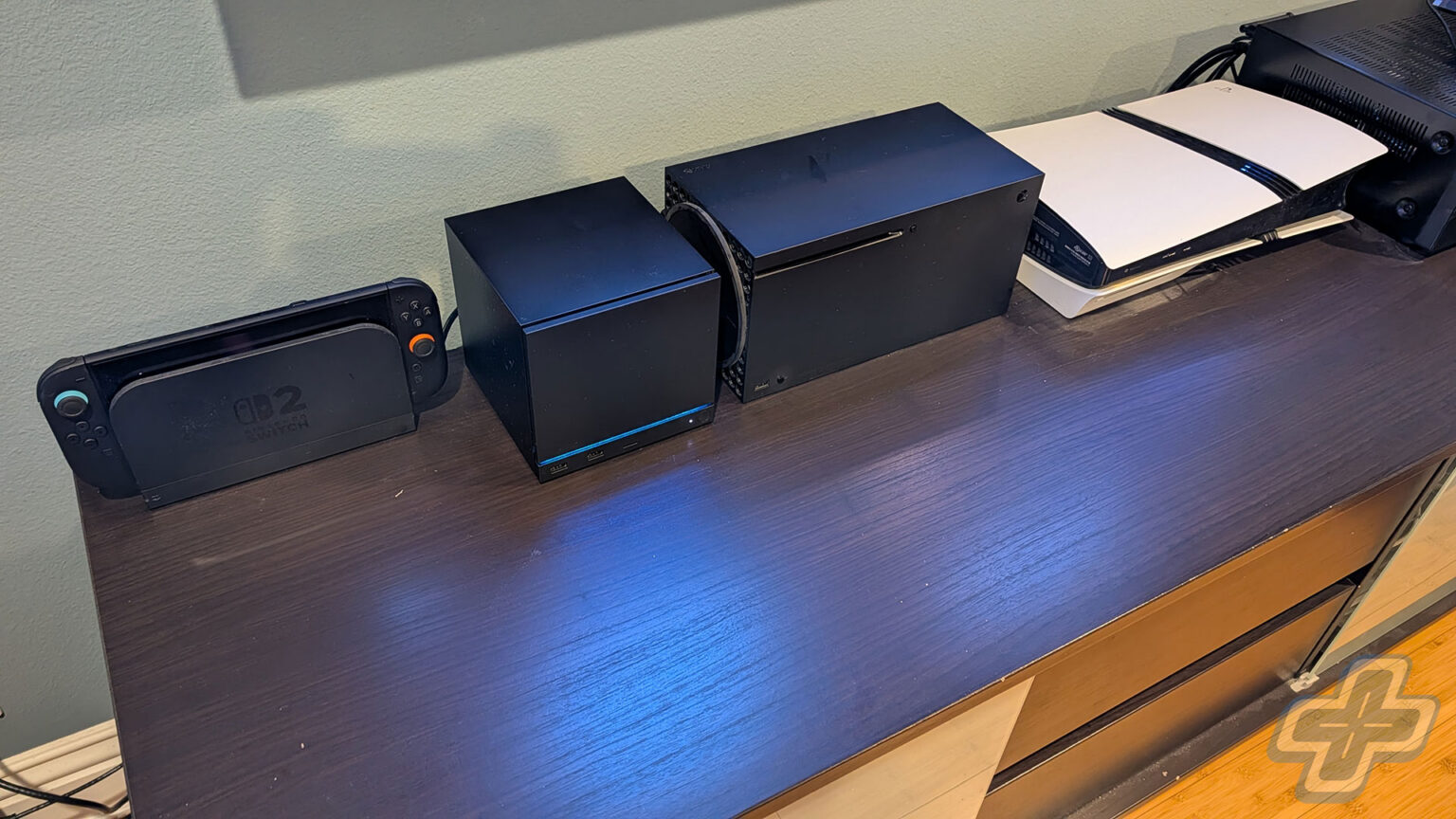
For anyone who has never touched SteamOS on a Steam Deck, the Steam Machine is about as painless as hardware gets, and the Steam Controller makes it easier still. I bought the 512GB model in a controller bundle even though I already own one, mainly because that was the reservation I got. Big Picture Mode has gotten very good at being driven entirely by a controller, and between Valve’s own layouts and the community configurations attached to basically everything, I haven’t hit a game that fought me over input. You turn it on, you pick something, you play. More importantly for my setup, it has consistently sent audio through my receiver and put the game on the correct display without making me touch Windows or switch output devices.
That ease is one of the Steam Machine’s biggest strengths, but SteamOS still doesn’t guarantee that every game in your library will work perfectly. I haven’t run into a compatibility problem in the games I’ve tested, but Valve’s Verified, Playable, Unsupported, and Unknown labels are worth checking if you’re buying the device for a few specific titles. I’ve put dozens of hours into Grim Dawn’s Fangs of Asterkarn expansion on this thing and it’s been great, while Granblue Fantasy: Relink – Endless Ragnarok ran fine at 1440p with decent settings. Dave the Diver, Megabonk, Ball x Pit, and Stardew Valley all behave exactly the way you’d hope. Those are the games I bought a Steam Machine to play, and they’re also the games that ask the least of it.
Playing Favorites
I ran a handful of things through it that I knew going in weren’t a great fit, mostly to see where the ceiling sat. Forza Horizon 6, DOOM: The Dark Ages, and Final Fantasy VII Rebirth all run, but all three are better on my PC or even my PlayStation 5 Pro, and it isn’t especially close. You’re not going to get amazing performance out of the Steam Machine, and at this point that’s very well documented by outlets that benchmark this stuff far more rigorously than I ever will. Valve itself softened the claim on the way to launch, changing the product page from “4K gaming at 60 FPS with FSR” to “up to 4K gaming with FSR 4.1” shortly before release.
My reason to buy Valve hardware hasn’t really changed over the years, and it applies here too. I pick up these devices to play indie and AA games, the kinds of games that fill out my Steam Deck list, while anything premium that demands real specs gets played at my desk or on my PlayStation 5 Pro. That list desperately needs a 2026 refresh, but the logic behind it hasn’t changed. I know that’s not how a lot of people are approaching the Steam Machine, though. Plenty of buyers want it to be a console replacement, and I don’t really think it is one.
Home Stream Advantage
There is a way to have it both ways, and it’s the feature I underestimated most going in. Streaming from my PC to the Steam Machine works great, and because both are connected over Ethernet, I haven’t noticed any lag worth mentioning in the games I’ve tried. That covers the demanding stuff without asking the cube to do something it was never really built to do. When I don’t feel like sitting in my chair, I can still play the games that need my desktop’s hardware, just from the bed instead.
That combination is why I’d primarily recommend the Steam Machine to someone who already owns a good gaming PC and wants another way to use it from the living room or bedroom. If you already have a nice rig and can put both machines on the same network, the Steam Machine turns into a second front end for the PC you’ve already paid for, and that’s genuinely useful to own. If you don’t have that PC sitting there, you’re evaluating the cube purely on its own hardware, and the math gets a lot harder.
Exclusive Rights
The strongest argument for the Steam Machine has nothing to do with frame rates and everything to do with what lives on Steam. There are a ridiculous number of games on Steam that still are not available on consoles, and some of the biggest are exclusive to Steam. Counter-Strike 2, Dota 2, R.E.P.O., Project Zomboid, PEAK, and Schedule I are just a few games that are still unavailable on consoles, and it’s probably a safe bet that Valve’s own Deadlock stays PC-only too. Add in how often Steam runs sales, plus key marketplaces like Green Man Gaming and Fanatical, and the cost of filling out a library looks very different than it does on console.
Of course, a PlayStation 5 or an XBOX Series X will play plenty of indie games competently and hand you the AAA catalog on top of it, which is a fair counter. You could also just build a small form factor PC, install SteamOS on it, and pair it with the Steam Controller puck to get a similar or even better experience for less money. What you can’t easily replicate, though, is the footprint. The Steam Machine is very small, very quiet, and it looks genuinely nice sitting next to other consoles on an entertainment center, and depending on who you are, there’s value in that. You could also argue that the entire purpose of the Steam Machine is to push the industry forward, much like the Steam Deck helped bring handheld gaming PCs into the mainstream.
Price of Admission
The Steam Machine is an odd device right now, and nearly all of that comes down to the price. If this had landed somewhere around $749, it would be a far more compelling product, and the entire conversation around it would look completely different. At north of $1,000 for the 512GB model, you have to set your expectations based on the games you actually intend to play. If you’re on the fence, the question worth asking is how much you care about visual fidelity versus frame rates on AAA titles. AAA at 1080p or 1440p puts the Steam Machine on the table, but if you want those games looking their best, a PlayStation 5 Pro or an XBOX Series X is the better buy at this price.
There’s one more thing worth understanding before you invest in the Steam ecosystem, and it’s the part I keep coming back to. Final Fantasy Resonance is exactly the sort of game I’d normally grab on console, probably Switch 2, since the HD-2D presentation will play well on anything. Now I’ll likely buy it on Steam instead, because that gives me the option of playing at my desk, in bed on the Steam Machine with my larger TV, or on the go on my Steam Deck or ROG XBOX Ally X. I’m obviously fortunate to own all of these devices, and most people won’t, but the larger point still holds. That flexibility is what ultimately makes the Steam Machine matter to me. It turns Steam from the place I buy PC games into an ecosystem that follows me from my desk to my TV and out the door.
The Steam Machine was released on June 29, 2026, exclusively through the Steam Store. This review is based on a purchased retail 512GB unit bundled with a Steam Controller, tested on a wired network alongside a PC. While FullCleared does have affiliate partnerships, they do not influence our editorial content.
Steam Machine Review Gallery

Continue?
Like our content?
Subscribe to our newsletter and get video game news, reviews, features, and deals straight to your inbox.
You're subscribed!
Thanks for signing up. Look for an email from Substack at .
No email after a few minutes? Subscribe on Substack.
This newsletter may contain advertising, deals, or affiliate links. Subscribing to the newsletter indicates your consent to our Privacy Policy. You may unsubscribe from the newsletter at any time.