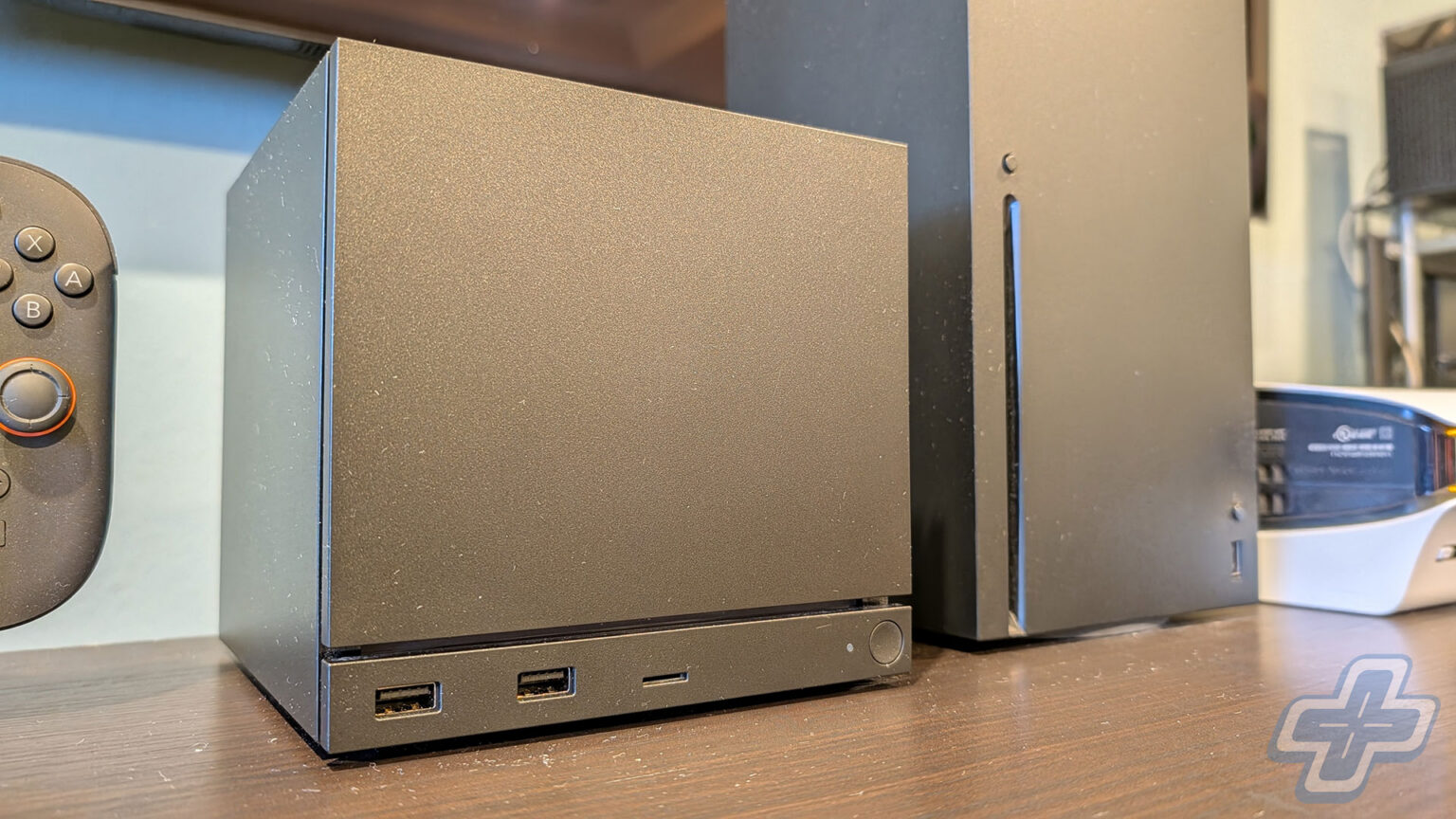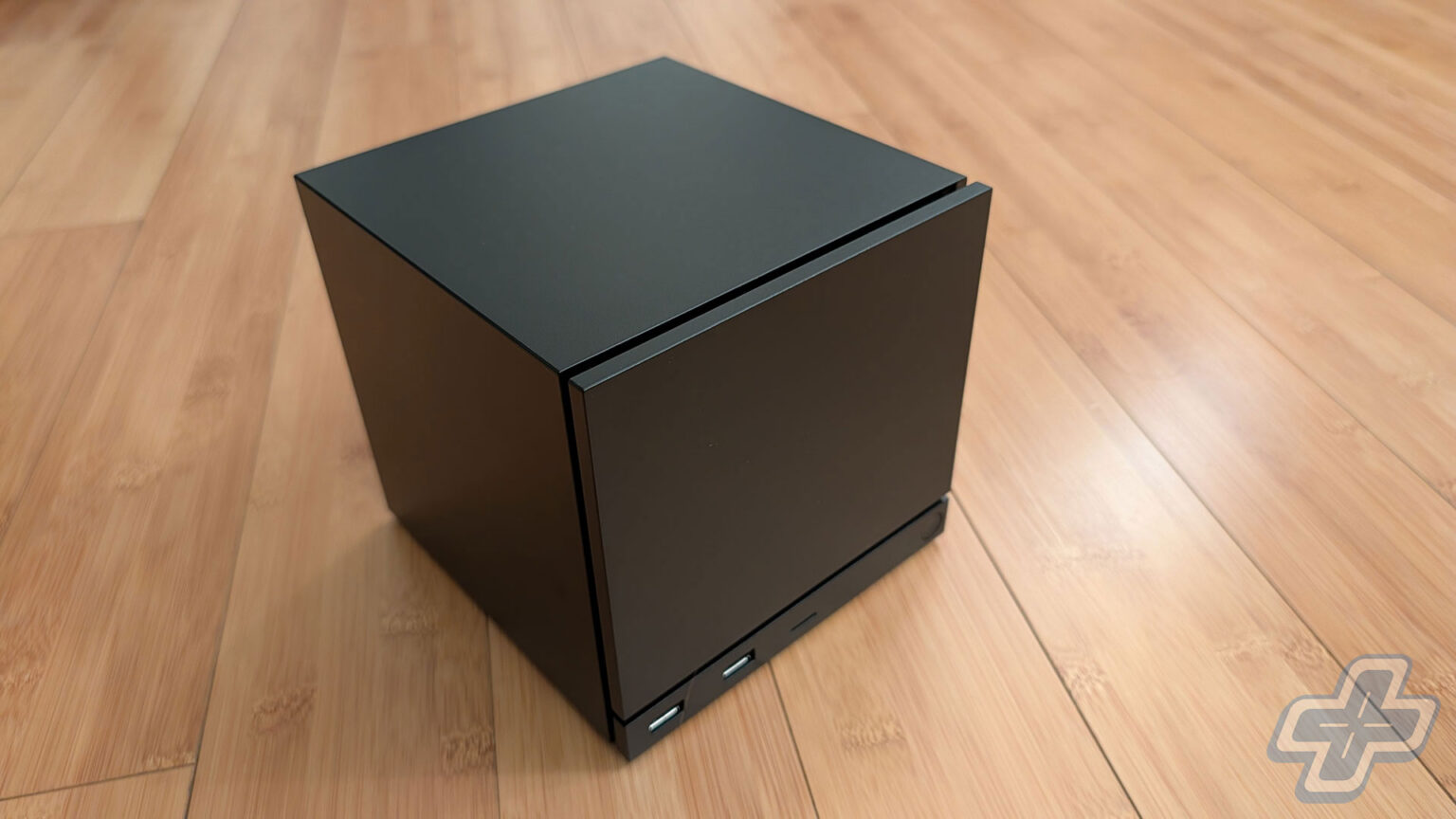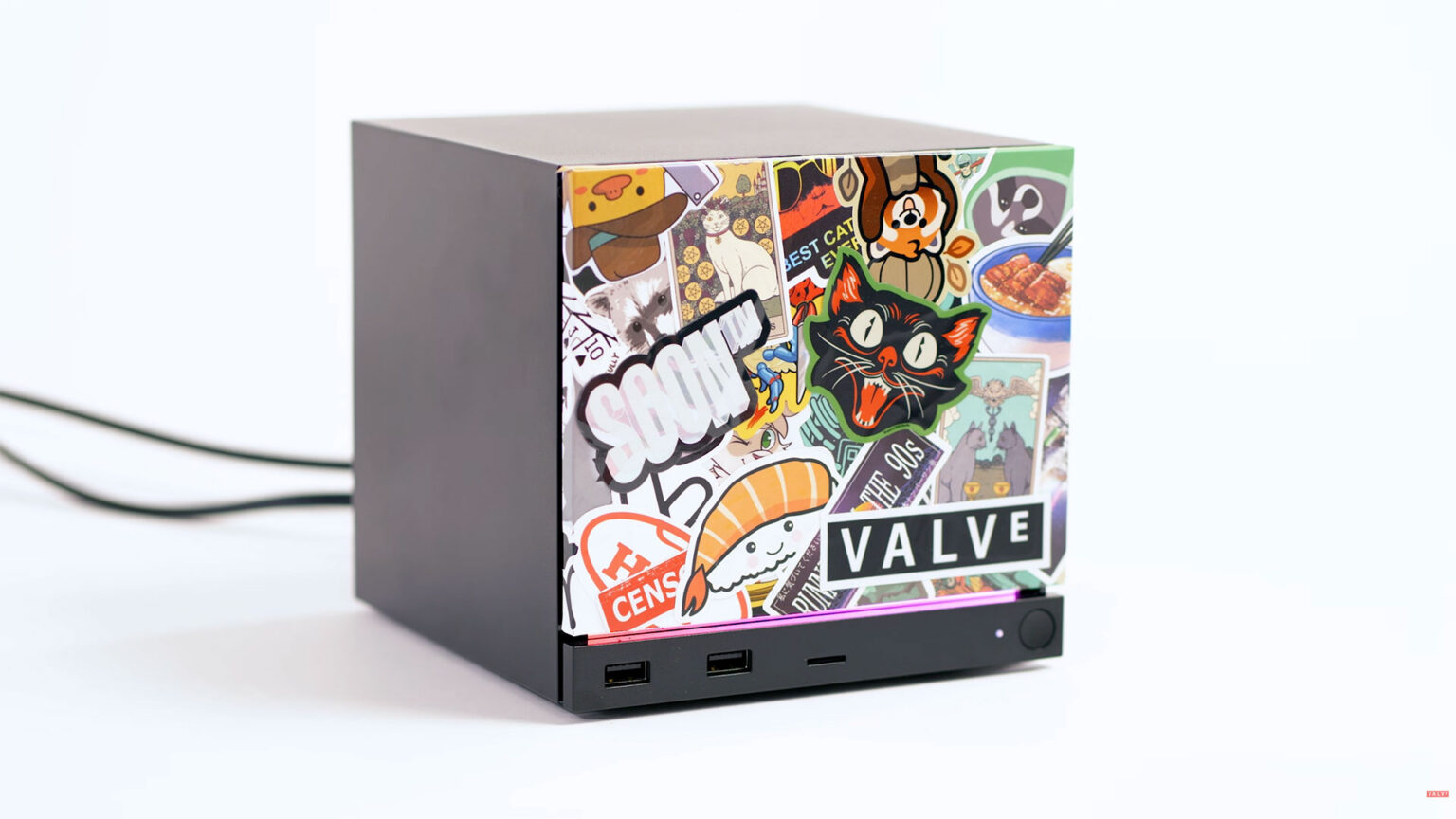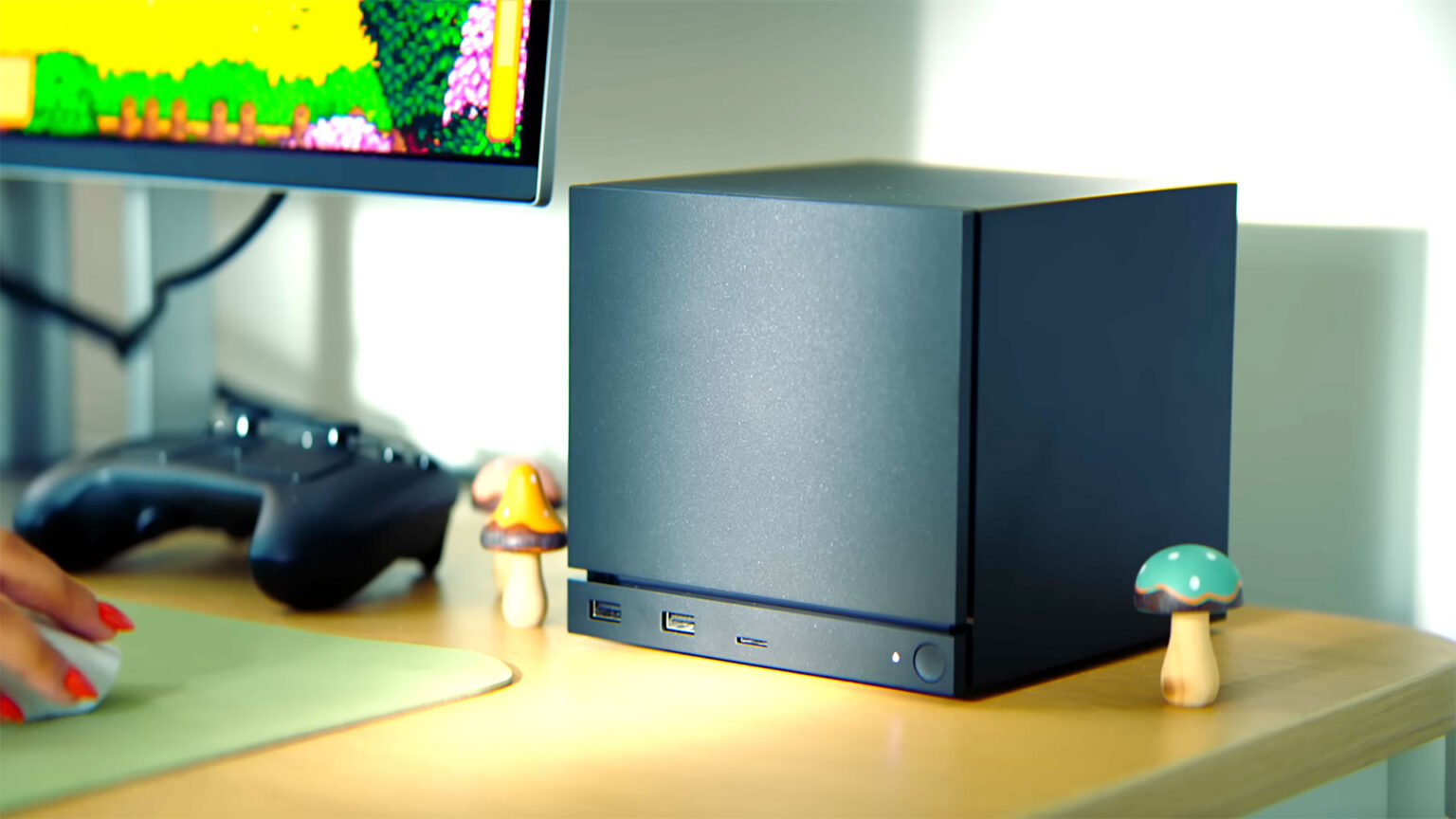

Valve has finally put a price on the Steam Machine, more than seven months after revealing the living room PC alongside a new Steam Controller and the Steam Frame VR headset. Pricing is live on Steam now, starting with a 512GB base model at $1,049 and a 512GB unit bundled with the Steam Controller at $1,128. A 2TB version runs $1,349 on its own or $1,428 with the controller, and both 2TB configurations throw in two extra faceplates in red fabric and solid walnut.
Rather than a standard preorder, Valve is running a reservation system to cut down on resellers and bots. Sign-ups open today and close Thursday, June 25 at 10:00 AM Pacific (1:00 PM Eastern), at which point the company runs a one-time randomization to set the reservation queue and waitlist order. Everyone gets an email that day confirming either a reserved unit or a waitlist spot, and the first purchase emails go out the week of June 29 before continuing through the rest of the year.
The system comes with a handful of rules worth knowing before you commit. Lists are split by region across North America, the United Kingdom and European Union, and Australia, and you can sign up for more than one model, in which case you’ll be allocated the highest-end configuration you land. You’ll need a Steam account in good standing that made a purchase before April 27, with one entry per household, and anyone who reserves a unit gets 72 hours to buy once their email arrives. Signing up after the June 25 cutoff drops you straight to the back of the waitlist.
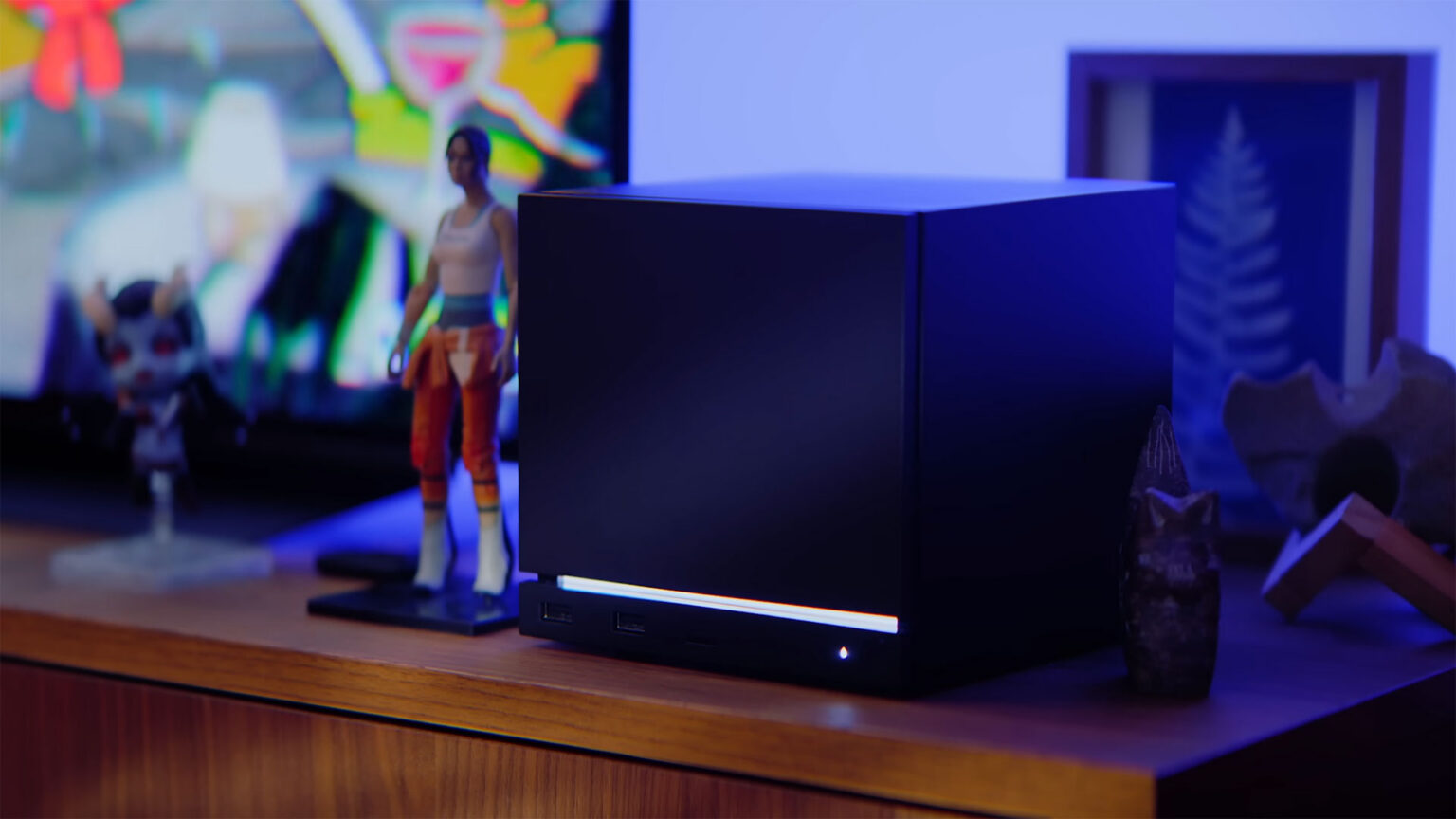
Every configuration shares the same core hardware, built around a semi-custom AMD Zen 4 processor with six cores and 12 threads and a semi-custom RDNA 3 graphics chip with 28 compute units. That pairs with 16GB of DDR5 system memory and a separate 8GB of GDDR6 set aside for graphics, with storage handled by either a 512GB or 2TB NVMe SSD plus a microSD slot for expansion. Connectivity covers Wi-Fi 6E, Bluetooth 5.3, and gigabit ethernet, and there’s a wireless adapter for the Steam Controller built into the roughly six-inch cube. It all runs SteamOS 3, and Valve has pitched the machine as more than six times the power of the Steam Deck, targeting 4K gaming with FSR upscaling.
Valve has been upfront about why the numbers came in where they did, framing the Steam Machine as something priced like a PC rather than a console. The company says it started sourcing components back in 2023 expecting PC hardware to get cheaper over time, the way it usually does, but the past year has gone the other direction, with RAM and storage costs climbing fast enough that the original price target was no longer viable. Valve has also been clear it won’t sell the hardware at a loss the way Sony and Microsoft typically do with consoles, which is why even the cheapest model lands north of a thousand dollars and well above where a PlayStation 5 or XBOX Series X|S currently sits. The same shortage hit availability too, with the company saying there were stretches where it couldn’t source some components at any price, which is part of why launch quantities are limited.
Against that backdrop, the pricing is honestly a bit more competitive than we expected. The same memory and storage squeeze is what recently pushed the OLED Steam Deck up to $789 and $949 at retail, so seeing the Steam Machine’s base model land only a couple hundred dollars above a Deck that just got more expensive, while being a far more powerful living room machine, is a pleasant surprise given the current state of hardware prices.
The Steam Controller, which I just reviewed, was the first of the three new hardware pieces to actually ship, going on sale May 4 for $99, and both the Steam Machine and Steam Frame are still slated for this summer. Valve hasn’t locked in a firm on-sale date beyond that window, so signing up before the June 25 cutoff is the only way to get in line right now. If you miss out or would rather build your own, the newly released SteamOS 3.8 lets you run the same operating system as the Steam Machine on a living room PC with your own parts, though only AMD GPUs are supported for the moment.