One of the main reasons why so many people play video games is to live that fantasy life that may not be possible in the real world. In some instances, that’s not possible because dragons don’t really exist. In other instances, though, like racing games, it’s just not reasonably feasible to experience that lifestyle. Schedule I is one of those games, taking heavy inspiration from Breaking Bad to create what is essentially a drug dealer simulator. The game entered Early Access on March 24, 2025, but we just hadn’t been able to find time in our busy schedules to squeeze it in until the long Thanksgiving break. What we thought would be a game that was heavy on automation actually turned out to be one of the most entertaining and strangely addictive games we’ve played all year.
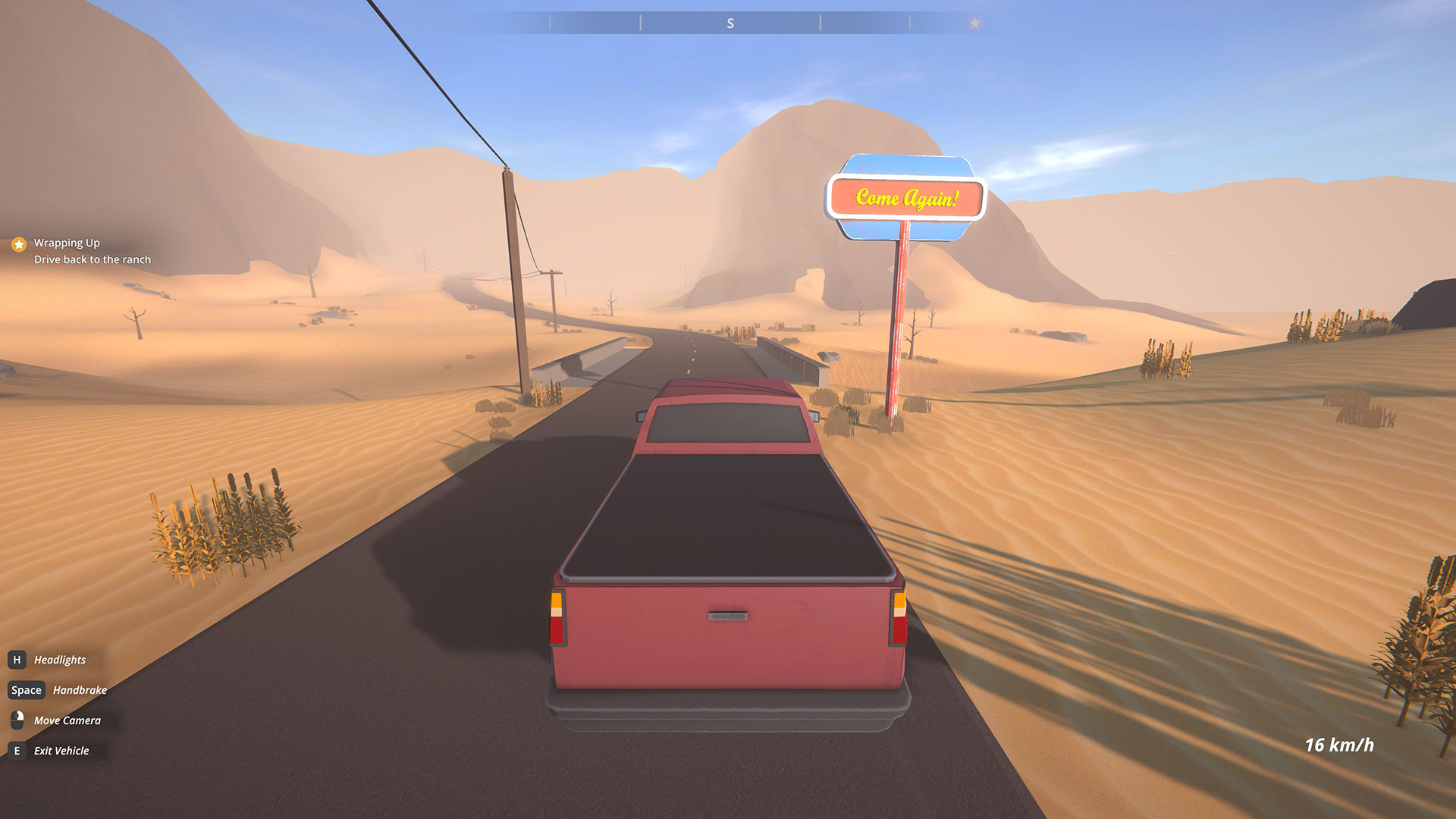
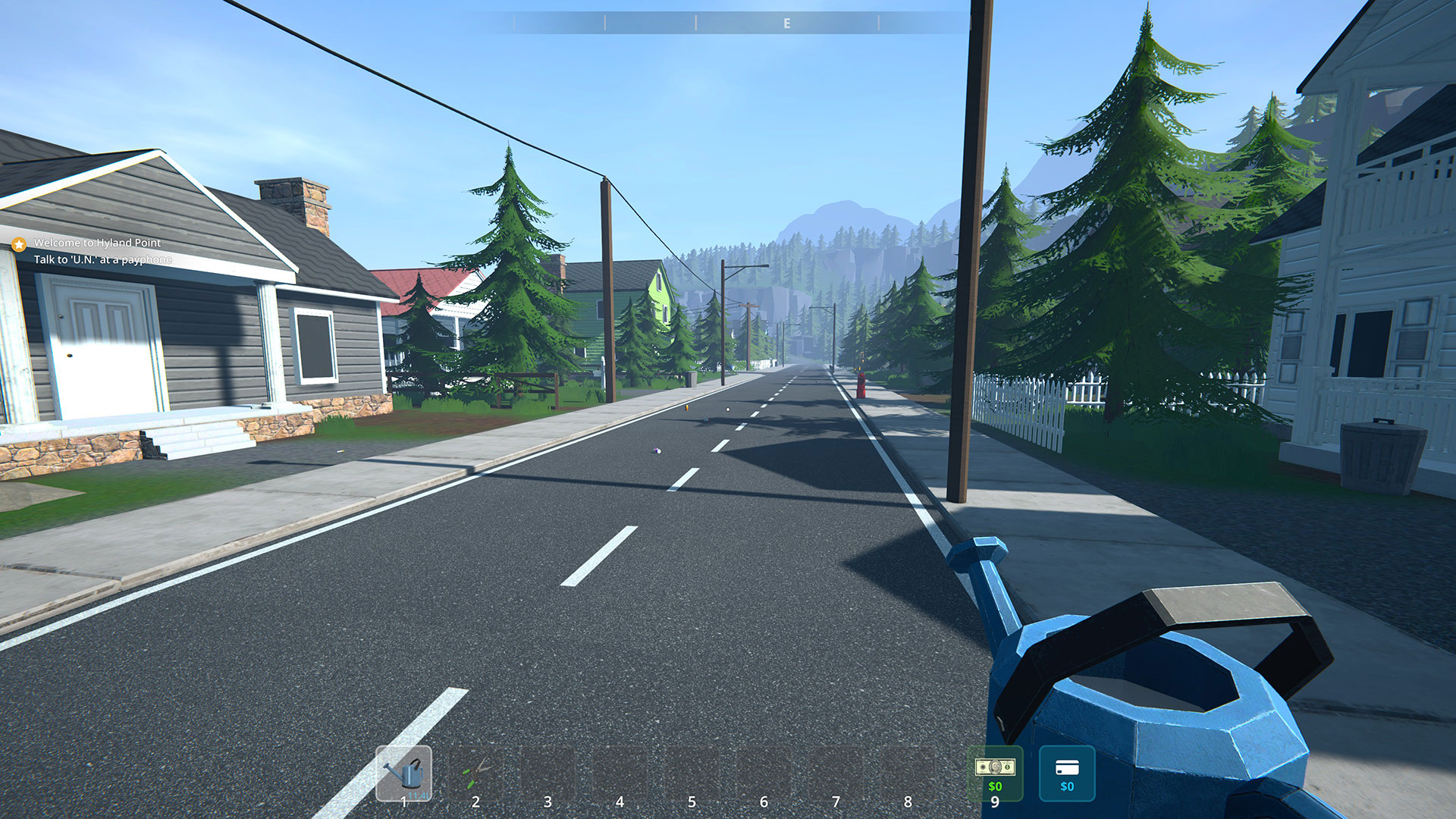
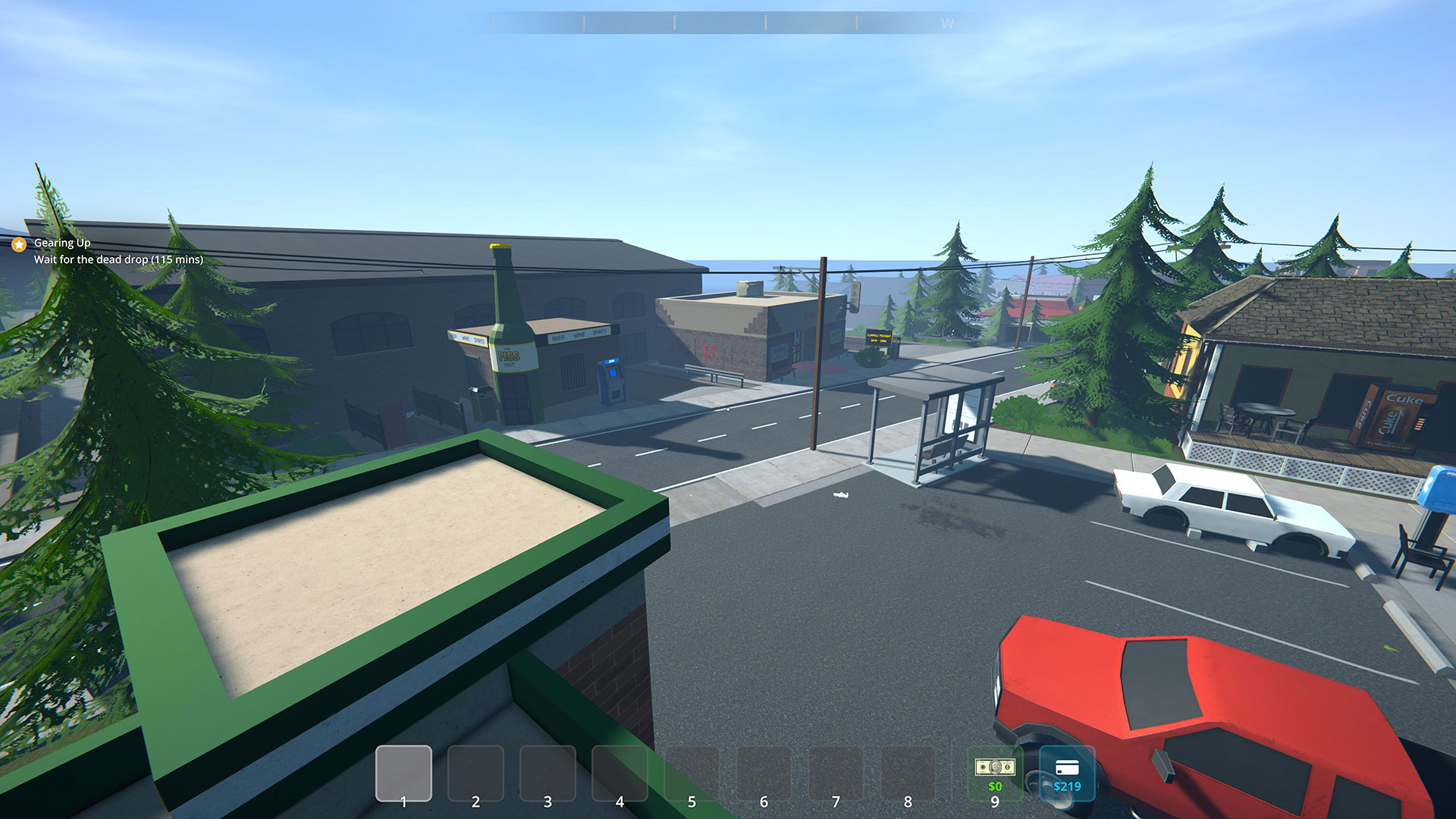
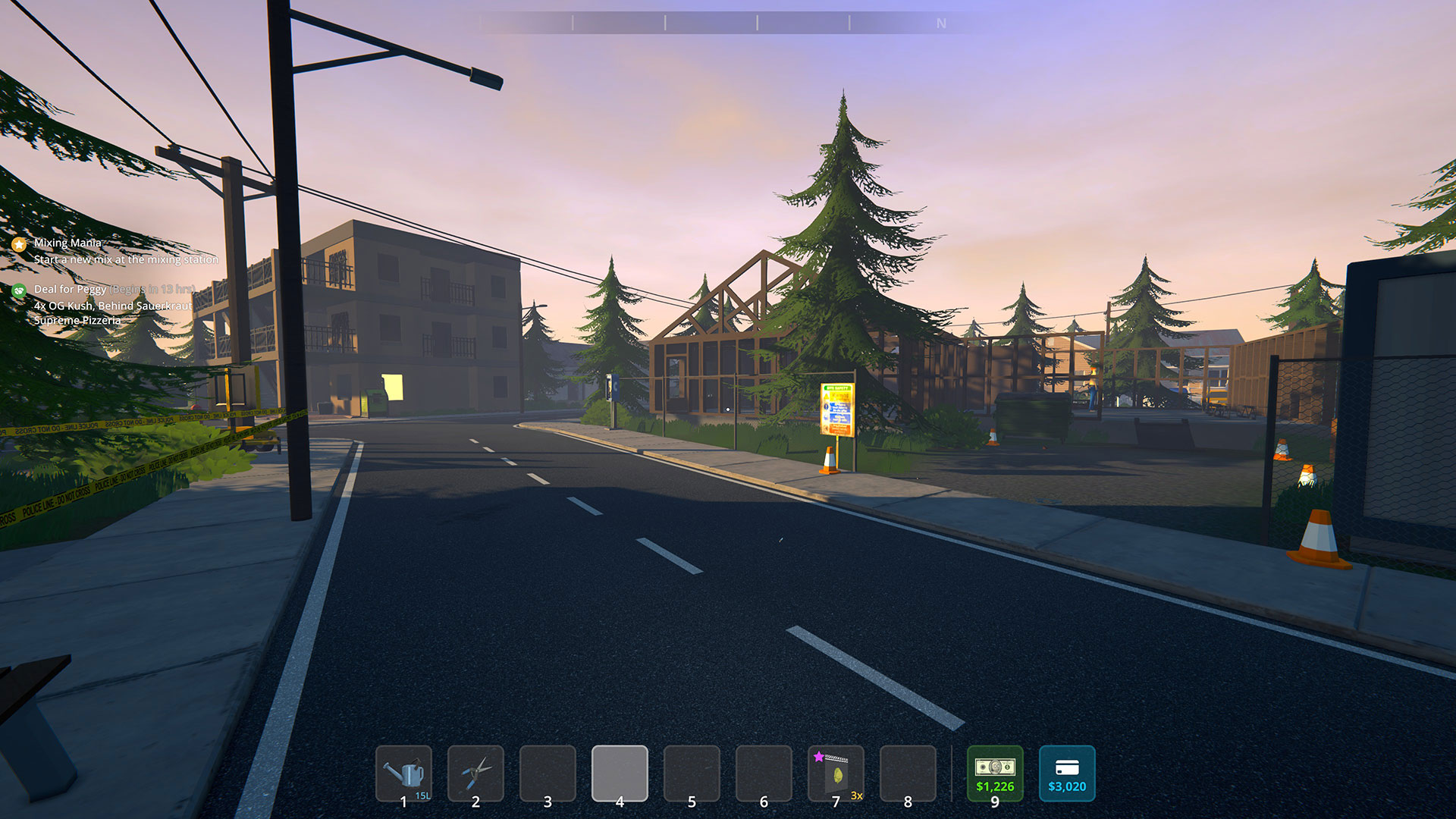
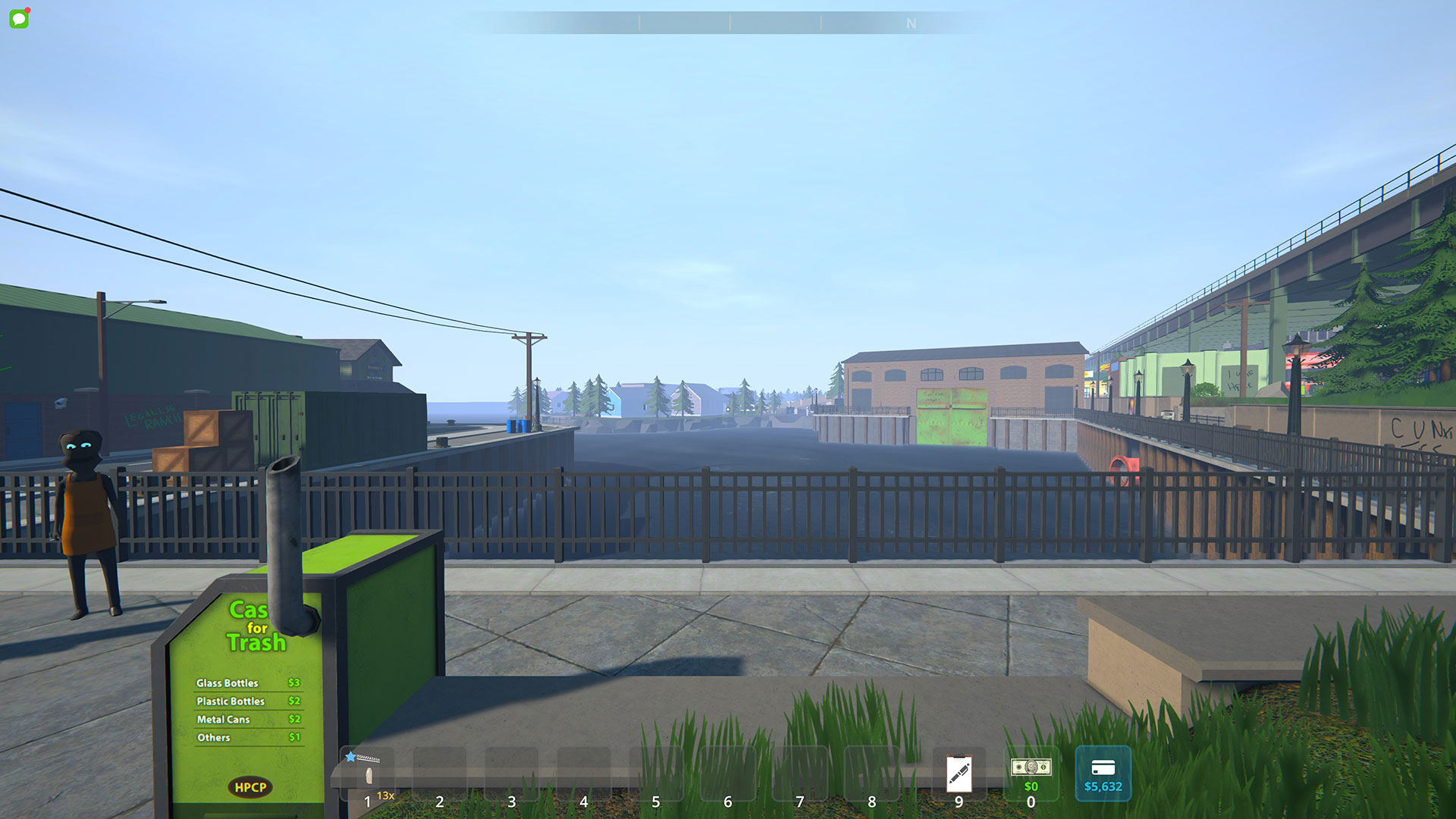
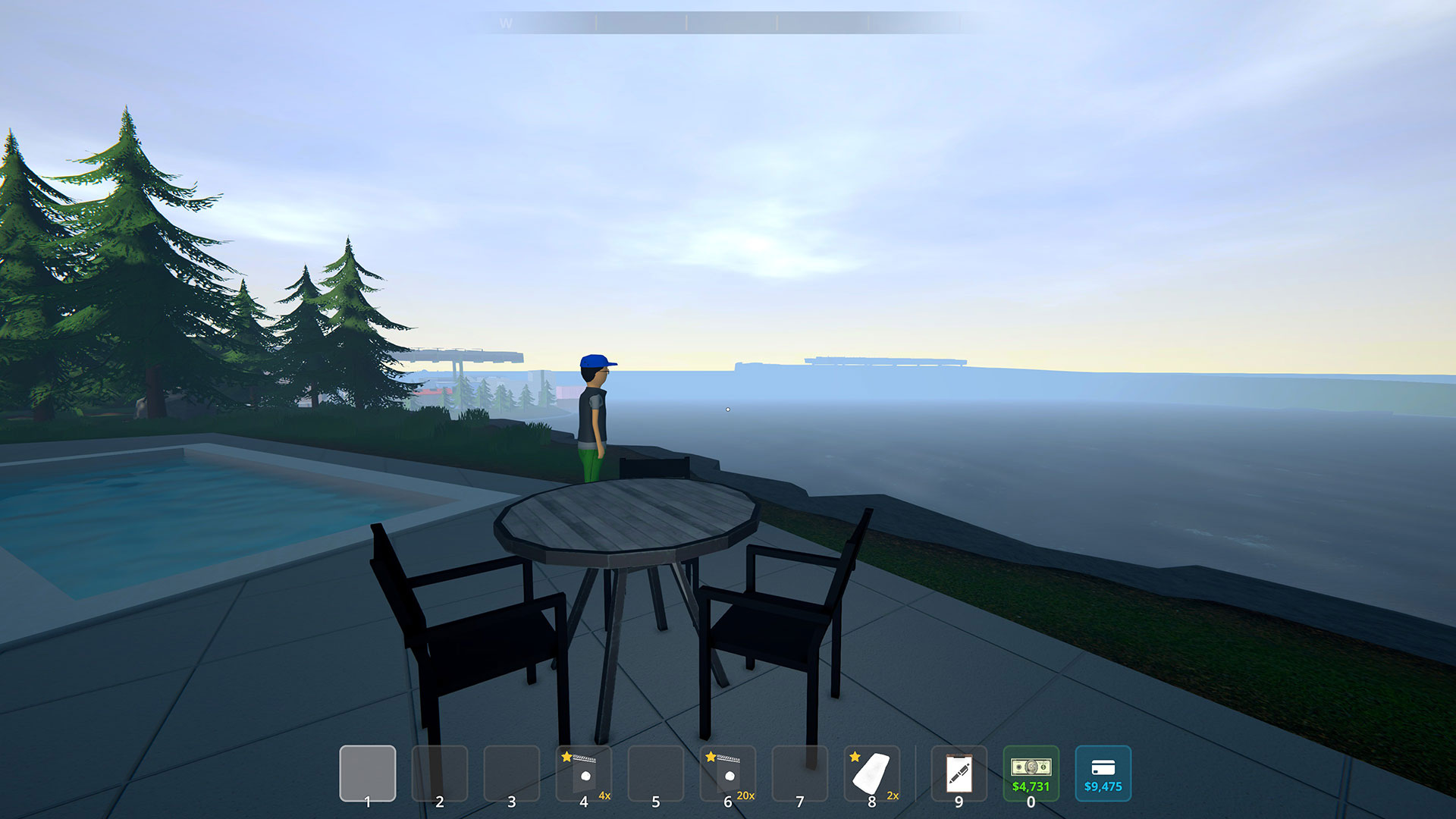
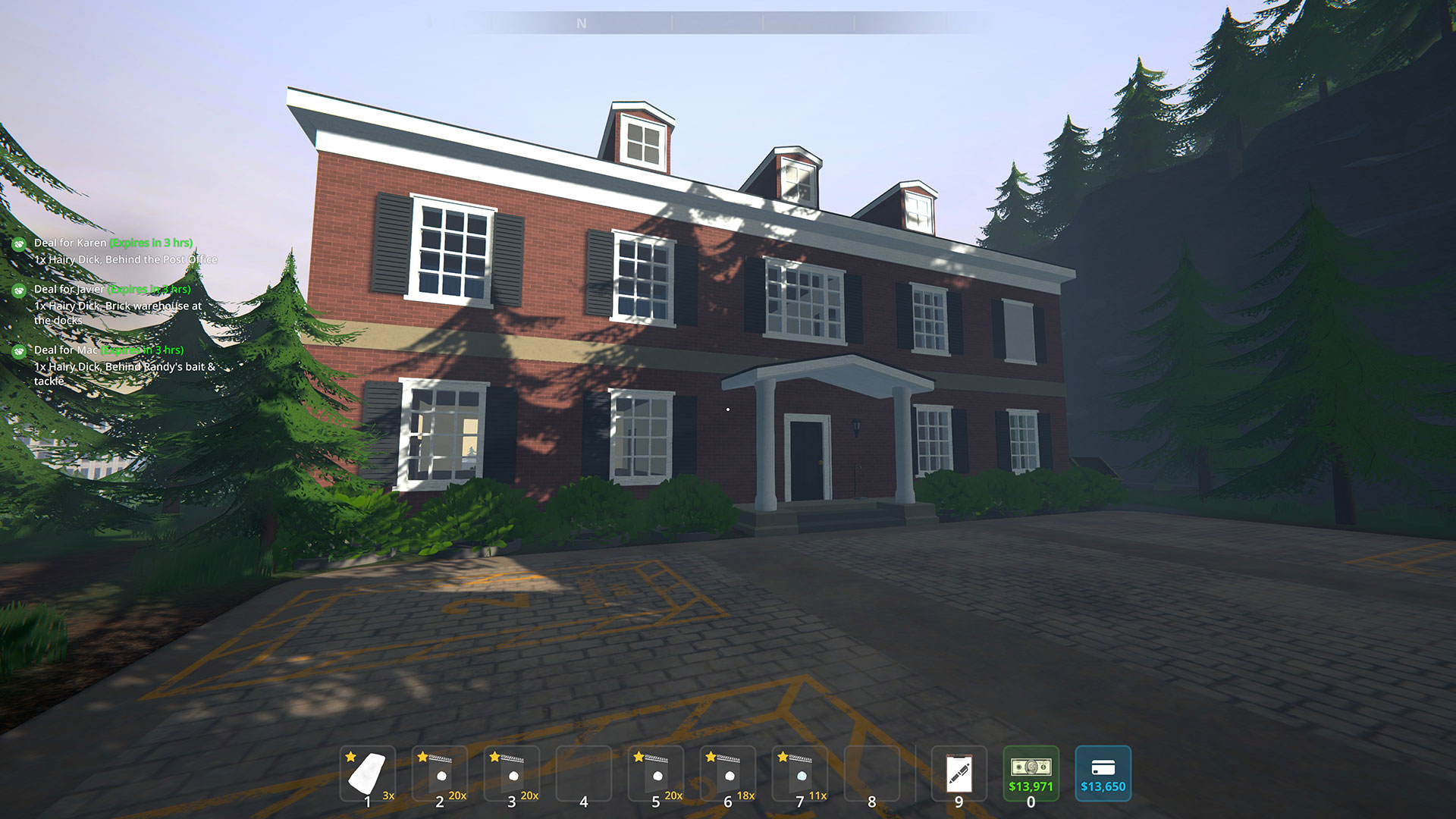
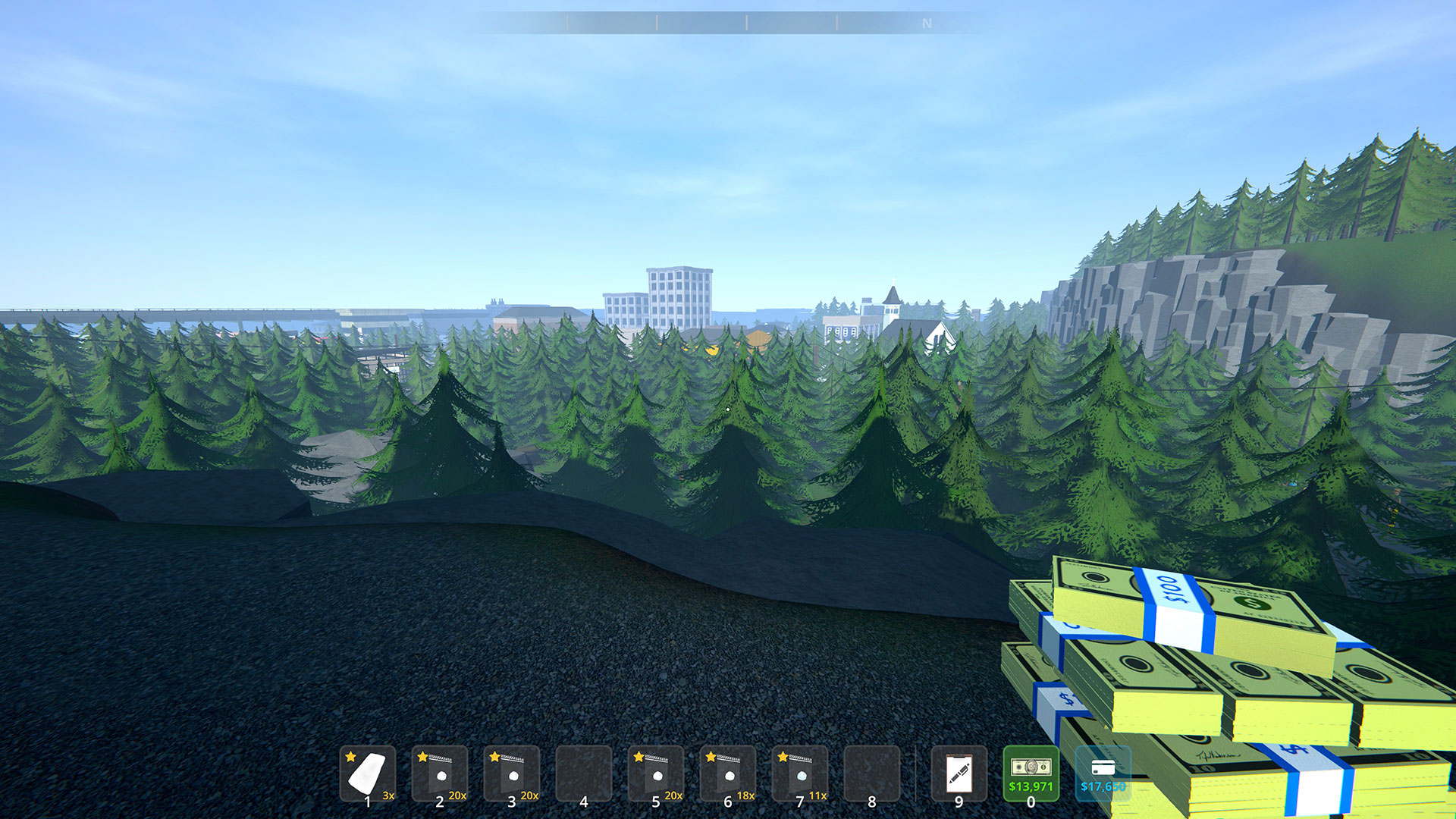
Schedule I takes place in the fictional city of Hyland Point. It’s a decent-sized map that you’ll quickly get familiar with once you start making the rounds. It all starts with humble beginnings, setting up shop in an RV, just like Breaking Bad, before moving into a small motel room. From there, the game’s all about growing drugs, selling drugs, and using that money to expand your budding empire. Obviously, you’ll have to deal with local law enforcement, but you’ll also eventually have to decide how to handle competing cartels.
Rise and Grind
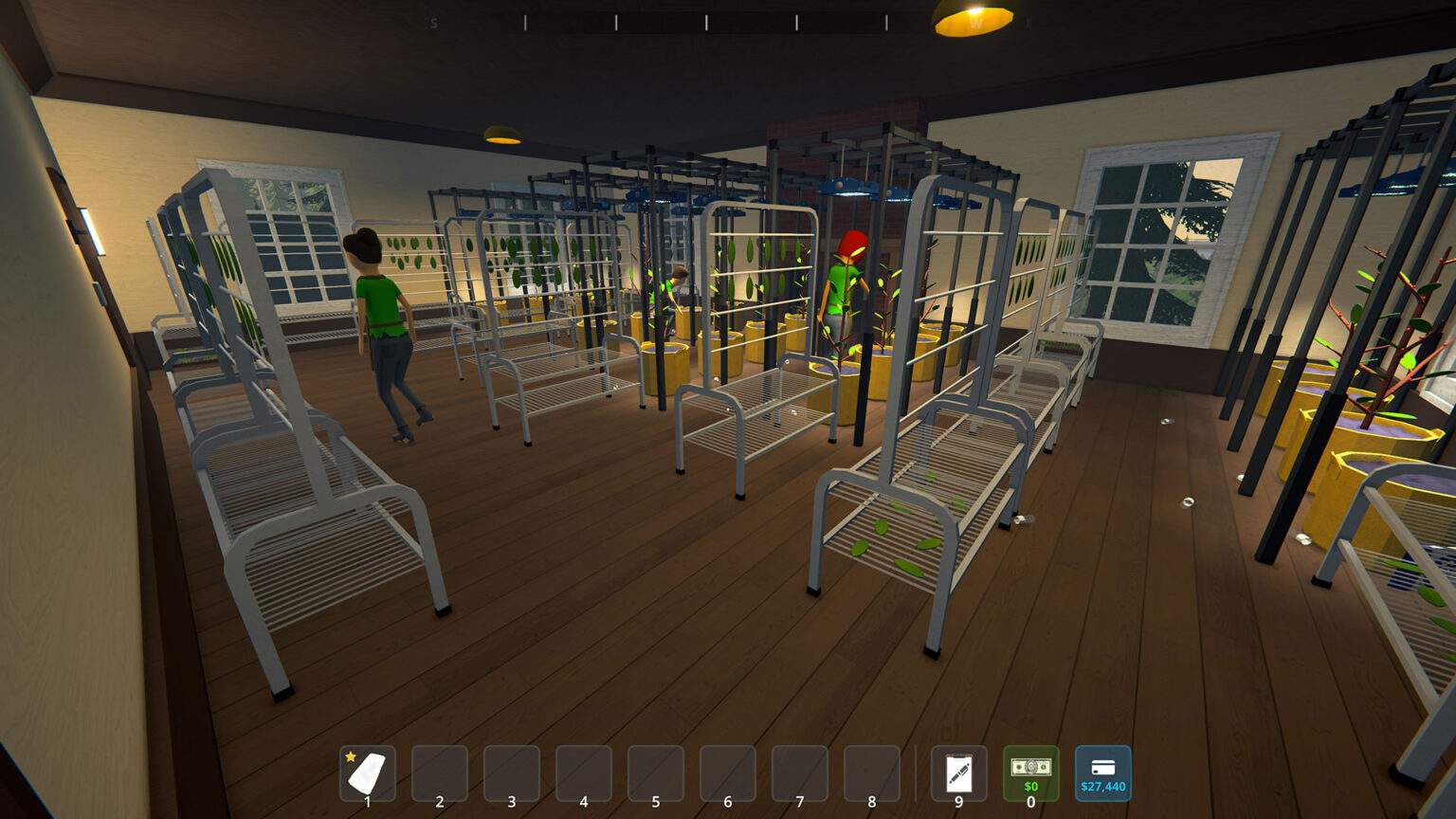
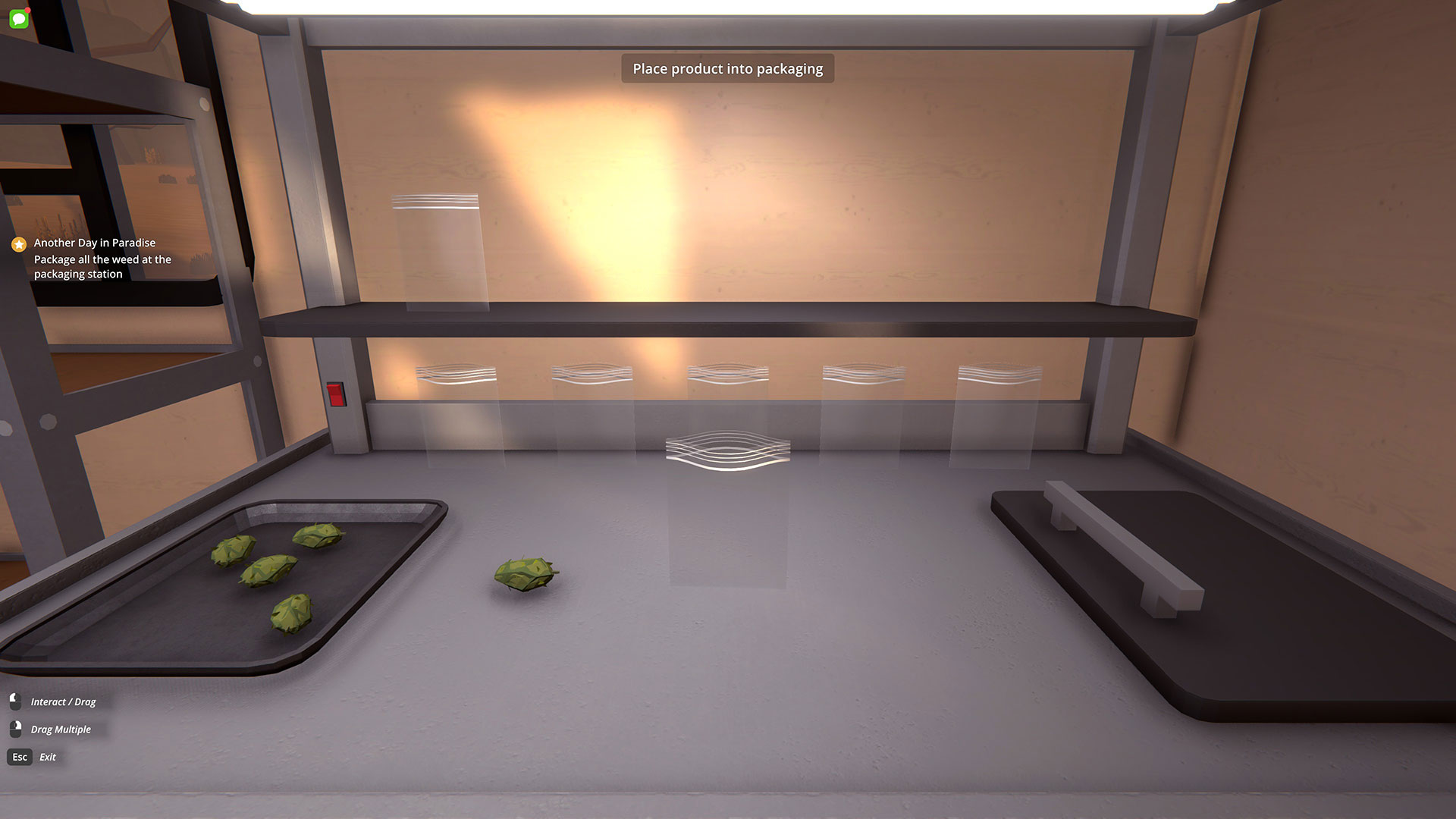
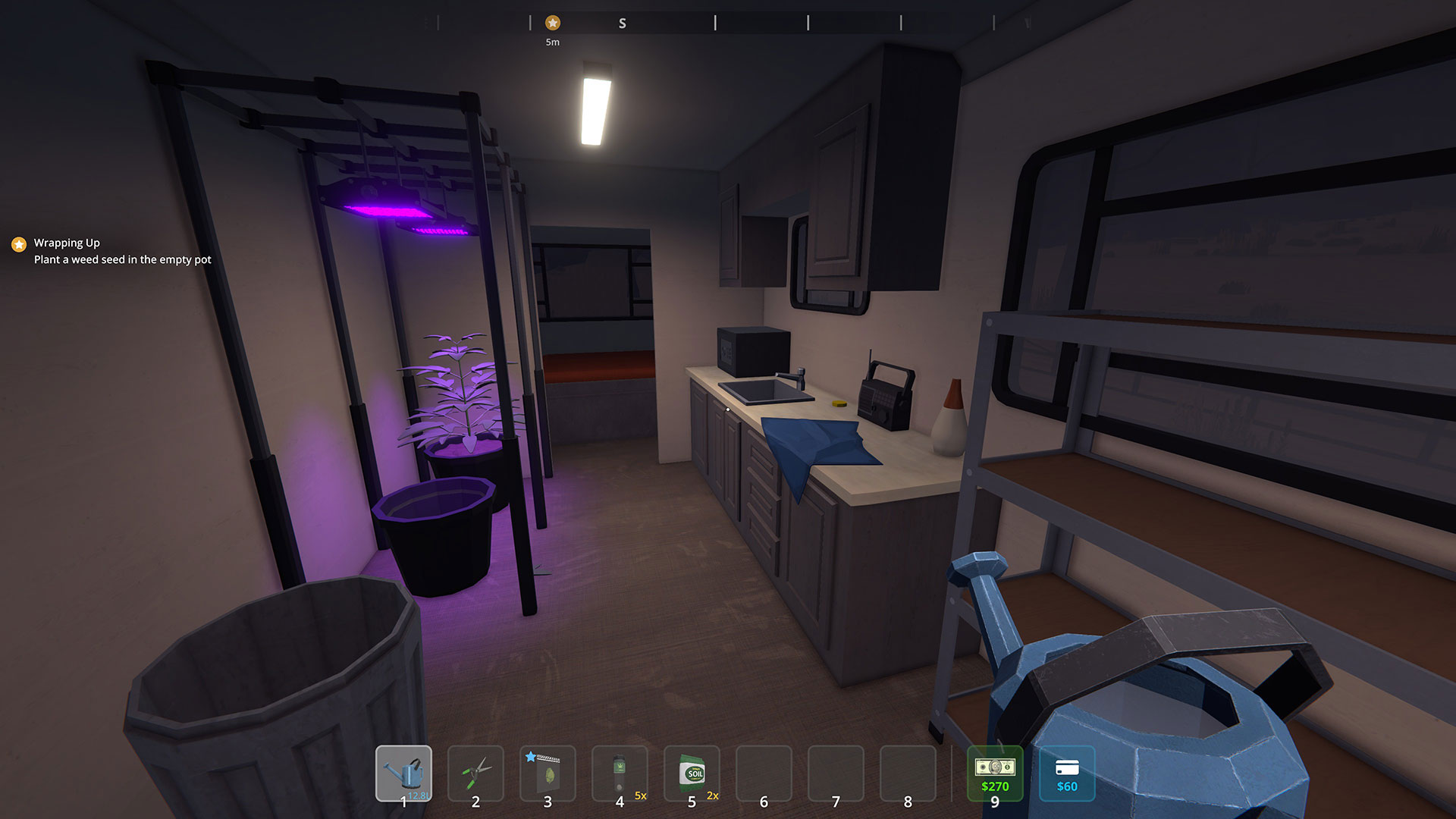
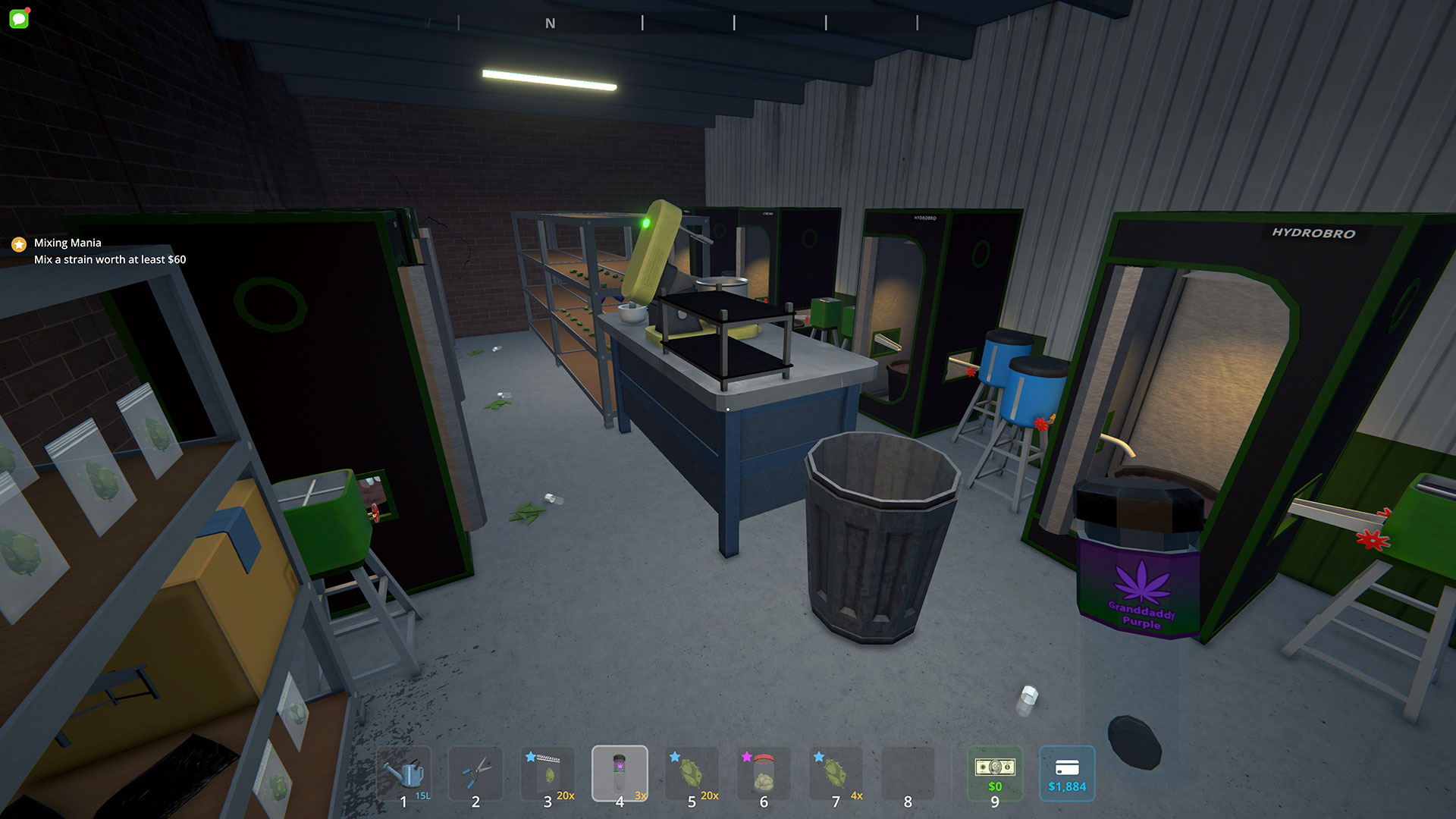
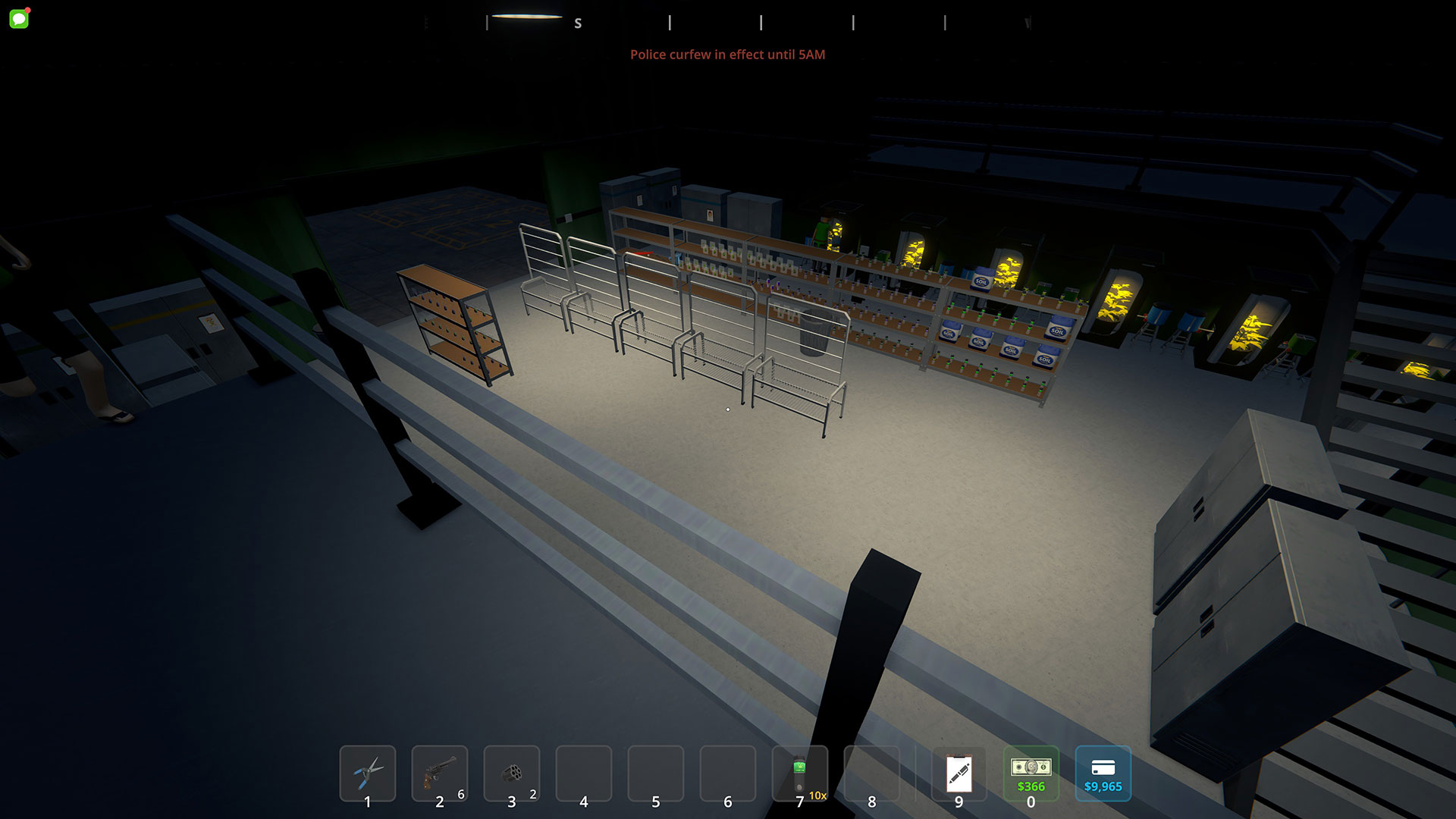
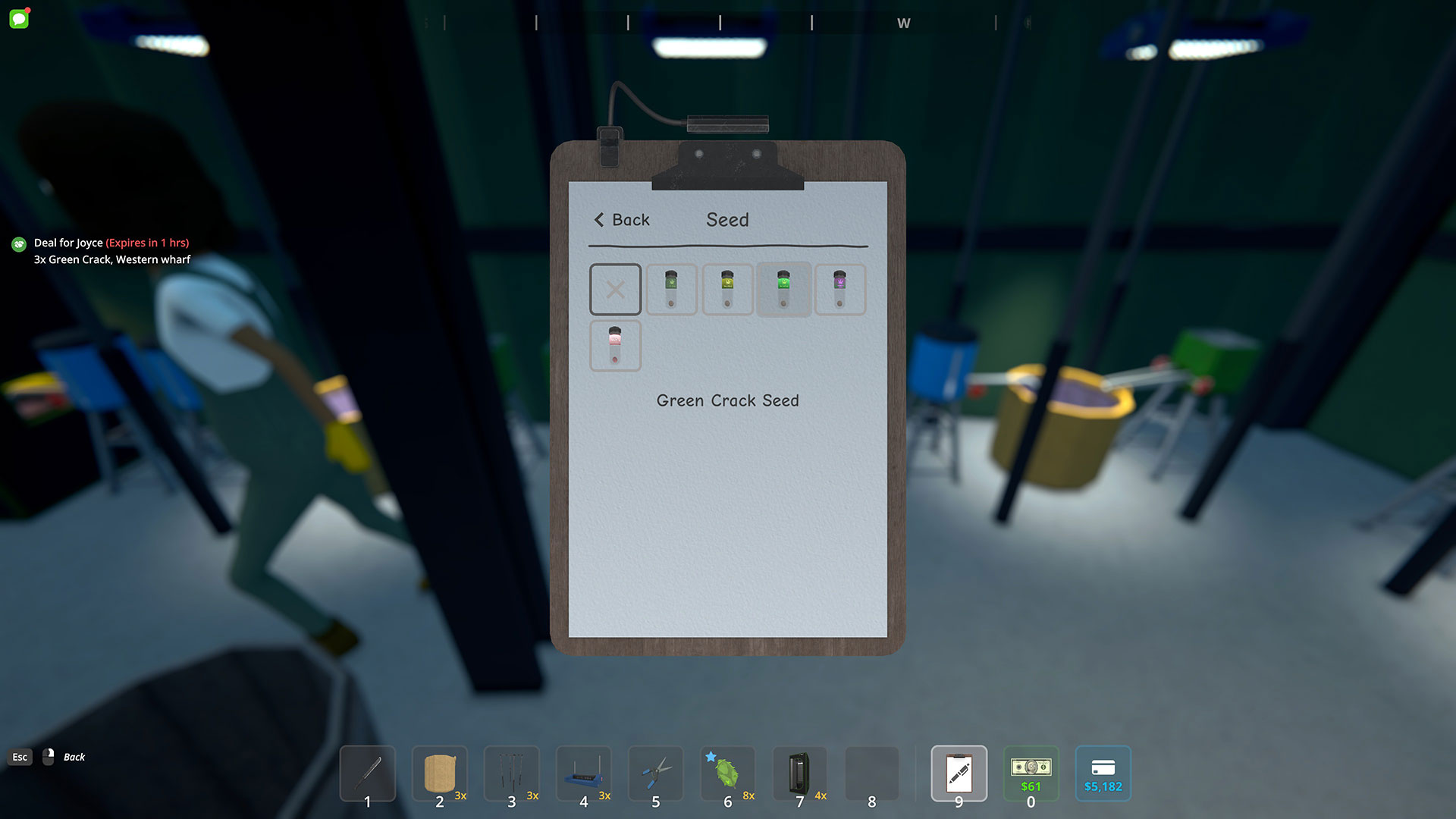
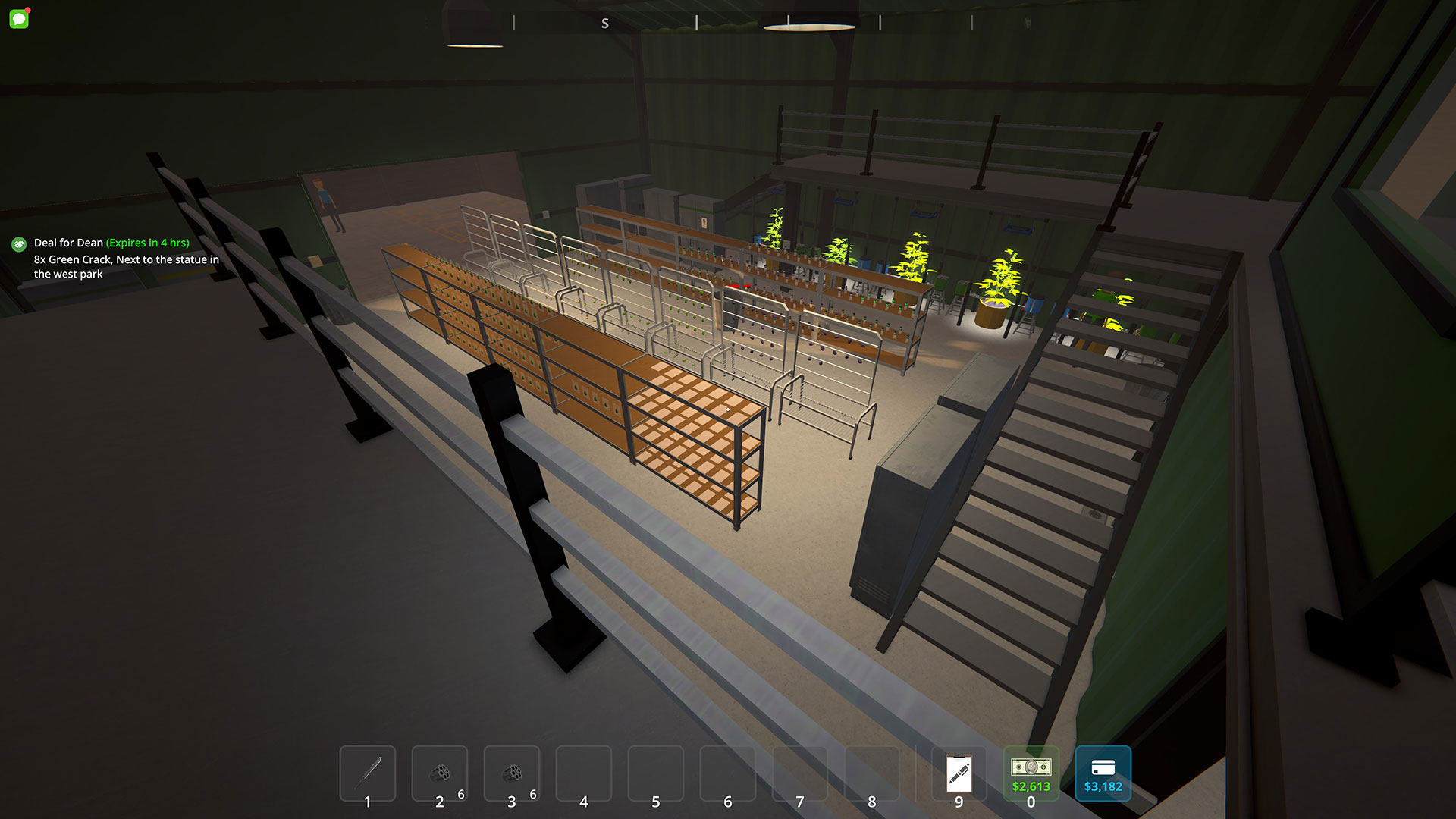
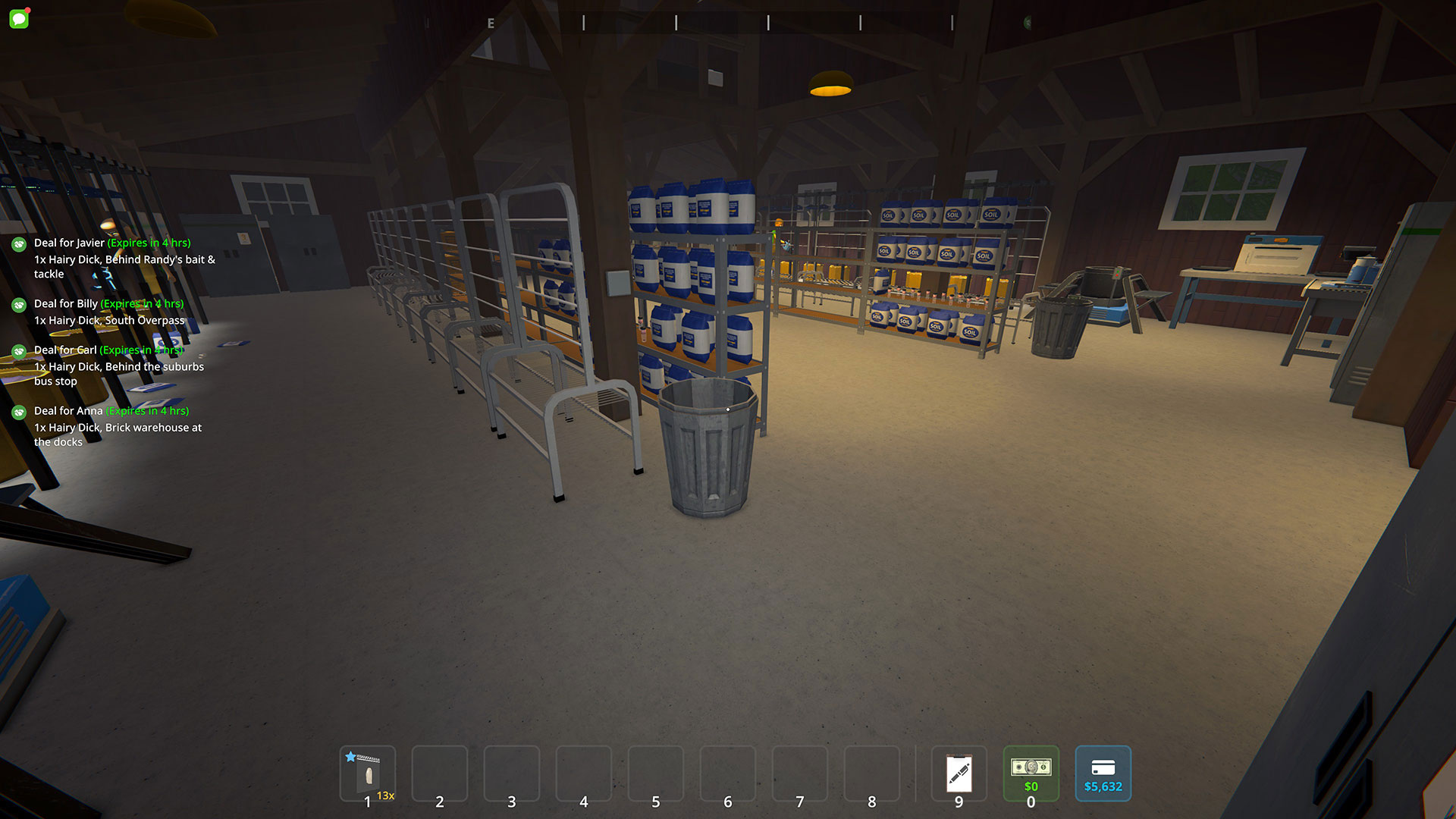
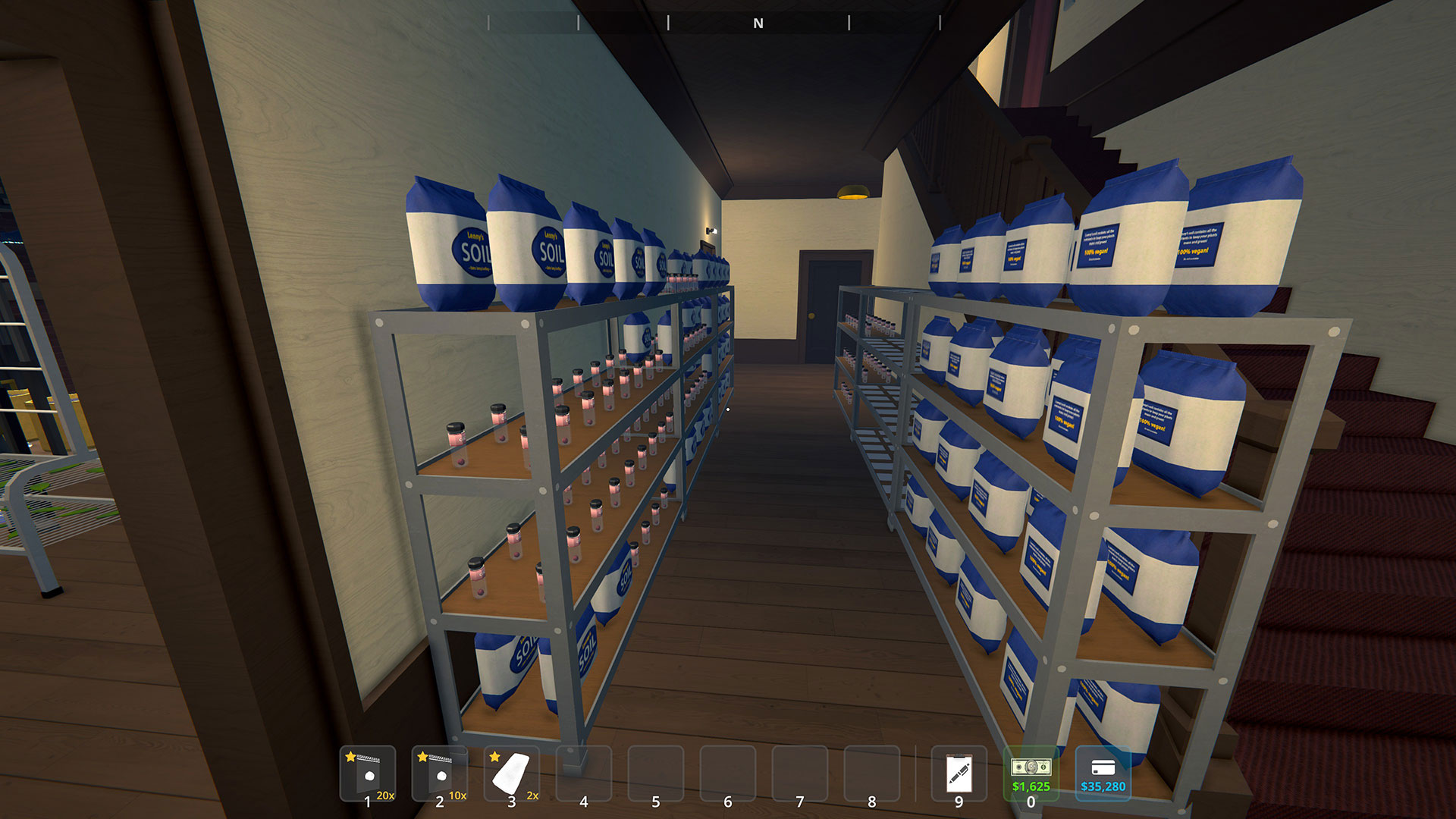
The core gameplay loop of Schedule I is rather basic, but somehow extremely fun because our simple brains just love seeing numbers go up. You start off by purchasing seeds to grow weed, and a lot of that manual process is a bit tedious before you can hire someone to take it over. You have to actually pour the soil into the pot, flip off the cap of a vial and pour in a seed, cover the seed with the soil by clicking, and then water the pot every time it needs water. Once the weed is ready to be harvested, you’ll take your clippers and click each one before heading over to a packaging station to manually toss them into baggies one by one. Then you take your hard-grown goods and sell them on the streets.
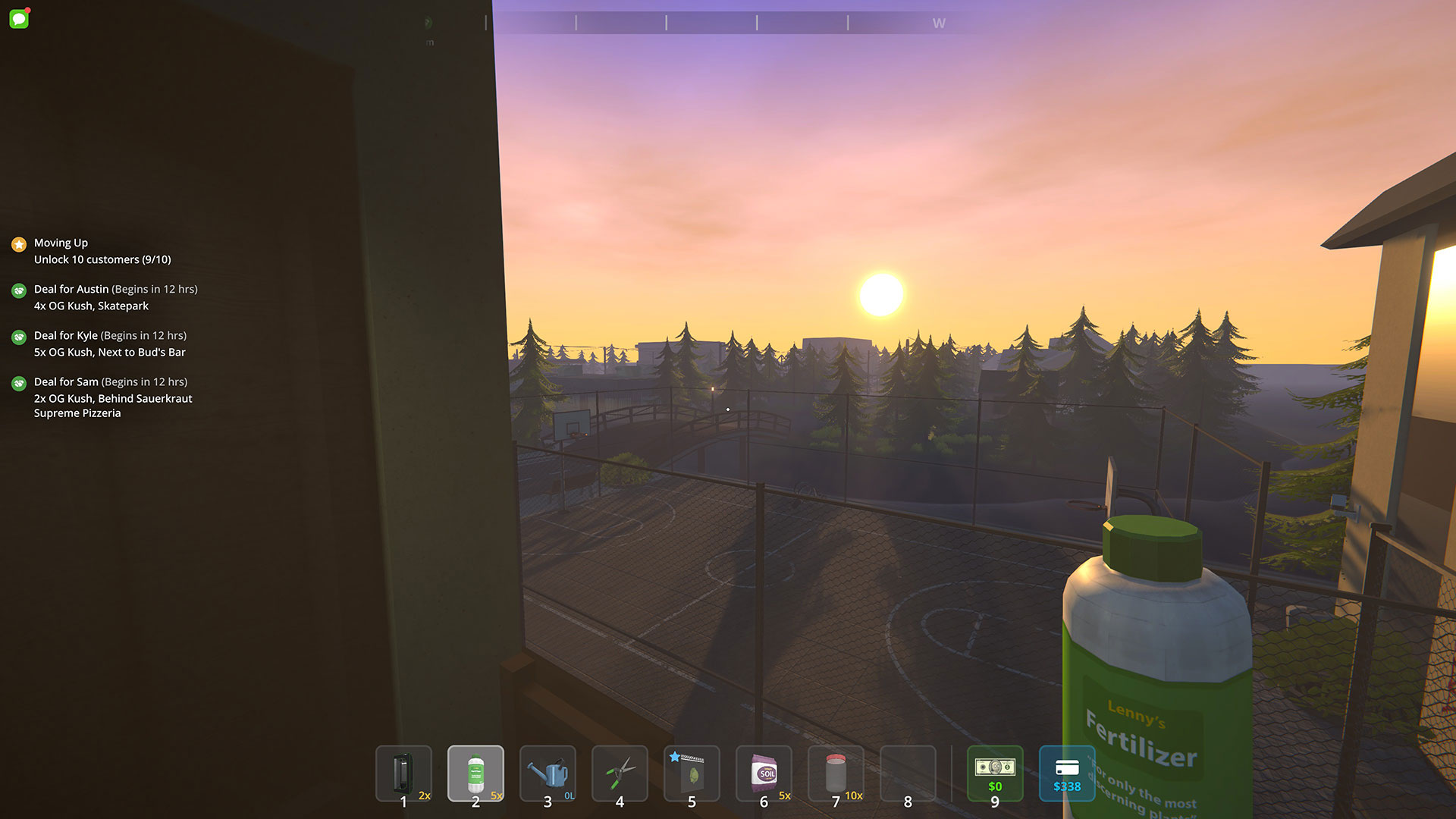
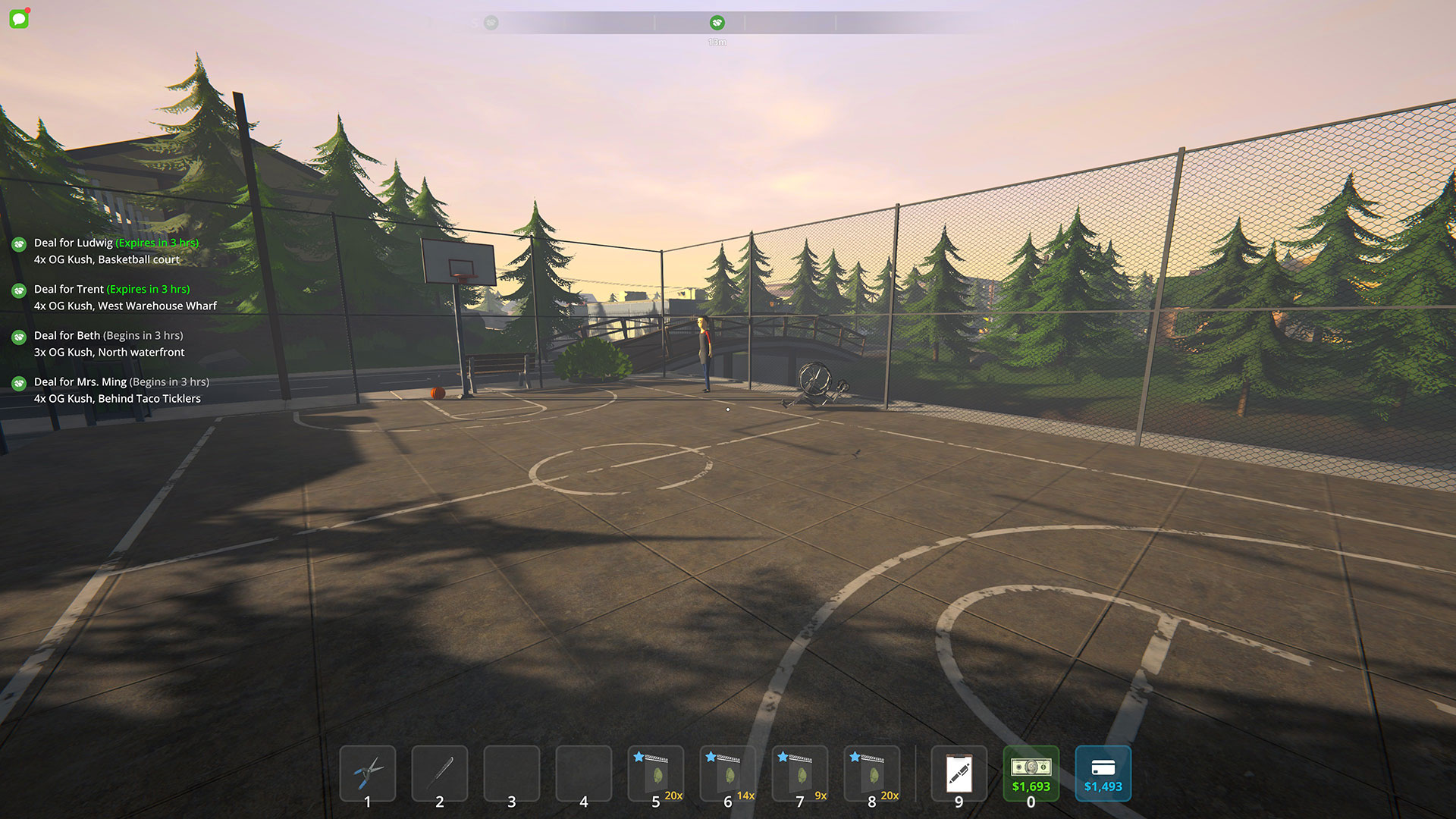
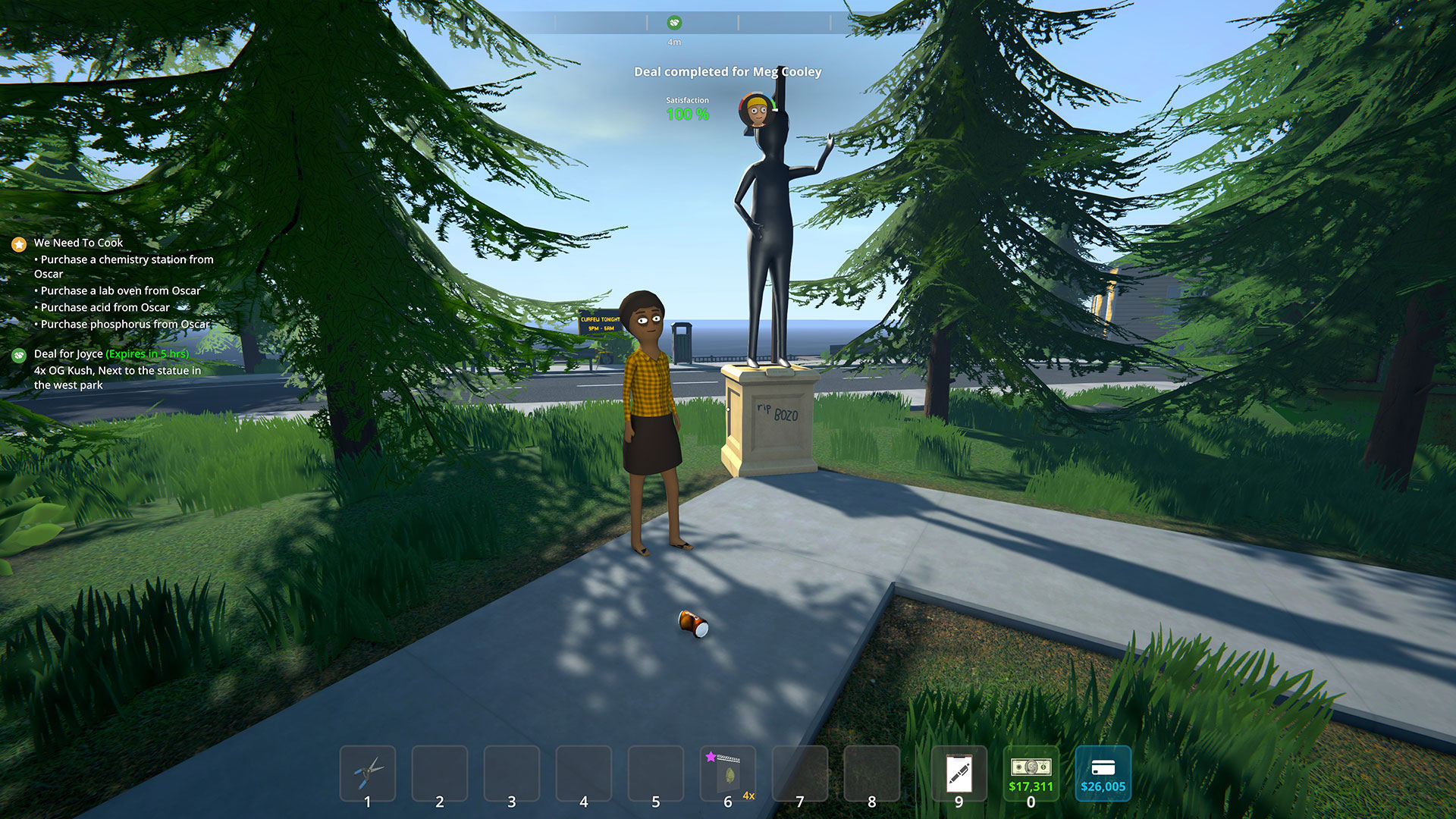
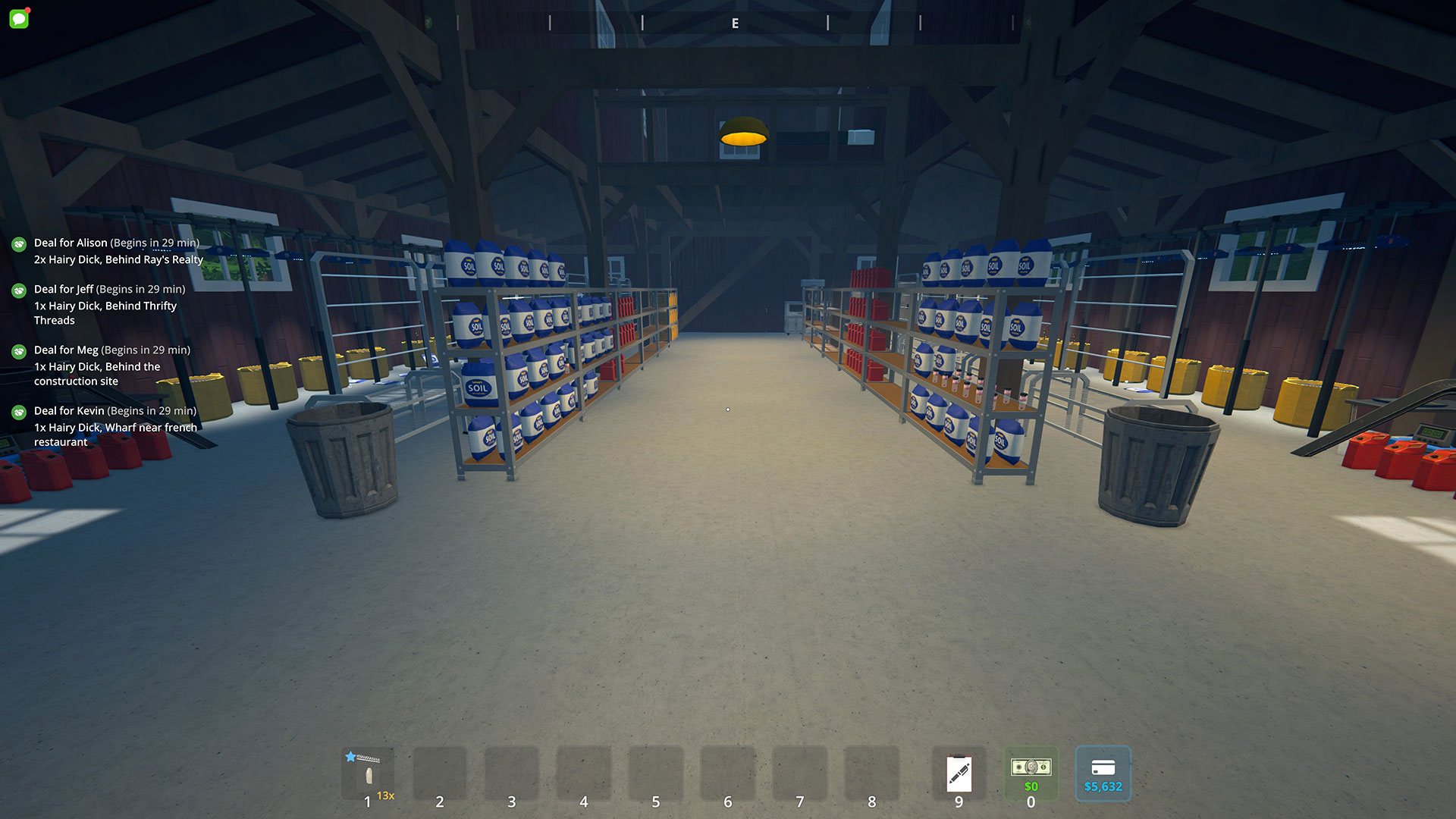
Selling comes in two forms. You can list your product for sale and wait for customers to text you, at which point you’ll settle on a price and decide when you want to meet. The other way is to wander the streets and offer your goods to people, and there’s a percentage chance they’ll take them. Unlocking customers initially requires giving them free samples, but it doesn’t guarantee they’ll become your customer. Sometimes, it might take concocting a sample that appeals to their preferences to increase the odds.
Dealer’s Choice
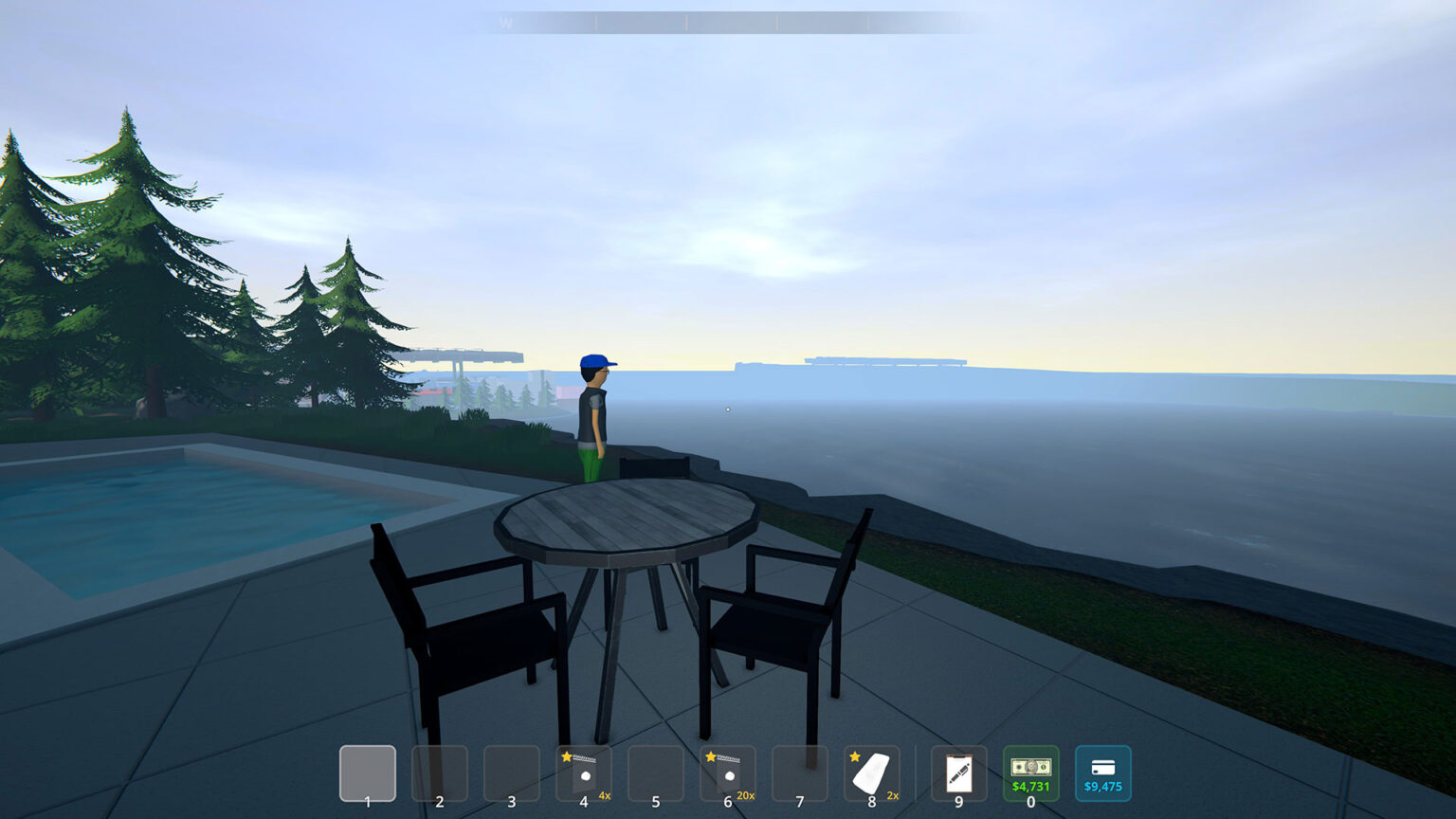
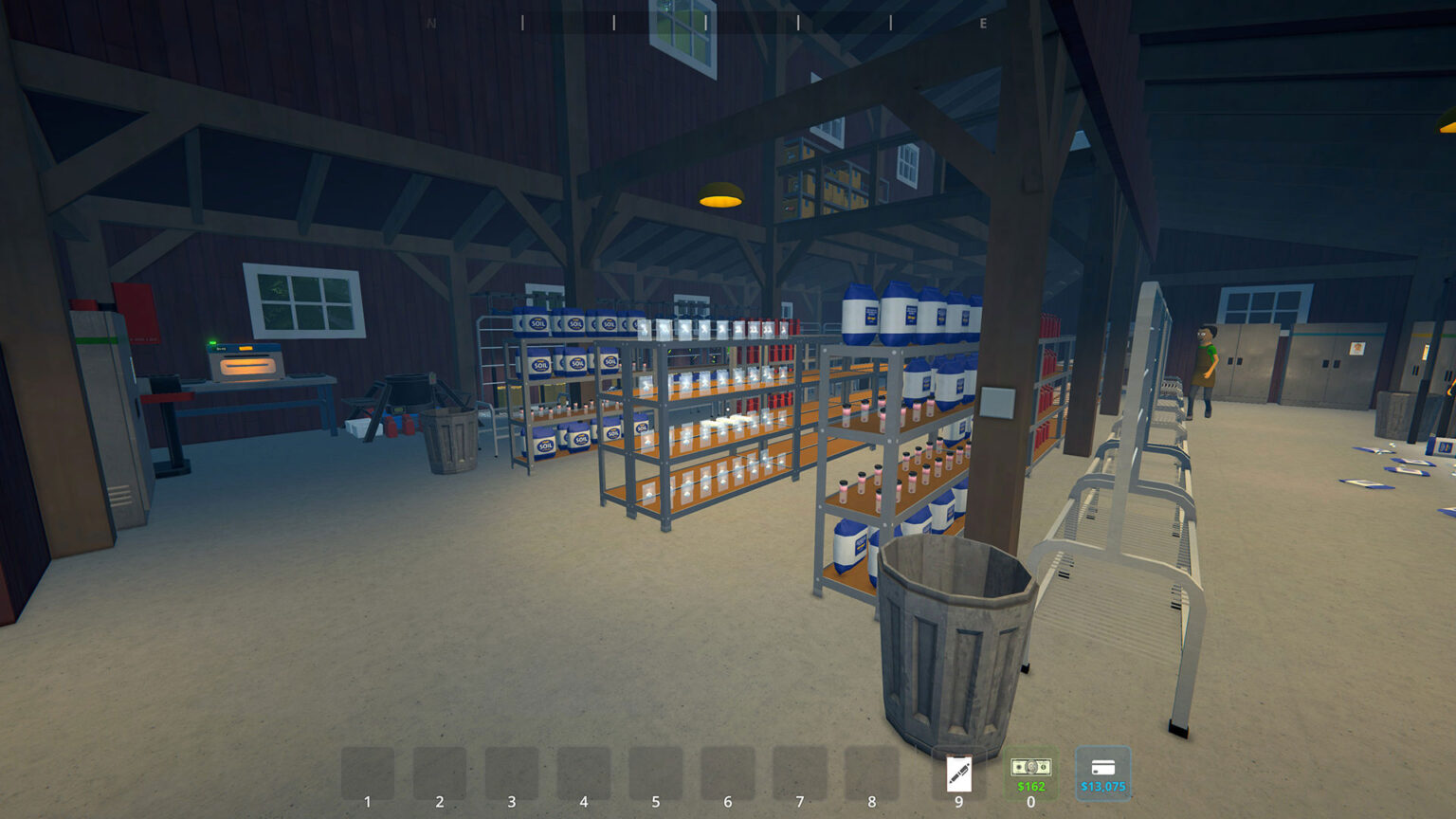
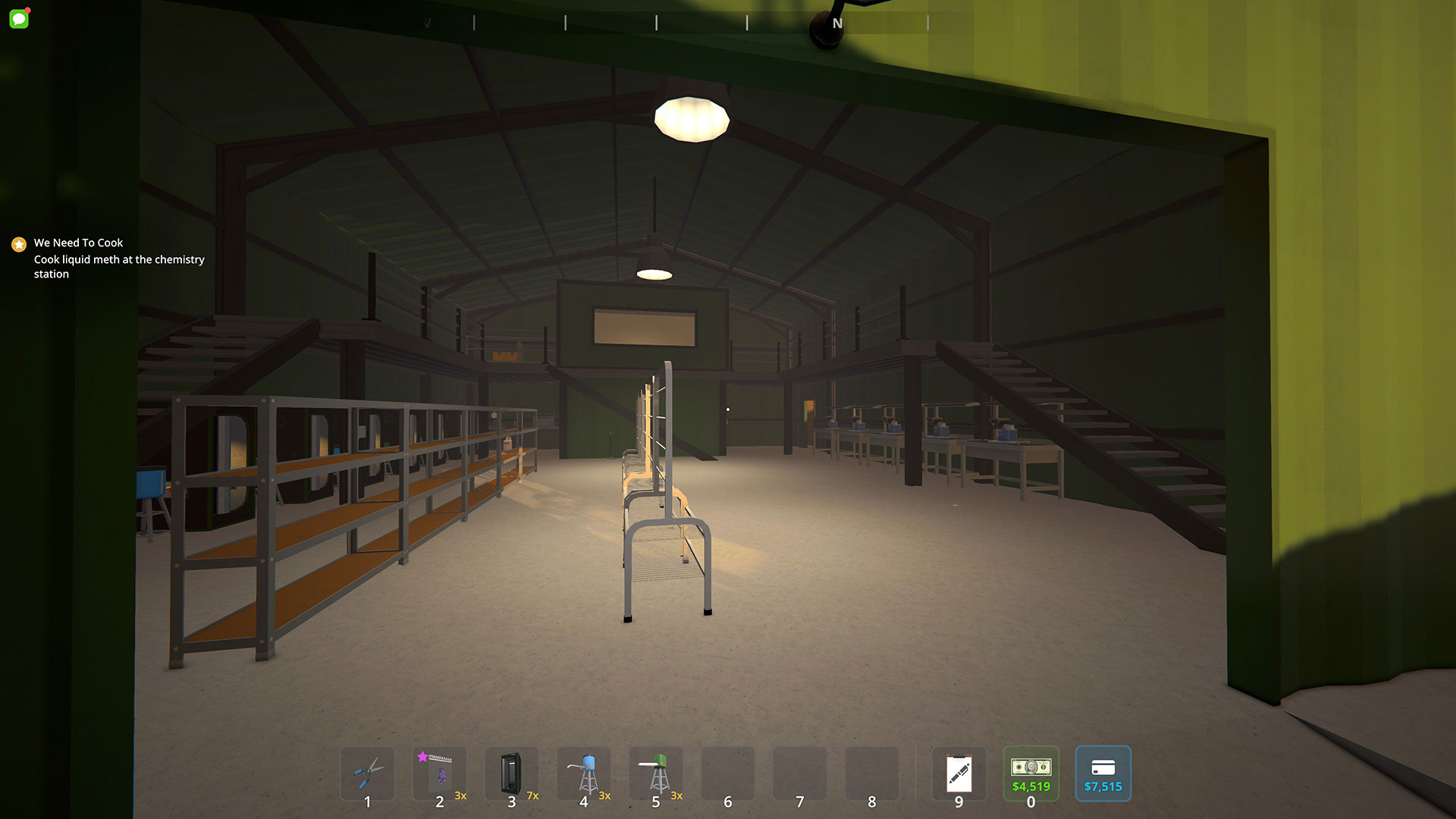
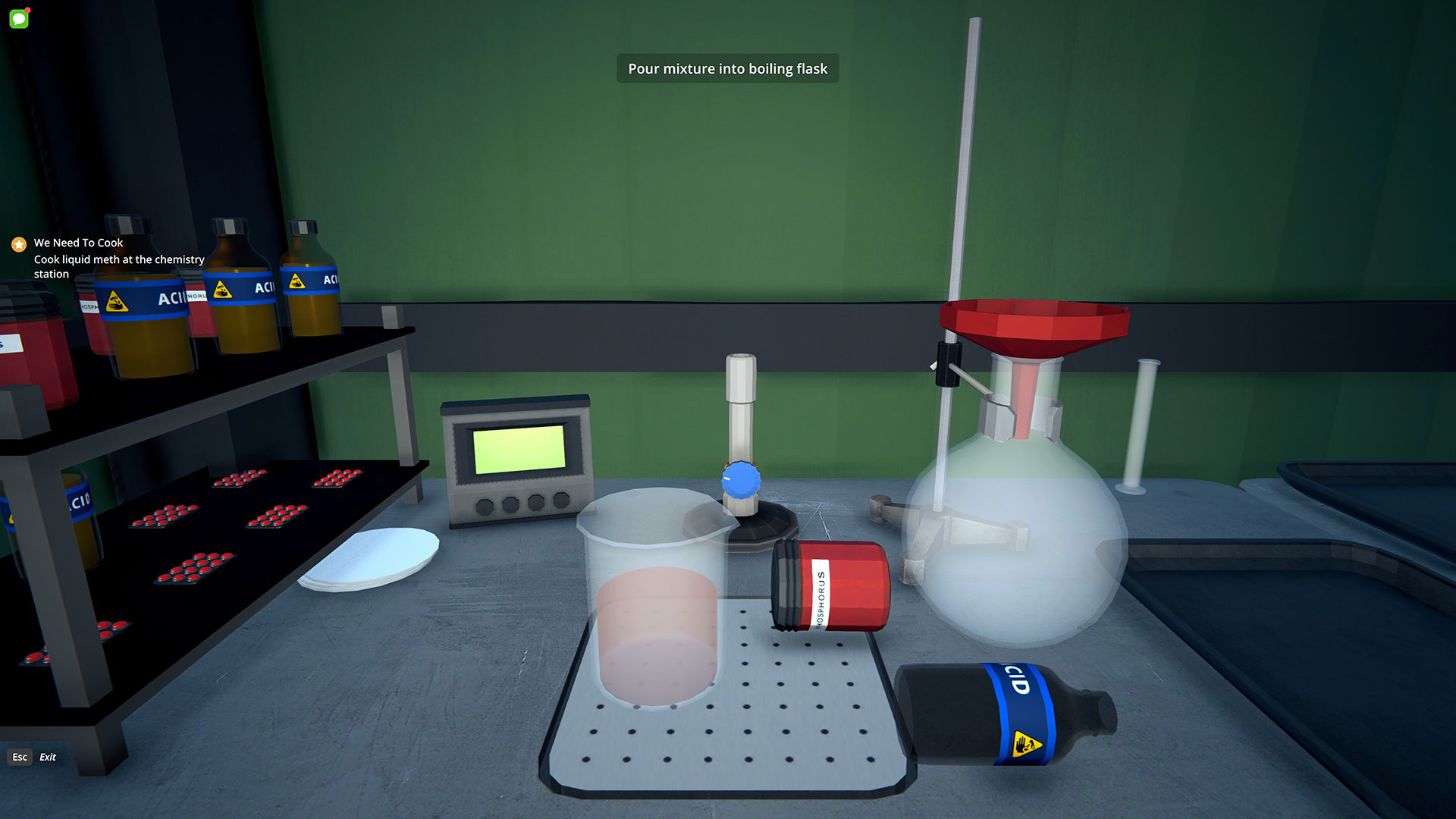
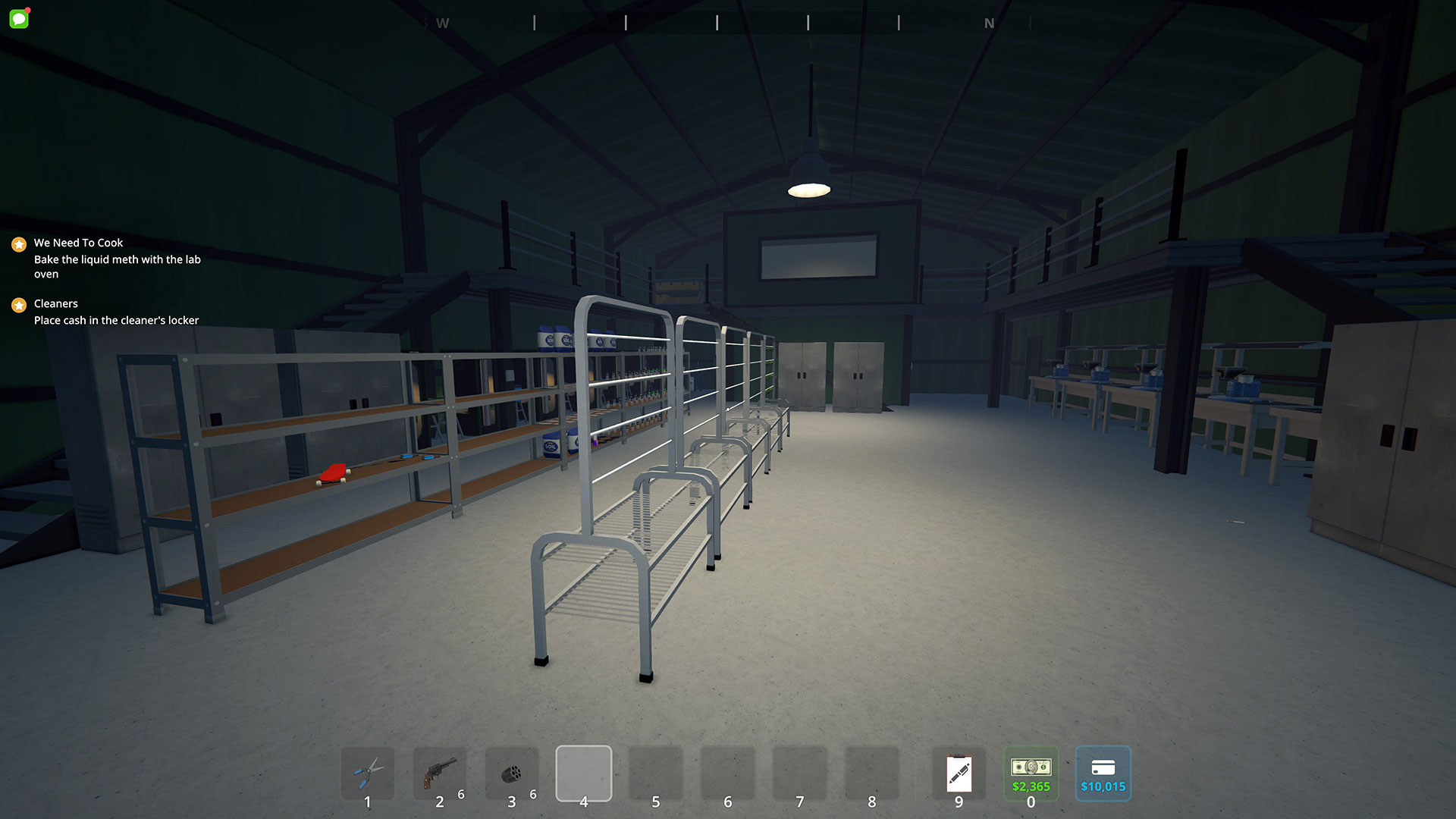
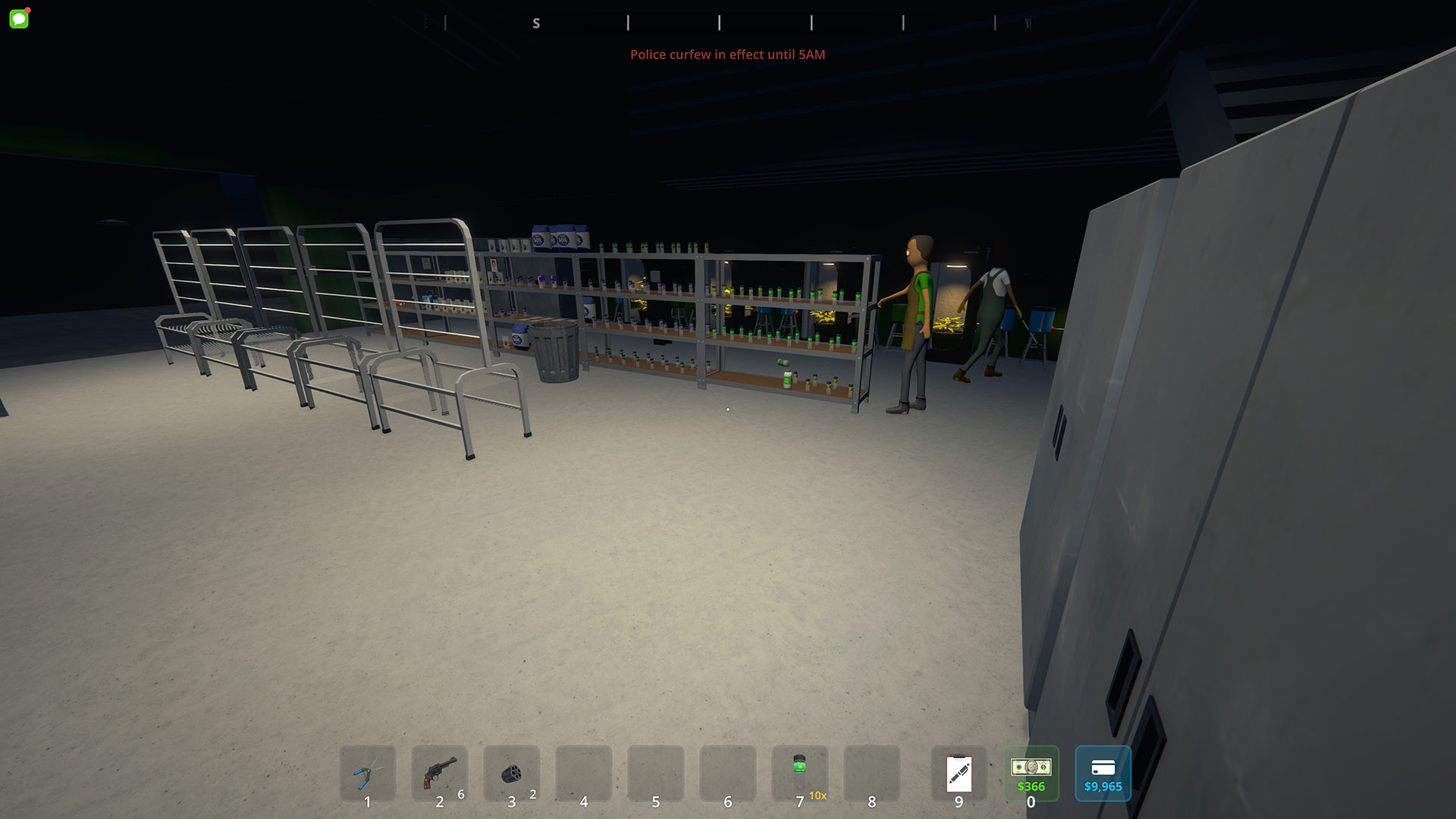
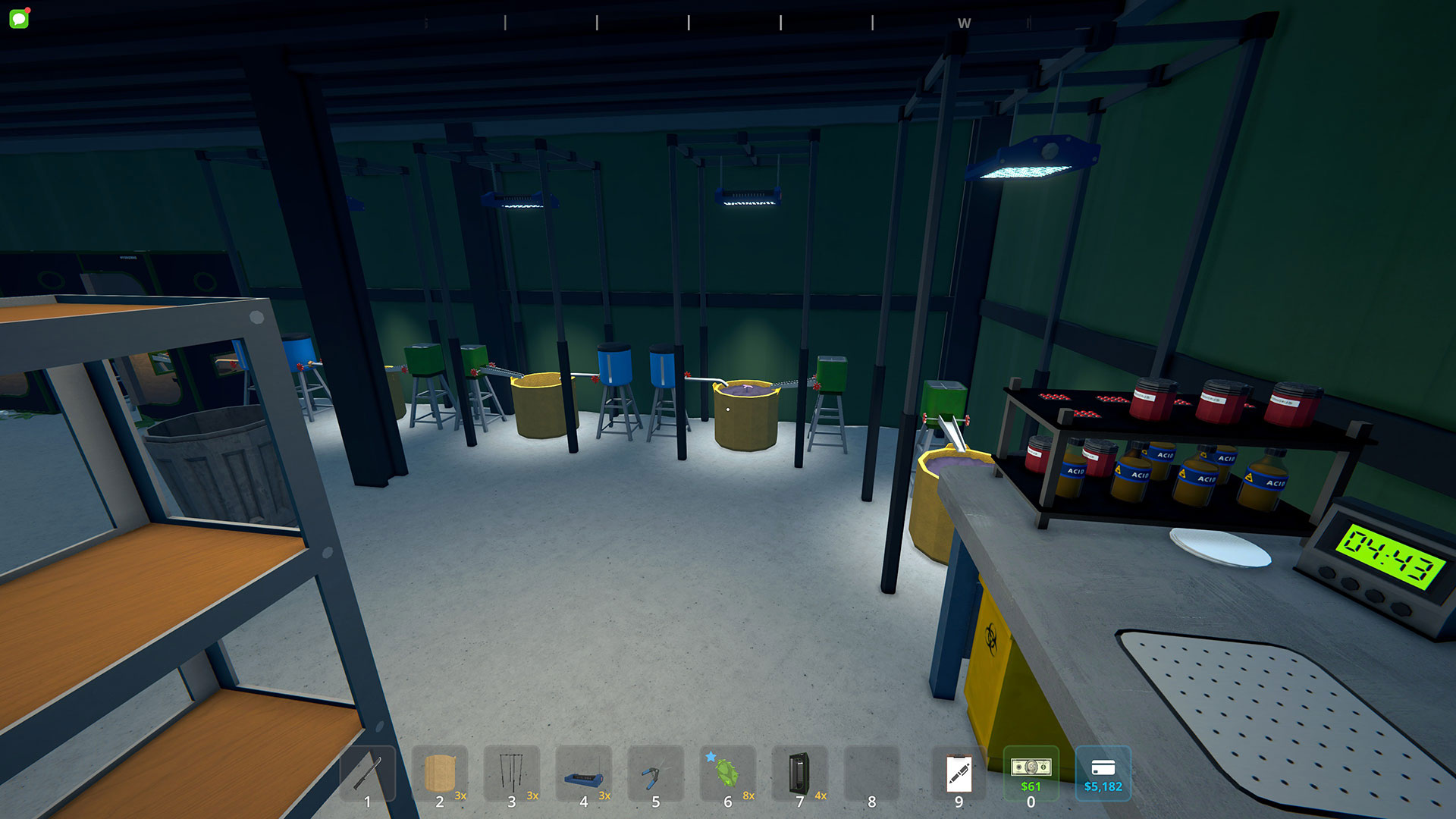
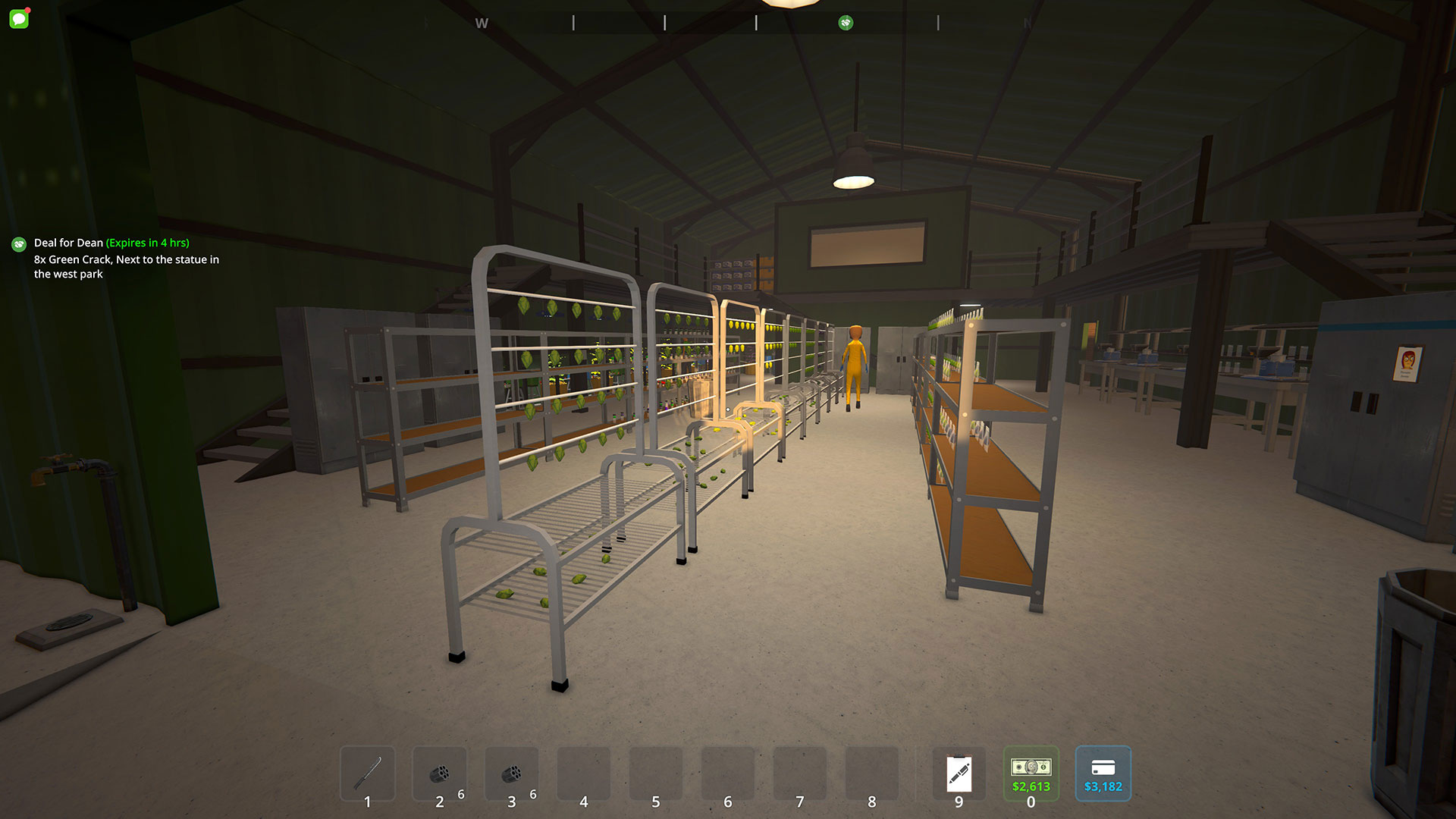
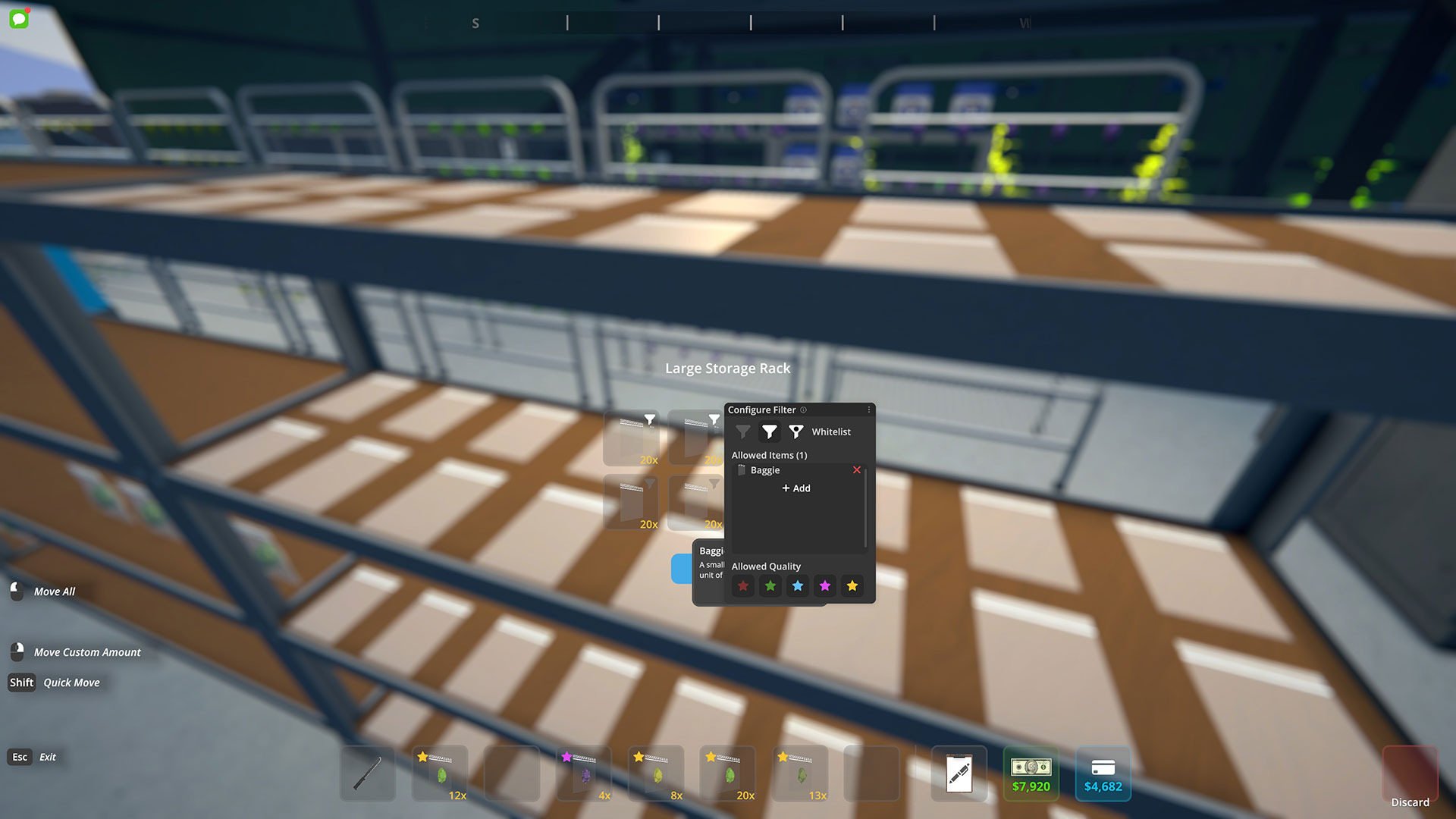
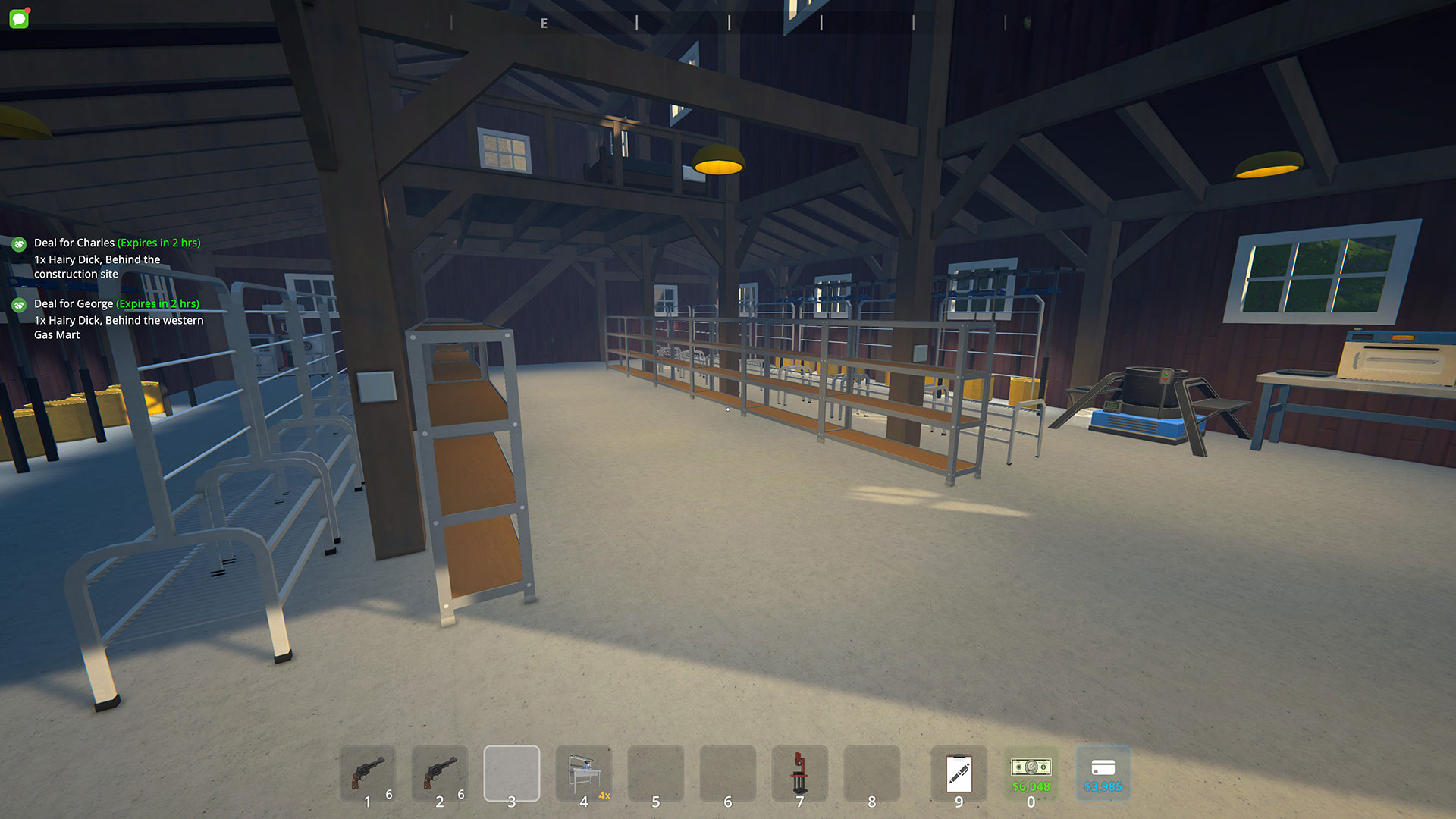
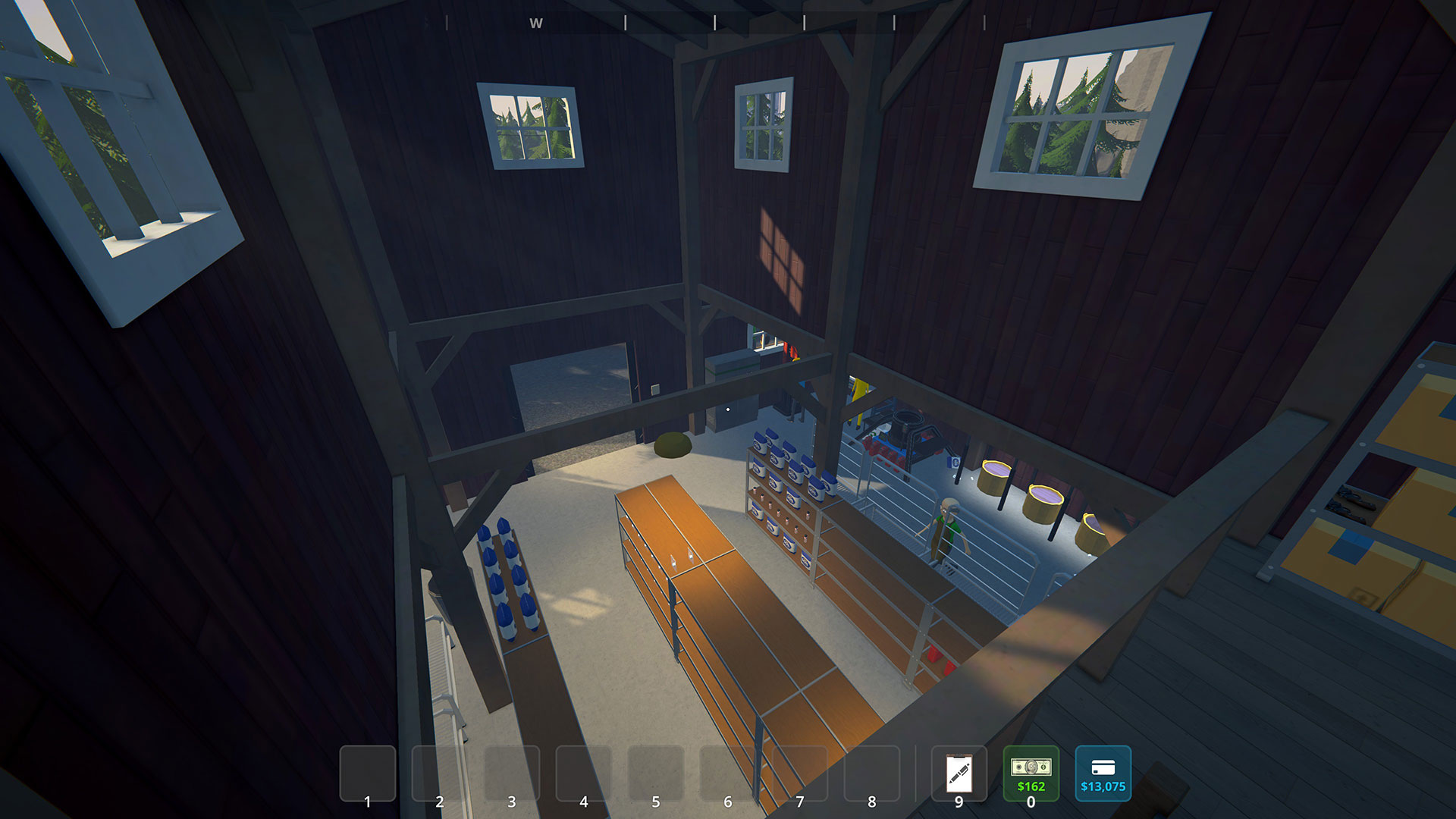
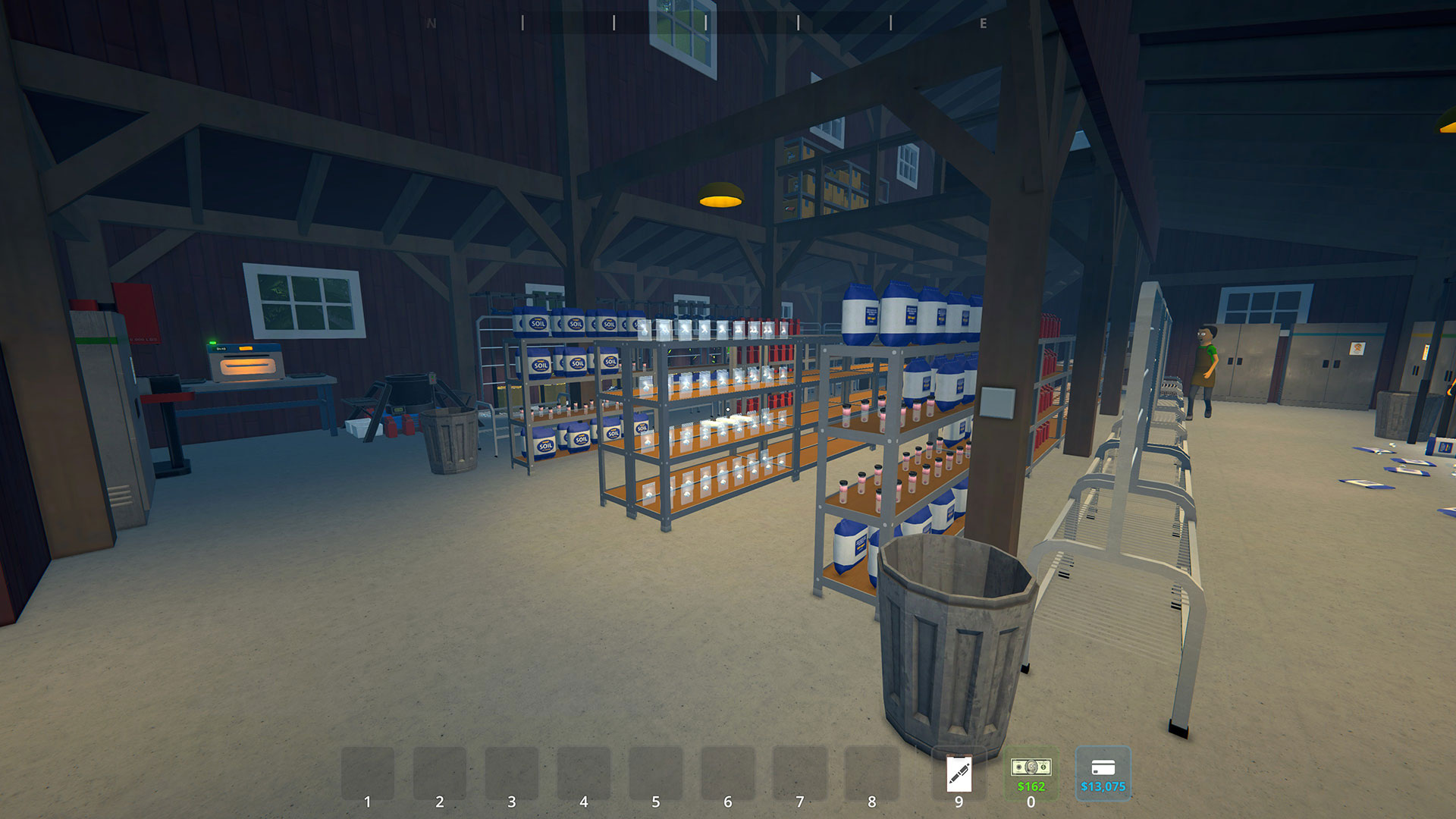
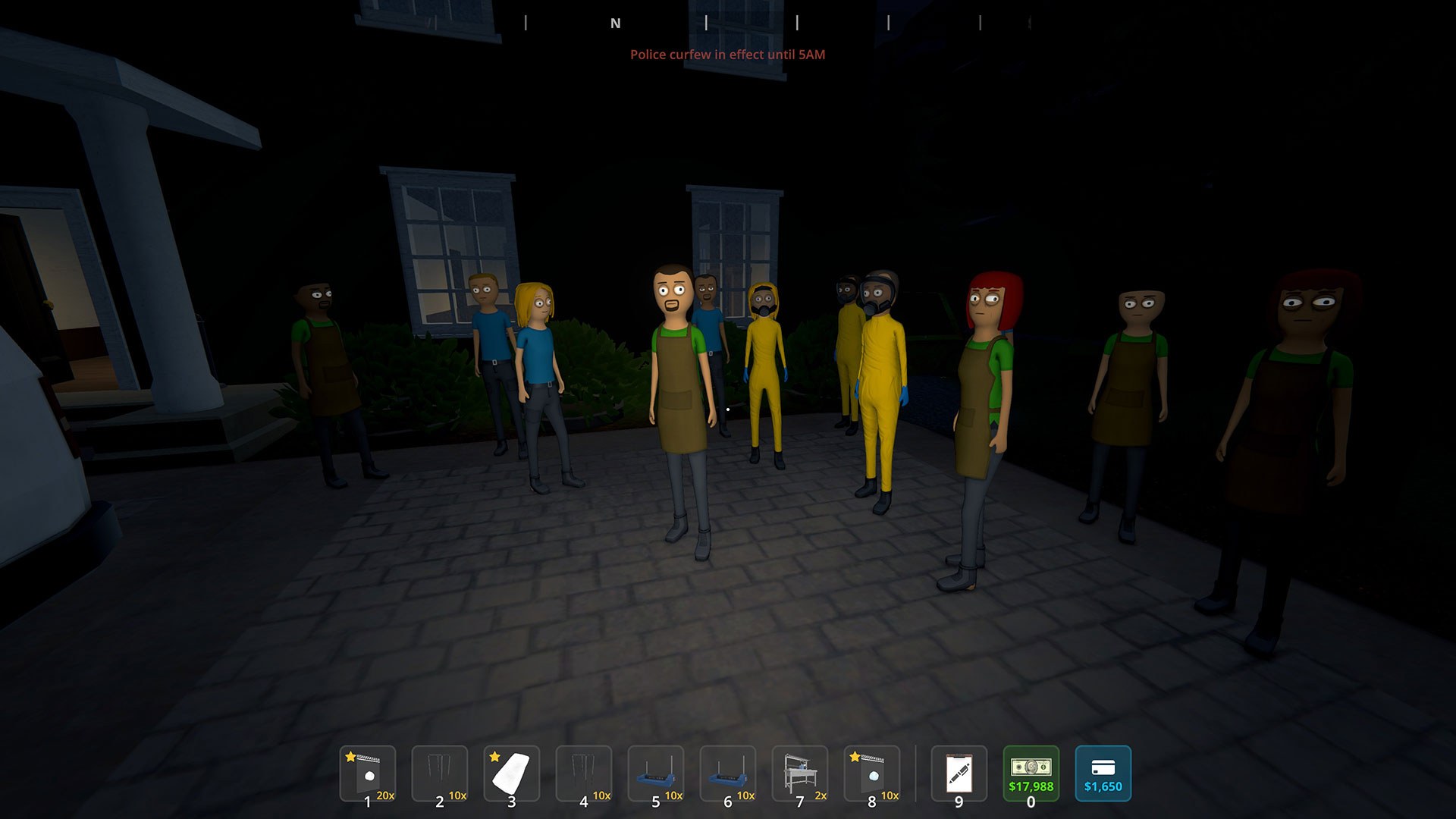
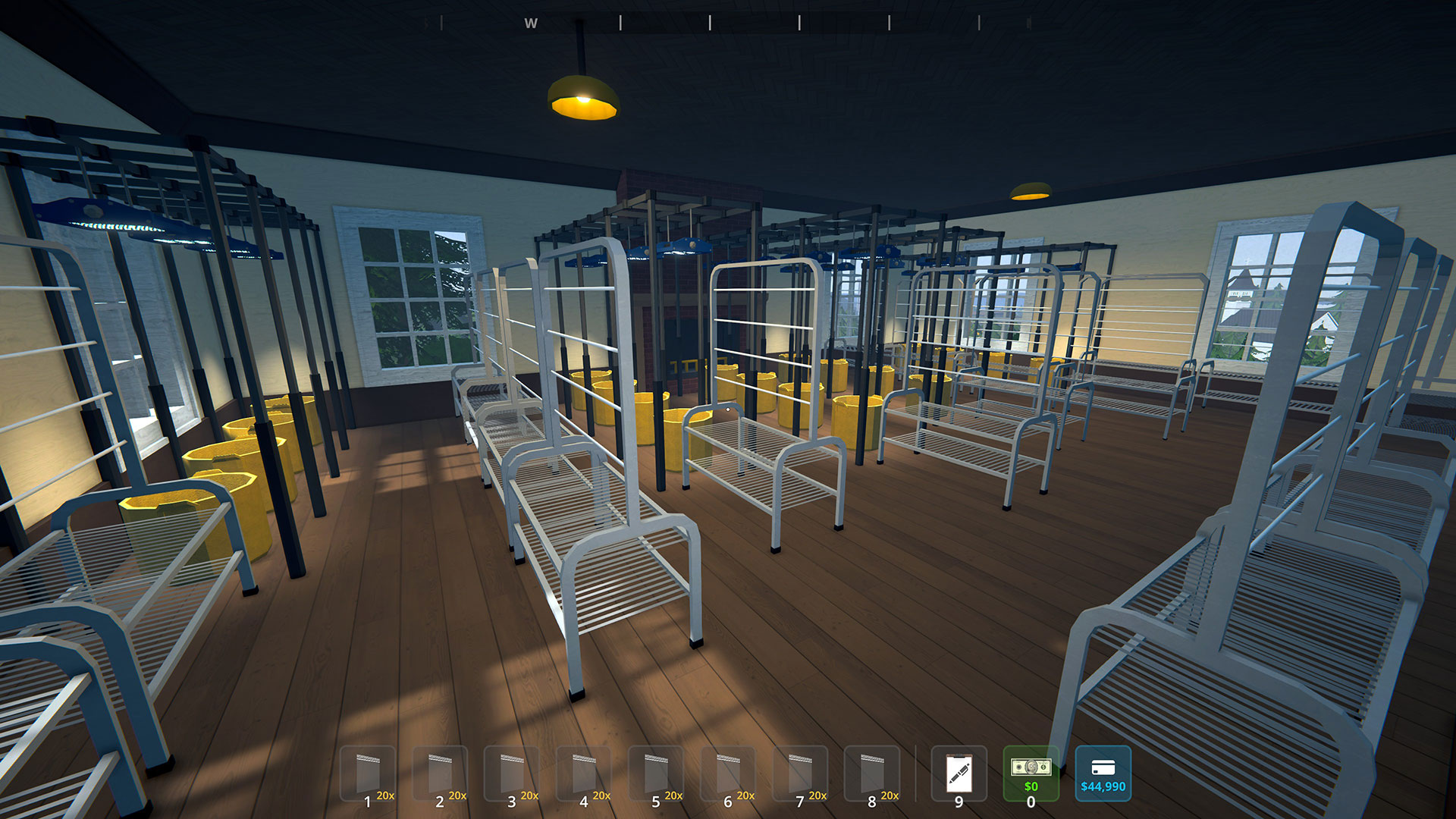
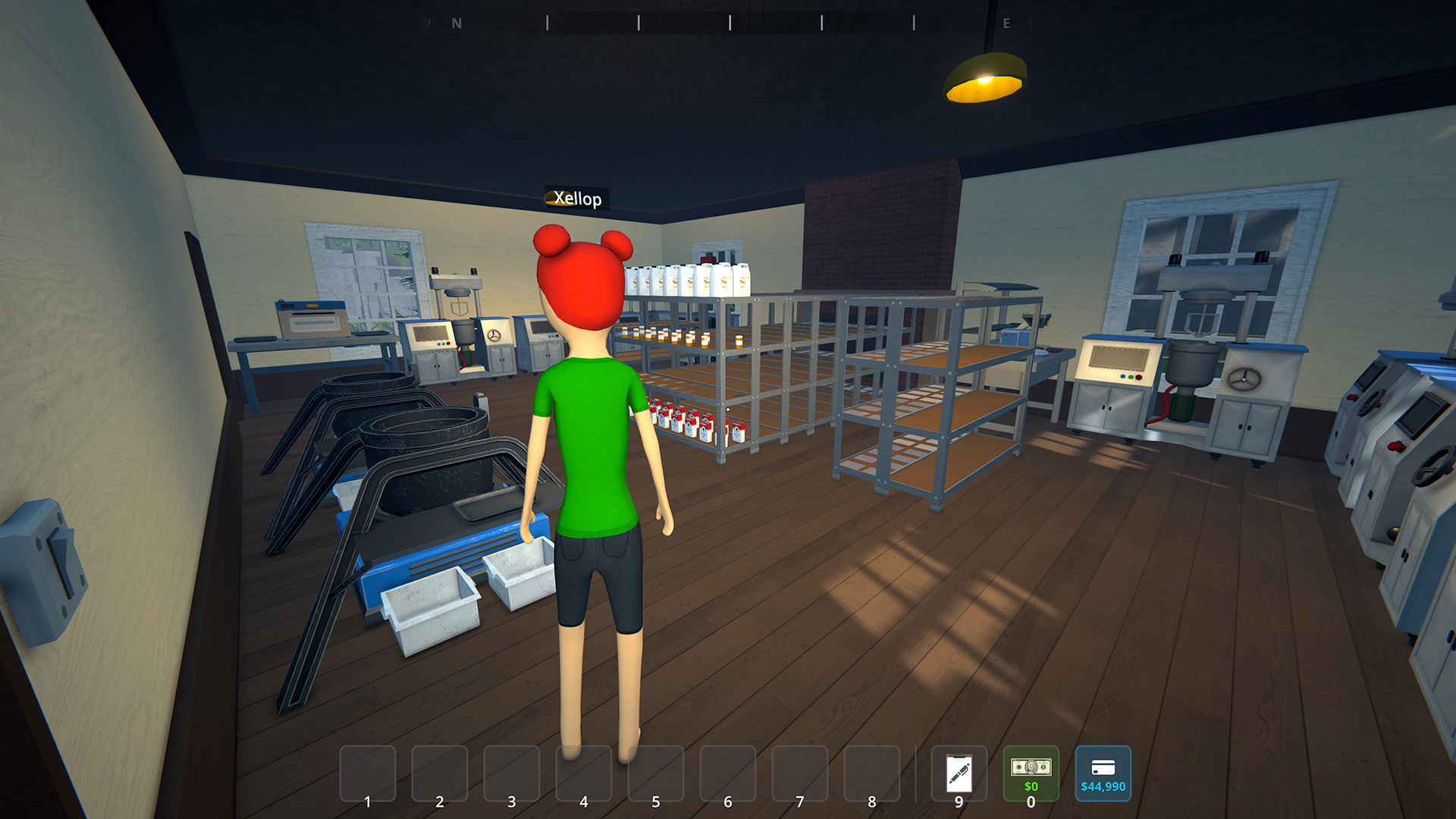
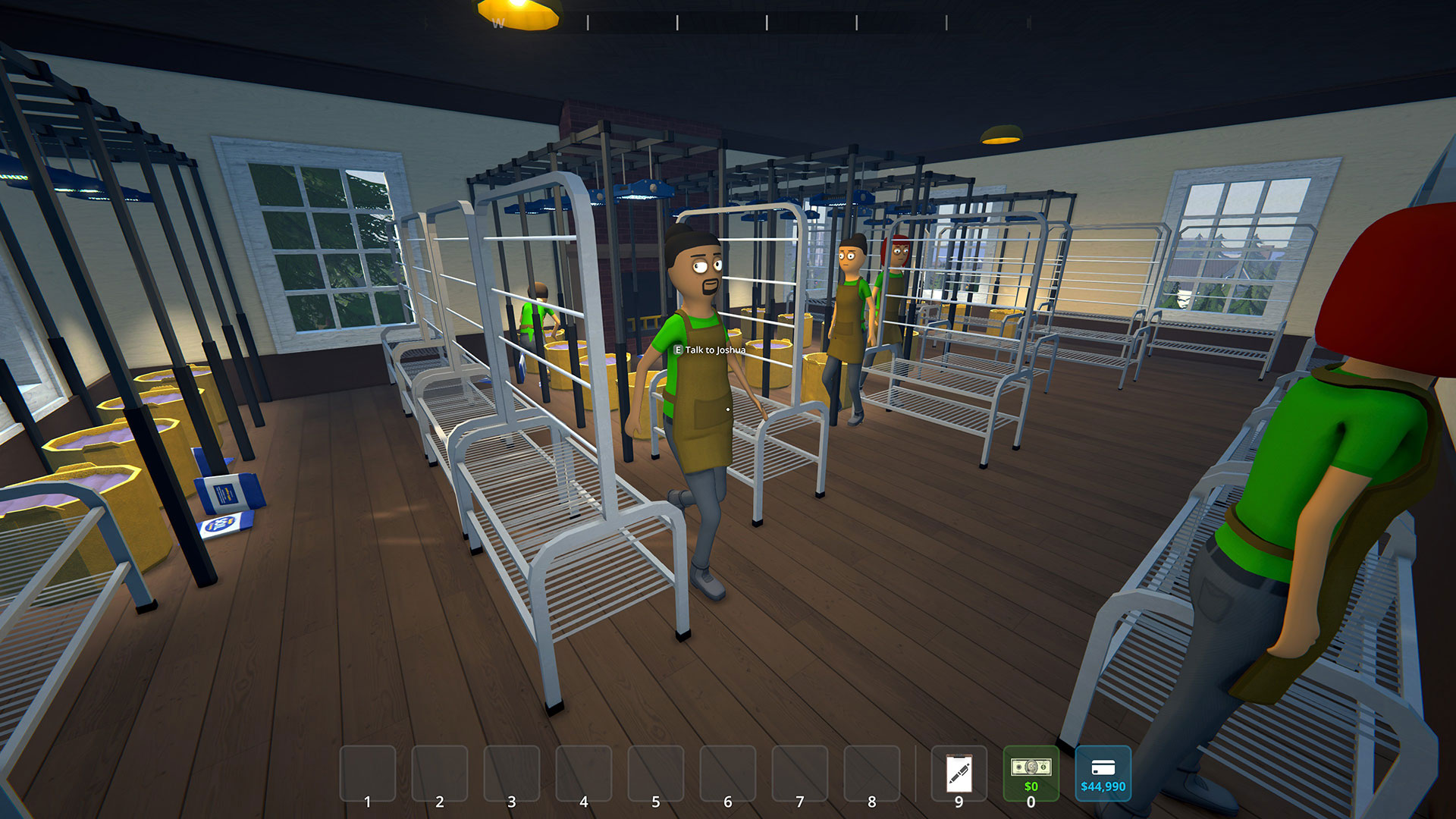
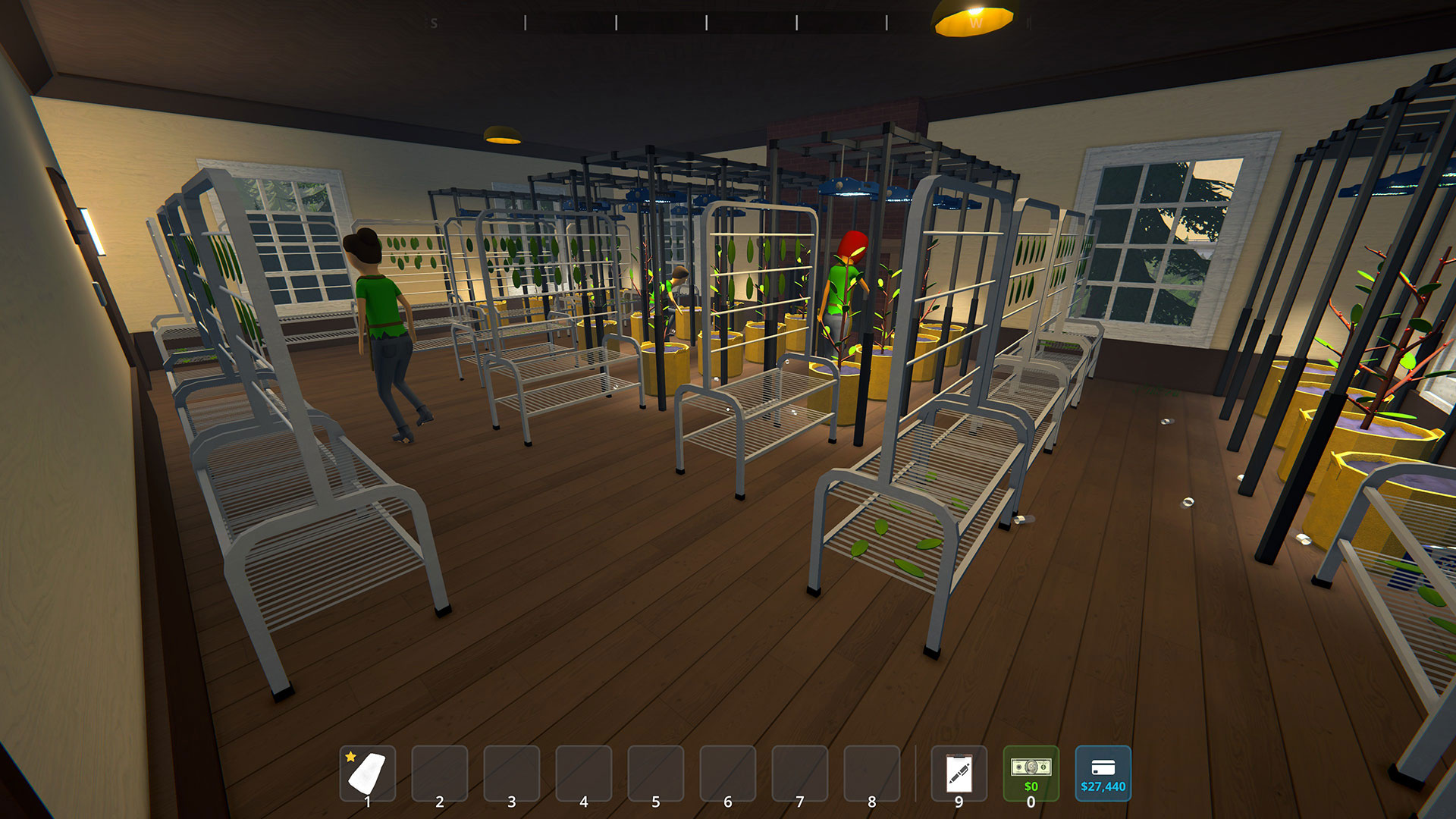
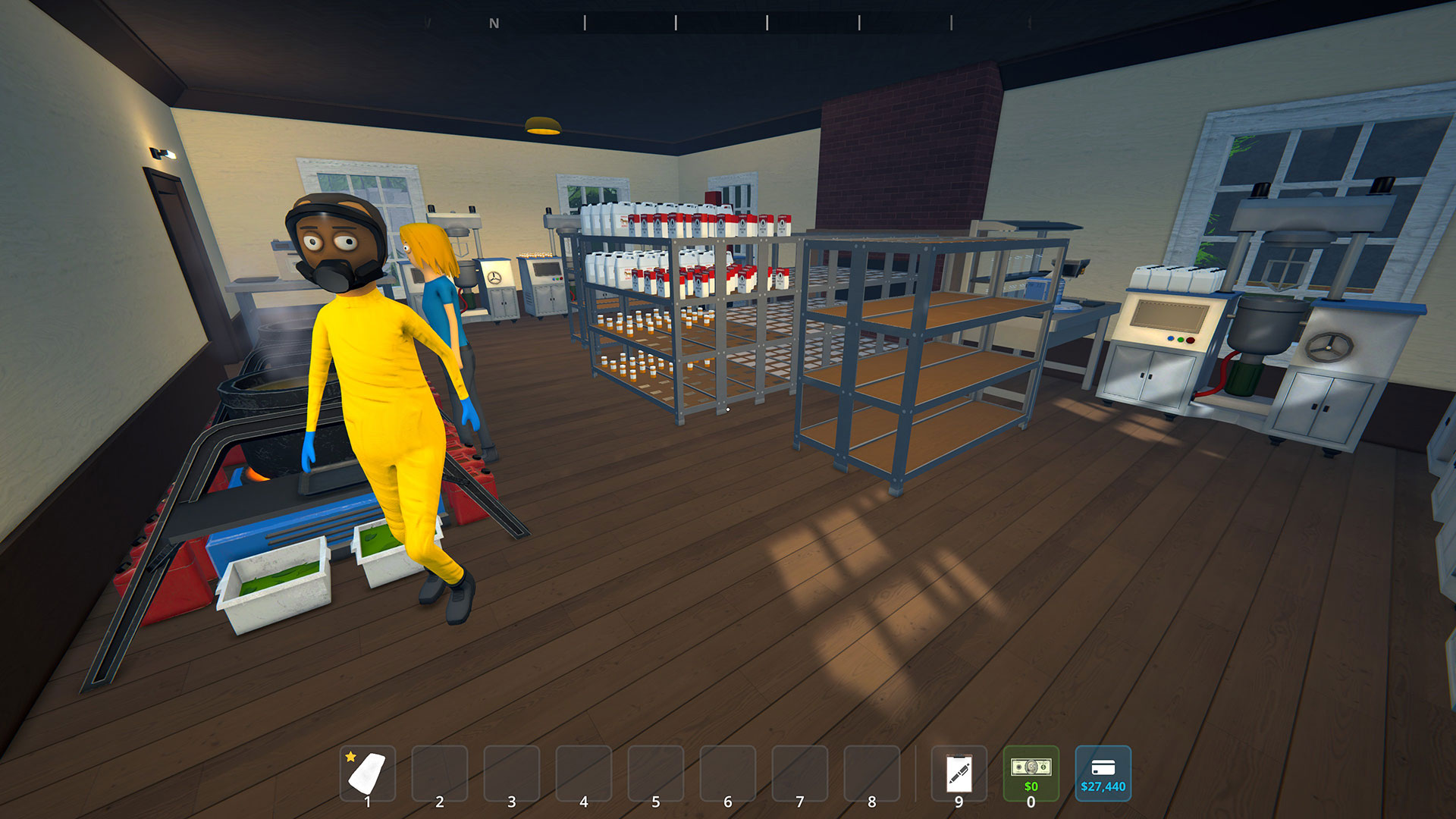
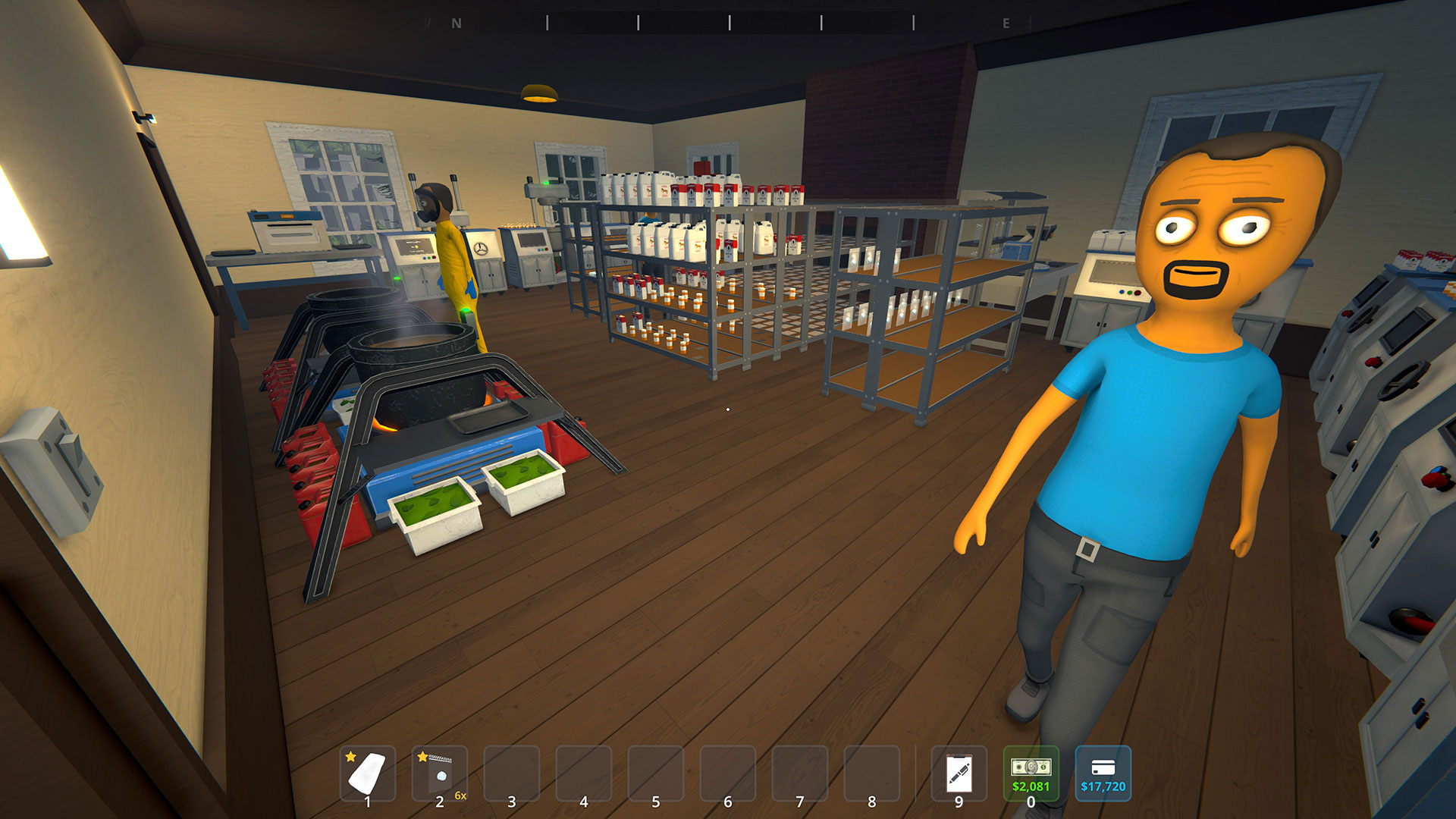
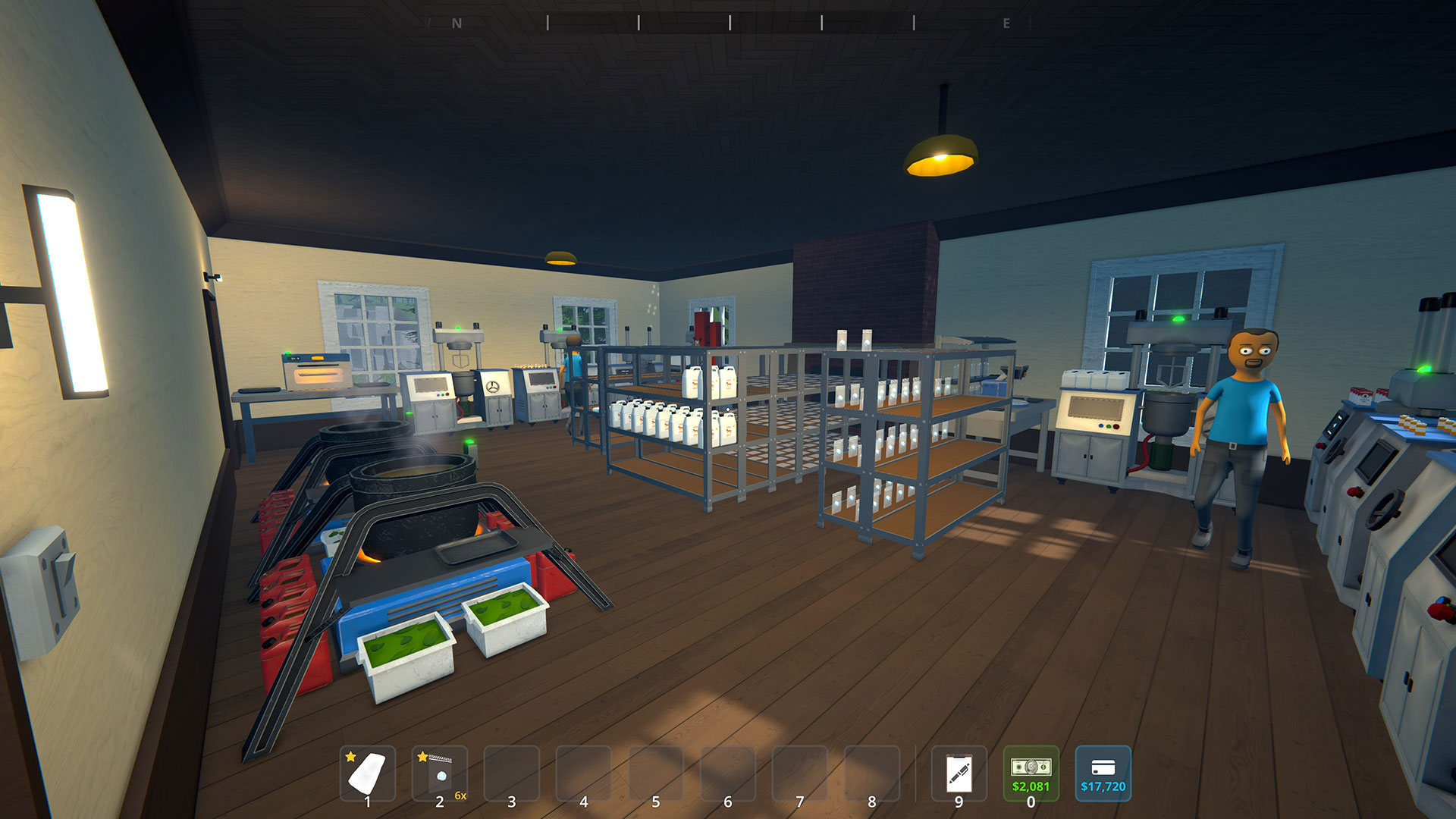
That loop is essentially what you’ll be doing for a while, saving up money until you can afford a bigger location and, ultimately, employees who will handle all those tasks for you. There are four types of NPCs you can hire: Cleaner, Botanist, Handler, and Chemist. Cleaners need to be assigned trash cans around your area and they’ll automatically walk around and pick up the trash to some degree. We found Cleaners to be a bit buggy and often not really doing their job, so we eventually stopped hiring them since each location has a cap on how many employees you can have. The Botanist handles all the planting duties and managing drying racks, while Handlers are mainly used to package up your product. They are also the ones who are best at moving product from one location to another within your facility, such as moving material from a shelf to a cooking station. Finally, Chemists are the ones who can handle chemistry-related manufacturing, including meth and cocaine. We did find that employees often became buggy in multiplayer sessions, and things would desync between us. For example, I would see materials in a certain station but other players in the session wouldn’t. This typically was fixed by saving and restarting the session, but it did happen more often than not.
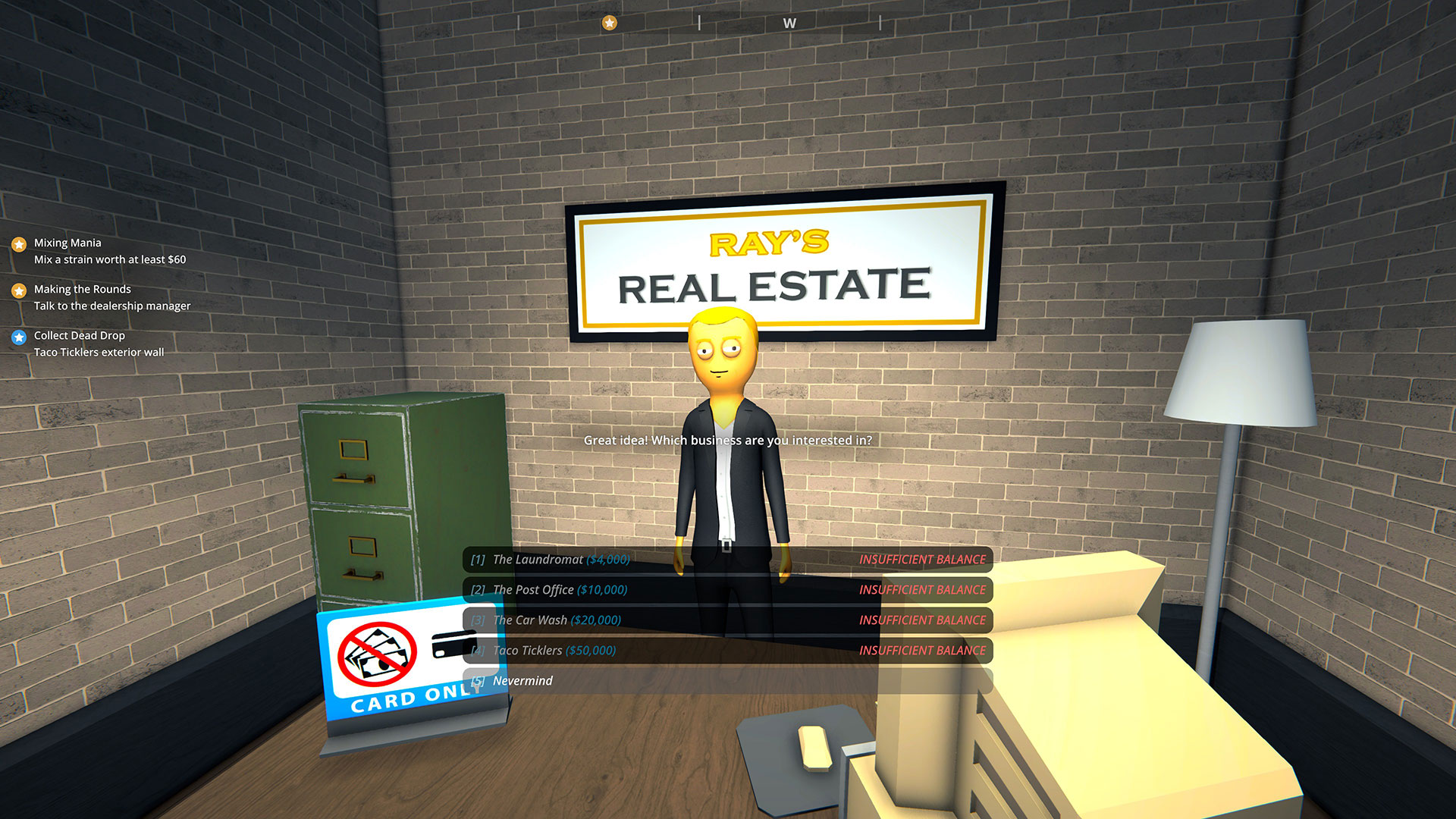
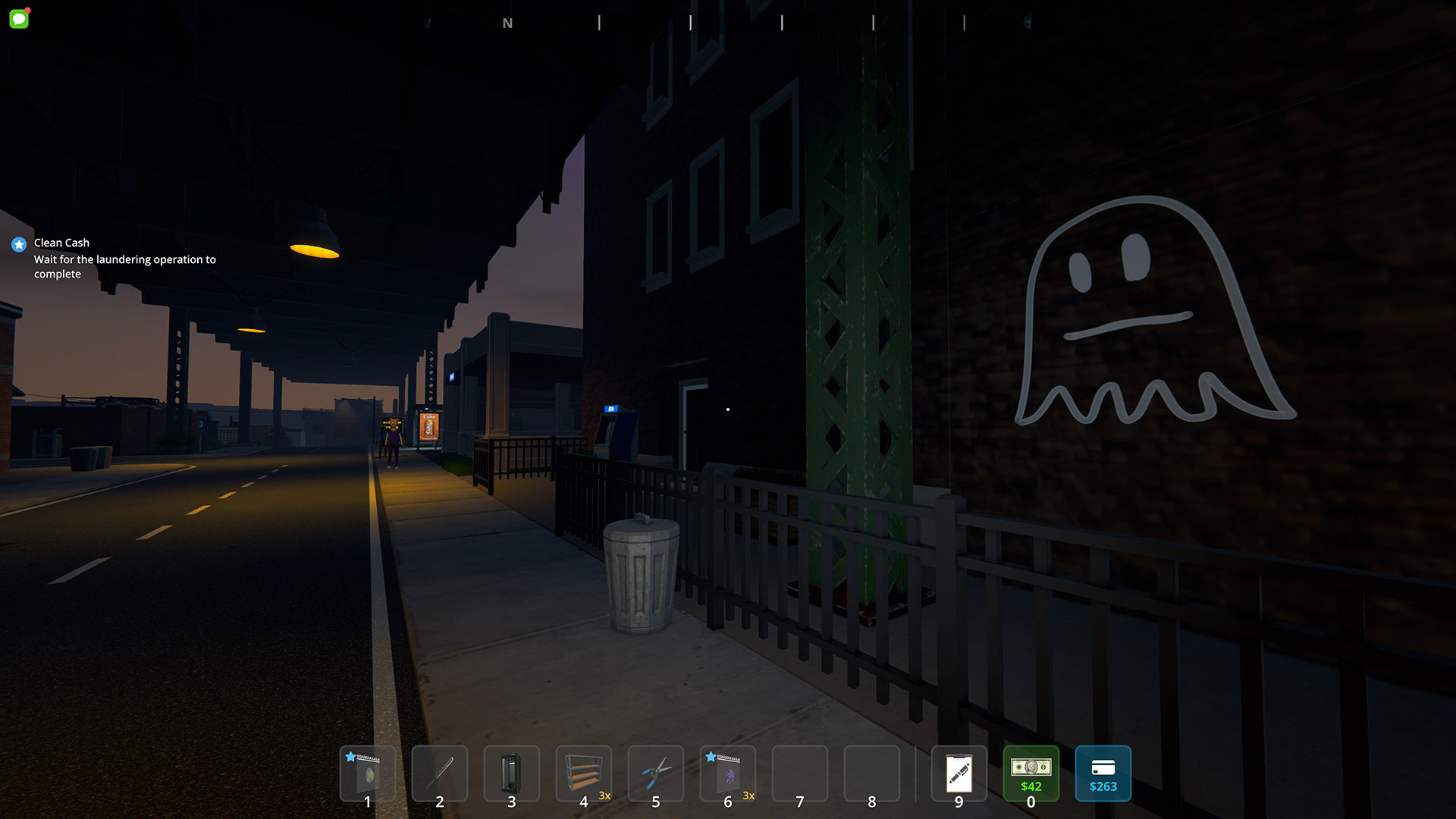
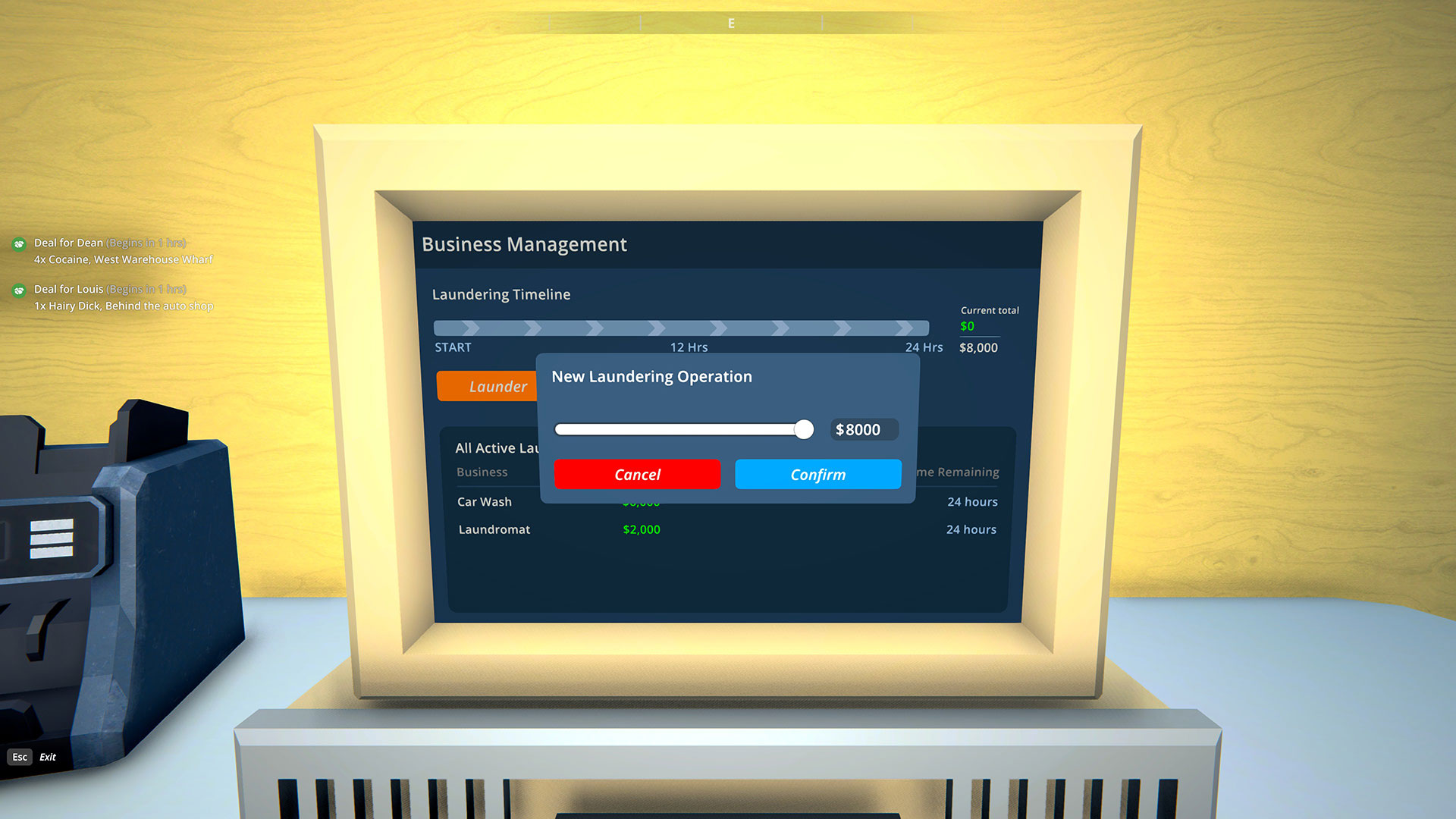
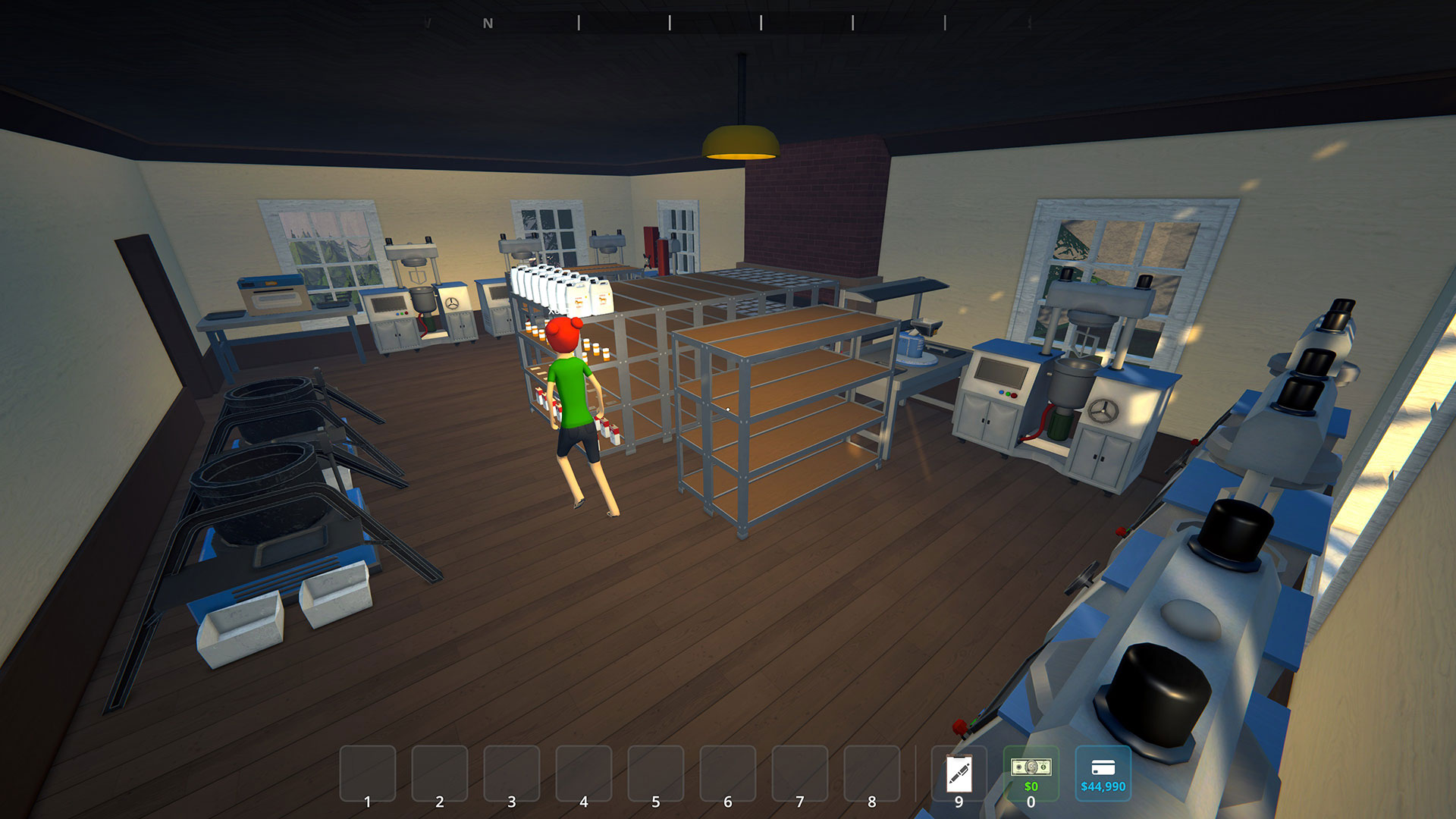
Schedule I really opens up once you’re able to have your employees handle the bulk of the work. You’ll spend your time during the day meeting up with customers and selling your goods while your employees make them. That’s basically the gist of the game for around 40 hours, as you graduate from weed to meth to cocaine, using mixing stations for wild creations with hilarious names as you try to get top dollar for your goods. Eventually you’ll need to launder money, which means buying legitimate businesses like a laundromat, post office, car wash, and taco restaurant. Money laundering is important because there’s a weekly limit of $10,000 you can deposit via ATMs into your bank account, which you use to purchase materials from certain providers. Money laundering allows you to get money into your legitimate bank account, so you can eventually afford things like cars, better businesses, and larger facilities to increase your production.
Controlled Funstances
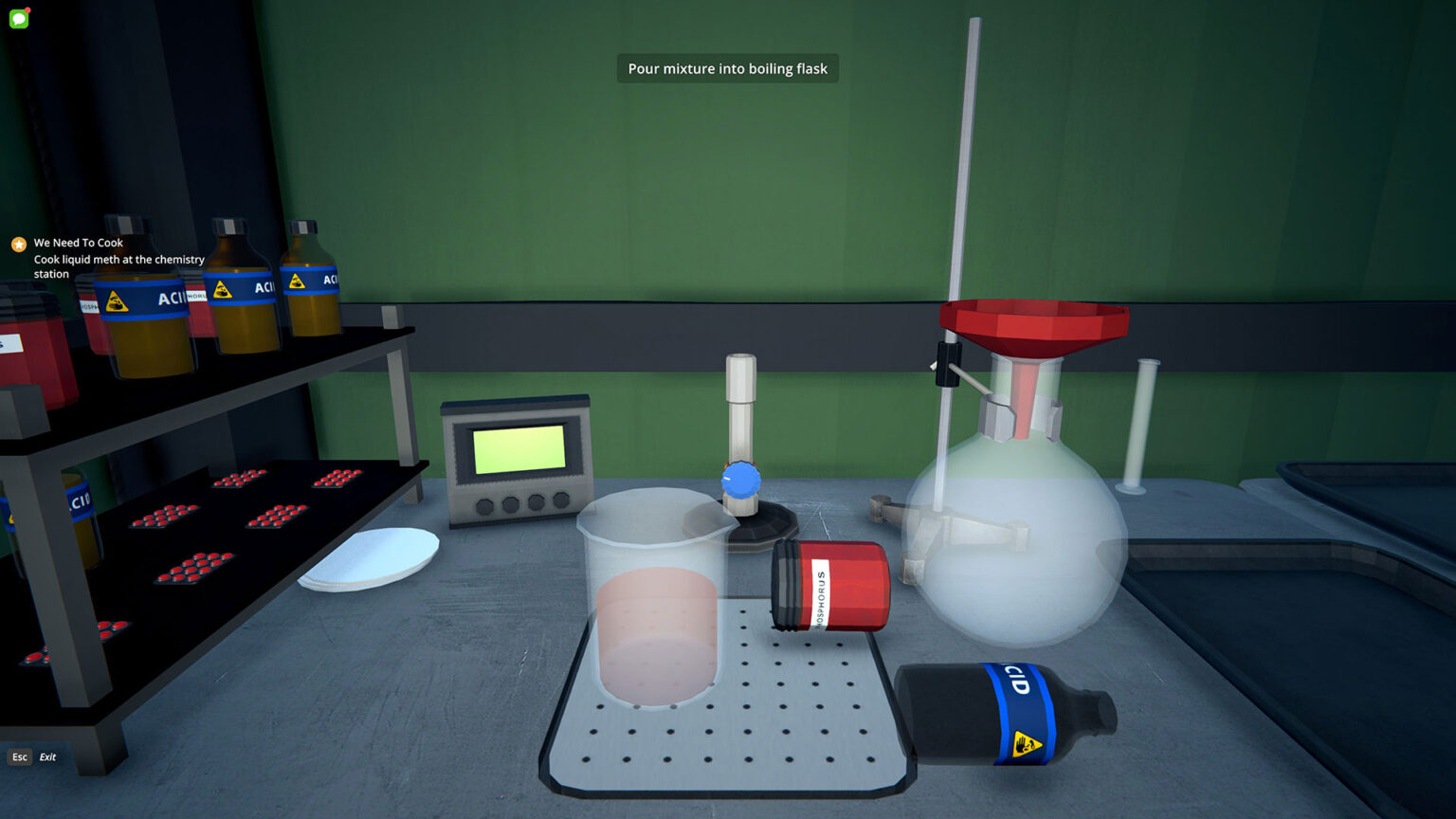
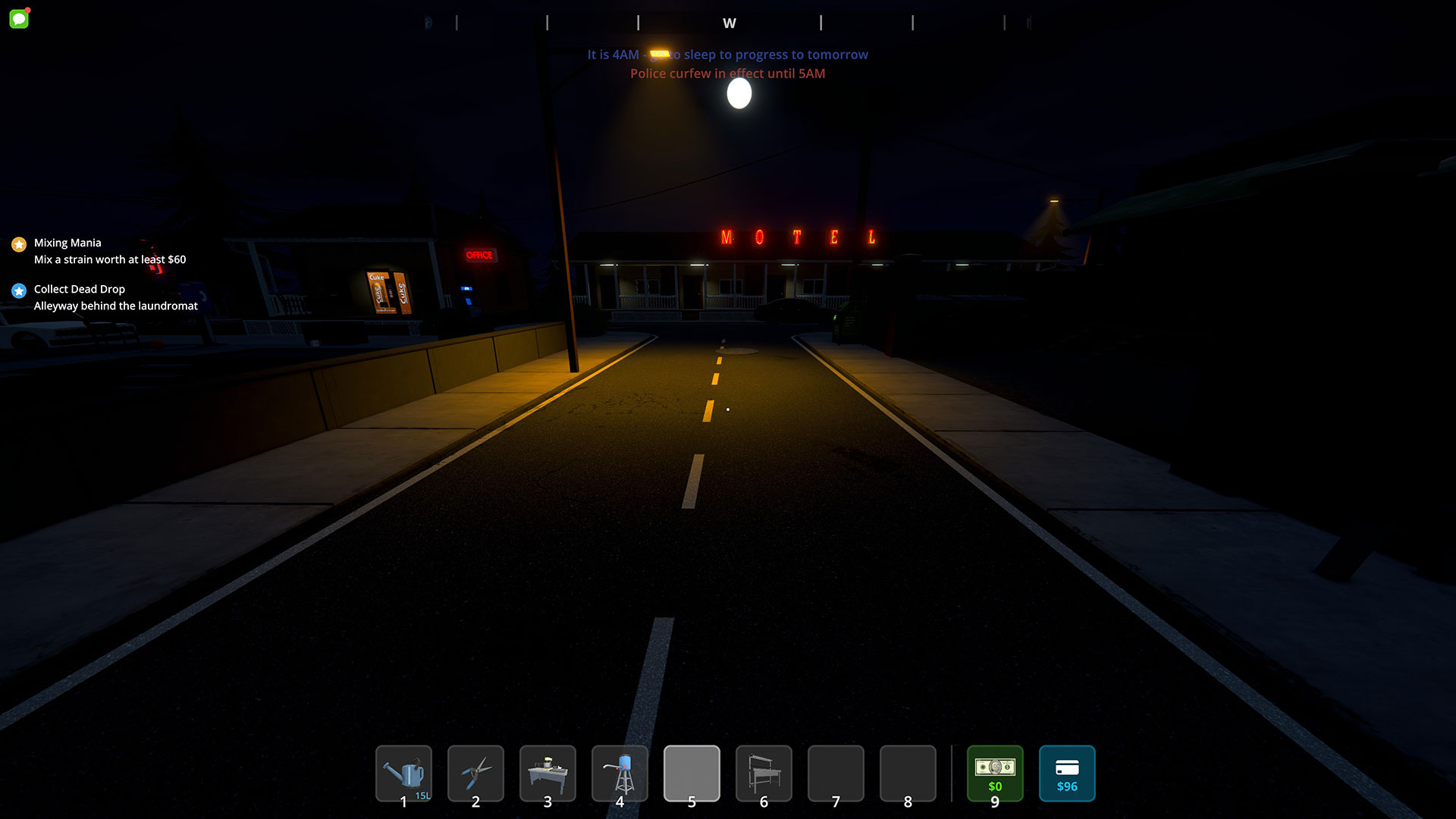
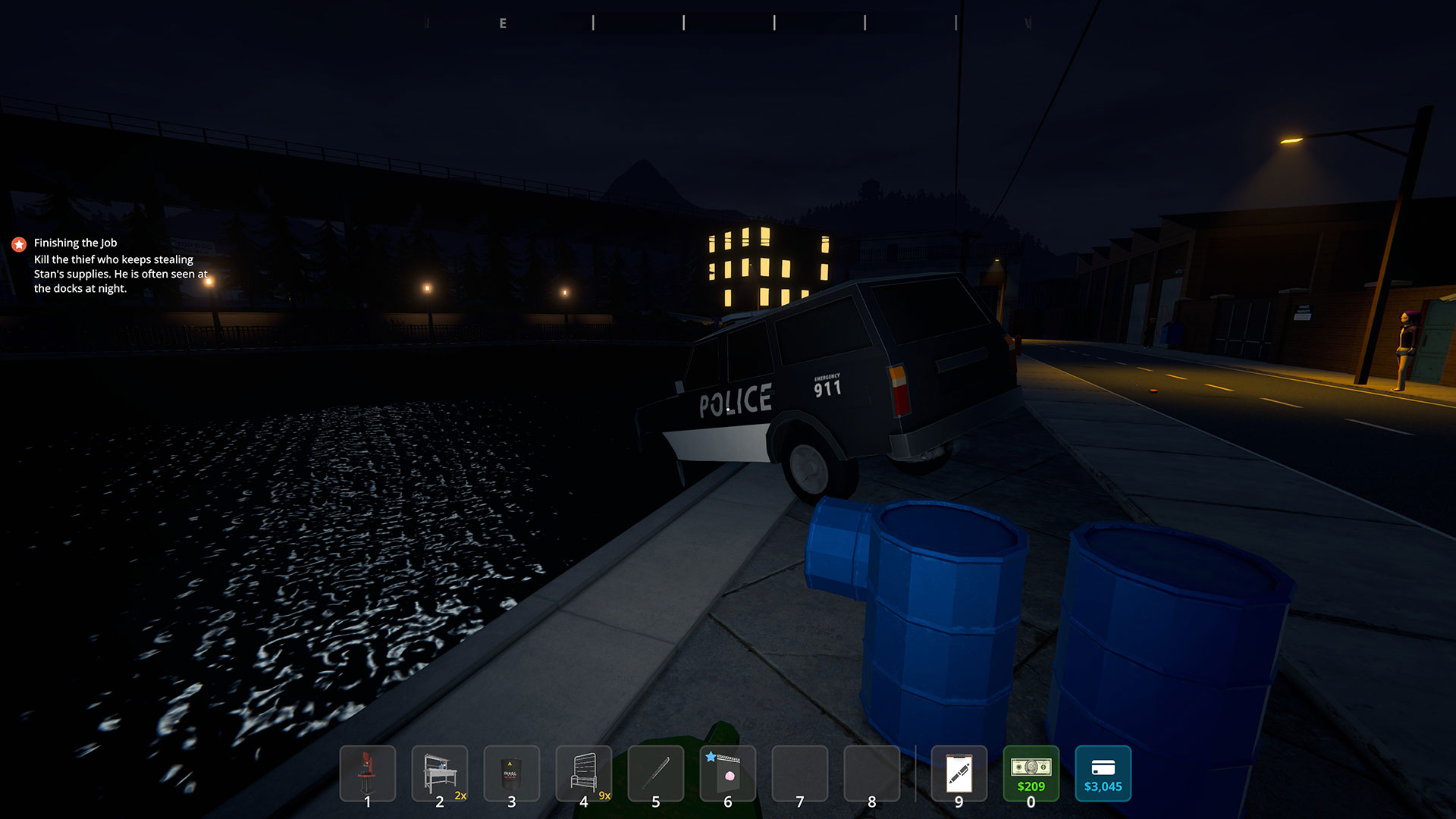
As you’re running around Hyland Point, you’ll periodically get stopped by police, who will then search your inventory. You can “hide” your drugs by clicking down on that inventory spot as a scan occurs through your hotbar. It’s essentially a minigame where you’ll have to click through your inventory as it’s being searched, which means it’s wise to spread out your product on your hotbar unless it’s completely full. You can also get arrested if you’re caught doing a drug deal, but you can escape many of these scenarios with ease. There are Under Arrest and Wanted tiers, but so long as you’re running away and getting out of Dodge, they’ll eventually go away. As it stands, the cops are more of an annoyance than a threat. There are also some clever ways to keep them from bothering you, but we won’t spoil that.
As for combat, it’s pretty janky. There are weapons ranging from baseball bats to shotguns, but really it’s all bare bones. If you do manage to die in the game, you’ll just lose some money and magically spring back to life at the hospital, so there aren’t any real lasting consequences. For the most part, though, it fits into the theme of the game, which is really silly fun rather than a hard-hitting simulator where making the wrong choice can ruin everything. Schedule I’s gratification really comes from seeing how much money you can make per day and how quickly you can make it.
Time Served
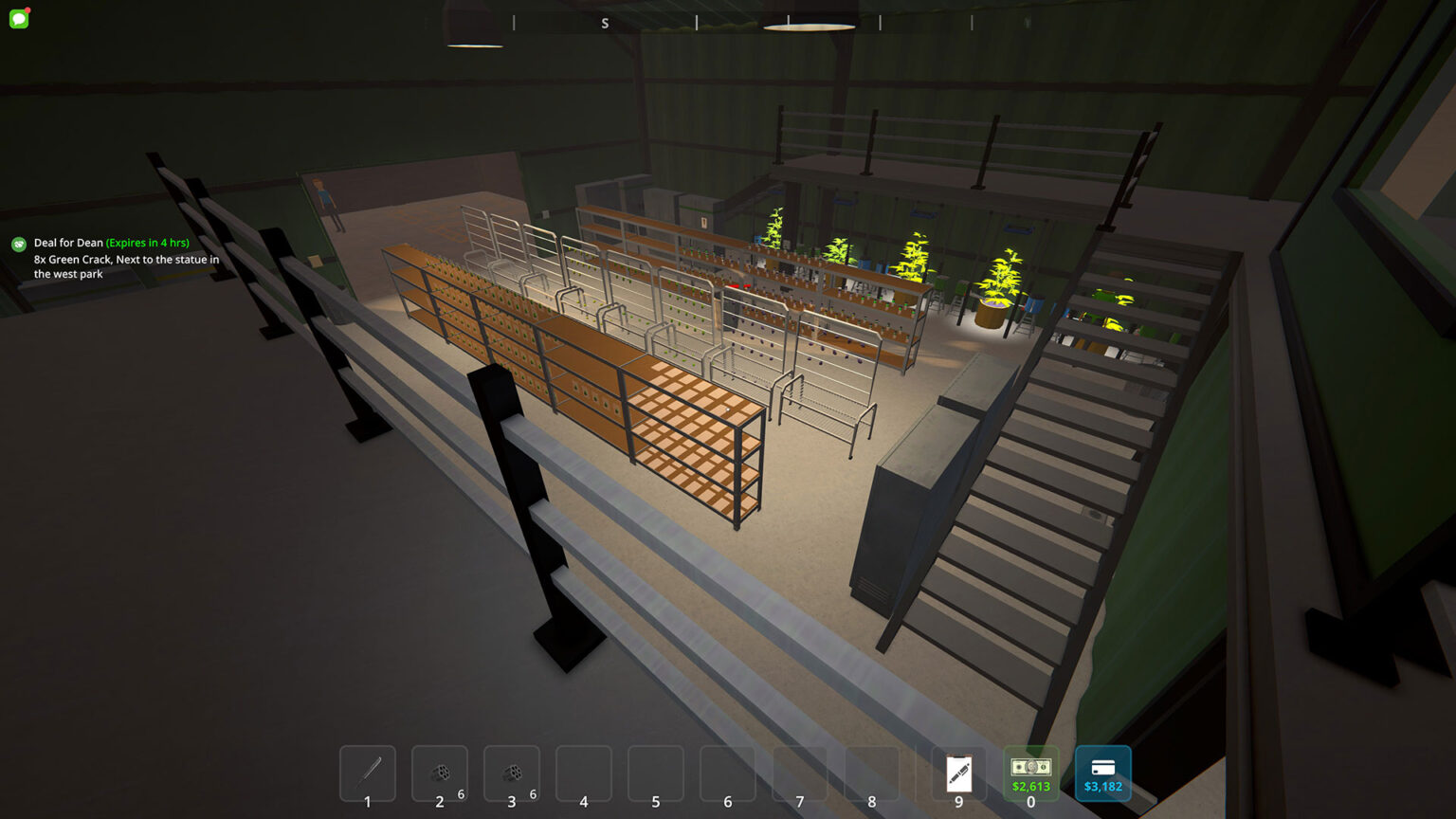
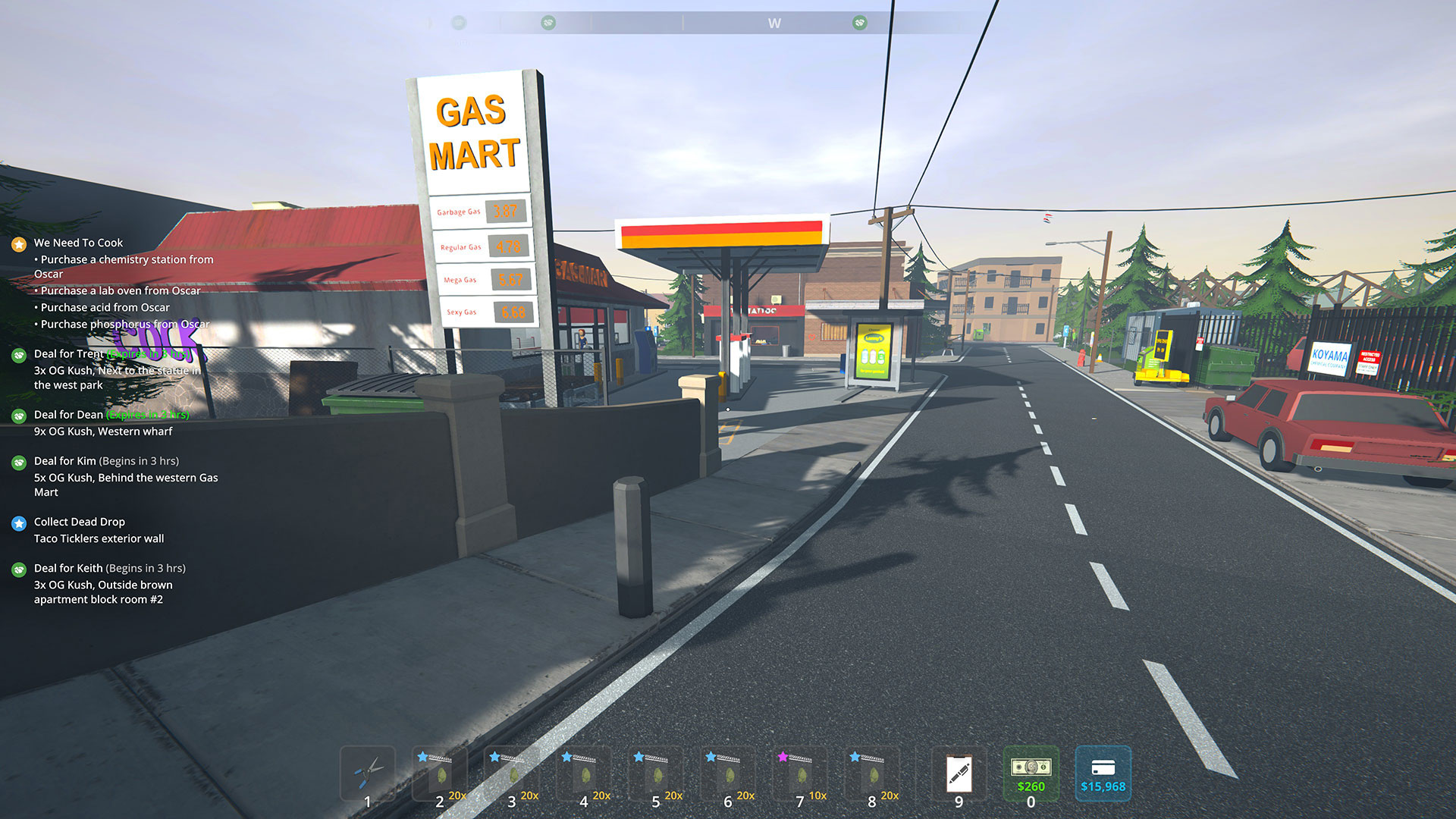
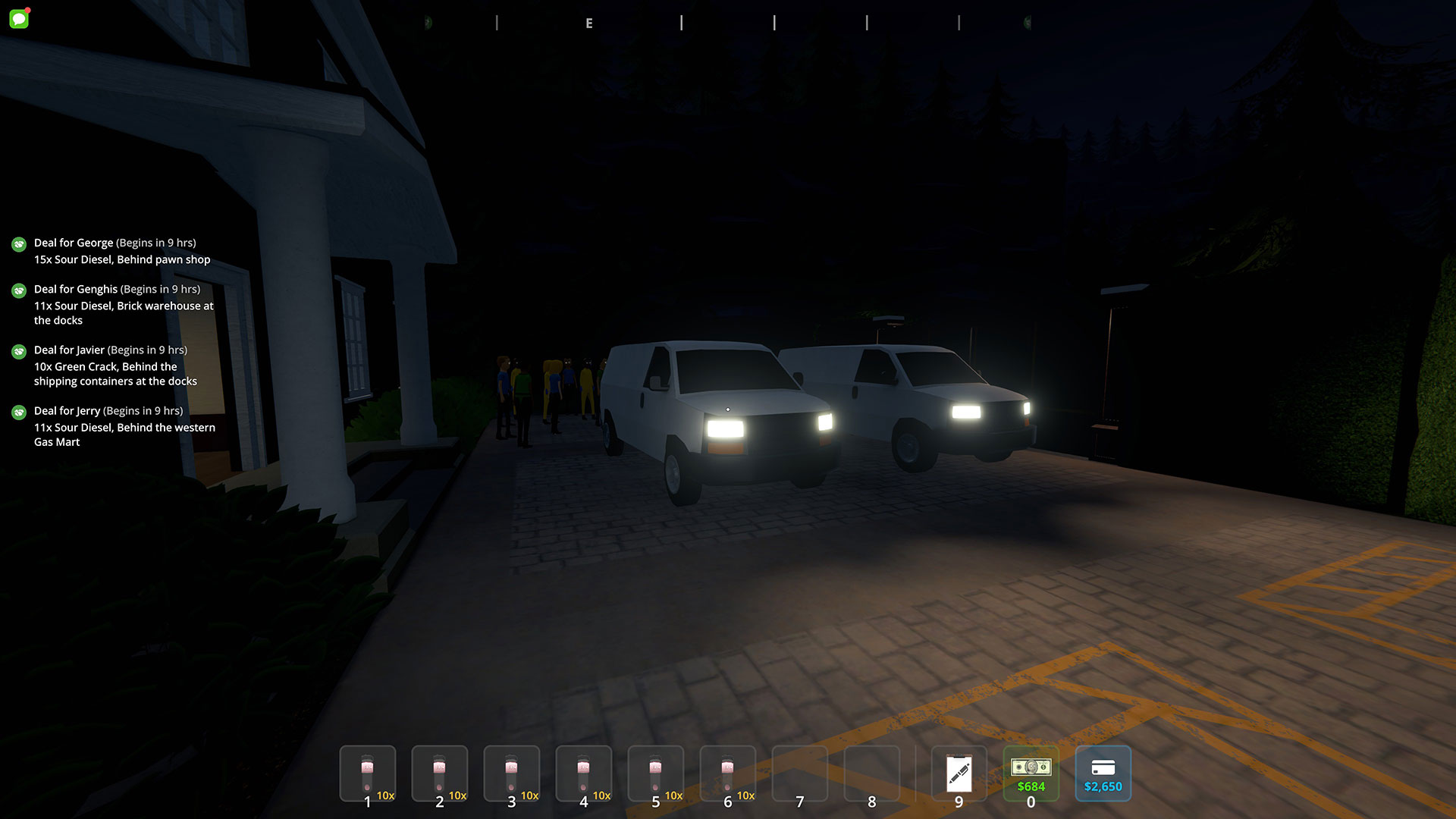
Along with having employees running your growing operations, you’ll also get access to dealers to move your product. These dealers are assigned up to eight customers, and they’ll basically handle any and all transactions involving them for a 20 percent cut. Depending on how you’re dealing with the cartel, you’ll also want to arm your dealers to reduce the possibility of them being robbed. If you’re really optimizing your growing operations, you’ll need to take advantage of all the dealers in the game, because there’s only so much product you can move yourself each day. Our biggest issue with dealers right now is that you still have to manually go out each day and find them to collect the money they owe you and give them product. It would be nice to see dealers assigned to a facility where they can pick up product and drop off cash.
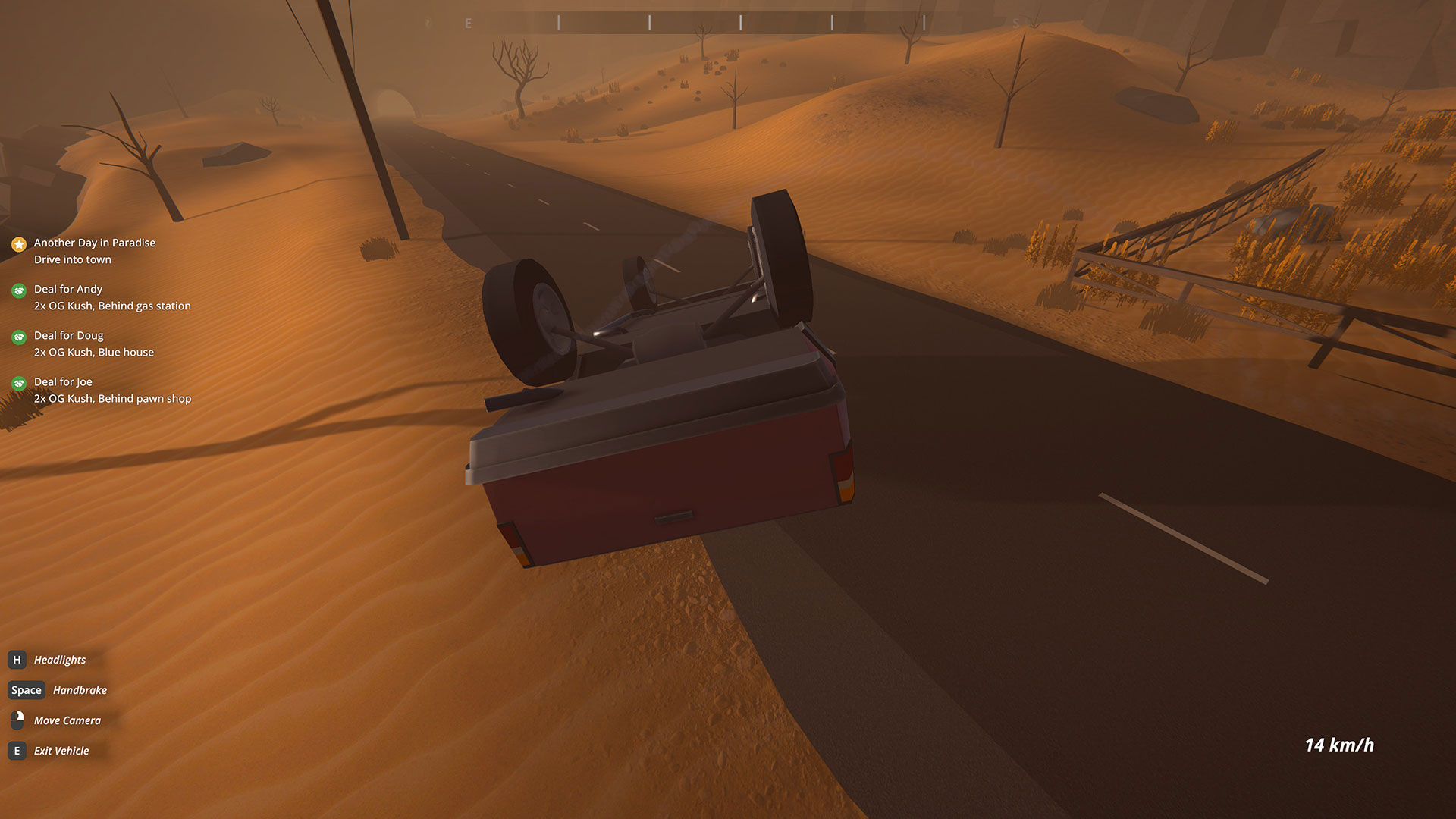
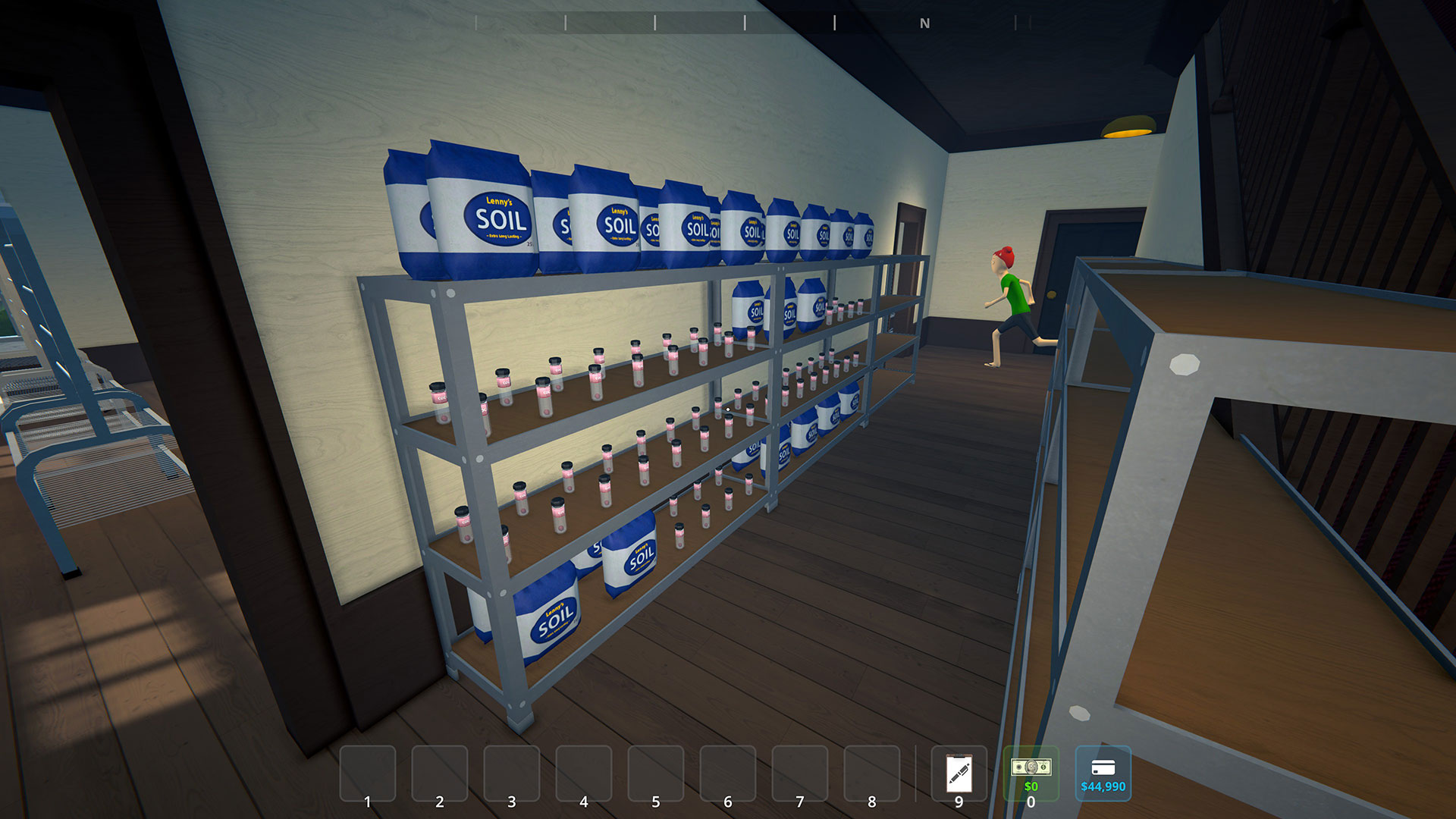
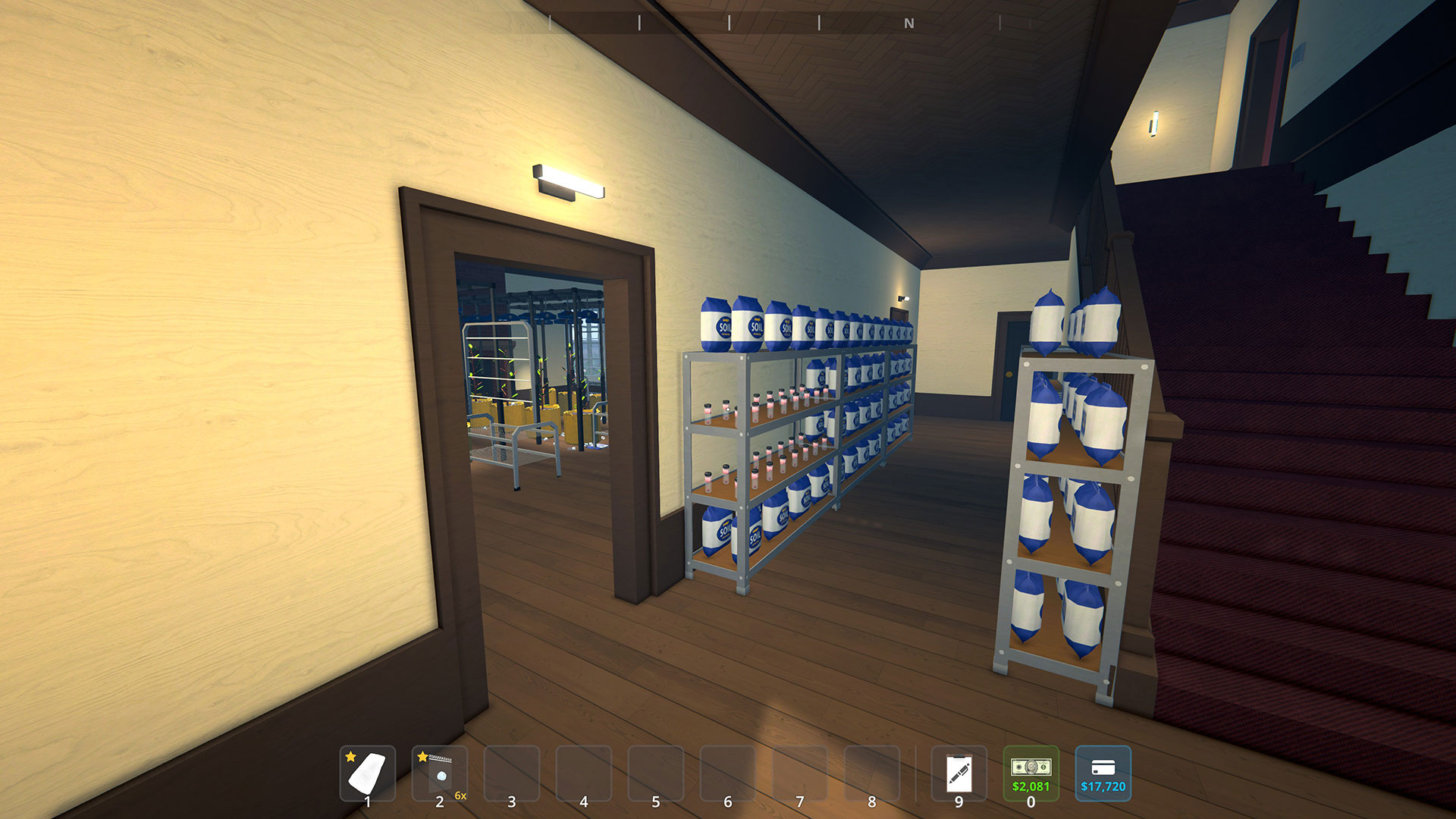
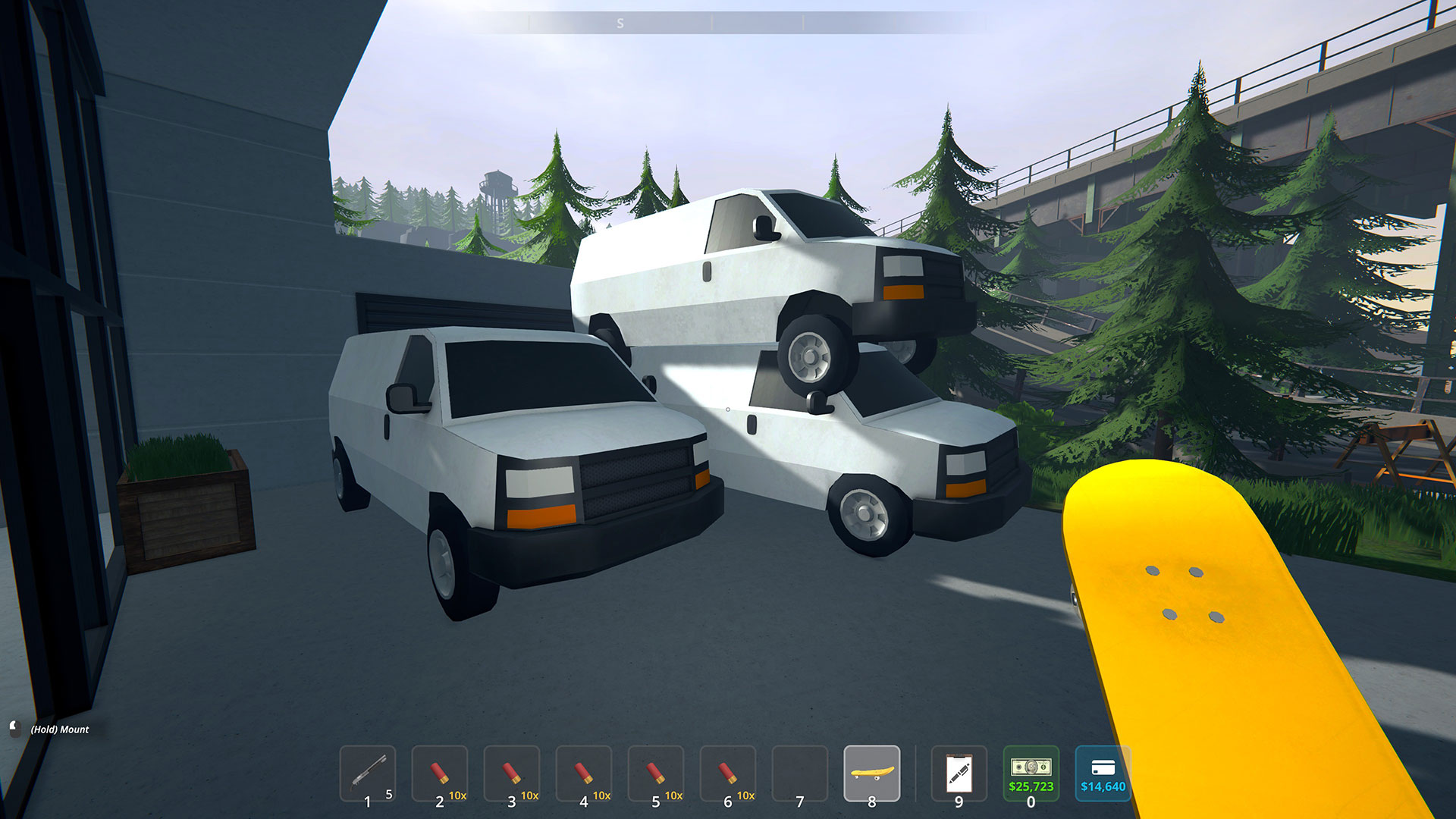
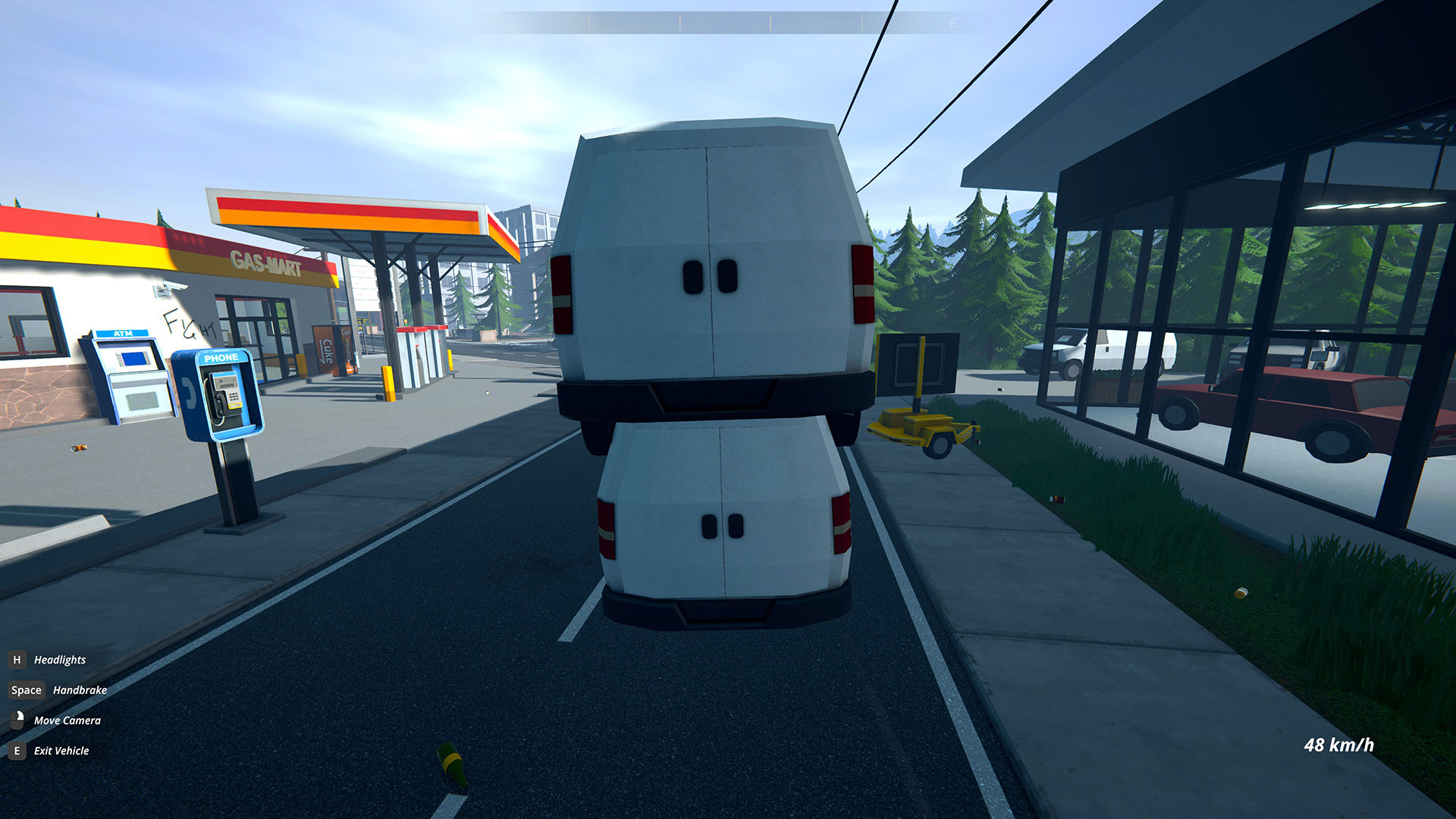
For the most part, you can automate the vast majority of the game from production to selling. The only real manual part we had to deal with toward the end of the game was picking up or ordering raw materials like seeds, then stocking them onto the shelves. Most of our days were spent making sure our dealers were full of stuff to sell and then hitting the streets and selling ourselves. When we wanted to have some fun, we caused chaos in Hyland Point with cars and guns. Schedule I doesn’t really have any lasting consequences, even if you kill your customers. They’ll eventually respawn and pretend like nothing happened.
Repeat Business
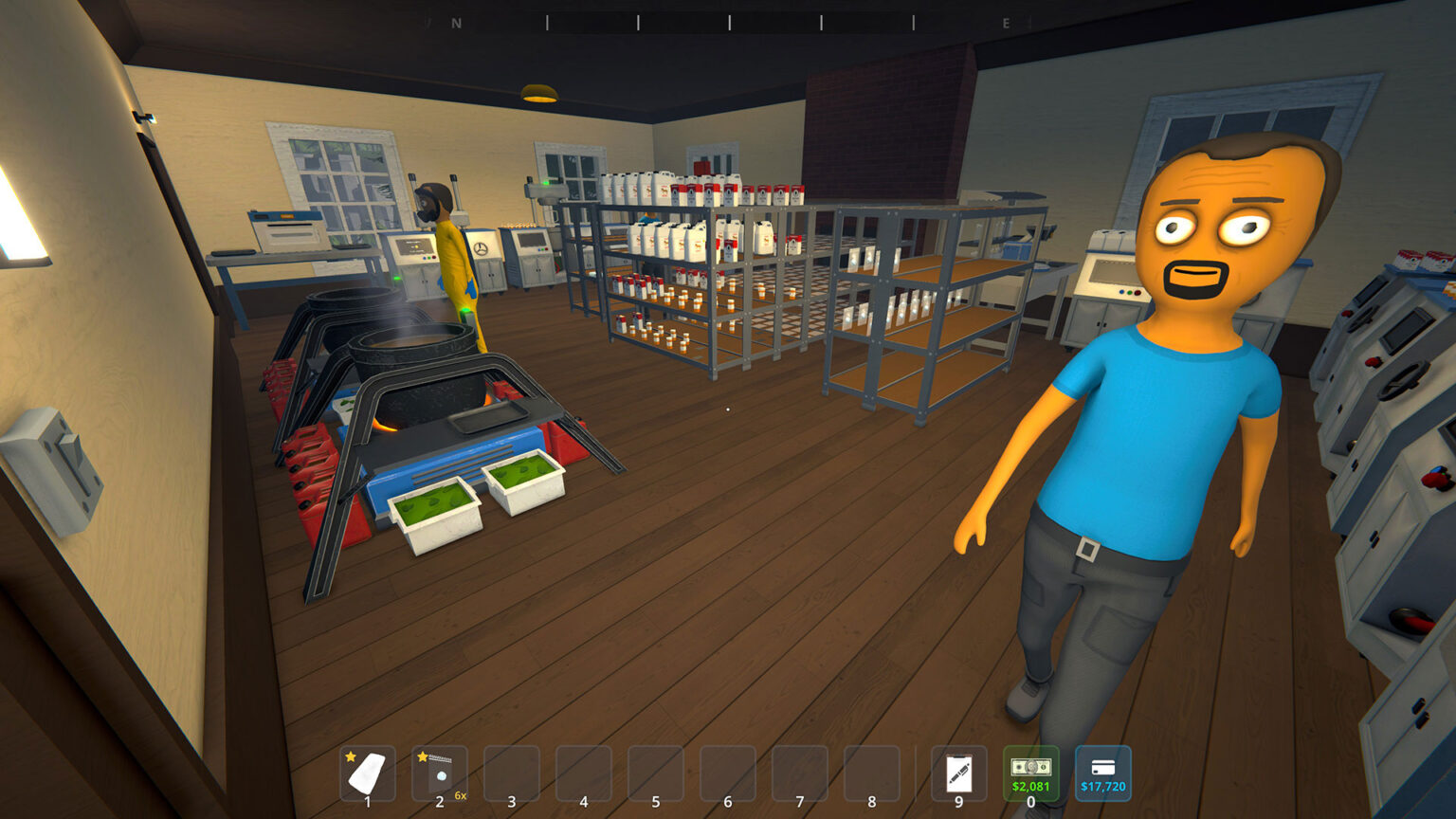
We went into Schedule I thinking it was going to be an automation game like Factorio, but that it would play a bit like Palworld. Instead, we got something that’s quite different, especially in the way you set up the automation. The game is clever in all the right ways, and it easily had us addicted for over 40 hours. We kept experimenting with different recipes to see what drugs sold the most, as we worked towards purchasing every business, facility, and car the game has to offer. I will say, though, in some solo sessions, the game does feel a bit overwhelming, especially before you can afford to hire people and set up the automation. Schedule I is definitely a better experience if you can do it with friends, especially for splitting up tasks.
If you do go into this game solo, I wouldn’t be surprised if it takes 60 to 80 hours to afford everything that’s currently available. The gameplay loop may feel repetitive pretty quickly, but we found it surprisingly fun even if routine settled in. There was always something new to set up as we unlocked more and more items, and once that was all unlocked, we looked forward to the next facility we could buy and set up. The game is more than just silly memes of selling drugs, it’s a legitimate simulator that’s especially fun with friends and has surprising depth. It’s easy to understand why Schedule I is sitting at Overwhelmingly Positive with over 150,000 user reviews, and we can’t wait to see what improvements and features are heading its way to its official release.
Schedule I enters Early Access on March 24, 2025, for PC. These first impressions are based on a purchased retail copy of the game on PC. While FullCleared does have affiliate partnerships, they do not influence our editorial content. We may, however, earn commissions for products purchased via affiliate links.
Continue?
Like our content?
Subscribe to our newsletter and get video game news, reviews, features, and deals straight to your inbox.
You're subscribed!
Thanks for signing up. Look for an email from Substack at .
No email after a few minutes? Subscribe on Substack.
This newsletter may contain advertising, deals, or affiliate links. Subscribing to the newsletter indicates your consent to our Privacy Policy. You may unsubscribe from the newsletter at any time.