
Quick Verdict
I originally expected to skip Pragmata entirely, but instead, it’s my biggest surprise of 2026 so far. After initial reviews started rolling in, I shuffled my schedule to slot it in right after I rolled credits on Saros, which probably wasn’t the best decision for Pragmata’s sake. Going from Housemarque’s airtight game feel to Capcom’s deliberately slower-paced hacking-and-shooting hybrid took some adjustment, but once it clicked, it really clicked. Pragmata is one of those rare games that earns every minute of its 13- to 15-hour runtime and ends up being the kind of contained, complete experience the AAA space rarely delivers anymore.
The dual-mechanic combat where you control astronaut Hugh and android companion Diana simultaneously is the standout, but it’s the full package that makes Pragmata so memorable. The story is predictable, the difficulty curve has a strange flat stretch before a brutal final boss spike, and the game crashed on me five times during my playthrough. None of that is enough to dampen what is honestly one of the most surprising and satisfying gaming experiences I’ve had in years. For now, Pragmata is my favorite game of 2026, and there’s no asterisk on that statement.
Hugh Knew?
I have to admit, Pragmata wasn’t on my to-do list coming into April. Like a lot of people, I was skeptical about the game after numerous delays, and when it resurfaced in 2025 with the promise of a 2026 release, I figured I’d see what the reaction was before committing. The plan was to roll through Saros, then jump into Forza Horizon 6 in May. But once initial reviews started rolling in for Pragmata, the praise was overwhelming enough that I decided to play it after rolling credits in Saros. That turned out to be a great choice, and also a slightly terrible one for my first impressions of Capcom’s new IP.
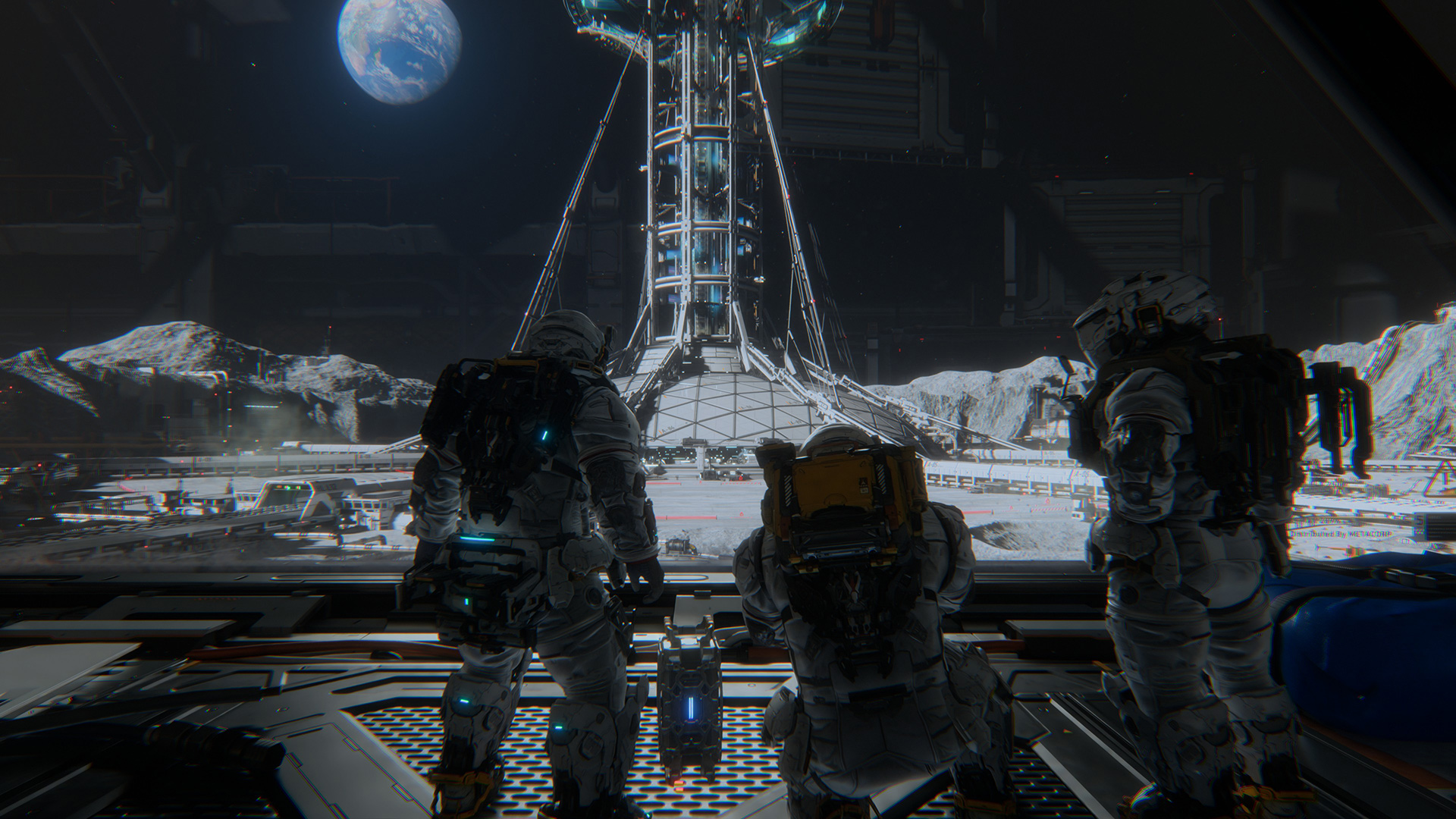
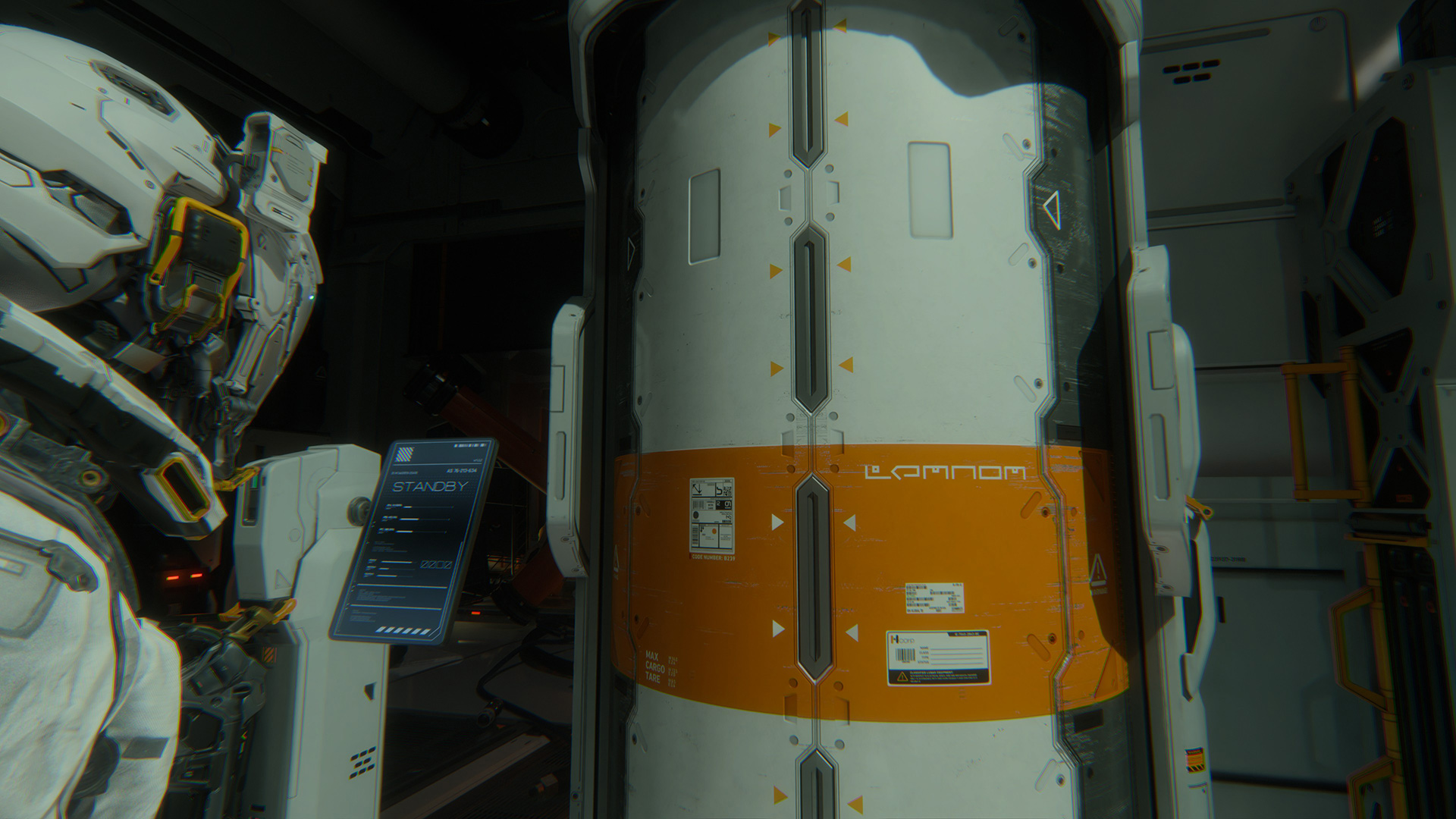
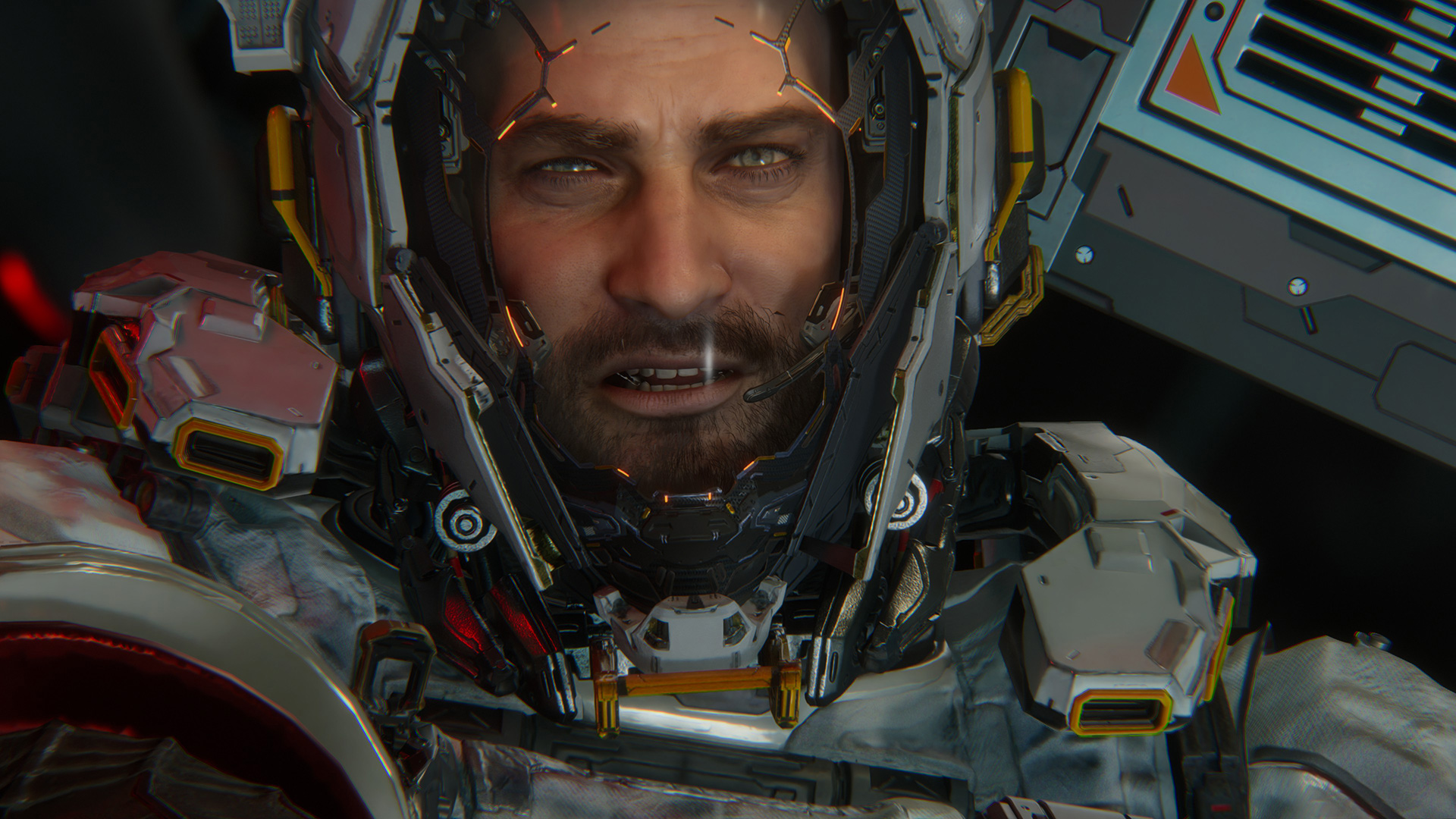
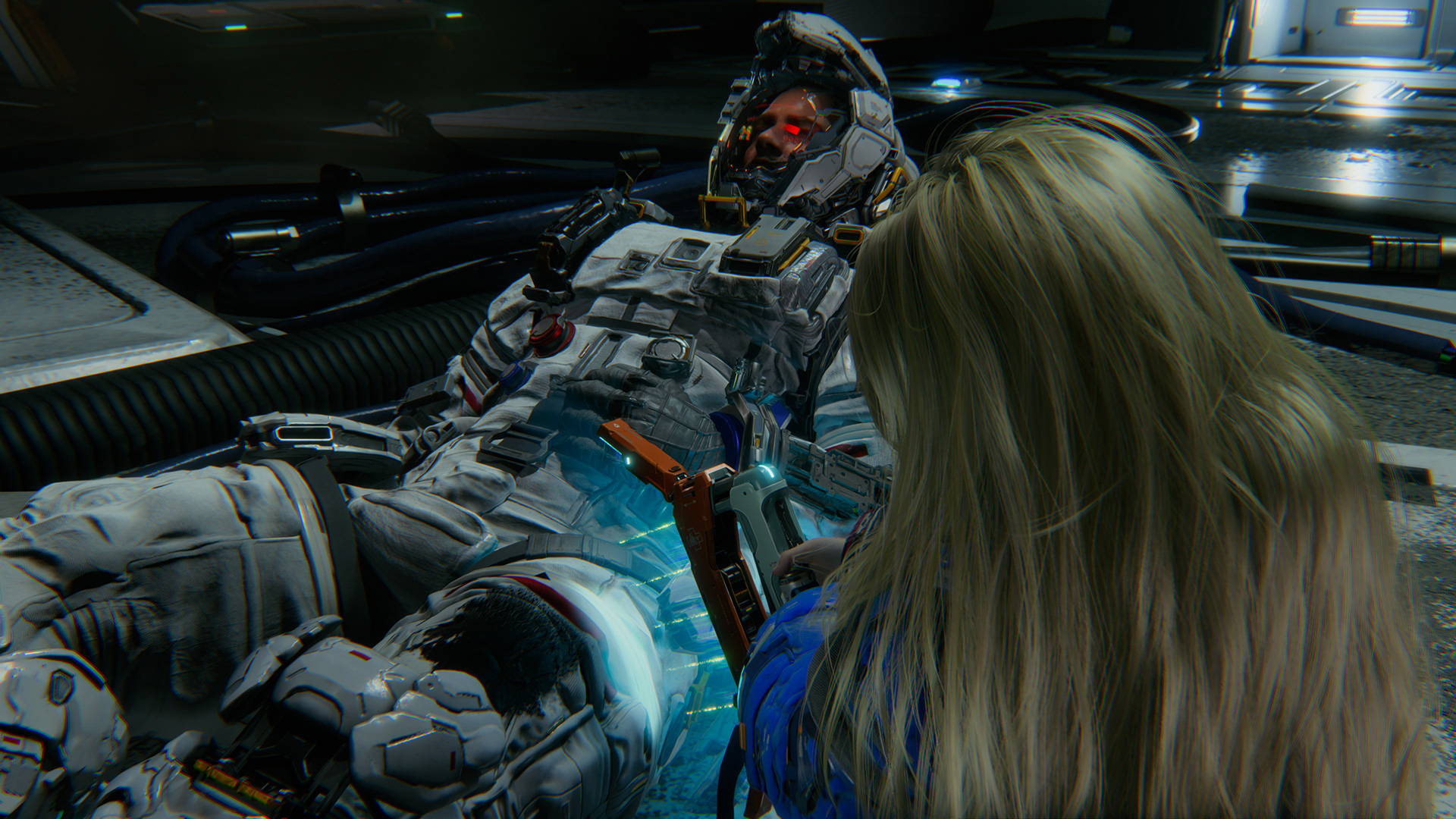
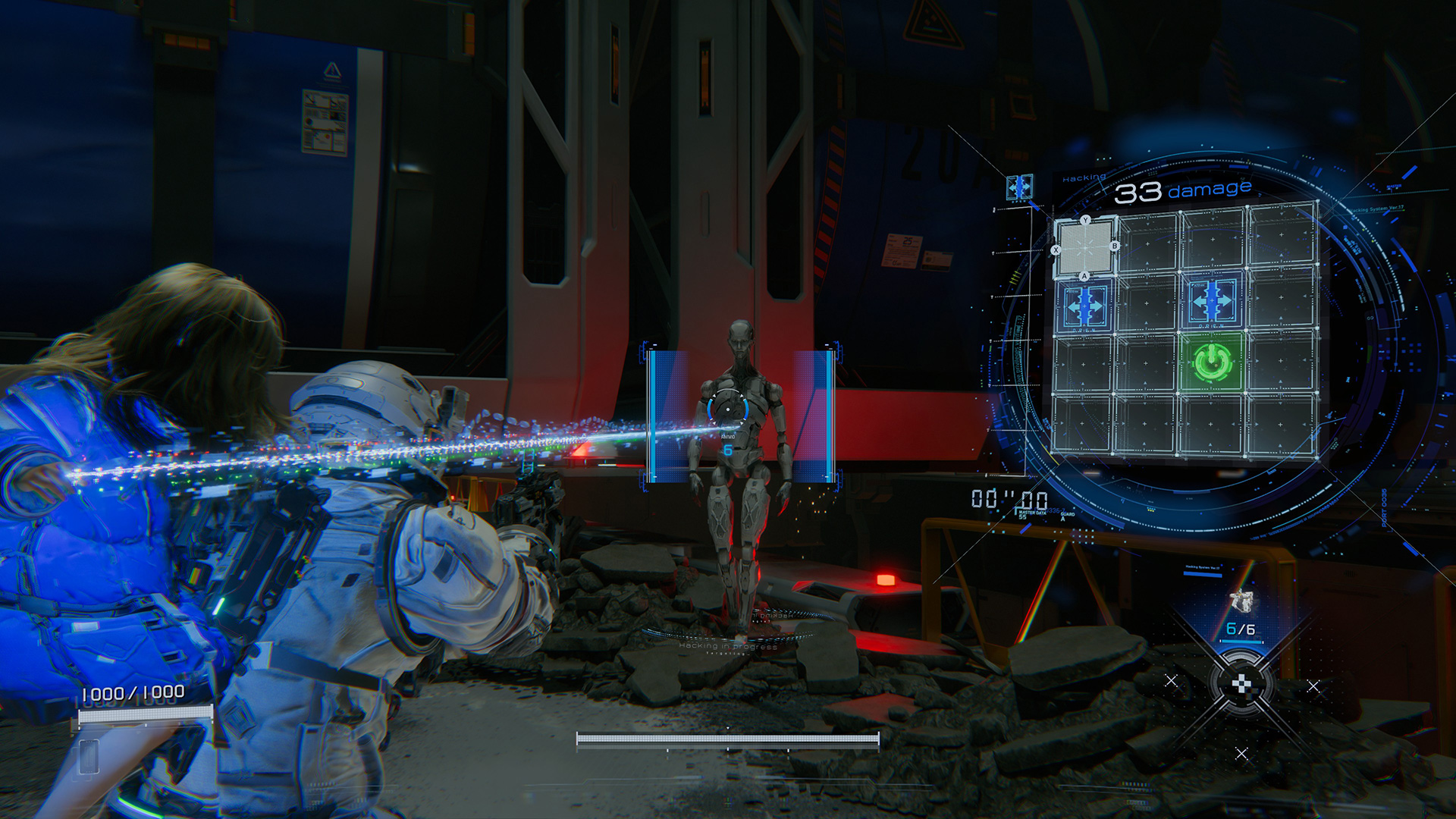
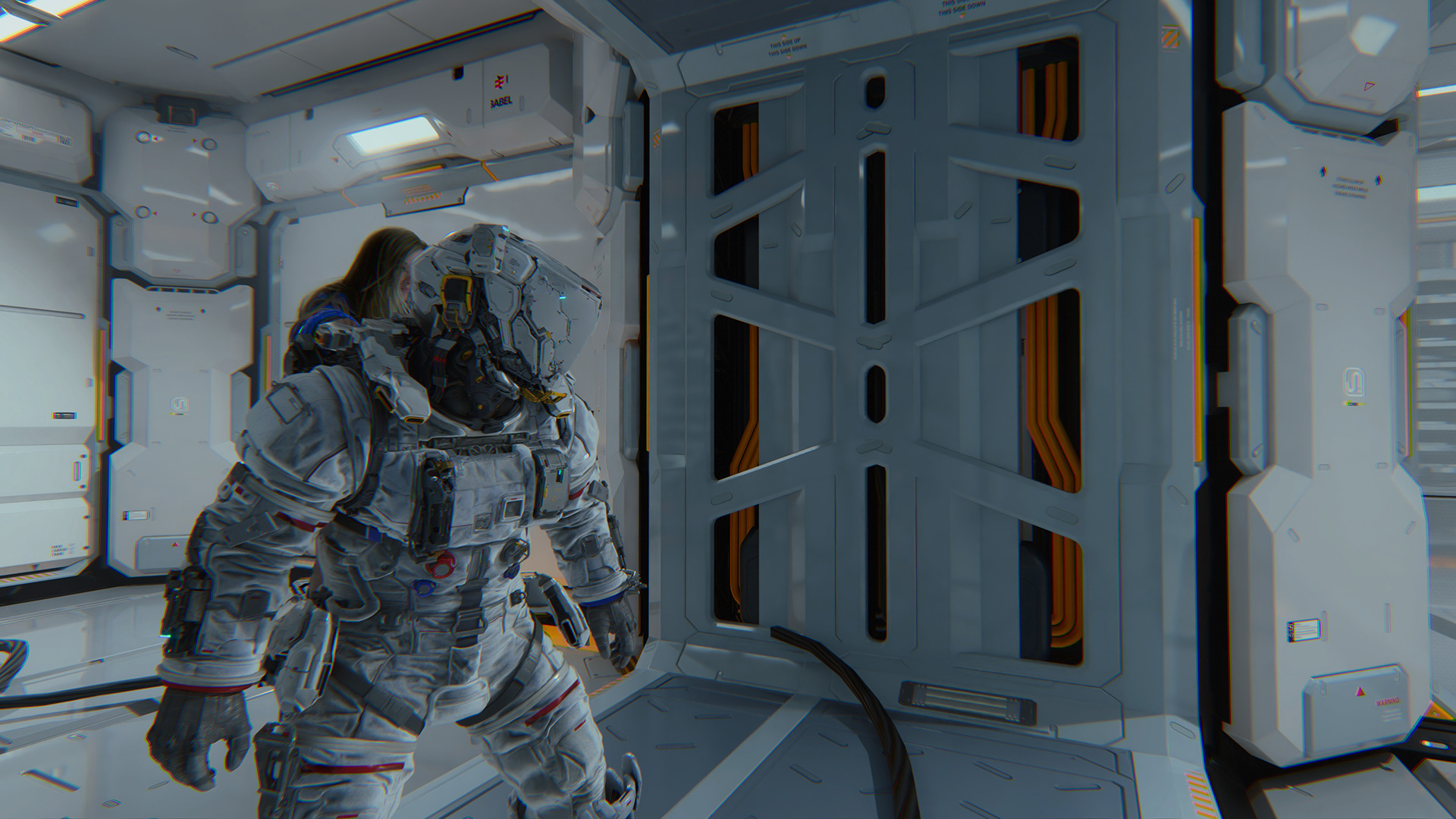
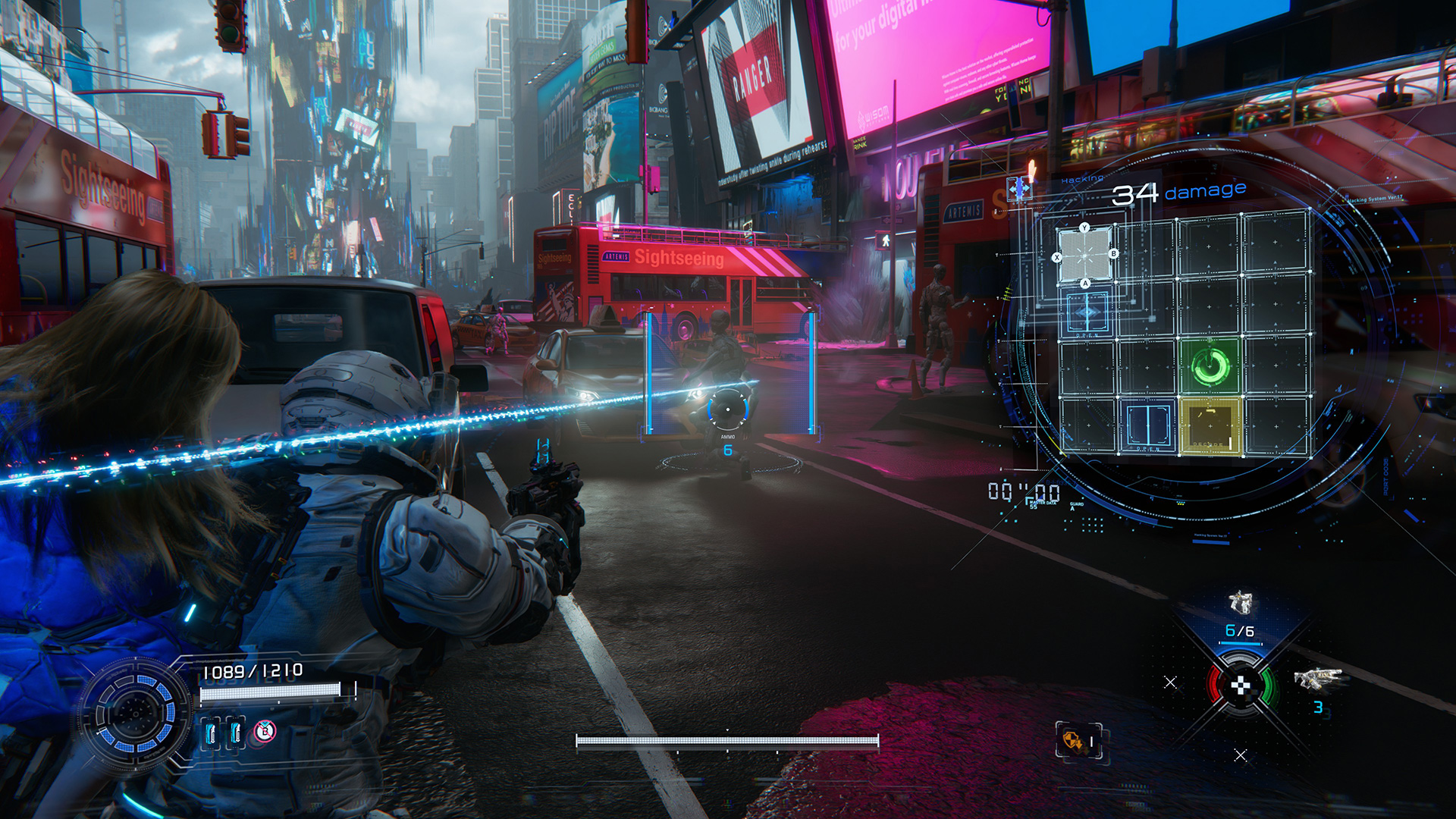
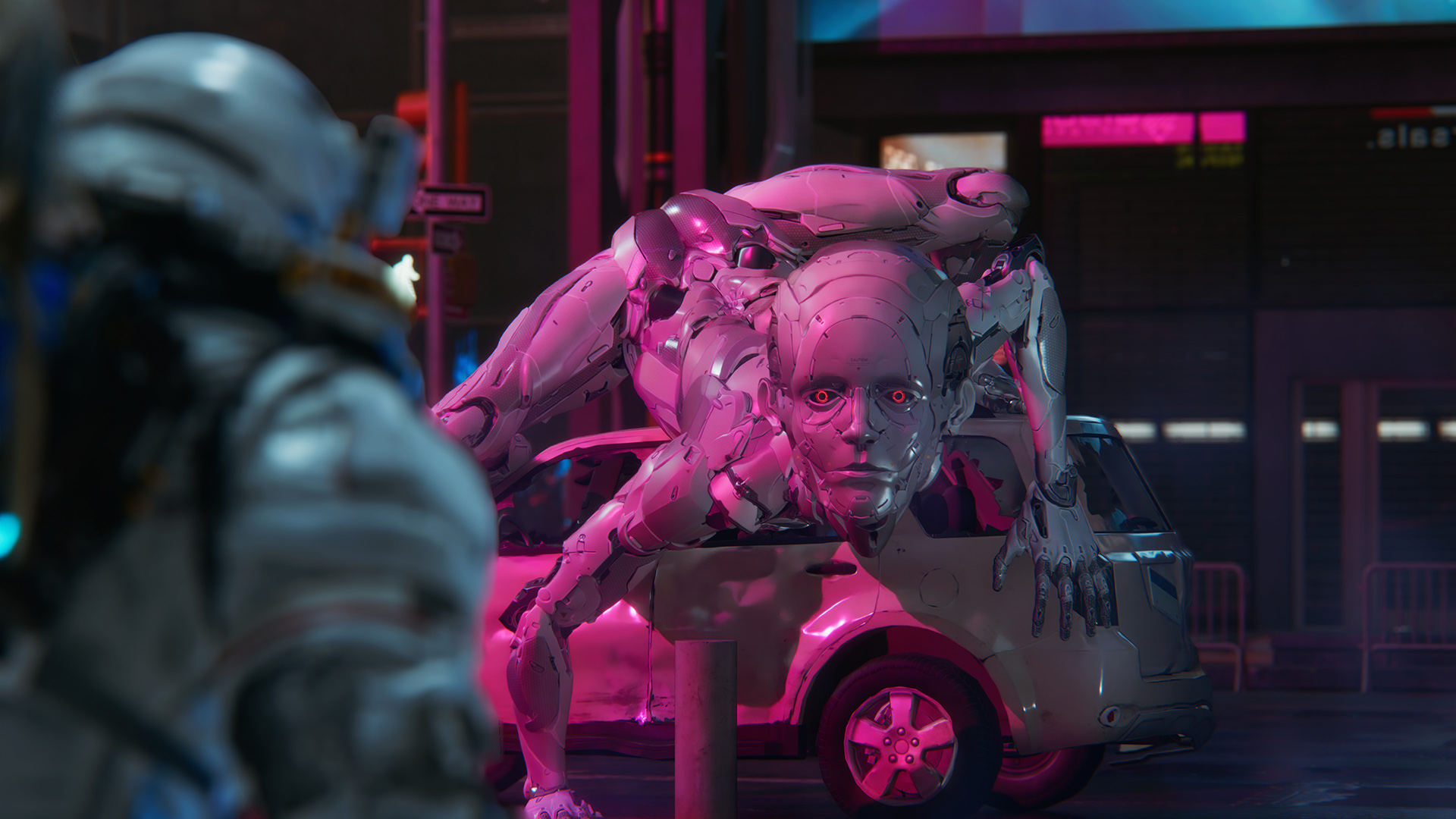
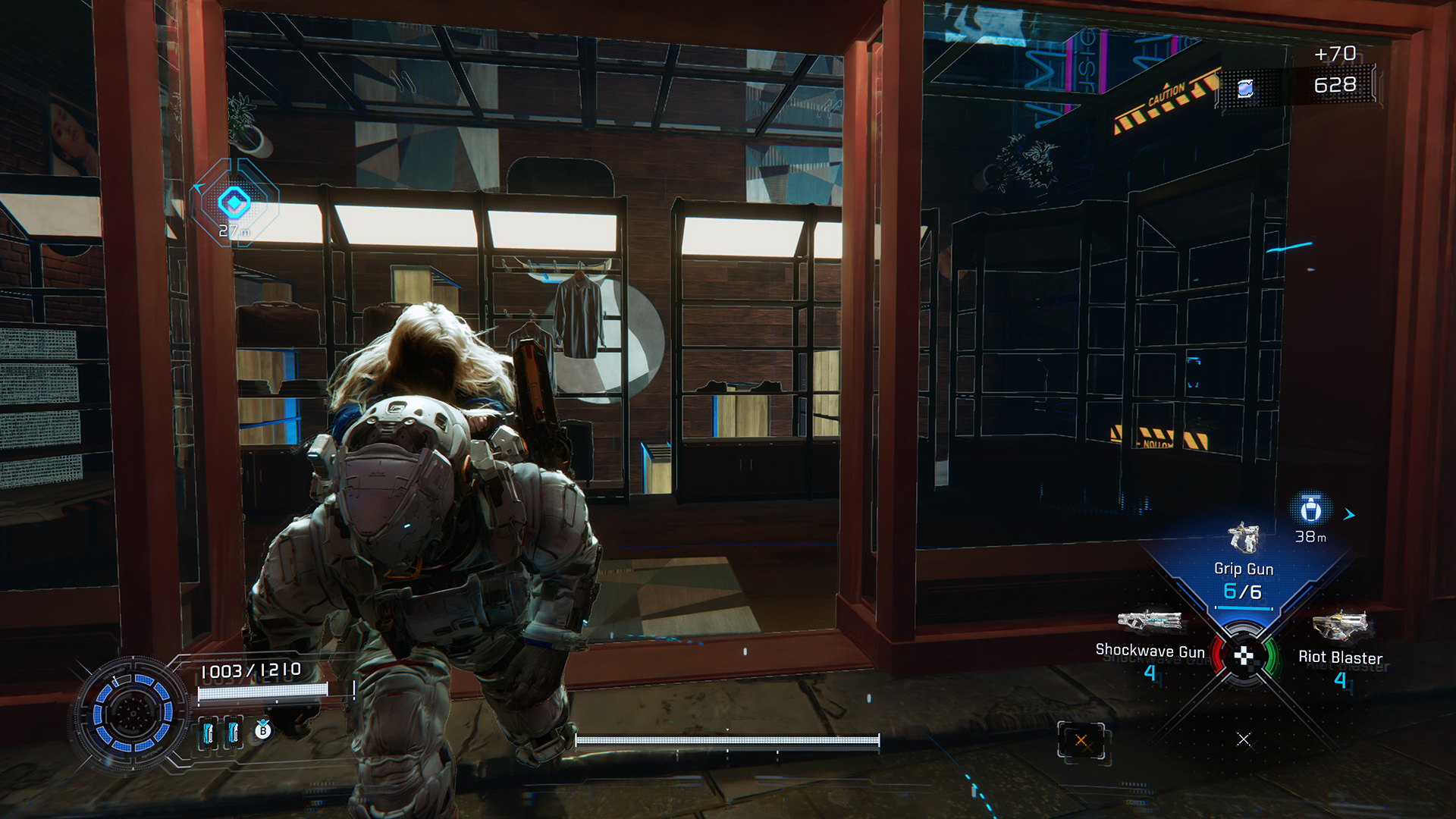
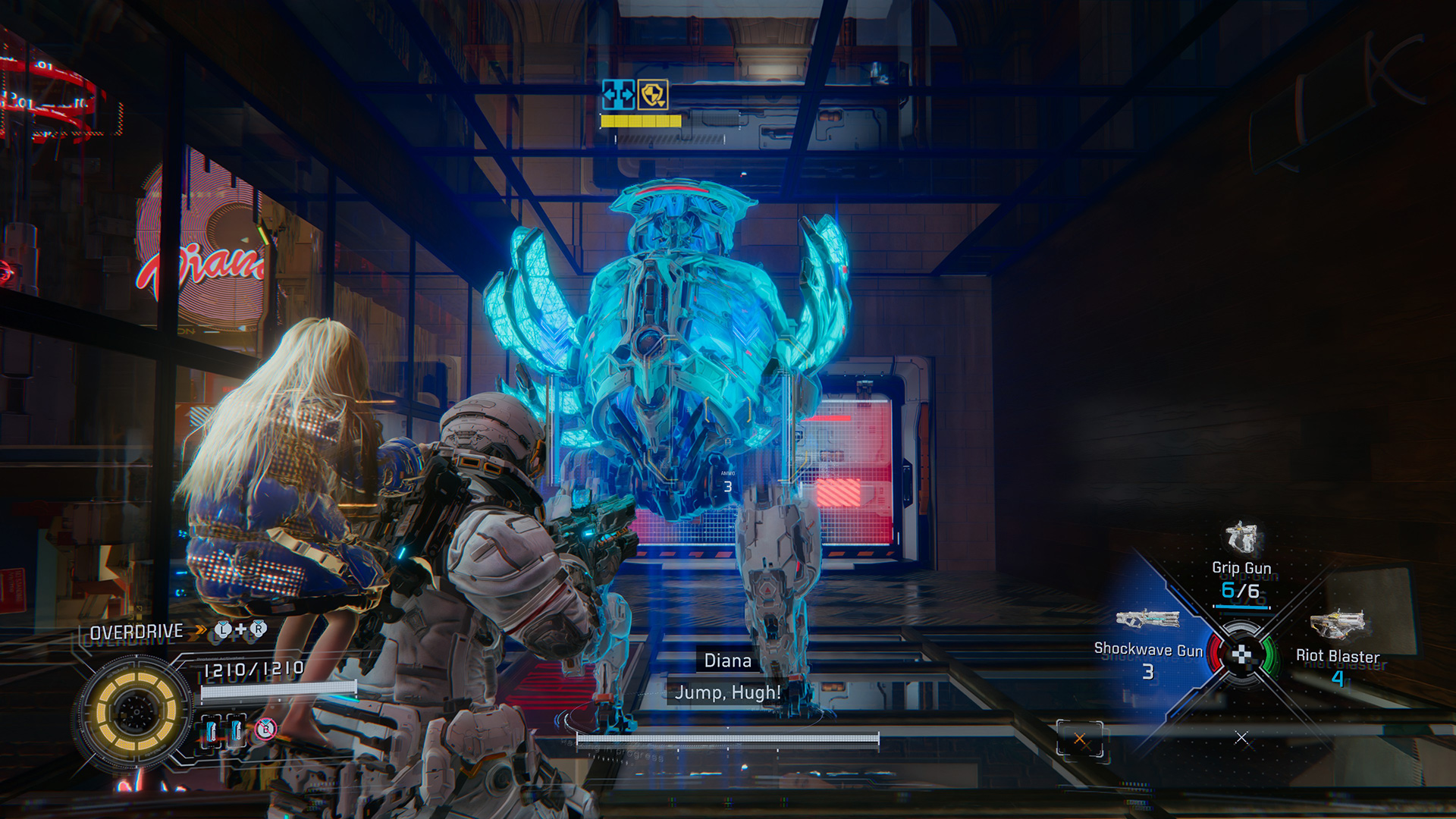
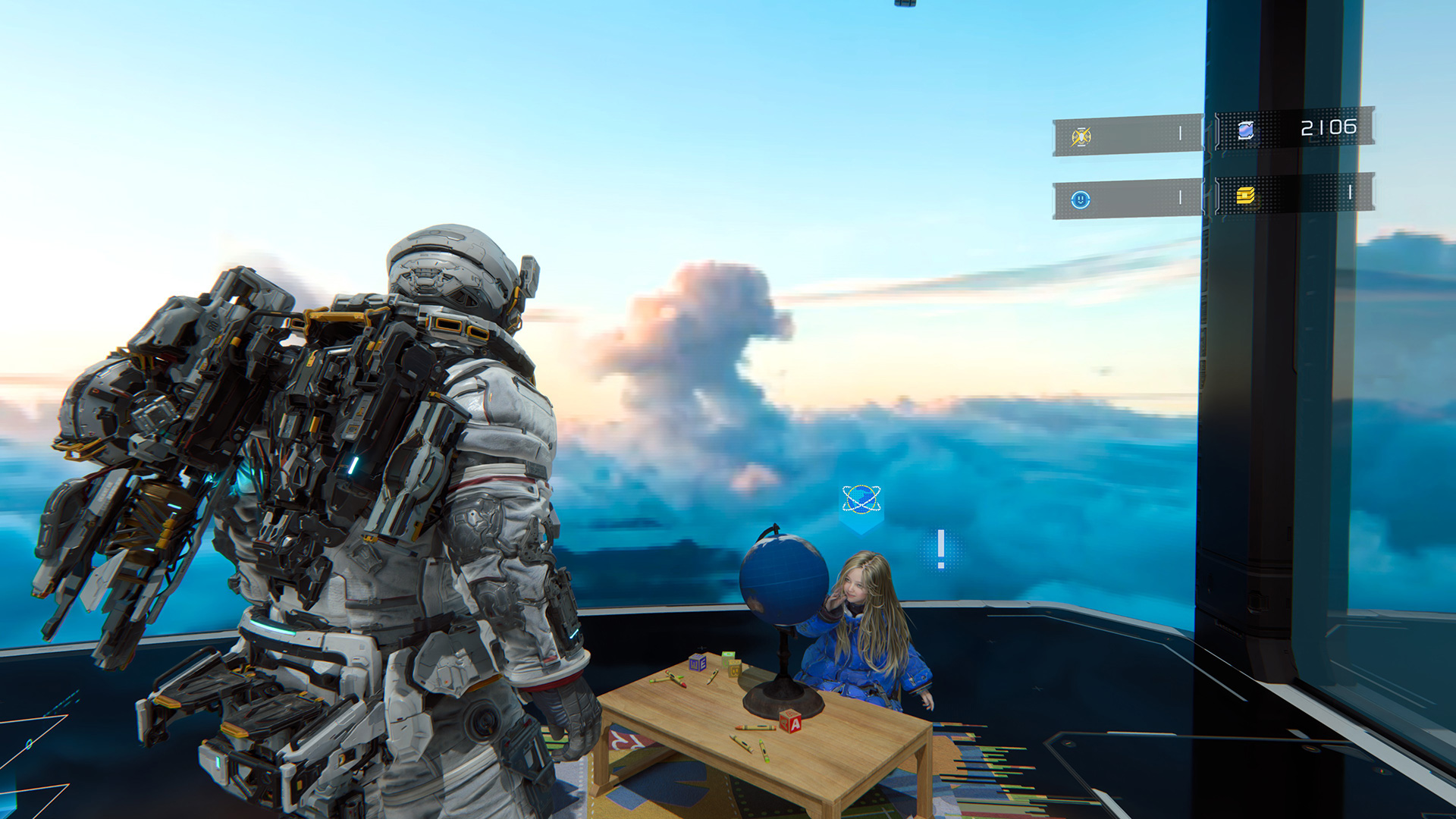
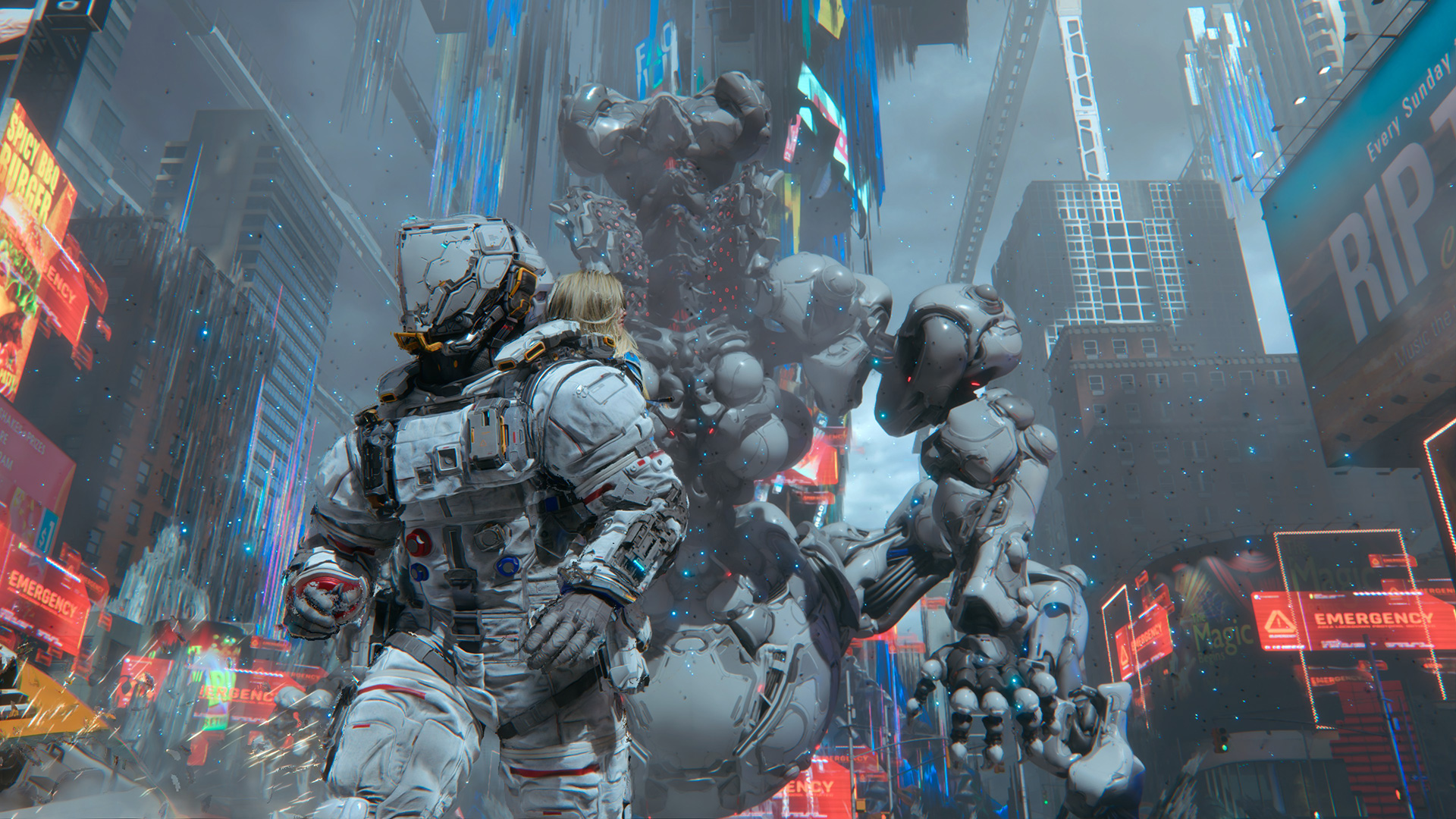
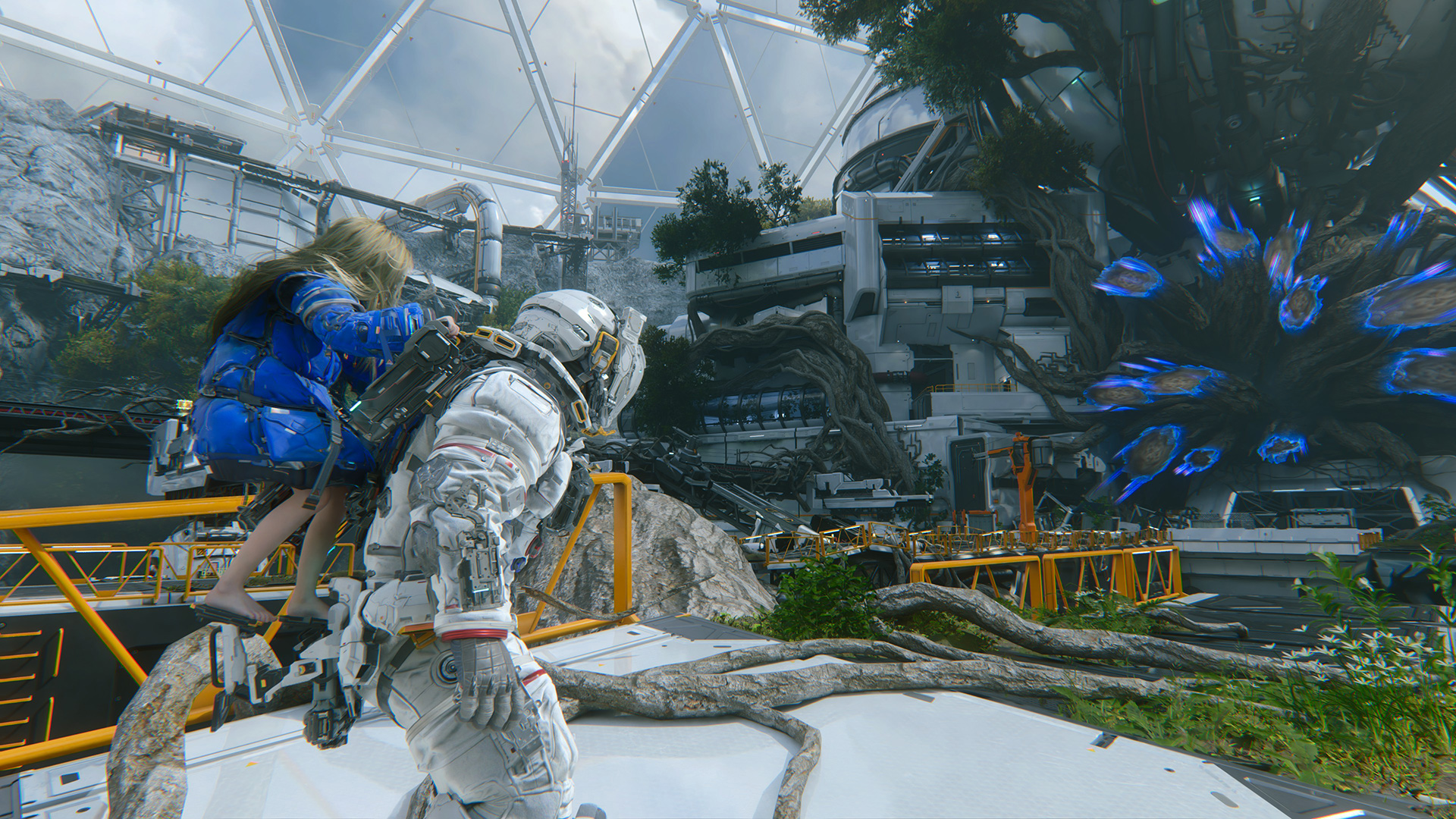
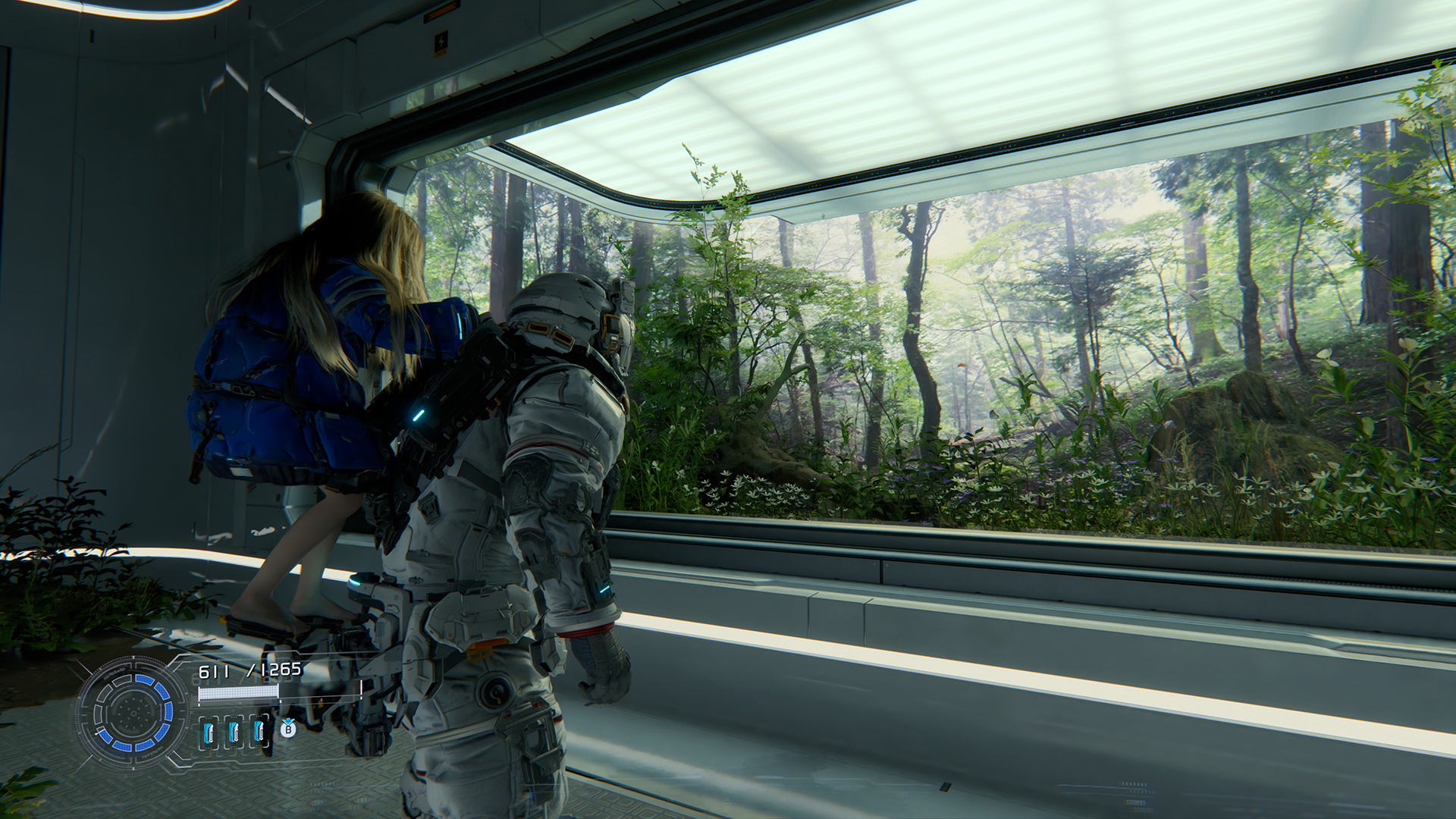
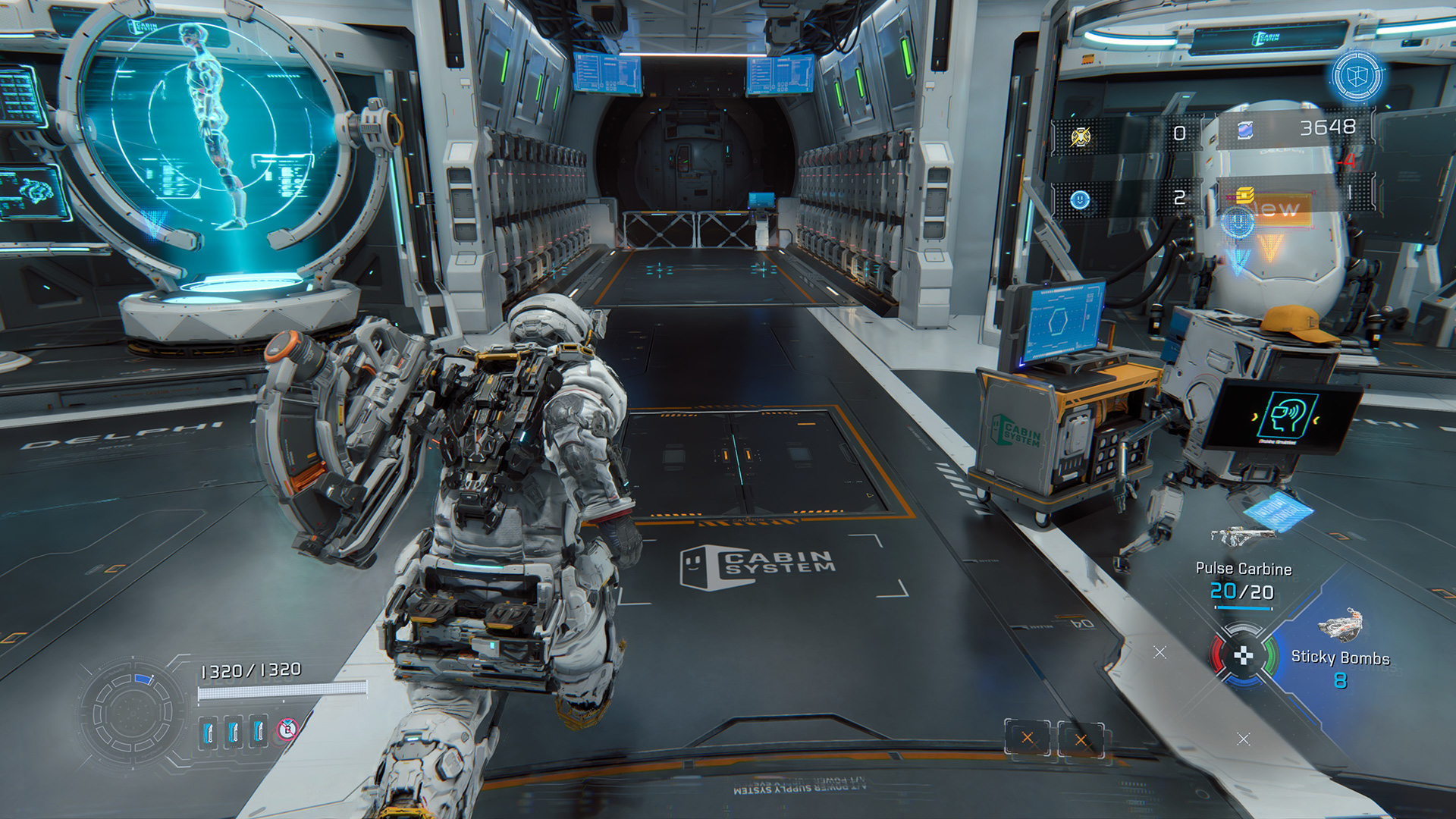
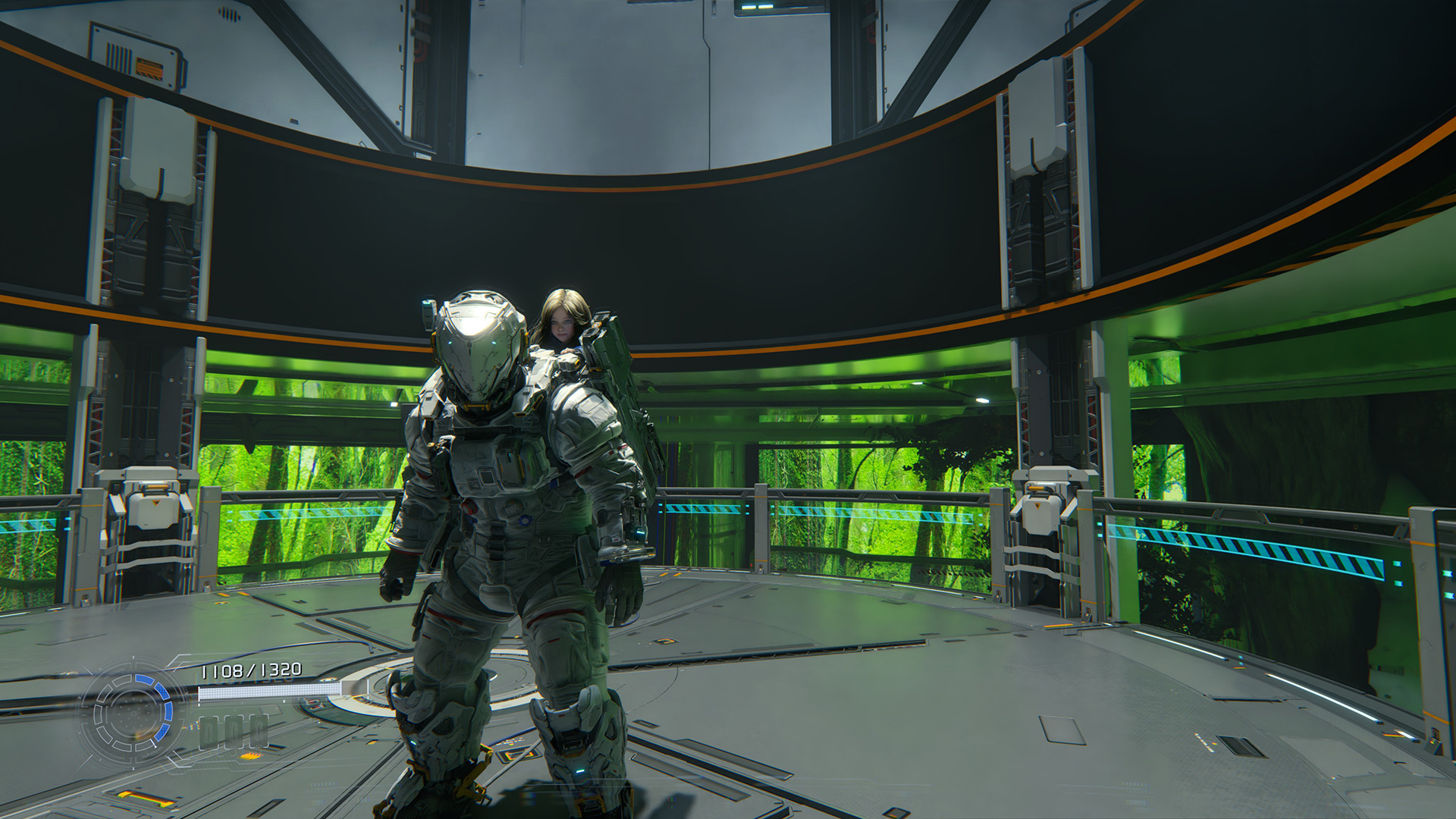
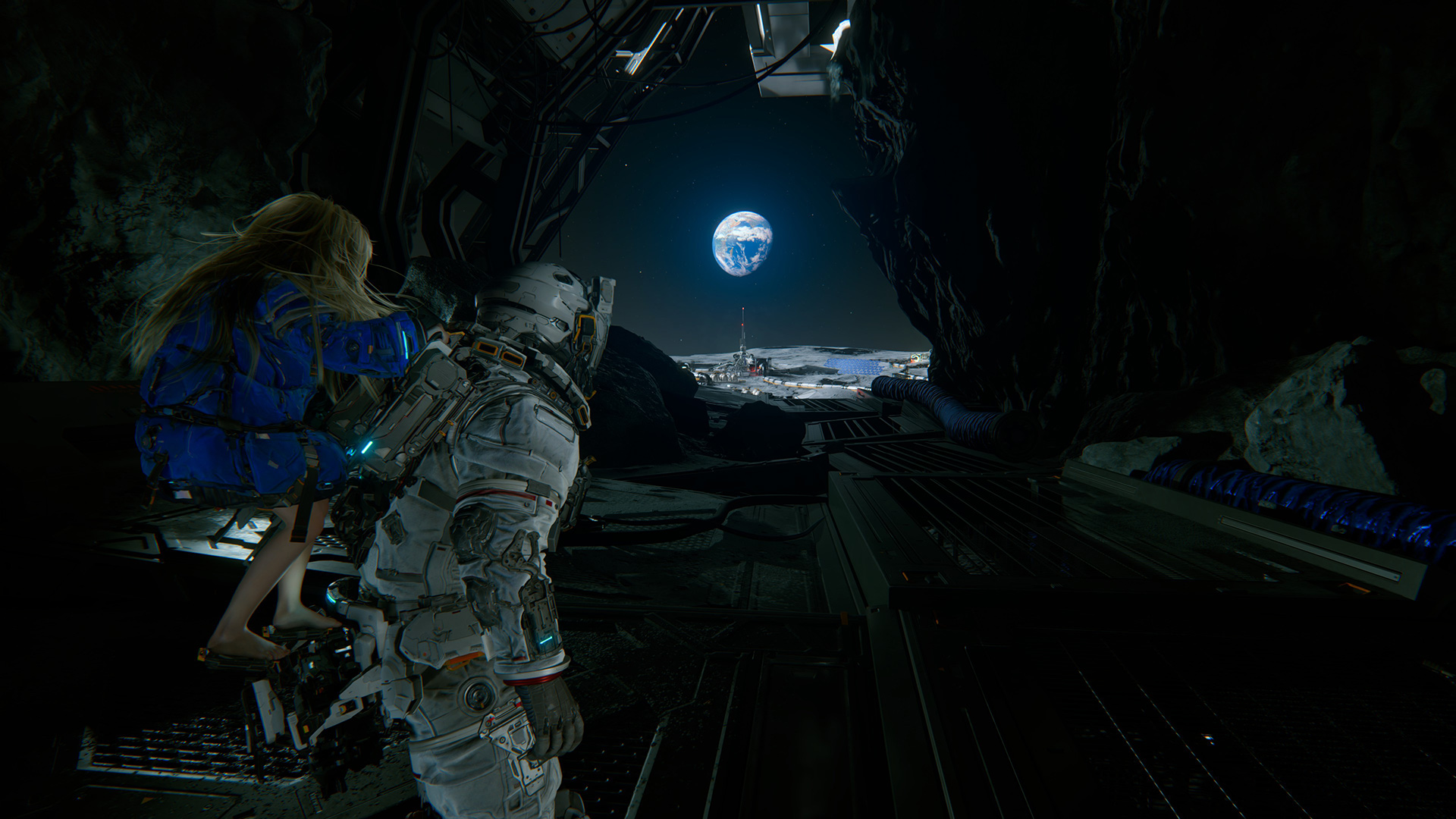
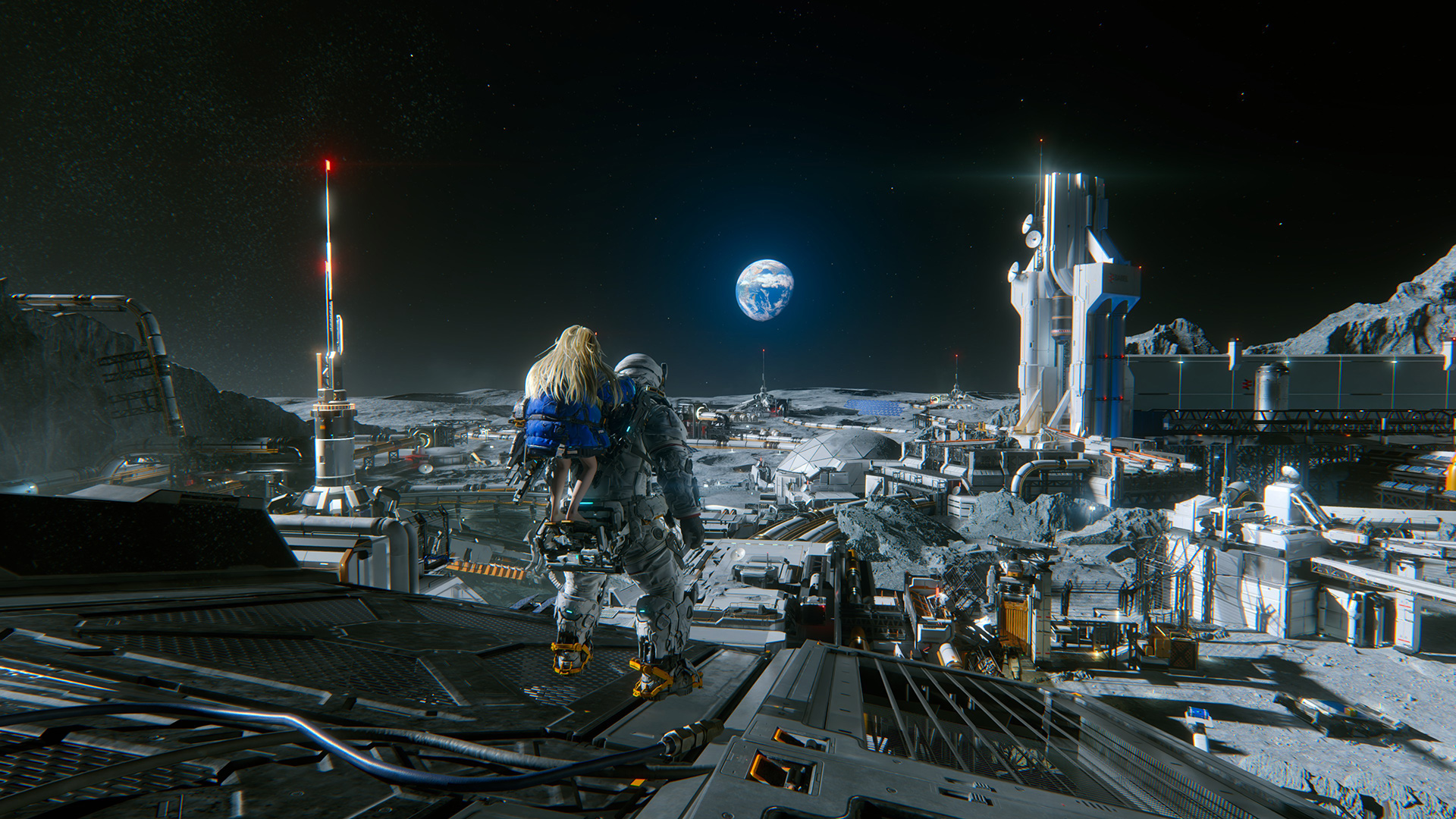
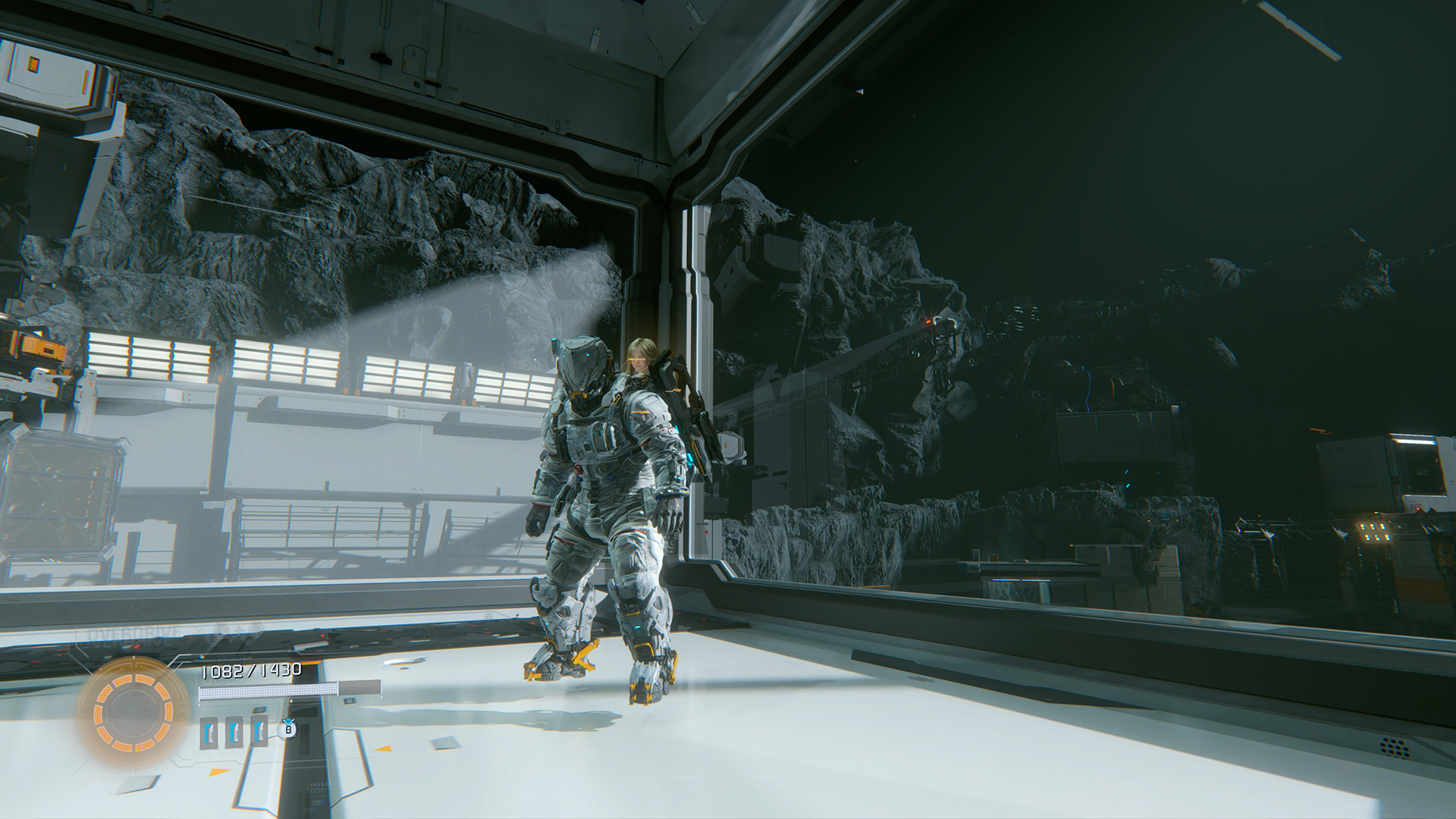
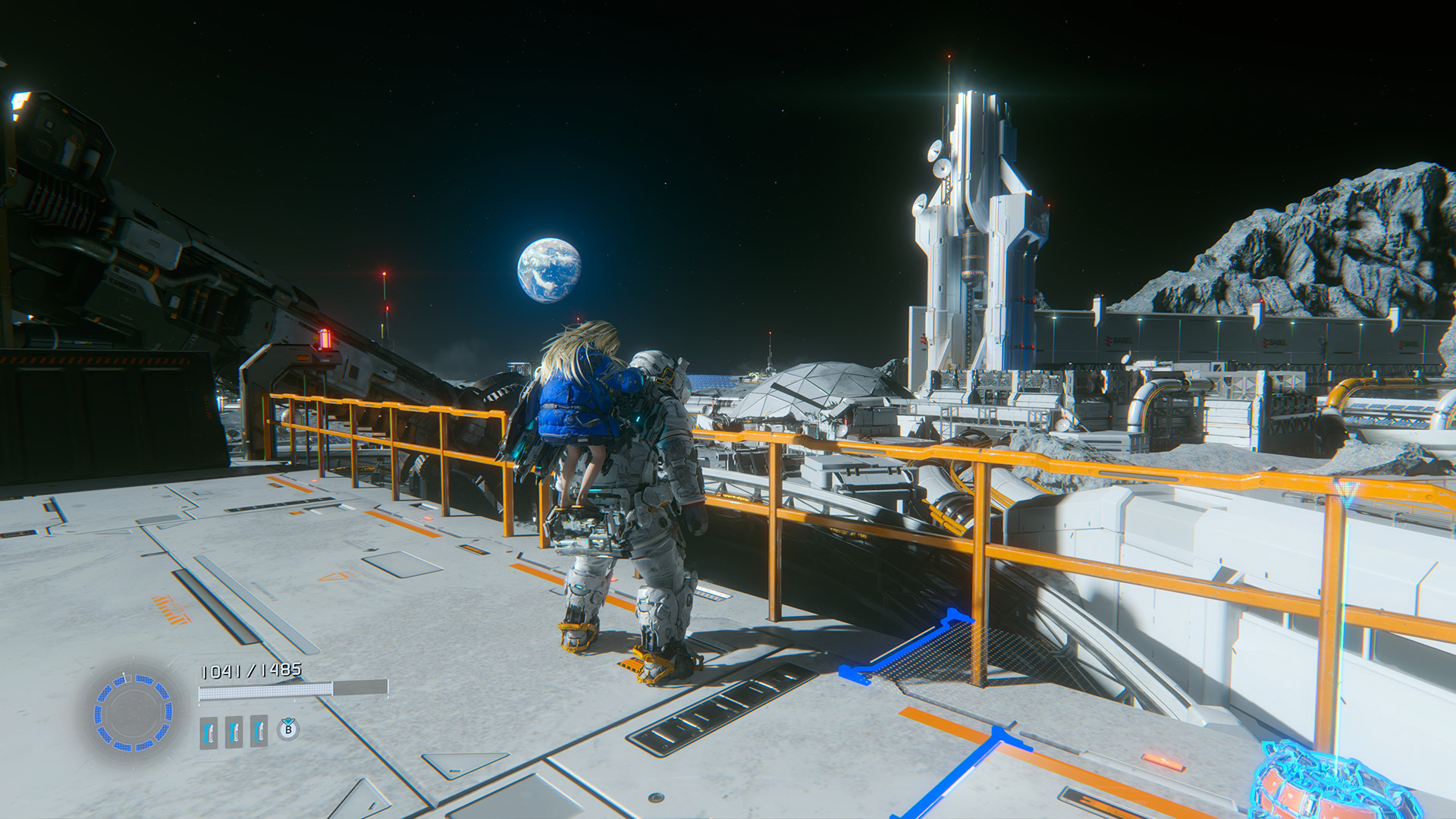
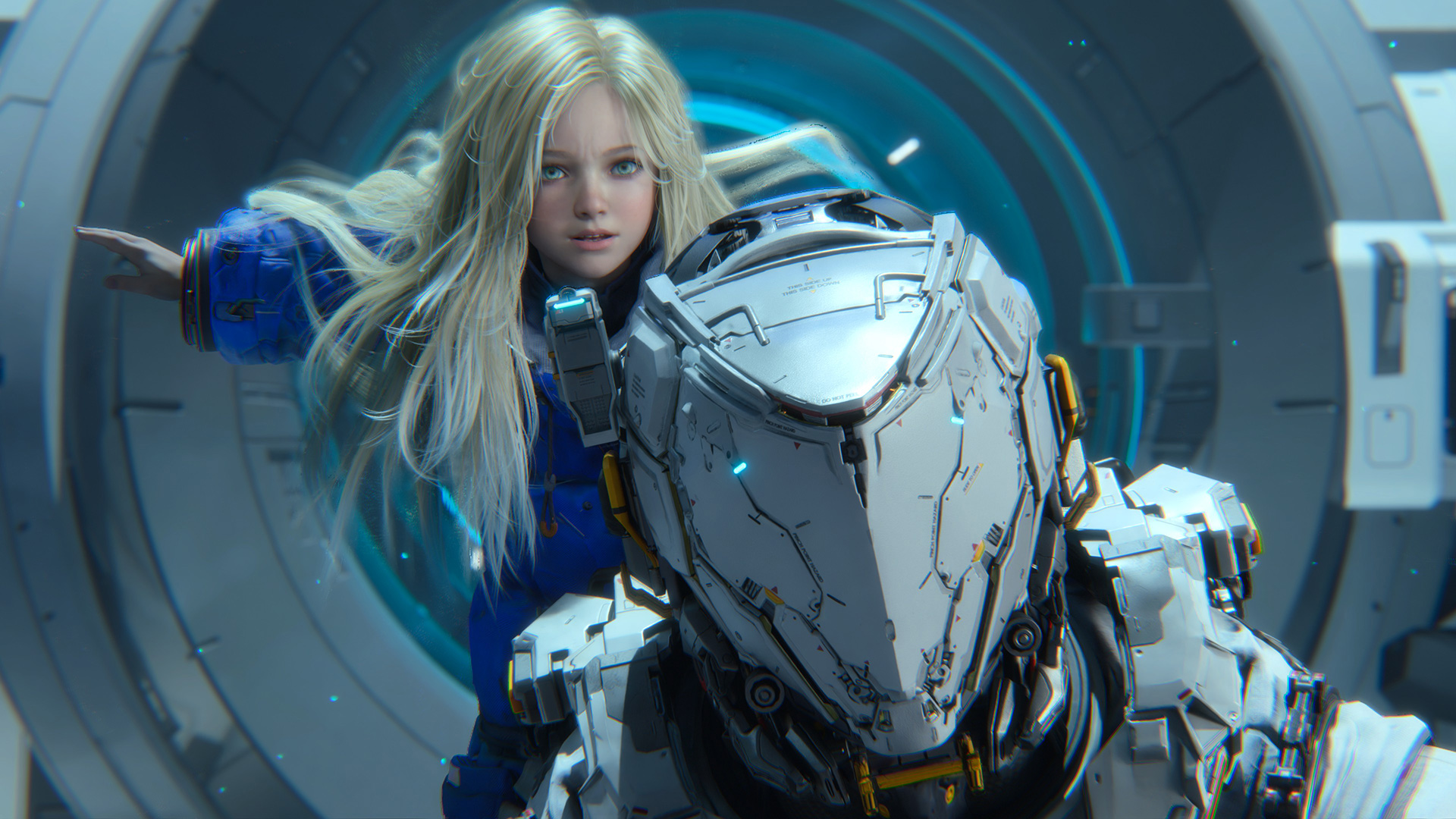
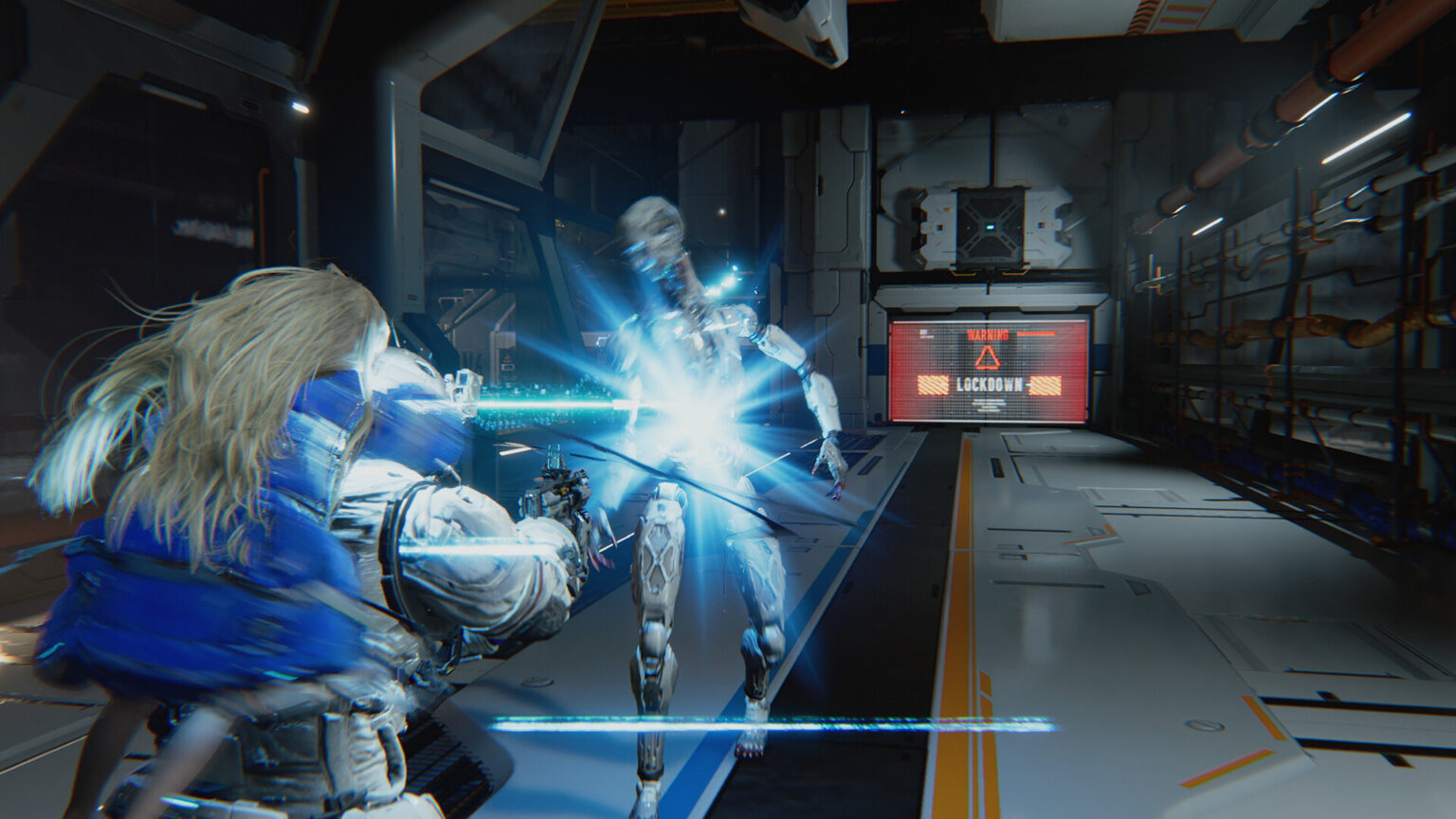
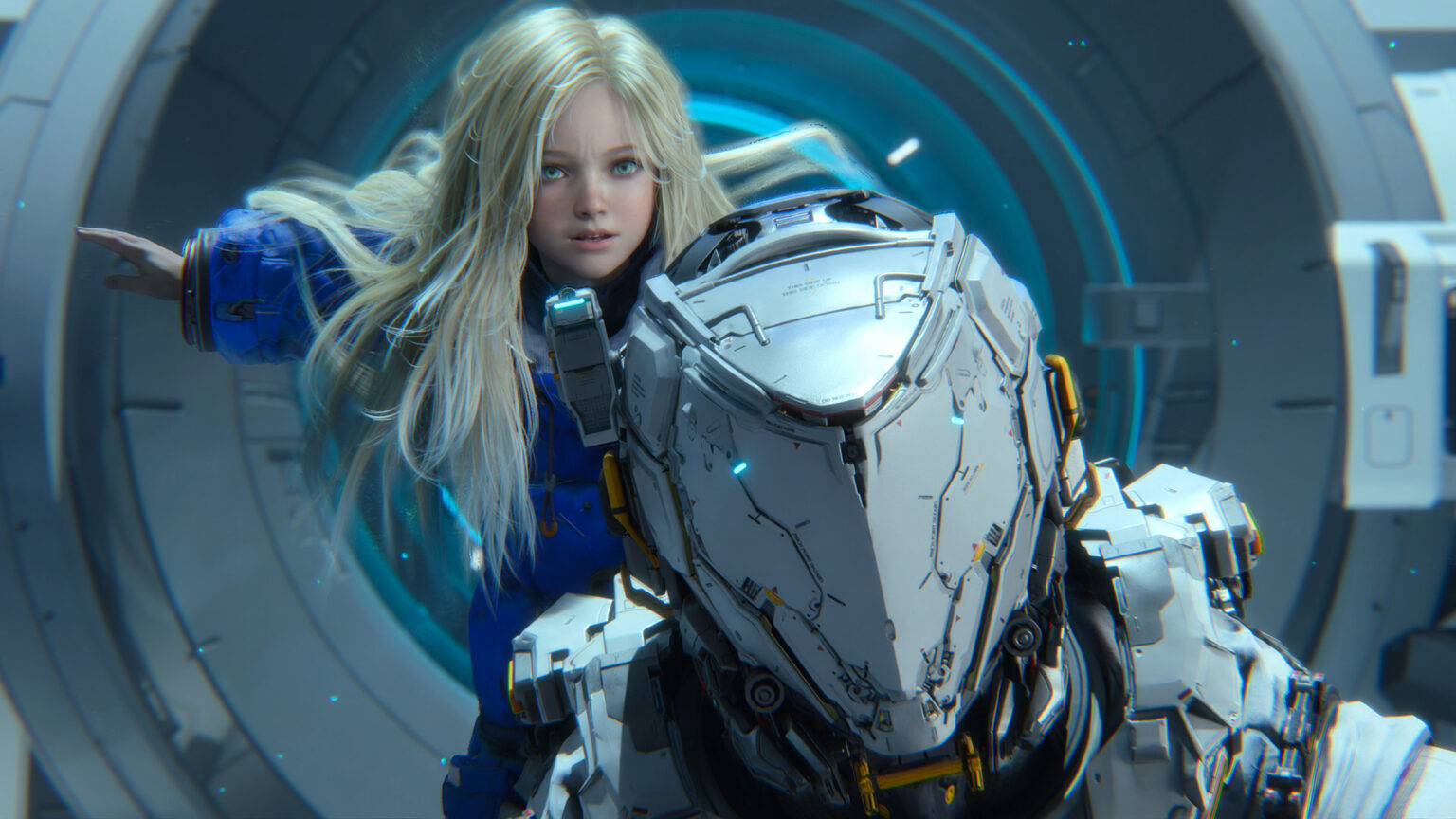
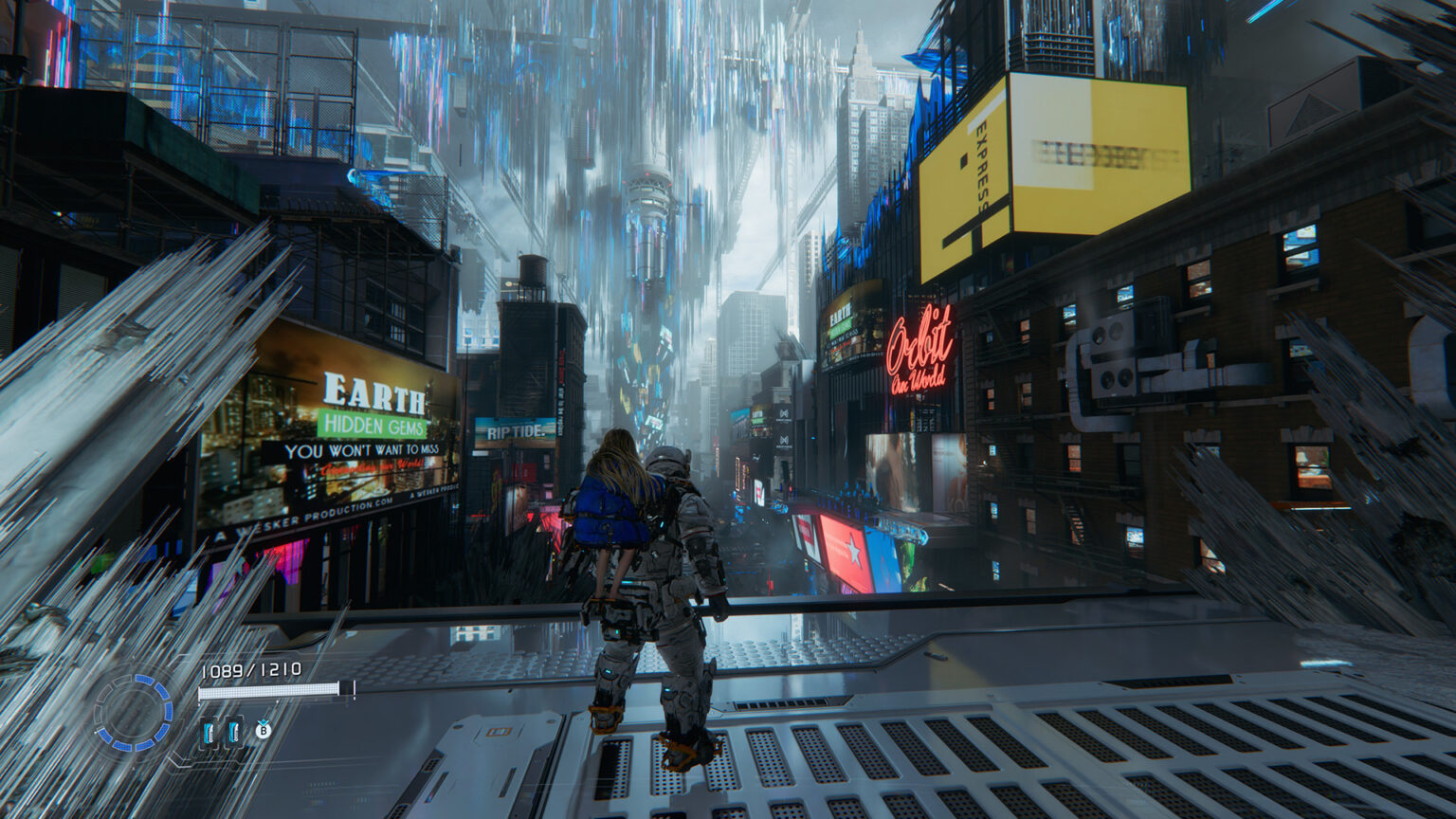
For those unfamiliar with Pragmata, it’s a sci-fi action-adventure game built on Capcom’s RE Engine, where you control astronaut Hugh and his android companion Diana simultaneously as they navigate a lunar research station overrun by hostile AI. Hugh handles movement, shooting, dodging, and platforming while Diana handles the hacking, which is essentially a real-time puzzle layered on top of the moment-to-moment combat. The result is a dual-mechanic system that Capcom has been promising would push your brain to its limits, and it absolutely delivers on that promise. It just takes a little while to get there, which is where my Saros problem came in.
Coming off 25-plus hours of Housemarque’s pristine third-person controls, where every dodge and parry feels weightless and instant, Pragmata initially felt sluggish and slightly clunky by comparison. That’s by design, since Hugh is in a bulky suit on the moon, not a Soltari Enforcer mid-bullet hell, but it still took me a few hours to recalibrate. Truth be told, even by the time I reached the final boss, I still had moments where weapon swaps or dodges felt a half-beat slower than I wanted, especially when the hacking puzzle was demanding my attention. I probably wouldn’t have noticed any of this if I hadn’t played Saros immediately beforehand, but the comparison shaped my early perception of the game. Once I adjusted, though, it stopped being an issue.
Hack to Basics
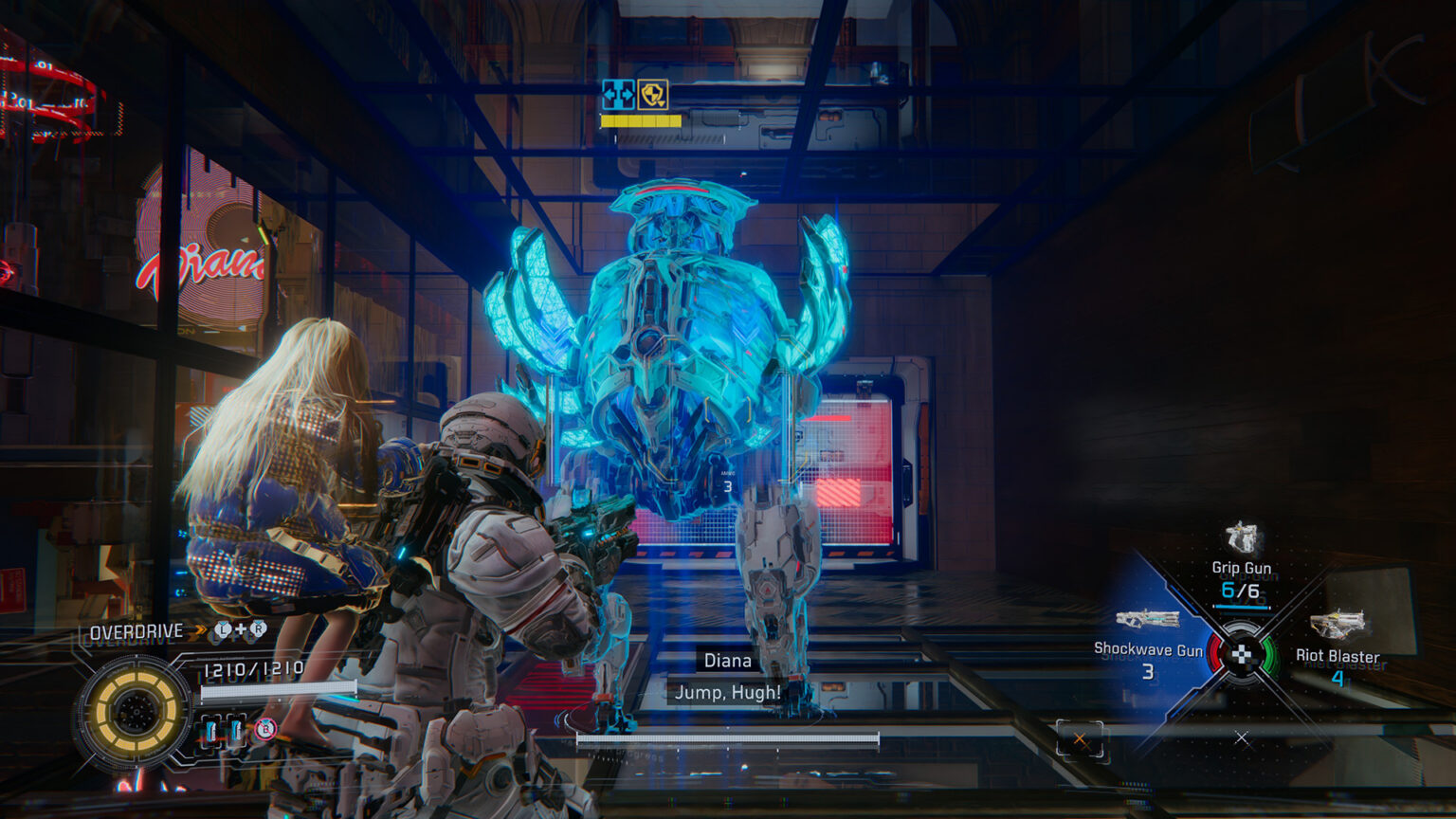
As someone who plays a variety of games, I talk about game feel a lot. There are games where the story doesn’t matter, the itemization doesn’t matter, and the player progression doesn’t matter, because the moment-to-moment gameplay just feels great. Pragmata is firmly in that camp. The hacking-and-shooting hybrid never feels overwhelming, even when the screen is filling up with enemies and Diana’s puzzle grid is throwing complex patterns at you. There’s a rhythm to it that clicks once you stop thinking about it as two separate systems and start treating it as a single layered one.
Hacking itself is essentially a grid of nodes that Diana navigates in real time, and it damages enemies on its own once completed. You could technically take down most foes with Diana alone while controlling Hugh just to dodge incoming attacks. What makes the system click, though, is that hacking also exposes enemy weak points and lets Hugh’s shots do real damage instead of chip damage. The game finds clever ways to layer in new wrinkles to keep things interesting, and none of them feel cheap. They feel like organic extensions of a system that just keeps revealing more depth as you go.
Honestly, the balance between the two systems is what makes the whole thing work. Hacking on its own would be tedious, and shooting on its own would be repetitive, but combined they create a flow state where your brain is doing two things at once and somehow not getting overwhelmed. It’s the kind of mechanic where, halfway through the game, I caught myself wondering why nobody had tried this exact combination before. It’s such a clean idea, and Capcom pulls it off with the kind of polish you’d expect from one of the most consistent AAA developers working today.
First Contact
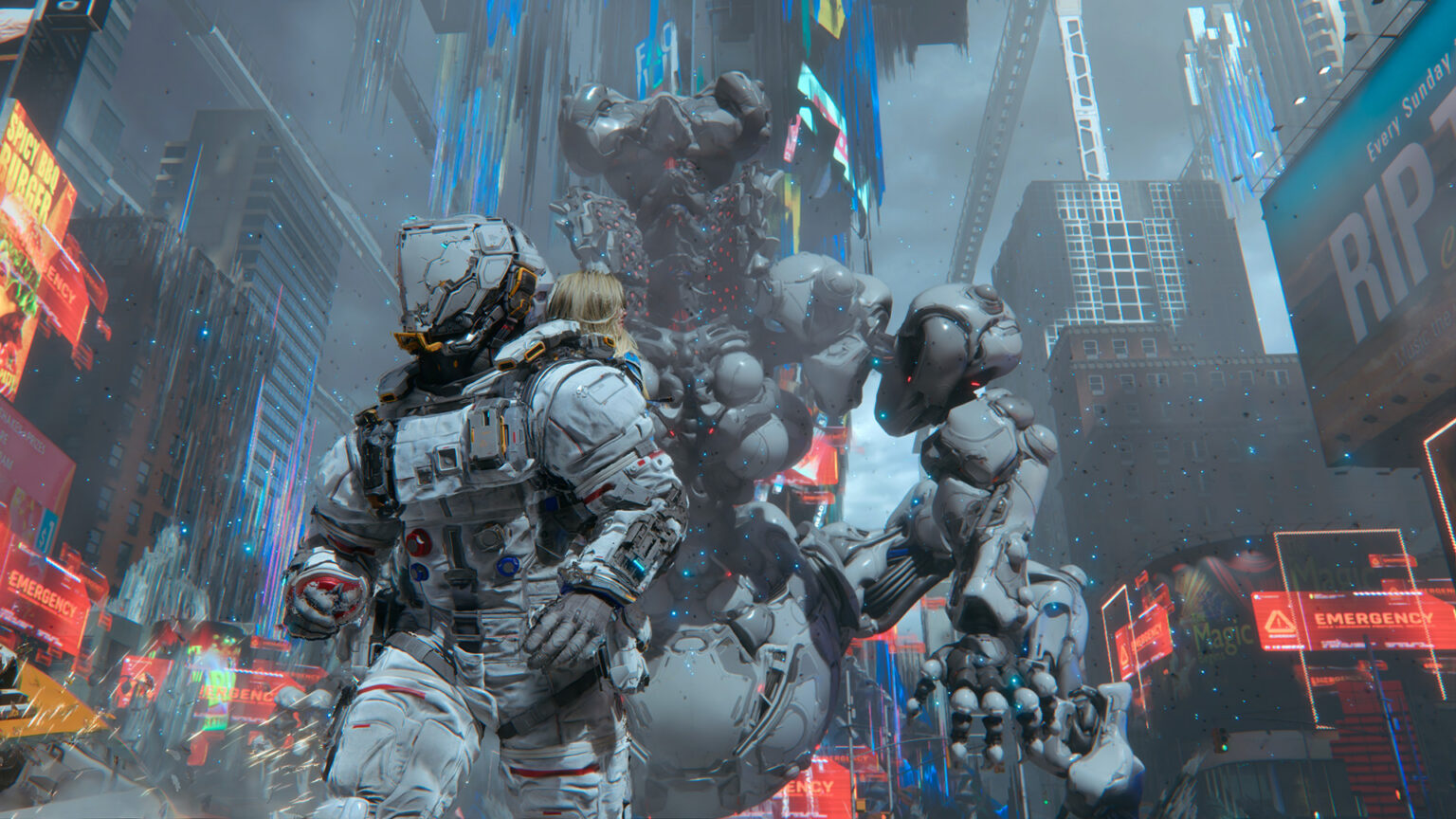
What’s brilliant is that Pragmata never gives the mechanic time to get old. Just when I’d think I’d mastered the current loop and it was about to settle into something repetitive, the game would drop a new variable on me. A new enemy type that forces a different approach. A new environmental mechanic that changes how you move through encounters. A boss that recontextualizes everything you’ve been doing. The timing is almost suspiciously good. It feels like the developers identified the exact moment players might start to get bored, then dropped a new wrinkle right in front of them.
The 13- to 15-hour runtime is a huge part of why this works. I rolled credits in about 15 hours with some side content along the way, and the game ends exactly when it should. There’s plenty of post-game content if you want to chase completionist goals, but the main experience is a tight, contained narrative that respects your time. We’re at a point where most AAA games feel obligated to pad themselves into 40- and 50-hour epics, even when the story and mechanics don’t justify it, and Pragmata bucks that trend in a refreshing way. It’s the kind of single-player adventure I always say I want more of, and Capcom actually delivered.
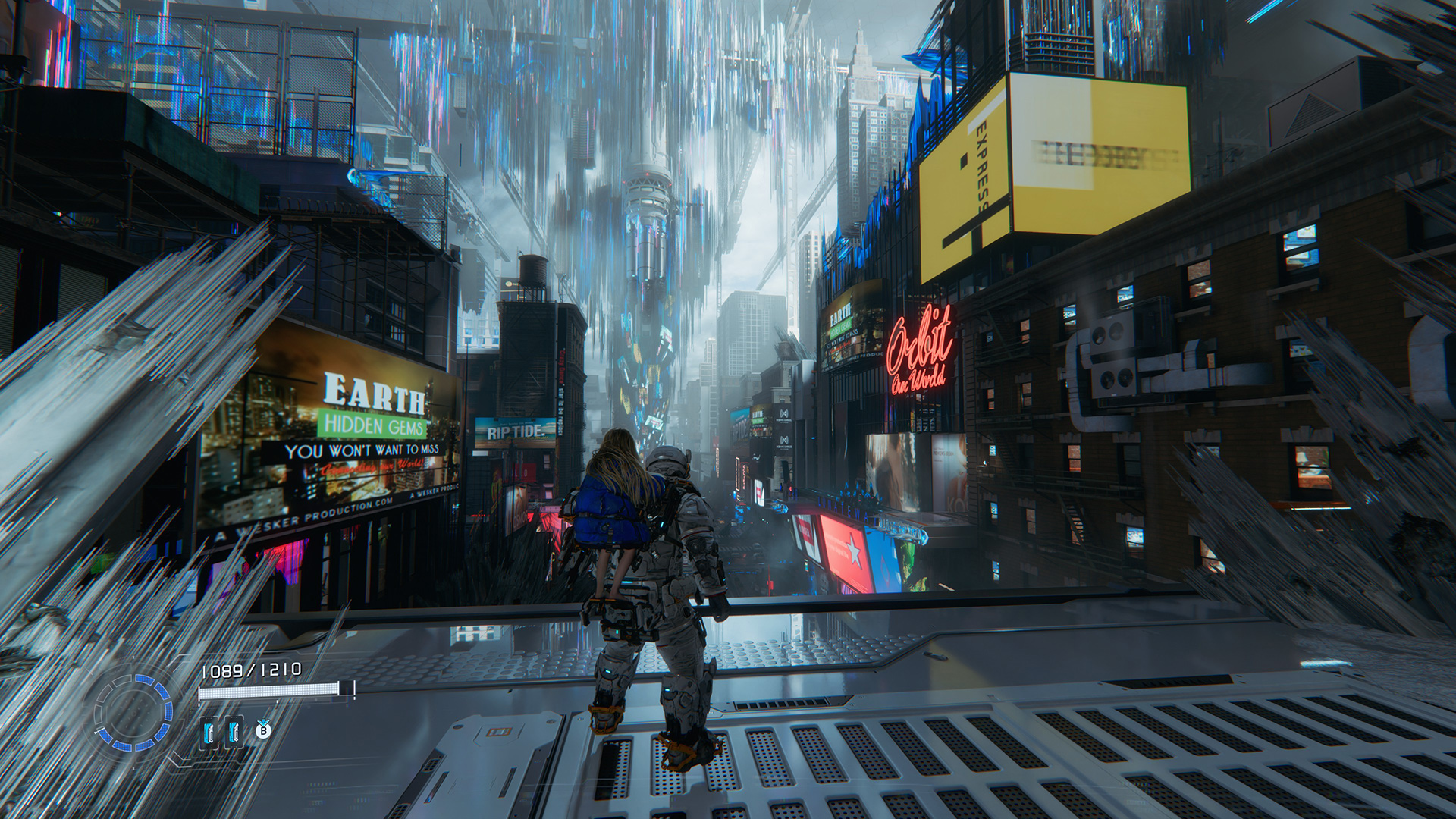
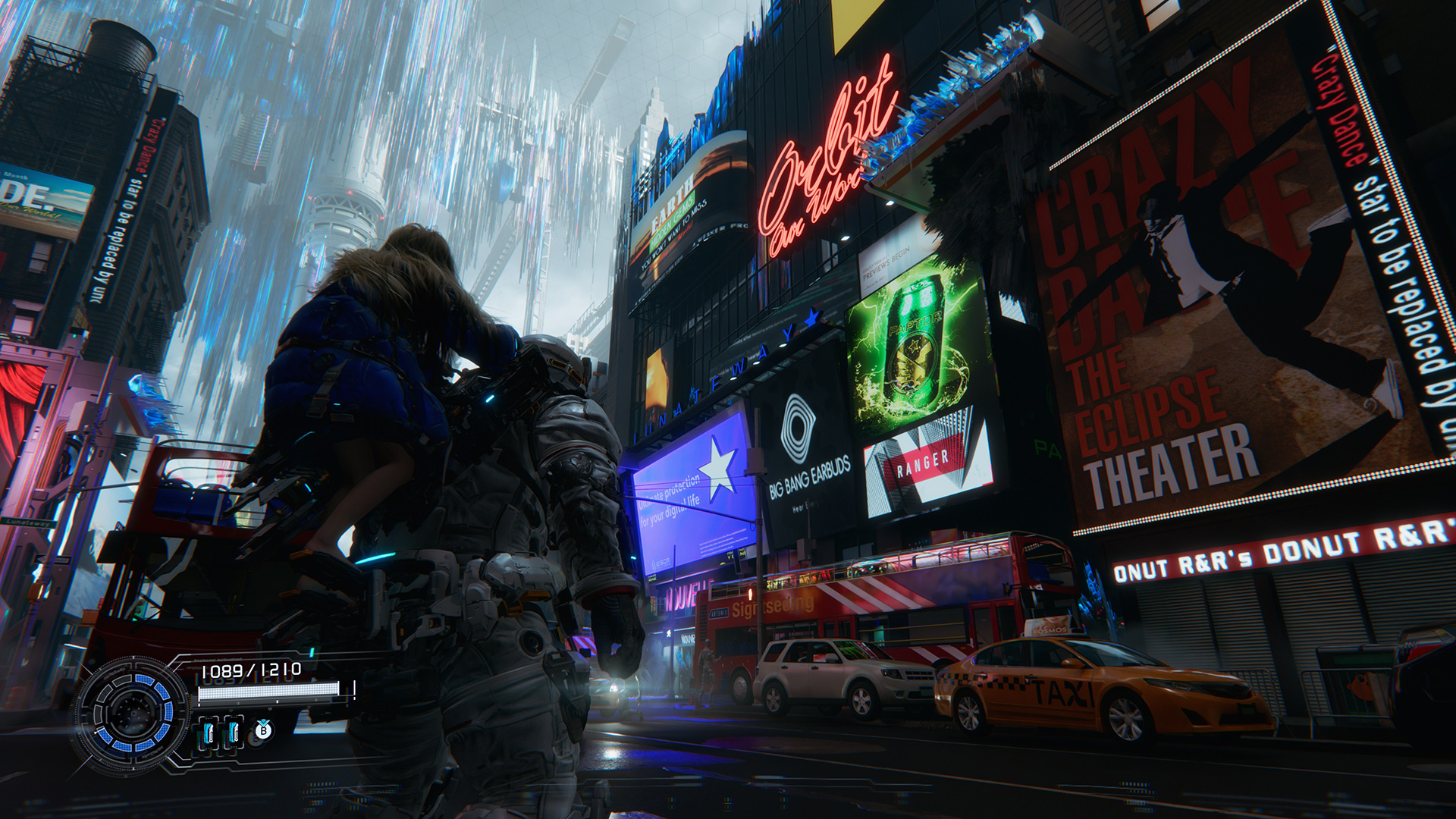
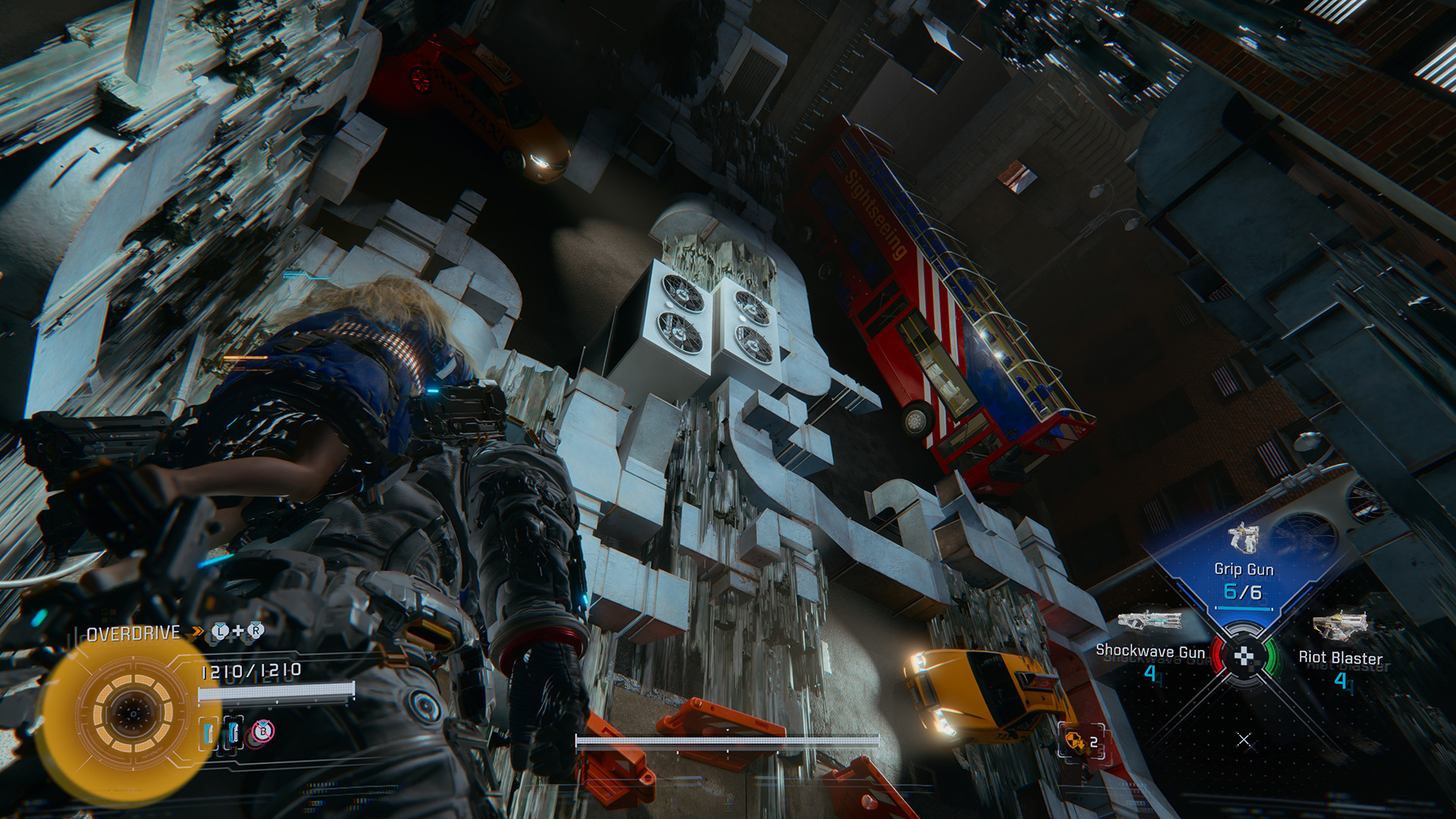
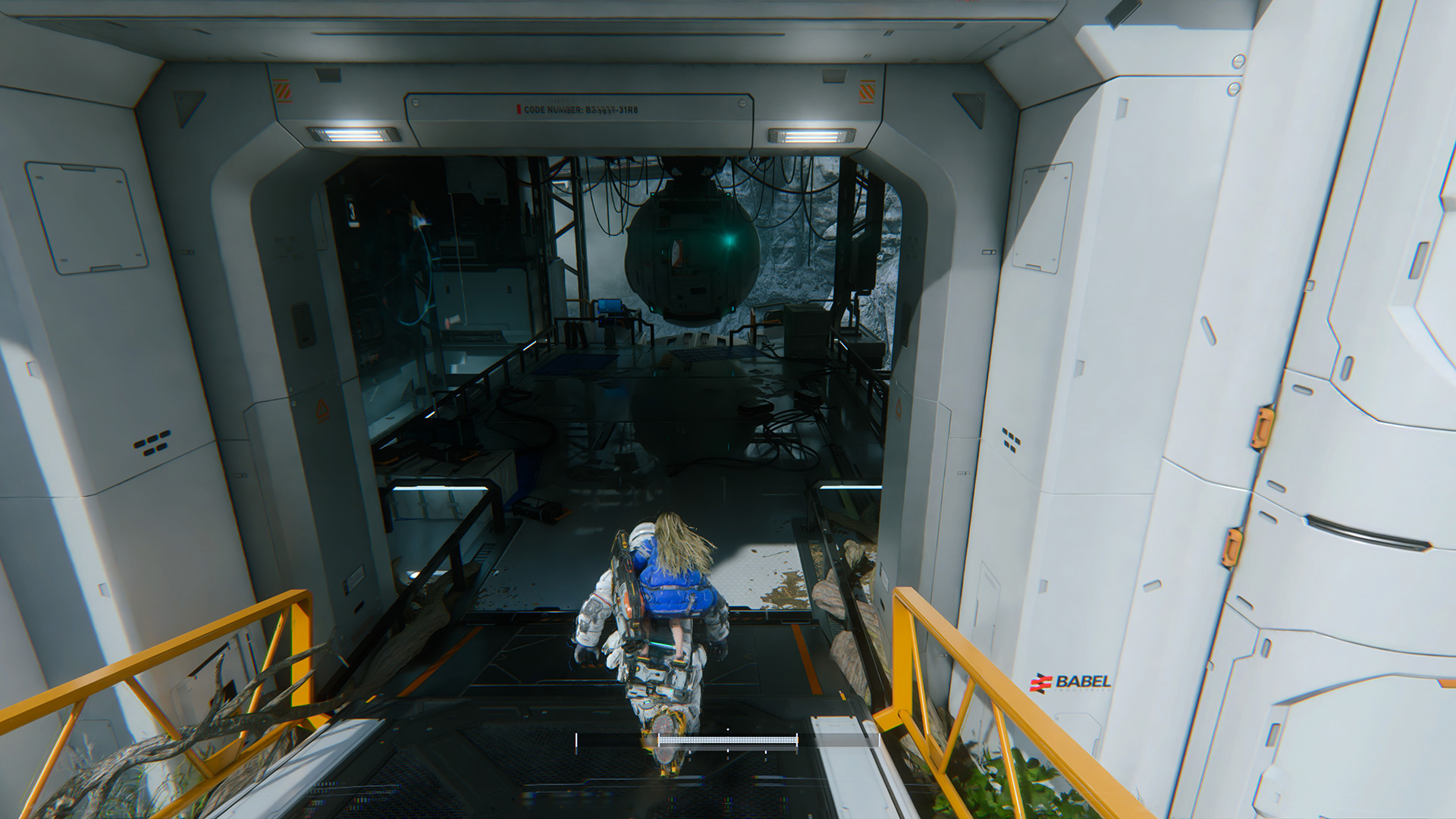
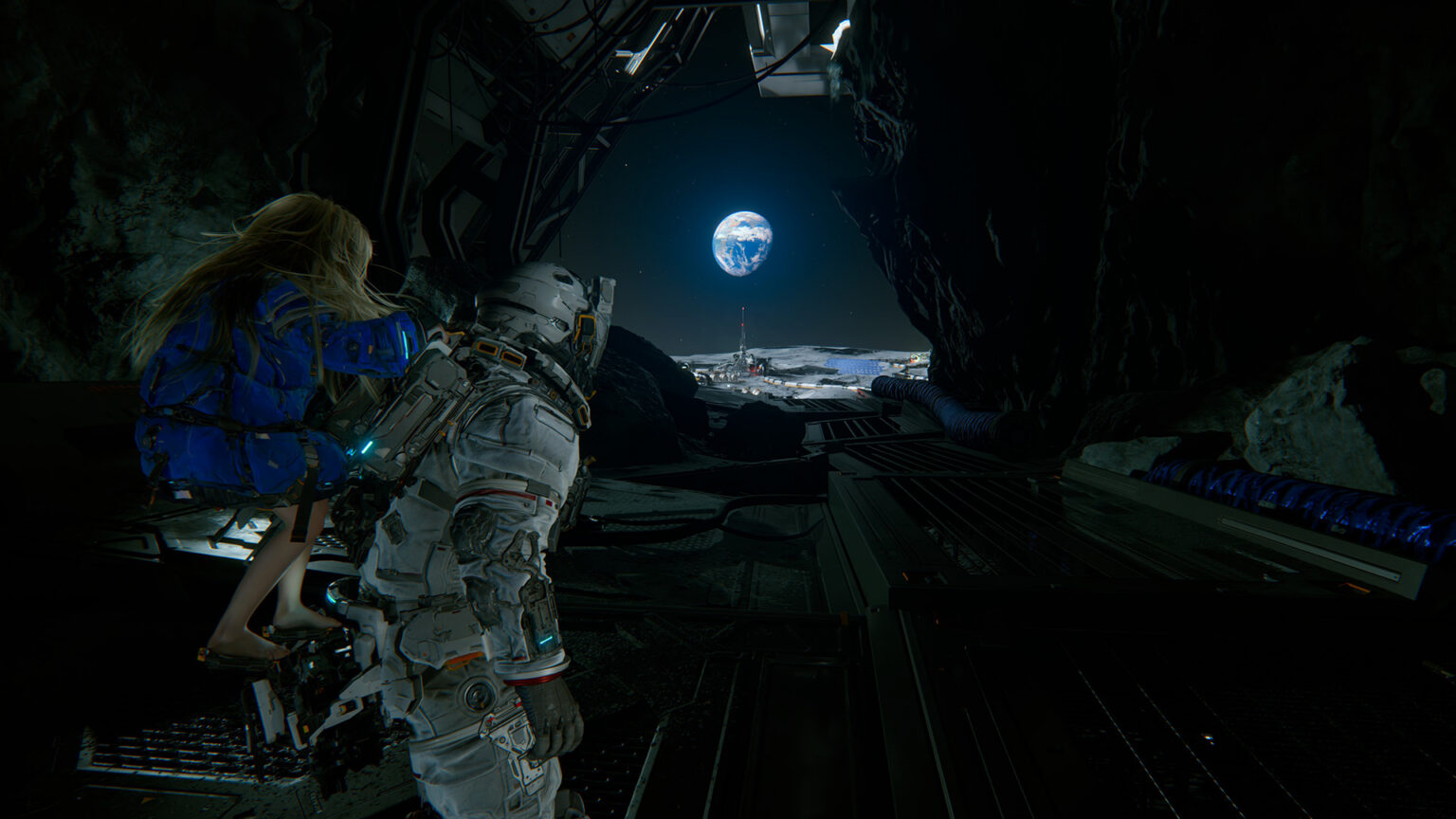
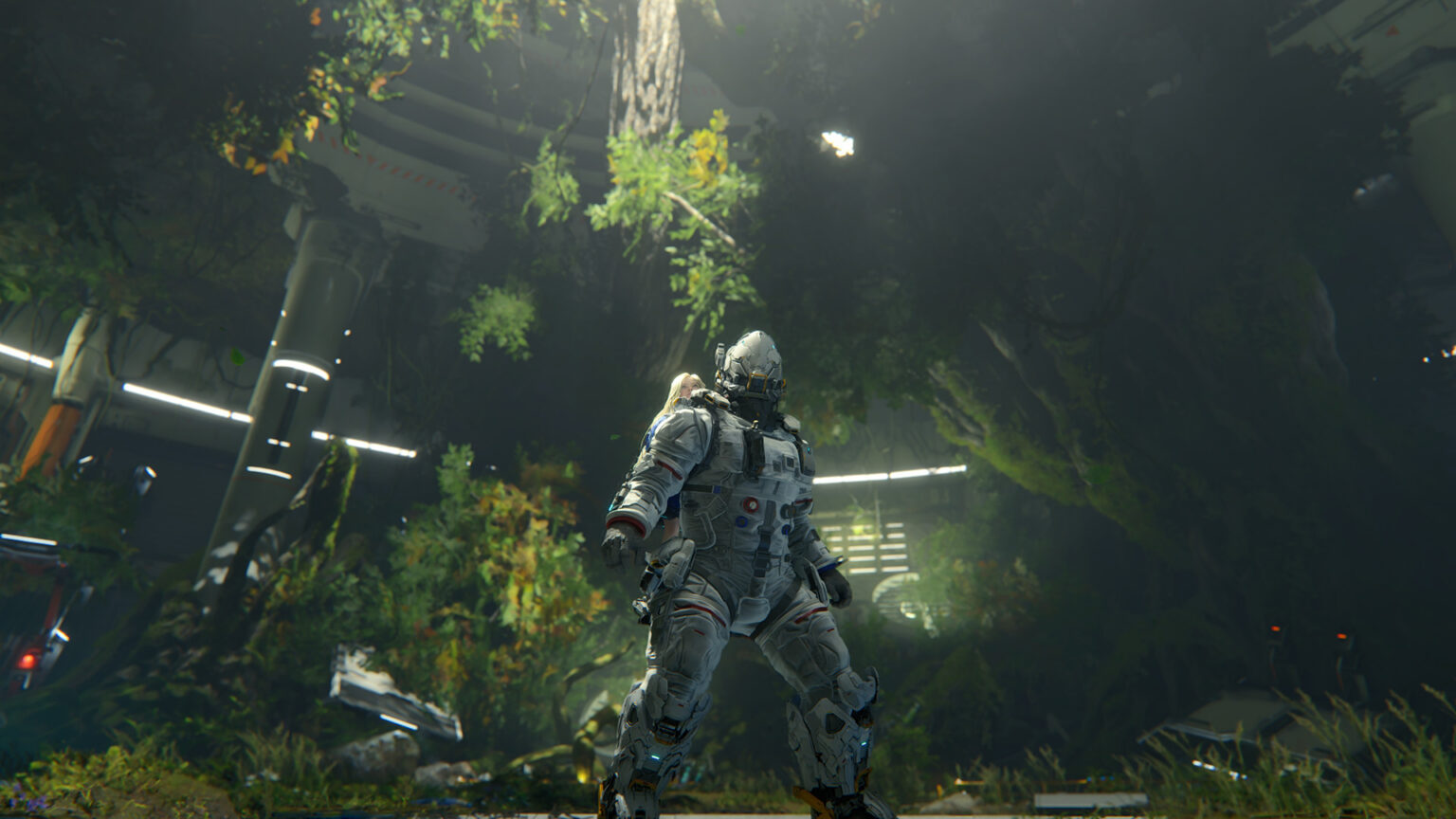
Variety is the other piece. For a 15-hour game, the enemy roster is surprisingly deep, and the environments shift enough to keep things visually fresh. Some of the late-game areas are honestly breathtaking on PC with everything cranked up. The individual level designs aren’t necessarily what you’ll remember once the credits roll, but the cumulative effect of moving through this lunar facility and watching its secrets unfold is the kind of thing that sticks with you.
Crack the Code
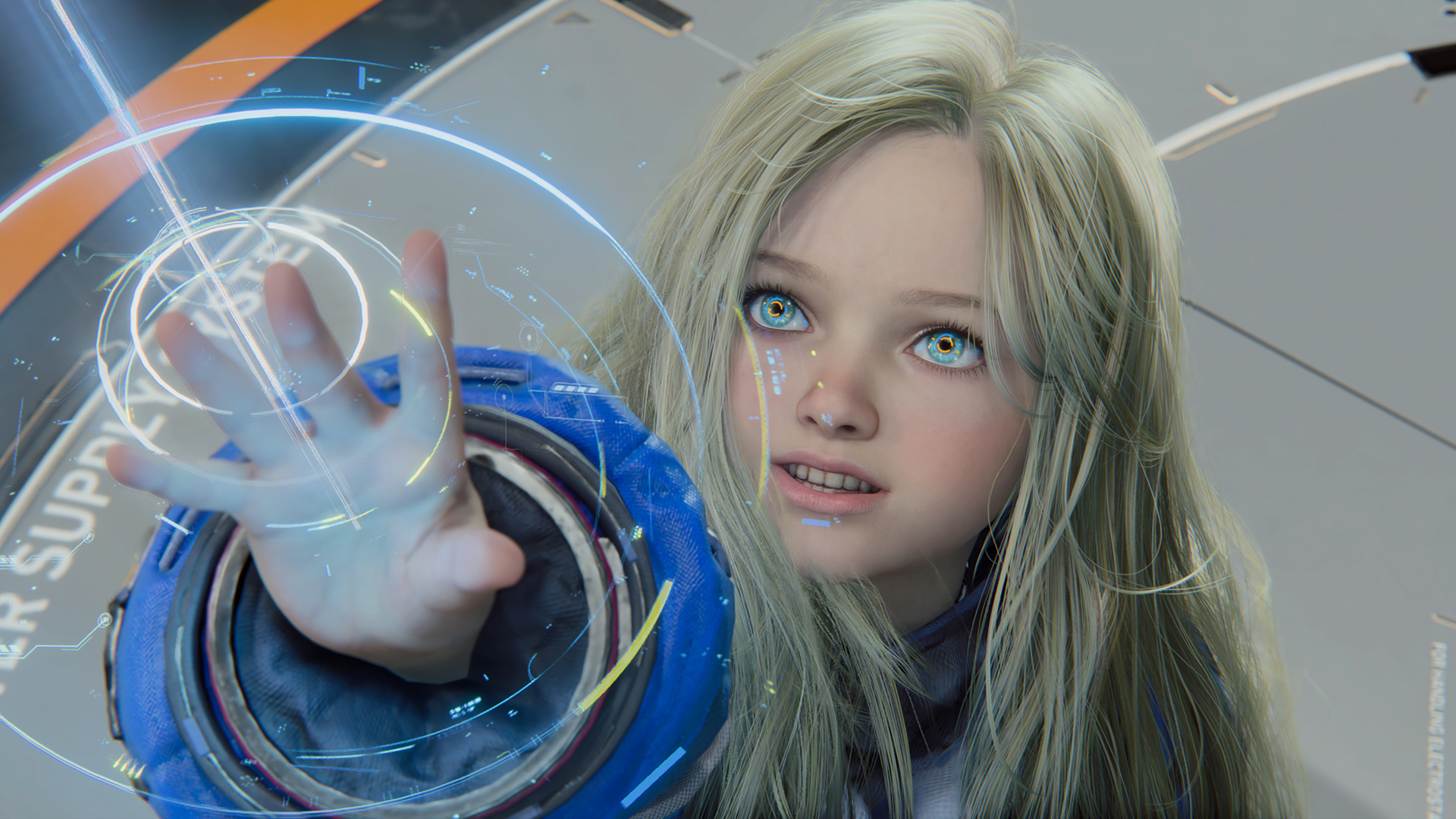
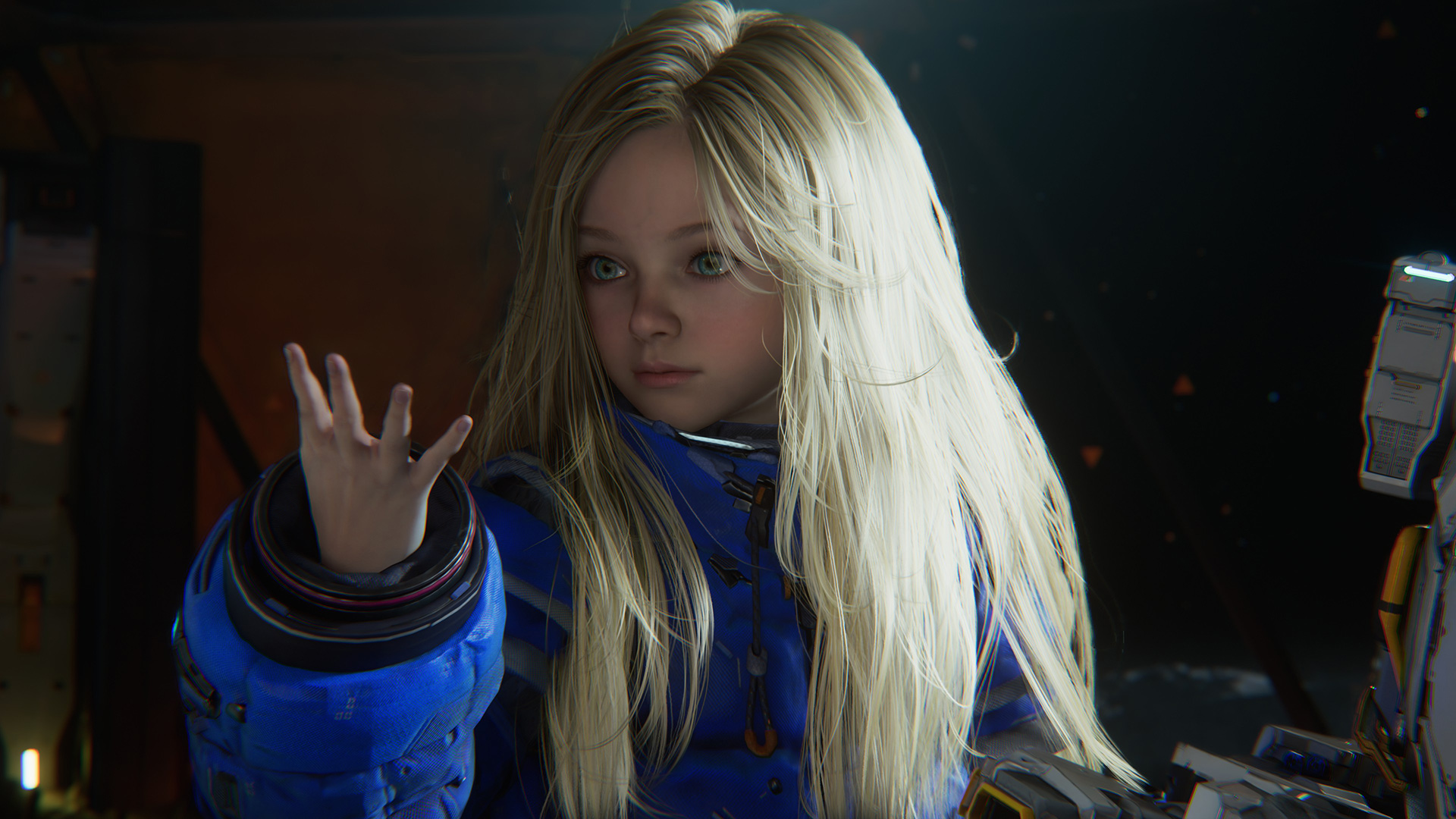
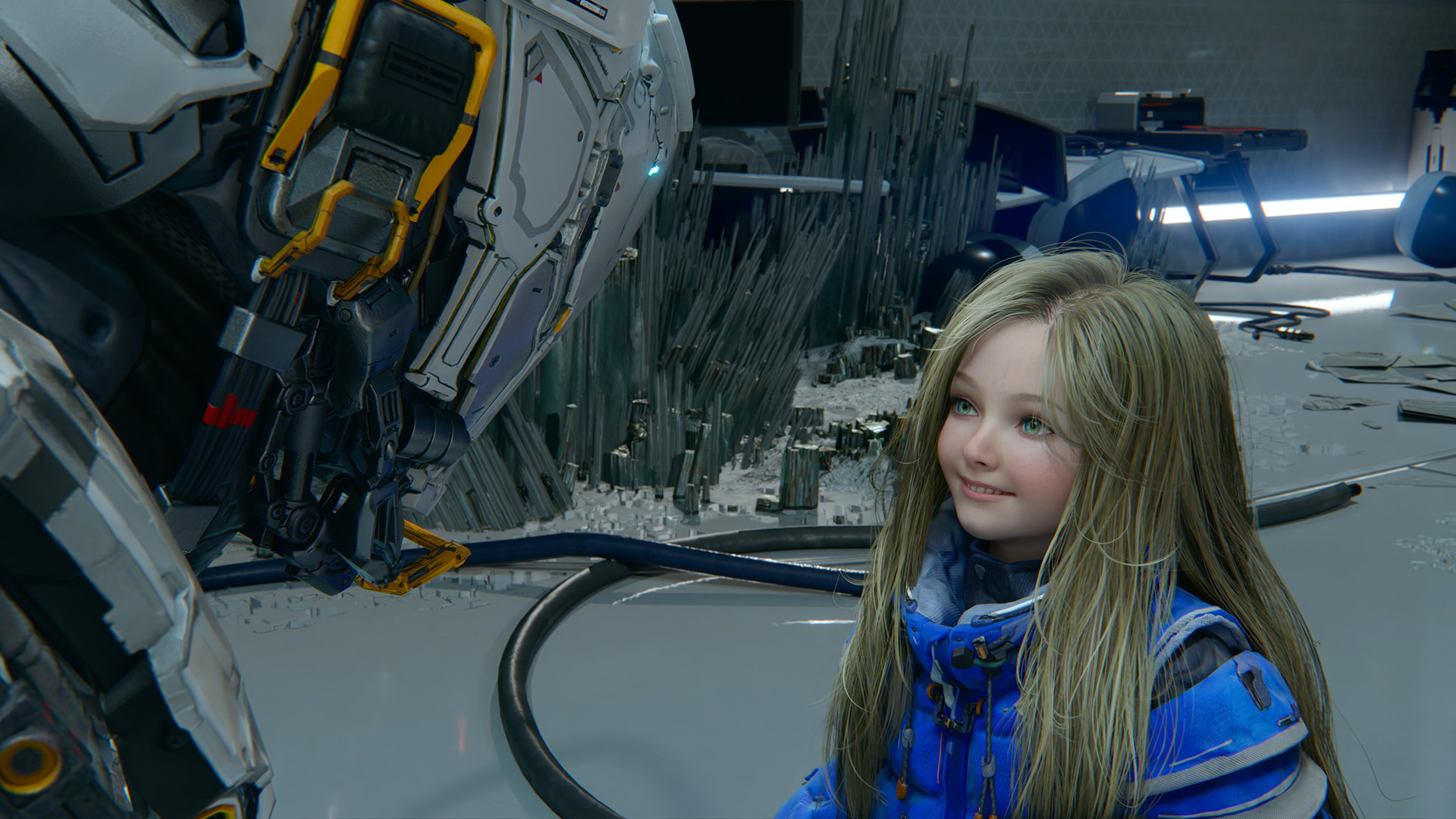
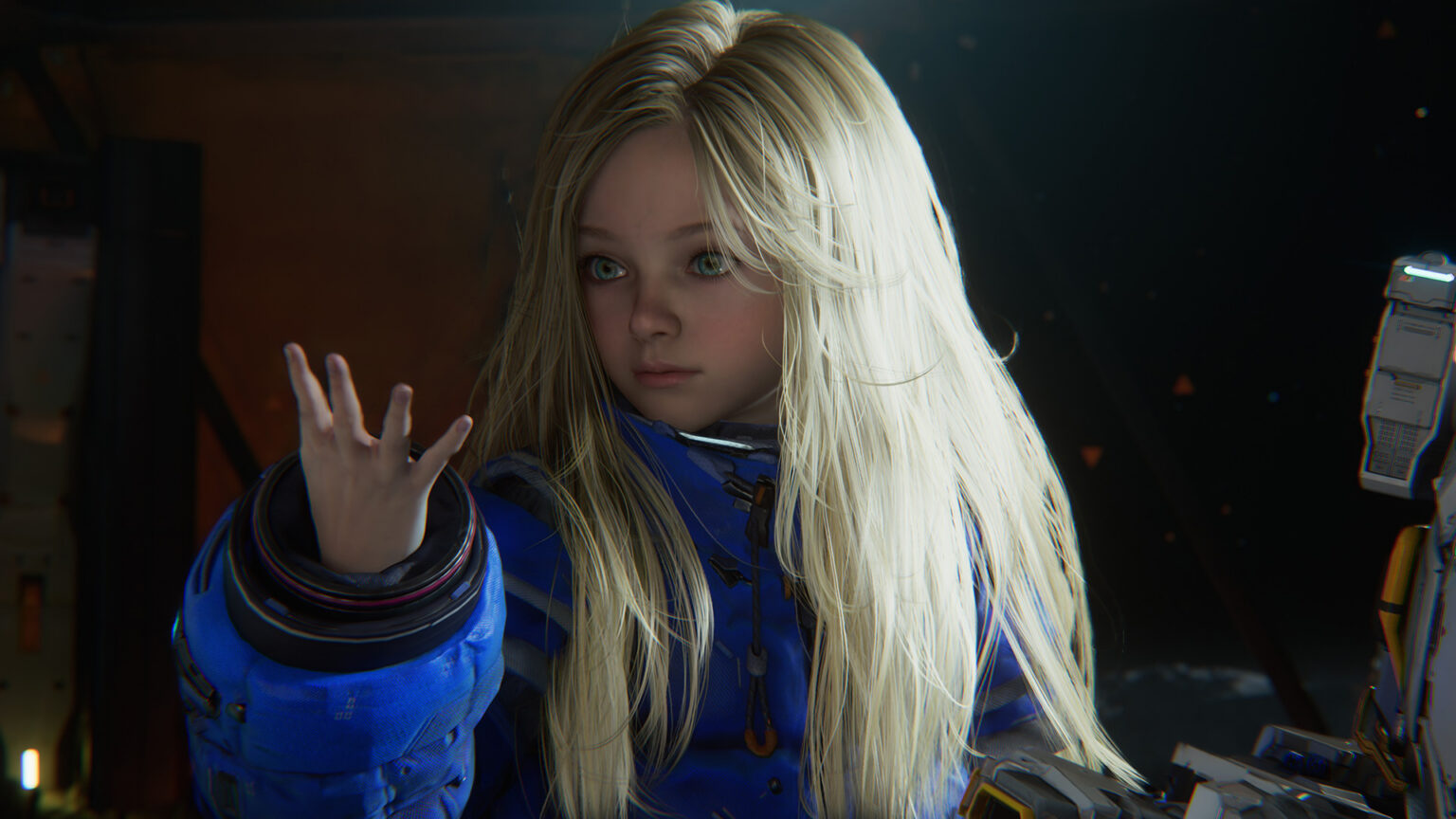
Personally, I don’t feel like the story is anything groundbreaking. You can see most of the plot beats coming from a mile away, and the broad strokes of a human and android forming an unlikely bond in a hostile environment have been done plenty of times before. What makes Pragmata’s story land is the execution. The dialogue is basic but well written, the voice acting is excellent across the board, and Diana, in particular, is a charming character. There’s a tendency in games like this for the child-coded AI companion to come off as cringeworthy, but Pragmata mostly avoids that trap. Diana feels like a believable depiction of a robot trying to process the world through a child’s perspective, with the occasional dry observation that’s surprisingly funny.
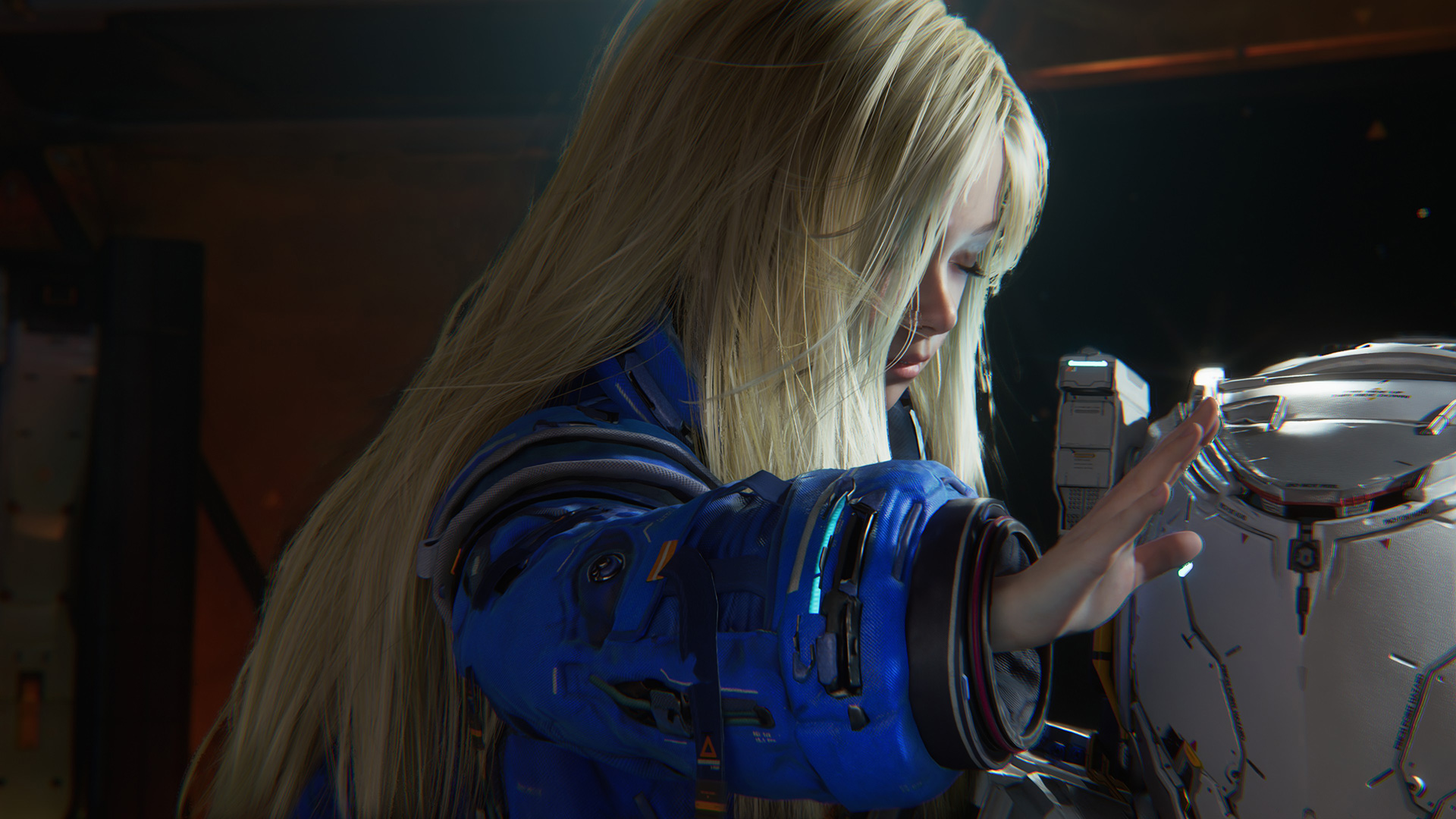
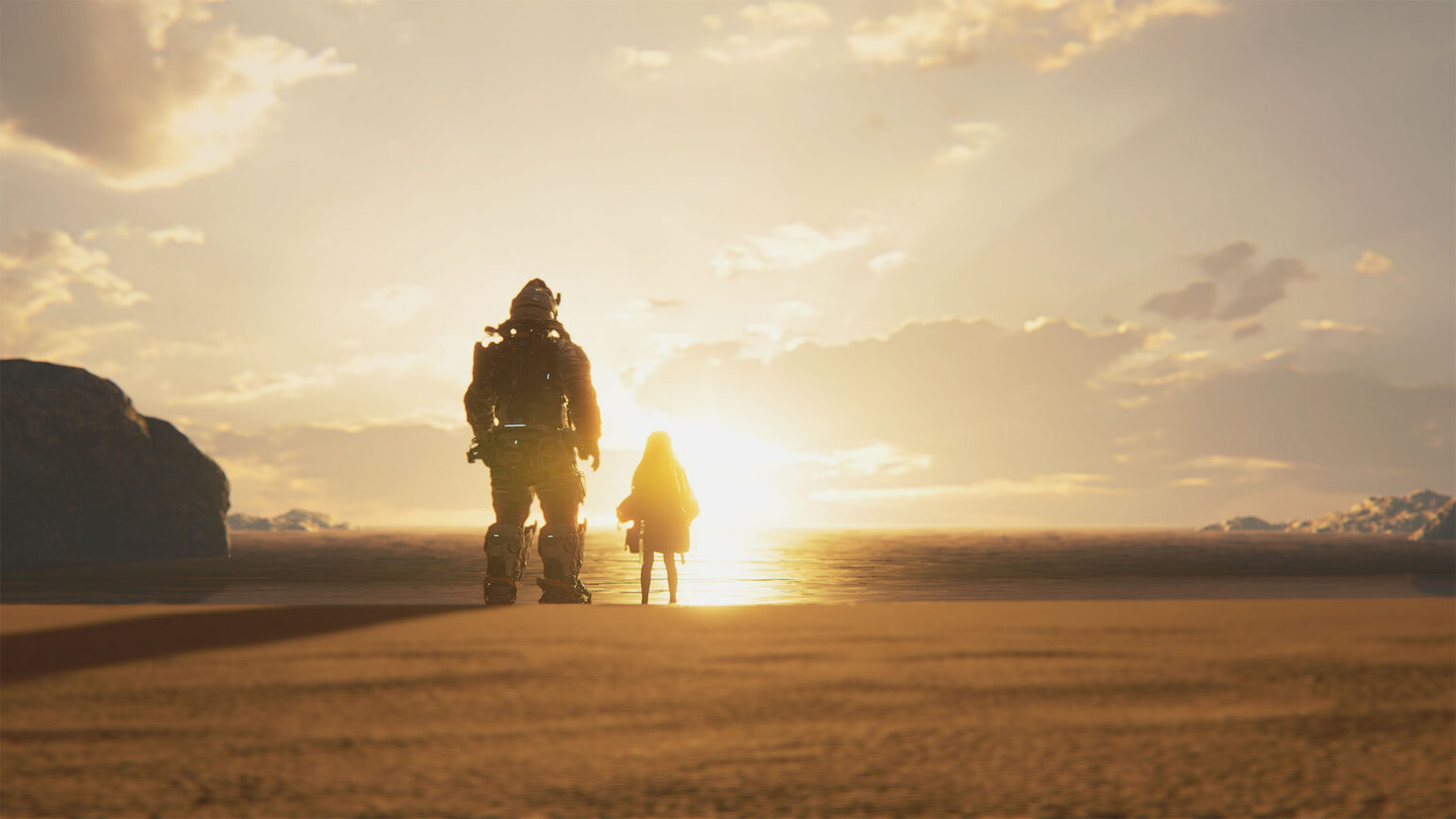
There were several moments where I caught myself smiling at the Hugh and Diana banter, which is not something I expected going in. Hugh plays the gruff astronaut just enough to make Diana’s curiosity hit harder, and the writing does a great job of letting their bond grow naturally over the course of the campaign. None of this is revolutionary storytelling, but it’s executed so cleanly that it works anyway. By the time I rolled credits, I cared about both characters in a way I didn’t expect from a game I almost skipped.
It also helps that the game doesn’t waste your time with unnecessary exposition or hand-holding. Speaking of hand-holding, I really appreciated that Pragmata trusts you to solve its puzzles without Diana constantly chiming in with hints. It would have been so easy for the game to fall into the same trap as God of War Ragnarök or Horizon Forbidden West, where every puzzle is interrupted by a character spelling out the solution before you’ve had time to think about it. Pragmata’s framing actually makes that style of hint-giving more believable, since Diana is right there with you the whole time, but the developers wisely chose to let you figure things out for yourself. I got stuck for maybe a minute or two on one specific puzzle late in the game, and I appreciated that the game didn’t start yelling at me about it.
Parental Controls
For all the praise I have for Pragmata’s mechanical foundation, I do think the difficulty curve could use some work. The boss fights are uniformly excellent in design, where each one feels like a true test of both halves of the combat system, but the actual challenge level doesn’t ramp up much over the course of the campaign. If anything, it feels like the game gets easier in the second half, though that could just be me getting better at it. I went into the final boss having died exactly zero times across the entire campaign, and then proceeded to die three times trying to learn its patterns. It’s a great fight that brings together every mechanic the game has taught you, but the spike in difficulty from everything before it is jarring. I wish Capcom had spent more time ramping up the second half so the final boss didn’t feel like such a stark departure.
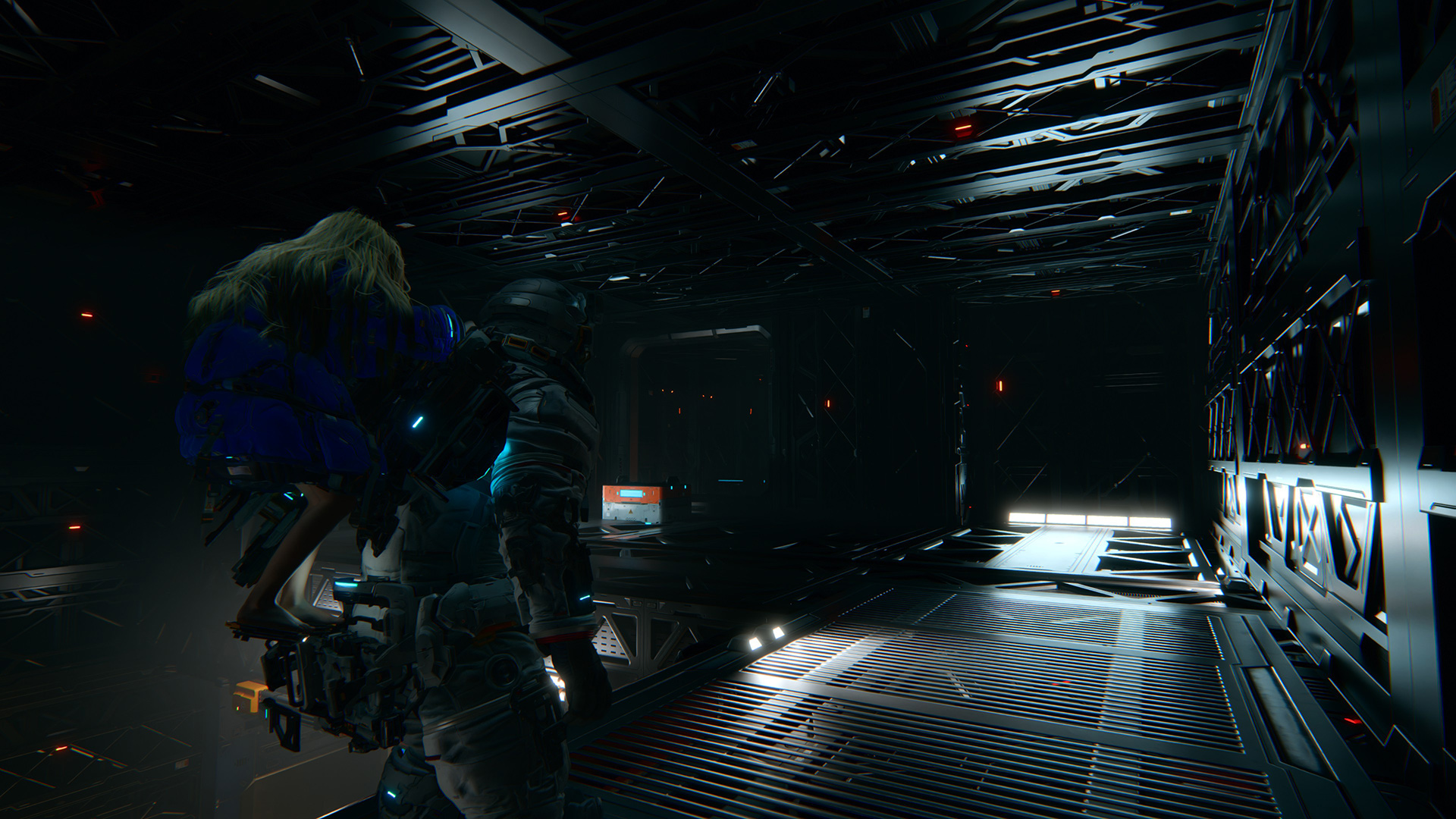
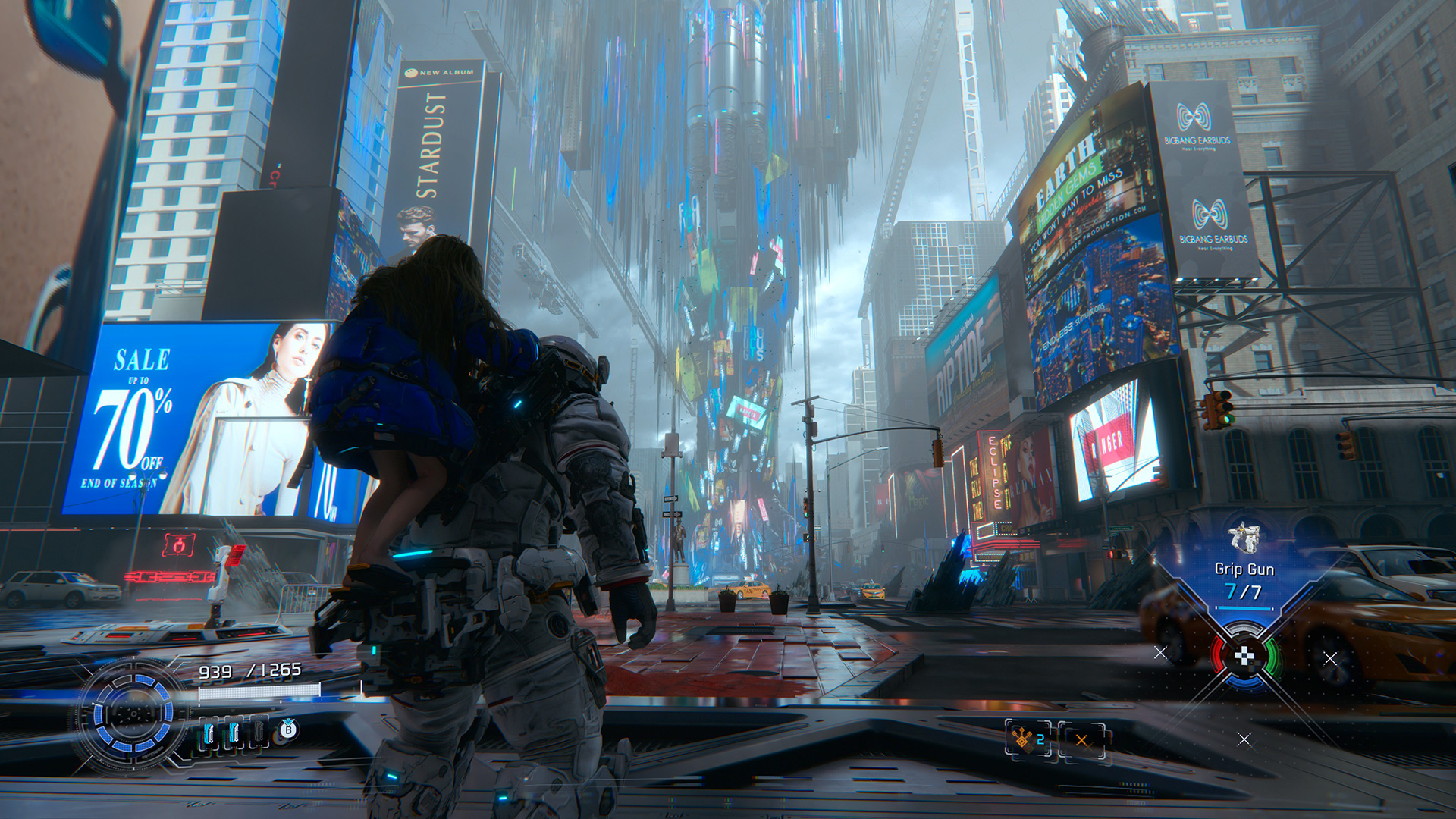
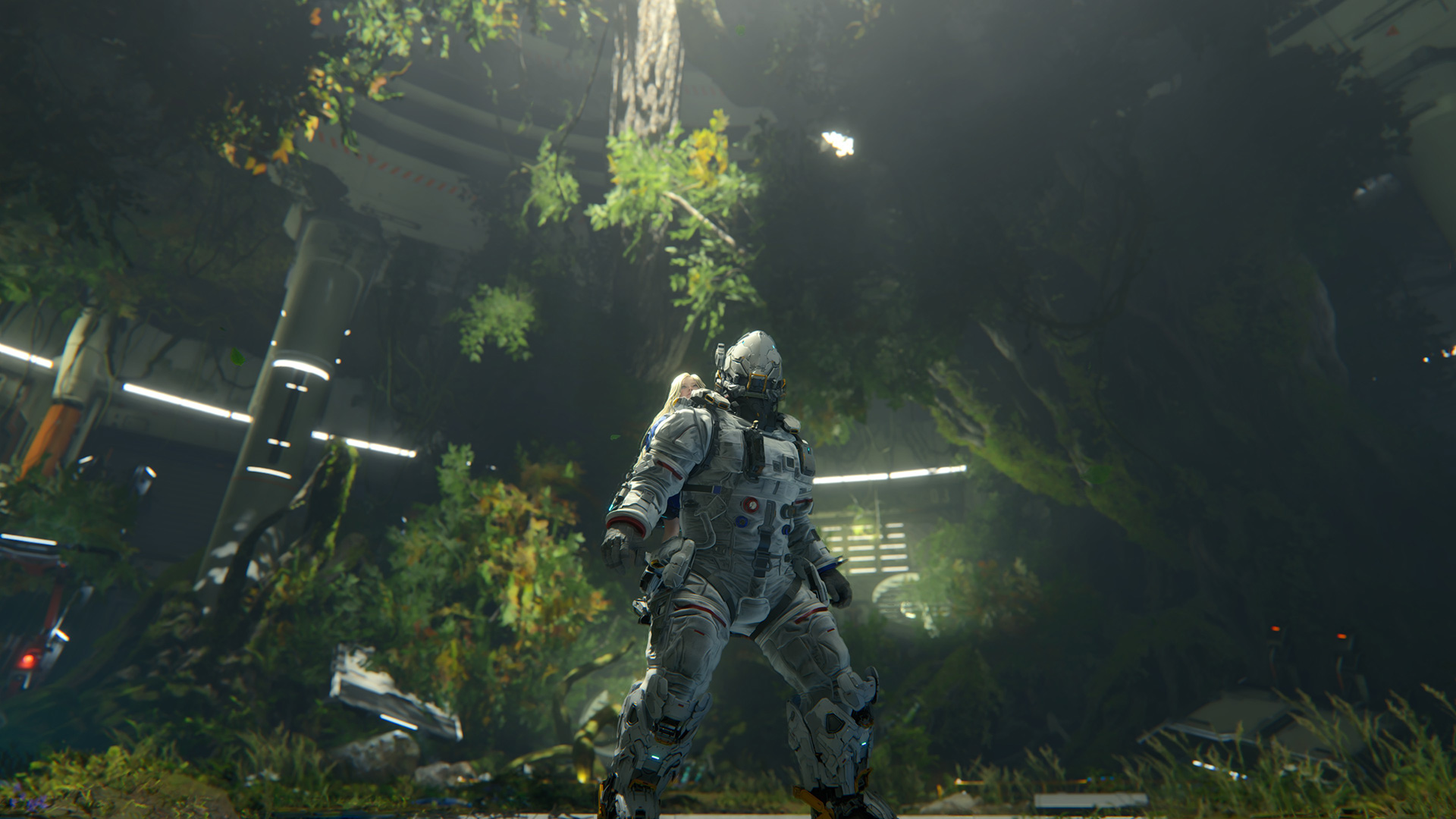
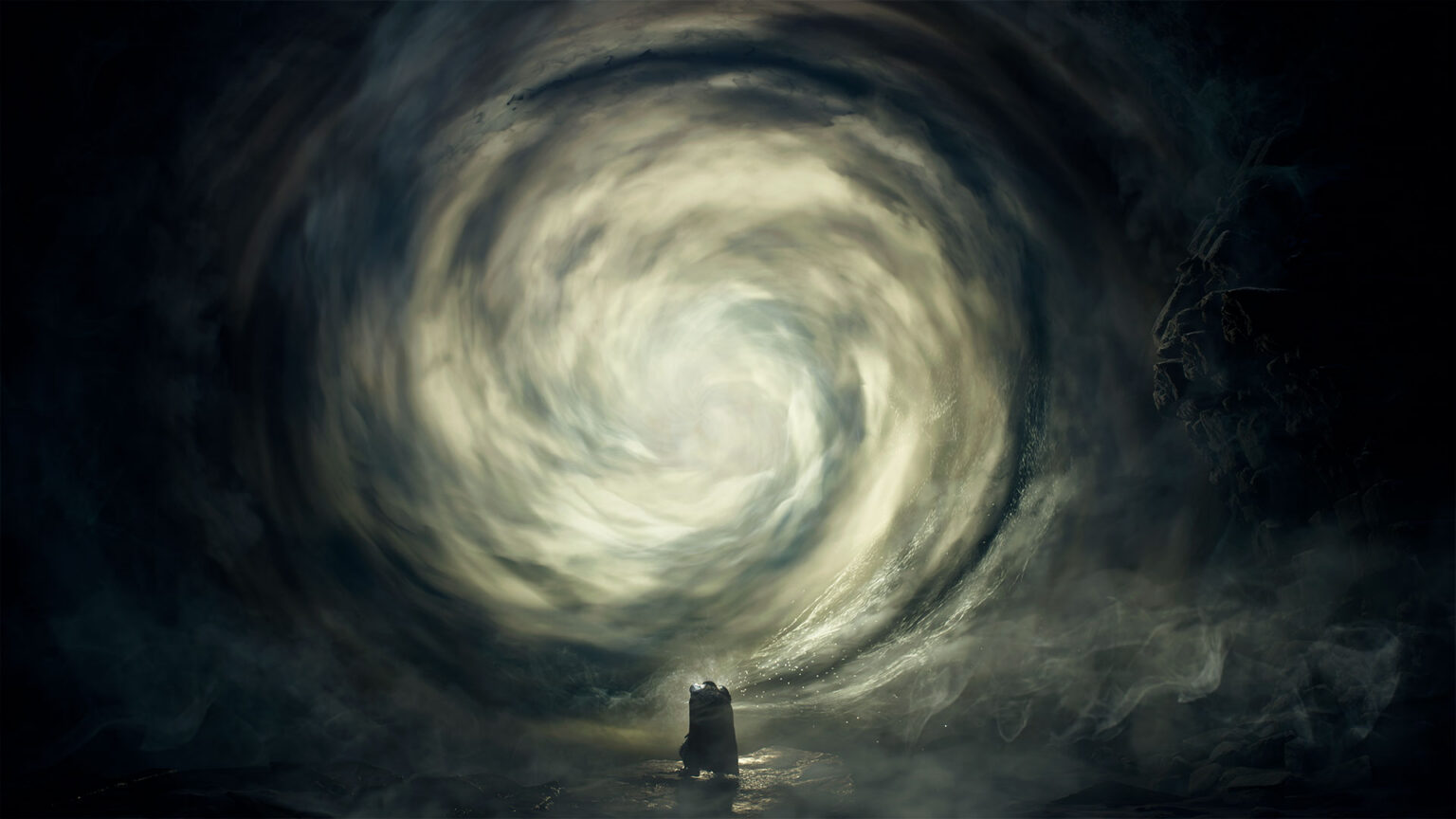
The other rough spot on PC is technical. I ran into five total crashes across my playthrough. Fortunately, all of them came during transitions, so I didn’t lose any progress. I’m not 100 percent sure what caused them, but I suspect it was related to having path tracing enabled, since the crashes stopped after I turned it off in the back half of the game. Path tracing makes Pragmata look stunning, especially in some of the more atmospheric lunar facility sections, so it’s frustrating to have to trade that off for stability. I’m hoping Capcom patches this soon, because Pragmata at maxed-out settings is one of the better-looking games on PC right now, and you do want to experience it that way if your rig can handle it.
Neither of these is a dealbreaker. The difficulty curve is mostly a missed opportunity, and the crashes are something Capcom can almost certainly fix in a patch. They’re worth flagging because Pragmata is otherwise so polished that the rough edges stand out, but they don’t take away from the overall experience.
Stuck the Landing
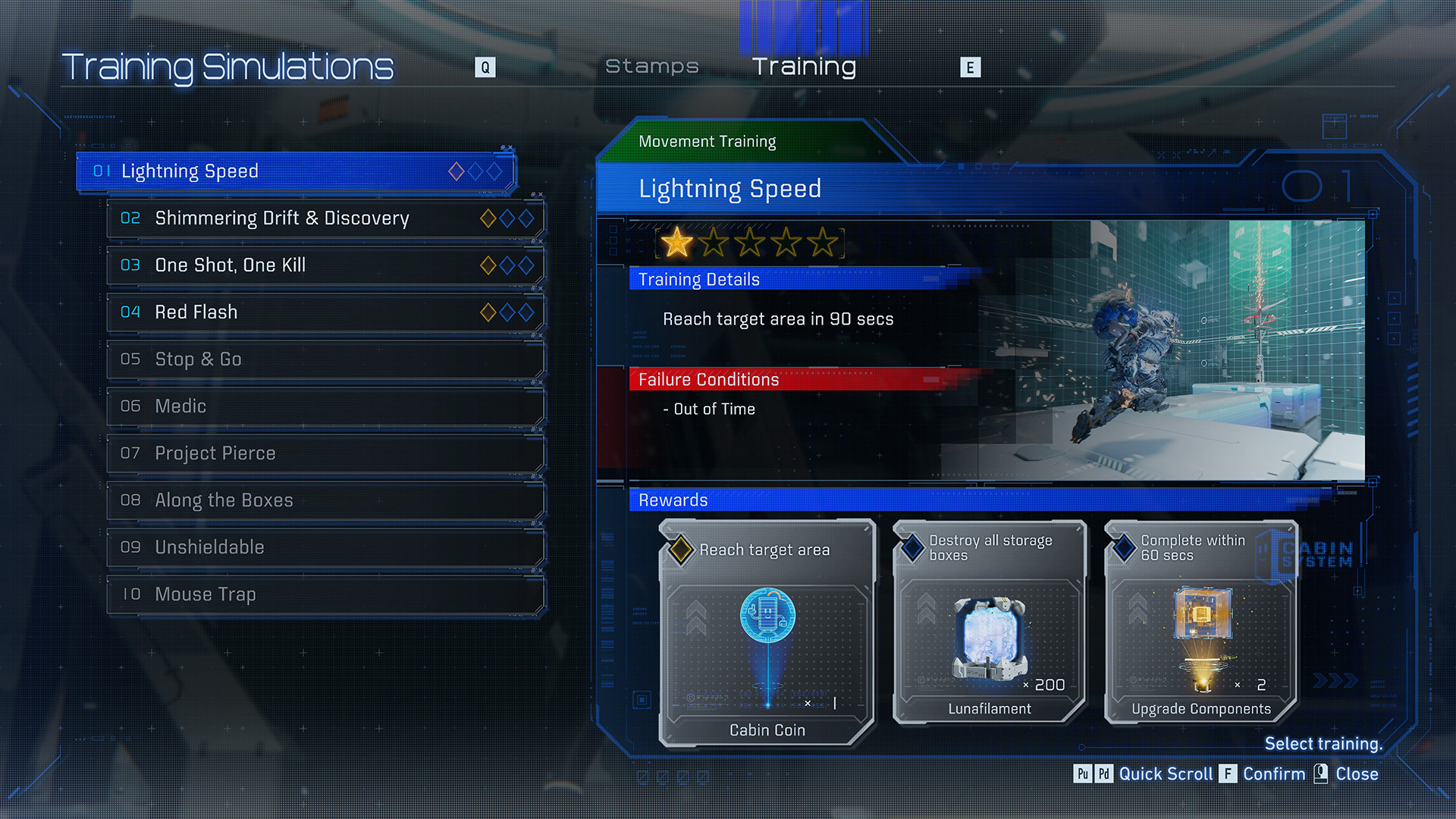
I almost forgot to mention Pragmata’s customization system, likely because it’s pretty much what you’d expect from a modern action-adventure game. There’s a respectable mod and loadout layer with expandable mod slots and progressively unlocked weapons and hacking nodes. You can customize your loadout to complement your playing style, whether you want to lean into hacking-heavy or shooting-heavy builds, or more defensive or offensive setups. None of it is doing anything you haven’t seen before, but it gets the job done without ever pulling focus from the dual-mechanic combat that makes Pragmata special.
Before I played Pragmata, I was surprised to hear it had sold over 2 million units in just 16 days, since that seemed like an almost impossible number for a brand new IP with a shorter runtime. After playing it, I’m still surprised by that number, only now because I think it should be higher. This is the kind of game everyone should experience. The core gameplay loop feels fresh and innovative, the story and characters are charming enough to carry you through to credits, the runtime feels just right, and there’s plenty of post-game content if you want more.
It’s also worth supporting because fewer and fewer major developers are willing to take risks on a new IP at this scale. The indie scene is packed full of new ideas, and we love them for it, but sometimes you need a AAA polished experience like Pragmata to remind you what’s possible when a major studio actually commits to something different. Capcom took six years and a development hiatus to get this game to the finish line, and the result is one of my favorite gaming experiences of the year.
Pragmata has an official release date of April 17, 2026, for PlayStation 5, Xbox Series X|S, Switch 2, and PC. This review is based on a purchased retail copy of the game on PC (Intel i9-14900K, 96GB DDR5-6800 RAM, MSI RTX 5090 Gaming Trio OC). While FullCleared does have affiliate partnerships, they do not influence our editorial content. We may earn a commission for purchases made through links on this page.
Pragmata Review Gallery (possible spoilers!)