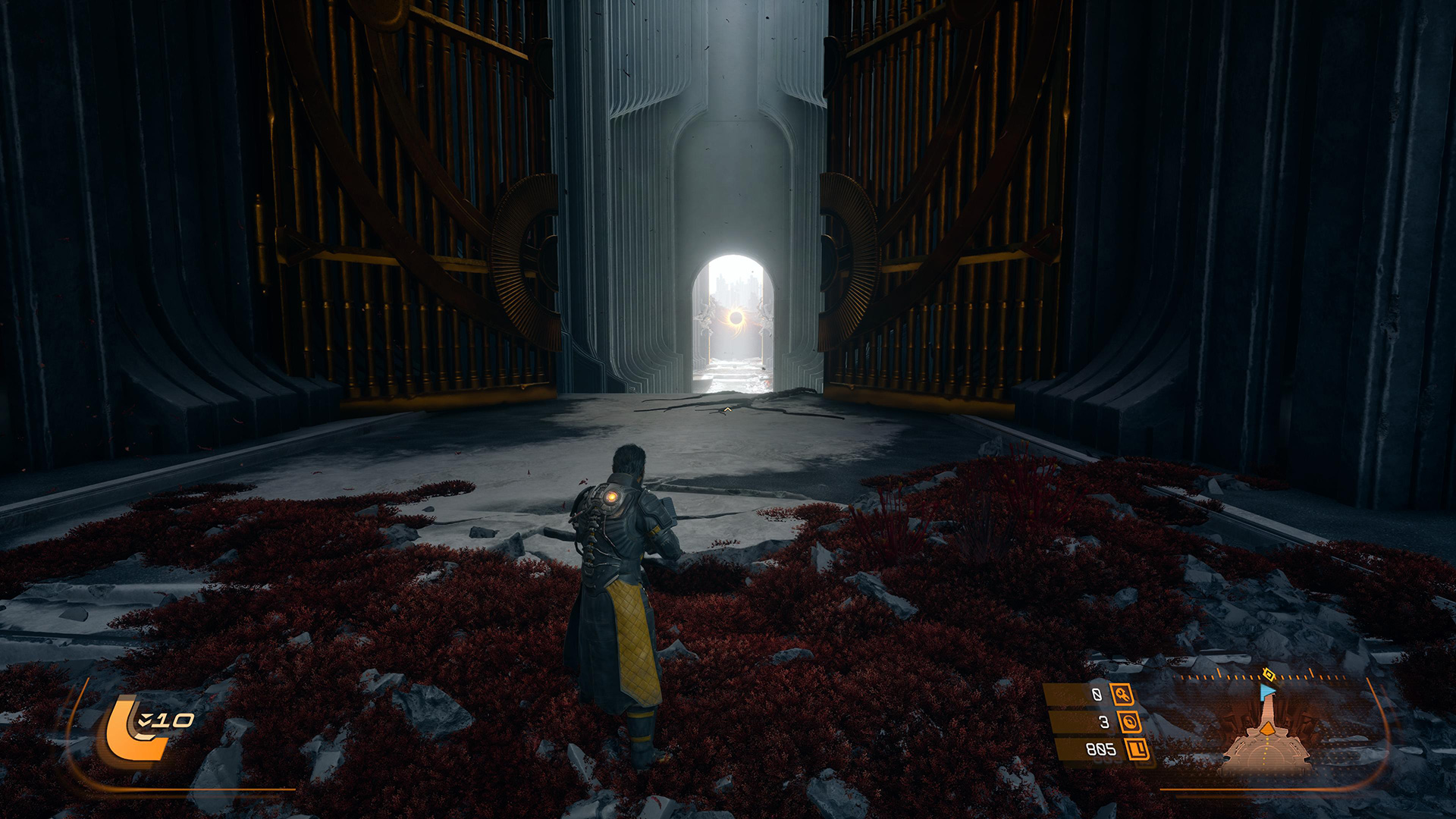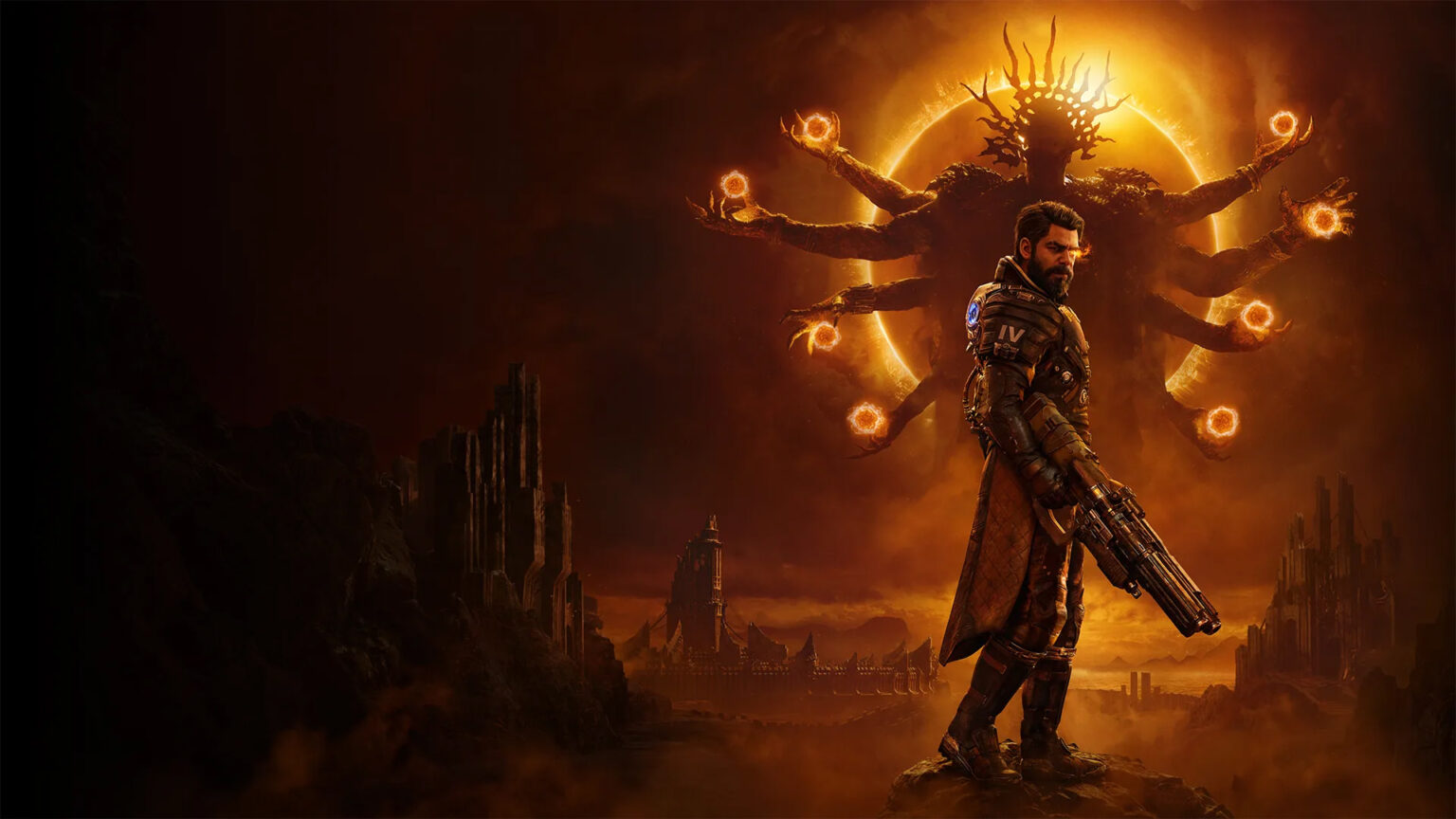

Quick Verdict
I have to admit, I could never really get into Returnal. I tried, but as someone who prefers roguelites with some kind of permanent progression, Returnal’s loop just didn’t click for me. There are limits to how much you can ask me to improve through pure skill, and Returnal asked for a lot. I get the appeal and respect what Housemarque pulled off, but it wasn’t a game I could stick with. Saros, on the other hand, is exactly my cup of tea, even with how frustrating it was at times. After 25 hours, rolling credits and the true ending, and now chasing the platinum, it’s firmly one of my favorite games of 2026.
Once Saros clicks, the moment-to-moment combat is some of the best I’ve experienced in years. Think third-person Hades, but with all the precision shooting and shield play of a Housemarque game. Where it falls short for me isn’t the difficulty, the runs, or even the game’s tendency to be vague about its own mechanics. It’s that the story focuses on the wrong things. There’s a fascinating mystery happening on Carcosa, and instead of being the focal point, it gets buried under the drama of a cast that just isn’t very interesting. Even with that, though, I kept coming back. The gameplay carries enough weight to make it worth the trip.
Returnal Customer
For those unfamiliar, my preference in roguelites leans heavily toward games that give you a sense of progress between runs. Whether it’s a meta progression tree, a permanent currency, or unlocks that carry over, I want to feel like I’m making forward movement even when I’m dying. That’s just how my brain works in the genre. Returnal didn’t really offer that, which is why despite multiple attempts, it never stuck for me.
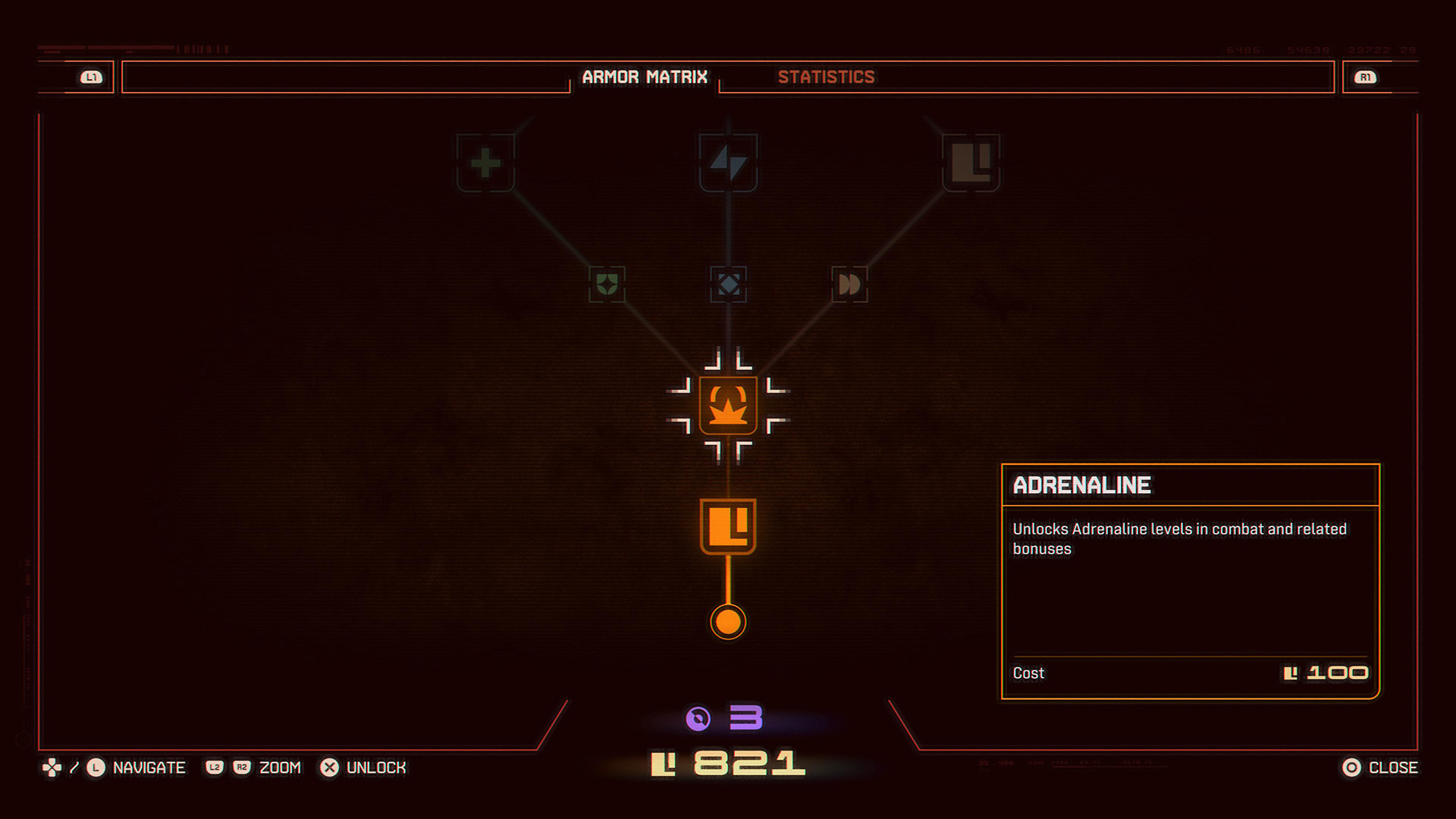
Saros builds the structure I was missing with Returnal. There’s Lucenite, the currency you spend on meta progression, alongside a steady drip of unlocks that change how the next run feels. By around five hours in, I had unlocked enough that the game was starting to bend toward my playstyle rather than me grinding against a wall.
If you’re a Returnal fan, this isn’t me hating on it. Returnal is a brilliant game for the people who clicked with it, and we covered the original Saros announcement with that history in mind. Saros, though, is the version Housemarque built for the rest of us, and I don’t think I would have written this review without that one structural change.
Bullet Ballet
So, Saros didn’t click for me right away. The first three to four hours were genuinely frustrating, and not because the game was punishing me unfairly. It just took my brain a while to build the muscle memory for shielding and dodging properly. Both inputs are fundamental to surviving on Carcosa, and until they become second nature, you’re going to die in ways that feel like your fault.
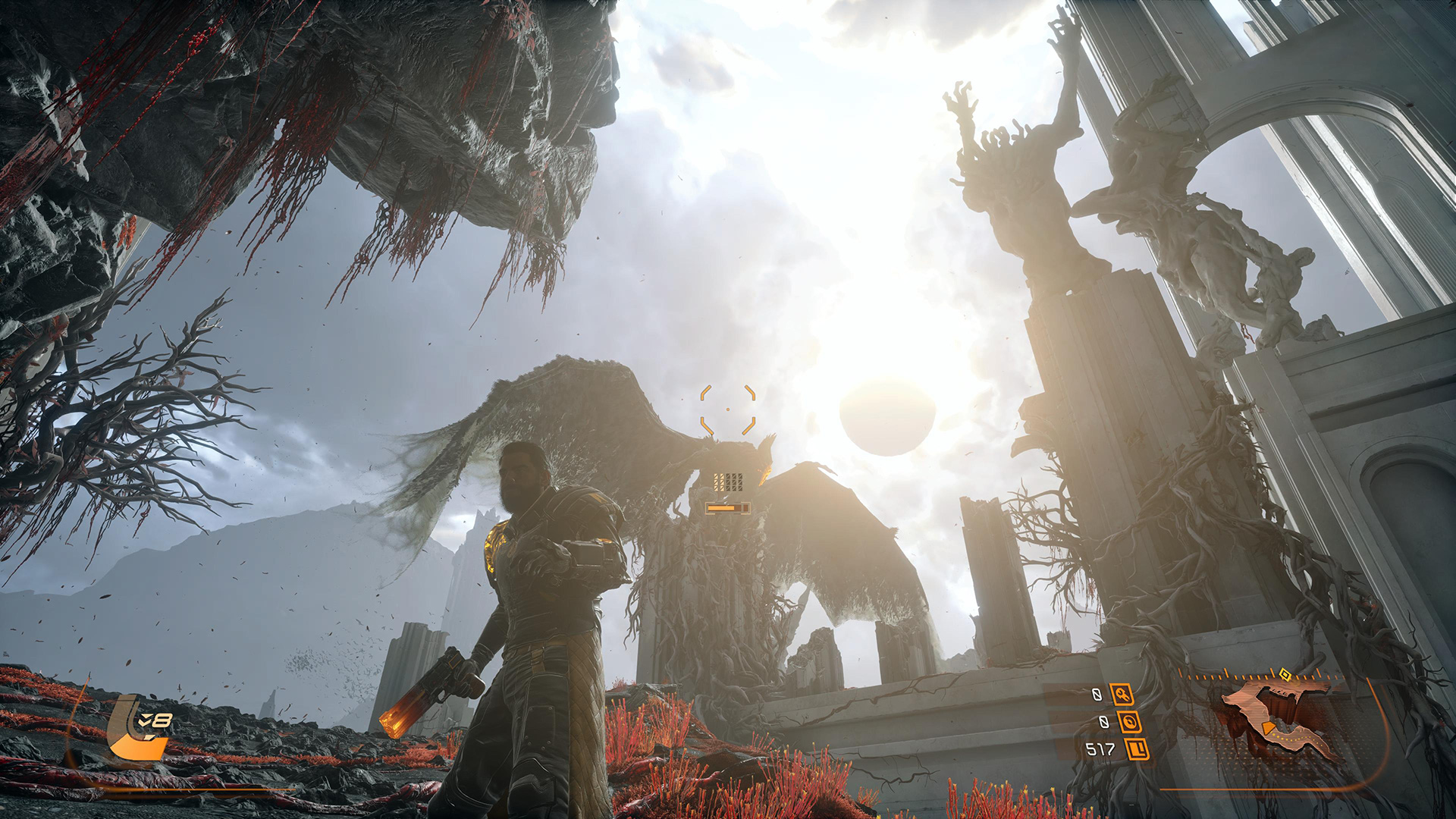
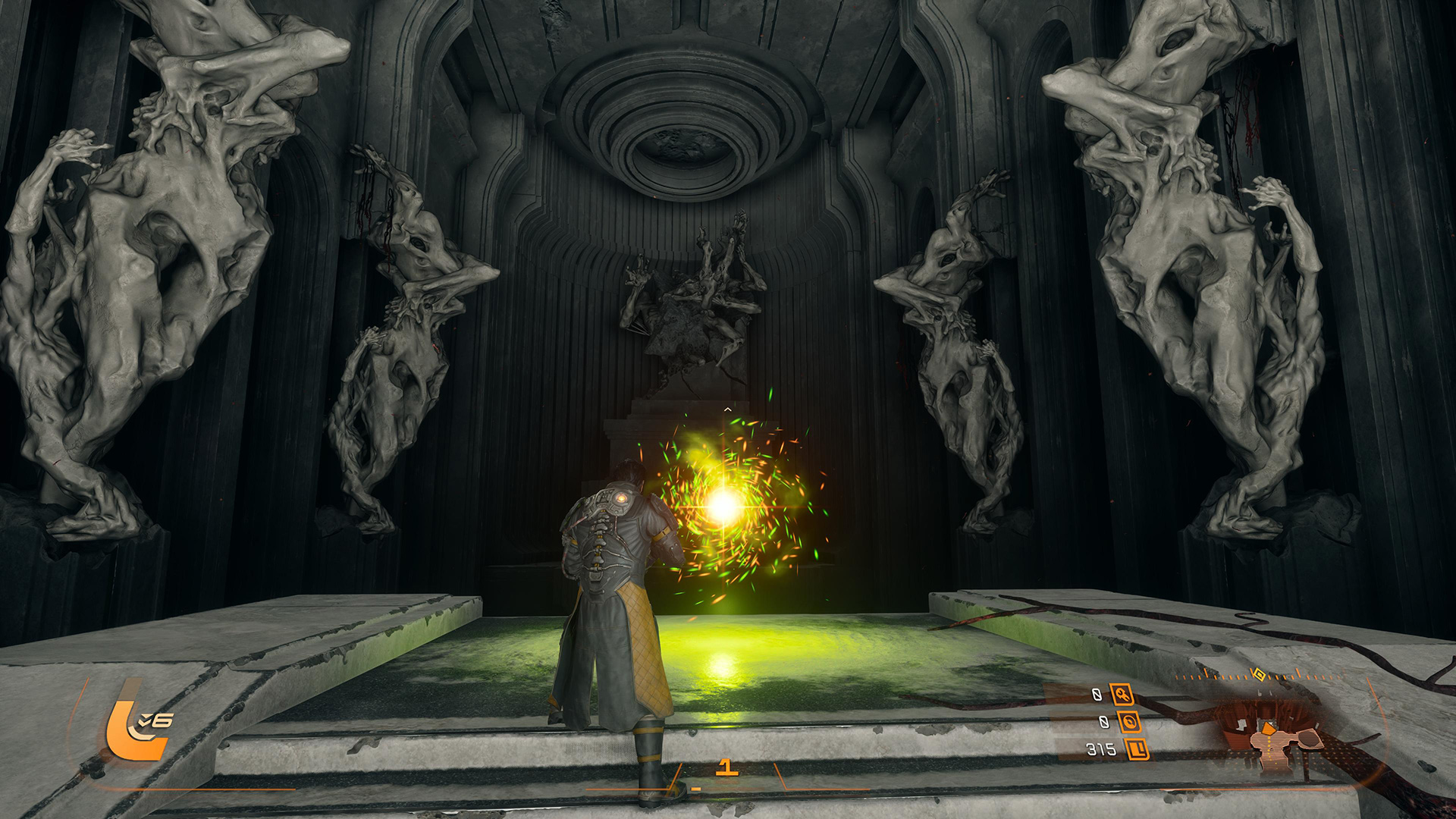
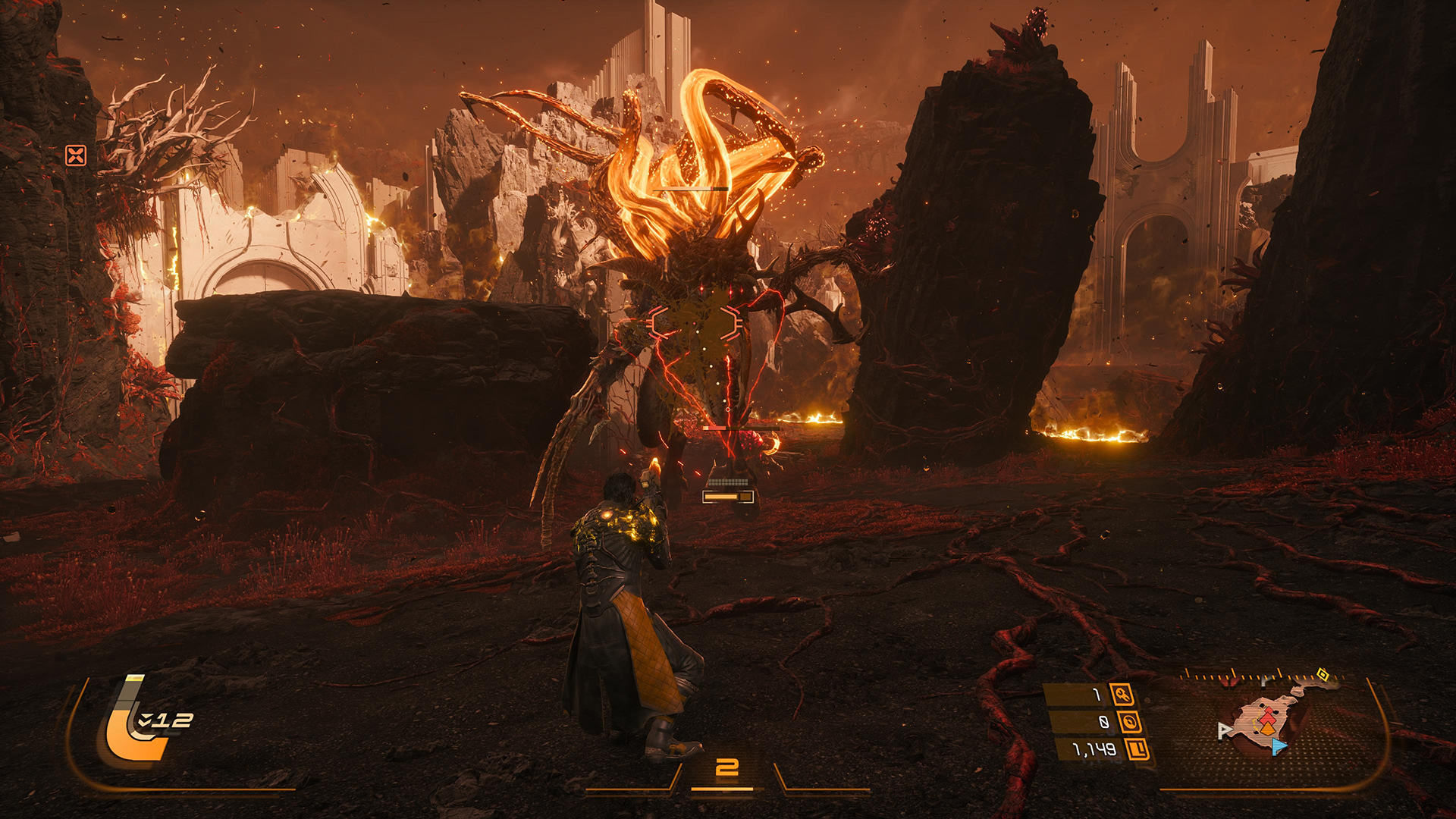
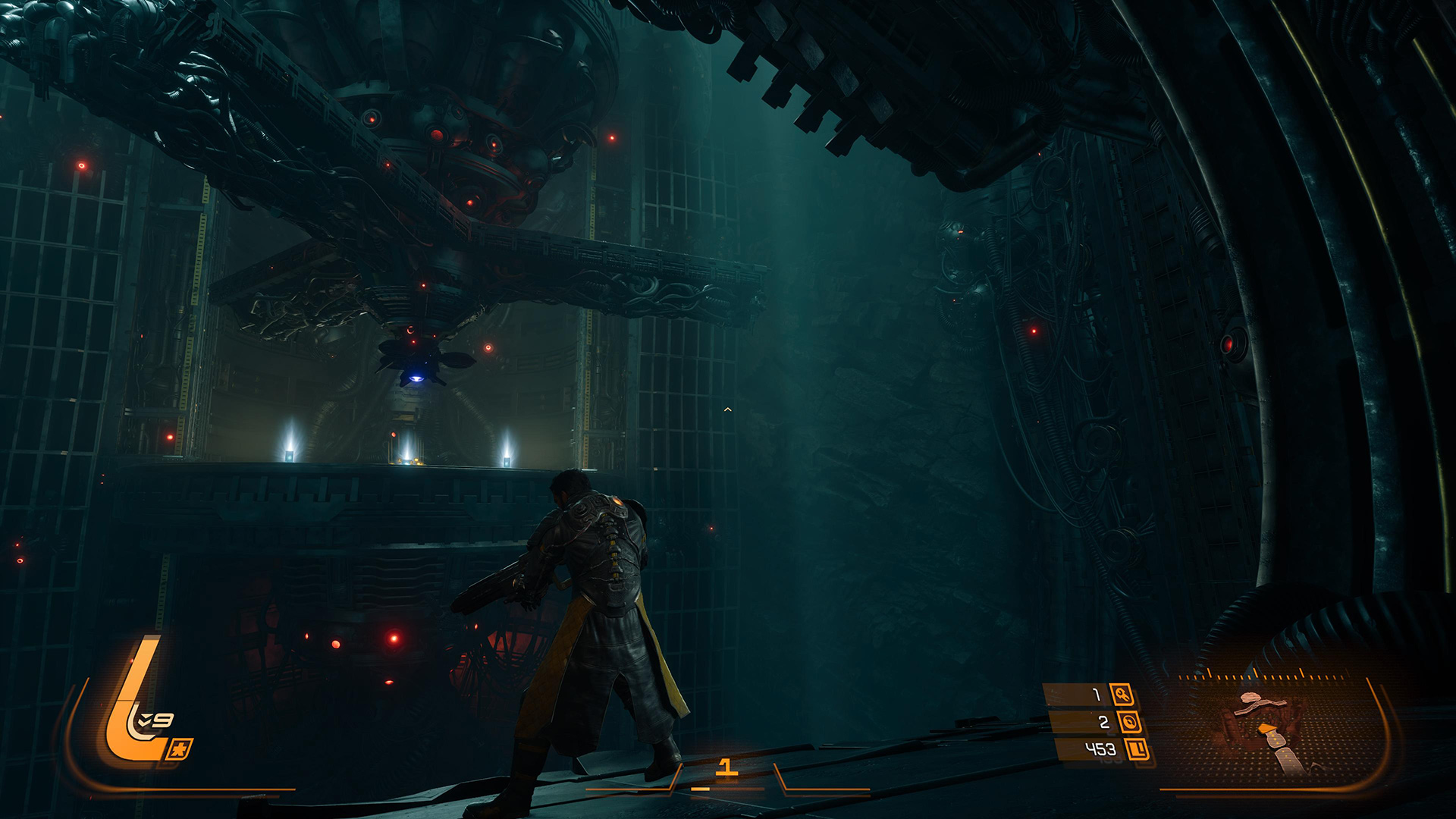
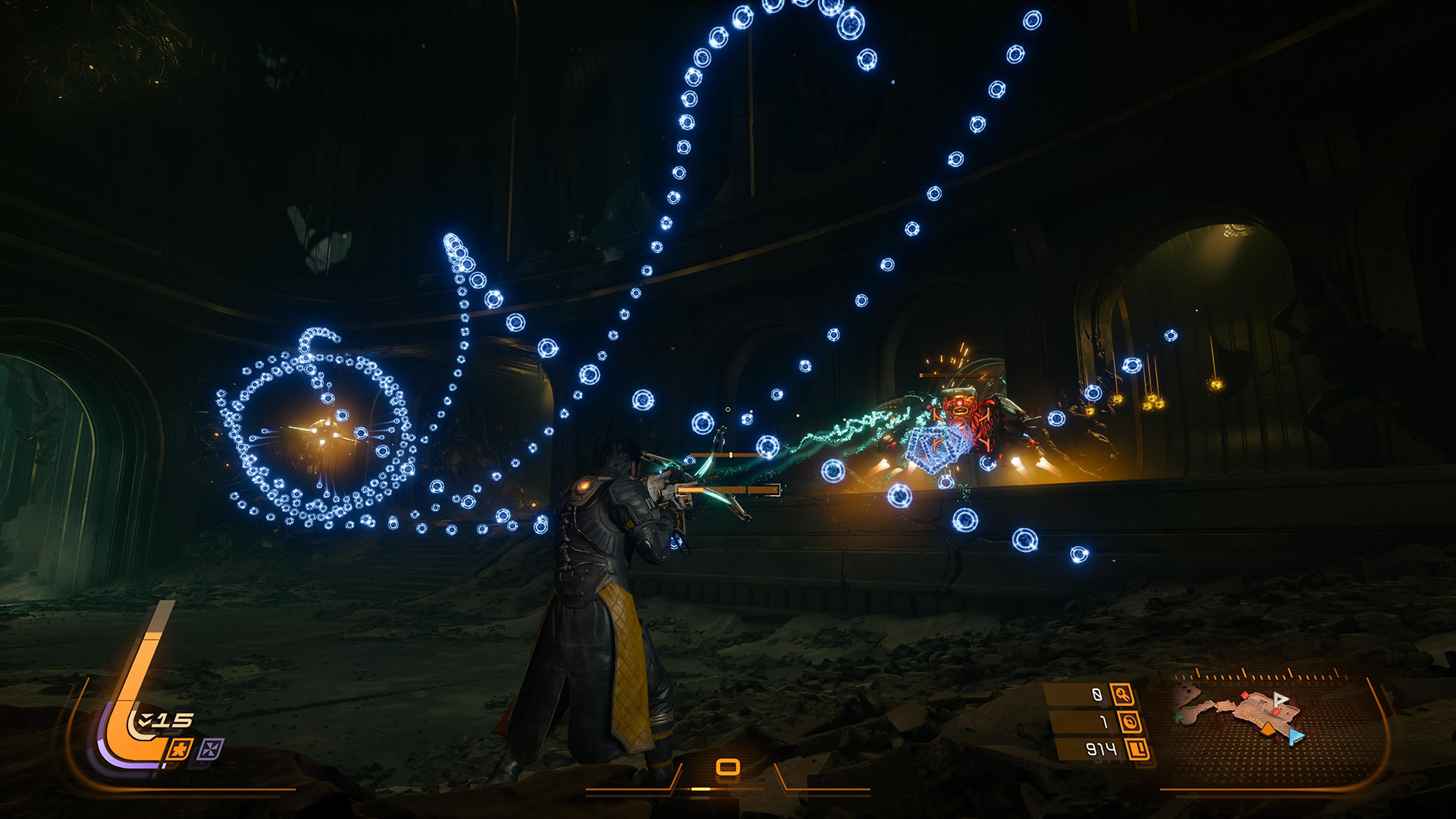
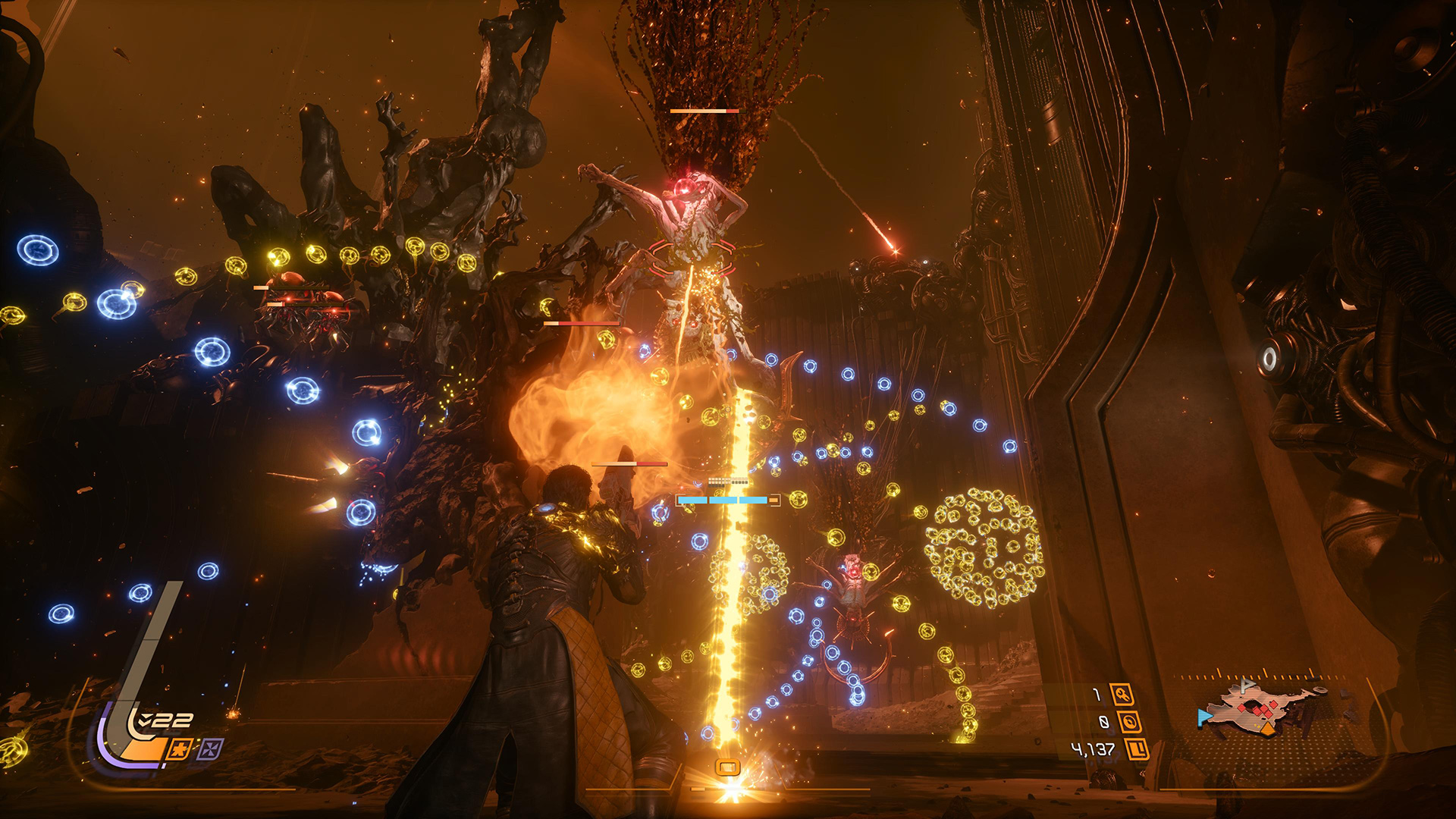
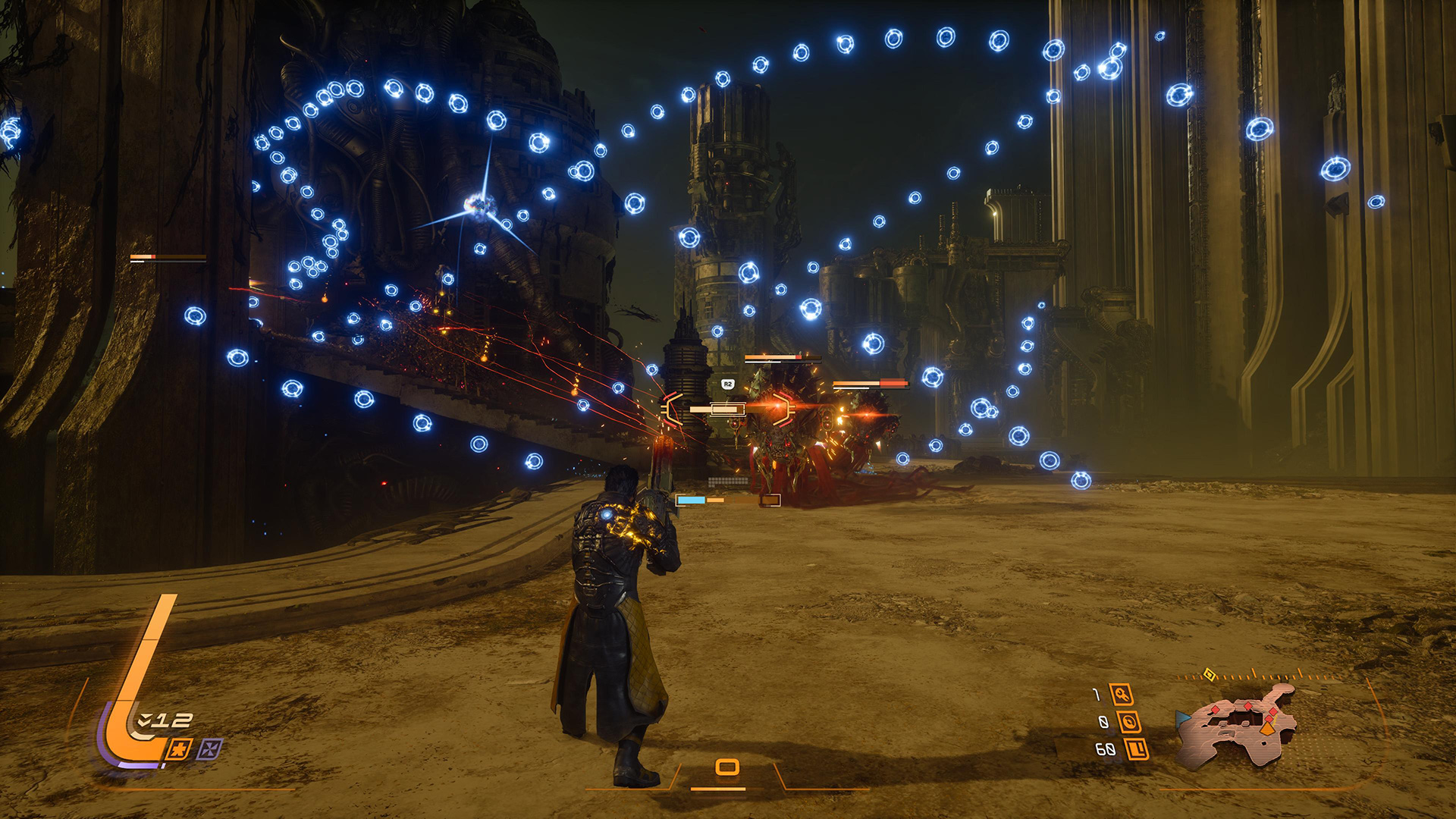
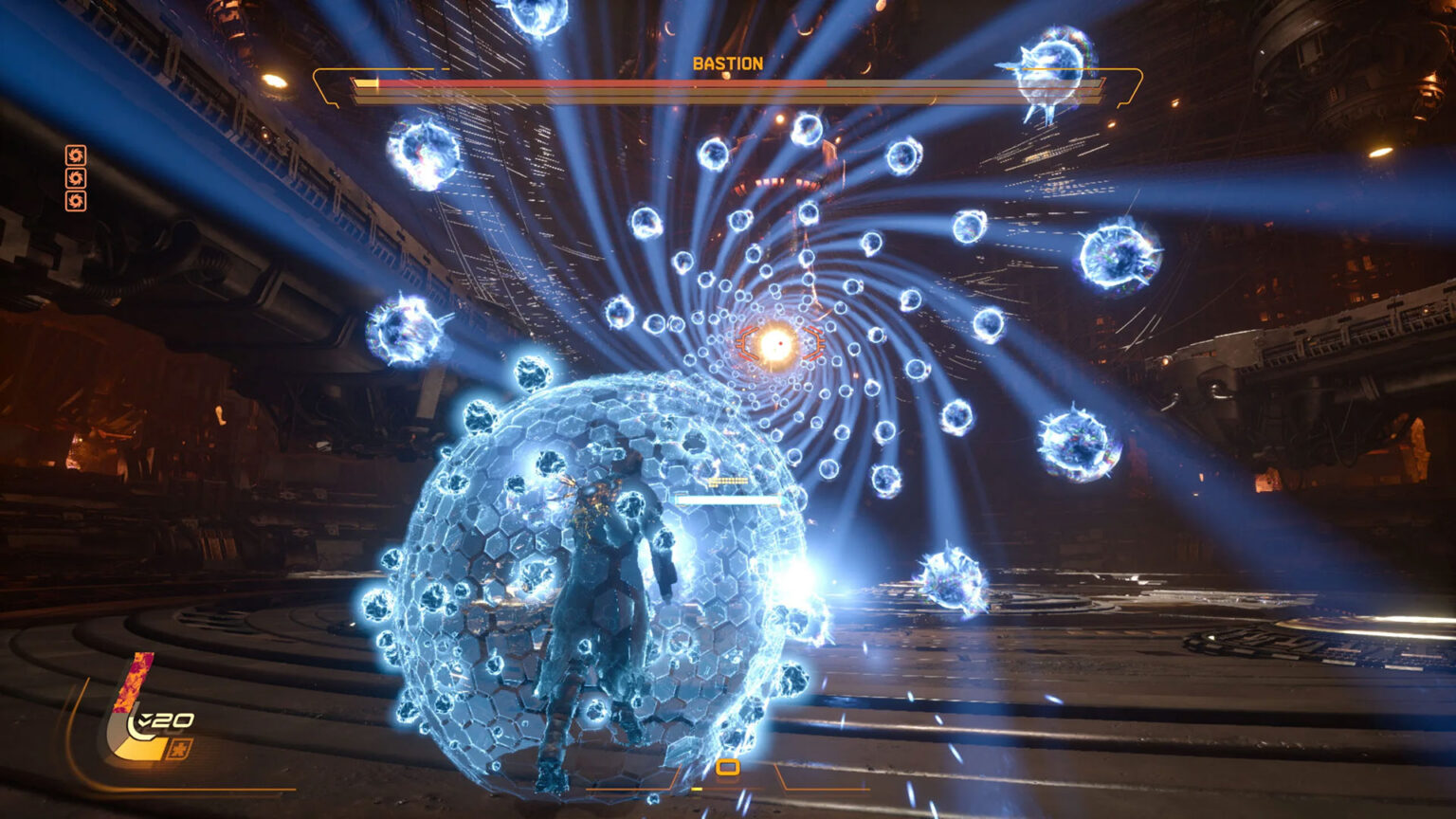
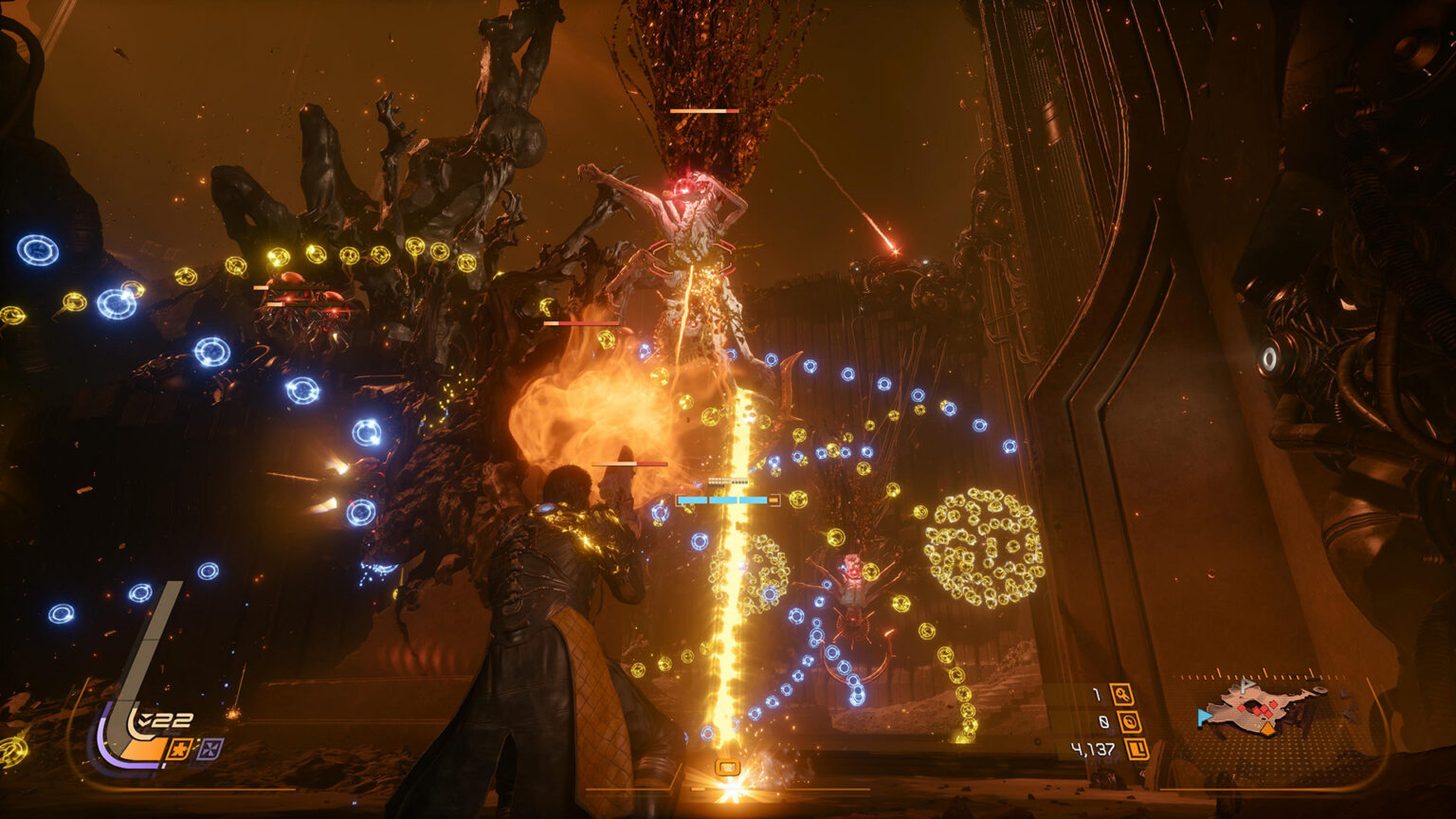
Once that clicked, though, the moment-to-moment combat is some of the most satisfying I’ve played in a long time. The best comparison I can draw is to Hades II, but in third-person and with the gunplay precision of a Housemarque game. There’s a flow state Saros pushes you toward where you’re shielding incoming fire, parrying at the right moment to detonate it back, and weaving through projectiles while still putting rounds on a target. When it works, it feels really good.
Housemarque outlined the game’s PlayStation 5 and PlayStation 5 Pro features ahead of launch, and for the most part, the game delivers. I did run into frame drops and stuttering during my early hours, particularly during a boss fight against Bastion. Whether it was a patch or just rebooting the console that fixed it, the game smoothed out a few days in. I’ll also admit I barely registered the music. Sam Slater is a two-time Grammy winner, so it’s likely great, but the sound design is what stuck with me. Clear cues for incoming attacks and enemy positioning made even the chaos feel readable.
Ripping and Teaching
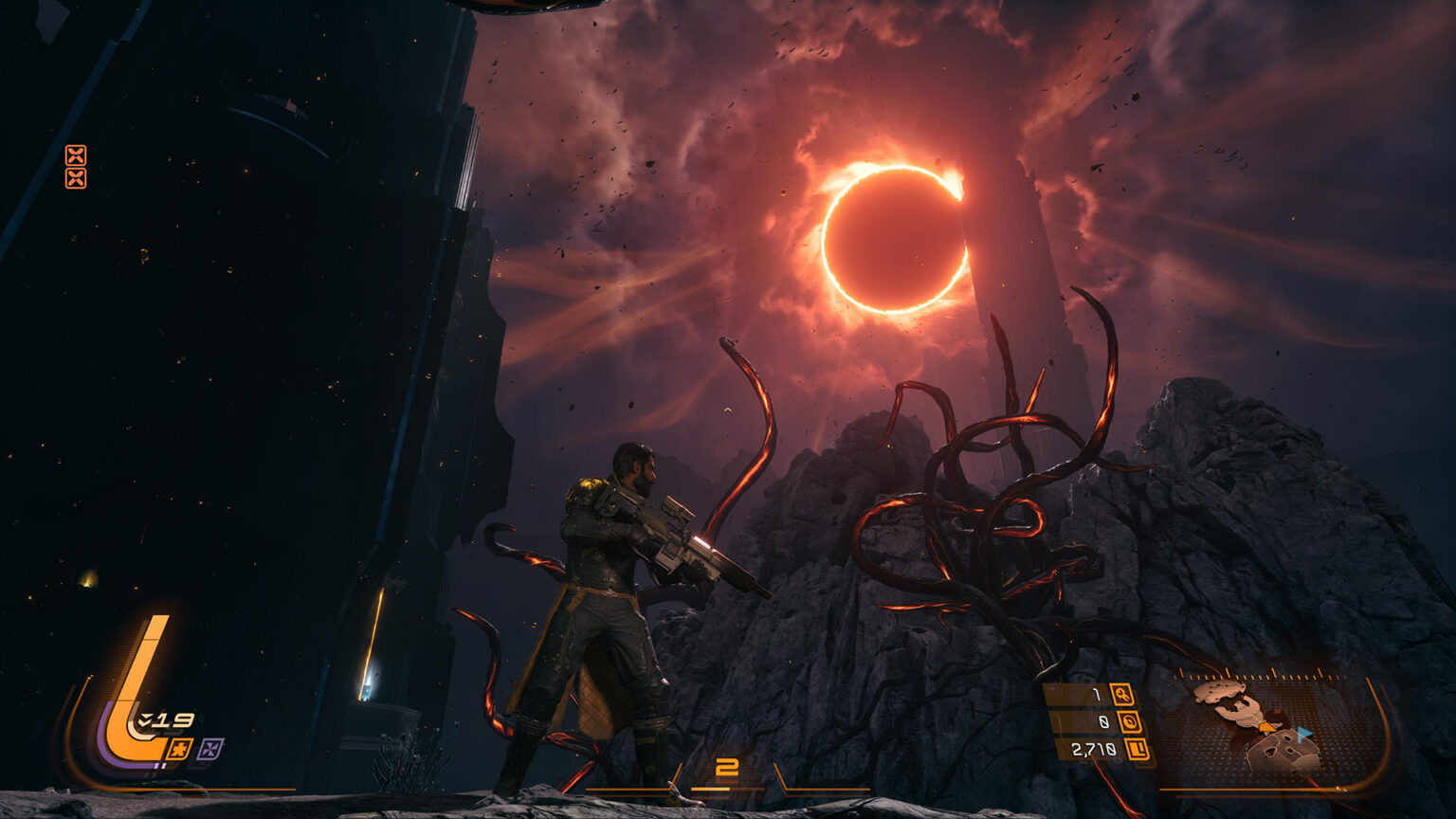
One of the things I appreciate most about Saros is how it teaches you how to play. For whatever reason, my brain kept connecting the early biomes to specific games in the modern DOOM franchise. The first biome felt like DOOM 2016: fast, focused, mostly about killing things in arenas. The second biome reminded me more of DOOM Eternal, with platforming and air control thrown into the combat mix.
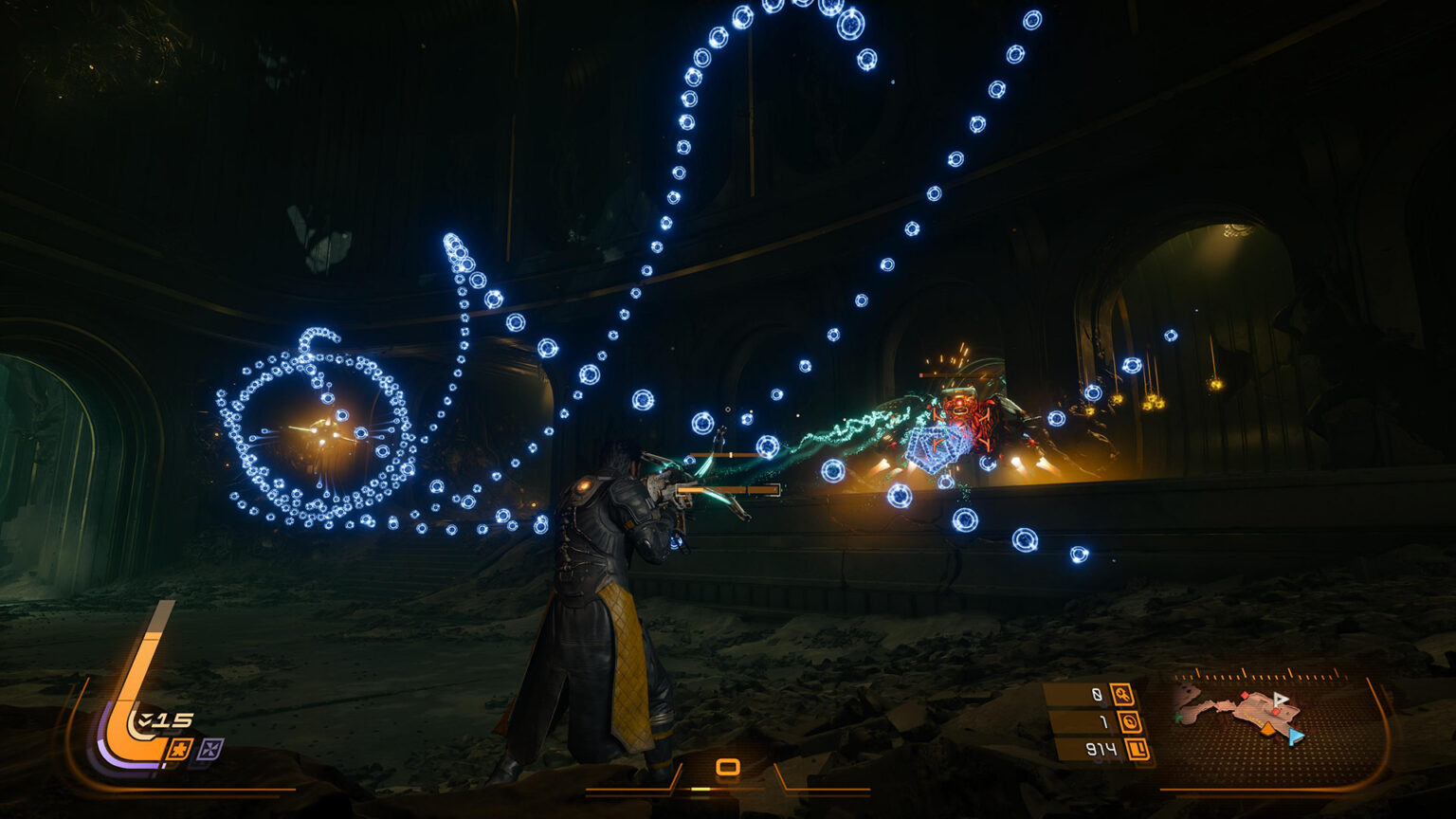
By the time I hit a later biome and the game introduced parrying, I was firmly in DOOM: The Dark Ages territory. To me, that gameplay progression felt intentional. Saros eases you into its mechanics deliberately, building one layer at a time. You learn shielding, dodging, and shooting first. Then platforming and movement. Finally, there’s parrying, making your brain quickly calculate between blue, red, and yellow projectiles being hurled at a rapid pace.
Each new layer feels earned, and by the time you’ve internalized them all, you’re capable of doing some impressive things. It’s an excellent teaching curve, and it might be my favorite thing about how Saros is structured. Even when the difficulty ramped up later in the game, I never felt like the game had given me a mechanic I didn’t know how to use. Not a lot of games manage to pull this off correctly.
Tooltip of the Iceberg
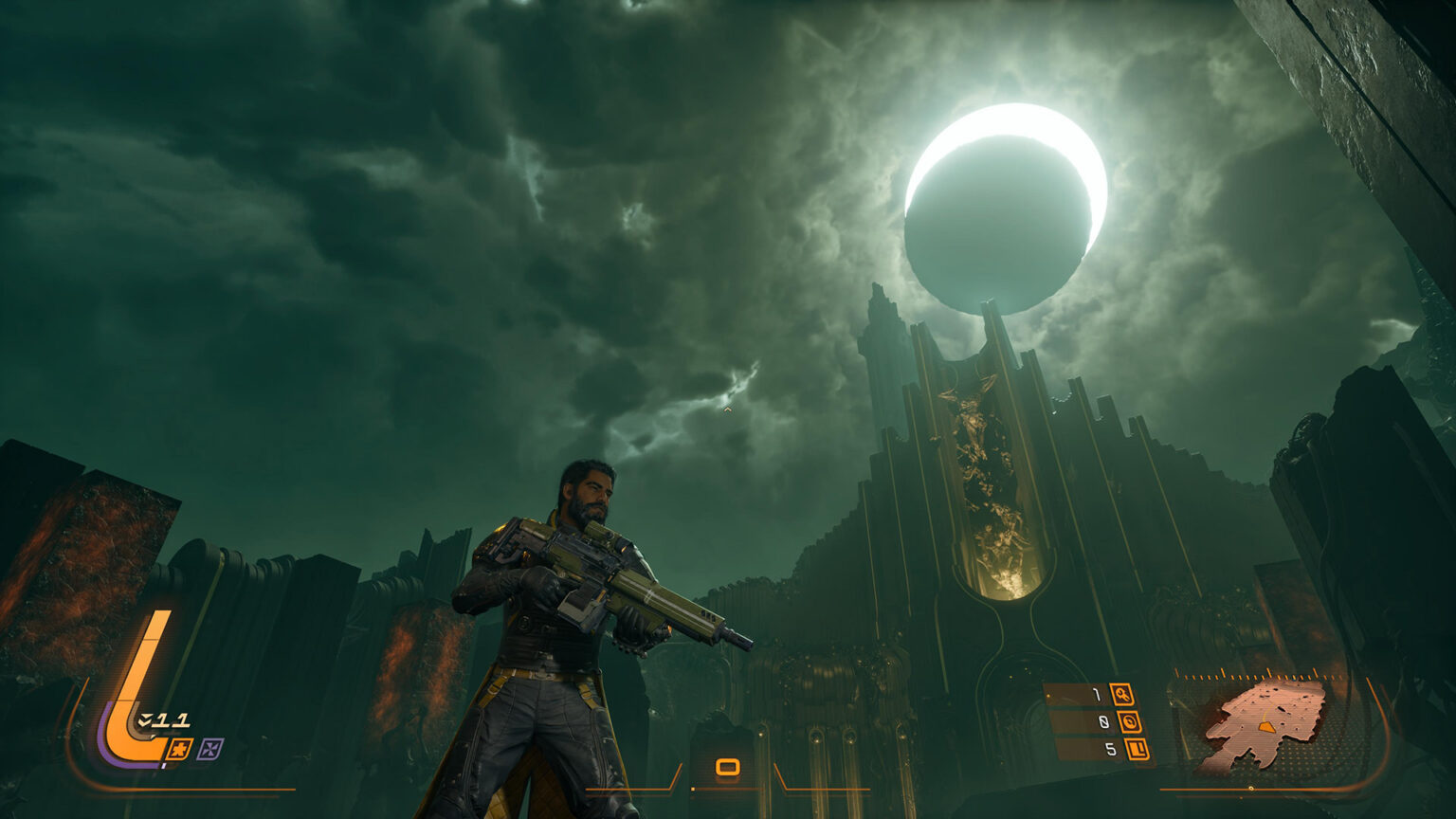
Where Saros is great at teaching mechanics, it’s terrible at explaining them. There’s a difference between learning how to do something and understanding why it works the way it does, and Saros leans hard into the former. After over 25 hours of playing, I still have no clue what each of the adrenaline levels actually do.
And it’s not for lack of trying. I went digging into the in-game descriptions to try and figure them out, and some of them seem intentionally vague. There’s a fine line between trusting the player to figure things out and leaving them in the dark, and Saros crosses it more often than I’d like.
Mechanics that should have clear tooltips end up reading like marketing copy. I’m not asking for a manual the size of those old Nintendo instruction booklets, but a few more sentences of clarity on what each system actually does would have saved me a lot of guesswork. The information is out there if you go hunting for it on the internet, but the game itself should be doing more of that work.
Stick to Your Guns
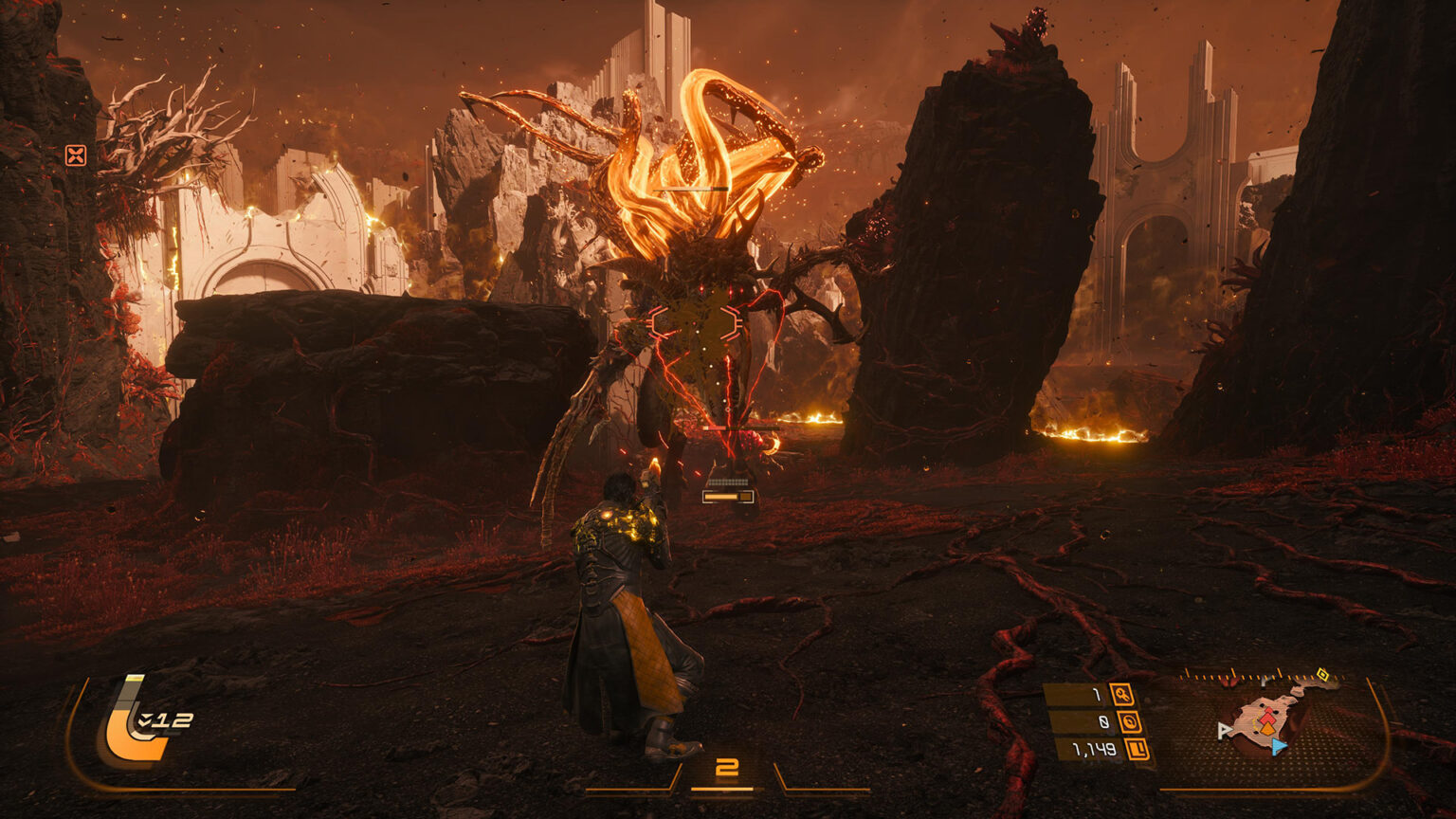
The build side of Saros is the one area I think is a little one-note. There are three main stats and then your weapon, and I felt like that was pretty much it. The depth that something like Hades II gets from boon stacking, weapon aspects, and arcana cards just isn’t here. You can pull more granular details about how the game works from outside resources, but inside the game, the build vocabulary feels small.
Because of that, I found myself saving my rerolls for weapons more than anything else. There are people online suggesting you just grab the weapon with the highest number, and I disagree with that take. Each weapon has its own playstyle, and the numbers don’t capture that. Some have auto-aim, some don’t. Some are built for close combat, others for keeping distance. The Smart Rifle plays nothing like the Ripsaw Chakram, and you’ll figure out pretty quickly which ones fit your style.
By the end of my runs, my “build” wasn’t really about the three stats. It was about whether or not I got my preferred weapon before the boss fight. That’s where the rerolls went, and that’s pretty much all I cared about. Even my Power Attack didn’t feel very meaningful, especially since there isn’t a lot of variety with those options to begin with. The stat distribution mostly took care of itself.
Modifier of Conduct
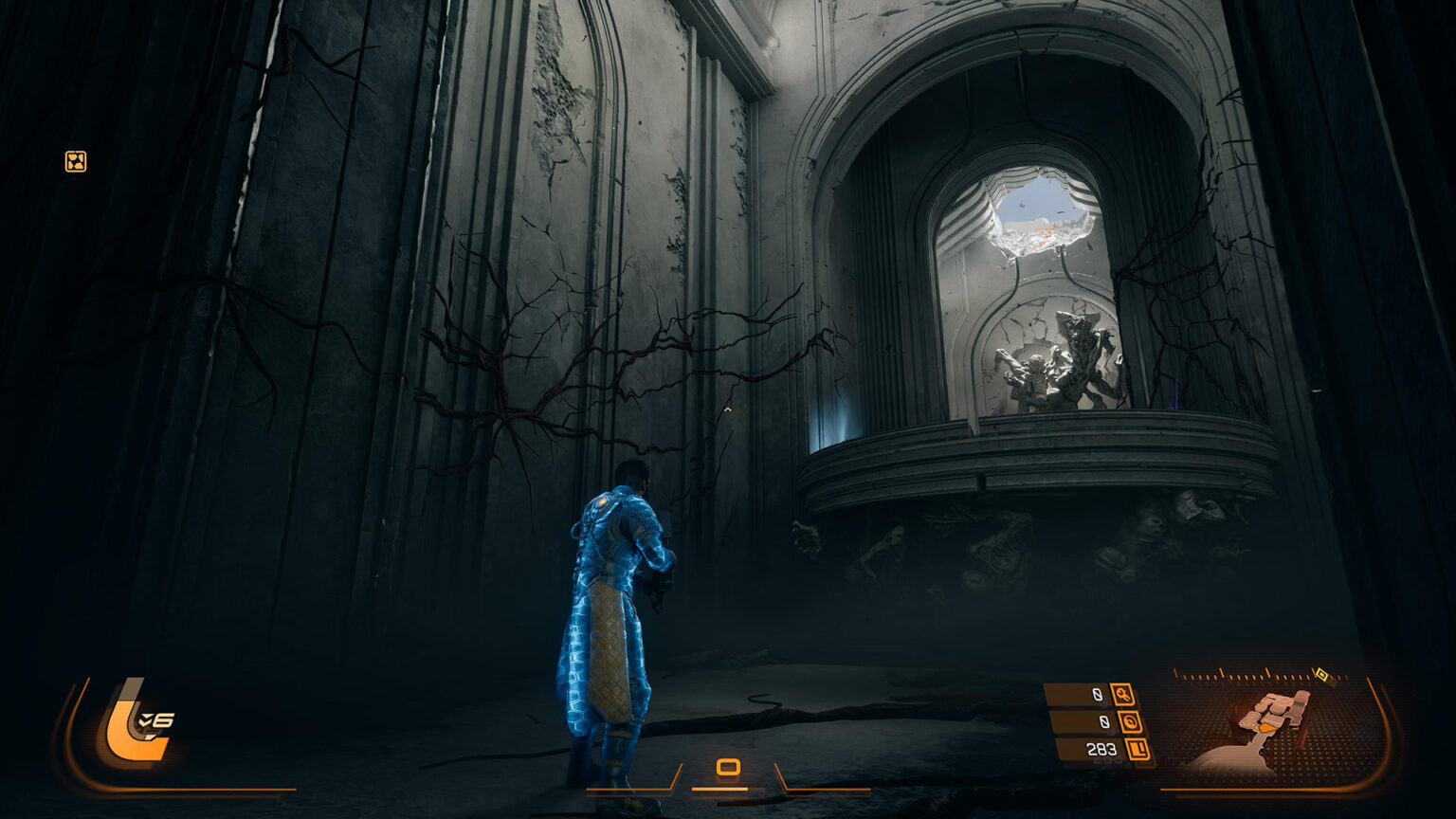
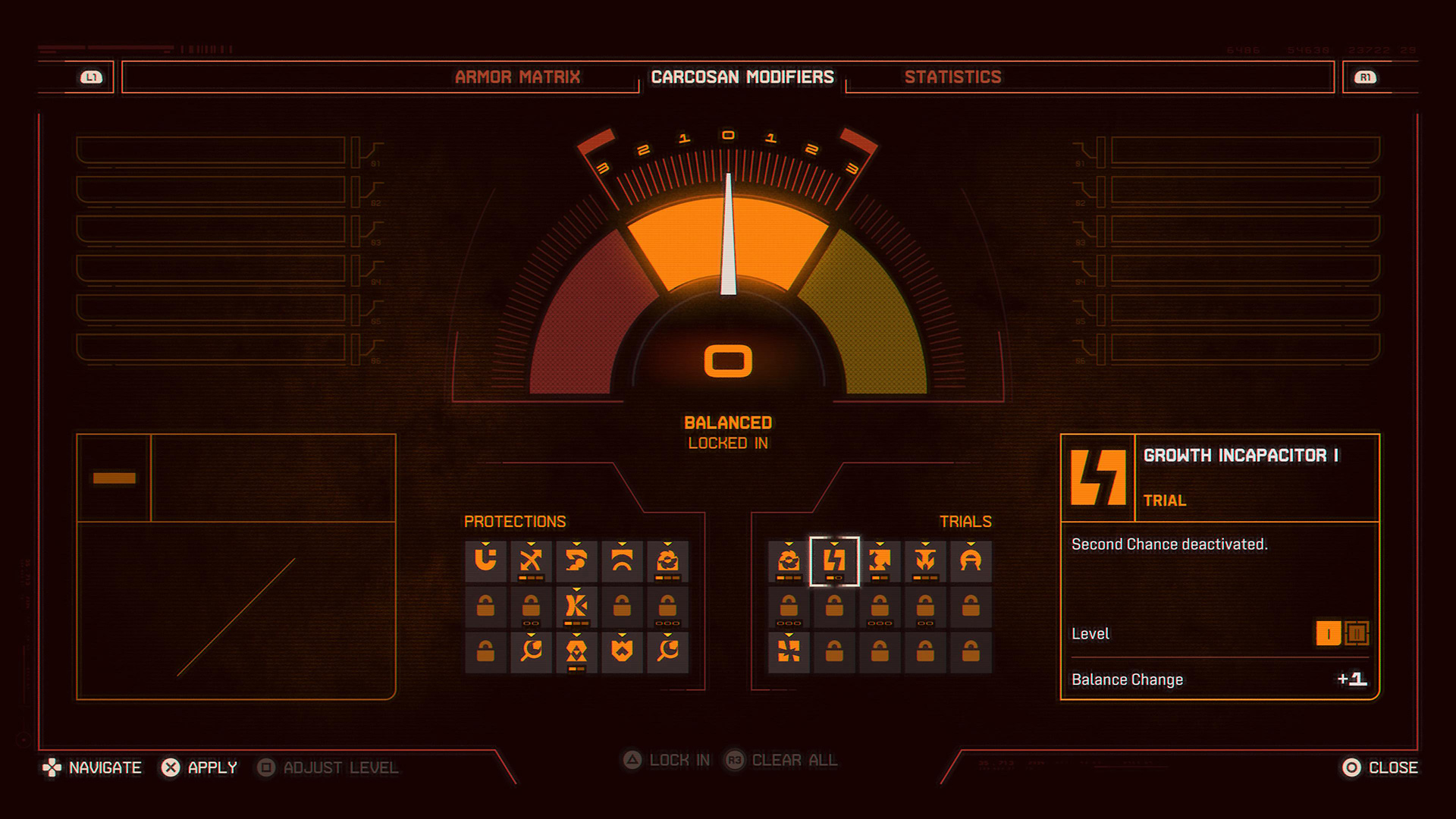
The modifier system in Saros has been one of the more contentious parts of the launch conversation, and I think some people are missing the point. Modifiers exist in lieu of a traditional easy/normal/hard difficulty slider. Instead of picking a preset, you customize your run with a mix of effects that make the game easier, harder, or just weirder. It’s a clever system that gives you agency over how you experience the game.
During my playthrough, I found myself using modifiers strategically. If I was farming for Lucenite to unlock more meta progression, I’d use one set. If I was going for a boss kill or a completion, I’d use a different set. Treating the modifier system as a goal-based tool rather than a difficulty slider made sense to me. You get to decide what each run is for, and the modifiers shape it accordingly. Personally, I found the base difficulty pretty much spot-on. I’m not particularly great at these games, and I felt challenged but not stonewalled.
What I find a little funny is the people using modifiers to make the game easier and then complaining that it’s too easy. The system is set up to let you do exactly that, and you can also use it to make the game noticeably harder if you want a challenge. Both options are sitting right there. If you want a different experience than the one you’re getting, the tools are in your hands.
Lost in the Eclipse
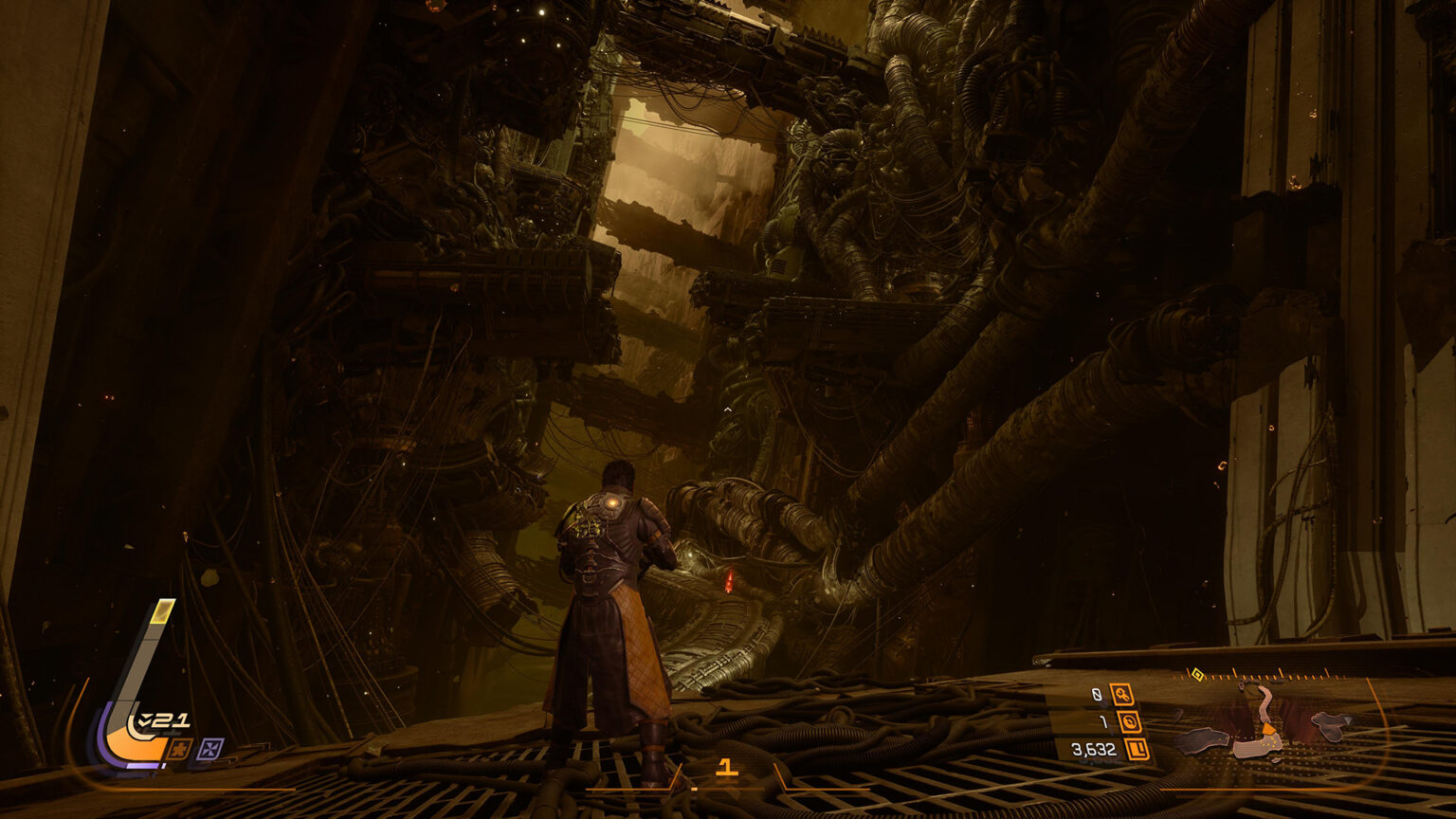
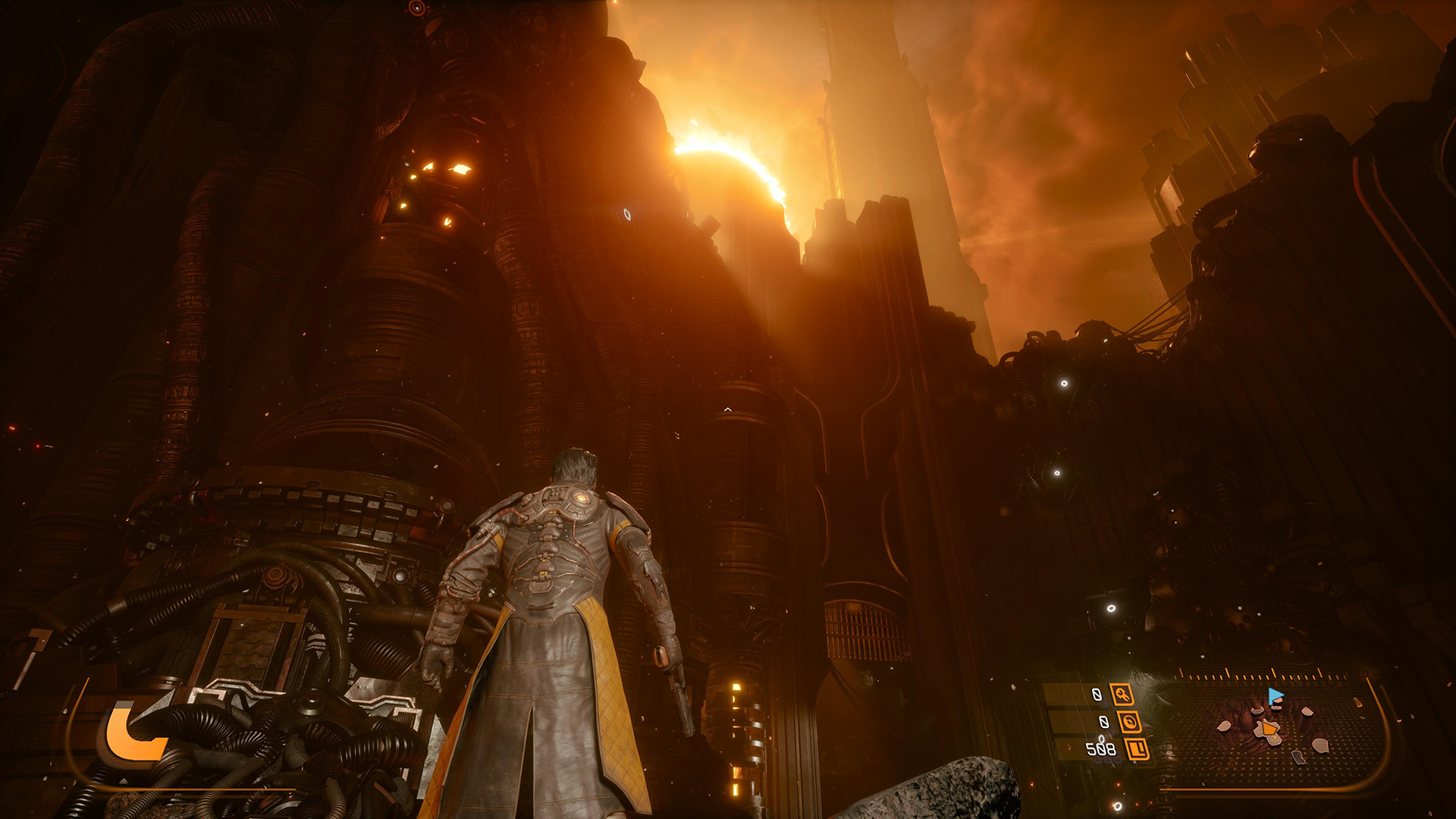
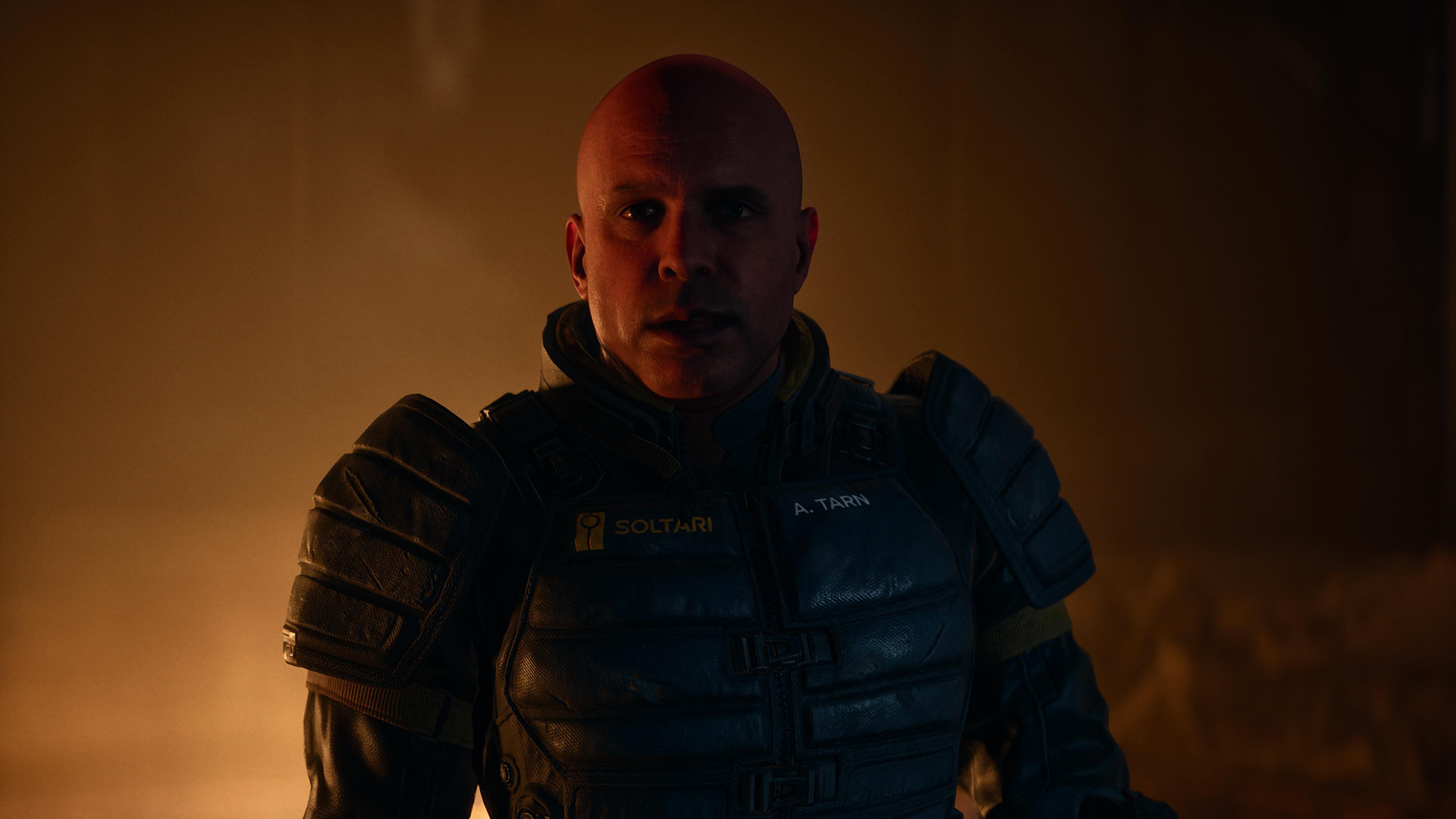
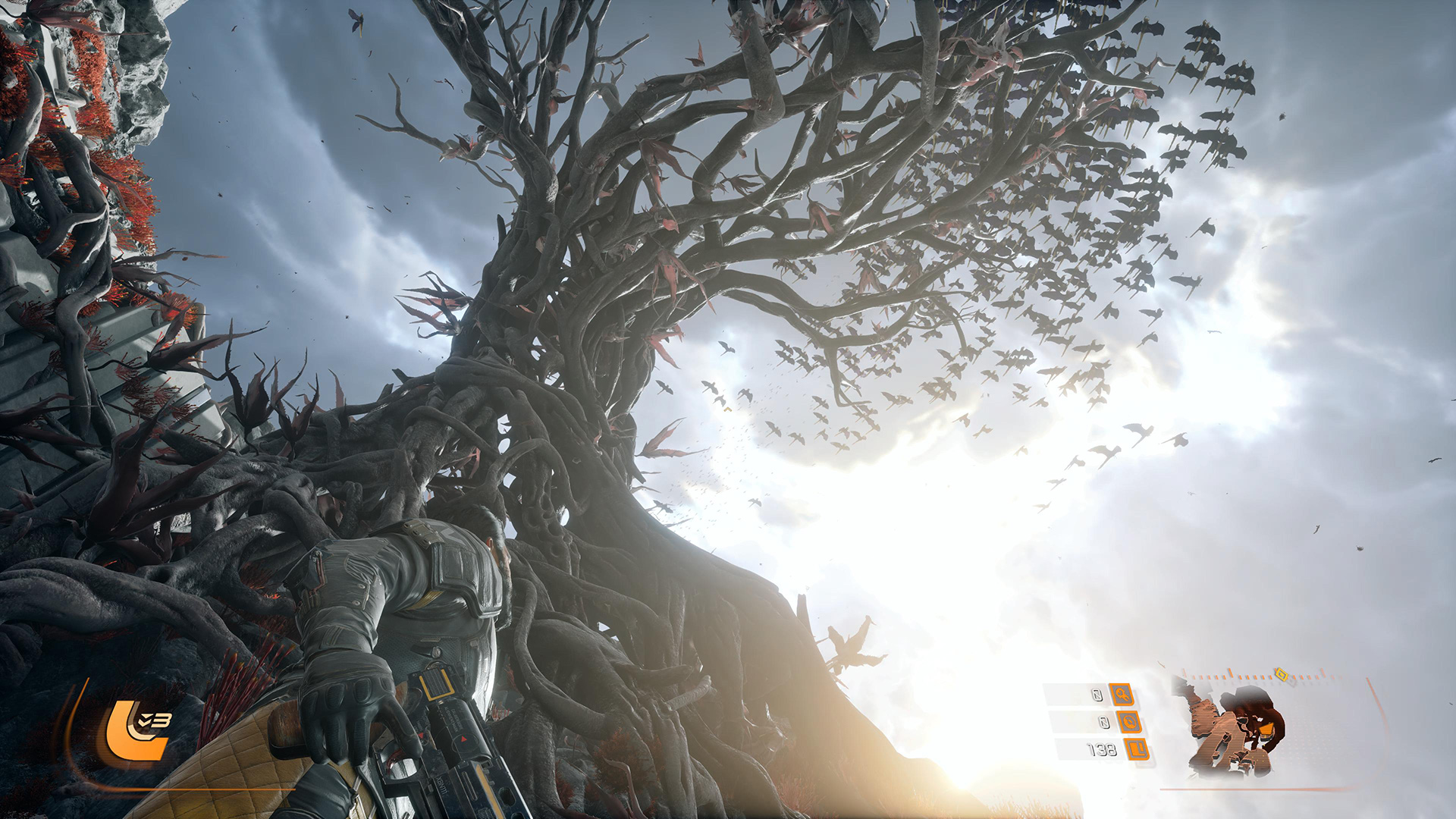
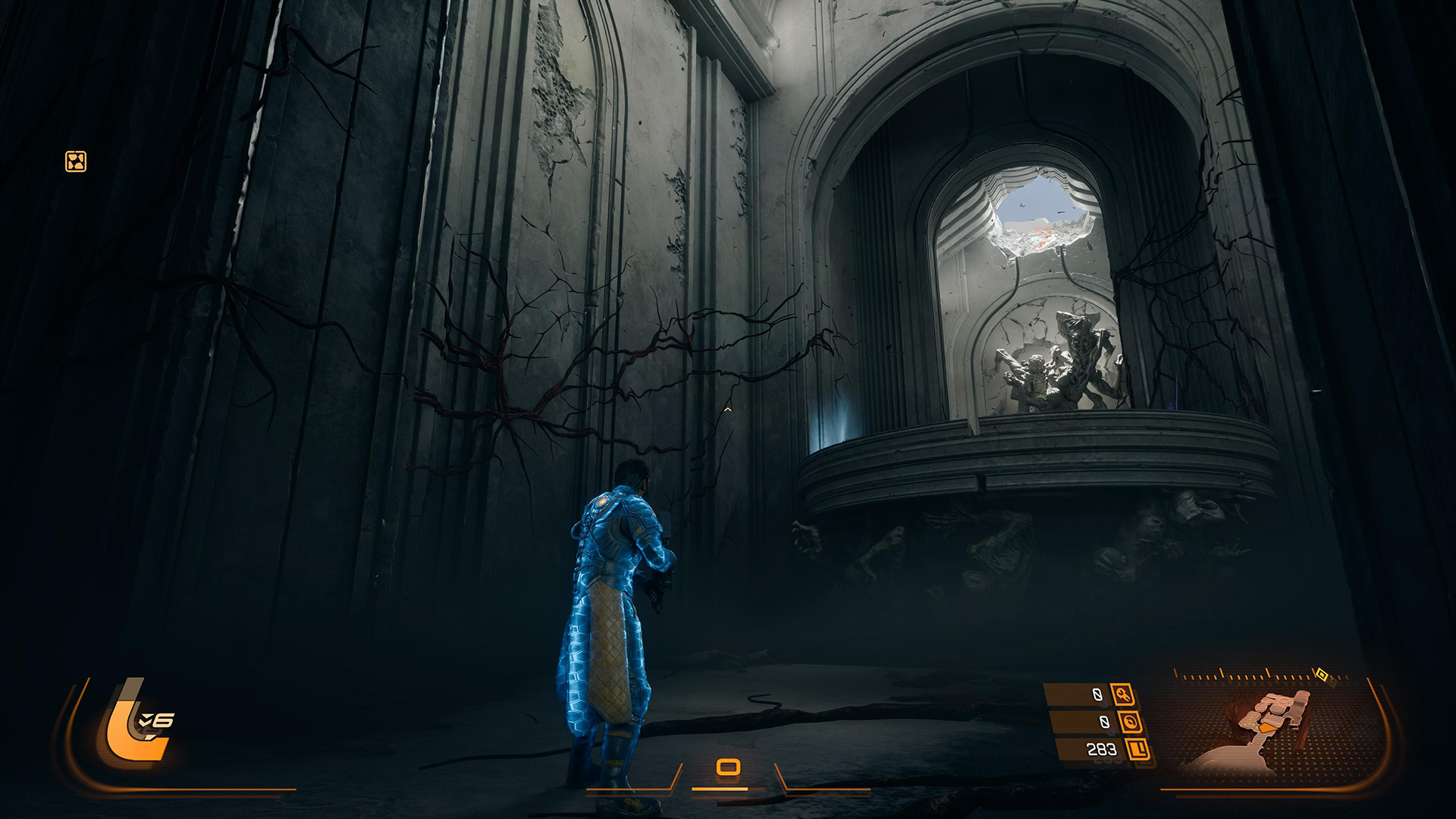
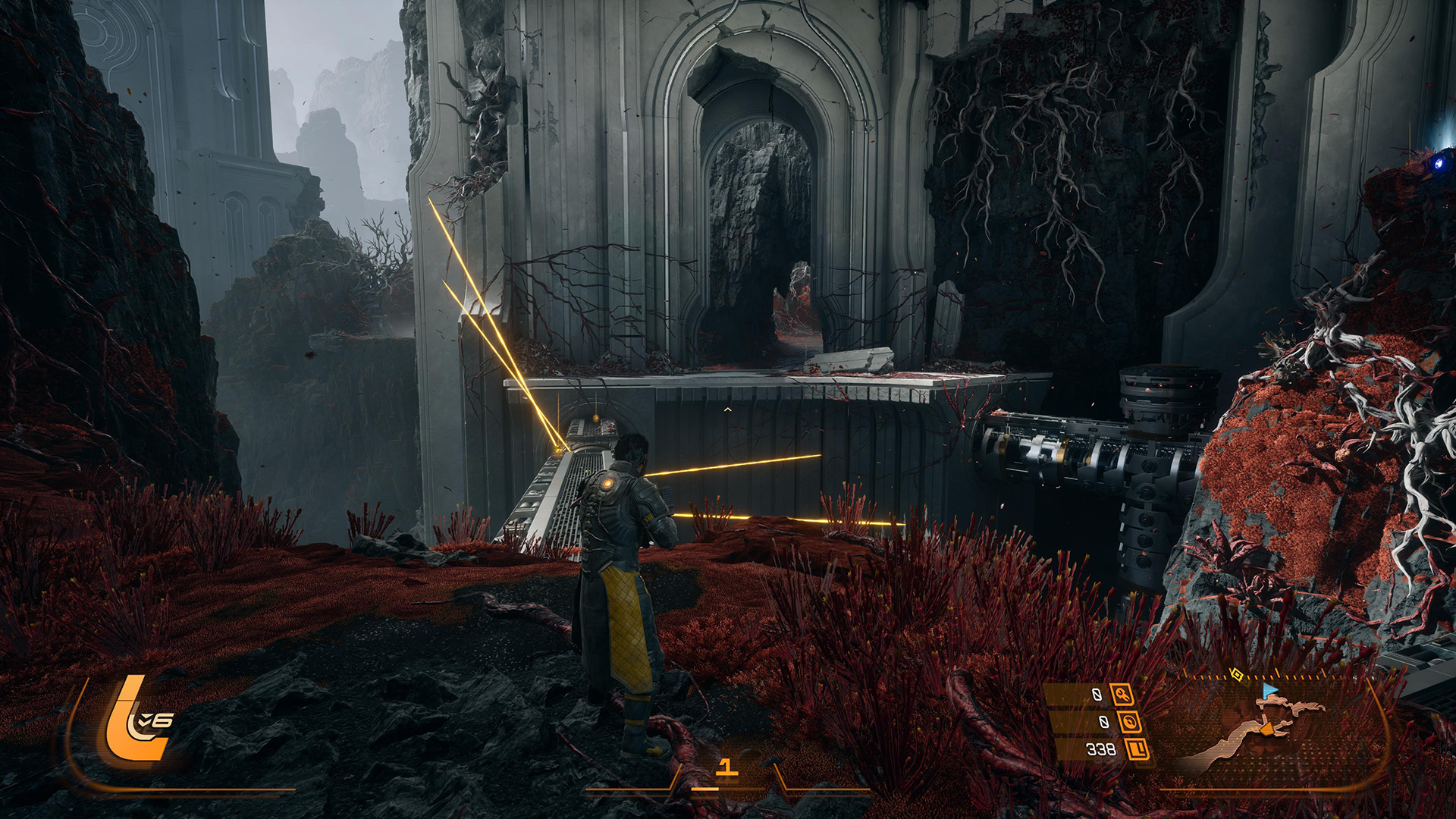
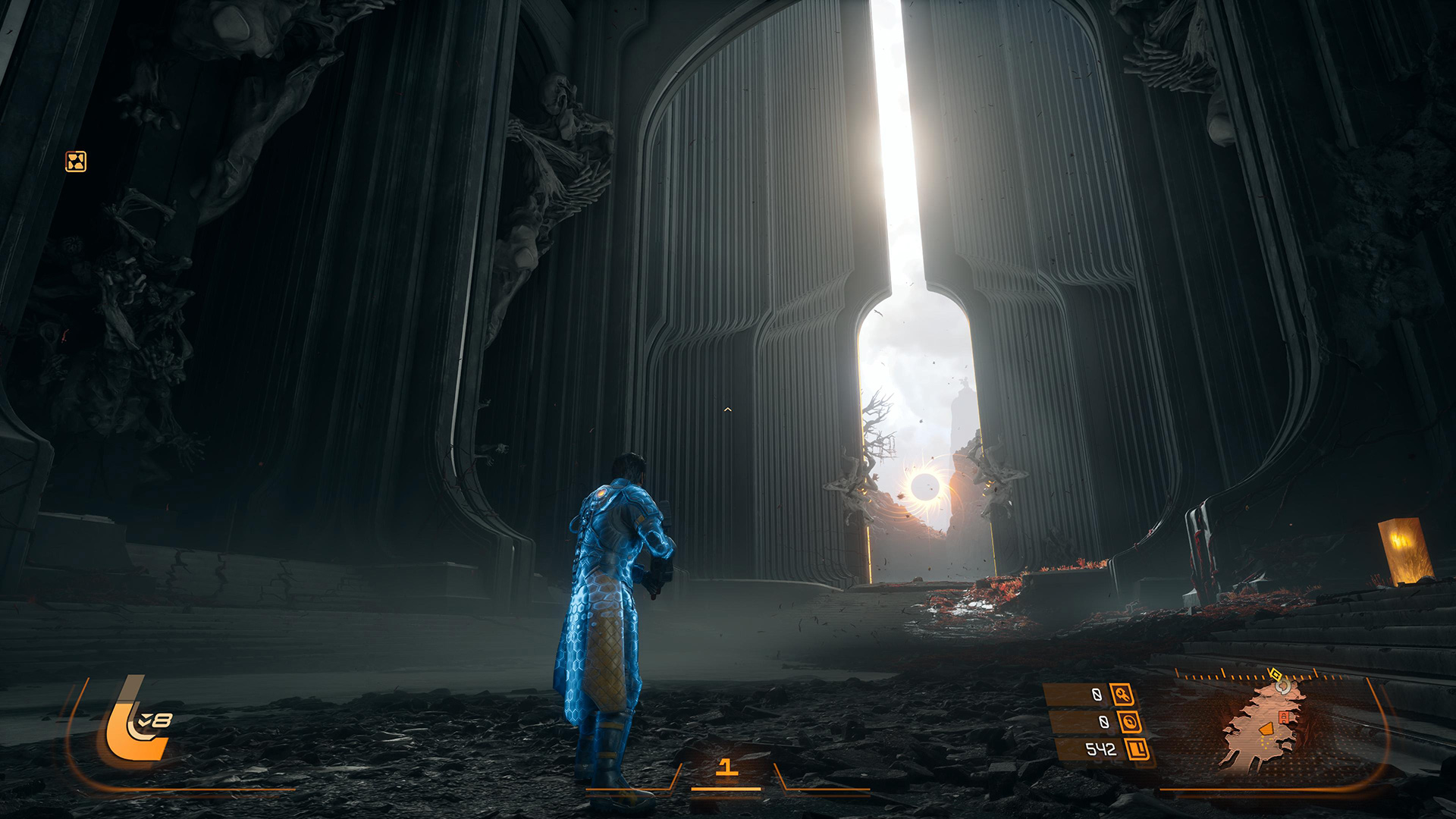
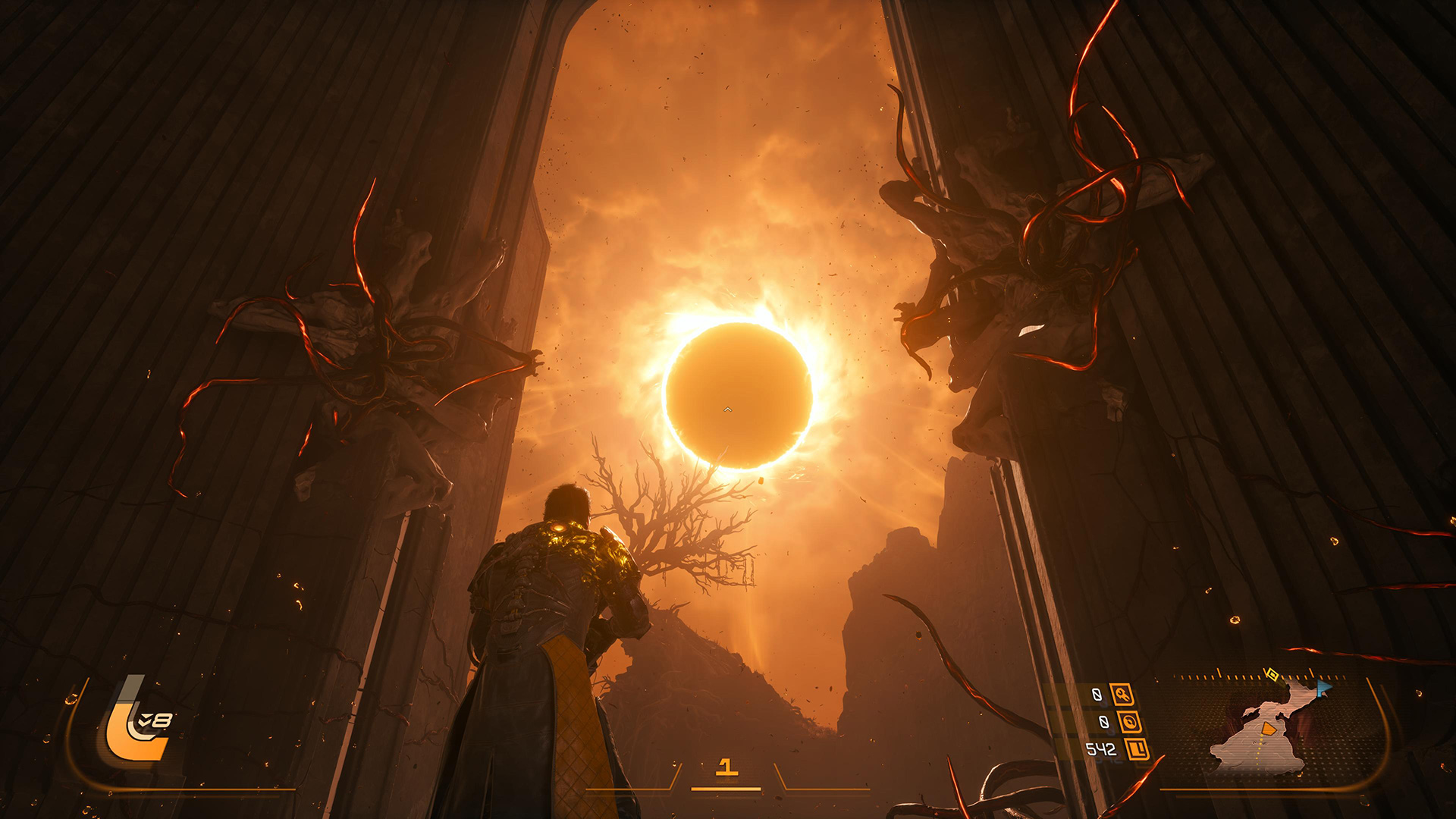
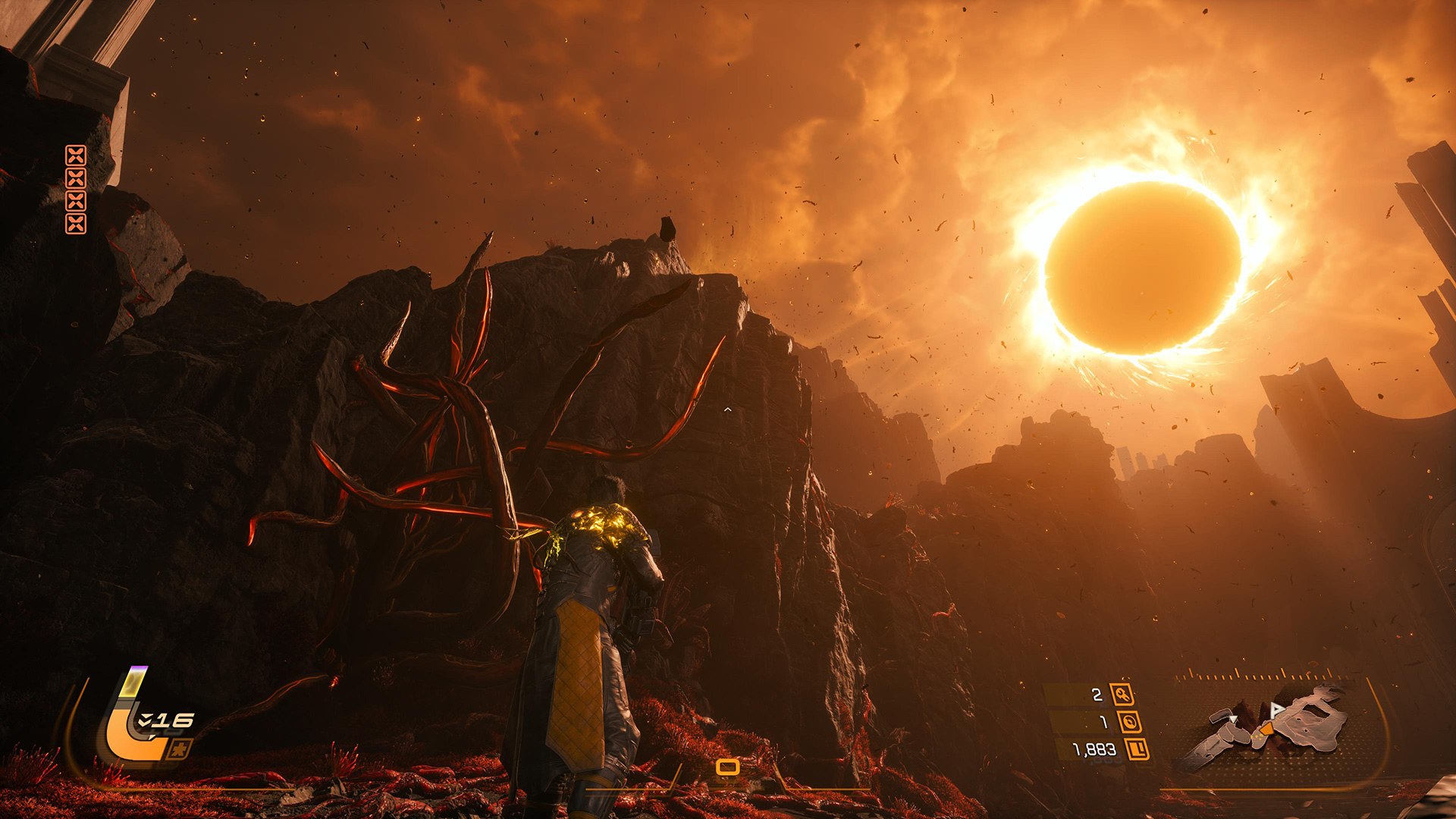
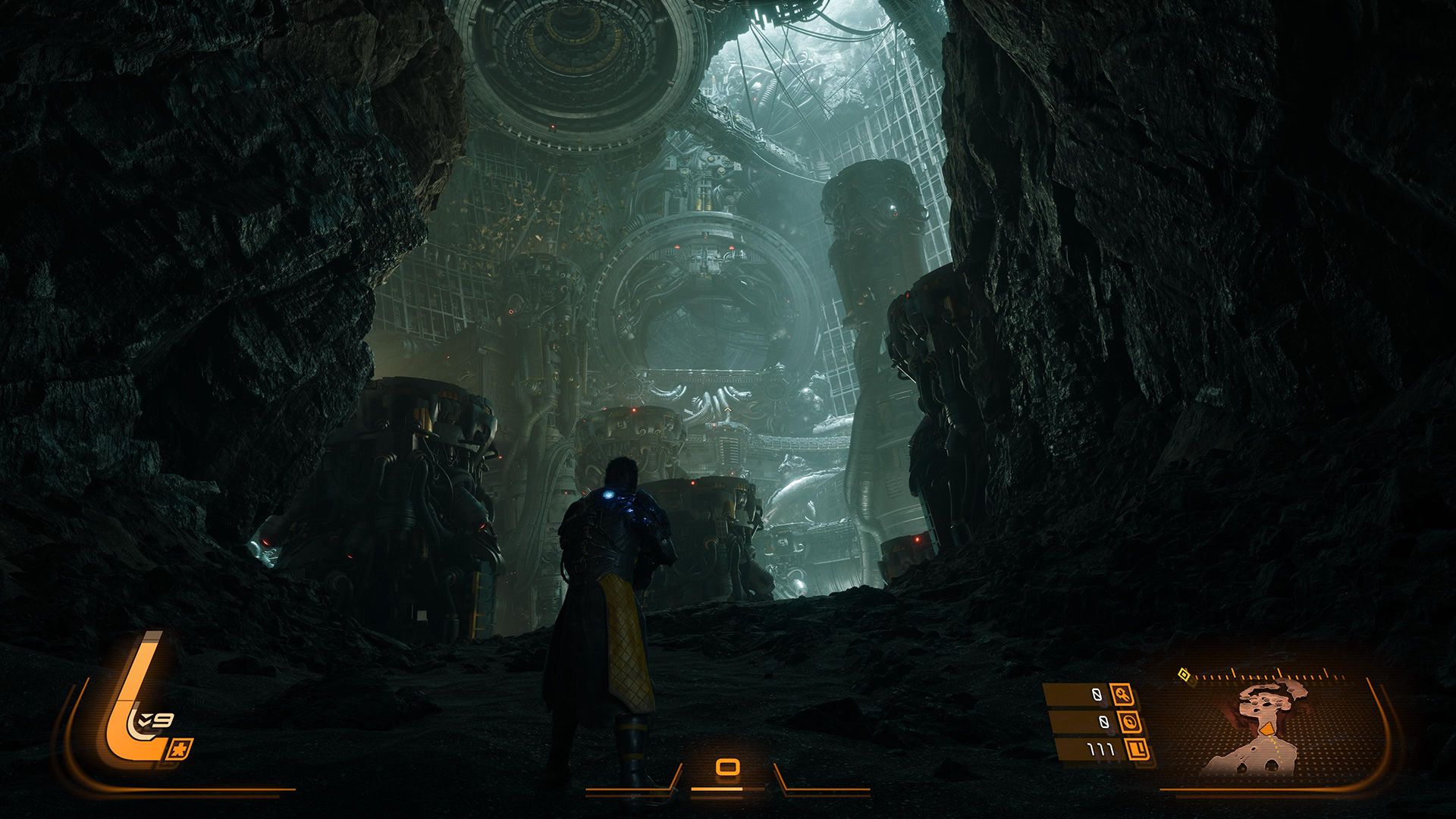
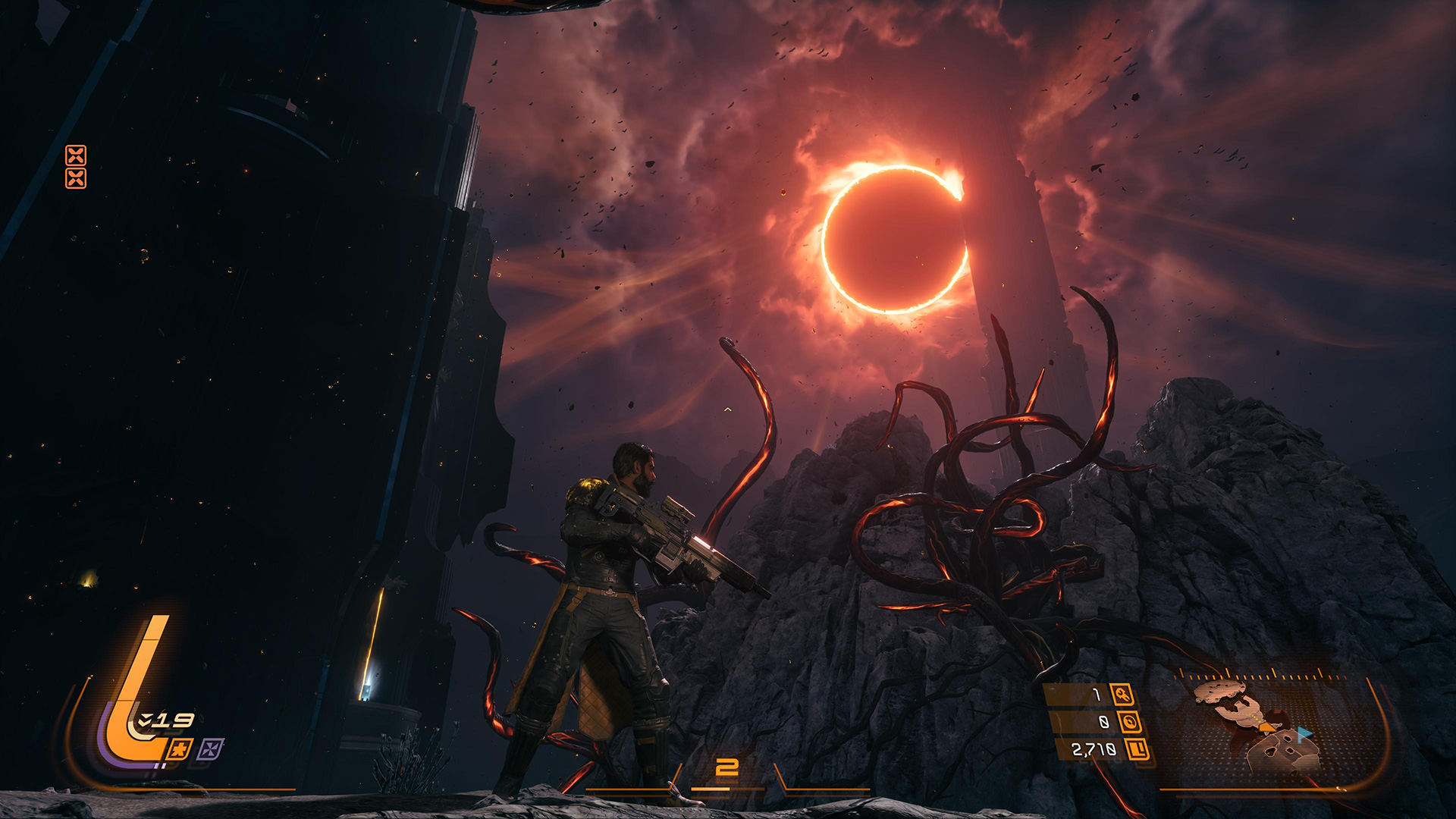
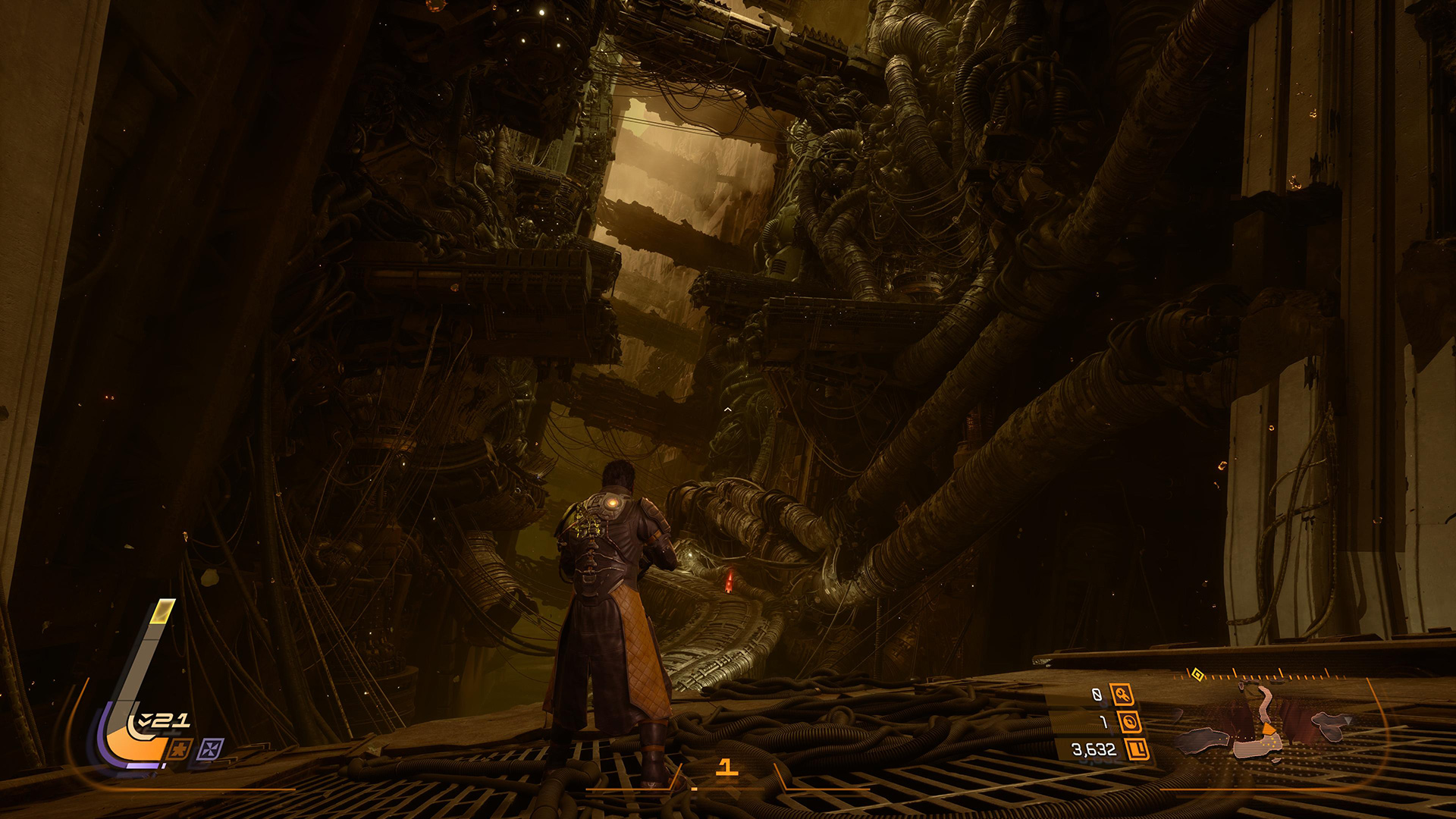
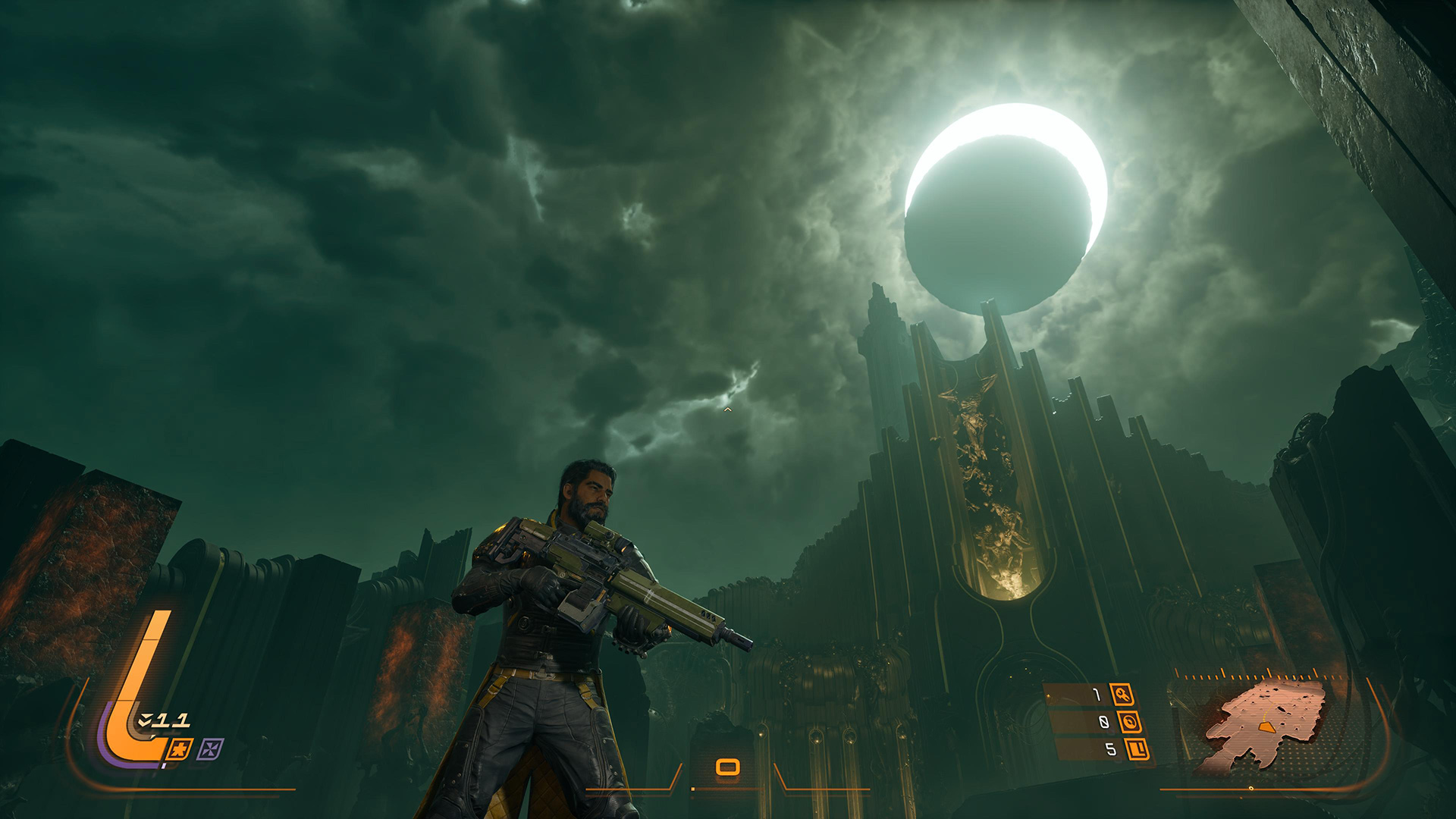
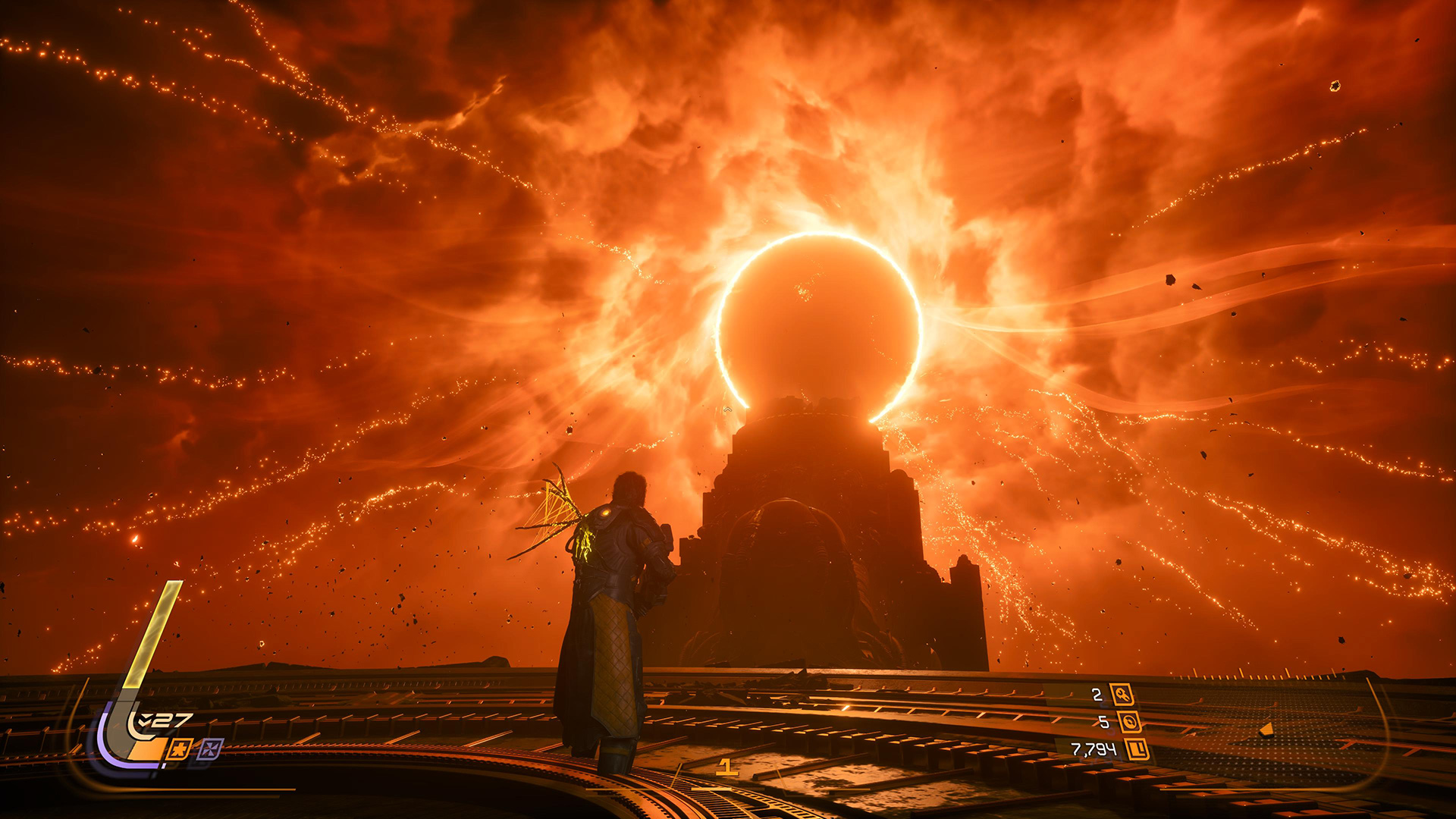
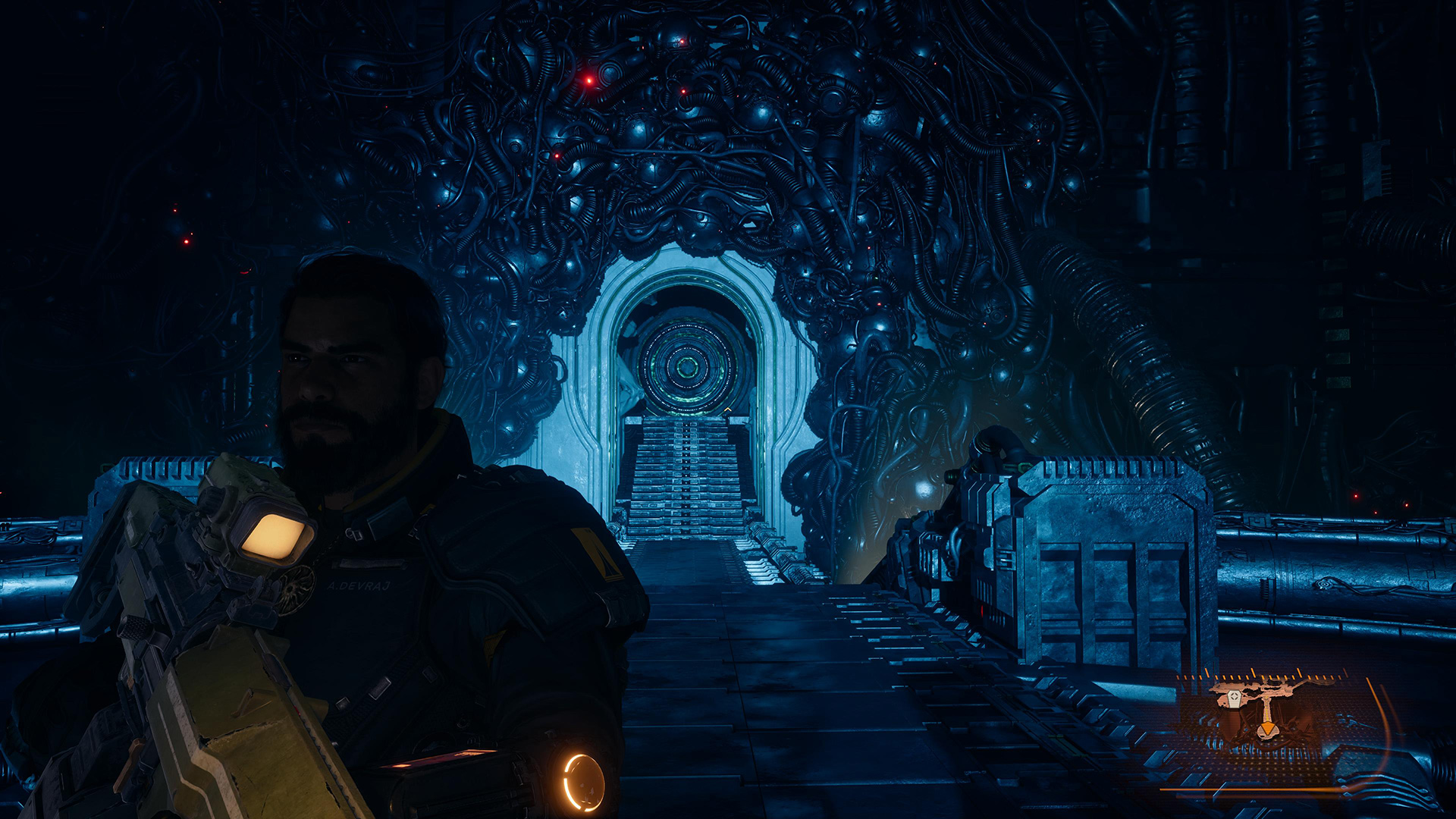
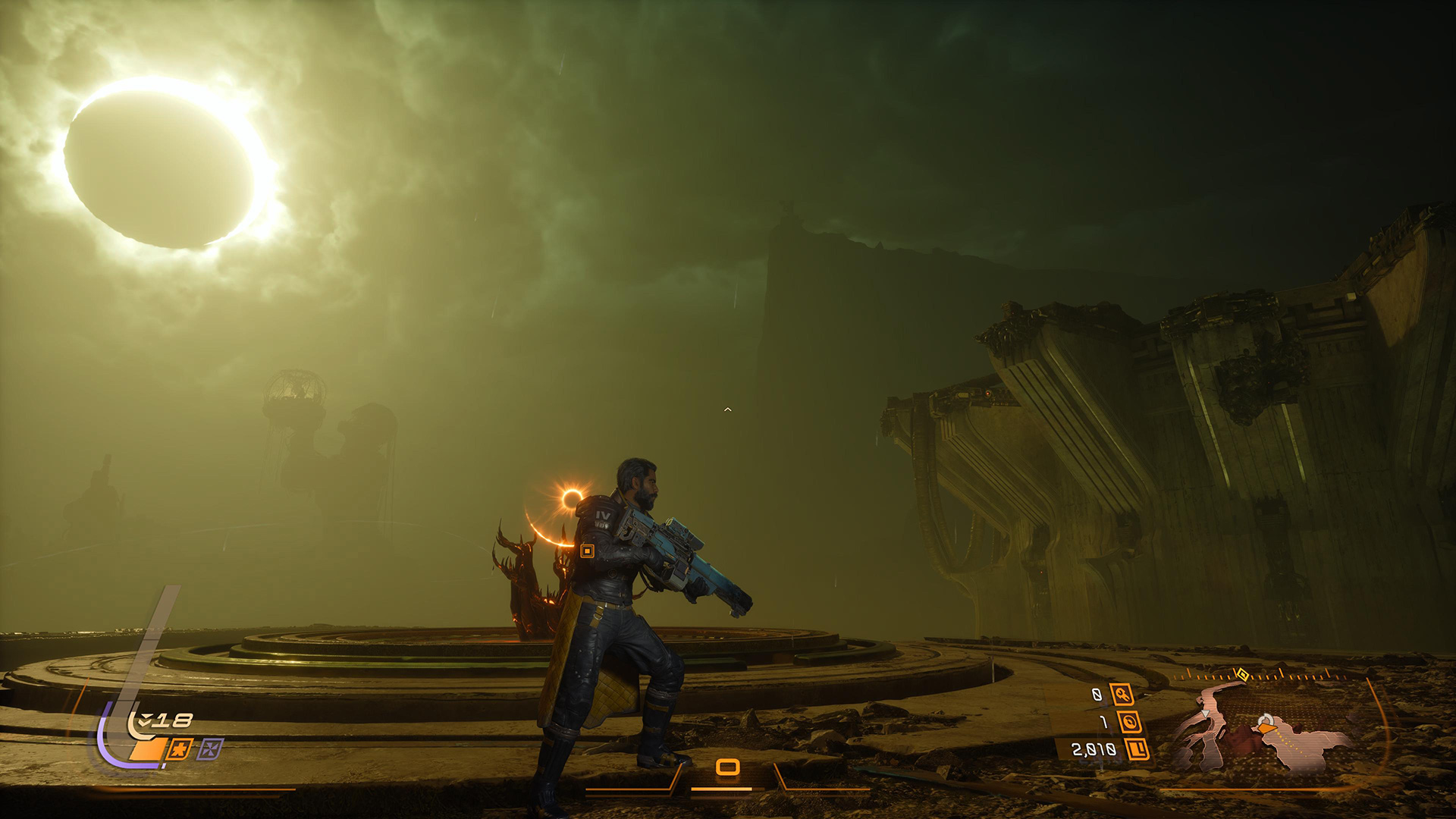
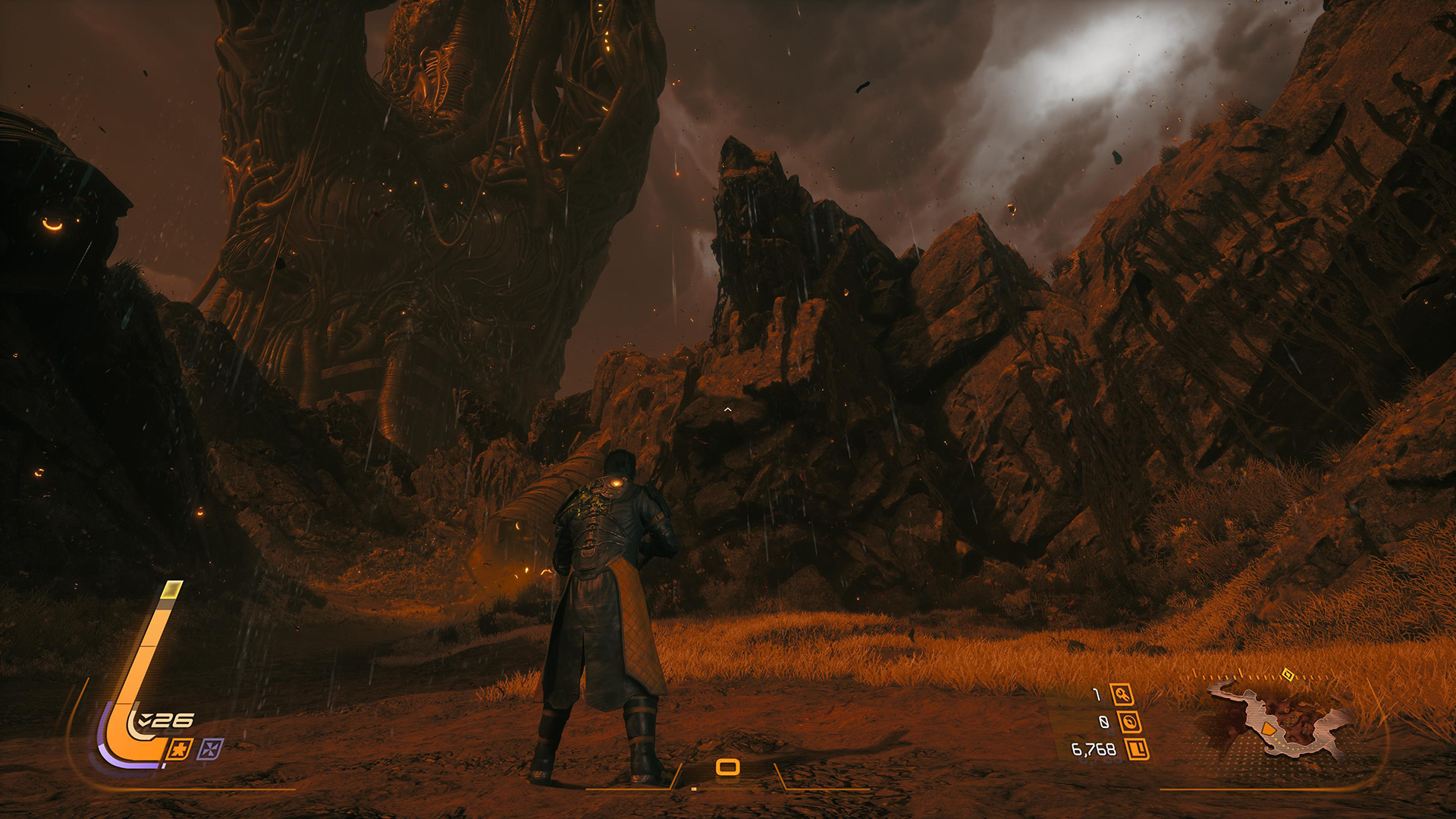
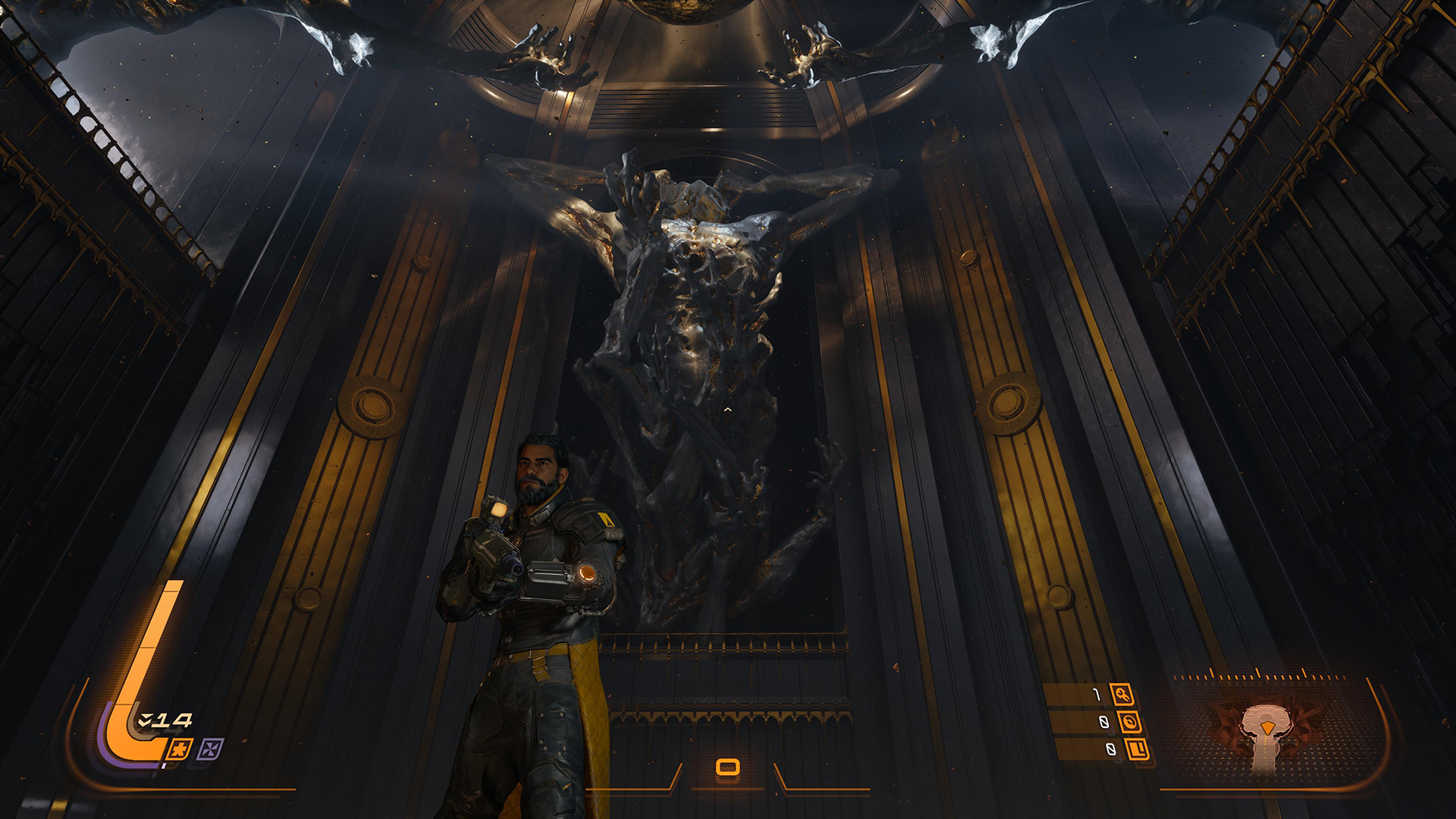
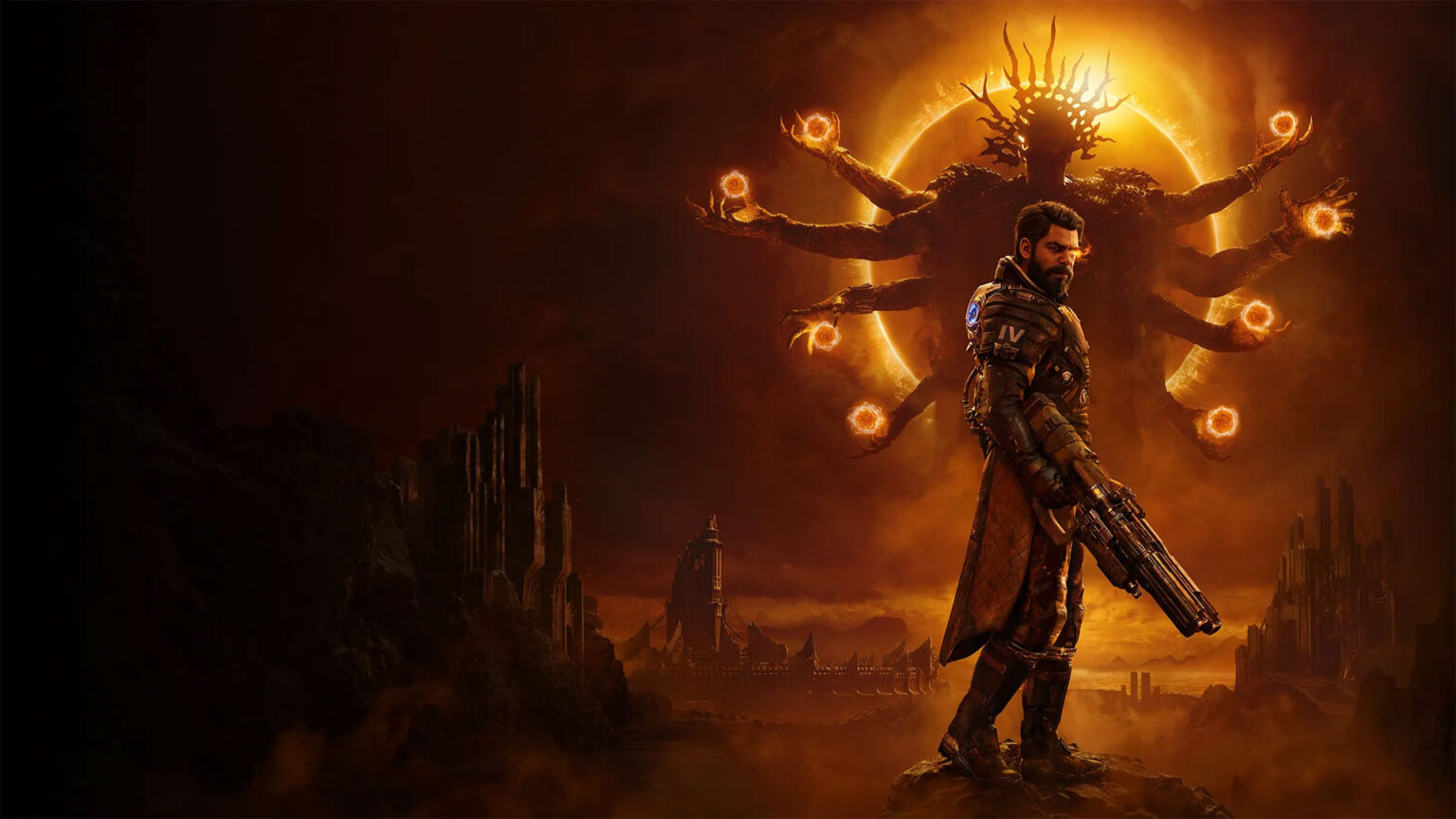
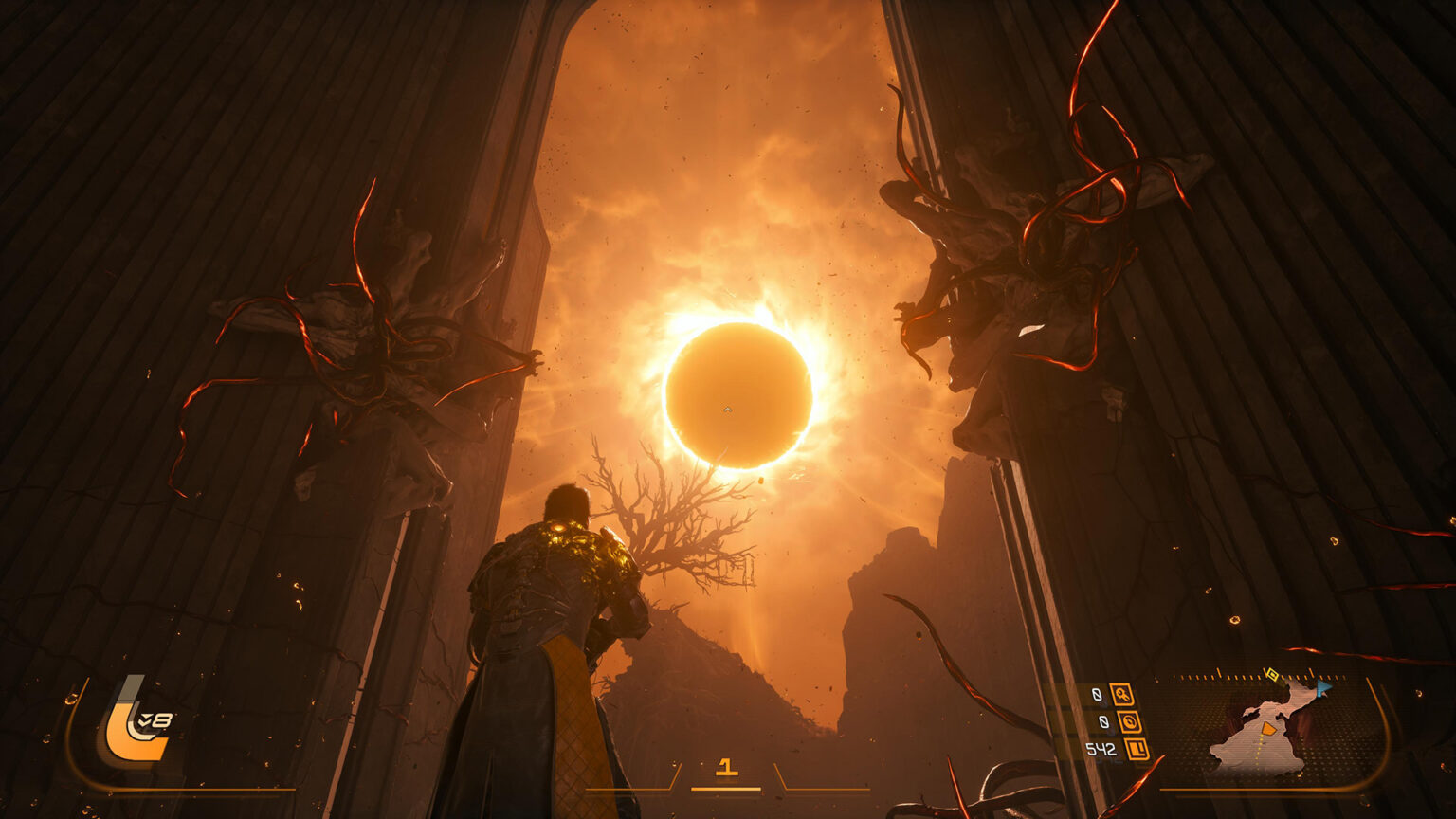
Where Saros really lost me was with its story. The setup is rich: Carcosa is a planet that shifts after every death, with ancient ruins, alien biomes, and corrupting cosmic forces tied to a recurring eclipse. There’s a lost off-world colony, a faction called the Soltari, and a protagonist with a fractured past. The mystery of the place itself is compelling.
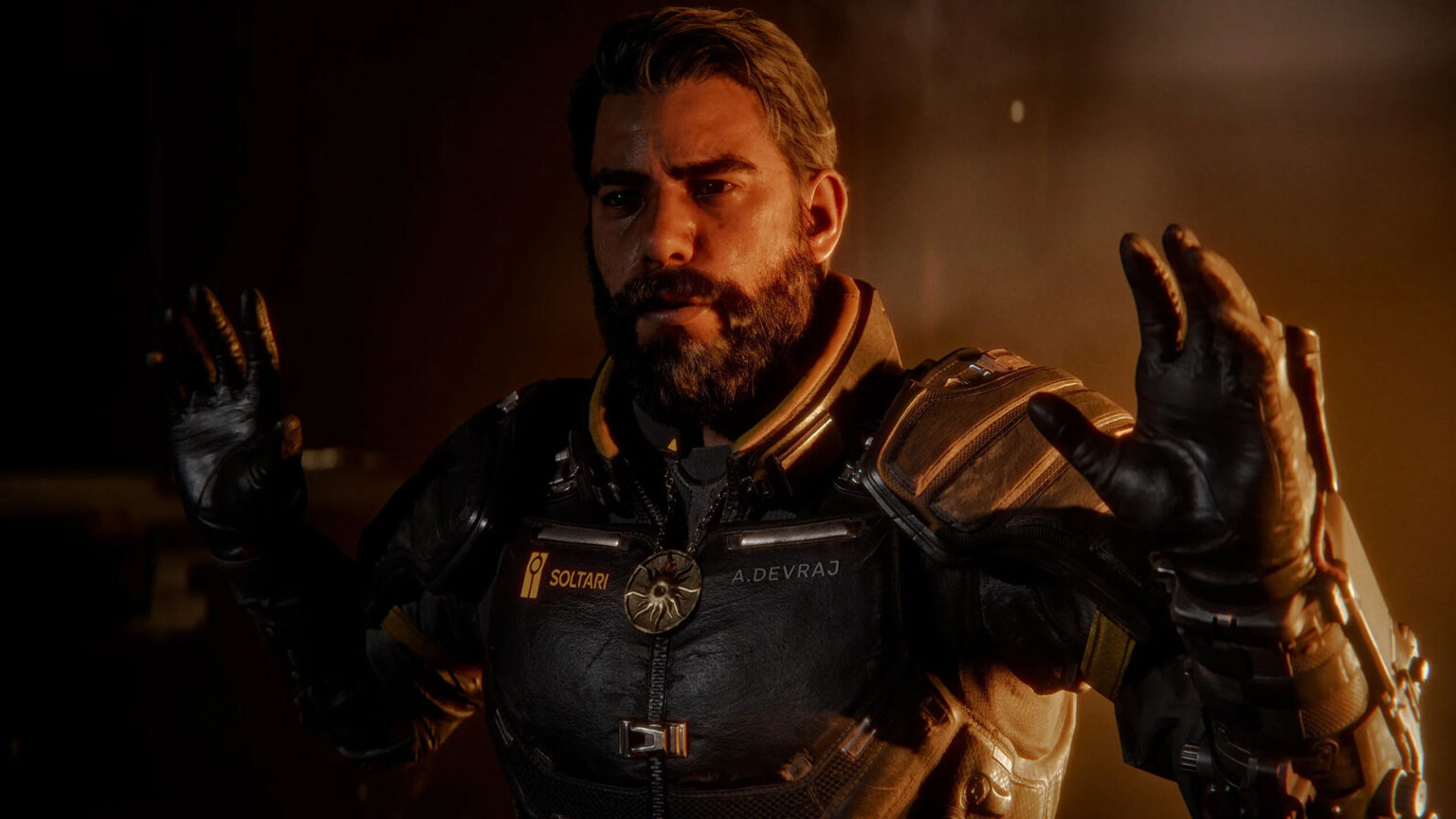
The problem is that Saros isn’t really about Carcosa. It’s about the cast of characters around Arjun Devraj, and they just aren’t very interesting. It reminded me a bit of Lost, a show where the more I think about it, the more I wish it had spent more time on the island’s mysteries and less on the character drama. Saros has the same energy. There’s a fascinating world to dig into, and instead the focus stays squarely on the people in it.
That said, the writing itself has a Remedy Entertainment flavor. The audio logs, the cryptic conversations, the slightly off-kilter tone all remind me of Control and a bit of Alan Wake 2 even, which I think is a fair compliment. The voice acting is strong, and the cinematics are well-shot. The bones of a great story are here. I just wish the focus had been on the parts of Carcosa that I actually wanted to know more about.
At the end of the day, I want to be clear about where I land on Saros: it’s one of my favorite games of 2026, and the fact that I’m still chasing the platinum says everything about how much I enjoy the moment-to-moment gameplay. If you bounced off Returnal because the lack of permanent progression felt like a wall to grind against, Saros is the version Housemarque built for you. Returnal fans should still find plenty to love here too, even if the meta progression makes things feel a touch less unforgiving than the original. As someone who couldn’t get into Returnal but really loved Saros, I’m glad Housemarque went this direction and I can’t wait to see what’s next.
Saros has an official release date of April 30, 2026, for PlayStation 5 and PlayStation 5 Pro. This review is based on a purchased retail copy of the game on PlayStation 5 Pro. While FullCleared does have affiliate partnerships, they do not influence our editorial content. We may earn a commission for purchases made through links on this page.
Saros Review Gallery (possible spoilers!)