Quick Verdict
I said in my Pokémon Legends: Z-A review that Pokémon fans deserve better, and Pokémon Pokopia is exactly what I was talking about. It’s the best Pokémon game I’ve ever played, and ironically, it’s not really a Pokémon game at all. There’s no combat, no RPG elements, and no traditional Pokémon gameplay loop. Instead, it’s a building and crafting game co-developed by Koei Tecmo’s Omega Force that leans far more into Dragon Quest Builders 2 and Minecraft territory than anything Game Freak has put out on its own. And it’s incredible.
With over 60 hours played, having rolled credits and started building out both my personal Palette Town and a shared cloud island with friends, I can confidently say Pokémon Pokopia is one of the most addictive and fulfilling games I’ve played in a long time. It’s cozy without being boring, deep without being overwhelming (mostly), and packed with so much to discover that I can easily see myself pouring another 60 hours into it. If you’re a fan of Pokémon, cozy games, crafting games, or all of the above, this is an easy recommendation.
Builbasaur
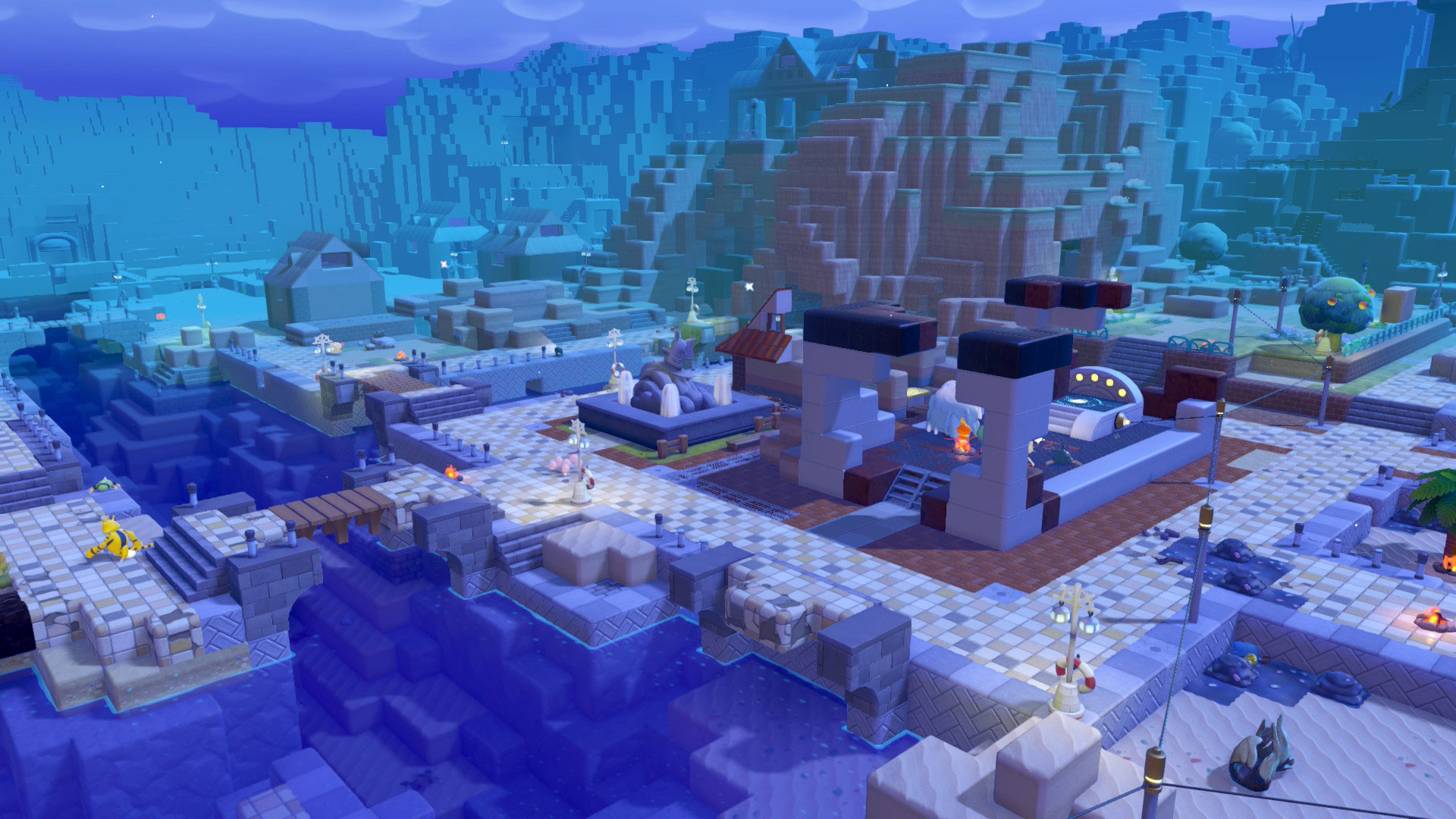
Before I go any further, I want to set expectations for anyone walking in expecting a traditional Pokémon experience. Pokémon Pokopia is not that. When the game first debuted during a Nintendo Direct, I compared it to Animal Crossing with a Pokémon skin. Once we learned Koei Tecmo was co-developing it, the Dragon Quest Builders 2 comparisons made a lot more sense. Having now played through the entire game, I can say it’s much more Minecraft than Animal Crossing. You’re gathering resources, crafting items, building structures from the ground up, and creating habitats to attract Pokémon. There’s a genuine sense of creative freedom here that Animal Crossing never really offers.
I played both Dragon Quest Builders and Dragon Quest Builders 2 but never finished either of them. The combat sequences got tedious, and the building never felt rewarding enough to push through those parts. Pokémon Pokopia strips away all of that friction. There’s no combat getting in the way of the building loop, and the habitat system gives everything you build a tangible purpose. Every structure, every decoration, and every toy you place is working toward making your Pokémon happier and attracting new ones. It takes the best parts of Dragon Quest Builders 2 and wraps them in a Pokémon package that actually had me seeing the credits.
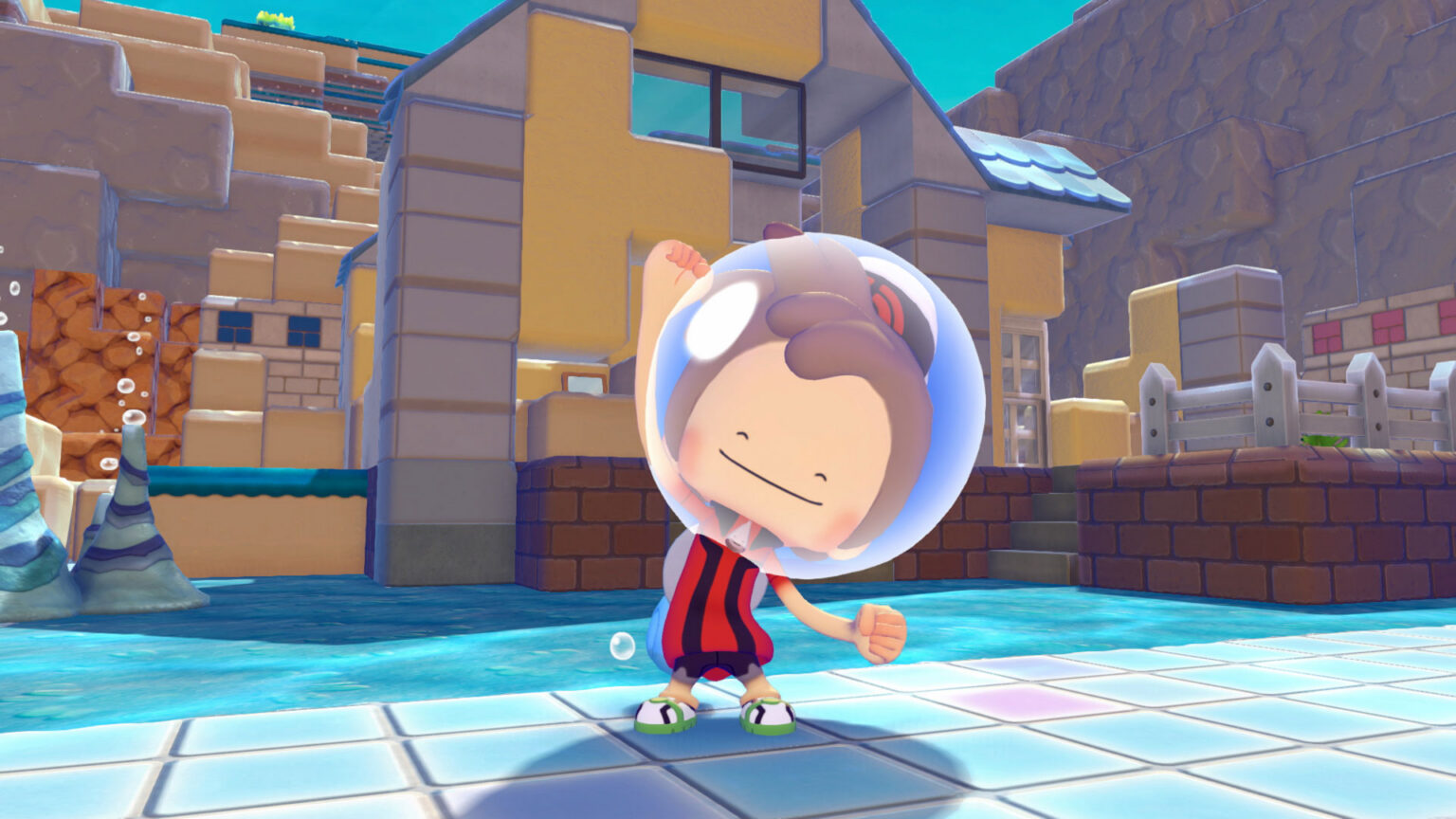
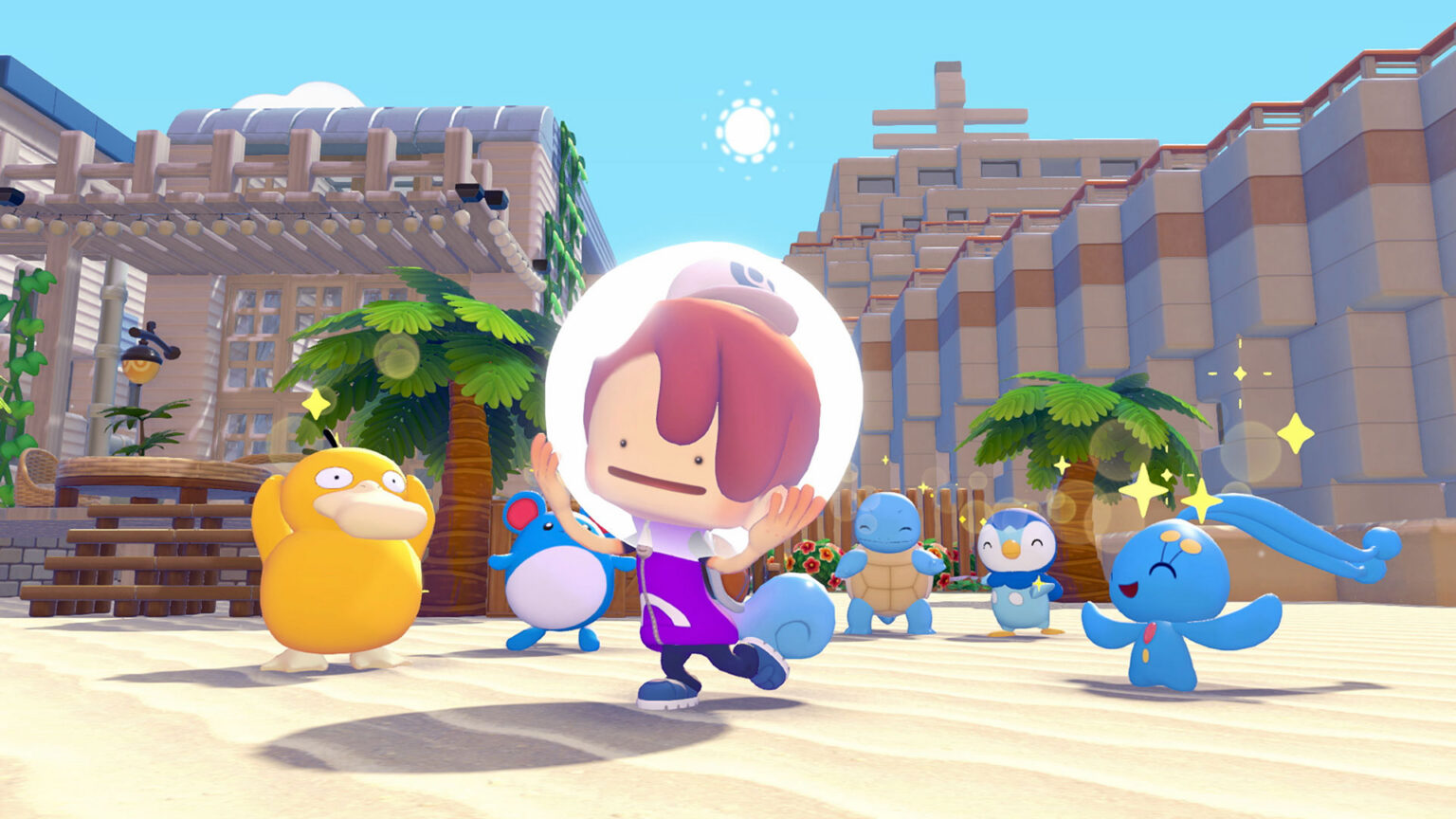
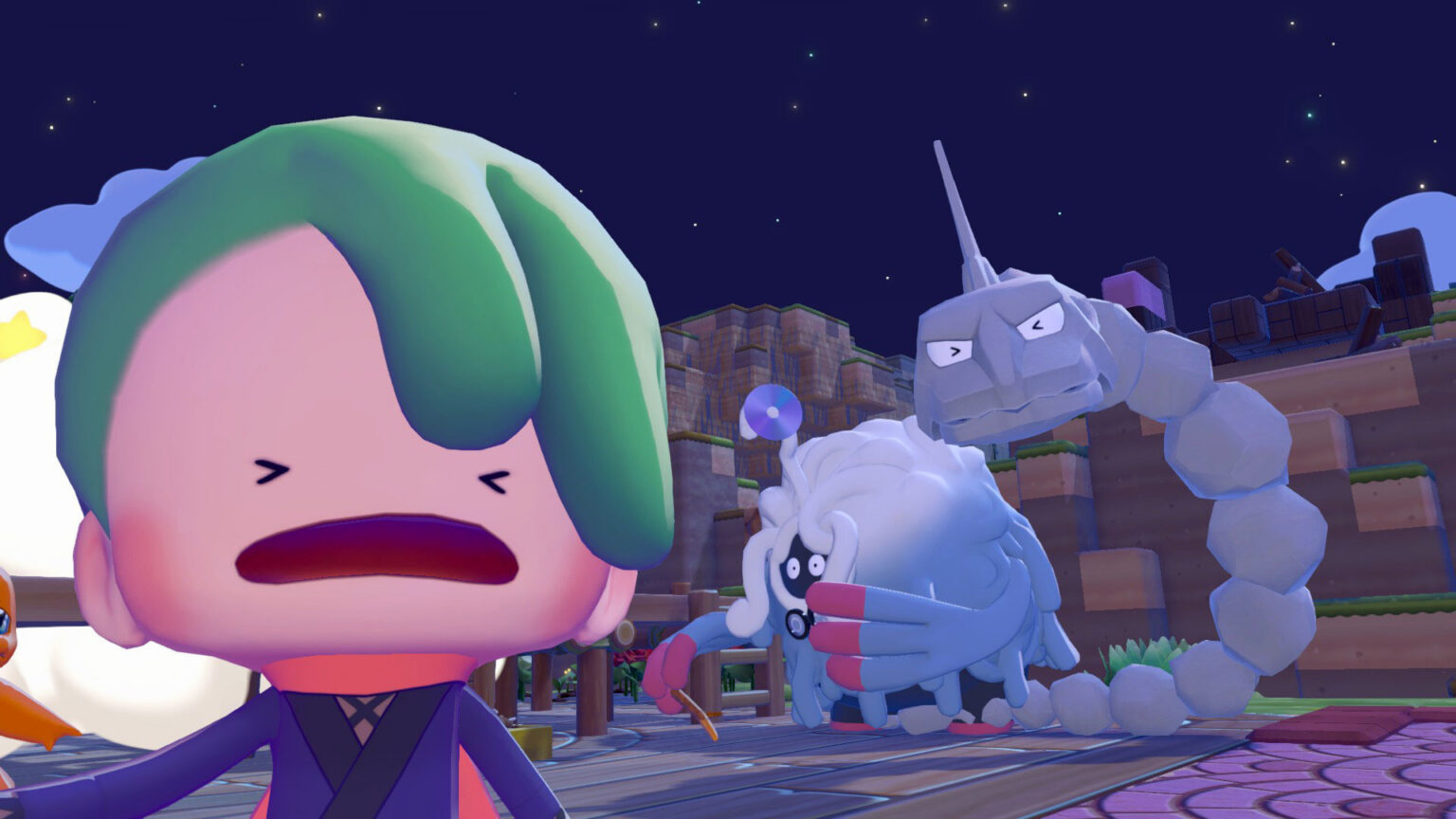
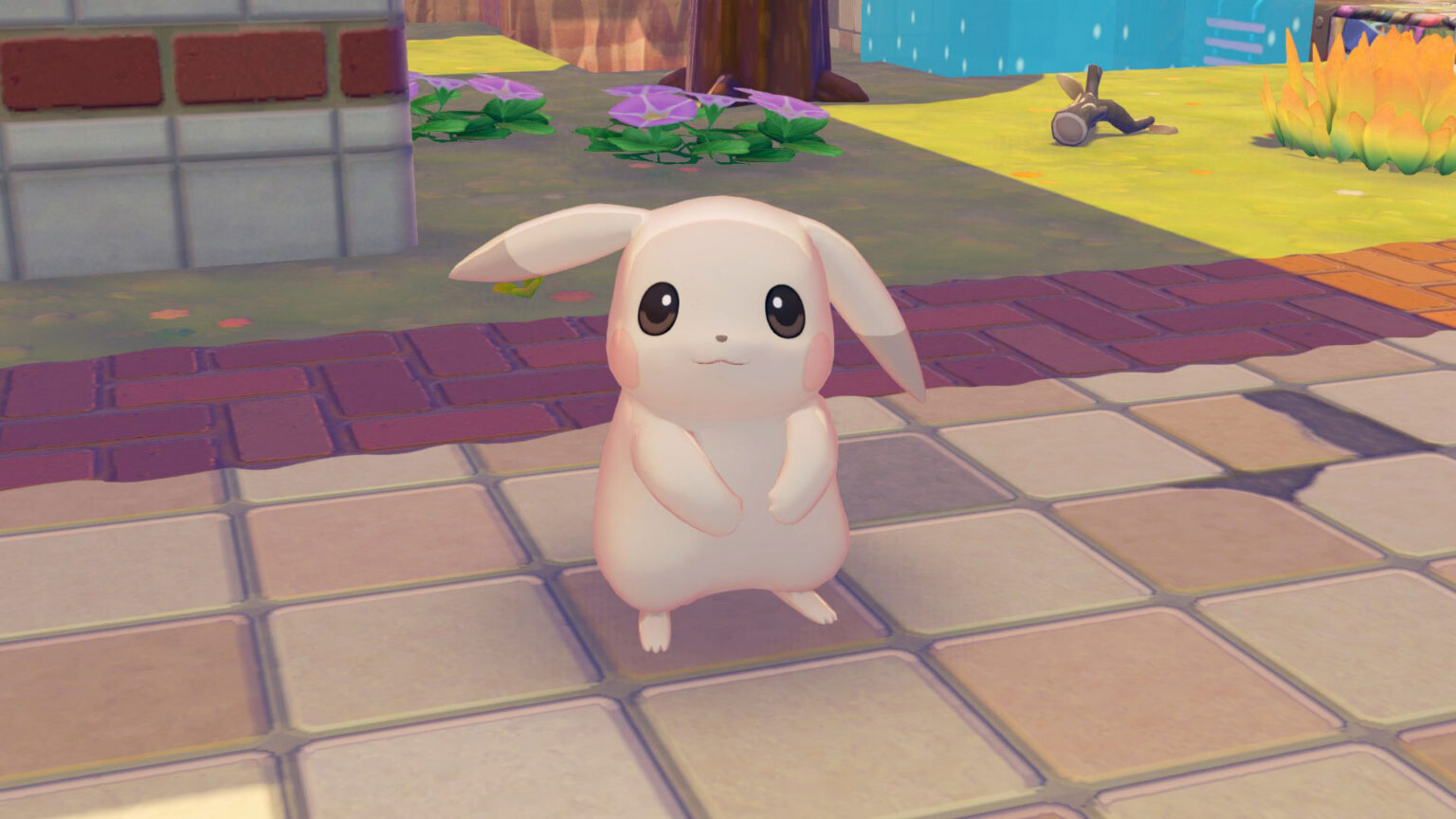
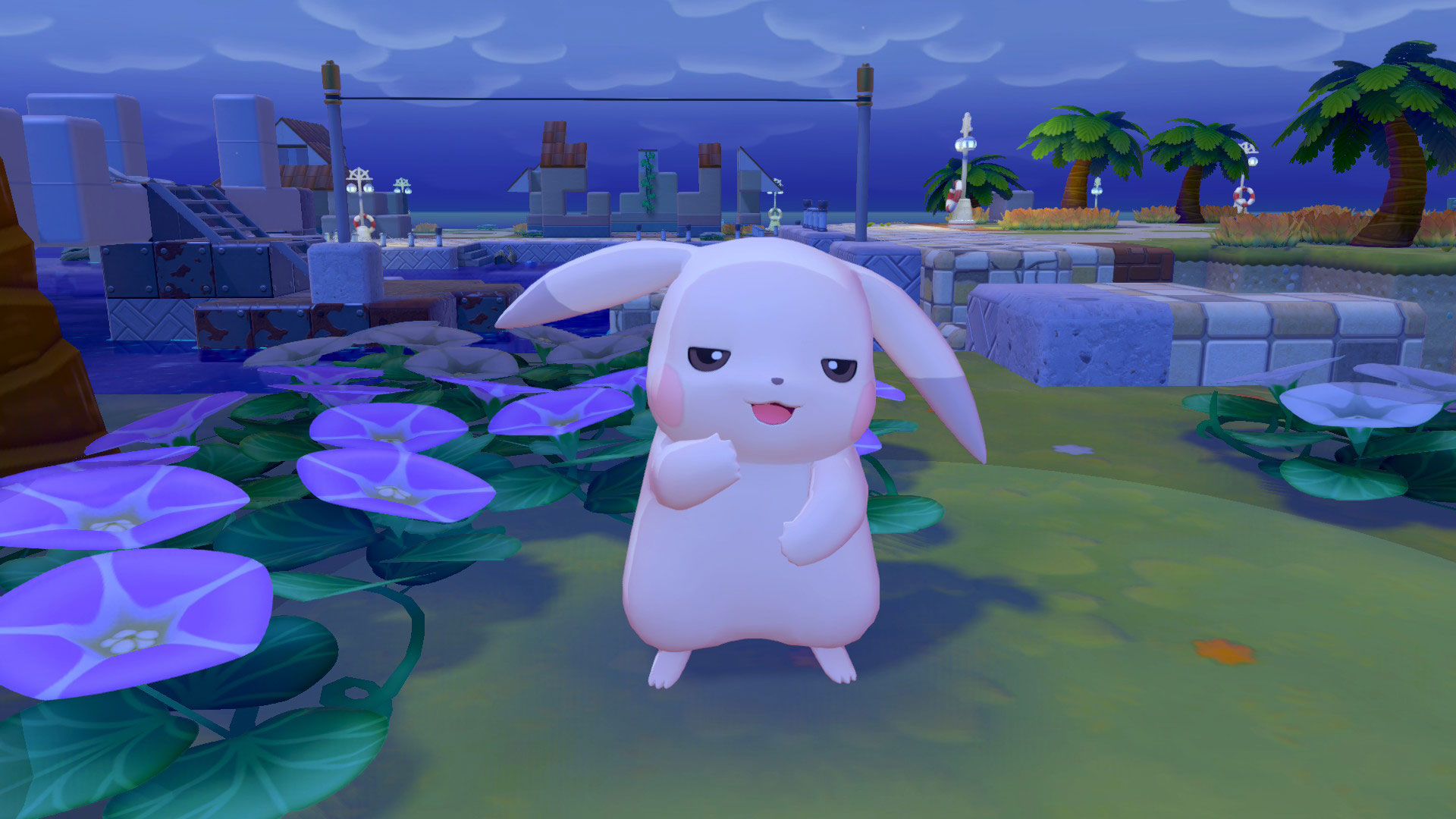
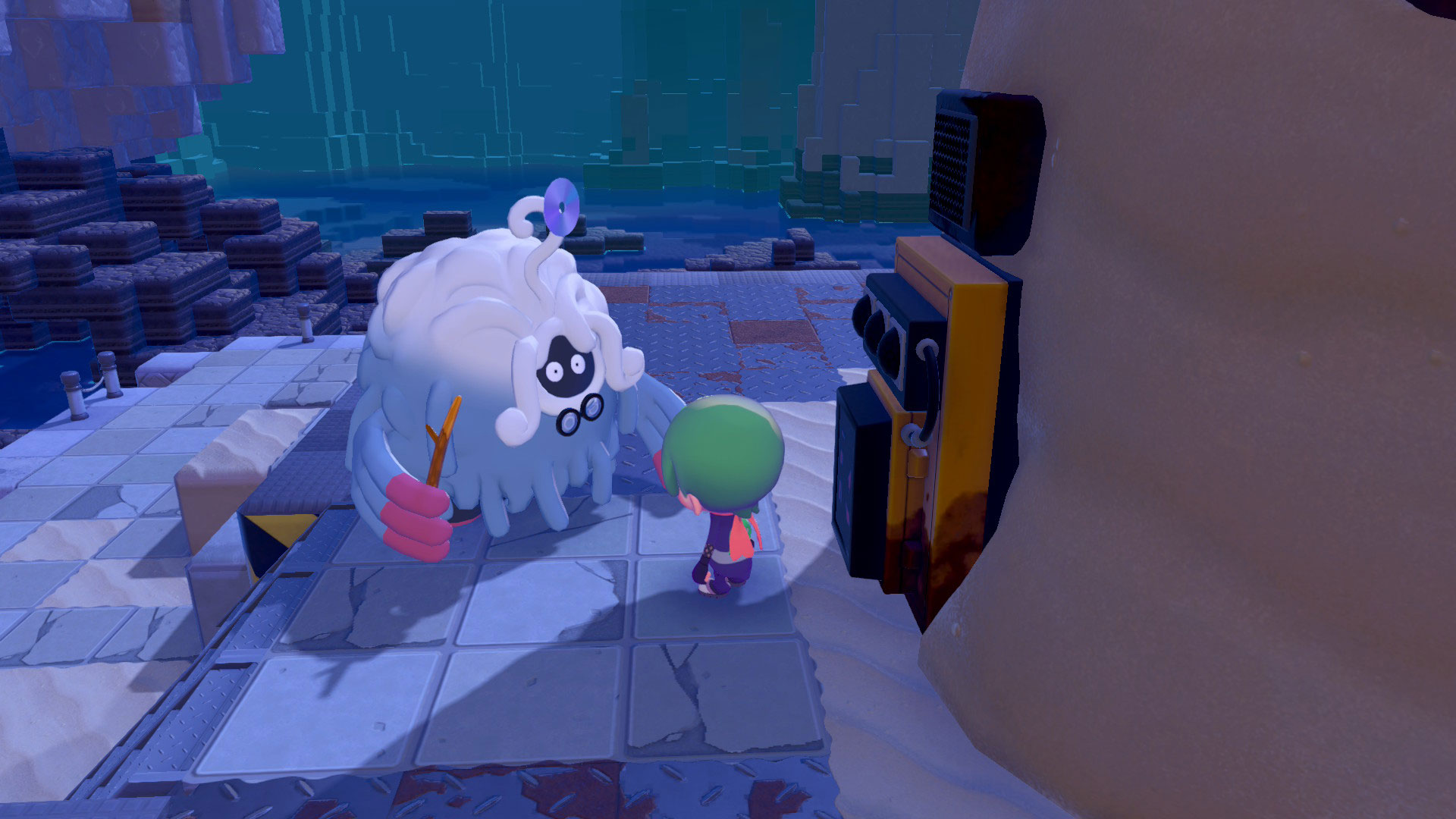
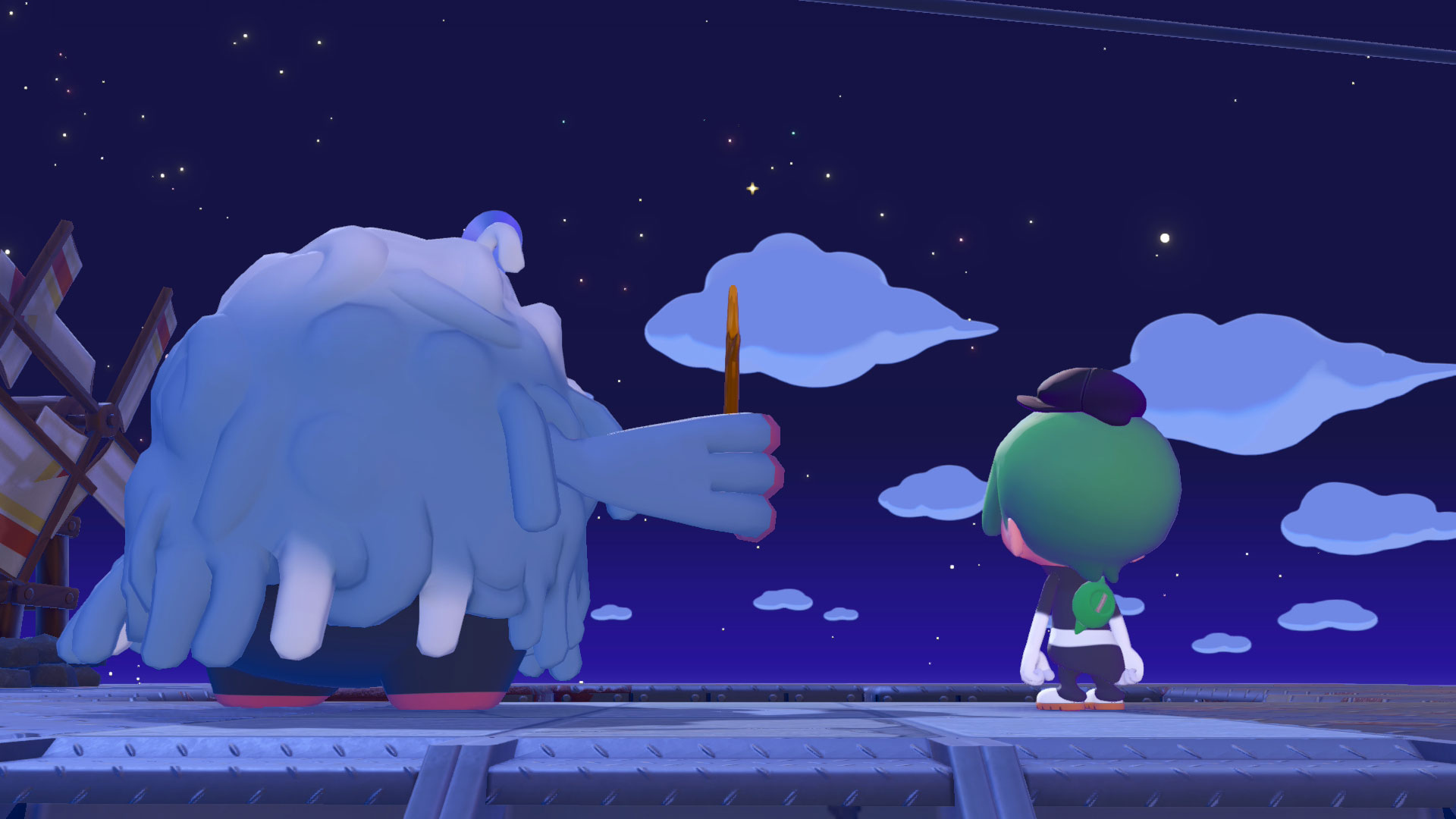
You play as a Ditto who has taken on a human-like appearance, dropped into a world where there are no other humans. Professor Tangrowth sends you on a journey across four islands to restore the land and bring Pokémon back to a thriving paradise. There’s an intriguing mystery as to why there are no humans and how the world ended up in its current state, but I’ll leave that for you to discover. The story across the four main islands follows a similar structure, tasking you with learning how to build habitats, attract specific Pokémon, and make them comfortable. But the goals on each island are different enough that it never feels like you’re just doing the same thing four times. And I have to say, the main quest is genuinely enjoyable throughout. You’re interacting with fan favorite Pokémon, doing fun things with them, and some of the smaller stories are surprisingly heartwarming. It’s nothing too deep, but it kept me engaged for the full playthrough. Also, Peakychu is now my favorite Pokémon. I’ll leave it at that.
Habitat for Pokémanity
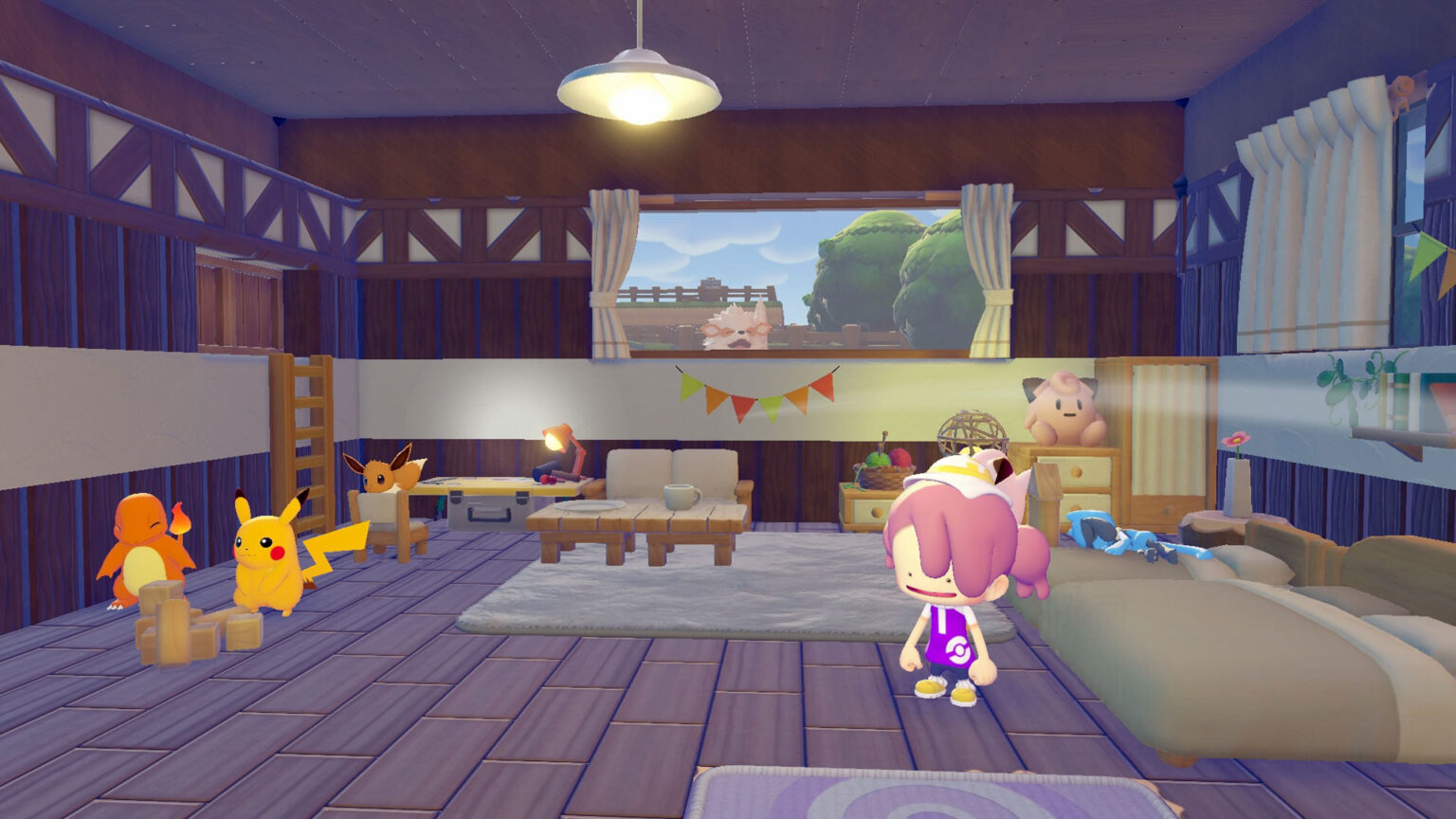
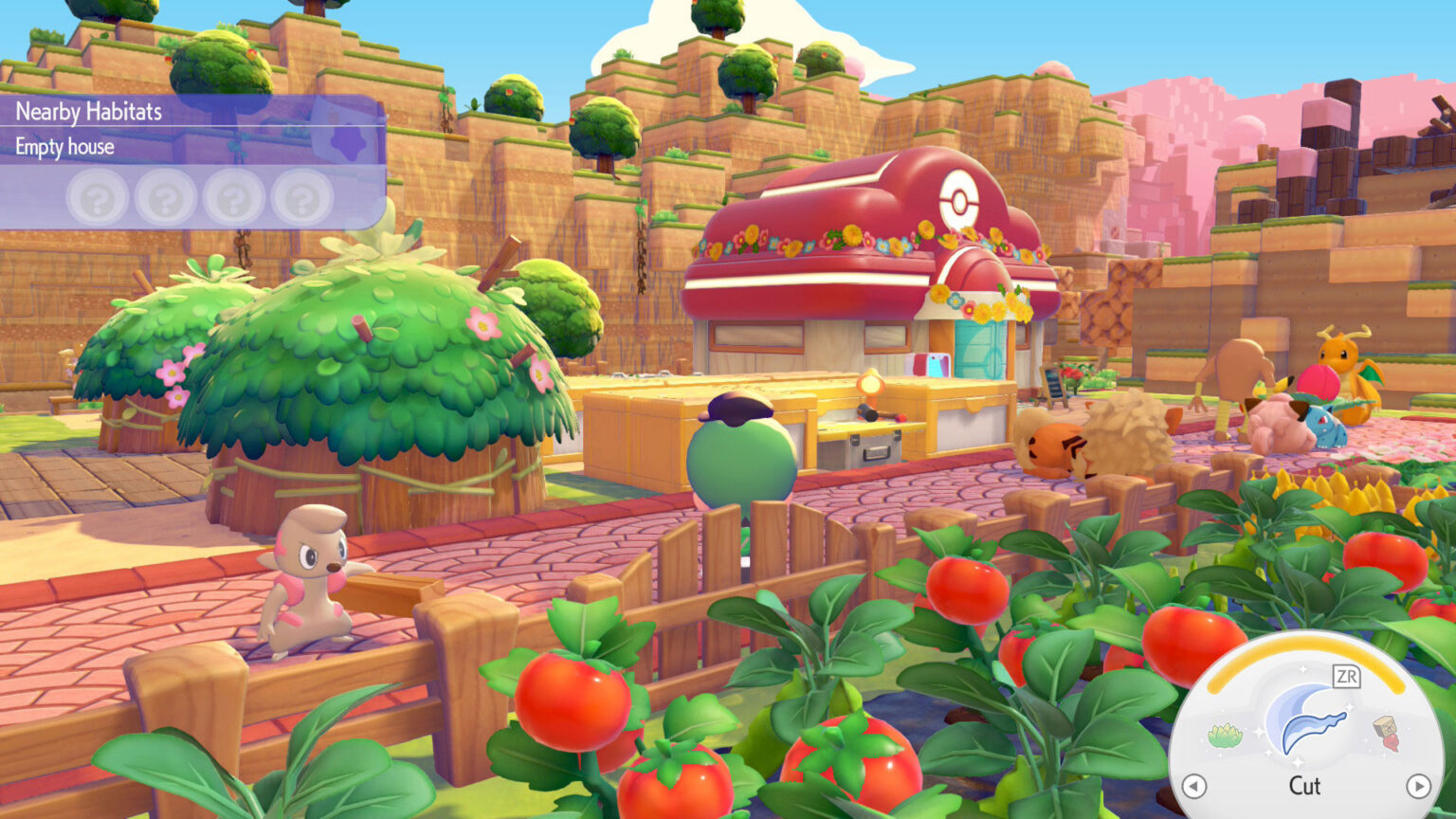
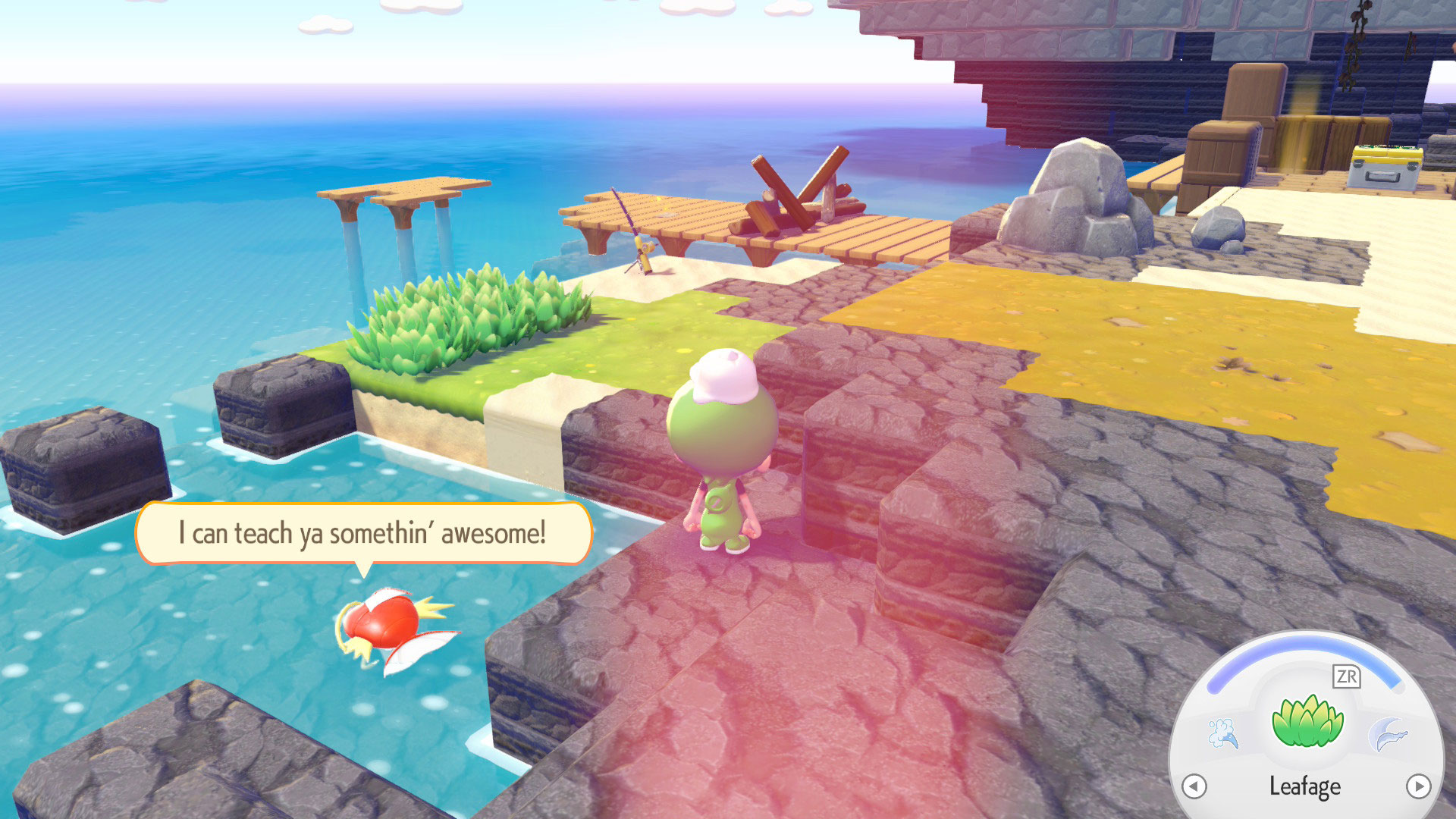
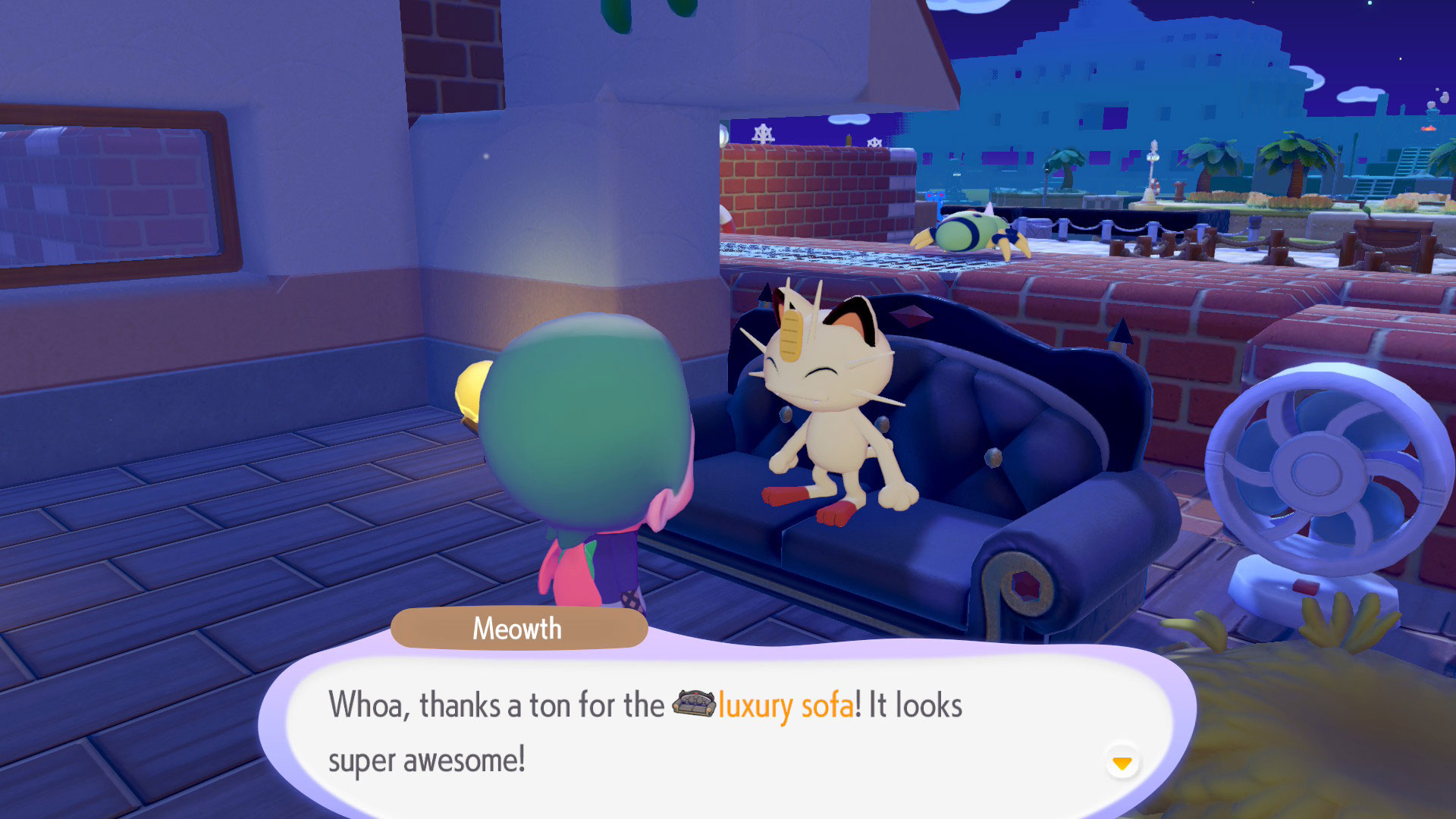
The core loop in Pokémon Pokopia is simple: build a habitat, discover a new Pokémon, then make that Pokémon more comfortable. It sounds straightforward, but in practice, it’s one of the most addictive gameplay loops I’ve experienced in recent years. Different Pokémon are attracted to different habitats, so you’re constantly experimenting with combinations of furniture, toys, decorations, and environmental elements to see who shows up. Place a fishing rod and a chair by the seashore, and a Magikarp might appear. Build a cozy little cabin in the woods with the right touches, and you’ll attract something entirely different.
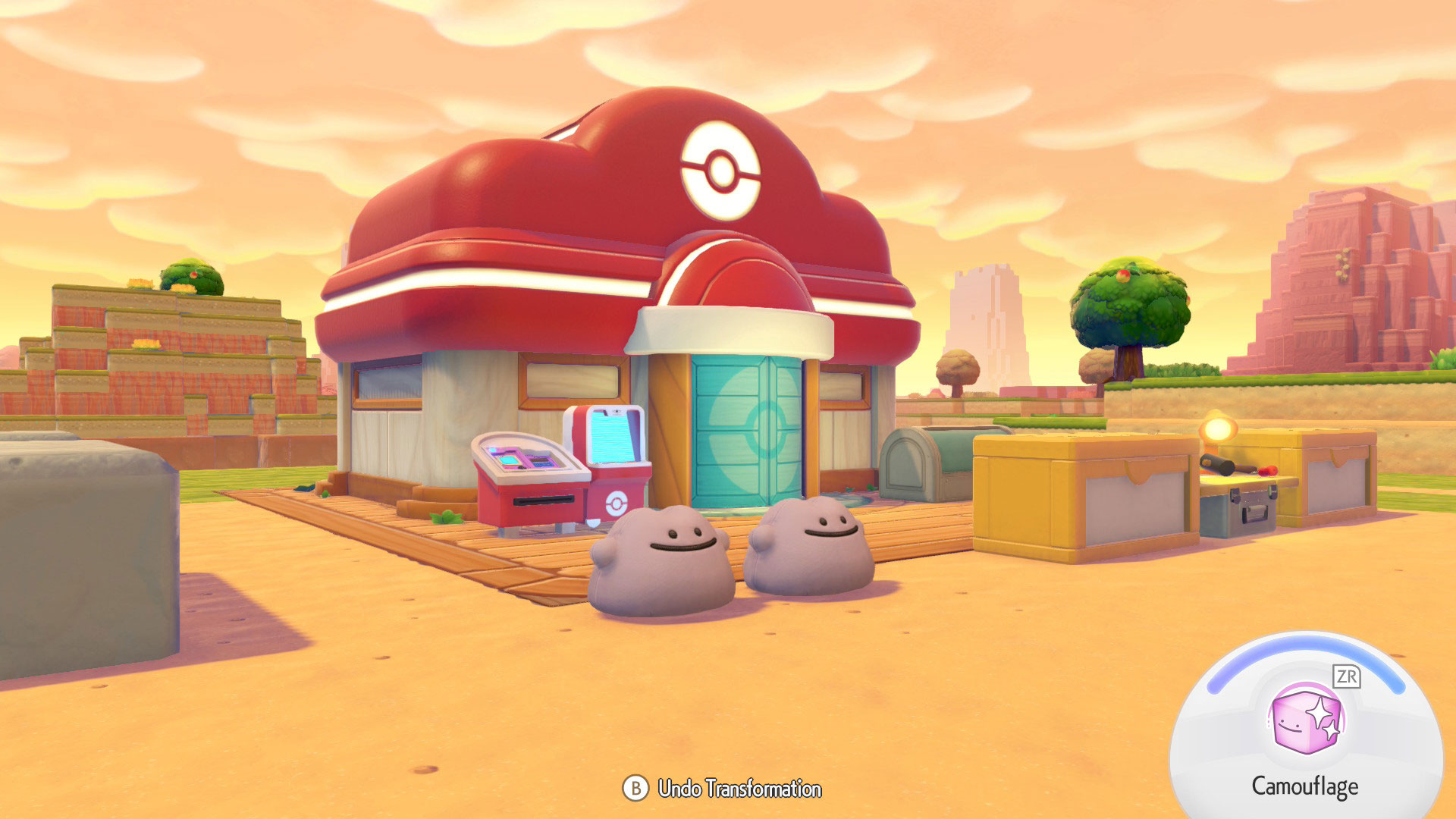
Once a Pokémon moves in, you can continue improving its habitat to make it happier. This is where the game really hooks you, because there’s always one more thing you can add or tweak. A new toy here, a better decoration there, maybe a relaxation item you just unlocked. The feedback loop is constant and rewarding without ever feeling like a grind. The game does a great job of directing you through this system during the main quest, but it also gives you a ton of freedom. You can use preset kits for predetermined buildings, or you can go full Minecraft and build everything from scratch. Registering a building as a “home” is as simple as putting a door on it, which means you can turn virtually anything into a livable space. The creativity ceiling is genuinely high, and the builds I’ve already seen on YouTube are overwhelming in the best way.
Shellder From the Storm
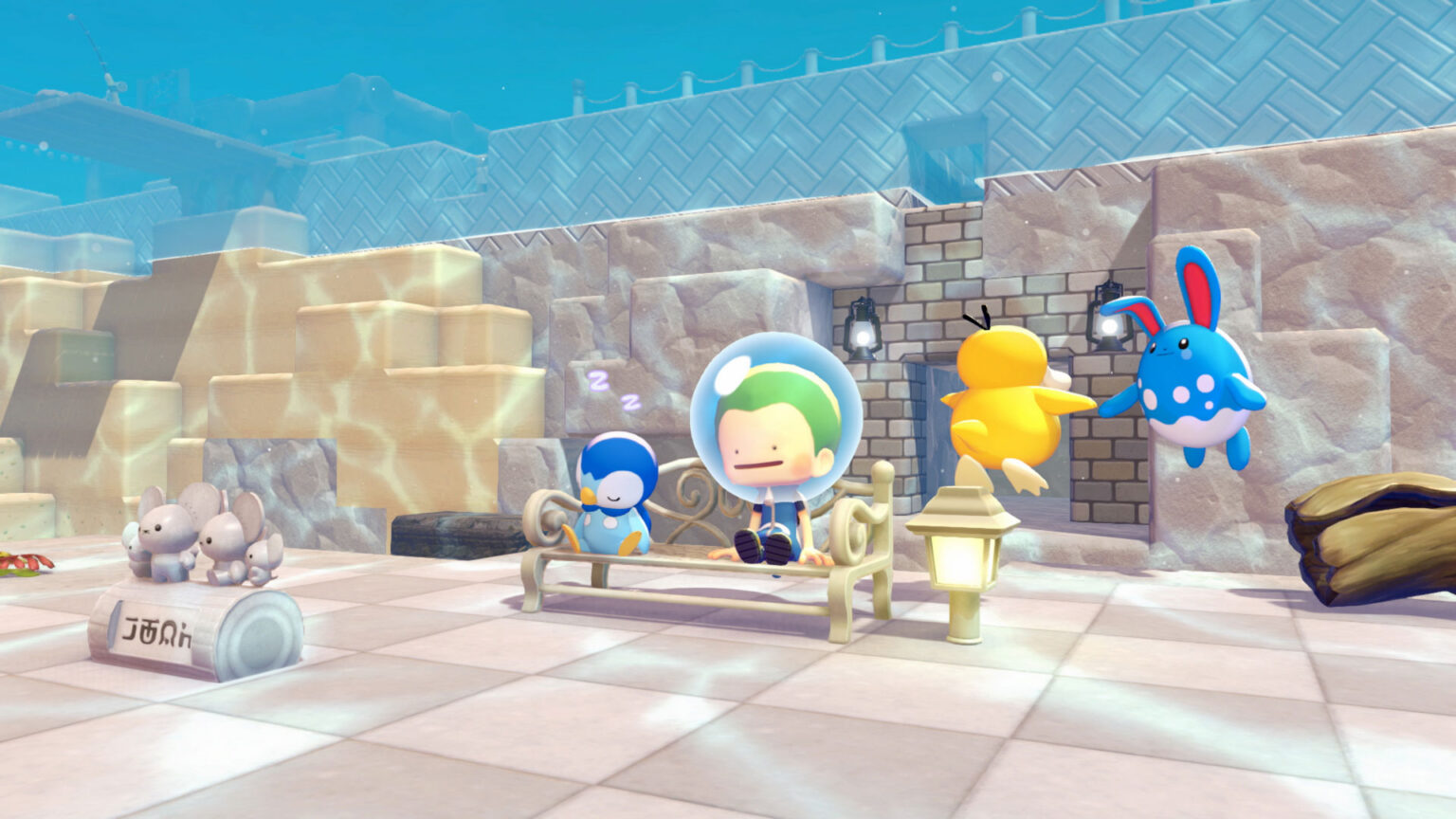
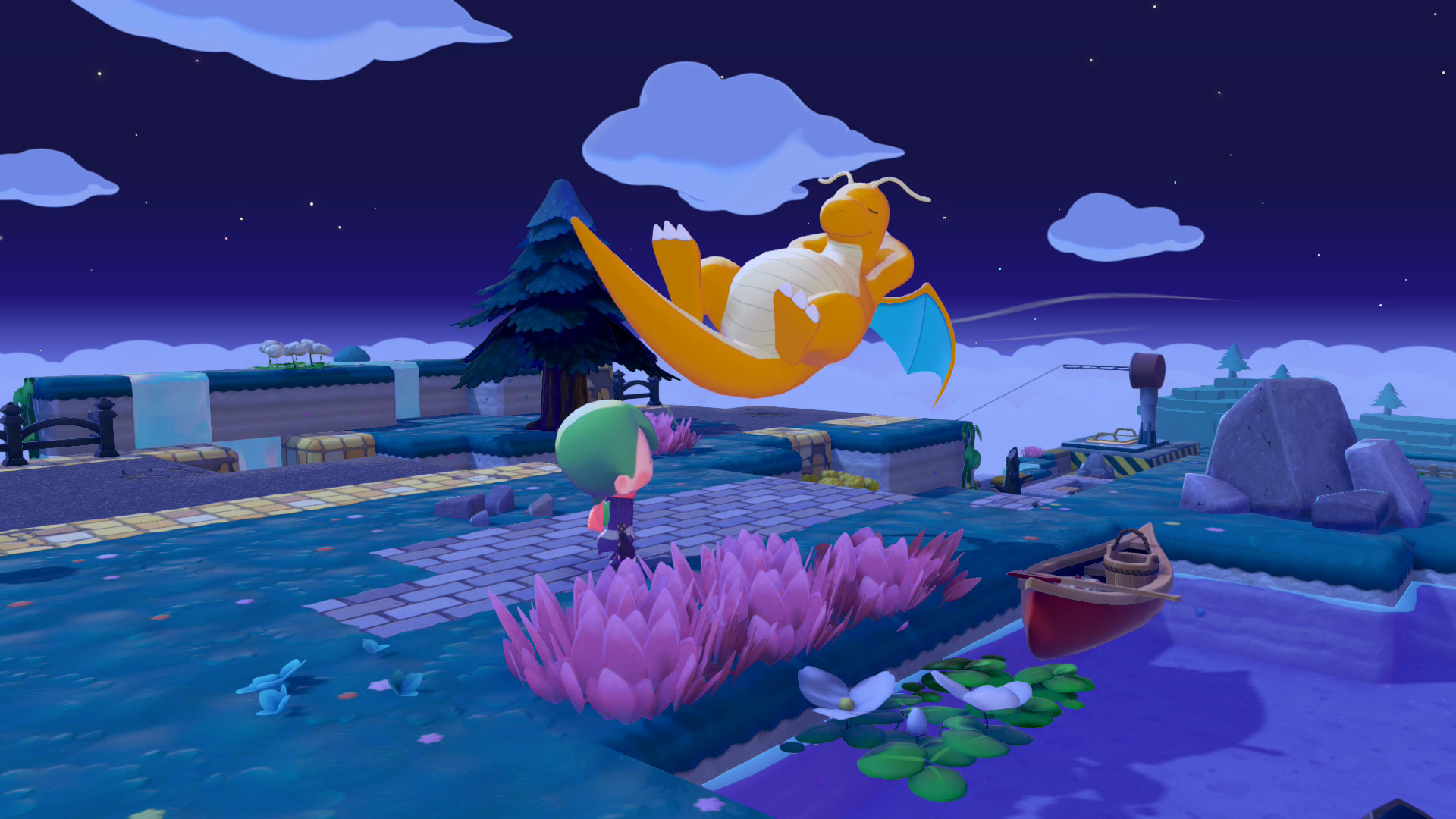
Excuse the obvious statement here, but if I had to describe Pokémon Pokopia in one word, it would be “cozy.” Nothing about this game feels tedious, frustrating, or stressful. It’s the kind of game you sink into after a long day and look up five hours later wondering where the time went. The Pokémon are adorable, the world is inviting, and there’s never a moment where the game punishes you or puts you in an uncomfortable situation. For someone like me who just came off reviewing games with precision parrying and loot RNG, the change of pace was exactly what I needed.
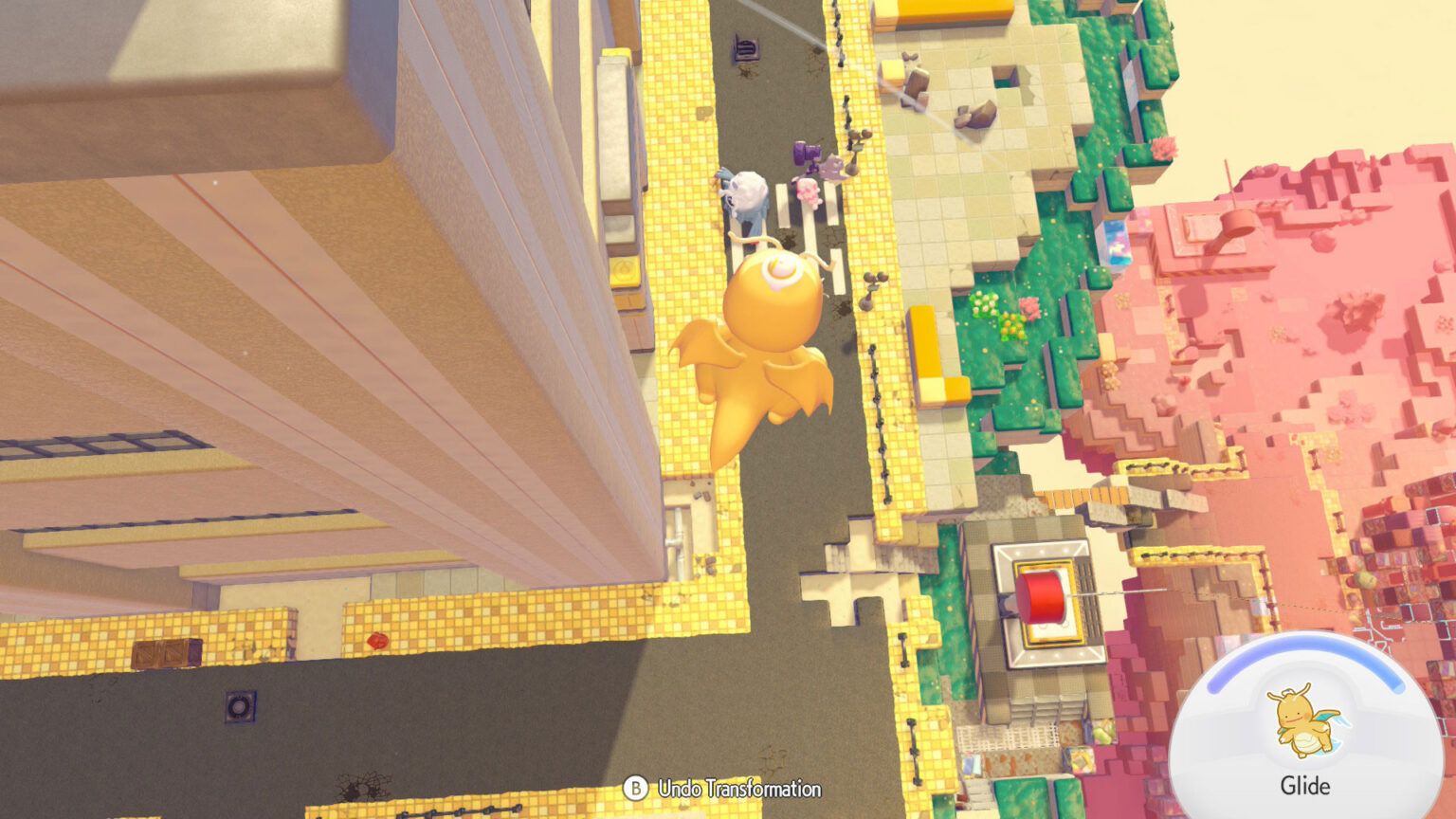
I played Dragon Quest Builders 2, and while I enjoyed parts of it, there were tedious sequences and combat sections that pulled me out of the building experience. Pokémon Pokopia doesn’t have that problem. Every minute of gameplay is spent doing something that feels productive and relaxing at the same time. It’s one of the least frustrating games I’ve ever played that also manages to be genuinely entertaining and fulfilling. From building things to renovating a broken-down city to watching your Pokémon smile after you’ve decorated their home just right, there’s a constant stream of surprise and delight.
Visually, the game looks great on Switch 2 in both handheld and docked mode. I didn’t experience any bugs or performance issues worth mentioning throughout my 60 hours, which is more than I can say for most Pokémon games at launch. Load times between zones do take a little bit, but you’re not traveling between islands frequently enough for it to be a real issue. The soundtrack fits the laid-back vibe perfectly. You can also collect CDs of famous Pokémon tunes and play them, which is a nice touch for longtime fans, though as a more casual Pokémon gamer, it was more of a “cool” feature than anything that got me particularly excited.
Trubbish Management
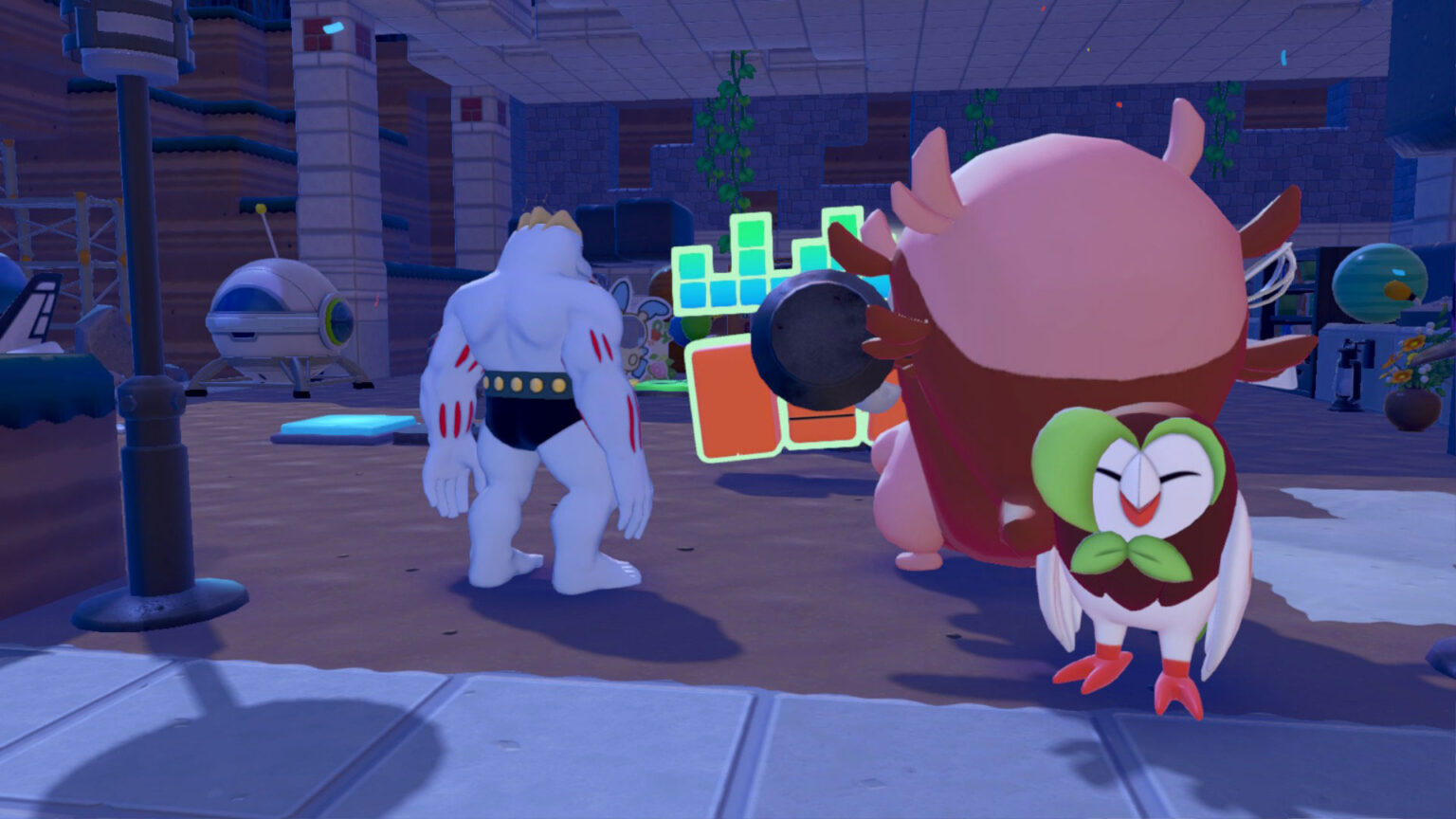
If there’s one area where Pokémon Pokopia stumbles, it’s the inventory management. The sheer amount of items in this game, from decorations to toys to relaxation items to bricks to roads, is staggering. If you’ve played Minecraft, you’re used to this kind of thing. But the part that really got to me was having to spread items across the four main islands while trying to complete the main quest. There’s no centralized storage system, so you can’t access your items from anywhere. I found myself constantly thinking, “I know I have that item somewhere, but where did I put it?” Eventually, I just started dumping everything into one area so I only had to travel to a single spot, but that’s far from ideal. A system that lets you access your storage remotely would have been a welcome addition, although I also understand that wouldn’t feel very authentic to the type of game this is.
On top of that, some buildings and crafting tasks require real-world time to complete, similar to Animal Crossing. Most of the wait times aren’t too bad, but smelting ore into ingots takes way too long. Poor Scorbunny is working that furnace all day, and unlike Palworld, they can’t complain and stop working. I’m not really sure what the purpose is behind making smelting take so long, but in a way, the game is nudging you to go do something else while you wait. The problem is that you inevitably get sucked into another task and completely forget you were waiting on something in the first place. It ties back into what makes Pokémon Pokopia so good and so dangerous at the same time: there’s always something else to do, and your to-do list only gets longer.
These are minor complaints in the grand scheme of things. In a 60-plus hour playthrough, the inventory situation and crafting timers are really the only things that came close to frustrating me, and that says a lot about the overall quality of the game.
Cloud Ninetales
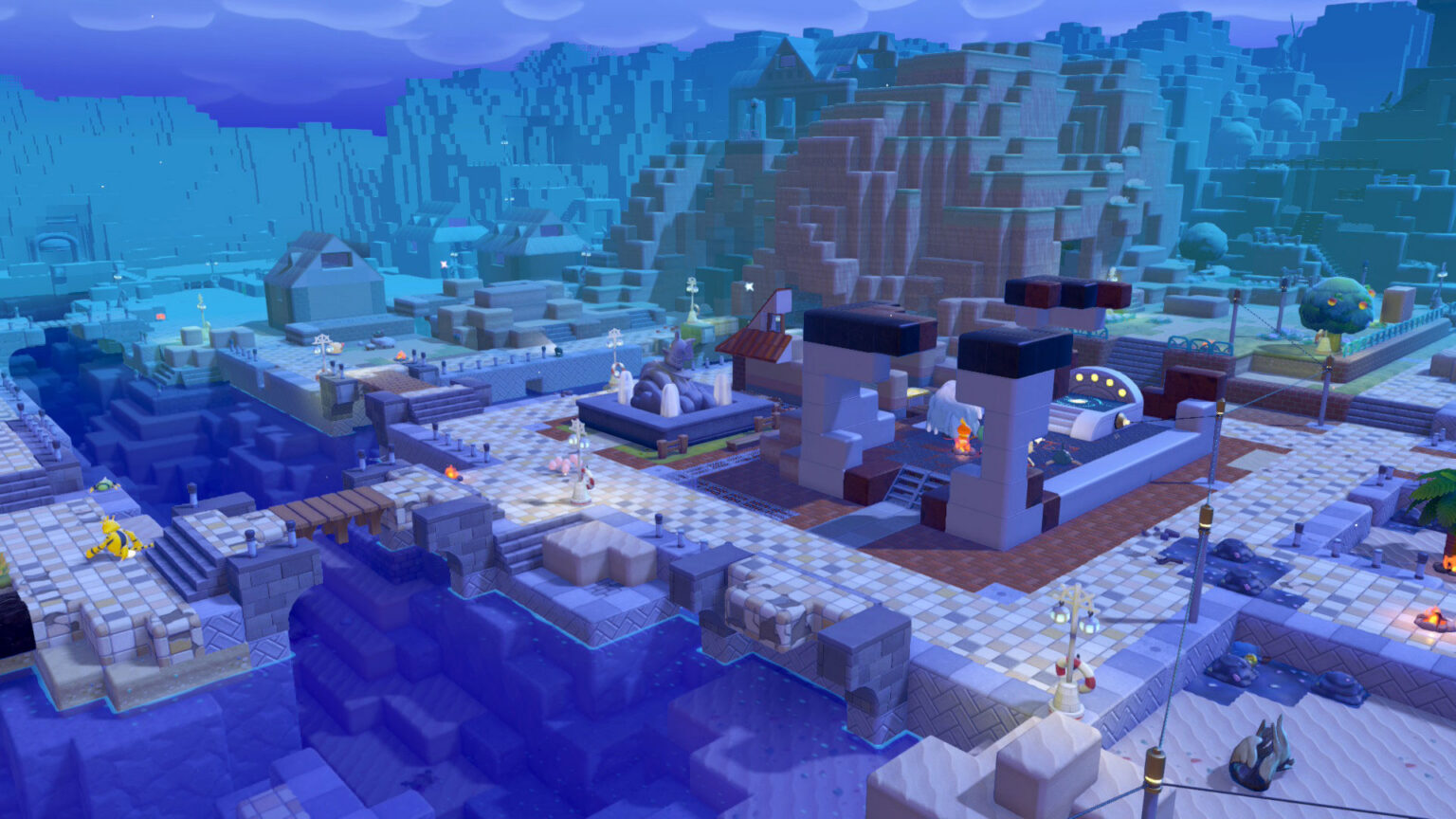
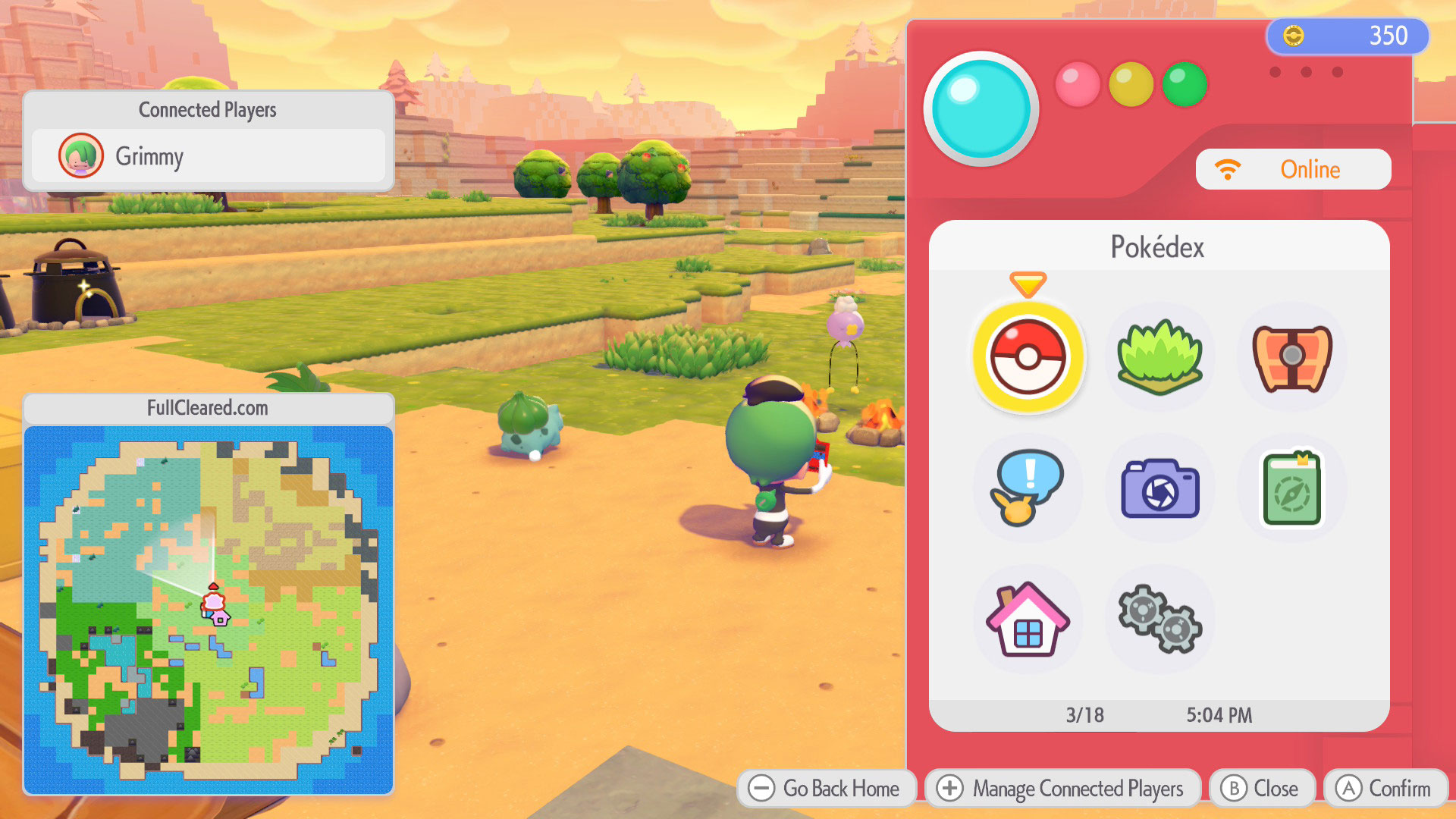
Multiplayer in Pokémon Pokopia works well and adds a lot of longevity to the experience. You can visit other players’ personal islands, and if you’re hosting, you have control over whether or not they can make changes to your world. It’s a nice way to show off what you’ve built without worrying about someone tearing it apart.
The real highlight, though, is the cloud island feature. This is a shared island that you can invite other players to, and they can join even when you’re not online. If you’re the host, the Pokédex belongs to you, which is really the only perk of hosting. The cloud island starts completely fresh, so you’re building a Pokédex from scratch, which gives the whole thing a sense of collaborative progression. One thing to note is that cloud island is its own separate instance. You can’t bring items from your personal game into it, so you’re working with what you find and craft on that island. Players can also take photos of things you’ve built and 3D print them in their own game, which is a clever way to share creations. Our group just started a cloud island, and it’s already becoming a fun side project that gives us a reason to keep coming back.
Gotta Distract ‘Em All
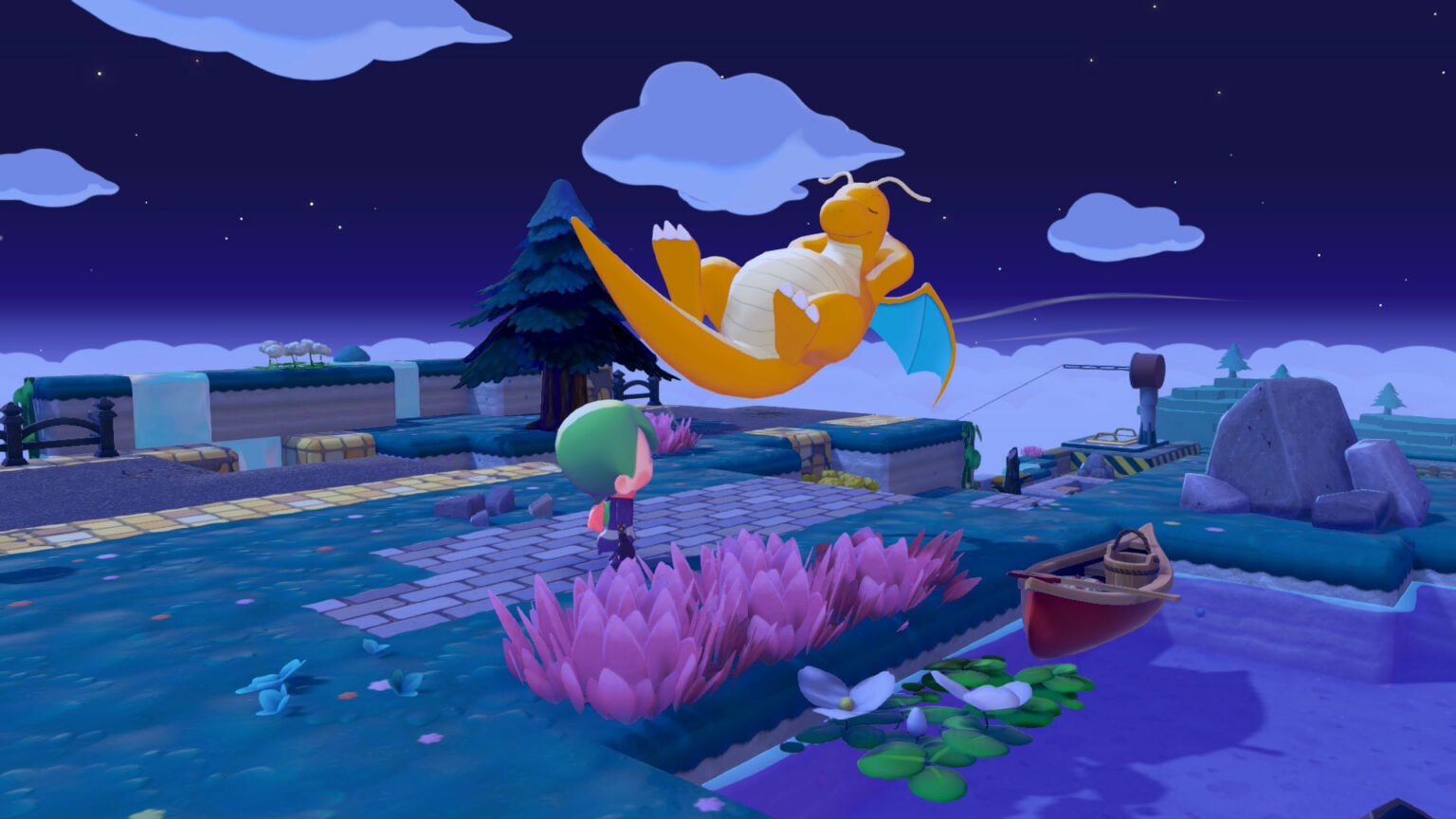
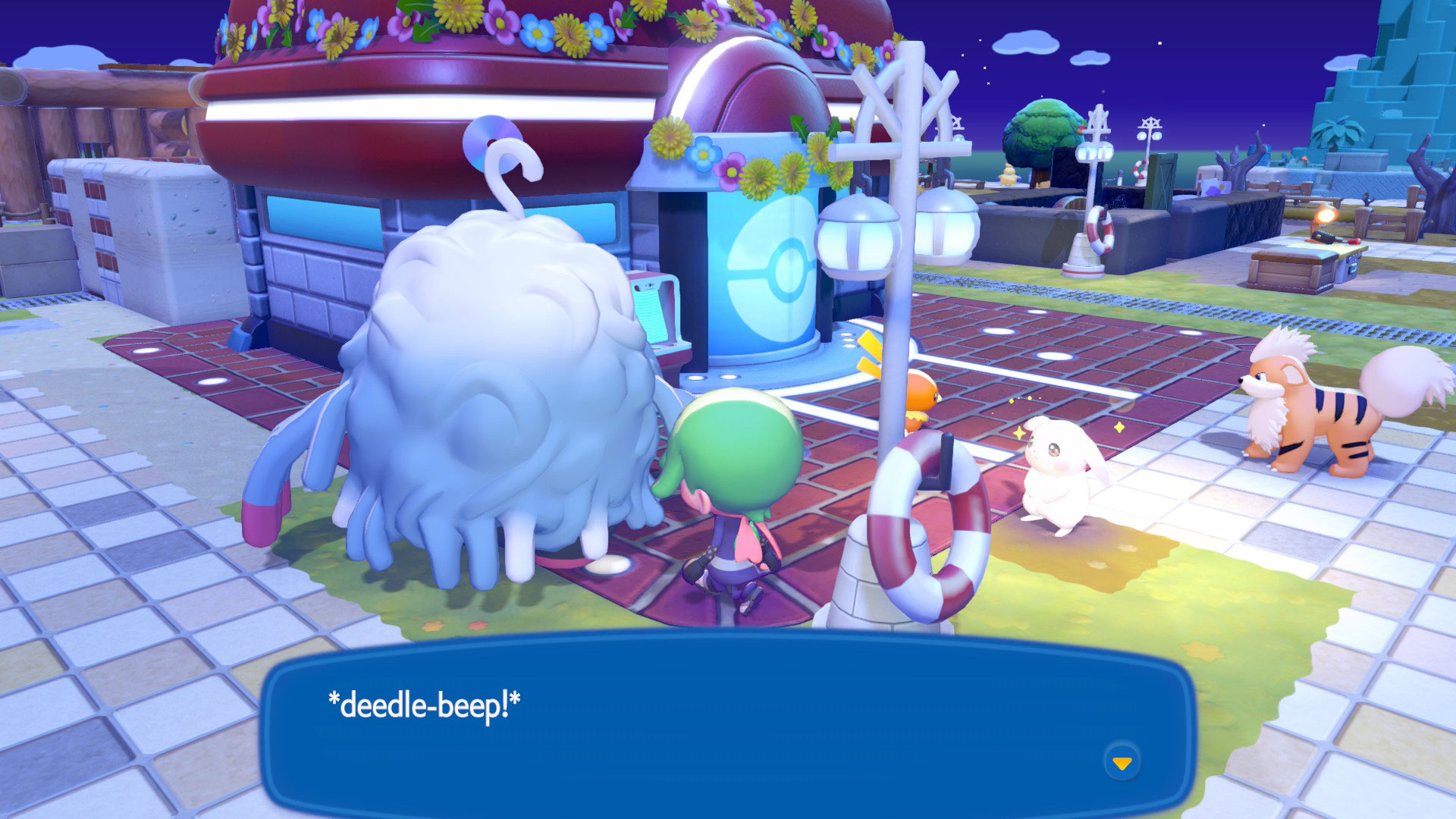
It’s worth emphasizing just how much there is to do in Pokémon Pokopia. You’ll have a Pokémon asking you for something, so you set off to go get it, and then you get distracted by something else entirely. Maybe you spot a shiny in the ground you want to dig up. Maybe you stumble across a trace of a Pokémon and learn a new habitat recipe. Maybe you just start building something because you walked past a spot that looked like it needed a bridge. Next thing you know, hours have passed and you’ve completely forgotten what you were originally doing. That’s the game in a nutshell, and it’s wonderful.
After rolling credits, Palette Town becomes your ultimate sandbox. It’s accessible early on, but I’d recommend finishing the main story first and using it as your custom endgame paradise. You can bring Pokémon from other areas to Palette Town and move them into homes you’ve built, which means it becomes the central hub for everything you’ve accomplished throughout the game. Considering the Pokédex is massive, I’d estimate it would take at least 100 to 150 hours to fill out entirely. That’s a lot of habitats to build, a lot of Pokémon to discover, and a lot of homes to decorate.
Pokémon Pokopia is best suited for fans of cozy games, crafting games, and Pokémon, but it’s also a fantastic introduction to the genre for anyone who hasn’t played this type of game before. The laid-back nature of the experience makes it incredibly approachable. There’s no fail state, no pressure, and no reason to stress. It’s just you, your Pokémon, and an ever-growing world full of things to build and discover. This is the Pokémon game I didn’t know I wanted, and now I can’t imagine going back.
Pokémon Pokopia has an official release date of March 5, 2026, for Switch 2. This review is based on a purchased retail copy of the game on Switch 2. While FullCleared does have affiliate partnerships, they do not influence our editorial content. We may earn a commission for purchases made through links on this page.
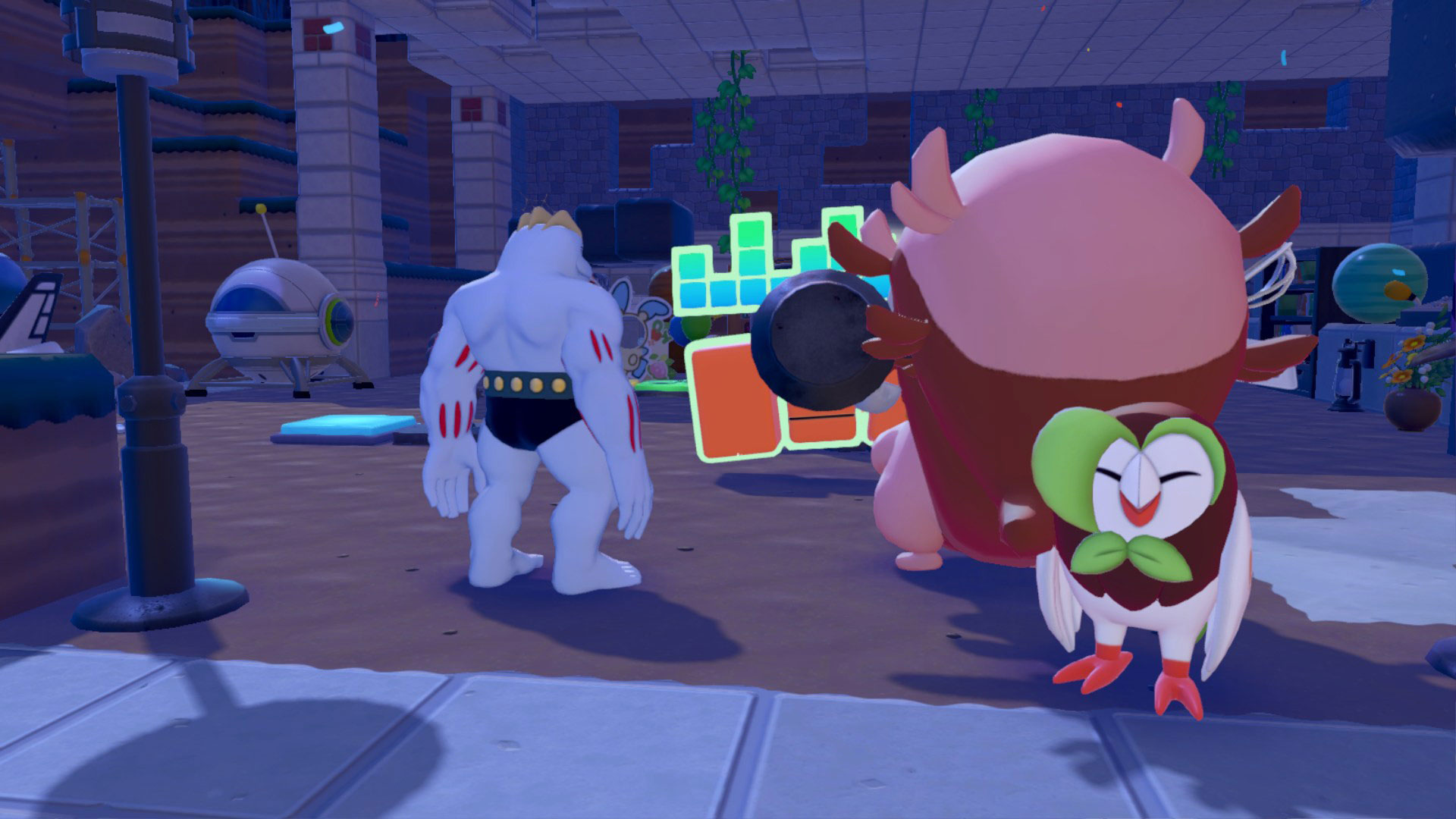
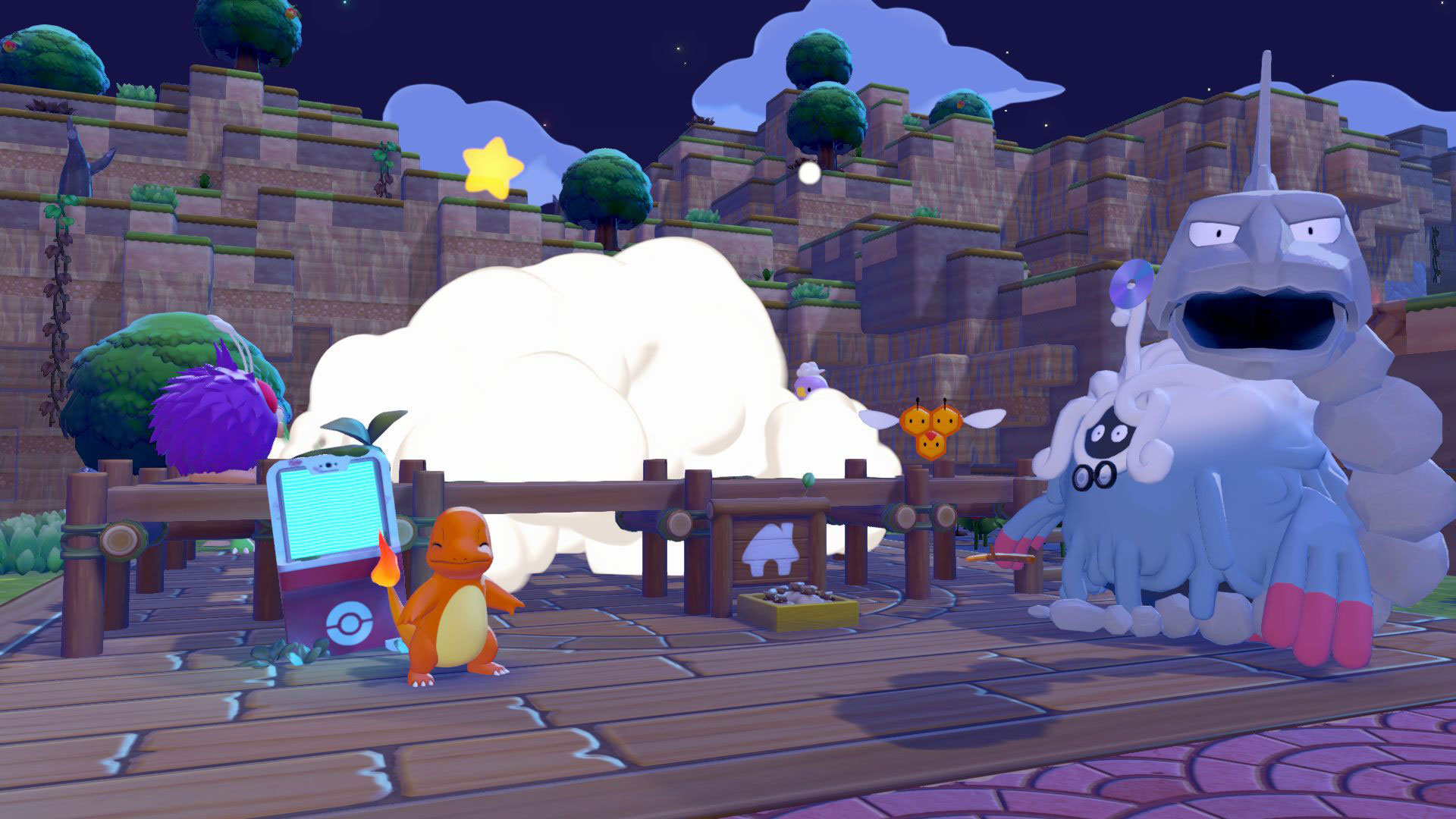
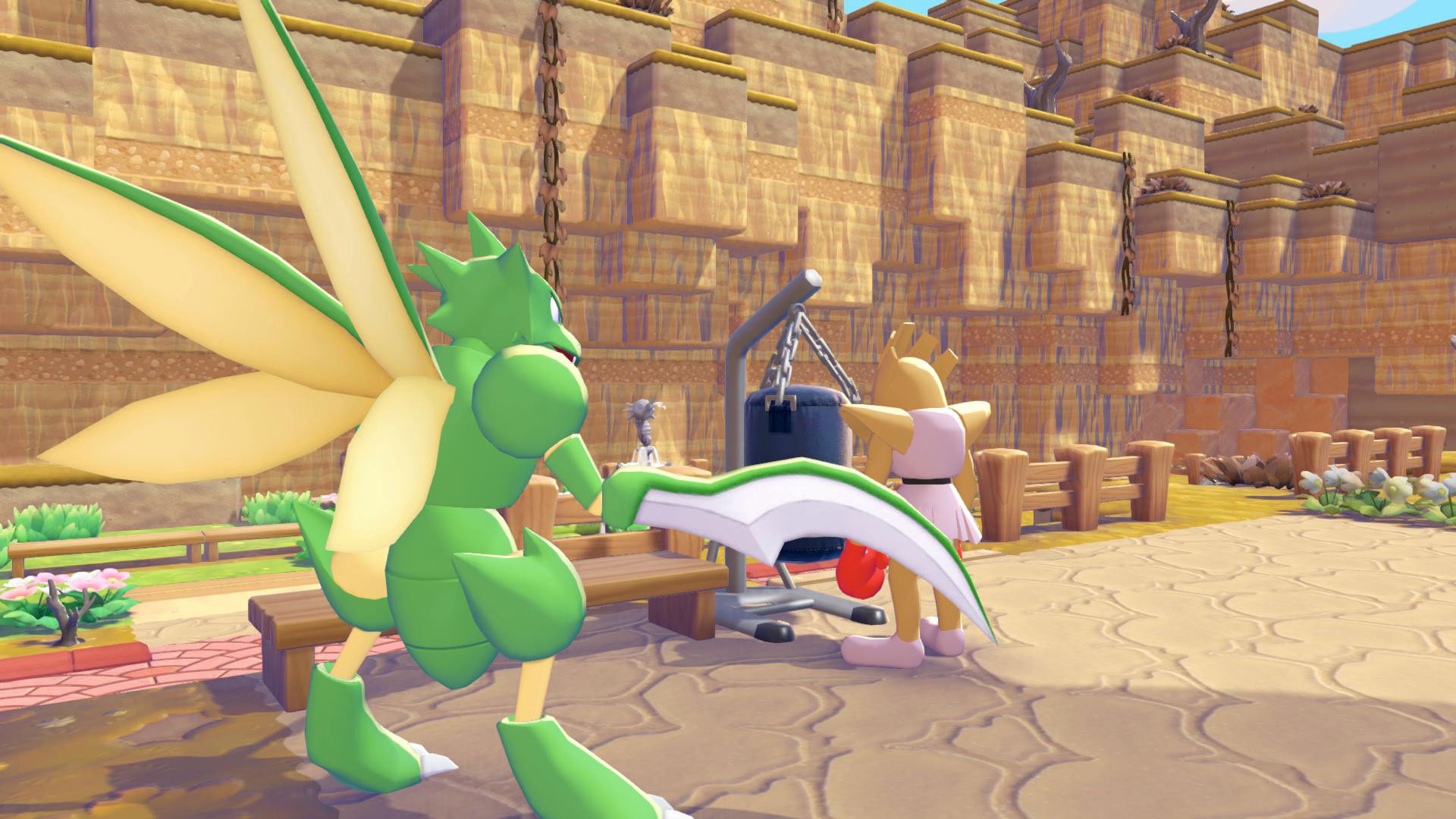
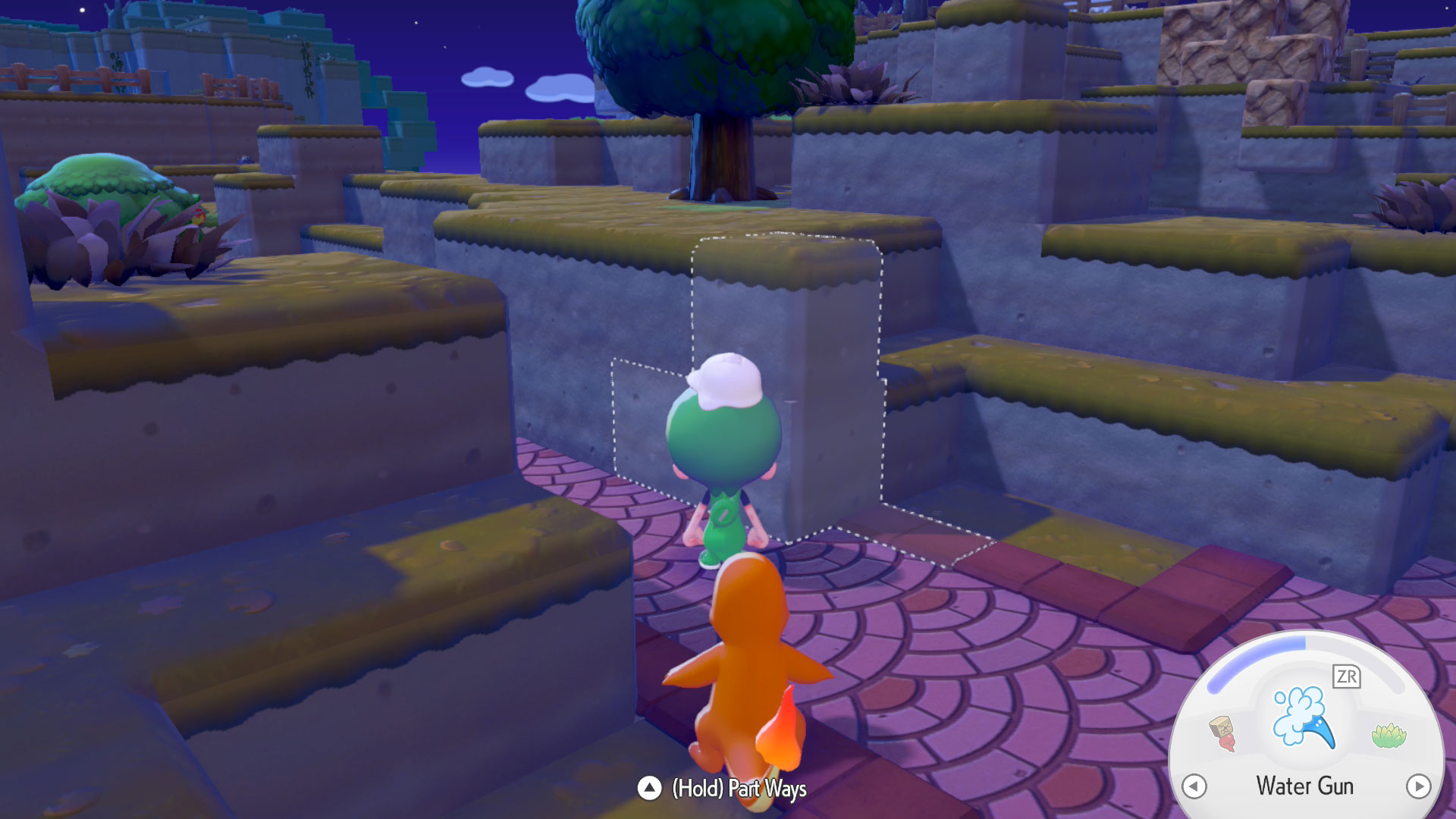
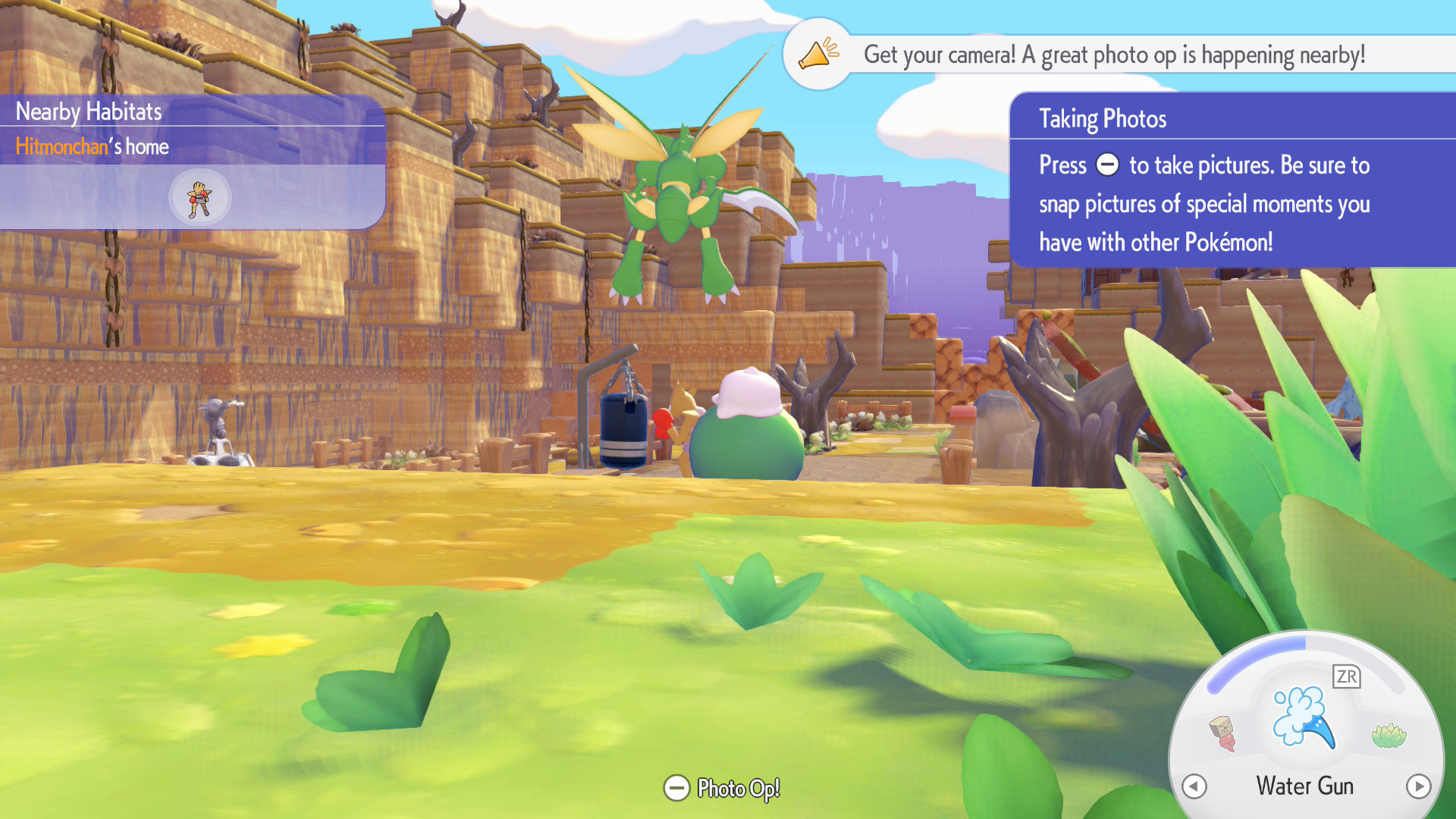
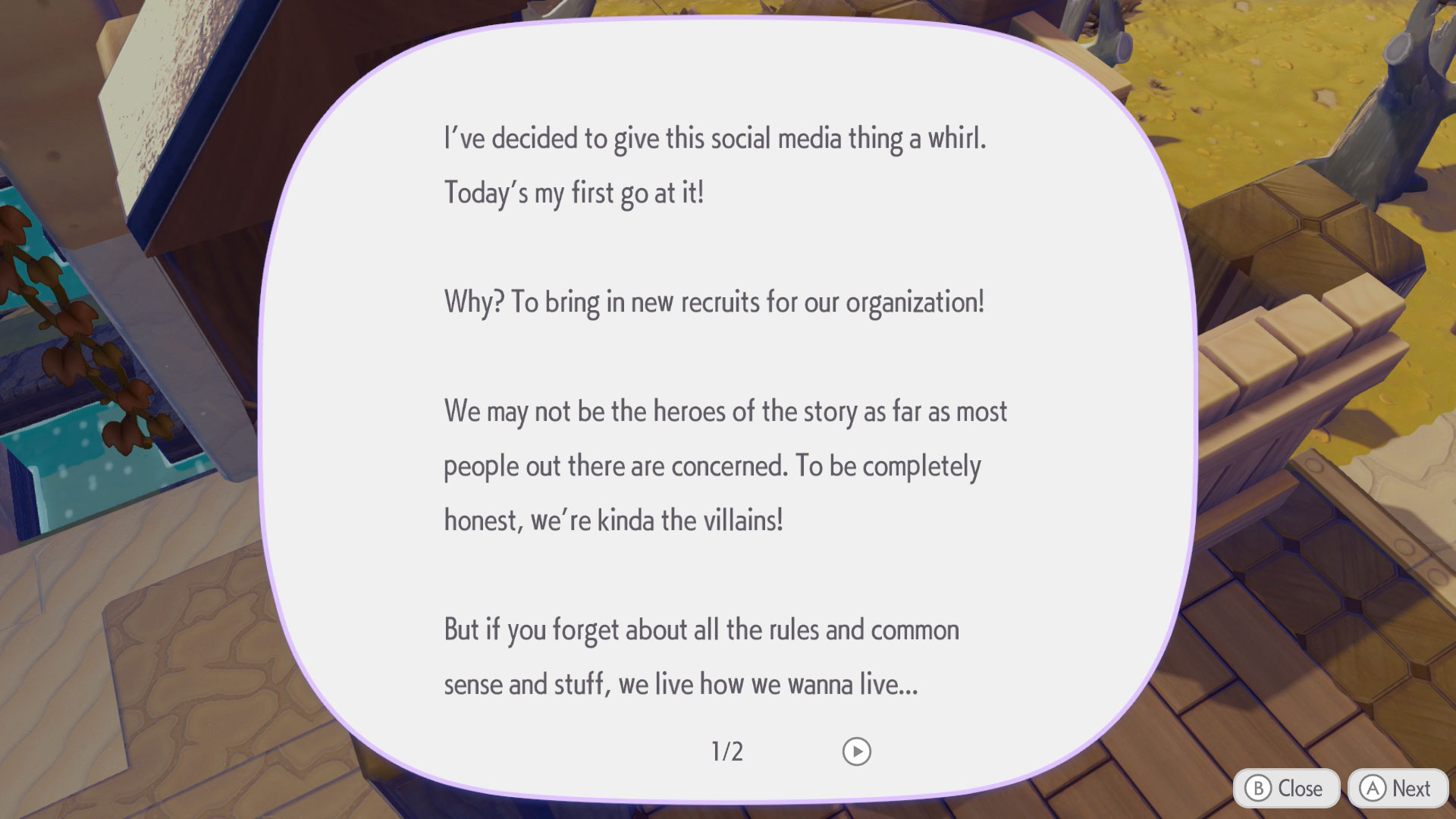
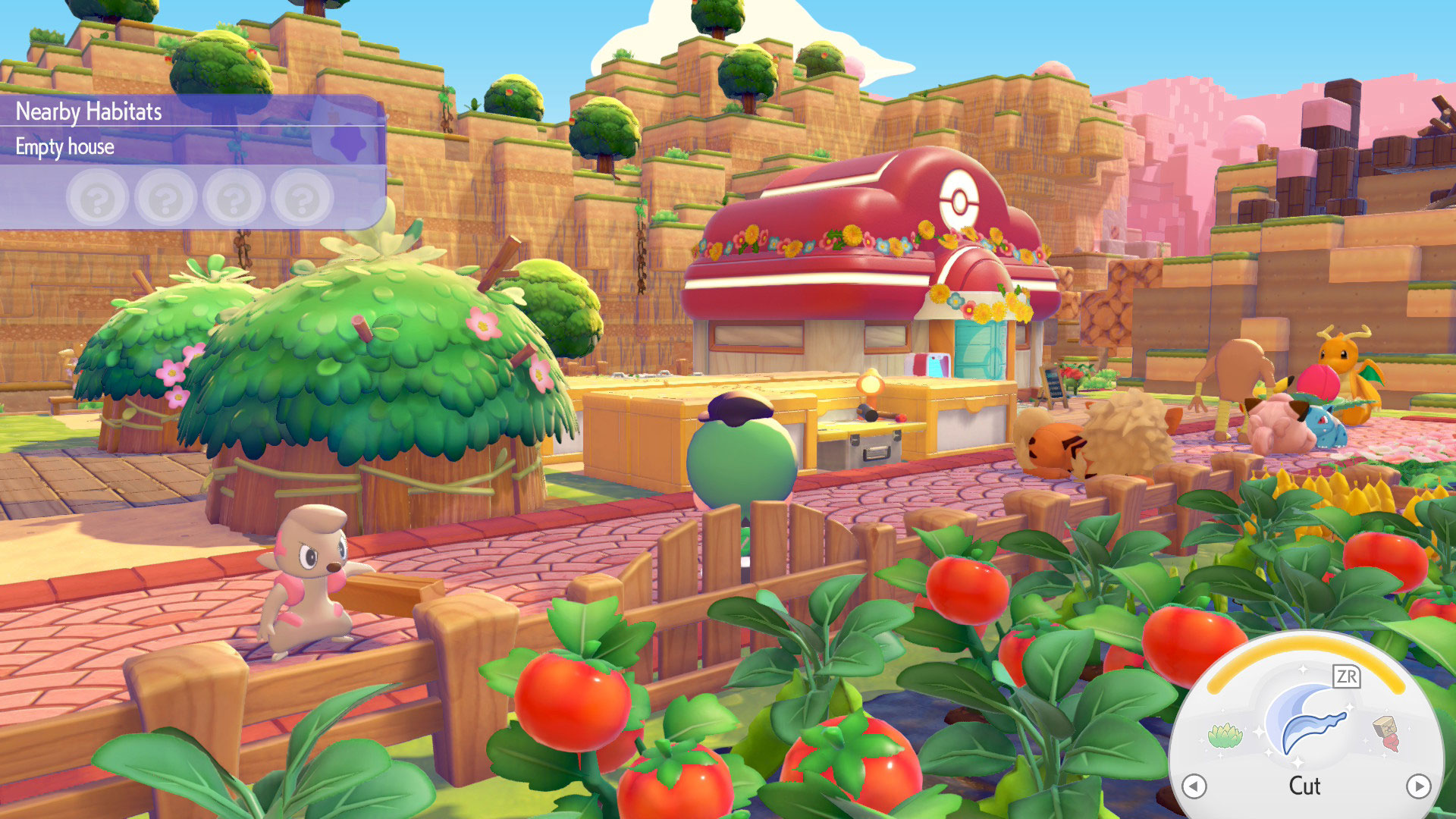
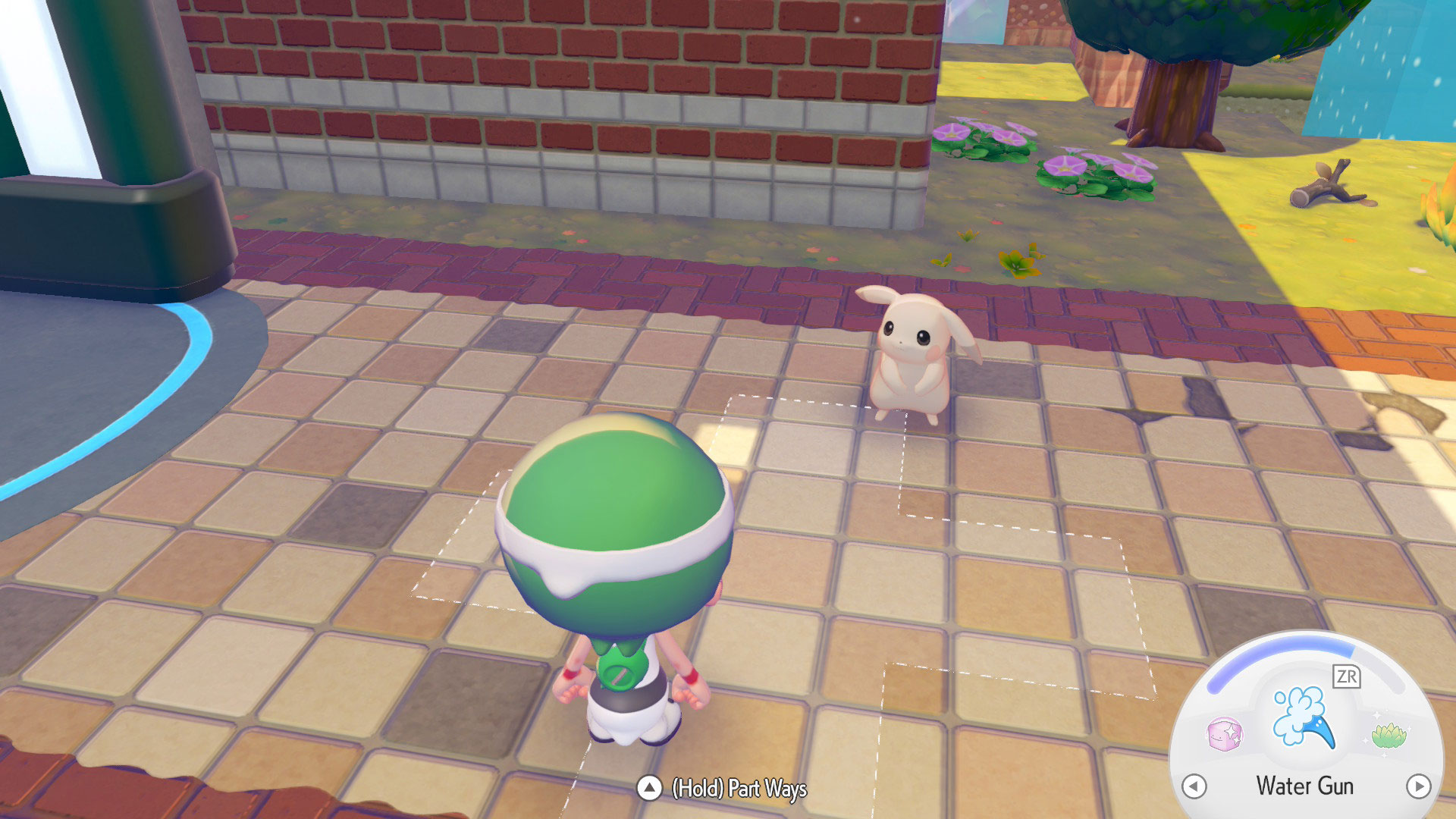
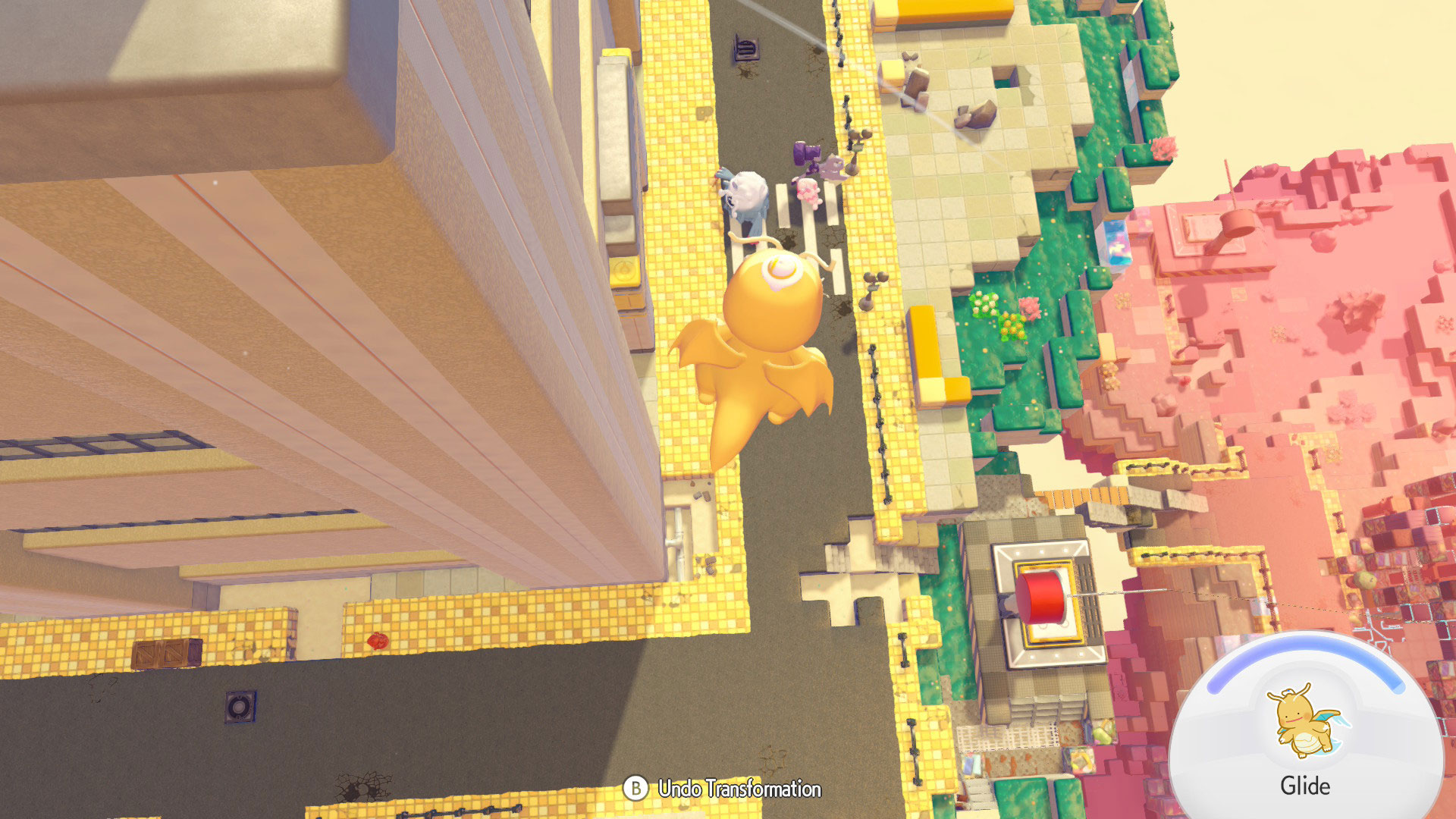
Pokémon Pokopia Review Gallery
Continue?
Like our content?
Subscribe to our newsletter and get video game news, reviews, features, and deals straight to your inbox.
You're subscribed!
Thanks for signing up. Look for an email from Substack at .
No email after a few minutes? Subscribe on Substack.
This newsletter may contain advertising, deals, or affiliate links. Subscribing to the newsletter indicates your consent to our Privacy Policy. You may unsubscribe from the newsletter at any time.