
The layoffs XBOX employees have been bracing for since June’s “reset” memo arrived this morning, and the scale is enormous: approximately 3,200 roles will be eliminated through Microsoft’s 2027 fiscal year, which runs into next summer, with roughly 1,600 of those cuts happening today. CEO Asha Sharma announced the news in a memo to staff titled “Resetting Xbox,” calling it the most significant restructure in XBOX history, and the numbers confirm that. The cuts amount to around 20 percent of the division. Four studios are also leaving XBOX entirely, though how they’re leaving is important.
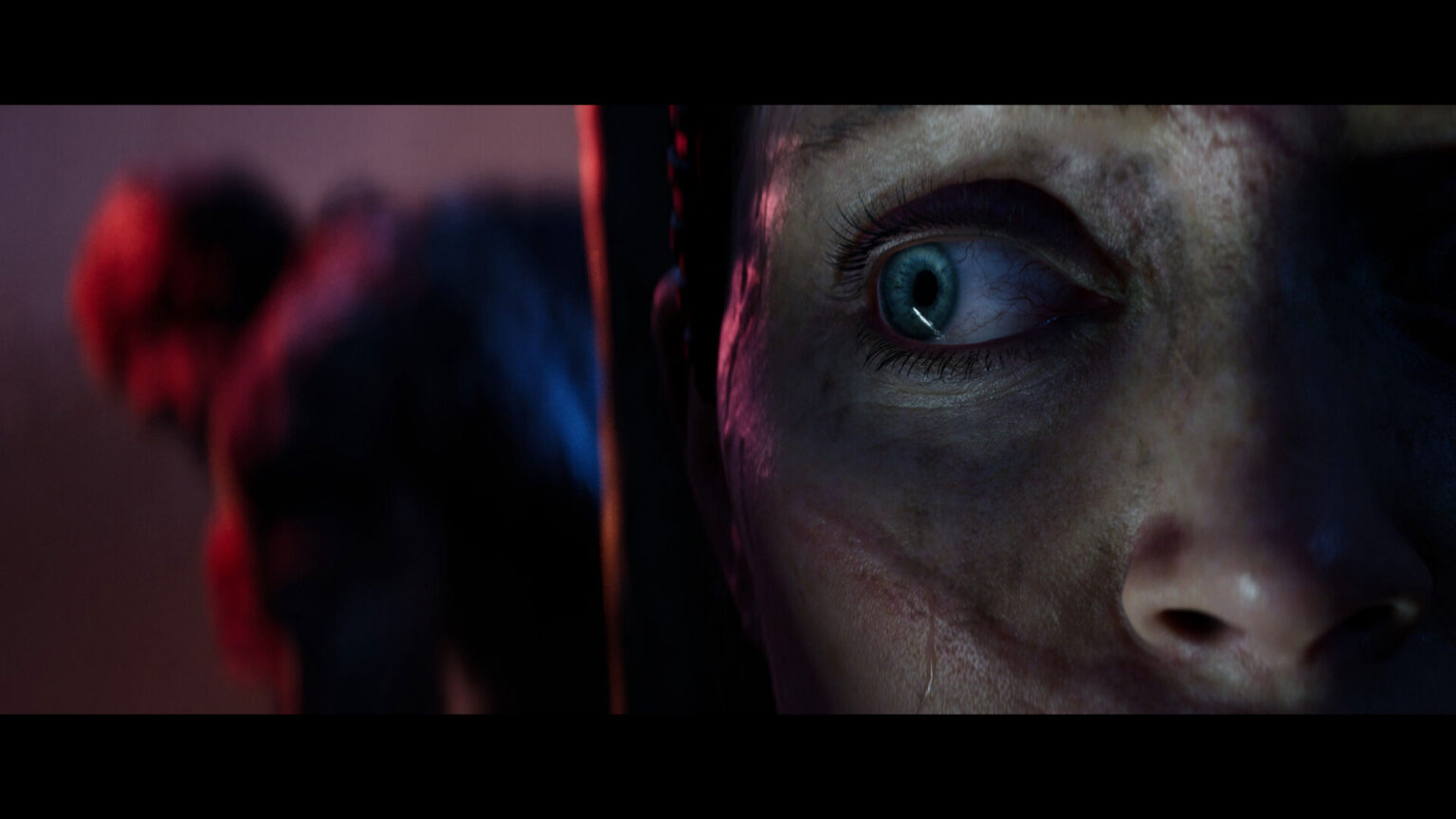
Fortunately, none of the four studios are being shut down, at least not for now. Compulsion Games and Double Fine Productions are being returned to their own management teams and will transition to fully independent studios, keeping their IP, their back catalogs, and financial runway for their next games. Ninja Theory and Undead Labs have entered terms to join new, currently unnamed owners, with funding in place to complete and grow Senua and State of Decay 3. Sharma also confirmed that none of XBOX’s publicly announced first party games or projects are being canceled as part of these changes.
With all the rumors and speculation that has been spreading over the last few weeks, this is a surprising outcome. Microsoft shut down Arkane Austin outright in 2024, and last summer’s round of cuts closed The Initiative and canceled Perfect Dark and Everwild along the way. Studios on the wrong end of a restructure typically lose everything, including the rights to the games they built. Walking away as an independent studio with your own IP, your catalog, and money in the bank to keep making games is likely the best outcome these teams could have wished for, given the situation.
The one genuine question mark is Arkane Lyon, the Dishonored and Deathloop studio currently developing Marvel’s Blade. Because the studio is based in France, its management is legally required to consult with its Works Council before anything can happen, and Sharma’s memo says only that the process will “review potential strategic options.” That leaves everything on the table, from independence to a sale to something worse, and the studio’s fate likely won’t be known for a while.
As for why all of this is happening, Sharma was unusually blunt about it: XBOX’s business “is not healthy.” In plain terms, XBOX makes far less money on every dollar it brings in than comparable gaming companies do, with Sharma putting its margins at three to ten times lower. The division entered this console generation with fewer players and higher costs than its competition, bet big on Game Pass and multiplatform releases to grow its way out, and those bets grew slower than expected. The studio acquisition spree didn’t pay off either. By Sharma’s own accounting, XBOX lost 64 cents for every dollar it invested in a typical year, which is why she says the company no longer wants to own every promising independent studio and will focus on supporting outside developers with tools and audiences instead.
The remaining cuts are spread across Activision, Bethesda/ZeniMax, Blizzard, King, Mojang, and XBOX Game Studios, and the reductions vary in size from one unit to the next. Mojang and King, which Sharma described as XBOX’s two largest studios by monthly active players, will now report directly to her. The memo also takes aim at internal bloat, noting that work in some parts of the company passes through as many as 14 layers of management, and that platform teams are 40 percent larger than they were at the start of this generation even as XBOX’s player base declined. Sharma plans to flatten the organization to no more than five layers of management, and ideally three, while cutting vendor spending in half.
There’s a leadership shuffle to go with it. Helen Chiang, the longtime Minecraft boss who has spent nearly two decades at XBOX, has been promoted to a newly created chief operating officer role with profit-and-loss responsibility across content, hardware, platform, and services, reporting directly to Sharma. Dave McCarthy, meanwhile, is retiring after 17 years with the company.
Sharma has moved fast since taking over for Phil Spencer, already reversing last fall’s Game Pass price hike with a price cut that pulled Call of Duty from day one, and the memo insists this is about a bigger future rather than a smaller one, with XBOX investing as much as ever and returning to growth in 2027. The next year will show what that actually looks like in practice: the remaining 1,600 cuts land over the coming 12 months, the Ninja Theory and Undead Labs buyers still haven’t been named, and Arkane Lyon’s consultation will decide the fate of the Blade team.