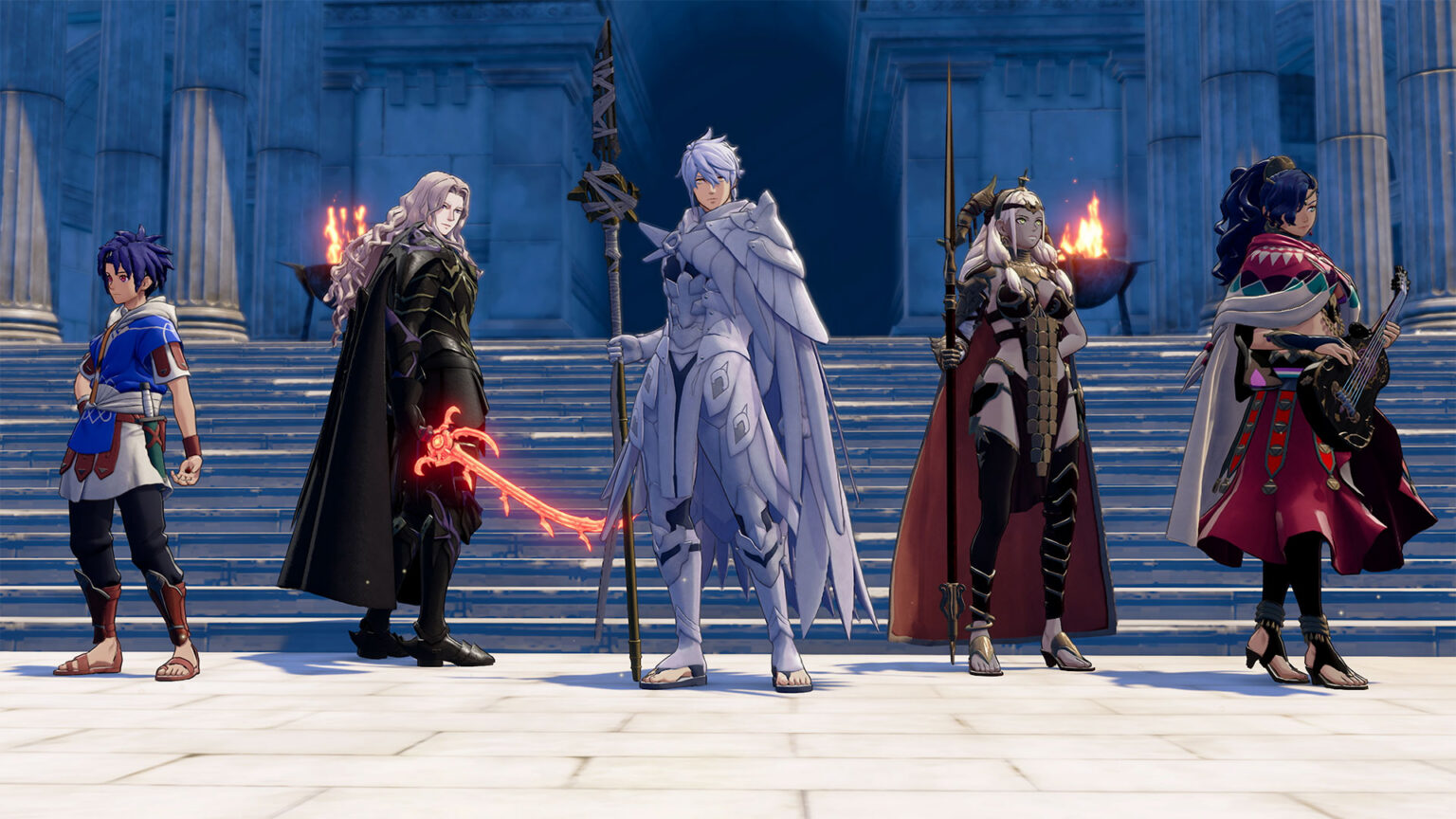

Nintendo aired a dedicated Fire Emblem: Fortune’s Weave Direct this morning, roughly six weeks ahead of the game’s September 17 launch exclusively on Switch 2. The presentation covered the story, the four Heroes, and combat, but what stood out to me most is that progress is saved separately for each of the four Heroes, so you can play every story in parallel.
That one feature addresses the biggest issue I had with Fire Emblem: Three Houses. One of the main reasons I bounced off that game was knowing that seeing the full story meant going through the entire campaign three separate times. Fortune’s Weave letting you jump freely between all four Hero routes, with each one keeping its own progress, is a huge quality of life change for how these multi-route entries actually get played.
As for the setup, which was another big surprise today, the game actually opens five years after the Heroic Games, a tournament held in the Dagdan Empire’s capital of Dagsion where the winner is granted a single wish. The Empire now faces its end at the hands of the revived demon god Balor, and the four Heroes who played a significant role in the Games have vanished. The progenitor god Sothis charges your character with saving the world, and you can use the goddess Fortuna’s time-traveling powers to return to the Games and change the fates of the four Heroes. Sothis having a central role is worth noting, since her appearance at the end of the reveal trailer is what raised the Three Houses connection in the first place.
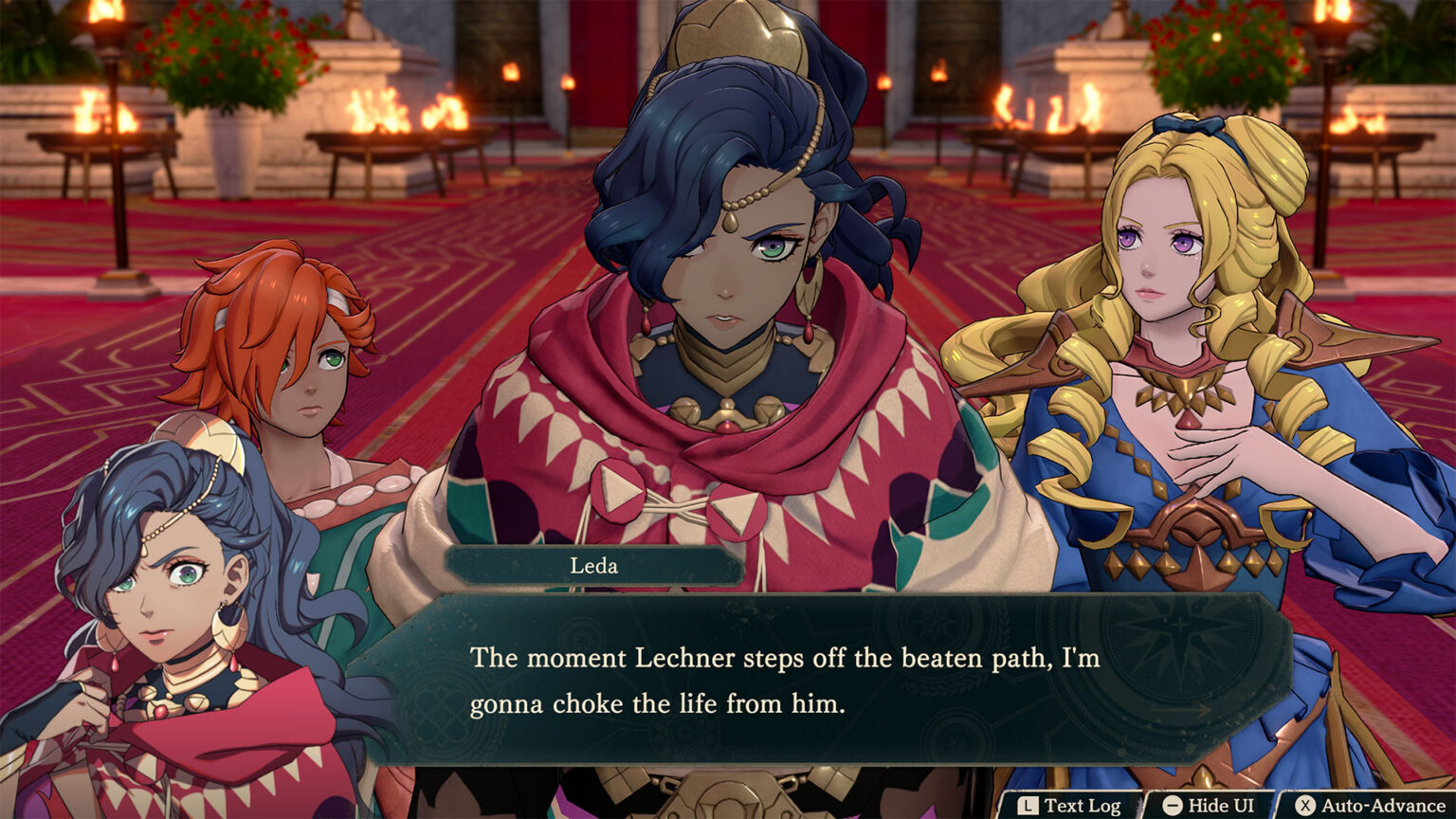
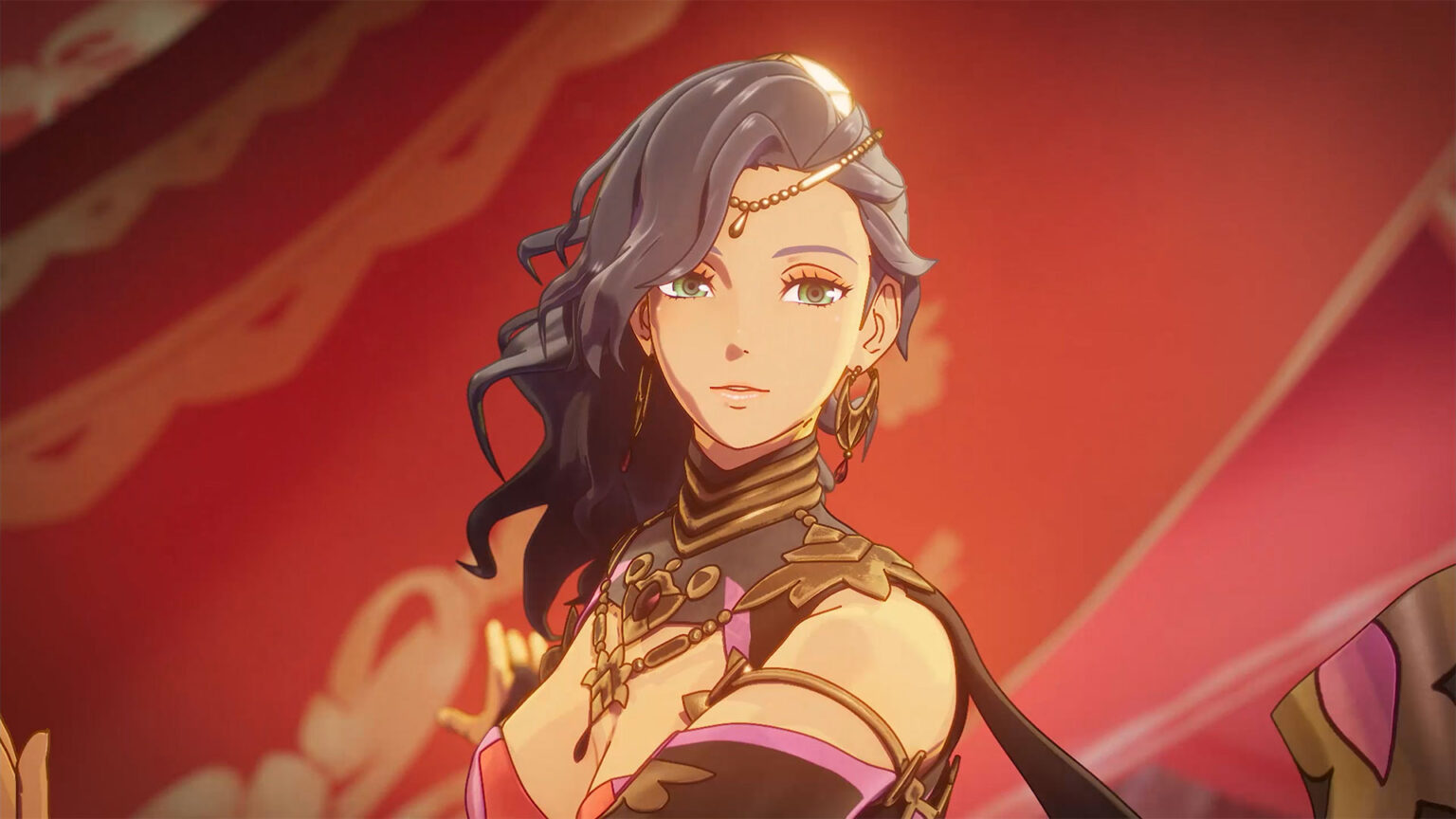
Each of the four Heroes anchors their own route, and who you choose determines how the narrative unfolds. Cai leaves the peaceful village of Ribeira with his childhood friends to win the Games and free his imprisoned father. Dietrich washes ashore after an attack from an enormous monster and enters to satisfy his thirst for battle. Theodora leads her veteran retainers to restore the honor of her goddess, the loathed Keeper of Death and Night, while Leda gives up a life of prestige to seek revenge against her father’s murderer, who will be fighting in the Games as well.
Between matches, you’ll explore Dagsion to prepare, with facilities that include an arena for training and scouting opponents, a shopping arcade for buying and enhancing weapons, temples that grant battle blessings, certification exams for changing a unit’s class, quests, recruitment, and inns where characters rest, gain experience, and build support with each other. Venturing beyond the city walls opens up a world map where time passes with every move, along with towns to visit, Skirmish battles, and dungeons where enemy encounters trigger turn-based clashes featuring attack combos with your allies.
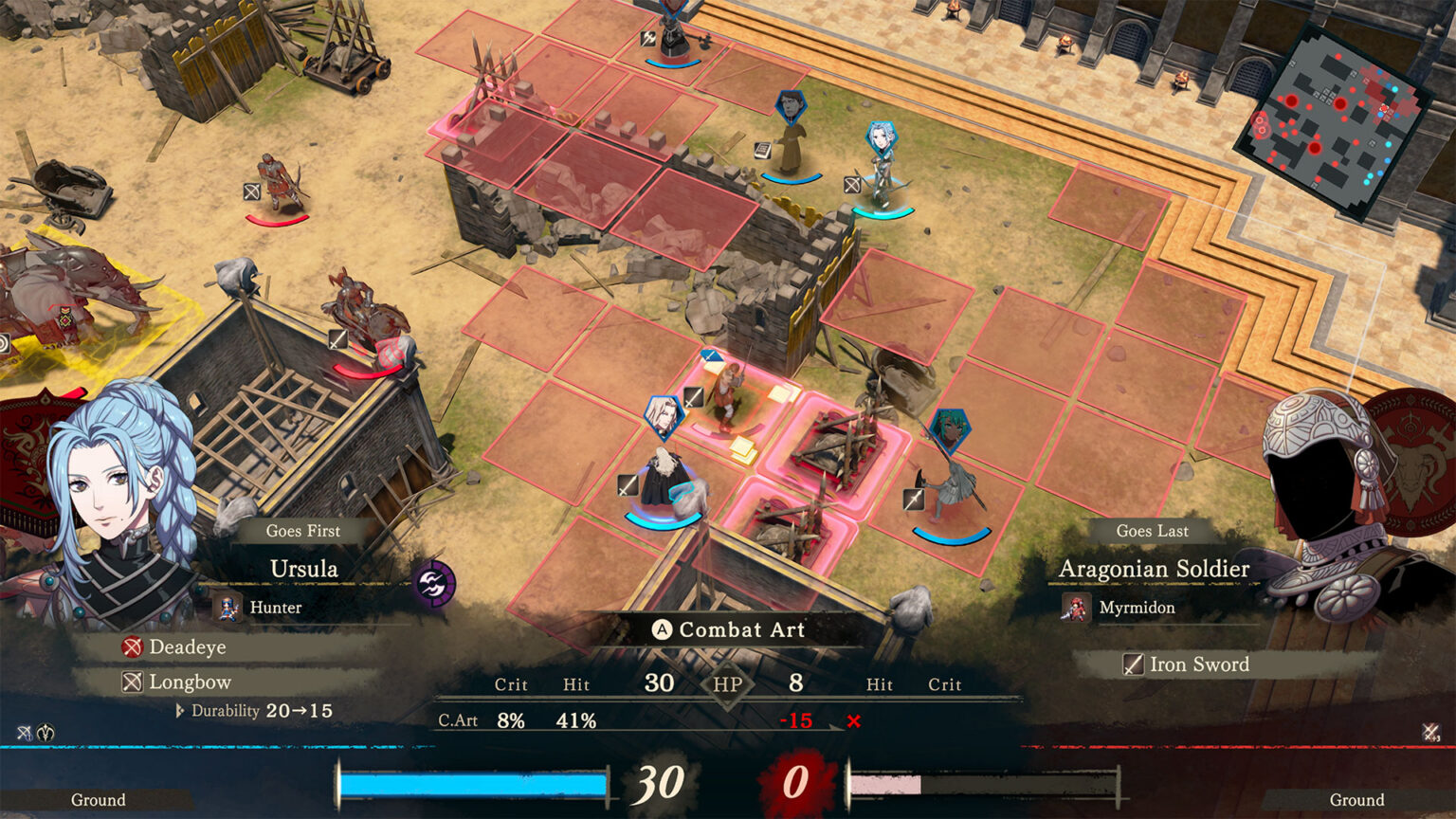
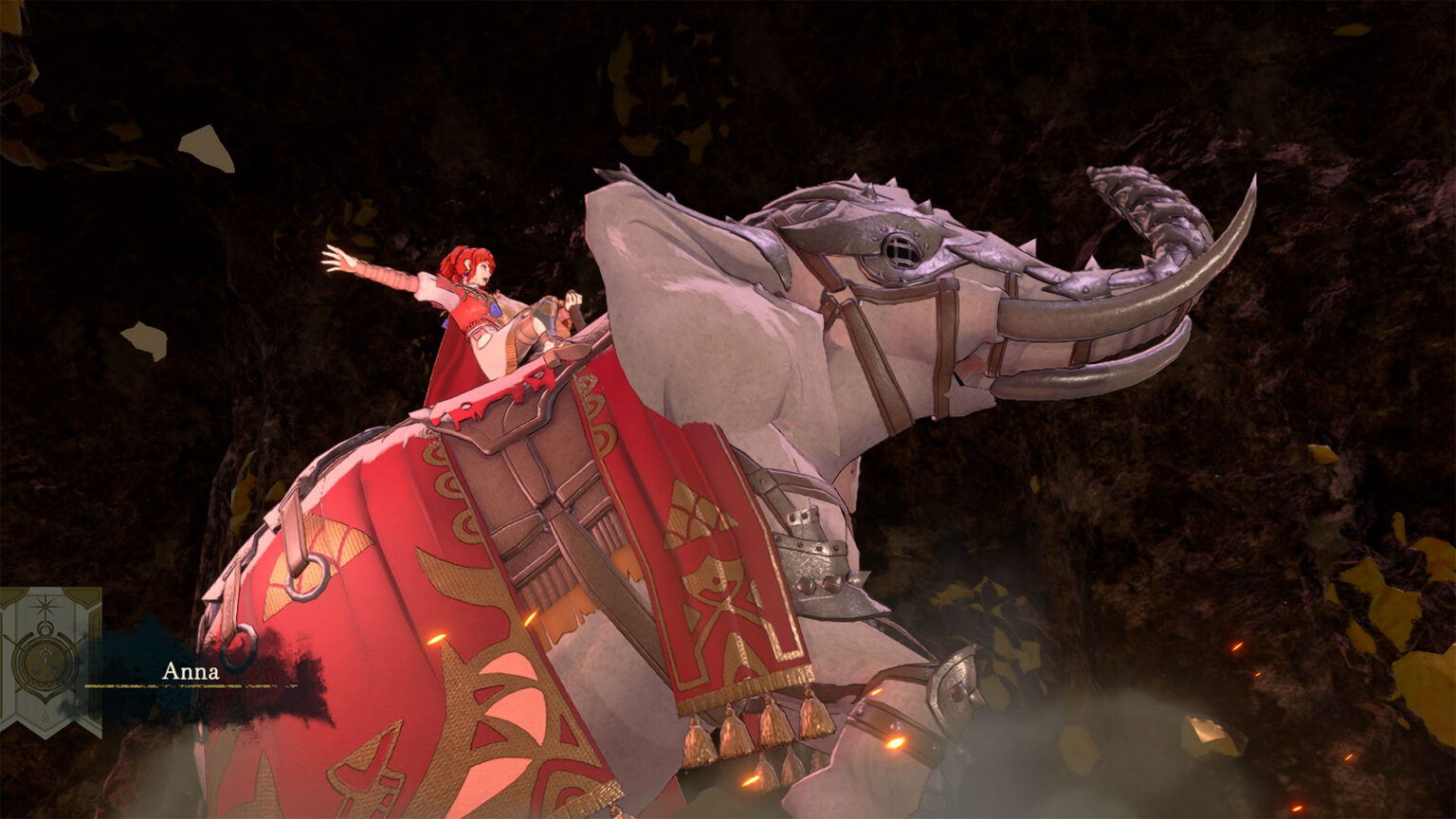
Matches themselves play out like traditional Fire Emblem battles, with unit placement, movement and attack ranges, and turn-based combat. Classes span five Beginner options, over 10 Specialty Classes like Armored Knights and Charioteers, and Advanced Classes such as Cataphracts, Guardians, and Elephant Riders. Combat arts spend weapon durability for stronger attacks, while Blaze Arts are Hero-specific moves that cost health points, like Cai’s wide burst of flames or Leda buffing allies with her vihuela. There’s also Fortuna’s Blessing, which lets you turn back time to any previous point in a battle after each move, so a bad turn never has to end a run.
Fire Emblem: Fortune’s Weave launches exclusively on Switch 2 on September 17, and preorders are now open on the Nintendo eShop. The Dagdan Collection, announced back in June, arrives the same day with a steel game case, character art cards, a map of Dagda, and an artbook. Nintendo Music adds tracks from the game today, including the main theme, the Nintendo Today! app gets a new Fire Emblem theme starting tomorrow, and an Ask the Developer article lands on September 15, two days before launch.