Quick Verdict
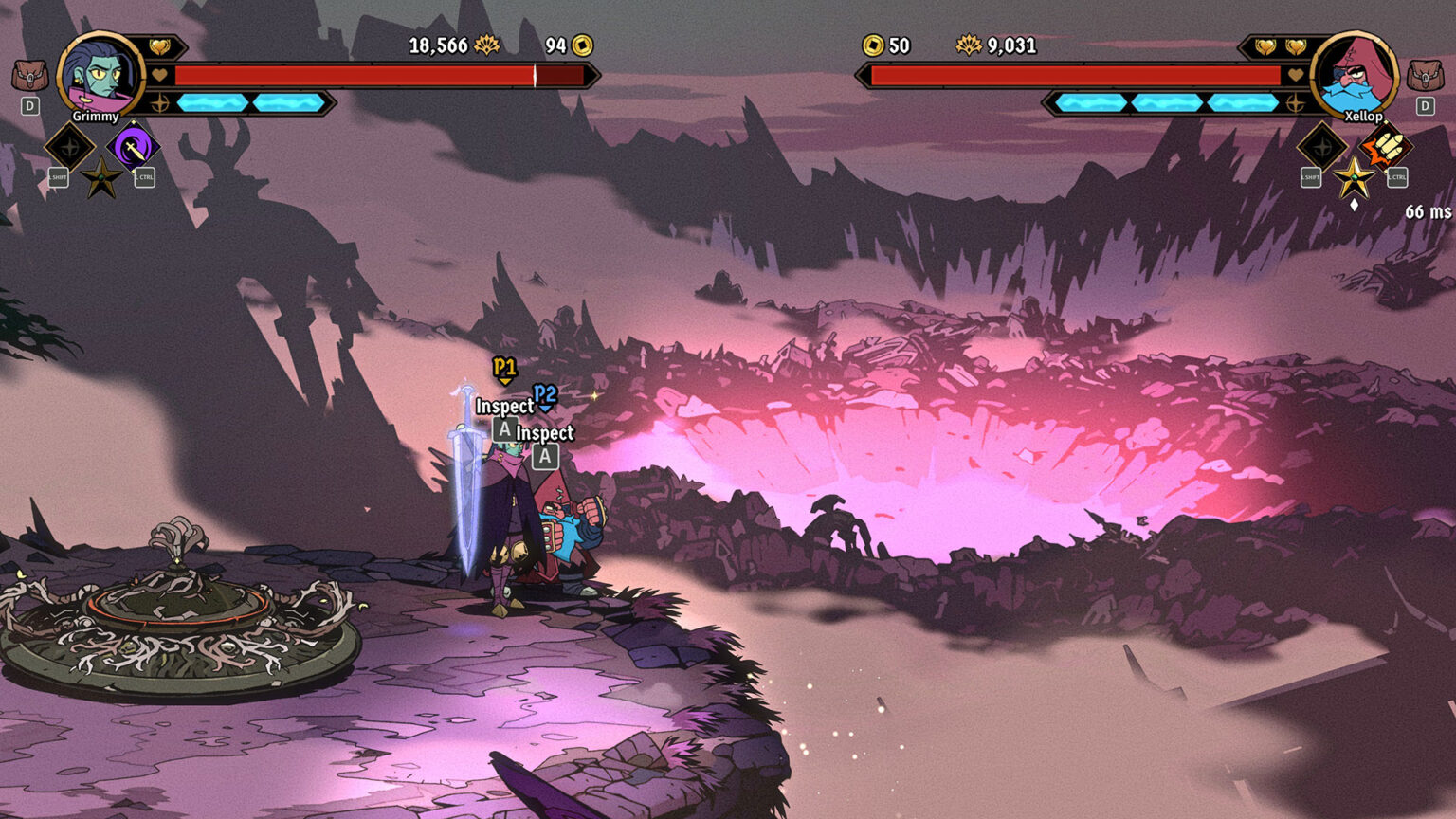
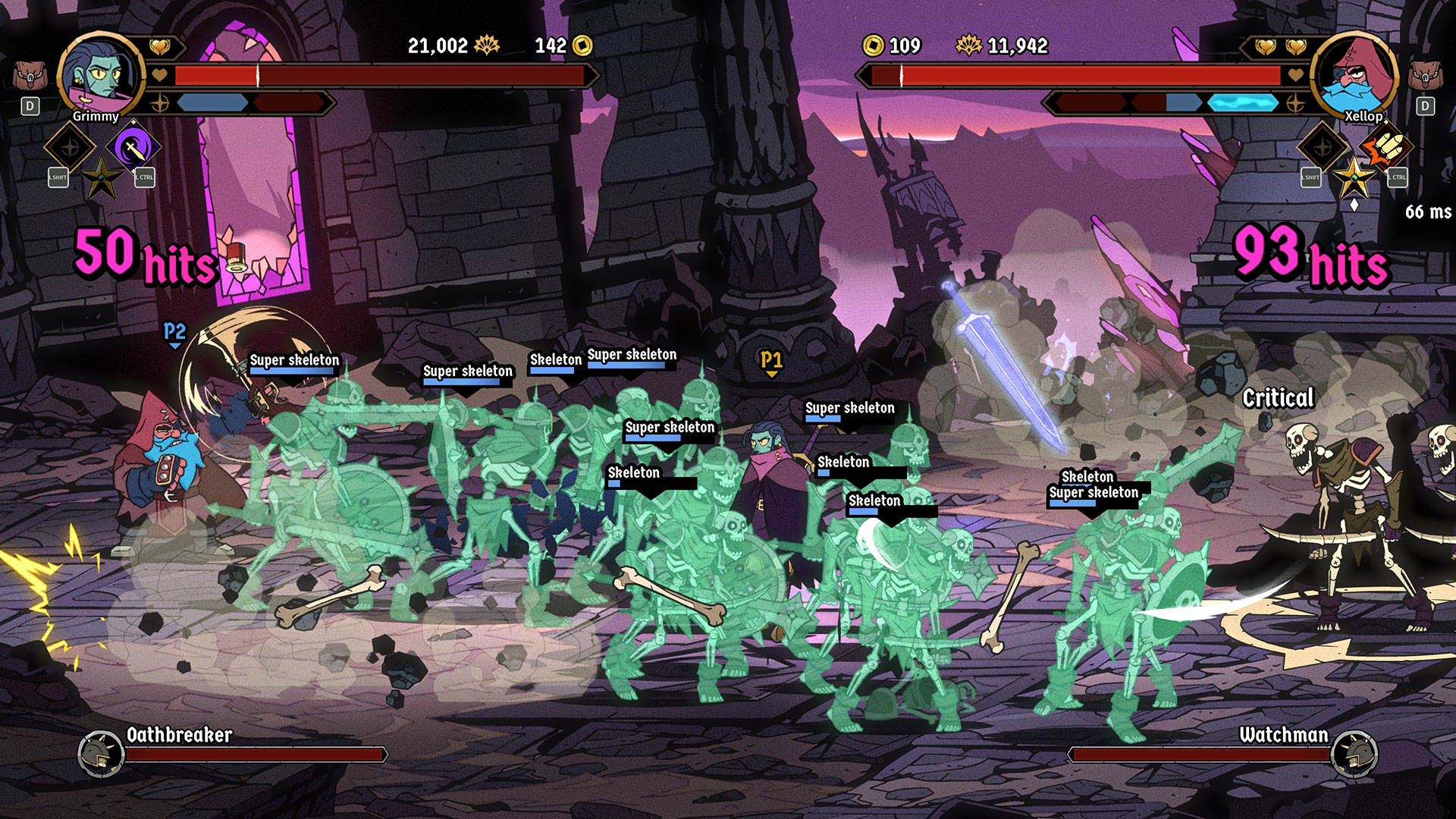
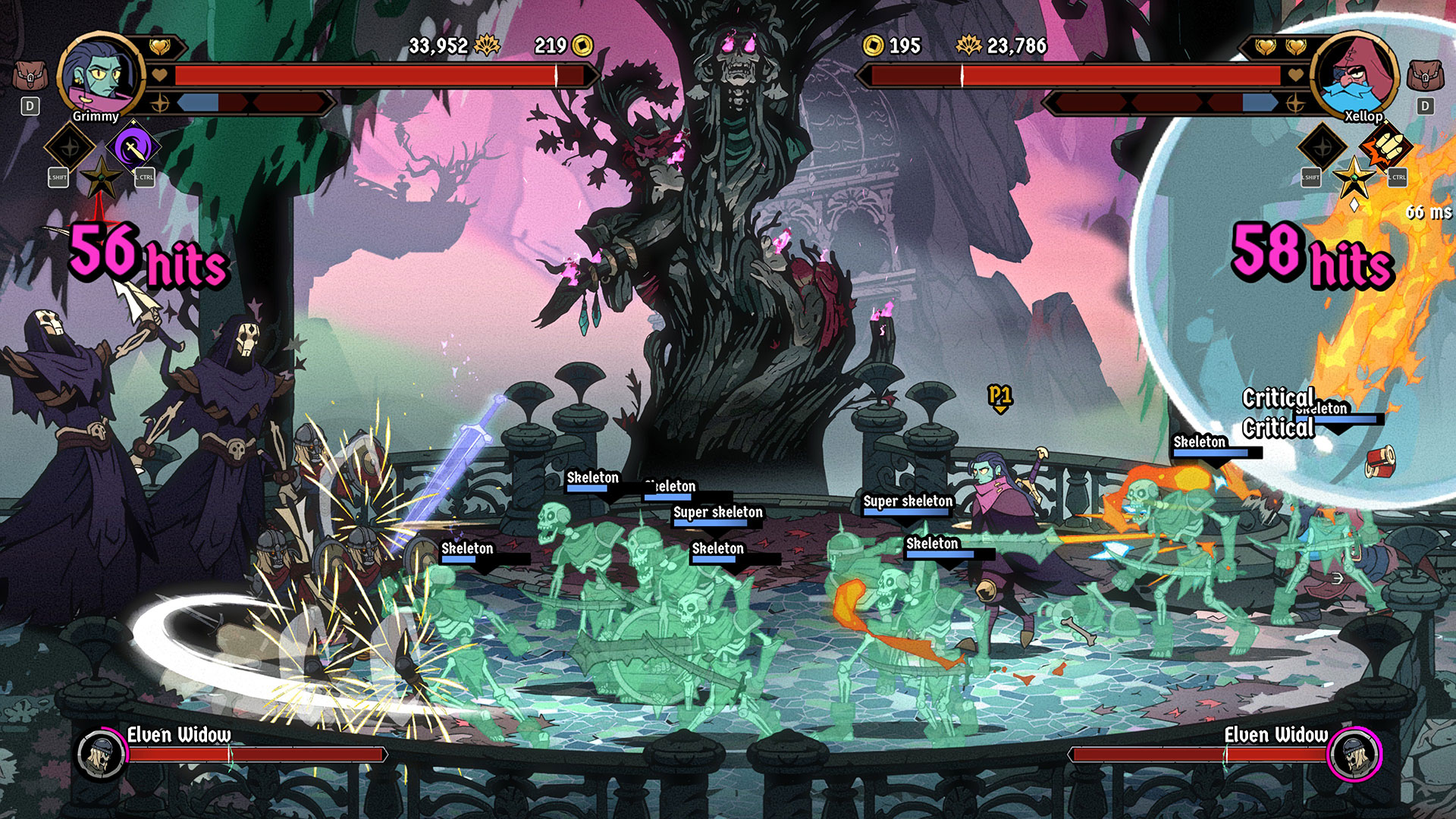
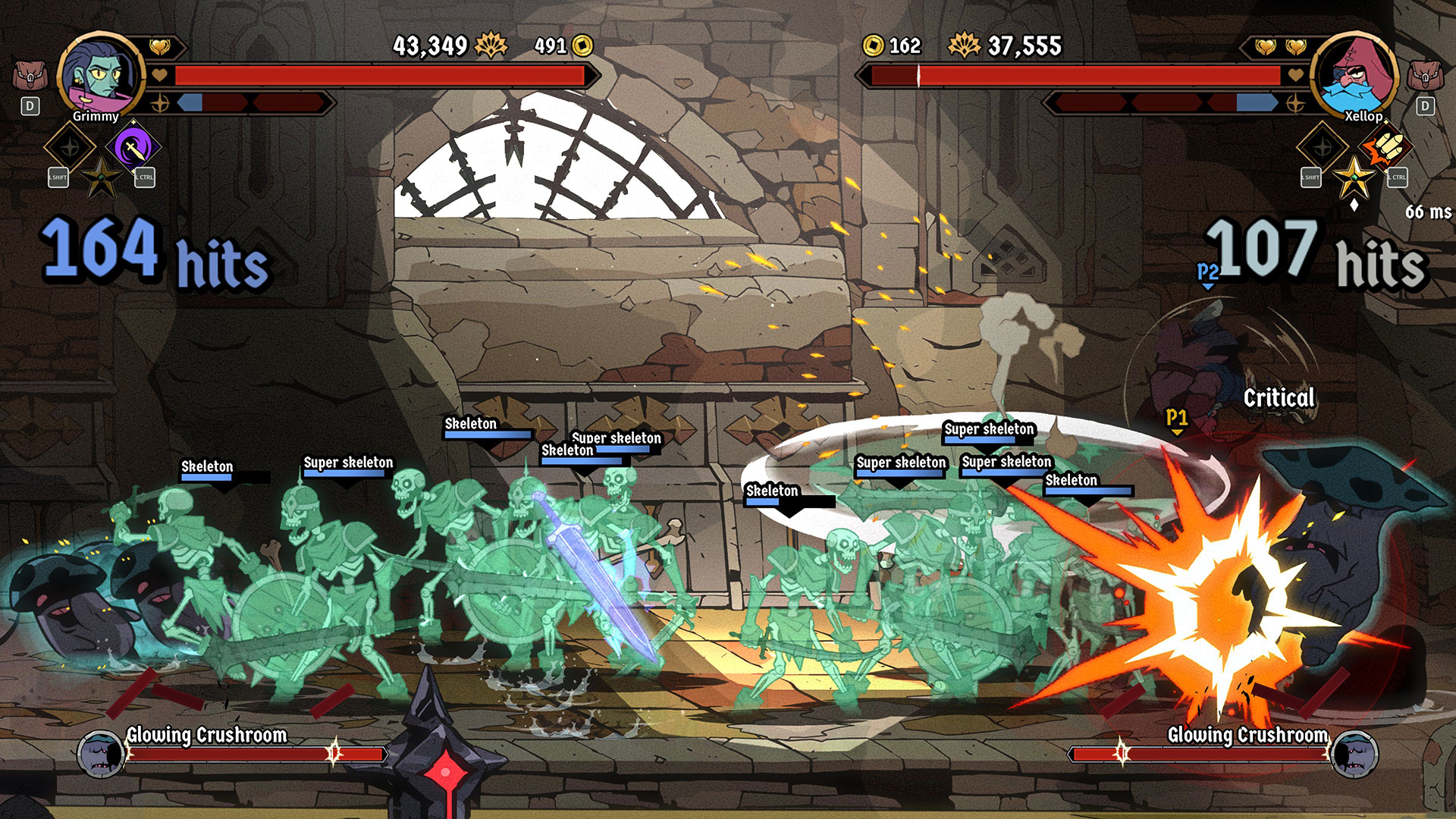
Absolum isn’t the first beat ’em up with roguelite elements, but it’s arguably among the best. The game is a great example of how roguelite mechanics can breathe new life into a classic genre. But the secret sauce isn’t just adding pick-one-from-three upgrades. Absolum features some of the most fun combat you can have in a side-scroller beat ’em up, assuming you can figure out what’s happening on the screen. The lovely art style can get a bit busy at times, especially in co-op, and that can lead to frustrating moments.
What we enjoyed the most about Absolum is how well it balances difficulty with its variety of builds. The most successful roguelites give players the sense that they’re creating a broken build each run, but gameplay still stays challenging, so it’s satisfying when they succeed. Absolum nails that as well as any other co-op roguelite we’ve played, with some stressful moments of hanging on by a thread despite getting the builds we wanted. Basically, Absolum adds real depth to a genre that was originally designed to be simple.
Arcade Alchemy
I can still remember being left alone at an arcade in the 1990s with $5 to entertain myself for hours while my mom went shopping at the mall. Even back then, arcade machines were designed to swallow as many quarters as possible while still being approachable. Outside of fighting games like Street Fighter II and Mortal Kombat, where skill could make your money go a long way, a lot of the most popular cabinets were side-scroller beat ’em ups. Popular ones from my era included Teenage Mutant Ninja Turtles: Turtles in Time and The Simpsons Arcade Game, both of which allowed up to four people to burn through their money at once. For many gamers, those two arcade games defined their childhood and still largely inspire beat ’em up games today.
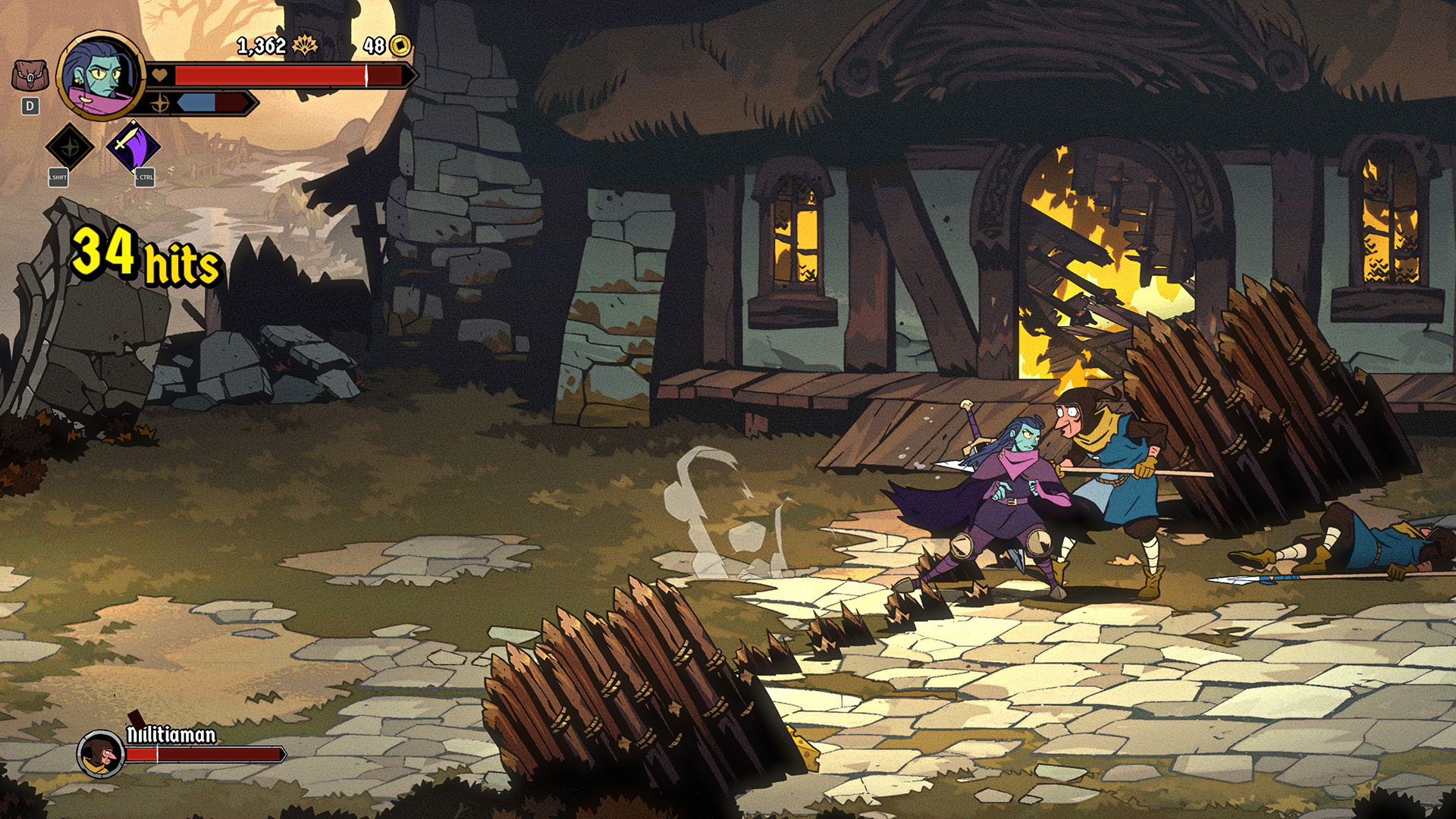
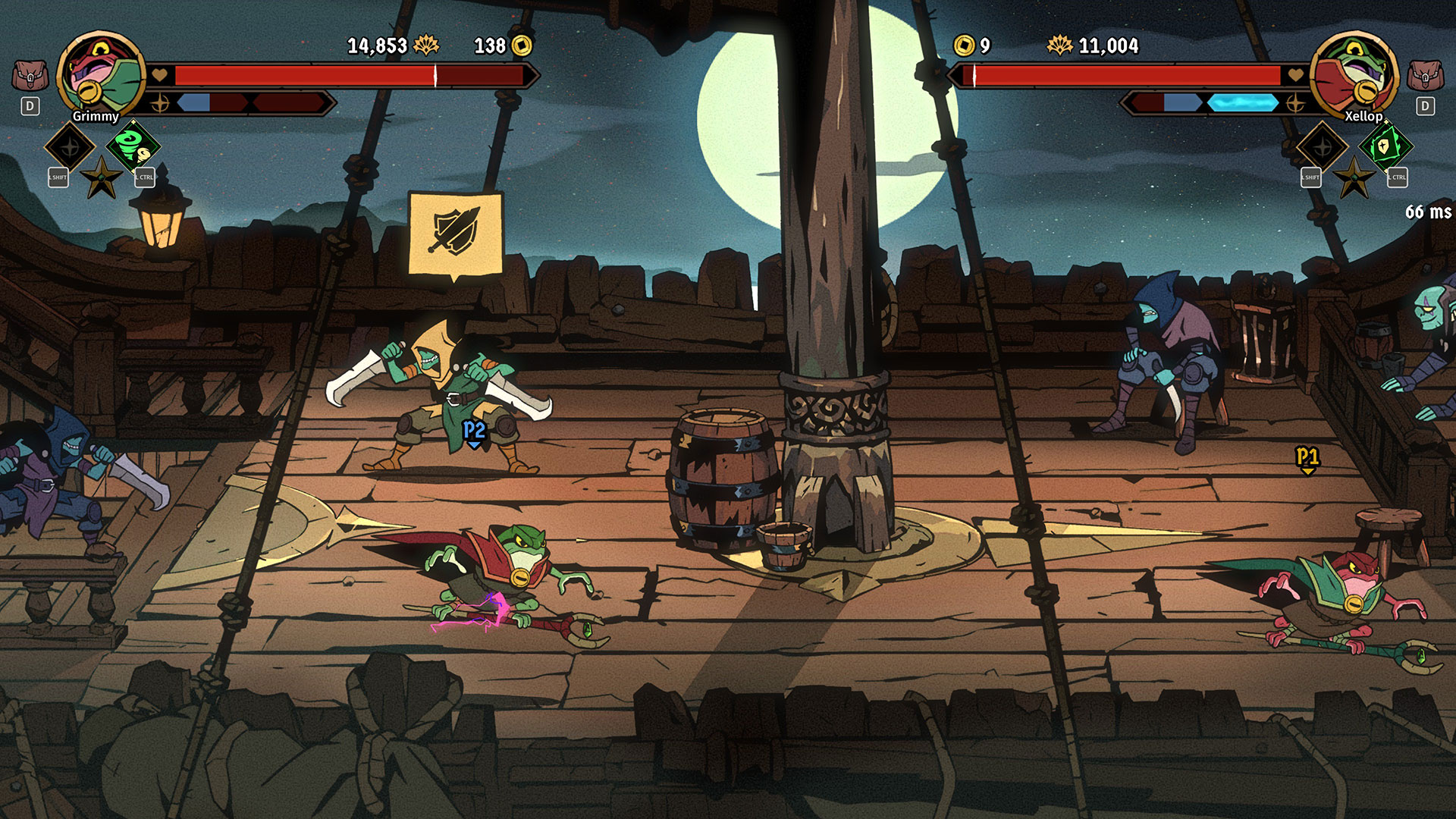
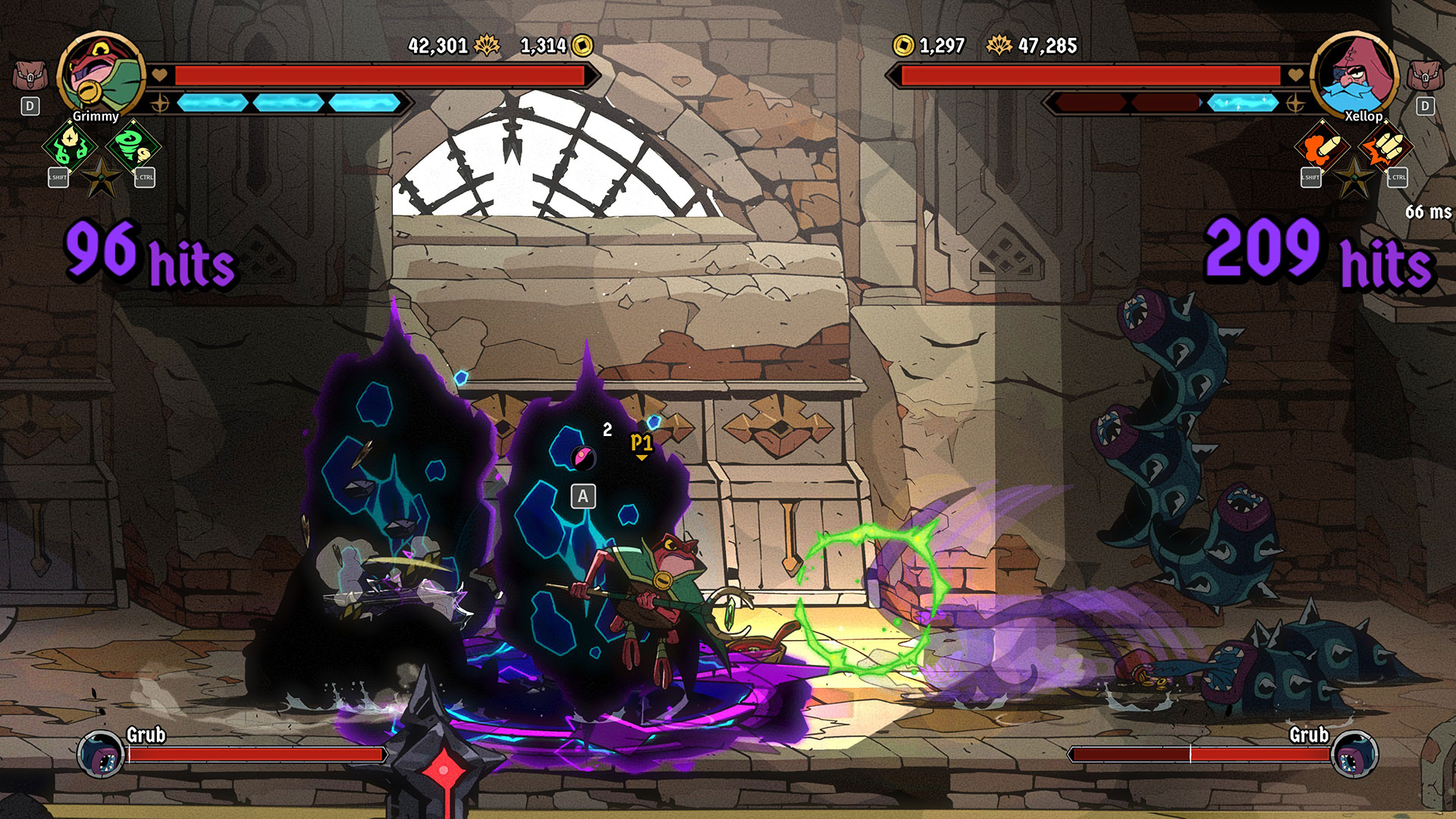
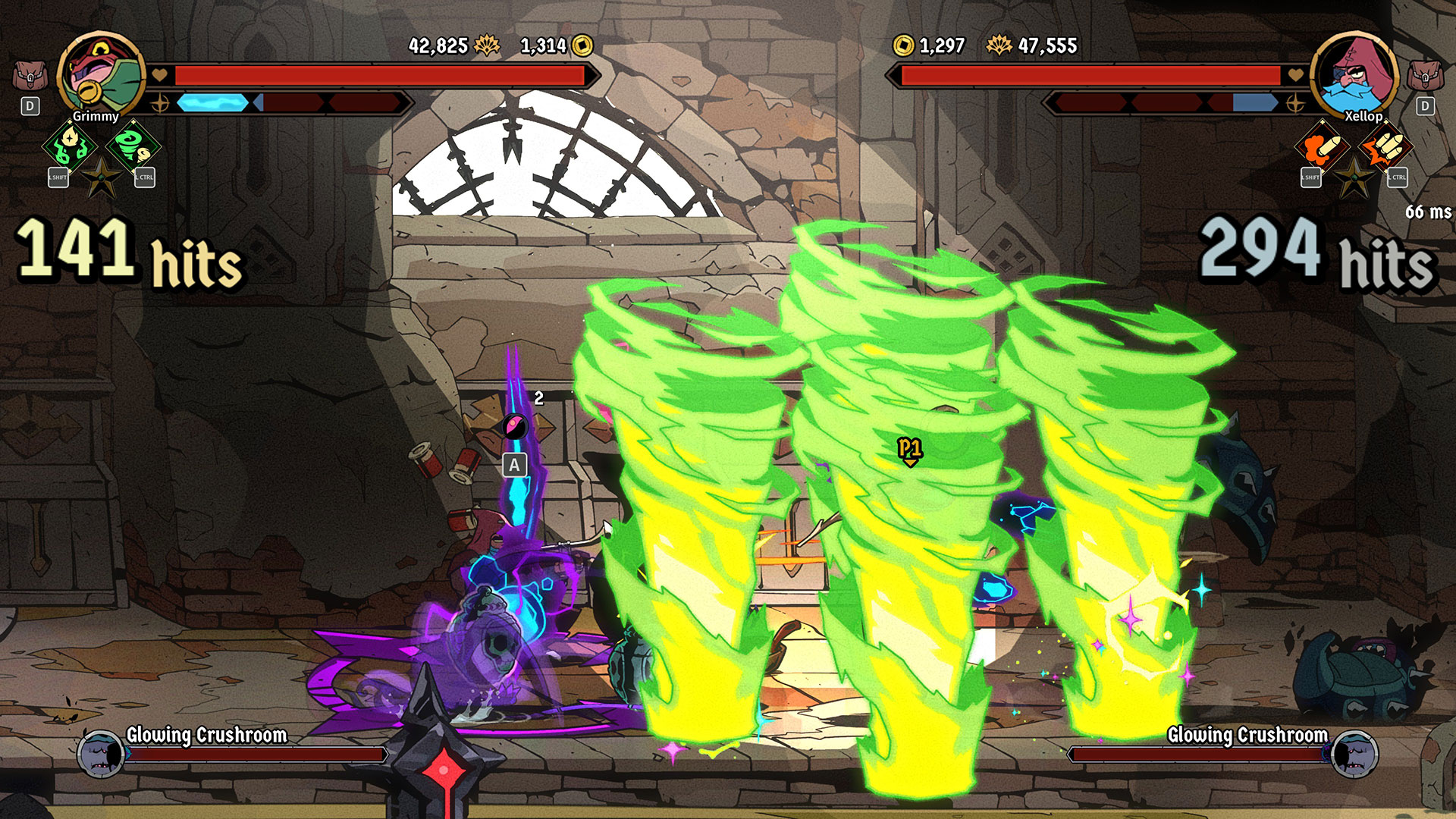
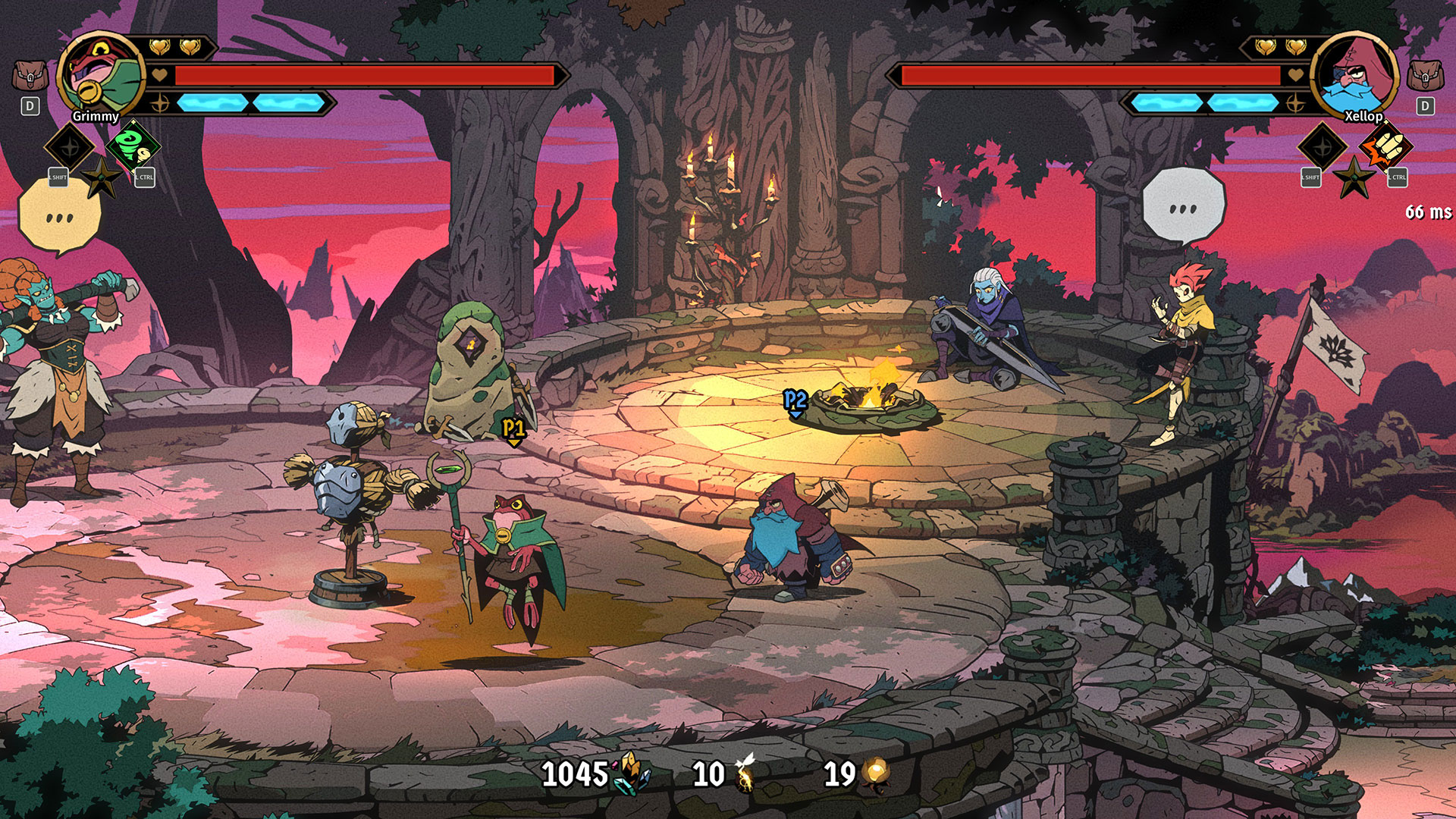
At their core, beat ’em up games are designed to be simple. You move around on a fixed screen, pushing just a few buttons to clear the enemies before the game allows you to proceed. Sometimes, this results in mindless fun with friends, where button mashing is a viable strategy as you try to maintain your hit counter. While Absolum does start off feeling like that type of game, it doesn’t take very long to discover there’s a lot more to it than that. Some of the early levels can be mindless button mashing, but the majority of the game requires paying attention to the enemies, deflecting or dodging attacks, and being strategic on when you use your Arcana skills.
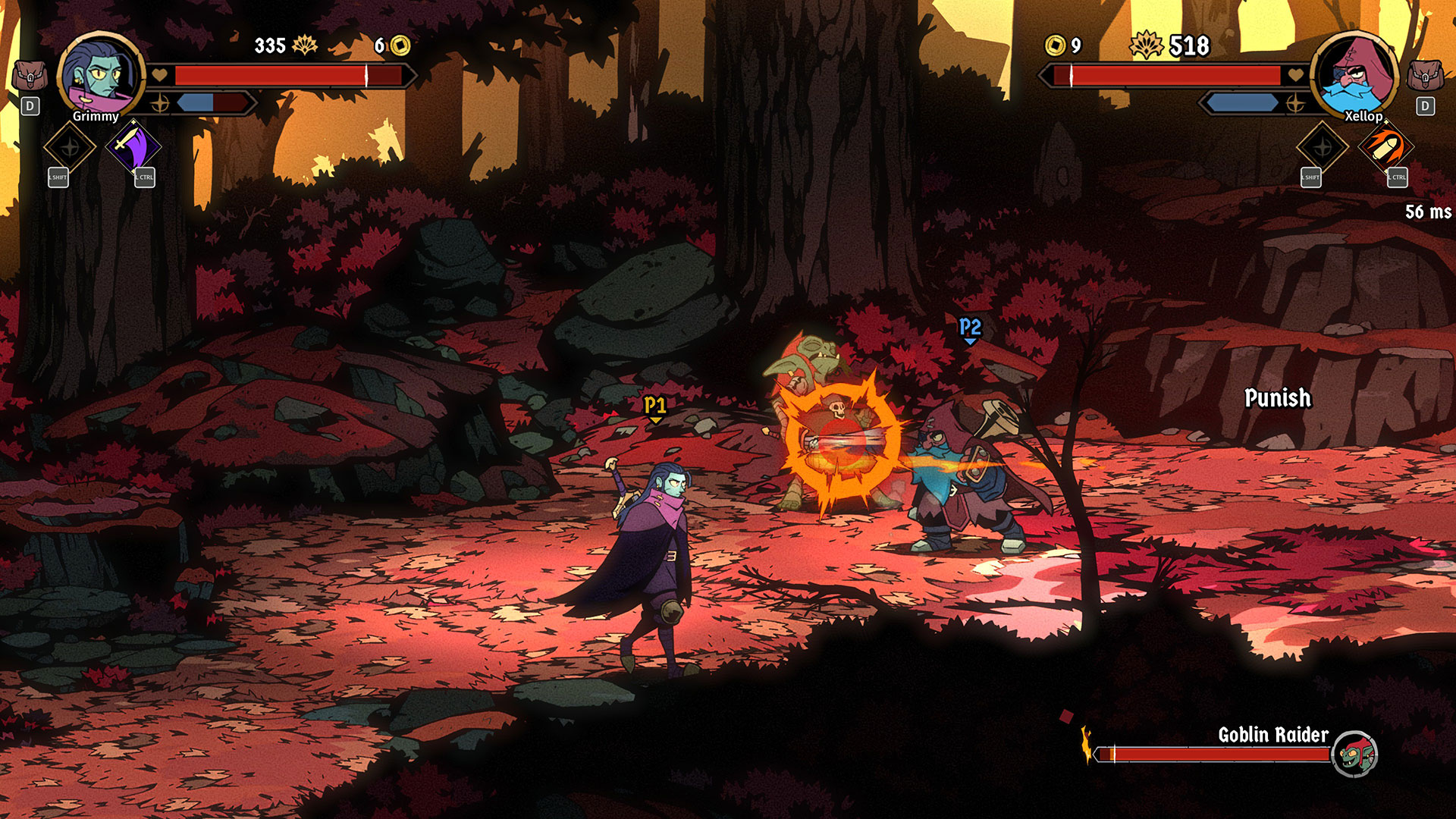
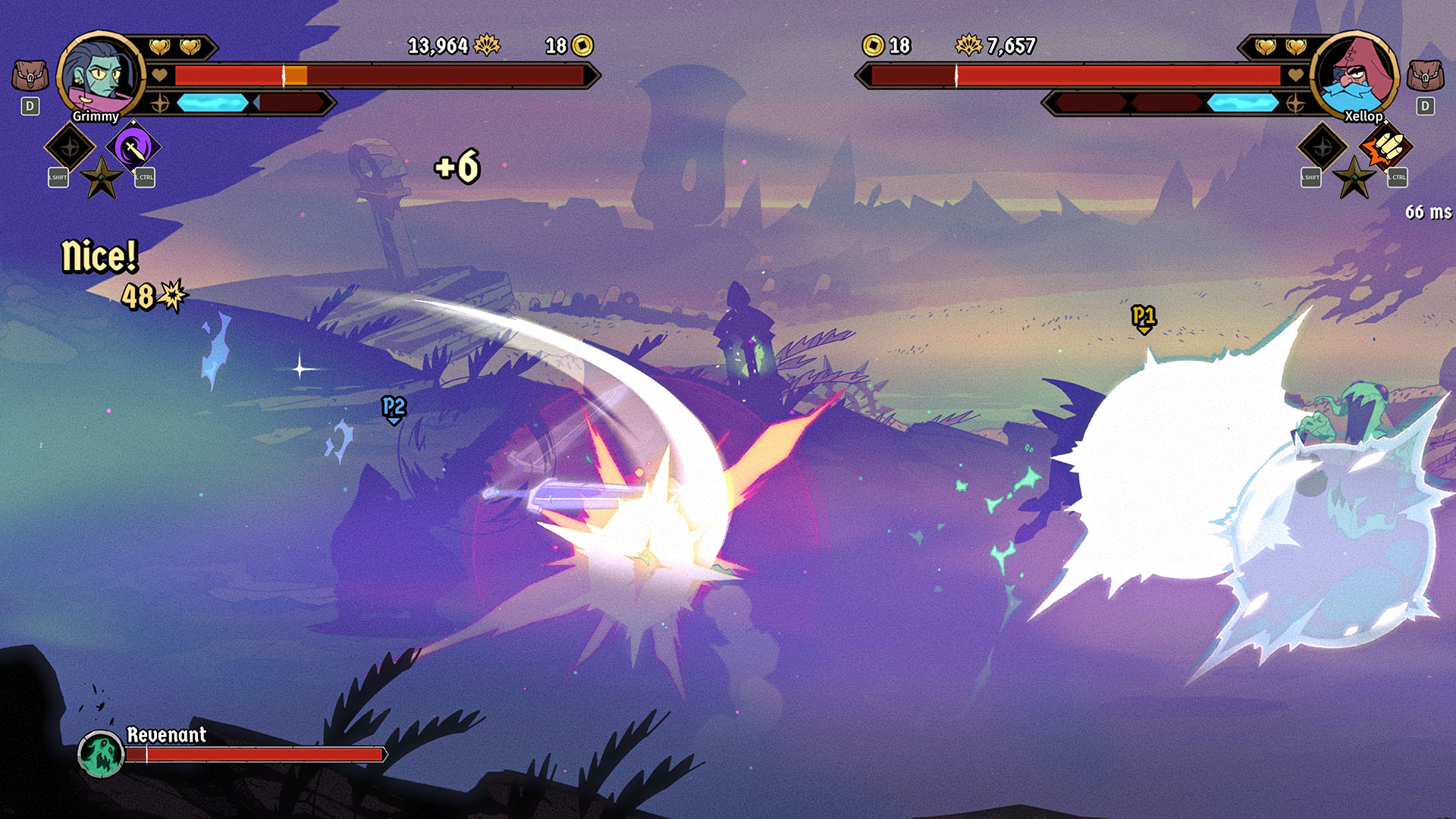
The gameplay truly shines because combat feels so responsive, from dashing to juggling mobs in the air. This is Hades II-level polish in a beat ’em up format, which means the minute-to-minute experience is really fun. Once you understand all of the game’s mechanics, including deflect, dodge, Clash, and Punish, you’ll see how much it rewards you for playing cleanly rather than simply button mashing. In fact, there’s a penalty called Repetitive that kicks in when you spam the same move, reducing damage. Combine all that with the roguelite mechanics of Rituals, Trinkets, Inspirations, and permanent meta progression, and you have the recipe for success.
Talamh Tussle
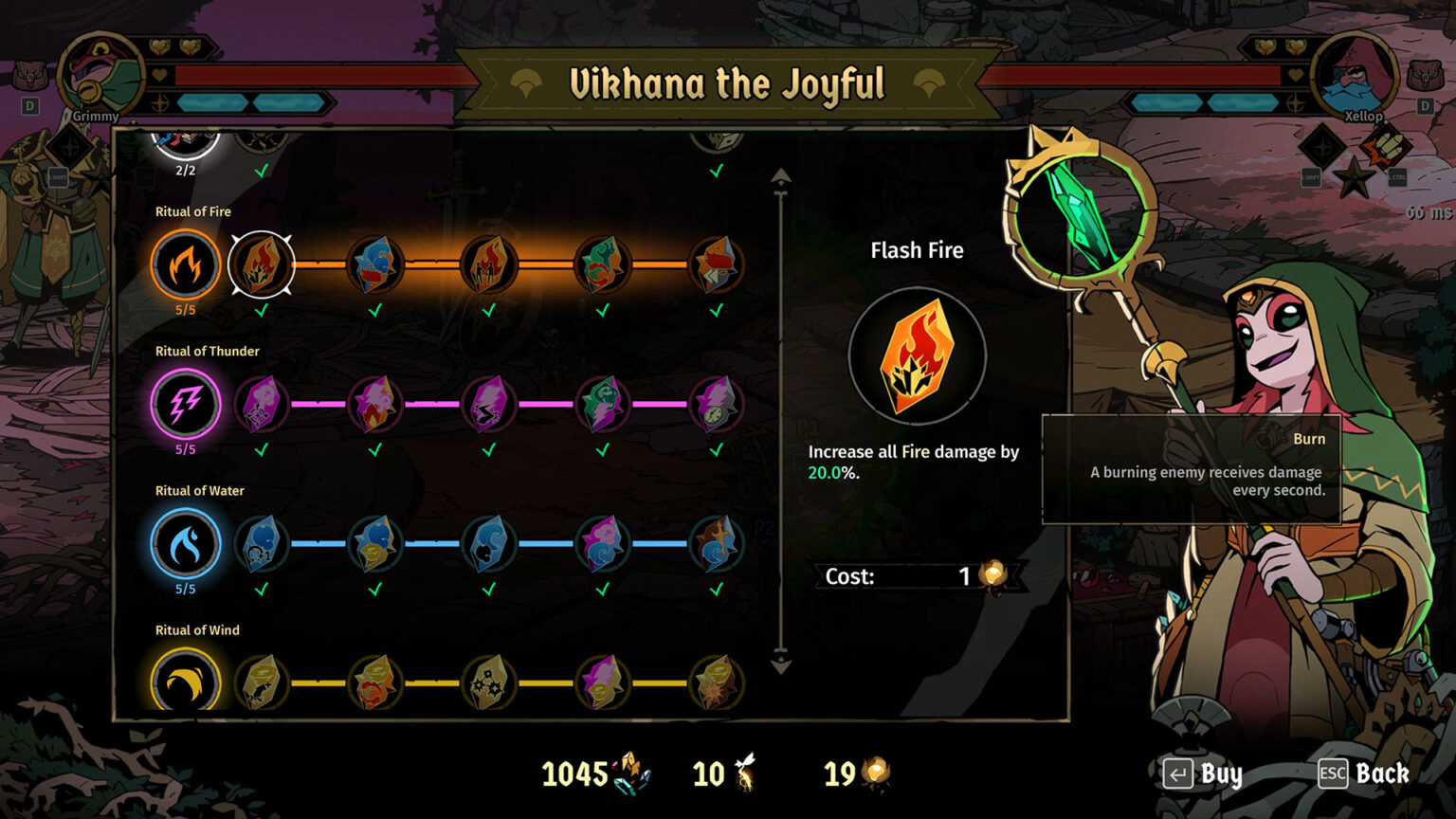
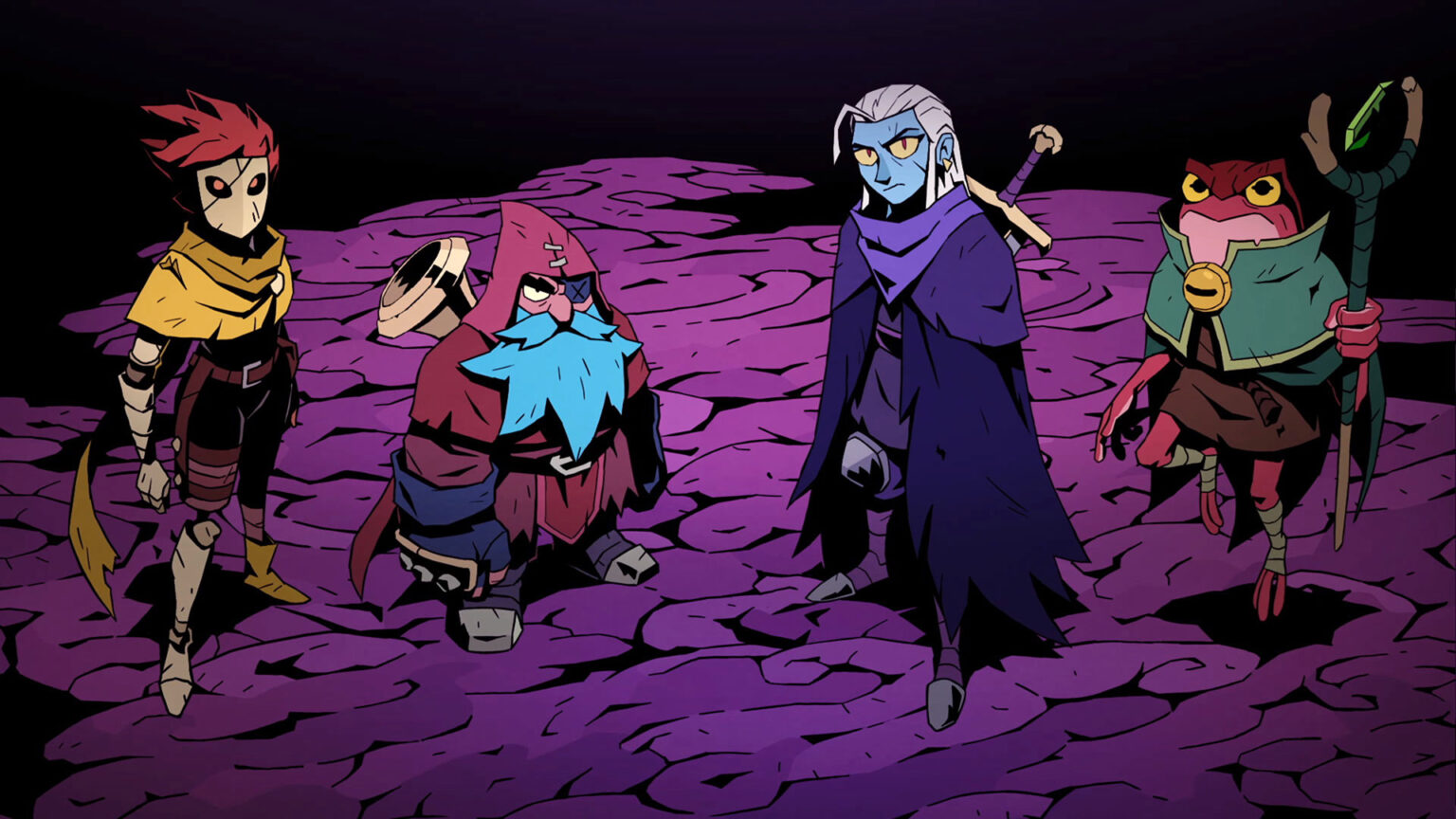
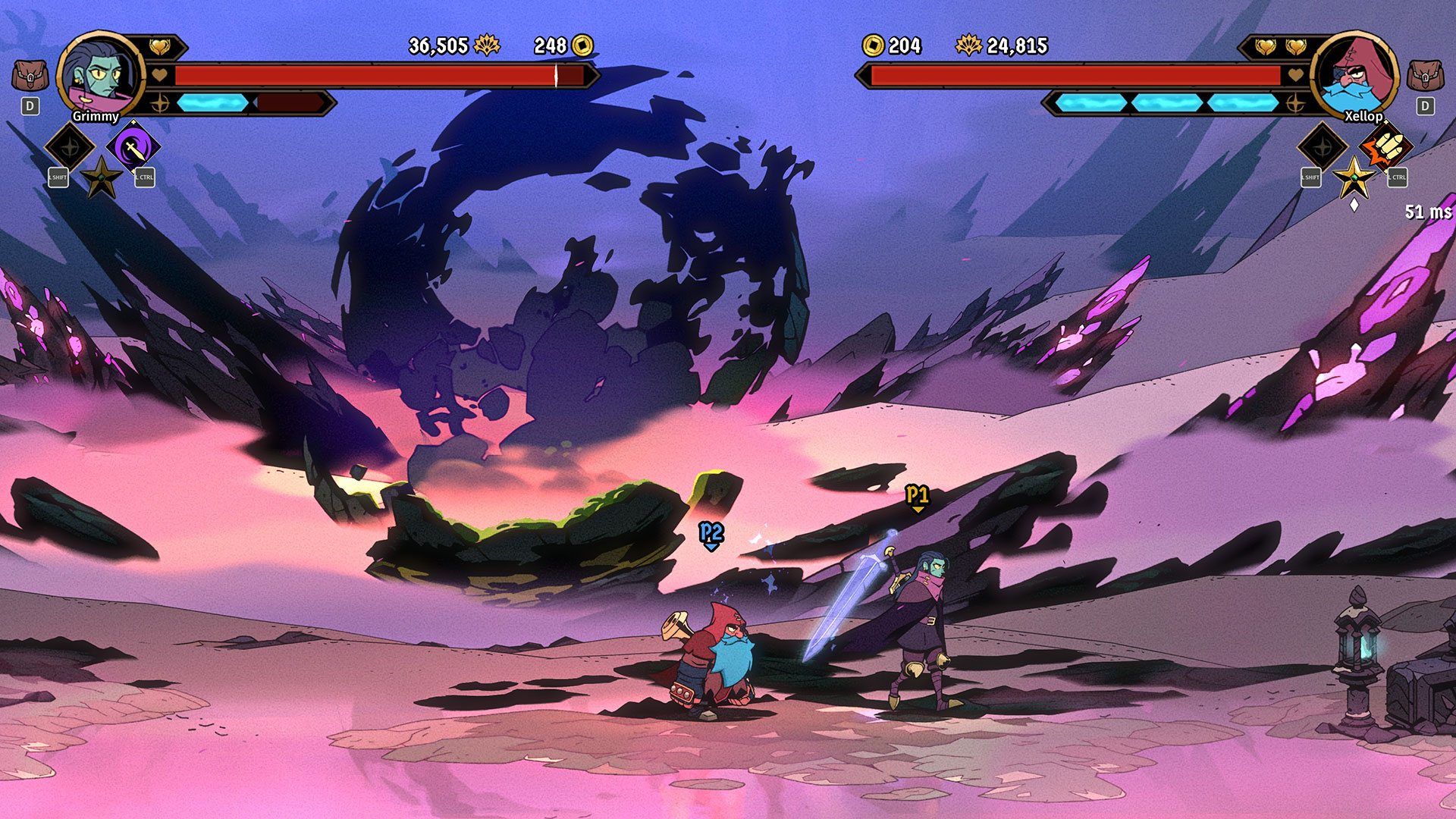
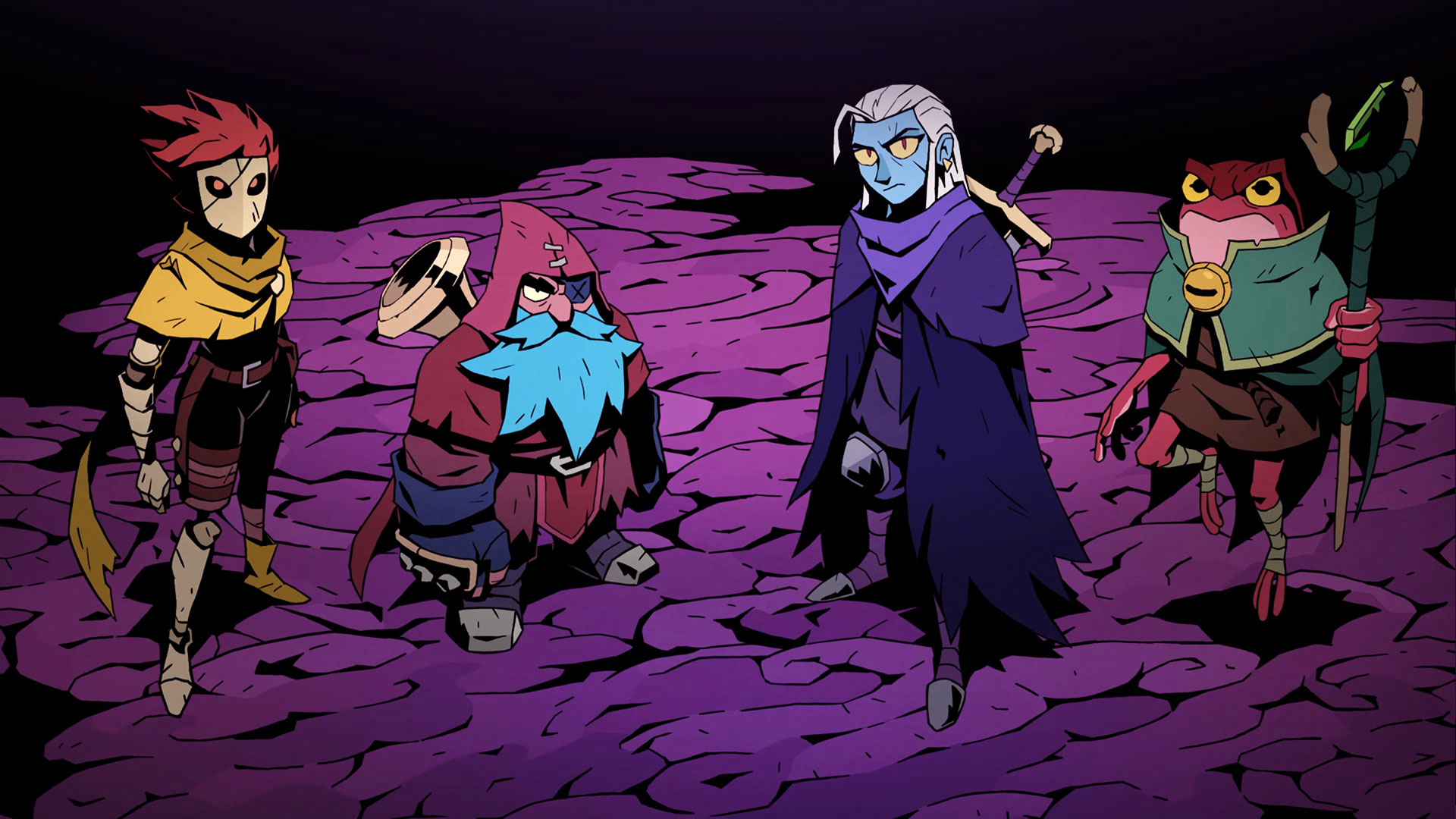
Initially, Absolum offers two characters, but you eventually unlock four total: Karl, Galandra, Cider, and Brome. Each character has their own skills, called Arcanas, and a weapon, meaning they feel noticeably different in terms of playstyle. The two starter characters are Karl, a dwarf who uses his fists and has a blunderbuss, and Galandra, a warrior equipped with a large sword and necromantic powers. The first unlockable character is Cider, with a playstyle centered around mobility and agility, while the fourth character is Brome, a frog-like wizard who most fits the mage archetype. The Arcanas definitely do the heavy lifting in making each character unique, but they also feel and play differently outside of that. This is especially true because you aren’t always spamming Arcanas, since they require mana.
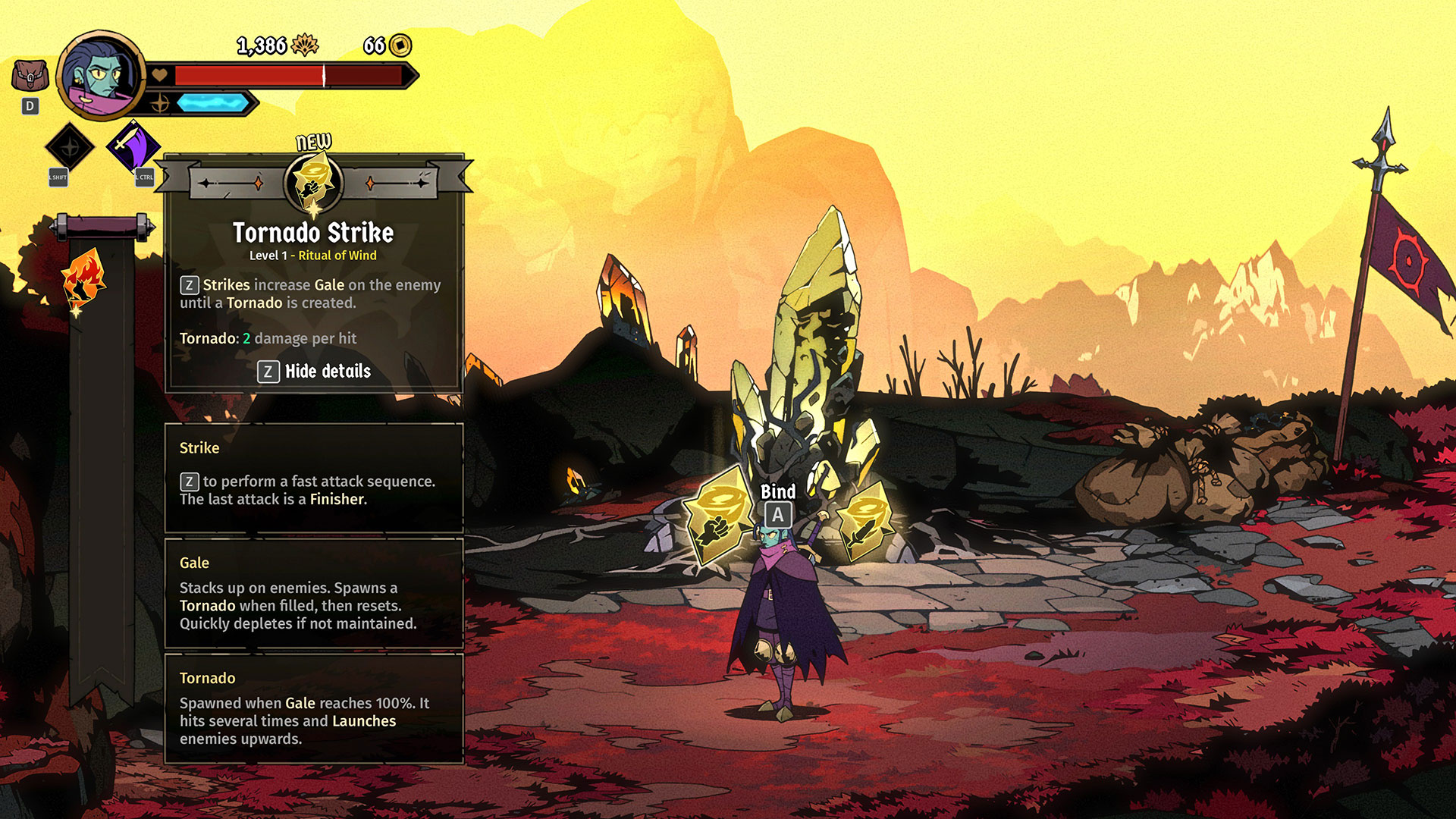
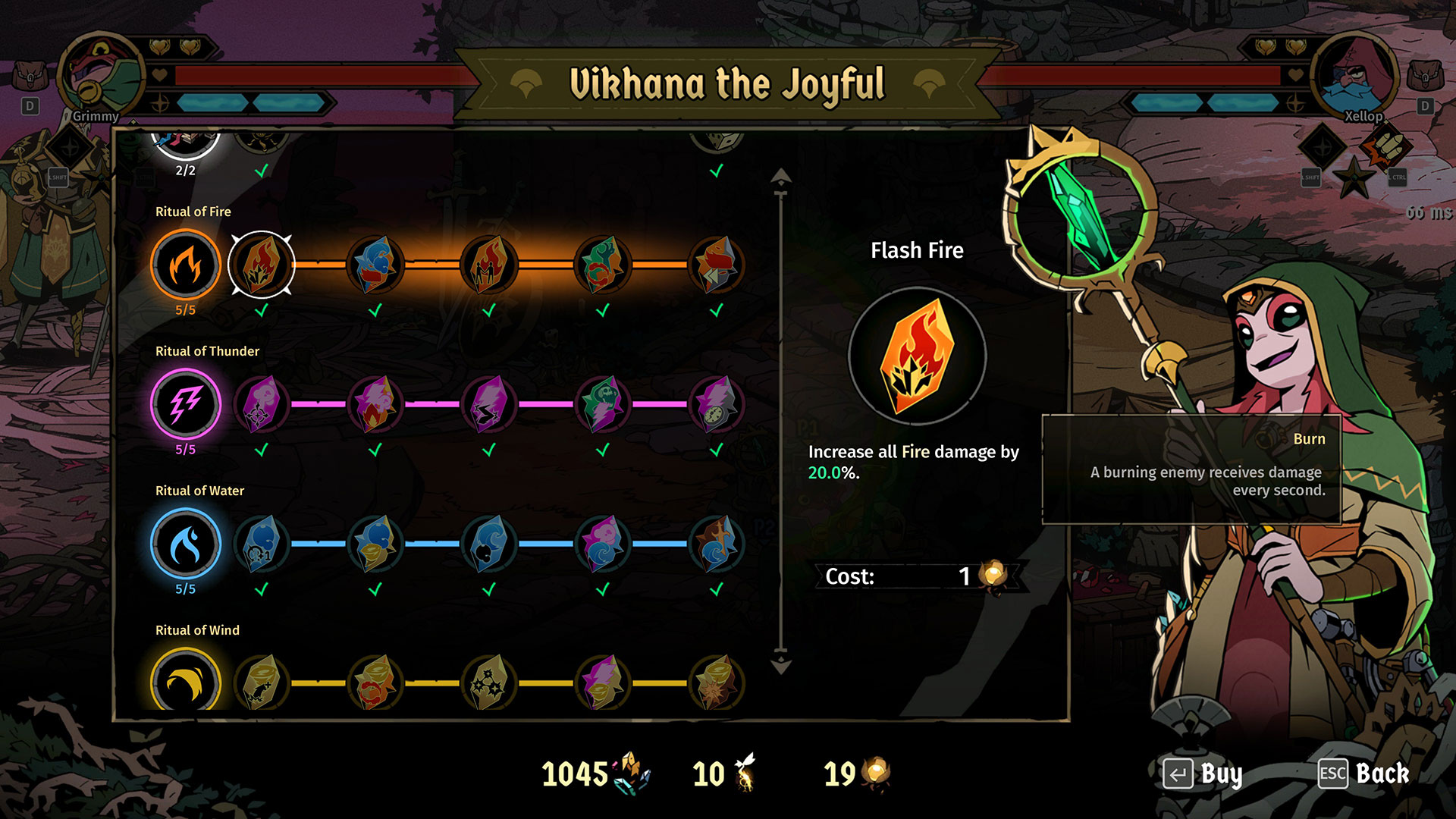
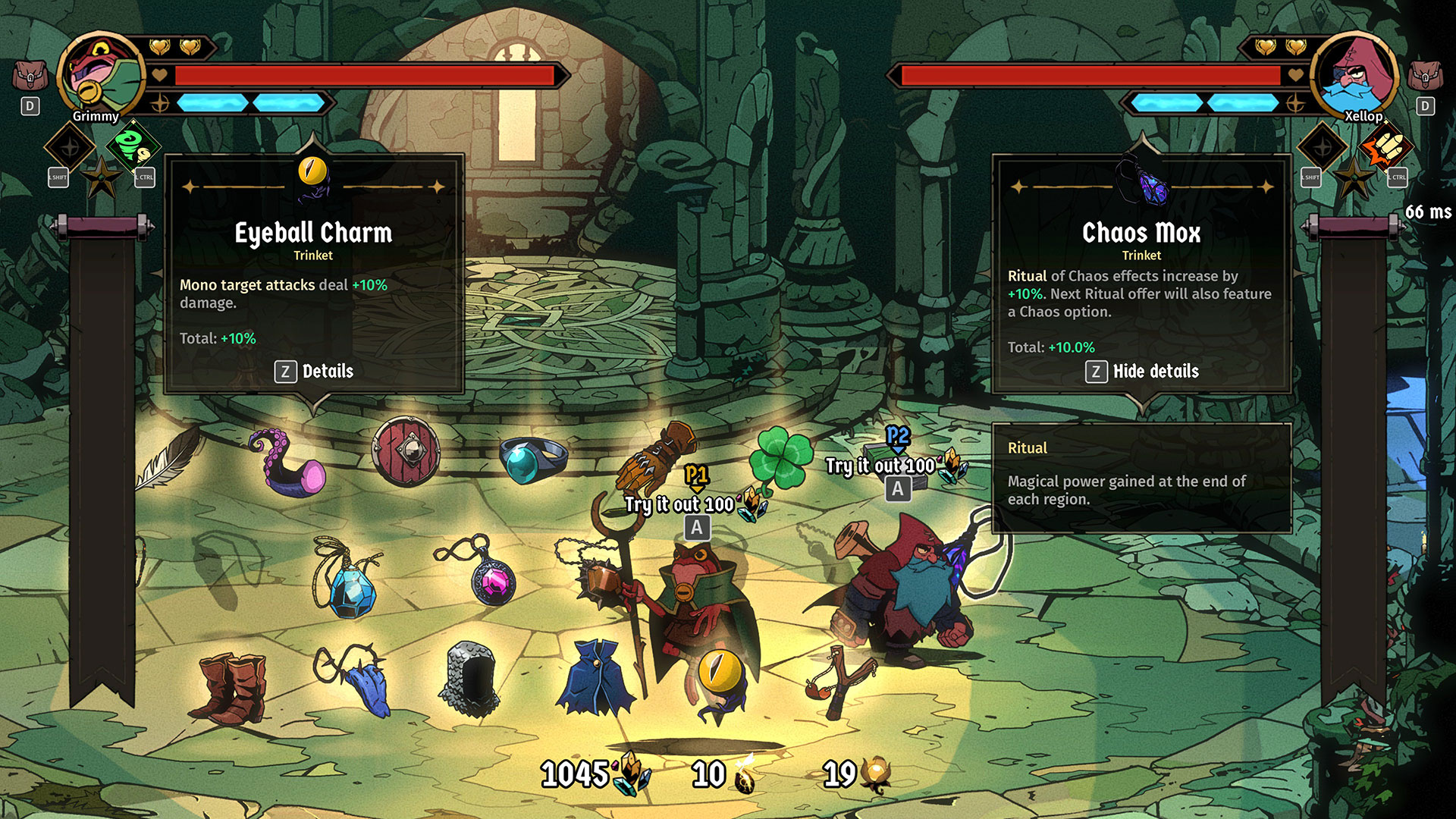
Customizing your build during the run revolves around choosing Rituals, which are tied to different elements such as fire, water, wind, thunder, and more. Each of those elements has its own group of upgrades, many of which add effects to specific triggers. Some of these Rituals will change your playstyle, especially when combined with Trinkets found throughout the run. For example, you might pick up a Ritual that spawns throwables, which encourages you to pick up a Trinket that increases throwable damage. There are also combinations of Rituals and Trinkets that focus on aerial damage. This is to say that not all builds will change how you interact with and play the game, but some will.
Before starting each run, you’ll choose one Arcana for your character. There are ways to add a second one to your loadout during a run, which contributes to expanding build possibilities. However, what really changes a build are Inspirations, which you earn from bosses. Some of these are new standalone moves, while others will upgrade or transform how a core mechanic works. We found Inspirations to be the most defining factor in how a run would play out, and we often picked the route on the map that offered additional Inspirations.
Double Arcana
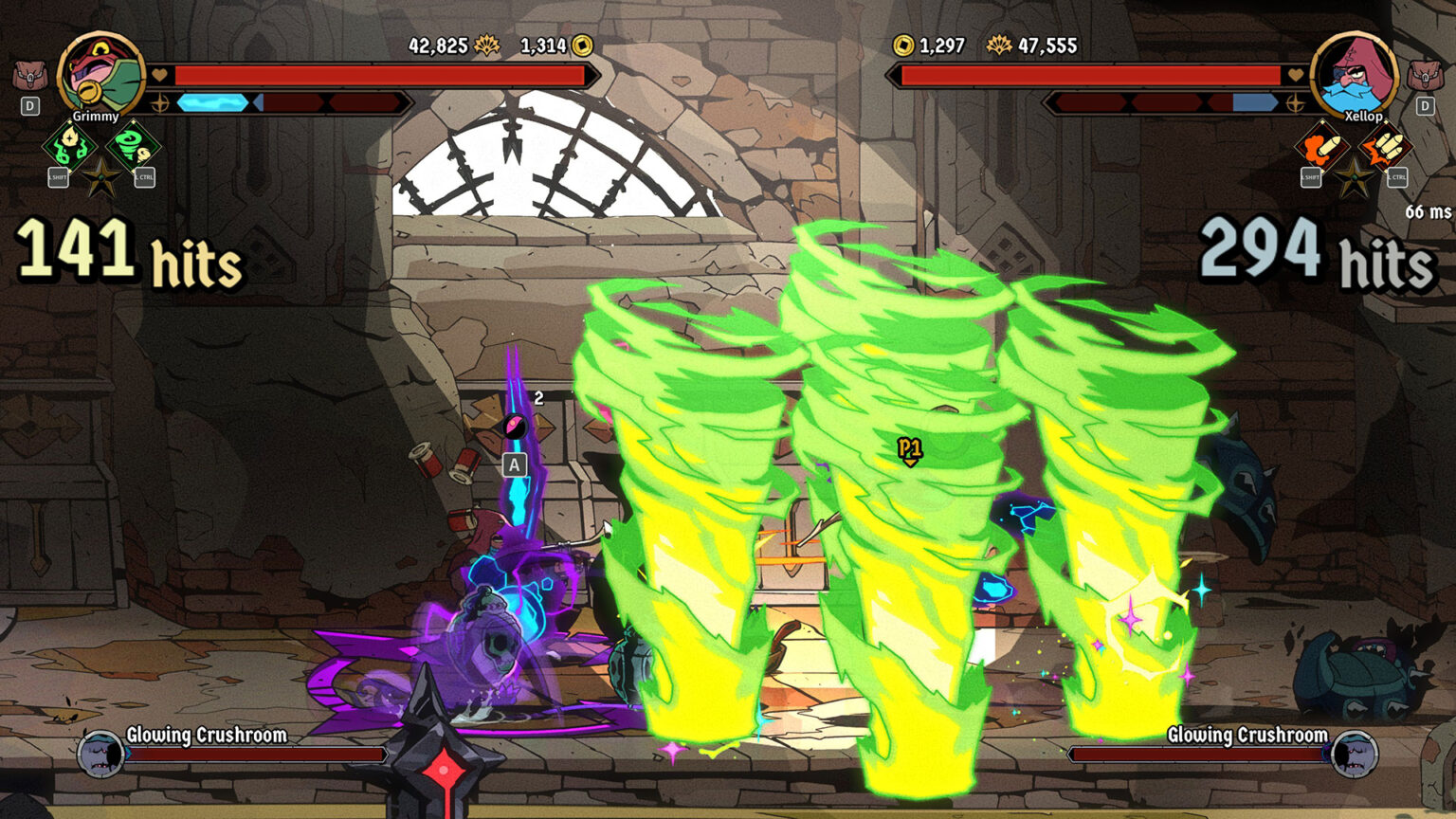
Speaking of the map, each run offers numerous choices for which path you want to take. Sometimes, your choice will be dictated by the side quests you want to complete for additional rewards, forcing you down a specific path. Other times, you may want to avoid certain areas based on previous experiences. Once we’d cleared the side quests, we gravitated toward routes that offered more shots at Inspirations. Sometimes this helped us force a build we knew worked, and other times, it helped salvage a run that felt like a lost cause.
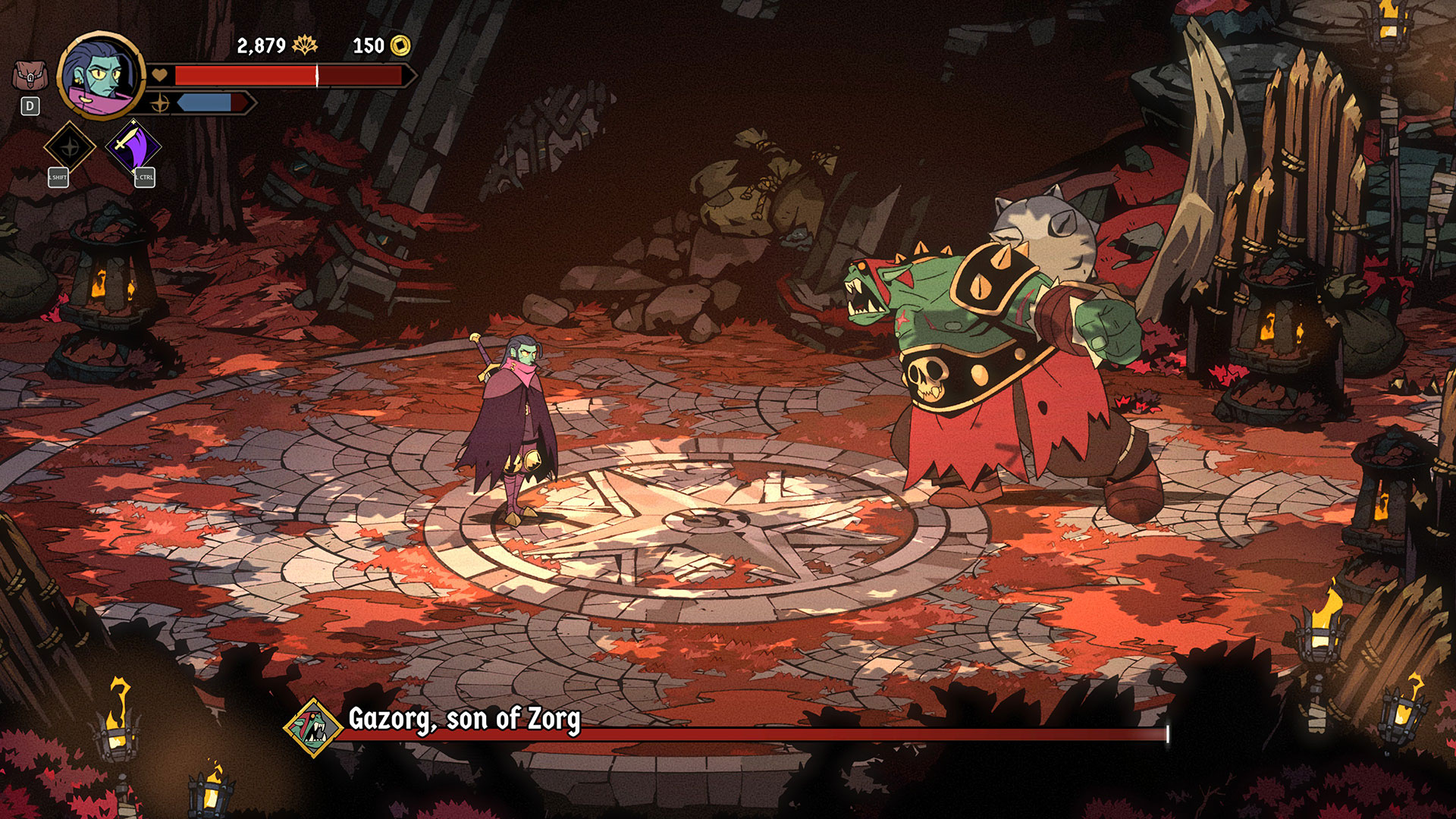
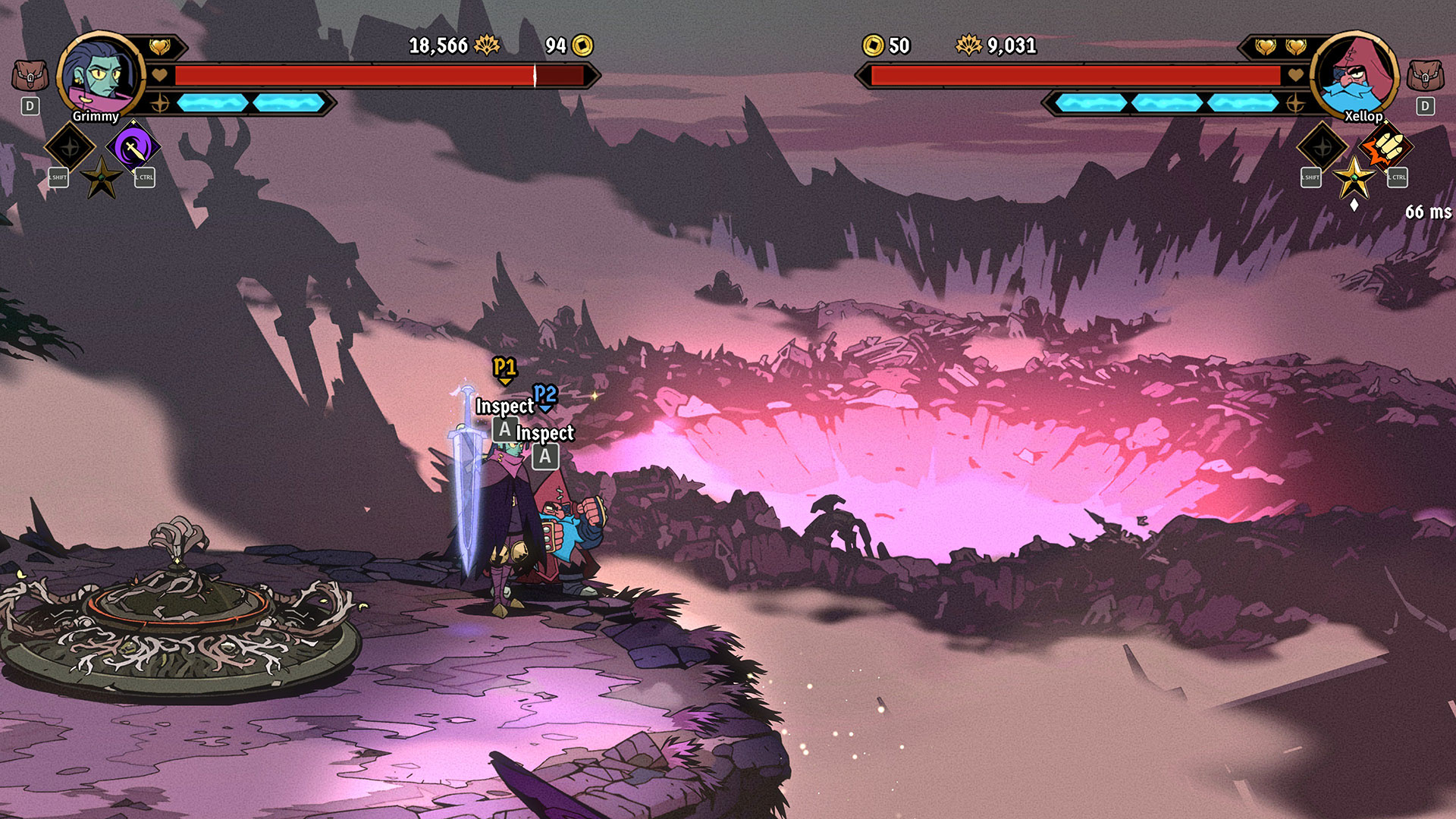
While moving through each level, certain areas also have secrets, often hinted at by a one-eyed cat. You can also learn more about the game’s lore and the world of Talamh by interacting with various nodes scattered throughout each area. Most of these are very short excerpts, so they never feel long-winded or annoying. They’re entirely optional, so if you love lore, it’s there. Don’t expect it to be as interesting as something like Hades, mainly because Absolum doesn’t focus on the story of a single character. Finally, there are mini-bosses and major bosses throughout the different routes, which add variety to each run.
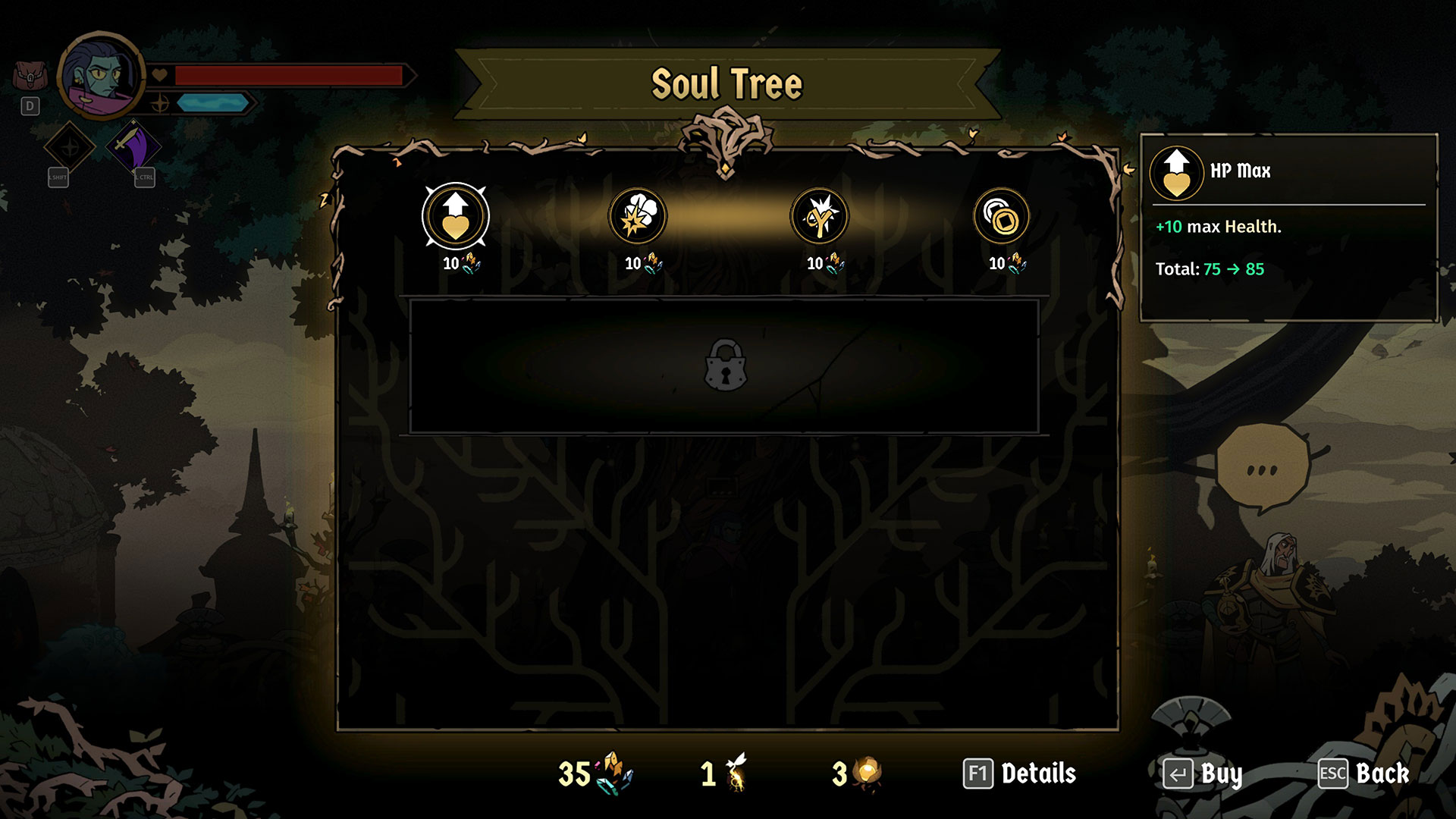
We found the game’s meta progression to be its weakest point. There are three different currencies that go toward permanent upgrades: Crystals, Imbued Fruits, and Primordial Seeds. Crystals unlock nodes in the upgrade tree, which honestly doesn’t offer many compelling choices. At first, you’ll have to pick, mainly because you won’t have many Crystals, but eventually you’ll be clicking down the list until it’s all unlocked. Most of these choices are rather basic, but this is also where you’ll find major things like revives. Imbued Fruits are used to upgrade Rituals, while Primordial Seeds unlock new Arcana options and Inspirations. Once you max everything out, you can use Crystals to purchase Trinkets before starting a run or spend them rerolling your options during a run.
Final Rite
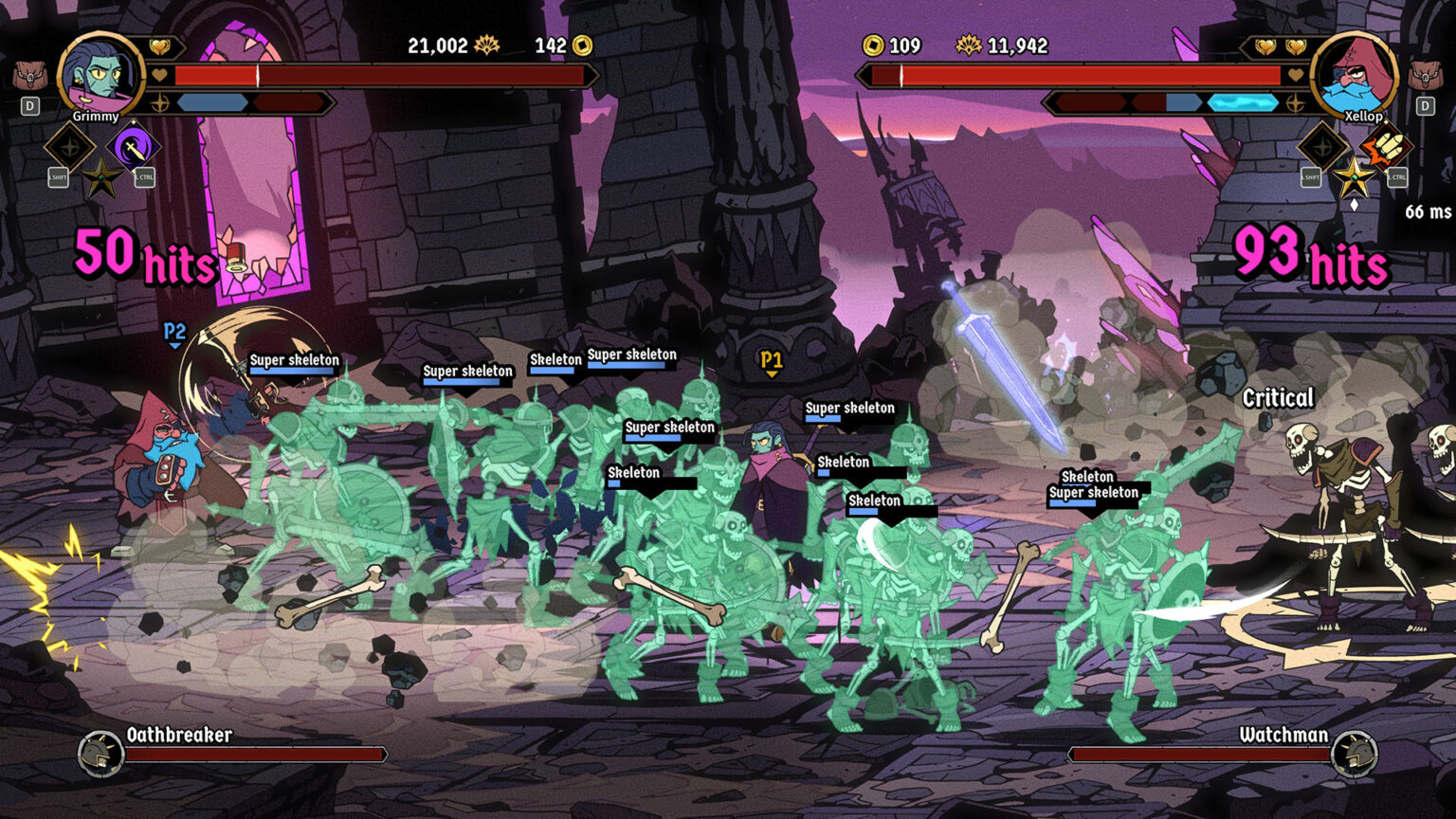
Given how popular Hades and Hades II are, one of the easiest ways I can explain Absolum is to call it Hades in a side-scroller beat ’em up style. The animation and art style are crisp and clean, much like both Hades games, but things can still get a bit chaotic on the screen. The voice acting is superb too, bringing all the characters to life. The story, lore, and narrative aren’t as deep, and likely won’t be the reason why you play Absolum or remember it for years to come. I’d also argue that the builds won’t feel as varied as in Hades, but you can definitely run into some game-breaking combinations that are pure joy to play.
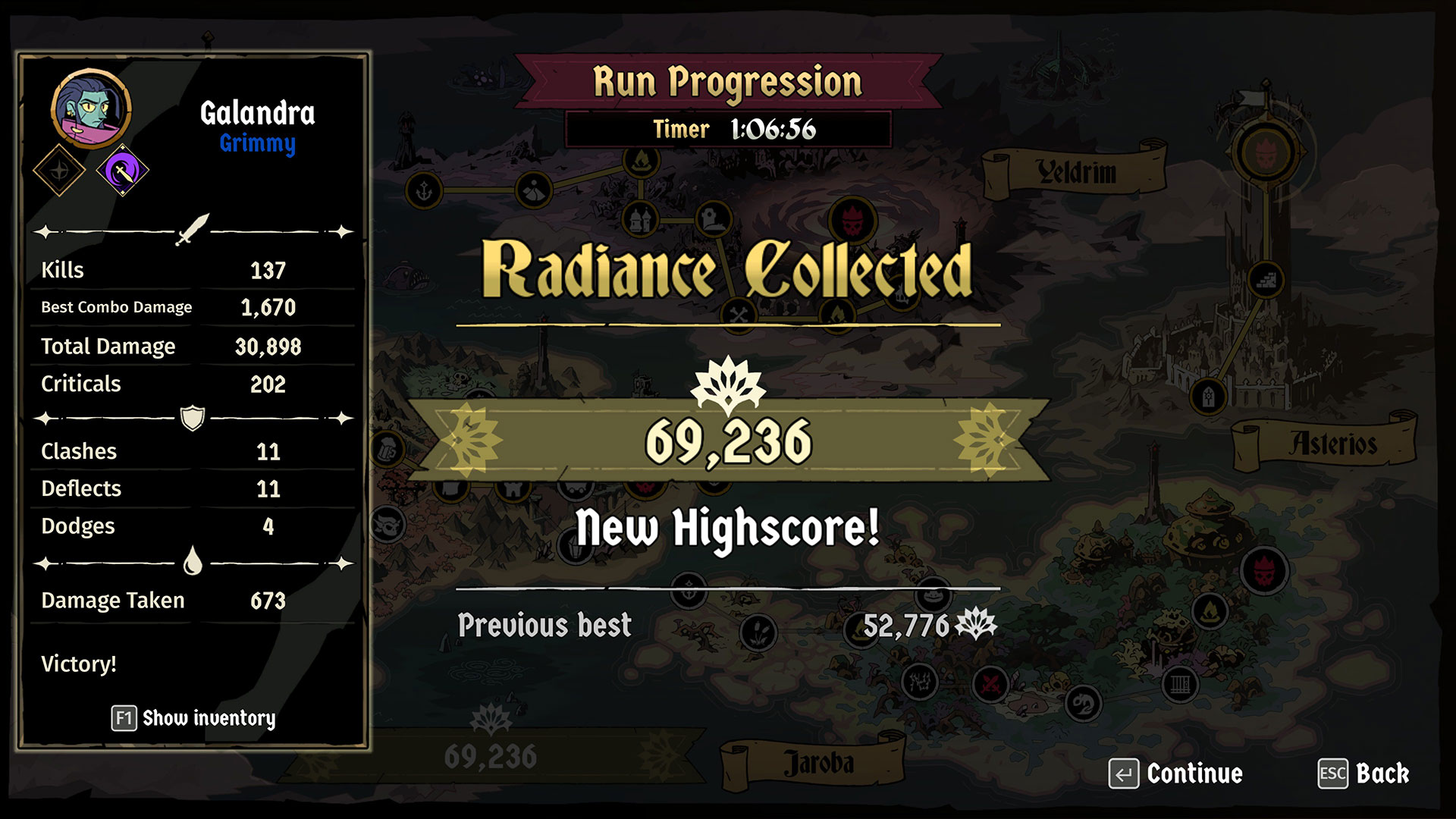
As for content, it took us 12 runs to finish the game, although there were additional quests for us to clear afterwards. Complete runs can take over an hour to do, which might have been our biggest issue with the game. Roguelites shine best when your brain keeps telling you “just one more run” because you feel like you’re constantly on the edge of breaking the game. With Absolum, though, because the runs are so long, it was hard to want to jump straight back in and do it all over again. Obviously, your overall playtime will vary depending on your skill level and how lucky you get with your builds, but you can expect anywhere from 10 to 20 hours to see what the game has to offer. In terms of performance, the game ran flawlessly on our gaming PCs, as it isn’t very demanding. We didn’t run into any noticeable bugs or issues worth reporting, as the game feels very polished.
No question, if you like beat ’em ups, Absolum is a must-play. If you’re a fan of roguelites, I’d also highly recommend it to you, with the caveat that some of the mechanics aren’t as deep as you’d find in other games. Still, all the familiar elements are there, but Absolum’s gameplay is really what shines. Having grown up on beat ’em ups, it’s been great to see their resurgence in recent years. If you’re looking to have a fun time with a friend, Absolum should be toward the top of your list.
Absolum has an official release date of October 9, 2025, for PlayStation 4, PlayStation 5, Switch, and PC. This review is based on a purchased retail copy of the game on PC (Intel i9-14900K, 96GB DDR5-6800 RAM, MSI RTX 5090 Gaming Trio OC). While FullCleared does have affiliate partnerships, they do not influence our editorial content. We may earn a commission for purchases made through links on this page.
Absolum Review Gallery (possible spoilers!)
Continue?
Like our content?
Subscribe to our newsletter and get video game news, reviews, features, and deals straight to your inbox.
You're subscribed!
Thanks for signing up. Look for an email from Substack at .
No email after a few minutes? Subscribe on Substack.
This newsletter may contain advertising, deals, or affiliate links. Subscribing to the newsletter indicates your consent to our Privacy Policy. You may unsubscribe from the newsletter at any time.