Quick Verdict
Going into 007 First Light, I fully expected the studio behind Hitman to hand me a Hitman game wearing a tuxedo. That’s not quite what this is. After roughly 17 hours to roll credits and some time in the optional TACSIM content, the thing that stuck with me is a contradiction: 007 First Light doesn’t do much that’s mechanically new, a few of its ideas are arguably a little dated, and yet it feels fresh anyway. It plays far closer to Uncharted than Hitman, and it pulls off what most Bond games never have. You actually feel like you’re playing through a Bond movie.
It’s not a flawless spy, though. The AI ranges from passable to laughably oblivious, the checkpoints can be stingy, and the gadgets mostly blur together. If that kind of jank pulls you out of a game, you’ll feel it here, because 007 First Light is full of these moments. But this is Bond, and Bond has always asked you to suspend a little disbelief. If you want a charming, entertaining game that lets you star in your own 007 film, this is an easy recommendation. If you need your stealth-action airtight, temper your expectations a bit.
Bond Voyage

007 First Light is the first James Bond game from IO Interactive, the Danish studio best known for the Hitman series, and it’s also IO’s first time self-publishing a project this size under the Bond license. The premise is an origin story. You play a younger James Bond, voiced by Patrick Gibson, before he’s earned the 007 designation, and the whole arc is about watching him grow into the spy we know. IO first revealed its Bond project a while back, and after a delay from its original March window to a May release, it finally arrived on May 27, 2026.
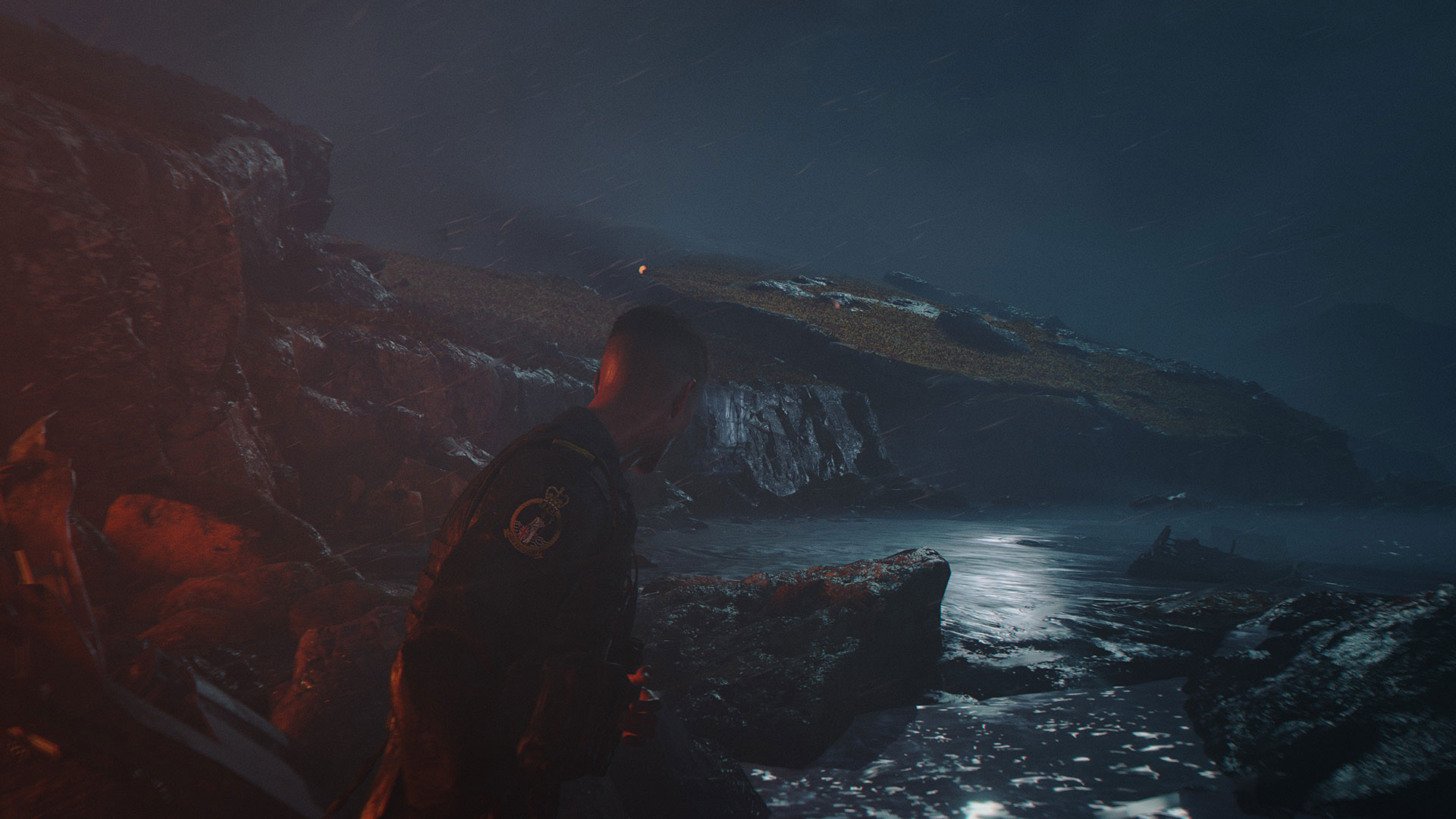
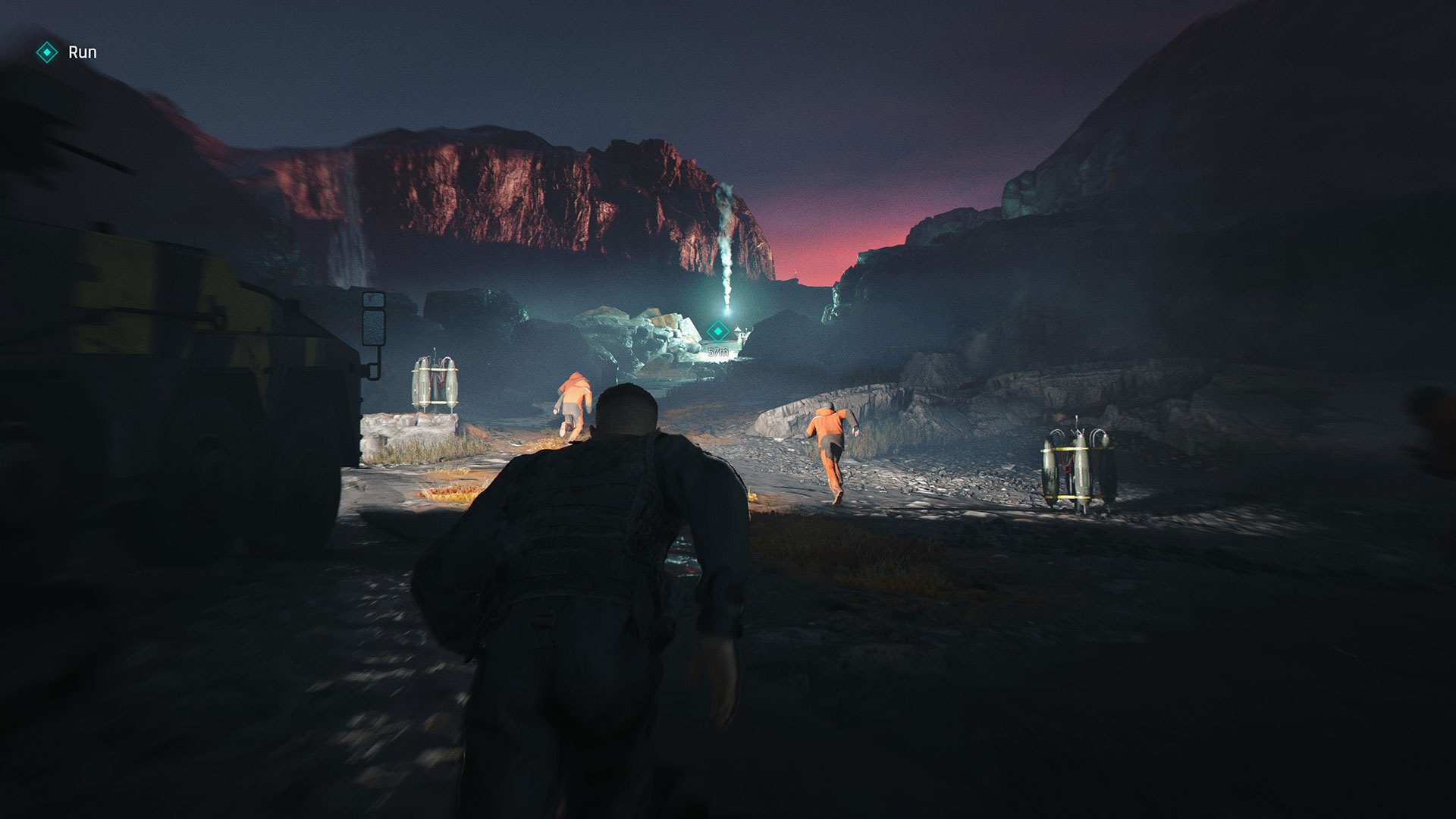
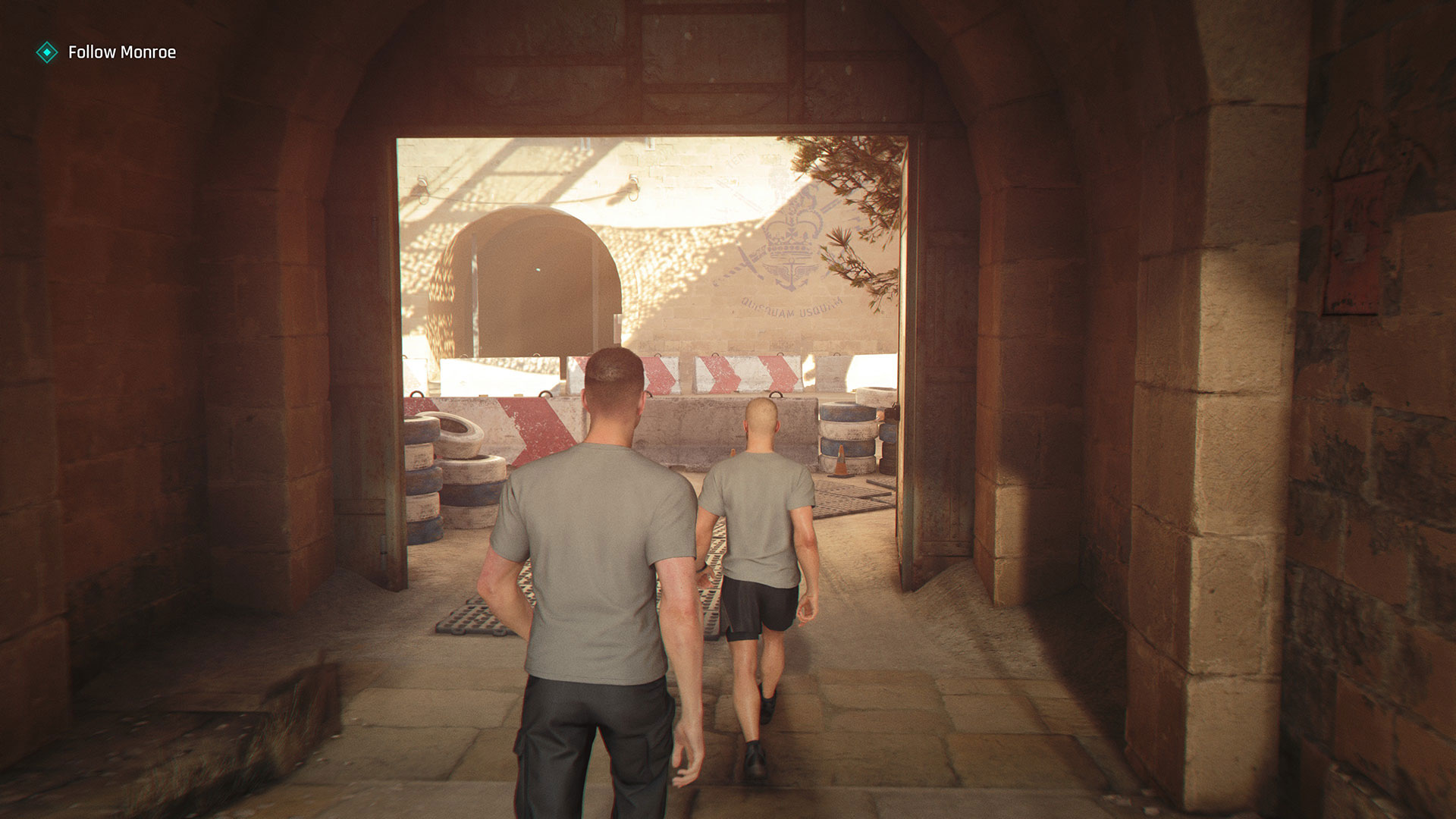
When 007 First Light first showed off its extended gameplay, it really didn’t have me that excited. It looked like a generic third-person action game, heavily reminiscent of Uncharted, that didn’t appear to do anything new, and I’d all but written it off until the reviews started rolling in. Funny enough, now that I’ve played the whole thing, my read hasn’t actually changed. It still feels like a generic third-person action game that’s heavily reminiscent of Uncharted, and a few of its ideas would have felt standard a console generation ago. The strange part is how little that ends up bothering you. Somewhere along the way, the sameness stops reading as a knock and starts feeling oddly refreshing, because the fundamentals are so well-executed and the Bond fantasy so well-realized that doing nothing new becomes the whole appeal. The clearest example is the intro, which doubles as one of the cleverest tutorials I’ve ever played. I can’t wait to see how other developers adapt the idea down the road.
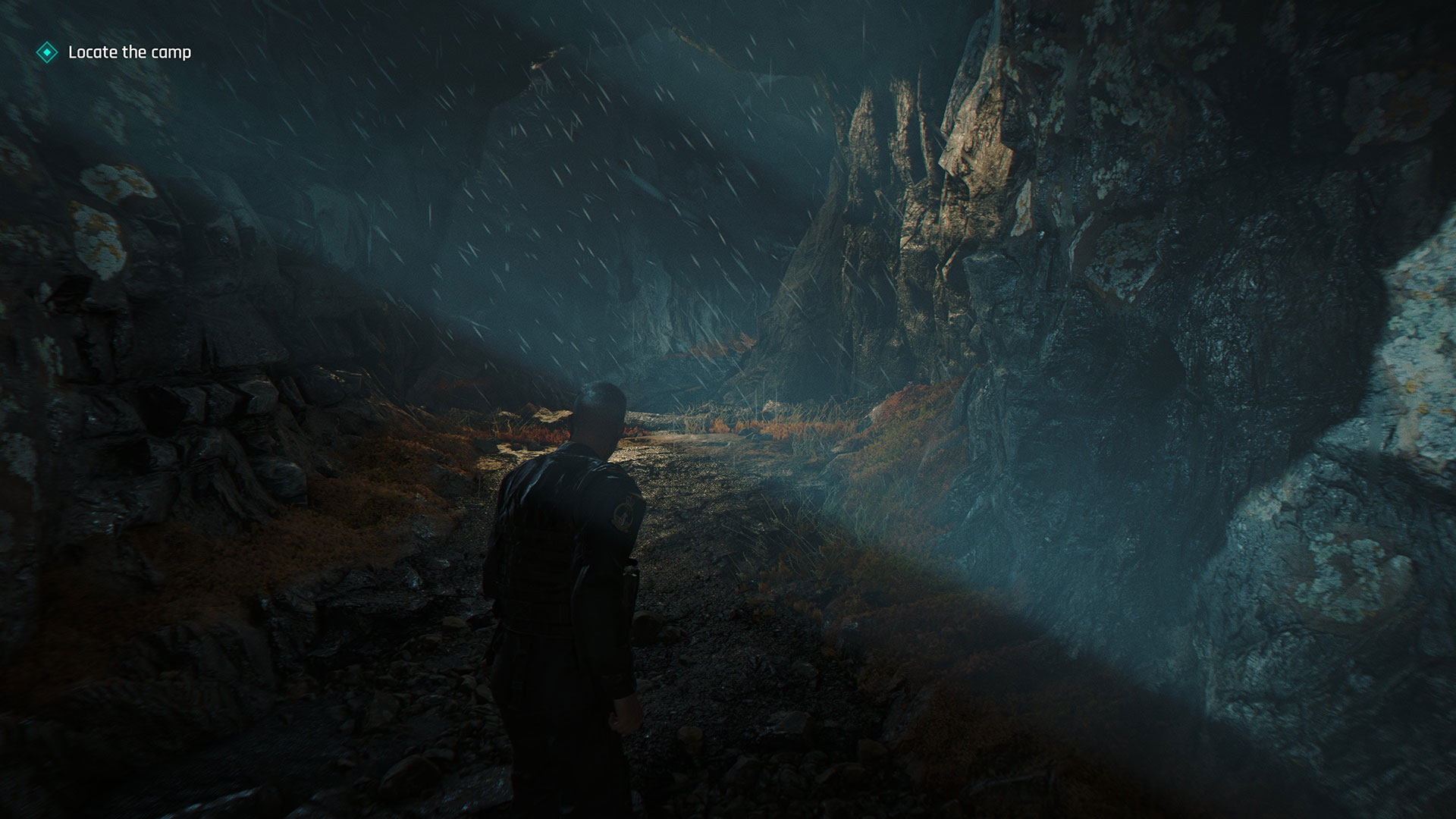
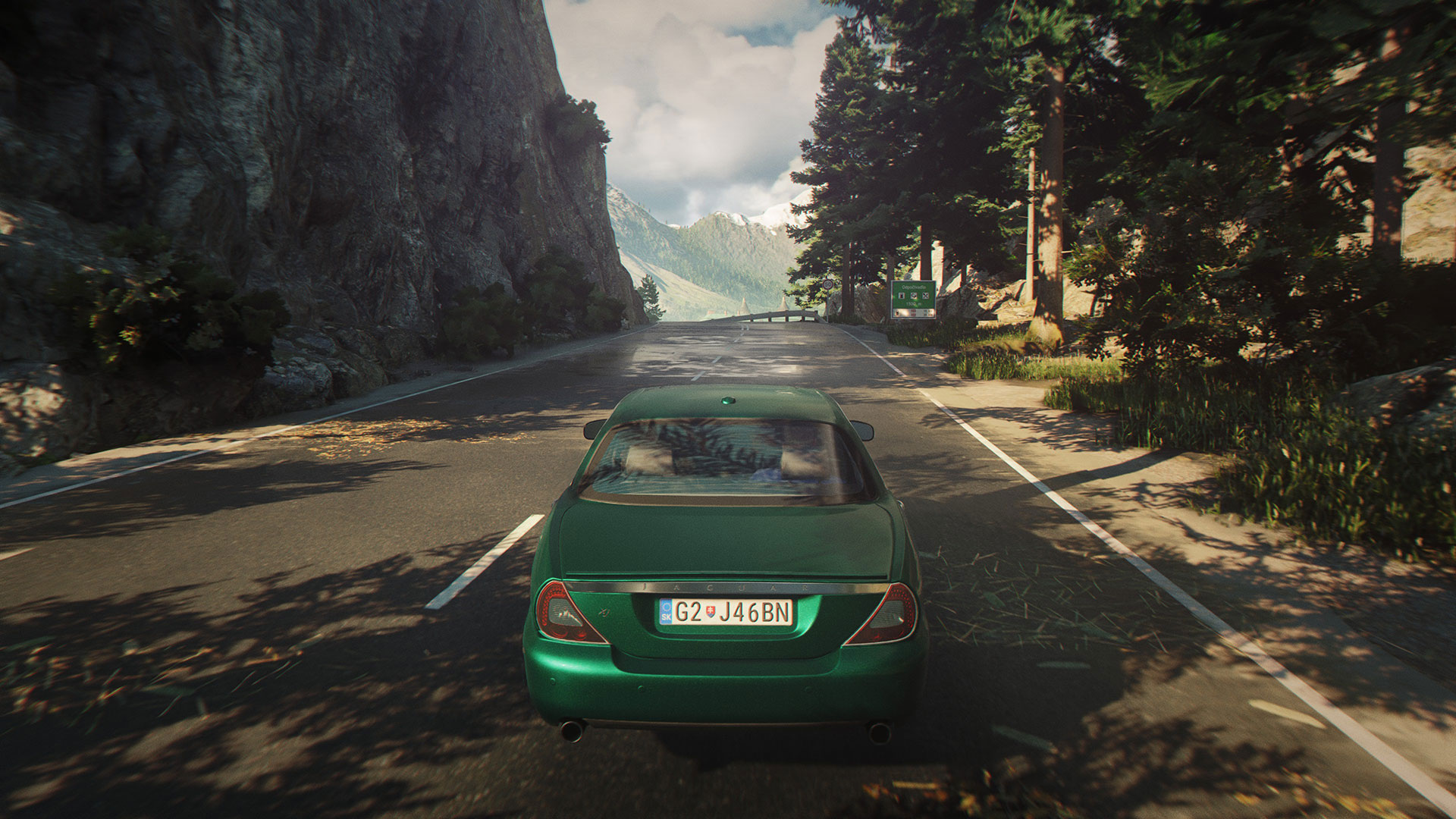
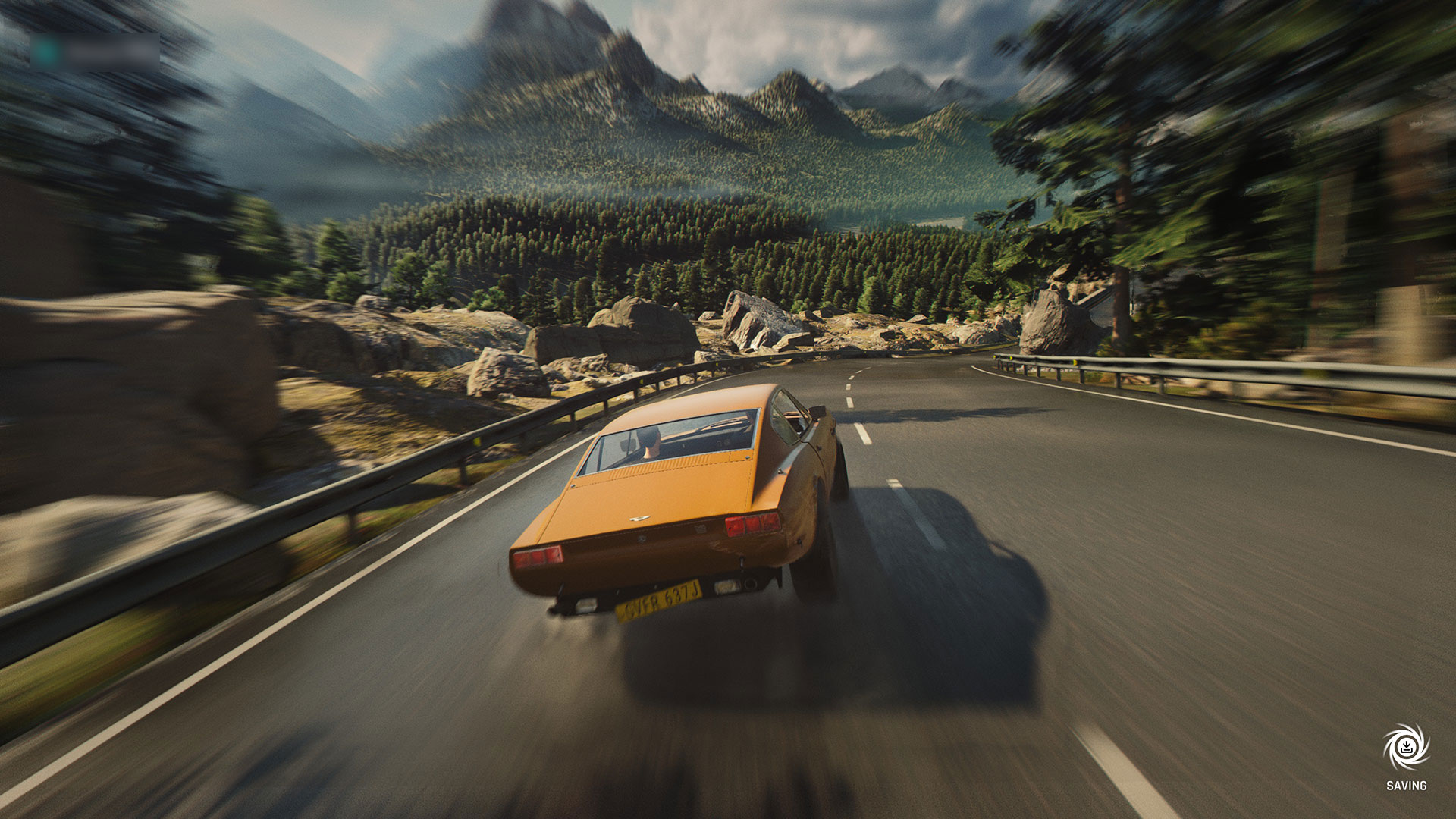
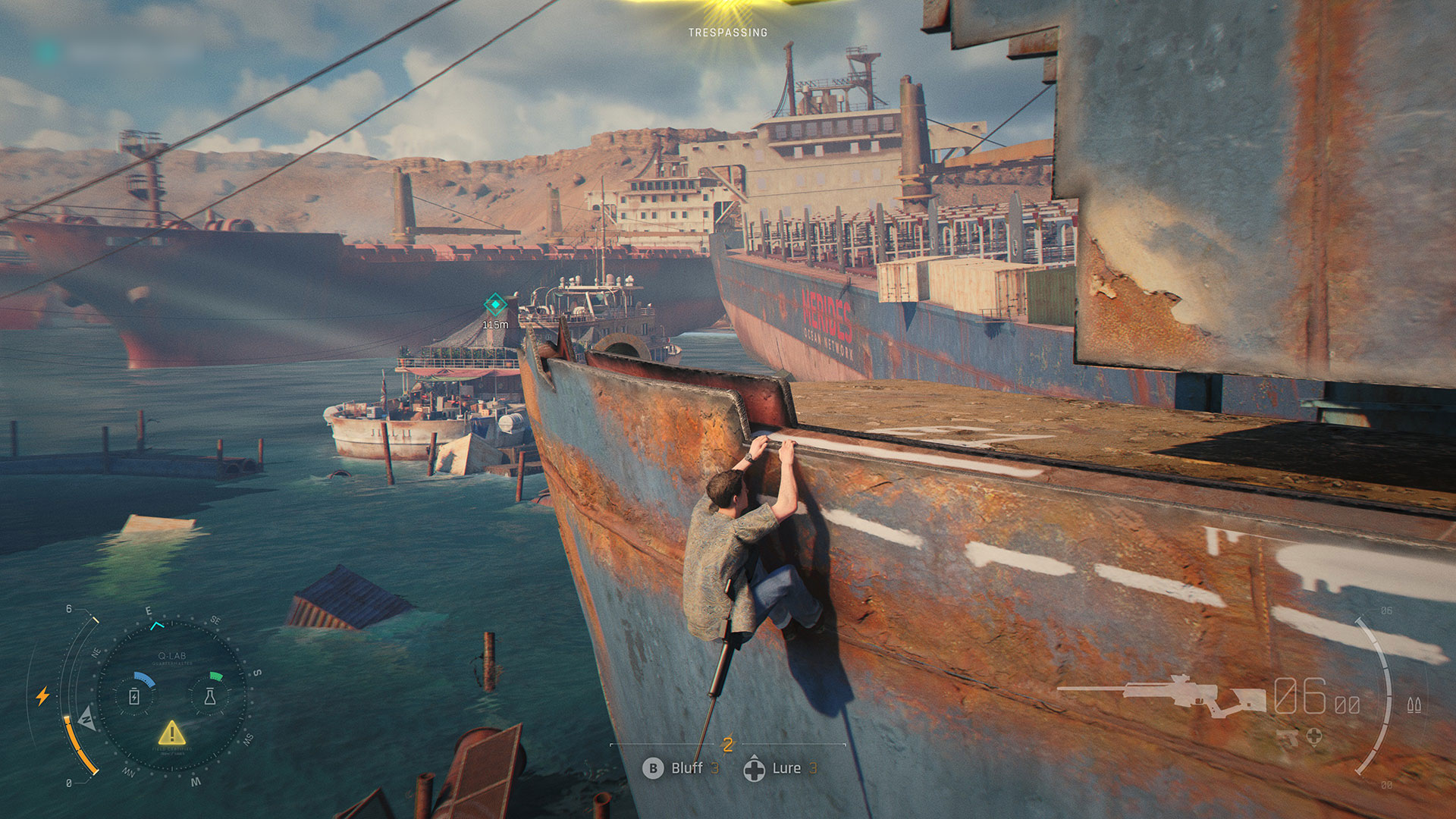
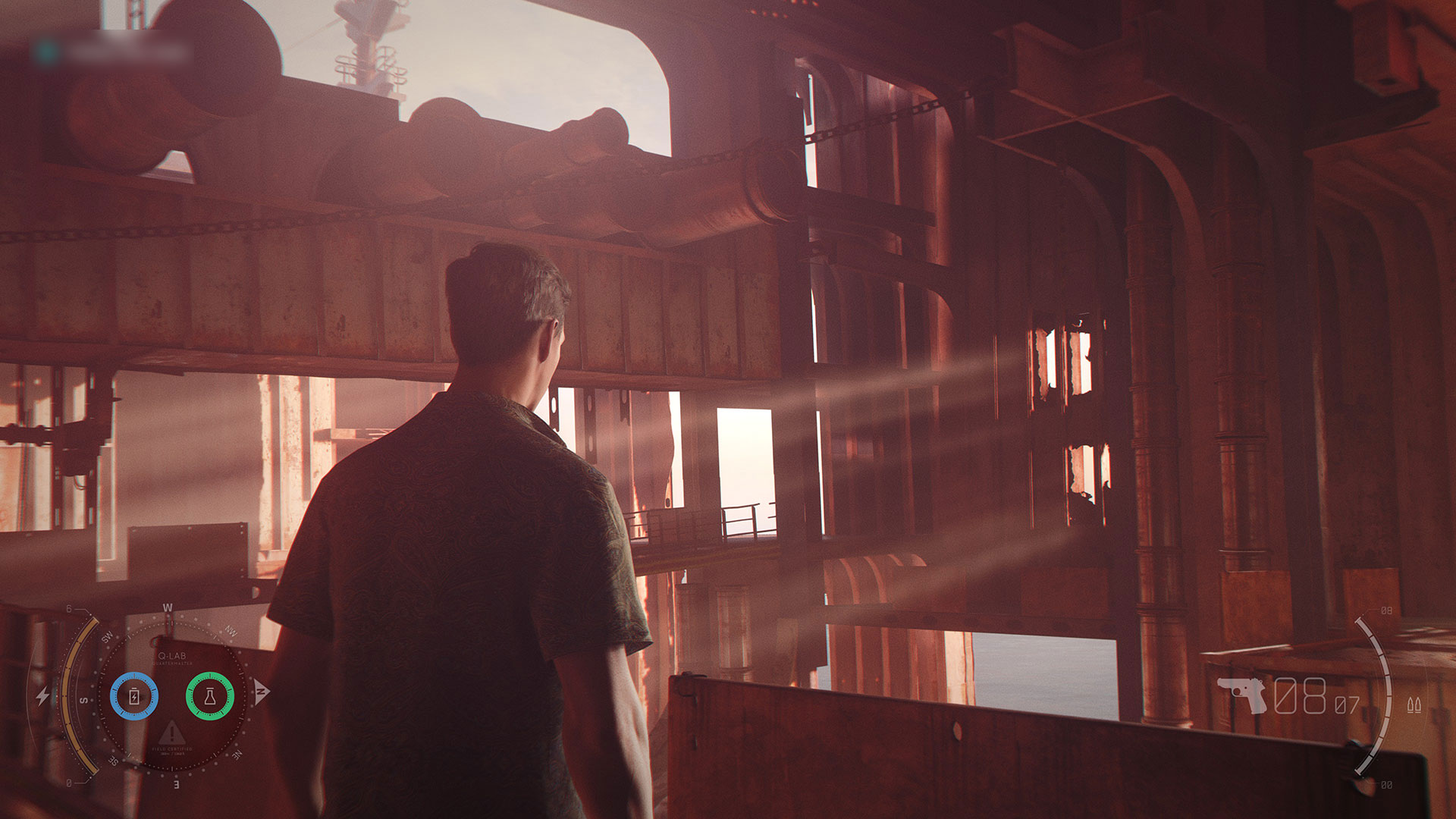
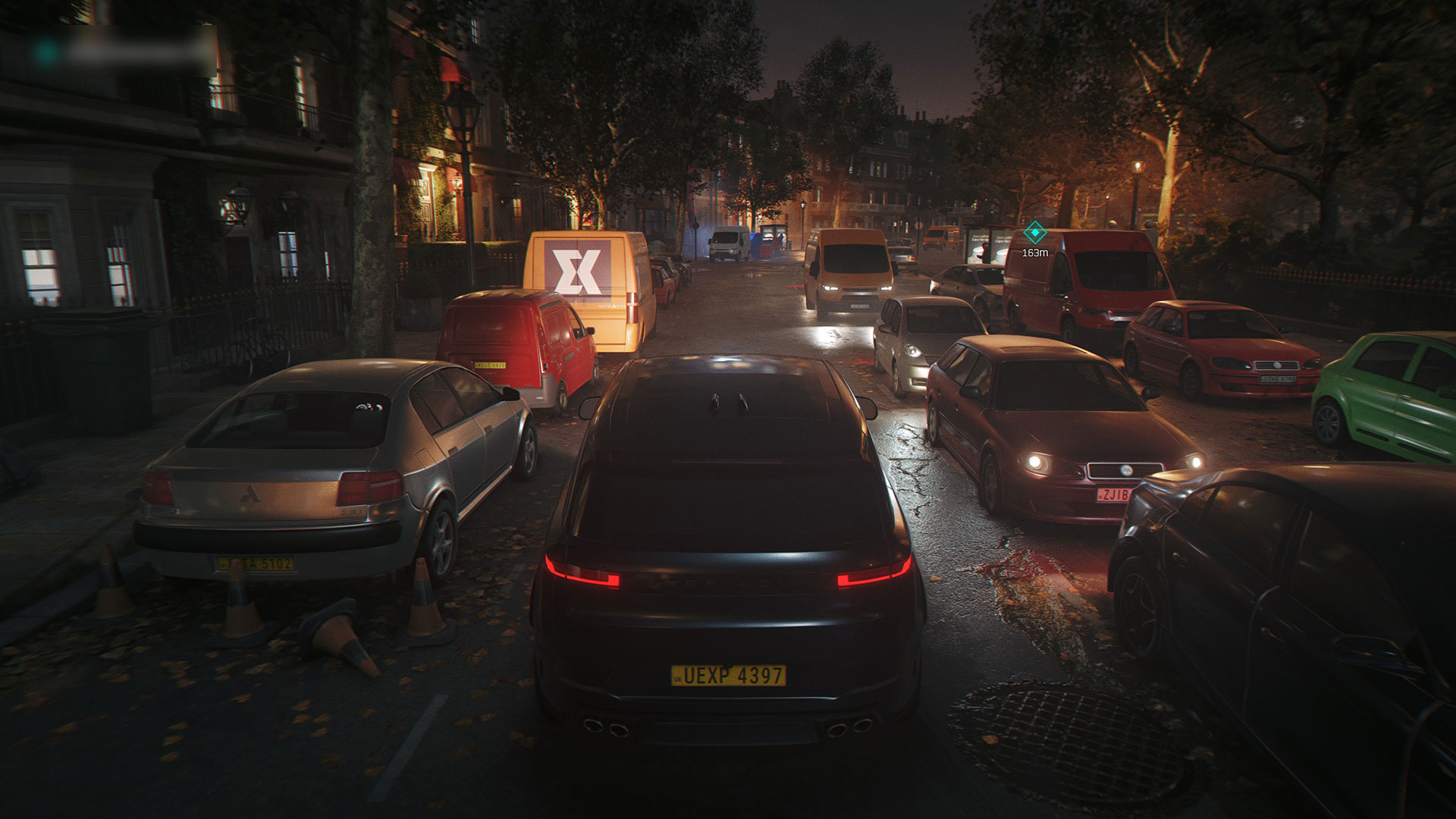
Despite IO’s pedigree, none of this plays like the systemic stealth sandbox of Hitman. For those who somehow never touched Naughty Dog’s Uncharted series, that comparison means 007 First Light is a third-person action game that mixes platforming, melee, gunplay, the occasional driving section, and a whole lot of holding a button to shimmy along ledges and hang off things. It’s cinematic and guided rather than open and emergent. Play Uncharted 4 and you’ll recognize the rhythm almost immediately.
For years, this style of single-player, story-driven, third-person action has been more or less monopolized by PlayStation Studios, the house behind games like Ghost of Yōtei and Marvel’s Spider-Man 2. Which is exactly why it’s refreshing to see a studio like IO step into that lane and not just compete, but deliver one of the better examples of the style we’ve gotten in years. It turns out the Bond license was the perfect excuse for IO to prove it can do more than Hitman, and the bet paid off.
License to Thrill
The reason 007 First Light works as well as it does comes down to its writing. The story, the characters, the dialogue, and especially Bond’s entire arc across the campaign are all handled with real care. This is an origin tale, and those can go wrong in a hundred ways, but IO threads it well. You watch this version of Bond earn his stripes, make mistakes, and slowly become the agent the name implies, and the writing sells every step of it.
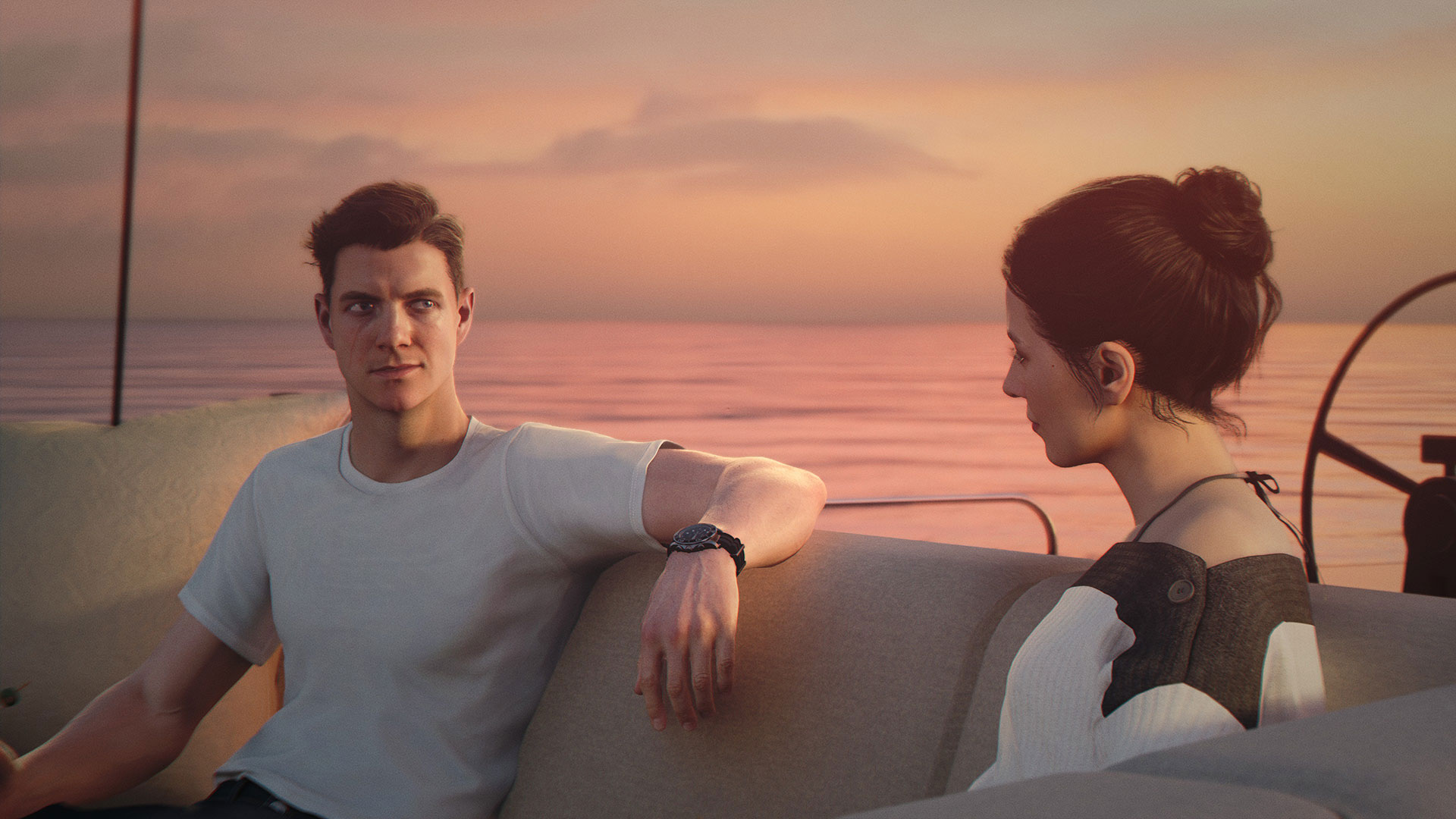
The voice acting is excellent across the board, and Patrick Gibson makes for a convincing younger Bond who feels like the same character without doing a straight impression of any film actor. The supporting cast holds up its end too, and the world-building does a lot of work in the background to make this feel like a lived-in spy thriller rather than a string of disconnected set pieces. By the time the credits rolled, I was as invested in the people around Bond as I was in Bond himself.
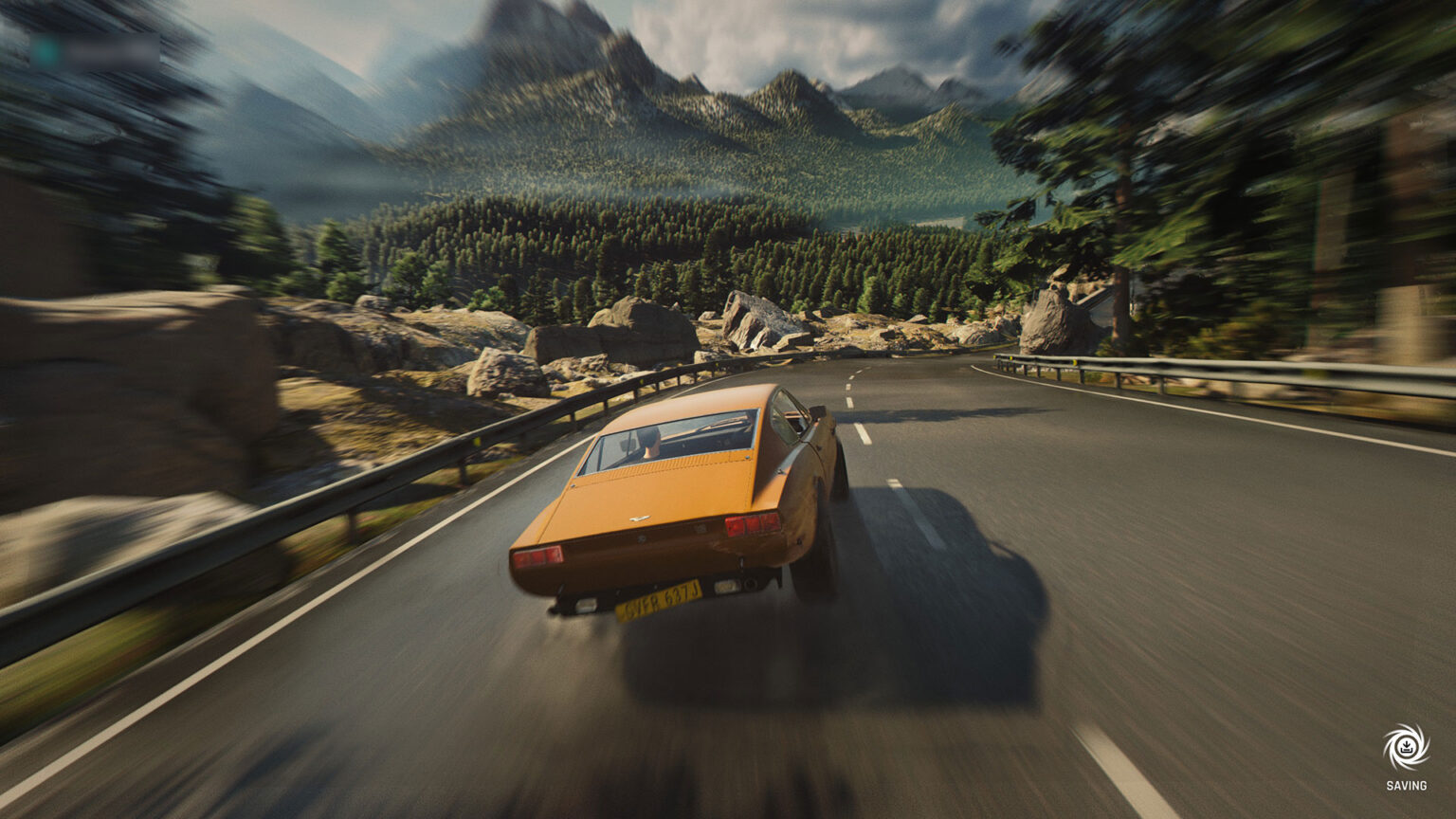
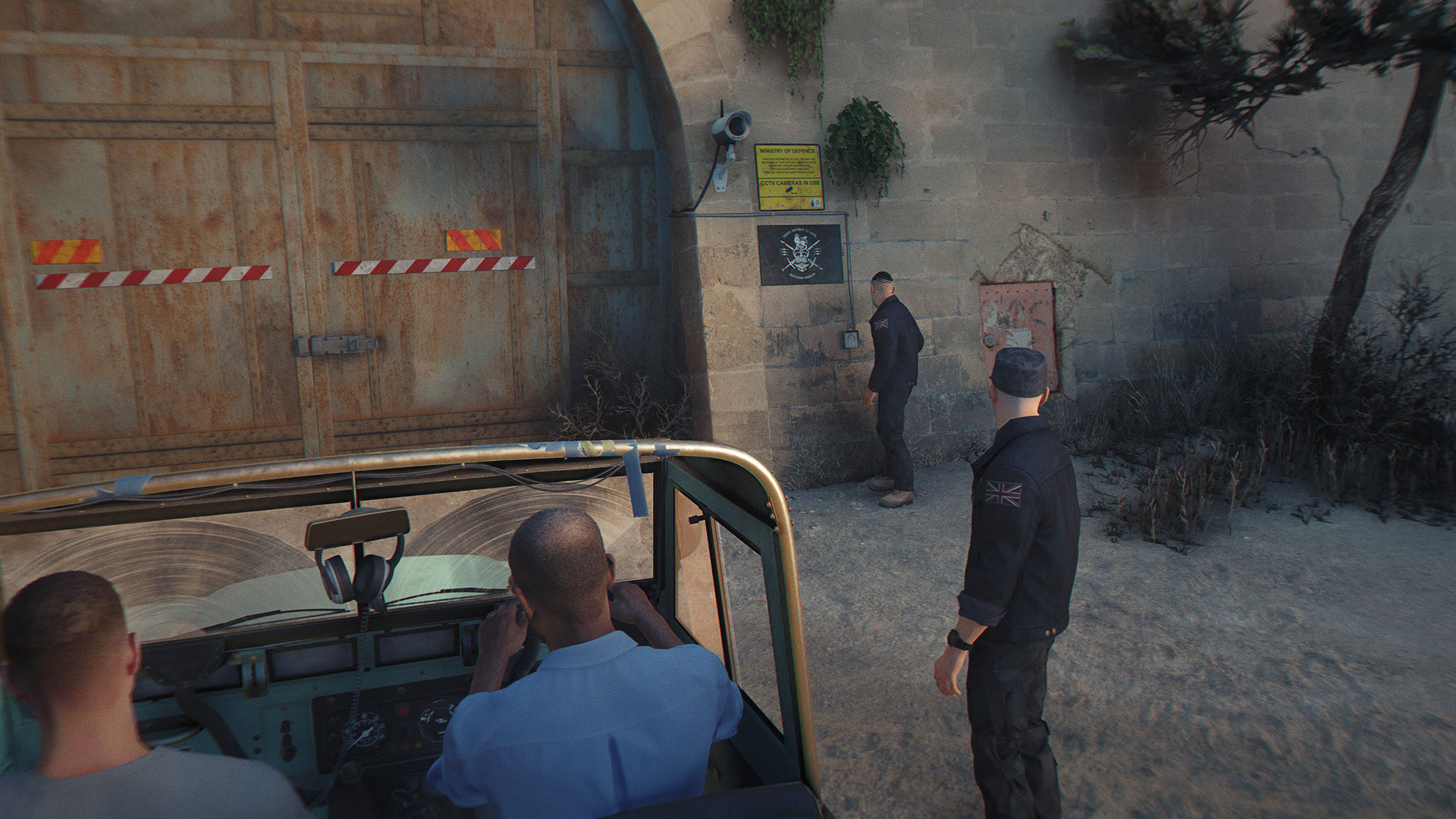
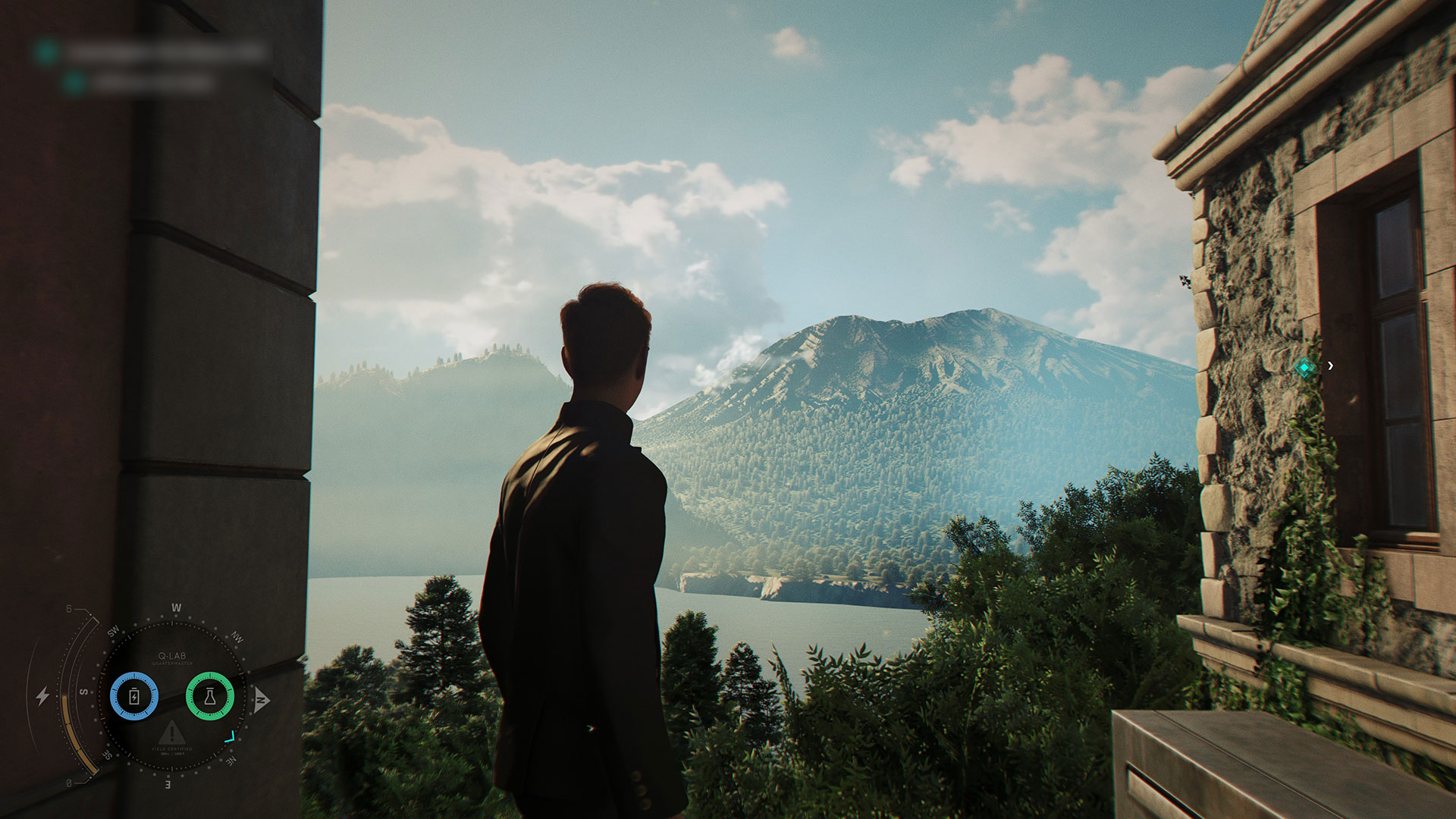
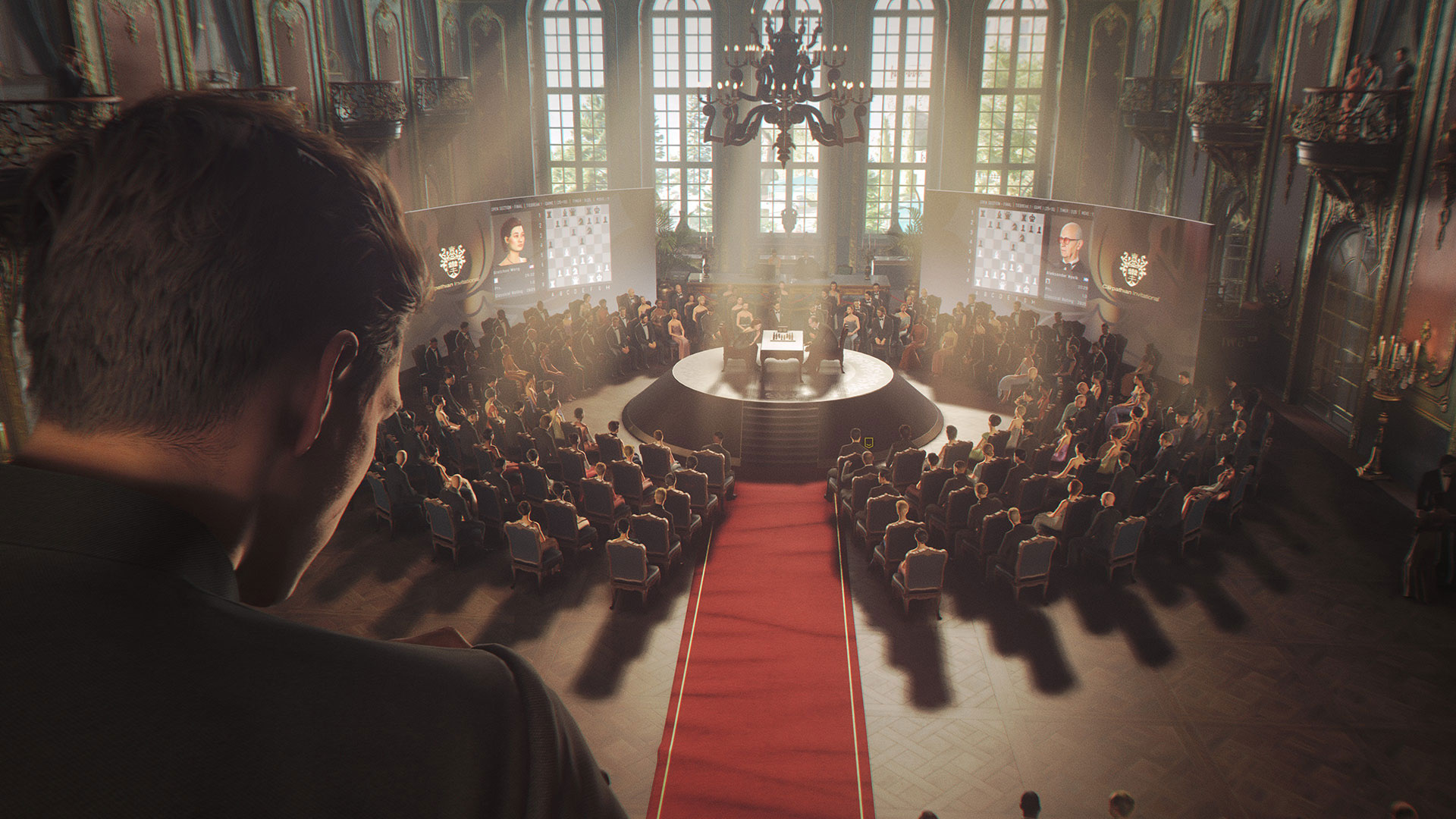
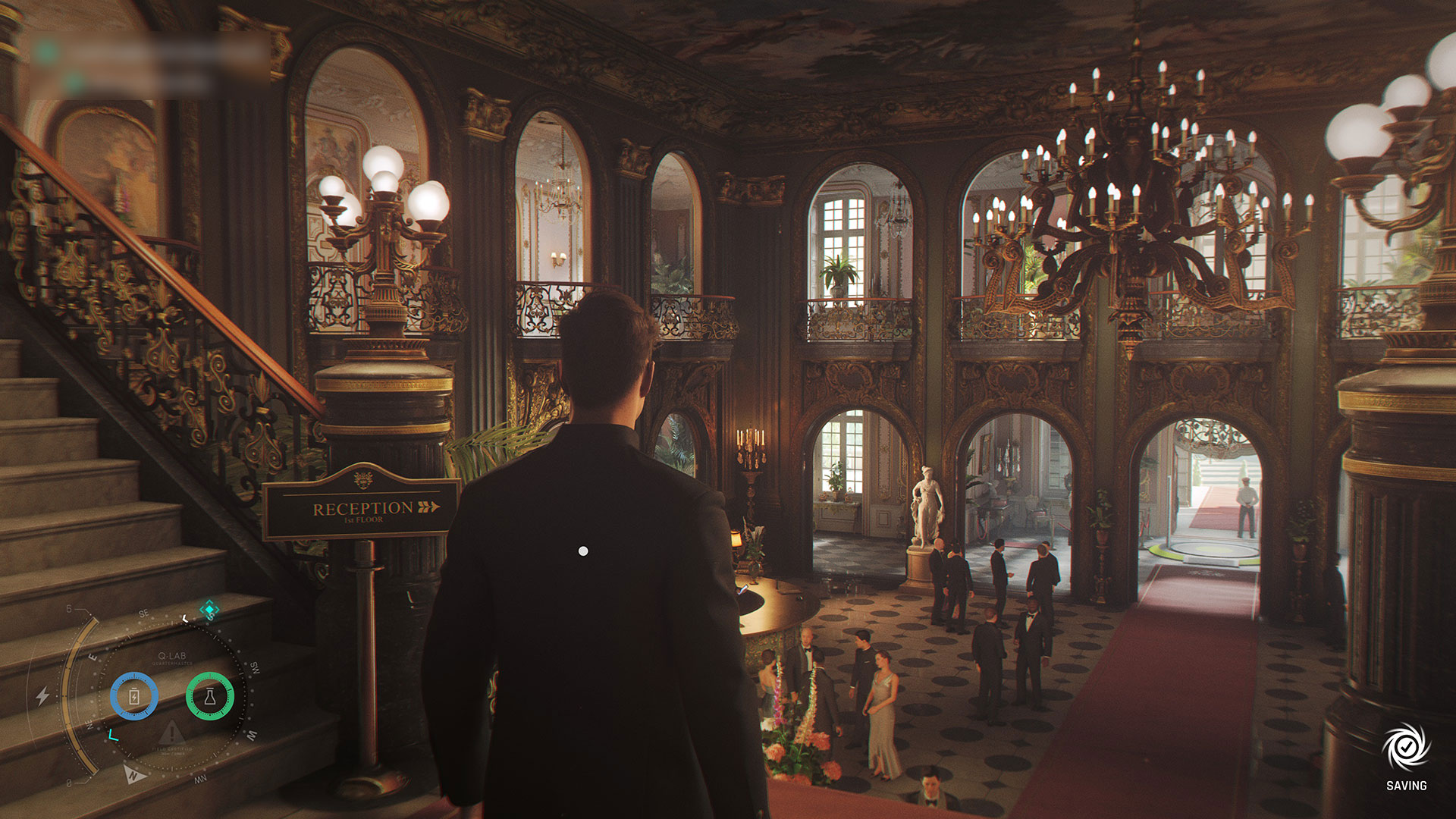
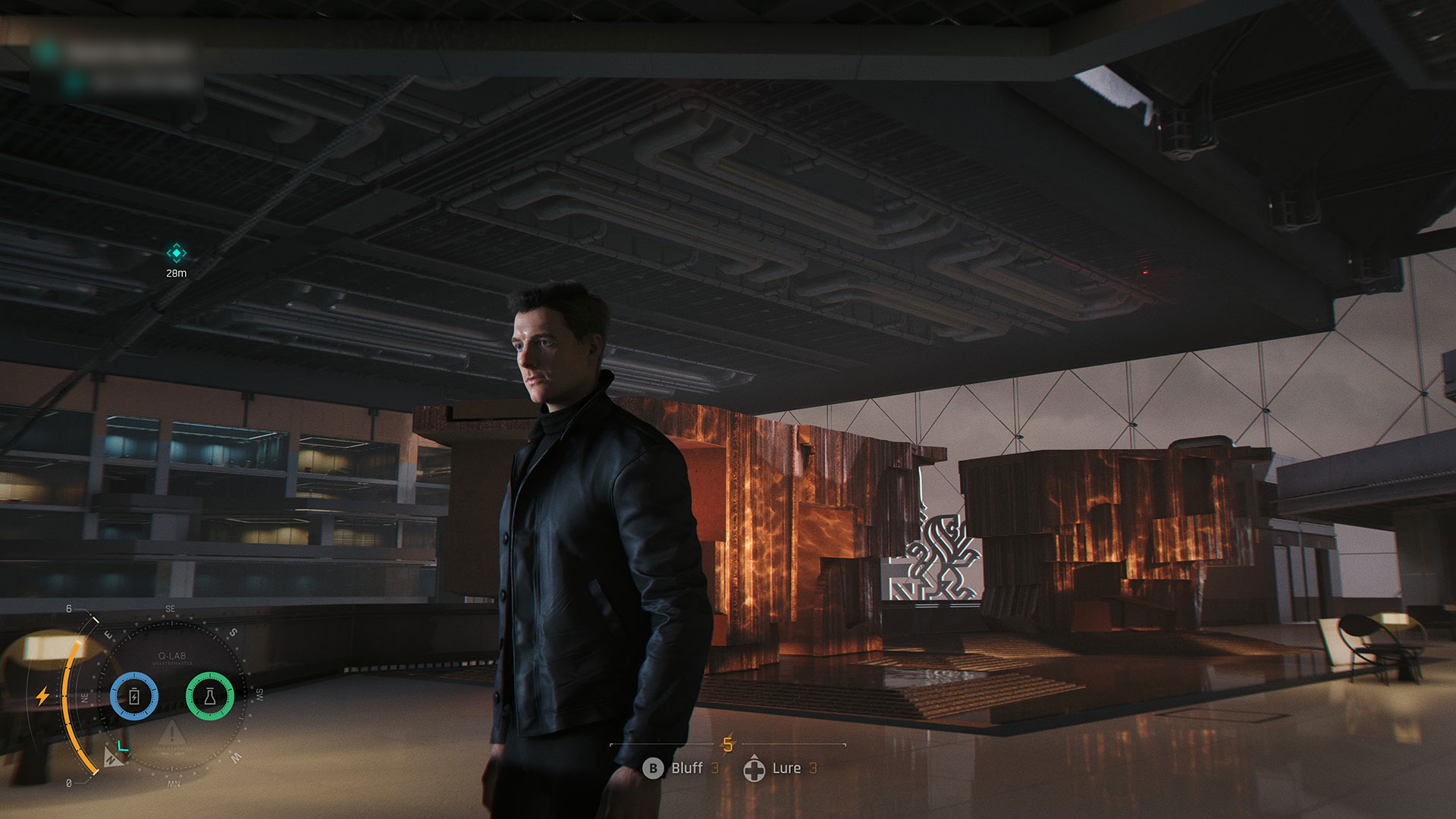
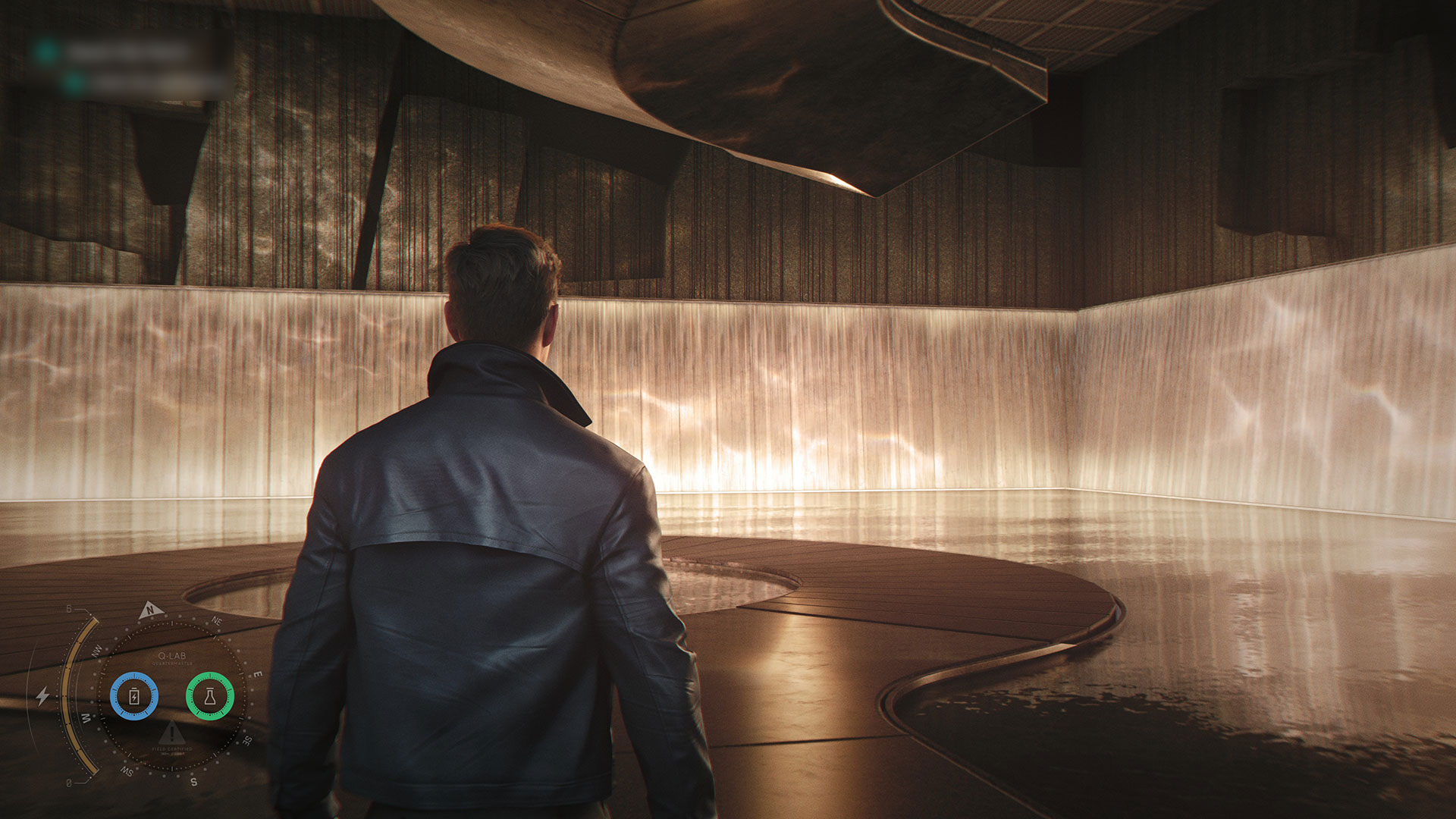
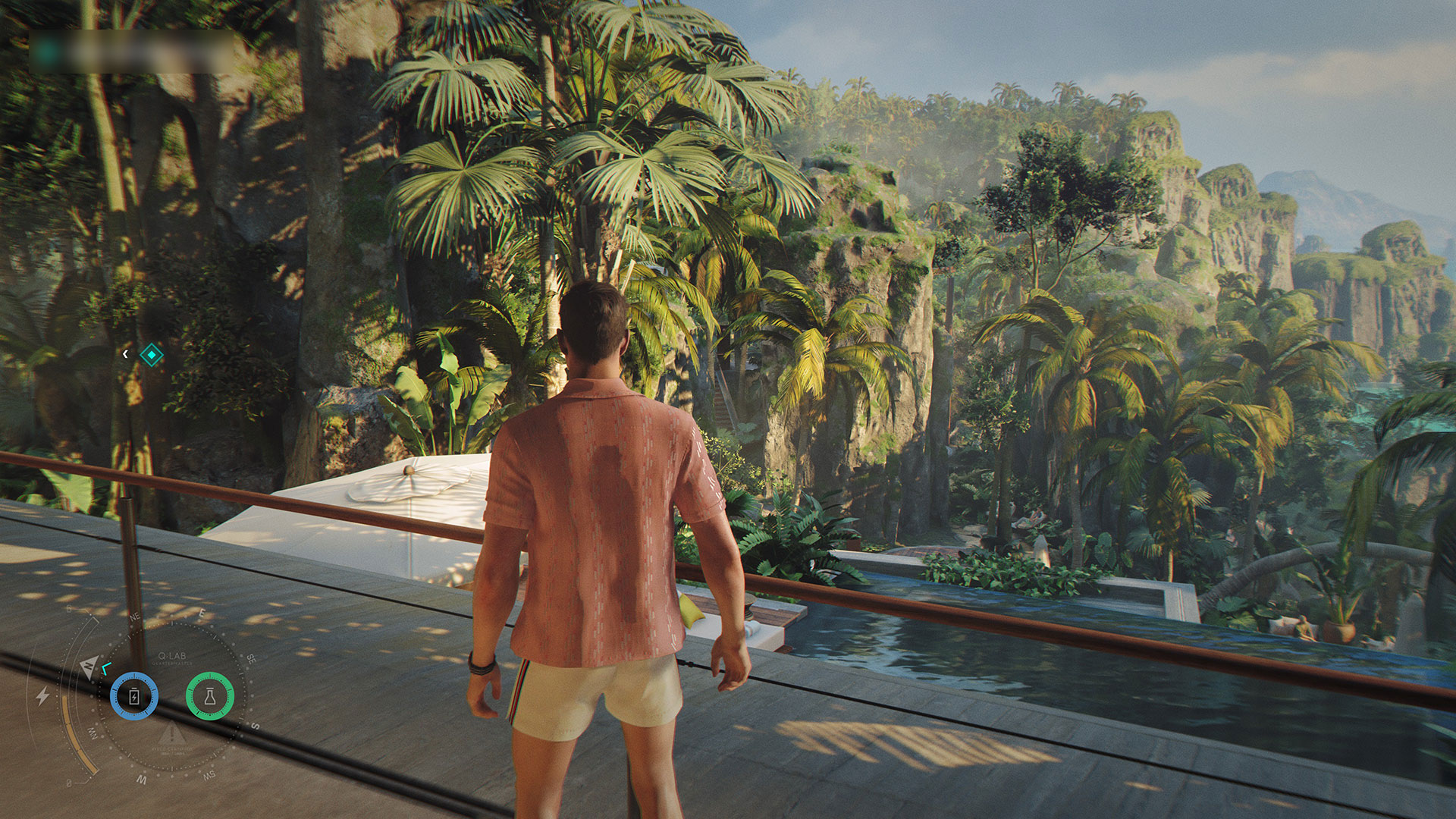
More than anything, 007 First Light captures the feeling of a Bond movie and lets you play through all of it. The exotic locations, the tense infiltrations, the charm, the spectacle, the gadgets, the over-the-top action beats, it’s all here, and you’re the one pulling it off instead of watching it unfold on a movie screen. There are several standout set pieces throughout the campaign, and while I’m not going to spoil any of them, I’ll just say that everything that makes a great Bond film great shows up at some point. That’s a harder thing to pull off than it sounds, and most licensed games never get close.
None of this is to say the game is perfect, because it isn’t, and I’ll get into where it stumbles shortly. But the overall experience is charming, entertaining, and just plain fun in a way a lot of big-budget games forget to be. It doesn’t take itself too seriously, it moves at a confident pace, and it understands exactly what kind of power fantasy it’s selling. For long stretches, I had a grin on my face, and these days, that’s rare.
The Living Daylights
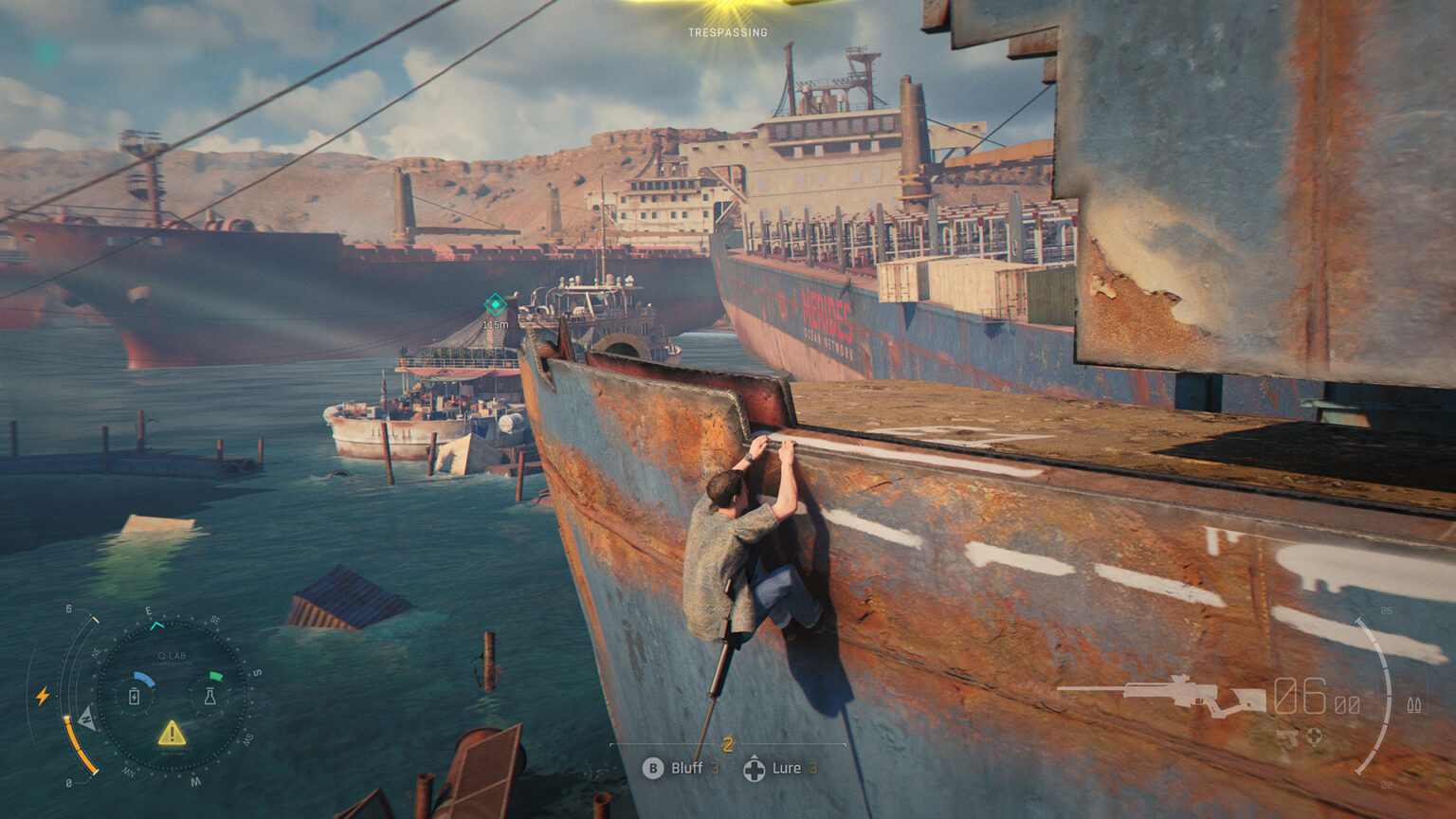
The hand-to-hand combat is where I spent a surprising amount of my time, and it reminded me a lot of Sleeping Dogs with a bit of the Batman: Arkham series mixed in. It’s the kind of melee system you’ve seen in plenty of modern games, built around reading an indicator and reacting to it. Bond isn’t a superhero, but he hits hard, and the brawling has a satisfying weight to it when you’re in the zone.
The melee system itself is straightforward. A red indicator means you need to sidestep or dodge out of the way, while a yellow one means you need to parry. Chain those reads together and you settle into a rhythm of parrying, grappling, and punching that feels great when it’s flowing. It’s not the deepest melee combat out there, but it’s responsive and it fits the fantasy of a spy who can handle himself in a fistfight.
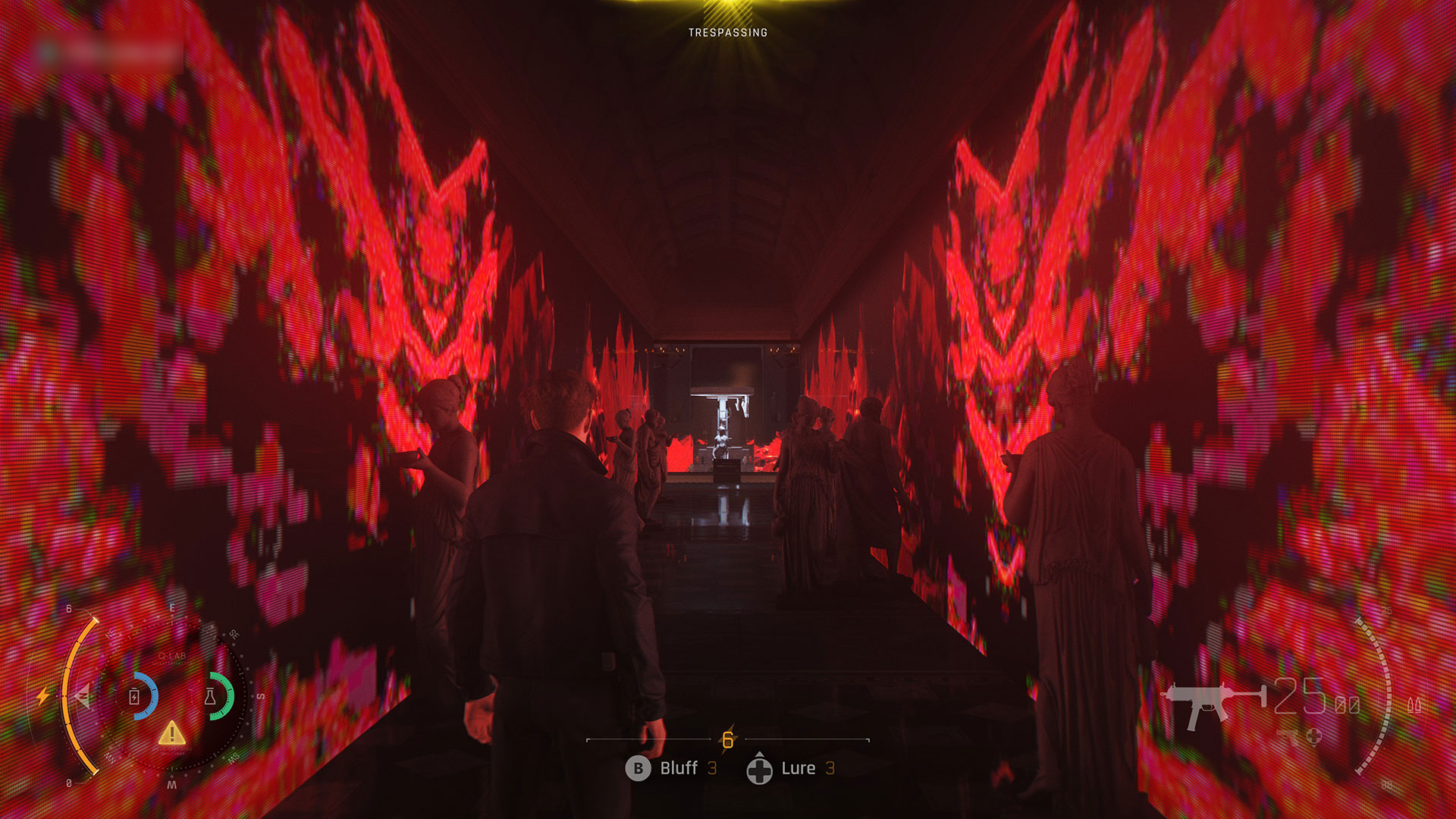
When everything clicks, the combat takes on a real John Wick quality. You’ll be trading punches with one enemy, draw your pistol to drop another, run dry on ammo, and then chuck the empty gun at a third guy to stun him before you close the distance and finish the job. Those moments, where melee, gunplay, and improvisation all blur together into one fluid sequence, are 007 First Light at its absolute best. I chased that feeling for the whole campaign.
It’s not always so smooth, though. My main frustration is that enemies love to charge you from off screen, which means you’ll occasionally eat a hit you had no real way to see coming. It breaks the rhythm at exactly the wrong moments. And while the game does let you go in guns blazing if you’d rather skip the subtlety, some sequences make that approach pretty tough, throwing enough enemies at you that brute force stops being an option. The combat is good, but it has rough edges.
Q the Gadgets
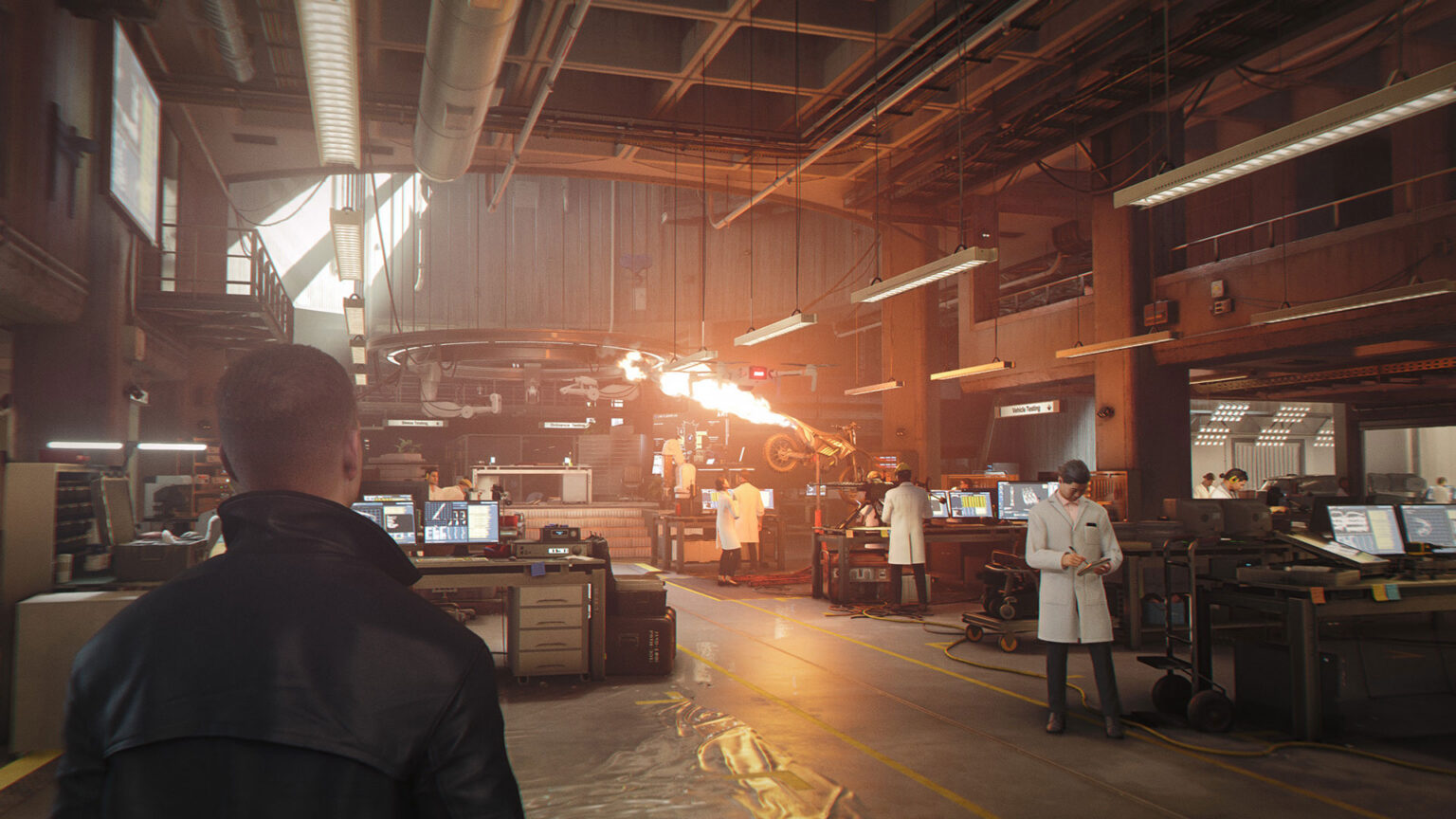
One thing I really appreciated is how many ways 007 First Light gives you to approach its objectives. Most encounters can be cleared through stealth, through your gadgets, or by simply shooting everyone in the room, and the game rarely forces a single solution on you. That flexibility is a big part of why it stays fun across 17 hours, since you can lean into whatever playstyle suits your mood in the moment.
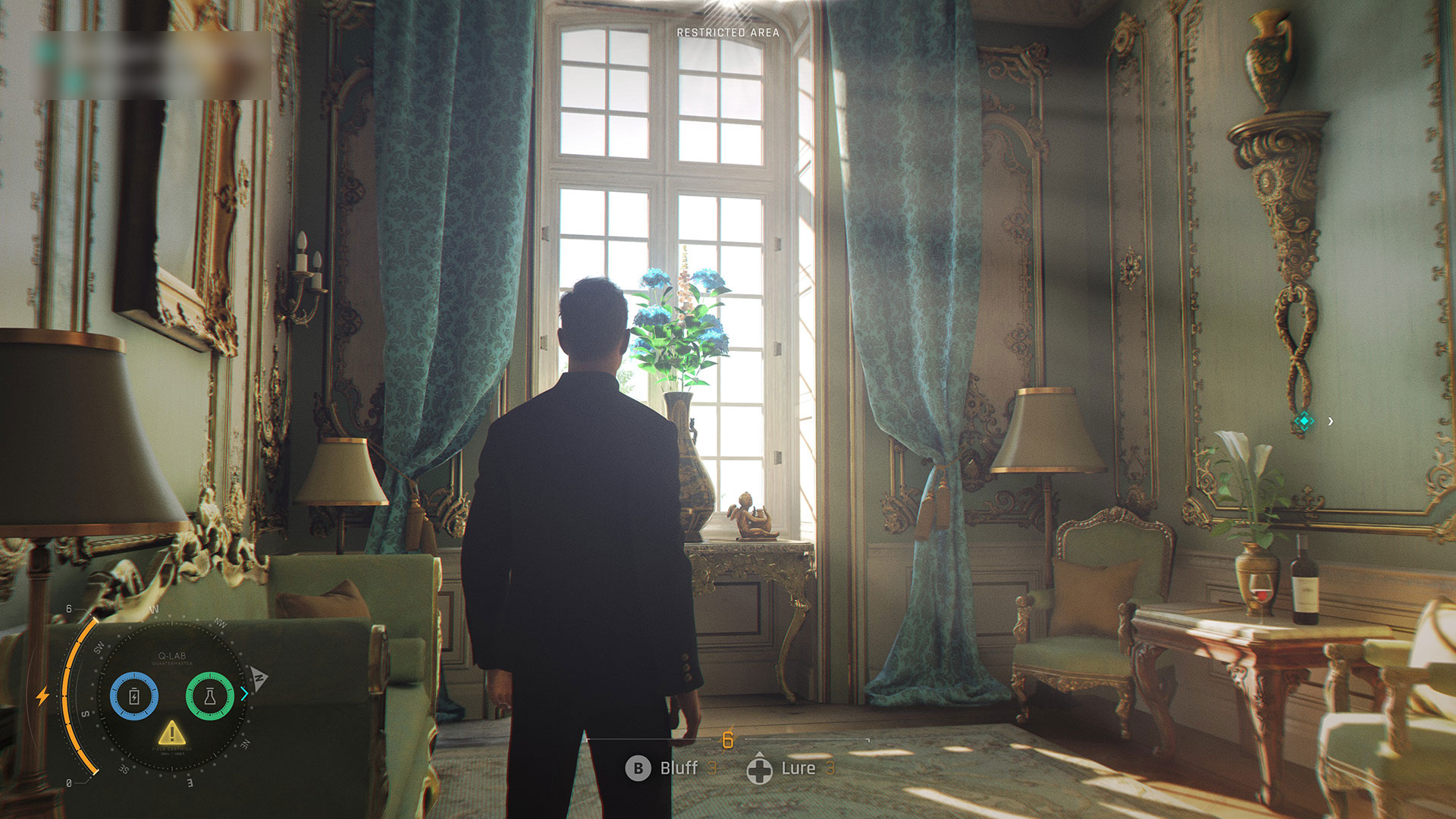
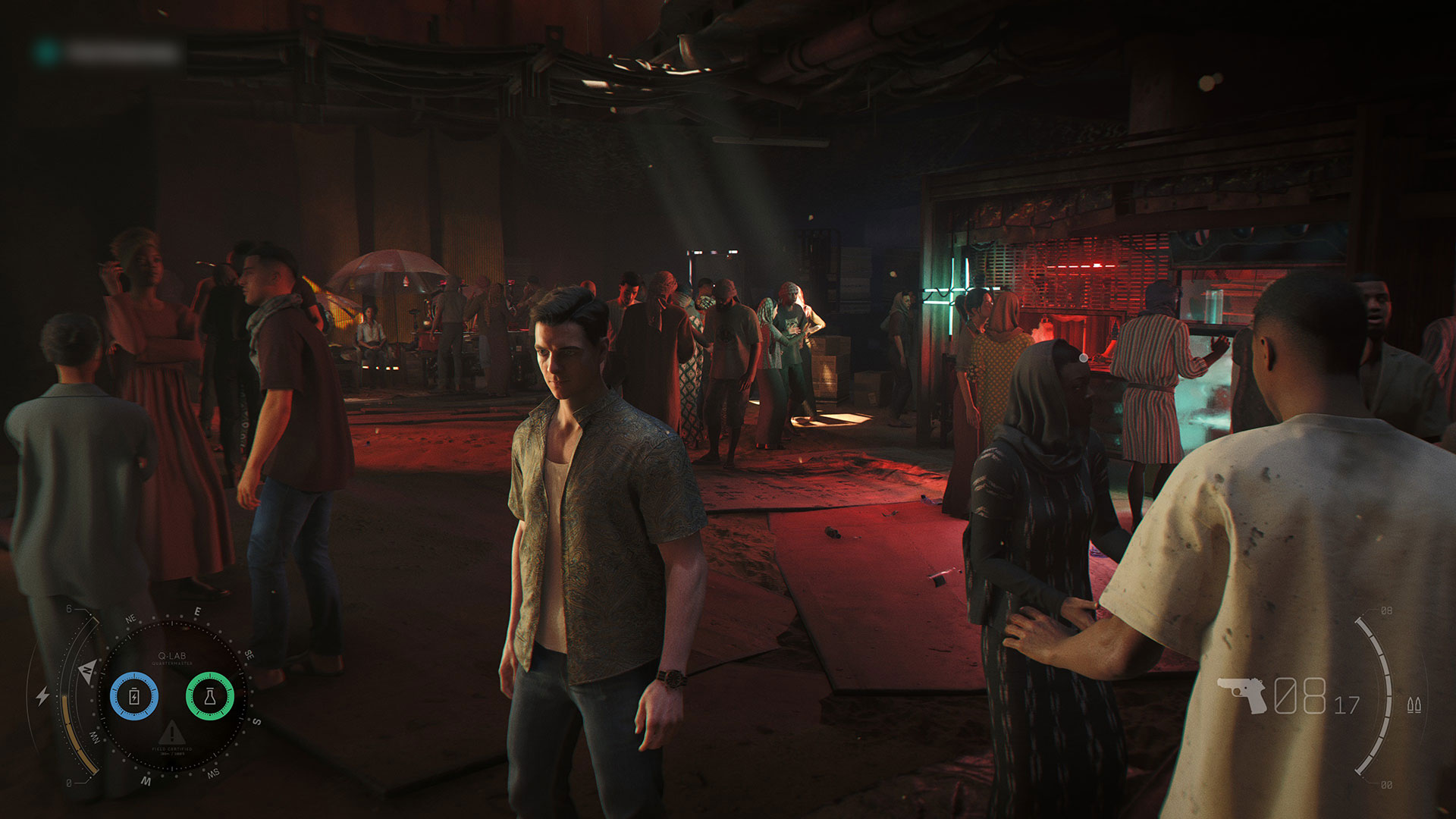
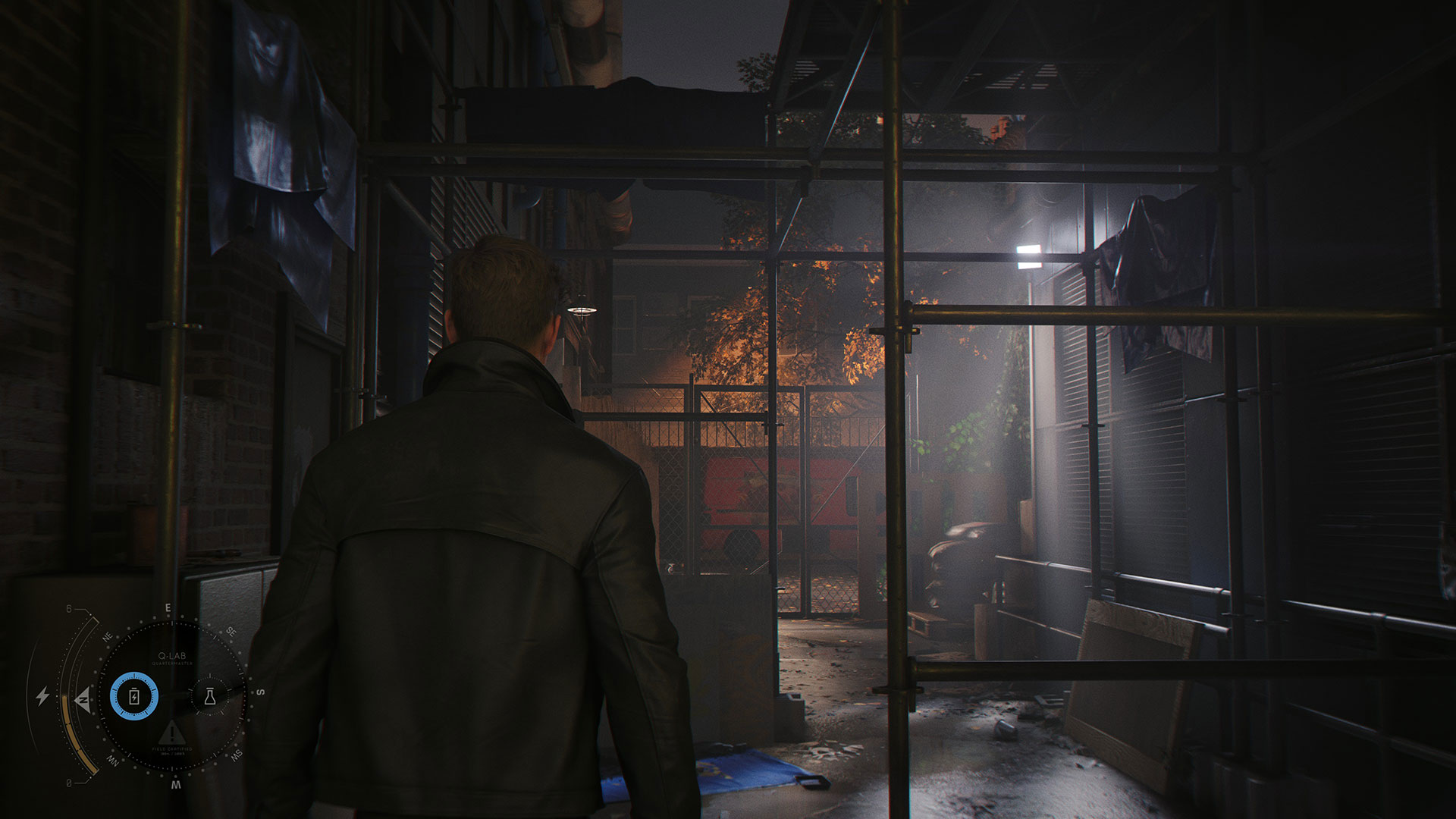
Given IO’s pedigree, I expected stealth to be the star, but it’s lighter and more scripted than anything in Hitman. This isn’t a systemic sandbox where you’re studying patrol routes and improvising elaborate takedowns. It’s the more guided, cinematic stealth you’d find in an Uncharted or a Bond film, where the point is to feel like a slick operator rather than to solve a puzzle. That’s not a knock, it’s just a different thing than the studio’s day job, and it works for what this game is going for.
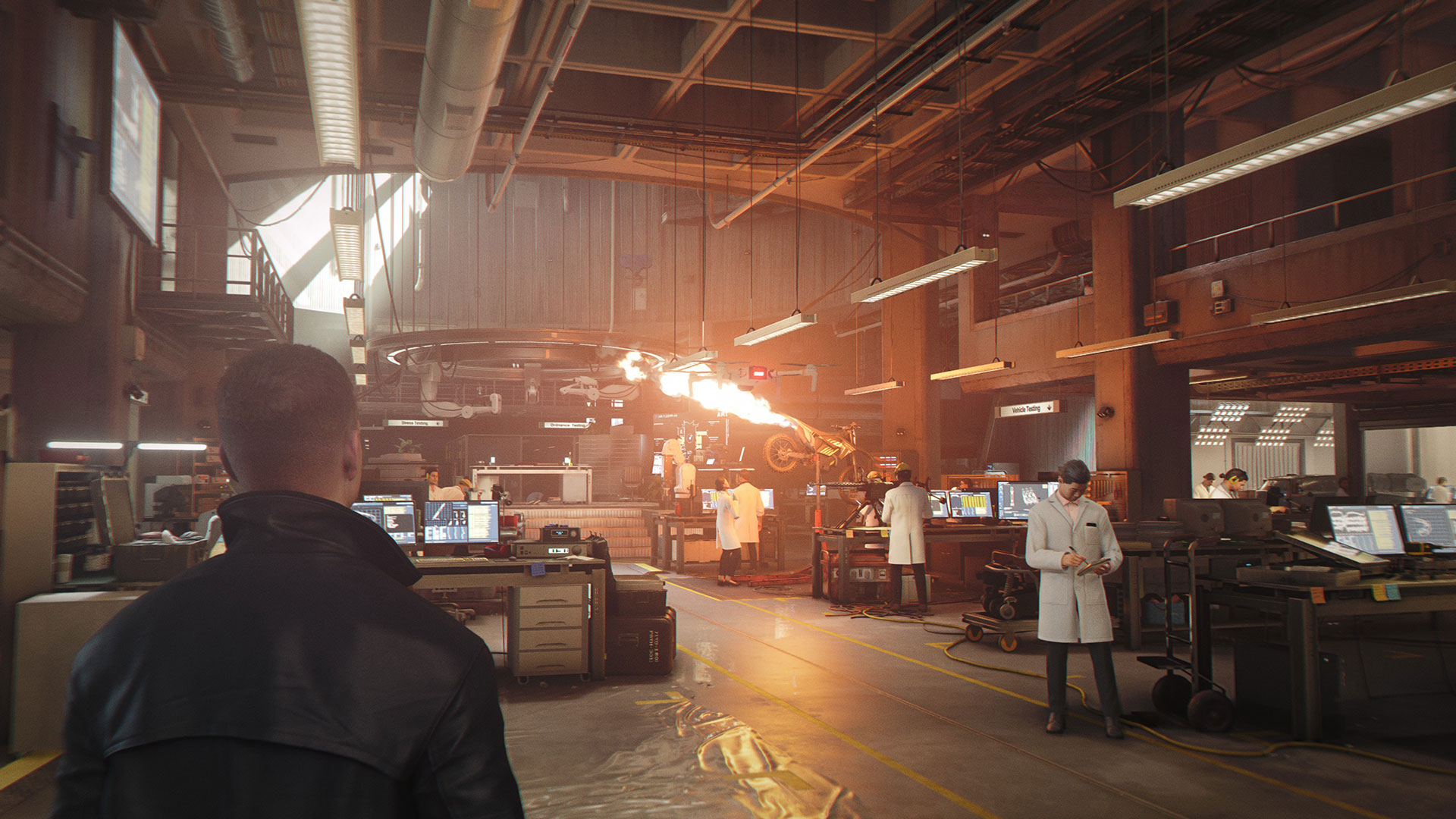
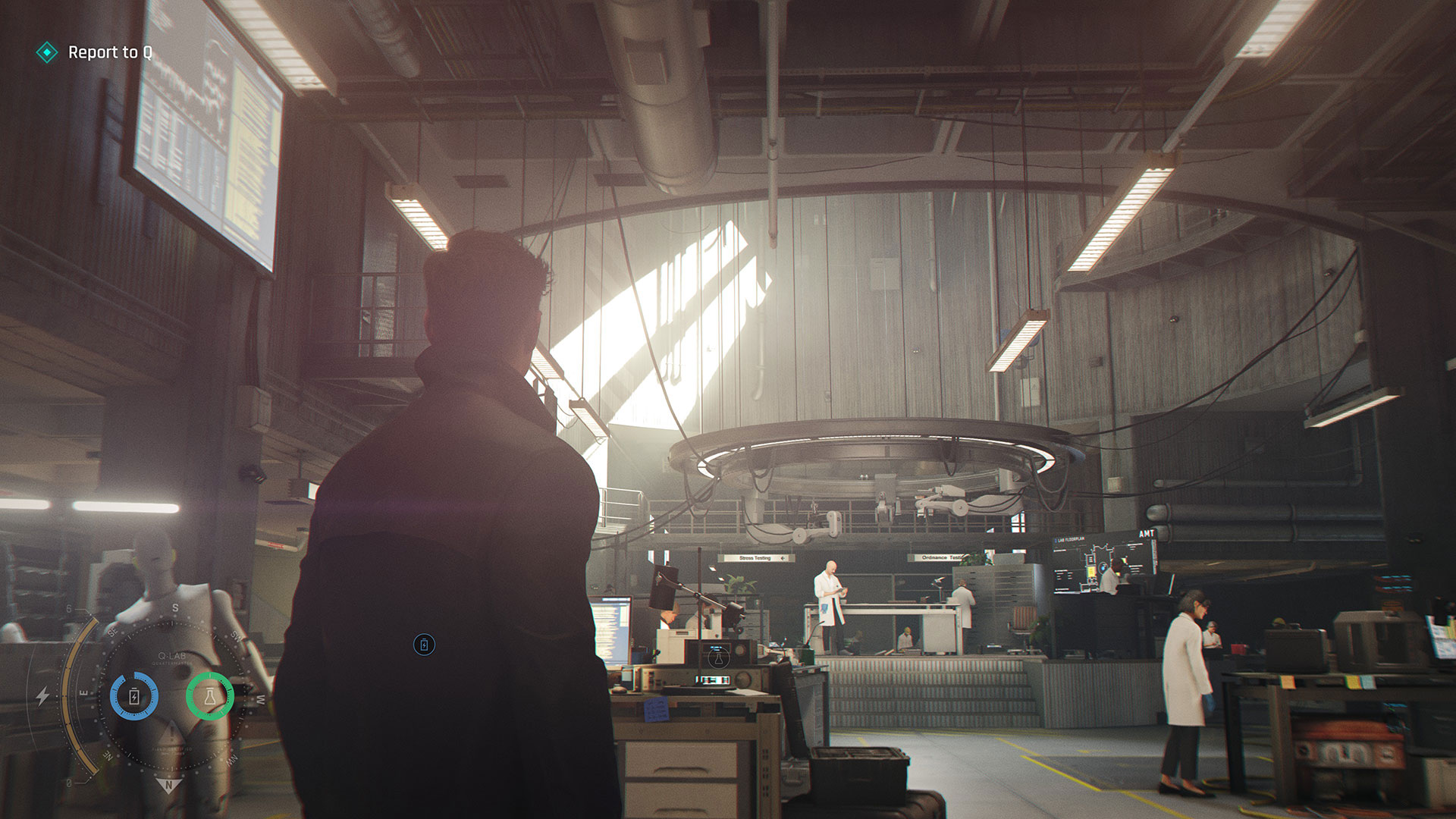
The gadgets, on the other hand, are where I came away a little underwhelmed. For the most part they blur together, doing variations on the same handful of jobs without any one of them feeling essential. There’s a single exception that genuinely stands out and changes how you think about a situation, but I’m keeping that one under wraps to avoid spoilers. The rest are functional without being memorable.
My other issue is that the game doesn’t always do a great job reminding you the gadgets exist. There were multiple sequences where an objective hinged on a specific gadget, and because I’d half-forgotten my own toolkit, I wasted real time wandering around trying to figure out what the game wanted from me. A clearer nudge in those moments would have saved me a lot of head-scratching. It’s a small thing, but it added up over a full playthrough.
You Only Look Twice
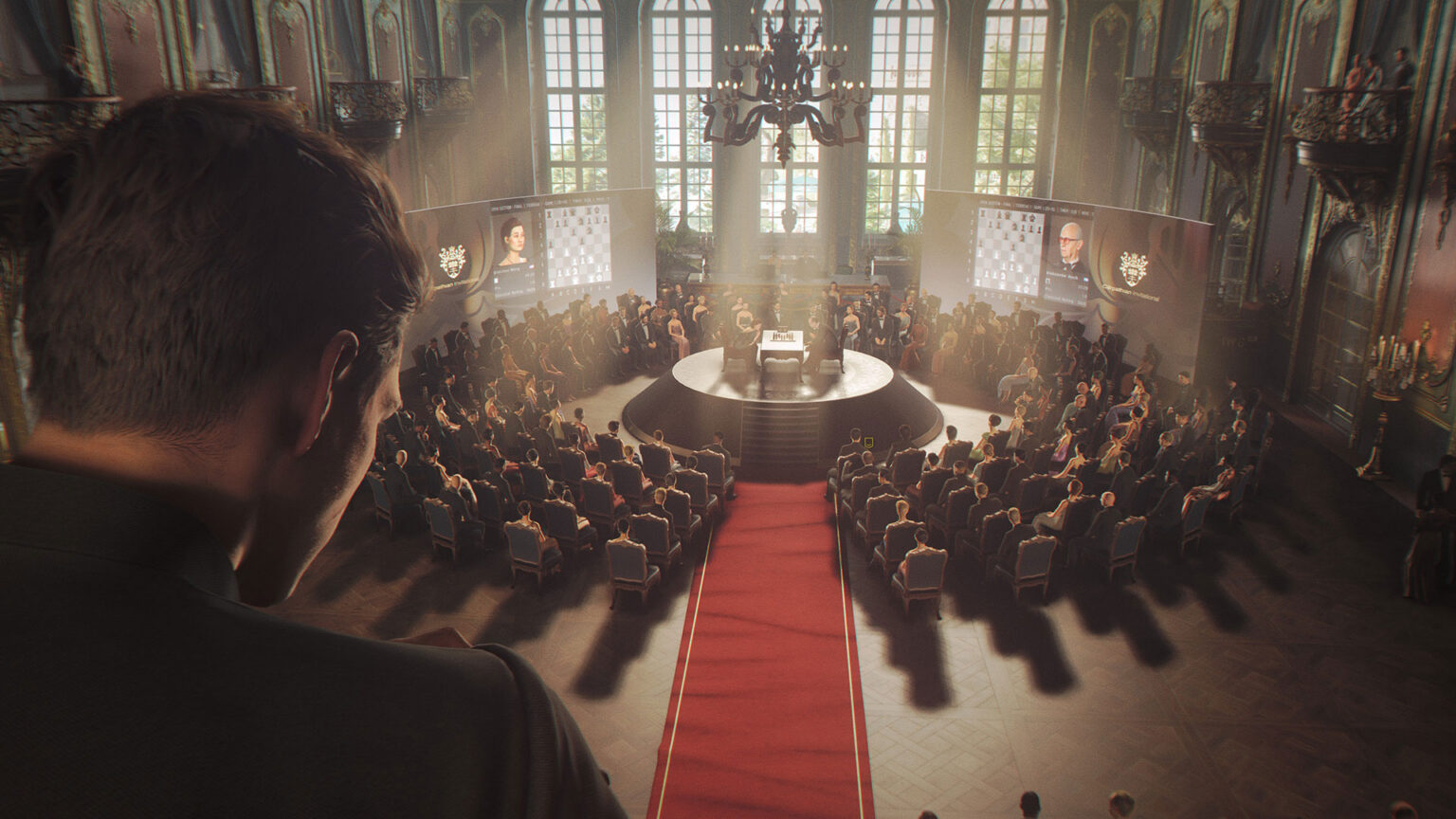
My single biggest gripe with 007 First Light is the same one you could level at most Bond movies: it asks for a lot of suspension of disbelief. The difference is that in a film, you’re a passive viewer, so the ridiculous bits wash over you. Here, you’re the one interacting with the systems, which means the seams show a lot more clearly. And the seams in this game can be wide.
The enemy AI is the worst offender. Even on normal difficulty, it ranges from merely forgiving to outright broken. I had moments where I walked directly in front of a guard, well within his line of sight, and he simply did not react, as if I were part of the furniture. For a game built around stealth and tension, having enemies this oblivious undercuts a lot of the fantasy in the exact moments it should be tightening.
It gets stranger with gadgets. If two enemies are standing together and you use a gadget on one of them, the other will sometimes carry on like nothing happened at all. Picture one guard screaming because he’s just been blinded while his buddy two feet away stares blankly into the middle distance, completely unbothered. It’s the same flavor of video game logic that lets you kick down certain doors but not others, and once you start noticing it, it’s hard to unsee.
If that kind of thing breaks immersion for you, here’s what I found: 007 First Light is full of these moments, and you’ll probably enjoy it less because of them. I’d be lying if I said they didn’t pull me out a few times. But I keep coming back to the Bond comparison, because this is a series where the hero survives things no human should and the villains explain their entire plan before failing to shoot him. A little over-the-top nonsense is part of the deal, and I’m fine with it. Your mileage will depend on how much you can do the same.
No Time to Retry
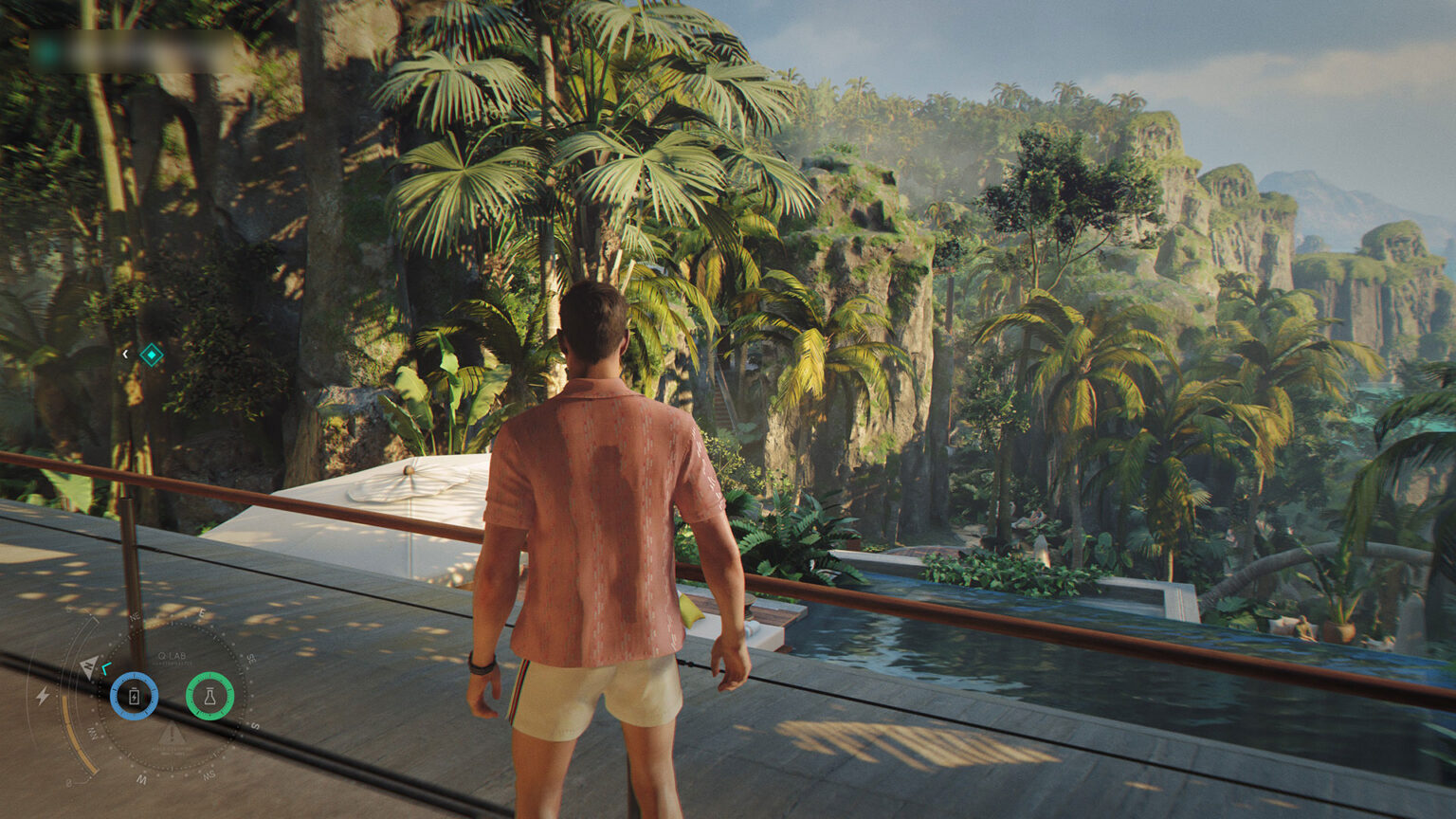
I’ve seen some people call 007 First Light too linear, and I understand the criticism, but I think the linearity fits this game perfectly. A guided, tightly-paced adventure is exactly what a playable Bond movie should be, and trying to bolt an open world onto this would have diluted everything that makes it work. If you’ve played Uncharted 4, you already know the shape of this. It’s a ride, not a sandbox, and it’s a very good ride.
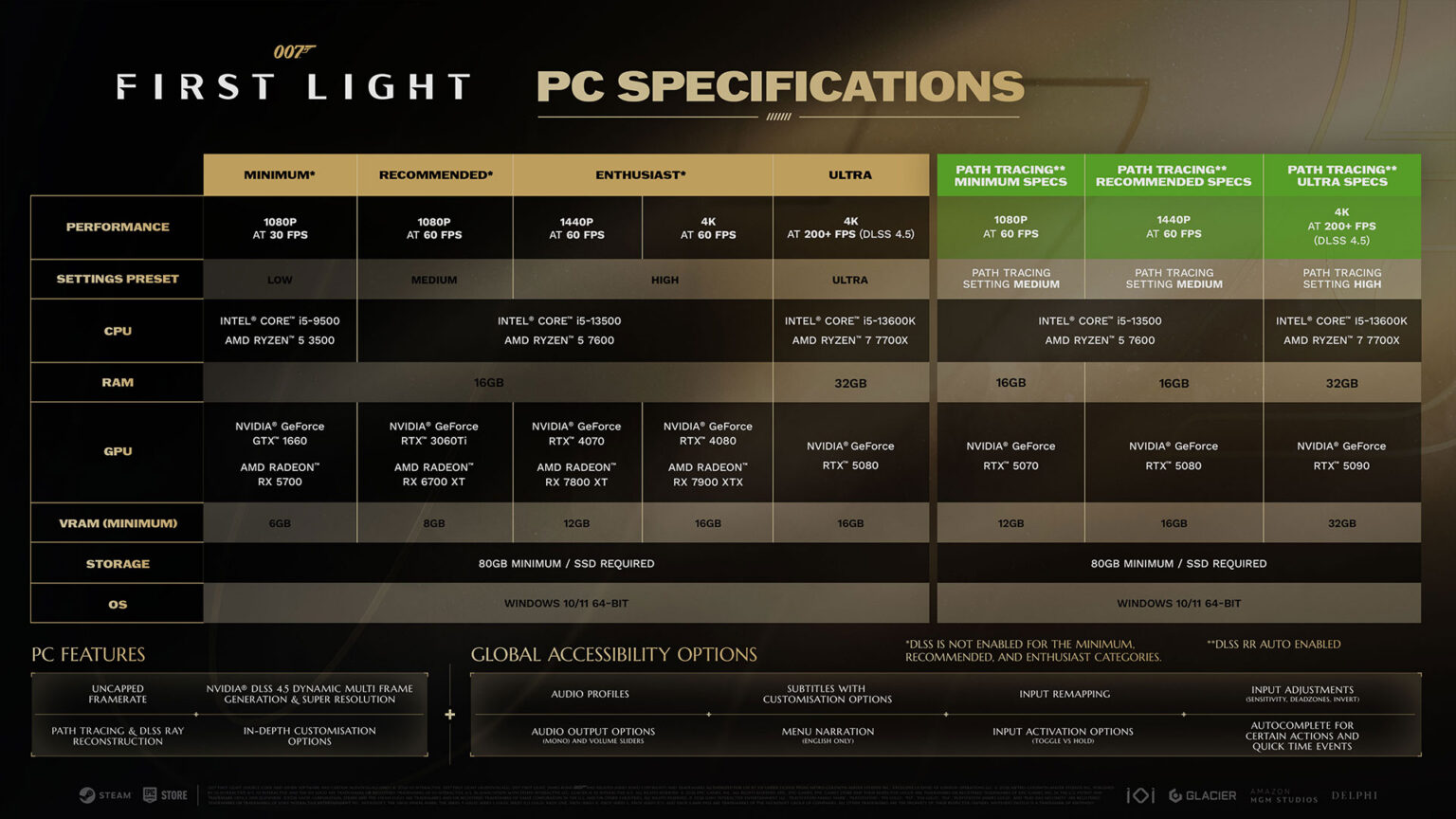
On the technical side, I played on PC and ran into no real performance issues on my setup, so the game is in good shape there. I did, however, have one crash, and of course it happened mid auto-save, which forced me to repeat a chunk of progress I’d already earned. A single crash over a full playthrough isn’t really noteworthy these days, but losing progress to it was pretty frustrating.
That points to my one structural complaint, which is that the checkpoint system isn’t especially generous. There were a few deaths that sent me back further than I would have liked, repeating sequences I’d already cleared. I’d also love to see a conversation log added, because some of the longer cutscenes throw a lot of dialogue at you, and there’s currently no way to revisit a line you missed or want to read again. Both are the kind of quality-of-life gaps that a patch could easily address.
007 First Light doesn’t reinvent a single thing, and a few of its pieces feel a generation behind. Yet I never once wanted to put it down. The writing pulls you forward, the action beats land, and for 17 hours I felt less like I was playing a Bond game than starring in one. The AI is a punchline and the checkpoints tested my patience, but those are the kinds of flaws you forgive in a film this much fun to be inside of. IO Interactive set out to make a playable Bond movie, and against every expectation I had for the Hitman studio, that’s exactly what it pulled off.
007 First Light has an official release date of May 27, 2026, for PlayStation 5, XBOX Series X|S, and PC, with a Switch 2 version to follow this summer. This review is based on a purchased retail copy of the game on PC (Intel i9-14900K, 96GB DDR5-6800, MSI RTX 5090 Gaming Trio OC). While FullCleared does have affiliate partnerships, they do not influence our editorial content. We may earn a commission for purchases made through links on this page.
007 First Light Review Gallery (possible spoilers!)



Continue?
Like our content?
Subscribe to our newsletter and get video game news, reviews, features, and deals straight to your inbox.
You're subscribed!
Thanks for signing up. Look for an email from Substack at .
No email after a few minutes? Subscribe on Substack.
This newsletter may contain advertising, deals, or affiliate links. Subscribing to the newsletter indicates your consent to our Privacy Policy. You may unsubscribe from the newsletter at any time.