
State of Unreal is Epic Games’ annual roadmap for the engine behind many of the games we play, and this year’s show, held today, put AI right at the center. Epic is building it directly into the Unreal development pipeline, from coding assistants to asset generation, and framed that as a core part of where the engine is going.
There was plenty more on top of that, from a new open-source version control system to a wave of Fortnite and Epic Games Store news, but the biggest long-term story is Unreal Engine 6. It’s officially in development, with Epic targeting an Early Access release at the end of 2027. The pitch is to merge the AAA tools built in UE5 with a new pipeline Epic has been developing live inside Fortnite, so a team can build a game once and ship it to traditional platforms, Fortnite, or their own ecosystems.
Epic first teased UE6 last month, and it’s now laid out three priorities: moving the gameplay programming model to Verse, making content and code portable across games and engines through open standards, and building pipeline features like Model Context Protocol support as productivity multipliers. That last one is where AI comes in.
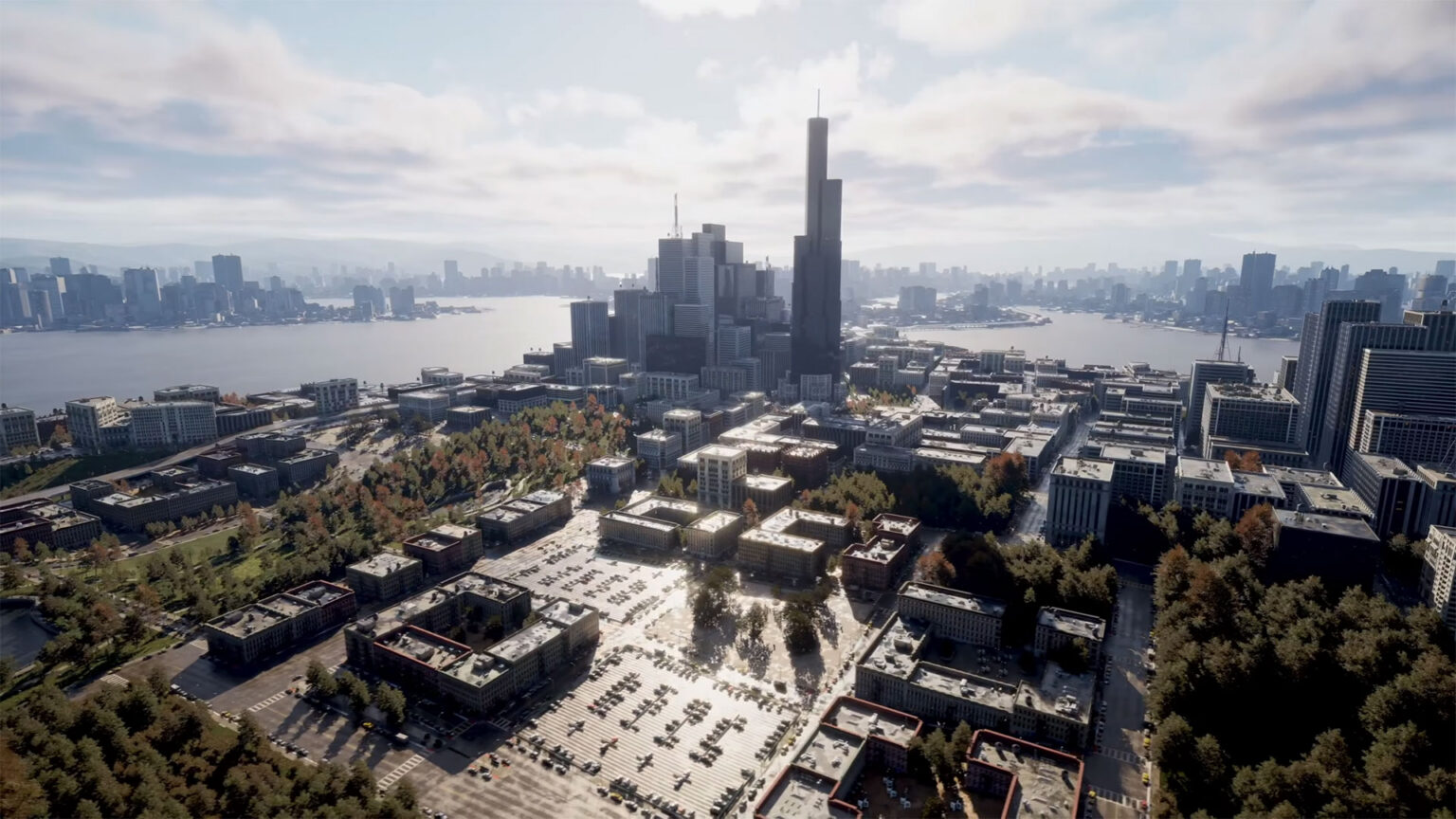
Before any of that sees the light of day, though, Unreal Engine 5.8 is out now, and Epic is calling it the last planned major release for UE5 before the focus shifts to UE6, with the door left open for a 5.9 if needed. The headline feature for a lot of developers is Lumen’s new lightweight dynamic global illumination, which is built to hit 60 FPS on Switch 2 and PCs.
A long list of features also went production-ready in 5.8, including MegaLights, Audio Insights, Live Link Hub, and Movie Render Graph, and there’s an experimental Mesh Terrain system for building 3D landscapes without the old heightfield limits. Epic says shader compilation optimizations cut Fortnite’s shader count by 68 percent.
The pipeline features Epic teased for UE6 are already turning up here, with 5.8 shipping an experimental Model Context Protocol plugin that lets developers connect models like Claude or Gemini directly to their Unreal projects. Rather than copy-paste assistants, Epic is pitching these as collaborators that understand specific Unreal workflows, and it’s keeping the interface open so teams can pick whichever model they want.
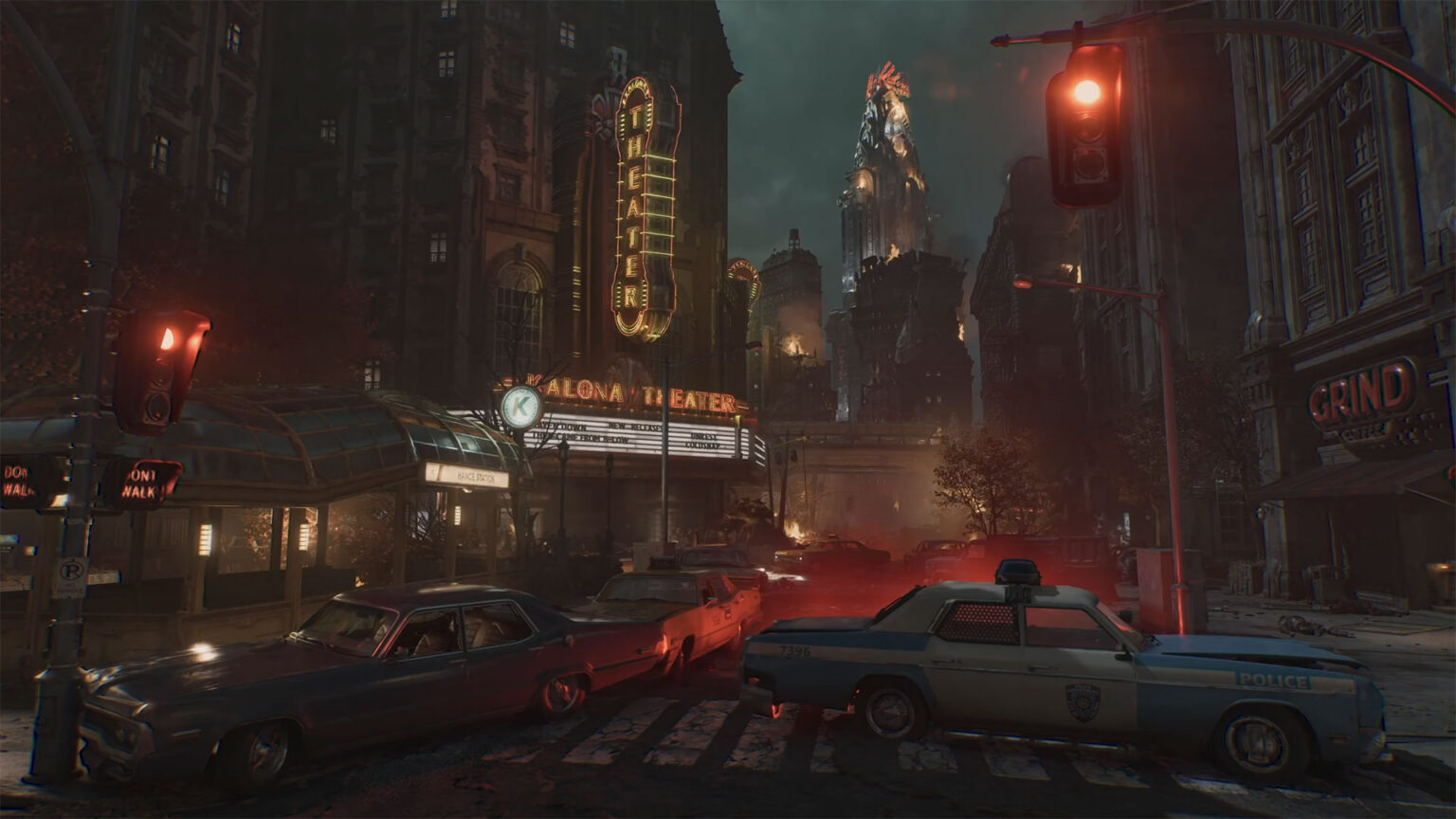
Epic also demoed media and entertainment workflows that bring diffusion models into the engine, using depth passes, normal maps, and camera data to generate styled frames, pull segmented objects into reusable 3D assets, and render full video sequences. Those tools are planned for release early next year.
When NVIDIA revealed DLSS 5 earlier this year, I wrote that running artists’ painstaking work through an AI model to regenerate how characters and materials look felt strange to me, and that I wasn’t sure I was ready to see what AI thinks our favorite characters should look like. Unreal’s diffusion tools are the development-side version of that same shift, except the AI is generating the assets before the game ever ships rather than at runtime.
AI in game development has already been a flashpoint this year, with Pearl Abyss apologizing for shipping Crimson Desert with undisclosed AI art. The difference now is that the engine itself is handing developers the tools to do it.
Away from the engine itself, Epic launched Lore, a free, open-source version control system available today that’s designed to handle both source code and large binary assets in one place, aimed at teams of any size. On the Fortnite side, Epic says it’s now paid out over $1 billion to UEFN developers since launch, cut UEFN iteration times by an average of 40 percent, and more than doubled mobile playtime in developer-made games over the past year.
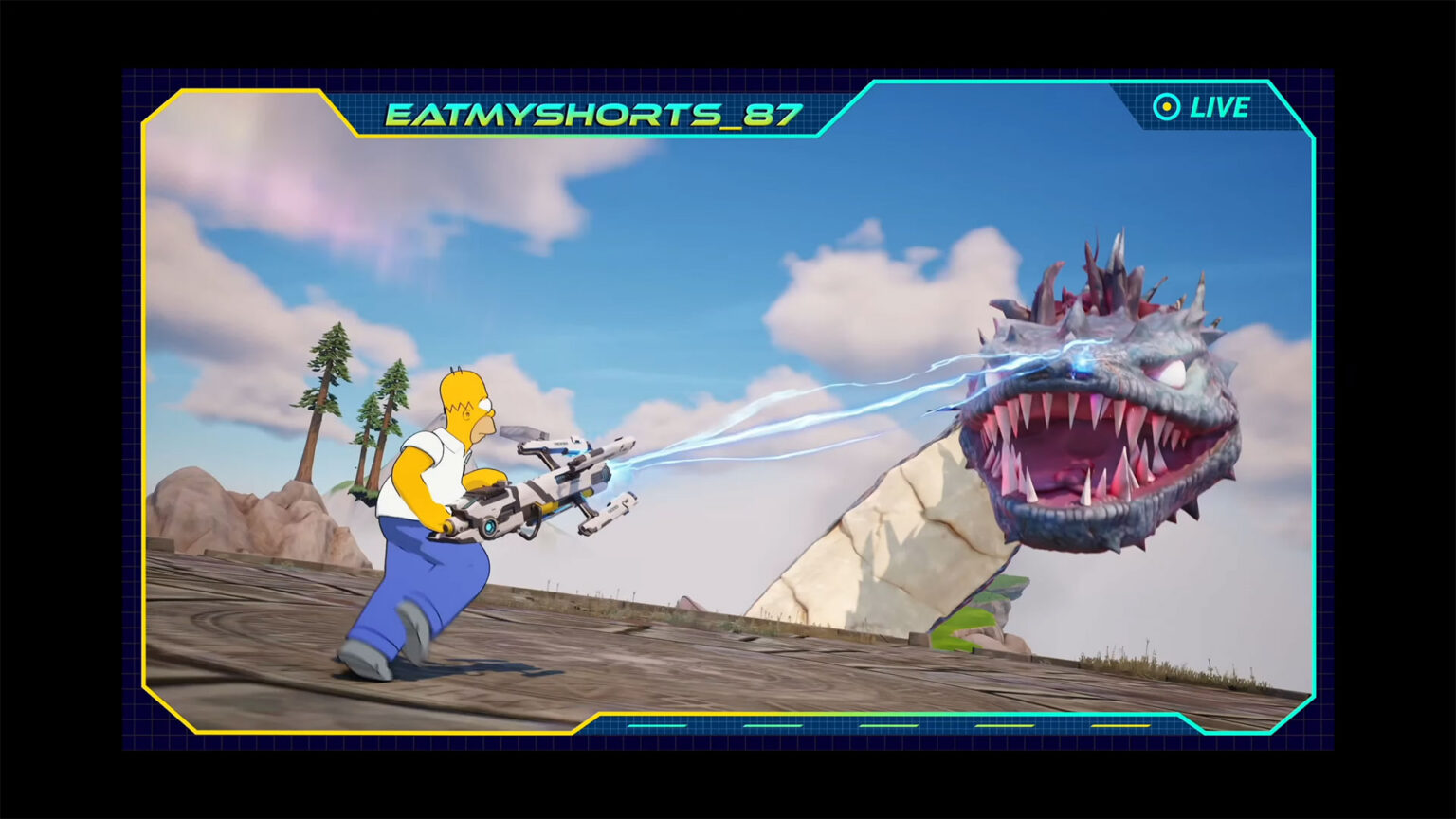
The Simpsons is the next big IP heading to UEFN, following Star Wars islands that pulled in nearly eight million players in their first 72 hours back in May. Epic is also redesigning Fortnite’s Discover screen and rebuilding the Epic Games Store’s launcher and backend, after third-party PC spending on the store grew 57 percent in 2025 to a record $400 million.
A handful of studios closed out the show with looks at how they’re using Unreal. The Coalition detailed how it used MegaLights in Gears of War: E-Day to scale from a handful of light sources to thousands while holding 60 FPS on XBOX Series X. Neon Giant walked through building the dense cybergrunge city of Port Desire in NO LAW, Riot Games explained moving Teamfight Tactics to UE5 across PC and mobile, and UEFN studio Future Trash talked through its hit Star Wars Droid Tycoon.
Unreal Engine 5.8 and Lore are both available now, while UE6 is targeted for Early Access at the end of 2027. Epic spent a real chunk of the show arguing that AI belongs in the development pipeline, and with the first tools already shipping in the official toolchain, it’s not a hypothetical anymore.
State of Unreal 2026 Official 4K Livestream
Continue?
Like our content?
Subscribe to our newsletter and get video game news, reviews, features, and deals straight to your inbox.
You're subscribed!
Thanks for signing up. Look for an email from Substack at .
No email after a few minutes? Subscribe on Substack.
This newsletter may contain advertising, deals, or affiliate links. Subscribing to the newsletter indicates your consent to our Privacy Policy. You may unsubscribe from the newsletter at any time.