
Quick Verdict
I’ve been playing The Division franchise for a decade now and according to my Ubisoft game activity, I have 76 hours in The Division and nearly 84 hours in The Division 2, both on PC. Those aren’t record-breaking numbers, but it’s enough time to know what makes these games tick. The Division Resurgence is the franchise’s jump to mobile, and it nails the feel of a mainline Division game so well that my biggest takeaway is kind of a weird one: I just kept wishing I was playing it on my PC.
That’s simultaneously a compliment and the game’s core problem. The Division Resurgence is a remarkably faithful recreation of The Division experience on mobile, from the cover shooting to the loot grind to the Dark Zone. But faithfulness to a PC and console experience doesn’t automatically make for a great mobile game, and The Division Resurgence never quite figures out what it wants to be beyond “The Division, but smaller.”
Signal Detected
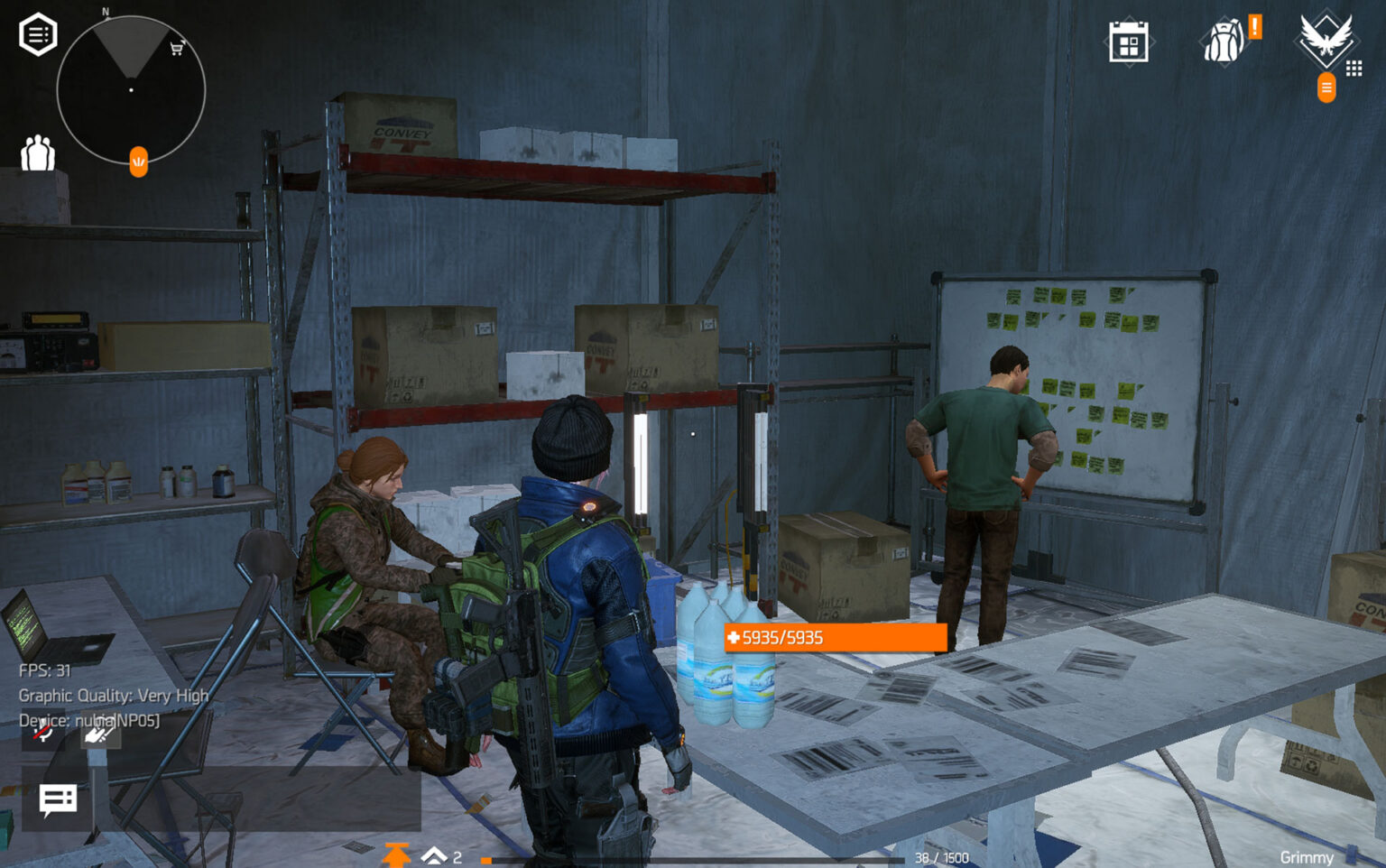
If you had told me a few years ago that someone would put a genuine Division experience on a mobile device and it would actually feel right, I would’ve been skeptical. The original Dark Zone experience from The Division remains one of the most intense and coordinated gaming sessions I’ve ever had. The series pioneered a style of PvPvE gameplay that has since spawned an entire genre, with extraction shooters like Arc Raiders and Marathon building entire games around what The Division did back in 2016. That franchise has a legacy worth respecting, and I went into The Division Resurgence curious whether Ubisoft could actually translate it to a mobile device.
The short answer is: mostly, yes. The Division Resurgence is a free-to-play mobile game launching on Android and iOS, set in Manhattan during the early days of the Green Poison outbreak, also known as the Dollar Flu. You play as a First-Wave SHD agent who falls into a coma during the events of the original game and wakes up to a city overrun by familiar and new threats. The Rikers and Cleaners are back, alongside a new faction called the Freemen. Ubisoft has been working on this one since its announcement in 2022, and after years of beta tests and delays, it’s finally here in time for the franchise’s 10th anniversary.
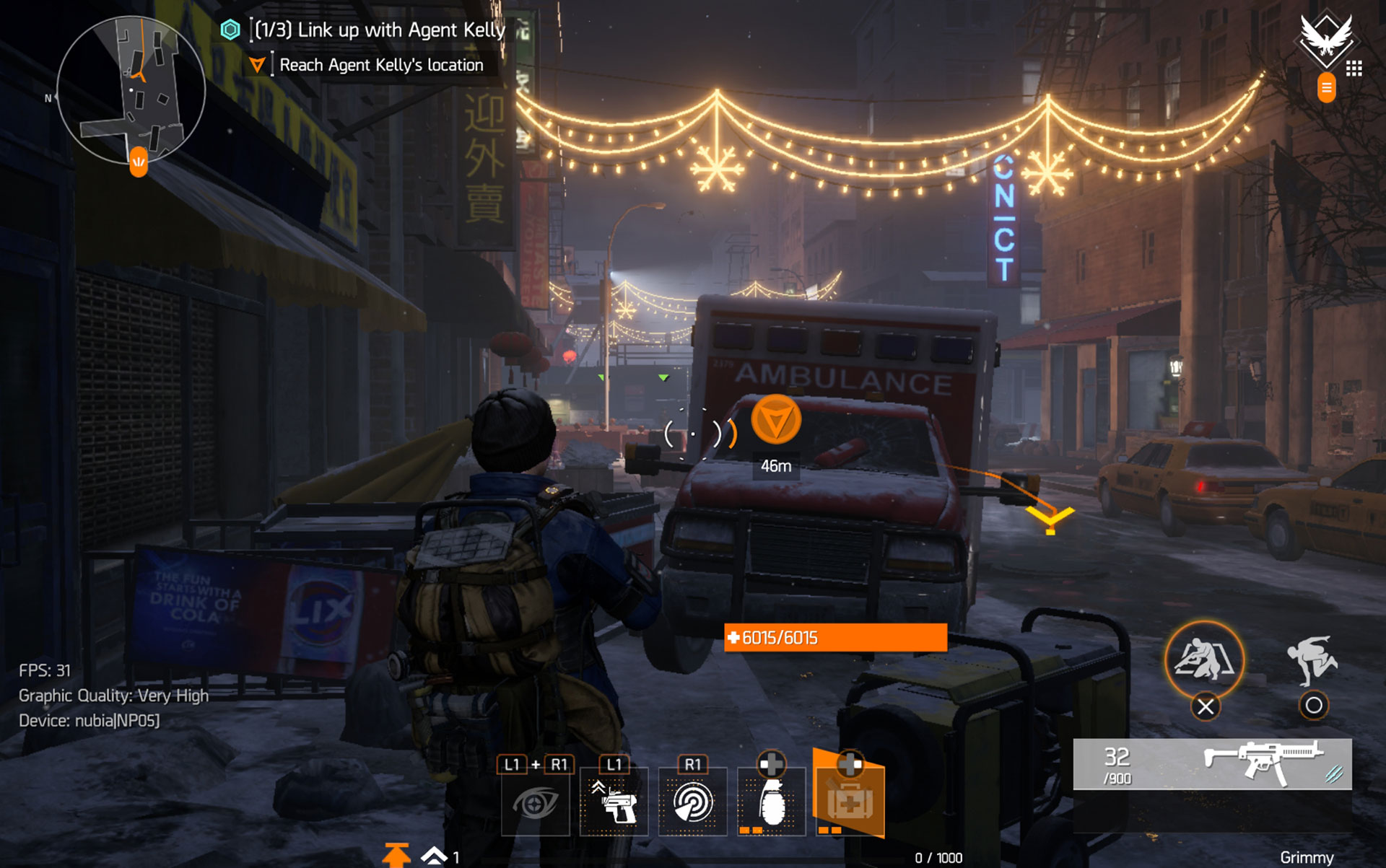
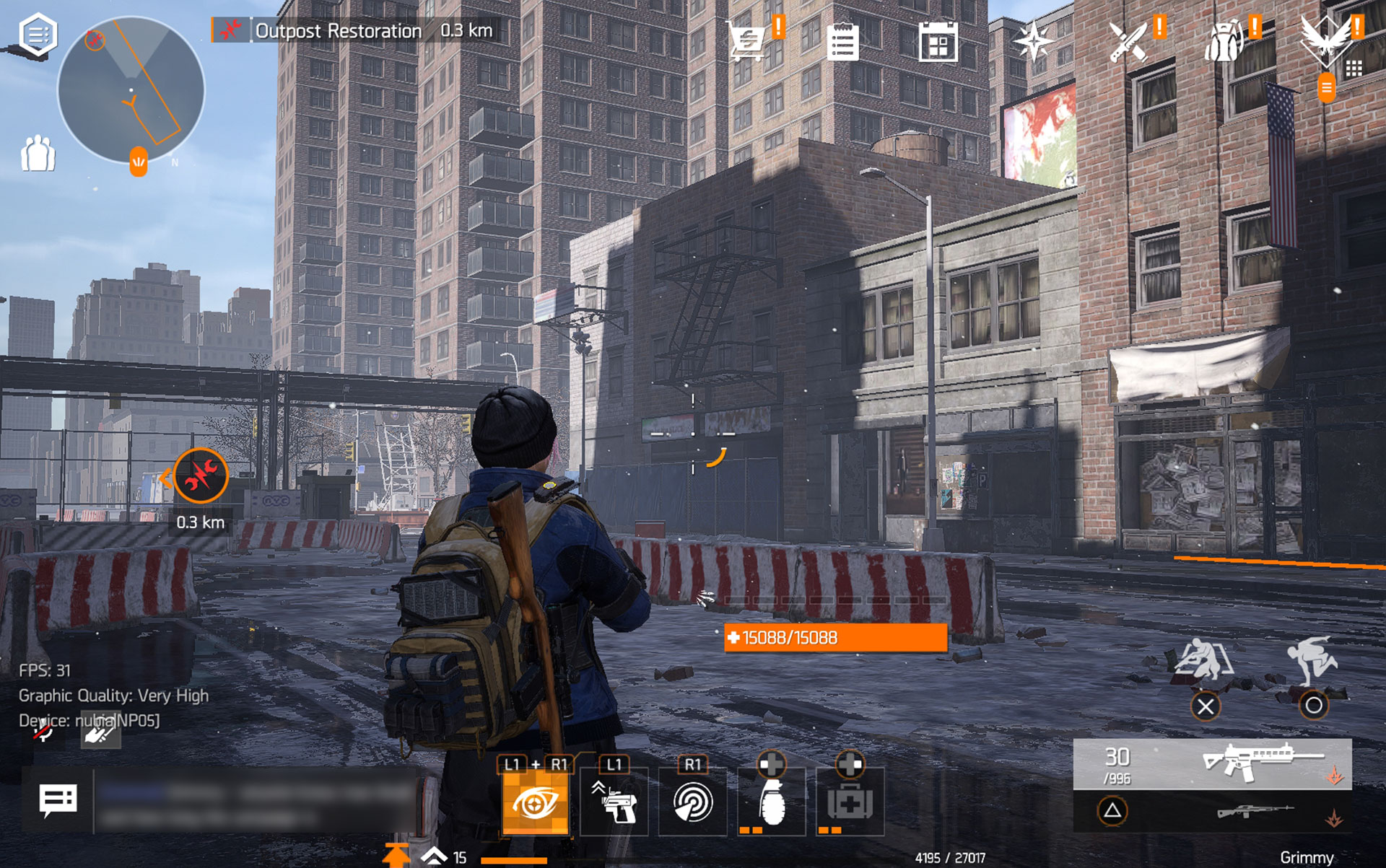
I want to be clear about something upfront: Ubisoft says The Division Resurgence was built from the ground up for mobile, and technically that may be true. But in practice, this game feels very much like the original Division ported to a mobile device with a new storyline and mission list. For anyone who spent significant time in the first game on PC or console, The Division Resurgence’s Manhattan is eerily familiar. Many of the mission environments will trigger strong déjà vu, and the overall atmosphere of snow-covered streets, hostile factions, and that signature Division grit is all intact. That’s not necessarily a bad thing, but it’s worth understanding what you’re getting into.
Same Streets, Smaller Screen
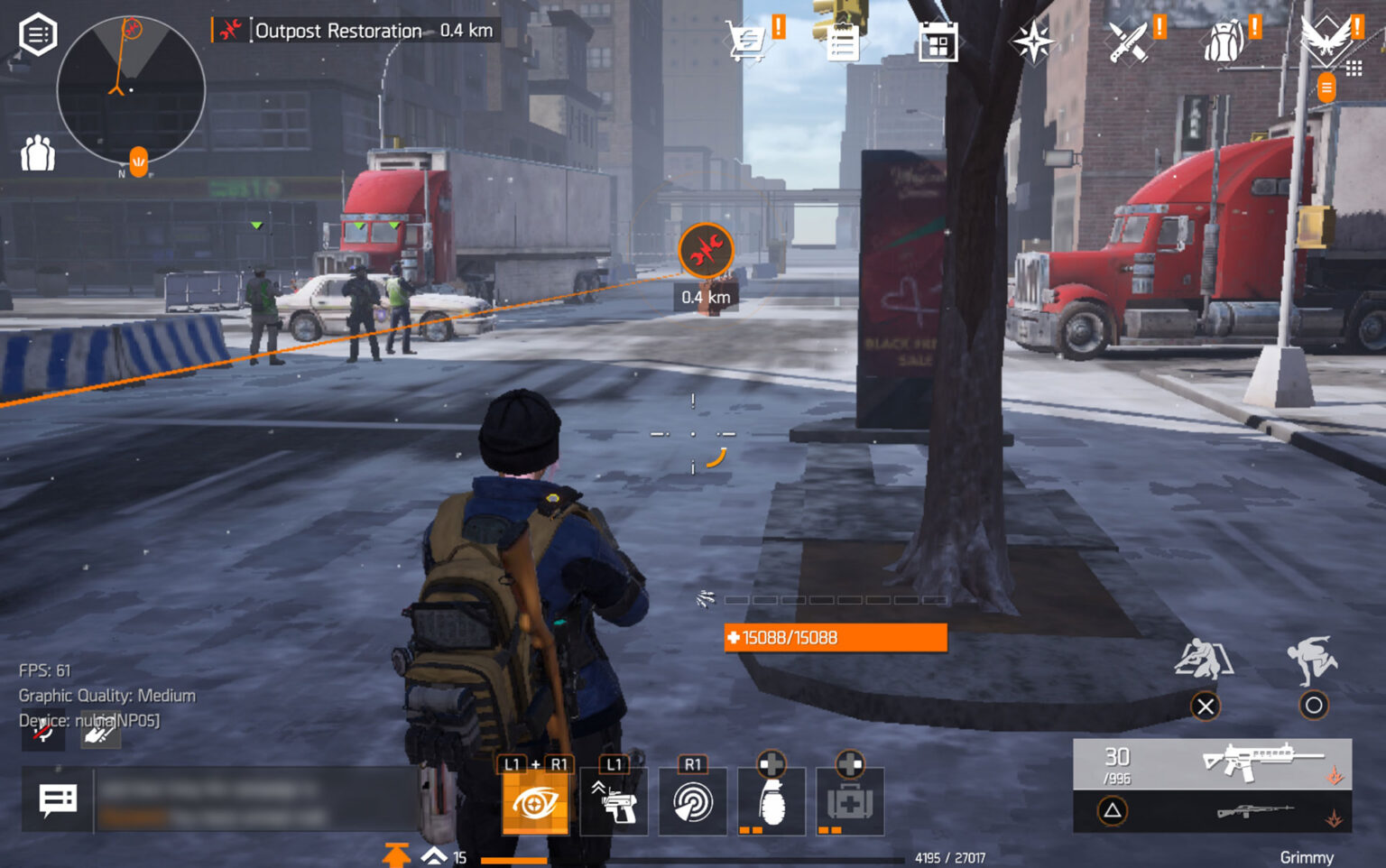
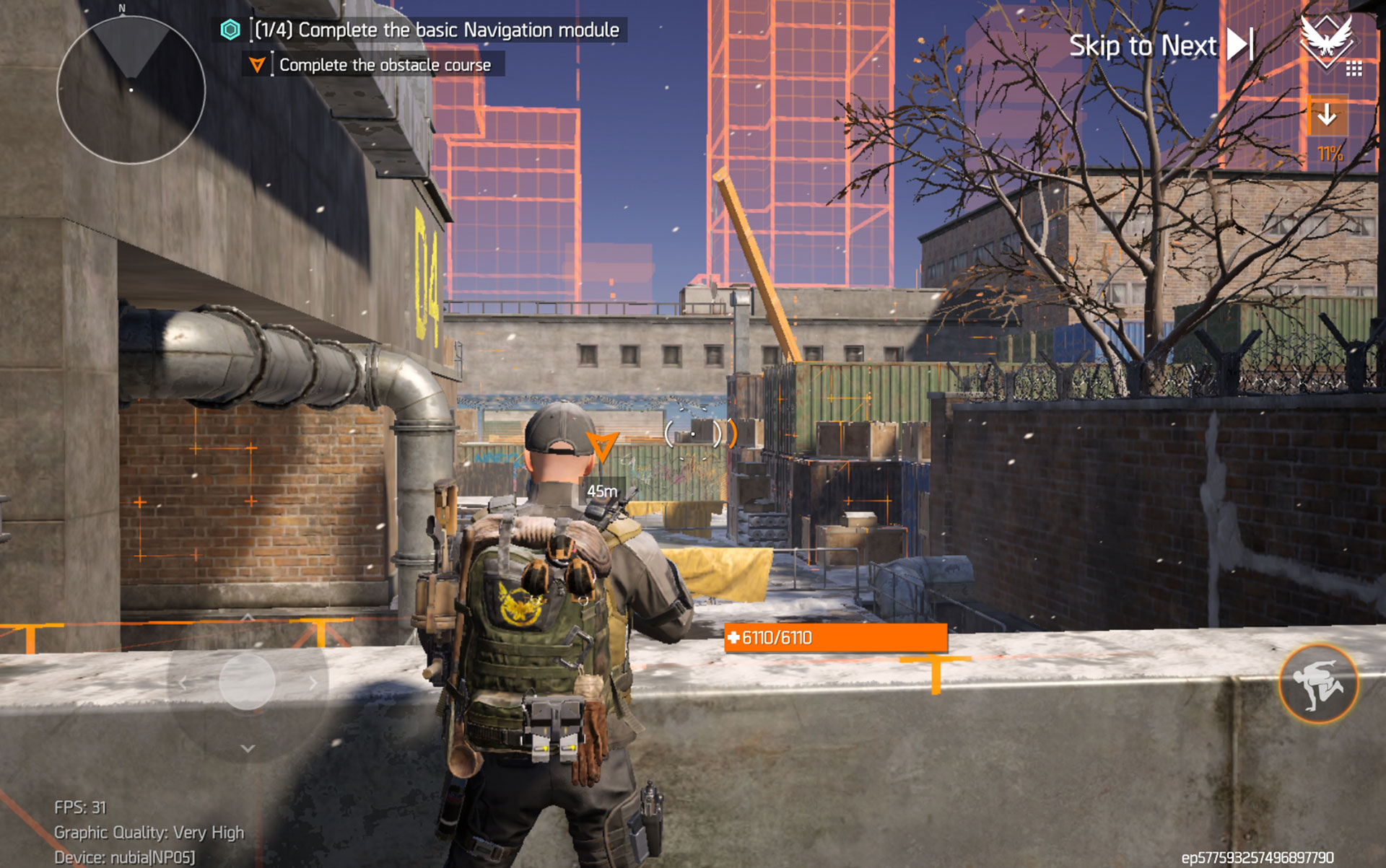
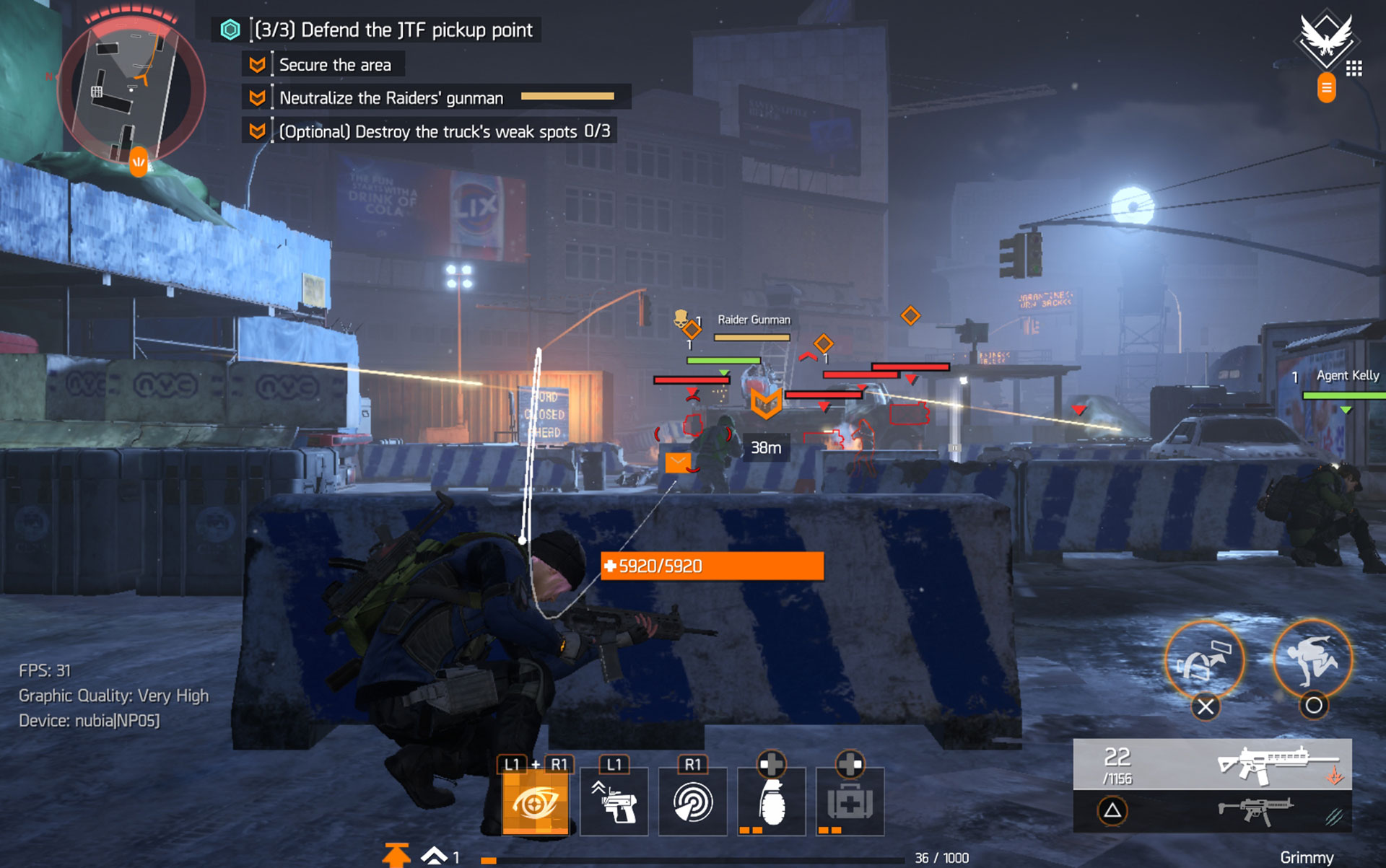
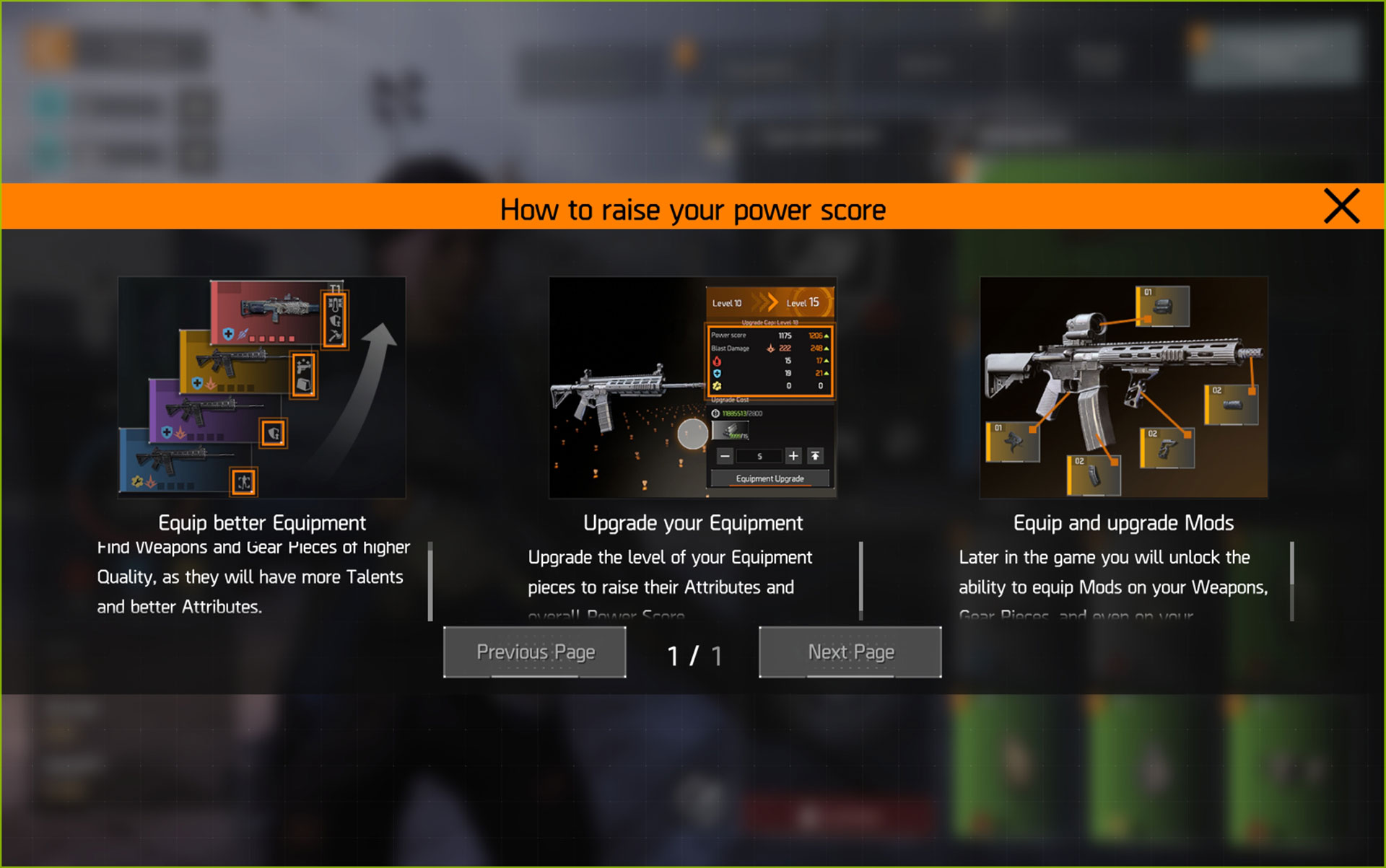
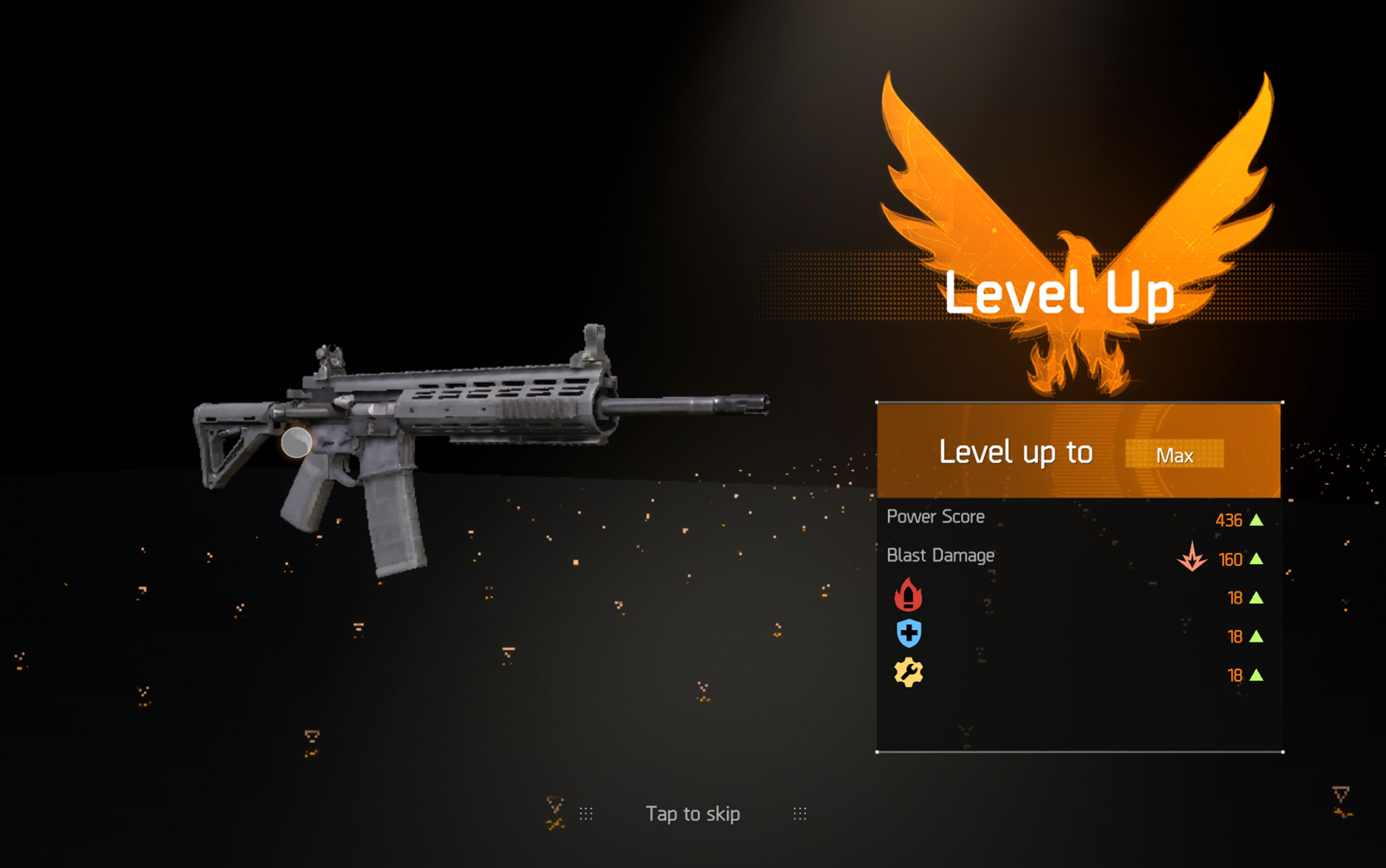
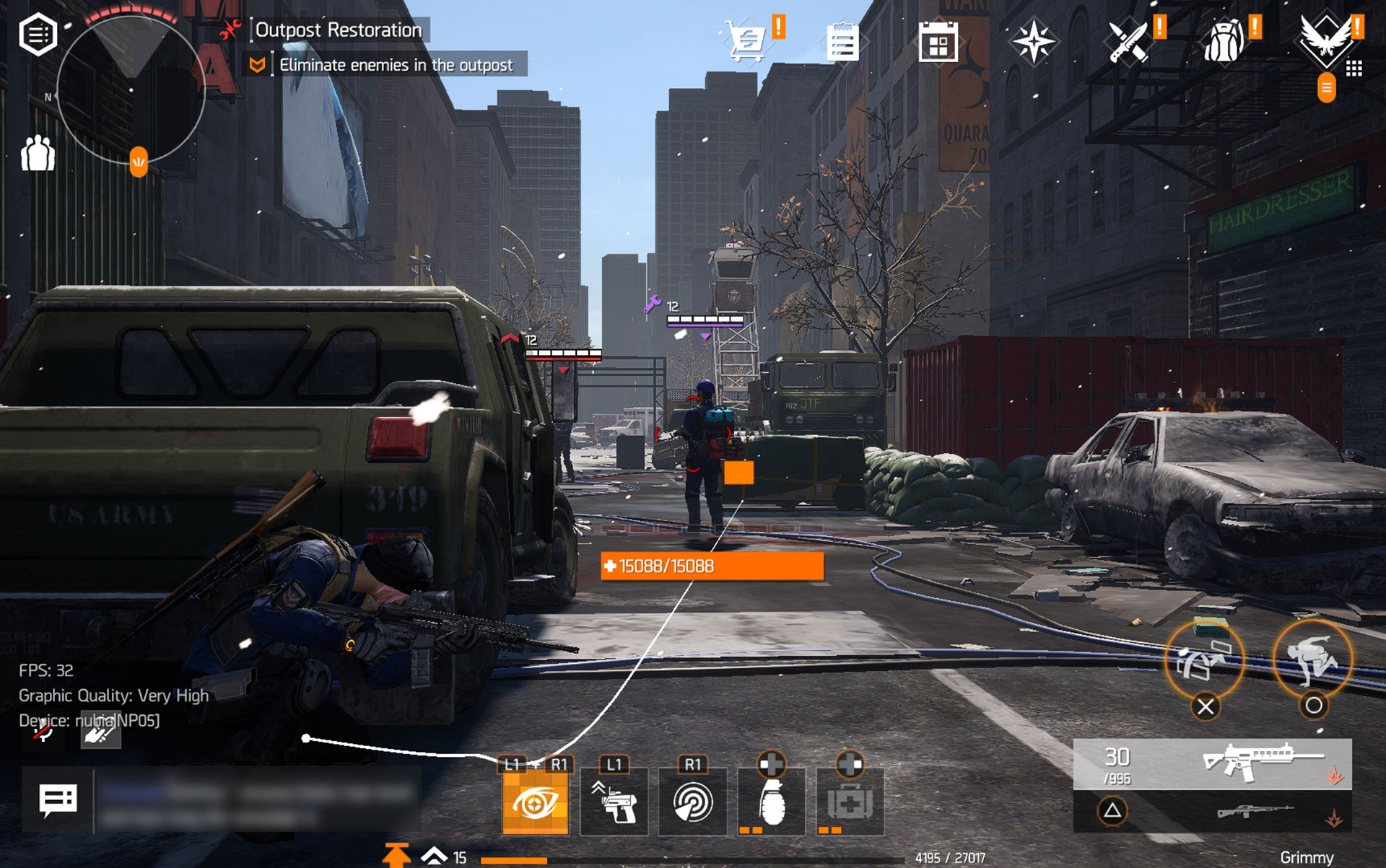
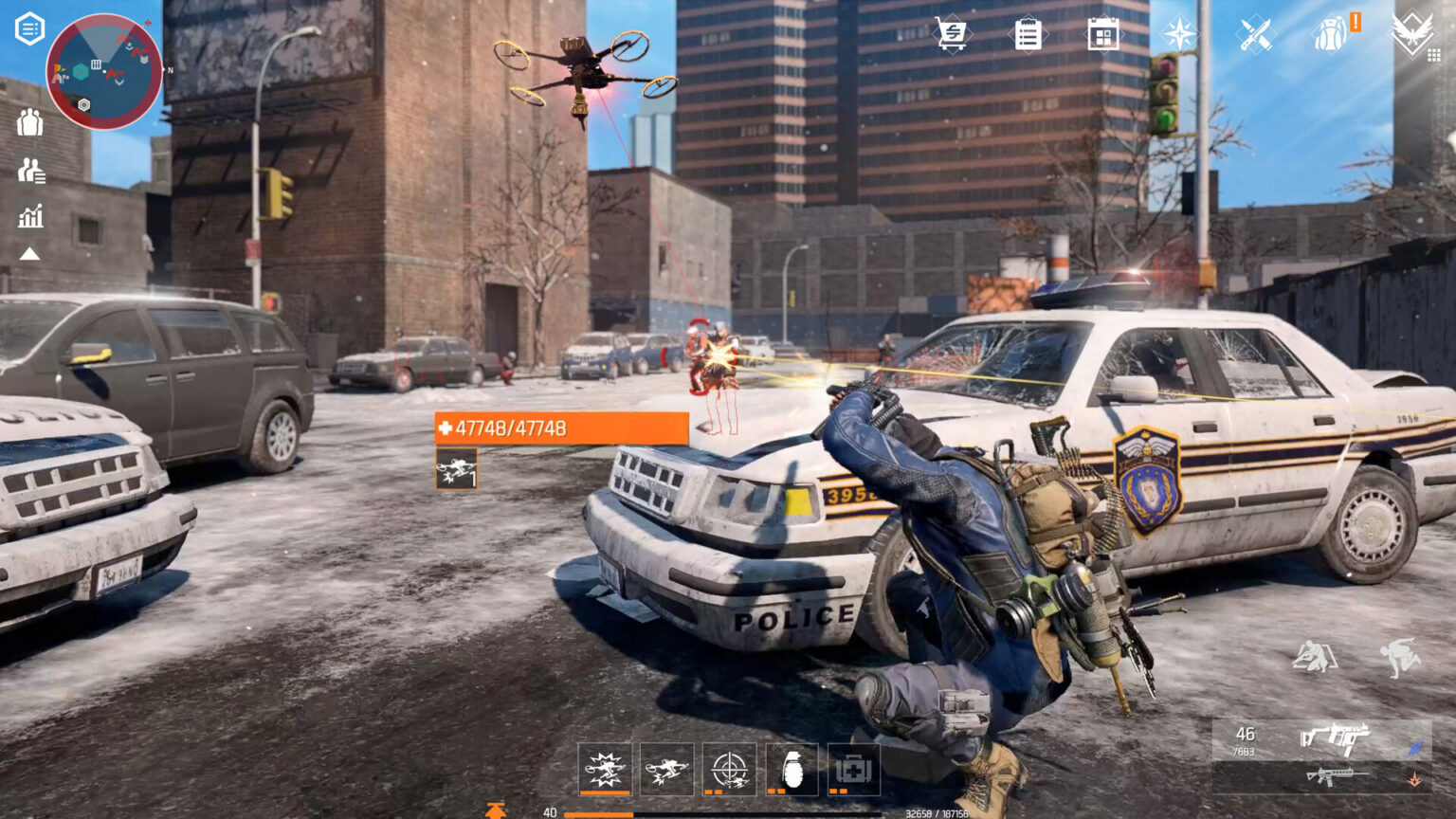
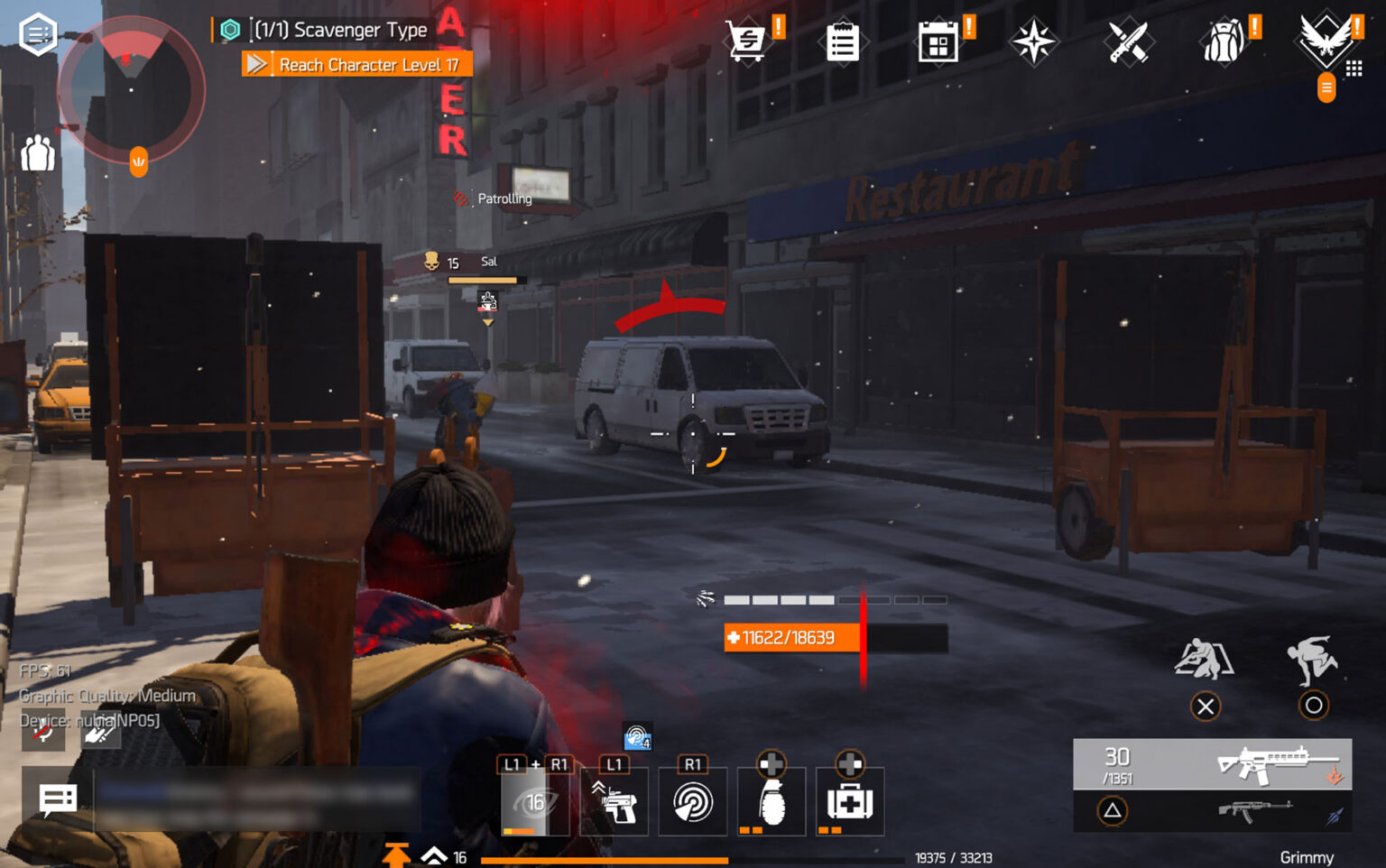
Let’s get the good stuff out of the way. The core gameplay loop is genuinely solid and the gunplay and cover shooting feel remarkably close to what you’d experience on PC or console. For a mobile game, that is a pretty big deal. I played through missions the same way I would at my desk, pushing from cover to cover, flanking enemies, and swapping weapons based on the encounter. If you’ve played The Division or The Division 2, you know exactly what this feels like and The Division Resurgence manages to capture that. The game also makes several smart concessions for the mobile platform. You auto-heal between enemy waves, grenades and medkits regenerate on cooldowns, and there’s a “second chance” mechanic where you drop to 1 HP instead of dying, giving you a window to heal and get into cover before the next hit finishes you off. The upgrade system is streamlined too, using generic materials to upgrade gear rather than the more complex system from the mainline games. All of these changes make sense for mobile play sessions, and I think they’re the right calls for the platform.
Where things start to crack is in the details. Enemy AI isn’t particularly smart, and the game feels noticeably easier than its PC and console counterparts. Most of my deaths didn’t come from the AI outsmarting me, but from clumsy control moments, like not being able to roll out of a grenade in time. If you’ve played any Division game, you know enemy voice dialogue can get repetitive, but it’s especially grating here. Bullet sponge bosses are still very much a thing, so if that bothered you about The Division and The Division 2, temper your expectations accordingly. I also really wish The Division Resurgence had a fast travel shortcut for missions. Many mobile games let you tap on a quest and it takes you to the nearest fast travel point. In The Division Resurgence, tracking side quests on the map and figuring out which fast travel point to use is clunkier than it should be for a game designed around shorter mobile sessions.
One side mode worth calling out is the Lone Wolf Challenge, a solo game mode that puts you through a series of levels with increasing difficulty and a fixed skill cap. At the start of each level, you pick one of three upgrades, which gives it a roguelite feel as you tailor your approach on the fly. Faster clears earn better ratings and better rewards. It’s a fun distraction from the main campaign grind, and the kind of bite-sized, replayable content that actually makes sense for mobile play sessions.
Sticky Fingers
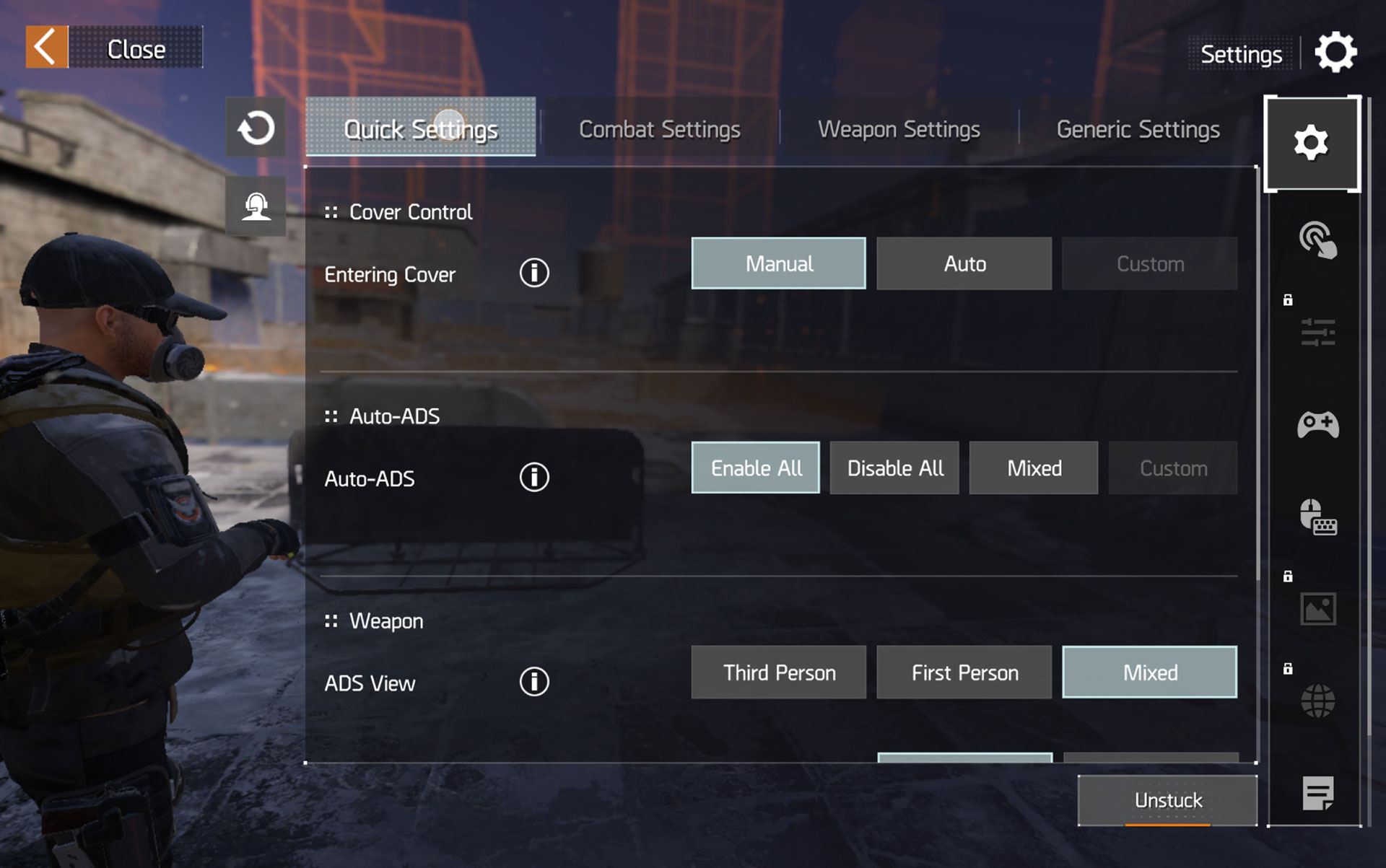
I have to admit, I’m old and I never developed the proper skills for playing something like Fortnite on touch controls. Even when I play games like Wuthering Waves, Arknights: Endfield, and The Seven Deadly Sins: Origin on mobile, I use a controller. So take my touch control impressions with that context in mind. The touch controls in The Division Resurgence work fine for a cover shooter. They’re functional and responsive enough for the genre, and I think most players who are comfortable with touch controls will be fine. They just never felt natural to me.
I played primarily with a DualSense on a RedMagic Astra, and the actual gameplay with a controller feels good. The shooting, movement, and ability usage are all responsive and translate well. Where it falls apart is the menus. When using a controller, The Division Resurgence treats it like a mouse, forcing you to move a cursor around the screen instead of letting you navigate menus natively with the d-pad or stick. It’s a really weird disconnect.
You’re getting this smooth gameplay experience that genuinely feels like a PC or console game, and then you open your inventory and you’re awkwardly dragging a fake cursor across UI elements. I ended up using the controller for gameplay and switching to touch for menus, which I don’t think is very ideal. For a game that advertises controller support as a feature, I really hope Ubisoft addresses this.
Resolution of Conflict
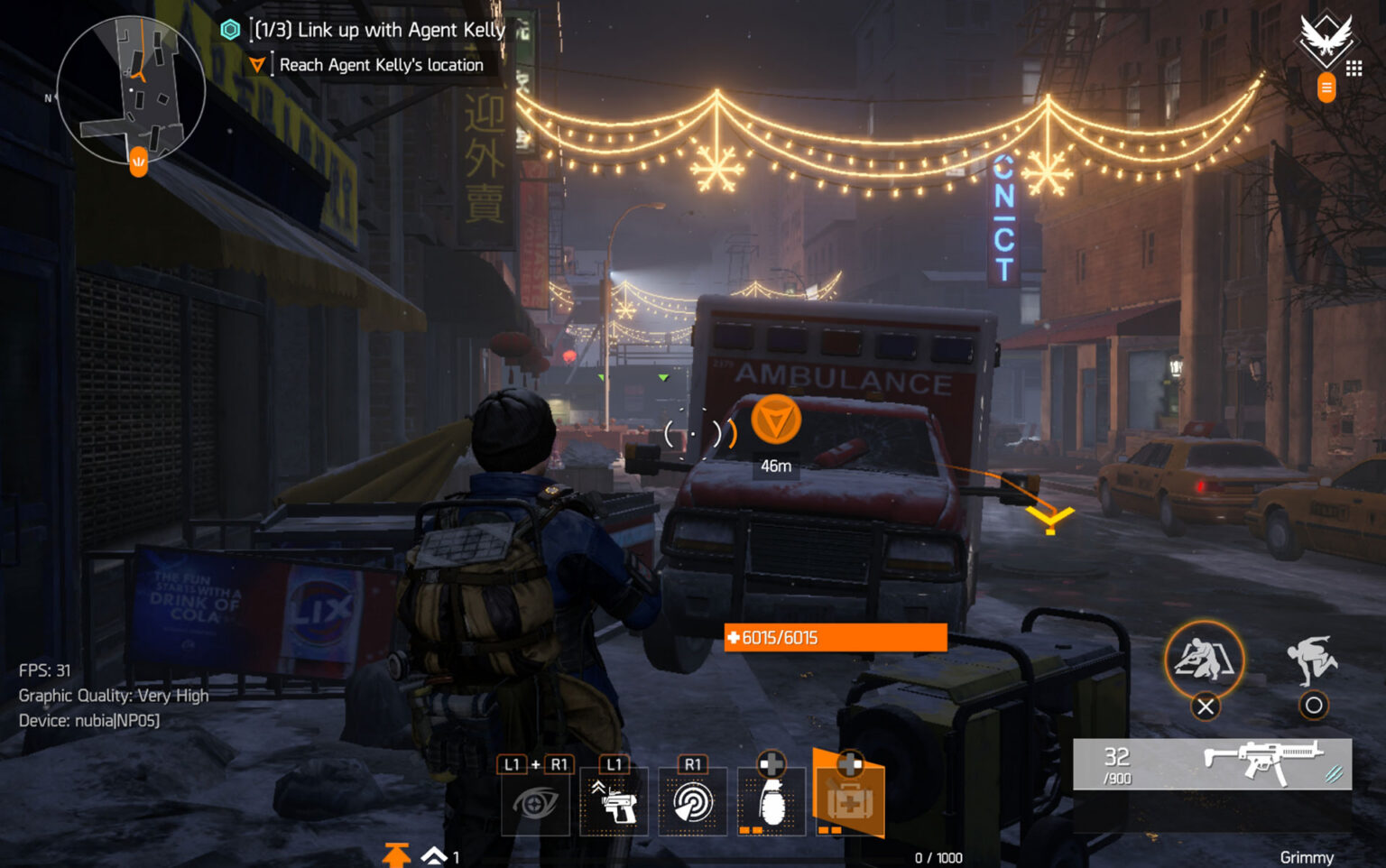
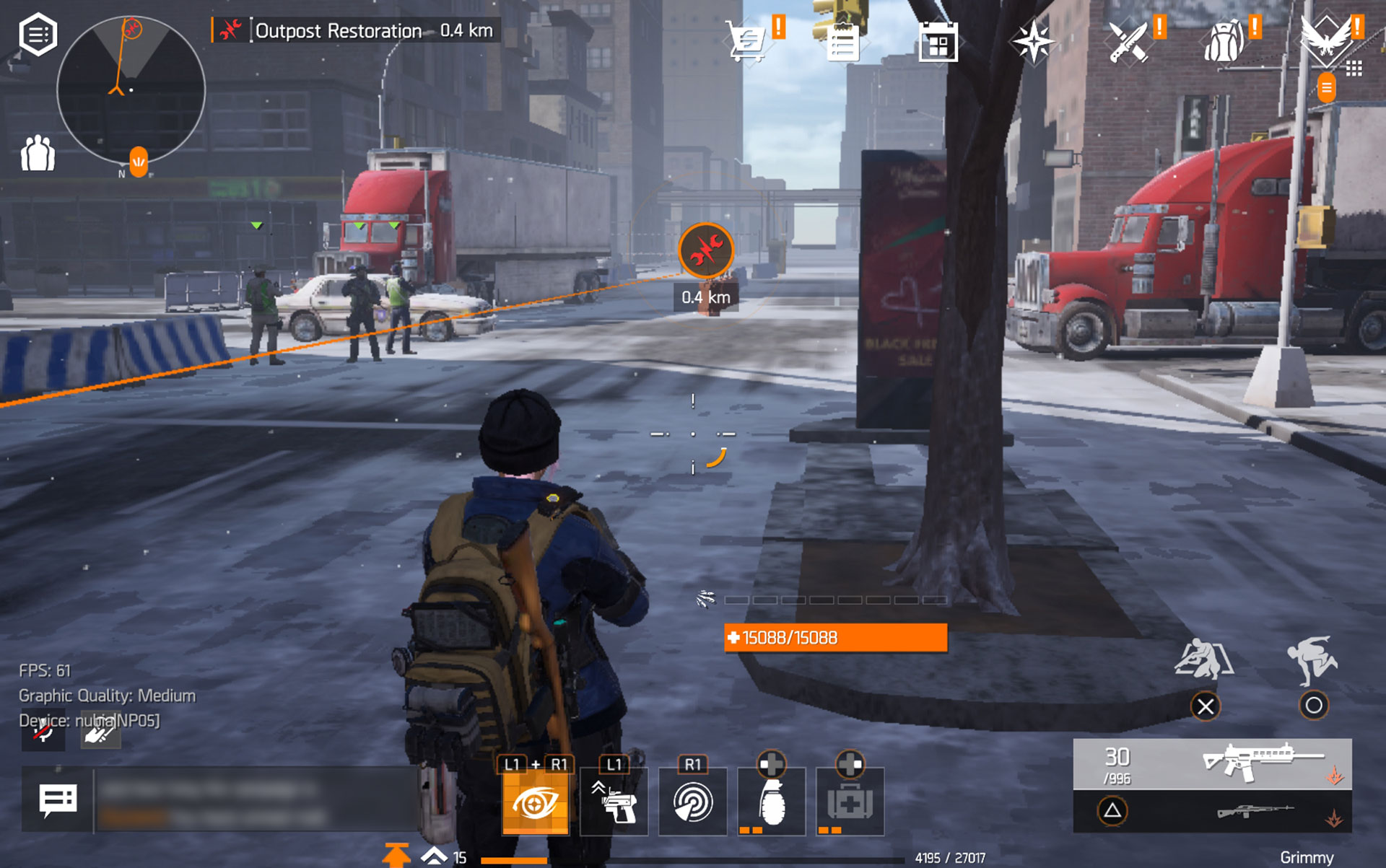
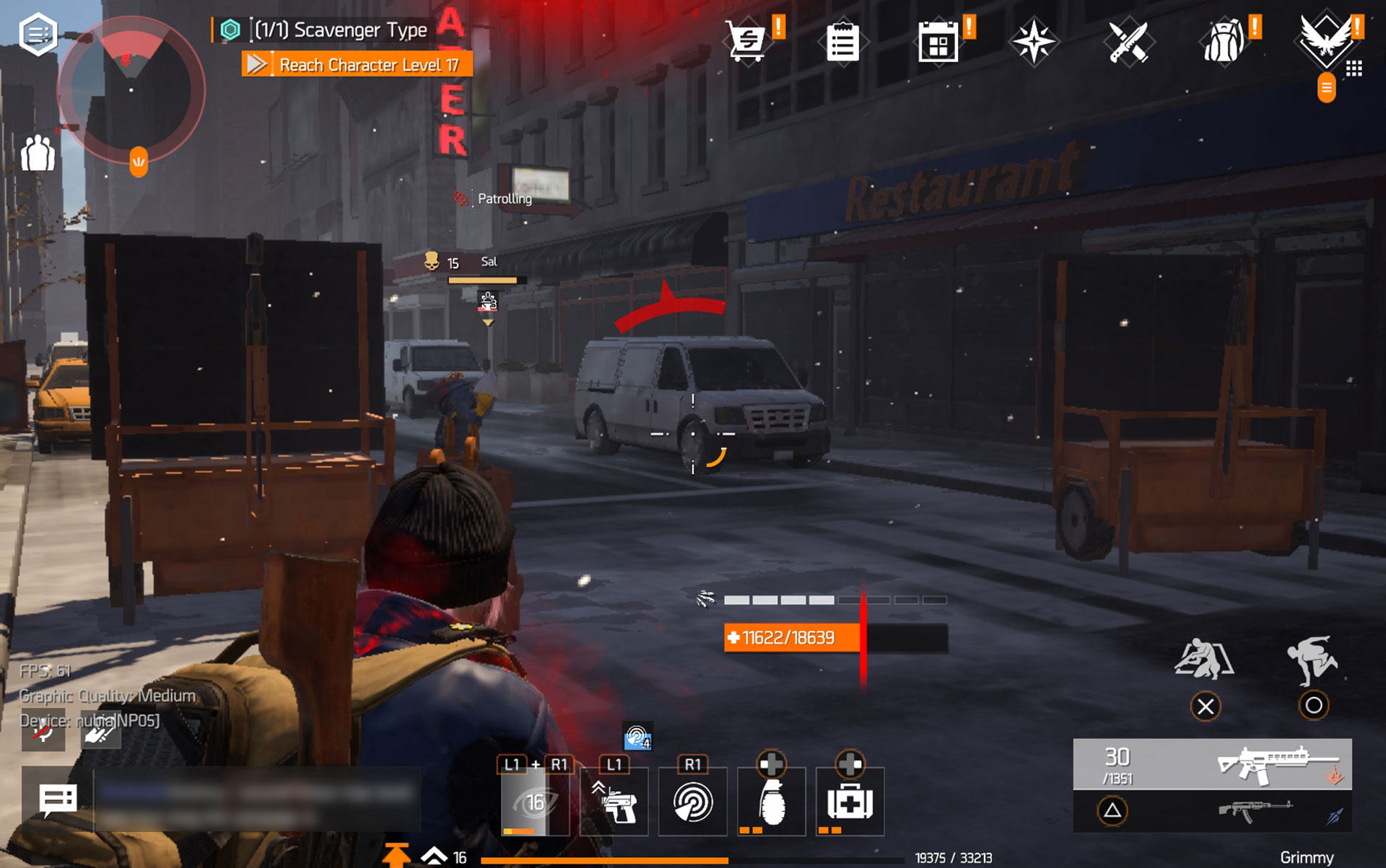
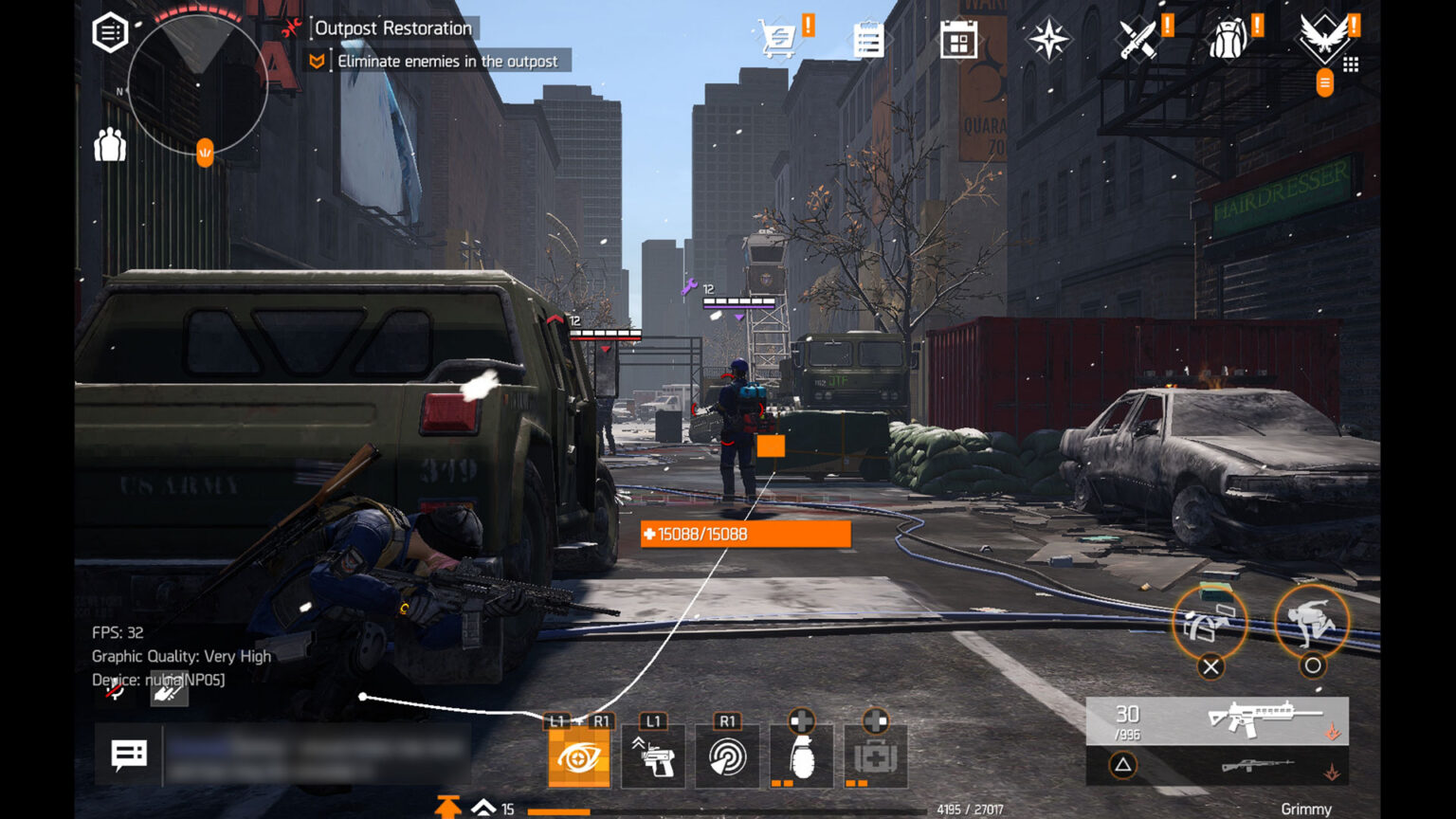
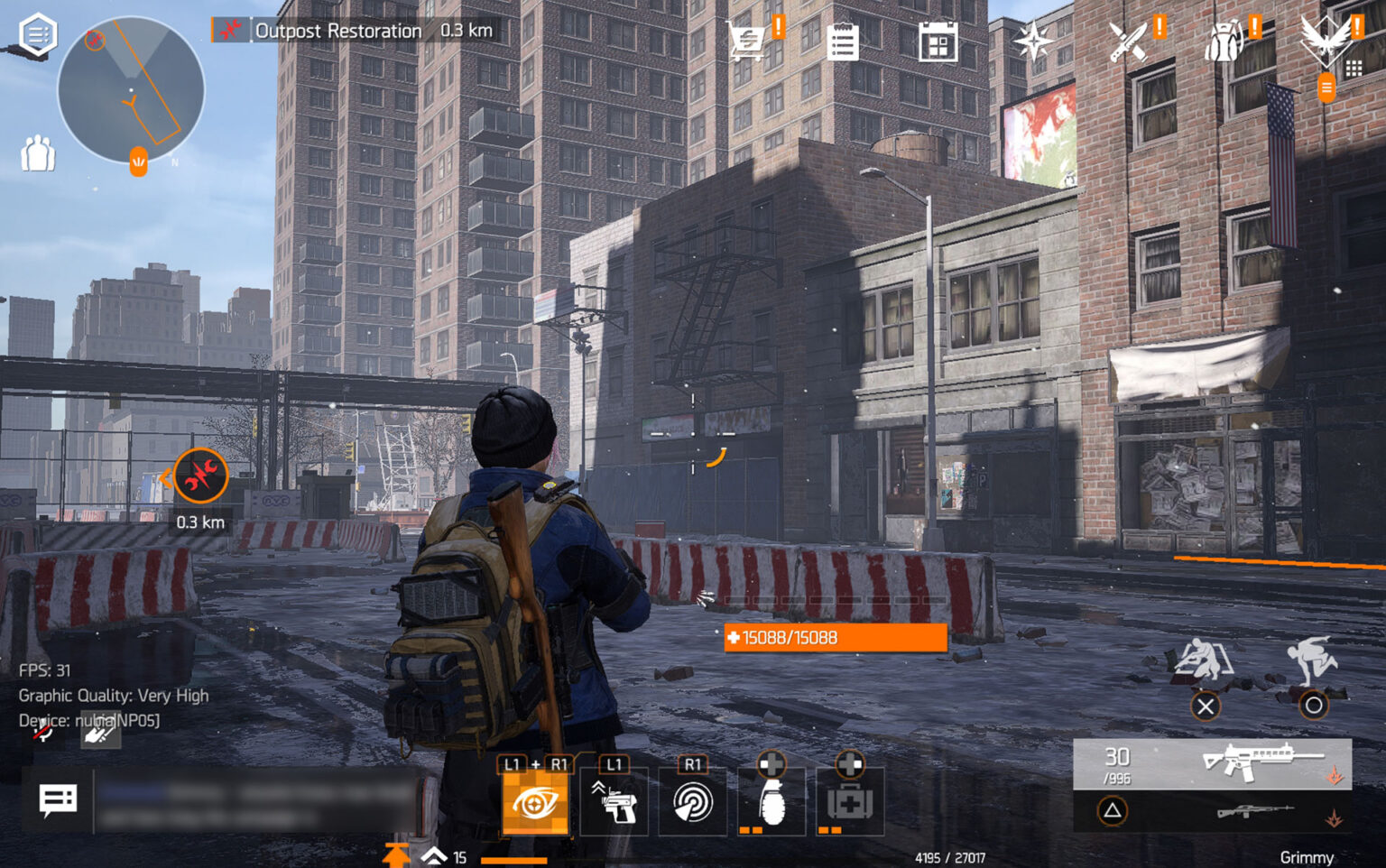
My RedMagic Astra has a Snapdragon 8 Elite processor, 24GB of RAM, and 1TB of storage, which is about as high-end as Android gets right now. Even on that hardware, hitting 60 FPS requires setting graphic quality to medium. I couldn’t find a way to force 60 FPS at higher settings, which is a bummer. At medium graphics with 60 FPS, the game is functional but not pretty. A lot of the textures are muddy, and the overall visual presentation takes a hit.
If you drop to 30 FPS, you can increase the resolution and graphic quality, and the game looks genuinely nice for a mobile title. Characters and objects are solid, though textures are still a bit muddled. There’s a middle ground at 45 FPS with high graphics and standard resolution, which I found to be a reasonable compromise. Frame rate performance was stable across all settings on my device.
The trade-off is clear: you can have a smooth 60 FPS experience that looks like a last-gen mobile game, or a prettier 30 FPS experience that actually shows off what the engine can do. For a game Ubisoft markets as delivering “full high-end graphics adapted to mobile,” the reality is more complicated than the tagline suggests. I also had occasional crashes during my time with the game and ran into an audio bug where game sound dropped out entirely until I minimized the app and returned to it. These are launch issues that can be patched, and I’d expect them to be addressed in the coming weeks. It is worth noting, though, that the crashes might be related to my specific tablet and the version of Android it runs. A restart would also fix the crashing issue for me, so it’s entirely possible it’s related to the RedMagic Astra.
Out of Cover
It’s hard to fully evaluate the Dark Zone in The Division Resurgence because there simply weren’t many people playing during the advanced review period. I didn’t run into a single PvP encounter, so I couldn’t experience the tension and risk-reward that define the mode. Without other players potentially going rogue, the Dark Zone just felt like another PvE area with better loot. That should change once the player base fills out, but I expect it to feel much like the Dark Zone in the mainline entries. If you’re new to the franchise though, the Dark Zone is essentially a PvPvE zone, where you can find loot, but you have to extract it safely in order to access it.
The Division Resurgence also changes the structure of the Dark Zone in a somewhat significant way. It’s now session-based and time-limited, only opening during certain windows of the day for 20-minute sessions. That’s a departure from the mainline games where you could wander in and out freely. Whether that works or not will depend entirely on the player base showing up during those windows.
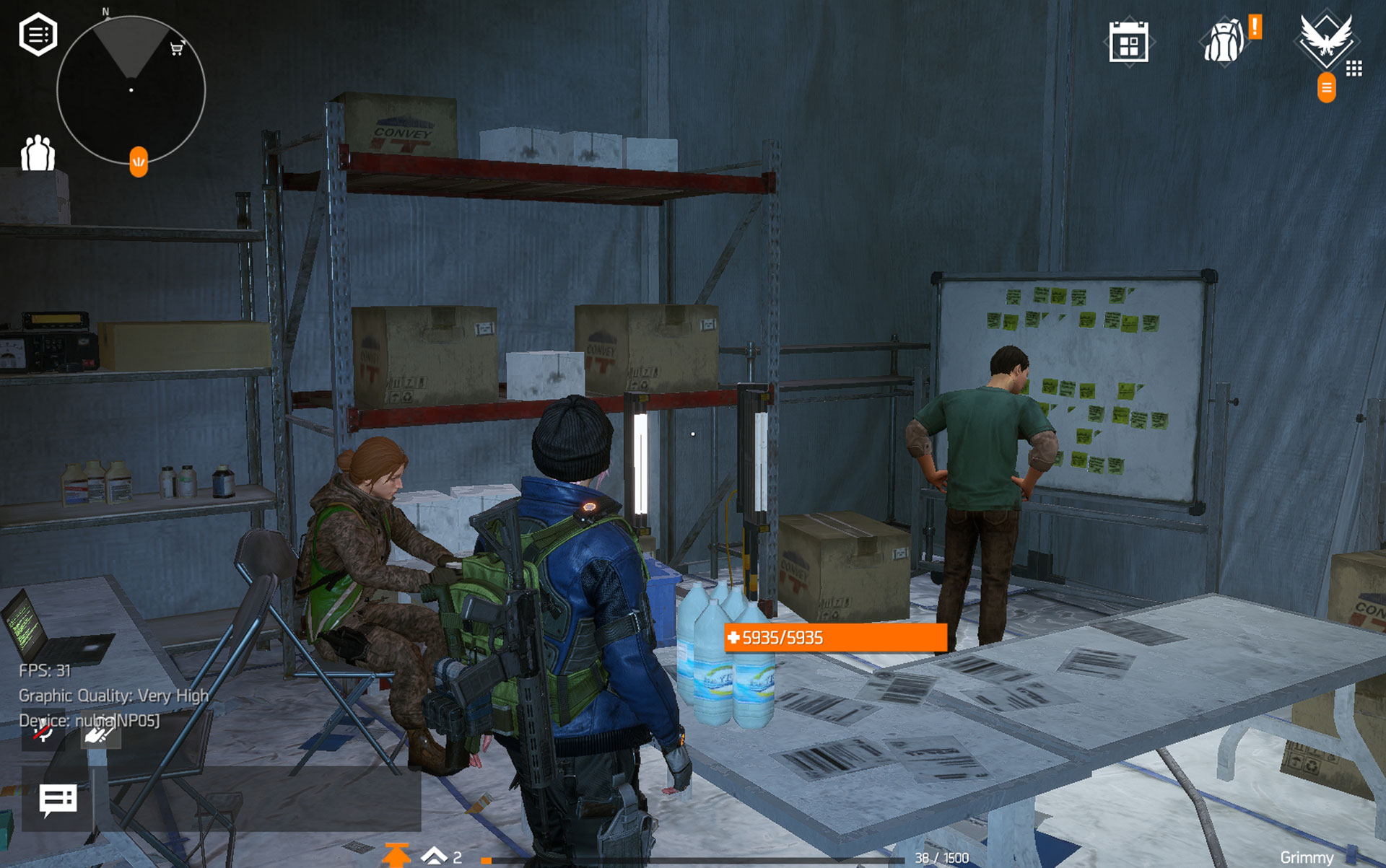
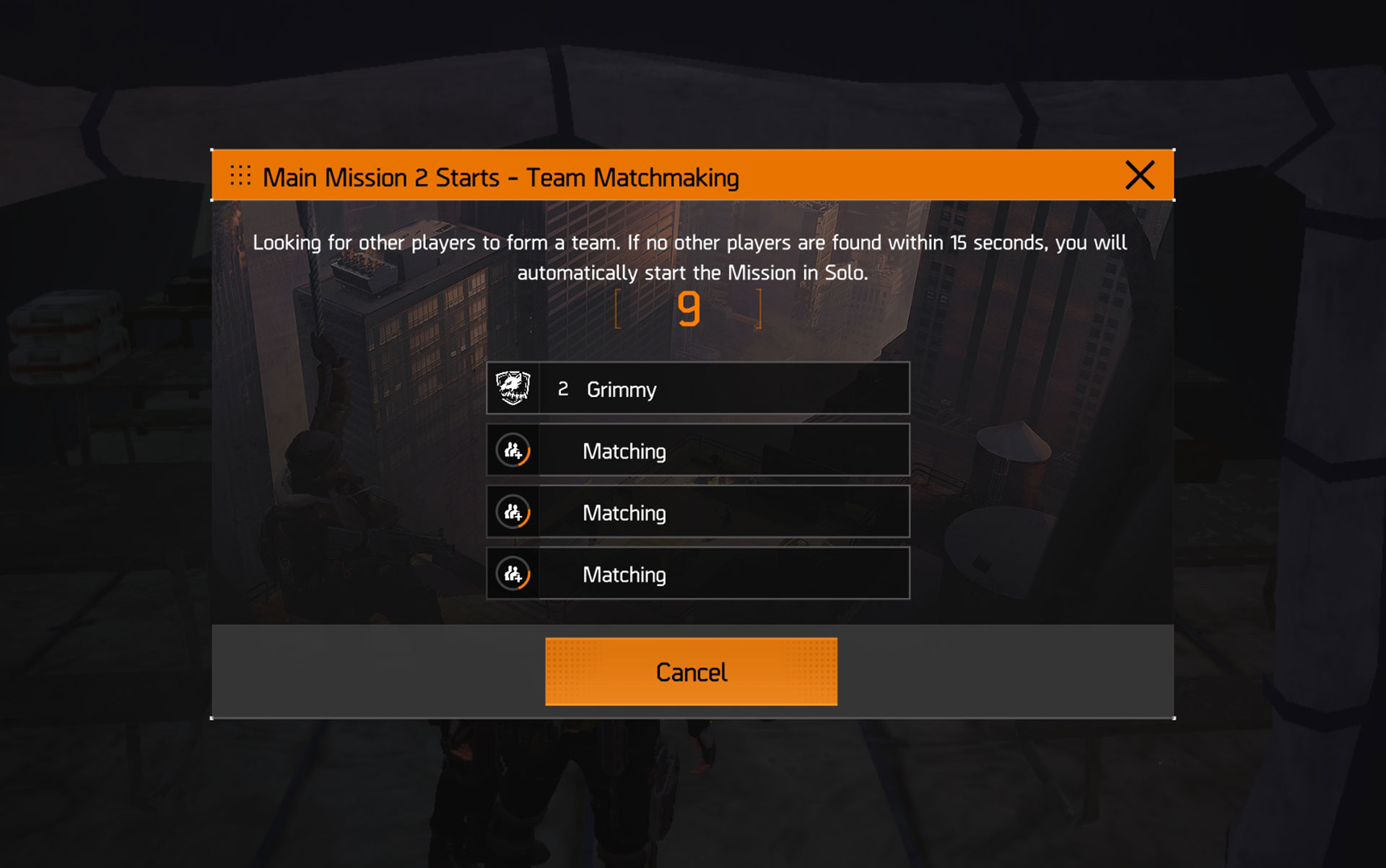
Matchmaking for co-op missions was similarly sparse during my review period. Each mission lets you matchmake, and if it doesn’t find anyone, you automatically load in solo. All the missions are perfectly manageable alone, which is smart design for a mobile game, but I can’t comment on how the co-op experience feels. The shared open world was also largely empty of other players, but again, these are all things that should change dramatically at launch.
The Price of Freedom
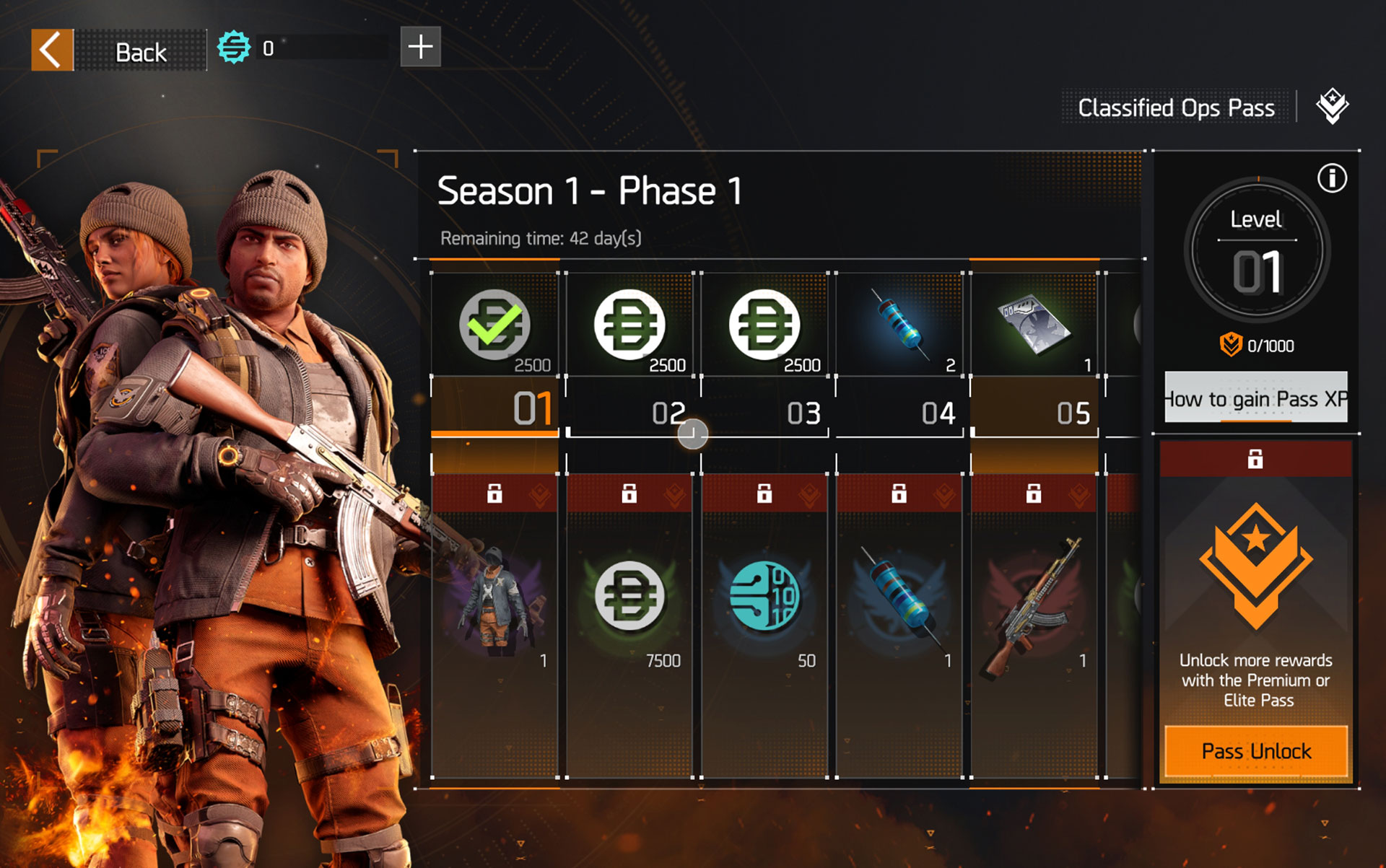
The Division Resurgence is free-to-play, so let’s talk about how it makes its money. There’s a Season Pass with two tiers: Premium at $9.99 and Elite at $19.99. Cosmetics are available for purchase, and a premium currency buys everything from sealed cache keys to upgrade materials, though upgrade materials have monthly purchase limits.
The sealed caches are essentially loot boxes with tiered drop rates. S-tier items have a 0.42 percent base drop rate, which increases to 0.50 percent when factoring in the guaranteed drop. A-tier sits at 3.01 percent base, jumping to 7.50 percent with the guarantee. B-tier makes up 96.57 percent of base drops, decreasing to 92 percent when guarantees are factored in. Every 10th cache guarantees at least an A-tier item, and every 90th guarantees an S-tier. You’re also limited to 500 sealed caches per day, which is a ceiling I expect only whales will hit, but it also tells you a lot about who the system is designed for.
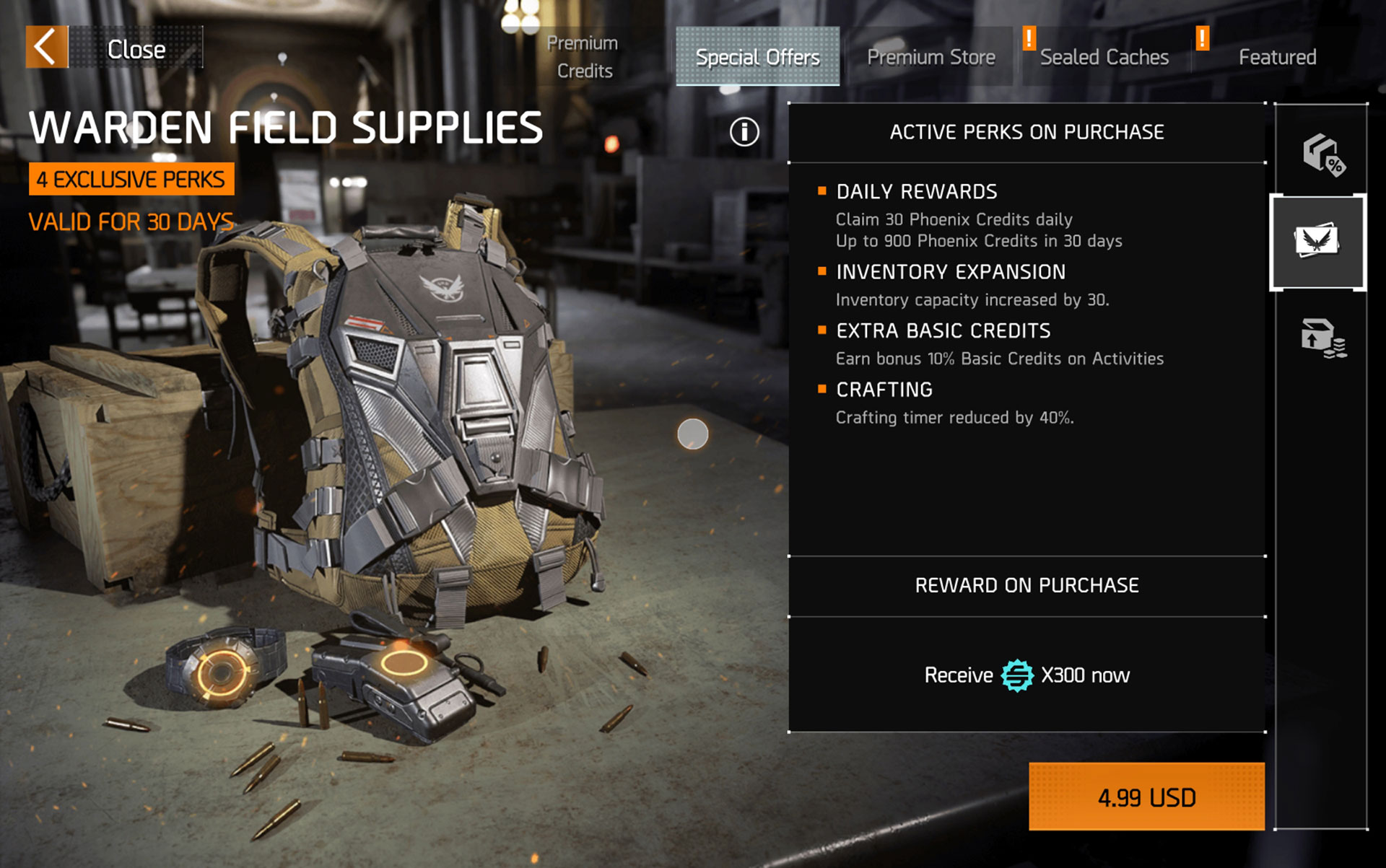
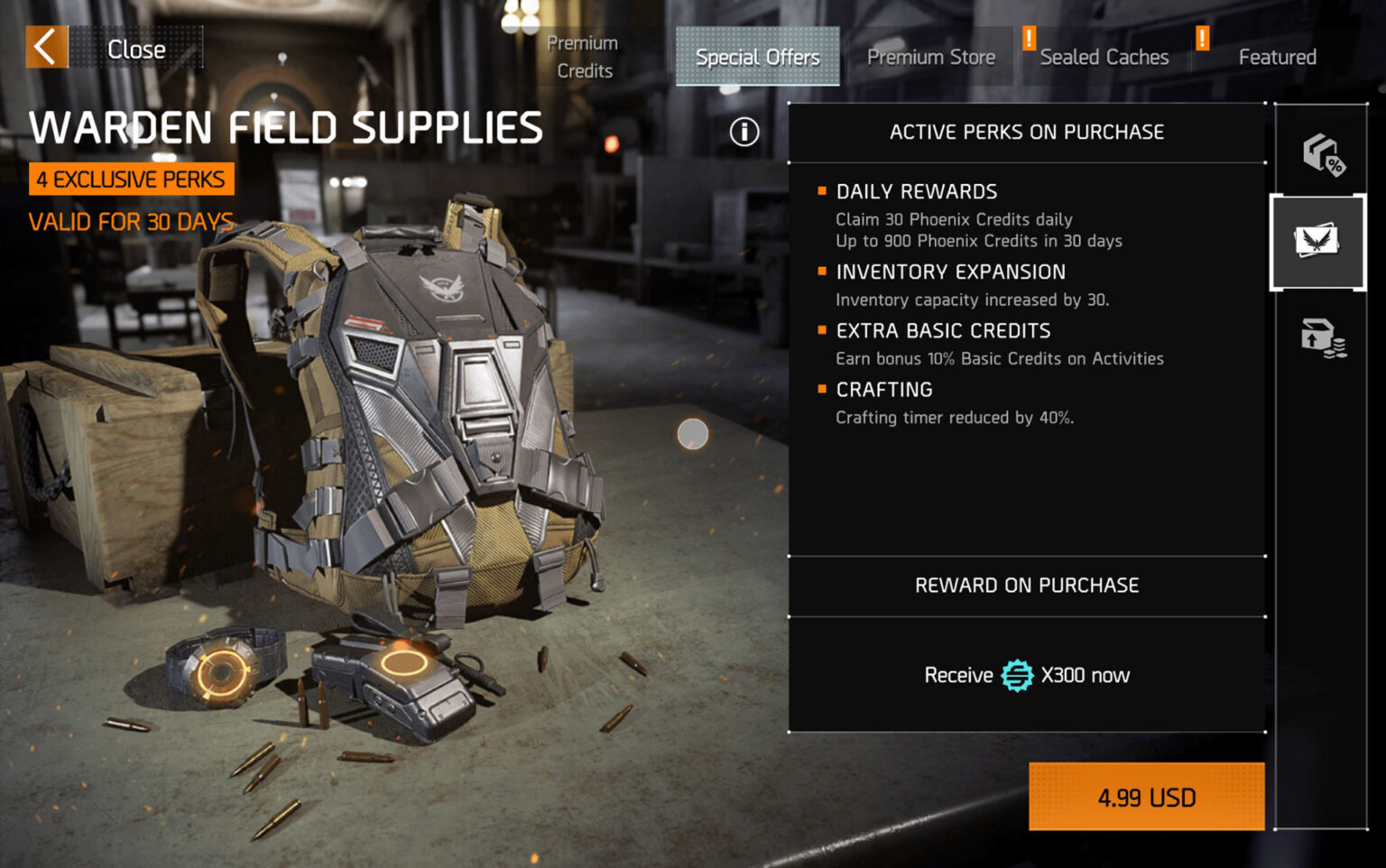
There’s also a $4.99 monthly subscription called Warden Field Supplies that gives you 30 Phoenix Credits daily (up to 900 over the month), 30 extra inventory slots, a 10 percent credit bonus on activities, a 40 percent crafting timer reduction, and 300 Phoenix Credits upfront with purchase. To the game’s credit, I didn’t feel pressured to spend money during my time with it. The monetization is there, and the sealed cache system with its loot box structure is worth raising an eyebrow at, but it wasn’t aggressively in my face while playing. Whether that changes deeper into the endgame, I can’t say yet.
Directive 51 Percent
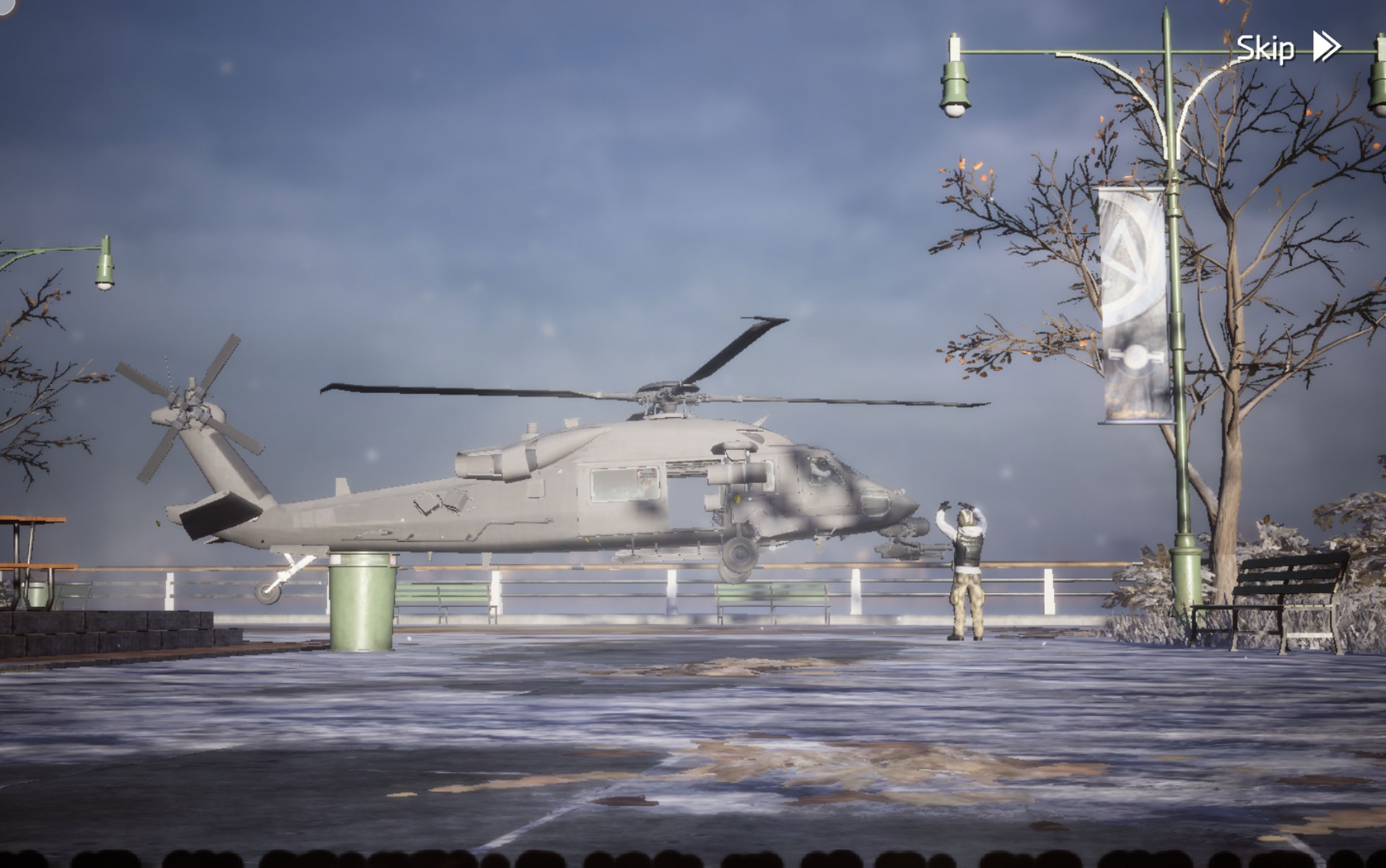
The main story in The Division Resurgence follows a pretty standard Division setup. You’re an SHD agent waking up to a Manhattan in crisis, tasked with protecting civilians and pushing back against hostile factions. The narrative plays out through cutscenes and dialogue, and I watched every cutscene and read all the dialogue, but I have to be honest: none of it really grabbed me. The writing is a step below even The Division and The Division 2, which weren’t exactly known for their storytelling either. It’s extremely generic, with NPC dialogue that feels stiff and awkward throughout. Neither of the mainline games had campaigns I’d call memorable, but The Division Resurgence somehow manages to land even lower on that scale.
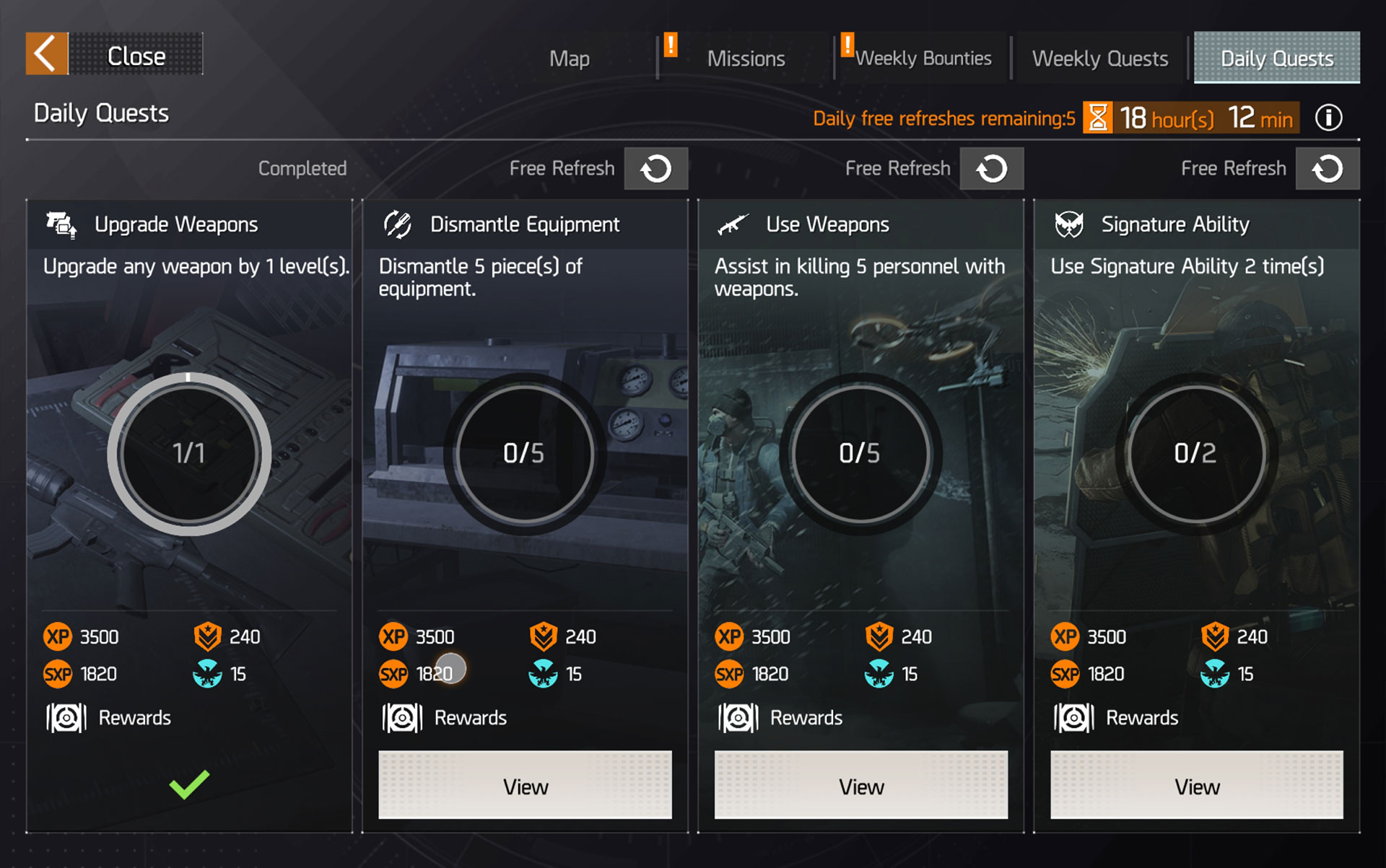
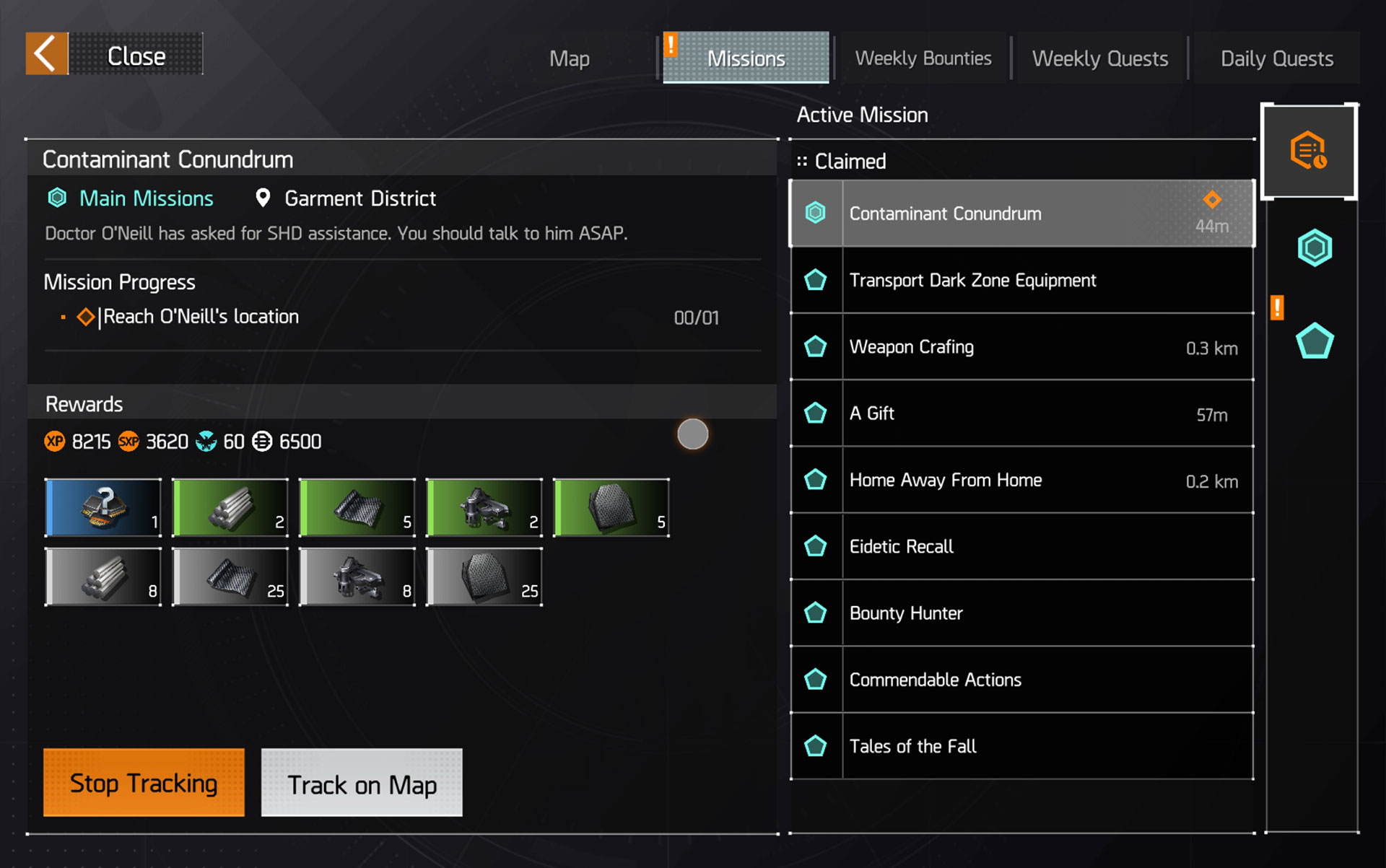
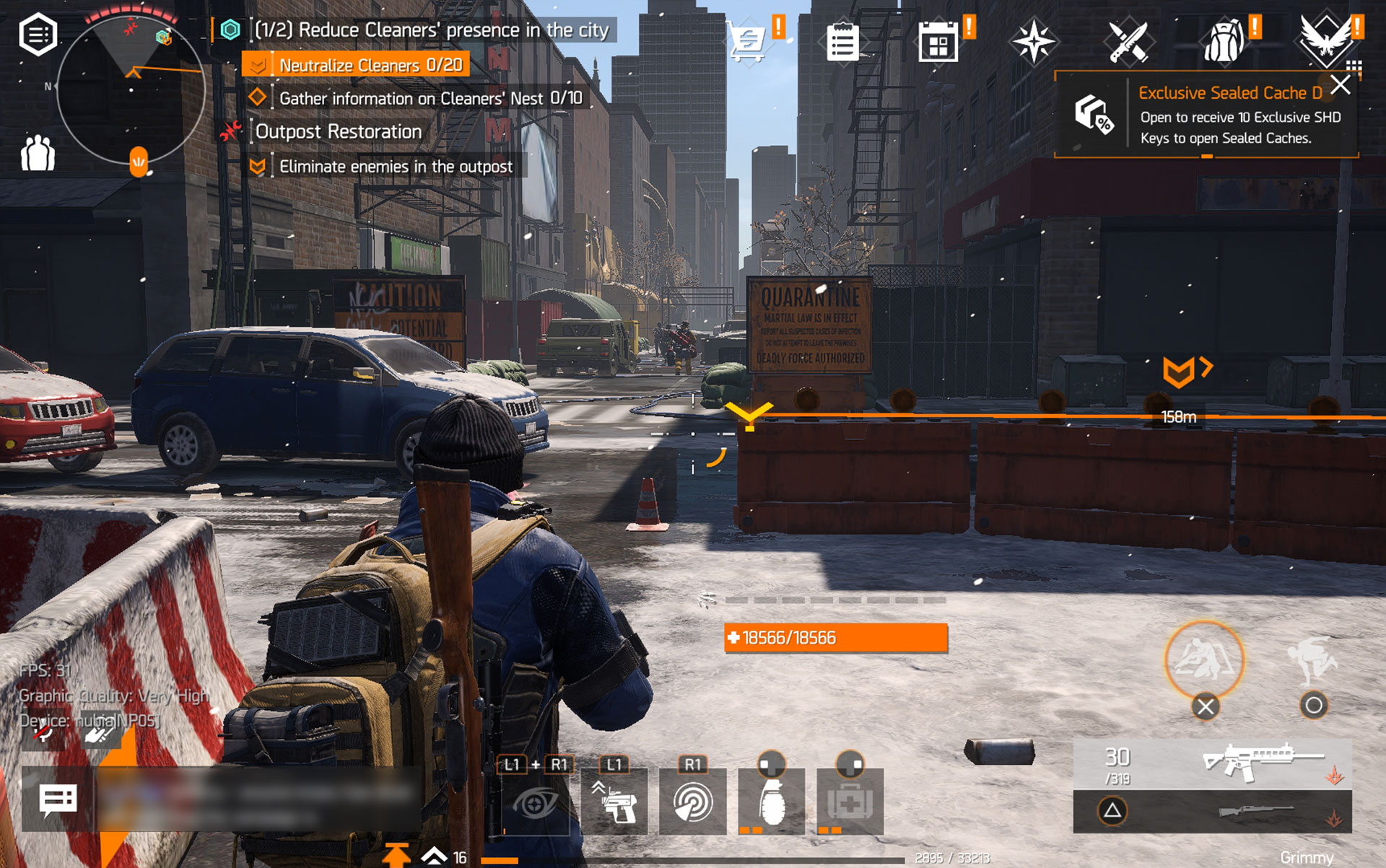
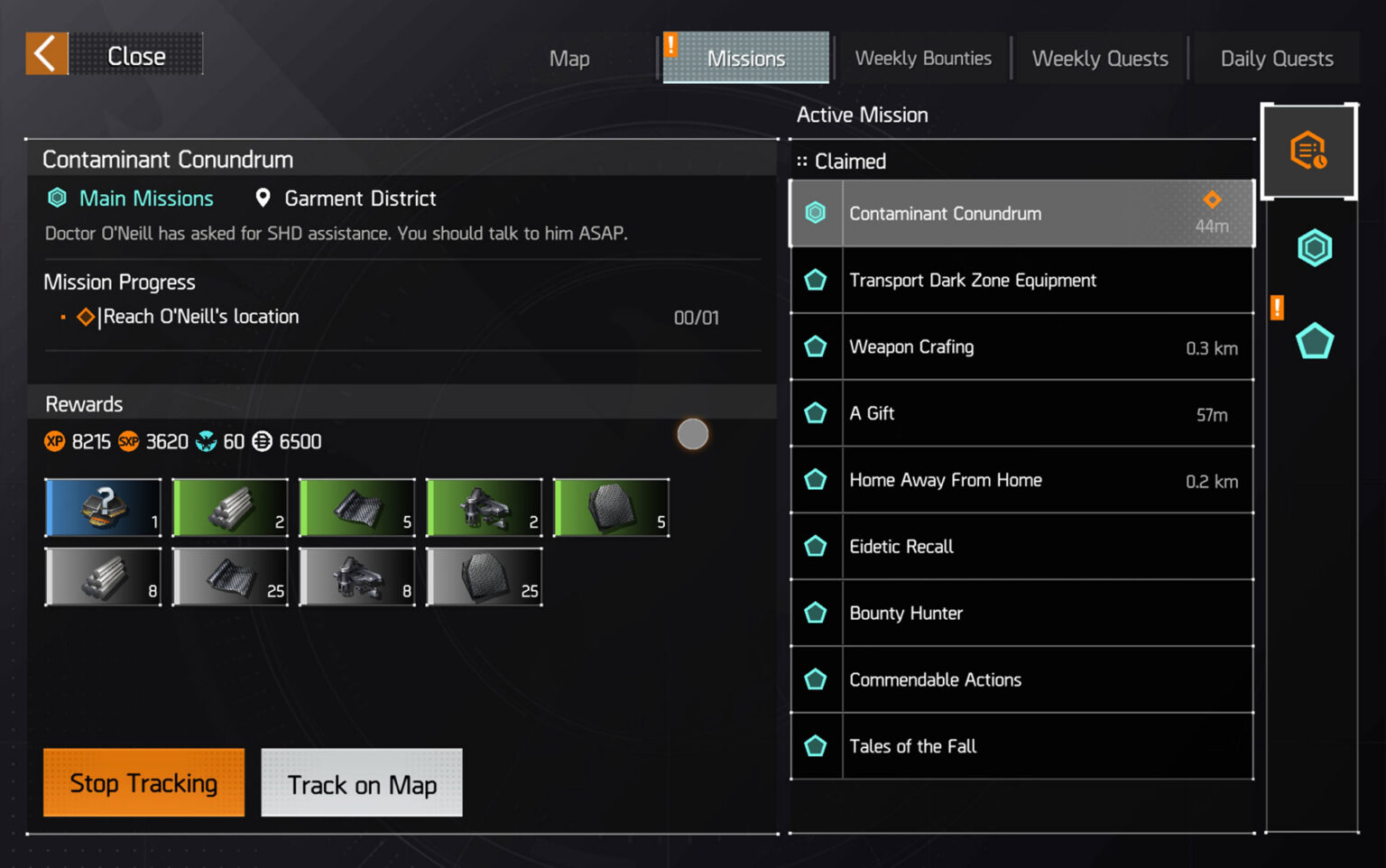
What compounds the problem is the progression gating. The main story is constantly locked behind level requirements, and this is where the mobile identity crisis really shows itself. When you hit a level wall, the game is essentially asking you to log out and come back the next day to do your daily missions for extra XP. If you’ve run out of side quests, your options are replaying missions or grinding world activities just to earn enough experience to unlock the next story mission. This isn’t something you can sit down and power through to reach the endgame. It’s a very mobile way of structuring things, and something players should be aware of going in.
Unfortunately, I didn’t have enough time to get through the entire main story campaign before publishing this review, but I’ve played enough of The Division and The Division 2 to know where things are going. It does appear that I’ve unlocked most of the features the game has to offer, but I know endgame is important to these types of mobile games. I wholeheartedly expect that endgame is going to be similar to The Division and The Division 2, where you’re running the same missions over and over for materials and possible upgrades. This is a launch review for a live-service mobile game, and I’d expect the story to expand and the experience to evolve over the coming months. I’ll be sure to update this review if anything changes after finishing the main story campaign.
Extraction Point
The question I kept asking myself the entire time I played The Division Resurgence was simple: who is this game for? Because the experience is so faithful to the mainline Division games that it almost works against itself. Every session, I found myself thinking I’d be better off just playing this on my PC. And I think that says more about how good The Division Resurgence is than it does about any major flaw. The gunplay, the cover shooting, the loot loop, it’s all genuinely there. It’s an impressive achievement for a mobile game.
But if I’m being honest, that faithfulness creates an identity crisis. It’s too close to the console and PC experience to fully embrace the mobile platform, but it’s still on a phone or tablet, which means it can’t quite replace the real thing either. I think ultimately, this is for hardcore Division fans who want to grind while away from their setup, or for players who can’t afford a gaming PC or console and want to know what the franchise is all about. For that second group, The Division Resurgence is a genuinely competent way to experience The Division for free, and that’s a good thing, because I think the core gameplay loop is really fun.
There’s also something to be said about timing. It’s been years since The Division 2 launched, and if you’ve been away from the franchise, The Division Resurgence offers a fresh way to get back into it, even if the overall experience feels very familiar. For everyone else, though, it’s a tougher sell. The easier AI, the muddy textures at 60 FPS, the awkward controller menu navigation, the clunky touch moments, they all chip away at what is clearly an ambitious game. But hey, at least it gives me something Division-related to play while I wait for The Division 3. Preferably on my PC.
The Division Resurgence launches on March 31, 2026 on Android and iOS. This review is based on an early access code provided by Ubisoft, played on a RedMagic Astra. While FullCleared has affiliate partnerships, these do not influence our editorial content.
The Division Resurgence Review Gallery