
Quick Verdict
As someone who has spent most of his career and adult life in the sport compact aftermarket industry, I was sold on Forza Horizon 6 the moment Playground Games announced it was finally heading to Japan. The country has been my favorite place to visit and a Forza Horizon game set against the backdrop of Mount Fuji is practically a dream come true for someone who spent hundreds of hours with the original Gran Turismo. Having only spent serious time with Forza Horizon 2 and 4, I apparently have a thing for the even-numbered entries. After about 40 hours, Forza Horizon 6 may not be the perfect racing game for me, but it’s damn close.
With Daikoku-inspired Car Meets, touge battles winding through mountain passes, subtle Initial D references, and hidden cars tucked into corners of the map, Forza Horizon 6 completely nails the essence of Japanese car culture in a way no other racing game truly has. The tuning side is thinner than I’d like, and there are some baffling event restrictions I’ll get into, but as a wide-open playground for car enthusiasts, this is exactly what I wanted from the franchise’s long-awaited Japan trip. If you’ve ever cared about car culture, you owe it to yourself to spend some time with this one.
Built Not Bought
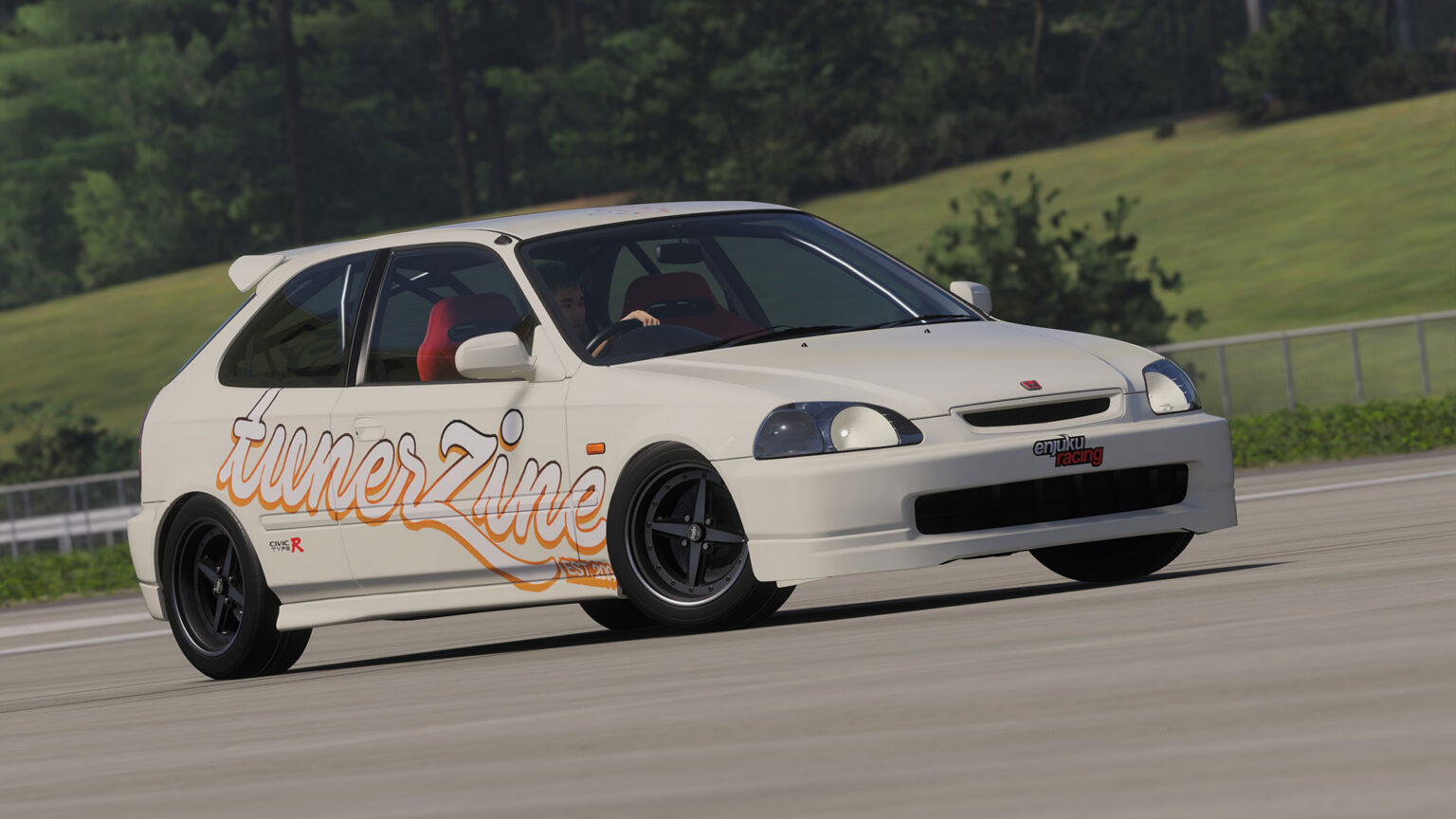
Story time. I’ve been involved with the automotive industry since before I could legally drive. My first car was a 1999 Honda Civic Si, and by the year 2000, I was one of the few people in the United States with a genuine set of Spoon Sports SW388 wheels. I tracked that Civic, blew the stock B16A2 motor, and built an LS/VTEC NA setup with a Type R head that put down over 200 horsepower at the wheels. That car is where the rest of my career really started.
My first trip to Japan was in 2006 for Tokyo Auto Salon, on assignment as the west coast editor of Modified Magazine. I was 22 years old, getting picked up at the airport by Tarzan Yamada, riding around Tokyo in a Skyline R34 and staring out the window at the city. It felt like I’d spent my whole life dreaming of that moment, except that’s a lie. Never in my wildest teenage imagination did I picture Tarzan Yamada picking me up from the airport. I’ve been back many times since, and Japan only gets better every visit.
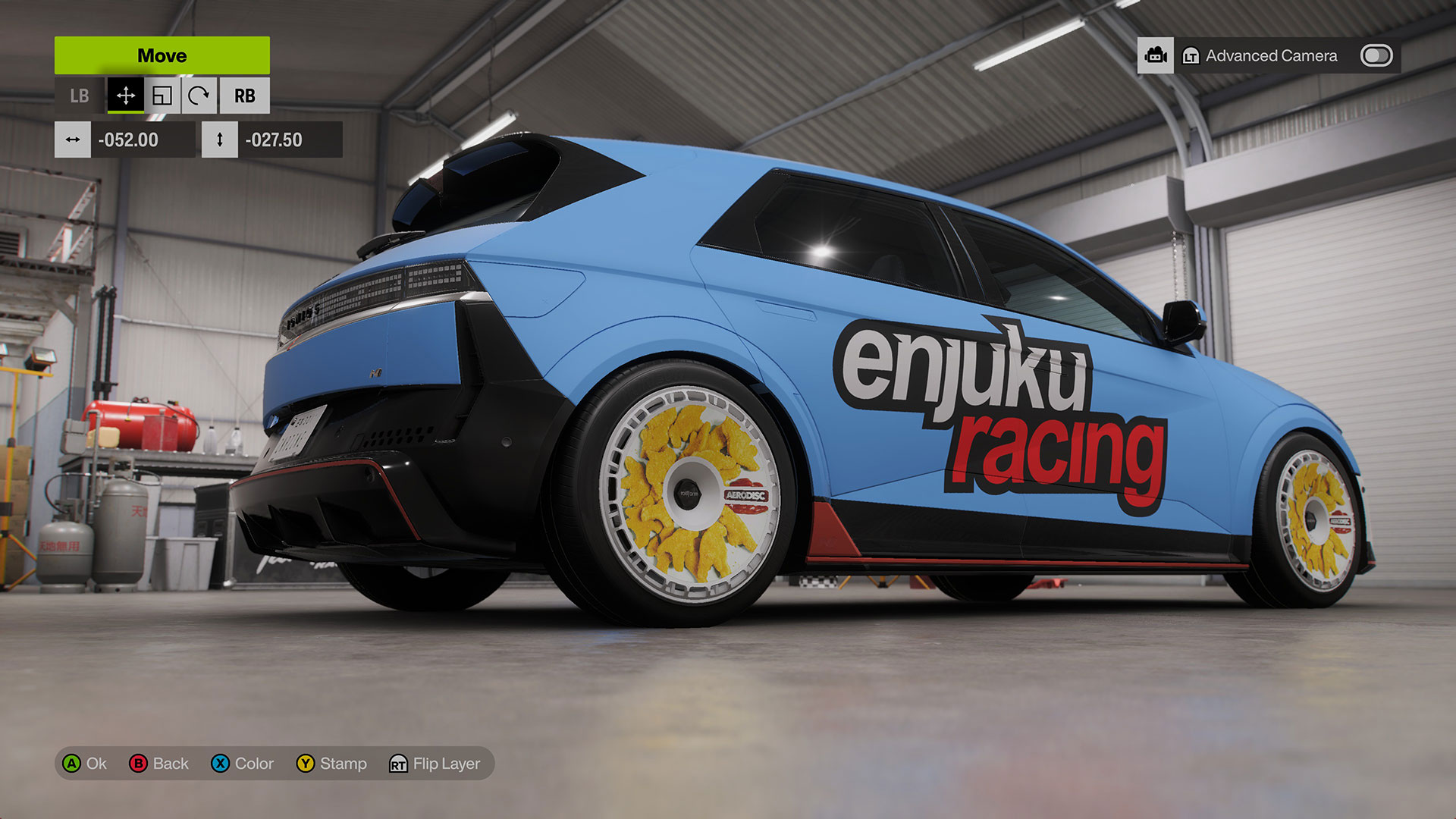
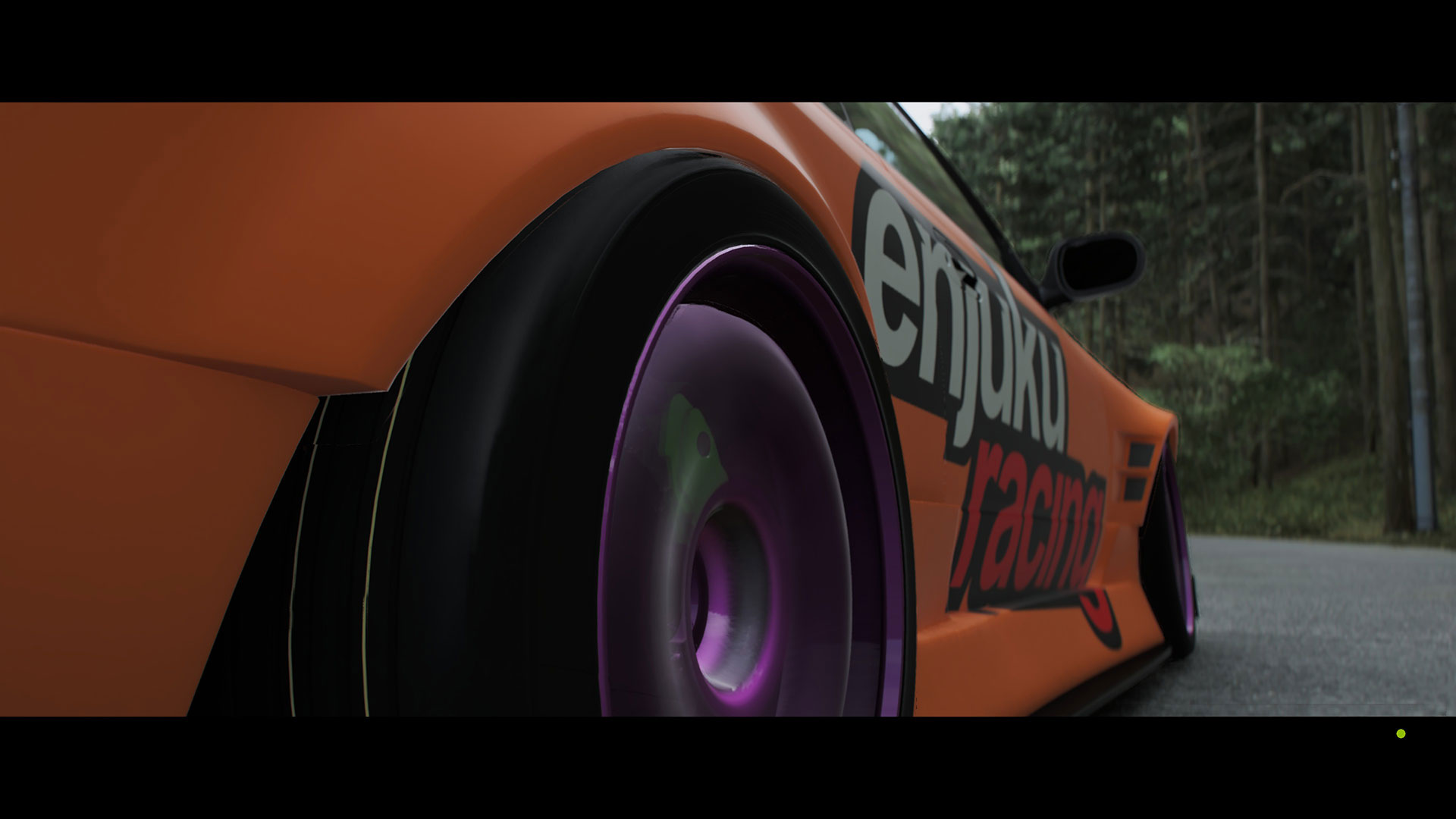
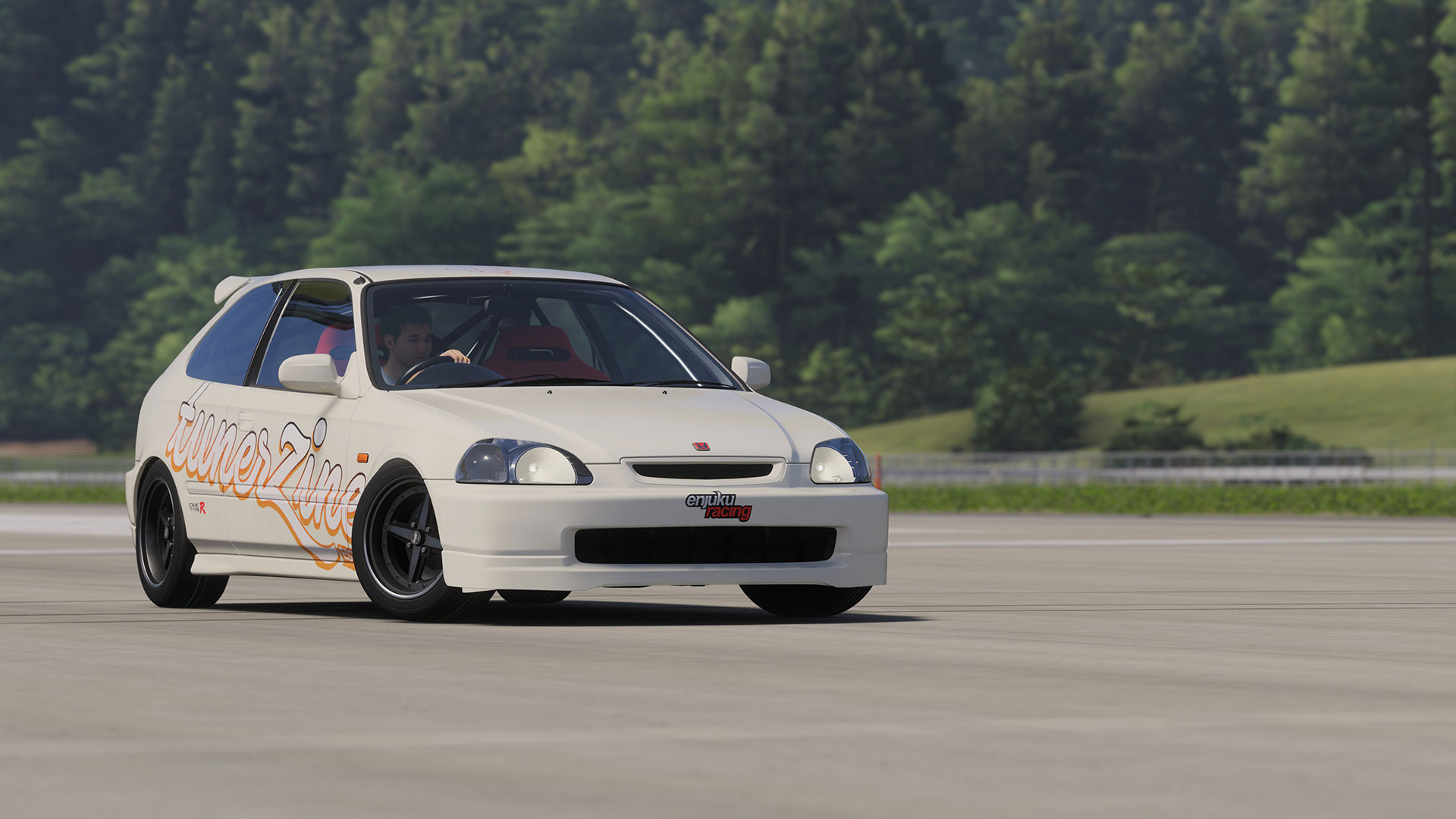
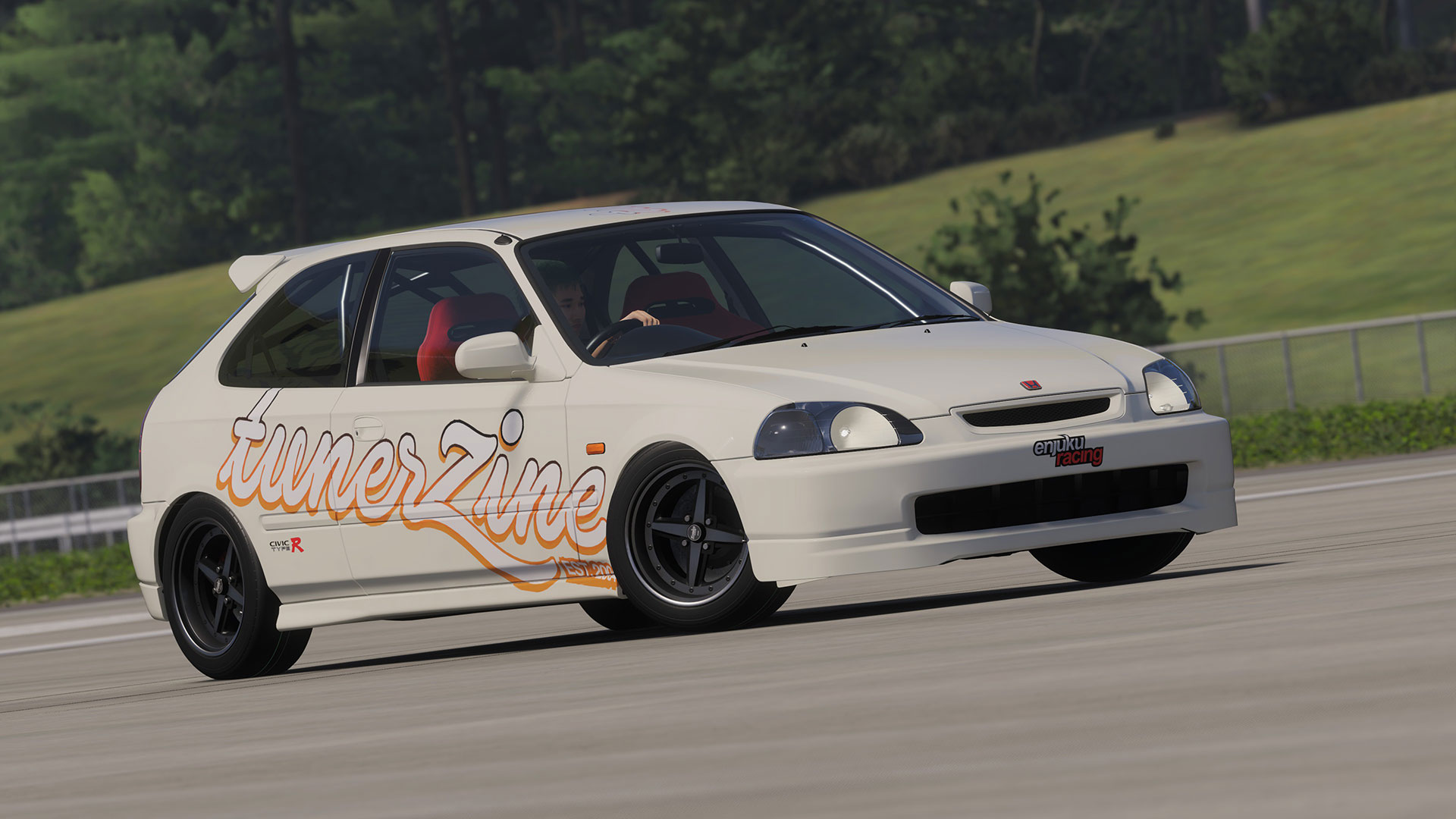
The two decades since have been spent embedded in the industry. I co-founded Tunerzine in 2004 (which I recently revived), and ran my own aftermarket brand called Motiv Concepts, which showed up in Forza Motorsport 4 and earlier Forza Horizon games on RJ de Vera’s Scion FR-S. I currently work at Enjuku Racing and have over 10,000 bylines across websites like AutoGuide, The Truth About Cars, EV Pulse, and FlatSixes. So when Playground Games announced that Forza Horizon 6 would finally take the series to Japan, I was sold immediately.
What surprised me is how often that personal context actually mattered while I was playing. Forza Horizon 6 isn’t trying to be a 1:1 recreation of Japan, and the team has been upfront about that. It gets the little things right, the stuff you notice only after spending real time around Japanese car culture. It rarely feels like a Western studio just borrowing the look.
Daikoku and Roll
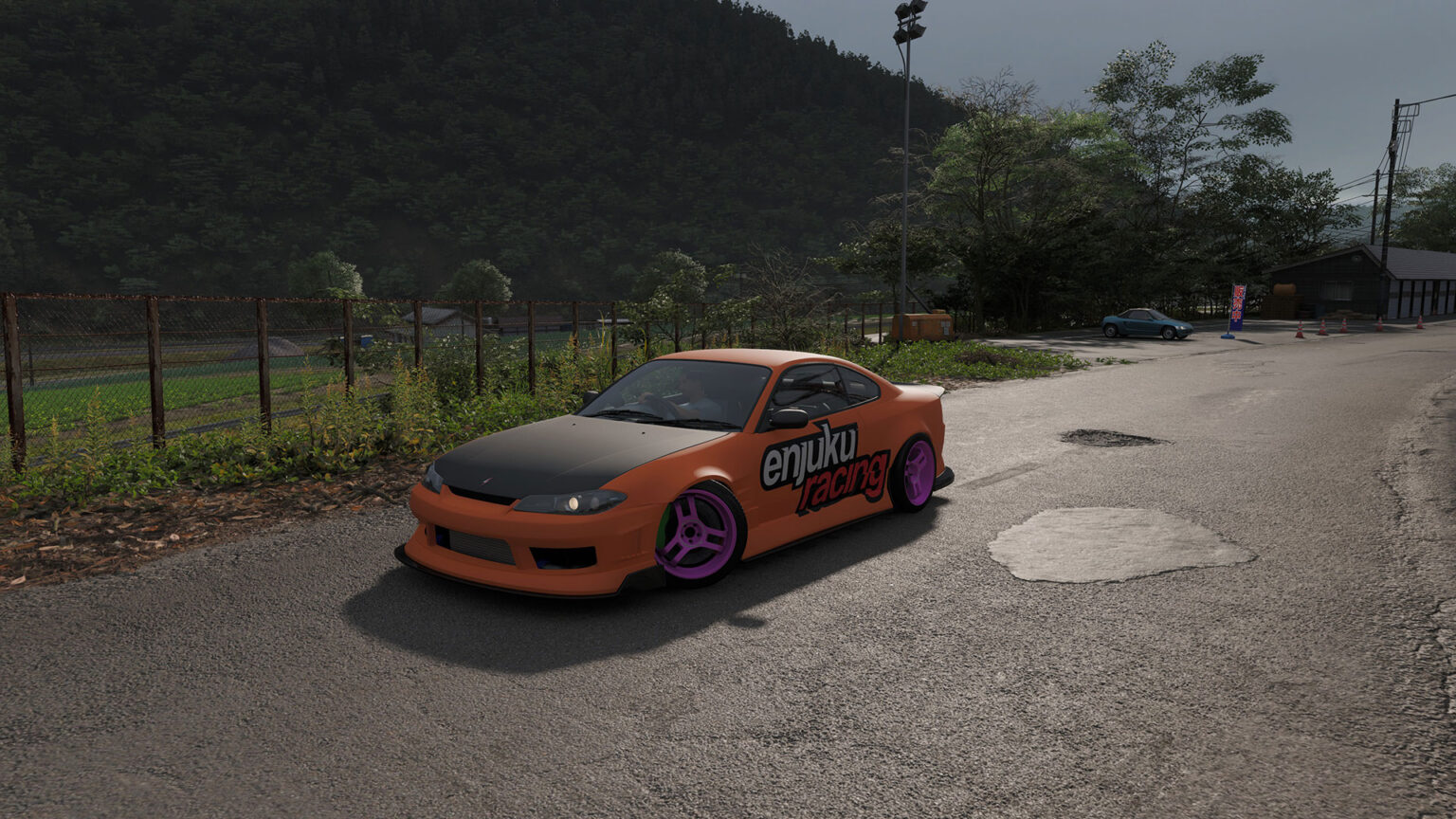
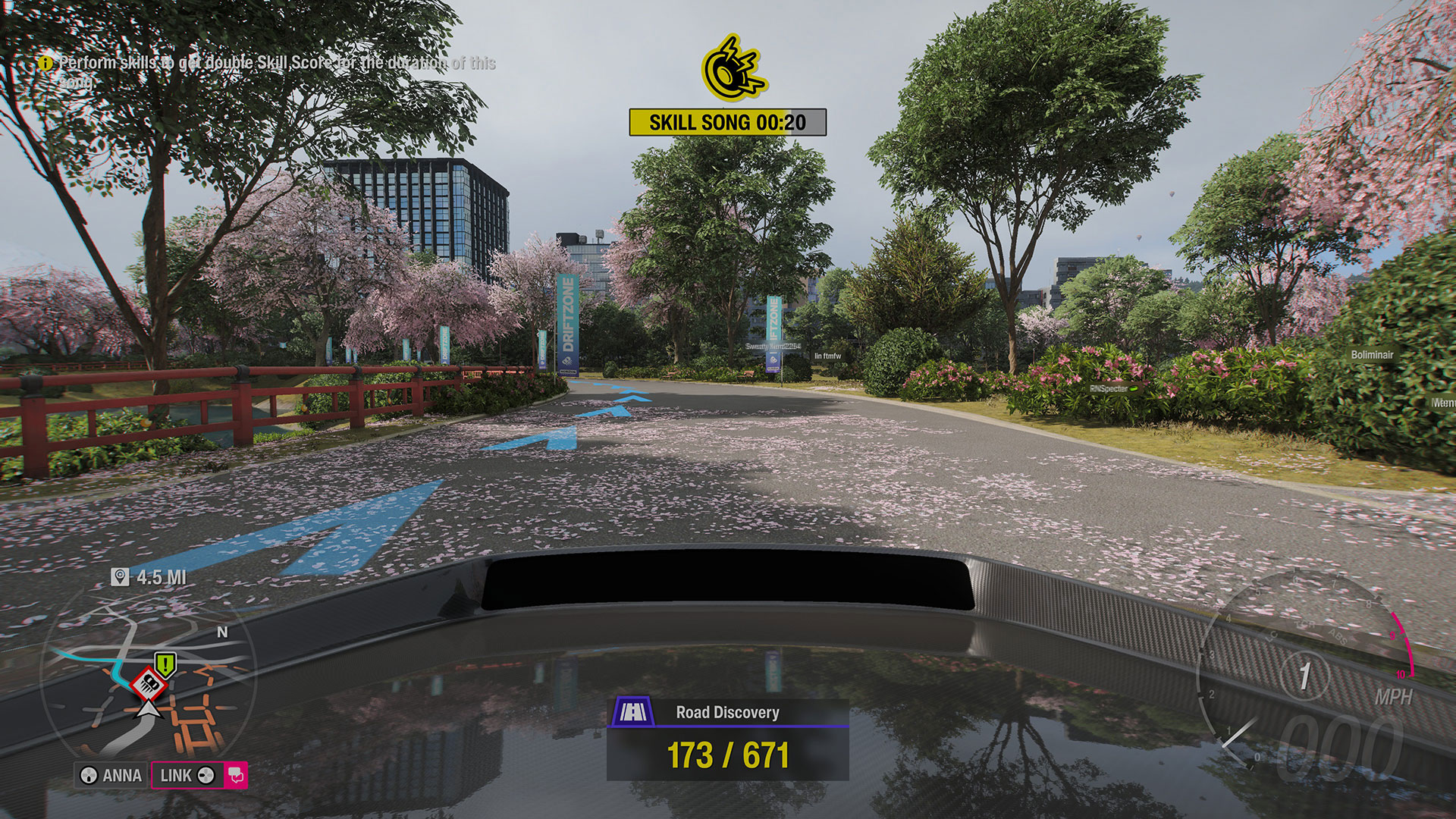
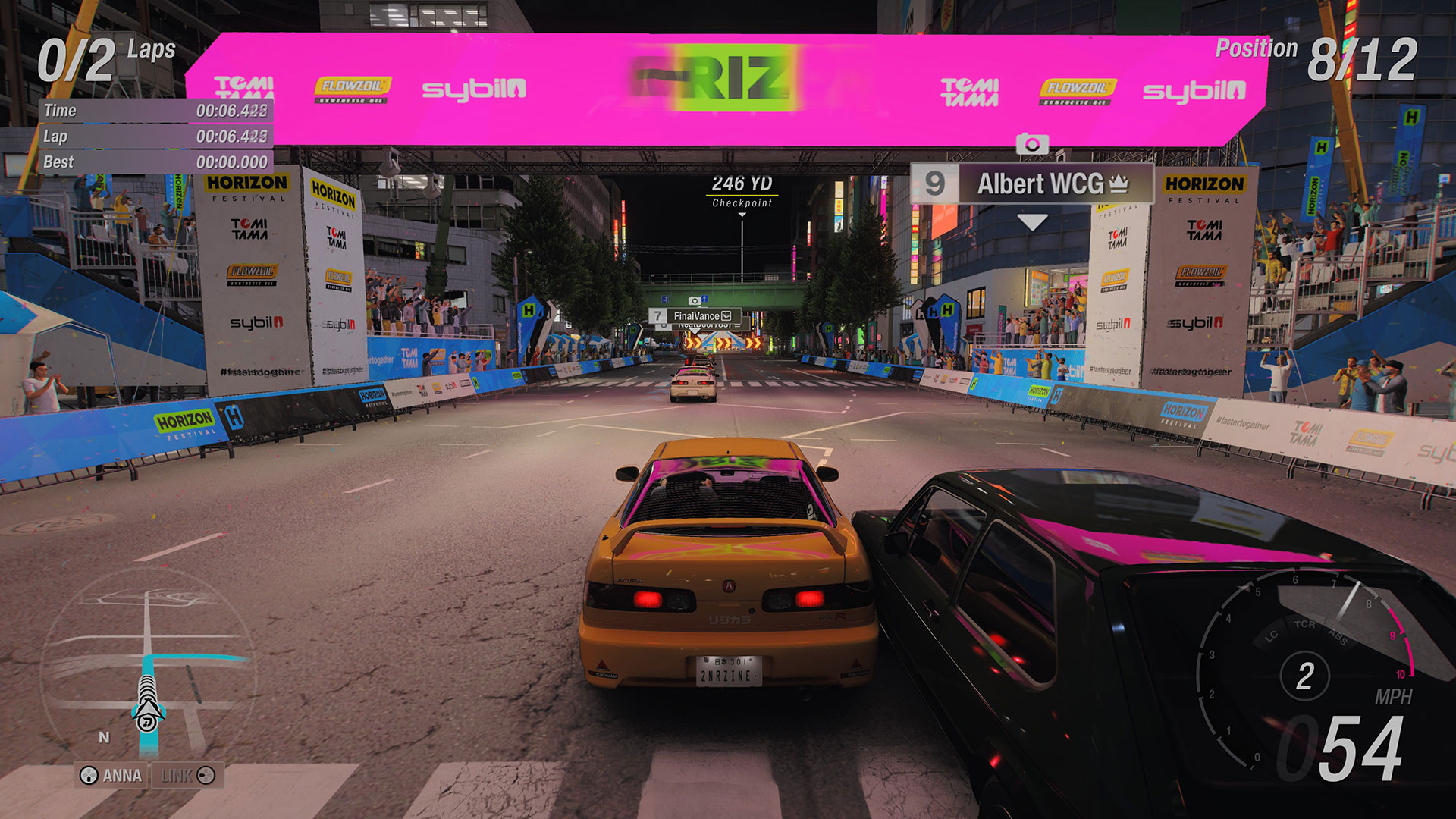
The Car Meets pull directly from Daikoku PA, which Playground Games showed in detail during January’s Developer_Direct. For anyone who has actually spent a night at Daikoku, the references are immediately recognizable. Cars cluster by style, the pace is relaxed, and the meet feels like the destination rather than a pit stop on the way to a race. Playground Games captured the feeling even with the geography condensed.
The touge races wind through mountain passes the way Initial D fans have memorized, with subtle nods to the anime sprinkled throughout. I don’t want to spoil the specifics, but if you grew up watching the AE86 outrun RX-7s and Skylines on Akina, you’ll catch them.
The hidden cars tucked into corners of the map are the same kind of fan service, rewarding the players who actually want to explore rather than just chase Horizon Festival waypoints. Little touches like that are scattered throughout the game, and they make it feel like real Japanese car enthusiasts were in the room when Forza Horizon 6 was being designed.
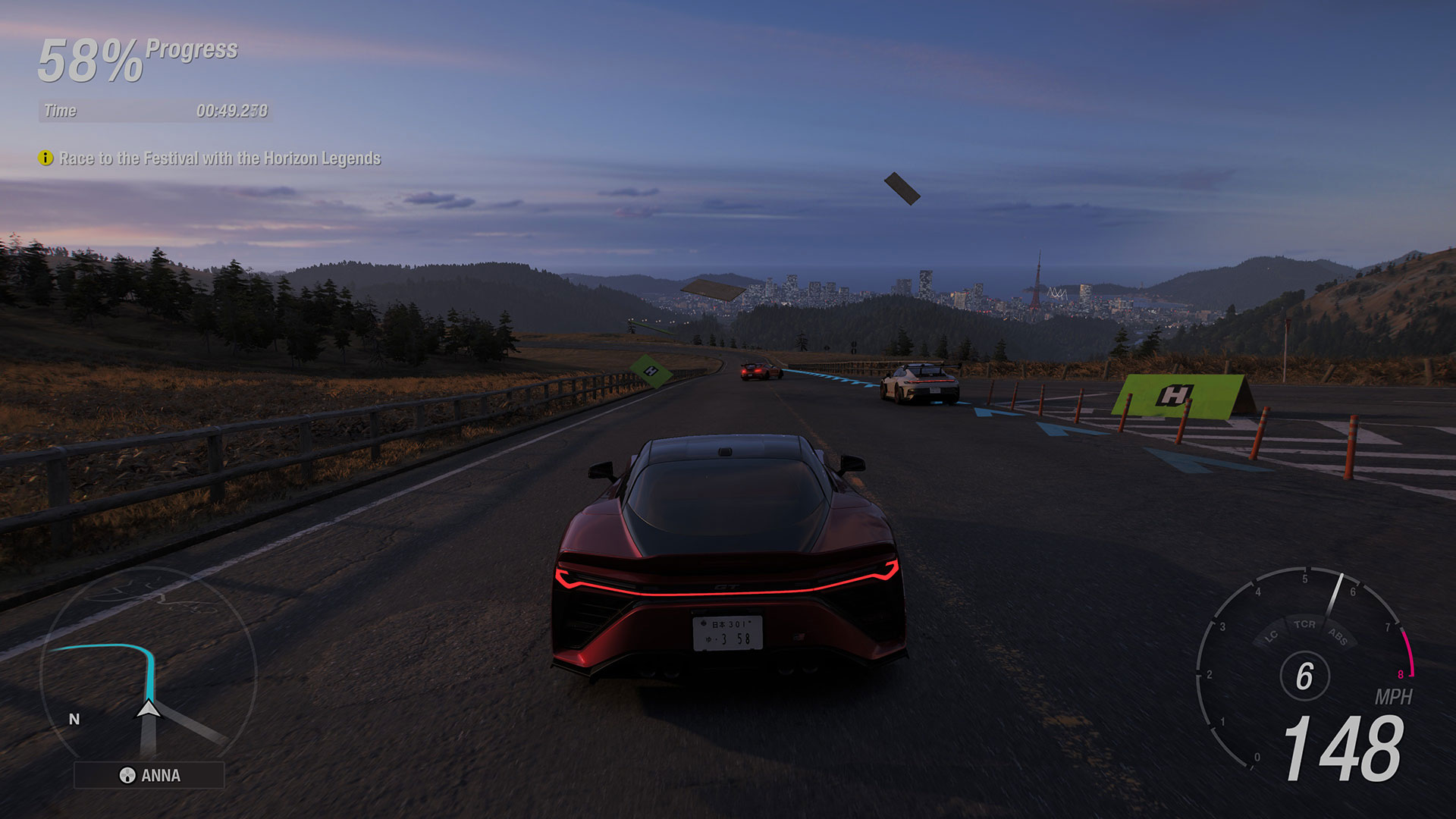
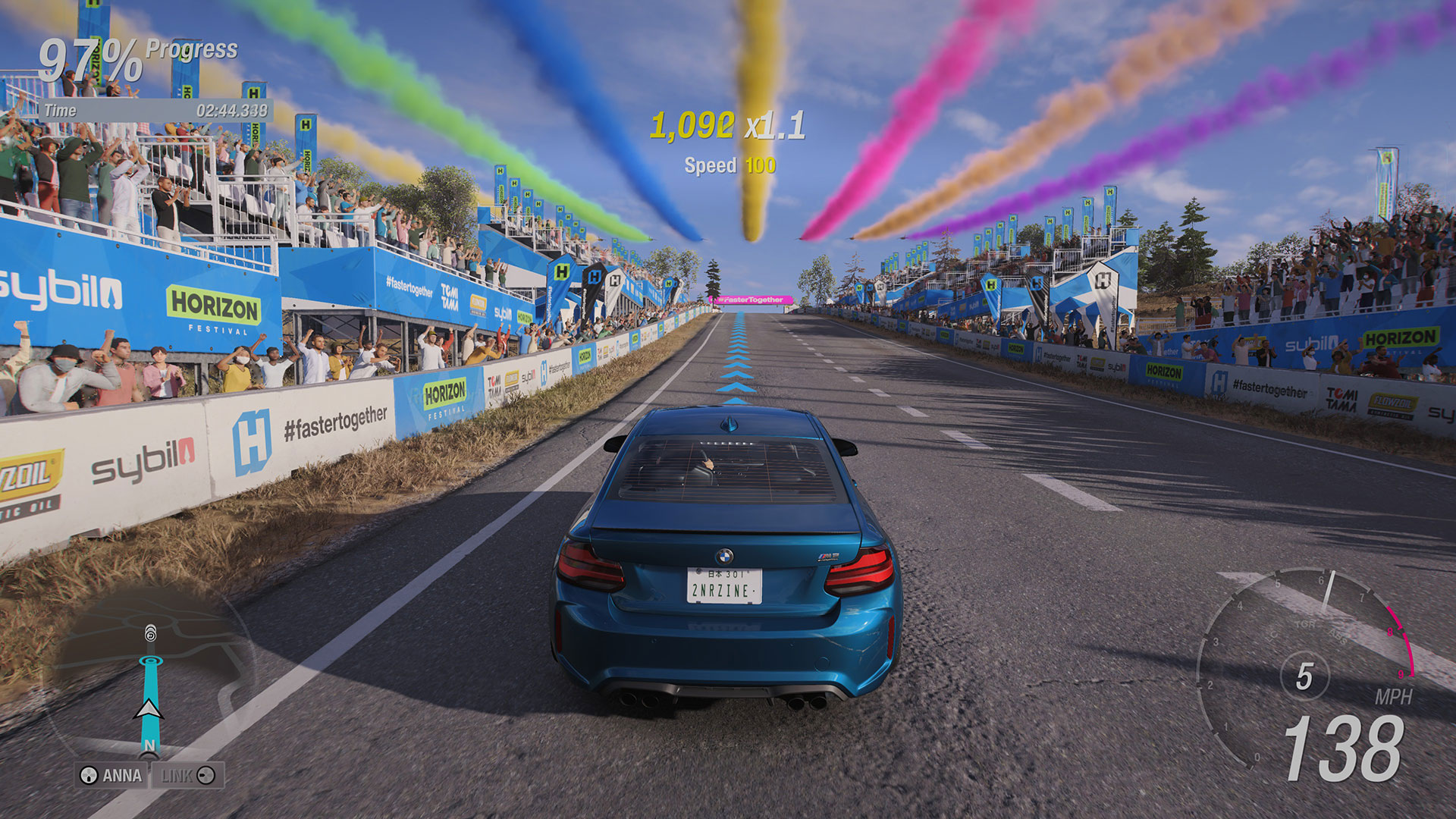
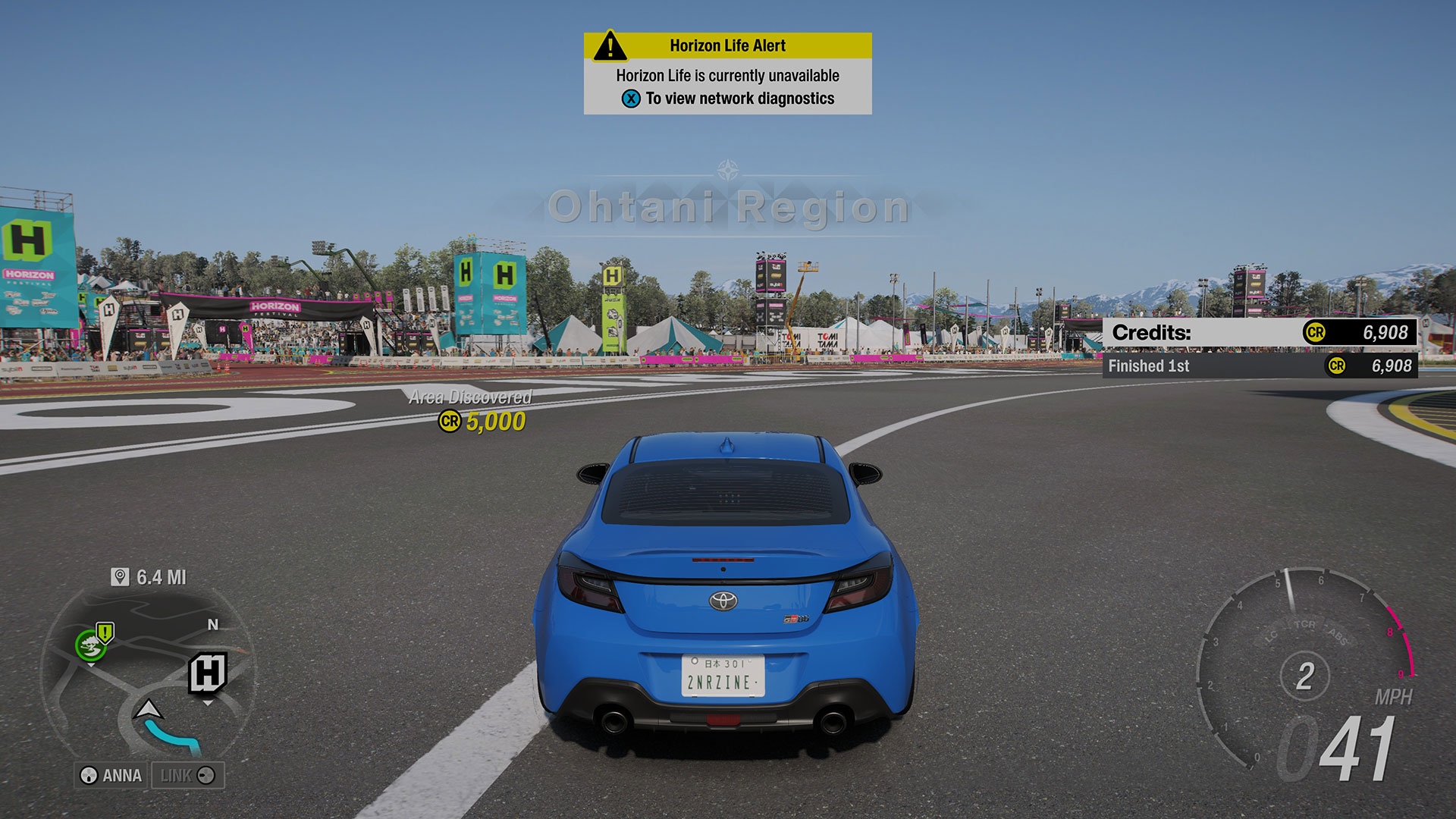
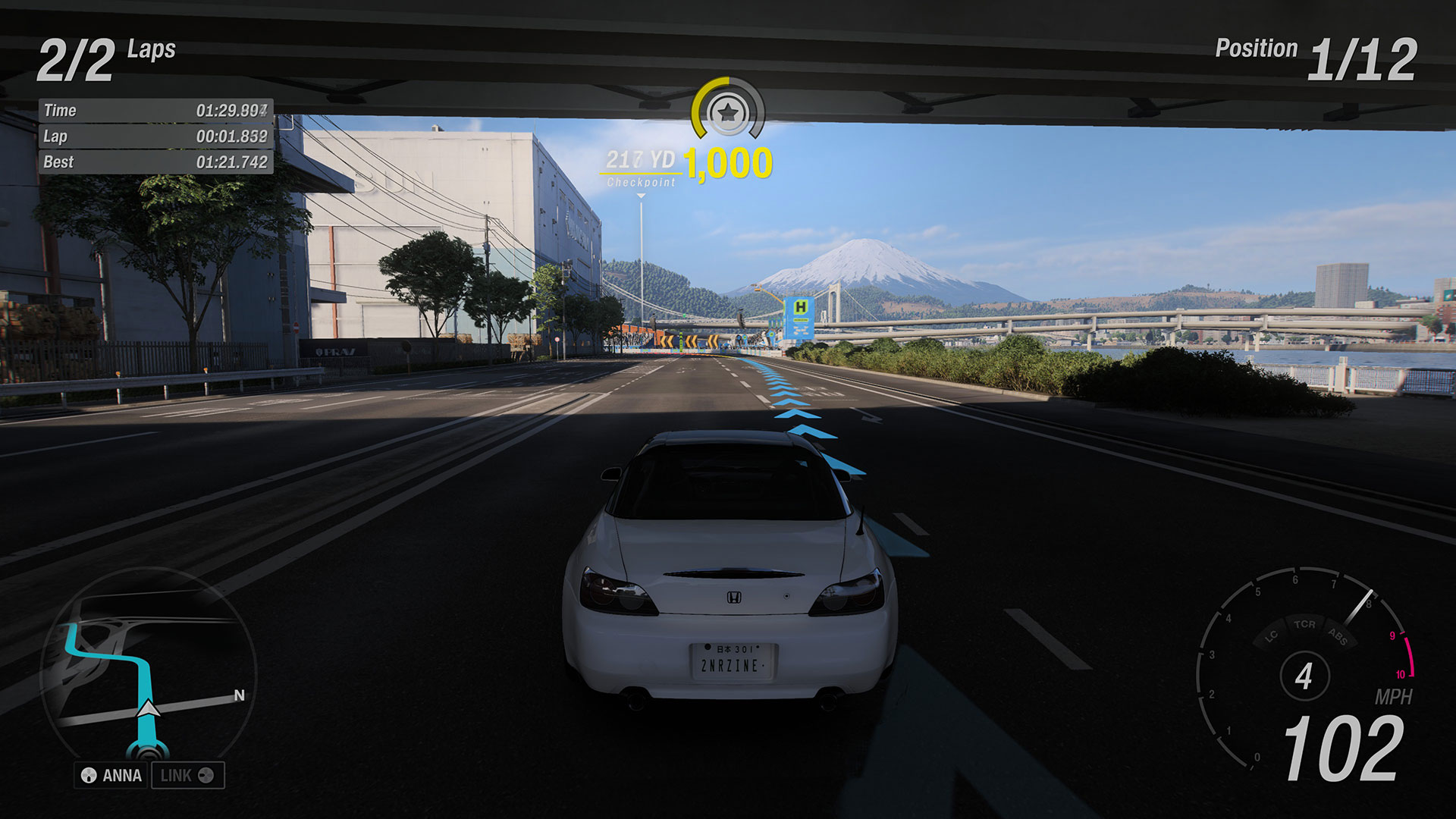
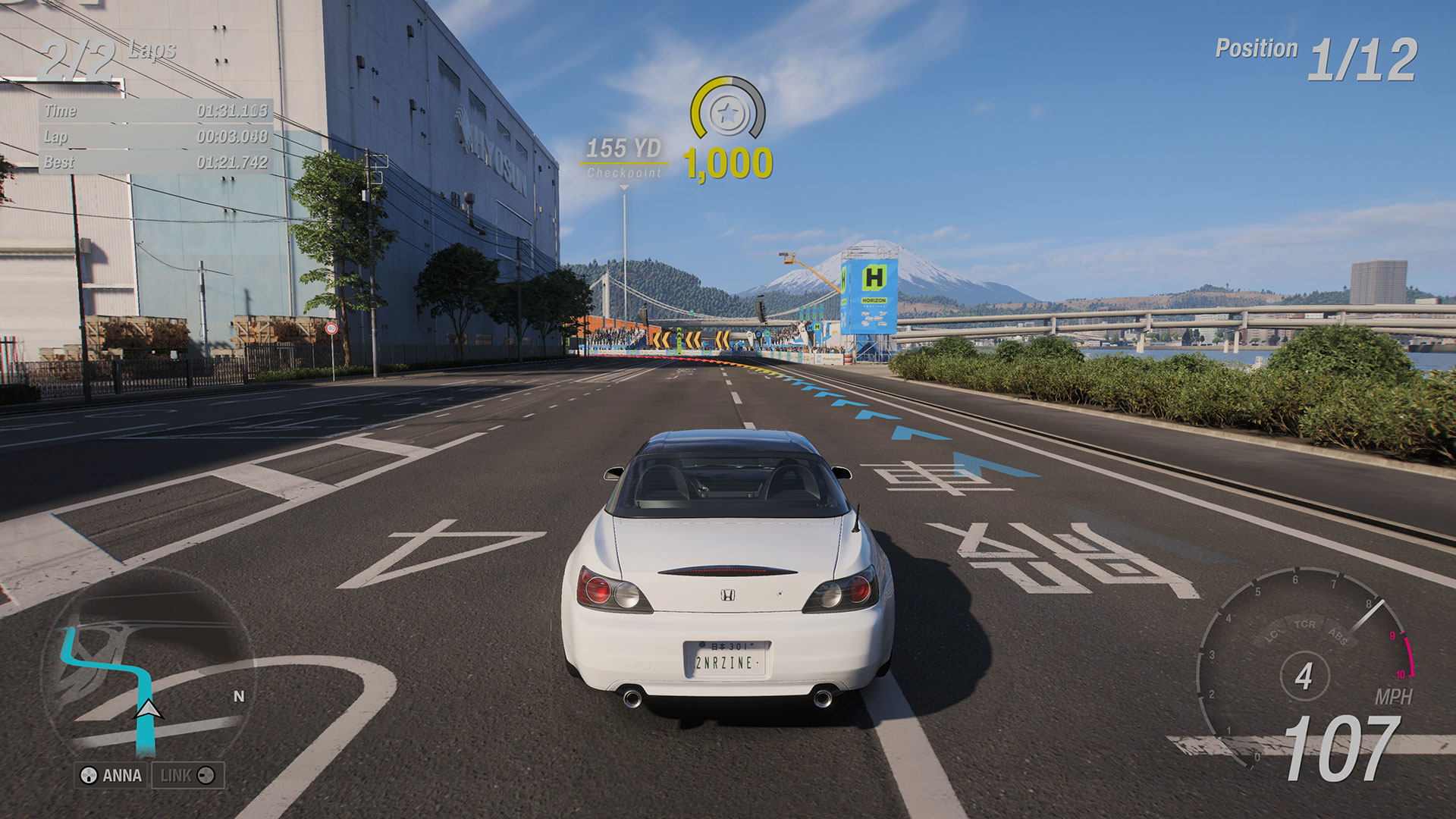
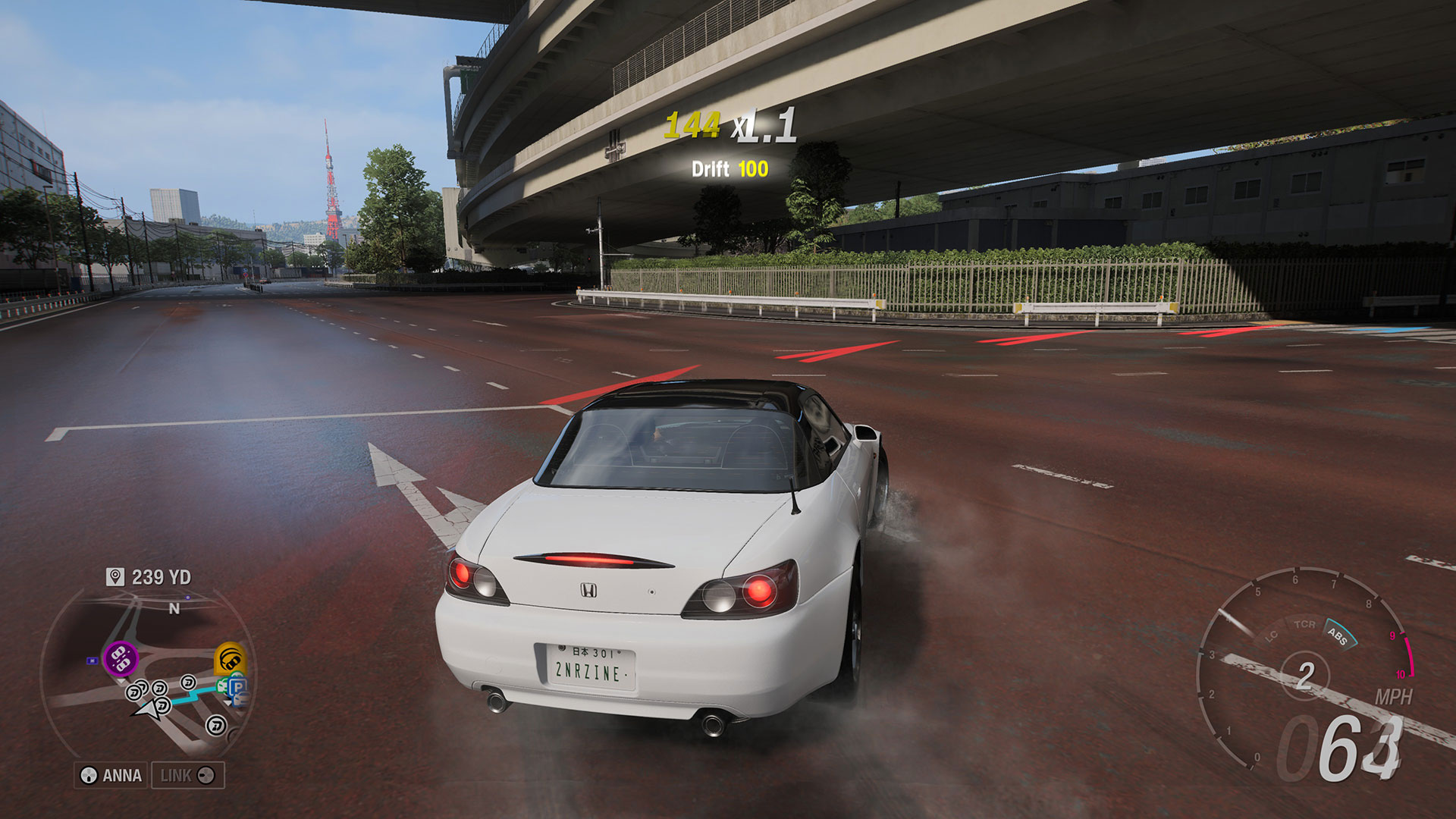
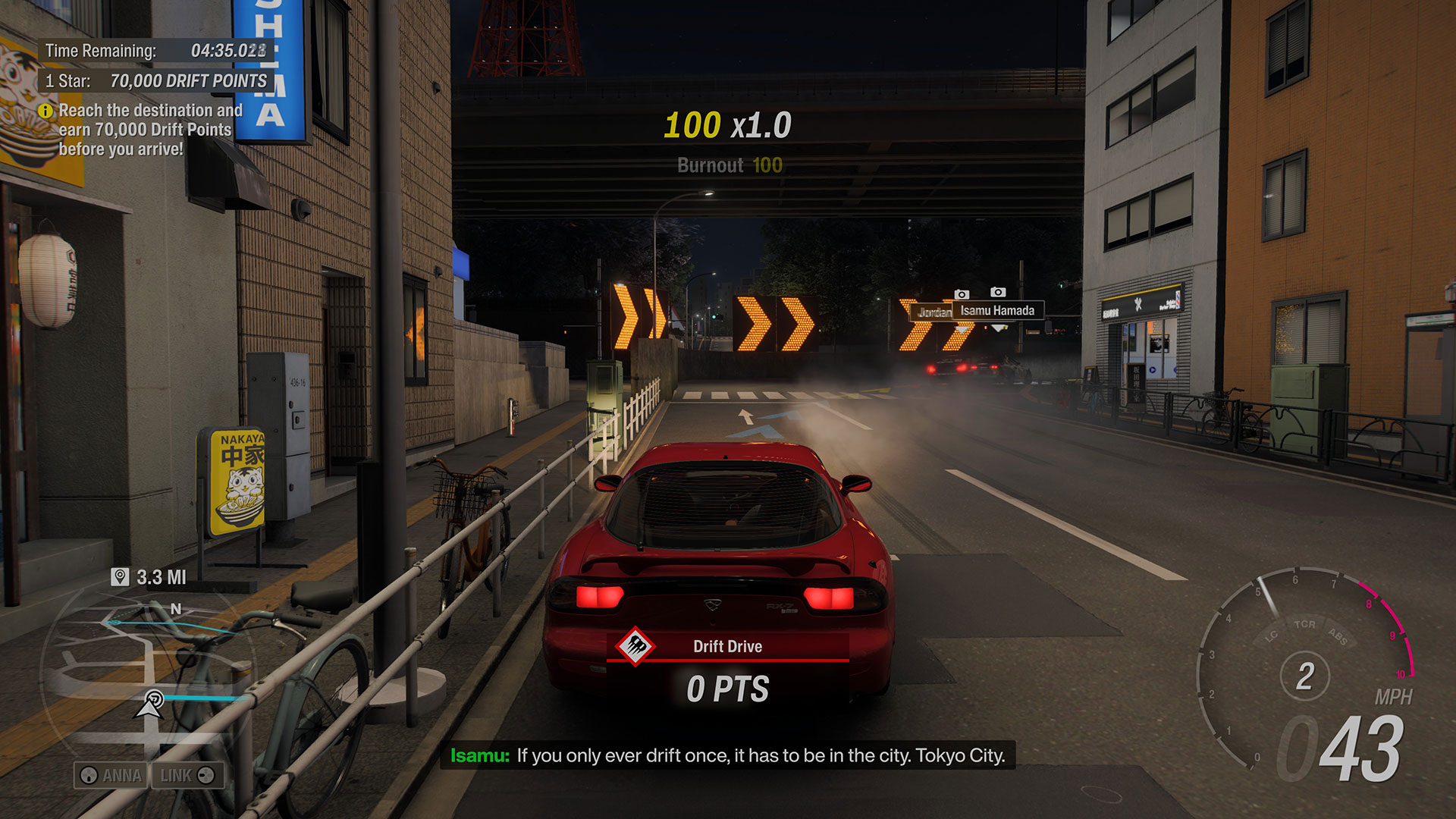
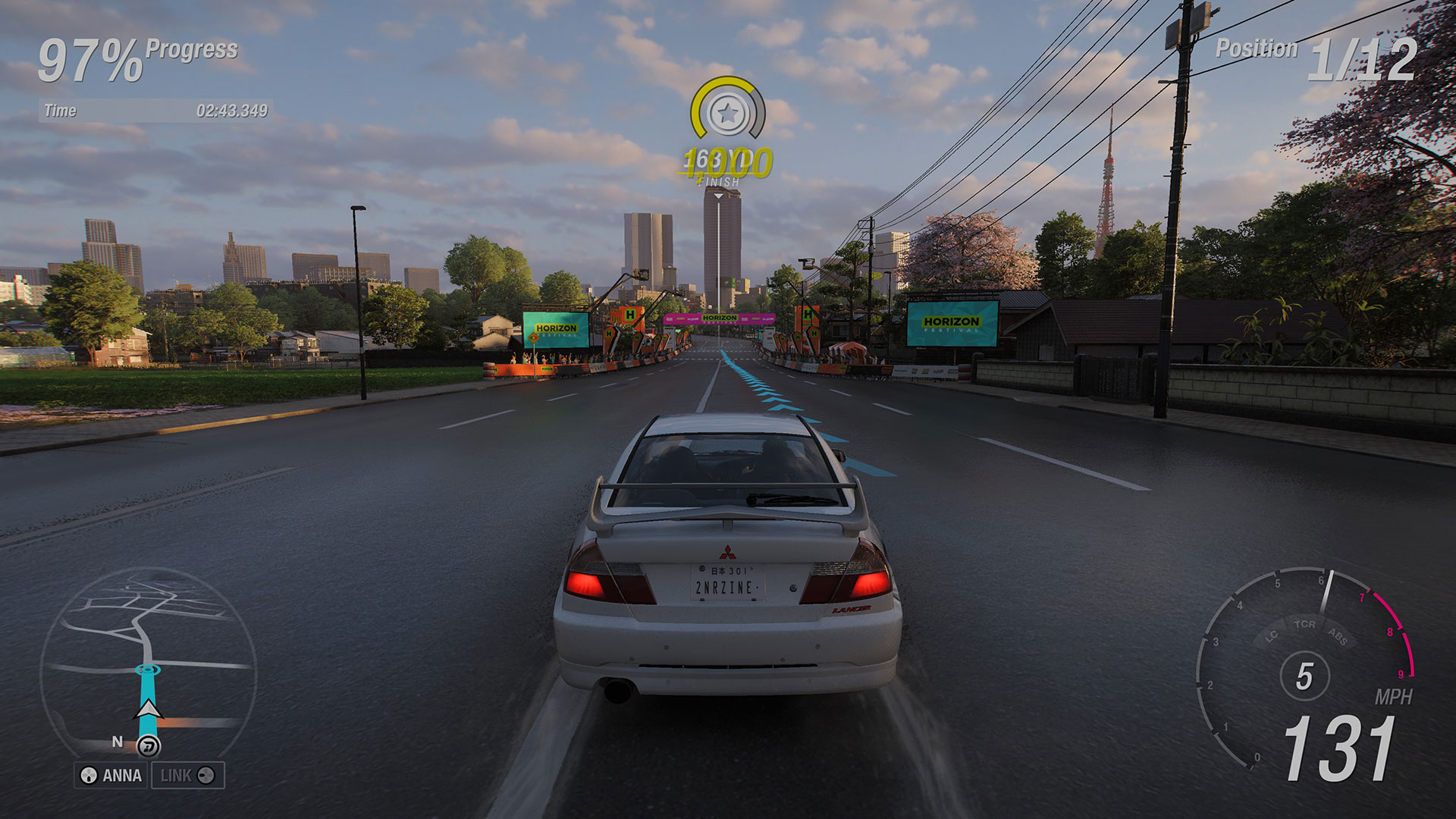
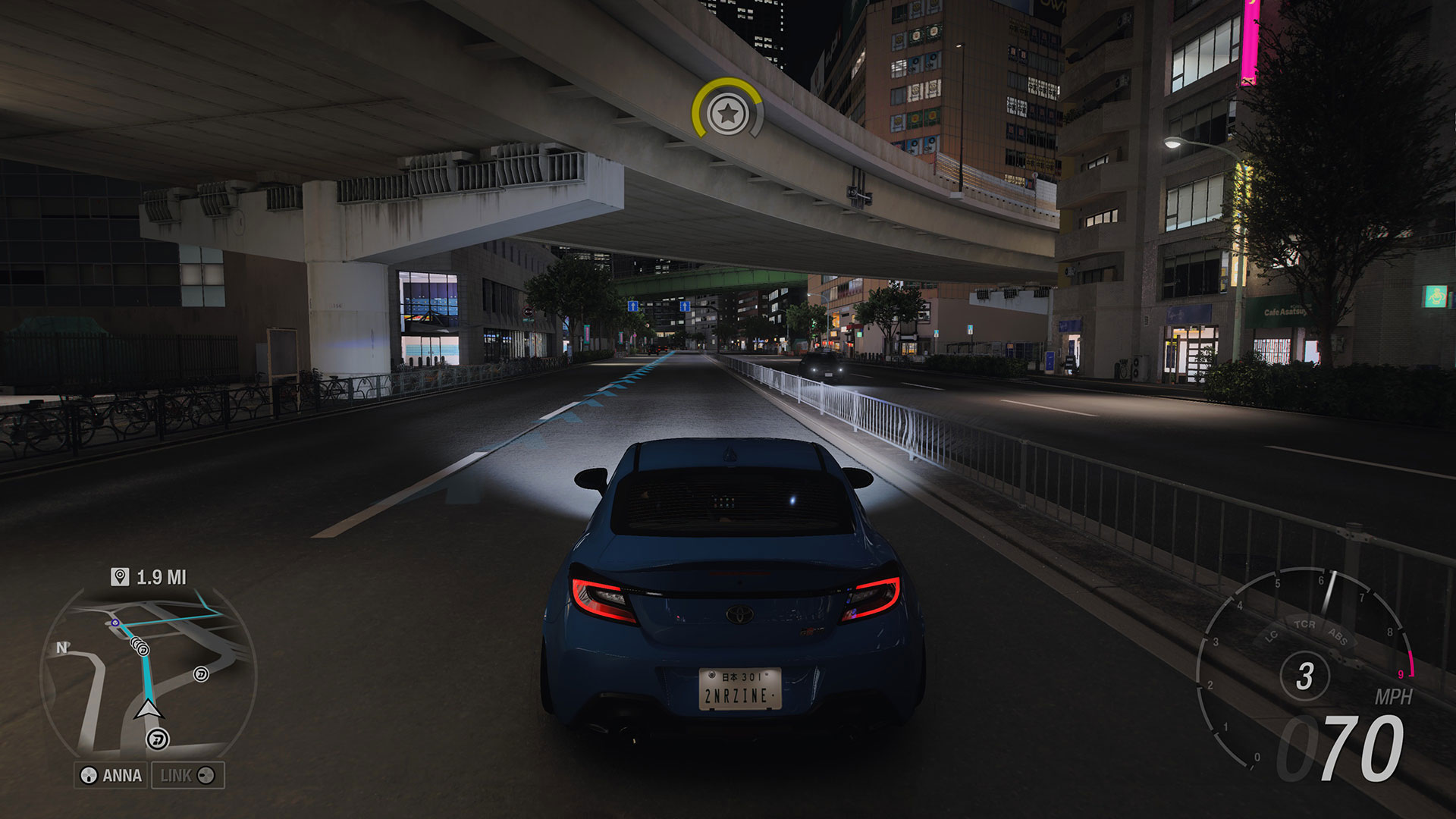
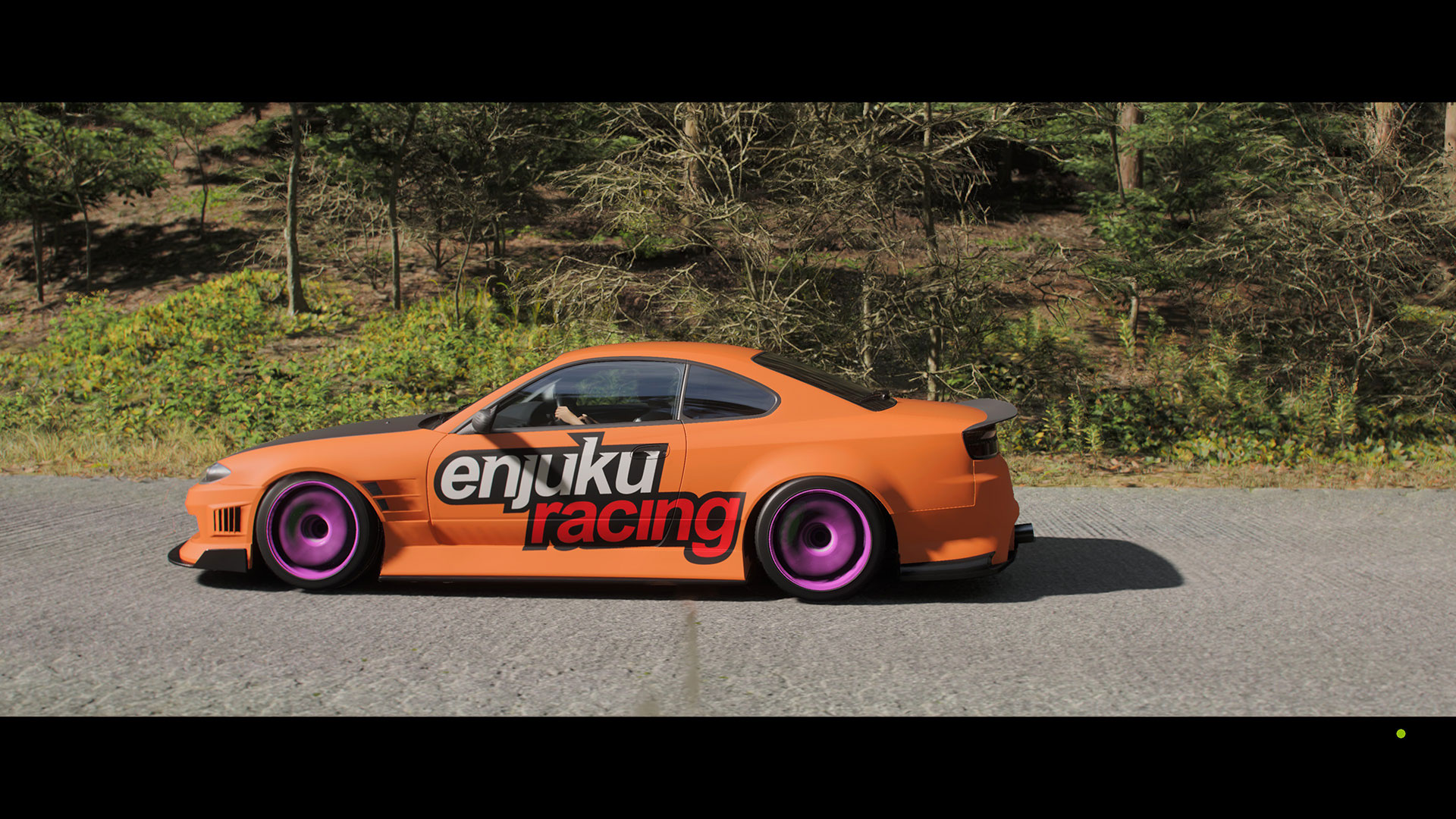
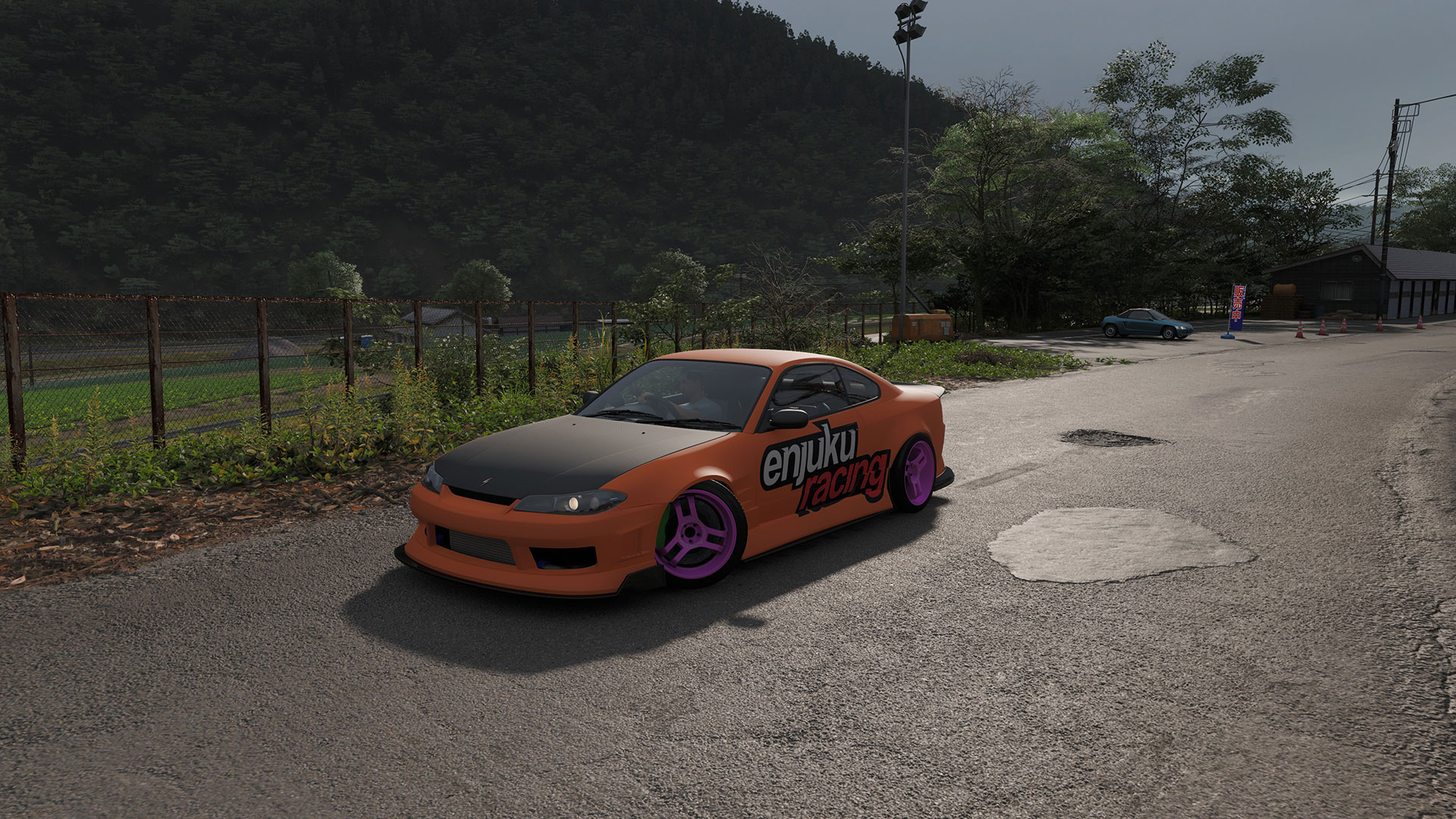
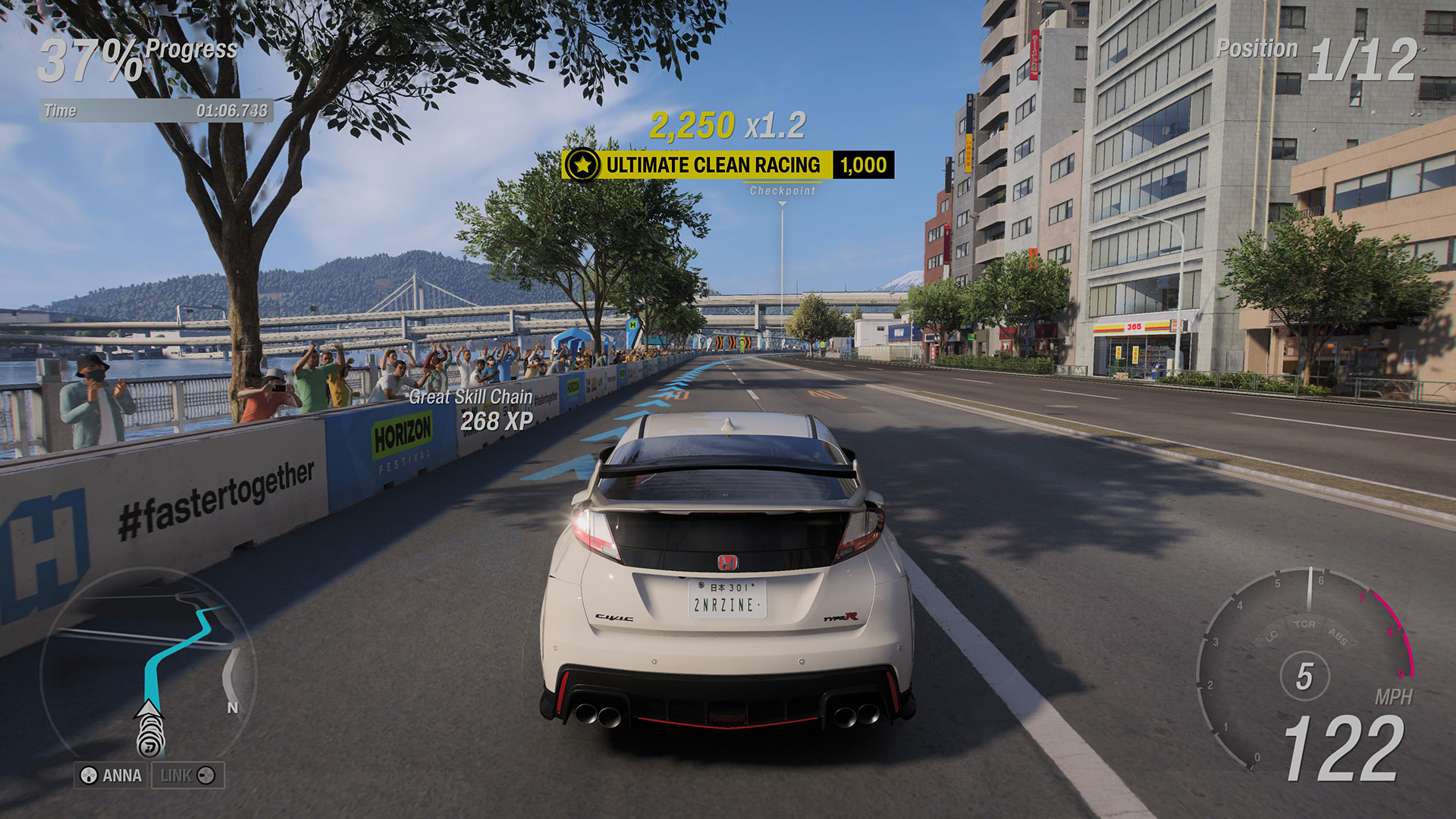
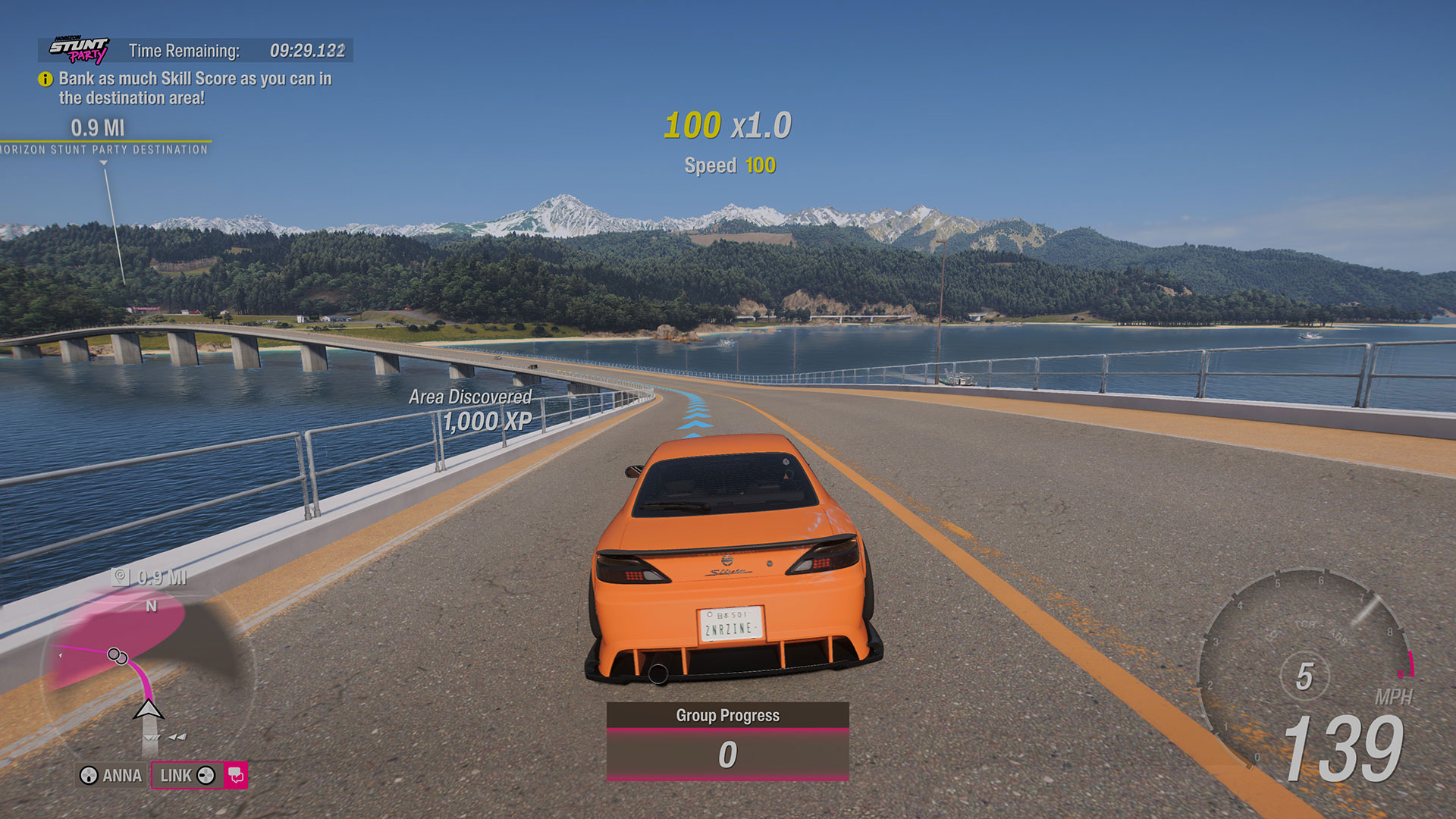
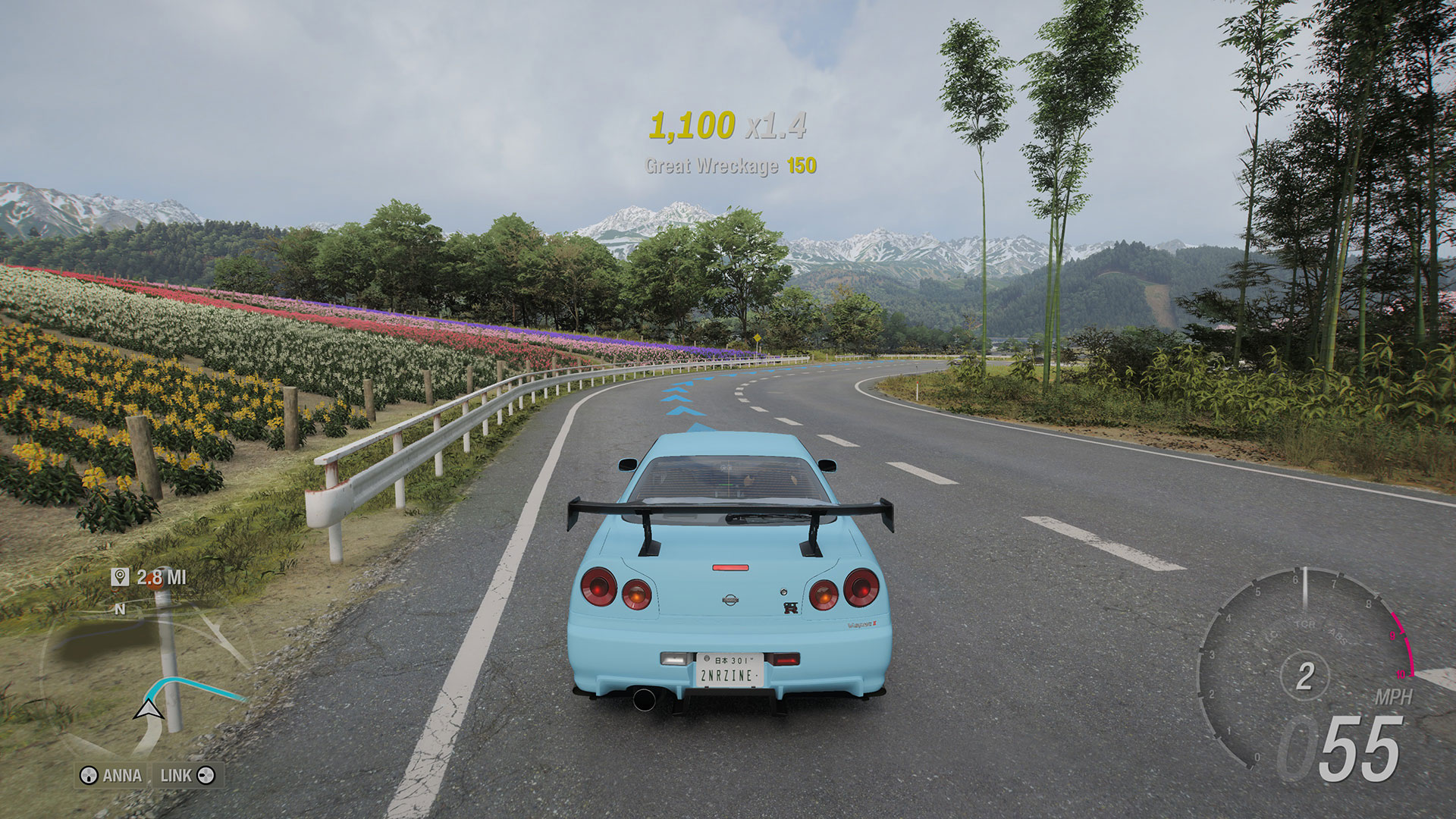
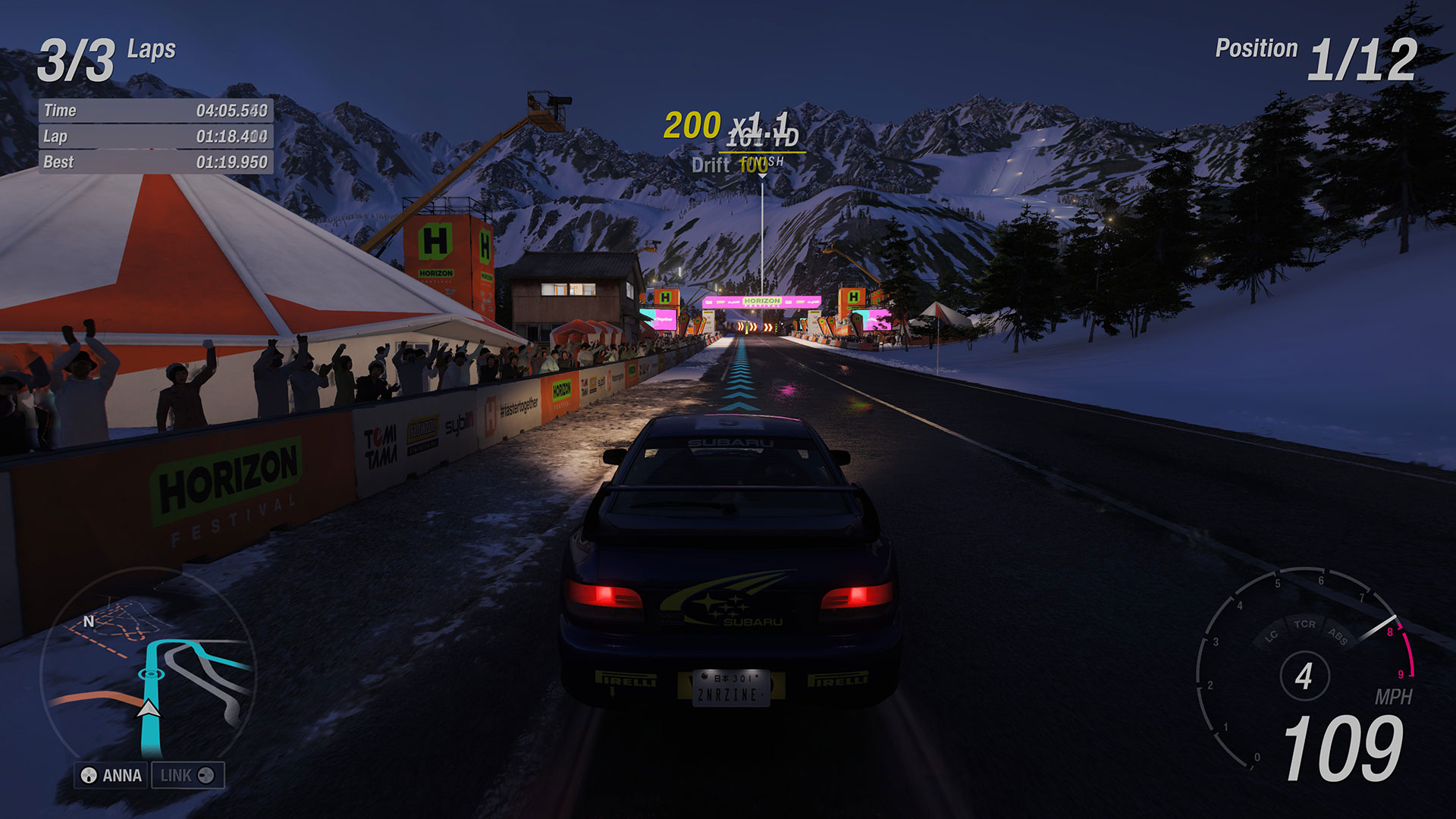
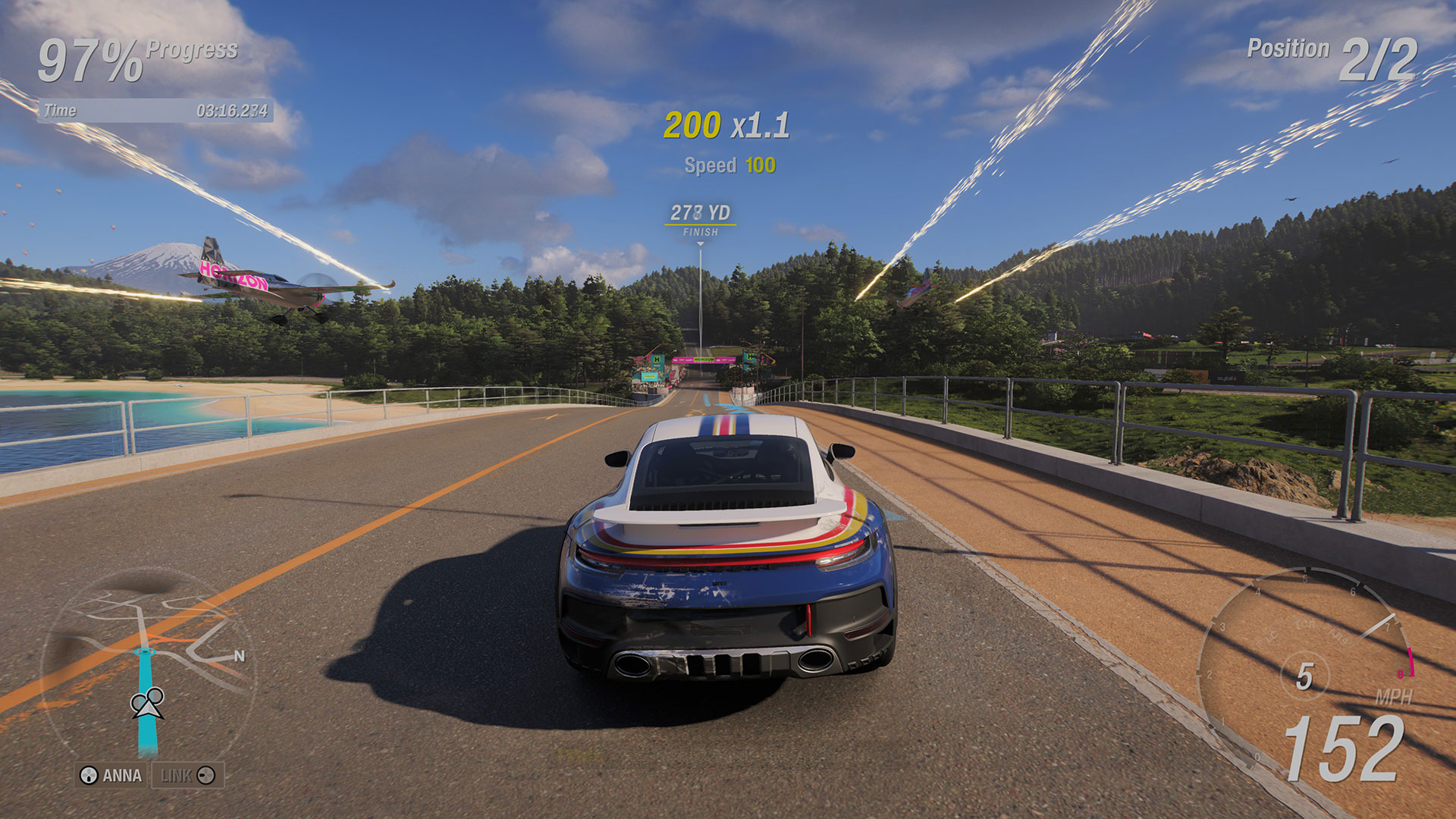
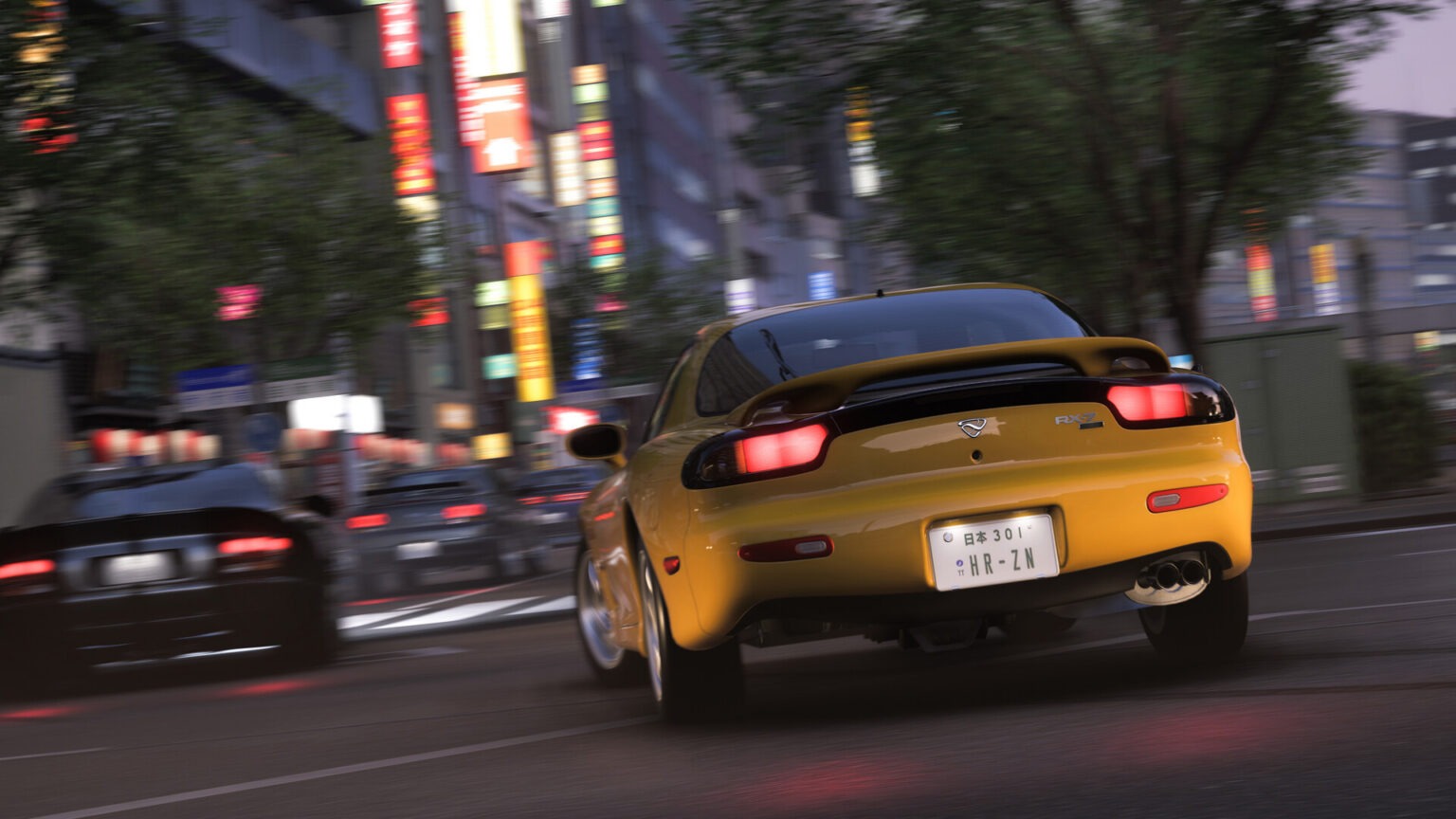
J-pop is on Horizon radio for the first time, which feels obvious in hindsight but somehow took six entries to happen. Field recordings the team captured across all four Japanese seasons add a depth most racing games don’t bother with. On my PC with every setting cranked, the game looks incredible, even if it puts the 5090 to work and turns my room into a sauna. Playground Games clearly cared about getting this right, and the game’s visual detail sells the setting hard. The lighting in particular makes the difference between a Tokyo night and a mountain dawn in a way that earlier entries in the franchise didn’t always manage to pull off.
Parts of Speech
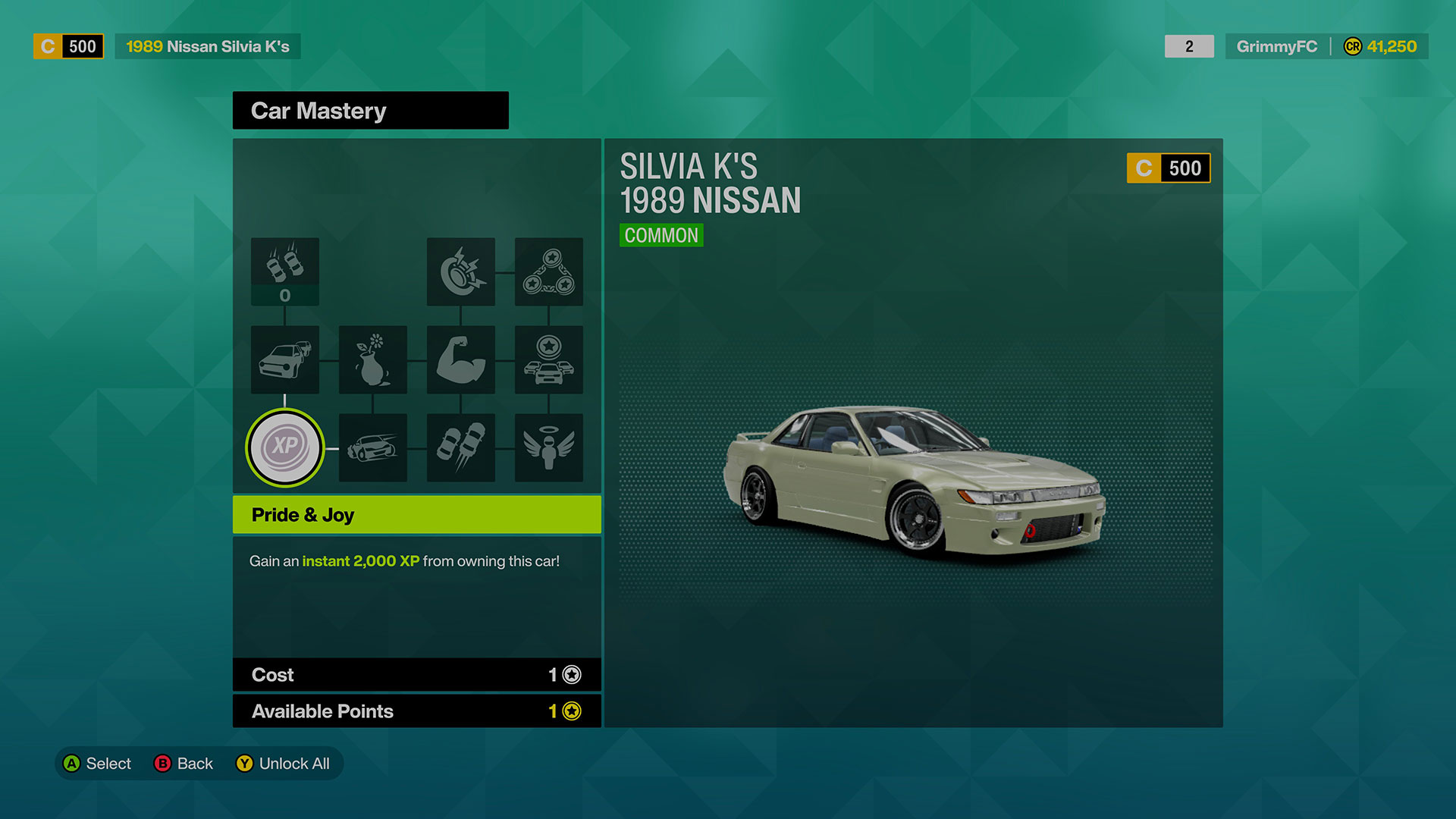
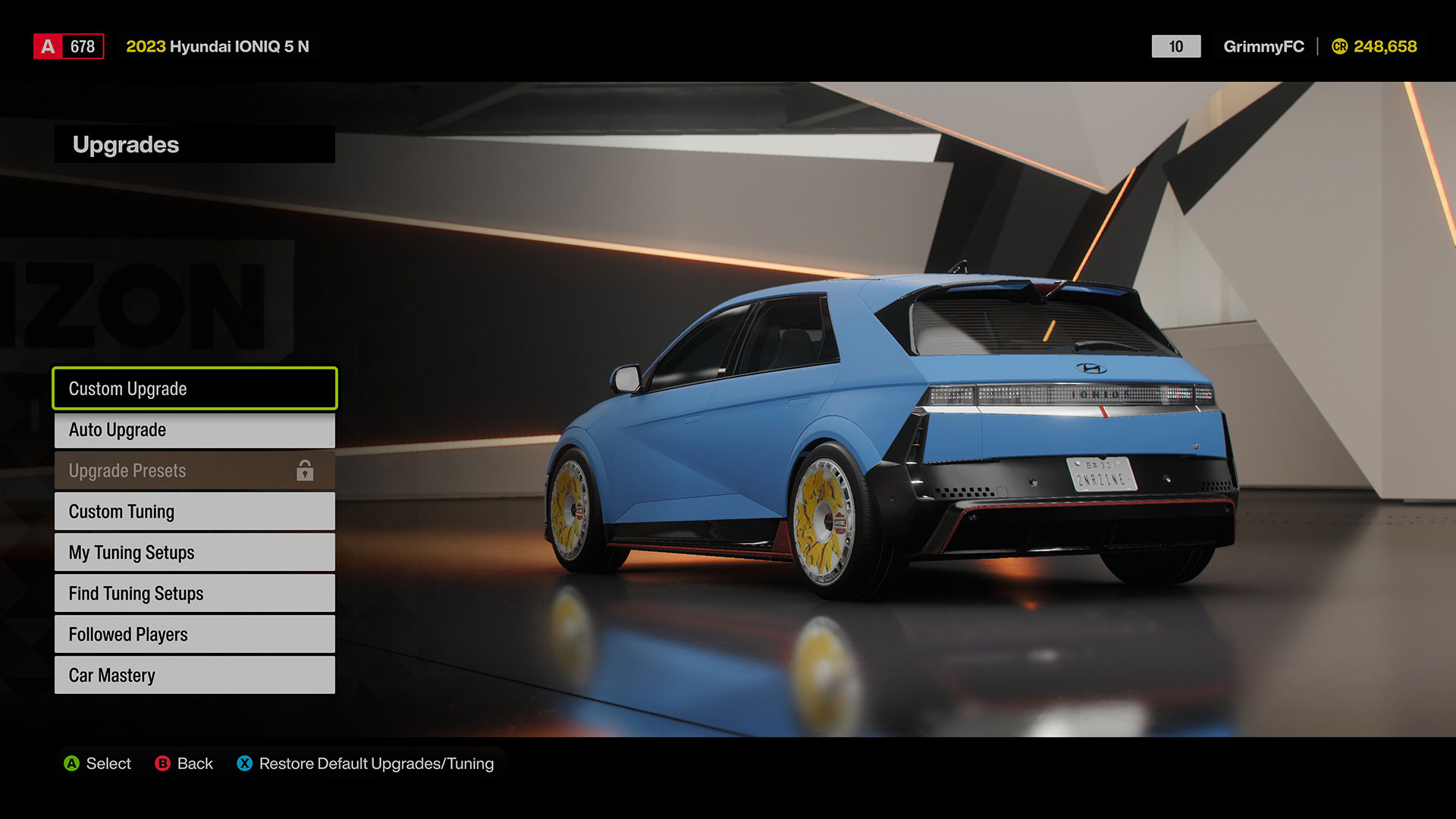
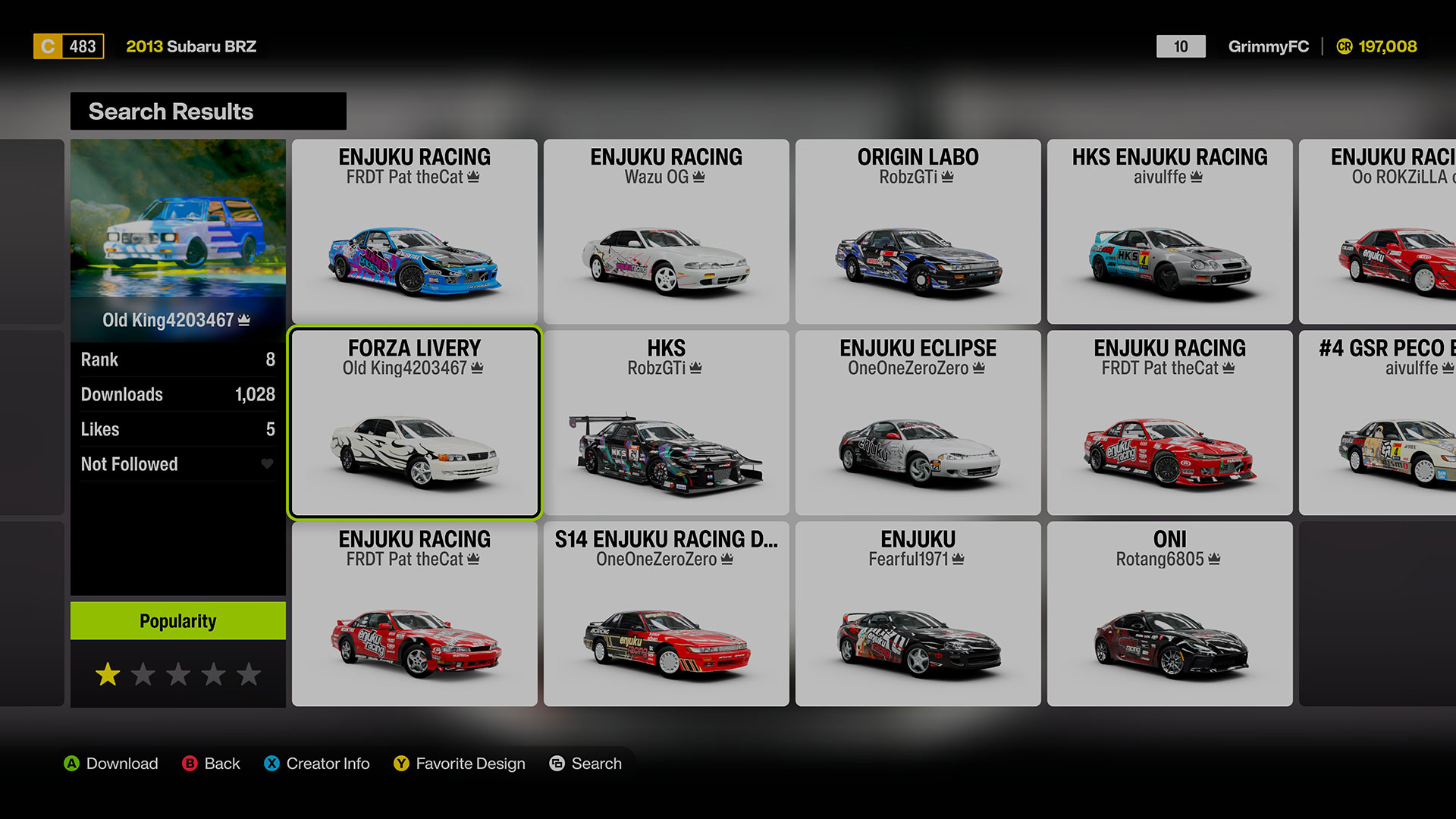
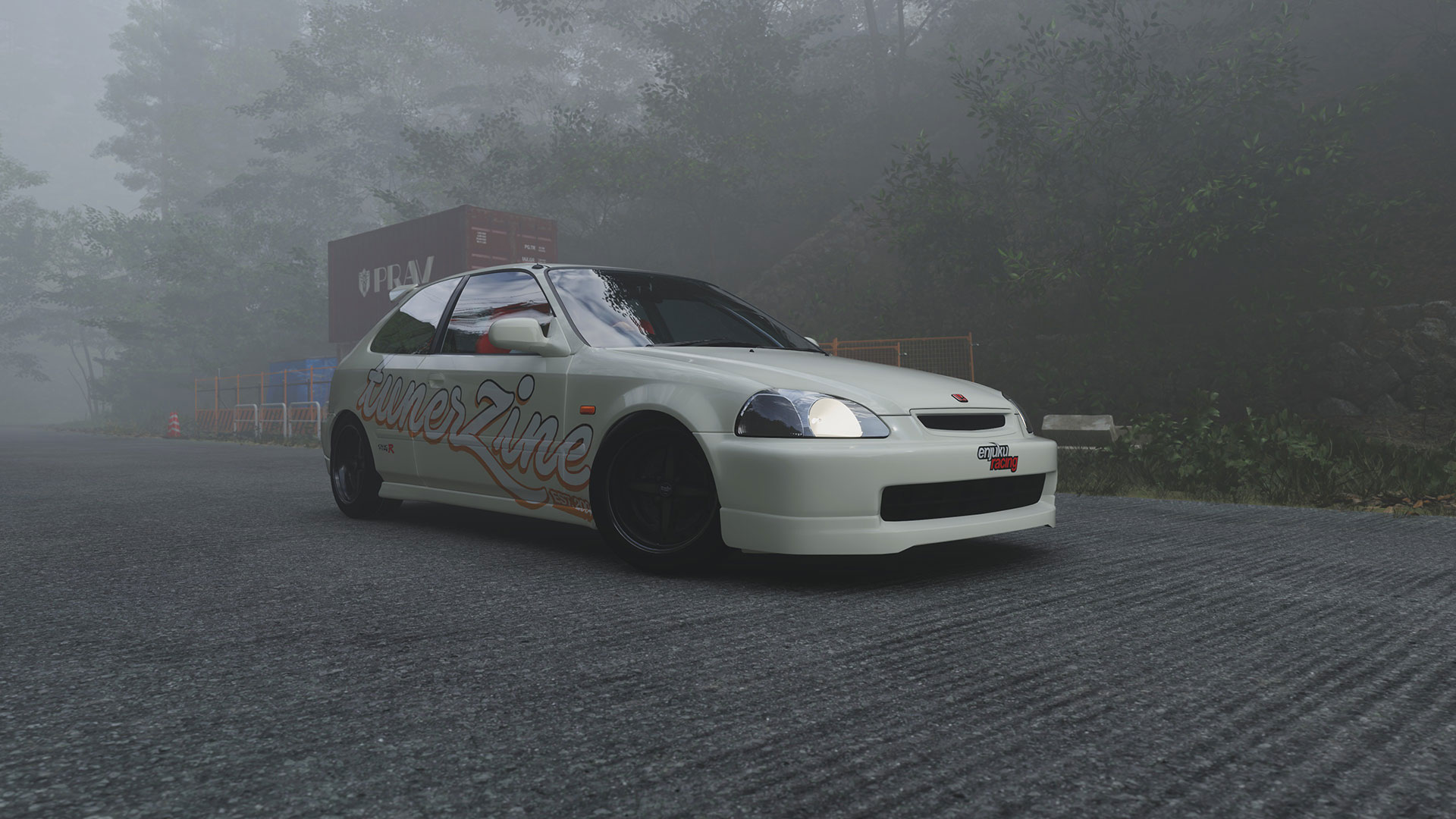
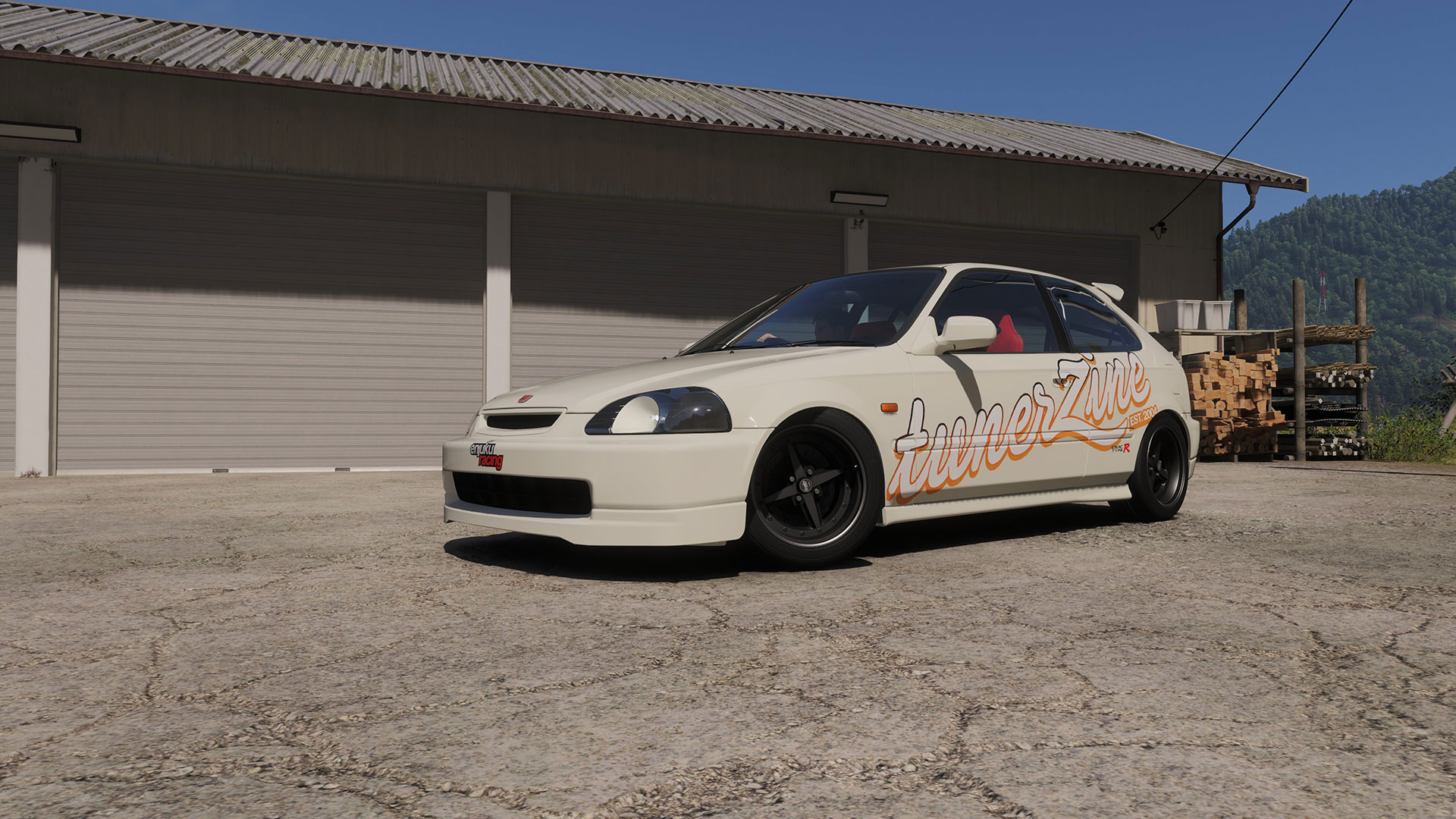
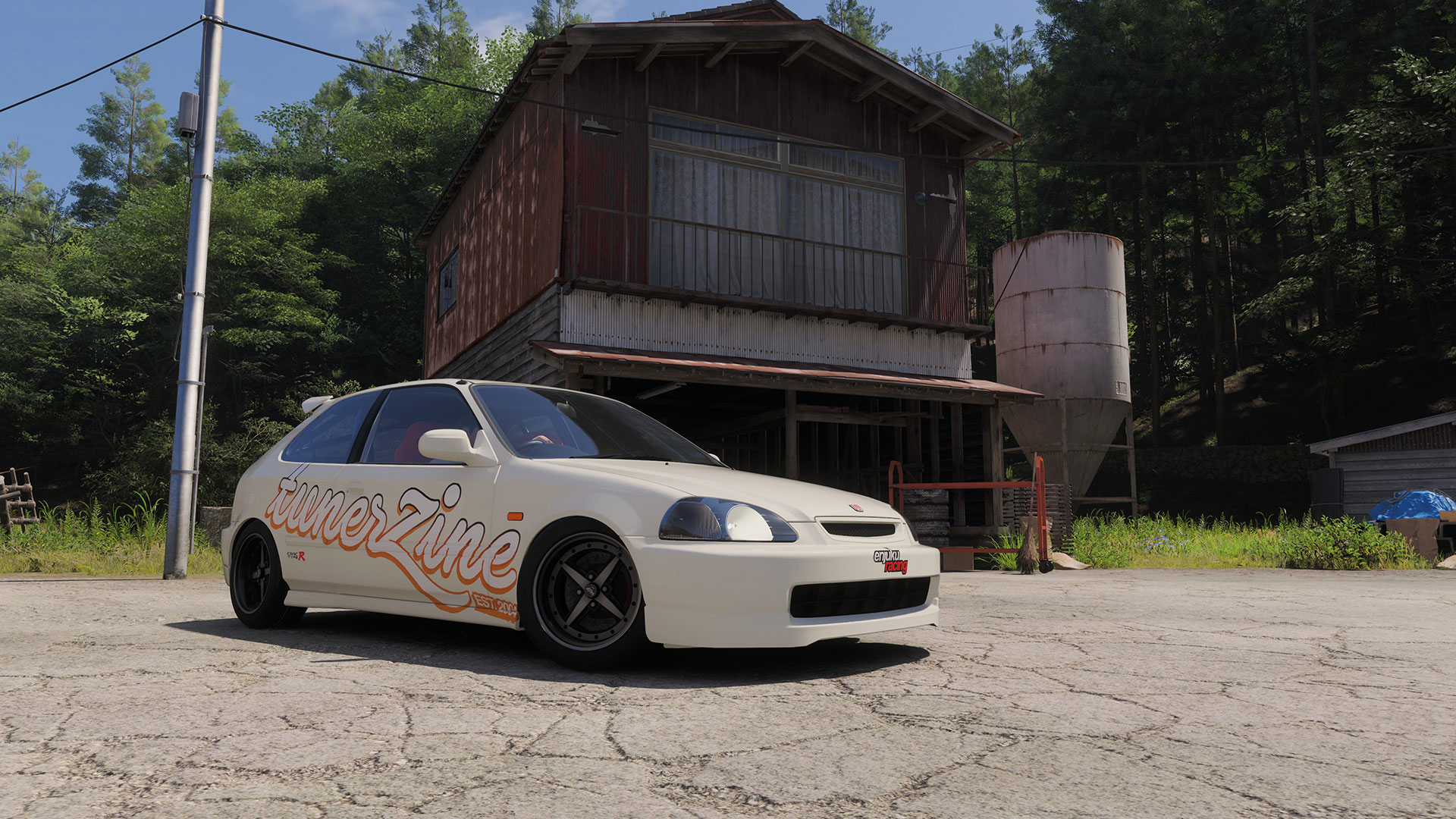
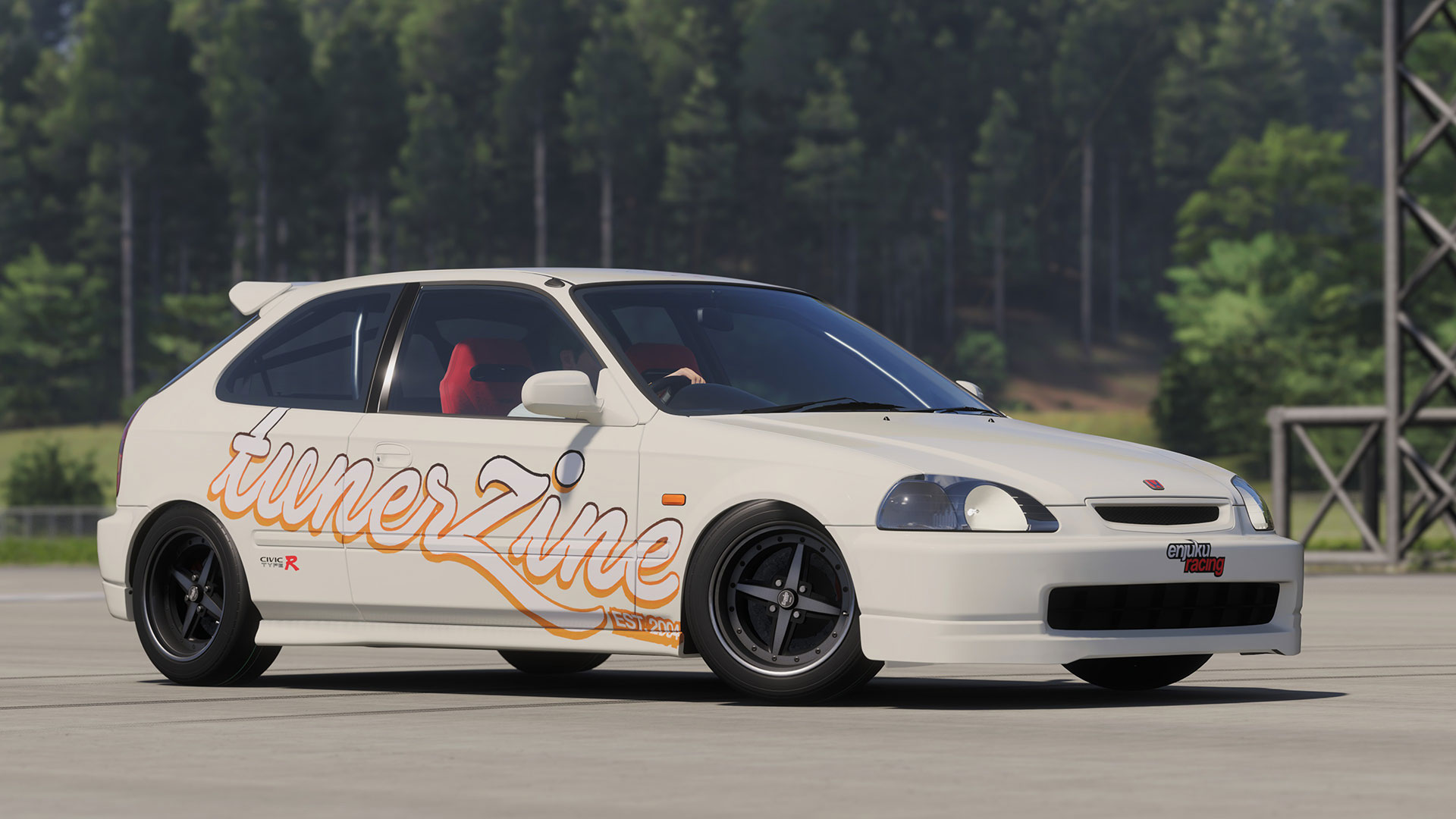
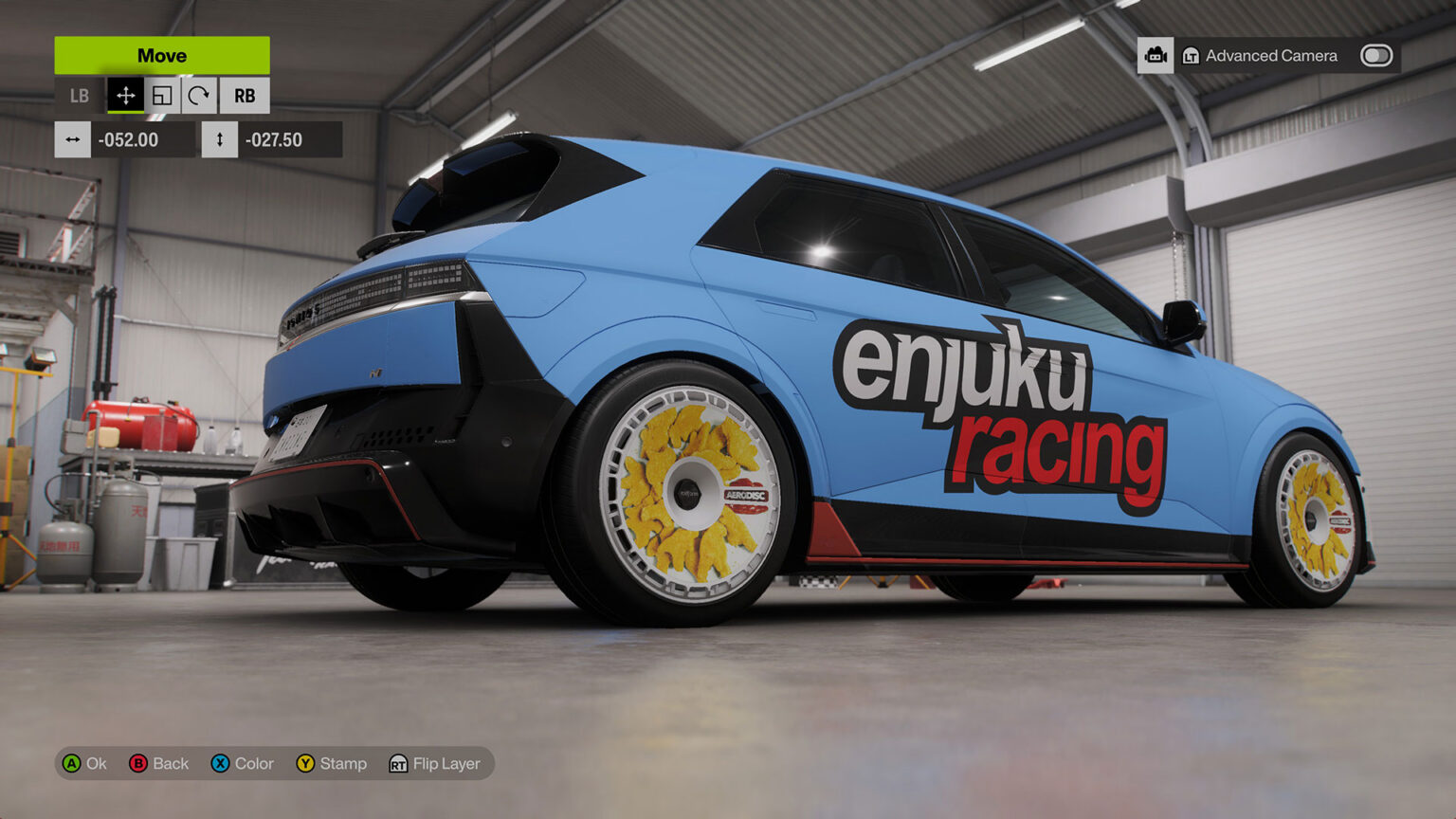
My biggest gripe with Forza Horizon 6 is how thin the tuning side feels. The licensed body kit and exterior parts manufacturer list is surprisingly limited for a game set in Japan. The aftermarket scene is enormous, with dozens of brands producing anything from full body kits to bumpers, wings, fenders, and beyond. Forza Horizon 6 only captures a small sliver of that. It’s great to see familiar names like Mugen, Liberty Walk, and Rocket Bunny on the list, but the lack of Spoon Sports exterior modifications on an EK Civic Type R is just sacrilegious.
The performance parts catalog is even more limited. You’re not picking out which header design works best for low-end torque versus high-RPM horsepower. You’re picking the part with the highest number on it and moving on. As someone who has built a lot of cars over the years, including two SEMA vehicles, a JDM right-hand-drive converted four-door Integra with a K-series swap and an E92 BMW 335i, the shallowness is noticeable. The limited parts catalog ends up shoehorning what kinds of car builds you can actually make.
To be fair, this fits the theme of the game. Forza Horizon isn’t trying to be a hardcore simulation, and the devs absolutely nail the goal of a frictionless, fun racing experience. For people who do want to dial in their builds, individual settings for tuning the car are all there. It’s just not the kind of game where you spend an evening picking out which exhaust and turbo kit best match your build vision.
My single biggest disappointment, though, lives in that same category. Forza Horizon 6 is set in Japan, and the DC2 Integra Type R is one of the most iconic Japanese performance cars ever made. The only Integra Type R variant in the game is the Acura Integra Type R, which uses the USDM front end. There is no JDM Honda Integra Type R. I’m not raising this just because I built one. The JDM front with the iconic headlights is on countless posters, magazine covers, and tuner shop walls around the world. To set the game in Japan and leave out arguably one of the most iconic JDM-only variants feels like a real oversight.
Rewind Bag
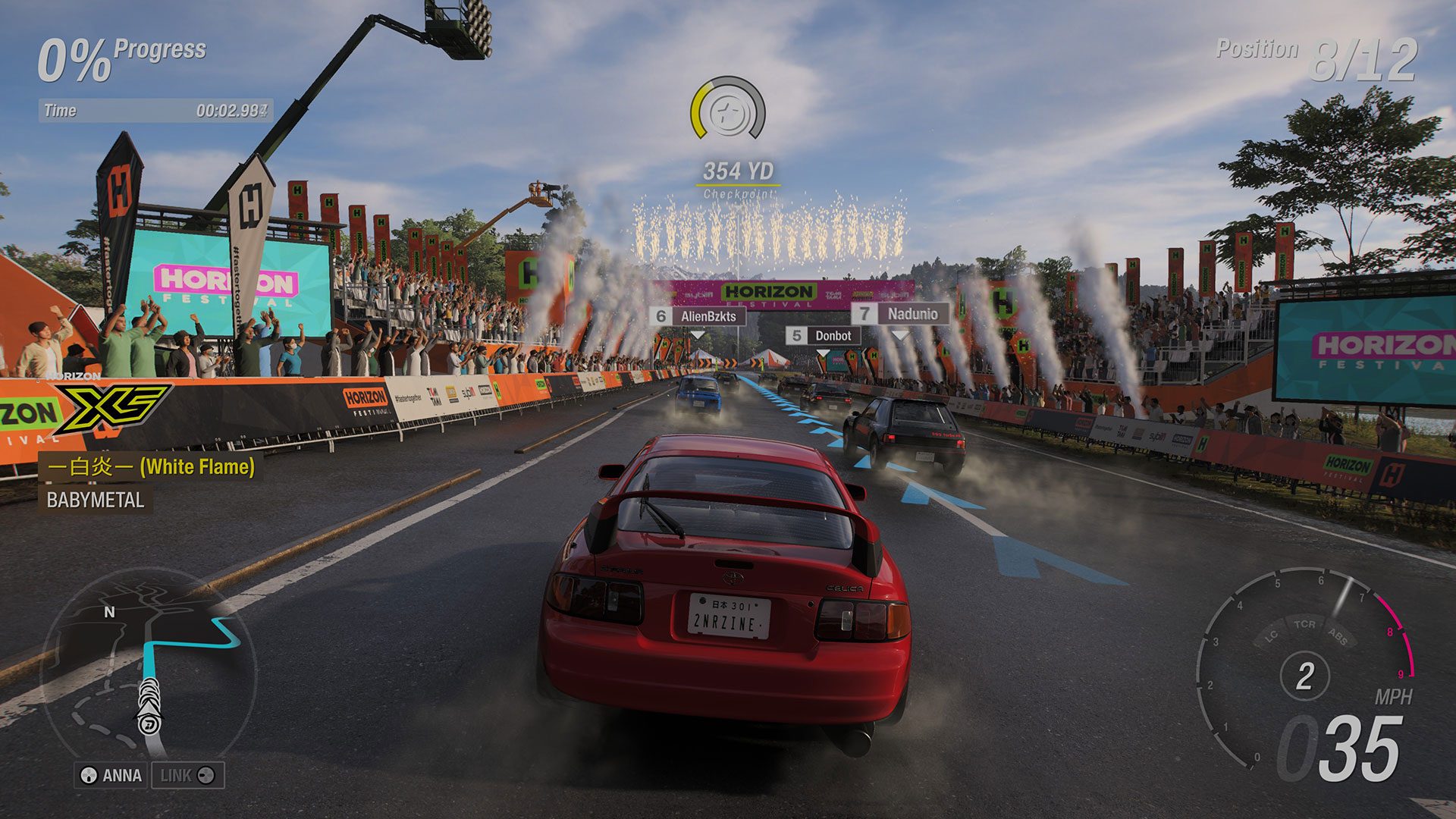
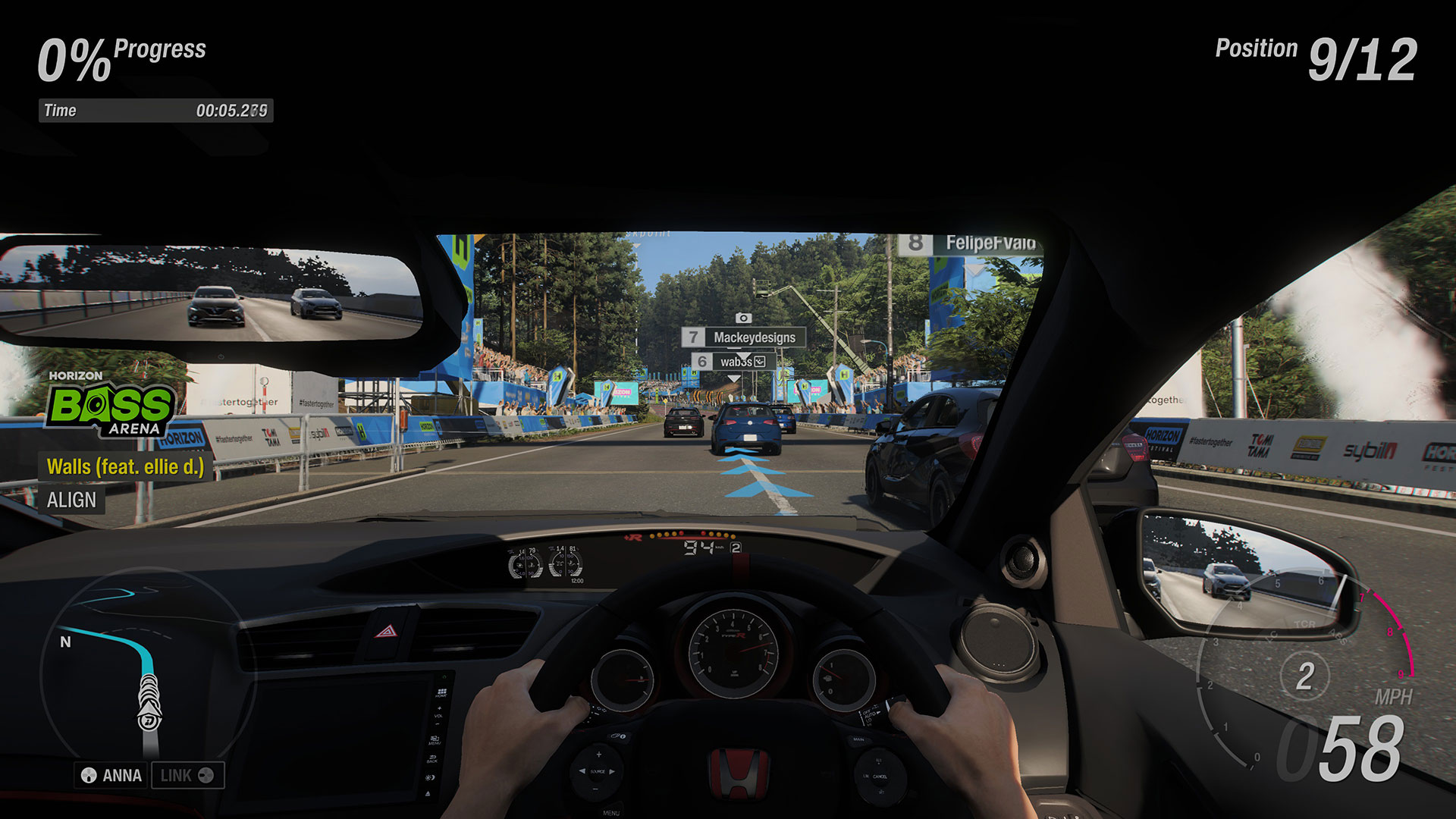
The racing itself feels great, even on controller. I don’t have a sim rig anymore, so I played the entire game on my shiny new Steam Controller, and the handling still felt approachable and responsive. The event list hits a nice rhythm, bouncing from grounded drag races to completely ridiculous showcase events. What I appreciate most is how committed Playground Games is to keeping the experience frictionless.
Rewind is the best example. Most racing games want to punish you for making a mistake, and that’s valid. That’s how serious racing games should work. But Forza Horizon 6 has an enormous amount of content, and being able to rewind a few seconds when you fly off a ramp at an awkward angle and land your car on its roof removes a huge chunk of the frustration that would come with restarting an entire race.
And if you hate the feature, just don’t use it. It’s an entirely optional accessibility tool that lets people who don’t want to commit dozens of hours to mastering every track actually enjoy themselves. I have to admit, I used the rewind often, because I wasn’t playing Forza Horizon 6 to test my limits. I was playing it to have fun. That’s the same lane Mario Kart World lives in for me, where the appeal is the joy of just driving rather than mastering every turn.
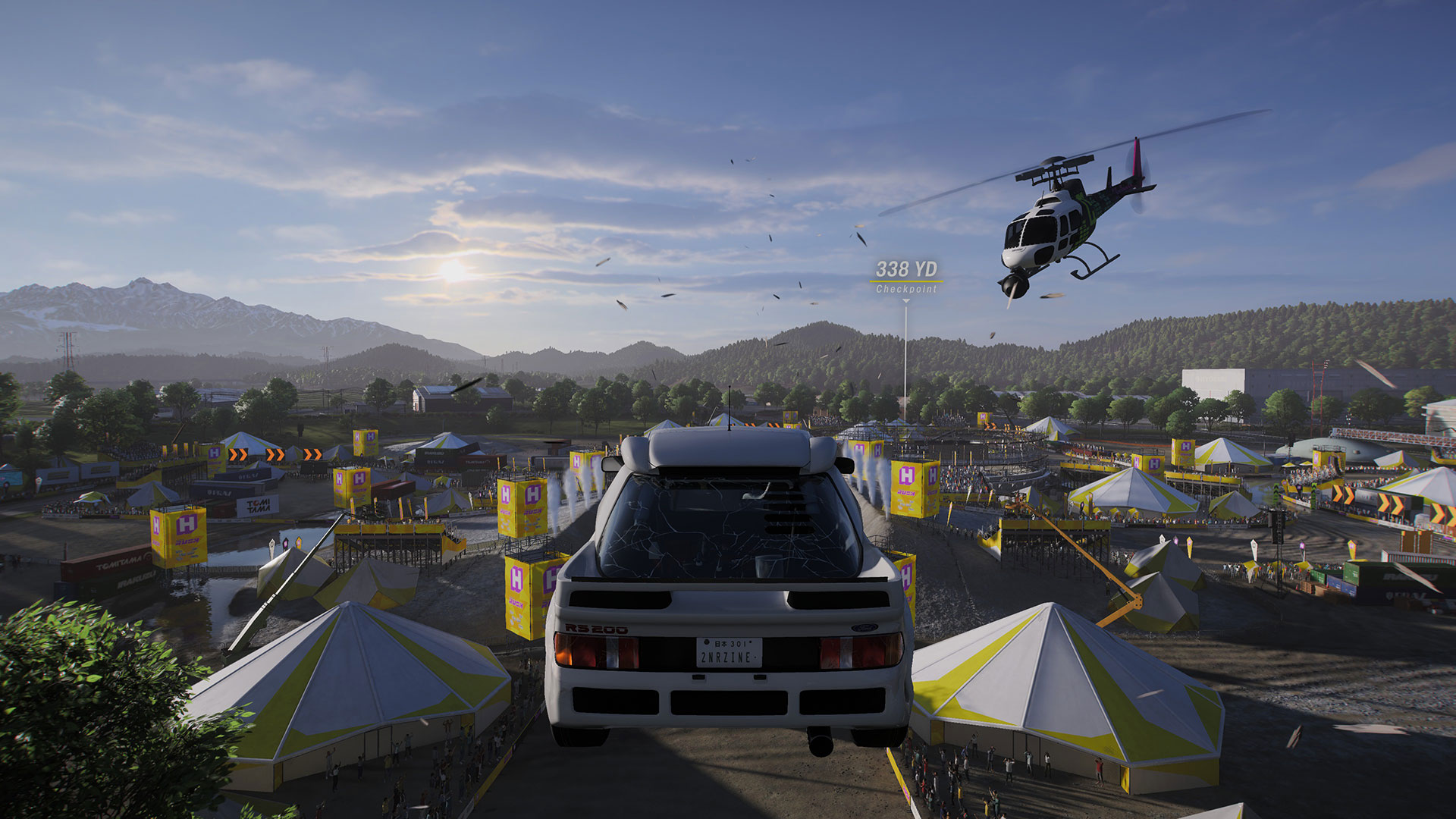
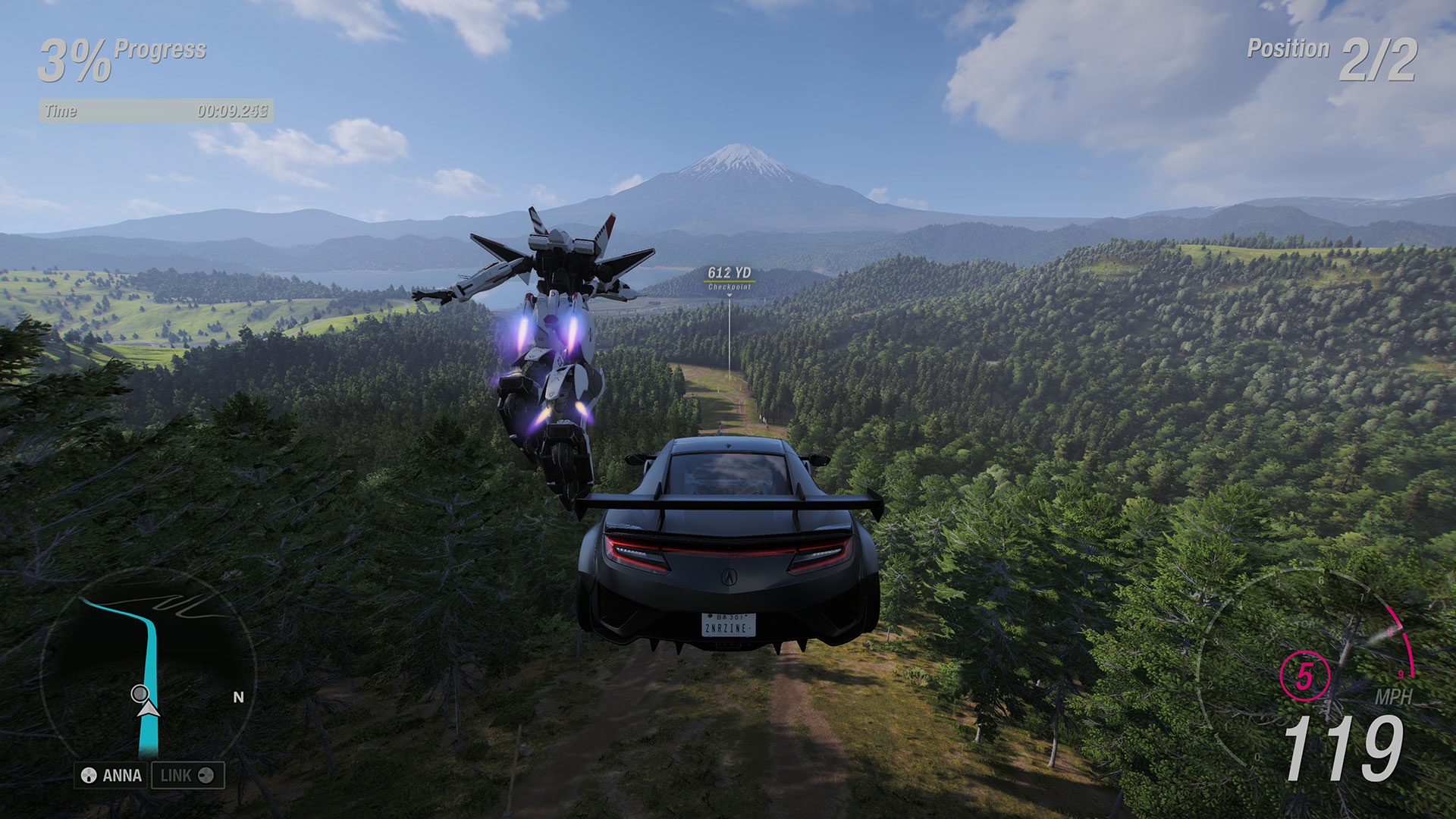
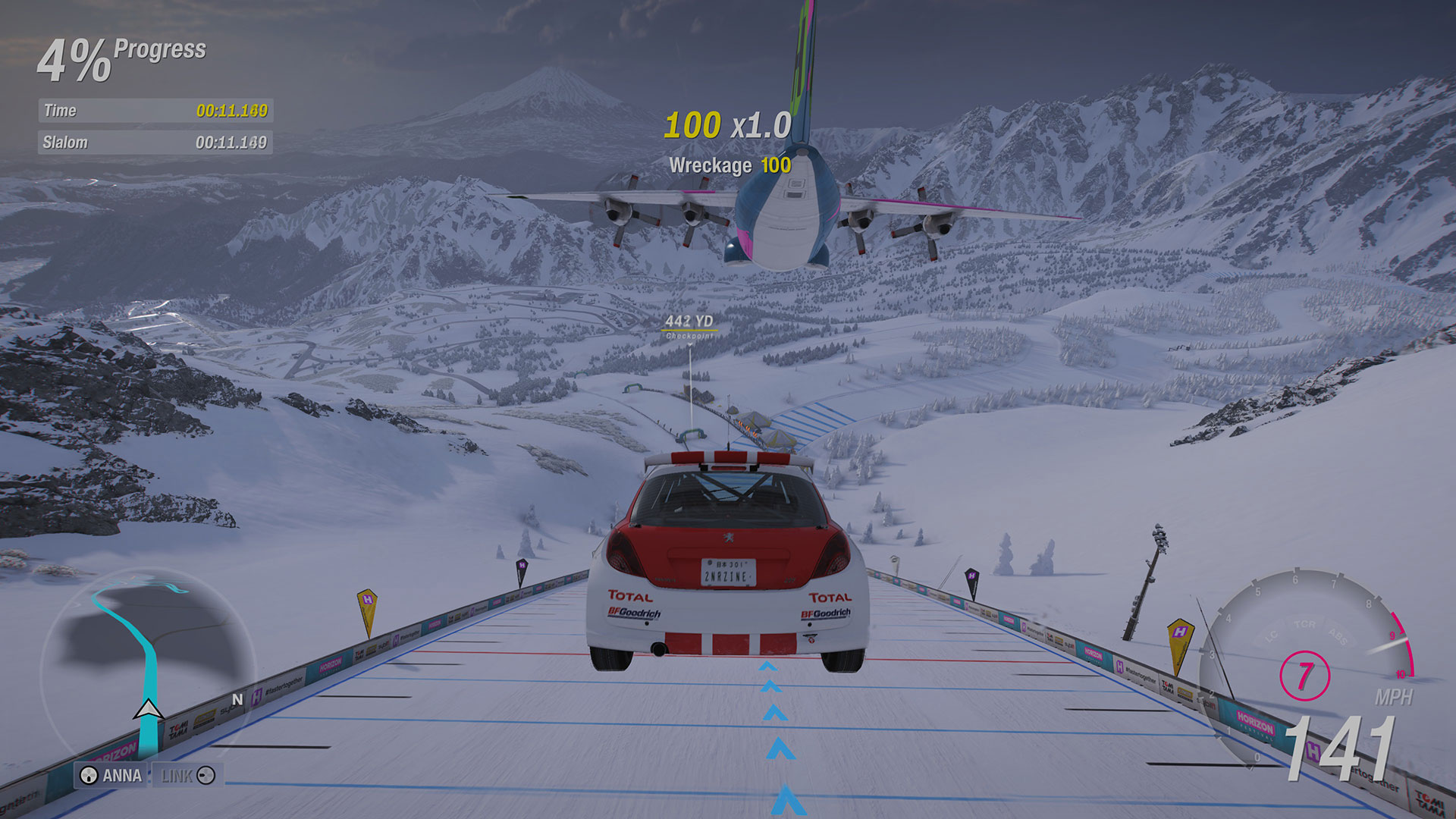
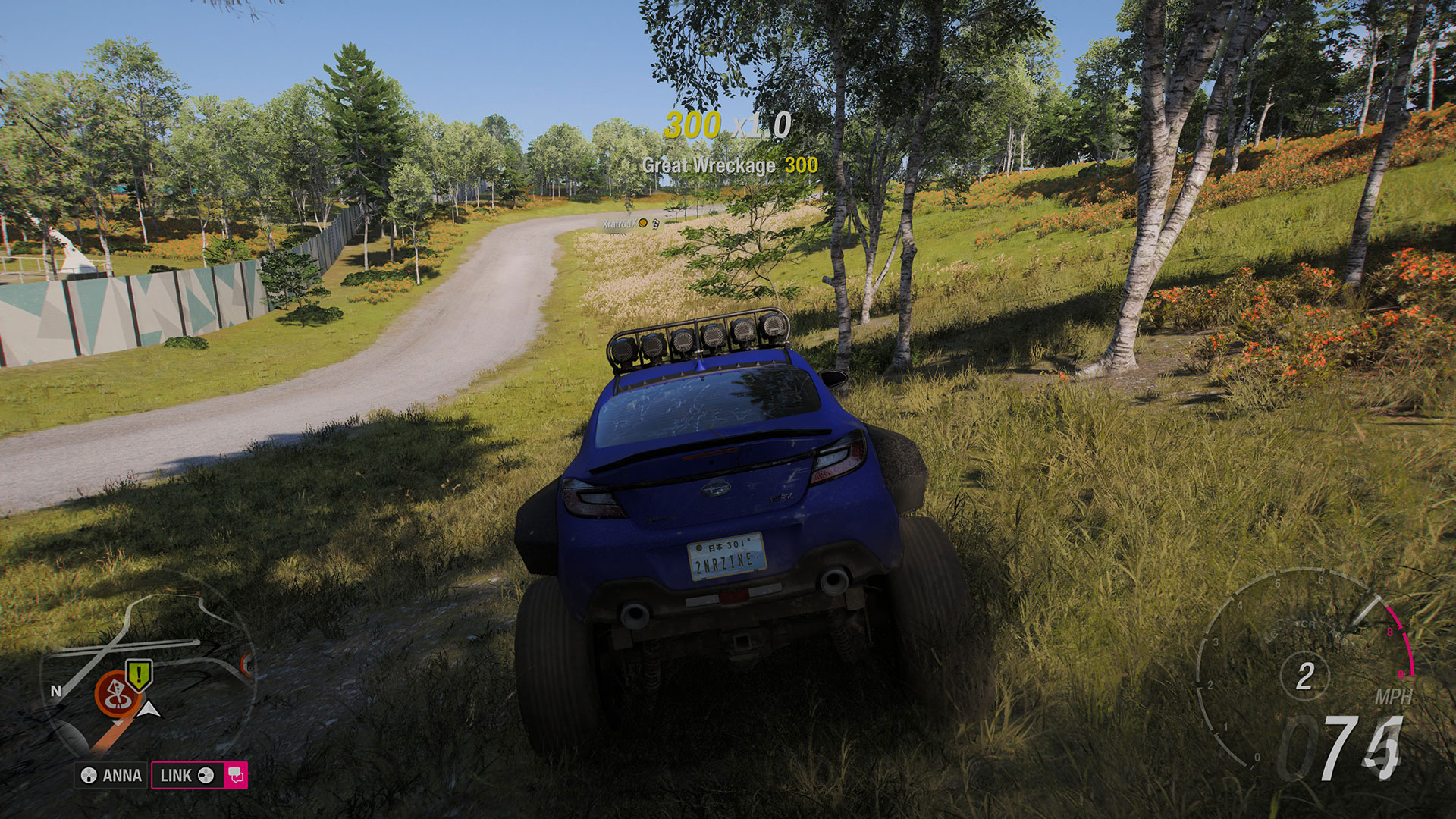
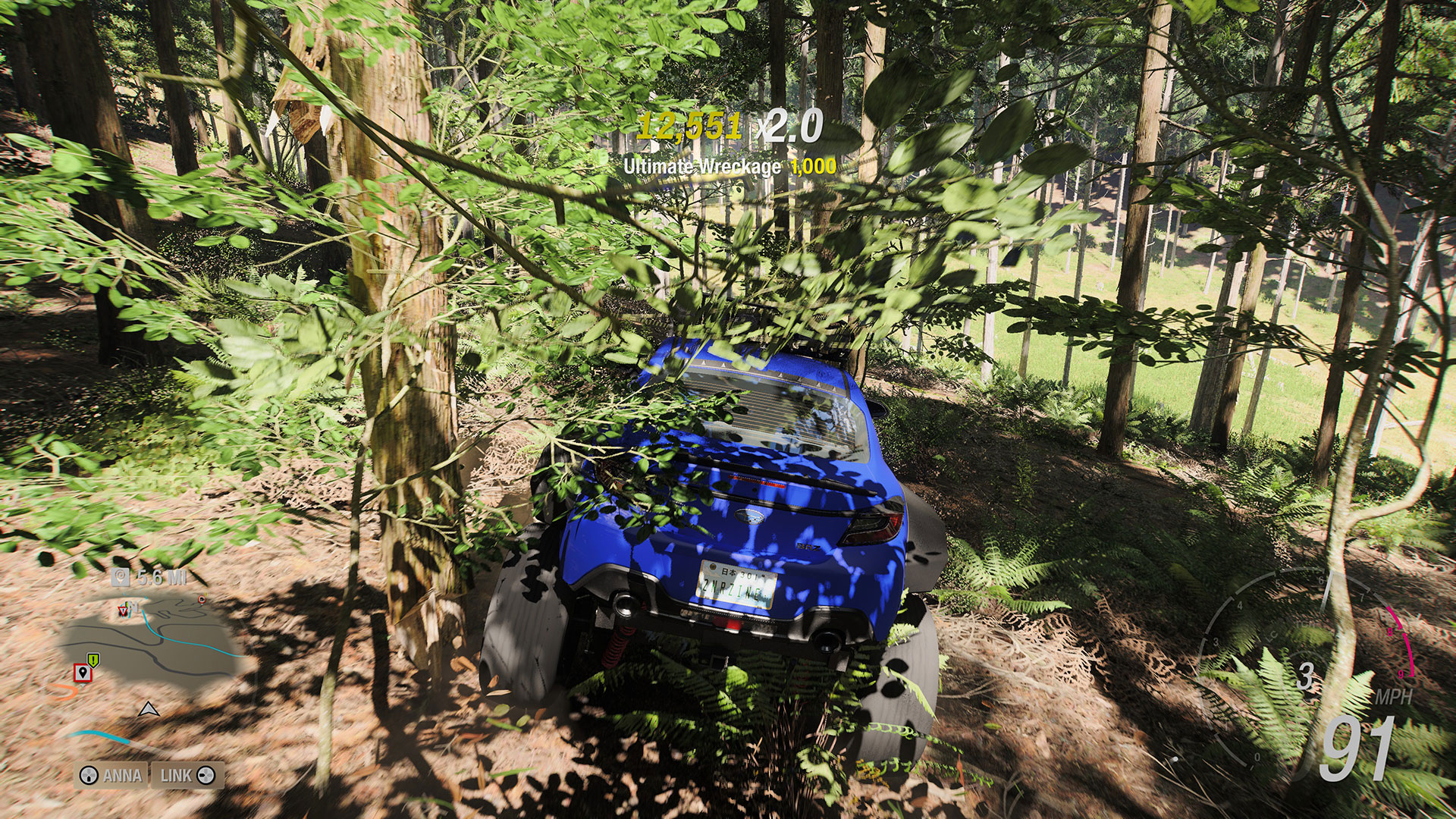
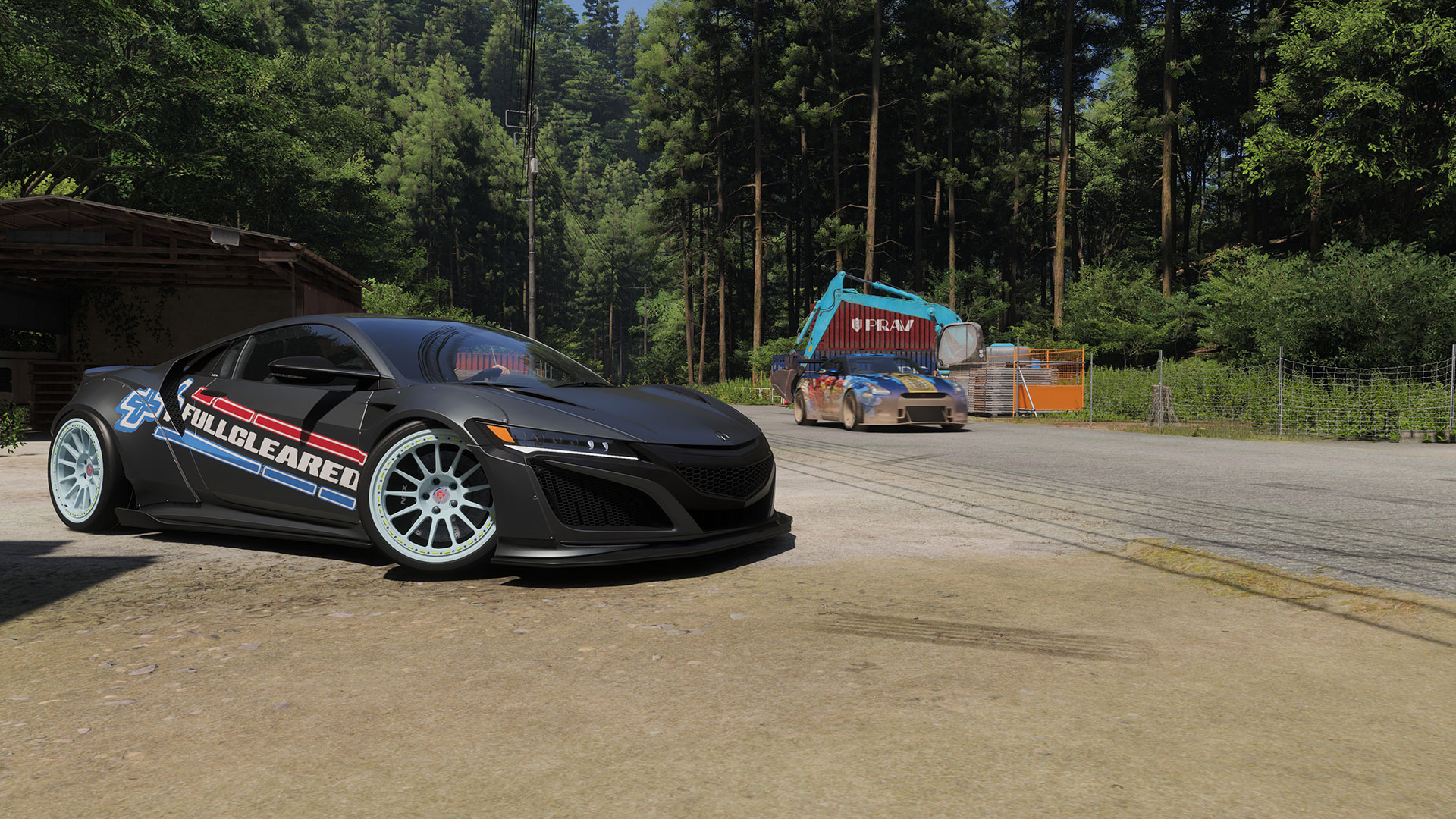
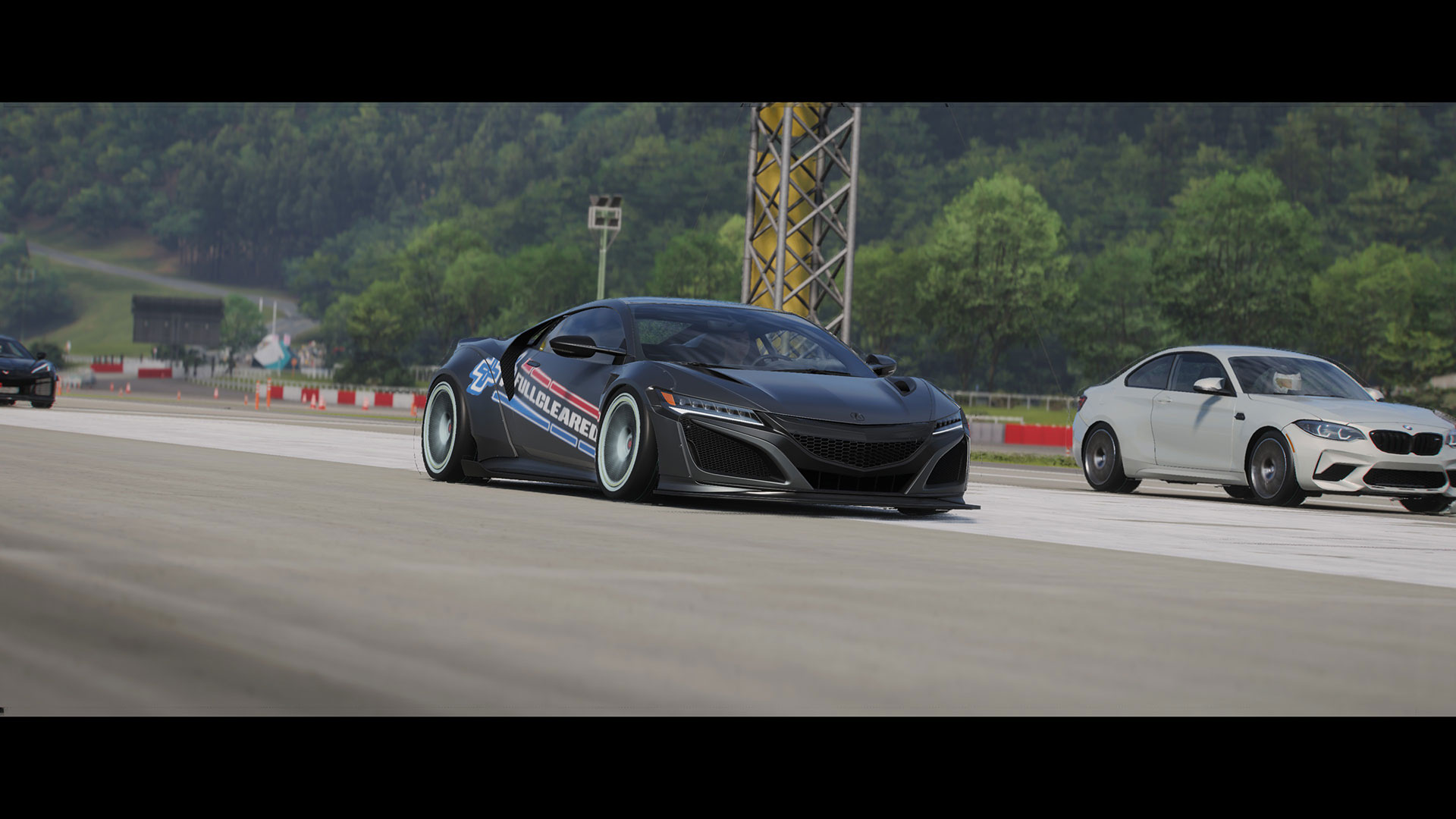
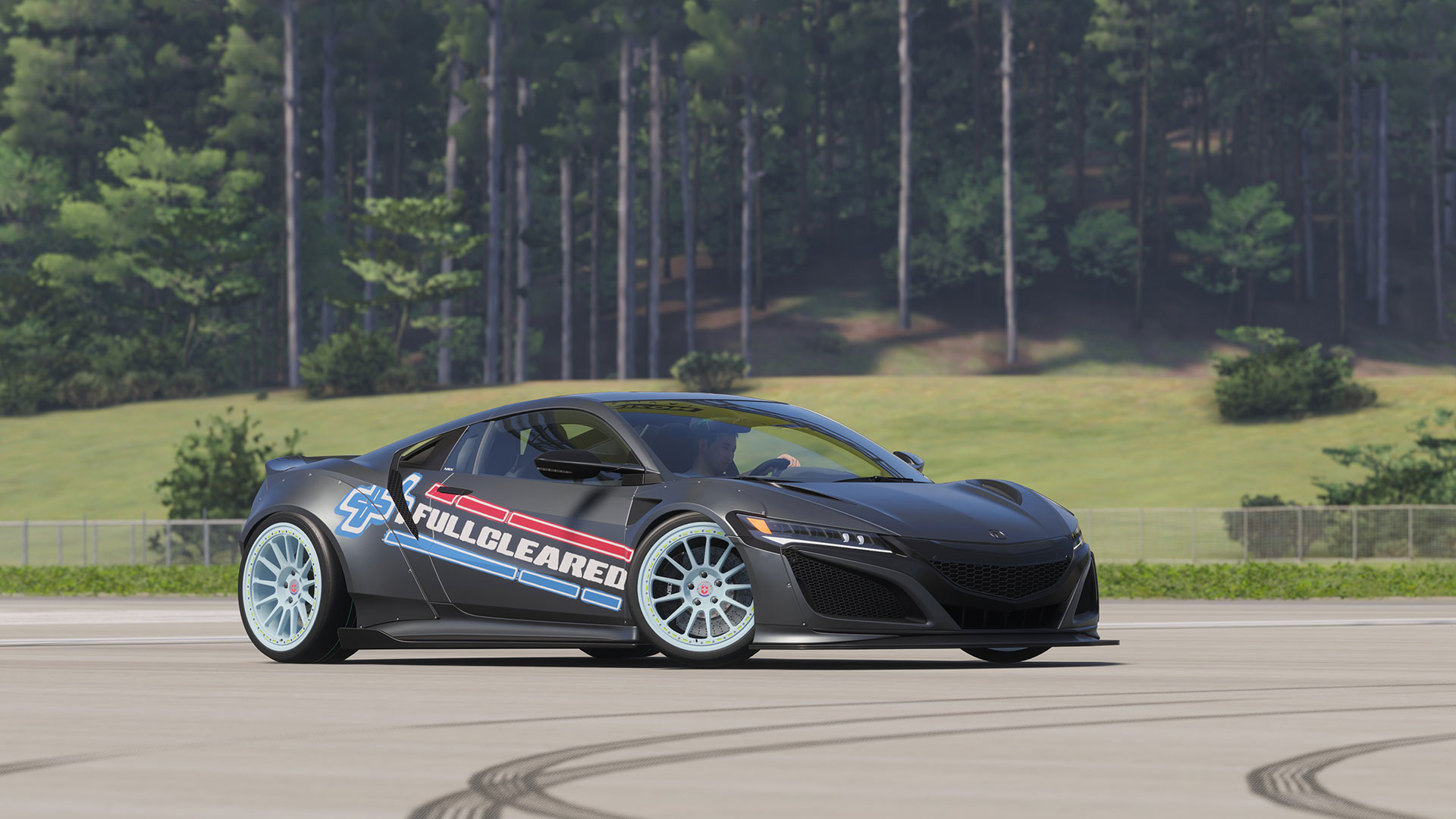
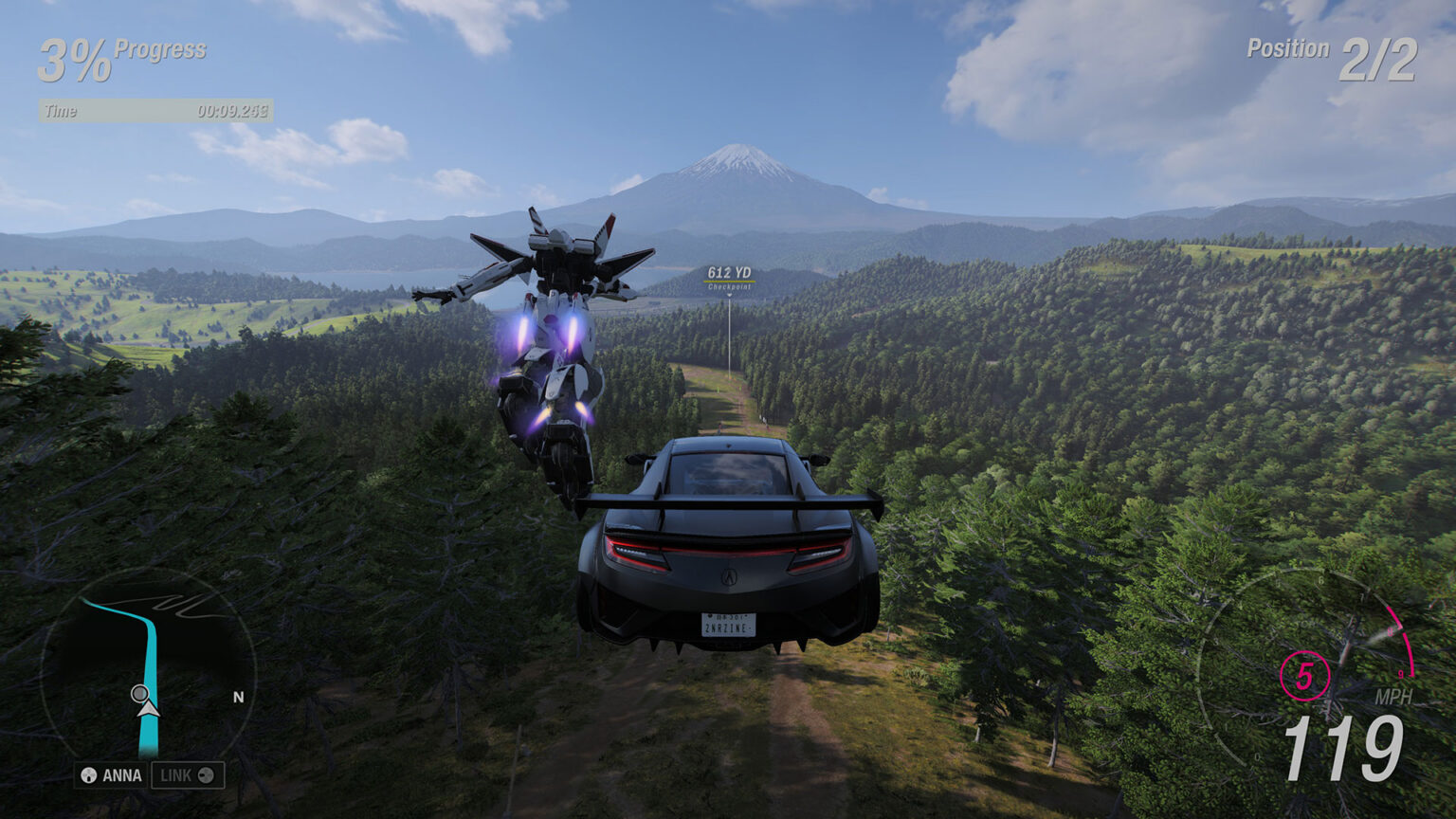
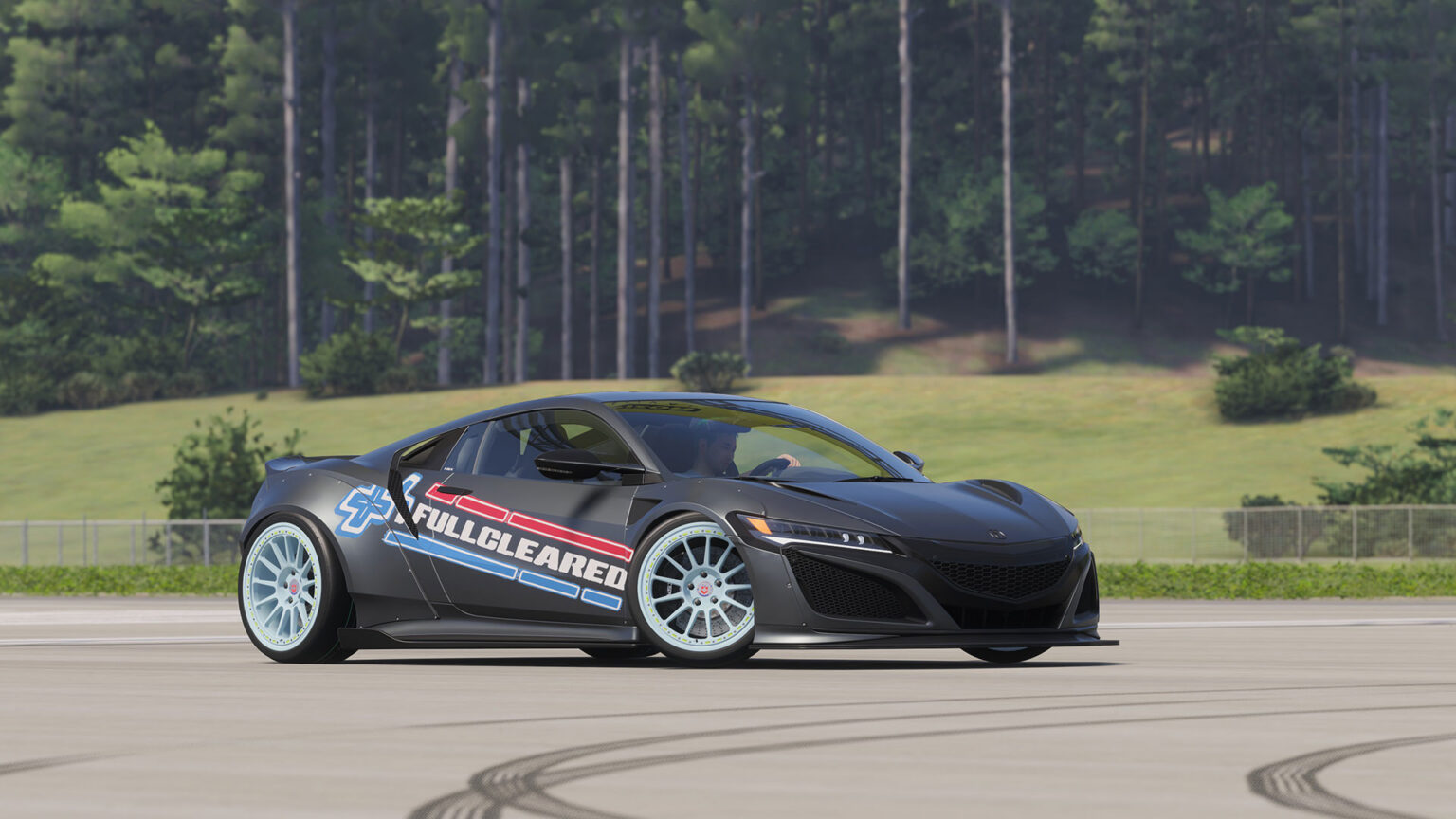
That design philosophy really fits Forza Horizon 6 perfectly. You can destroy nearly everything imaginable, take an NSX off-roading through a forest, and not pay any repair costs for that experience. The devs understand what they’re making, and they’re not interested in punishing you for treating the world like a sandbox. Rewind makes it obvious: Playground would rather keep you smiling than force you to restart a race because of one dumb mistake.
Wrist Management
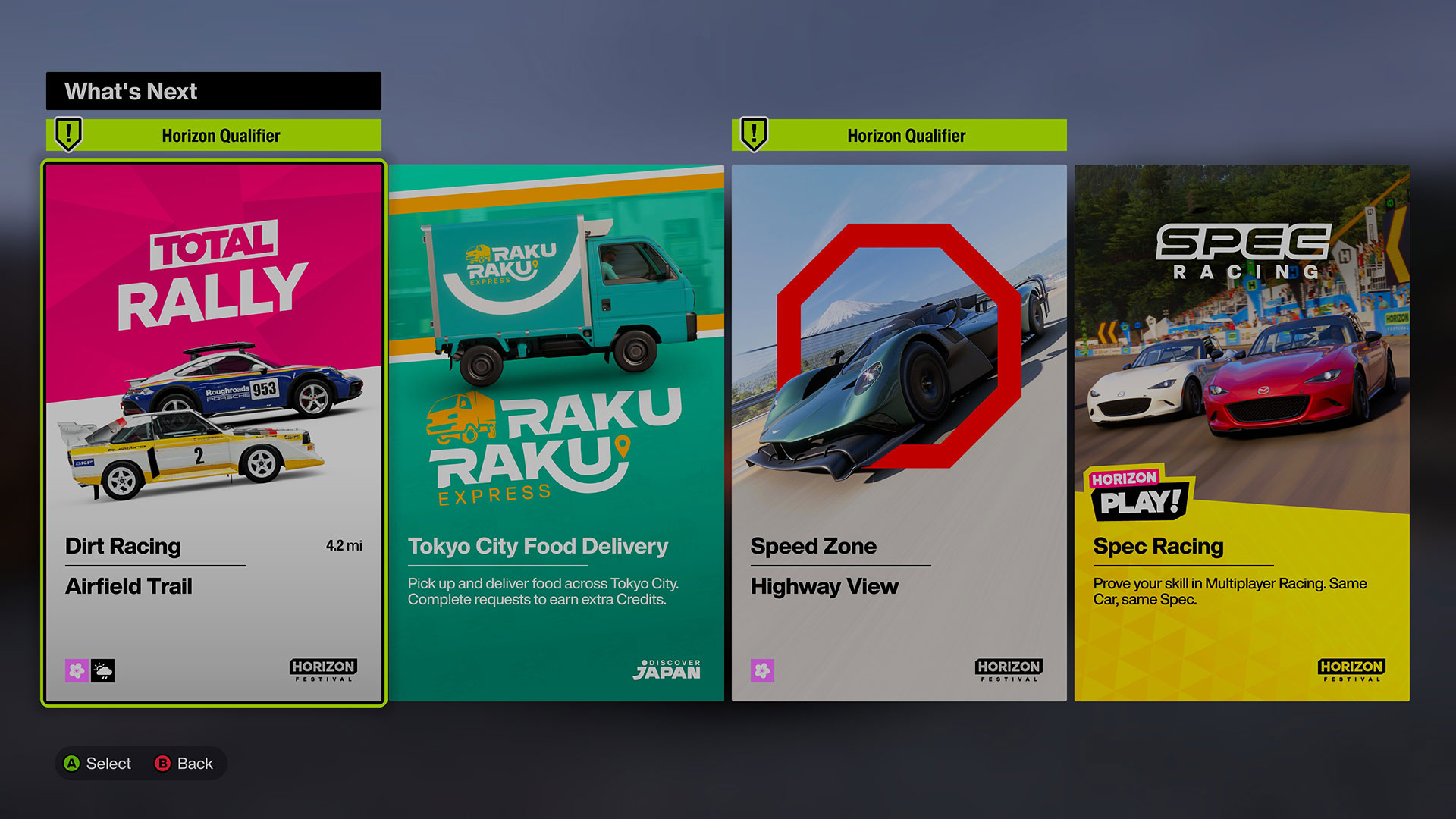
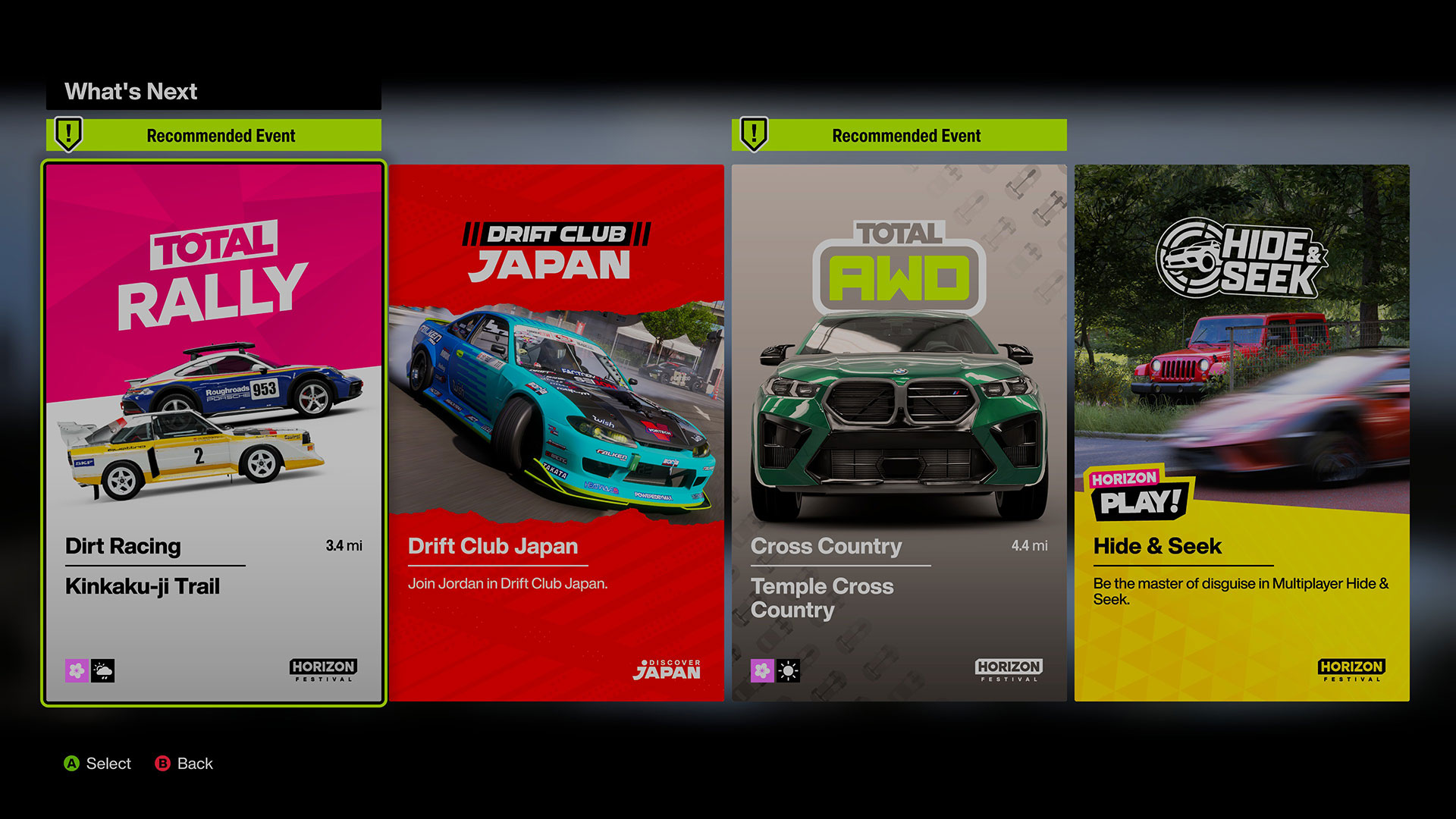
The wristband progression system returns in Forza Horizon 6, and while I know it’s not everyone’s cup of tea, I think it works. Earning new wristbands as you complete events unlocks new tiers of content, and the game smartly recommends events to take on after you finish one. That’s how I followed most of my progression, and it kept the giant map from turning into homework.
My bigger complaint is mainly UI. The map is massive, and even with filters on, finding specific events felt tedious. The recommendation system covers most of that gap, but the moment I tried to go looking for something specific outside the recommended flow, the friction kicked in. I found myself bouncing between recommendations rather than fighting the map filters.
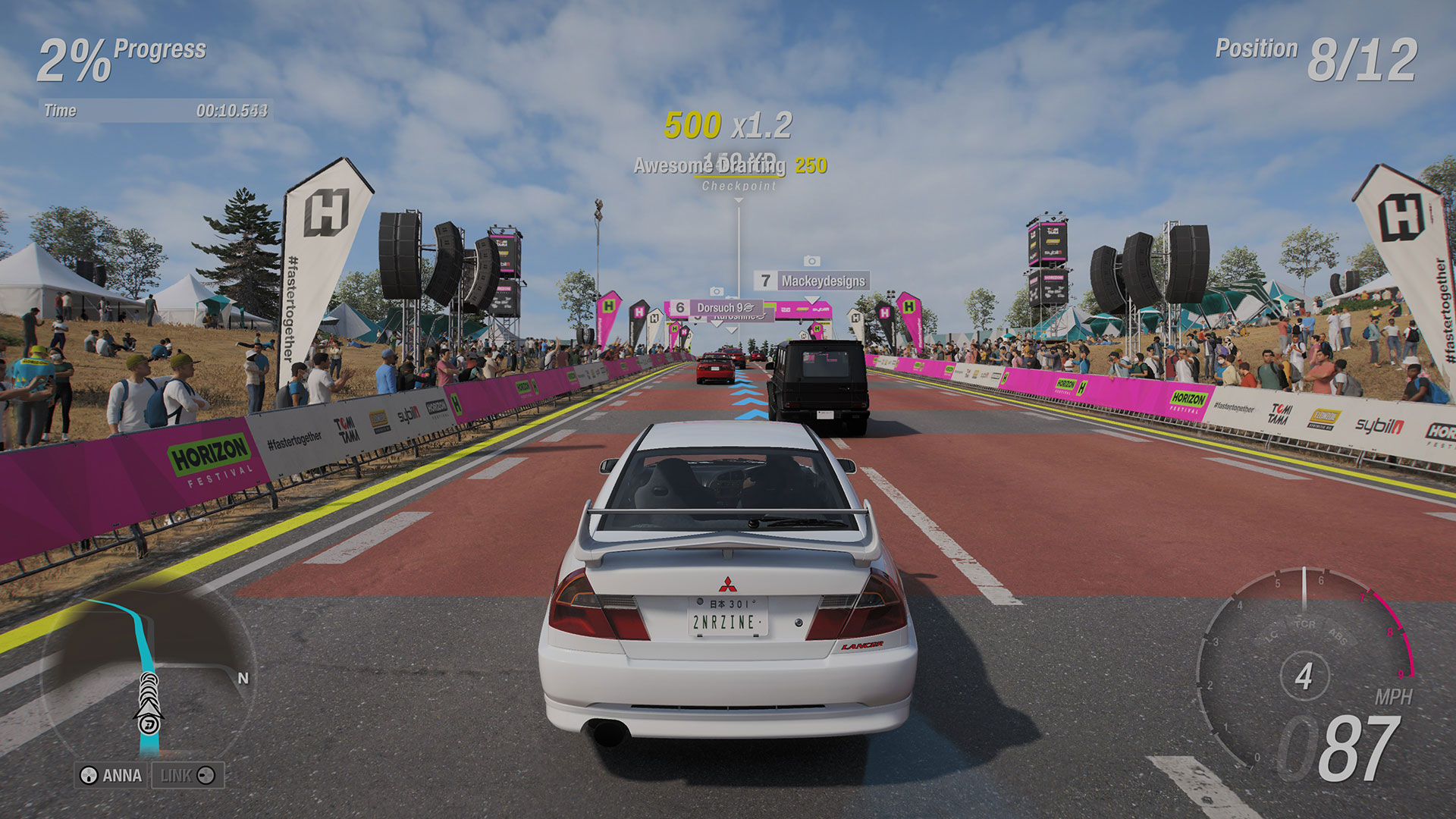
Some event restrictions also feel bizarre. I’d go into a modern rally car race assuming my Evo was a fine choice, only to find out it wasn’t eligible. The Mitsubishi Lancer Evolution has been a rally icon for as long as it has existed. Locking it out of a modern rally race feels arbitrary. There are other rally races where the Evo and WRX belong, but having either of those models ineligible for any event that has the word rally in the title just seems wrong.
And then there’s the BMW M2 being classified as a super saloon. It’s a two-door coupe. Maybe there’s some classification logic buried in the car taxonomy I’m missing, but as someone who has spent over 20 years writing about cars, I can’t think of anyone in the industry who would call an M2 a saloon. These are small gripes in the grand scheme of a game with this much content, but they’re the kind of detail that stands out to anyone who lives cars.
Land of the Rising Fun
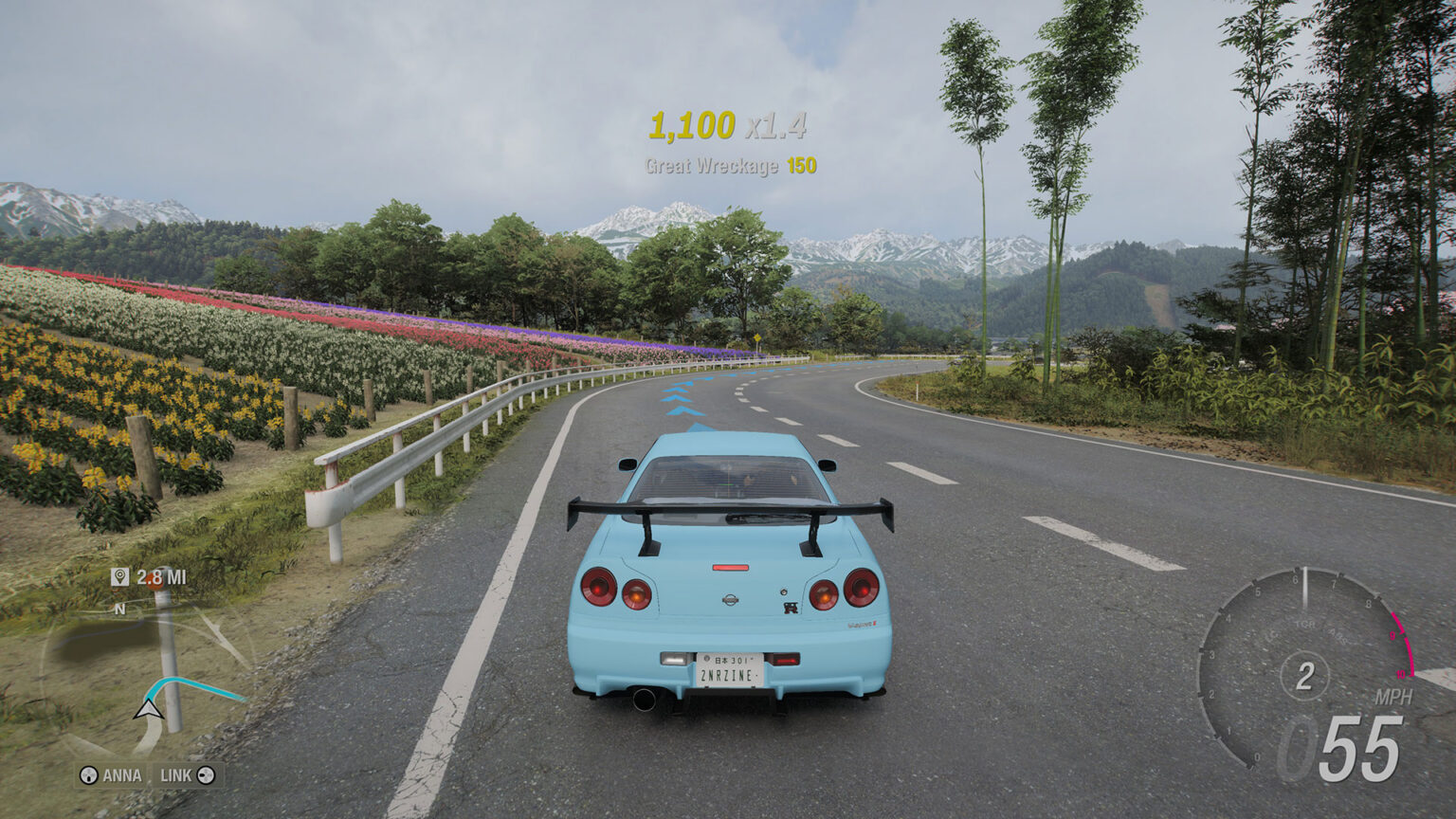
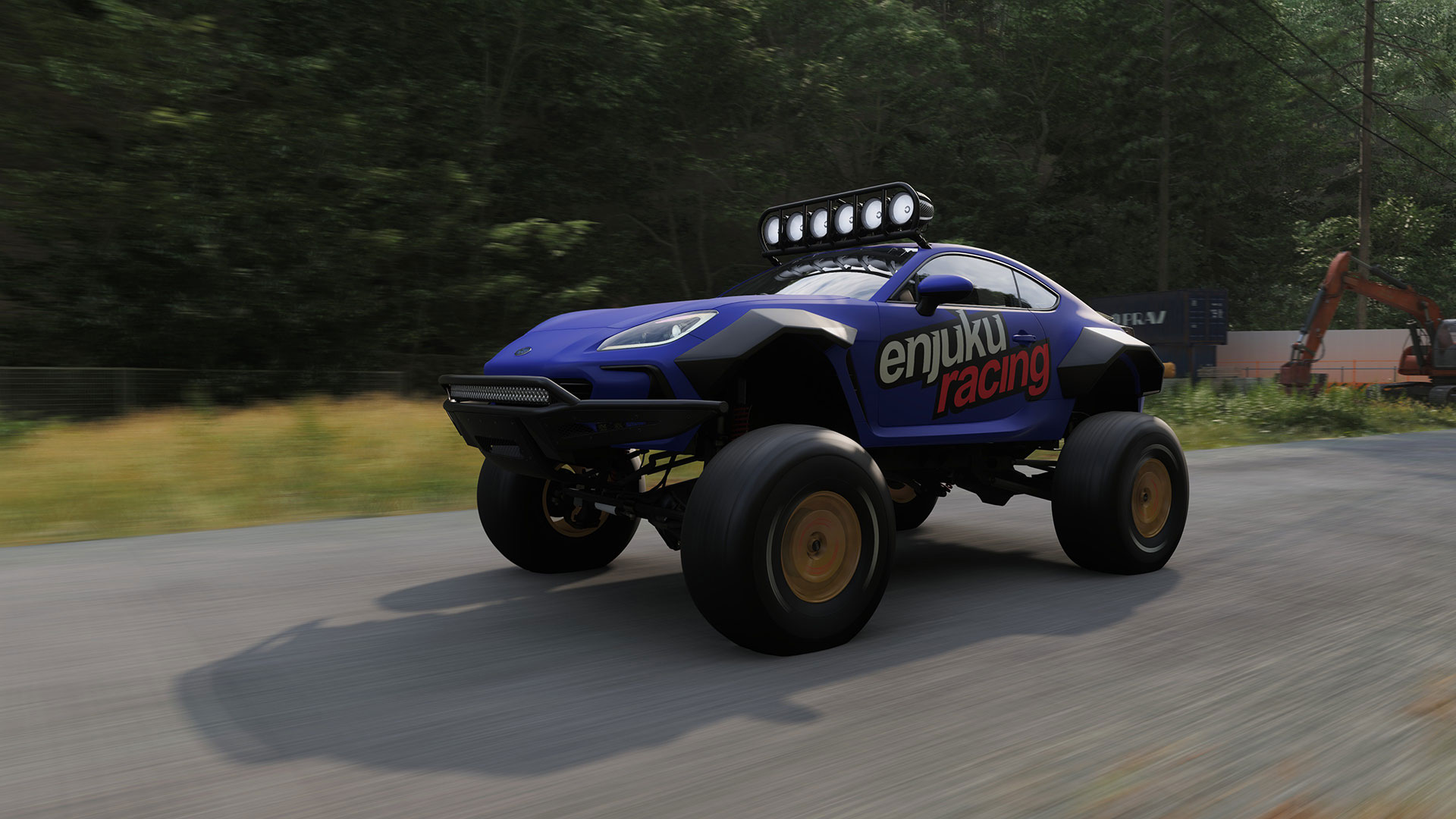
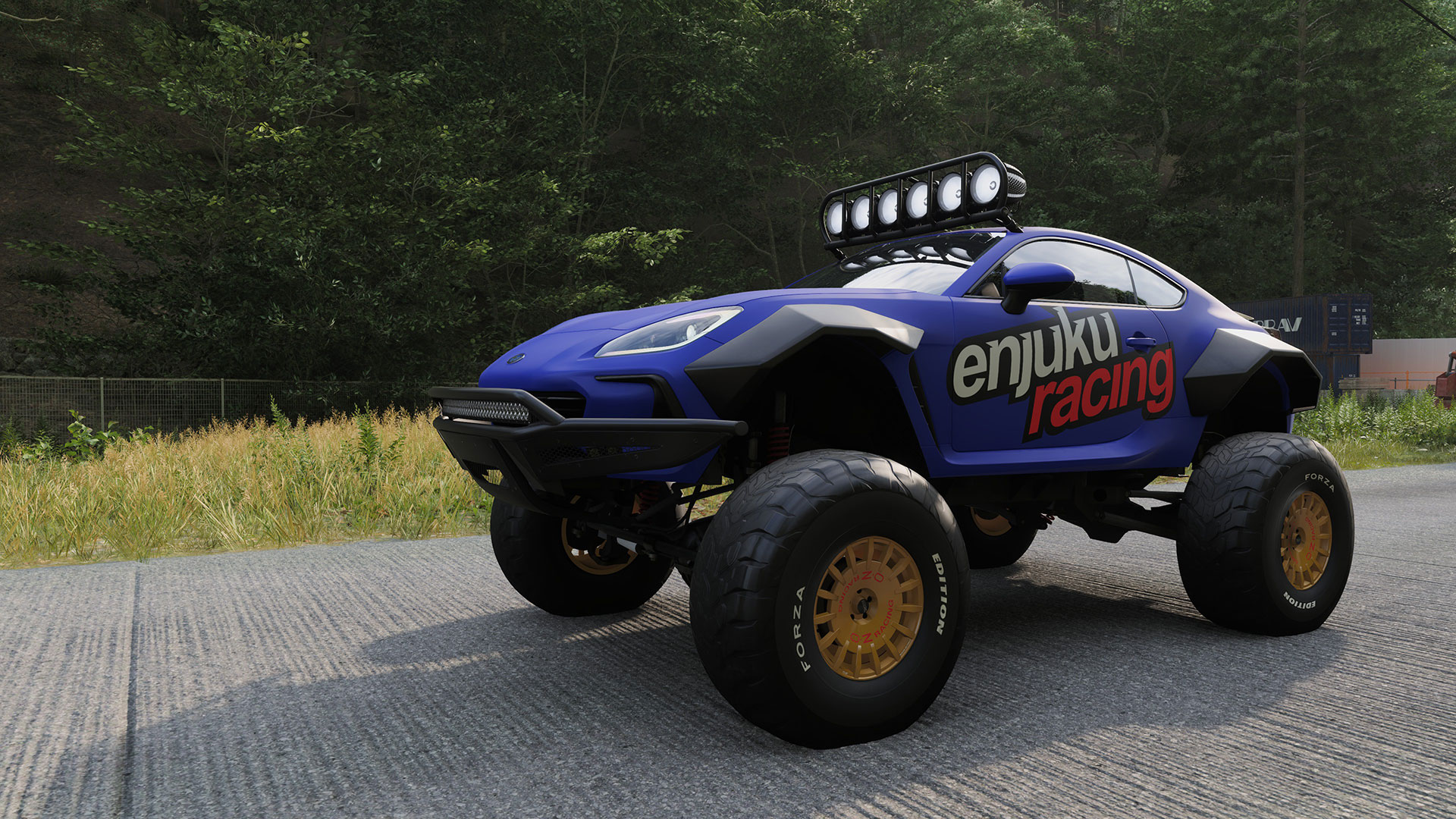
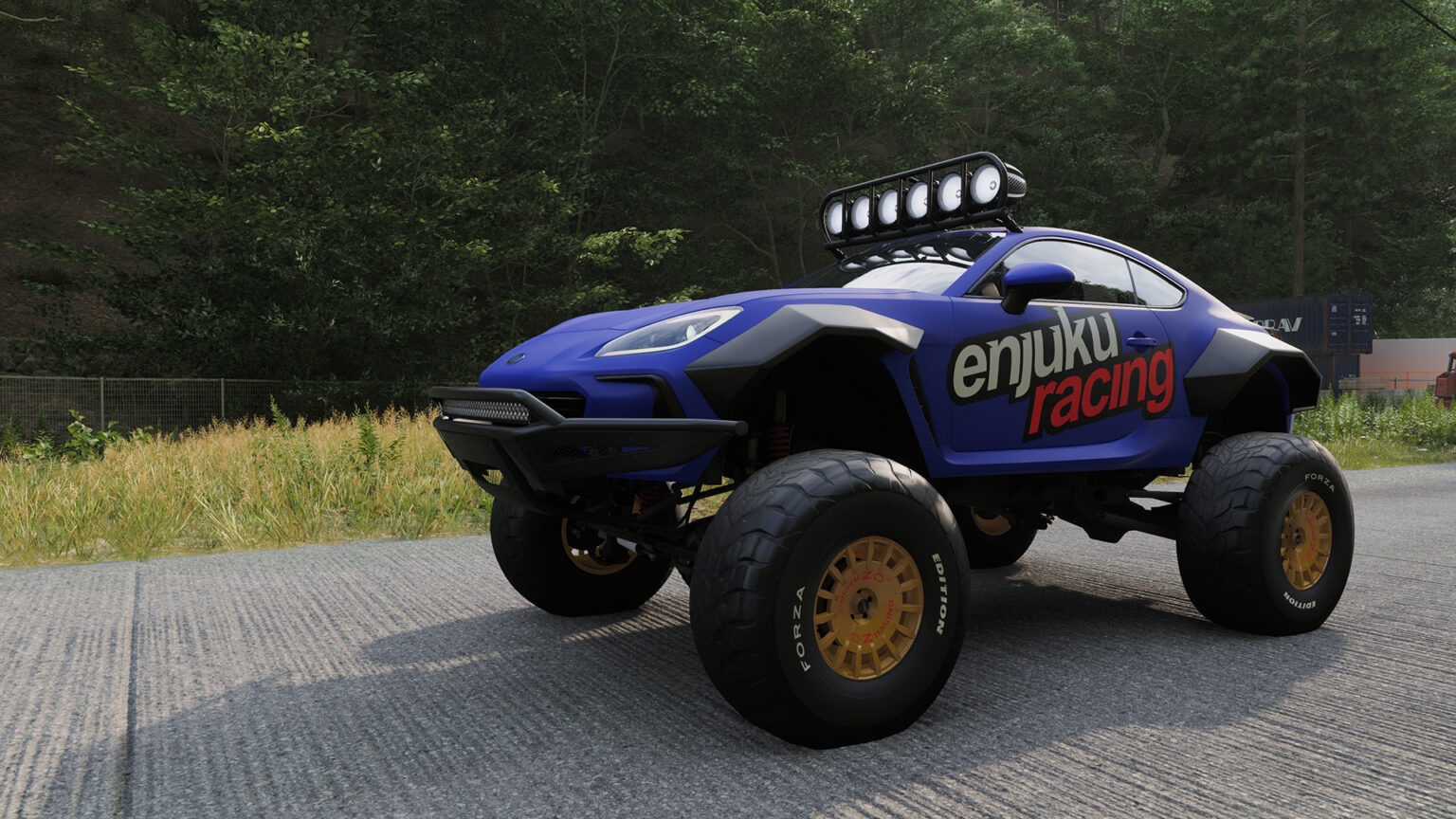
Despite the gripes, Forza Horizon 6 is a fantastic experience as a car enthusiast. This is going to be one I come back to often, whether for a few quick races, to build out another car, to drift my way through the mountains for a while, or to take my off-roading BRZ all over the map. There is just so much to do here, and so much of it is genuinely fun, even if you’re not a car enthusiast at all.
What I love most is how Playground Games leans into its own name. Forza Horizon 6 is a giant playground, and the devs aren’t shy about it. There’s no pretense about what kind of racing game this is supposed to be. Everything from the over-the-top showcase events to the wildly varied terrain is designed to be enjoyed first and picked apart later.
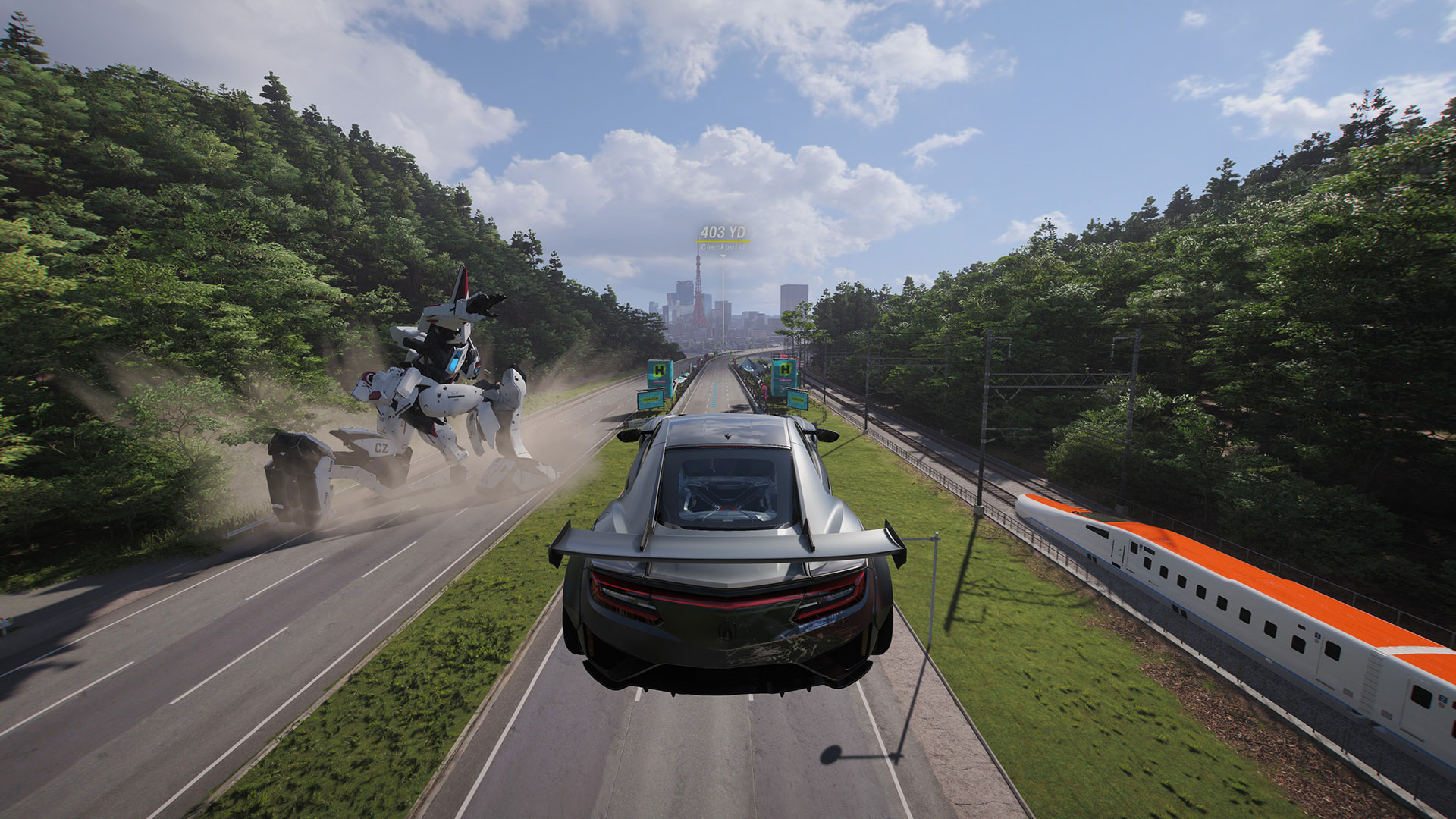
I can already hear people complaining that racing a giant Gundam-style mech in a Forza game isn’t an authentic experience. They’re not wrong. But I’ll be damned if it isn’t fun as hell. In a game that absolutely nails the more grounded car culture details, I’m willing to give the team a pass on the mech battle and the other absurdities that happen during the showcase events.
That’s where Forza Horizon 6 really clicks for me. The Japan setting is the most thoughtful and authentic Forza Horizon has been about its subject matter, but the game still finds room for racing a mech in a stunt event. As a car enthusiast who has spent his adult life in the industry and two decades visiting Japan, this is the Forza Horizon I’d been waiting for. And if it turns out I really do only like the even-numbered entries, that’s fine. I’ll see everyone at Forza Horizon 8, since this one will keep me occupied and happy for a long while.
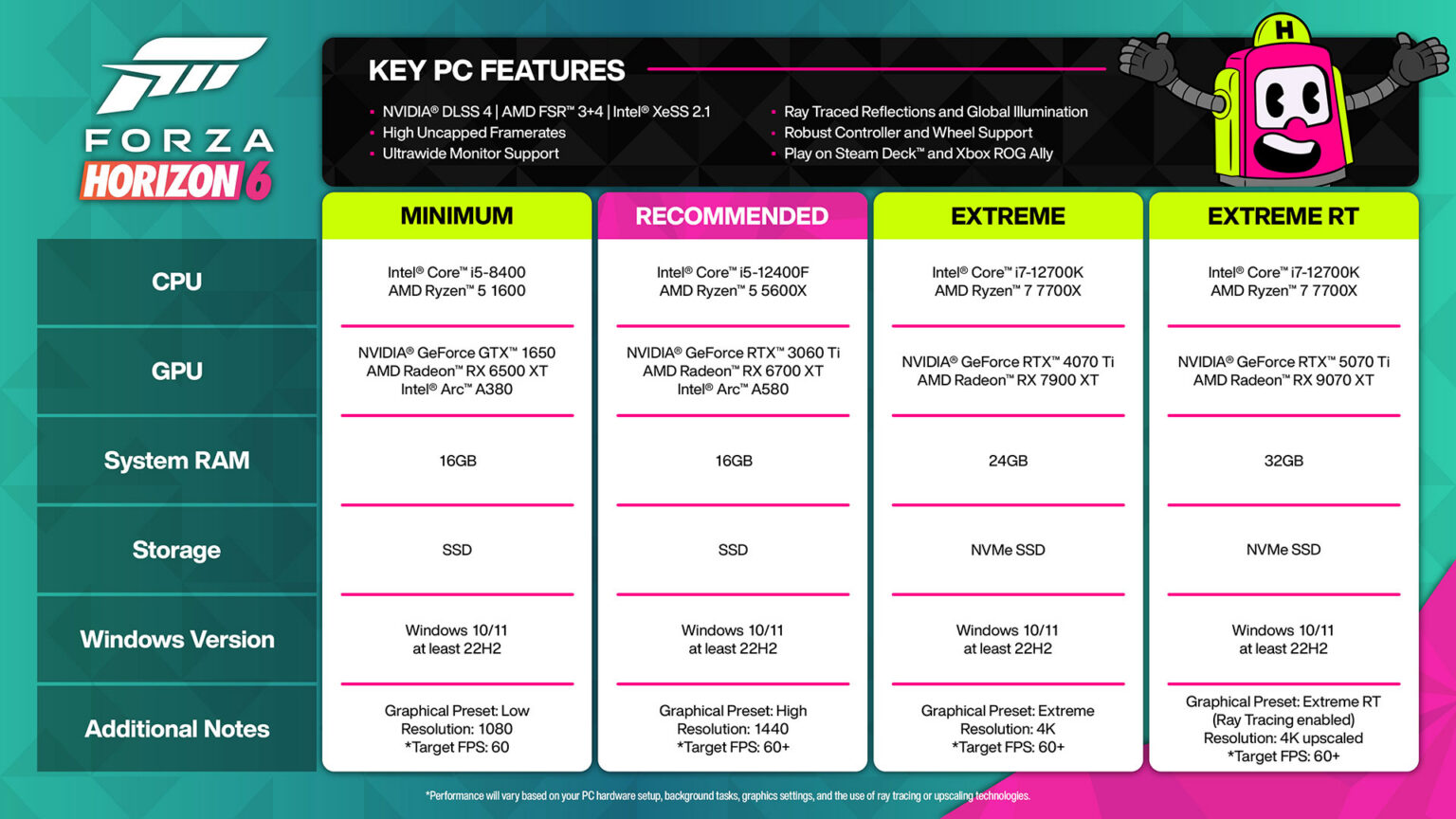
Forza Horizon 6 released May 19, 2026, for XBOX Series X|S and PC, with a PlayStation 5 version expected later in 2026. This review is based on a purchased retail copy of the game on PC (Intel i9-14900K, 96GB DDR5-6800 RAM, MSI RTX 5090 Gaming Trio OC). While FullCleared does have affiliate partnerships, they do not influence our editorial content. We may earn a commission for purchases made through links on this page.
Forza Horizon 6 Review Gallery