
Quick Verdict
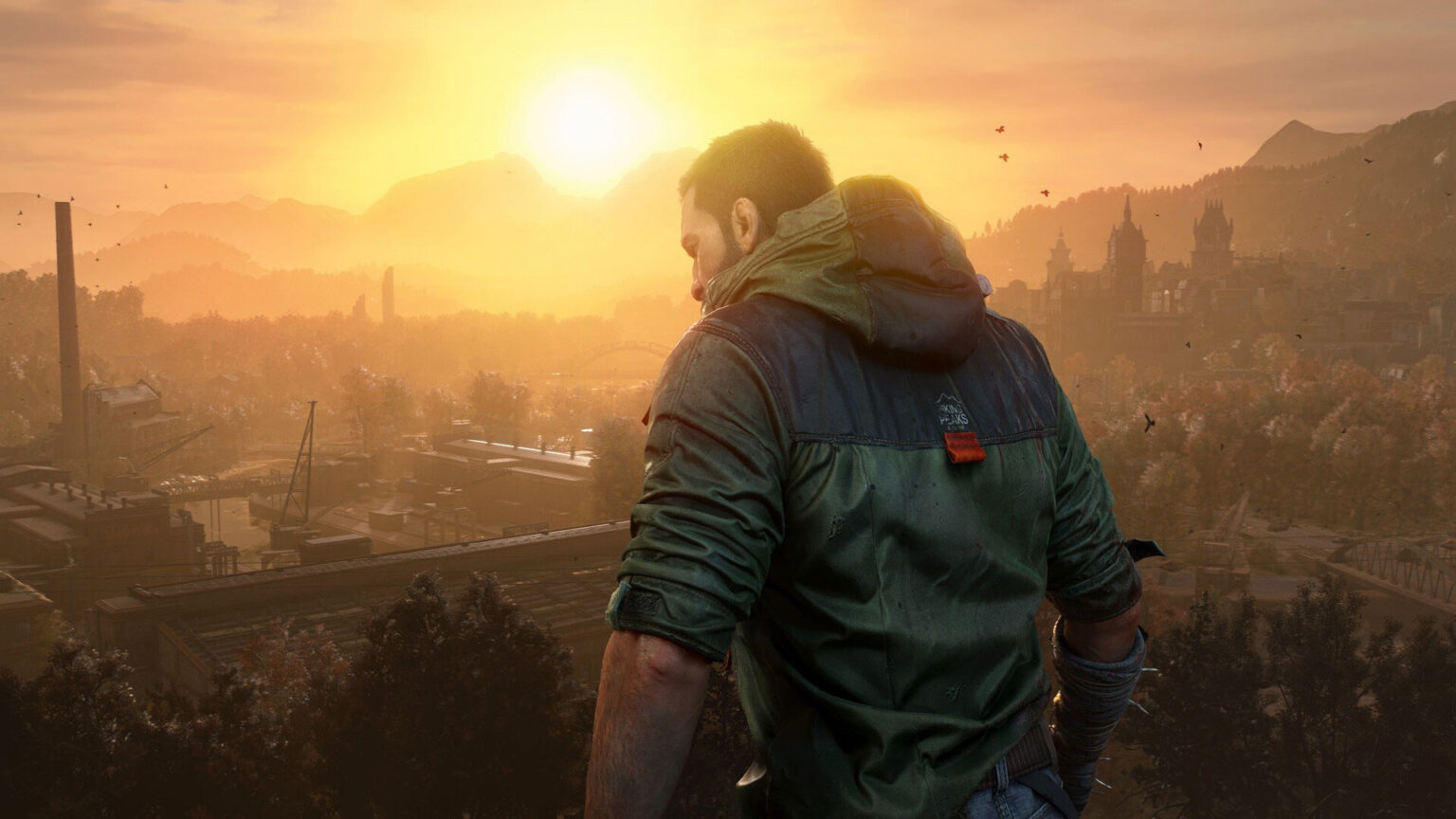
Dying Light: The Beast isn’t just a return to form for Techland; it’s one of the best games we’ve played this year. Kyle Crane’s comeback is a brutal, gory, difficult, and extremely fun experience from beginning to end. While the story isn’t anything special with some predictable moments, it’s significantly better than Dying Light 2: Stay Human. We never formed a real emotional attachment to any of the characters, but the payoff at the end is worth it for fans of the franchise.
The game starts with a clear message: Dying Light: The Beast is not the same game as Dying Light 2: Stay Human—a violent intro offers a glimpse of how fun the experience is going to be. If you’re like us and enjoyed the first game but were massively disappointed by the sequel, you’ll want to pick this up. We mostly loved every minute of it, and it’s especially fun with others.
Feral Grace
Over 10 years ago, we unexpectedly received review keys for Dying Light, a game that went on to become one of the best surprises of 2015. We absolutely loved the game’s co-op mechanics, with its competitive objectives (which unfortunately don’t return), intense nighttime combat, and well-done parkour system. We went on to enjoy the story DLC The Following and couldn’t wait to see what Techland would cook up next when it announced Dying Light 2: Stay Human. Unfortunately, the game’s floaty and clunky combat, unengaging systems, and rather bland story left us extremely disappointed. For us, it truly felt like the Dying Light franchise took a huge step backward with its sequel. That’s not to mention the many bugs we encountered, even though we played the game over a year after its initial launch.
When Techland first announced that Dying Light: The Beast would be a standalone title rather than DLC for Dying Light 2, we were a bit curious. Knowing that Kyle Crane, the protagonist from the first game, was set to return, there was hope that Dying Light: The Beast would be more like the first game than the second. We kept ourselves in the dark a bit, and even after the game was slightly delayed, we remained optimistic that Techland would return to its roots to deliver something memorable.
Dying Light: The Beast is a lean, brutal return that dials back on sprawling systems in exchange for sharper parkour, nastier combat, and the return of real night terror. Most importantly, though, it’s genuinely one of the most fun games we’ve played as a group in the past few years, which says a lot coming on the heels of Borderlands 4. While Dying Light: The Beast is designed to be a single-player experience, it’s best enjoyed with friends, even if it removes some of the suspense, since your companions can resurrect you if you fall in battle.
Beautifully Brutal
Within the first couple of hours of Dying Light: The Beast, it’s clear the game knows what it is. I constantly had the feeling that Dying Light 2: Stay Human didn’t know what kind of game it wanted to be, taking an almost checklist-like approach to cram in all the features and systems players expect from a modern game. As a result, it was a bit of a mess, a blend of mechanics that just didn’t fit the Dying Light style. In a way, it felt watered-down, and the unengaging story and characters didn’t help either. Dying Light: The Beast is none of those things, bringing back nearly everything from the first game that was brilliant and sprinkling in the few parts that worked in the sequel. In essence, this standalone title, despite not bearing a numerical 3, should be treated as a sequel to both games, because it really does take the best of both worlds to deliver an excellent Dying Light experience.
It doesn’t take long for us to experience the visceral, brutal combat we were pining for, which was absent in Dying Light 2. The introduction quickly puts Kyle Crane into the game’s standout mechanic, Beast Mode. This transforms Crane into a bit of a killing machine, dismembering zombies and human soldiers with ease. Initially, it feels like an “I win” button, but it won’t take long to realize it’s more like a “please save me” button. It’s surprisingly well-balanced, since Crane isn’t invincible while in Beast Mode. There were even instances where I died trying to go toe-to-toe with a boss, thinking I had the upper hand. Early on, Beast Mode triggers automatically once its bar fills, which happens by dealing melee damage and taking damage. The player has no control over its activiation until partway through the game, which results in some very interesting moments during the opening hours.
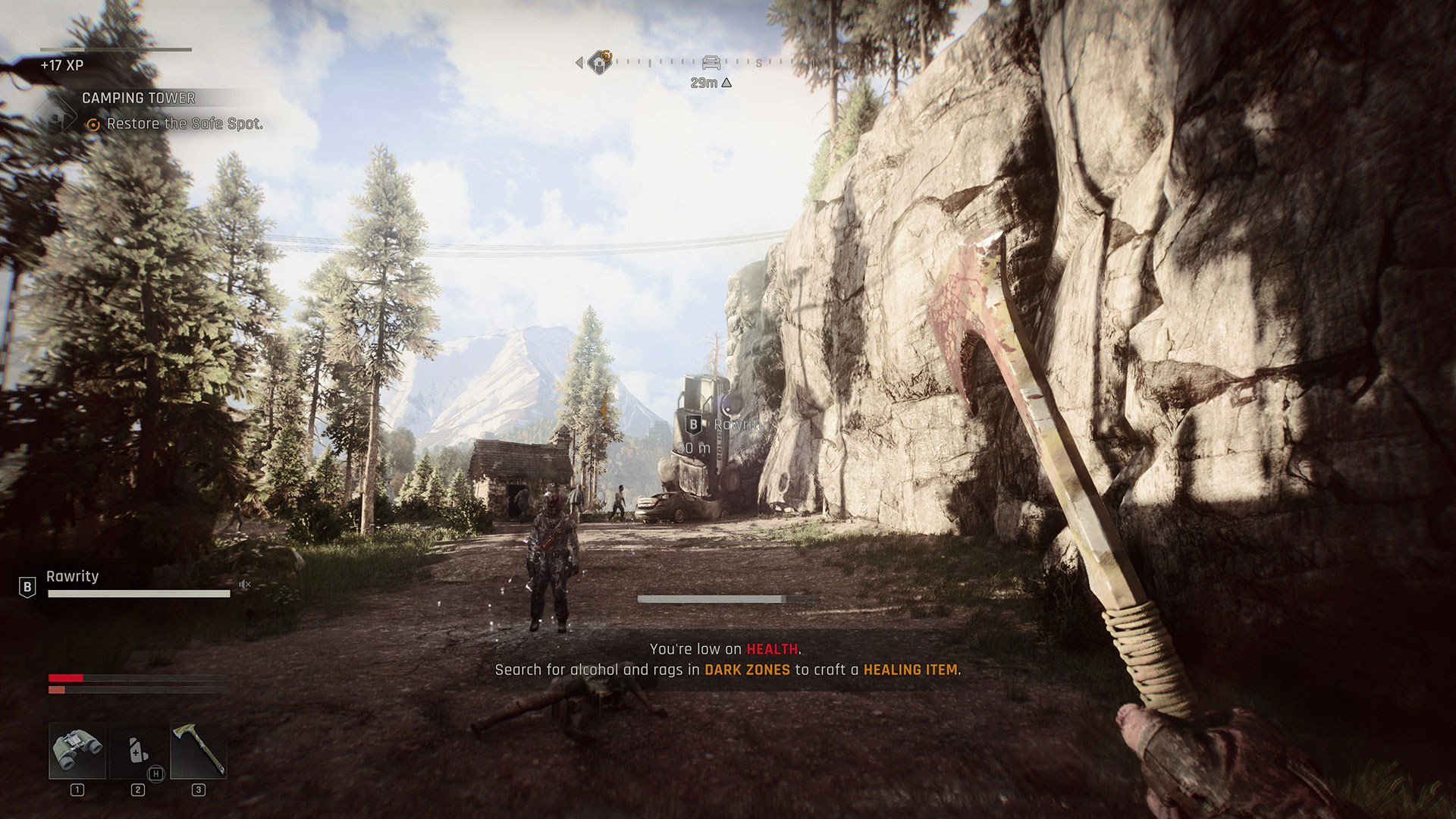
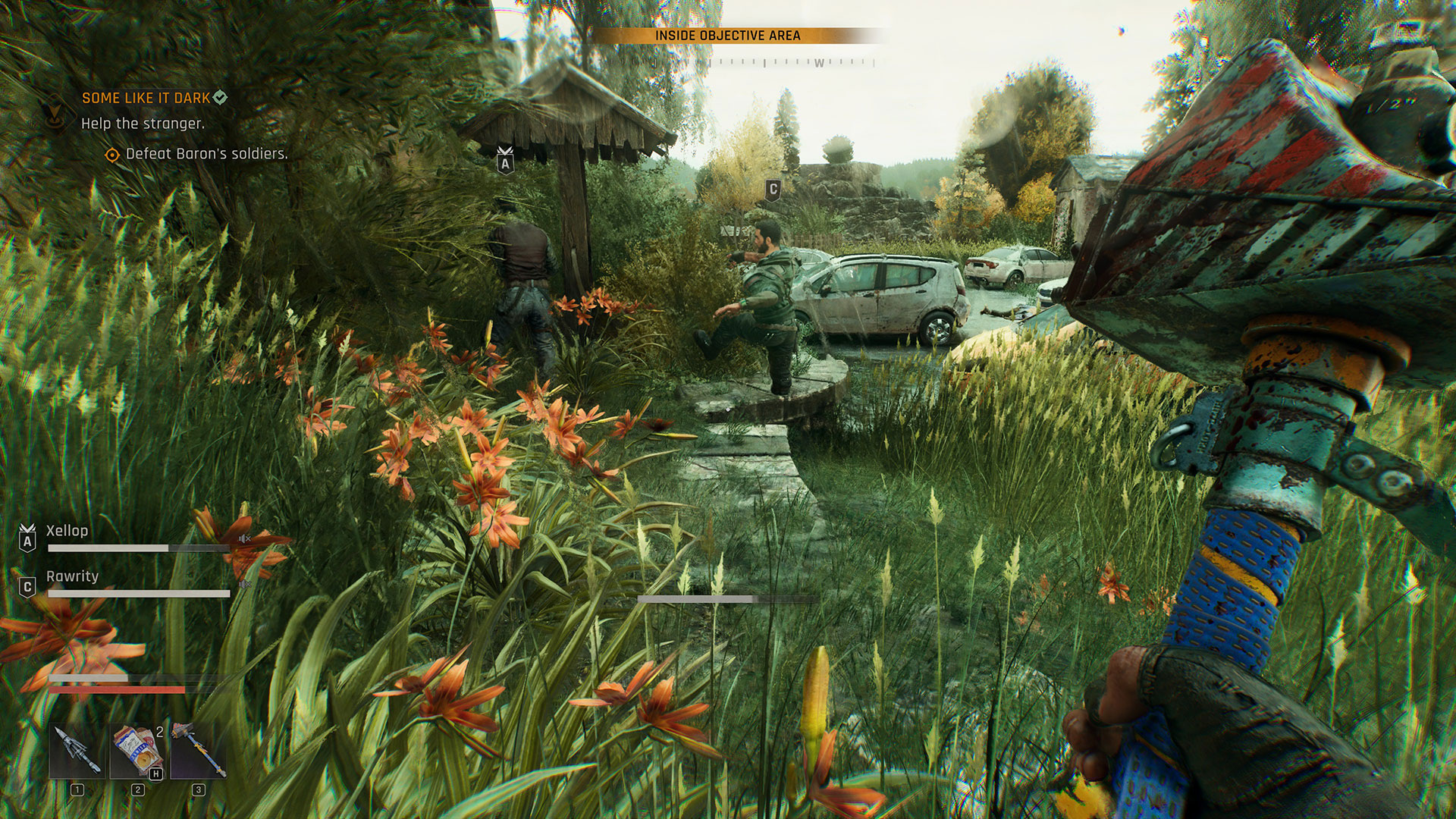
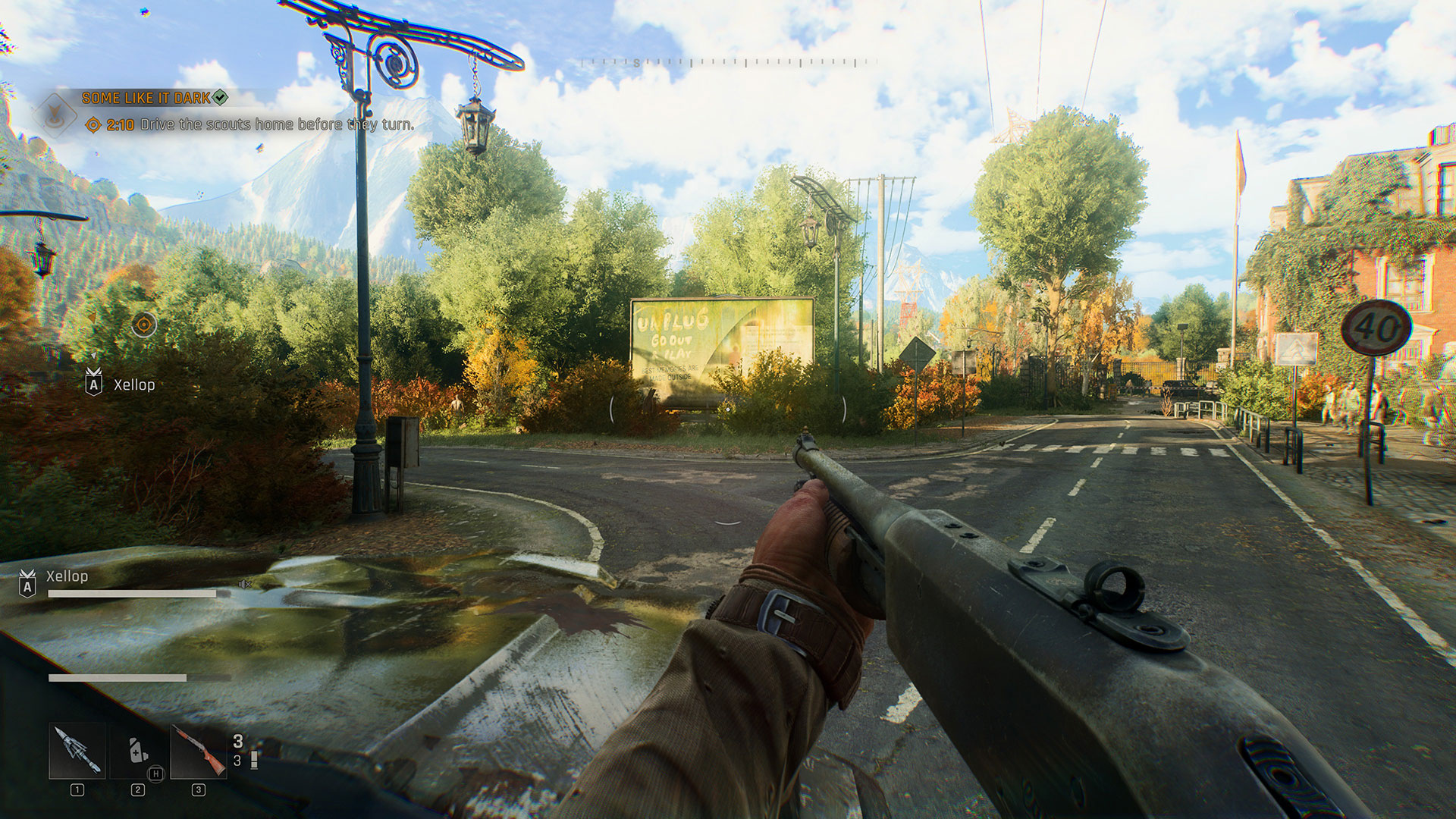
Outside of Beast Mode, combat feels heavier and more impactful, with an enemy’s appearance changing with each attack, whether from an axe to the face or a bullet to the head. Dismemberment and gore are plentiful, all of which provides clear feedback that you’re doing your job. It’s a far cry from Dying Light 2, where it was sometimes flat-out unclear whether you were hitting a zombie. Guns do make a return, but ammo is sparse and they’re ideally used to take down humans rather than zombies. Going melee against humans generally requires a properly timed block before you get an opening to attack, which makes a bullet to the head much more efficient. To keep things balanced, dealing damage with a gun won’t help charge the Beast Mode bar, which I found fair. It adds a layer of strategy when fighting bosses, and ensures you don’t just go in guns blazing at every opportunity.
Hardcore Parkour
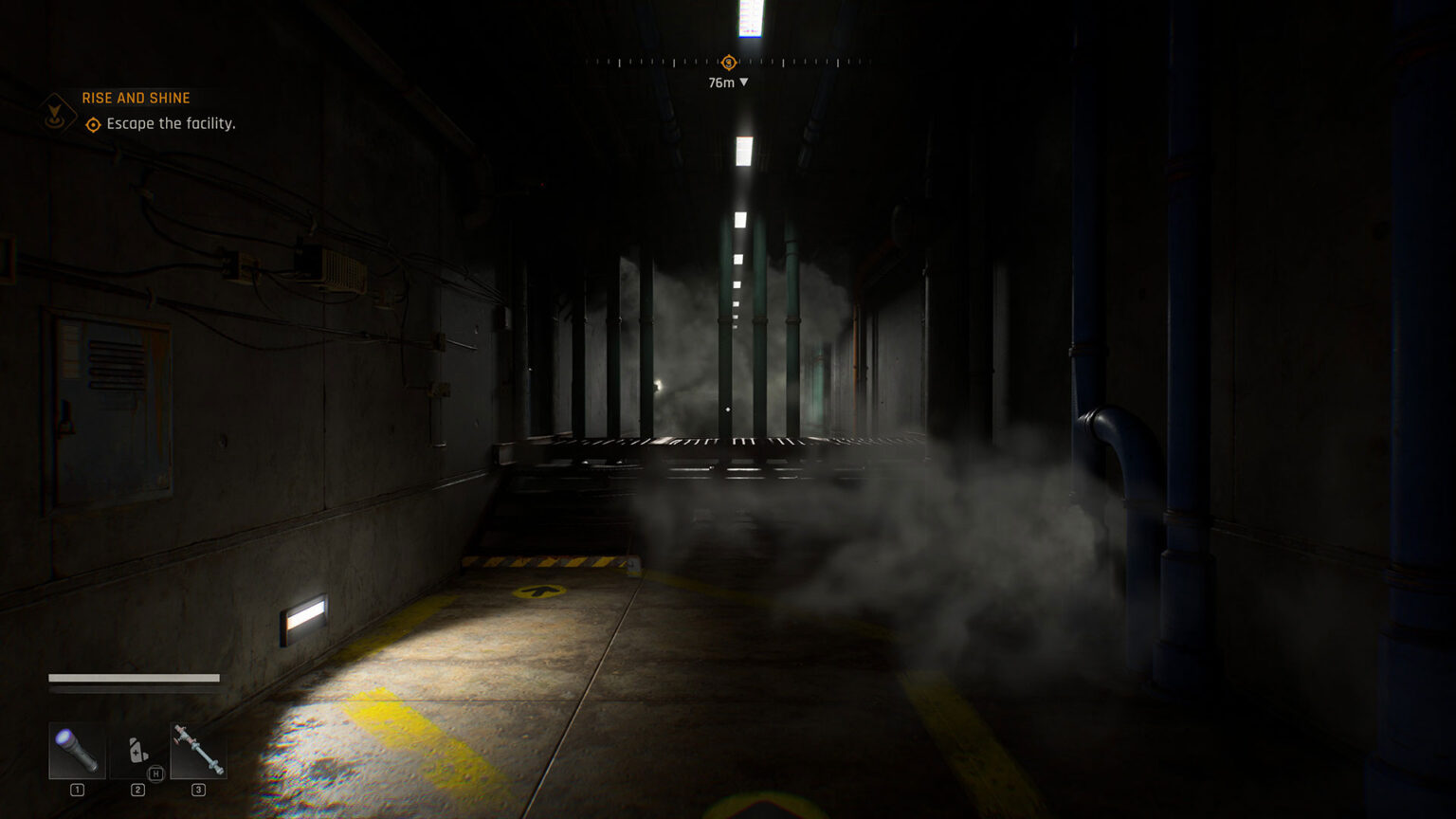
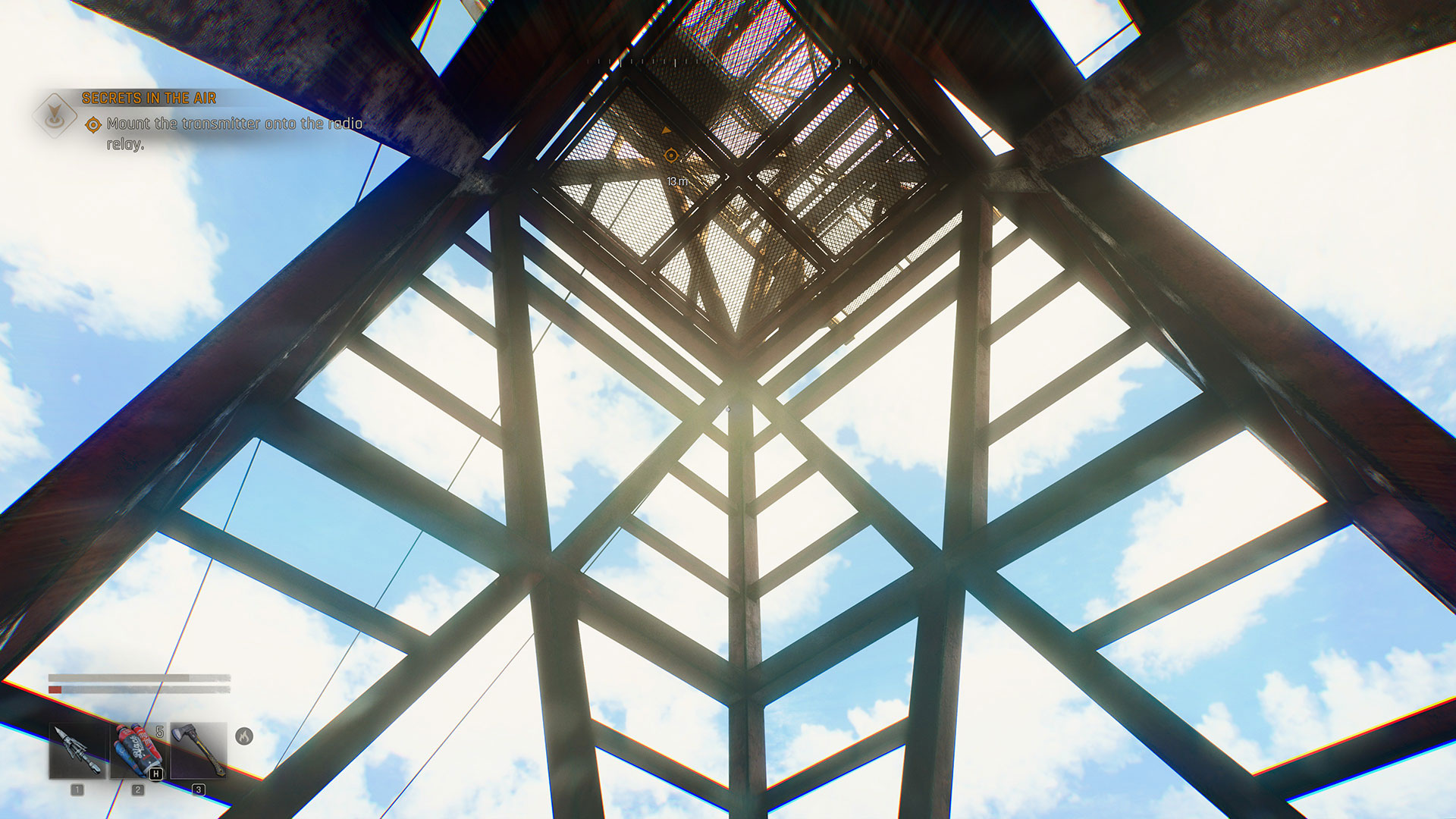
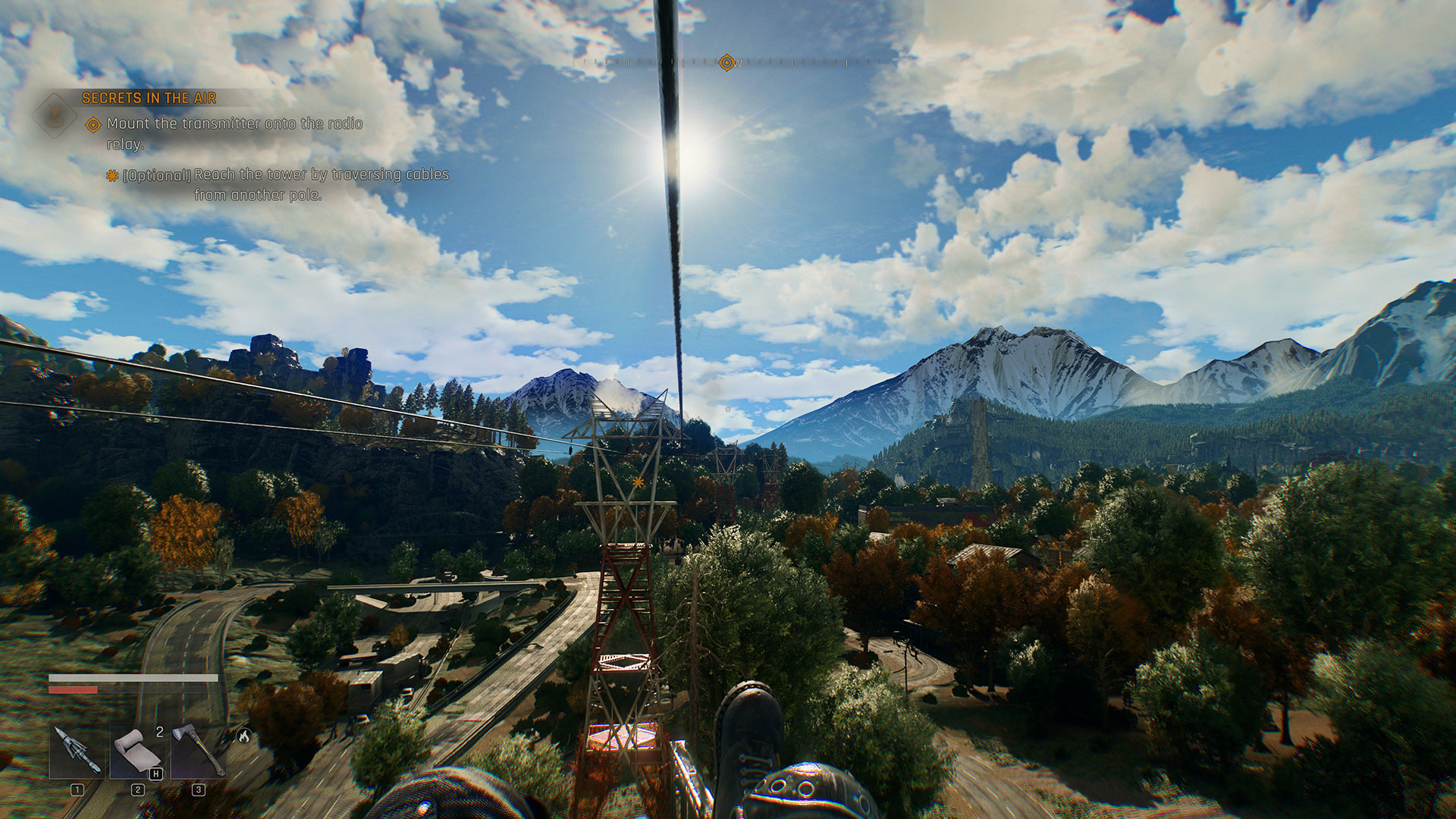
With combat feeling meaty and satisfying, it’s time to talk about the game’s parkour mechanics. At the start, it feels a bit sluggish, but it improves with upgrades from the skill tree. There’s a stronger emphasis on traversal challenges, climbing puzzles, and a lot of Uncharted-style shimmying—perhaps too much. At times, I felt like I was playing Horizon Call of the Mountain, but it’s a lot more boring when you’re not doing it in VR. Collectively, we found the shimmying a bit excessive and tedious, especially if you accidentally miss a jump and fall back to the start of the climb. I honestly think I spent two to three hours of my playtime just watching Crane slowly move one arm over the other to reach a destination.
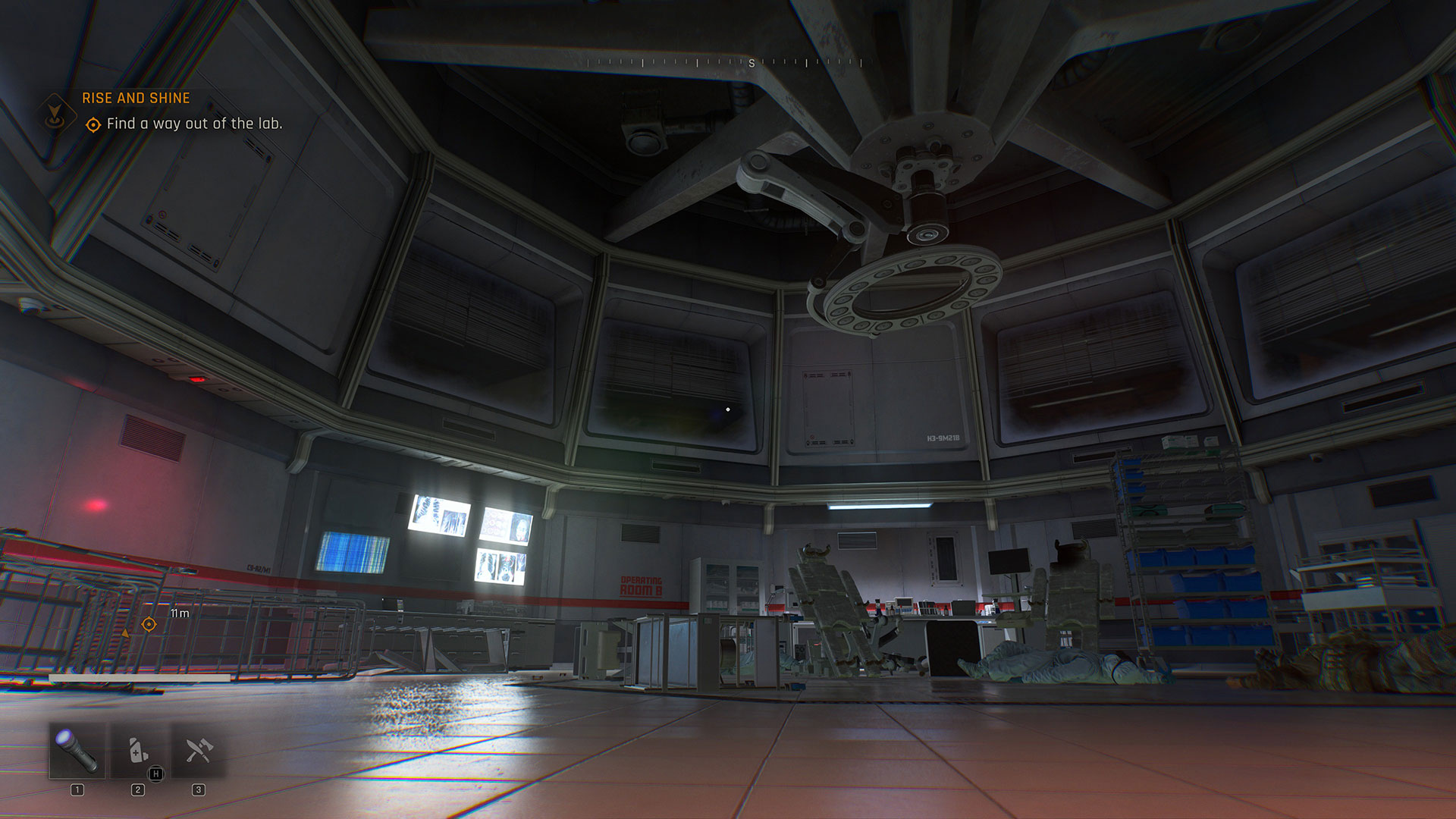
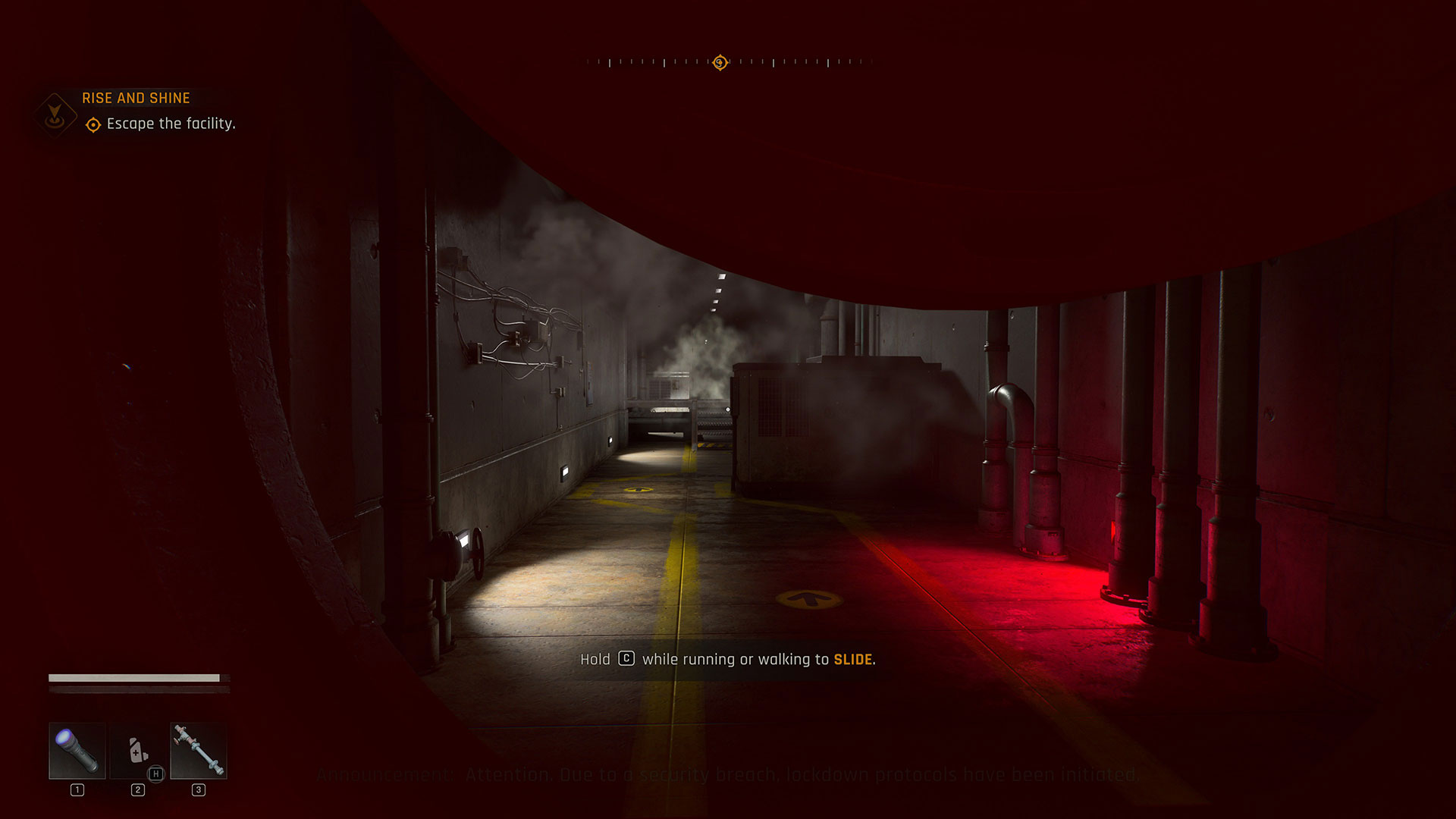
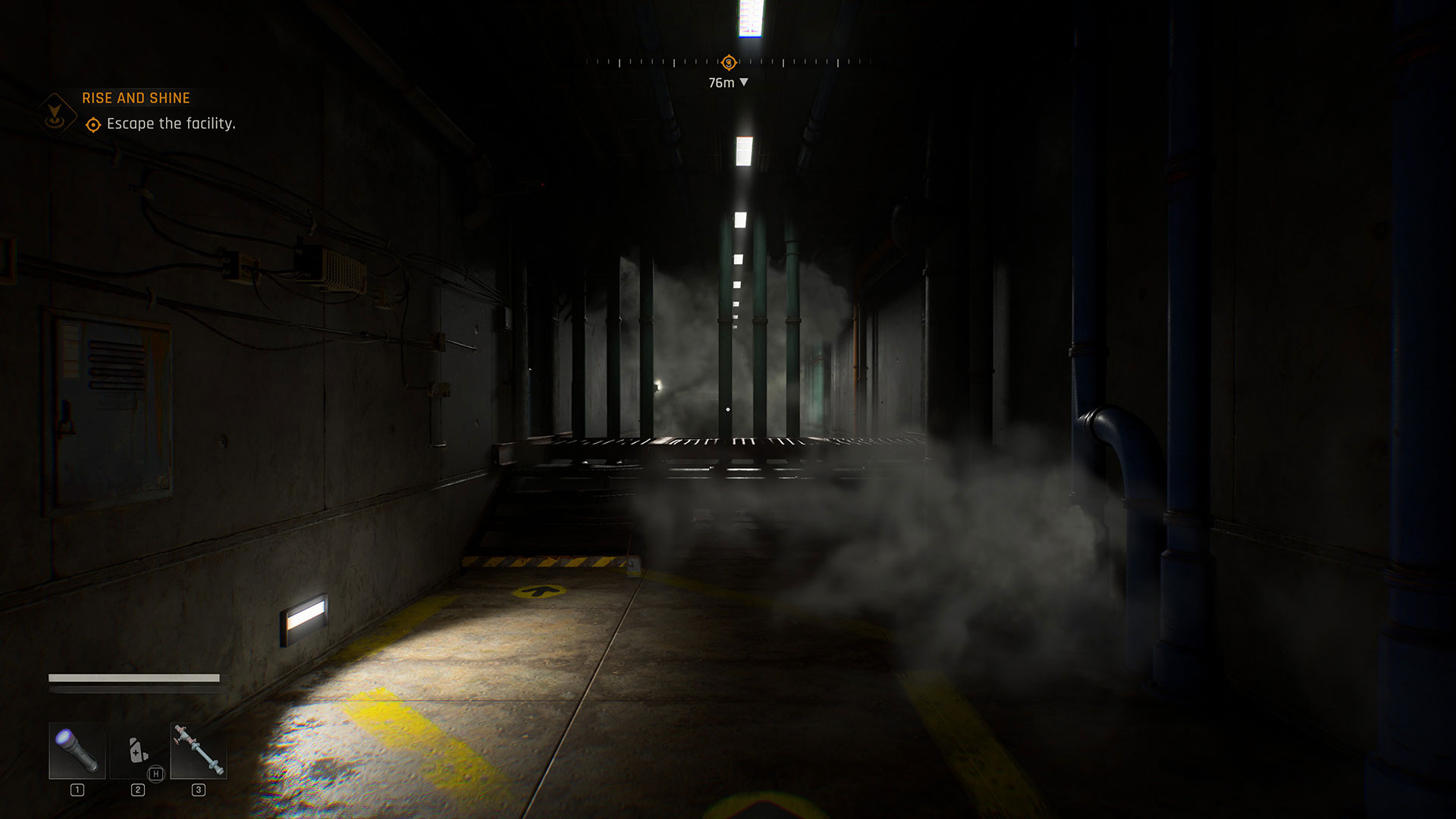
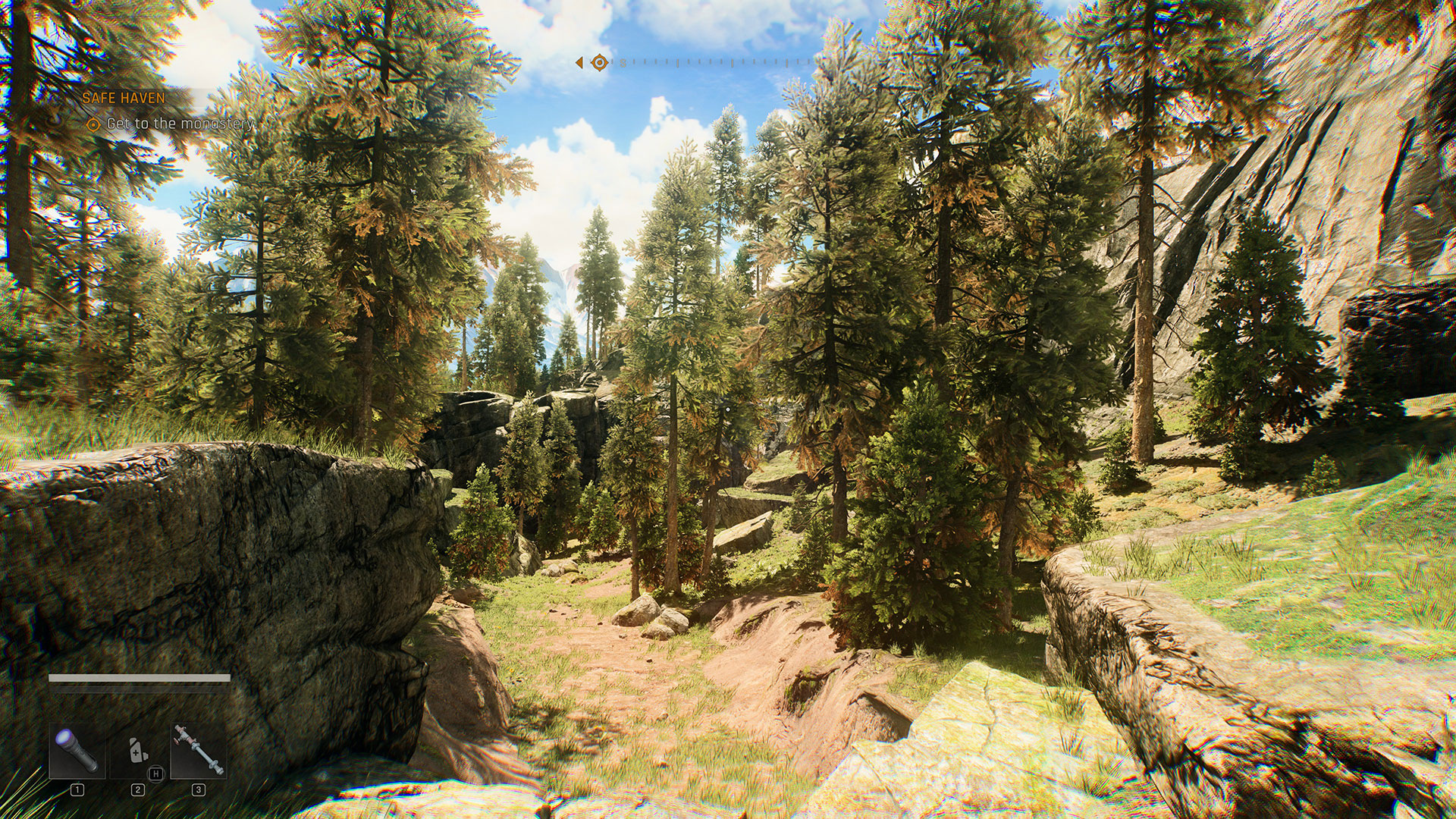
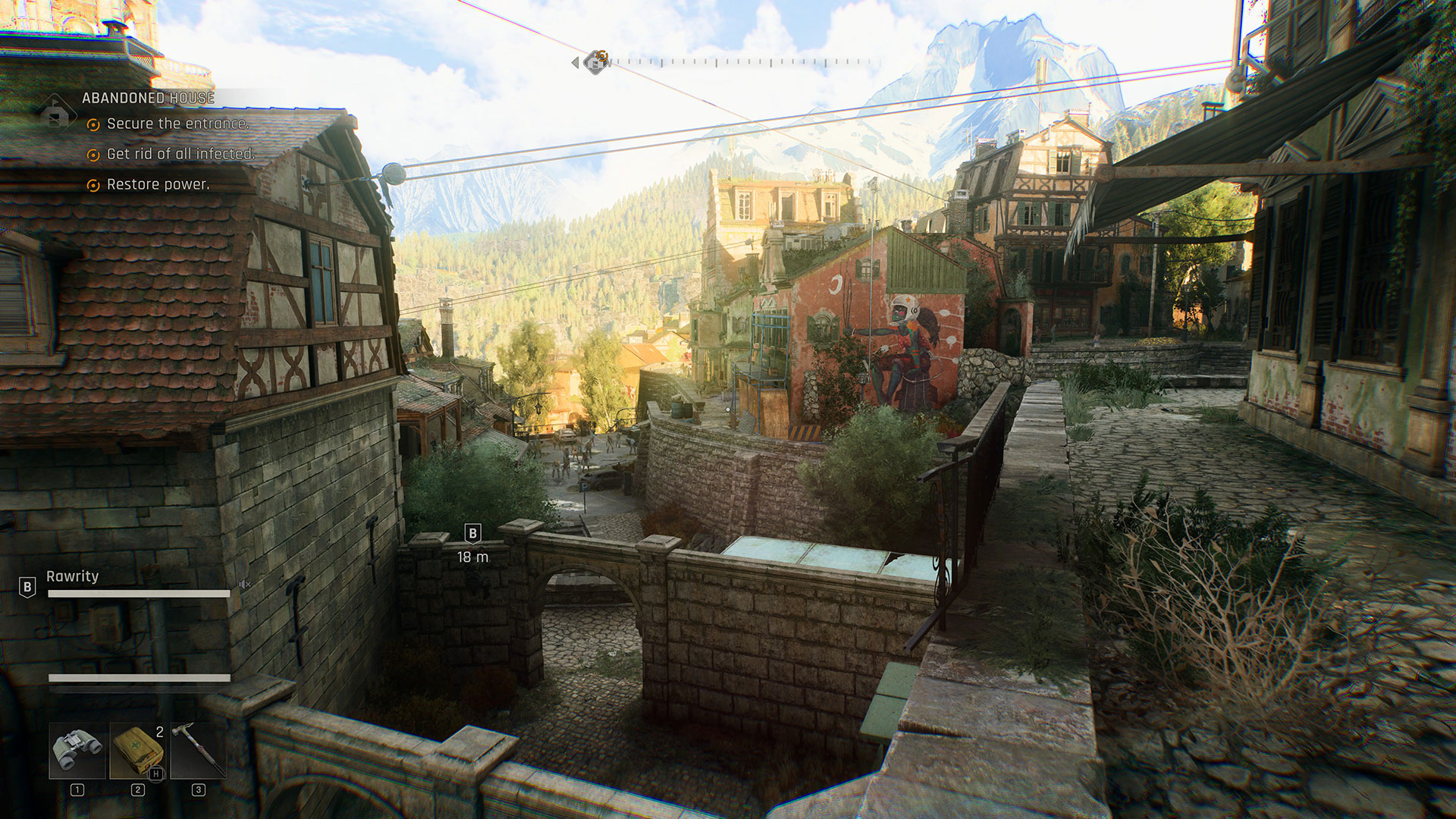
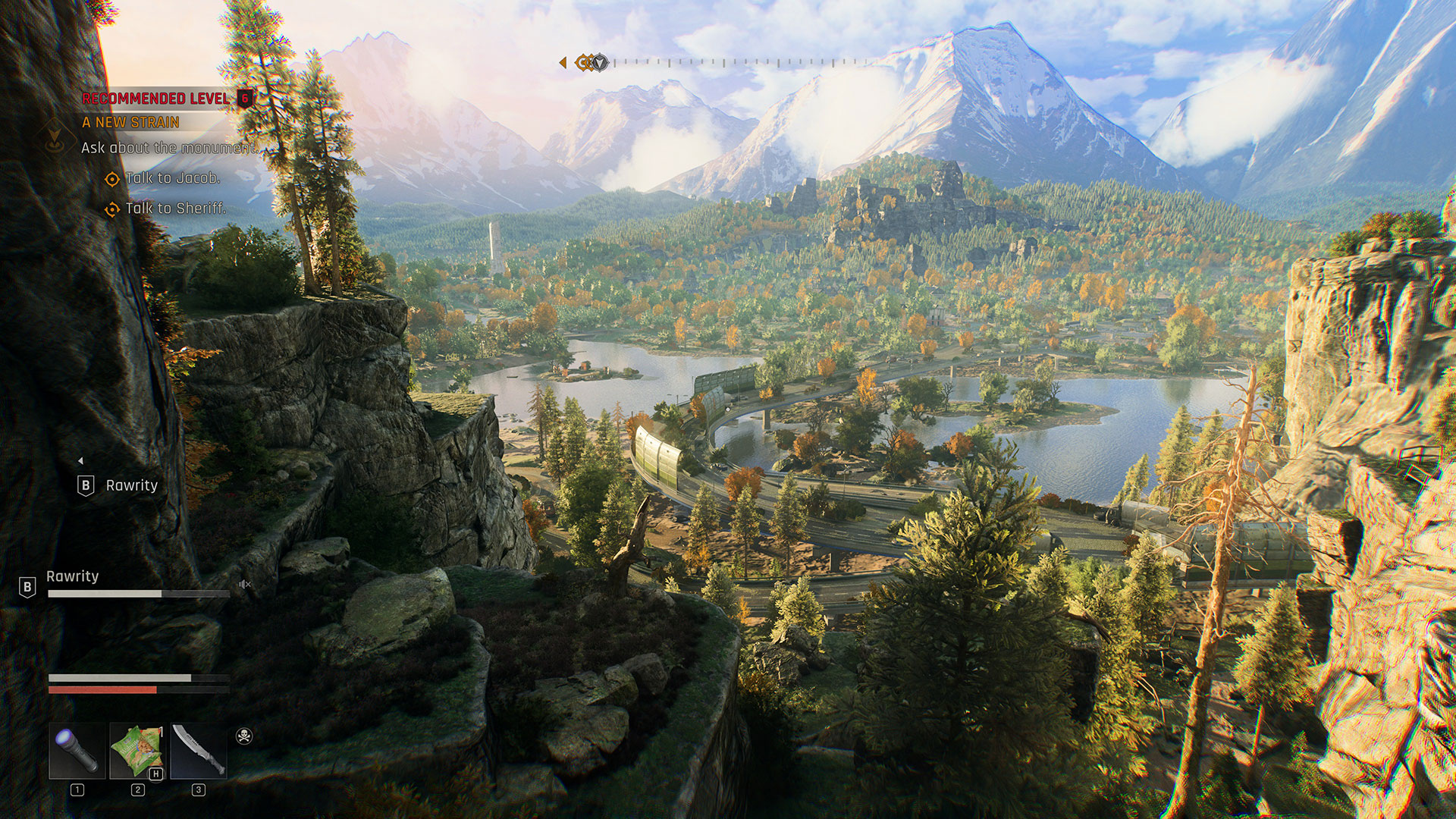
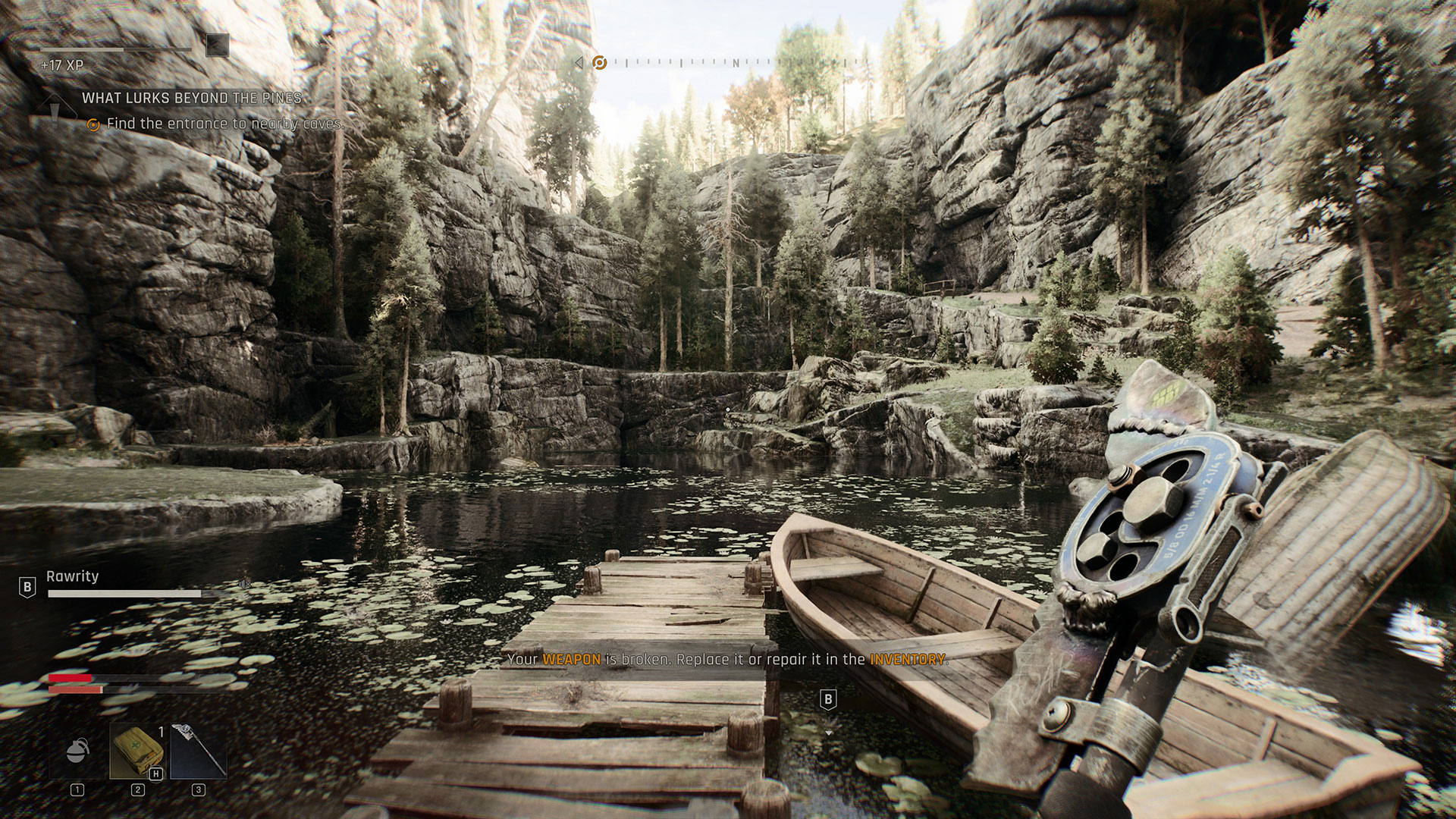
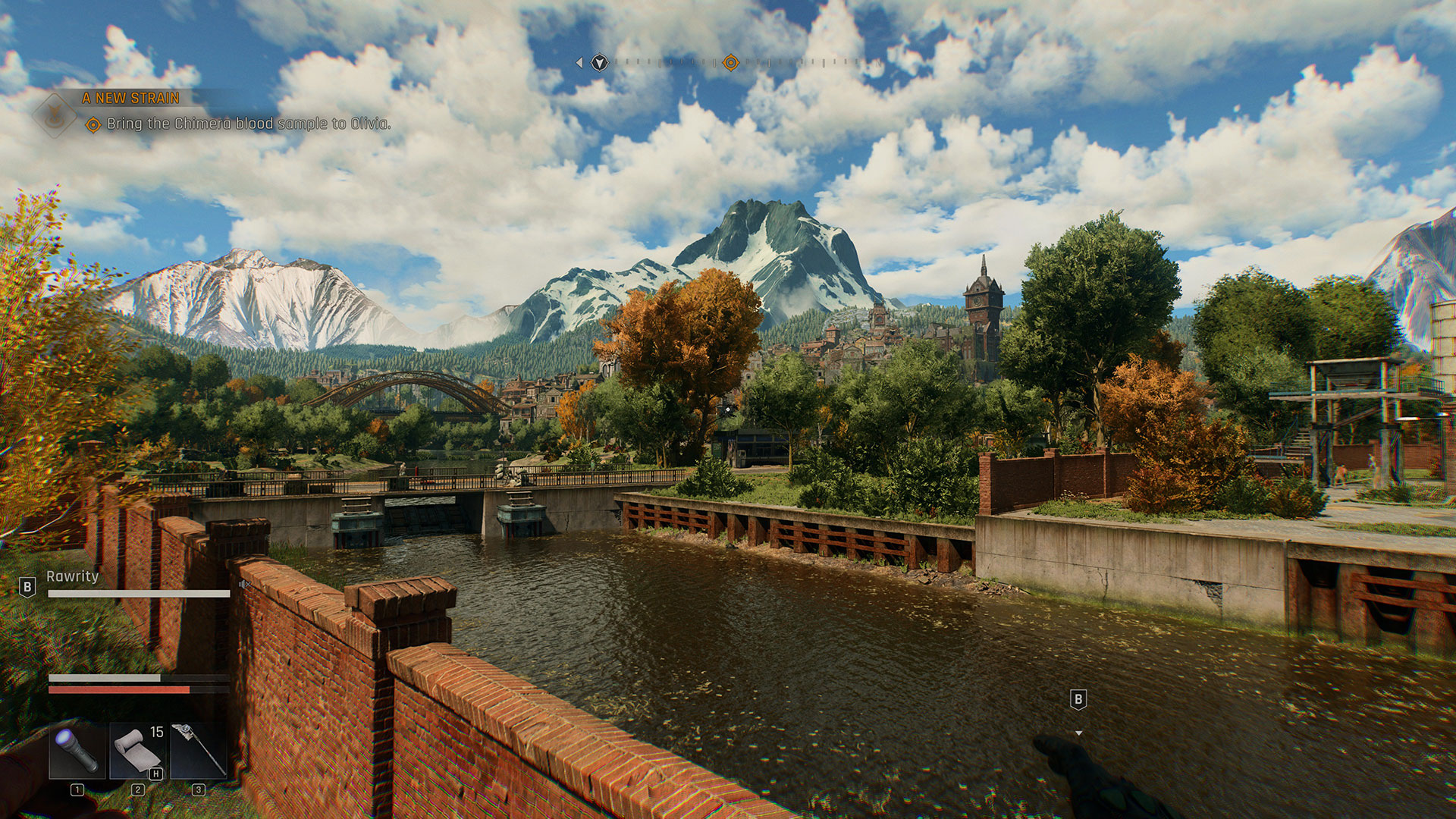
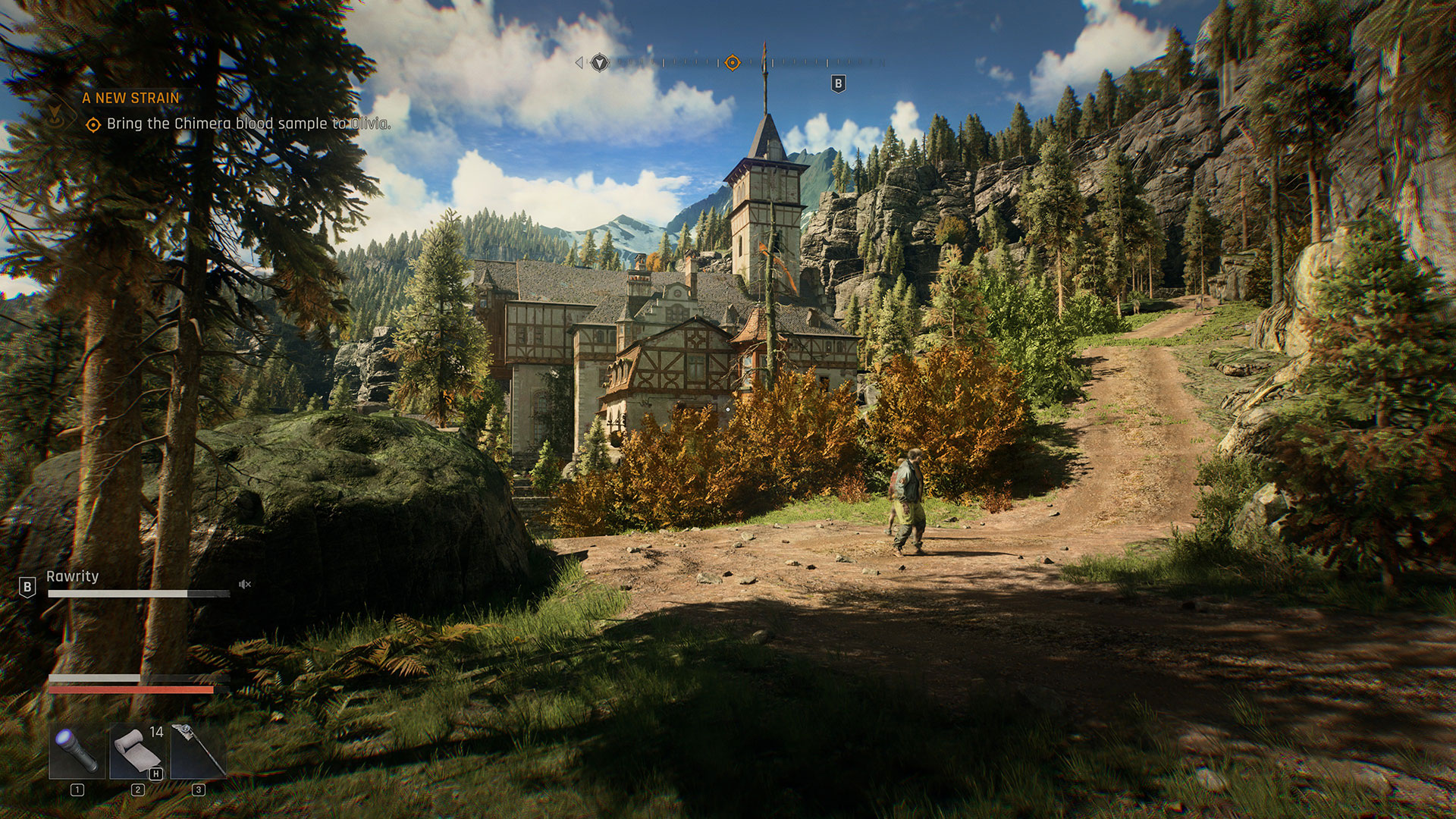
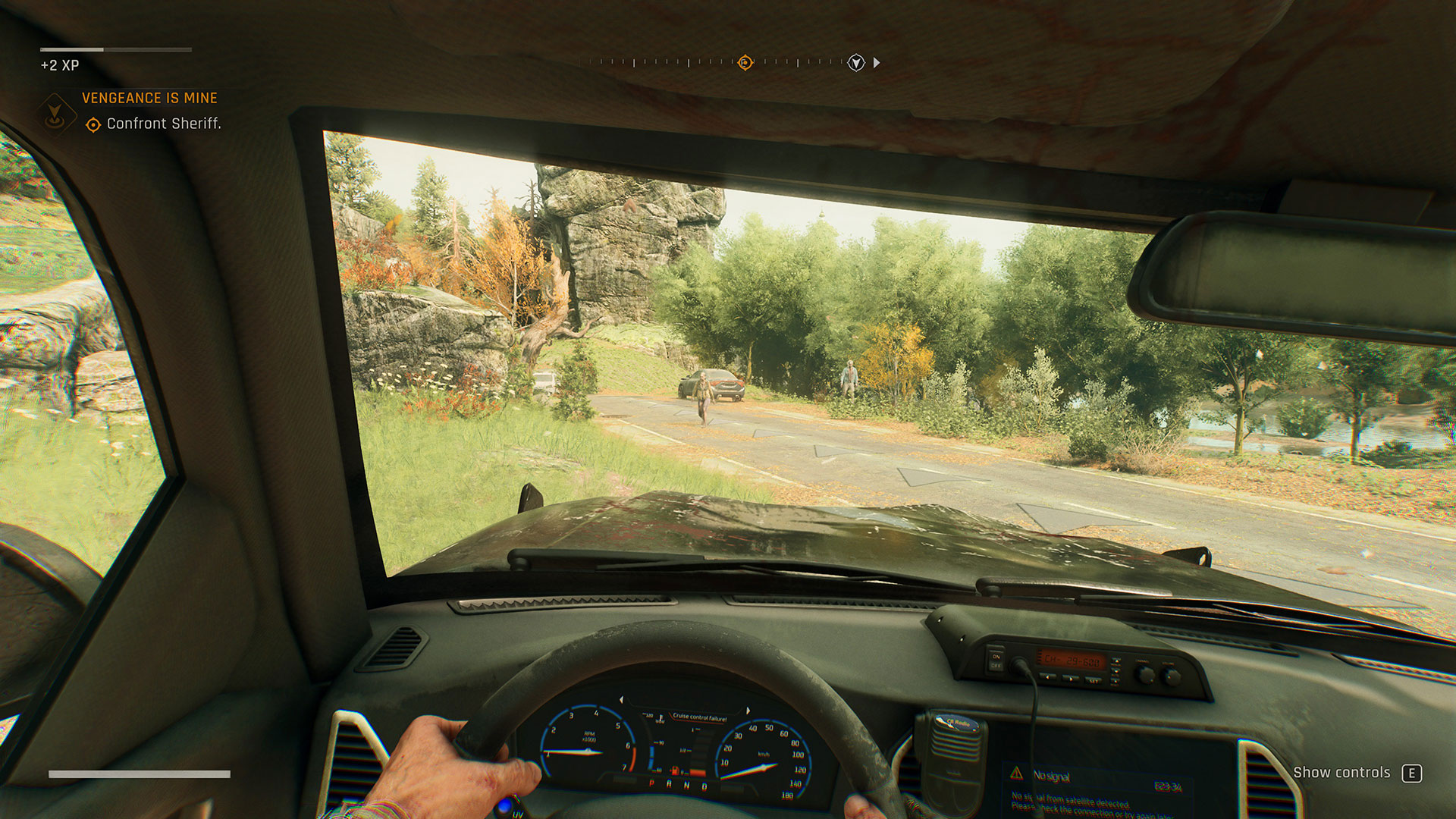
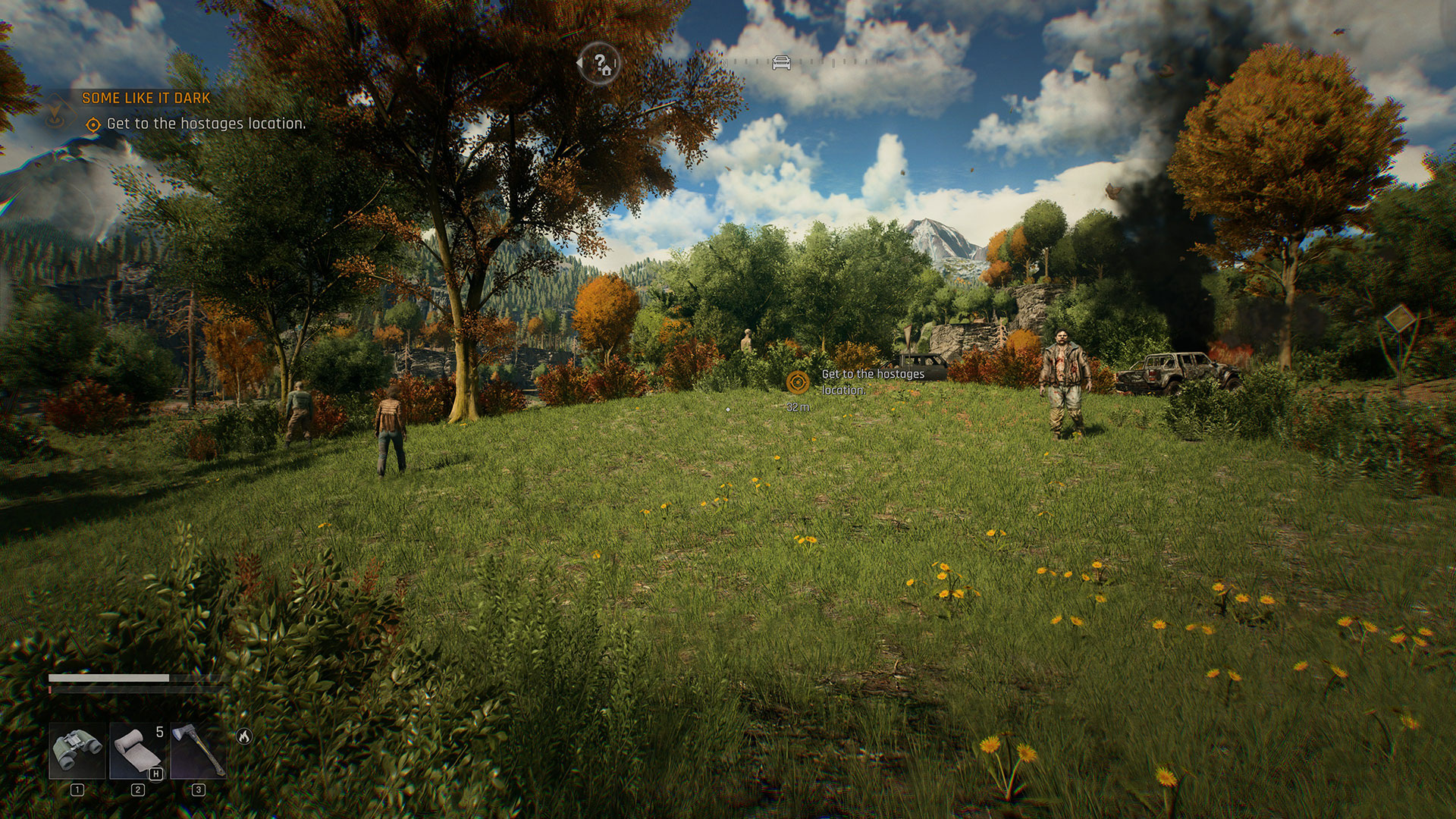
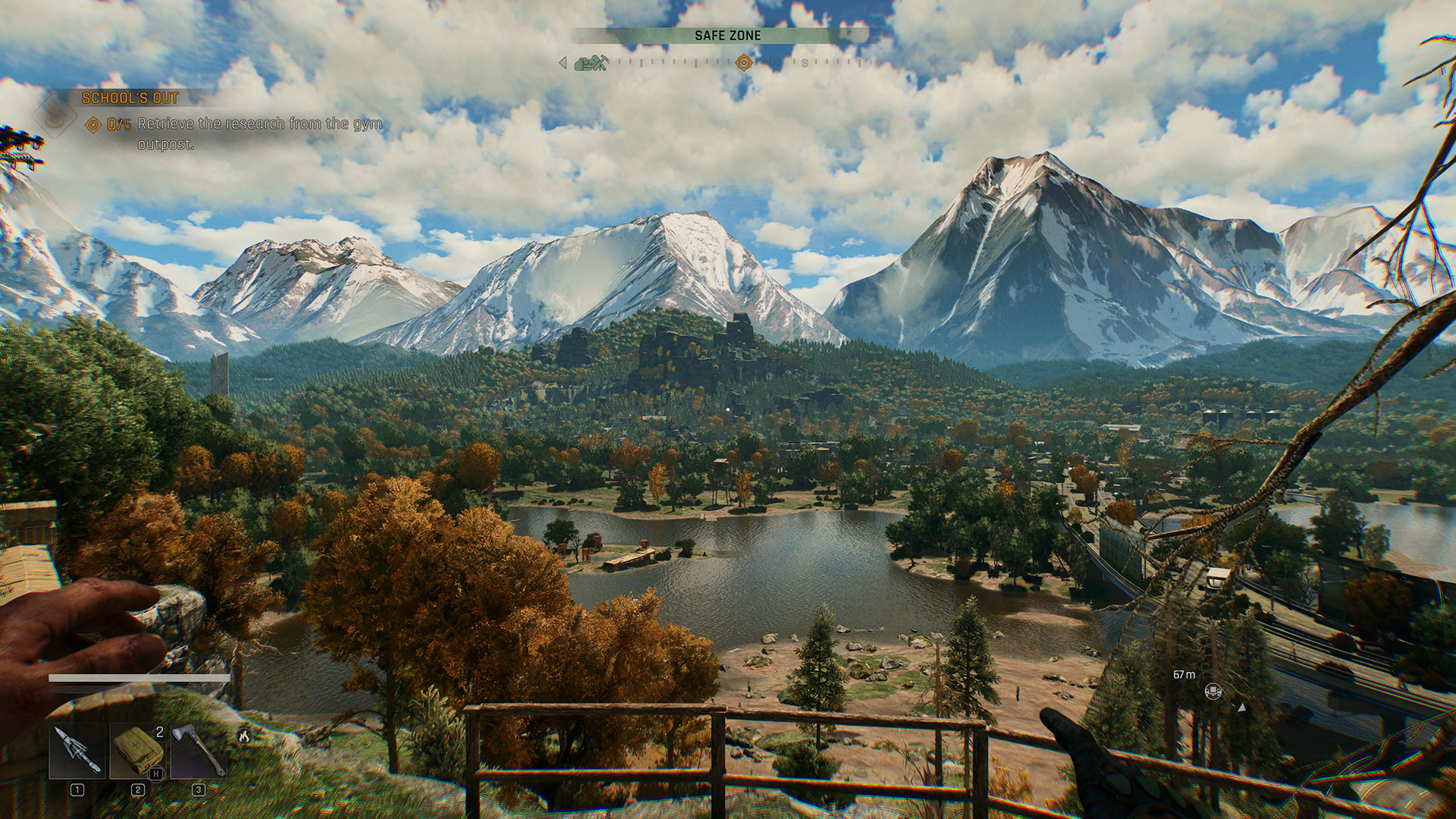
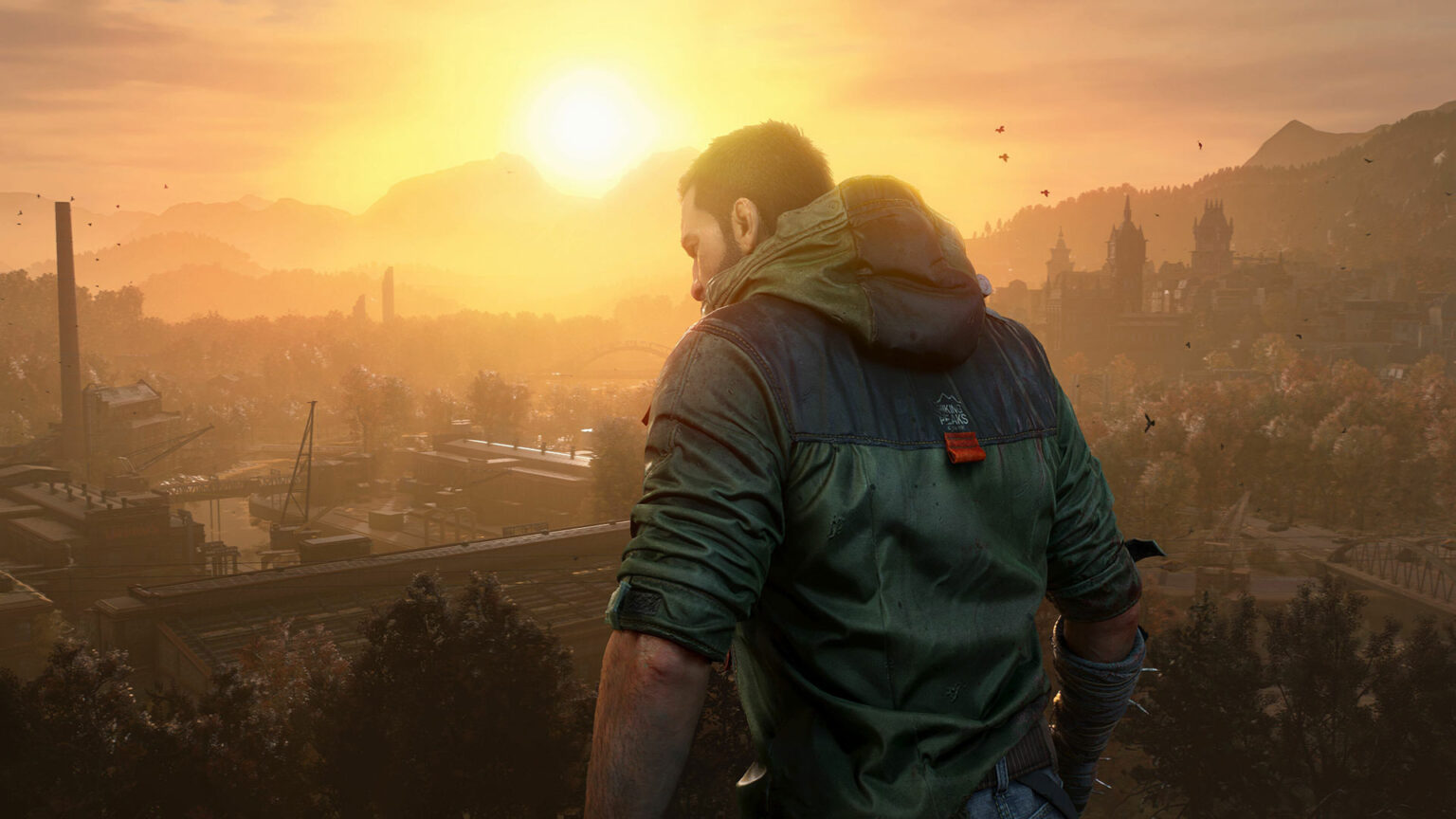
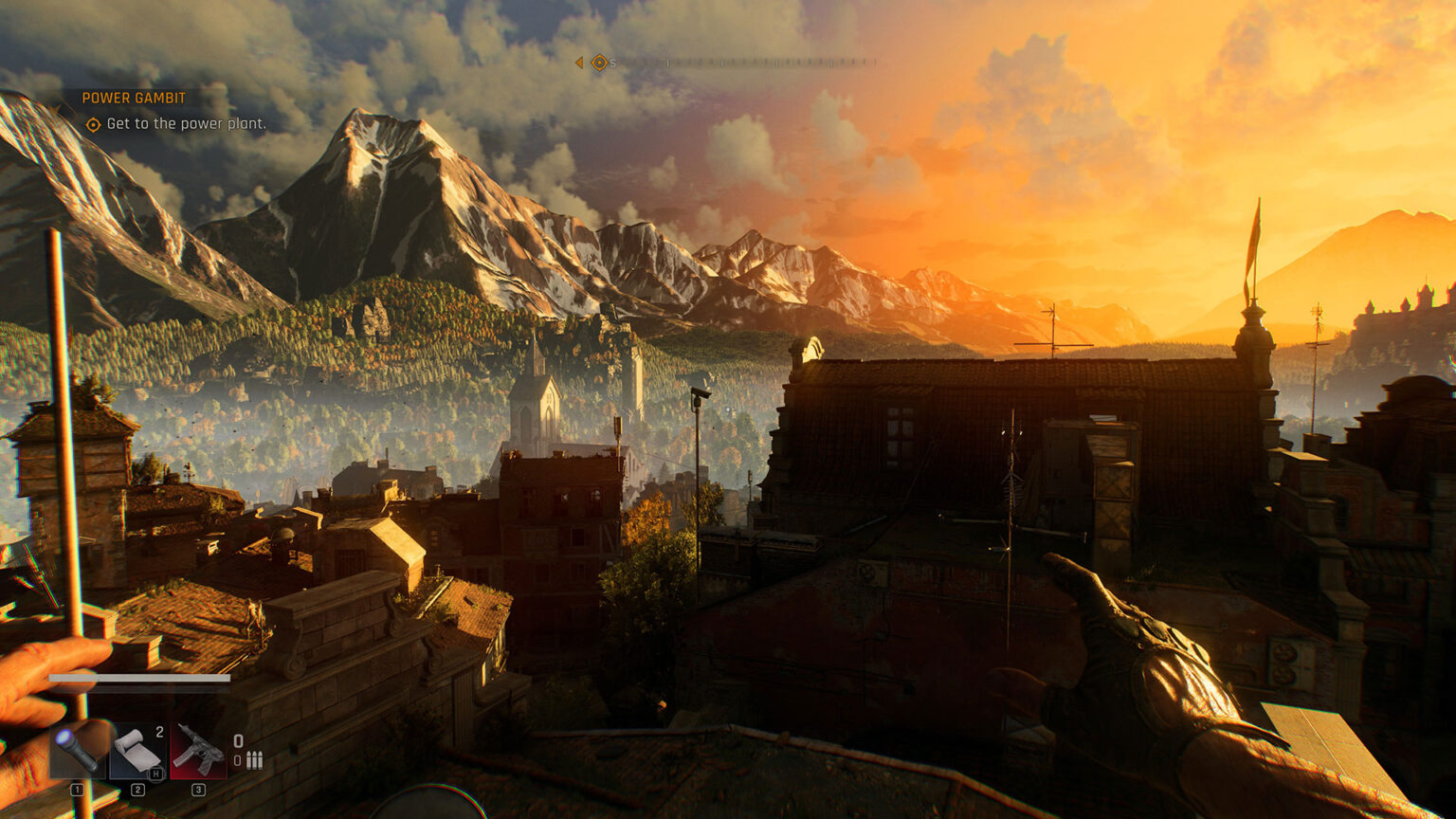
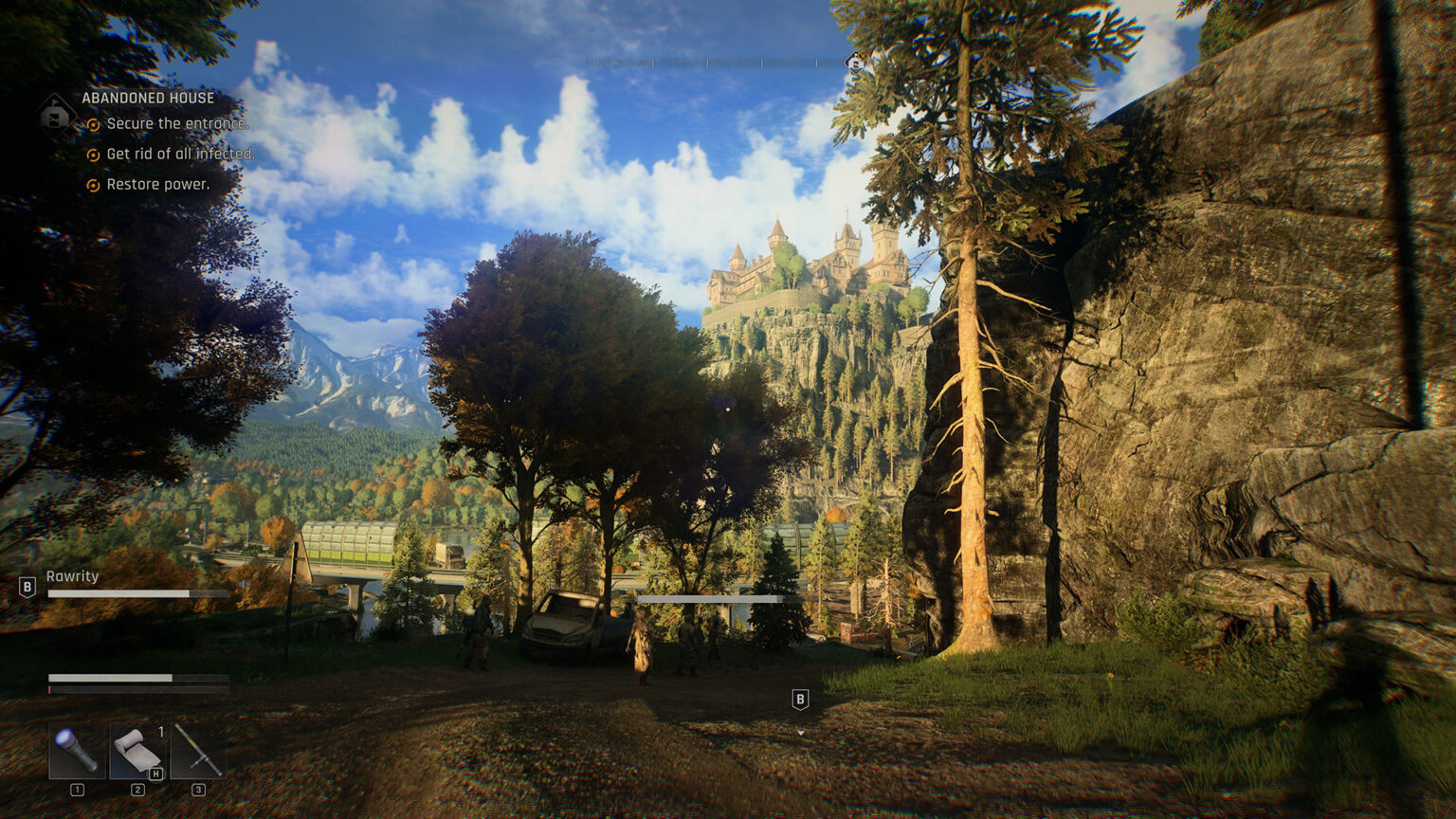
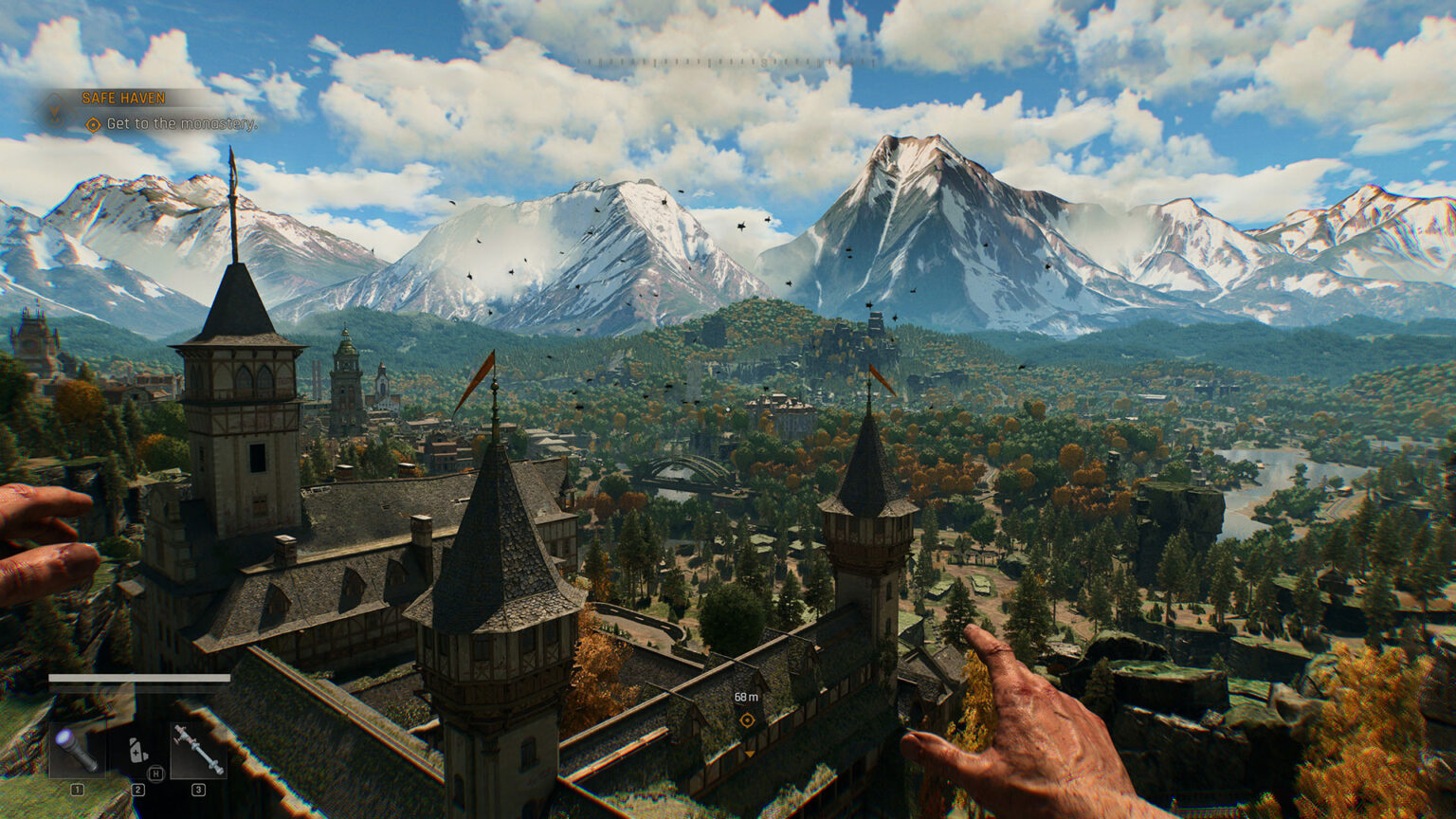
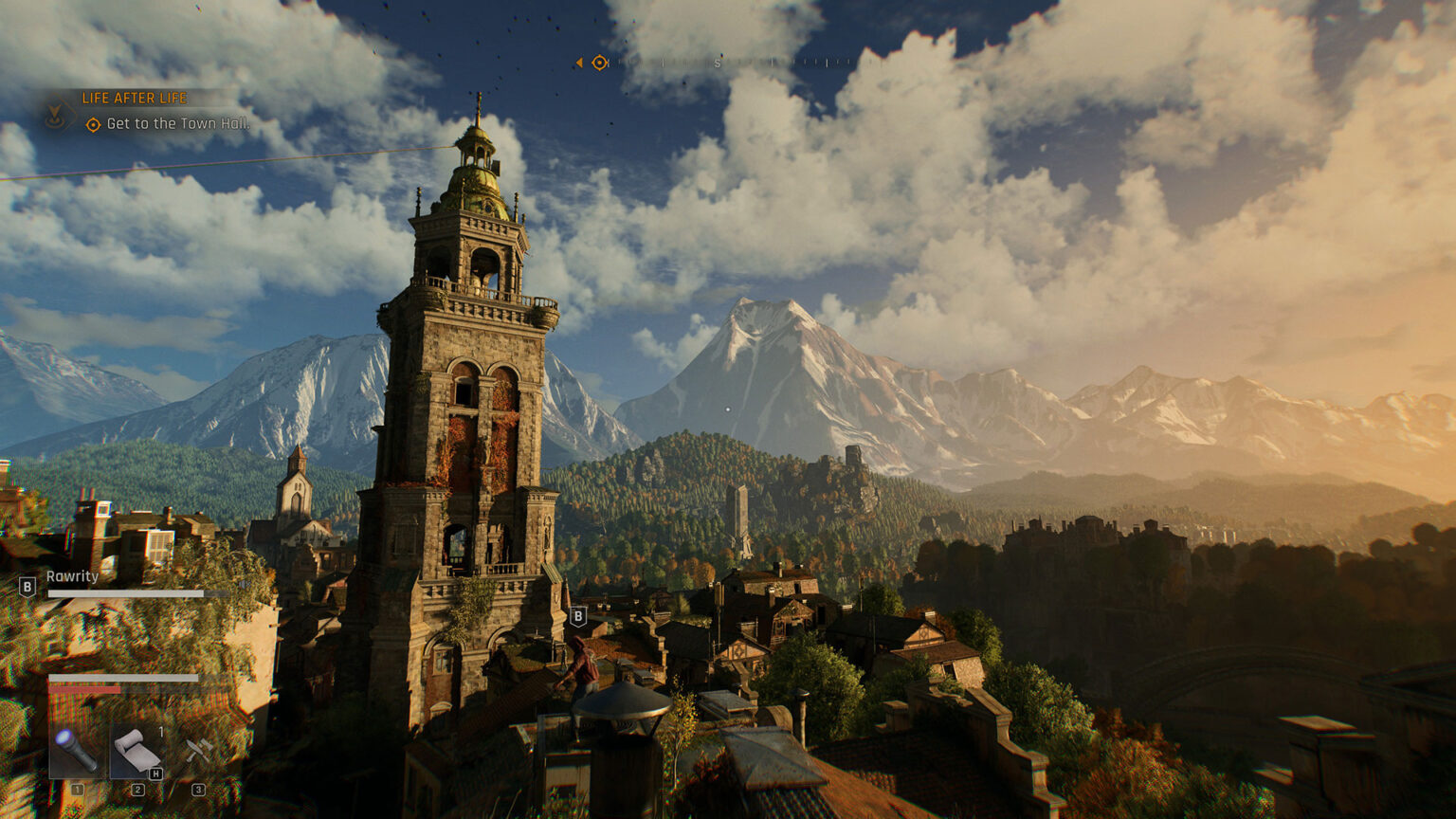
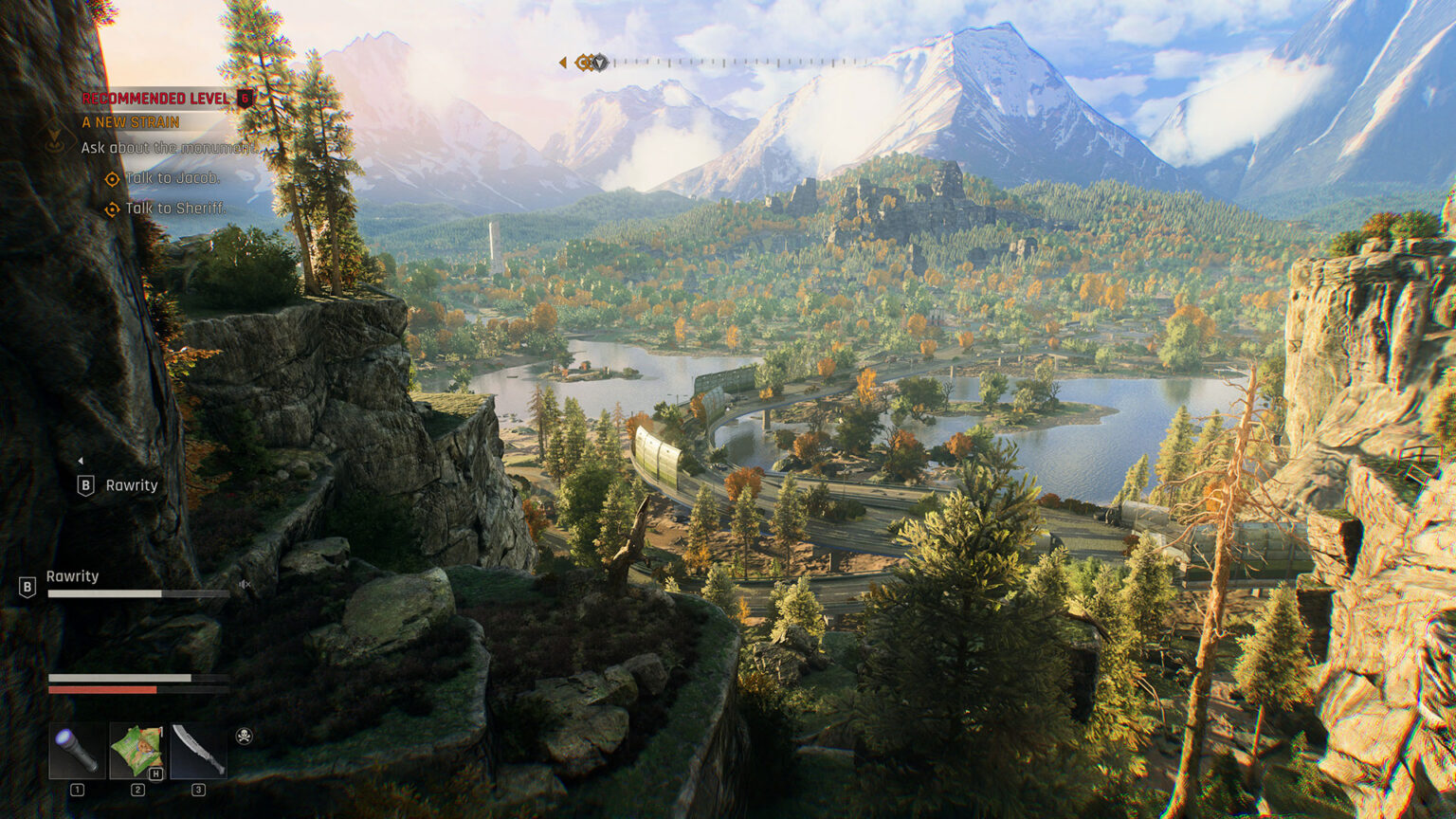
All that shimmying is a sharp contrast to normal traversal in this wonderfully crafted world that serves as a playground. While it’s not quite as fun as Marvel’s Spider-Man 2, hopping from rooftop to rooftop to avoid Volatiles at night brings back fond memories of the first Dying Light. This time around, though, it feels even more intense and suspenseful, given how some areas in Castor Woods can feel a bit claustrophobic. Speaking of Castor Woods, it may not be as large a world to explore as in the previous two games, but it’s well-designed with a mix of environments. Throughout the adventure, Crane will find himself exploring idyllic townscapes, industrial complexes, dark underground caves, and sprawling forests. Once again, there’s no fast travel available, but vehicles are scattered throughout the land to make traveling long distances easier.
Everything about Dying Light: The Beast is about balance. The main story offers a mix of climbing puzzles and traversal, and for those who really enjoy those activities, there are plenty of optional safe houses and towers to unlock. Dark Zones are back for those who love intense combat situations and finding loot. They’re also a great source for finding blueprints and other gear, although, fortunately, they aren’t a necessity if you’re just looking to complete the story. My story playthrough on the default difficulty took around 25 hours, with a few side quests completed to make sure I kept up with the suggested levels for certain quests. The game does have an XP penalty for death, but it’s not all that punishing.
From Dusk to Death
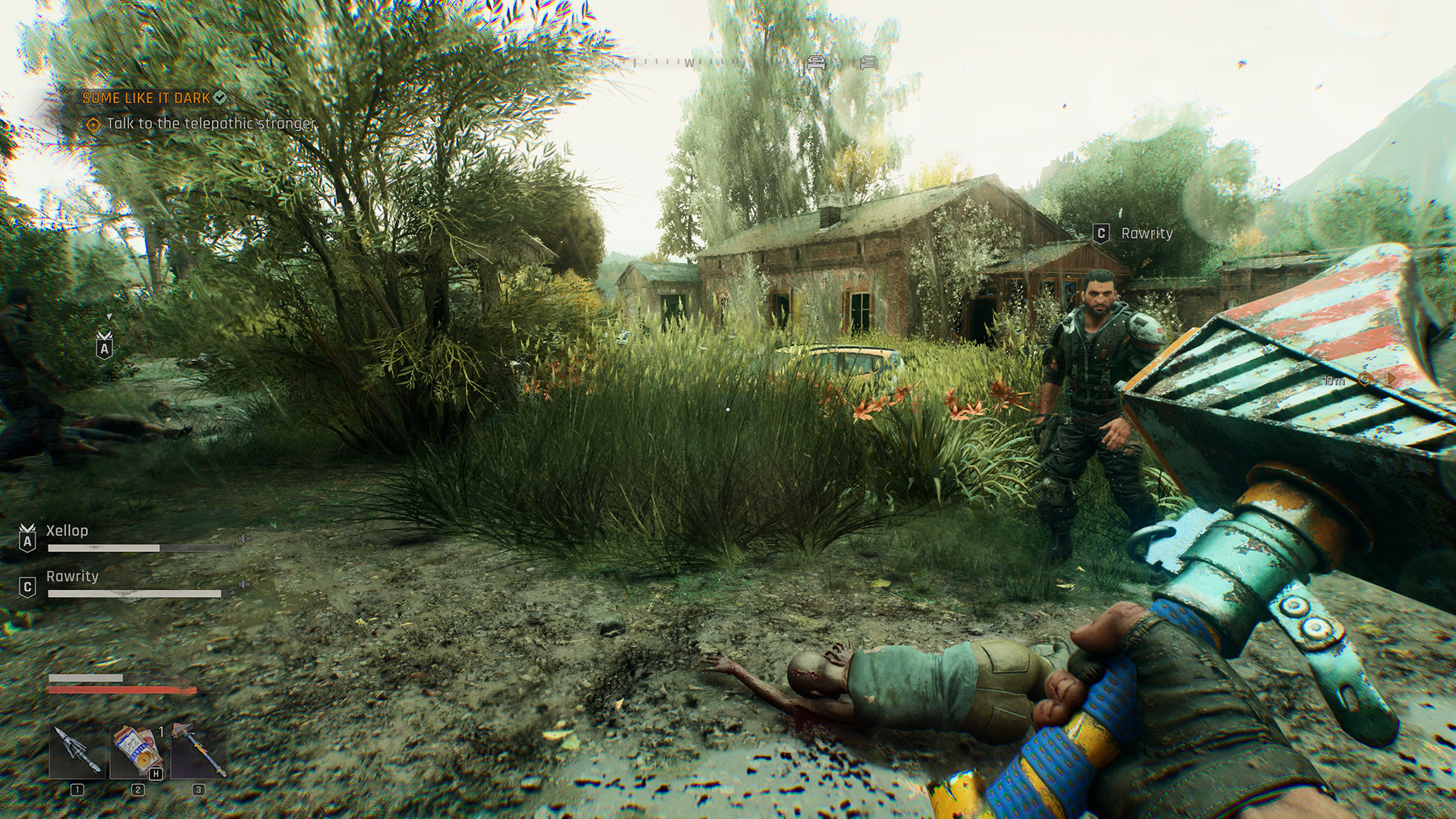
To get a sense of the different experiences Dying Light: The Beast has to offer, I started the game playing solo before a friend joined in, and we completed a few story quests together along with some side content. I then continued progressing on my own before helping another friend catch up. I enjoyed the game so much that I looked forward to repeating some of the content, mainly to see other people’s reactions to some of the fights. What I did realize, though, is that Dying Light: The Beast is a much more difficult and intense experience when you’re on your own. With companions, bosses are easily distracted and didn’t seem to have more HP, while timed objectives are obviously easier to complete when there are extra bodies. Still, I’d highly recommend playing through Dying Light: The Beast with friends because the game will create some great memories, especially if you’re all willing to take it on at night.
Where Dying Light: The Beast really stands out from its predecessors is the boss fights. The main ones are called Chimeras, which are essentially transformed versions of normal zombies, just much more agile and dangerous. Some of these Chimera fights are quite challenging, even on the game’s standard difficulty. I’d hate to throw out the word Soulslike here, but there is a focus on learning attack patterns and mastering the timing necessary to avoid certain attacks. We found many of these Chimera fights to be memorable, with some being extremely intense and suspenseful. Some do have mechanics that are a bit tedious to deal with, but they are all the more satisfying when you manage to take them down.
When it comes to weapons and tools, Crane has plenty in his arsenal, from bows to crossbows, shotguns to revolvers, grenades to throwing knives, axes to shovels. Many of the melee weapons feel different to use, with two-handers following the standard pattern of slow but powerful, while one-handers are quick but not as lethal. Weapon durability and repair return as well, with all melee weapons having a finite number of repairs available. After that, you’re better off selling or dismantling them because they’re useless. You can also slot modifications into certain weapons, giving them elemental procs like electricity or fire. While the repair and durability may sound troublesome, it’s really not. Most of the time, you’ll want to upgrade your weapons to a higher level anyway for more damage, which means you’ll eventually want to dispose of your old ones. You can upgrade a weapon’s level if you find one you really love, but that takes a lot of materials and often isn’t worth the effort.
Crane Games
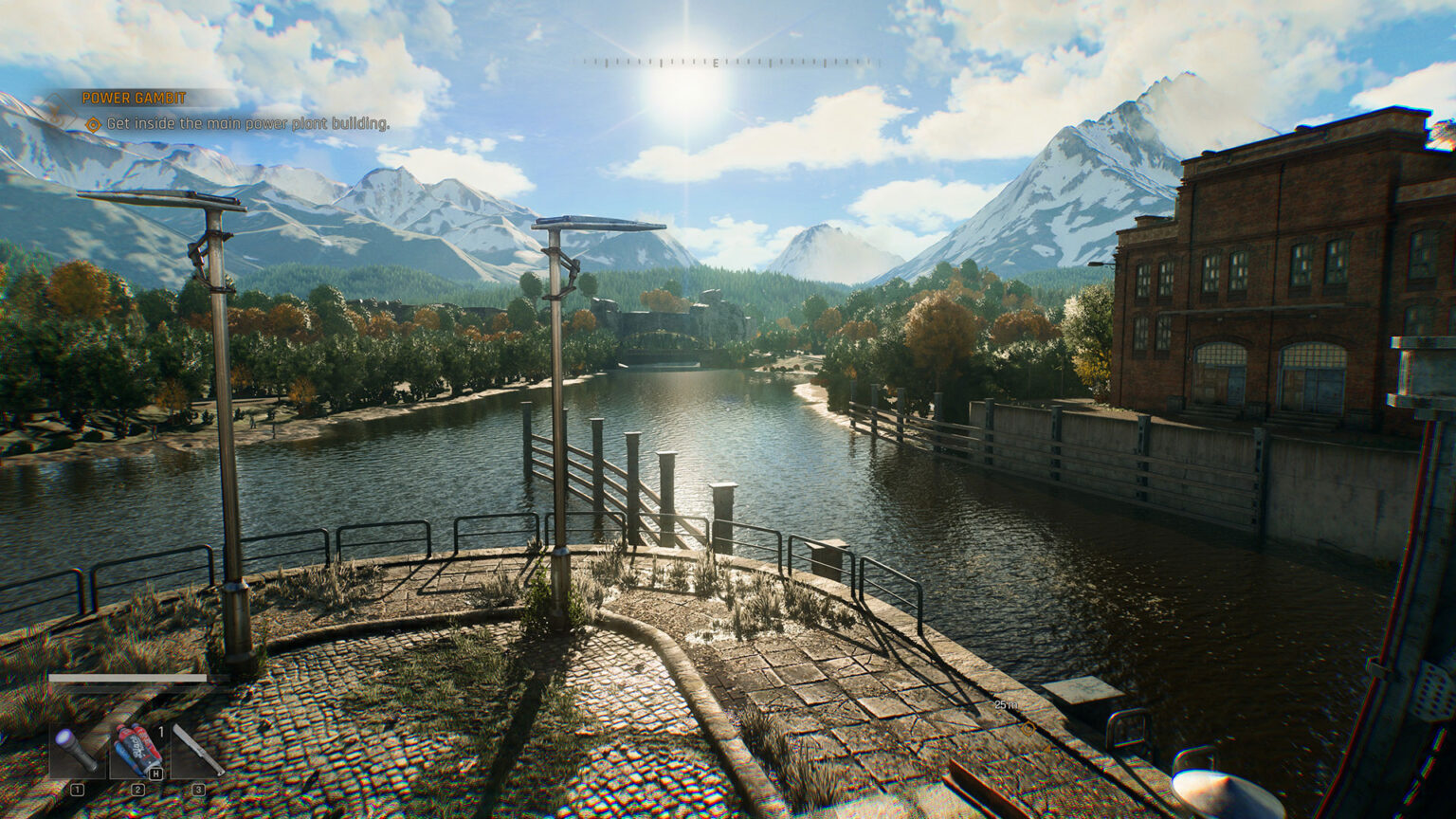
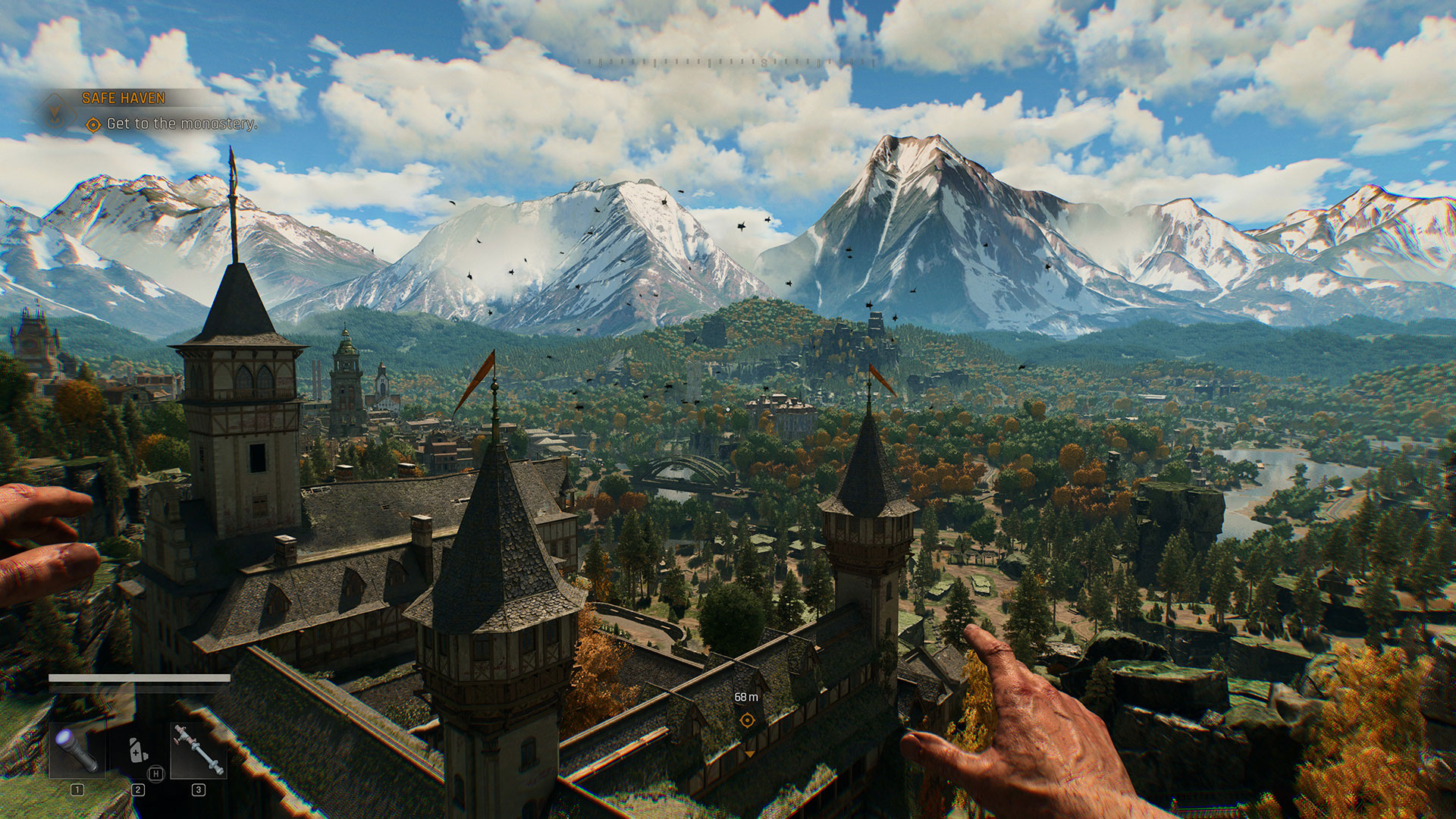
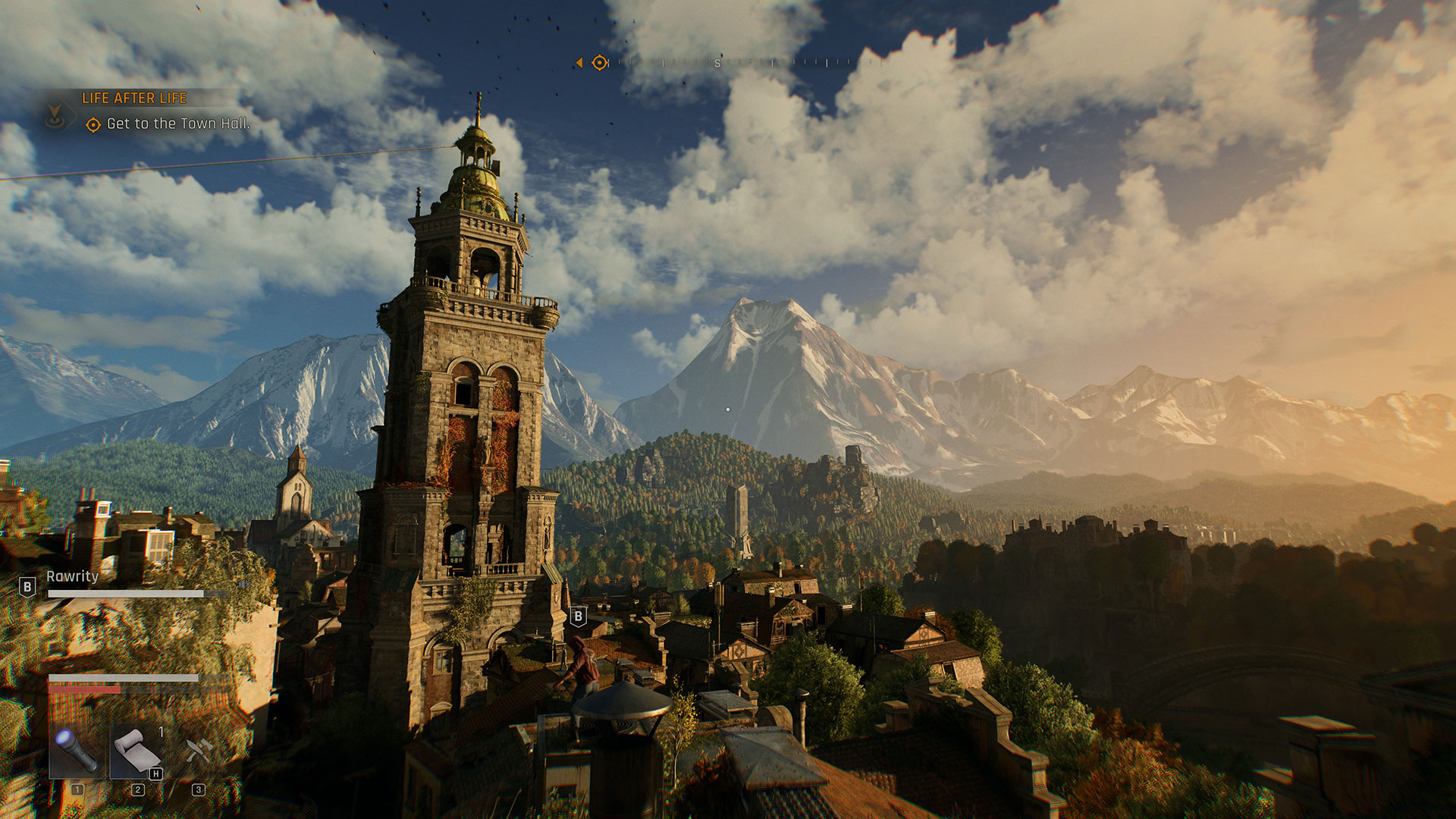
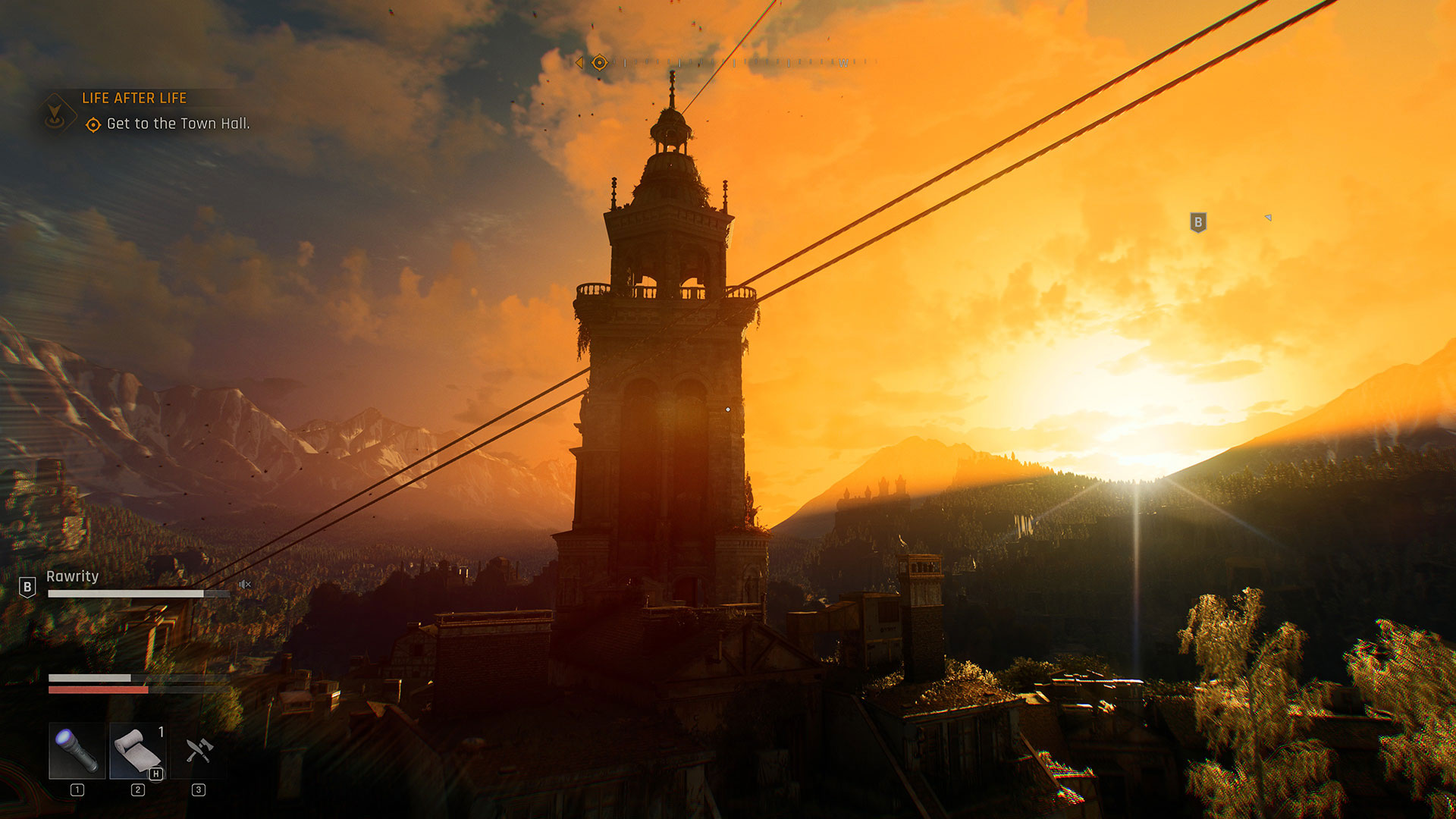
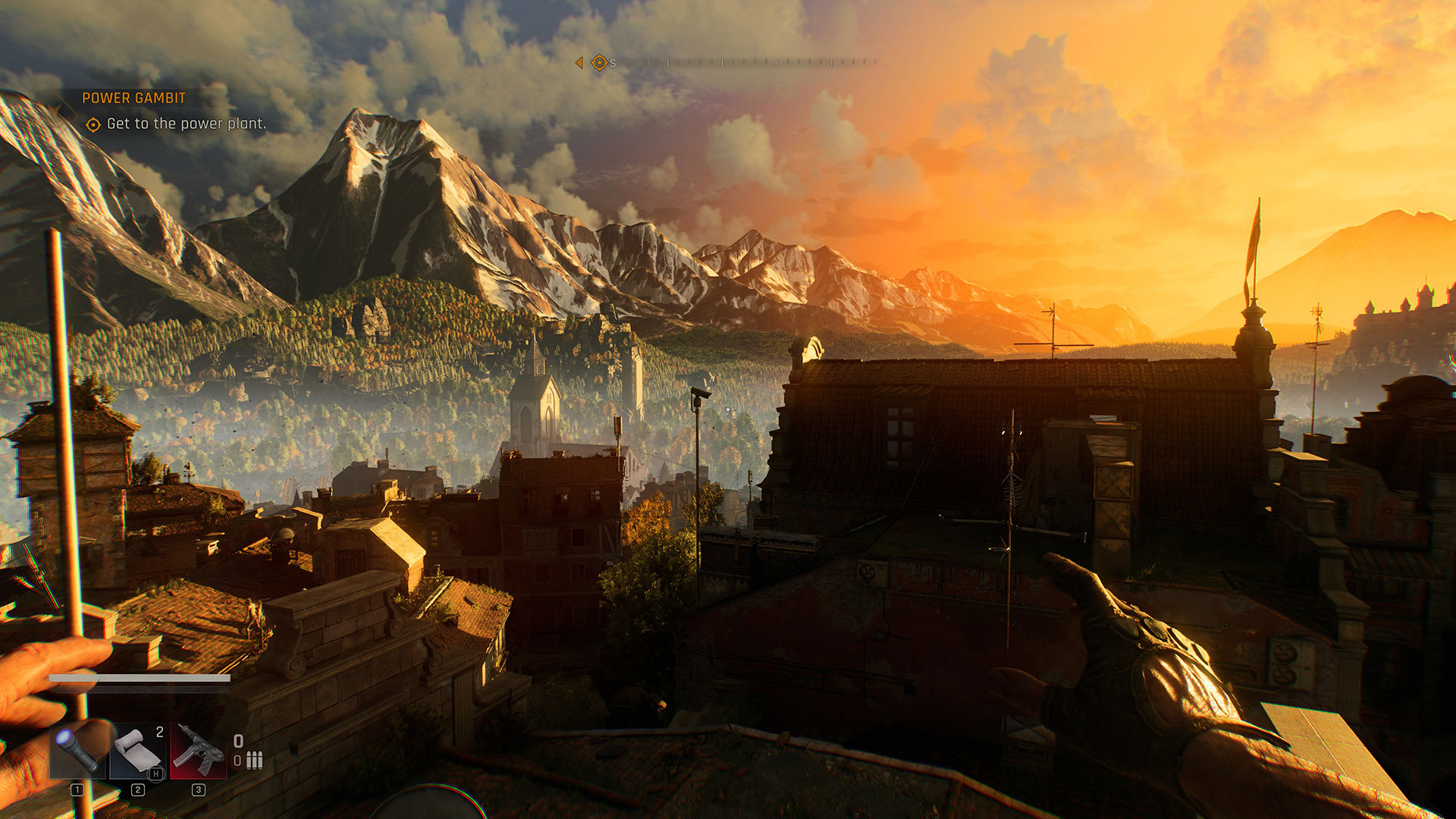
On my rig, now with an RTX 5090, Dying Light: The Beast easily reached a stable 90 to 120 FPS at 4K without DLSS or frame generation. I opted to use frame generation to keep the game above 200 FPS, and it was a fluid, smooth experience. The world is impressive and everything looks stunning, with lighting massively improved compared to the previous two games. We did encounter a few bugs, though, some humorous at first but increasingly annoying as they persisted.
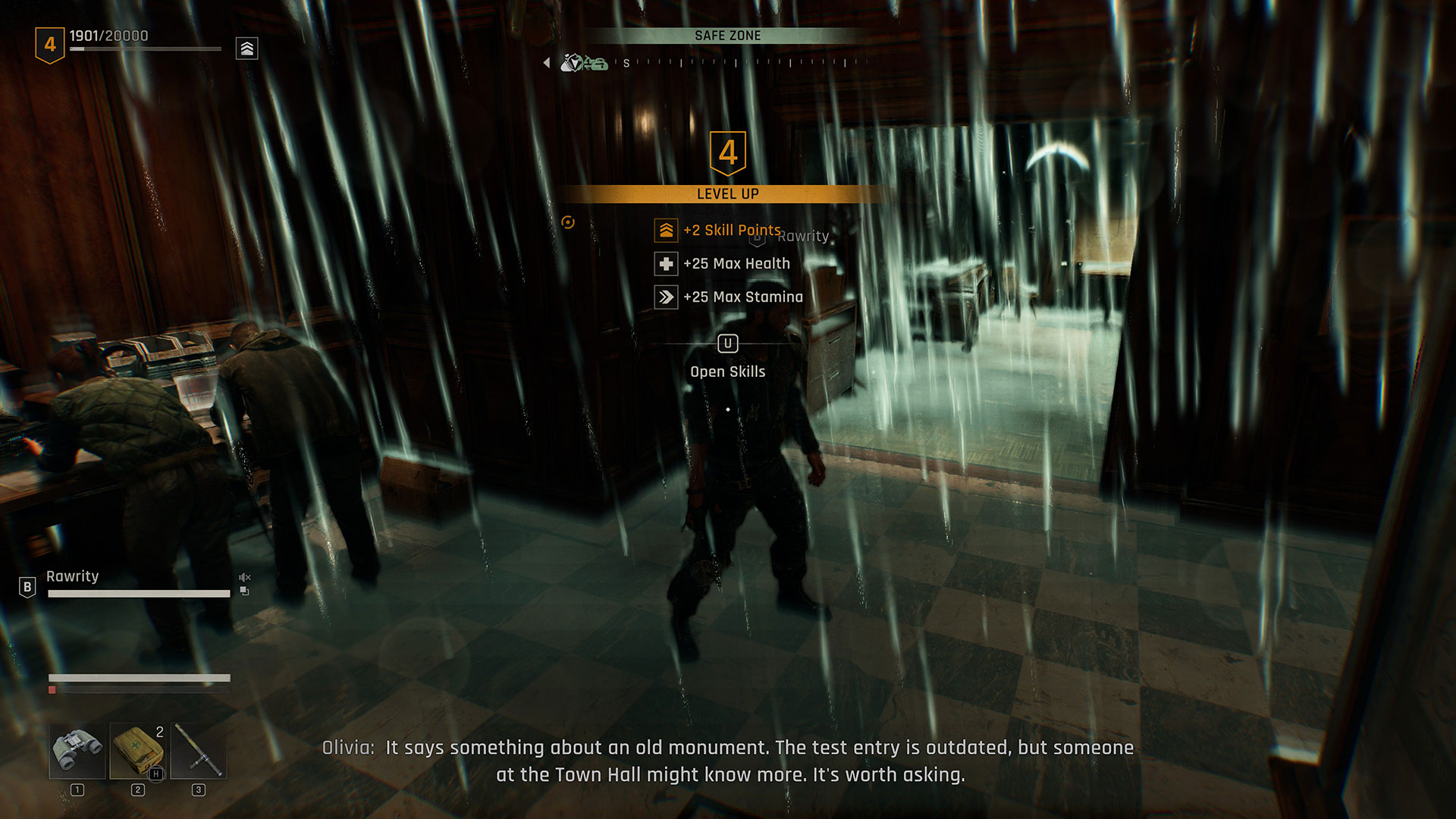
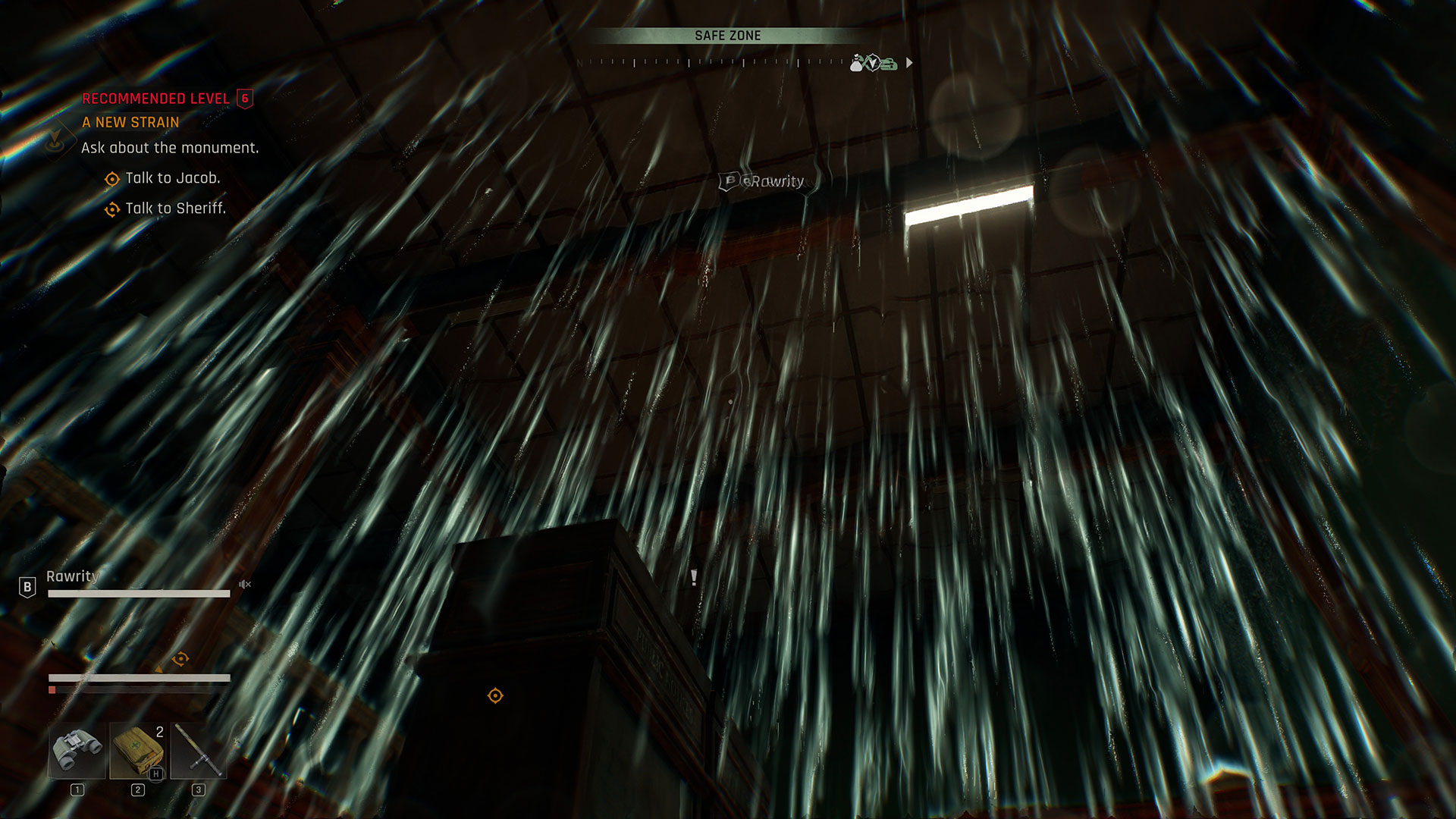
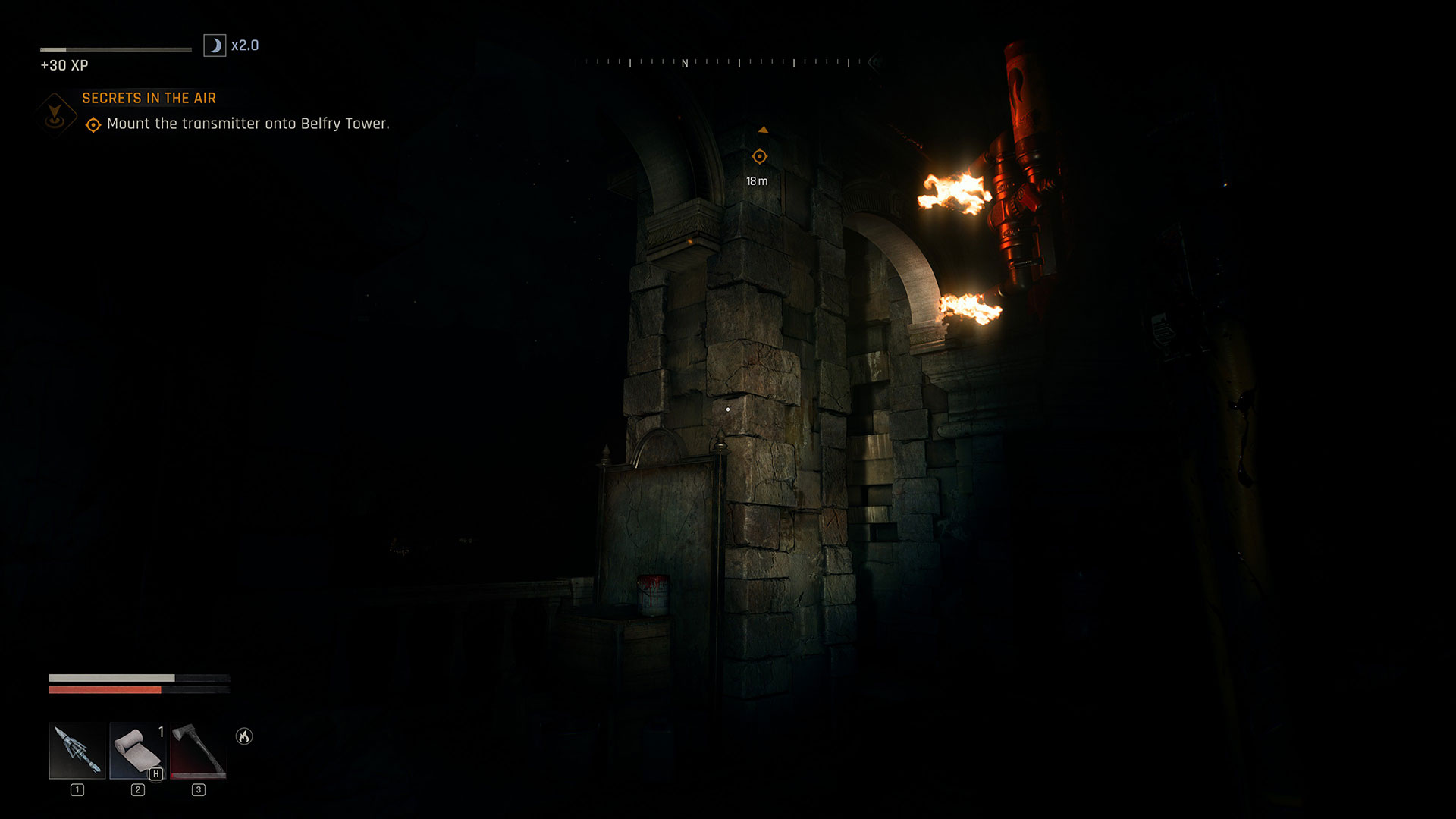
The first was a rain bug, in which rain essentially took over the screen even when we were indoors. I found myself having to restart the game to get rid of it, as even sleeping didn’t make it go away. Another bug, which was entertaining at first, was that the world’s lighting didn’t match the actual day-night cycle. This meant my screen might be bright as day, but my co-op partner was in pitch-black night, even though our in-game clocks matched. Quite a few times I found myself a bit shocked when I encountered Volatiles in a brightly lit environment, only to check the in-game clock to find out it was really supposed to be night.
The third major bug we encountered involved a specific mission, in which we weren’t able to open the doors to make our escape. Our only workaround was to open the doors before the mission event triggered, which was really frustrating to figure out. Restarting the game and our session didn’t fix it. A final minor bug we ran into was that continually swinging on a rope would dislodge it and leave it stuck in a spot it didn’t belong. It basically clipped through a structure, and as a result we had to restart the game to get it back where we needed it. The good news is we didn’t encounter any crashes, which, these days, seems to be noteworthy.
Beast Regards
Dying Light: The Beast is a challenging, confident sequel that trades breadth for bite. It’s a much more refined experience that brings back the fun we found with the original Dying Light. The story and characters didn’t stand out to us, but they were noticeably better than Dying Light 2: Stay Human. It all hums along and keeps the game moving by pointing Crane toward his next objective, but it won’t be the main reason to play. If you enjoy the strongest parts of Dying Light—night terror, crunchy combat, and roof-hopping parkour—Dying Light: The Beast is it.
The game nails the atmosphere and tone, and leverages precise sound mixing to set the stage. Audio is so important that you’ll want a competent headset, as sound cues are crucial in certain Chimera fights. This is, by far, one of the most enjoyable horror-lite games we’ve played as a group. But if you really want an intense, fearful playthrough, you’ll want to do it on your own.
This is the game I wanted after the first one. It’s confident about what it does best, with a story that doesn’t linger. The nights, though, will linger, with Volatiles returning to threaten you at every turn. Combat, once again, hits like a truck, and co-op can be a riot even if it sands down the fear. I could have done without the constant shimmy-heavy climbs, but that brutally satisfying combat loop was a great payoff. Dying Light: The Beast doesn’t try to be everything. It just happens to be the right things, and that focus makes it one of the year’s easiest recommendations.
Dying Light: The Beast has an official release date of September 18, 2025, for PlayStation 5, Xbox Series X|S, and PC. This review is based on a purchased retail copy of the game on PC. While FullCleared does have affiliate partnerships, they do not influence our editorial content. We may, however, earn commissions for products purchased via affiliate links.
Dying Light: The Beast Review Gallery (possible spoilers!)