
Quick Verdict
Ball x Pit is one of those games that, once you play it, makes you wonder how it took this long to be made. It takes the classic gameplay of 1976’s Breakout and adds modern roguelite mechanics to deliver something truly unique and addictive. Meta progression is also tied to a creative base-building minigame, while the mix of characters ensures each run feels different. From top to bottom, Ball x Pit is an extremely well-designed game focused on delivering those instant dopamine hits that gamers have come to crave.
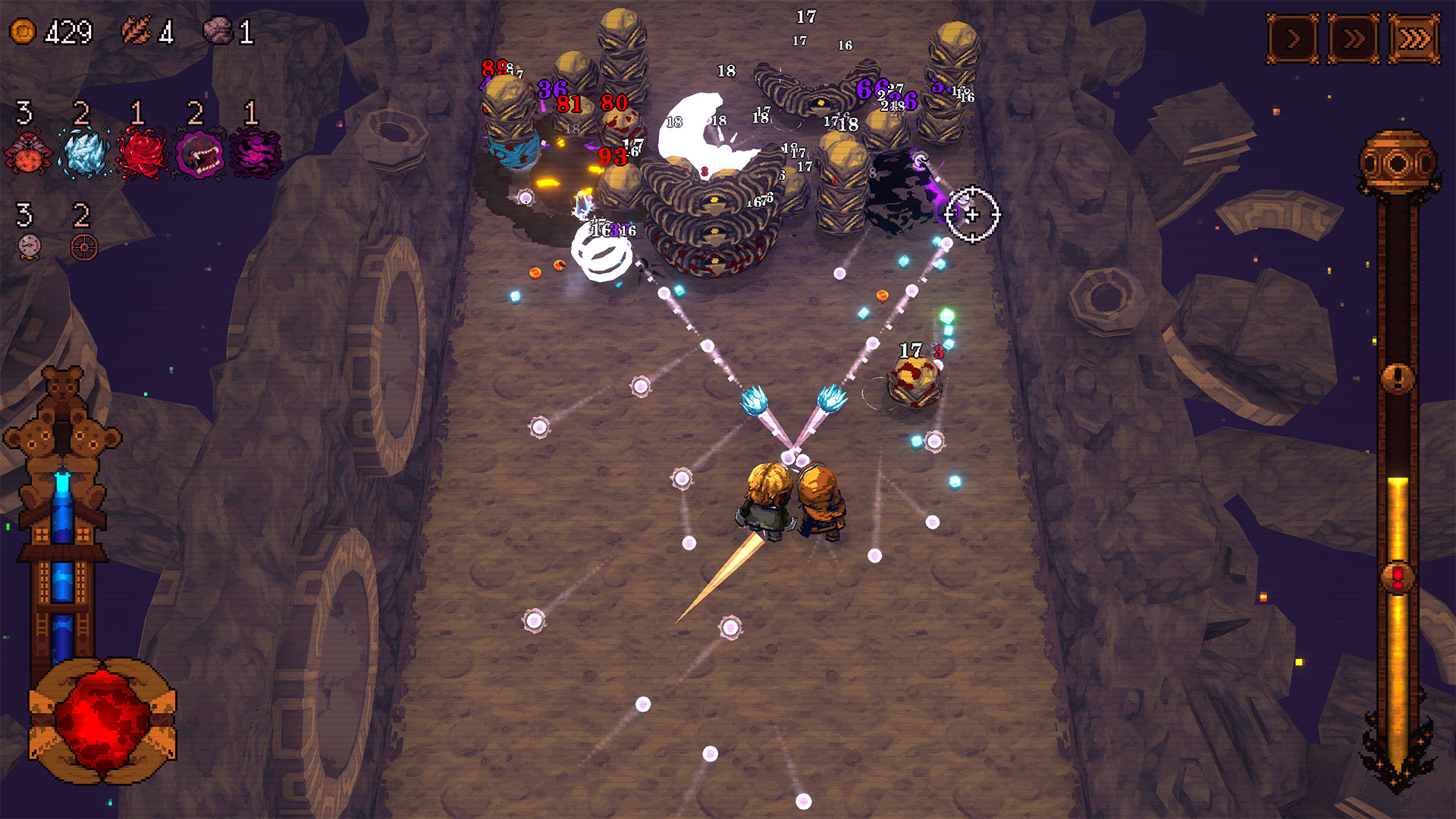
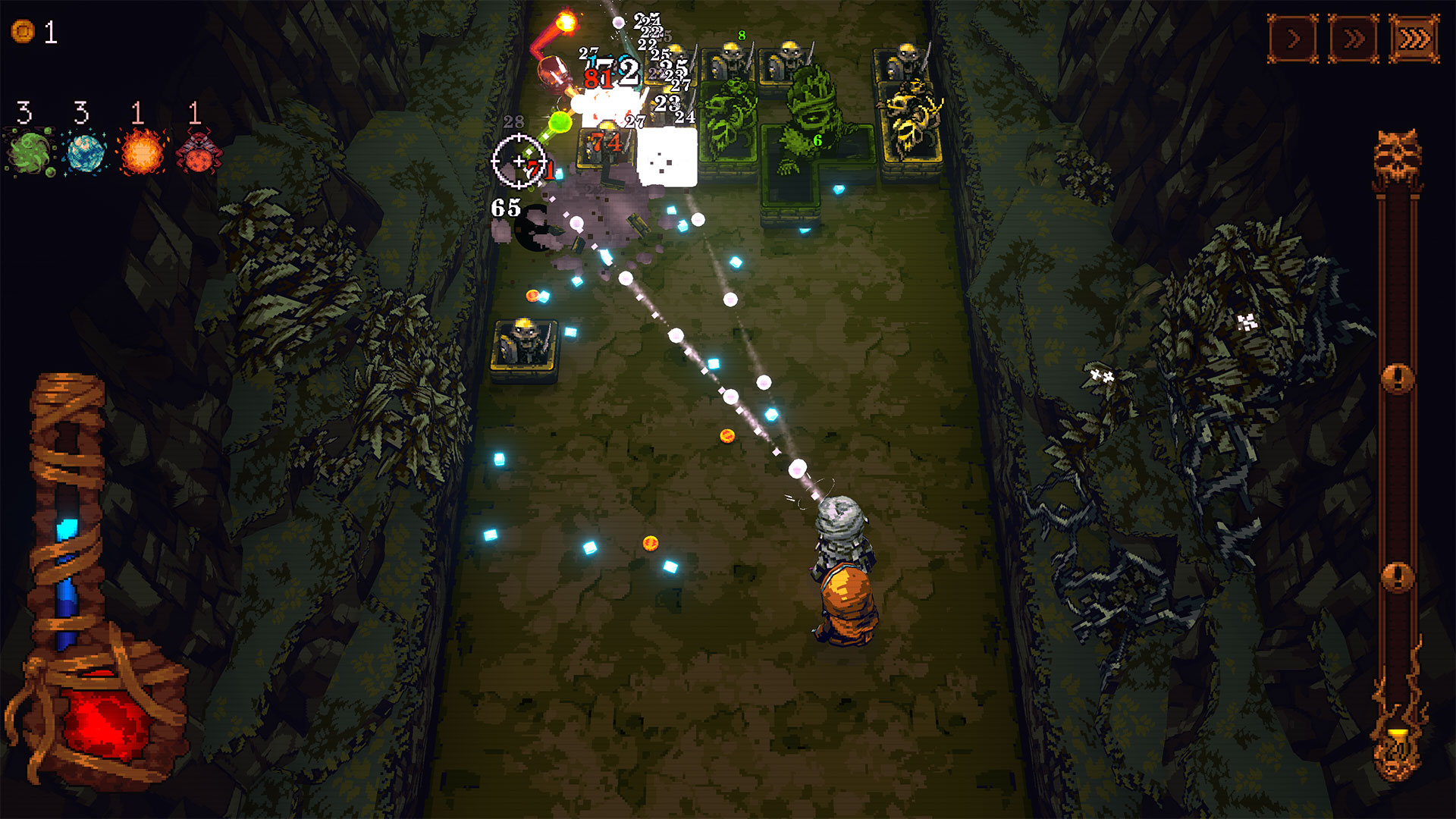
The formula is simple: pick a character or characters, bounce balls off walls to kill enemies, and select upgrades as you get them. Ball x Pit lets you choose whether you want to fire the balls manually or automatically. If you choose the latter, you’re mainly focused on moving the characters around to pick up XP, gold, and other resources that may drop. Similar to games like Vampire Survivors and the more recent Megabonk, the fun lies in starting off really weak and progressing until you feel like you broke the game, all in under 20 minutes.
Brick Ballet
Vampire Survivors’ official launch in 2022 took the gaming industry by storm, with its simplistic gameplay proving that complex mechanics aren’t necessary when a fun game is properly designed. If you’re unfamiliar with Vampire Survivors and the similar games that have come out since then, the core idea is to condense the time it takes for player progression. Imagine a game like Diablo, where it can take dozens of hours for your character to feel extremely overpowered, then compress that journey into under 20 minutes. After each run ends, there’s some form of meta progression, which means upgrades you can apply so your next run is easier. This formula only works if the upgrades are properly designed, so there’s enough variance that building on the fly is rewarding, and understanding how those upgrades work gives you an advantage.
Given the success of Vampire Survivors, it was only a matter of time before clones flooded the market, along with variants that take that core foundation and build upon it in a unique way. Storefronts have seen their share of survivor-likes, including one of my favorites, Halls of Torment, but developers are now breaking out of the isometric action RPG mold with hits like Megabonk and Ball x Pit.
Spin to Win
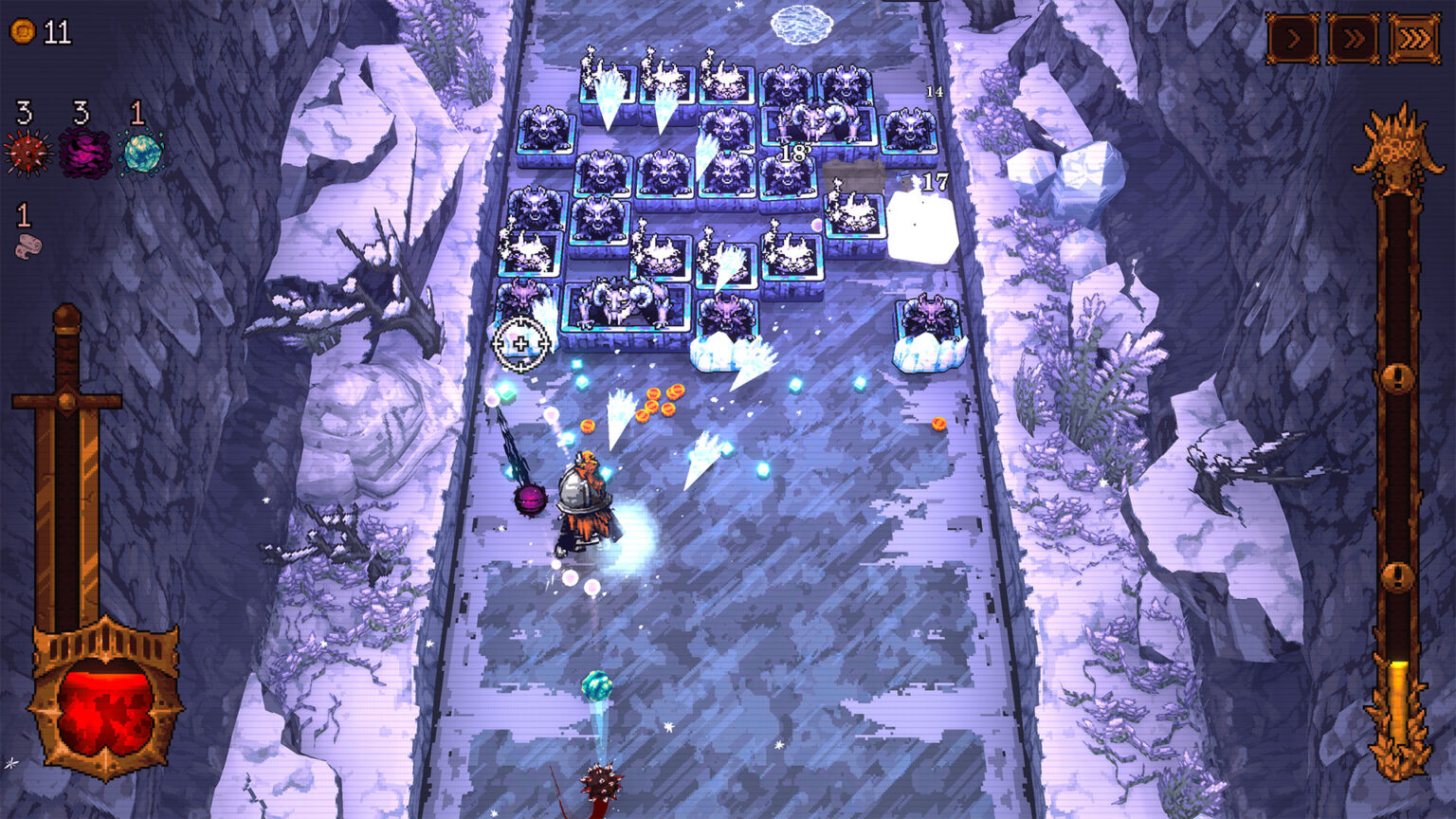
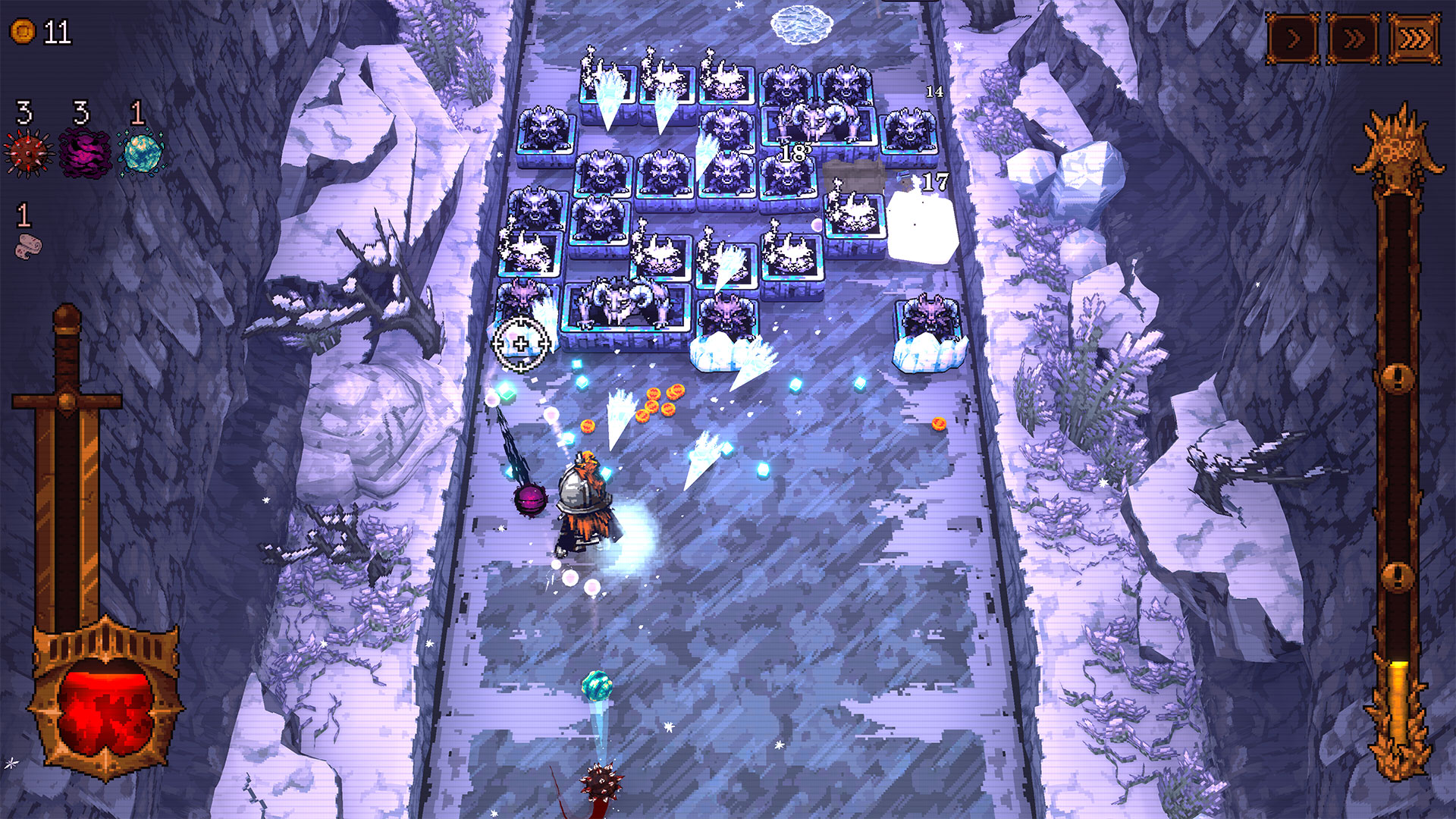
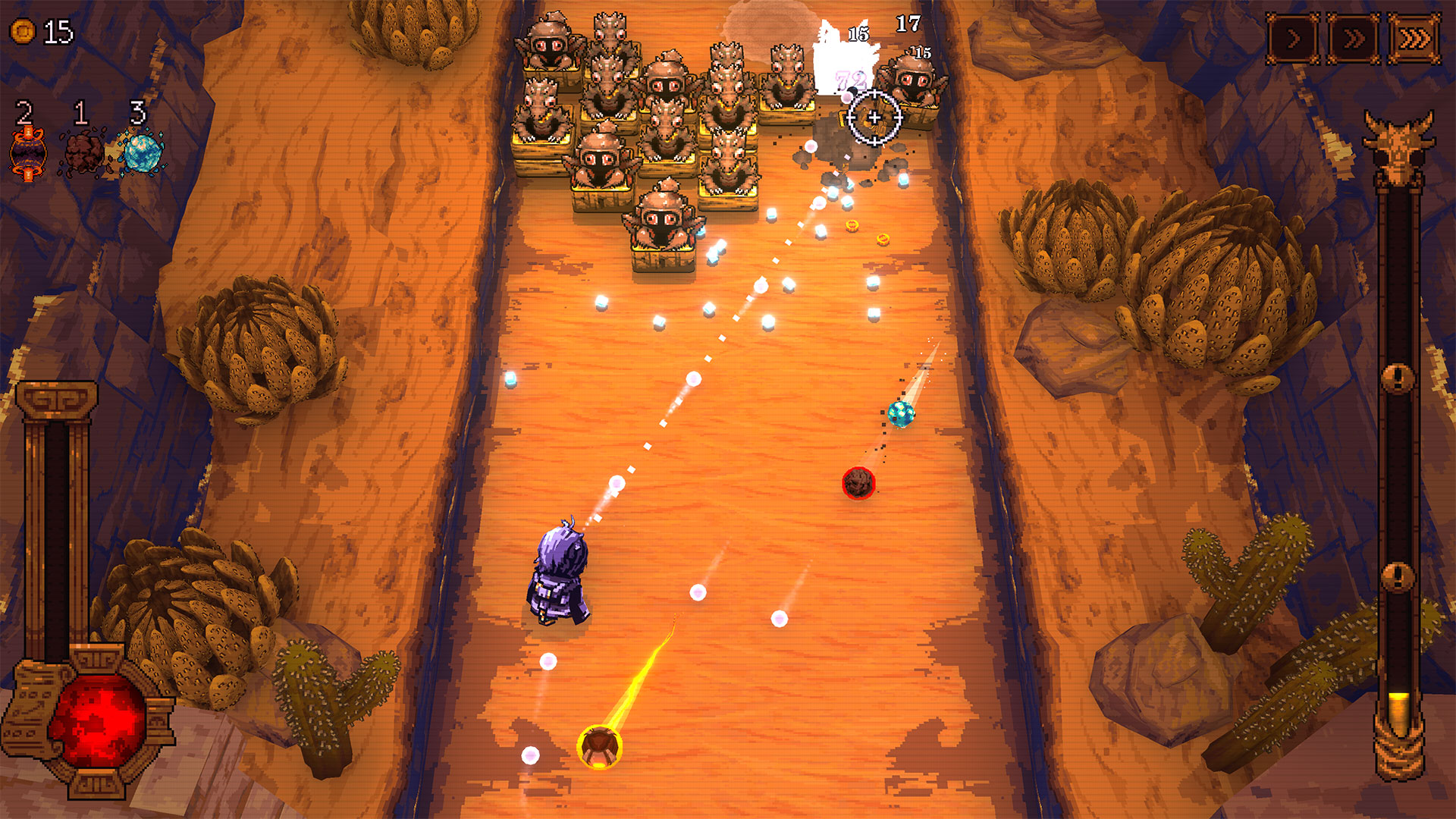
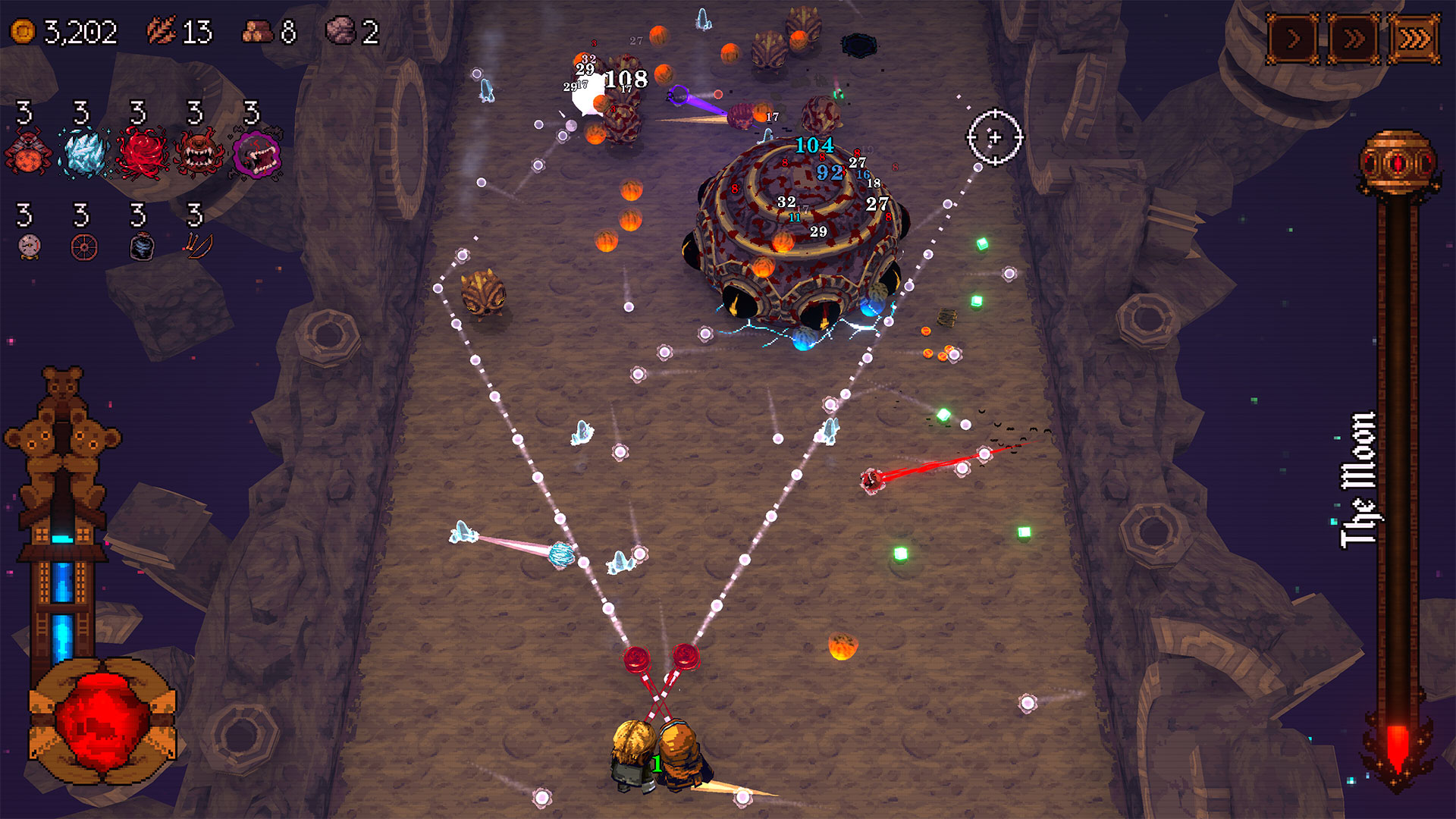
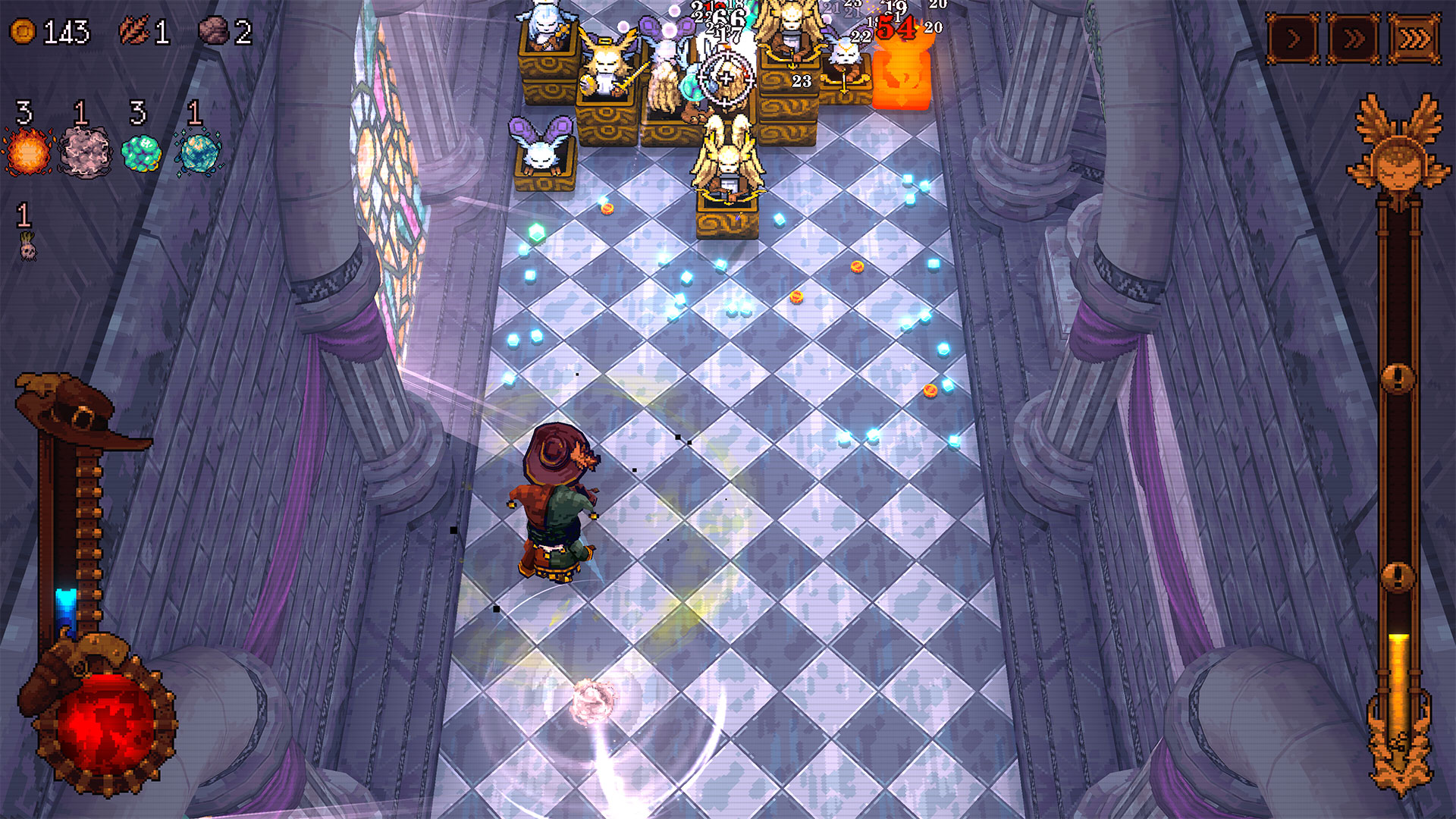
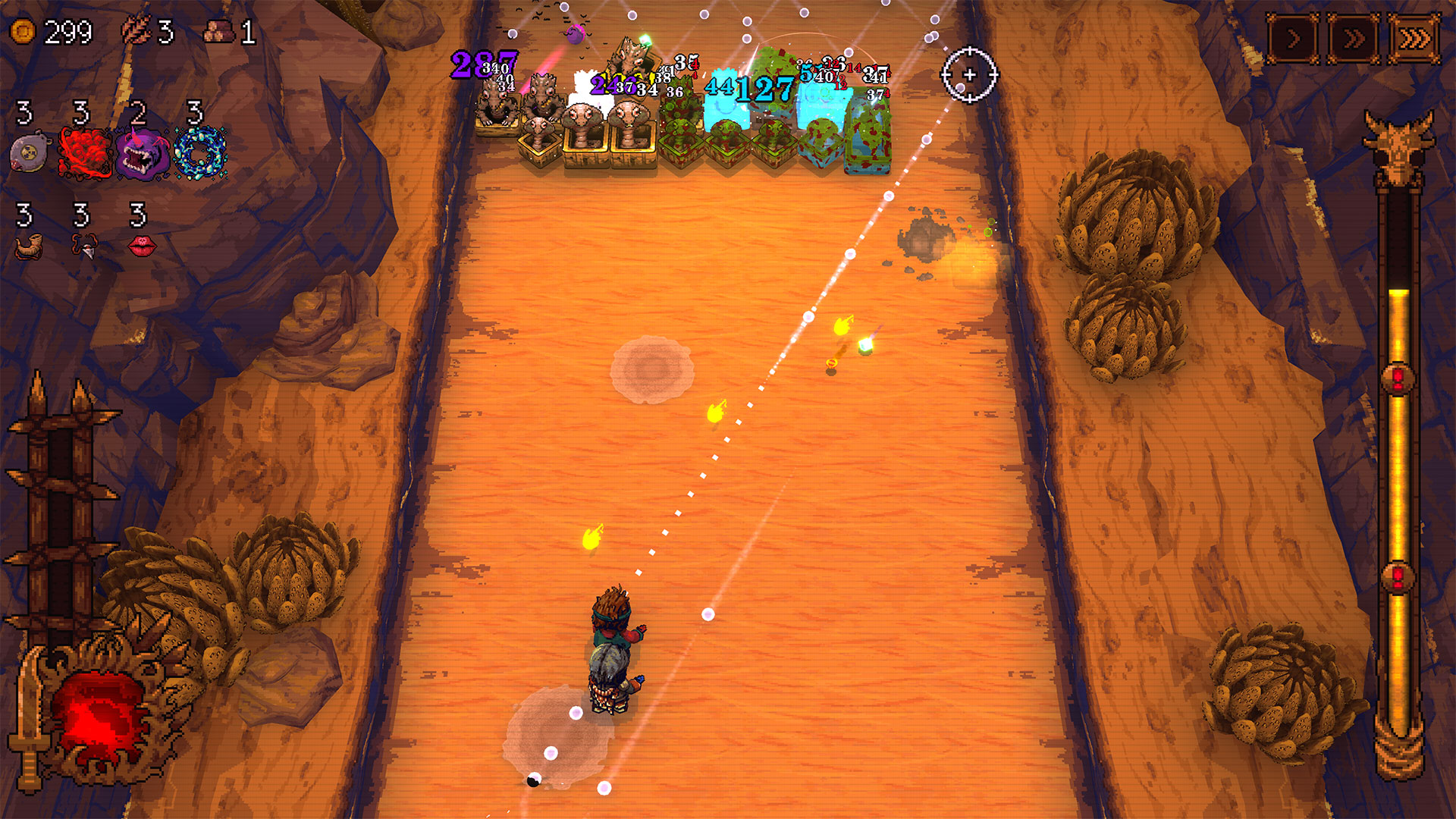
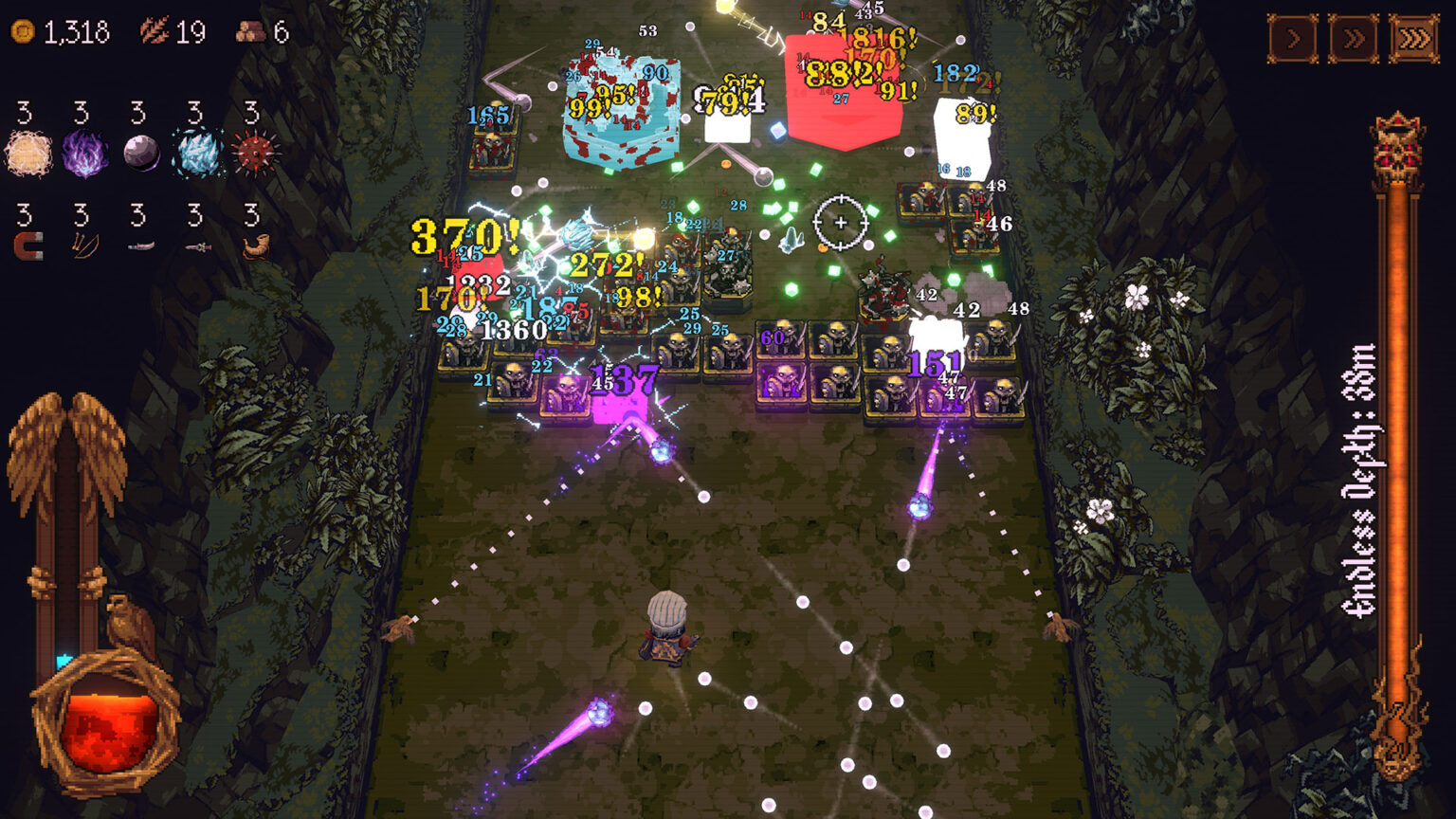
I find it nothing short of genius that Ball x Pit starts with the core gameplay of the arcade classic Breakout. If Breakout is way before your time, Arkanoid may ring a bell. Either way, the idea starts with bouncing a ball straight up or at an angle so it ricochets off walls to clear the bricks at the top of the screen. Ball x Pit evolves that gameplay by replacing static bricks with enemies that fire ranged attacks and by adding a stage that moves upward as time progresses. The goal is to clear out the enemies as quickly as possible. If they get too close to the bottom of the screen or to your characters, they’ll slam into you and deal damage. It’s a basic premise that works really well and adds a layer of complexity to the gameplay found in Vampire Survivors.
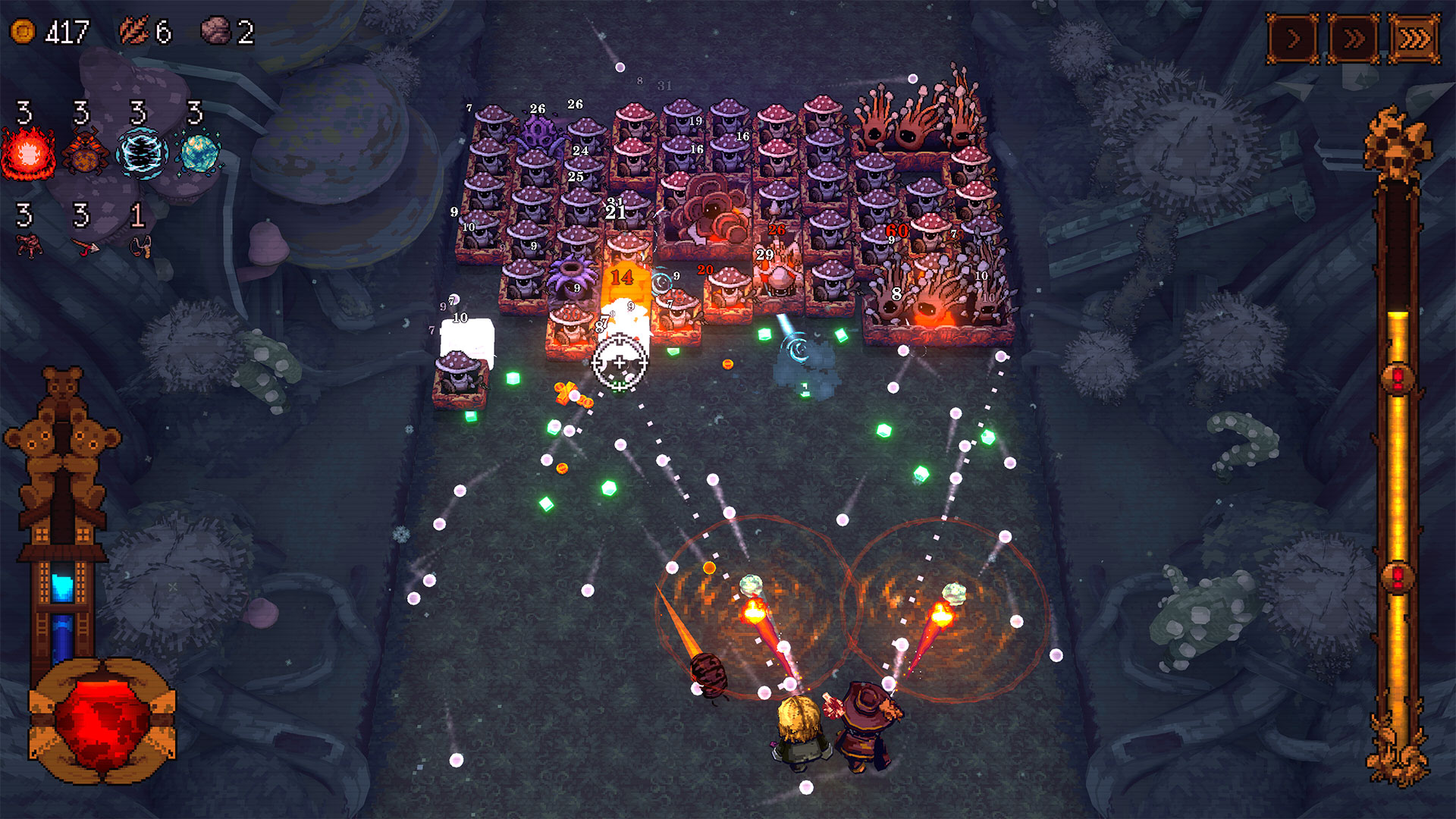
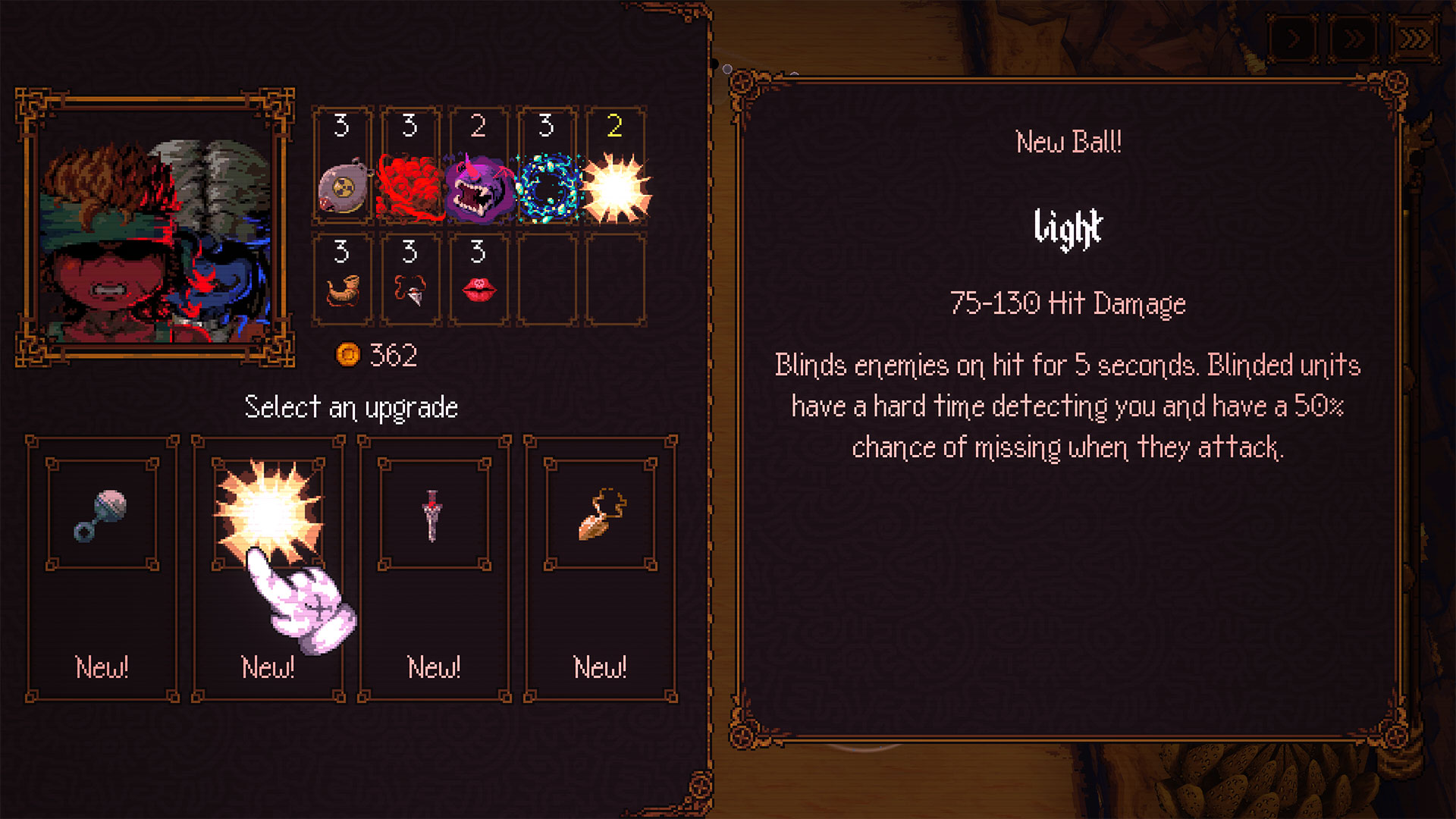
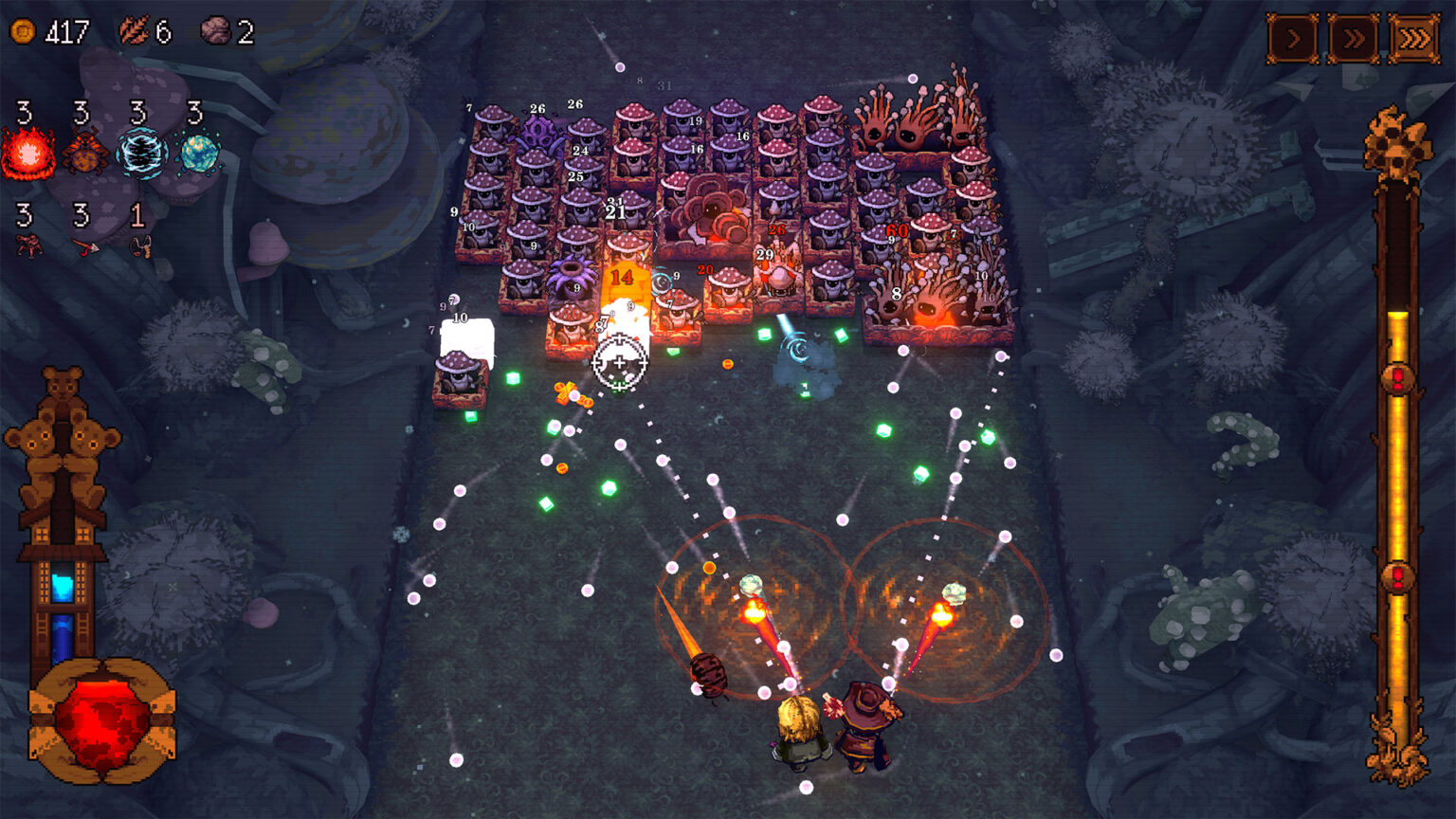
At the start, you’re only able to bring one character for your runs, but eventually you’ll be able to select two. Regardless of how many characters you bring, loadouts consist of ball slots and passive slots. Think of the ball slot as a weapon, with generic elements like fire and ice and more creative ones like Broodmother, which spawns additional baby balls. Each ball can be upgraded to a maximum level of three. Two compatible level-3 balls can be combined to evolve into a stronger ball. This also frees up a ball slot so you can pick up another. You also don’t have to build yourself into a corner if you don’t have any compatible evolutions. Another option is fusion, which lets you combine two different balls into one and merge their effects. The third option is fission, which randomly levels up your balls and passives.
Passives that resemble equipment further expand build variety, some of which have special effects such as spawning a statue in a lane. Others synergize with certain ball types, provide flat damage buffs, or increase critical hit chance. You can also evolve passives by combining certain equipment, which can lead to some really game-breaking builds. Overall, there are enough different balls and passives to keep runs varied, and if you want to force a build, you can reroll, banish, or skip to hunt specific picks.
Shot Caller

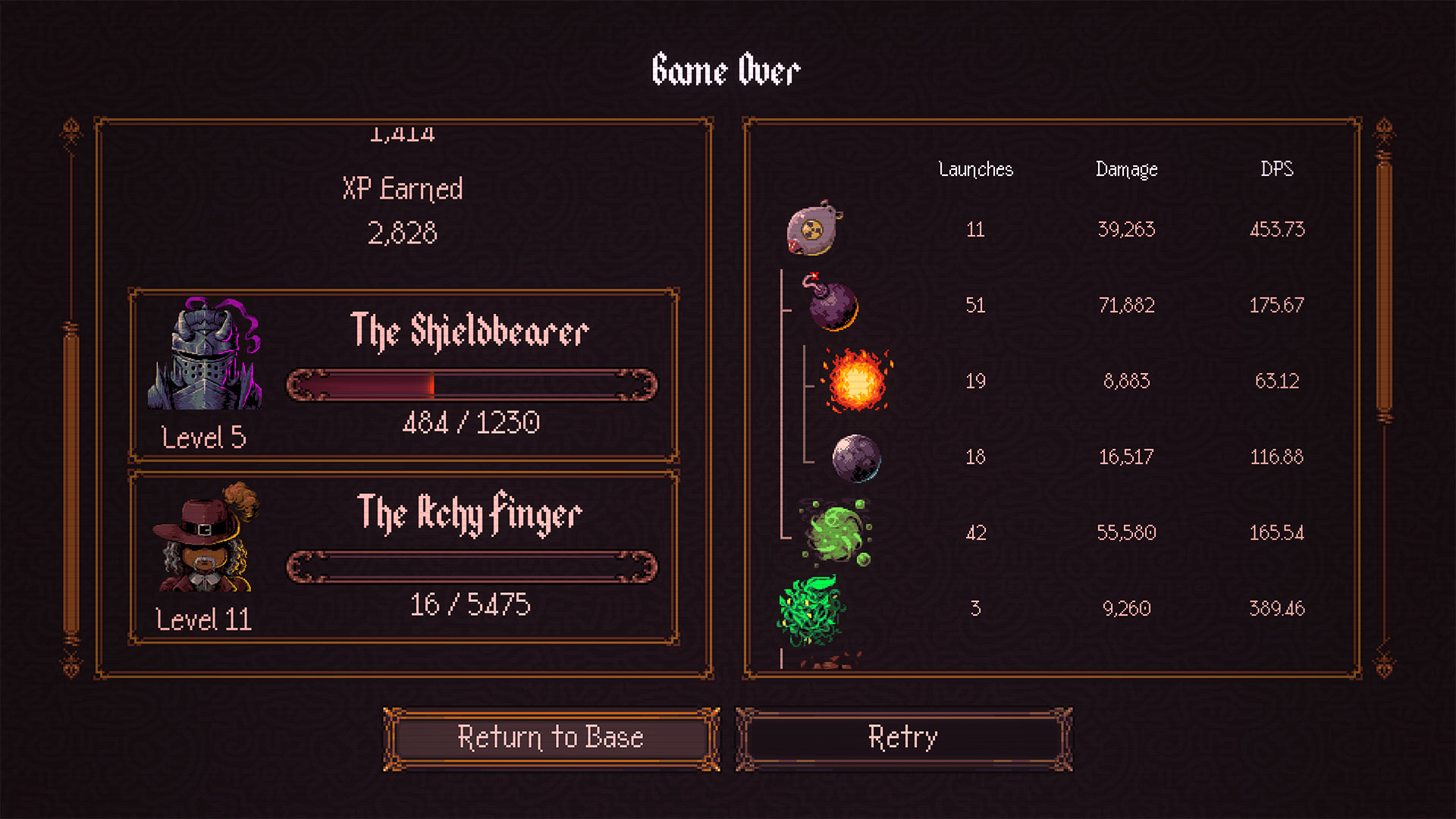
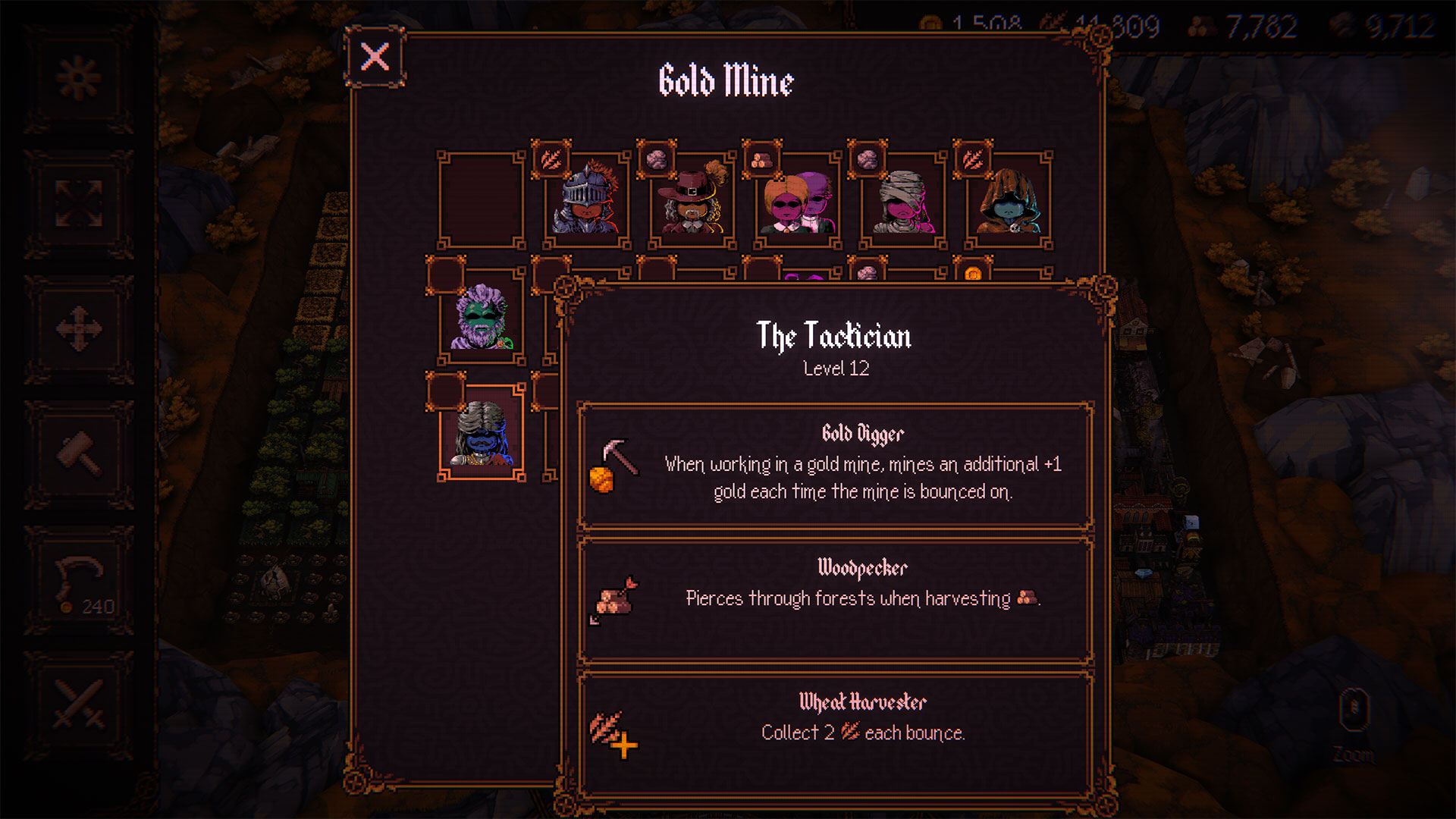
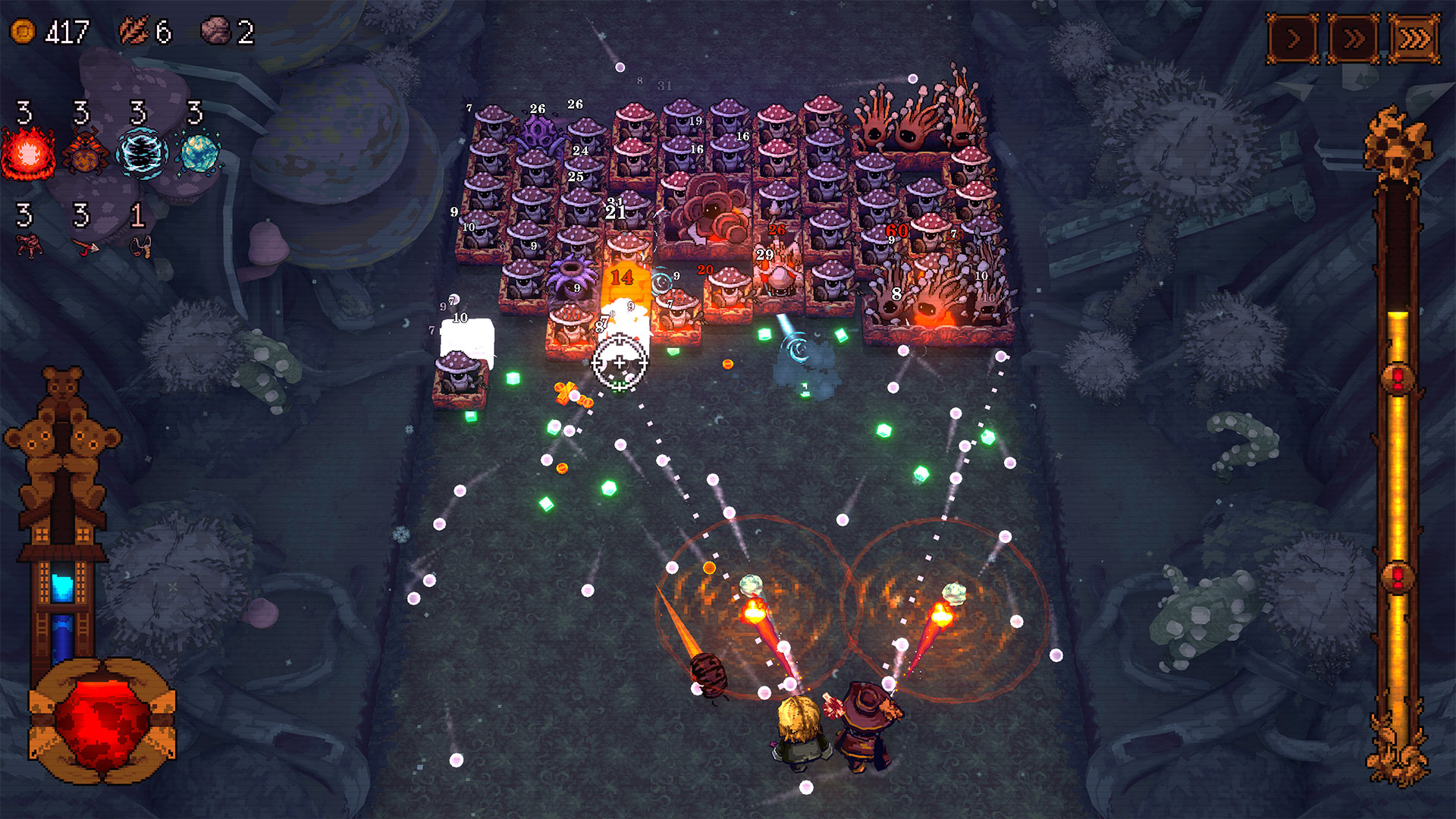
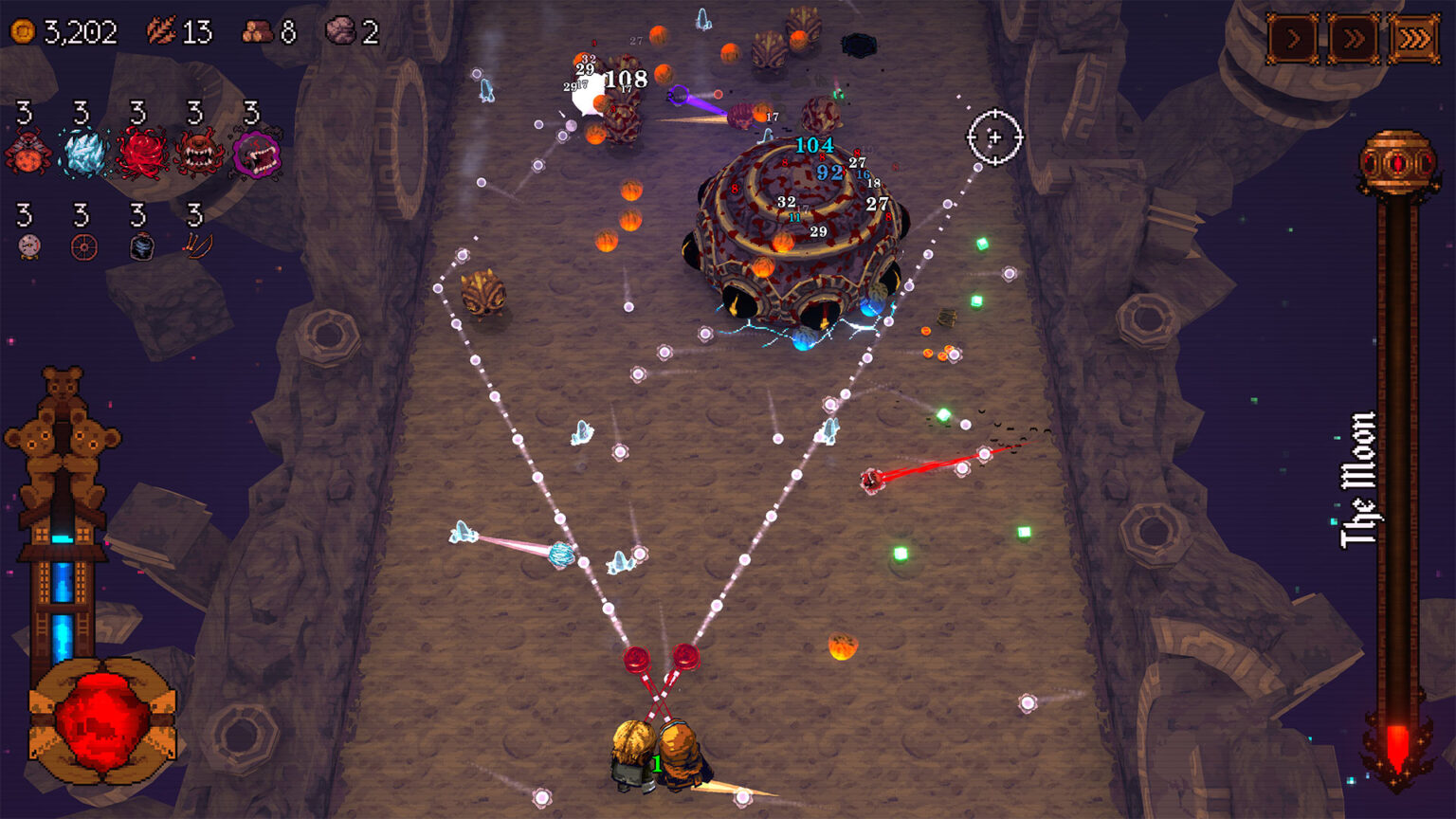
Currently, Ball x Pit features 16 characters to choose from. Each character comes with a starting ball, and all but one have a unique passive. Unlocking the ability to bring two characters is when the game really opens up. Some pairings lead to interesting effects, such as letting the game play itself in a turn-based mode. The characters all feel unique, and some have more difficult passives to manage, which means changing up your playstyle and builds. For example, one character removes baby balls in exchange for shooting multiple instances of a single equipped special ball. Another has their balls affected by gravity, pulling them toward the back of the screen for a parabolic effect.
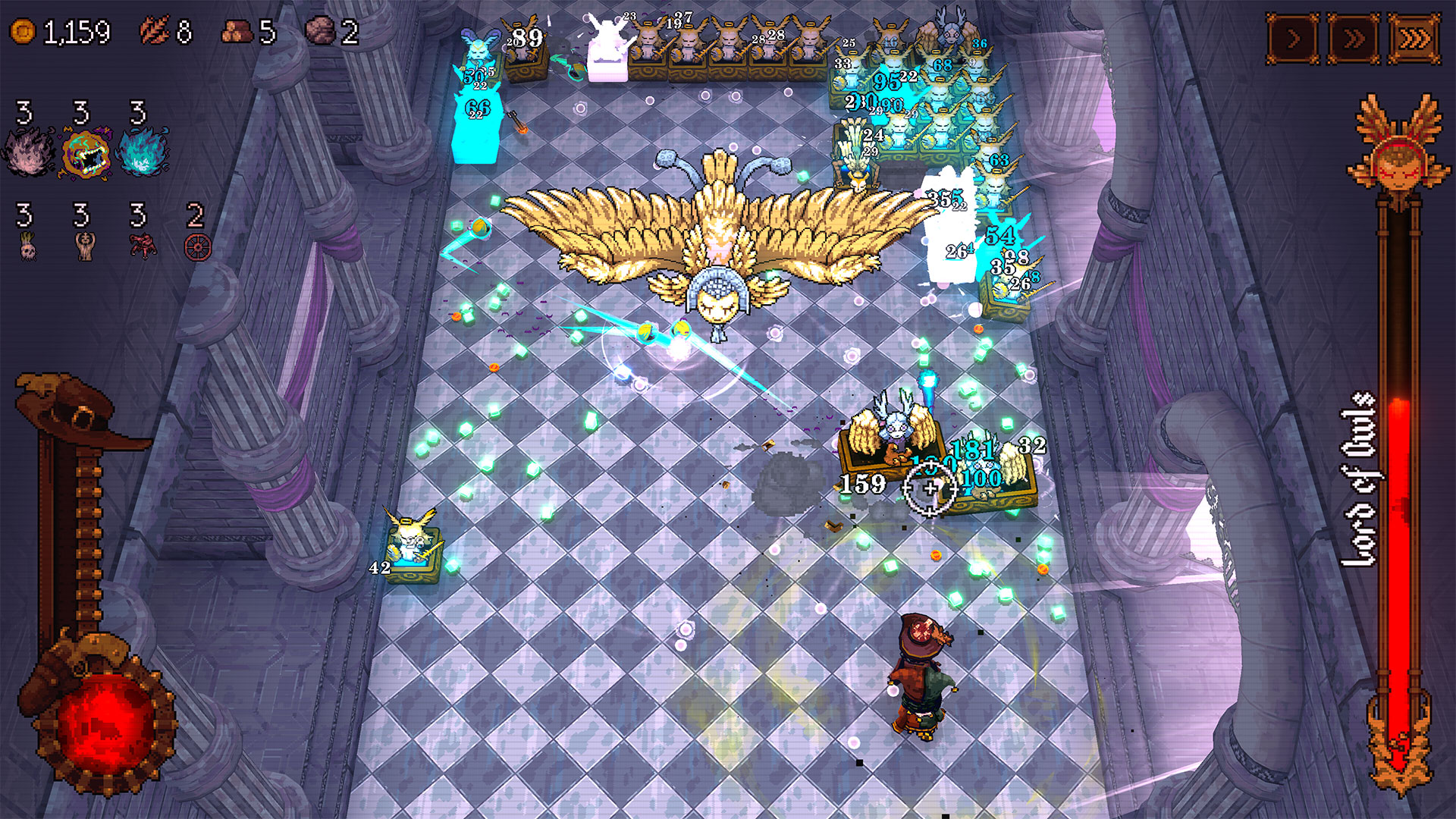
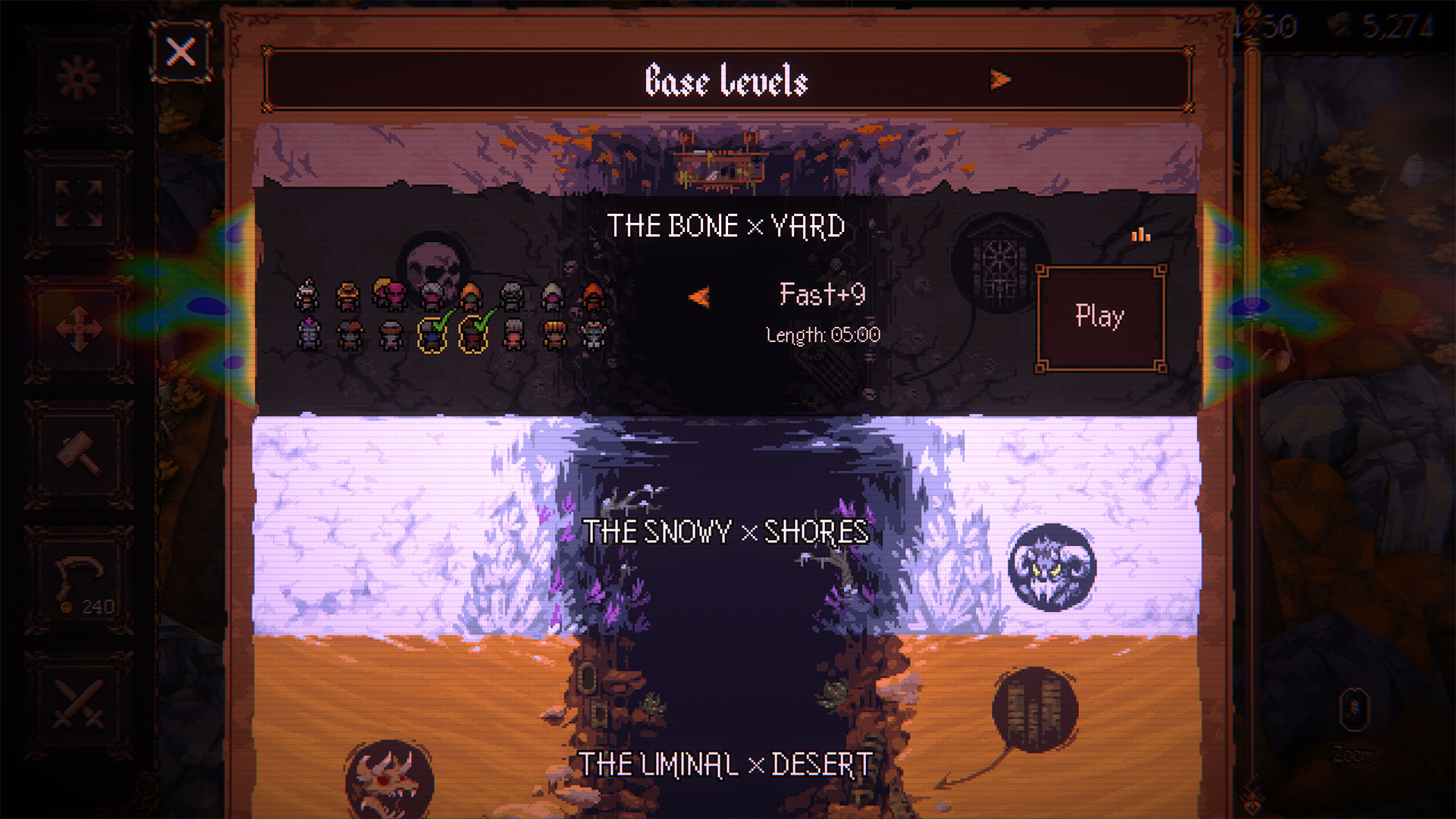
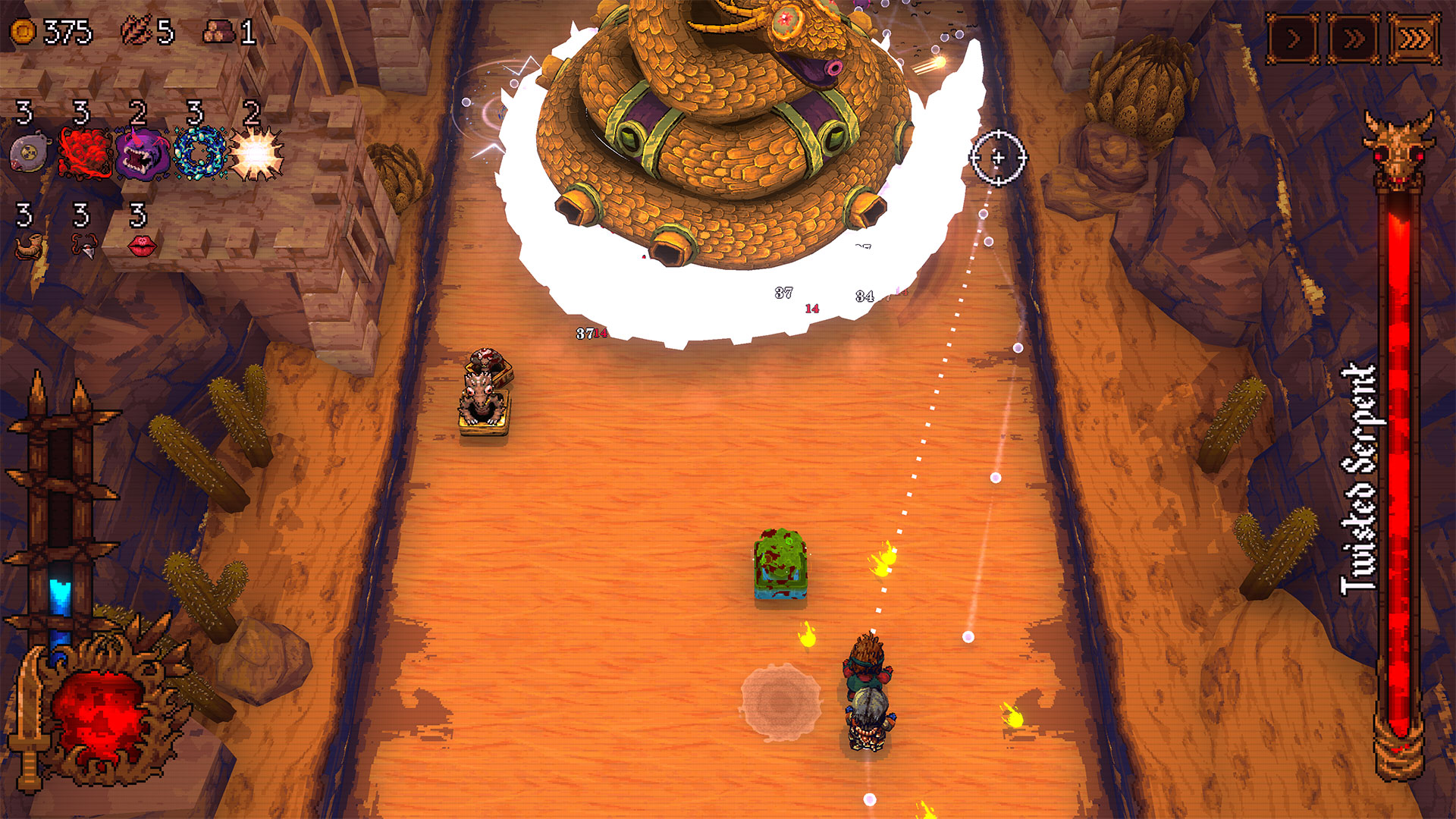
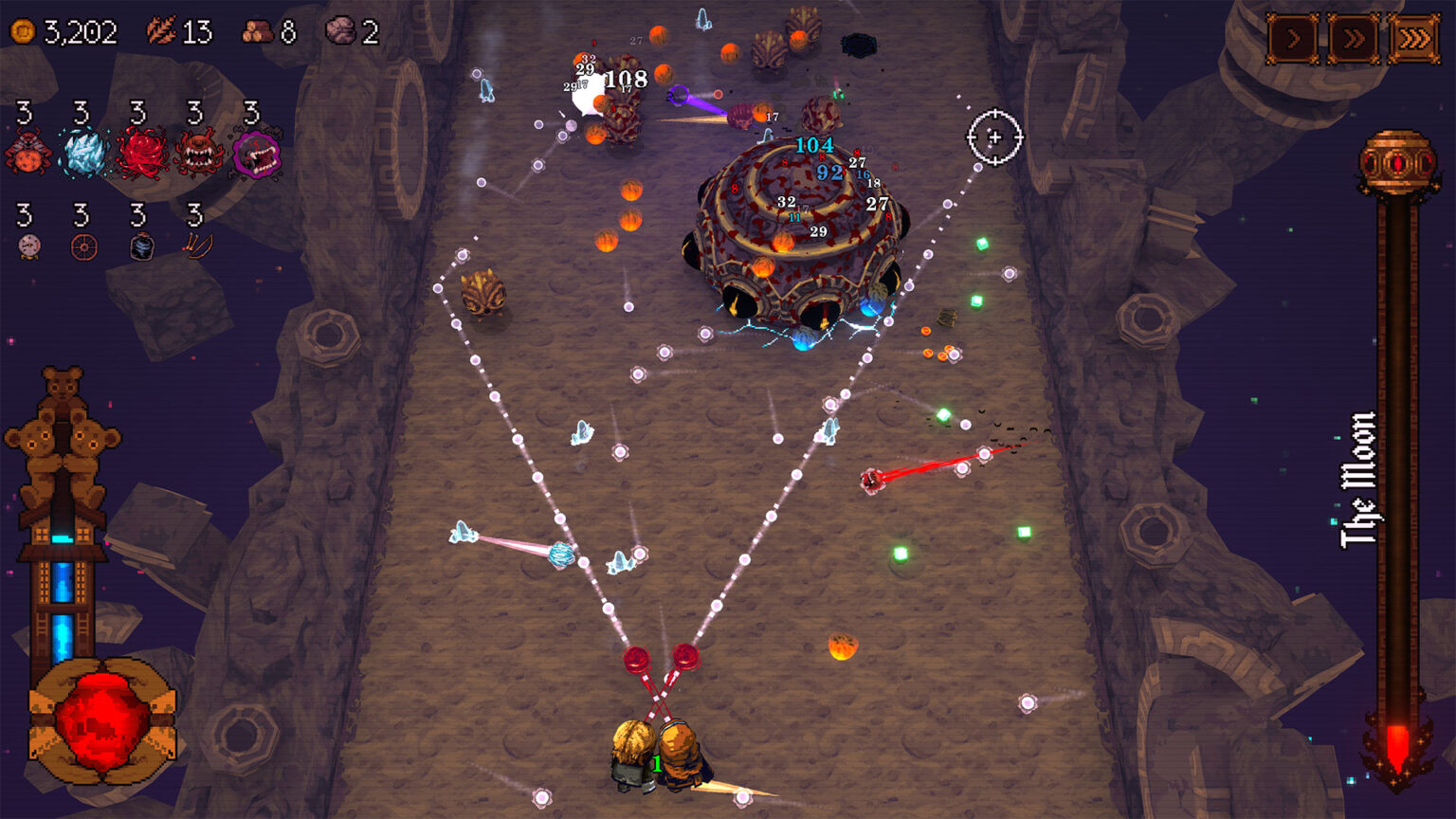
Each time you clear a stage, you get a gear for each character you brought along. Get enough gears and you’ll be able to unlock the next stage. At launch, there are eight stages, all with their own biomes, enemies, and bosses. Each boss fight has its own mechanics, which means you’ll have to dodge a lot more while dealing with additional spawns. Clearing each stage also unlocks a faster version, which will require meta progression to be successful. These eventually shorten the run from 15 minutes to 5 minutes, but you can clear them even quicker if you’re powerful enough.
Space Management
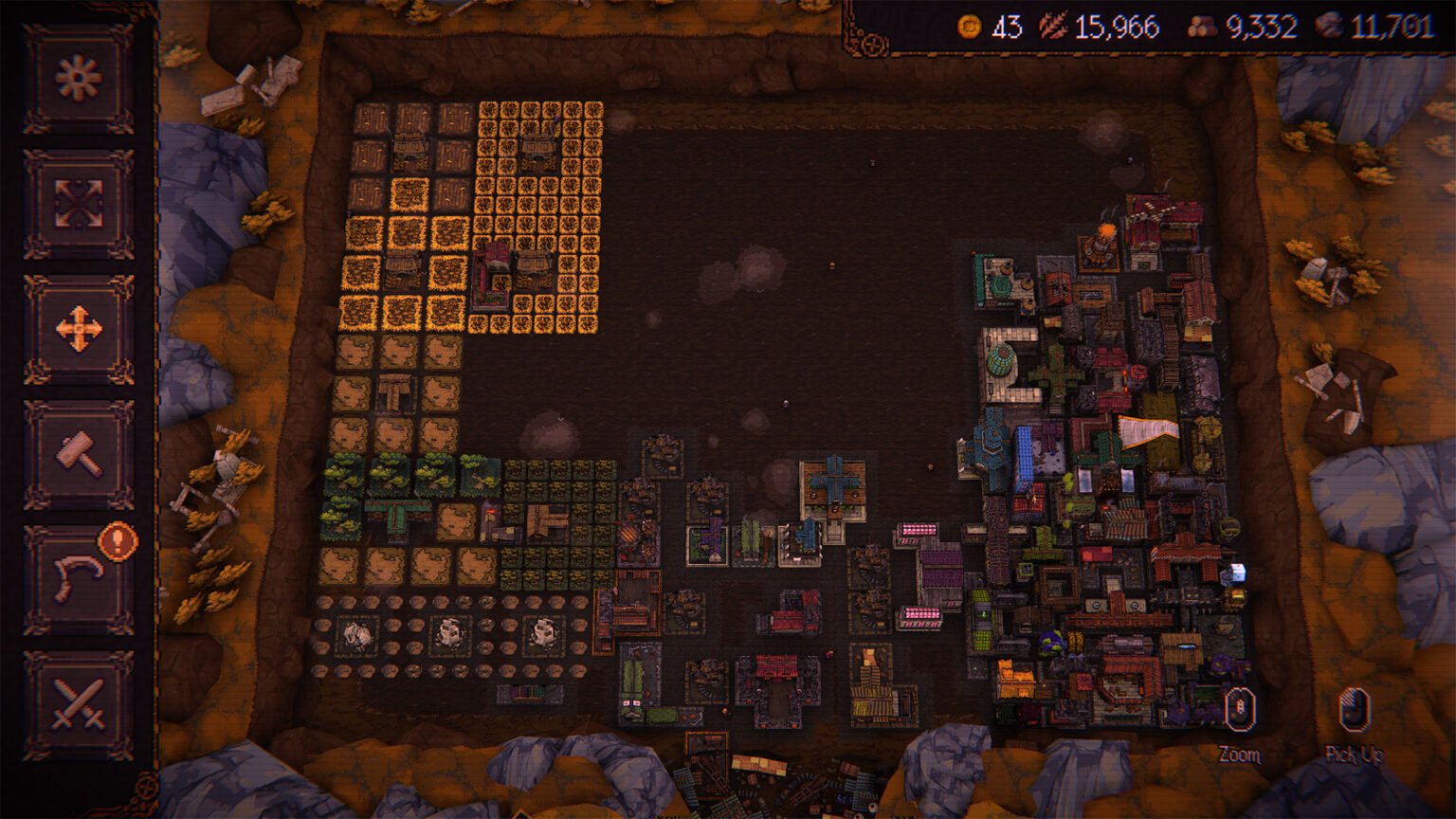
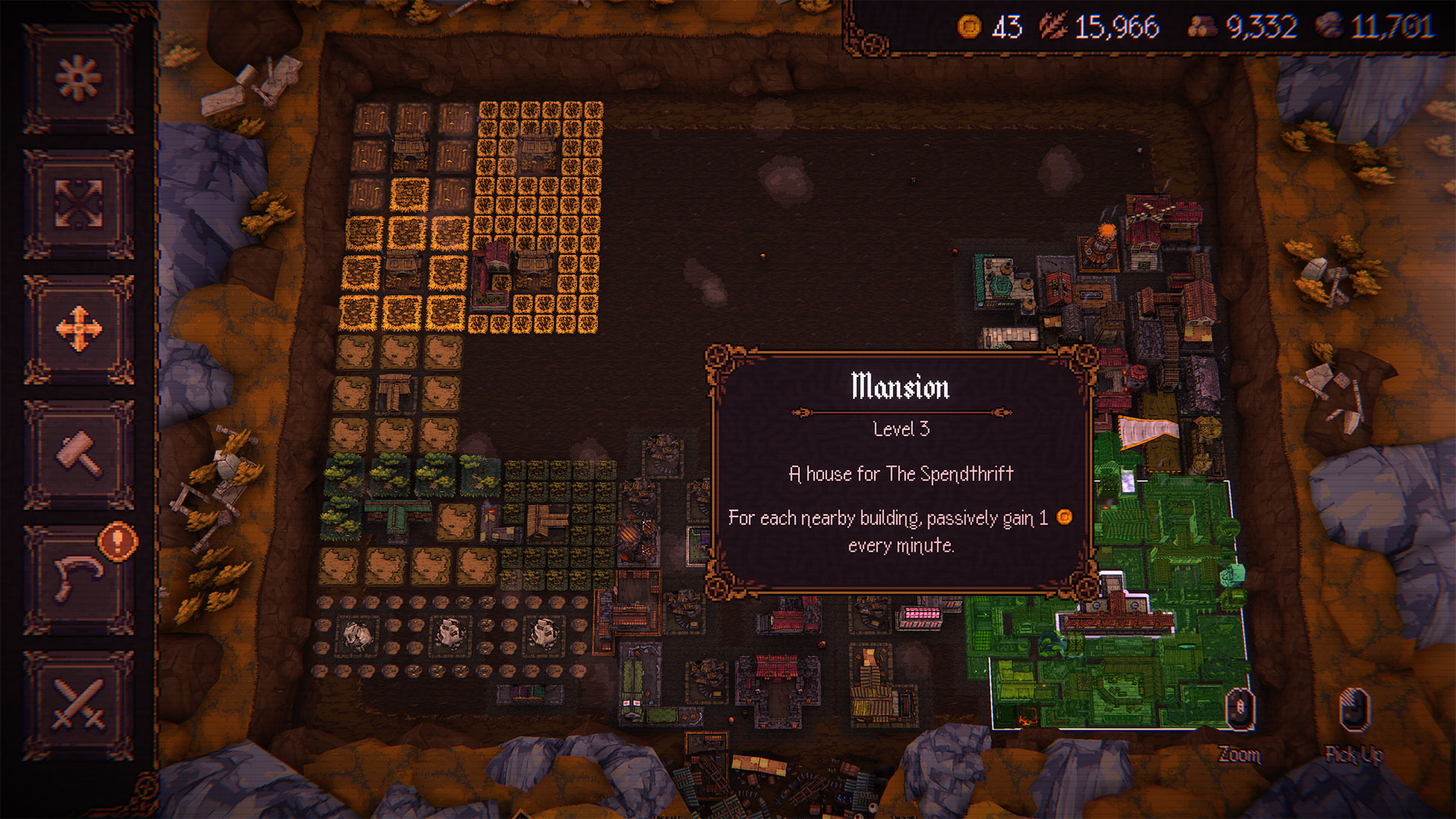
Other games in this genre typically handle meta progression through menus and by spending currency to get upgrades. Ball x Pit puts a really innovative spin on the process by adding a minigame in the form of building a town. Buildings and upgrades may cost gold, wheat, wood, or stone, or a combination of them. While some of these resources drop during a run, they’re pretty sparse. To afford the upgrades, you’ll have to set up structures so your town automatically generates and harvests resources. This may sound simple enough, but upgrading your buildings and harvesting certain nodes require you to bounce your characters off buildings. It’s a fun way to incorporate the same gameplay mechanic you deal with during runs, but instead of bouncing a ball, it’s the characters you’ve unlocked.
Eventually, you’ll get access to infinitely upgradeable buildings, which means you can strengthen the starting stats of your characters to ridiculous numbers. Obviously, this gets more and more expensive as you go, but laying out your town with an optimal path where your characters bounce multiple times can mean gathering hundreds, if not thousands, of resources. Some buildings also provide buffs within a certain radius, so if you love to min-max, you get a puzzle of fitting buildings into an optimal layout. I found myself spending hours tweaking the positioning of buildings in my town and finding the best way to launch my units to maximize value. Initially, you can harvest once after each run, but you can later pay gold to harvest multiple times.
Clearing each map also unlocks a trophy that scales with each character’s completion, alongside the buildings that offer infinite upgrades. This includes each fast tier and the New Game+ levels. While this doesn’t scale infinitely, it gives you a reason to clear each map with each character. These bonuses range from additional HP to baby ball damage. I really love the design of this mechanic, as it feels just as rewarding to upgrade your town as it does to complete a run.
Pocket Aces
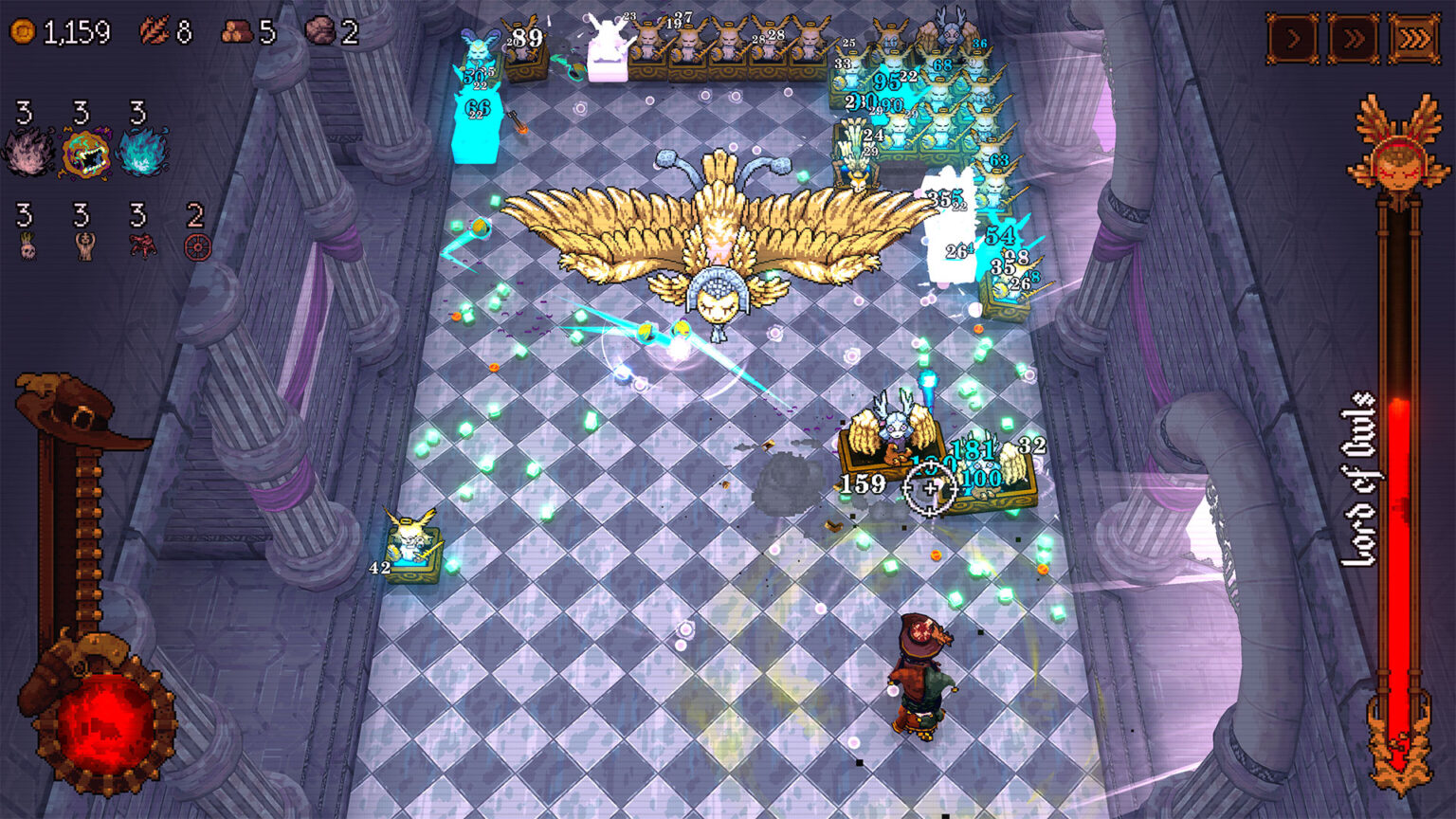
My biggest criticism of Ball x Pit is that the game eventually feels too easy. This is obviously due to infinitely upgradable stats, but it’s also because there’s no exploration of a stage. Having spent nearly 90 hours with Megabonk, I came to appreciate the game’s risk-and-reward system, with the ability to spawn additional bosses, skip treasure chests until my luck was high enough, or even get greedy with the final swarm. Ball x Pit lacks the moment of satisfaction when you feel like you managed to succeed despite bad RNG. There isn’t enough variety in balls and passives to make you feel like you have to make do with what you’ve got. This point is purely subjective, though, since I know many gamers who hate the idea of bad RNG causing a failed run in these types of games. Personally, though, I would have preferred to make more difficult choices whenever I leveled up or saw an upgrade screen. For the most part, you can get something to work each run once you understand how the balls and passives work.
Ball x Pit is a blast to play, and if you’re a fan of the roguelite genre, you’re going to love this game. It’s not very demanding on hardware either, as it runs very well on both the Steam Deck and the ROG Xbox Ally X. It’s a game that can deliver dozens, if not hundreds, of hours of entertainment with infinite upgrades and faster tiers to unlock. There are also leaderboards to chase if that’s your thing, but I didn’t find them as compelling as Megabonk’s leaderboards. I’m particularly overjoyed that games like Ball x Pit exist, especially coming from a small team. It proves there’s still plenty of innovation and ideas out there, and that fun comes in all shapes and sizes. More importantly, it’s satisfying to see a core 1970s mechanic evolve and still feel relevant in 2025. Ball x Pit makes the past feel present and the present feel addictive, which is exactly why I think everyone should give this game a shot, especially at $14.99.
Ball x Pit has an official release date of October 15, 2025, for PlayStation 5, Xbox Series X|S, Switch, and PC, and a release date of October 28, 2025, for Switch 2. This review is based on a copy of the game provided as part of Game Pass on PC. While FullCleared does have affiliate partnerships, they do not influence our editorial content. We may earn a commission for purchases made through links on this page.
Ball x Pit Review Gallery