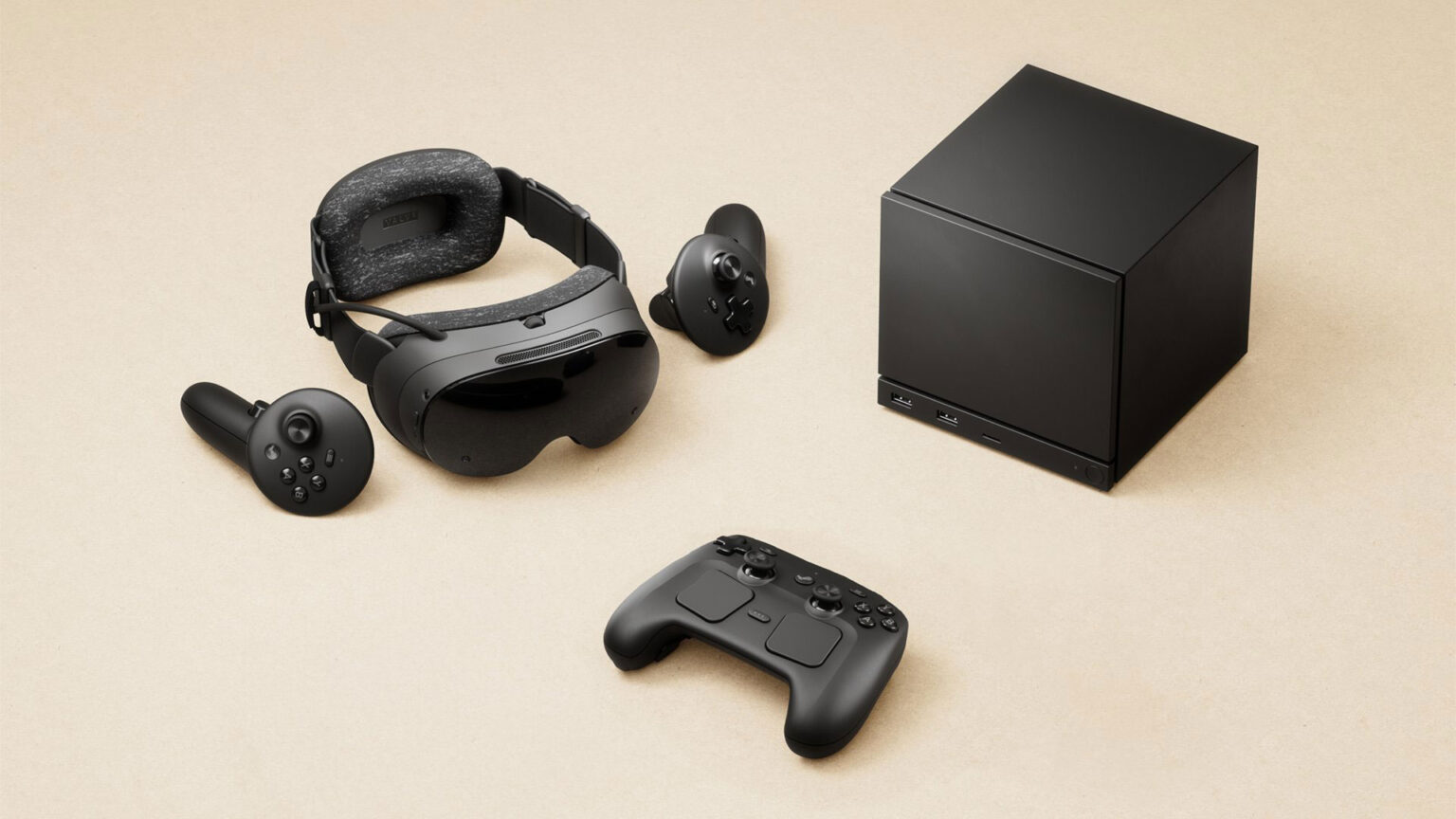

Given the success of the Steam Deck, which has resulted in an entire market of handheld PCs including the recent ROG Xbox Ally X, it was only a matter of time before Valve doubled down on hardware. A decade ago, Valve was ahead of its time by trying to push a Steam Machine to market, which didn’t really catch on. Now, PC gaming is more popular than ever and taking everything Valve learned from the Steam Deck, the Steam Machine is getting a new lease on life. The next-gen Steam Machine made its debut today, along with a new Steam Controller and the Steam Frame, a wireless VR headset that looks to compete with the Meta Quest.
For many, the most exciting announcement is the new Steam Machine. Featuring an extremely small form factor, a roughly 6-inch cube, the Steam Machine aims to deliver 4K gaming at 60 FPS with FSR, powered by a semi-custom AMD Zen 4 CPU with a semi-custom AMD RDNA3 28CUs GPU. RAM is split between 16GB of DDR5 and 8GB of GDDR6 VRAM, and it’ll be available in two configurations, one with a 512GB NVMe SSD and another with a 2TB NVMe SSD. Both models include a high-speed microSD card slot for more storage. Valve says the new Steam Machine is roughly six times as powerful as the Steam Deck.
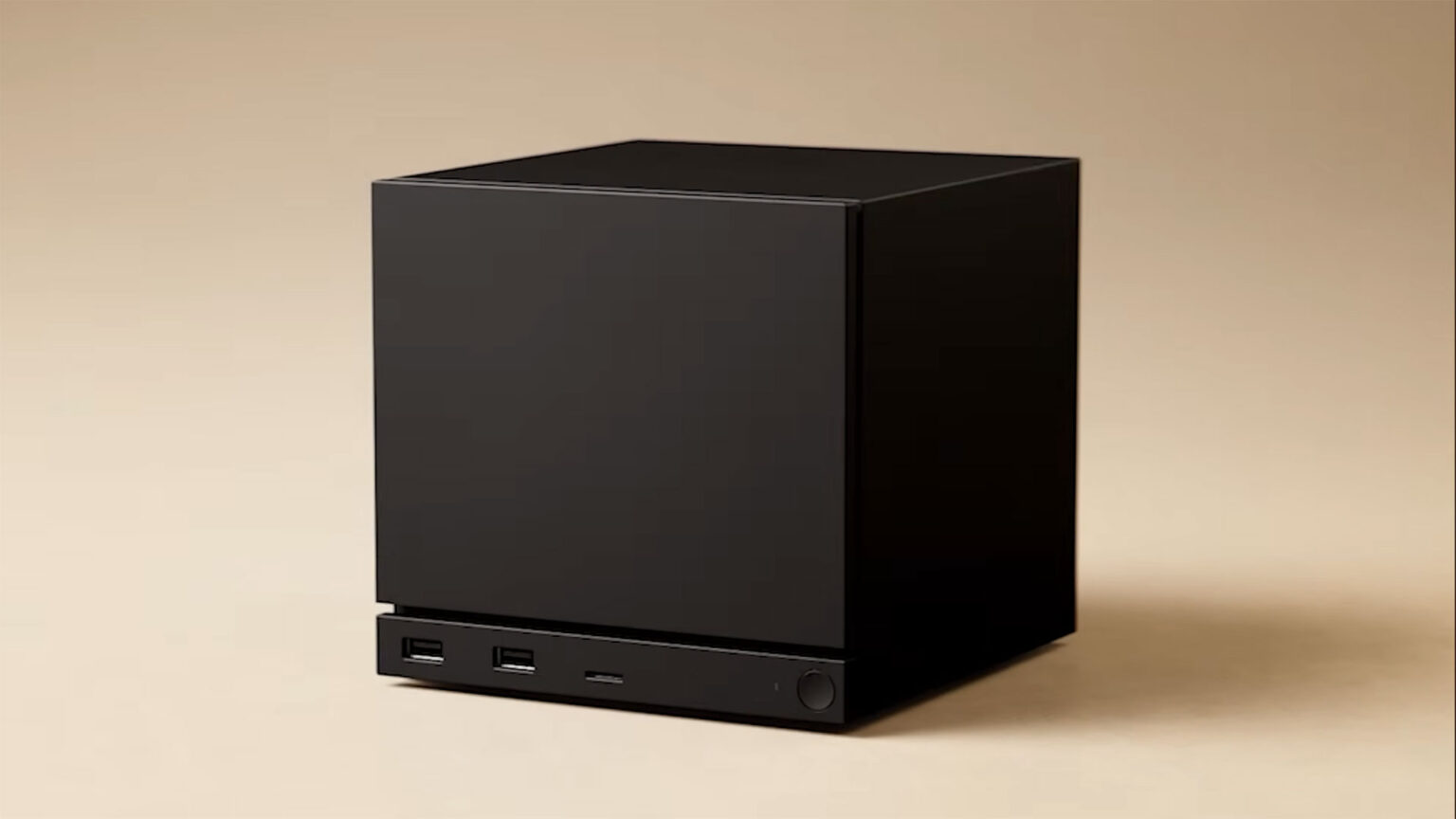
Connectivity is covered by DisplayPort 1.4 and HDMI 2.0 ports. The DisplayPort 1.4 is ideal, offering up to 4K at 240Hz or 8K at 60Hz, along with HDR, FreeSync, and daisy-chaining support. If you’re looking to connect it to a TV, HDMI 2.0 might be your only option, limiting the Steam Machine to 4K at 120Hz, but it will support HDR, FreeSync, and CEC. For USB, there are a pair of USB-A 3.2 Gen 1 ports in the front, two USB-A 2.0 high-speed ports in the rear, and a single USB-C 3.2 Gen 2 port. It comes with 2×2 Wi-Fi 6E and Bluetooth 5.3, and there’s a built-in gigabit Ethernet port for those who want to run wired. Valve also proudly showed off the LED strip, with 17 individually addressable RGB LEDs for customization.
It’s an exciting little device that will hopefully remove many of the hurdles of getting into PC gaming, since it runs on SteamOS. While Windows is trying to build out the Xbox Full Screen Experience, it’s not quite there yet, as I mentioned in my ROG Xbox Ally X review. The Steam Deck experience is so much better for the everyday, casual user that I can finally see Steam Machines doing well. Like the Steam Deck, the new Steam Machine is essentially a PC, so you are free to install other operating systems and apps if you want. It’ll just require a bit of tinkering.
Pricing for the Steam Machine hasn’t been announced yet, but hopefully it’ll be competitive against existing consoles. Valve is obviously in a good position to subsidize some of the cost, since it’ll just bring more people to the Steam ecosystem, where they’ll be spending hundreds, if not thousands, of dollars on games.
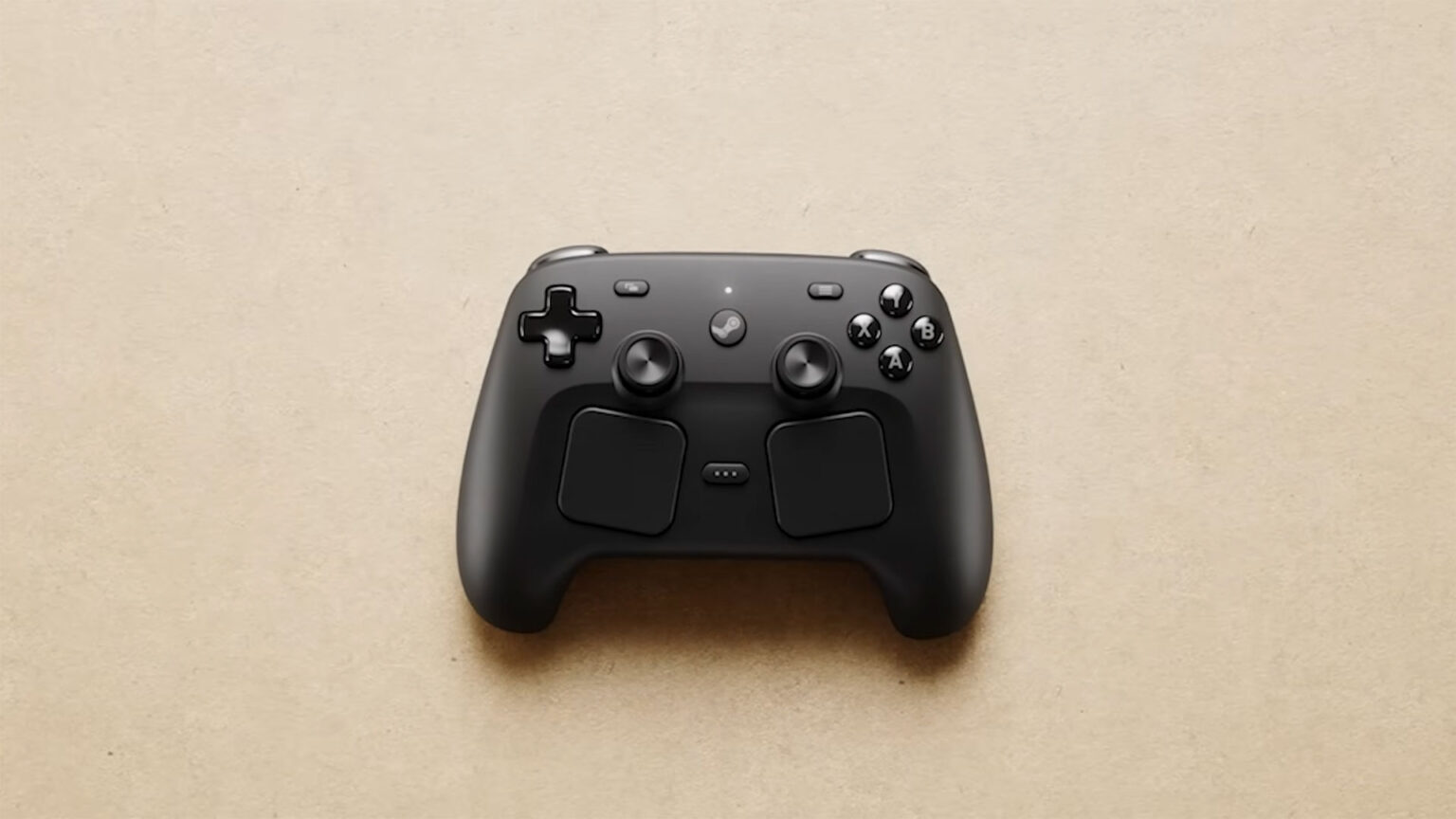
The next announcement is a new Steam Controller, which is compatible with any device that runs Steam. It features the excellent trackpads from the Steam Deck and uses magnetic thumbsticks with TMR technology. For haptics, there’s high-definition rumble, while Grip Sense is a new input that enables gyro with capacitive touch, all in the controller’s grip. Speaking of the grip, there are four buttons on the back that can be remapped however you wish. The controller can connect via 2.4GHz wireless or Bluetooth, or over USB-C tethered via cable. Valve is claiming over 35 hours of gameplay on a single charge from its 8.39 Wh lithium-ion battery. There’s also a nifty magnetic charging puck that lets users charge by simply dropping the controller onto it rather than fiddling with cables.
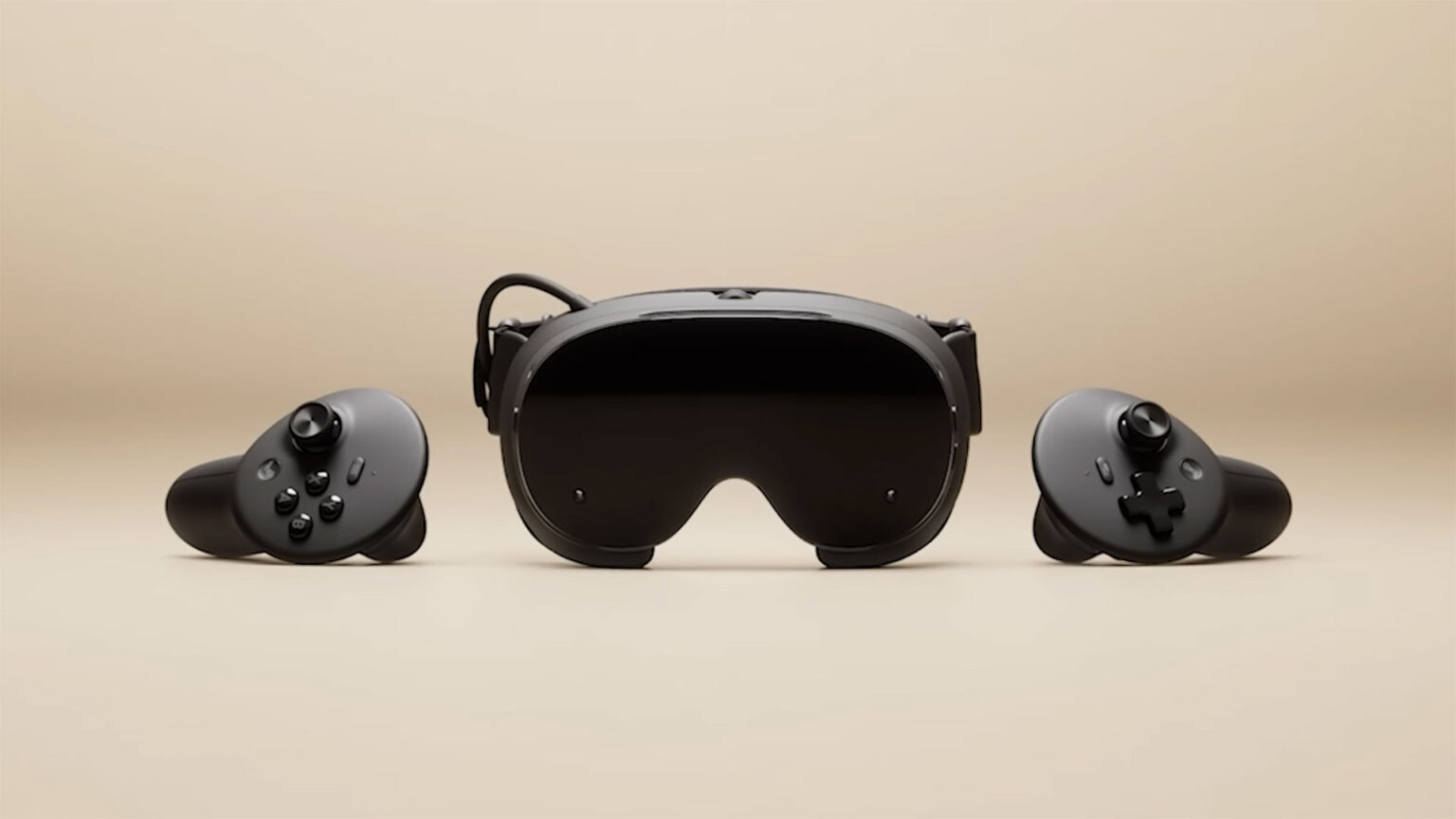
Finally, we have the Steam Frame. Long rumored, the new wireless VR headset and controllers are designed to be a streaming-first platform that can handle your entire Steam library, including non-VR games. It also supports standalone play, much like the Meta Quest. The device is powered by a Snapdragon 8 Series Processor and runs SteamOS with 16GB of RAM. With all the experience Valve has building VR headsets, the Steam Frame should be its best offering yet. Looking at its display, it’ll offer 2160 x 2160 per eye with a 72 to 144 Hz refresh rate. Unfortunately, these are LCD displays, but the headset does use custom pancake lenses with up to 110 degrees FOV.
The device includes a plug-and-play 6GHz wireless adapter, which provides a dedicated link for both VR and non-VR streaming. The headset has dual radios, with one dedicated to streaming audio and visuals and the other connecting to Wi-Fi. It’ll also bring a new technology called Foveated Streaming, which optimizes detail where your eyes are looking. It’s similar to what the PlayStation VR2 has, except this works wirelessly. The Steam Frame controllers are tracked in space by the headset, with capacitive finger tracking for better immersion. These controllers are fully backward compatible, support the full SteamVR catalog, and can also be used for non-VR games. Like the Meta Quest controllers, each uses a single AA battery that offers approximately 40 hours of playtime.
All of the newly announced devices are set to release in early 2026, so we’ll have to wait until then for pricing information.