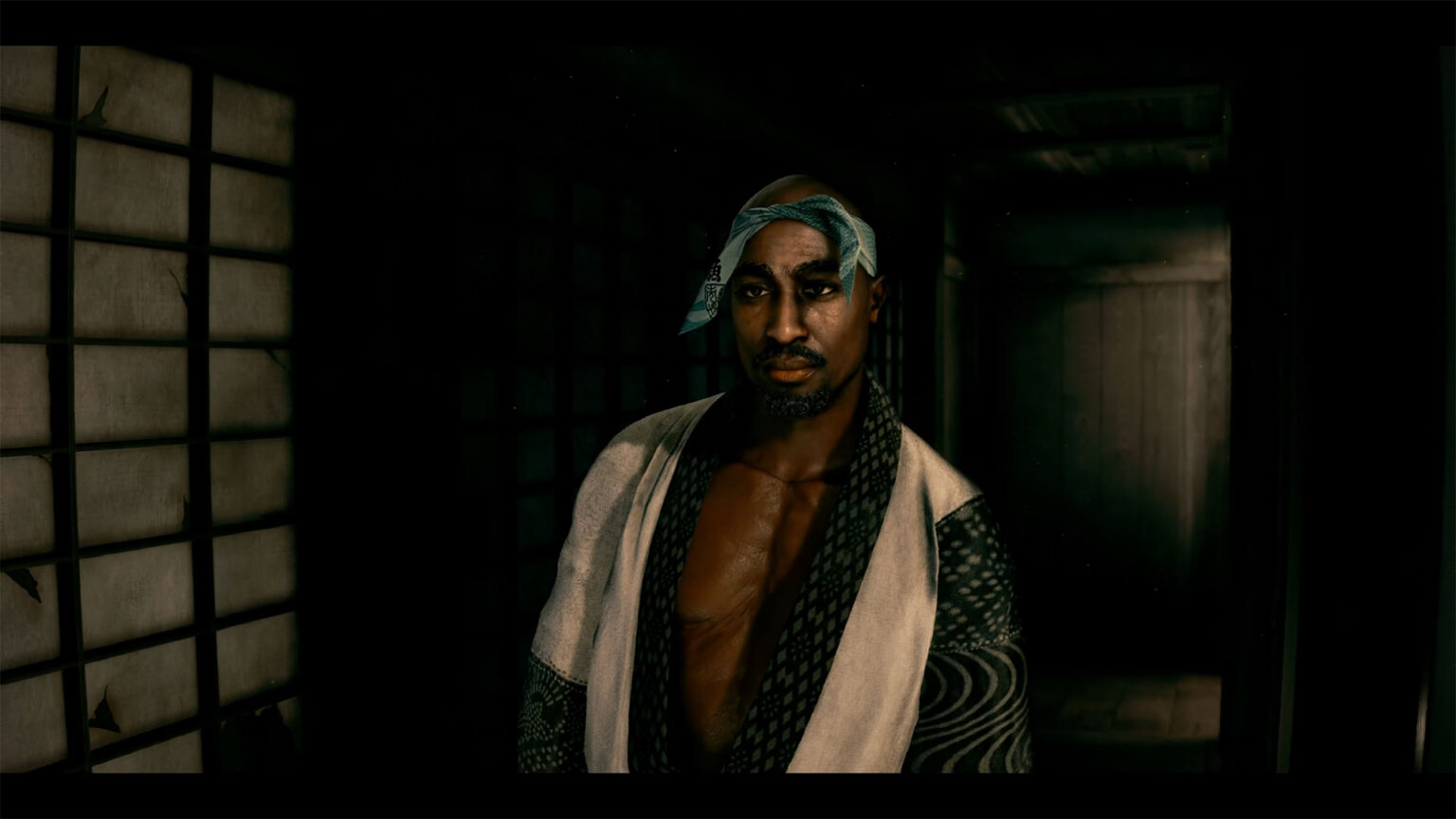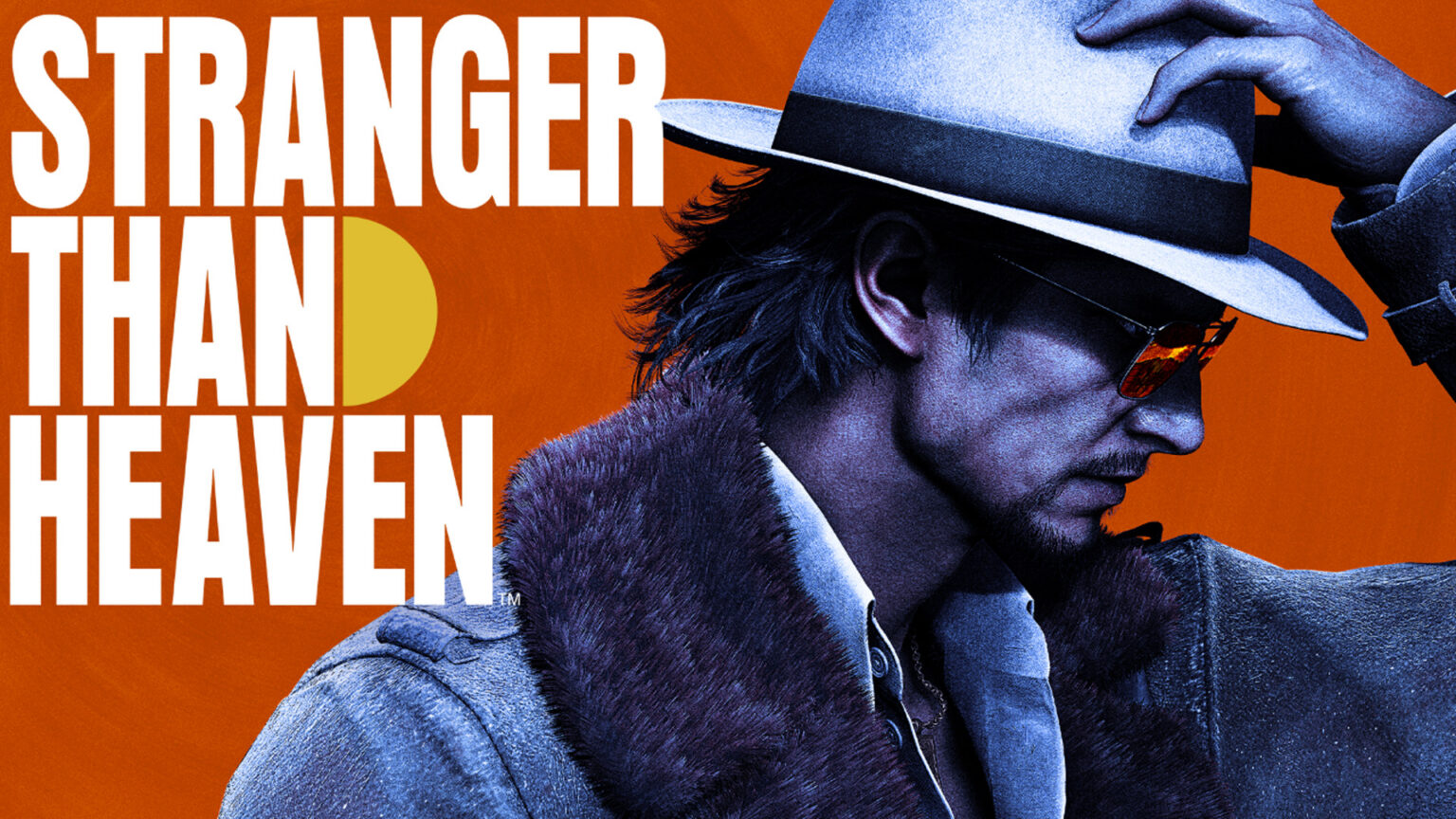

Xbox just wrapped a 30-minute deep dive on Stranger Than Heaven, RGG Studio’s ambitious new action-adventure game, and it’s pretty clear this isn’t just another Yakuza spin-off. The presentation walked through the game’s story structure, its five-city setting, a brand-new combat system, and a music management mechanic that looks like nothing the studio has done before. RGG Studio head Masayoshi Yokoyama, producer Hiroyuki Sakamoto, and game director Mikinobu Abe led the broadcast, alongside Snoop Dogg, his real-life son Cordell Broadus, J-Pop artist Satoshi Fujihara, and American singer-songwriter Tori Kelly, all of whom play substantial roles in the game.
The 50-year story follows Makoto Daito, born in the United States to an American father and Japanese mother, who loses both parents young and faces persecution growing up in the West. In 1915, Makoto stows away on a boat to Japan, where he’s caught by Orpheus, a smuggler played by Snoop Dogg. Orpheus takes Makoto and another mixed-heritage boy named Yu Shinjo on as his sidekicks once he realizes Makoto can speak Japanese, and the trio arrives in Kokura, Fukuoka. Makoto and Yu start as friends and eventually become rivals, with their lives weaving together throughout the game’s five time periods. Makoto’s eventual talent for music becomes a key part of his story, and his showbusiness work with Yu pulls them back together later in the game.
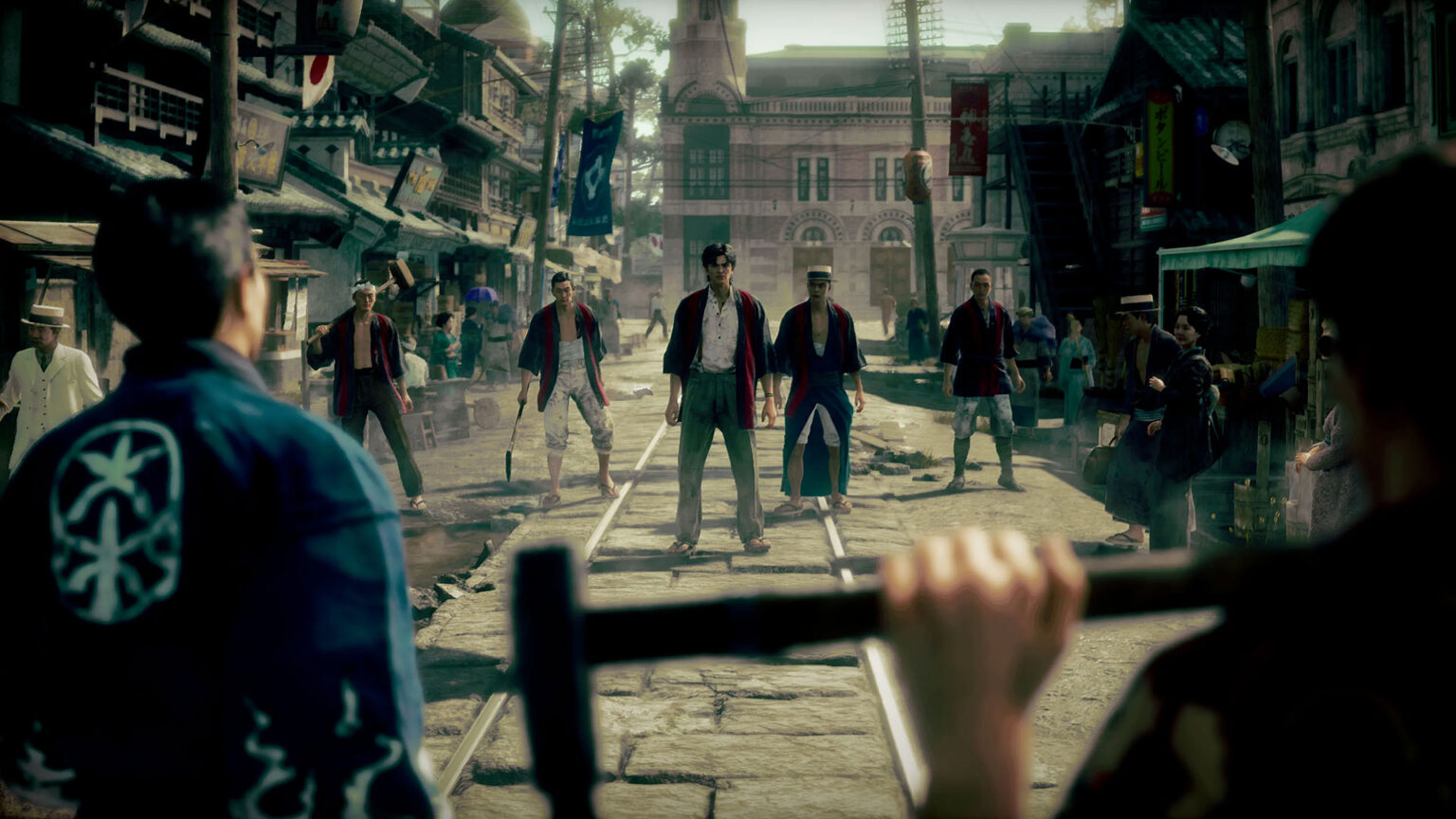
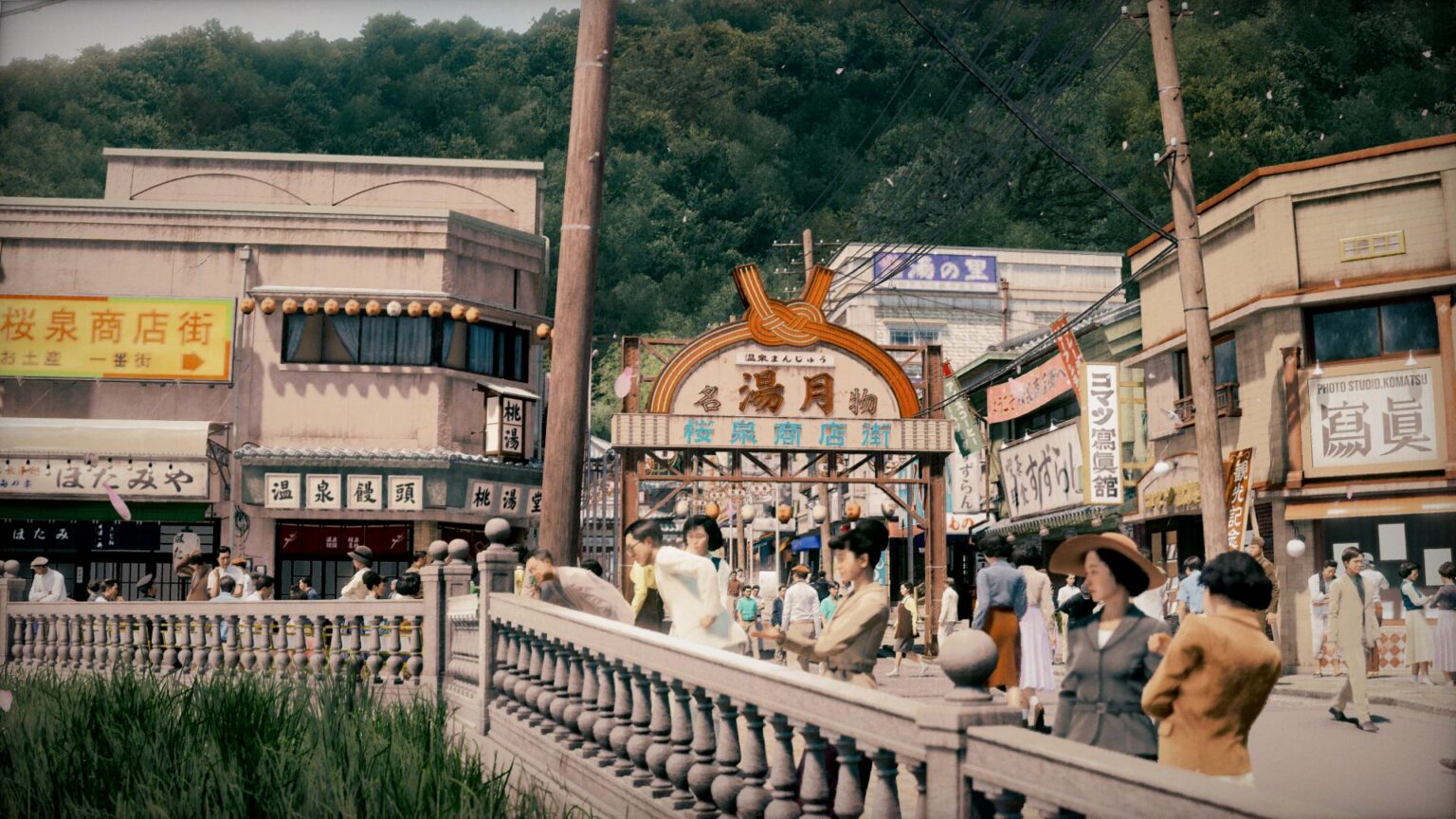
Each of the game’s five cities anchors a different era. Kokura, Fukuoka in 1915 is the industrial entry point, full of vice and opportunity. Kure, Hiroshima in 1929 is where Makoto establishes himself with the Iwaki Family yakuza organization and earns the name Red Oni. Minami, Osaka in 1943 brings Makoto and Yu back together as showbusiness partners, with the Yakuza and Italian Mafia competing for the city’s underworld. Atami, Shizuoka in 1951 leans into Japan’s natural beauty as American influence starts permeating the country. The story concludes in Shinjuku, Tokyo in 1965, with Yokoyama hinting that “a tremendous secret will be revealed” by the end. Each city also includes minigames suited to its era, from arm-wrestling and card games in Fukuoka to target shooting in Osaka.
The combat system is genuinely new for RGG Studio, with players controlling Makoto’s left and right sides independently. The right arm and leg map to RB and RT, the left to LB and LT, which means you can attack with one side while the other is grabbed or occupied. Players can charge attacks by holding the button, block with one arm and counter with the other, or tackle enemies by combining LT and RT. Stranger Than Heaven also includes an extensive weapons roster covering knives, hammers, mallets, katanas, and “brand-new inventions of the era,” all of which can be upgraded with special attacks and passive abilities. There are also context-sensitive cinematic combat sections, including a brawl inside a fast-moving car that the team showed off during the broadcast.
The music side is the most surprising part of the reveal. Makoto can walk around the world and record ambient sounds, from a sweeping broom to a passing train to the sound of an enemy hitting the curb mid-fight. These recordings get saved to a library and can later be combined with composers to create original compositions. From there, the game opens up into management territory, with Makoto producing and organizing live performances, choosing setlists, scouting talent through NPC dialogue, and developing relationships with performers. Tori Kelly plays an ambitious singer named Suzy in the Shizuoka segment, and she and Satoshi Fujihara also wrote Stranger Than Heaven’s original theme song, which debuted during the broadcast.
Stranger Than Heaven launches this winter on PlayStation 5, Xbox Series X|S, and PC. It will be an Xbox Play Anywhere title and available day one with Game Pass. There’s still a lot RGG Studio hasn’t shown, including specifics on how the era jumps will work mechanically and how the management mechanics layer onto the core combat loop, but the breadth of what was revealed today is genuinely impressive. The combination of a 50-year noir epic, dual-stick combat, music collection and composition, and Snoop Dogg playing a 1915 smuggler is the kind of swing only RGG Studio could pull off.