Like many kids growing up in the 80s and 90s, I always wanted to make my own games. I learned programming at a young age, dabbled quite a bit with Klik & Play (anyone remember that?), and spent many hours creating custom .wads for Doom II. But all of that led to very little, since I gave up on developing my programming skills during my college years. I leaned heavily into web development and just felt like I would never be smart or talented enough to create a game on my own. Those who know me, though, know that I have an absurd amount of terrible game ideas, and I finally managed to make one real.
Ever since I played To the Moon in 2015, I’ve always been interested in RPG Maker and all of its different versions. I never had the time to really develop a full-blown story though, since that really would be the appeal of using RPG Maker to create a game. Fast forward to the holiday season in 2025, and during a random Friday evening while on Discord as we usually do, a random idea for a game popped up in my head. Take the formula of a classic 16-bit JRPG and turn it into a roguelite. I quickly spent some time searching on the internet to see if a game like it existed and was surprised there wasn’t one with the exact concept I was thinking of. The general idea is a little like Darkest Dungeon, but my intention was to really capture that old school JRPG feel, while layering on all the modern mechanics found in today’s roguelites.
I spent about 45 minutes coming up with a design doc, and at the time, Claude was making news. Having used ChatGPT extensively for various aspects of my work, I decided to see what Claude was capable of doing. I fed it my design doc, answered a dozen or so questions, and asked Claude what would be the quickest way for me to spin up a prototype to test my game idea. Well, Claude’s answer was that it could create an artifact in a matter of minutes, and I would be able to play through my concept, albeit in a really crude fashion. I was extremely skeptical and even laughed out loud when I told it to go ahead. Imagine my surprise when it returned me a fully functional prototype that let me test my core gameplay loop.
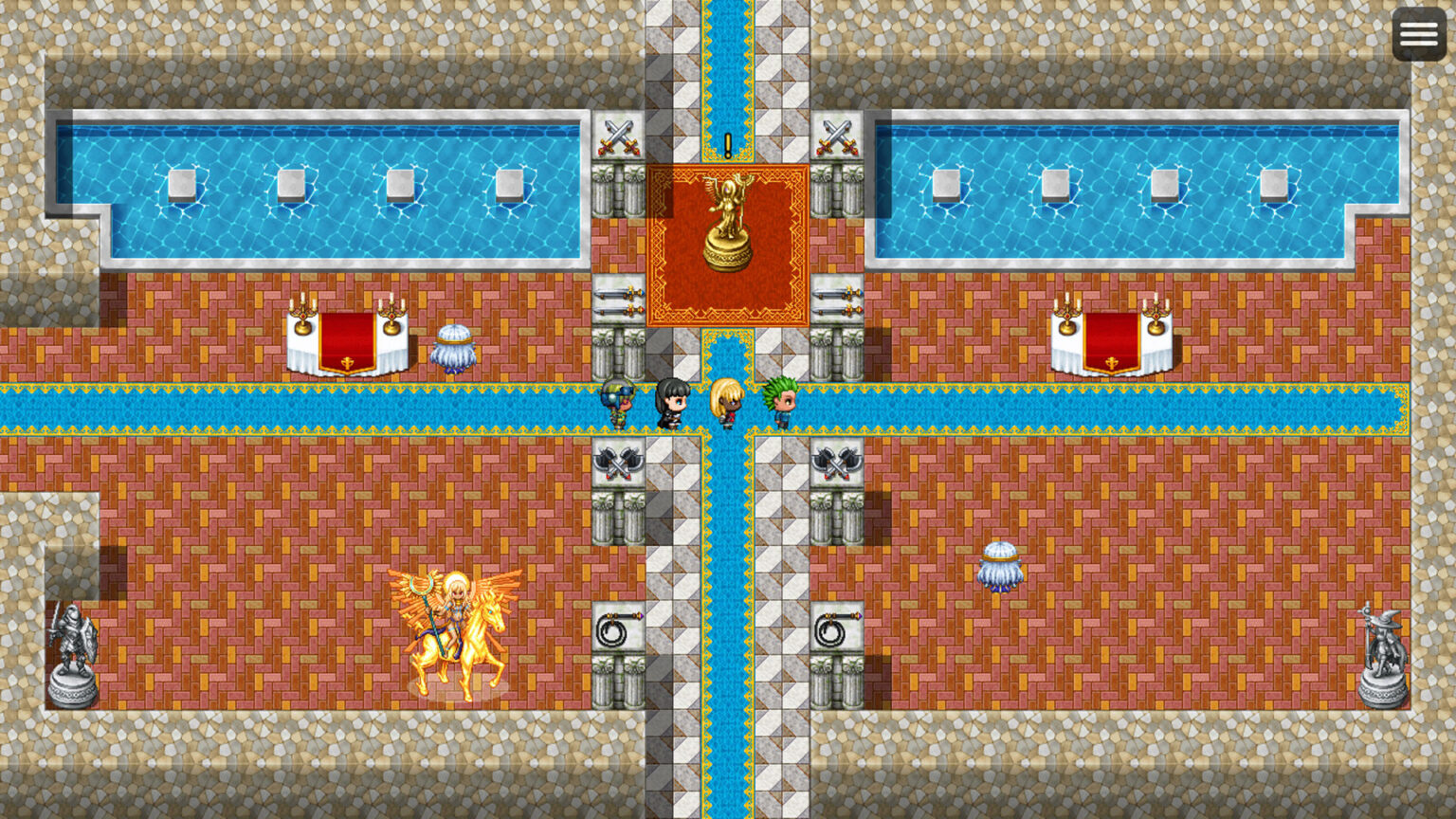
I know there’s a lot of negative sentiment around the use of AI in the gaming industry. But this really opened my eyes to the possibilities. Having worked sporadically in the gaming industry recently, I have met so many talented designers with brilliant ideas for games that will never become a reality, because, well, games are expensive and difficult to make. This is where I’d argue that AI isn’t as evil and awful as everyone makes it out to be, because it allows those brilliant game ideas to become real without needing millions in funding or someone risking their entire livelihood to make a game. To be clear, my game idea is not one of those brilliant ones.
Over the next few weeks, several close friends and the same people who play games with me to create content for FullCleared helped me iterate on the design of the game. When I felt like I started to reach the limits of the Claude artifact, I downloaded the free trial of RPG Maker MZ to see how difficult it would be to get the game functional in the engine. I was amazed by how quickly Claude was able to convert the prototype into a custom plug-in for RPG Maker MZ, and I could actually go through the core gameplay loop. I spent about two weeks nailing down the core experience in RPG Maker MZ, and after letting several people test prototypes, I decided it was worth the time to fully build it out over the next few months.
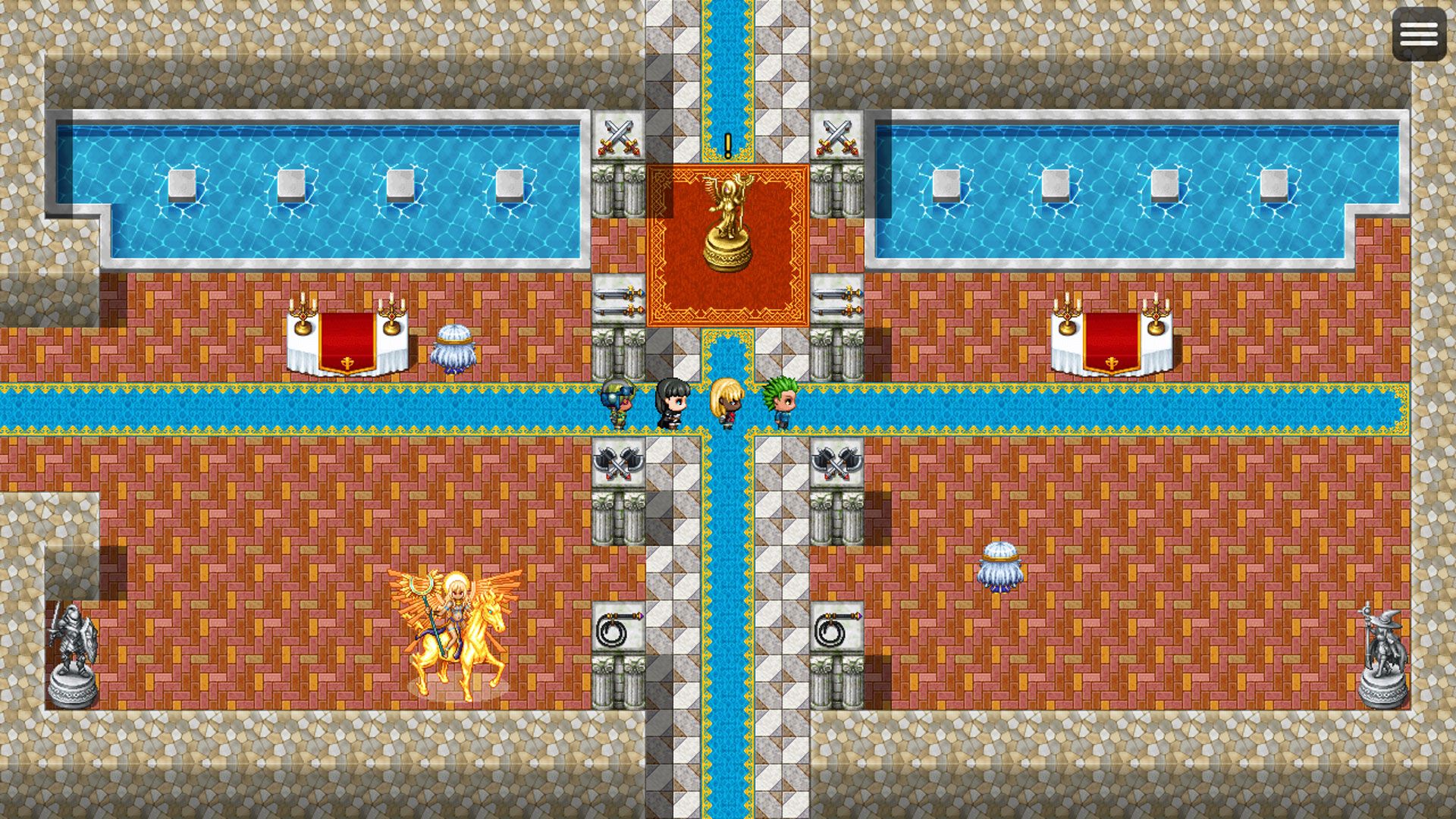
I eventually moved the project over to Claude Code, building it out with dumb idea after dumb idea. While I did use Claude Code to conjure up all the code, I am not using generative AI for any of the game’s artwork. The keyart comes from a good friend of mine for over 20 years, Ian Devaney, while another longtime friend, Denny Huang, is behind the logo. Every asset within the game is just stock RPG Maker MZ assets that ship with the engine. I do want to support starving artists, so a good percentage of any money this game makes will go toward paying a real artist to create original art for the enemies and environments. If it makes some real money, I’ll have someone do real original character art. But what you see in the game all comes from RPG Maker MZ.
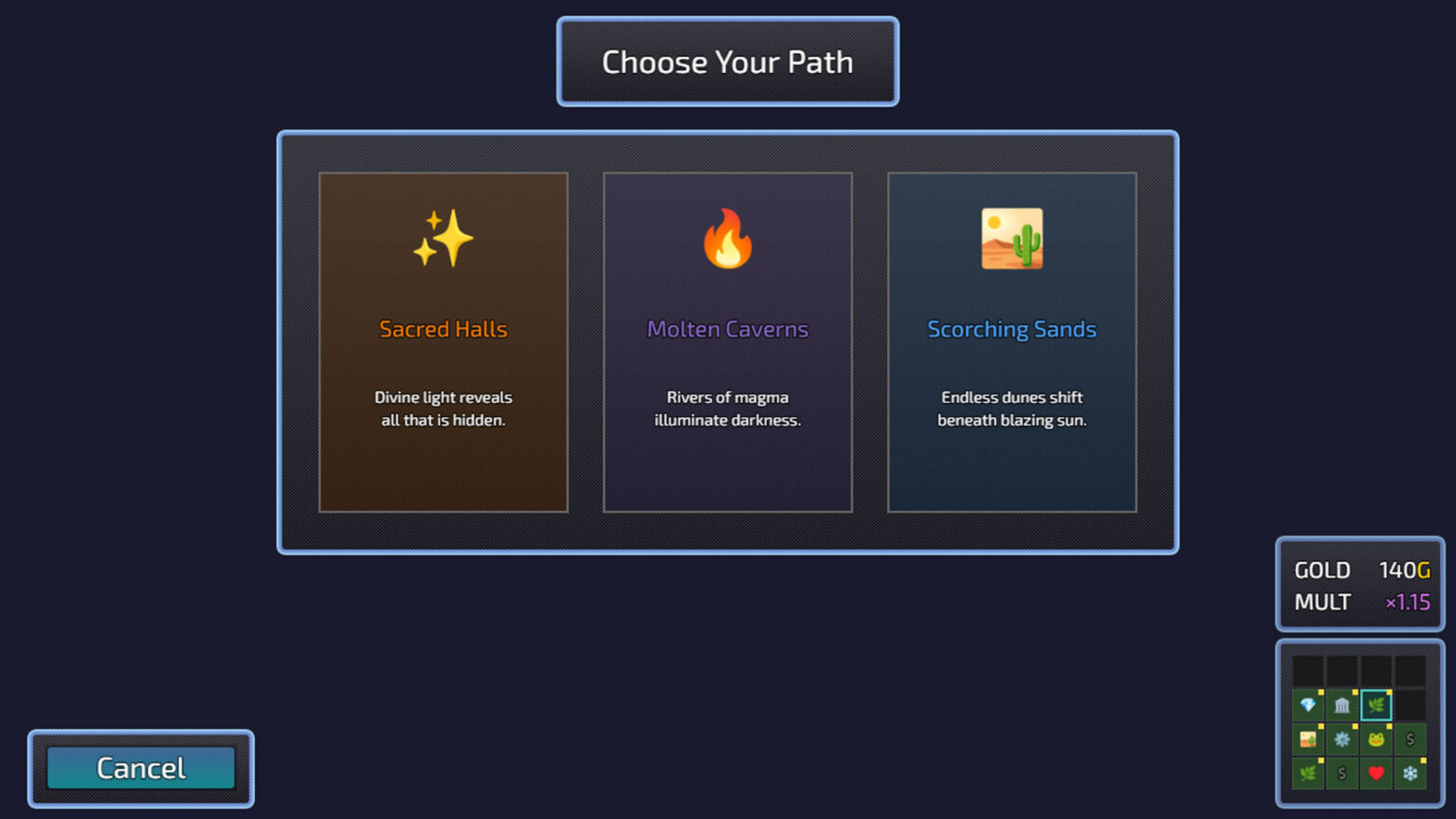
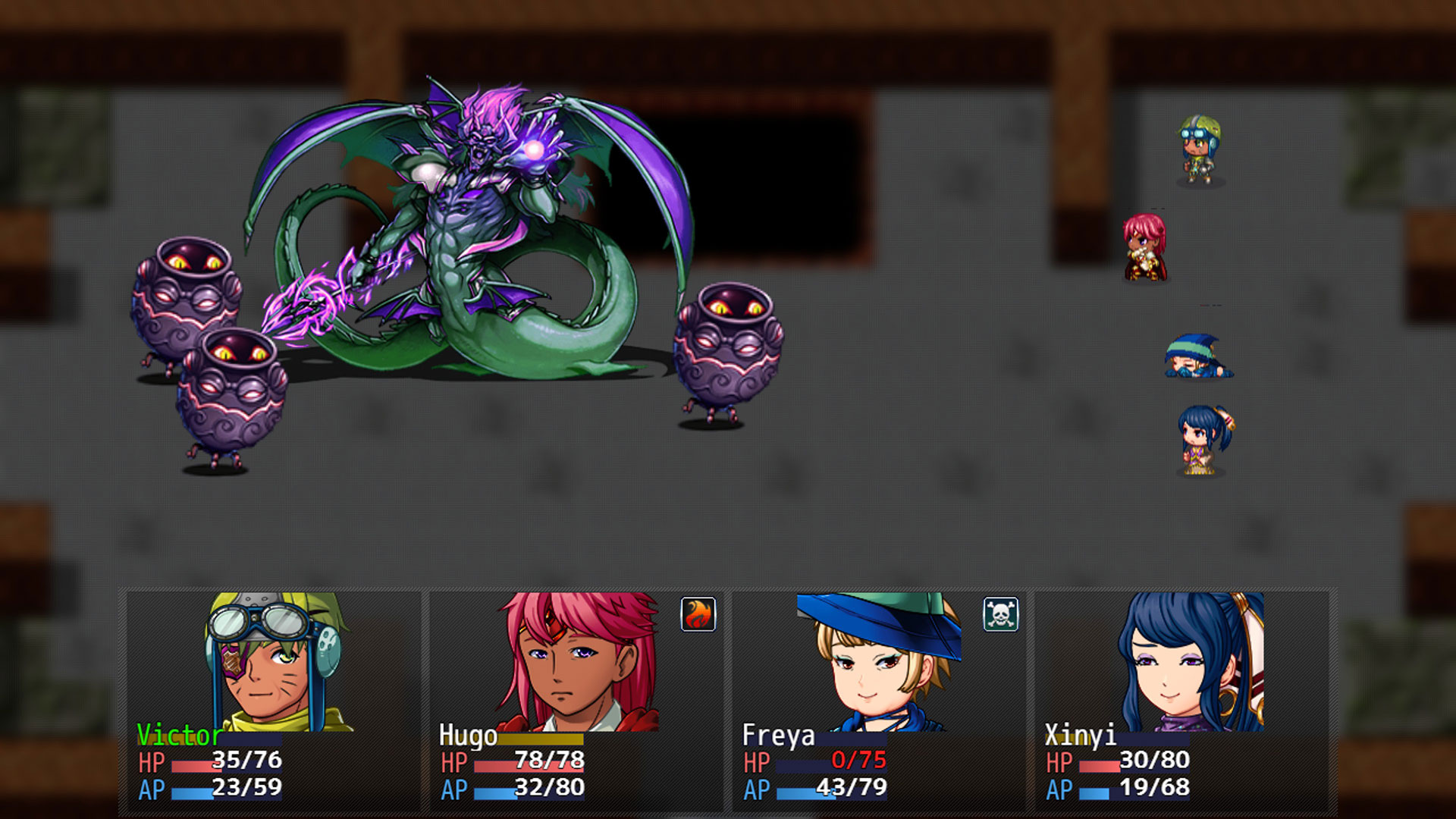
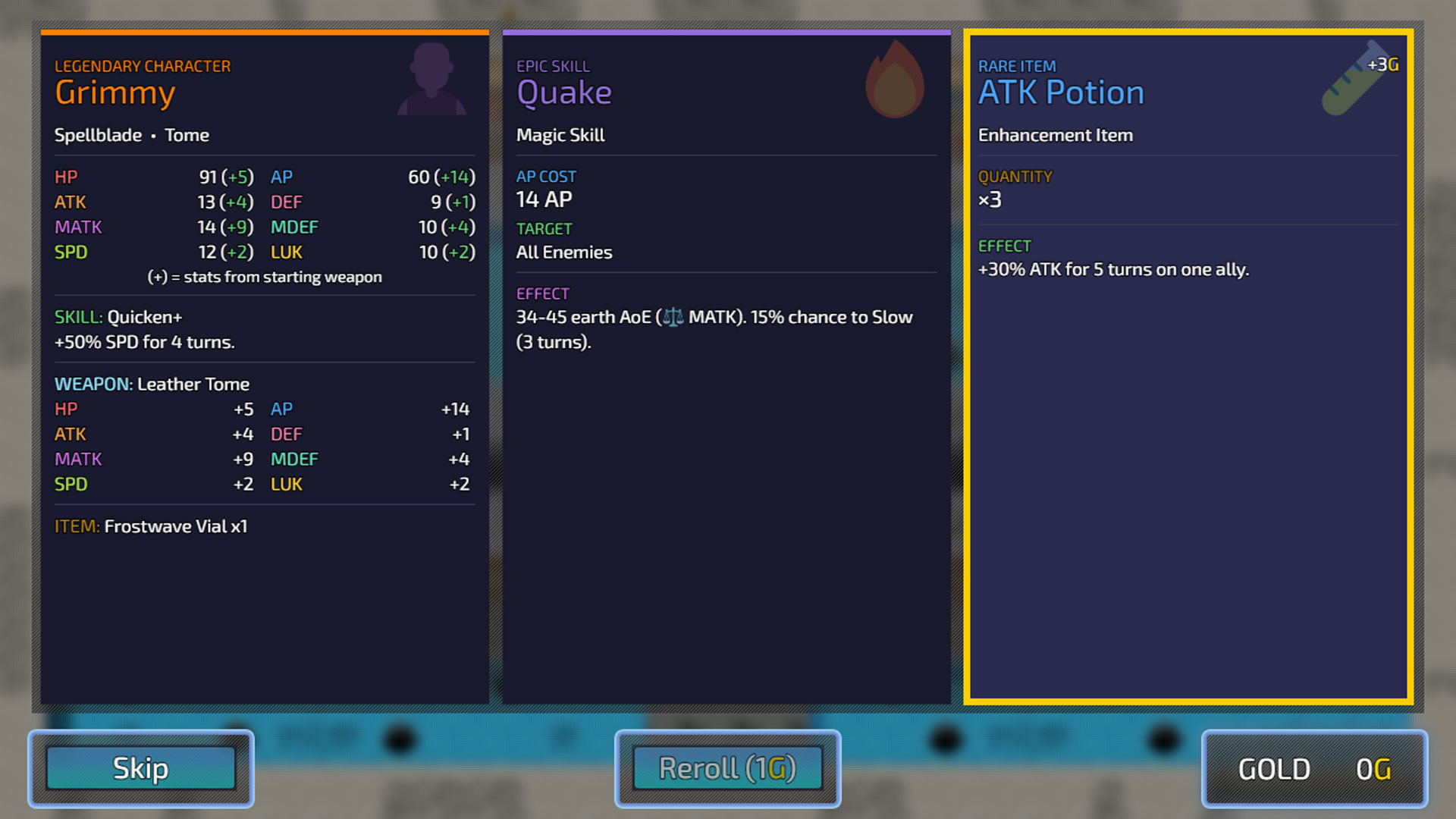
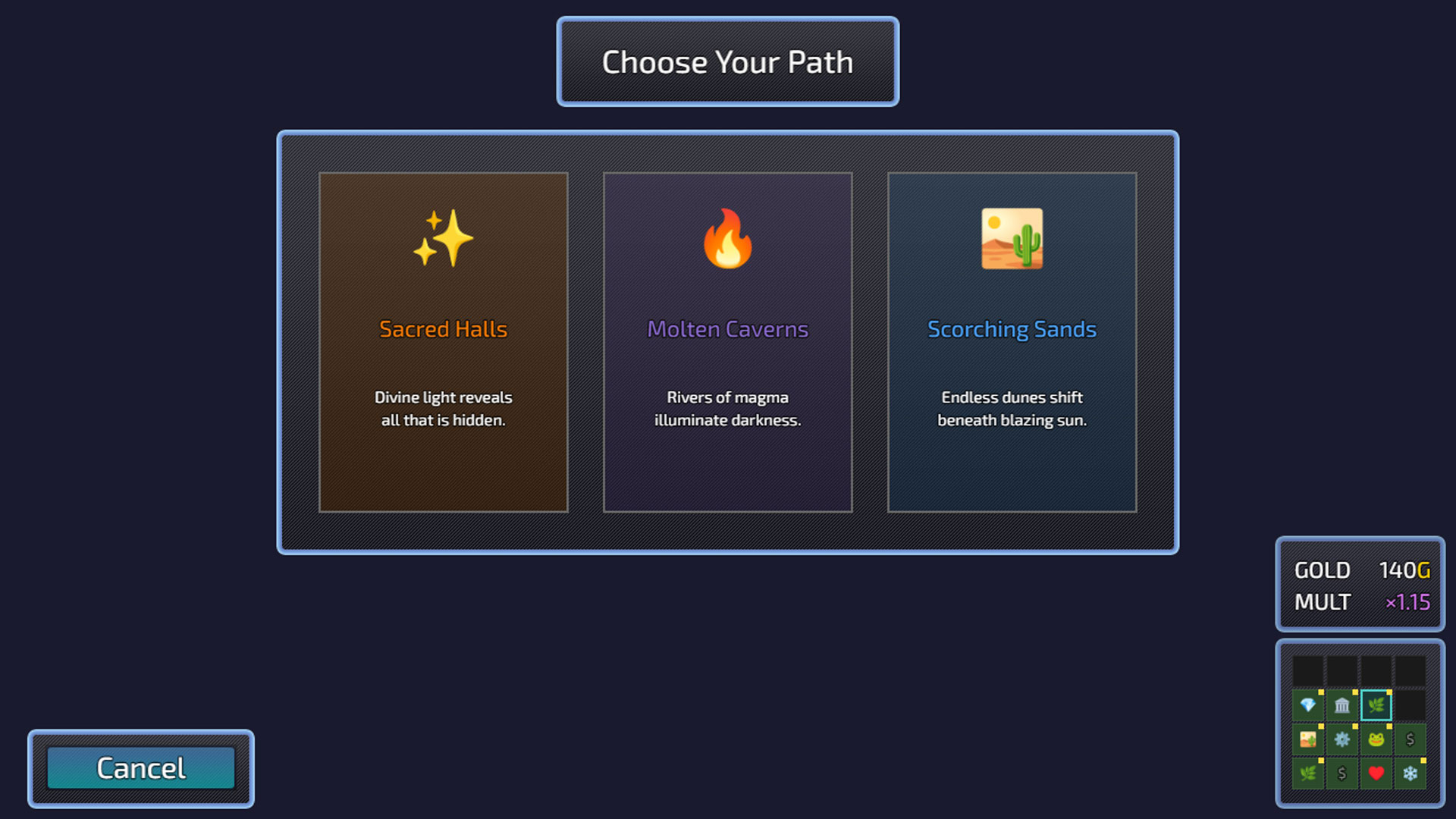
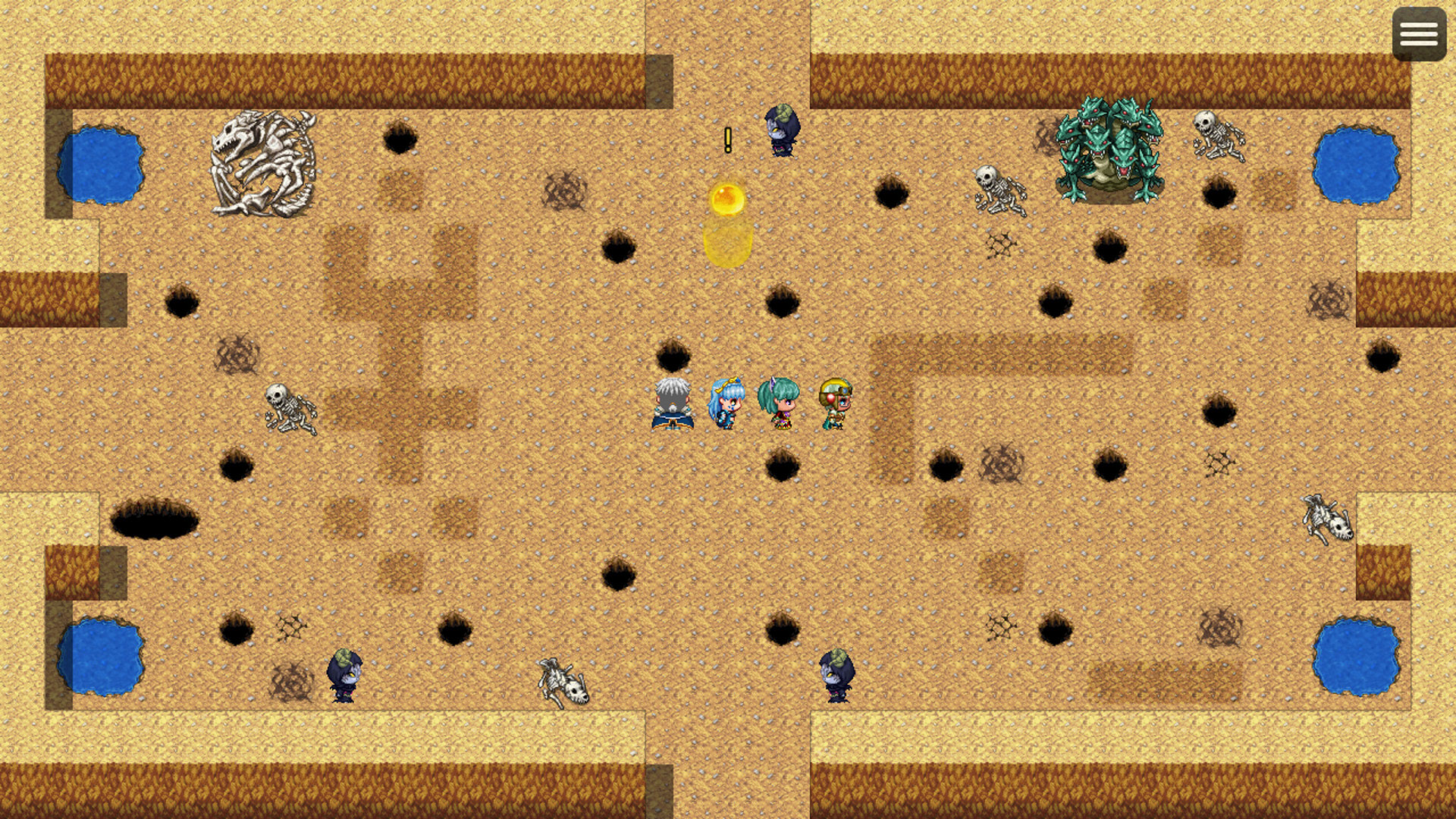
As for the game itself, it really is just a 16-bit JRPG roguelite. I brought in ideas from various popular roguelites including Hades, Blue Prince, Megabonk, and Vampire Survivors. You essentially navigate a 4×4 grid, choosing the rooms as you go (thank you, Blue Prince), and after each battle, you draft from characters, weapons, skills, and items. Each character has their own allocation of stats, a unique weapon type, innate skill, and starter items. Every innate skill (designated by a +) is a more powerful version of the standard one, which helps give the characters some identity. But what really separates one character from another are the unique weapon passives. Since each character can only equip their weapon type, those weapon passives are unique to them. And some of those are designed to be game-breaking.
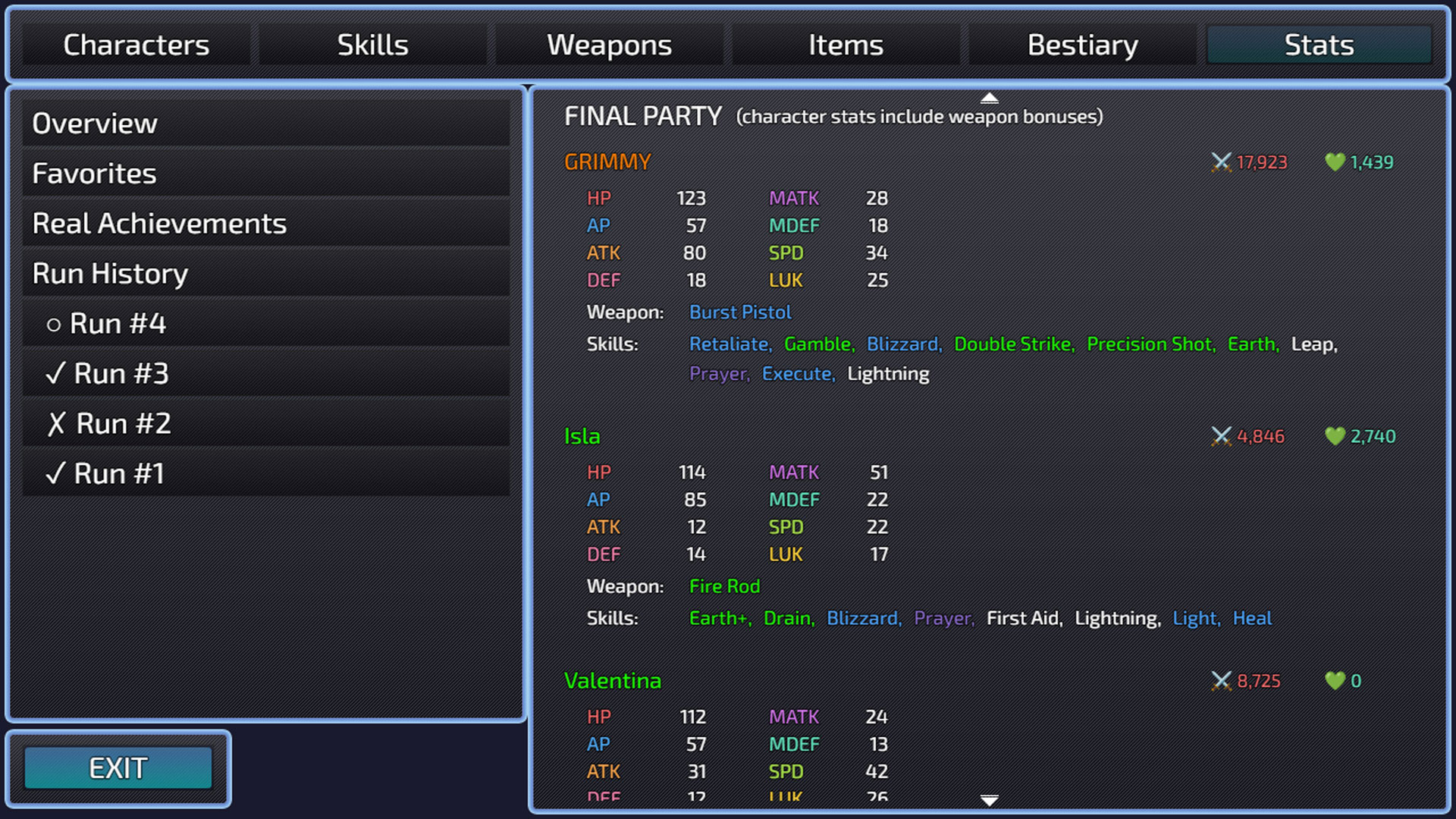
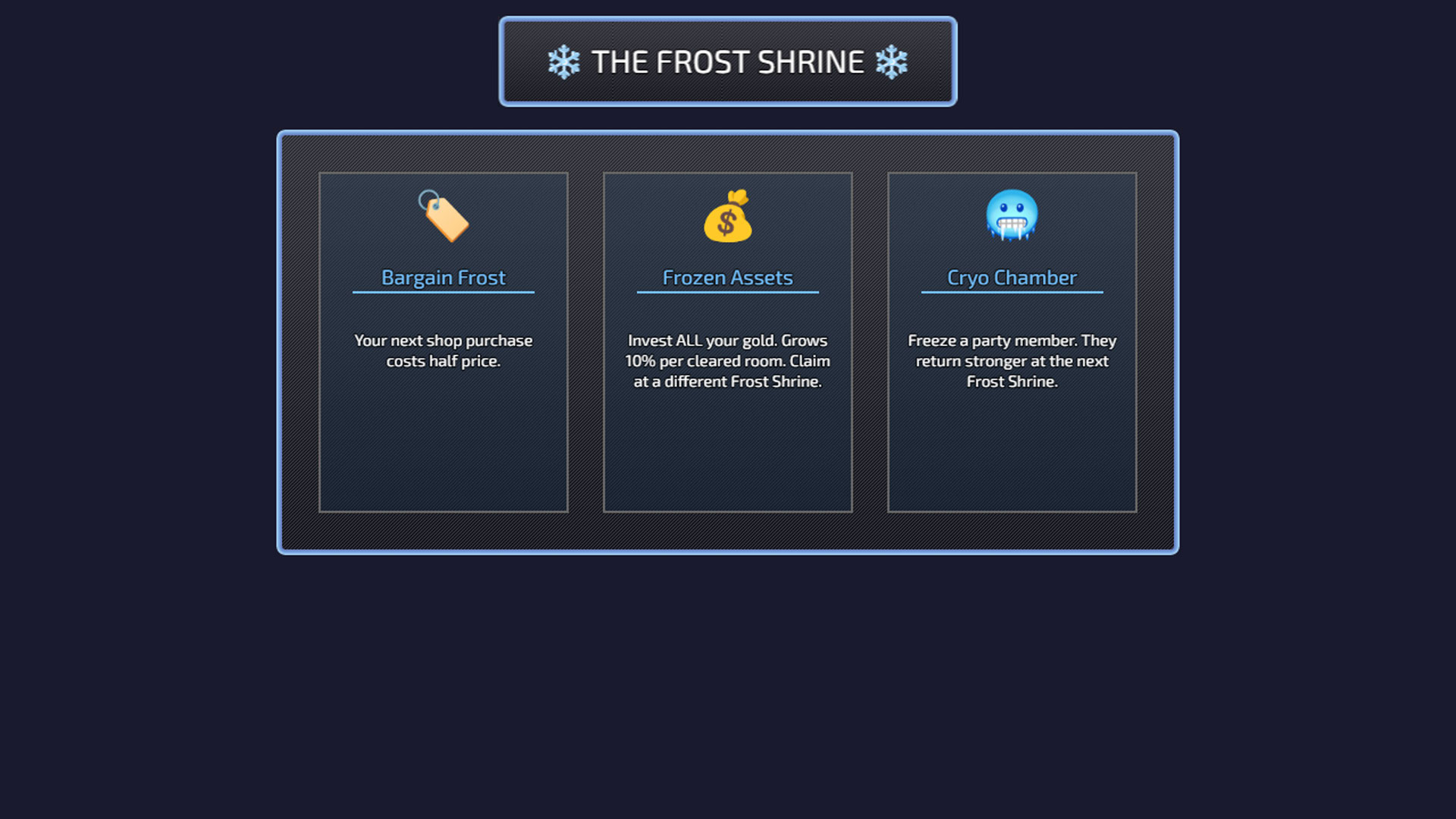
One intentional design choice I made is that anyone can learn any skill. So the idea is that you can build a tank who heals and casts AoE elemental skills, while taunting and counter-attacking. The possibilities are endless, and it’s been very fun watching playtesters come up with ridiculous combinations to break the game. Each biome has a unique shrine tied to it, which has all sorts of effects ranging from stat increases to treasure goblins and ways to earn more gold. There are basically multiple ways to break the game and create an overpowered team, assuming you understand how it all works after a few runs.
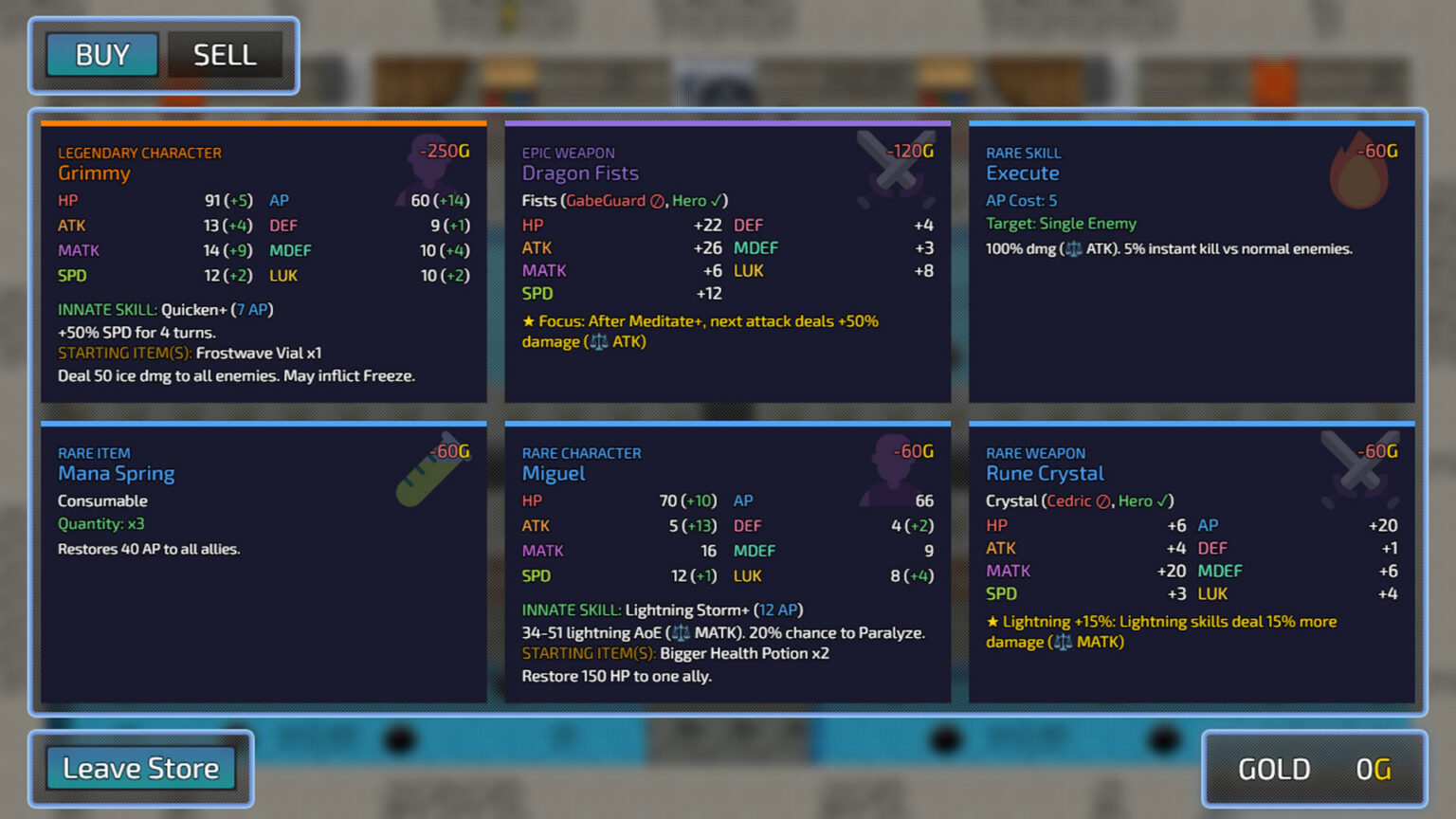
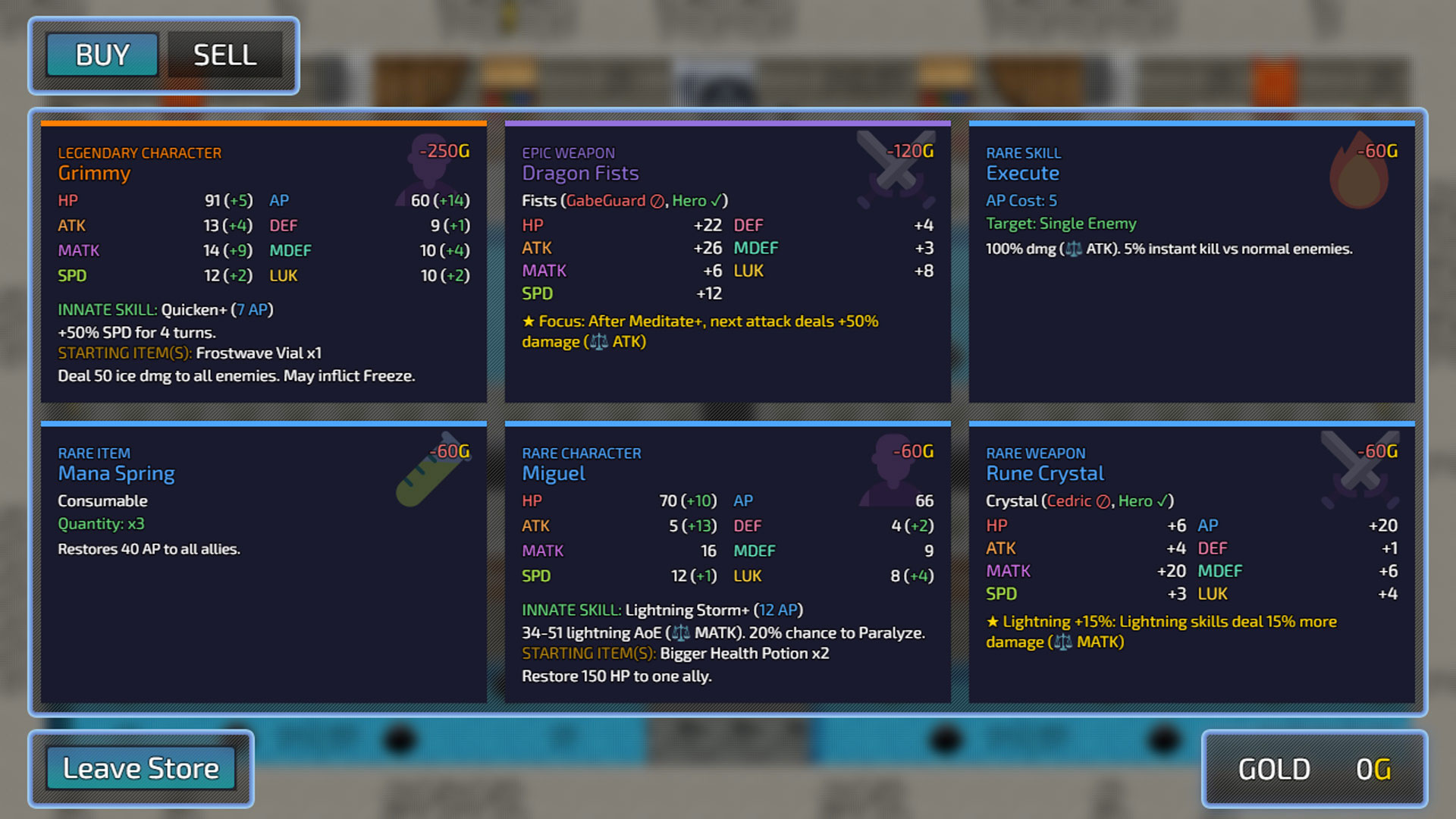
Meta progression in Better Luck Next Run all centers around unlocks in the shop. Players start off with access to all Common and Uncommon equipment (characters, skills, weapons, and items) and unlocking Rare, Epic, and Legendary equipment requires purchasing them at the shop. Purchasing it gives you access to it immediately, and it’ll also be added into the draft pool right away so you have the chance of seeing it that very same run. My original design intention was for players to spend the first few runs learning how the game works, getting gold, and buying unlocks from the shops in order to get more powerful. There are also permanent stat upgrades that apply to every character in the game.
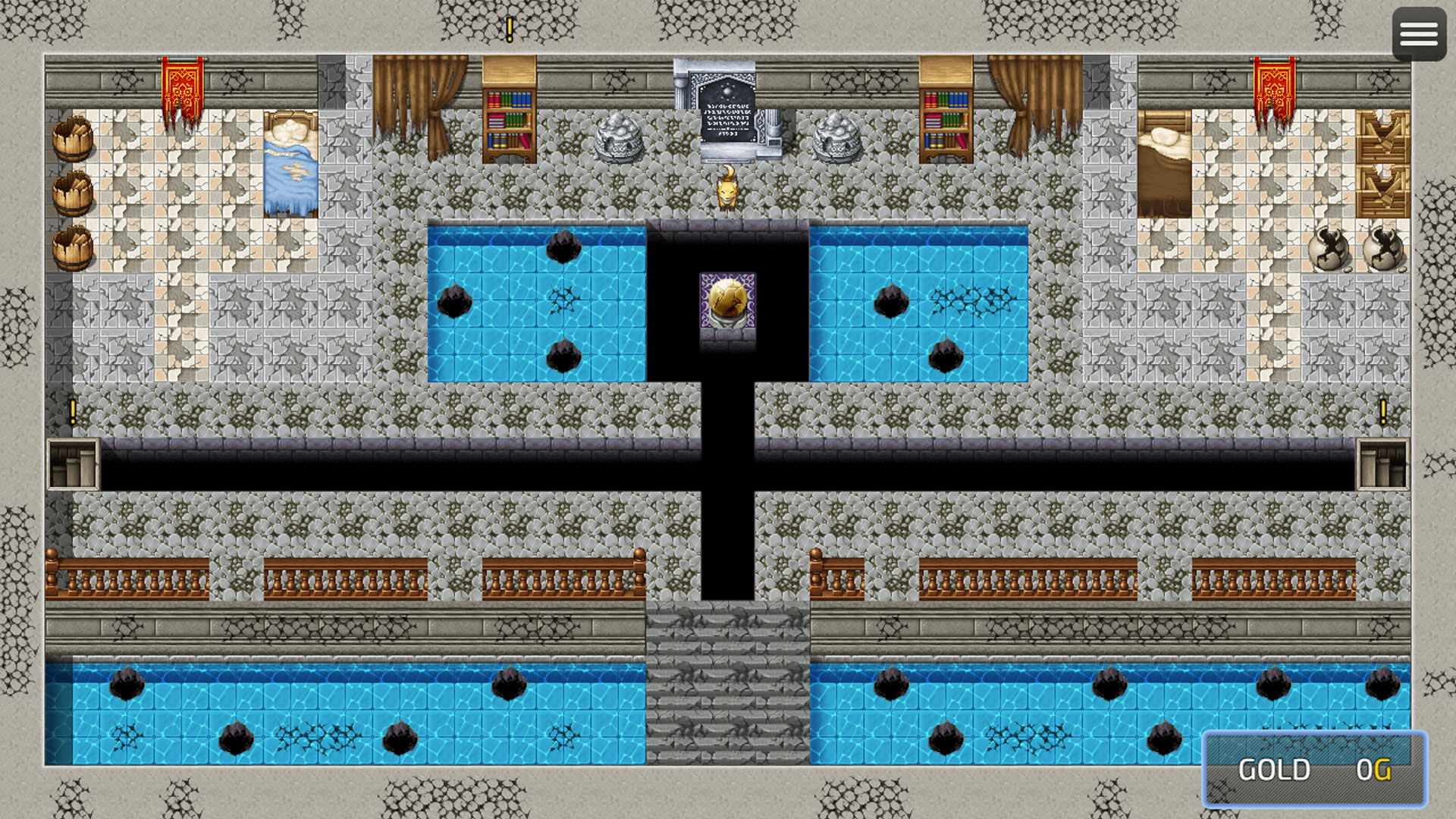
The main goal is to take down the boss at the end of the dungeon. I’ve seen people do this in their very first run because they got really lucky with specific characters or skills appearing in the shop, while others took as many as 10 runs. I recently overhauled how Auto works in the game, making it a lot more capable, and managed to take down the boss in six runs with Auto controlling my units in combat. I’m feeling really comfortable with how Auto functions now, so for those who want to play it like Vampire Survivors, you can. I acknowledge that combat in the game gets tedious and even boring after a while, which is why I really wanted Auto to work well. Capturing that classic 16-bit JRPG experience means some of the boring parts come with it. Personally, the game feels best when you let it Auto all the trash fights and take control against Elites and Bosses. Beating the boss for the first time is really just the start of the game. I don’t want to spoil all the other features I’ve designed, but there is a persistent hub that gets repaired over time, NPCs to give you hints, and more to discover and unlock as you progress.
Better Luck Next Run launches on April 27, 2026 on Steam for $4.99, though it’ll be $3.99 during the launch window. If it manages to sell more than eight copies, I’ll continue adding more features to it and possibly port it over to Android. I’m also considering Mac and iOS, but I need to get my hands on Apple devices. Oh yeah, it works great on Steam Deck too and I expect it to be Steam Deck Verified as that’s how I spent over 20 hours with the game. I do have a few more ideas for it, but they’re pretty complex and part of me doesn’t want to ruin how the game feels right now. I’m hoping that a few people actually pick up the game and provide me with some more feedback so I can continue building on it. I think it offers a solid 10 hours of entertainment, possibly more if you really enjoy the core loop since there’s an endless mode.
I want to give a huge special thanks to everyone who provided me with feedback on the game, especially Andrew Waag, who shared hours of his time to help me make a better game. Others include all the FullCleared contributors, Alfred Custodio Jr., Halvin Custodio, Chad Custodio, Aaron Russo, and Jessica Fritsch; fellow present and former Autoverse Studios team members, Chris Silber, Matthew Men, and Dave Myers; and other friends who spent hours playing for no reason: Ramon Russe, Lincoln Li, Shane McKnight, and Stephen Meyer.
Finally, I want to give a huge special thanks to Ben Sanders for creating the wonderful trailer for the game. I have been saying the trailer is more entertaining than the game. If you’re interested in creating content or reviewing the game, I have campaigns up on Keymailer and Game Press.
Better Luck Next Run
Better Luck Next Run – Announcement Trailer
Better Luck Next Run Gallery
Continue?
Like our content?
Subscribe to our newsletter and get video game news, reviews, features, and deals straight to your inbox.
You're subscribed!
Thanks for signing up. Look for an email from Substack at .
No email after a few minutes? Subscribe on Substack.
This newsletter may contain advertising, deals, or affiliate links. Subscribing to the newsletter indicates your consent to our Privacy Policy. You may unsubscribe from the newsletter at any time.