Quick Verdict
Monster Hunter Stories 3: Twisted Reflection is a really good JRPG, and being the huge Monster Hunter fan that I am, that praise comes even easier. After roughly 70 hours to roll credits with a fair share of side quests mixed in, though, I came away stuck on one thing: a few of the core mechanics driving its gameplay loop just never clicked with me. The combat is a genuine highlight and some of its quality-of-life touches are among the best I’ve seen in the genre, but the egg-hatching, gene-splicing, habitat-restoring loop that’s meant to be the heart of the whole thing left me cold more often than not.
What kept me going was the story, the characters, and the simple pleasure of seeing Monster Hunter’s roster reimagined as a JRPG party. If that hook lands for you the way it did for me, and you don’t mind a game that works better as a relaxed nightly ritual than a weekend-eating obsession, Twisted Reflection is an easy recommendation. If the breeding-and-customization grind sounds like a chore rather than a draw, or if menu friction tends to wear on you, this is one to temper your expectations on before diving in.
Egg-spectations
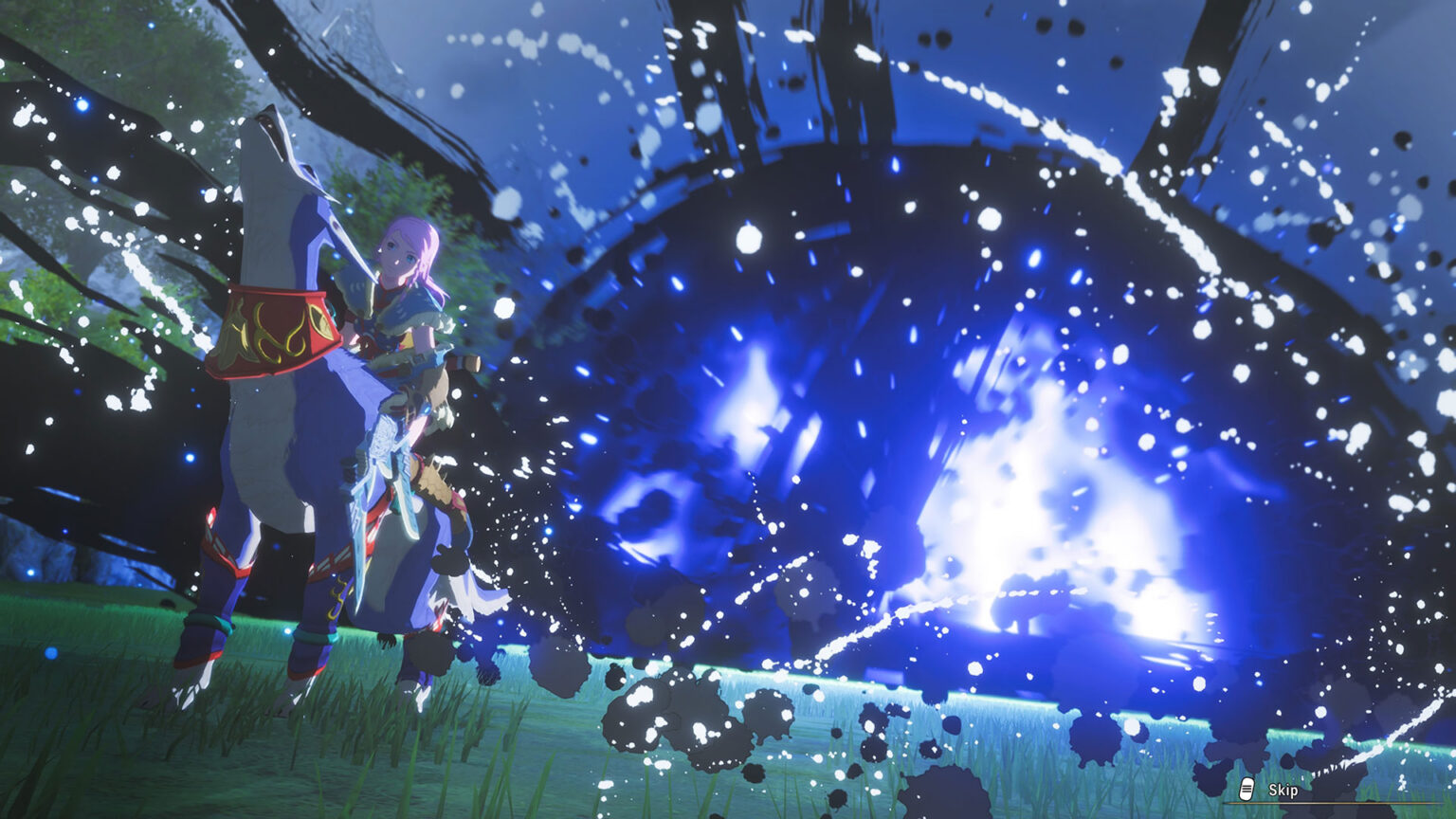
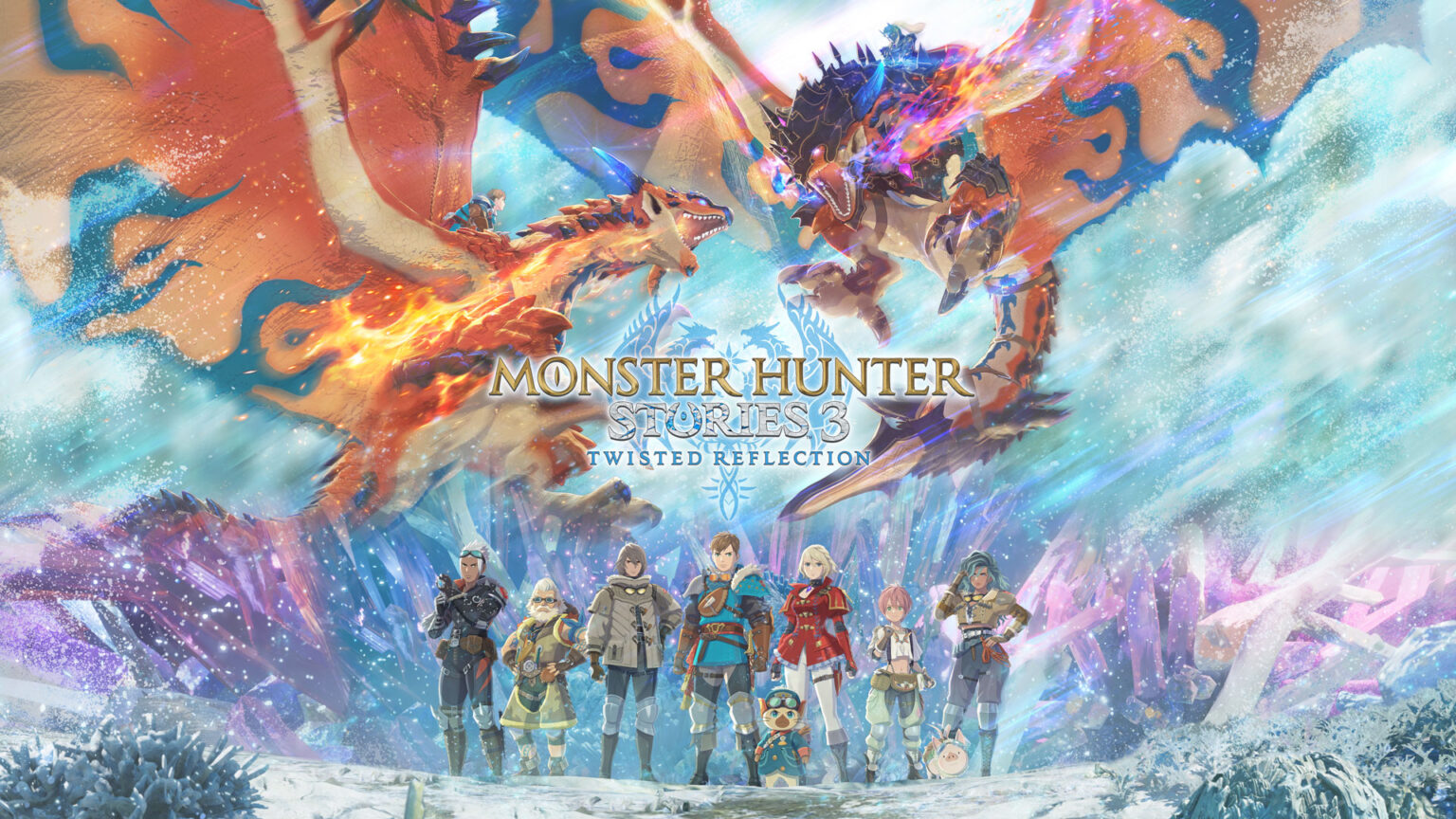
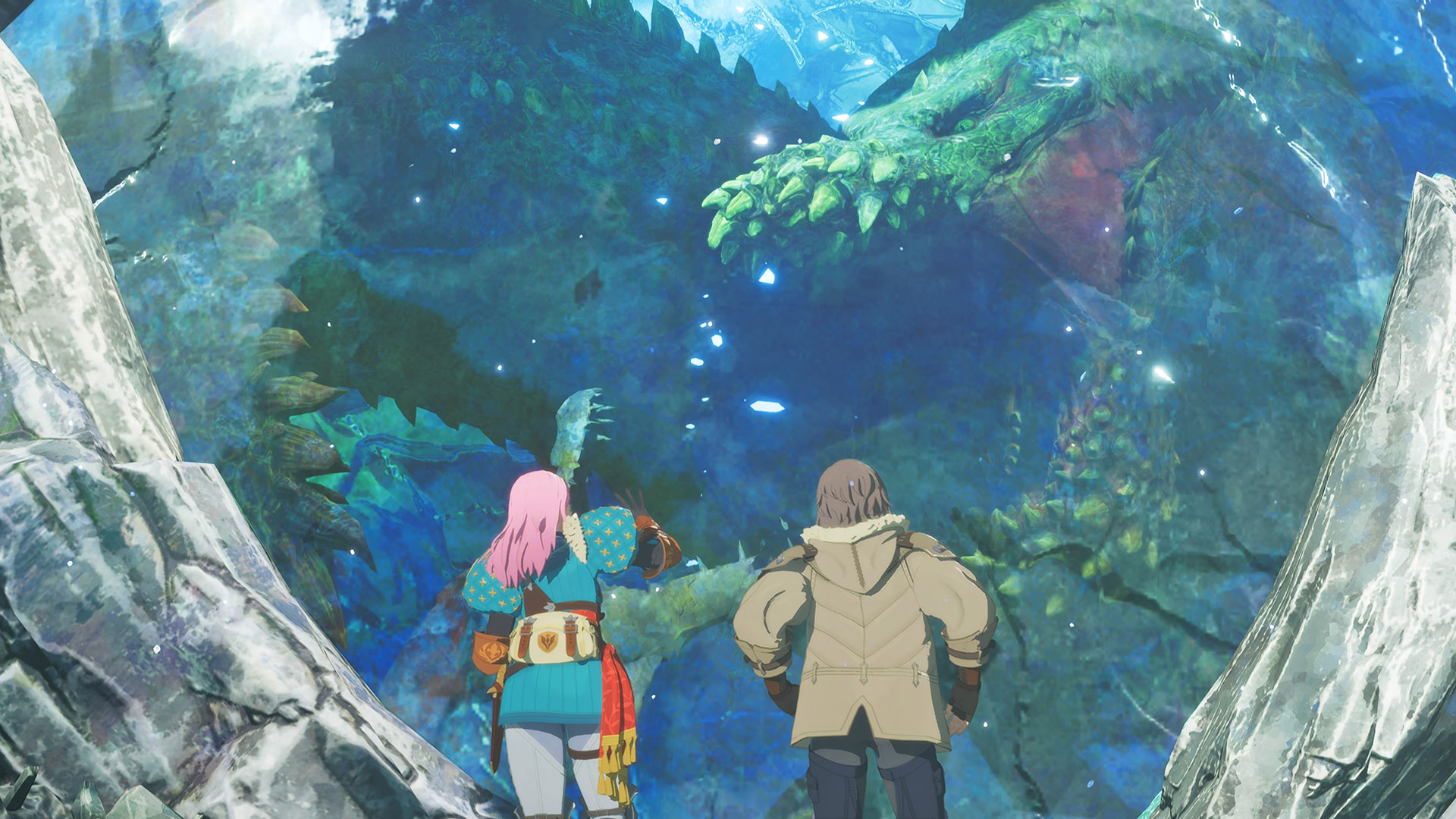
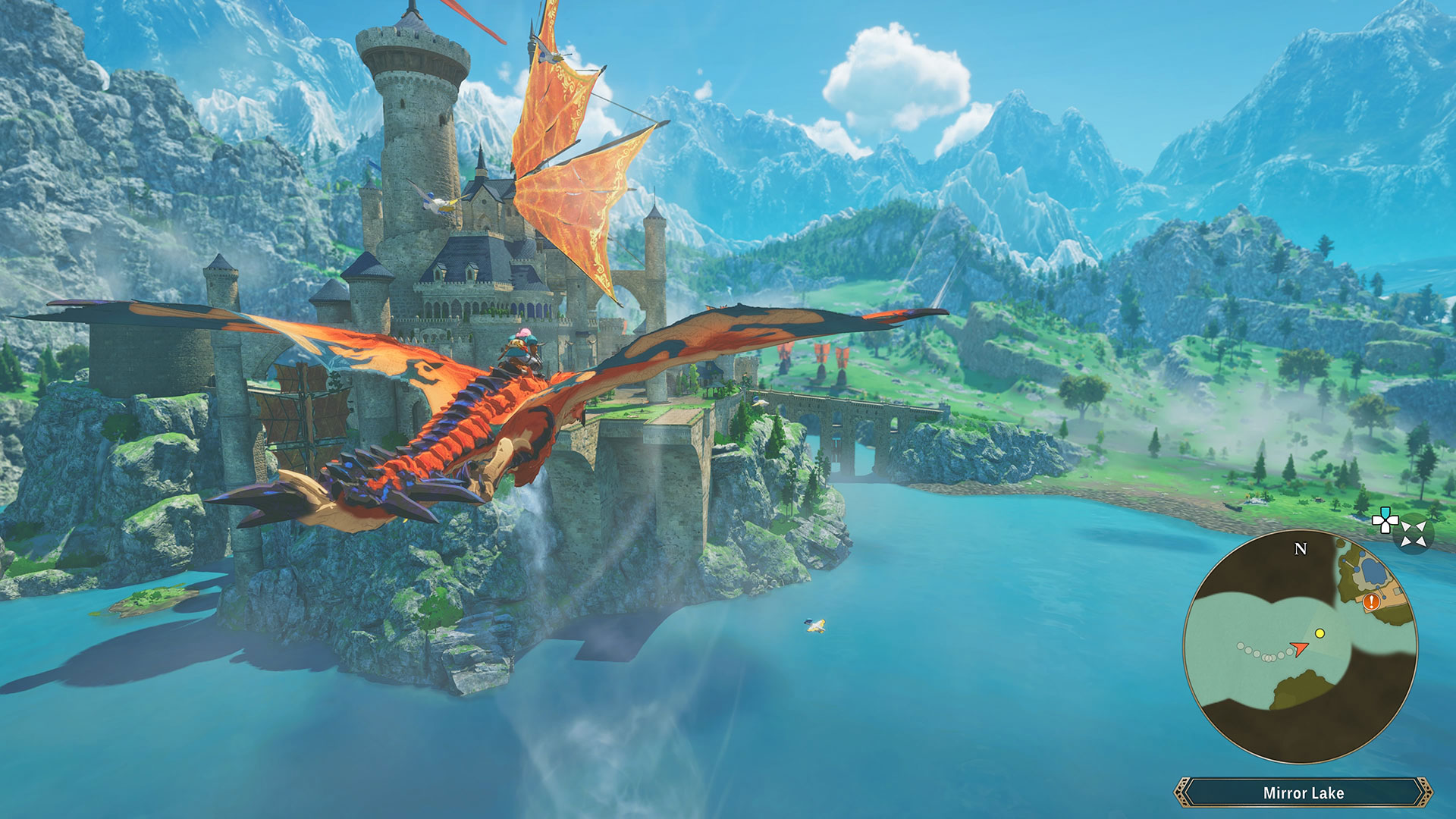
Twisted Reflection is the third entry in Capcom’s Monster Hunter Stories spin-off, but it’s the first in the series that I’ve ever played. I’ve always been curious about them, considering my love for JRPGs and Monster Hunter, but it wasn’t until all the positive reviews came out for Monster Hunter Stories 3: Twisted Reflection that I took the plunge. The story setup pits two warring kingdoms, Azuria and Vermeil, against an environmental catastrophe called the Crystal Encroachment, all set in motion by the birth of twin Rathalos.
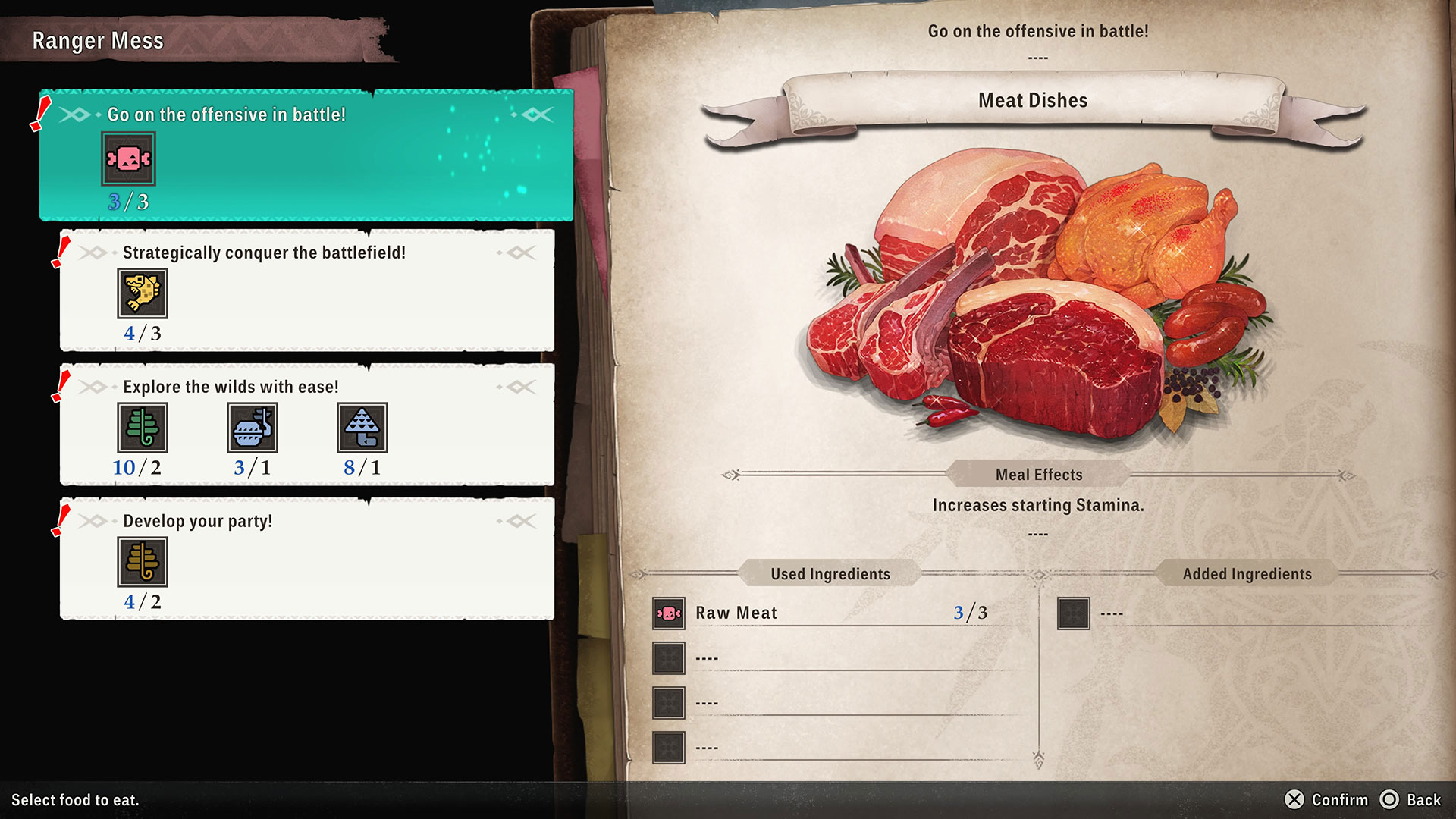
The loop itself is easy to describe and harder to fall in love with. You head into a new zone, explore its dens, collect monster eggs, hatch those eggs into monsties, use genes to customize your party, and then release monsties back into the wild for habitat restoration. On paper, it’s a tidy little engine of exploration and collection that should keep pulling you forward. In practice, too many of those steps felt like busywork to me, and the friction added up over a 70-hour campaign until the loop became the part of the game I most wanted to skip.
None of that stopped me from enjoying my time overall, which is the strange tension running through this whole review. Twisted Reflection is a confident, charming JRPG with a lot going for it, and I rolled credits genuinely glad I’d played it. But I also spent a good chunk of those hours fighting the very systems that are supposed to be the draw, and that’s a hard thing to shake when you’re recommending a game built so heavily around them.
Riders on the Storm
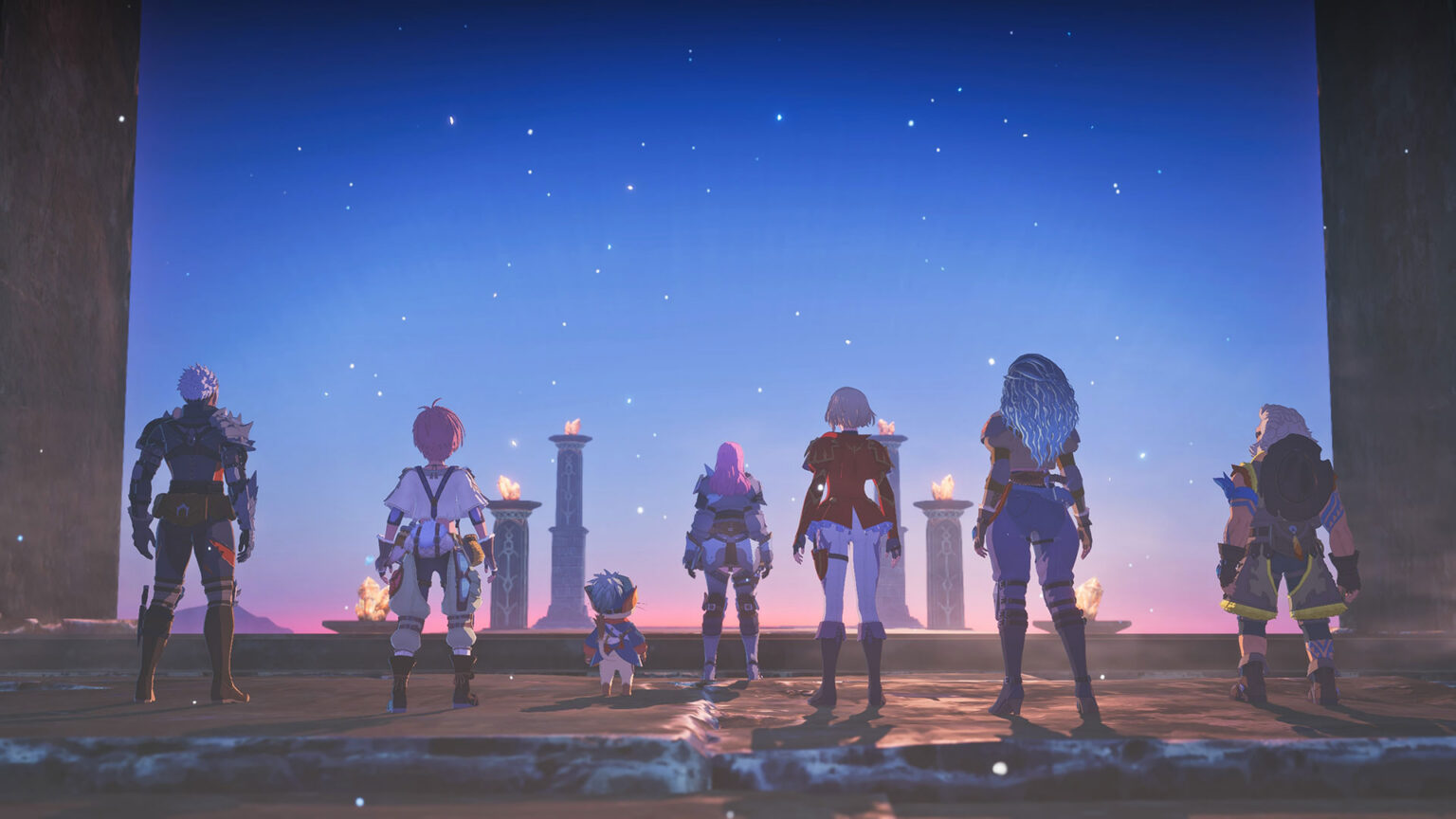
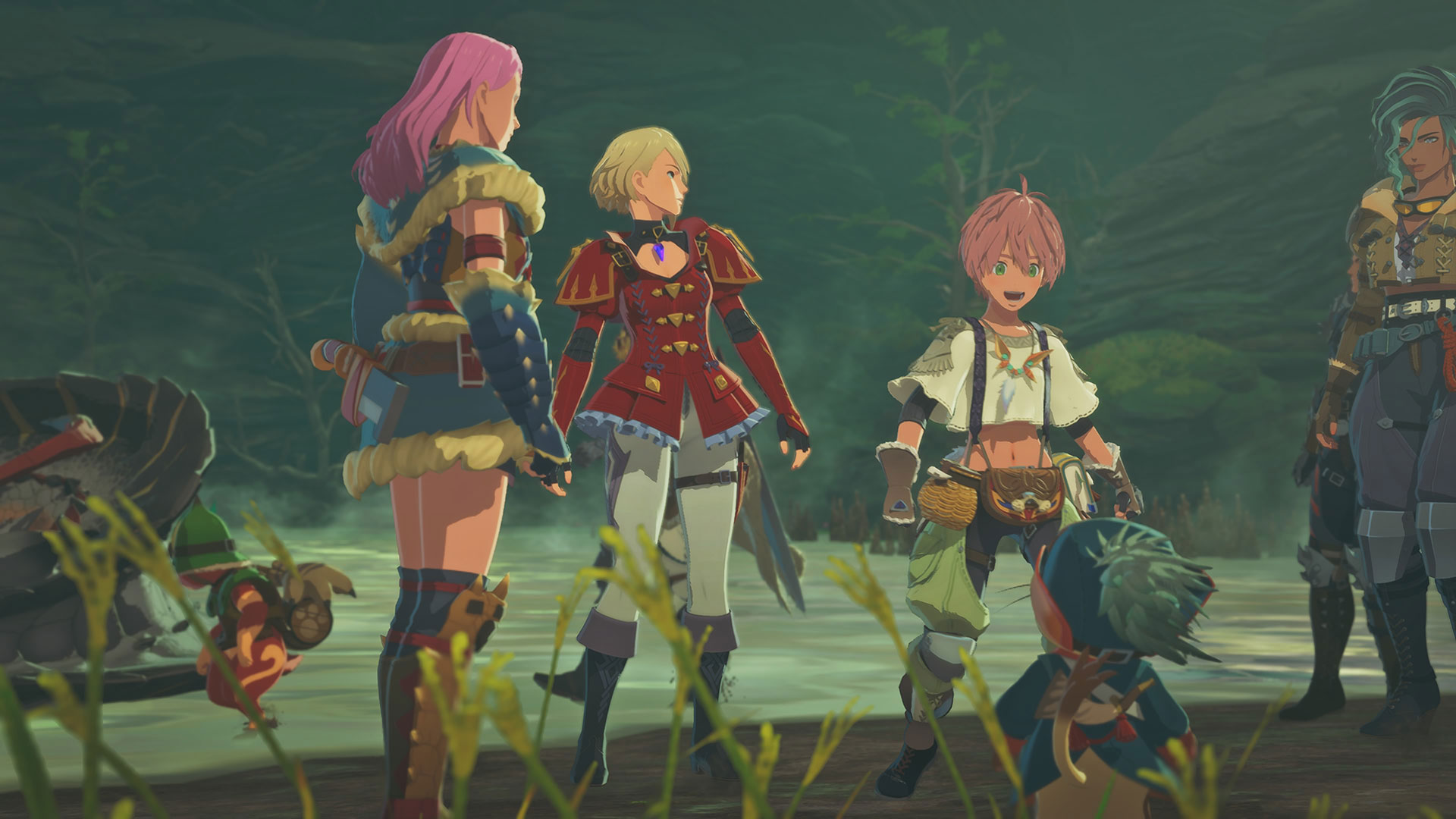
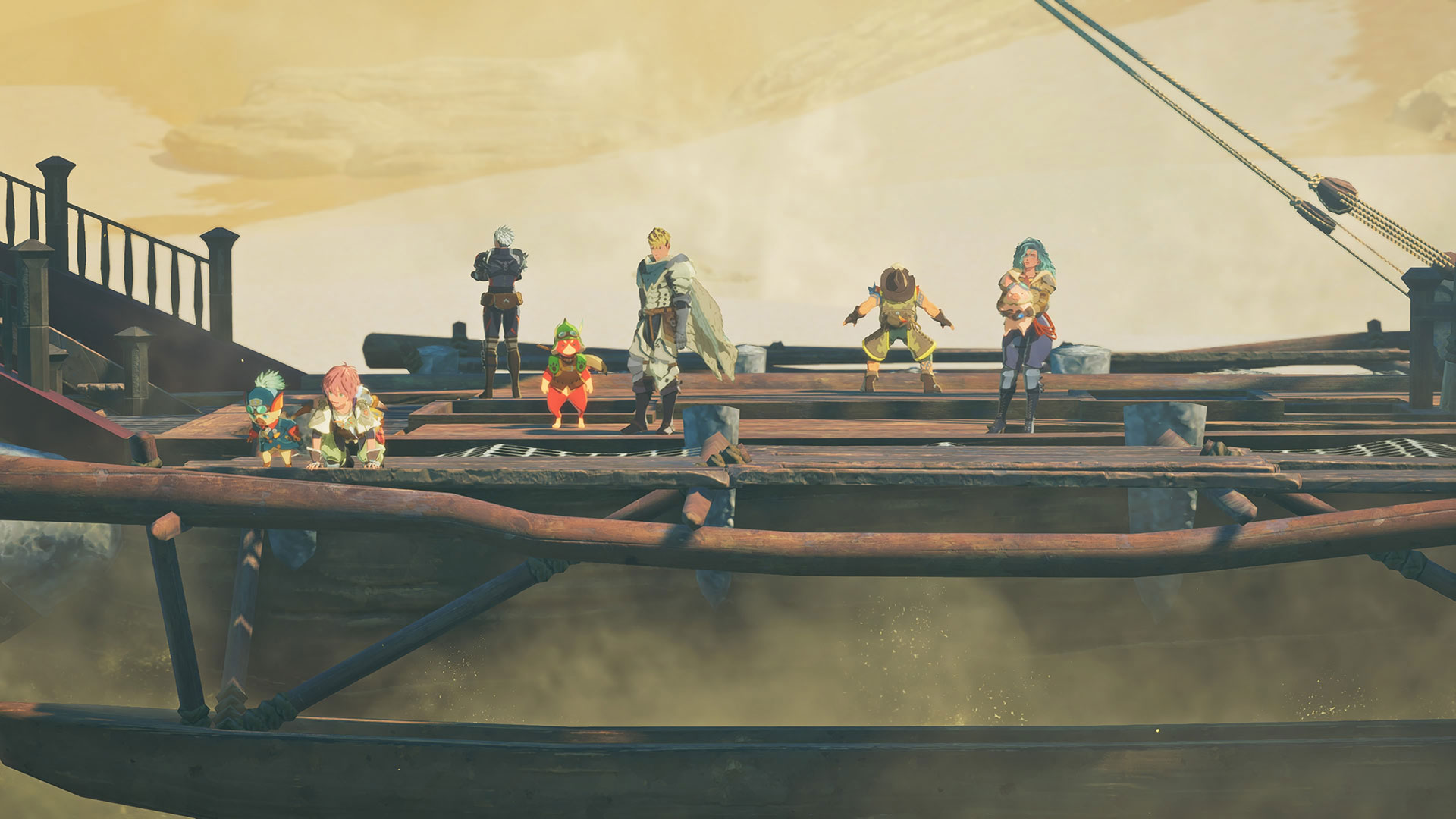
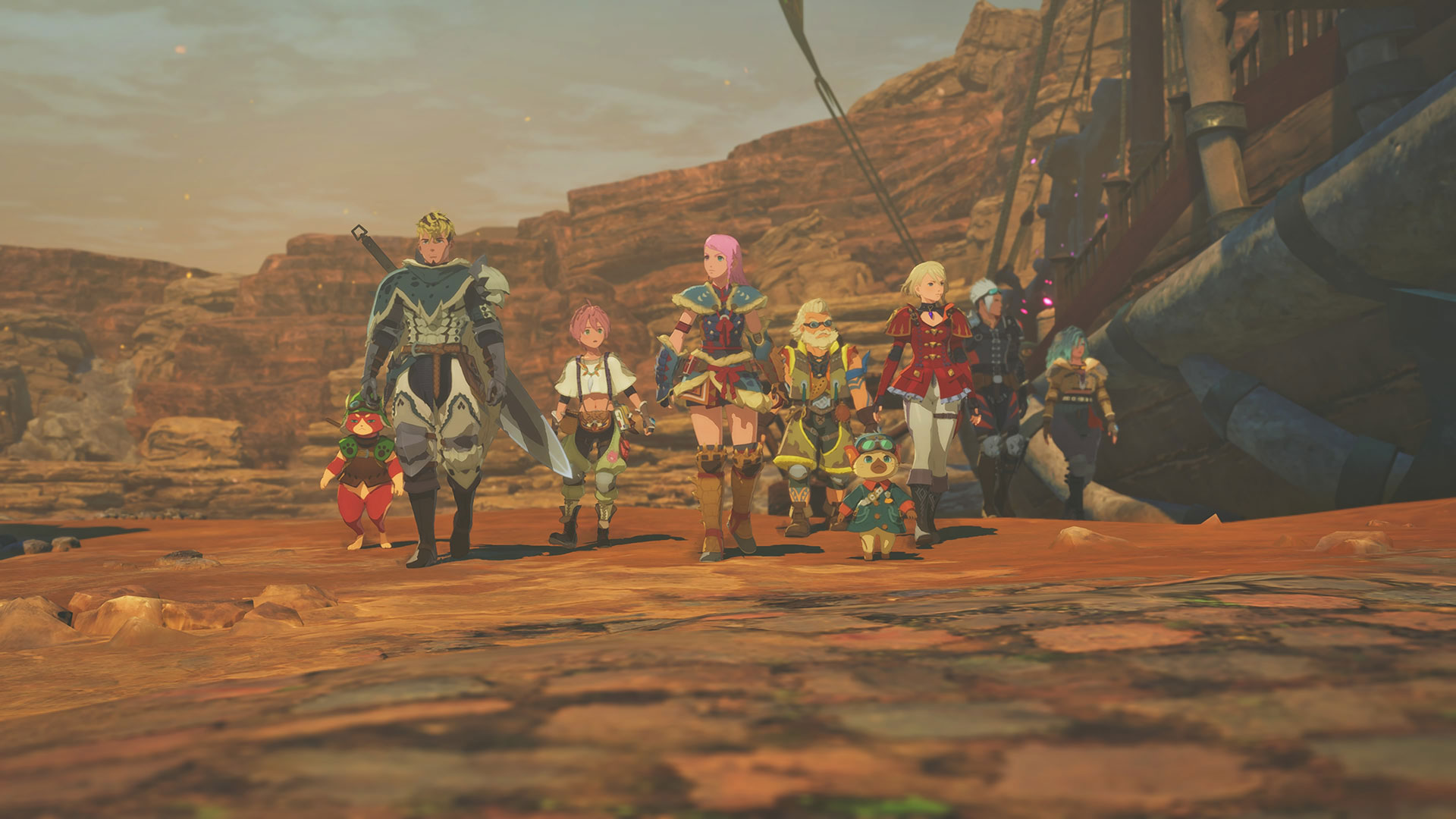
The story and its characters are what carried me through the rougher patches. I won’t get into spoilers, but the writing kept me invested enough that I always wanted to see the next story beat even when I was tired of farming eggs to get there. For a game whose mechanical loop didn’t grab me, the narrative did a lot of heavy lifting to keep me coming back night after night, and that’s worth mentioning. I particularly grew fond of each character’s side-story quests and looked forward to doing each one as it unlocked.
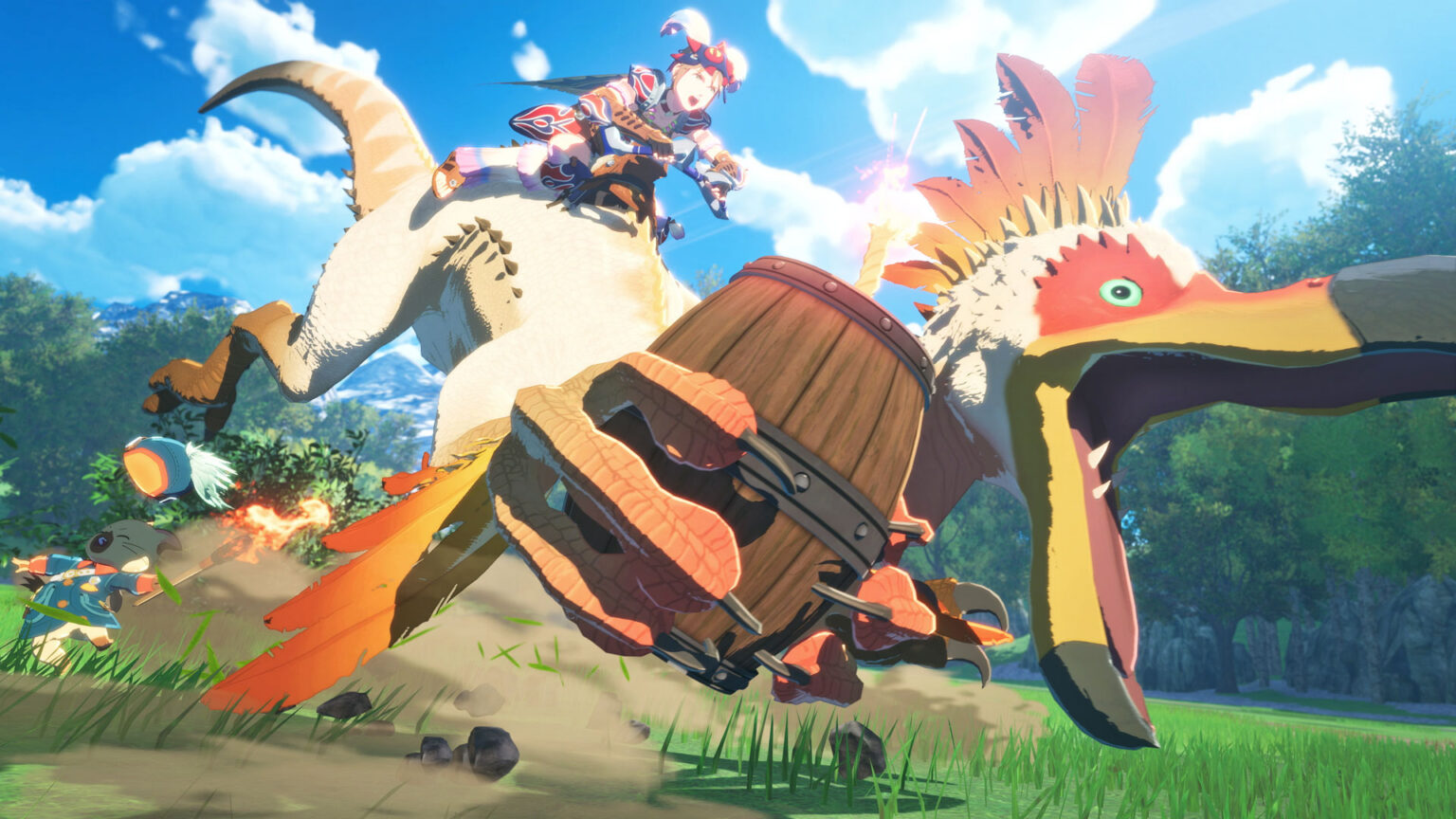
The bigger draw for me, as a longtime Monster Hunter fan, was simply seeing the franchise’s monsters reimagined through a JRPG lens. There’s a real joy in taking creatures I’ve spent dozens of hours hunting in the mainline games and instead bringing them into battle as party members. The translation from action hunting to turn-based companionship is the kind of thing that’s tailor-made for fans, and it landed for me even when other parts of the game didn’t.
Since this was my first Stories game, I keep getting asked whether it sold me on going back to play the first two, and the honest answer is I’m not sure it did. What it absolutely did, though, was leave me looking forward to wherever the series goes next, and I’ll keep playing it from here. I even plan to go back into this one now that I’ve finished it, partly to see whether the systems that bounced off me finally click once I actually understand them, or whether they just aren’t for me.
Rock, Paper, Scales
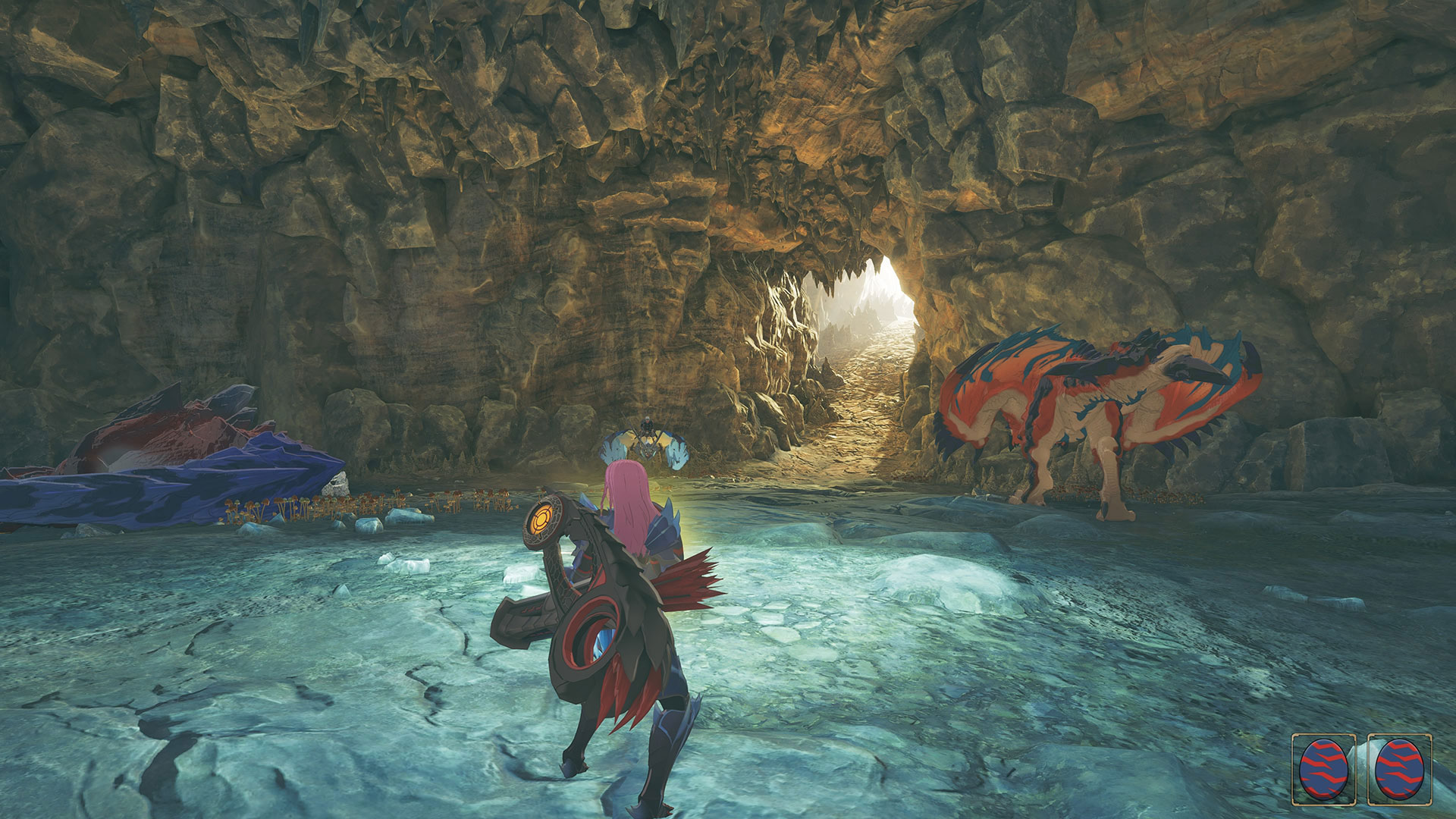
The combat is where Twisted Reflection won me over, and it’s the system I’d point to first when recommending the game. Battles let you swap between monsties and weapons on the fly to target an enemy’s specific weaknesses, and there’s a satisfying puzzle-solving rhythm to reading a fight and adjusting your loadout to exploit it. When you’ve got the right tools for the job and you’re chaining the right moves, the turn-based scraps feel sharp and rewarding in a way that kept me engaged across the entire campaign.
What I liked less is the rock-paper-scissors layer governing the head-to-head clashes, built around Power, Speed, and Technical attacks. Early on it’s a fun wrinkle, but in some of the later fights, losing those clashes felt brutally punishing, to the point where a single bad read could spiral into a lost battle. A few of those head-to-head losses triggered devastating AoE attacks that wiped my team, and the sting of losing largely because I guessed wrong on the rock-paper-scissors got old fast.
There are patterns to learn here, and I don’t doubt that mastering them is the intended path through the tougher encounters. The thing is, sitting down to memorize every enemy’s tells just isn’t my idea of a good time, and I’d rather a fight test how well I’m reading the moment than how thoroughly I’ve studied a guide. That’s more of a personal preference than a design flaw, but if memorizing enemy patterns annoys you, some of these fights might wear thin.
Smooth Operator
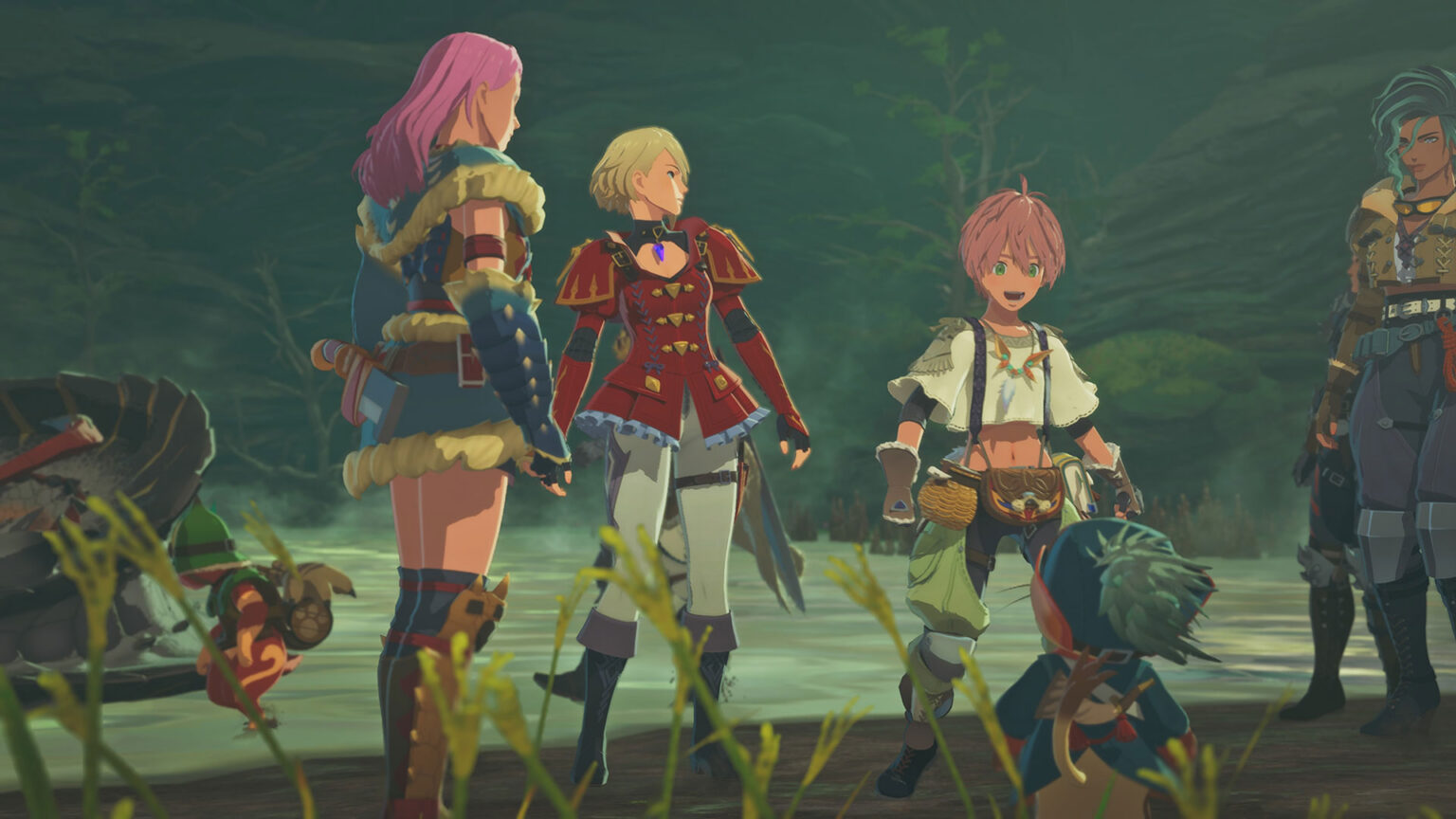
For all my gripes elsewhere, the quality-of-life design here is excellent, and it’s the area where Twisted Reflection feels the most modern. The one that won me over fastest is that you return to full resources after every successful battle. There’s none of the old-school busywork of chugging potions between fights to top yourself off, or trekking back to an inn to recover before the next encounter. You fight, you win, you’re whole again, and the game just lets you keep moving.
The generosity extends to failure and to trivial encounters alike. Losing a fight doesn’t really set you back in any punishing way, which takes a lot of the anxiety out of experimenting and learning each fight. On the flip side, if you simply outpower an enemy by a wide enough margin, you can skip the battle entirely and still collect the parts you’d have earned, which is a small mercy that saved me from countless pointless fights against trash mobs.
Customization runs deep on the gear side too, in a way that’ll feel familiar to anyone who’s played Monster Hunter Wilds or another recent mainline entry. There’s a huge spread of armor and weapons to choose from, enough that it can be a little overwhelming to go through at first, but particular weapons and strategies cater to distinct playstyles once you settle in. Decorations push that further by acting as a kind of skill loadout, letting you fine-tune a build to your liking. It’s the gene customization, not the gear, where things fall apart for me.
Gene Therapy
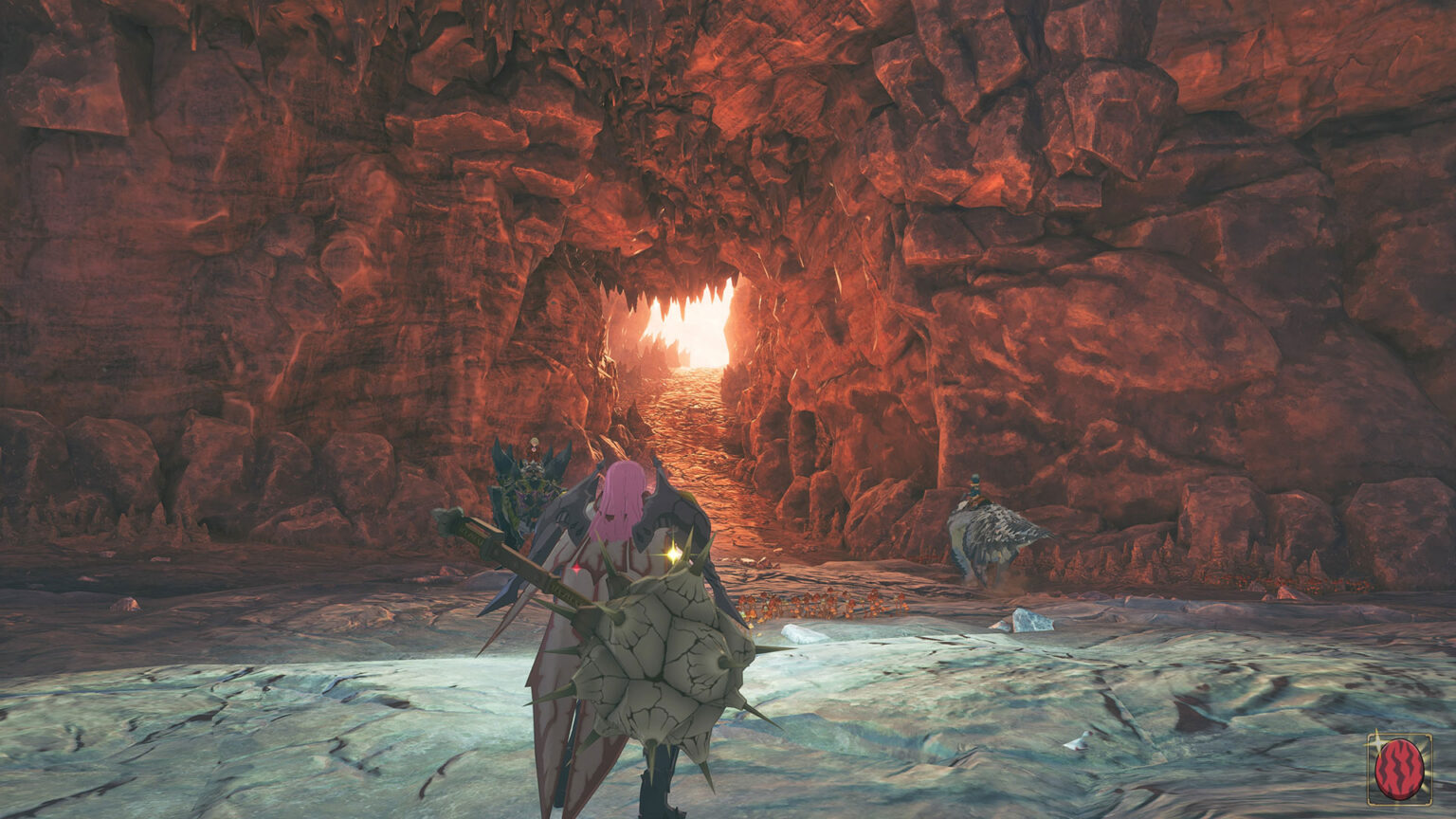
The gene system is where the loop lost me, and it’s less about the underlying idea than the sheer time that’s needed to engage with it. Midway through the game, I did exactly what you’re supposed to do: I figured out a gene loadout for each of the monsties in my party and got them set up the way I wanted. The problem is what happens after that. Outfitting a full 3×3 grid of genes for a single monstie is so tedious and time-consuming that once I had my party dialed in, I never wanted to touch it again.
That friction quietly shaped my entire playthrough. Even when I’d run into a new monstie I might’ve wanted to try, I’d weigh it against the prospect of hunting down all the right genes and building an entire loadout from scratch, and I’d talk myself out of it every time. So I didn’t really swap anyone once I had a monstie of each element. By the time the credits rolled, I was still running a Green Plesioth and a Tobi-Kadachi, two of the very first monsties you encounter in the game, not because they were optimal but because I felt the cost of changing was higher than the payoff. A system meant to encourage experimentation ended up doing the opposite for me.
I want to be fair here, because I know plenty of people will love this. If you’re the type who lives for deep customization, there’s a real rabbit hole to fall into, complete with bingo-style grid bonuses that reward careful planning. That’s a genuine draw for the right player. I’m just not that player, at least not when the time investment to reconfigure even one monstie is this steep, and I’d rather the game made swapping into a new creature feel like an exciting option instead of a fresh chore.
Creature Comforts
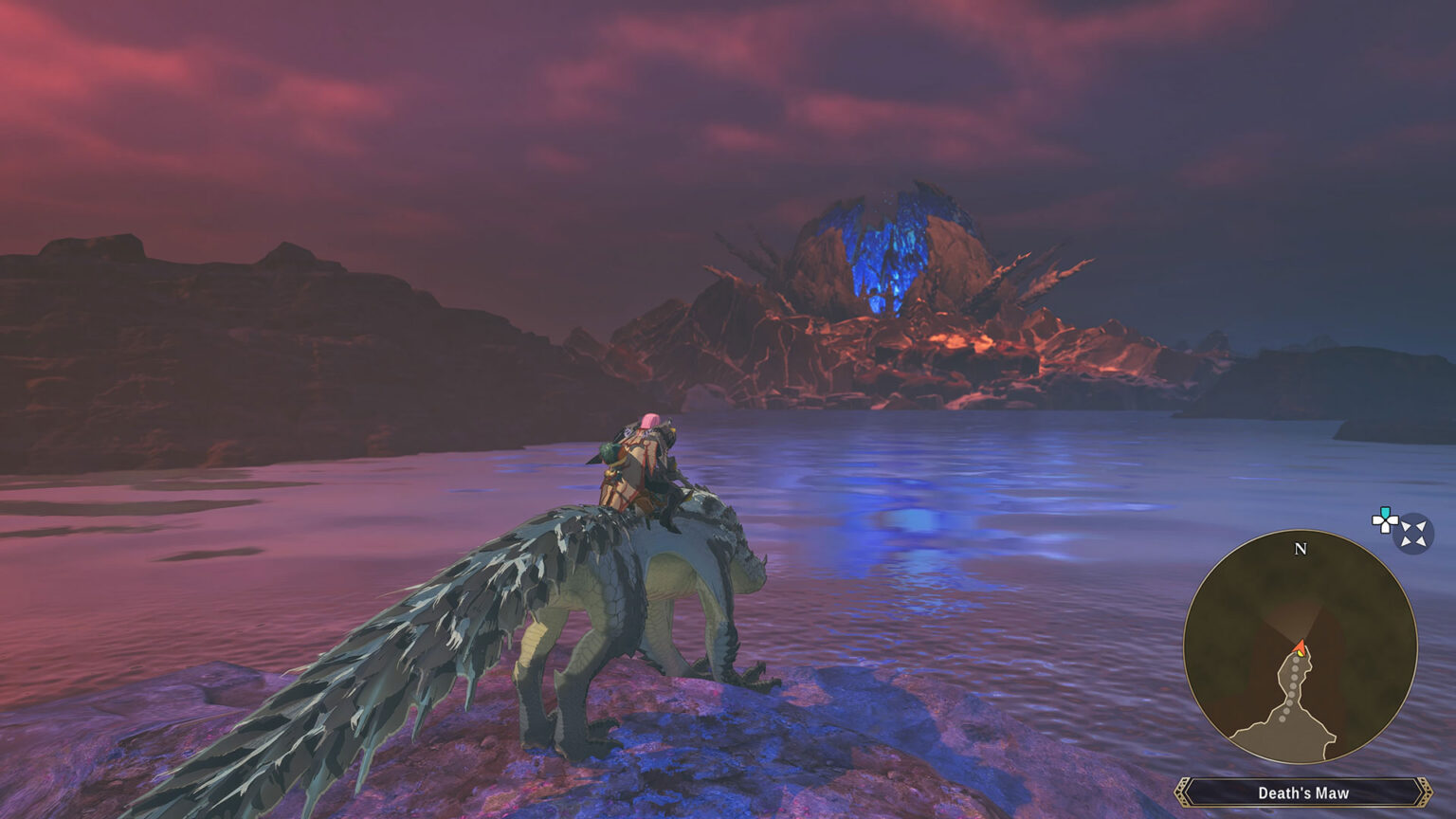
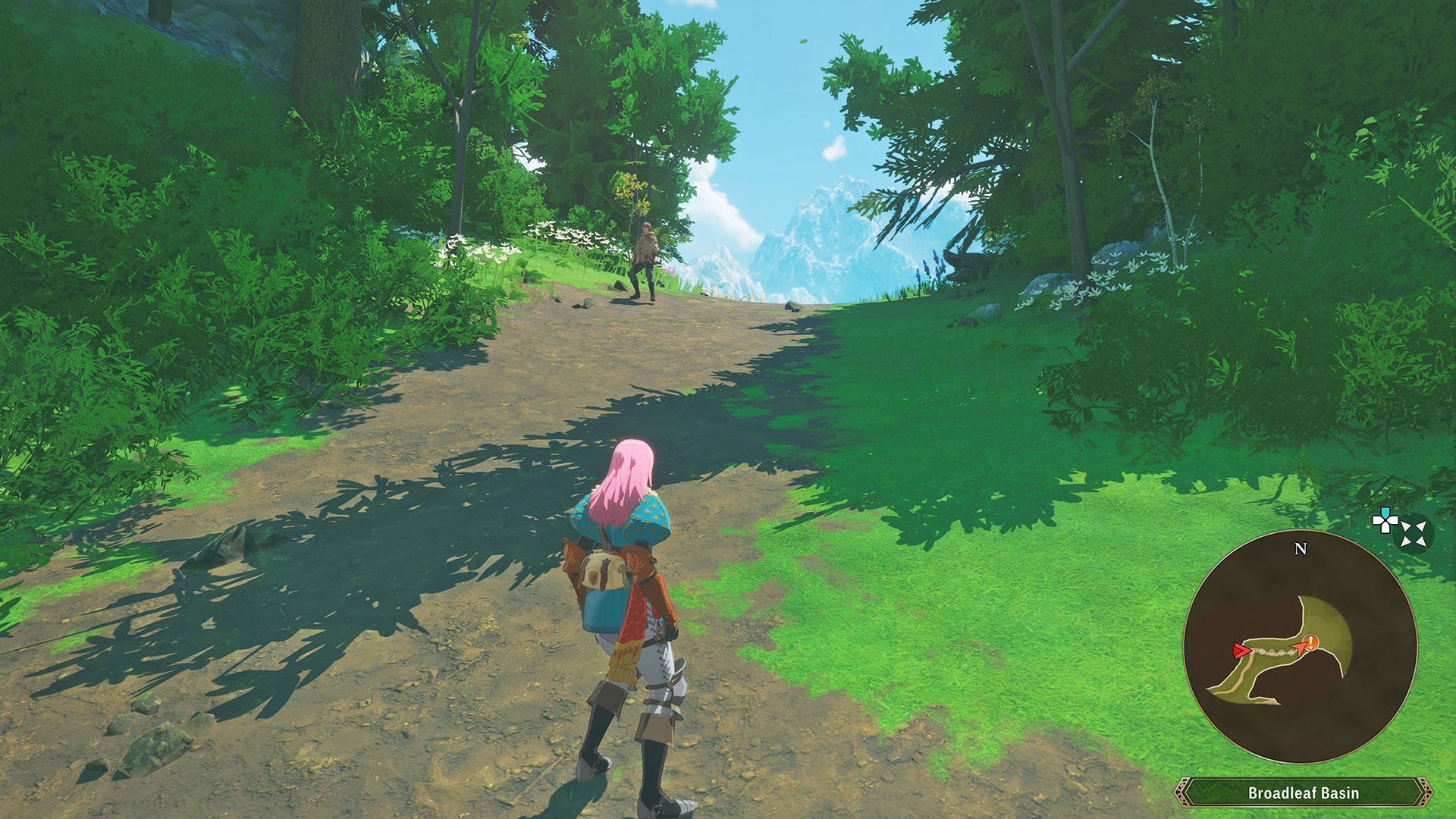
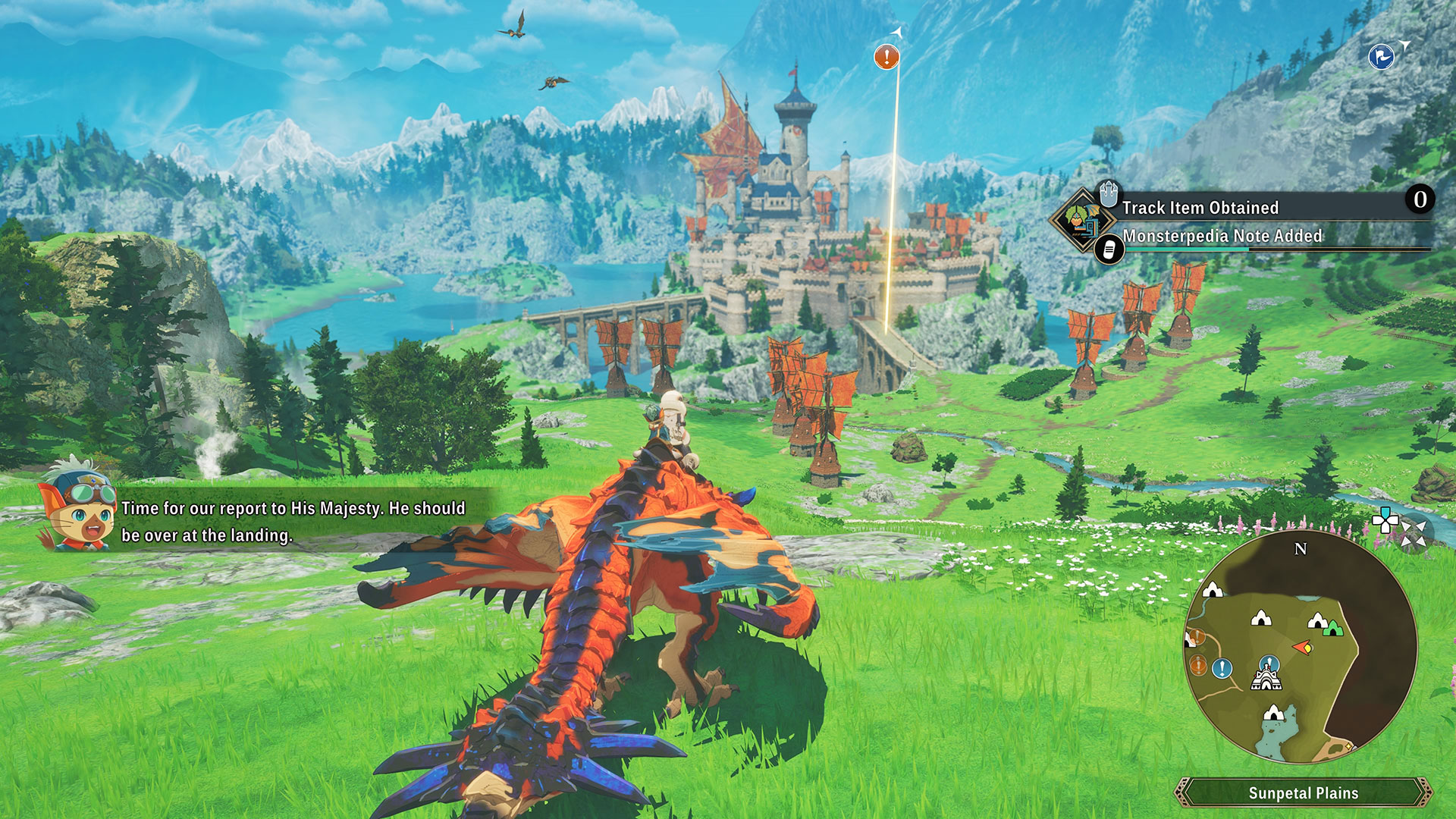
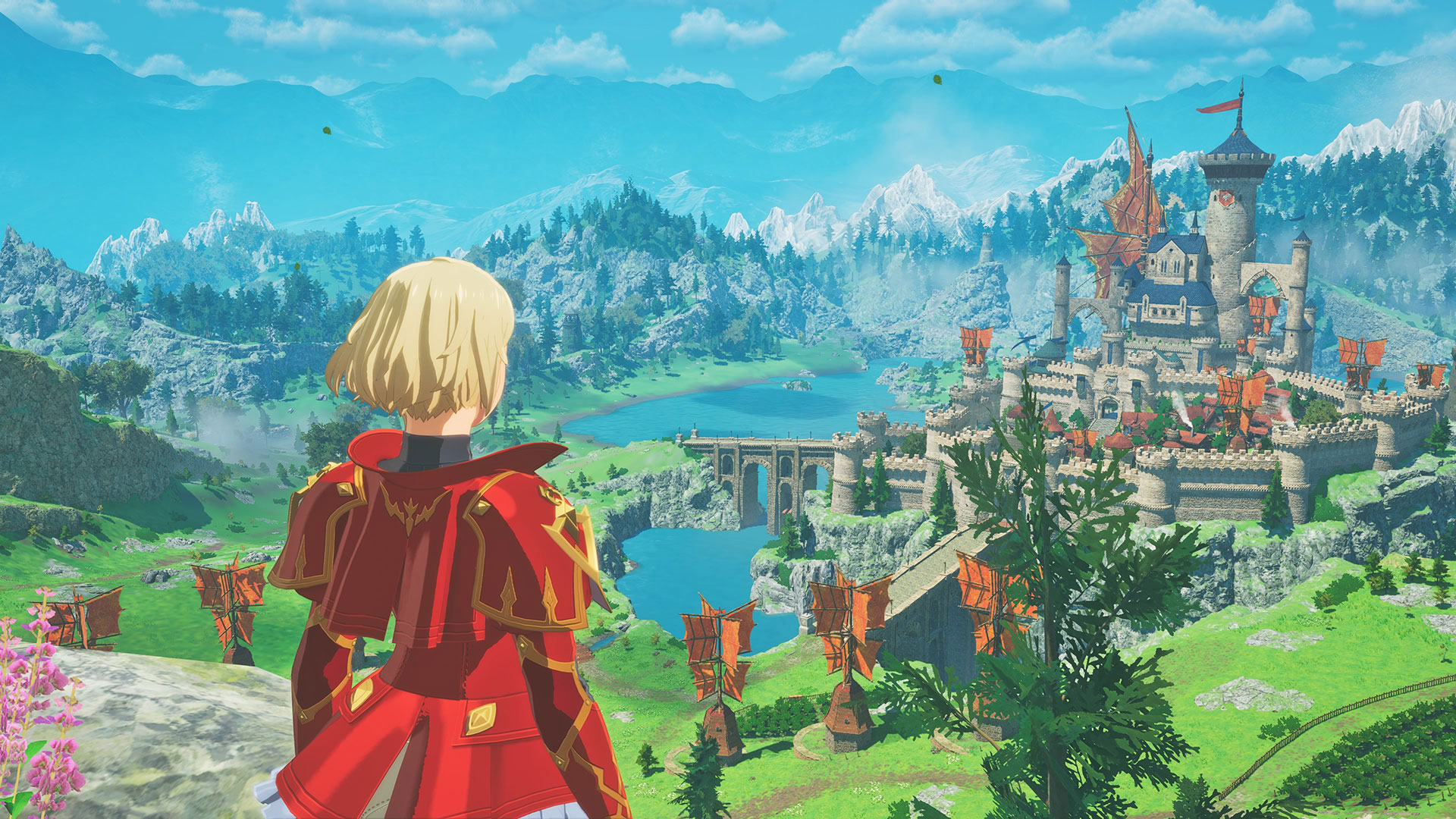
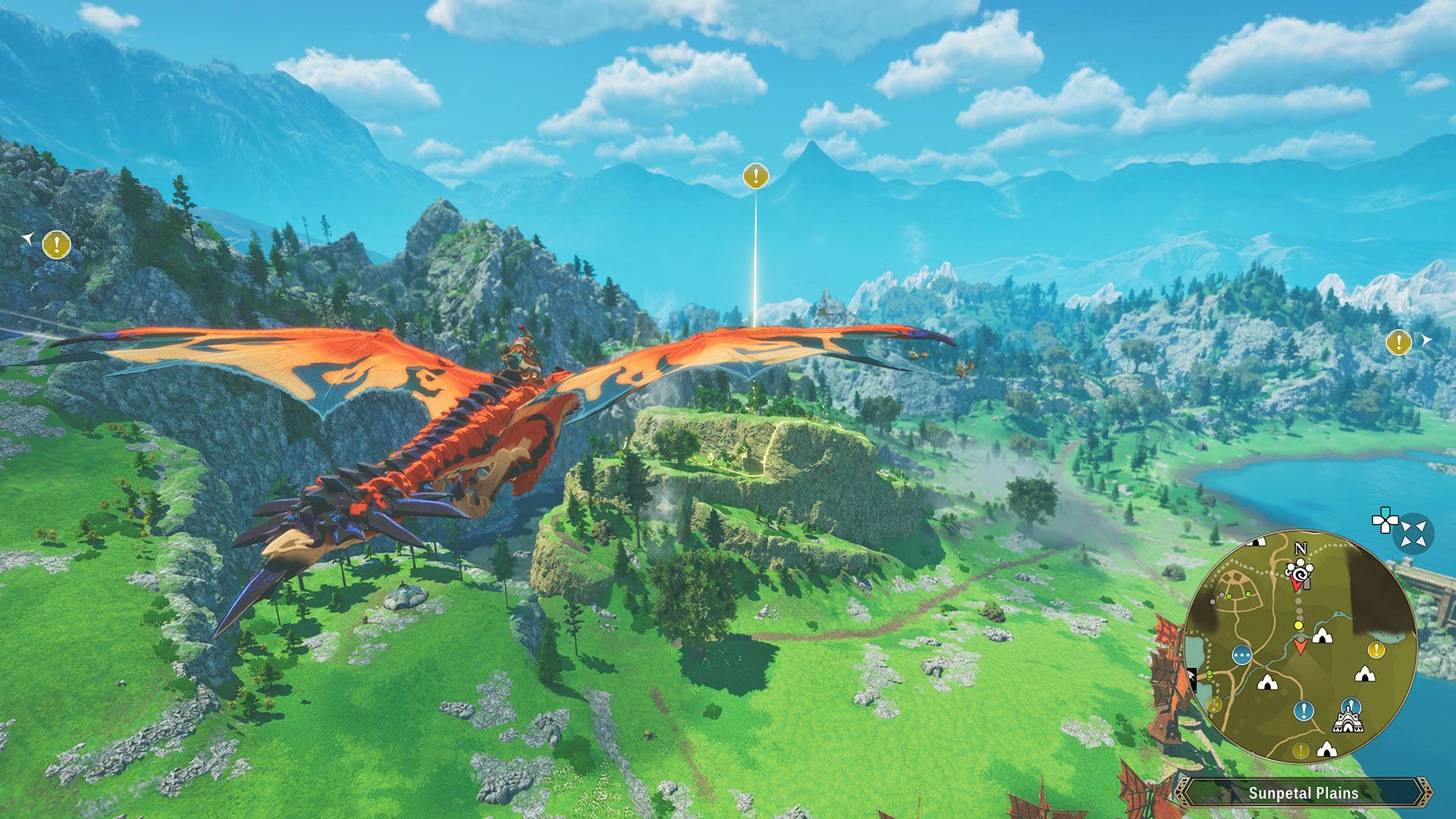
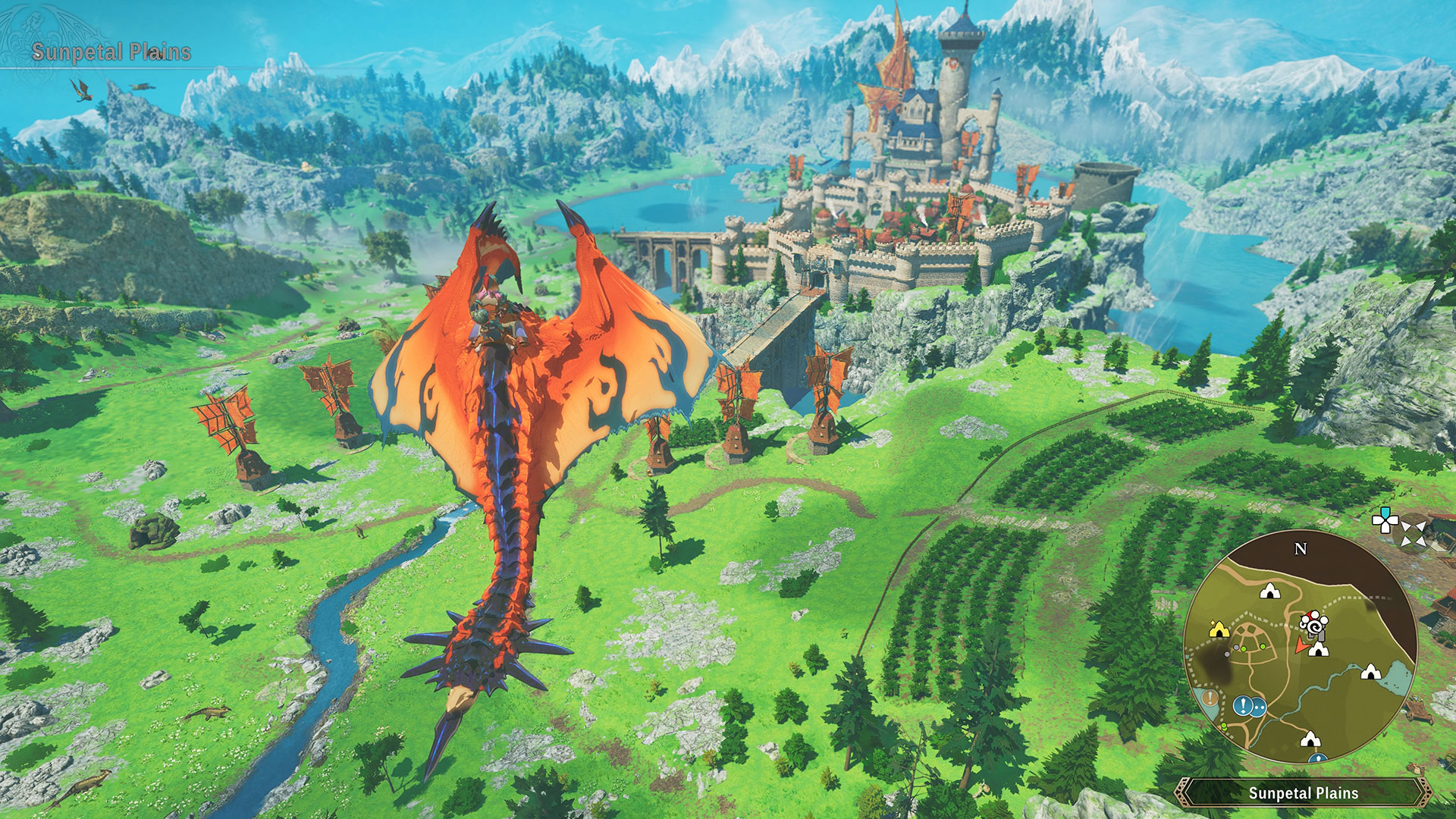
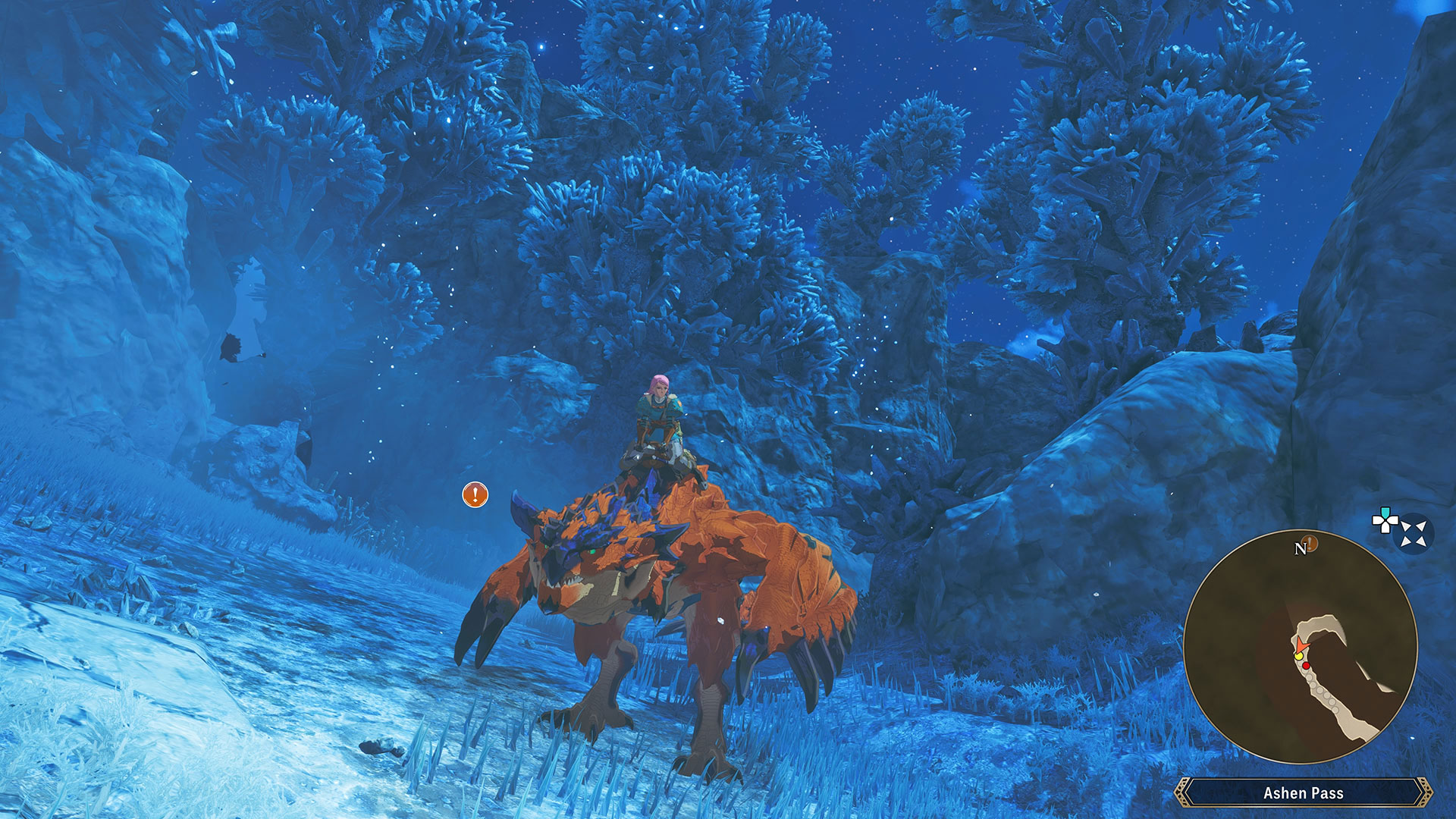
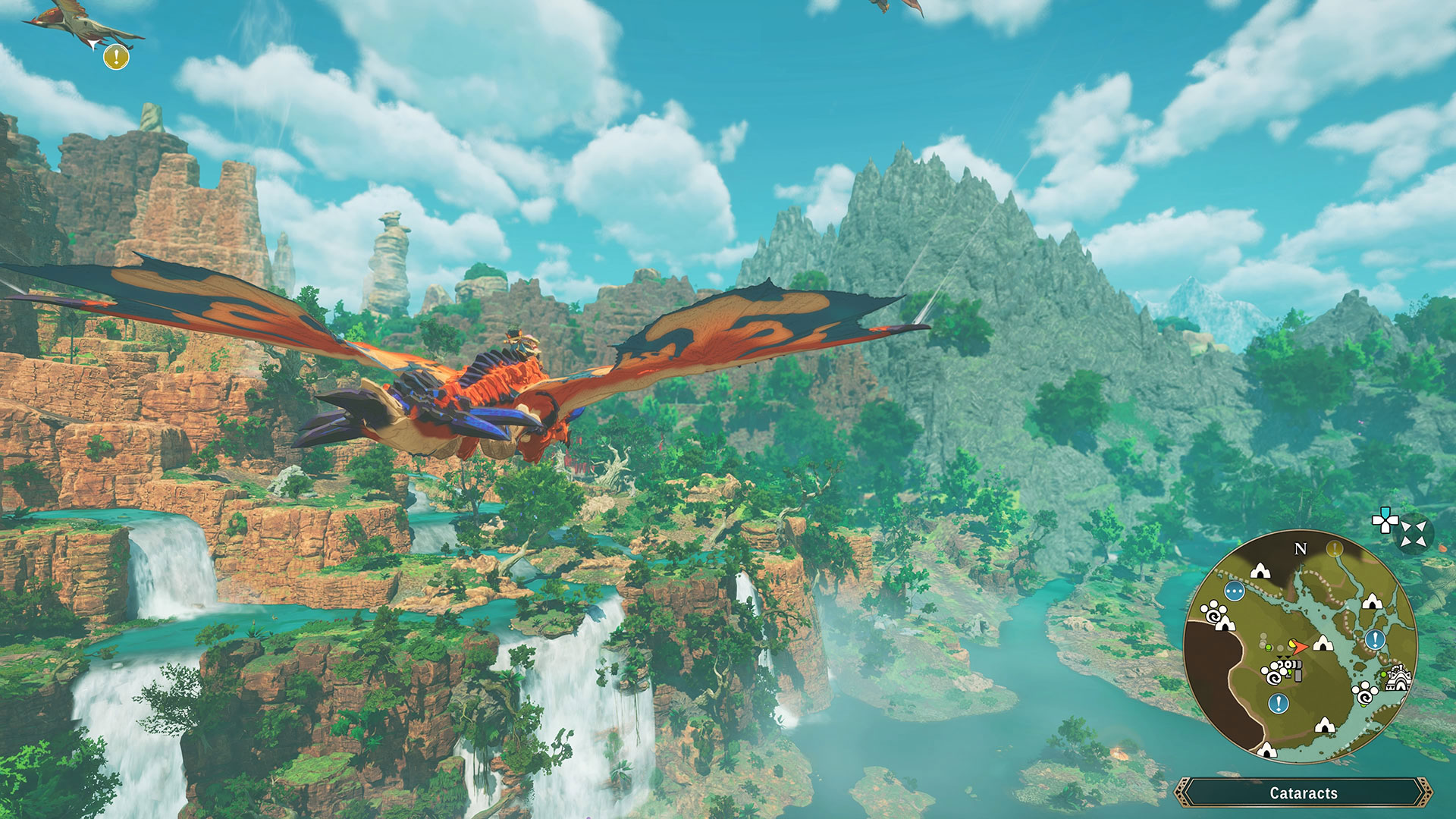
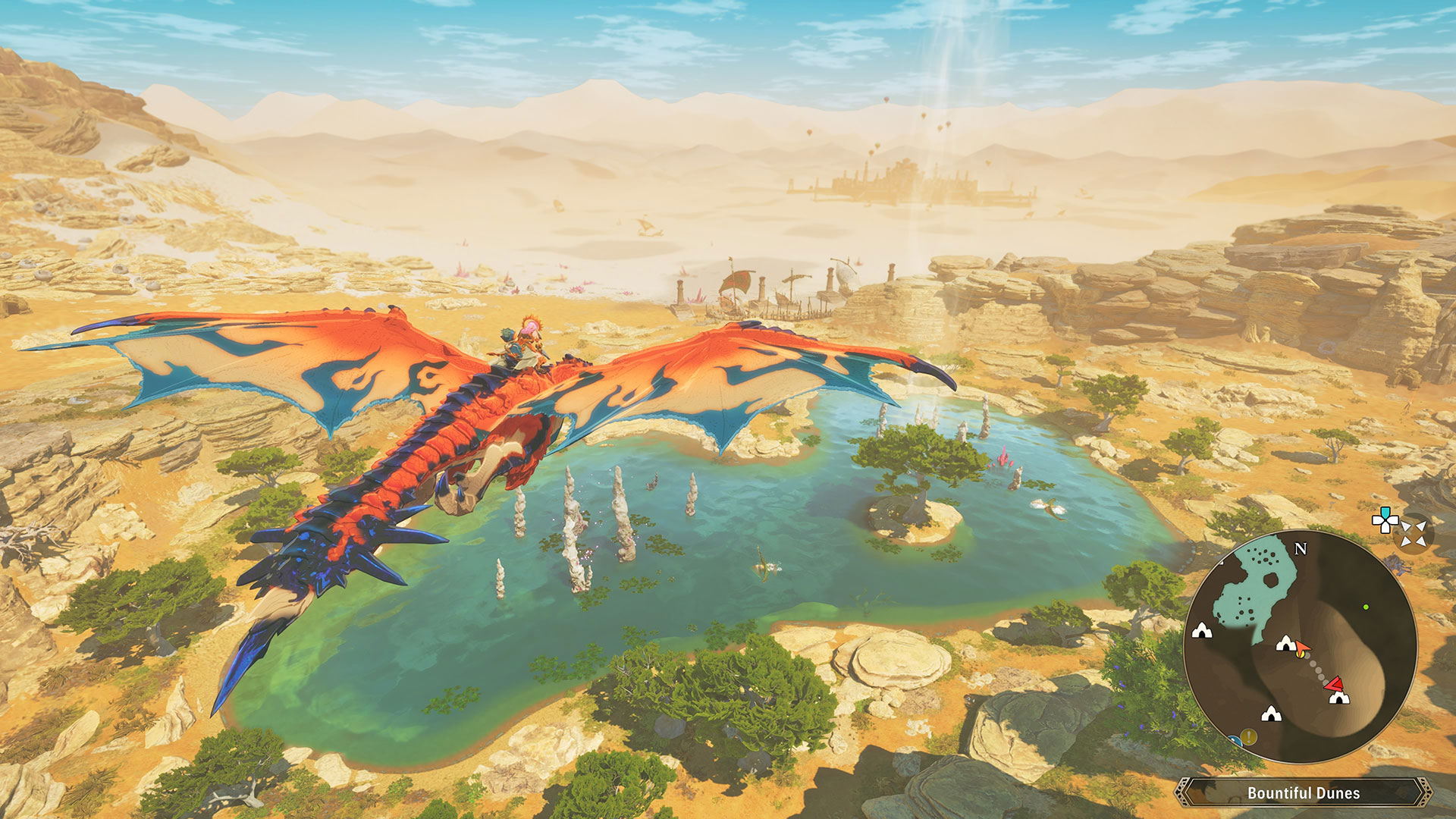
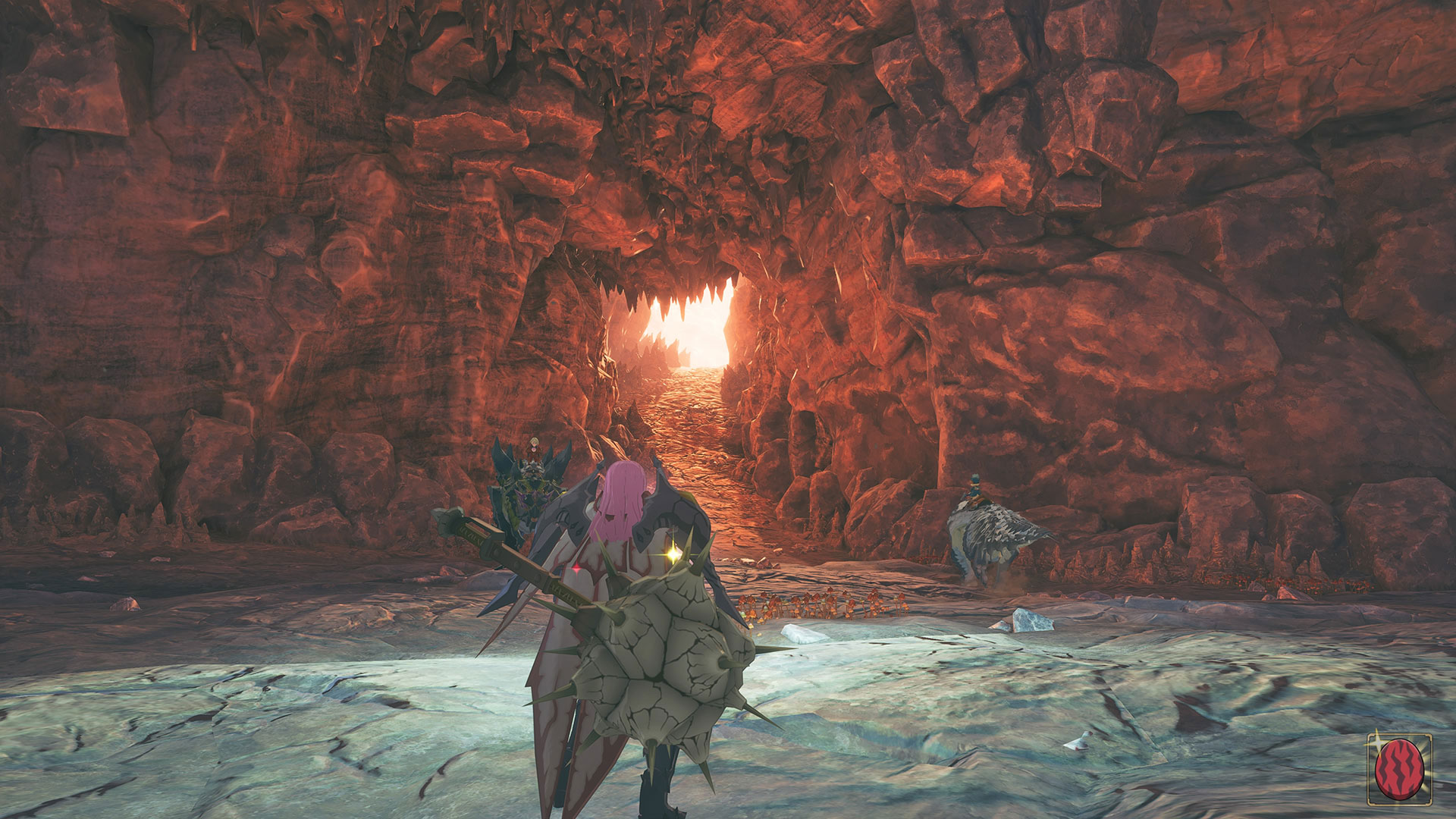
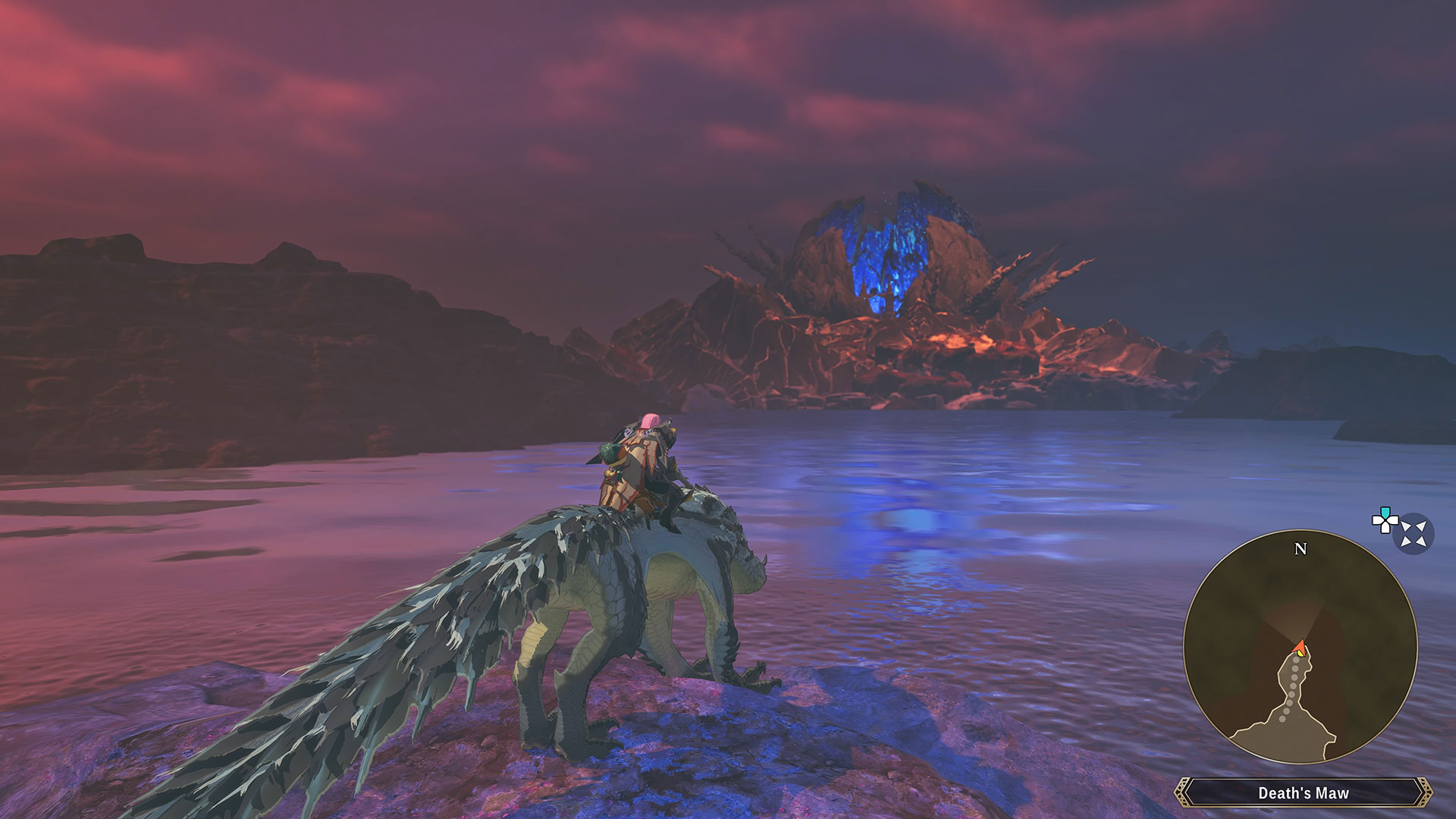
The world is a generous one to explore, full of distinct biomes and environments with plenty tucked away to discover, and I wish I’d enjoyed traversing it more than I did. Too many of the maps are a pain to navigate, and figuring out how to actually reach a given spot is rarely as intuitive as it should be. Tarkuan, I’m looking at you. My biggest wish is that more of these areas offered more than a single route to get where you’re going, because backtracking a convoluted path to a place you can plainly see is its own special frustration.
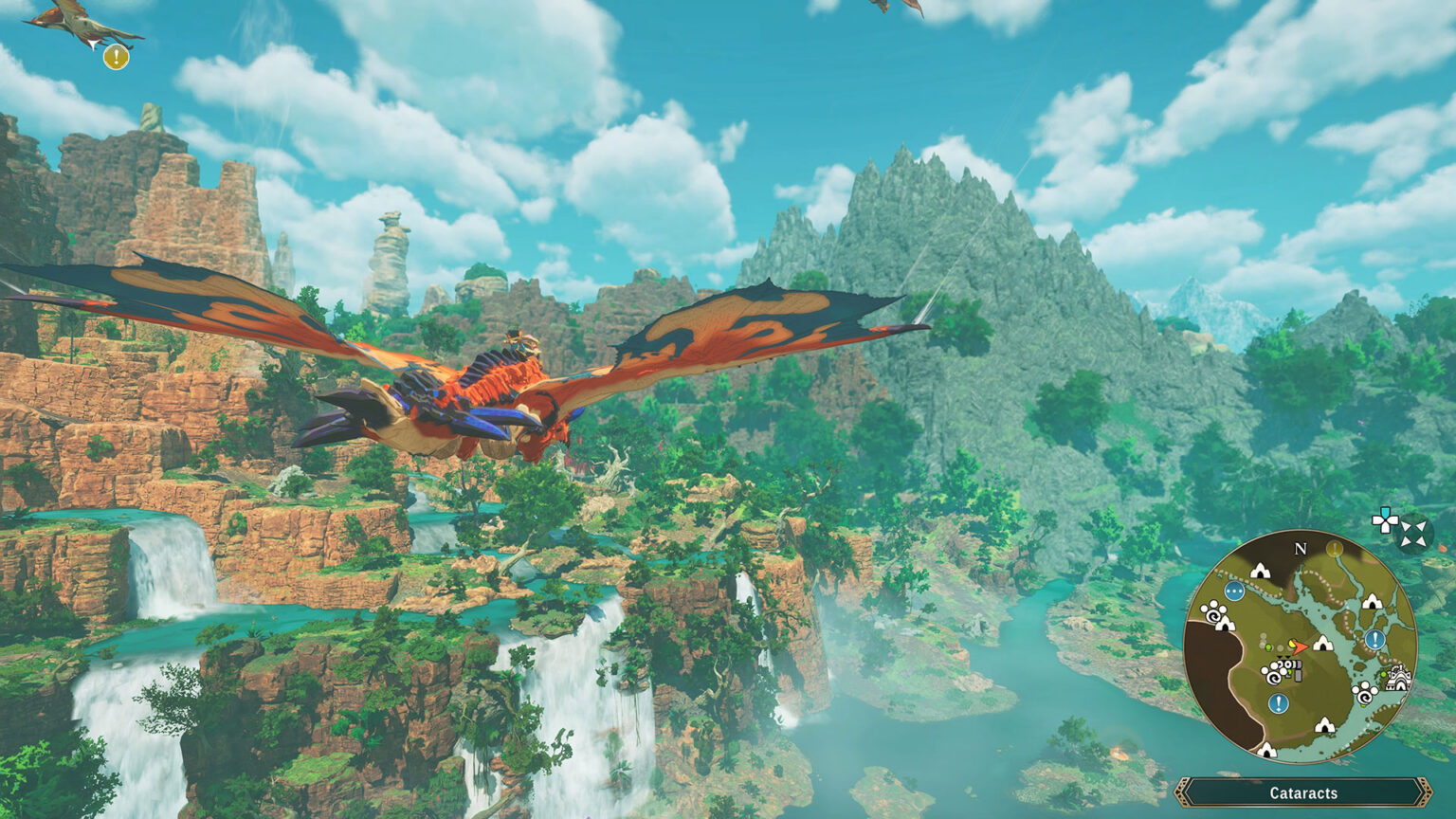
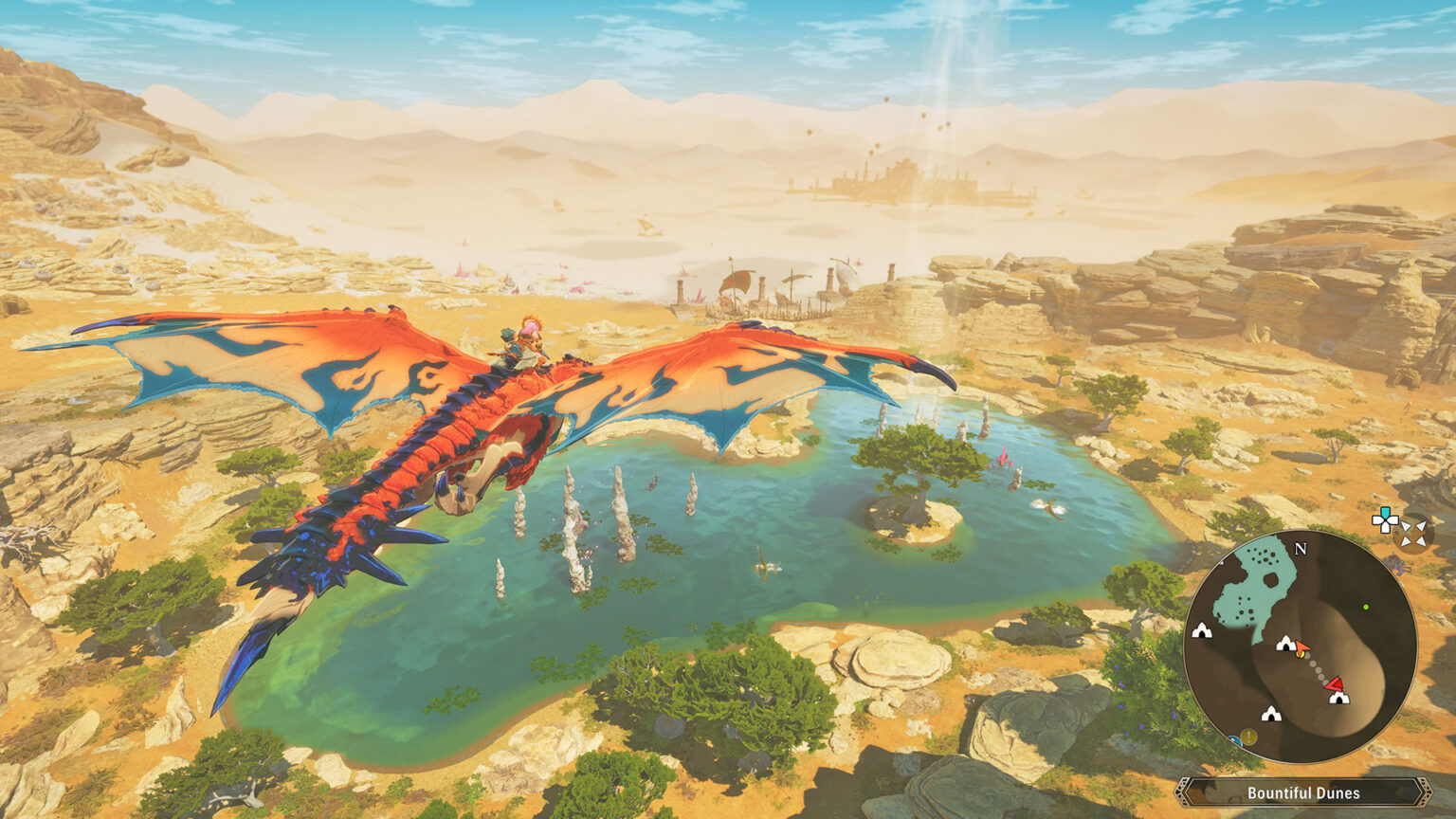
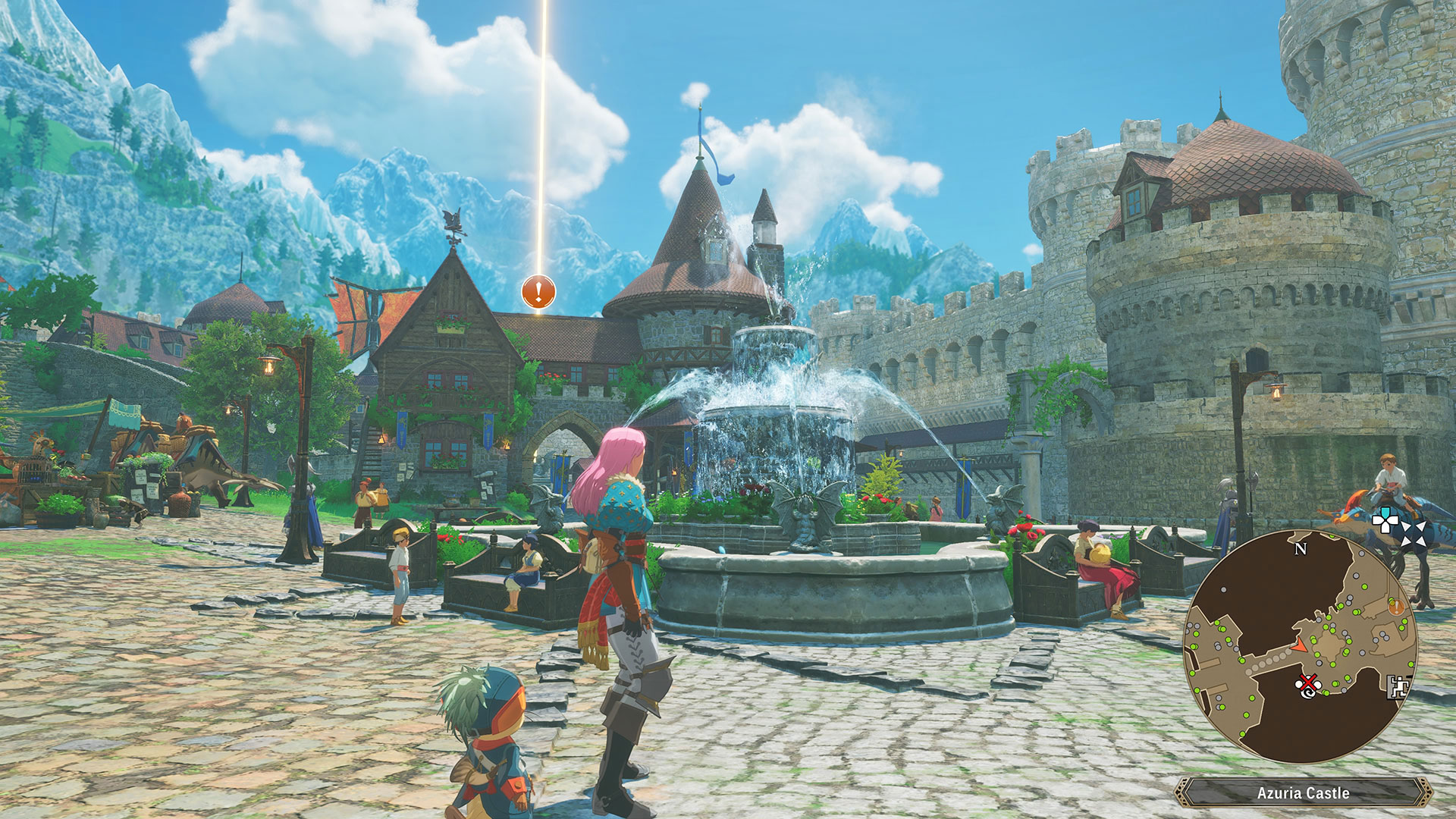
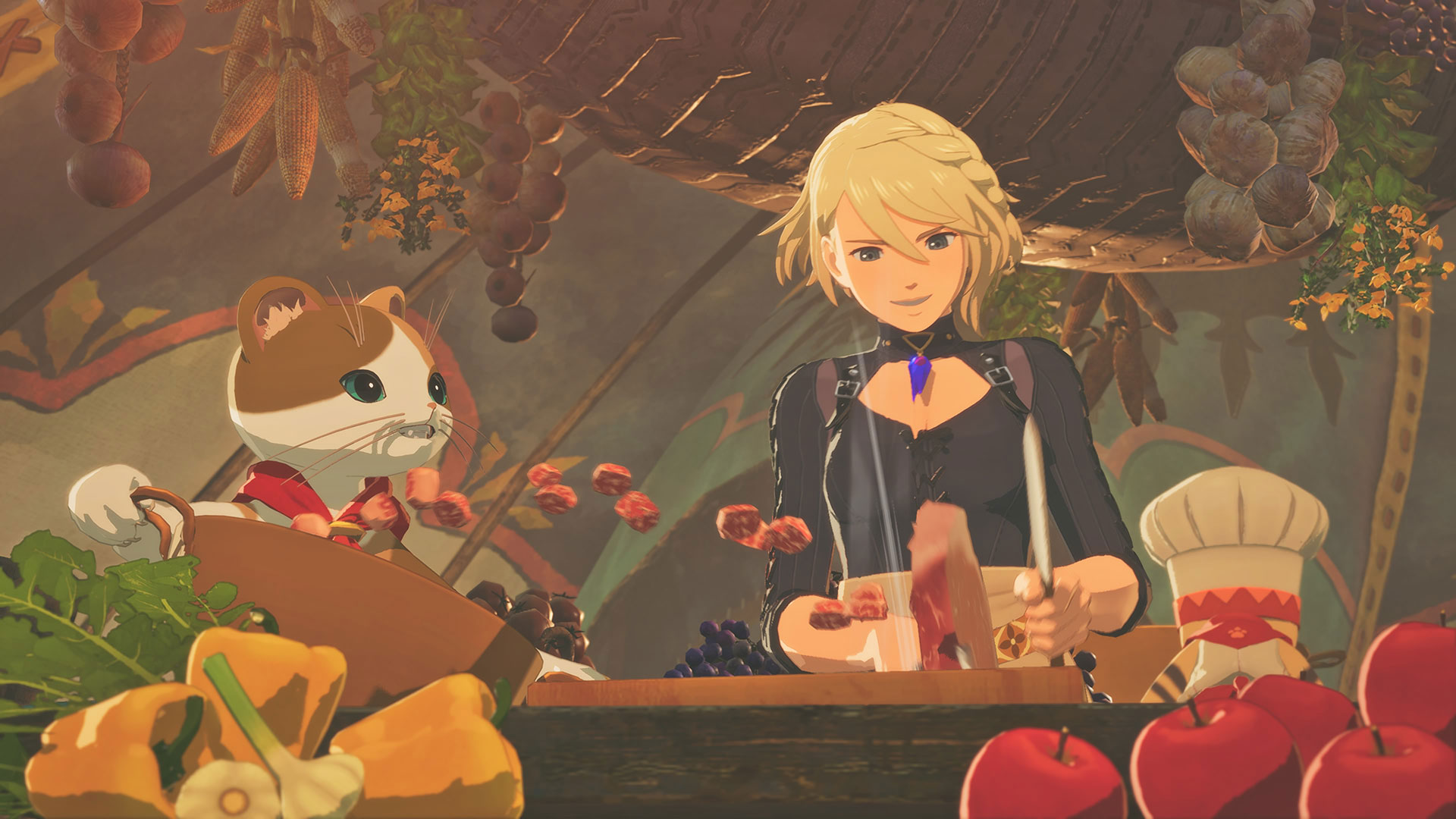
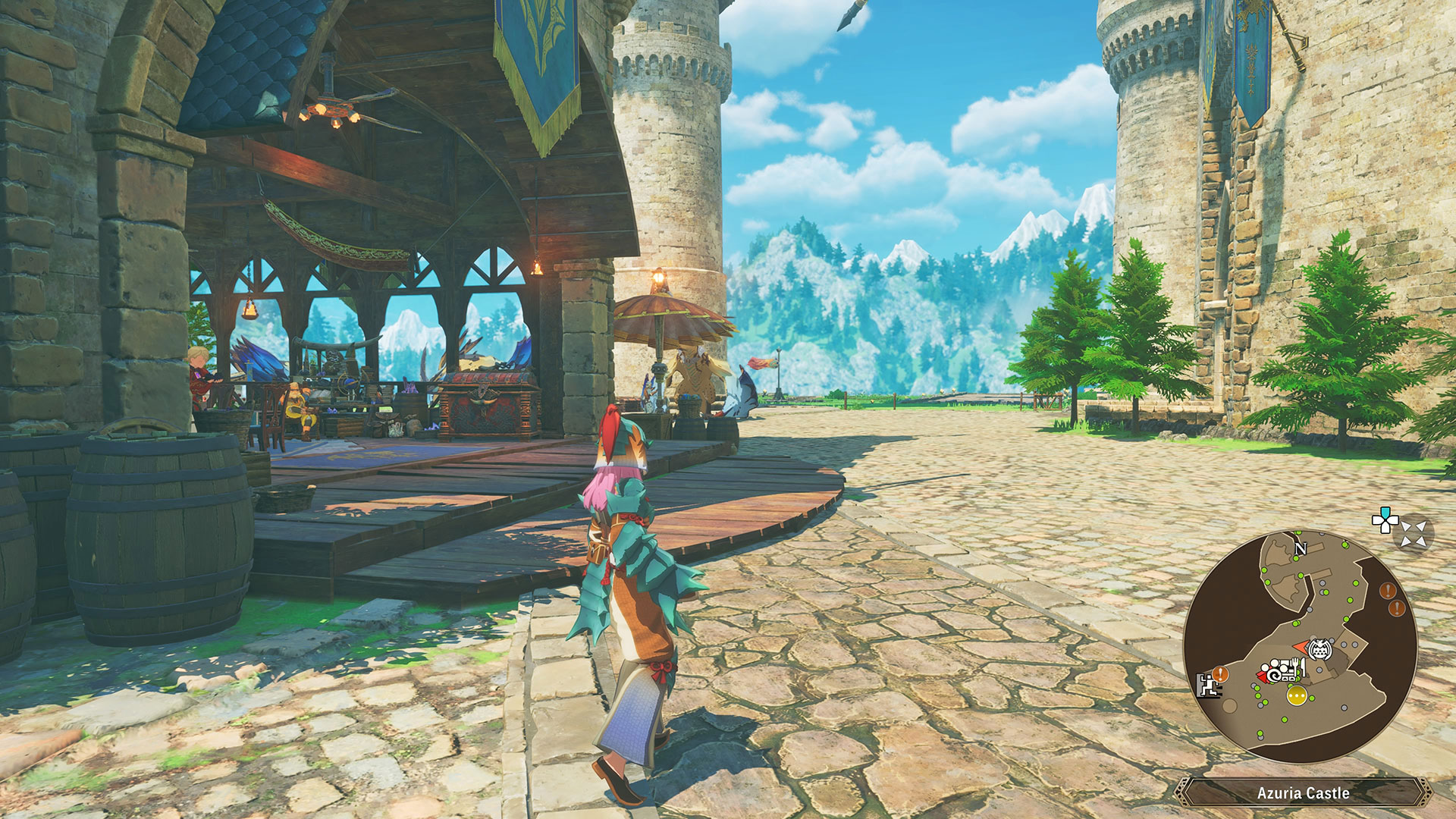
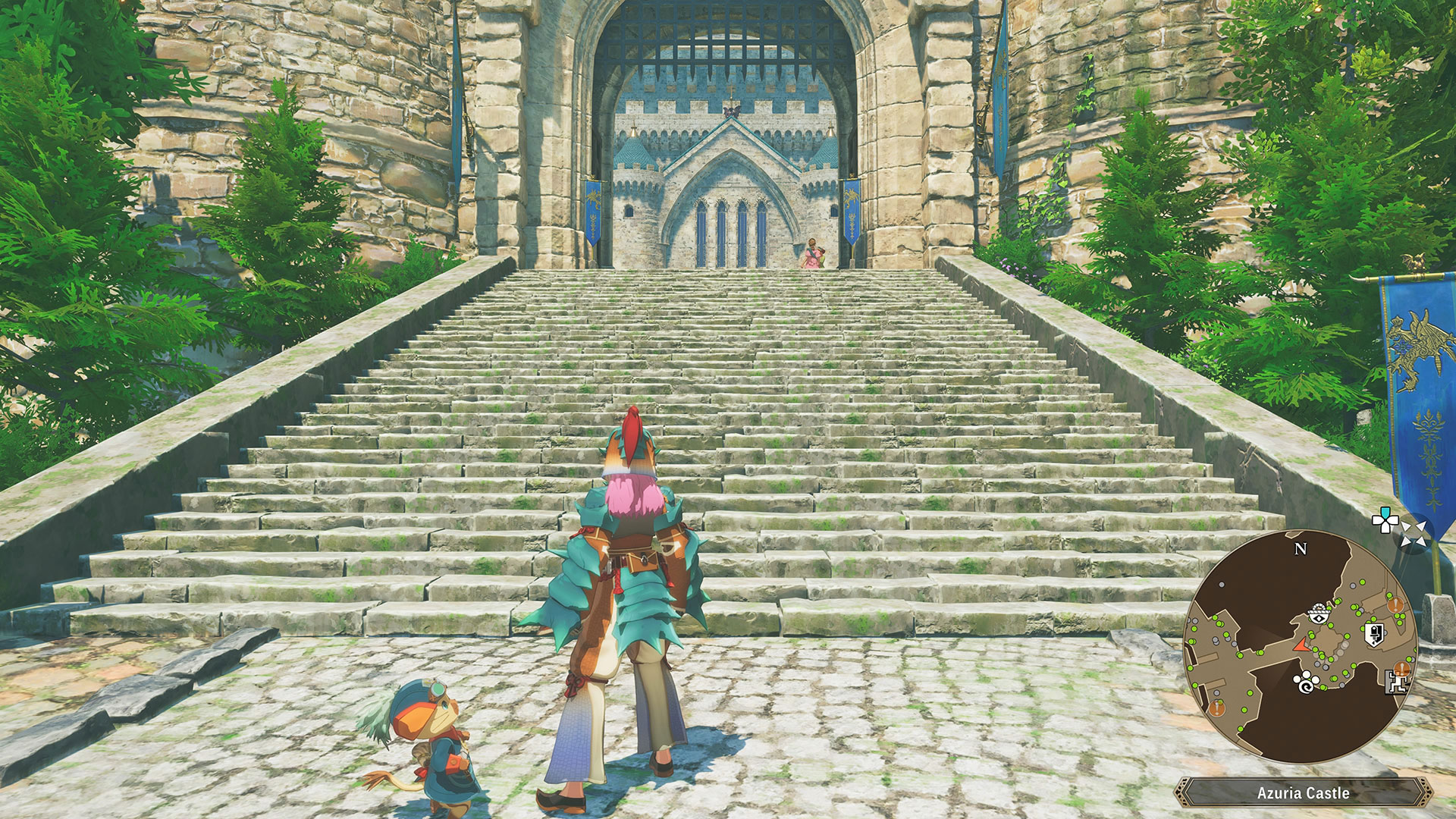
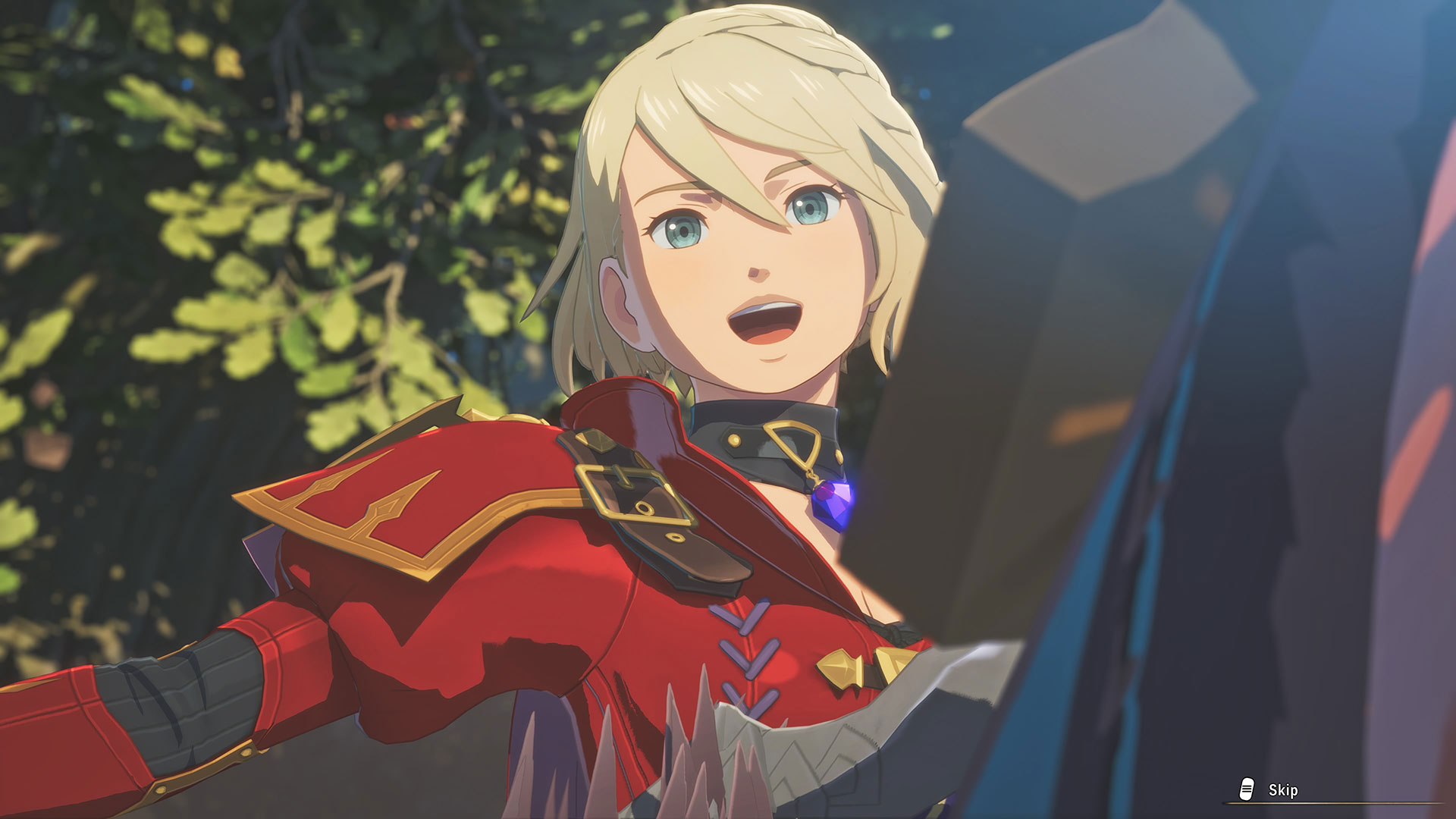
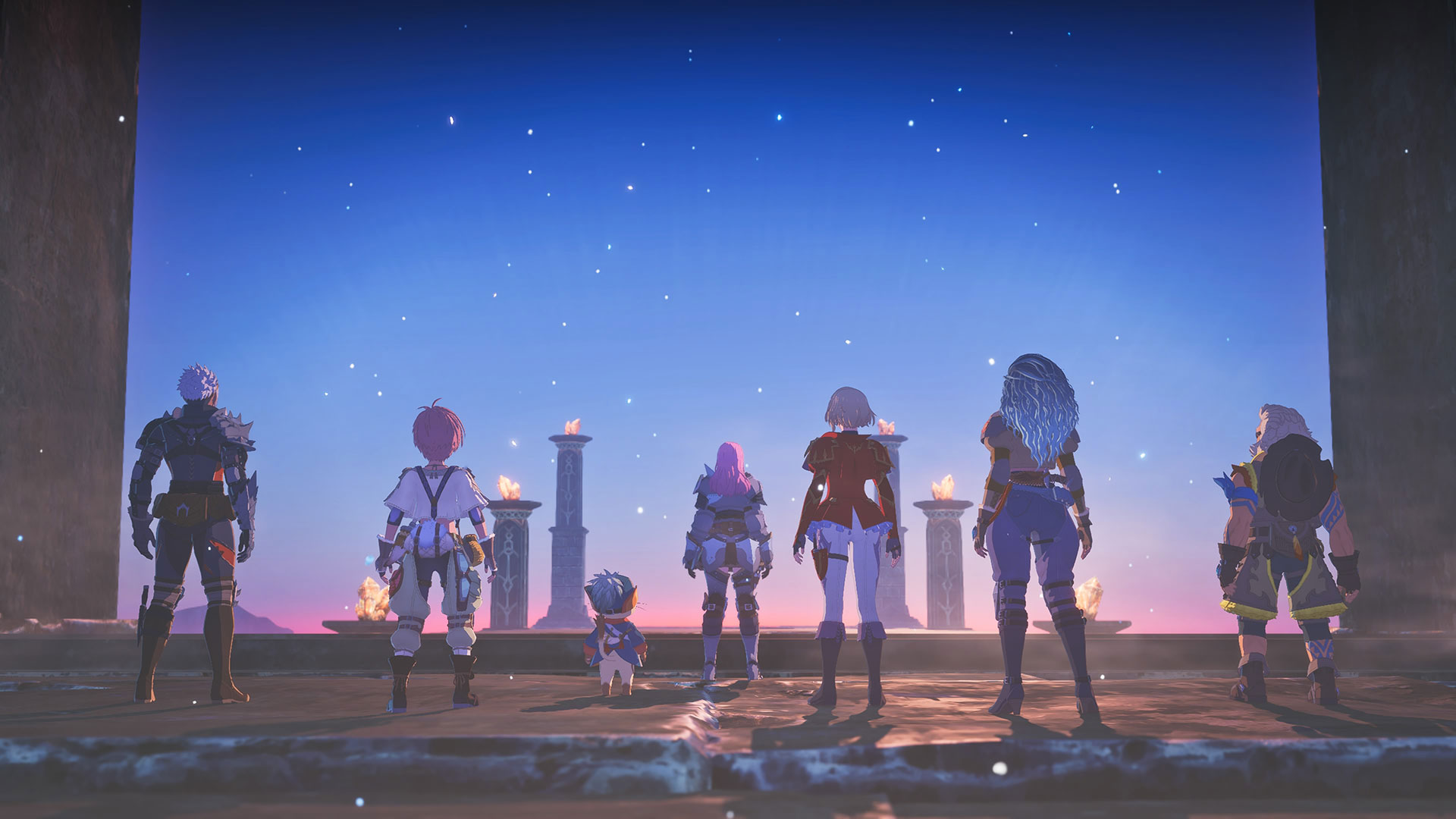
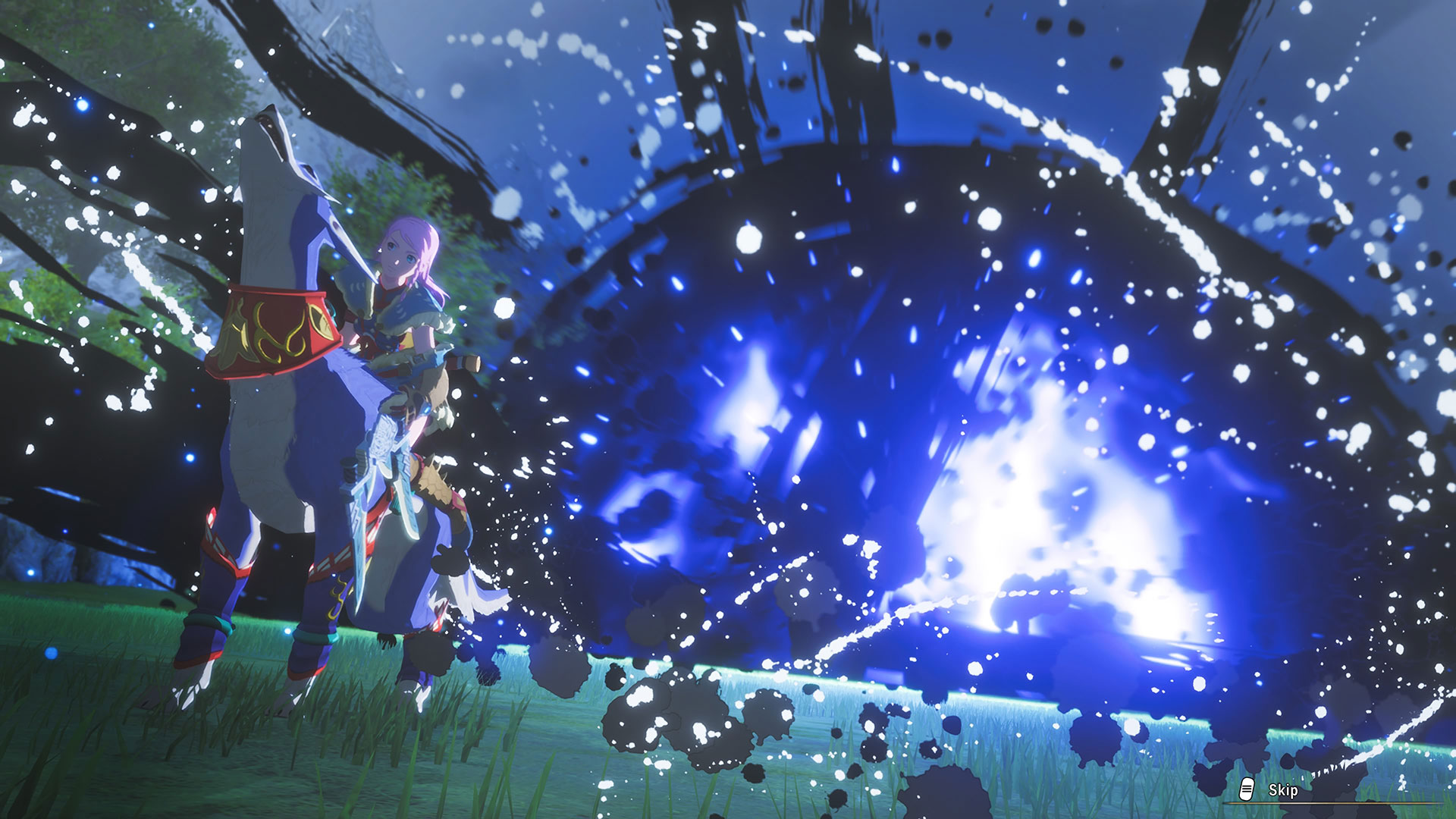
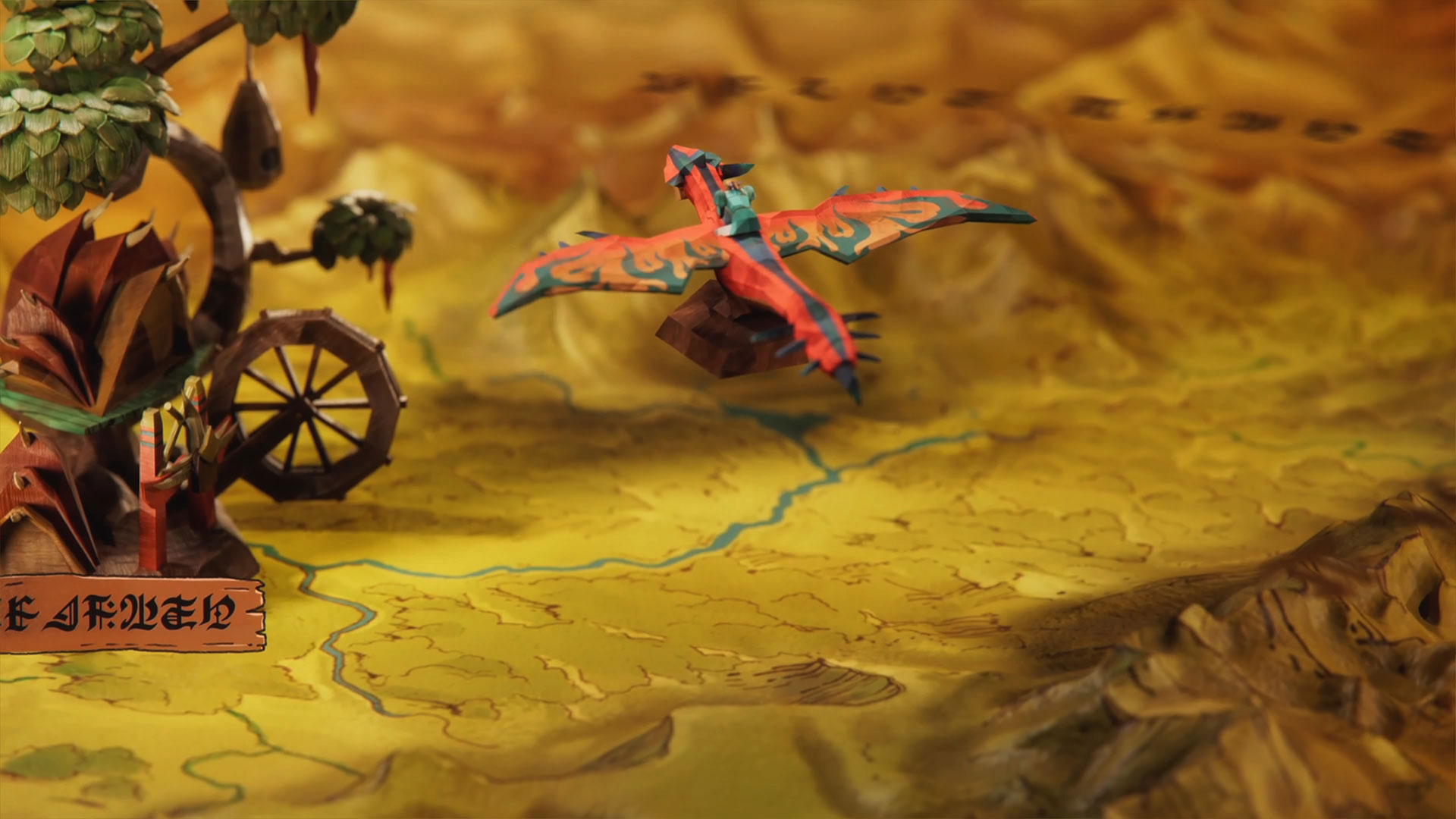
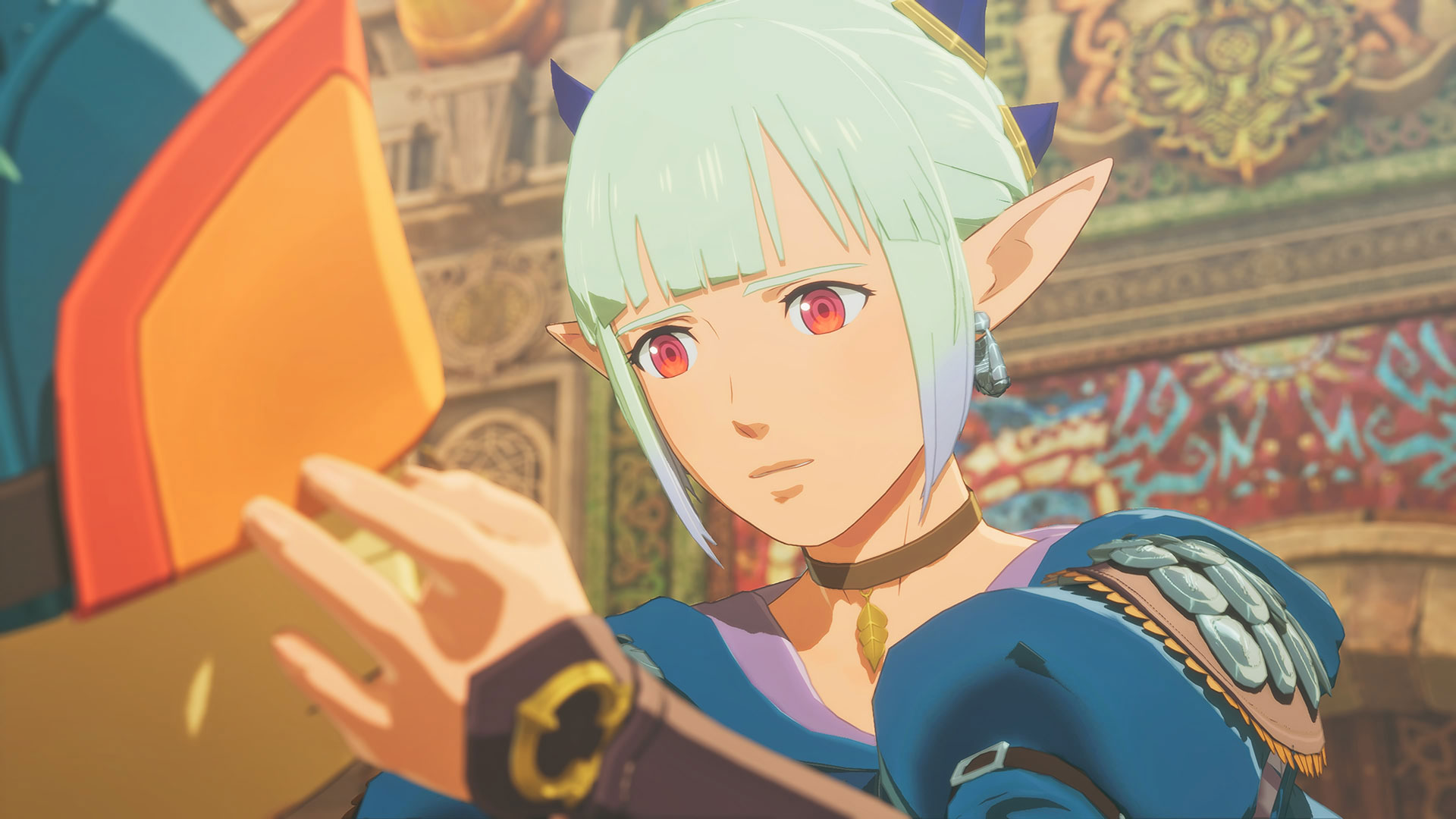
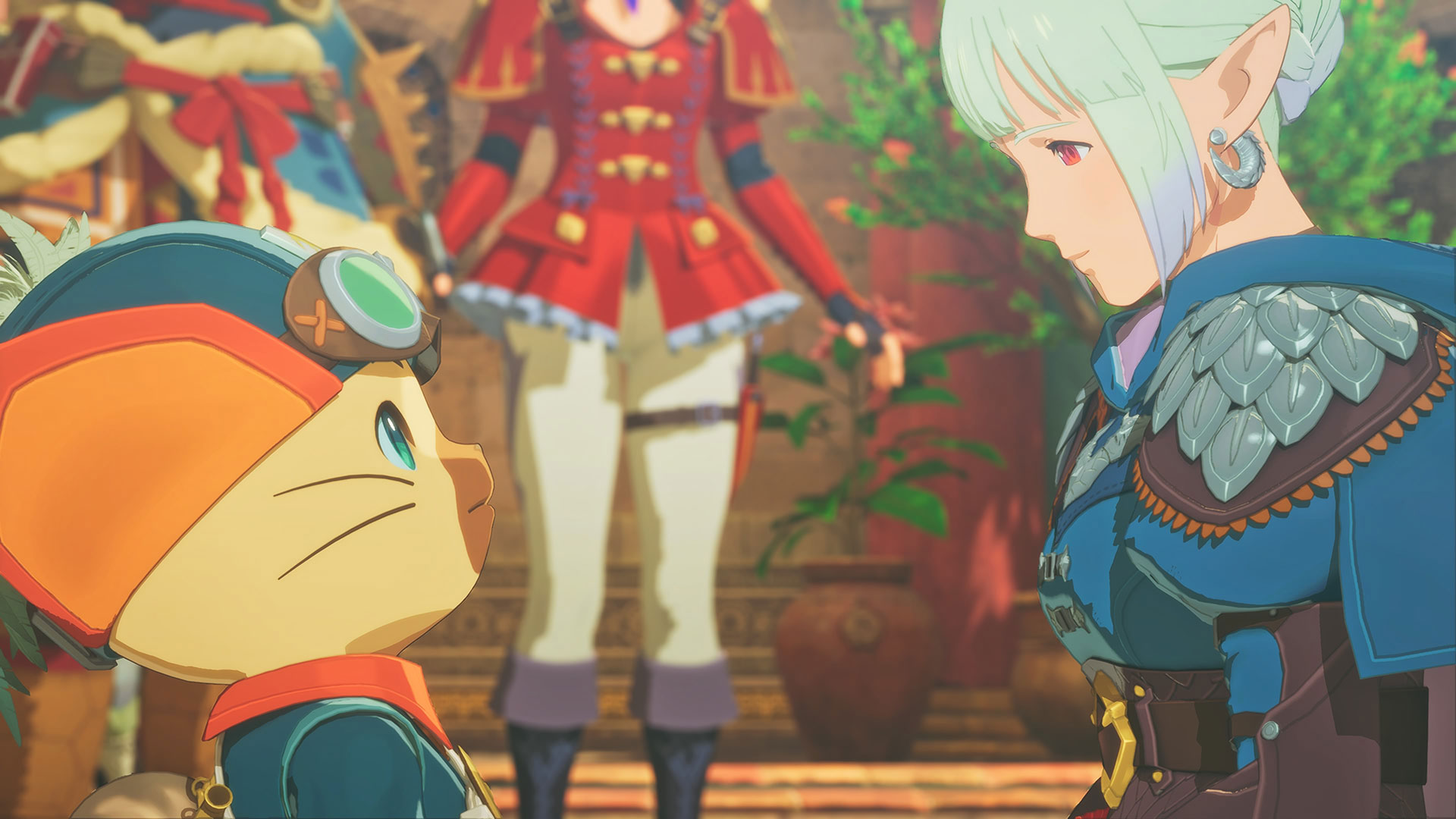
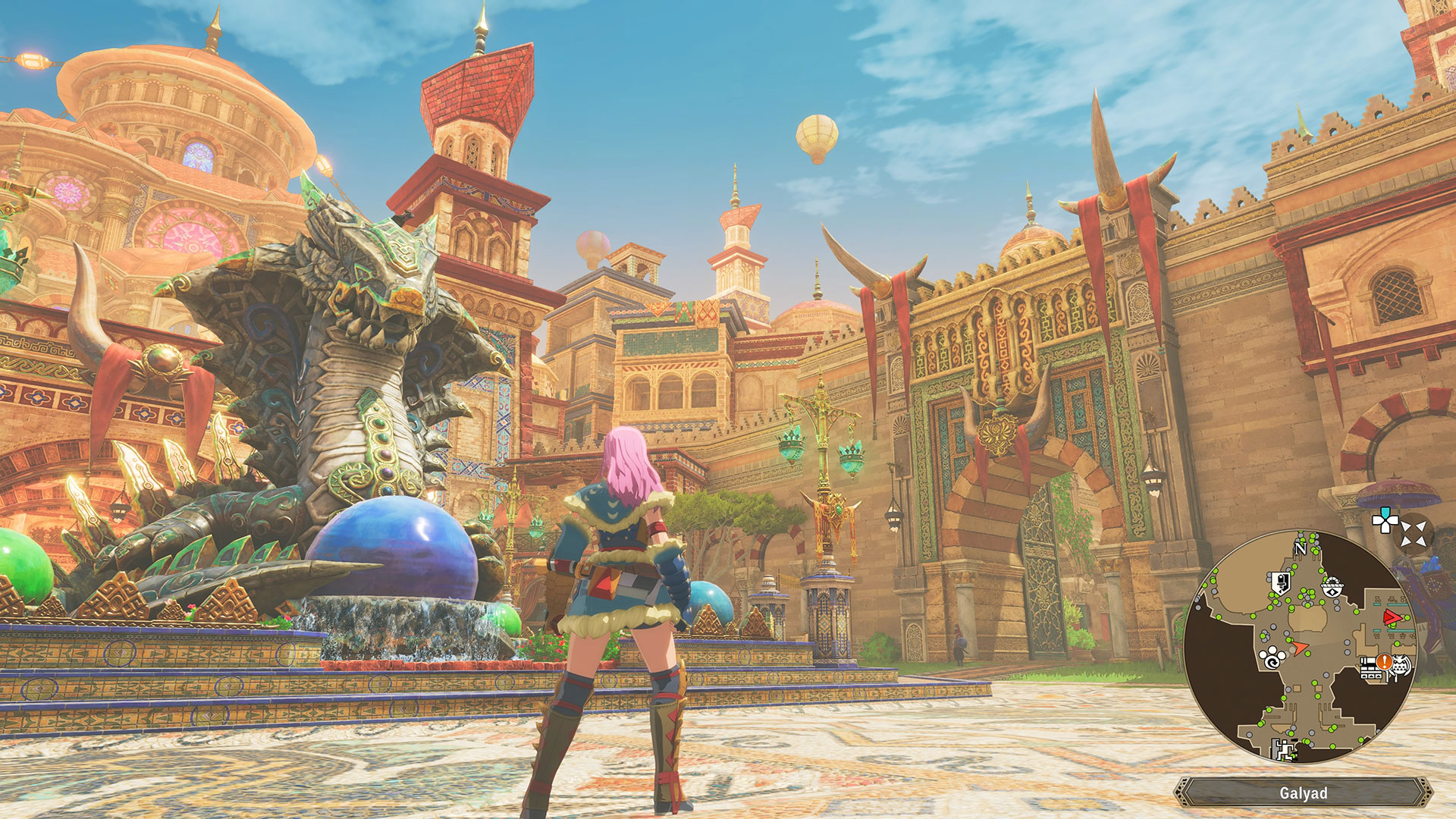
Where the world unambiguously delivers is in how it looks. I loved the art style across the board, with certain areas and cutscenes looking downright gorgeous, and the character design for the whole cast is fantastic. It also runs beautifully. On my PlayStation 5 Pro, the game held a rock-solid 60 FPS without a single hitch I can recall, which made the nightly sessions go down even smoother. There’s nothing to complain about on the technical front, and plenty to admire.
That phrase, nightly sessions, gets at how I ultimately feel about Twisted Reflection. It never once sucked me in the way some games do, where I’d look up and realize I’d lost ten hours in a single sitting. What it was, instead, was the perfect game to play a couple of hours each night, which is how I spent about a month with it on and off. Parts of it absolutely felt like a slog, and the core loop never came together for me. But the combat, the quality-of-life polish, the art, and the simple charm of building a Monster Hunter team kept pulling me back, and that counts for a lot. For fans and for JRPG players who’ll vibe with its cozy pace, this is well worth your time; just go in knowing the loop may ask more patience of you than it gives back.
Monster Hunter Stories 3: Twisted Reflection has an official release date of March 13, 2026, for PlayStation 5, XBOX Series X|S, Switch 2, and PC. This review is based on a purchased retail copy of the game on PlayStation 5 Pro. While FullCleared does have affiliate partnerships, they do not influence our editorial content. We may, however, earn commissions for products purchased via affiliate links.
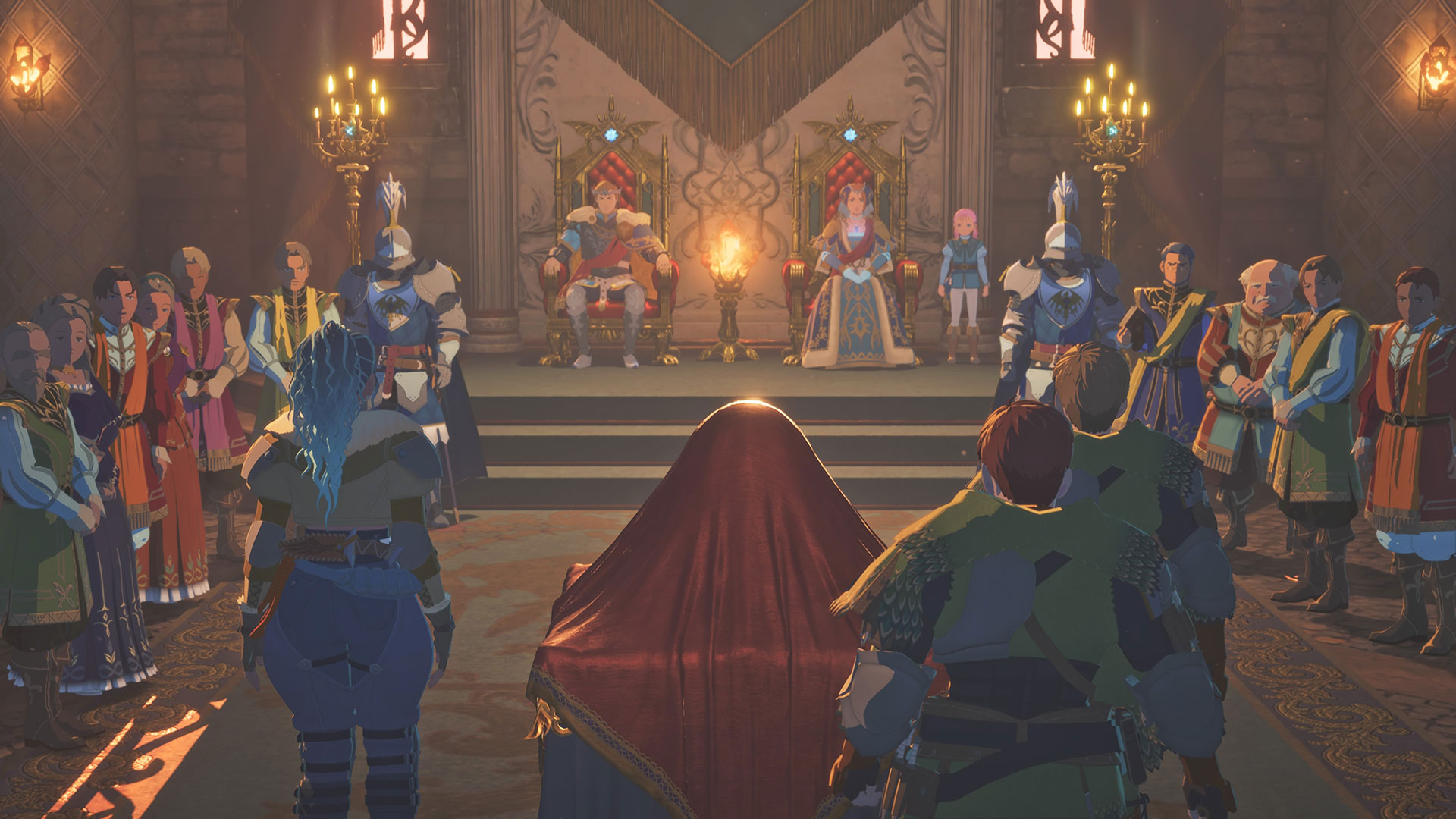
Monster Hunter Stories 3: Twisted Reflection Review Gallery (possible spoilers!)
Continue?
Like our content?
Subscribe to our newsletter and get video game news, reviews, features, and deals straight to your inbox.
You're subscribed!
Thanks for signing up. Look for an email from Substack at .
No email after a few minutes? Subscribe on Substack.
This newsletter may contain advertising, deals, or affiliate links. Subscribing to the newsletter indicates your consent to our Privacy Policy. You may unsubscribe from the newsletter at any time.