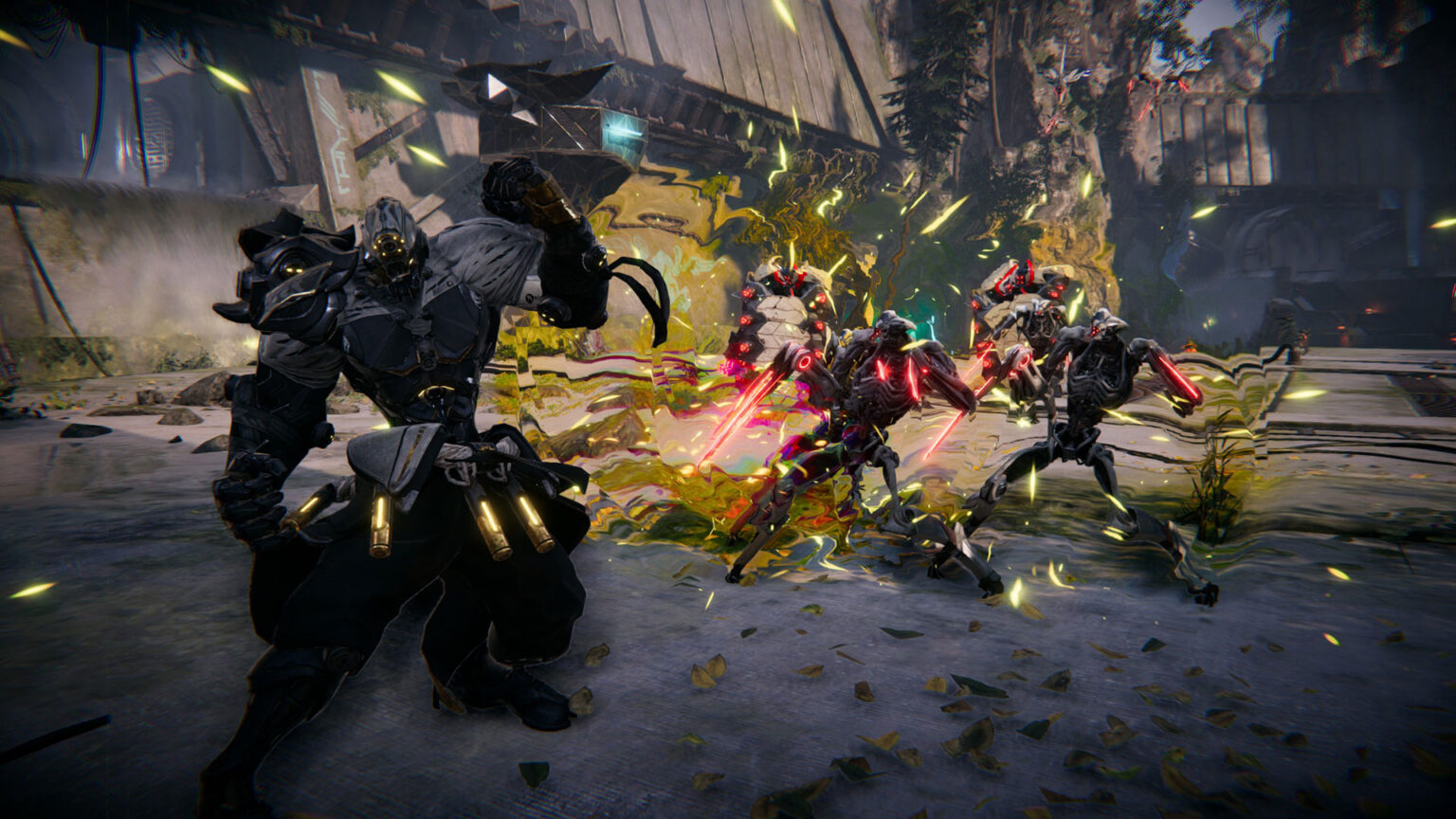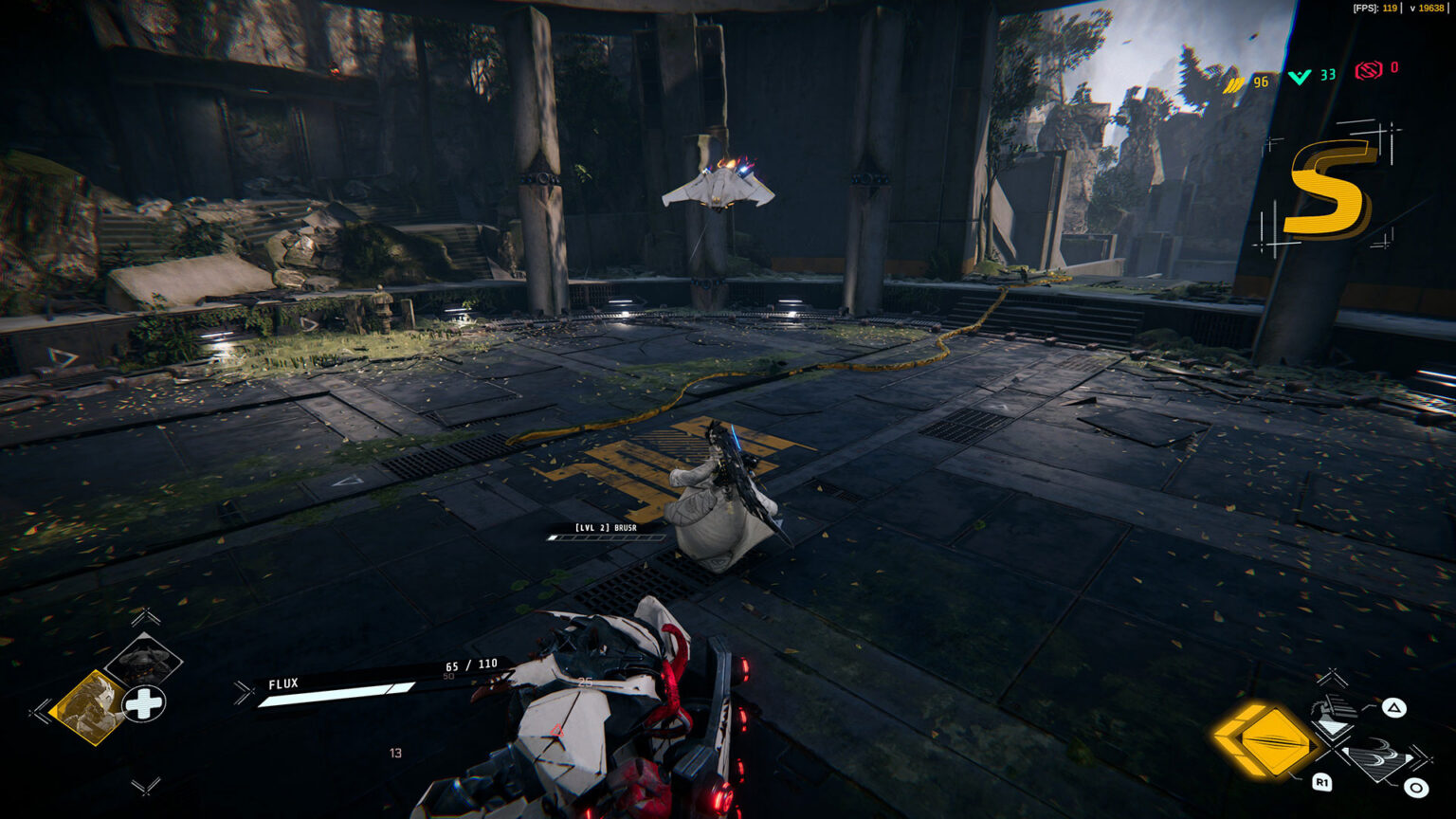
I recently published first impressions on Morbid Metal, an action game in development by Screen Juice and published by Ubisoft. The game entered Early Access on April 8, and one thing I noticed in the responses was people dismissing the game outright because of its association with Ubisoft. I get it. I understand how some people feel about Ubisoft right now. But a lot of those reactions came from people who assumed Ubisoft is making the game, and that’s just not the case. What Ubisoft is doing here is publishing it, which is an entirely different role, and it’s one that’s actually helping a small team get their game out the door. This is a distinction that trips up a lot of people, so I think it’s worth breaking down.
The developer is the team that actually makes the game. They’re the ones writing the code, designing the levels, creating the art, composing the music and doing everything else that goes into building the experience you play. The publisher, on the other hand, is the company that helps bring that game to market. That can mean funding the project, handling marketing and PR, managing distribution across platforms and generally making sure the game reaches an audience. A publisher doesn’t design the combat or write the story. They’re the business side of the equation.
Think of it like the film industry. A movie studio finances and distributes a film, but the director and their crew are the ones actually making it. Same concept here. When you see Ubisoft’s name on Morbid Metal, that doesn’t mean the team behind Assassin’s Creed or The Division is building the game. It means Ubisoft saw potential in a small indie team’s project and is putting resources behind it to help it succeed.
This kind of thing happens more often than people realize. One of the best examples is Life is Strange. That franchise was developed by Dontnod Entertainment, a relatively small studio at the time, and published by Square Enix. Square Enix didn’t make the game. They believed in the project and helped bring it to a wider audience, and that partnership resulted in one of the most beloved narrative adventure series in gaming. EA has a whole label dedicated to this called EA Originals, which has published games like It Takes Two and Split Fiction by Hazelight Studios. It Takes Two won Game of the Year in 2021, and it exists in large part because EA provided the resources and platform for a smaller team to realize their vision. Take-Two does something similar through its Private Division label.
The point is, when a major publisher puts its name on an indie game, that’s often a good thing for the developers involved. It means they’re getting access to marketing budgets, distribution networks, and resources they wouldn’t have on their own. Dismissing a game because of its publisher without understanding the publisher’s role means you might be overlooking something great from a small team that just needs a little help getting noticed. The next time you see a big name attached to a smaller game, take a second to check who actually developed it.
Continue?
Like our content?
Subscribe to our newsletter and get video game news, reviews, features, and deals straight to your inbox.
You're subscribed!
Thanks for signing up. Look for an email from Substack at .
No email after a few minutes? Subscribe on Substack.
This newsletter may contain advertising, deals, or affiliate links. Subscribing to the newsletter indicates your consent to our Privacy Policy. You may unsubscribe from the newsletter at any time.