Quick Verdict
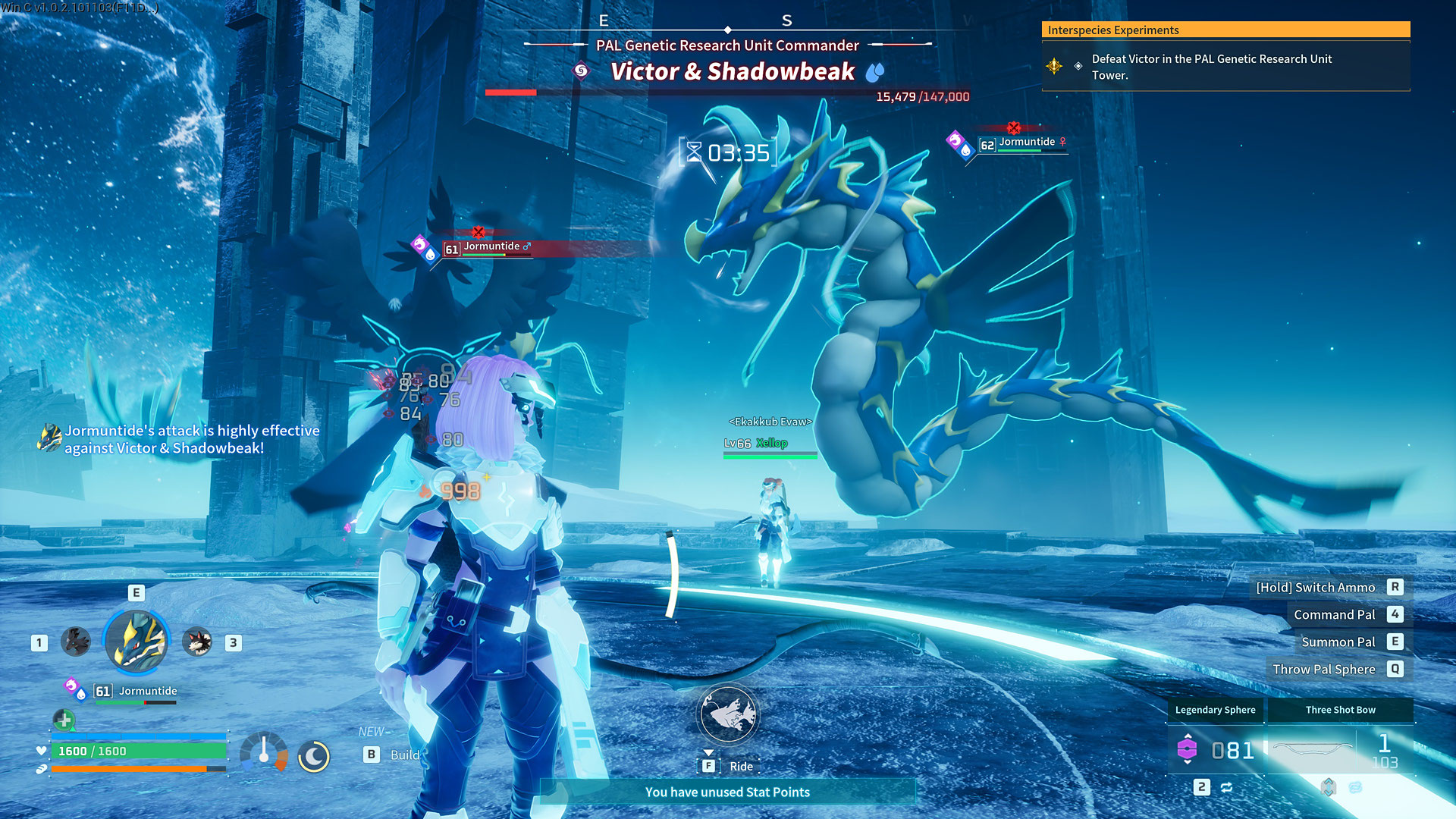
Palworld 1.0 is essentially the same game our group fell in love with back in January 2024, and depending on how you look at it, that’s either its greatest strength or its biggest problem. Pocketpair spent two and a half years in Early Access building toward this release, and the result is a bigger, smoother, and more polished version of the game we couldn’t put down at launch. What it isn’t is a more ambitious one. The core loop of exploring new zones, conquering towers, and strengthening your party of Pals is still a very solid one, but 1.0 rarely pushes beyond it.
With about 65 hours in 1.0 and close to 200 hours across three playthroughs, I can say Palworld remains a no-brainer if you’ve never played it, especially with friends. If you like creature collecting or base building in any form, you’re going to love this game, and there’s more content here than ever. Returning players hoping the full release would feel meaningfully different should temper their expectations, though. This is more Palworld, not a new one.
Old Pals Act
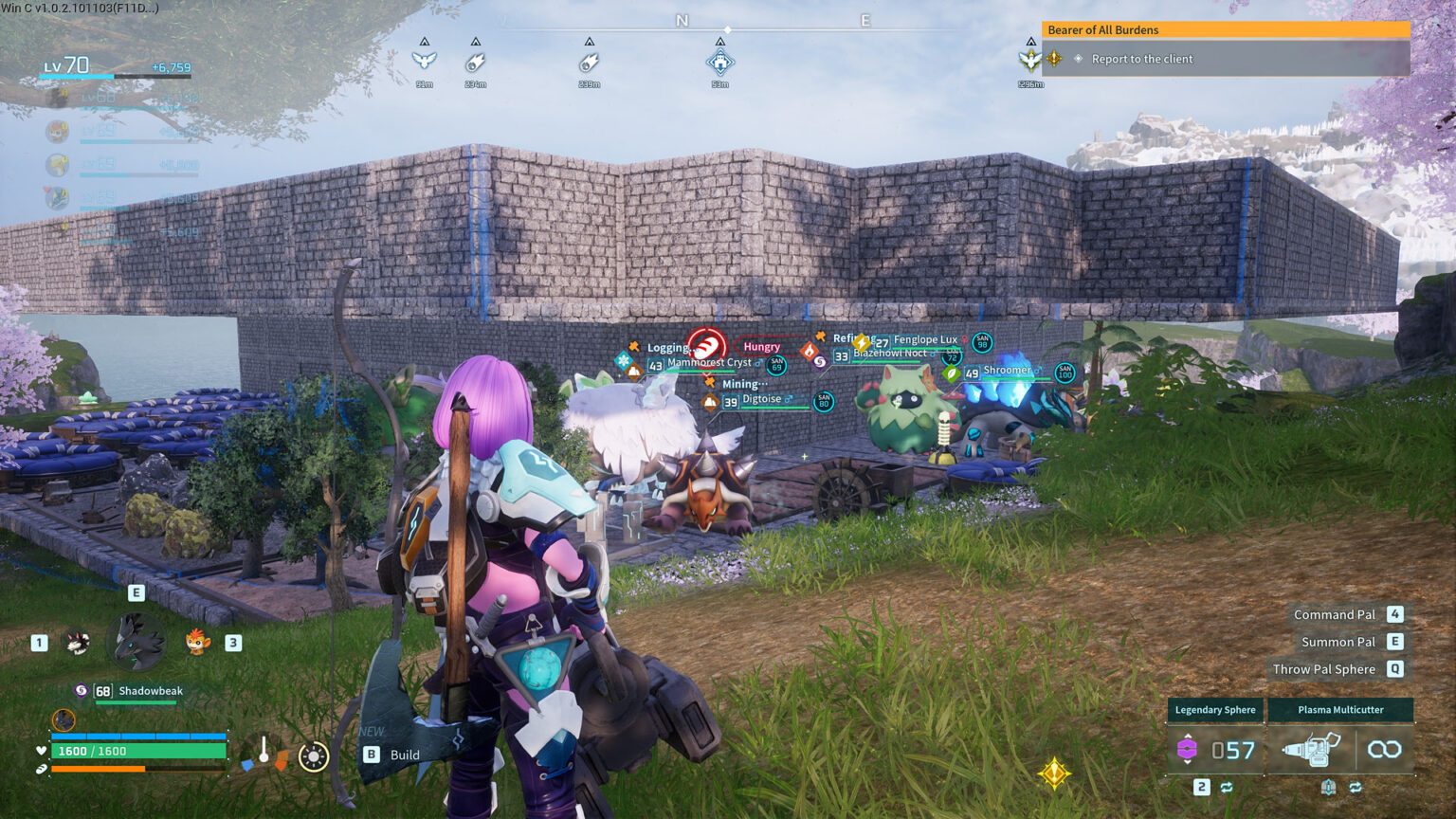
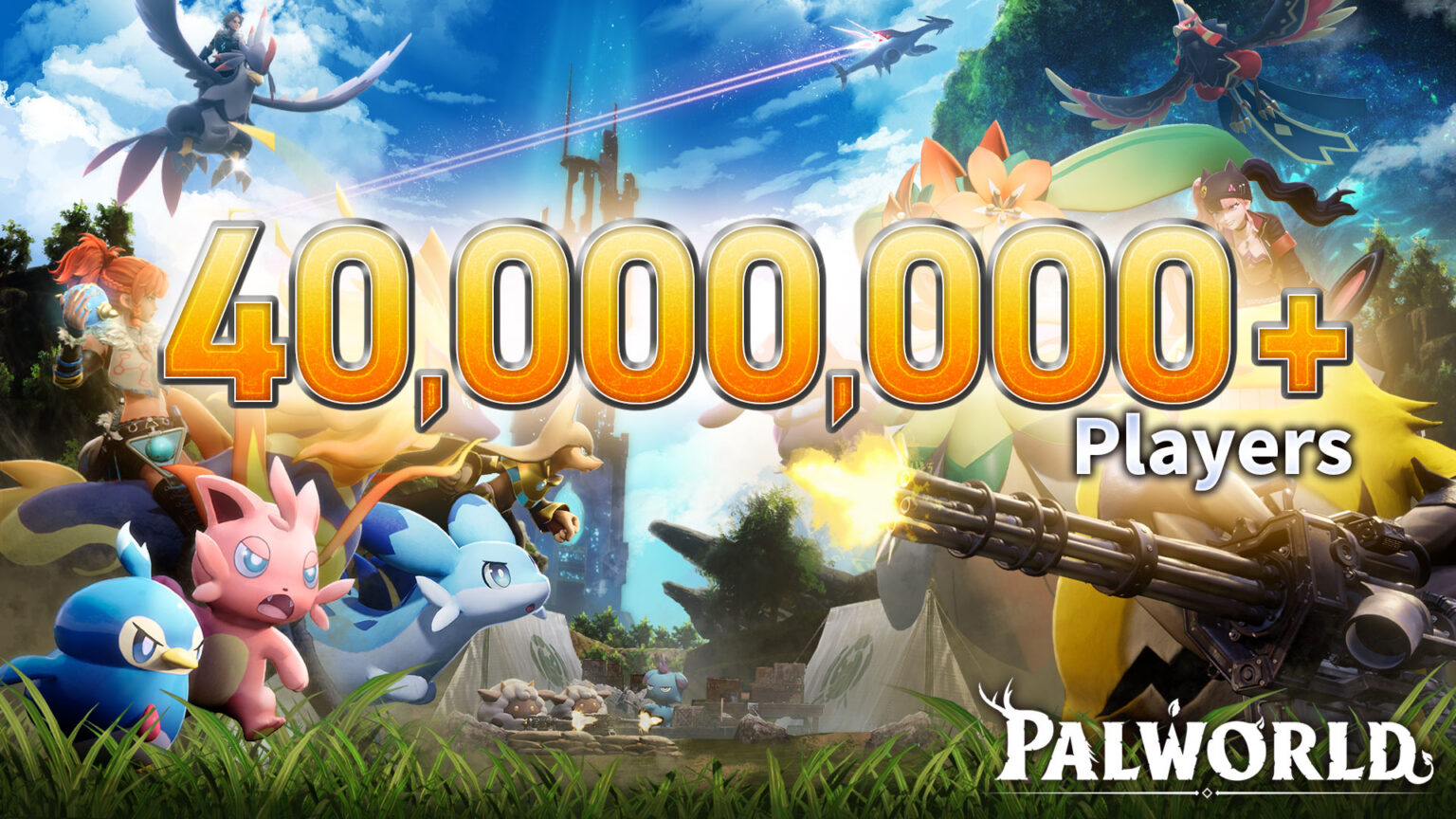
Our history with this game starts in January 2024, when Palworld’s Early Access launch sold over five million copies in three days and our group immediately lost a collective weekend to it. I called it one of the most impressive Early Access games I’d ever played back then, and since our policy is to not publish official reviews for games in Early Access, this review has been a long time coming. The game crossed 40 million players right before July’s 1.0 launch, so it’s safe to say plenty of people didn’t wait for the label to come off.
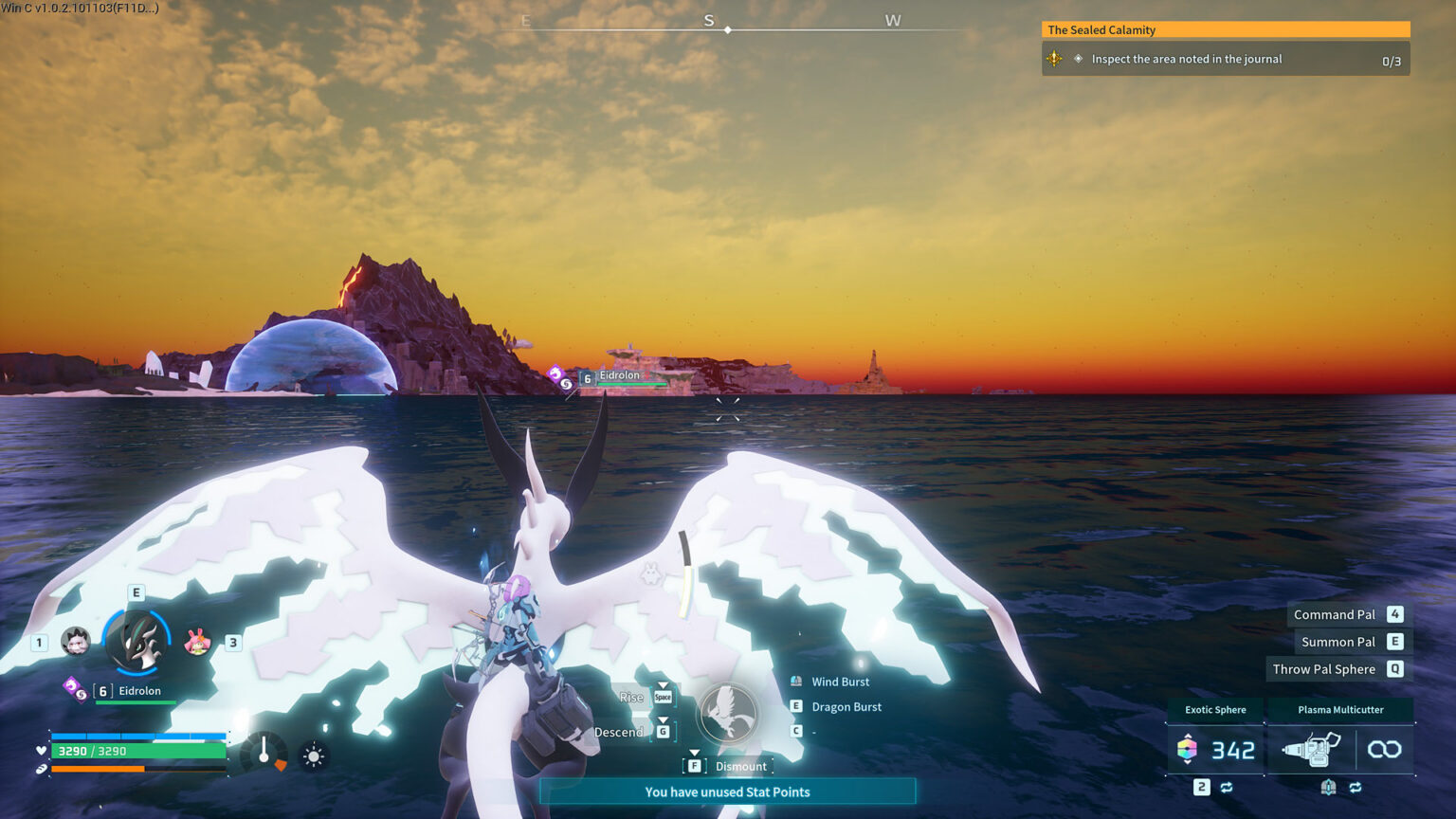
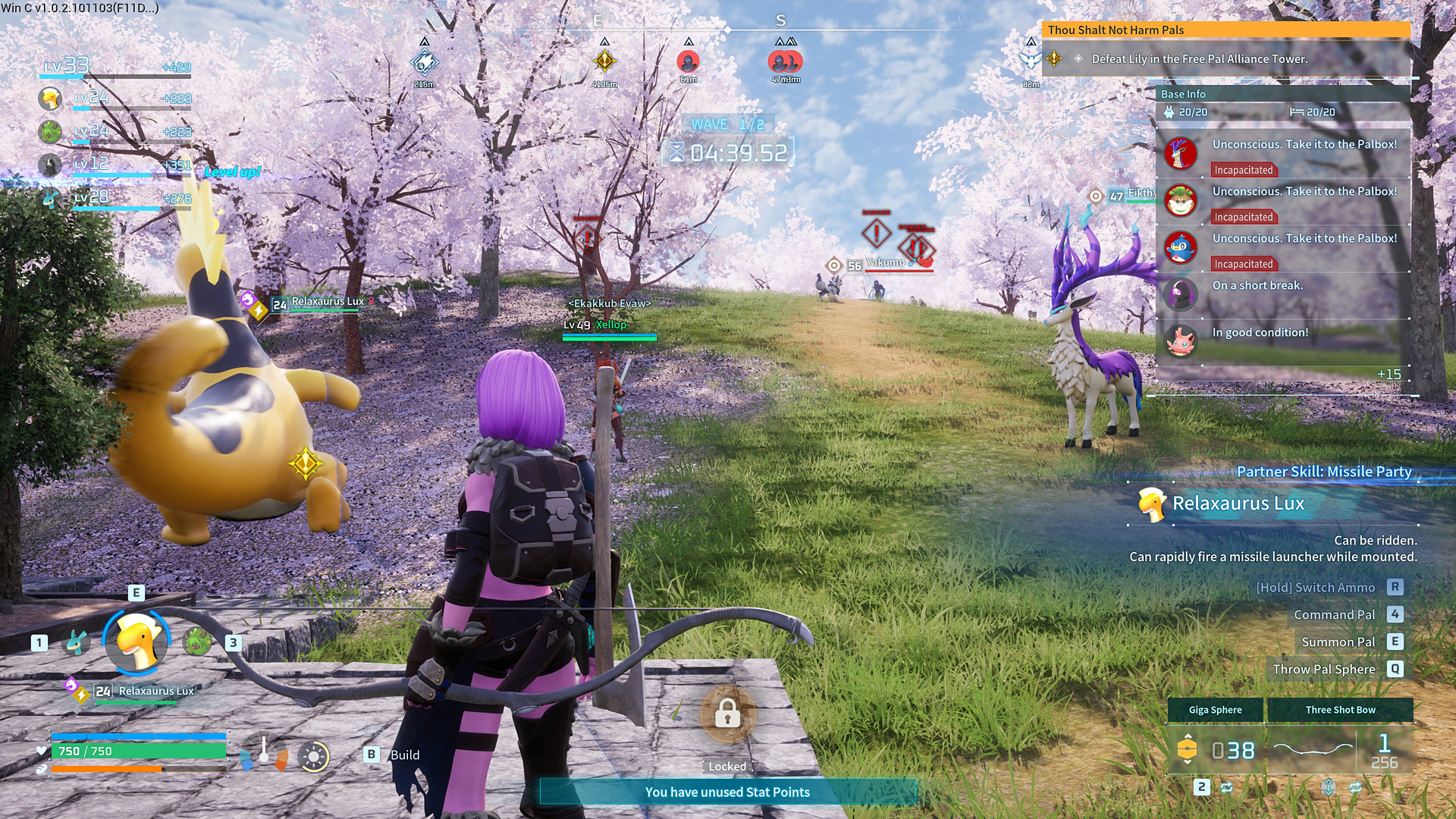
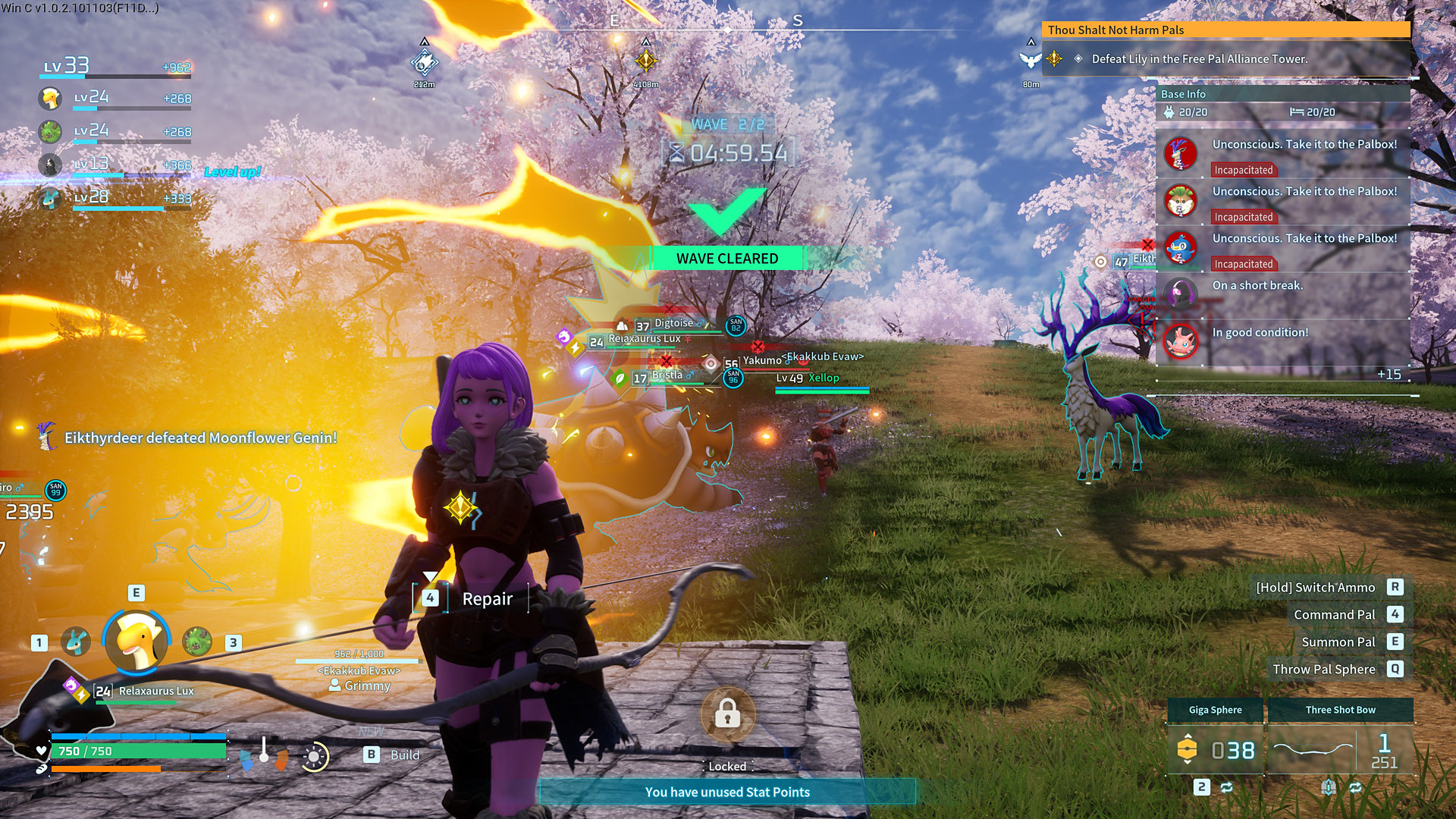
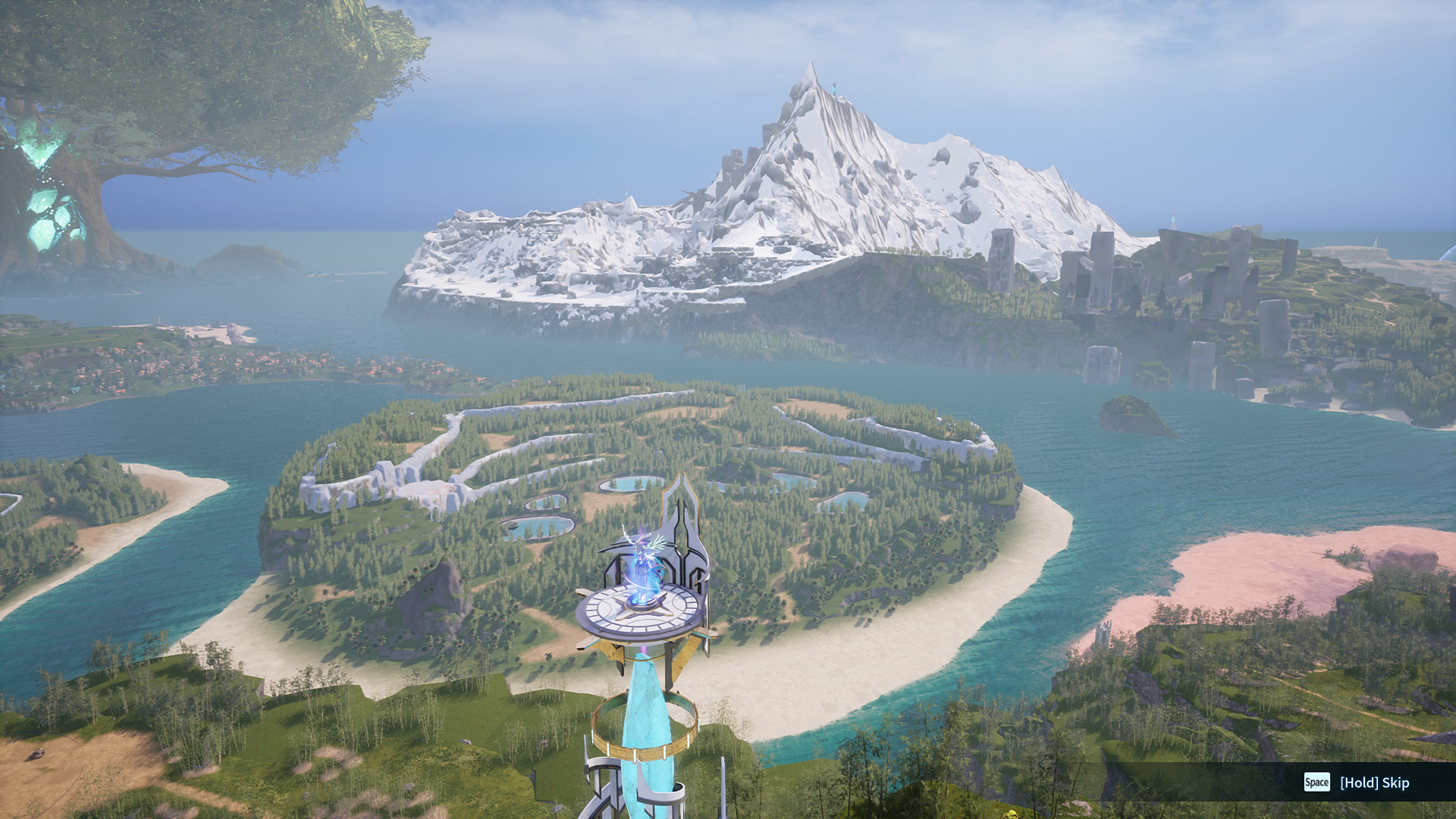
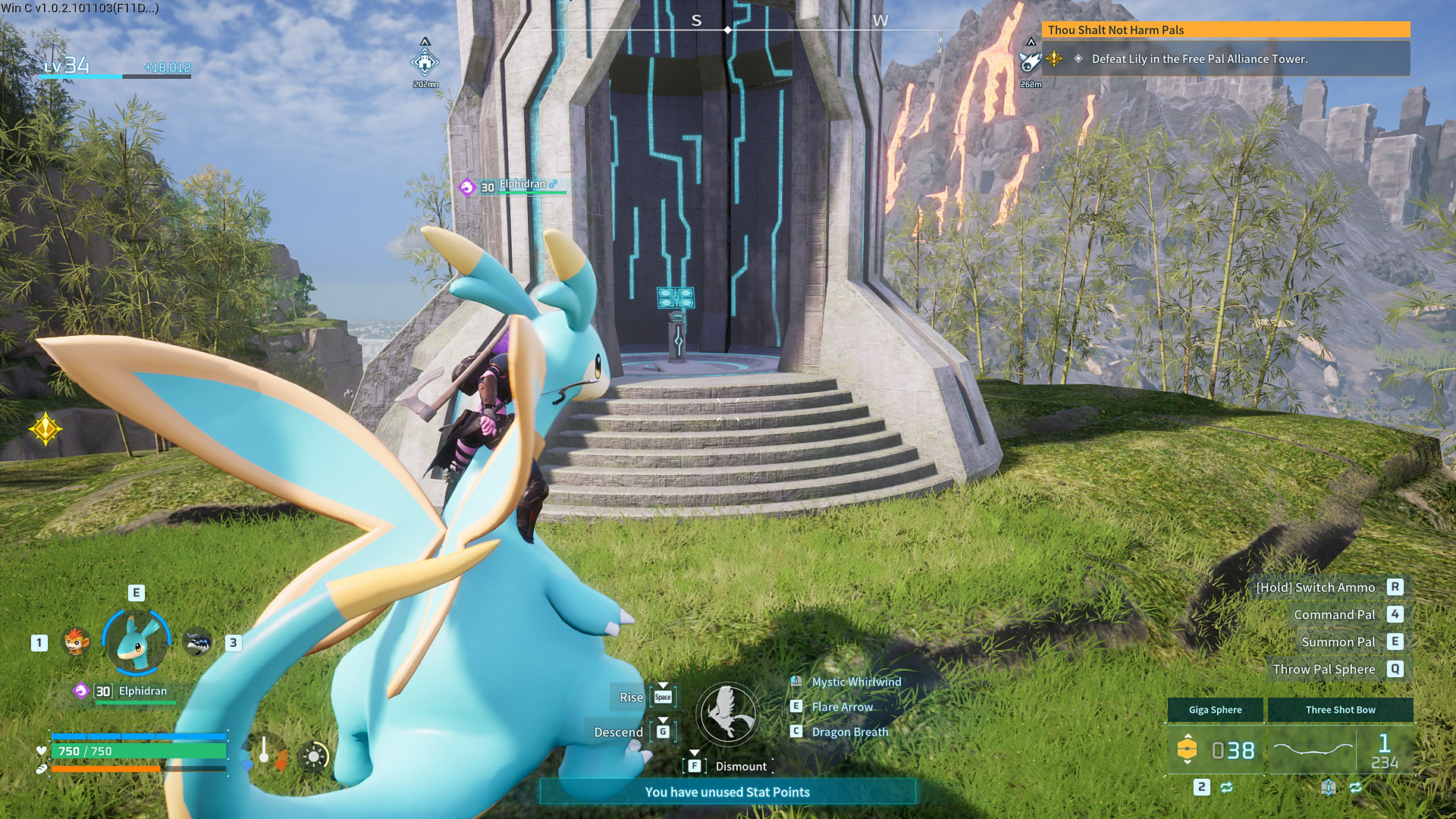
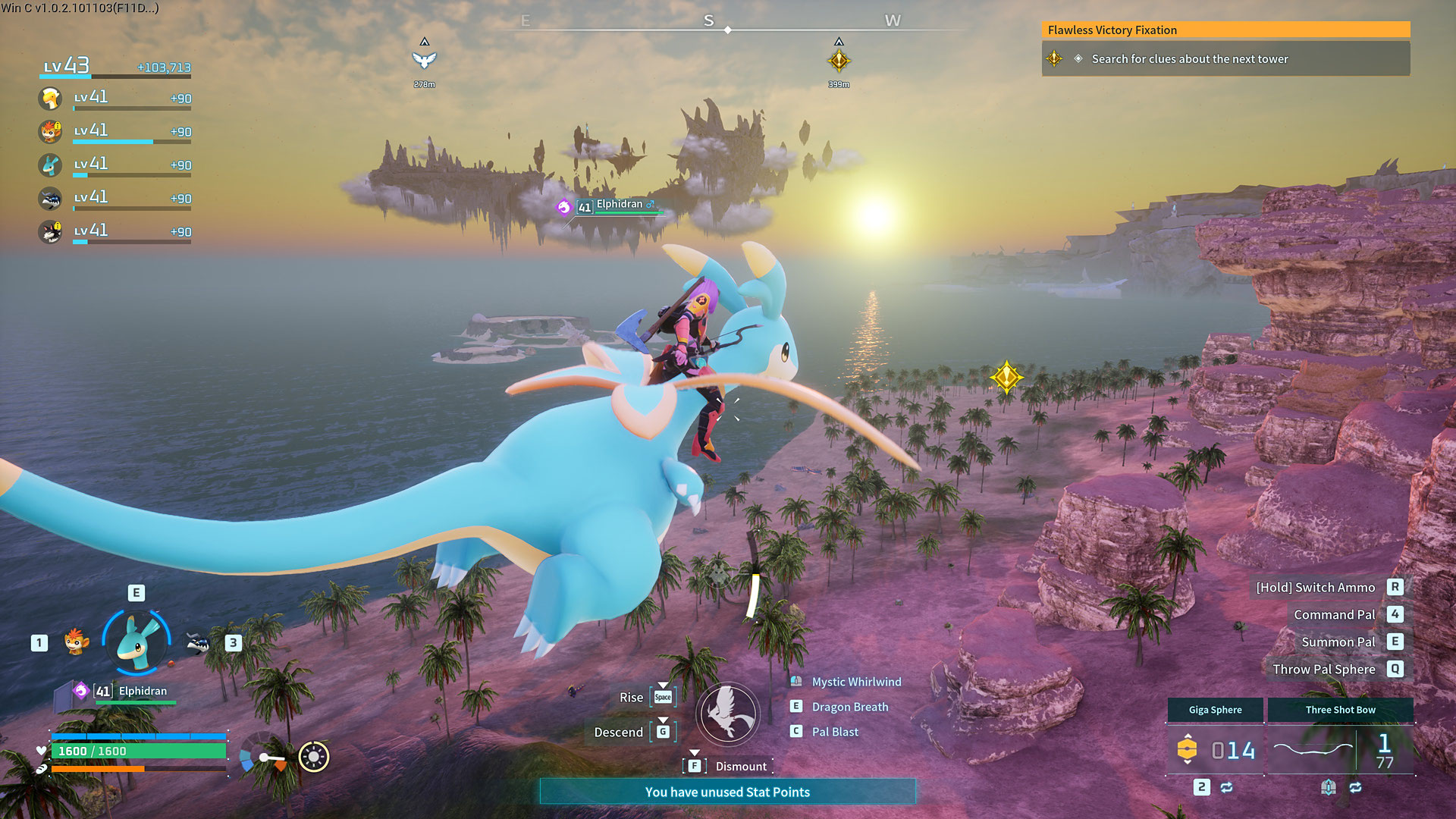
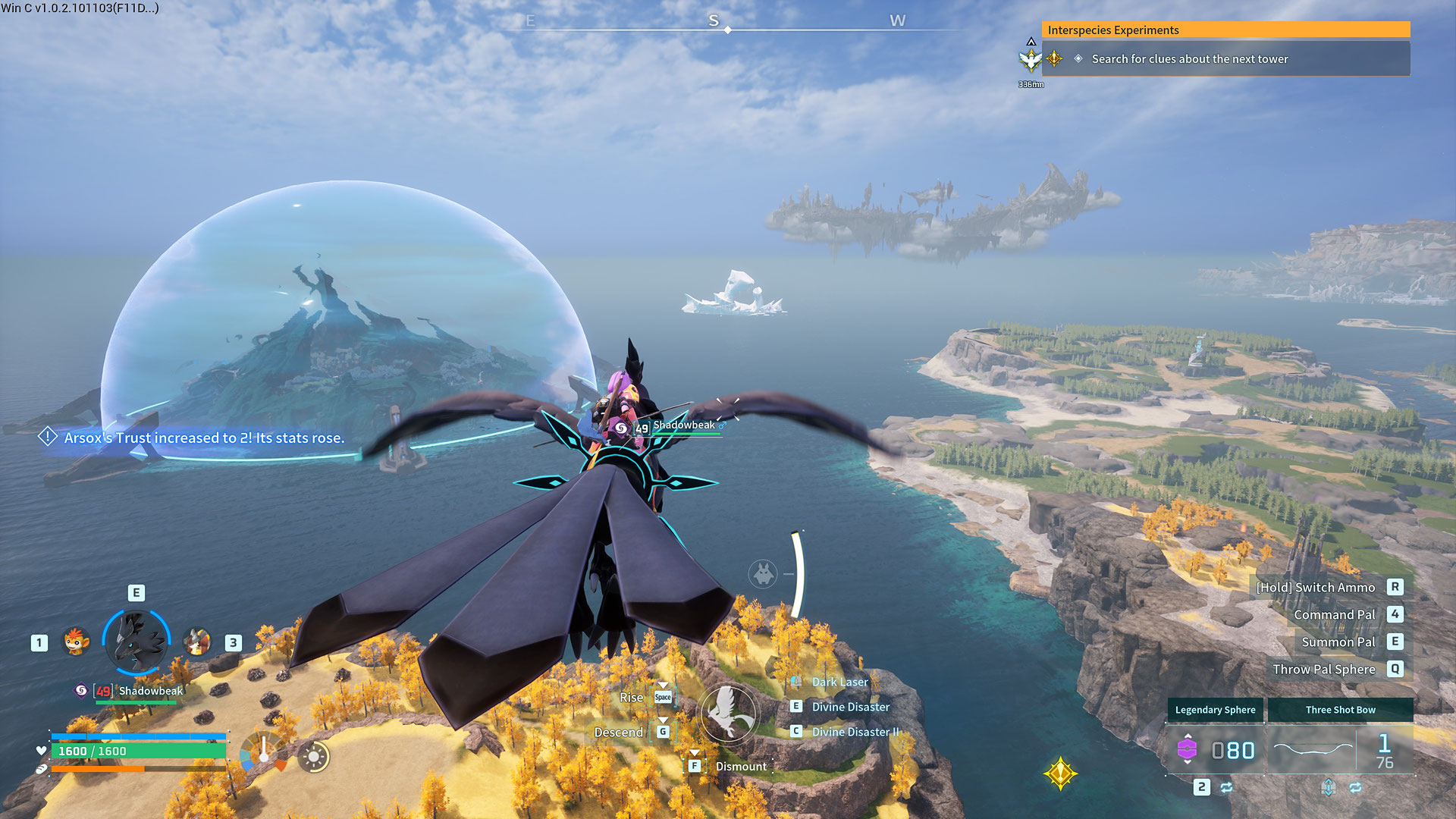
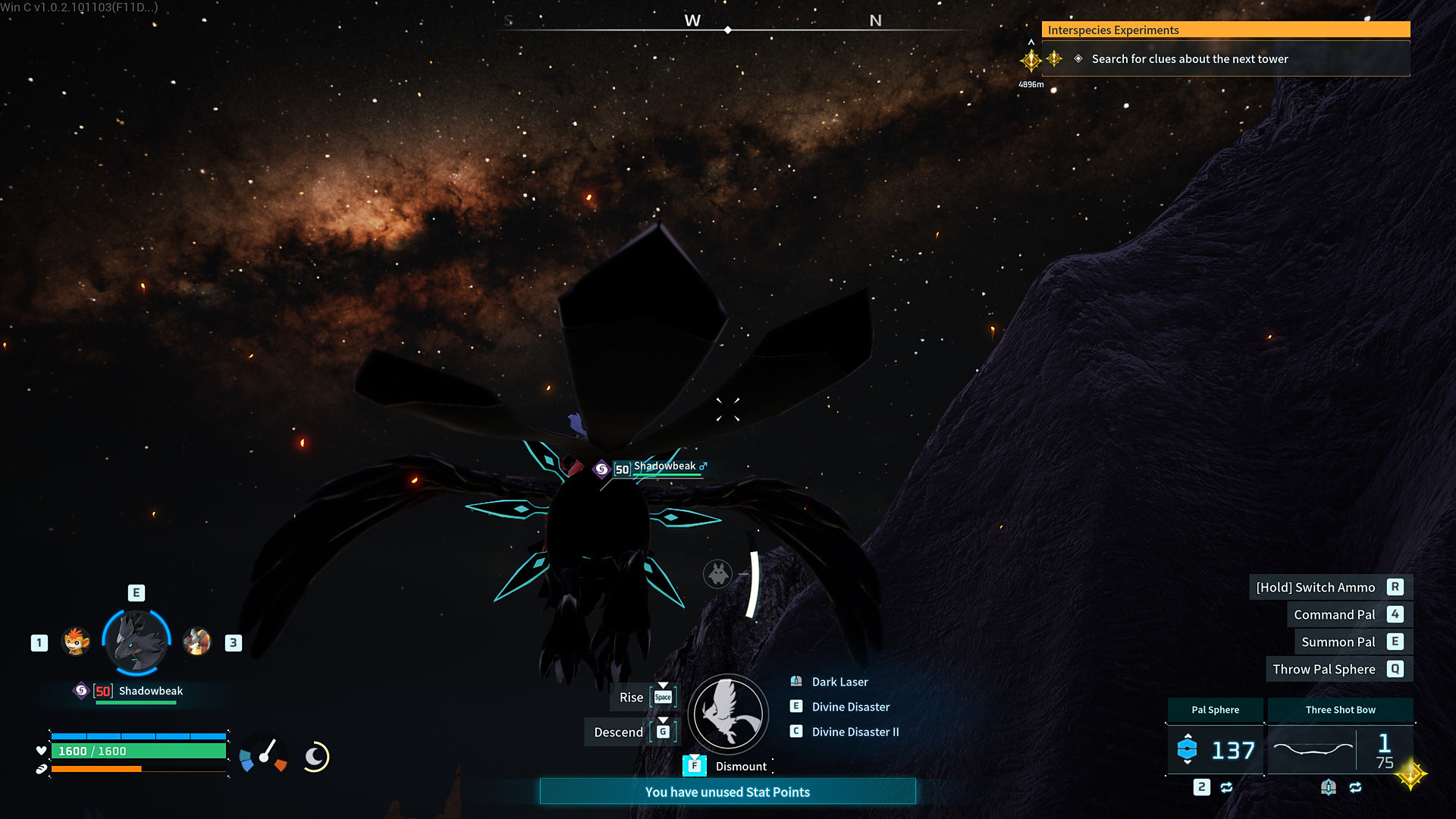
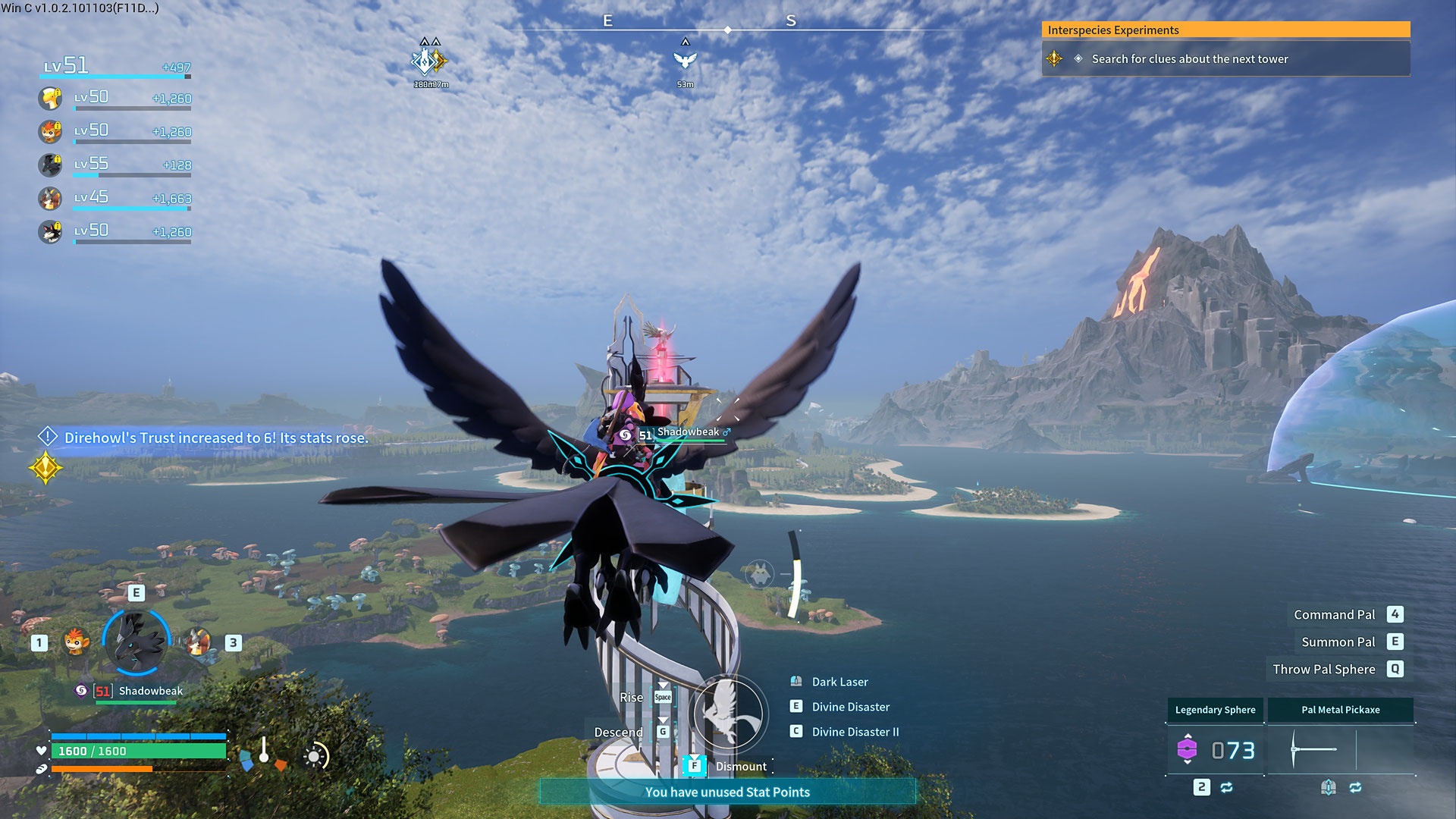
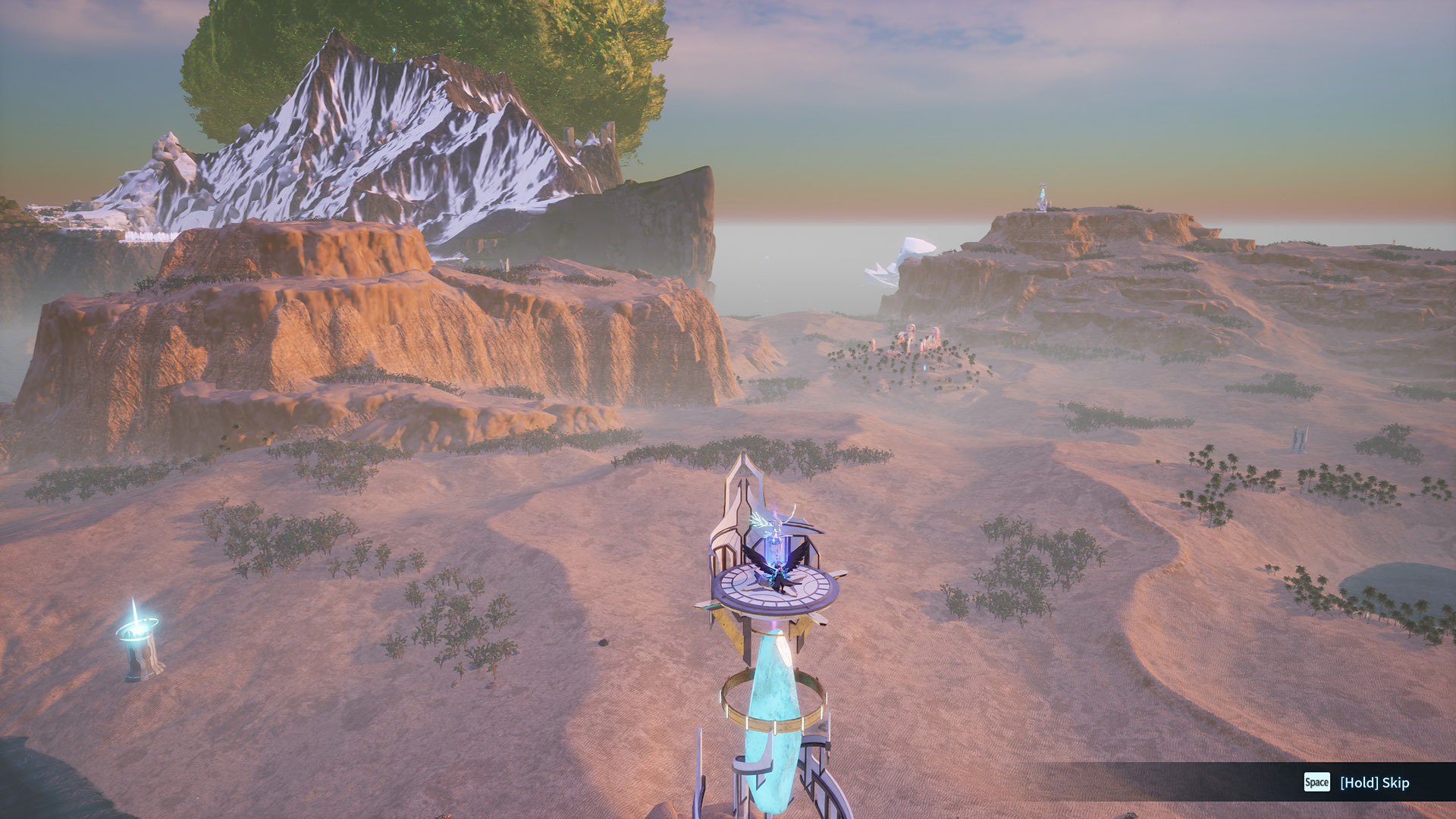
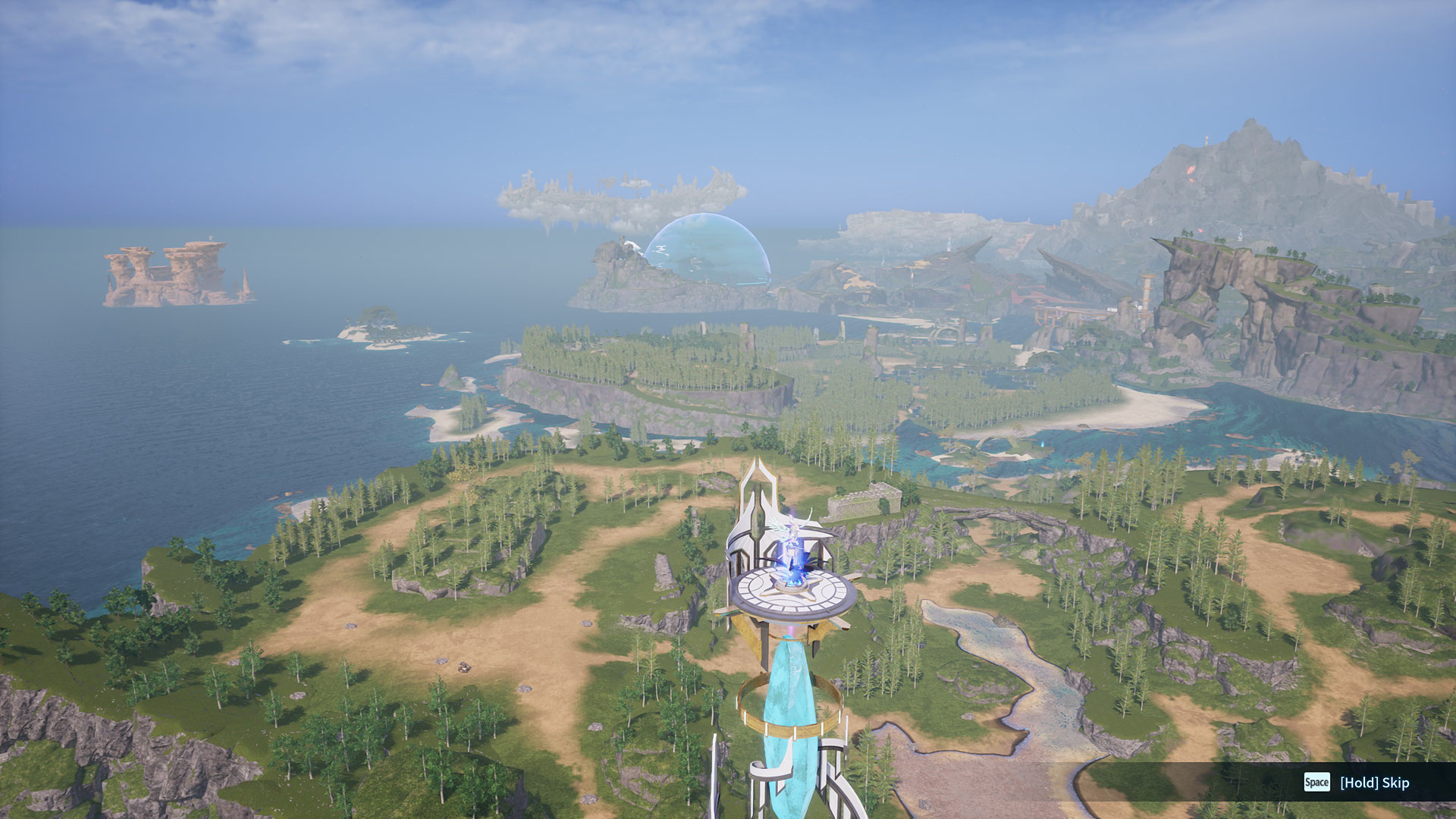
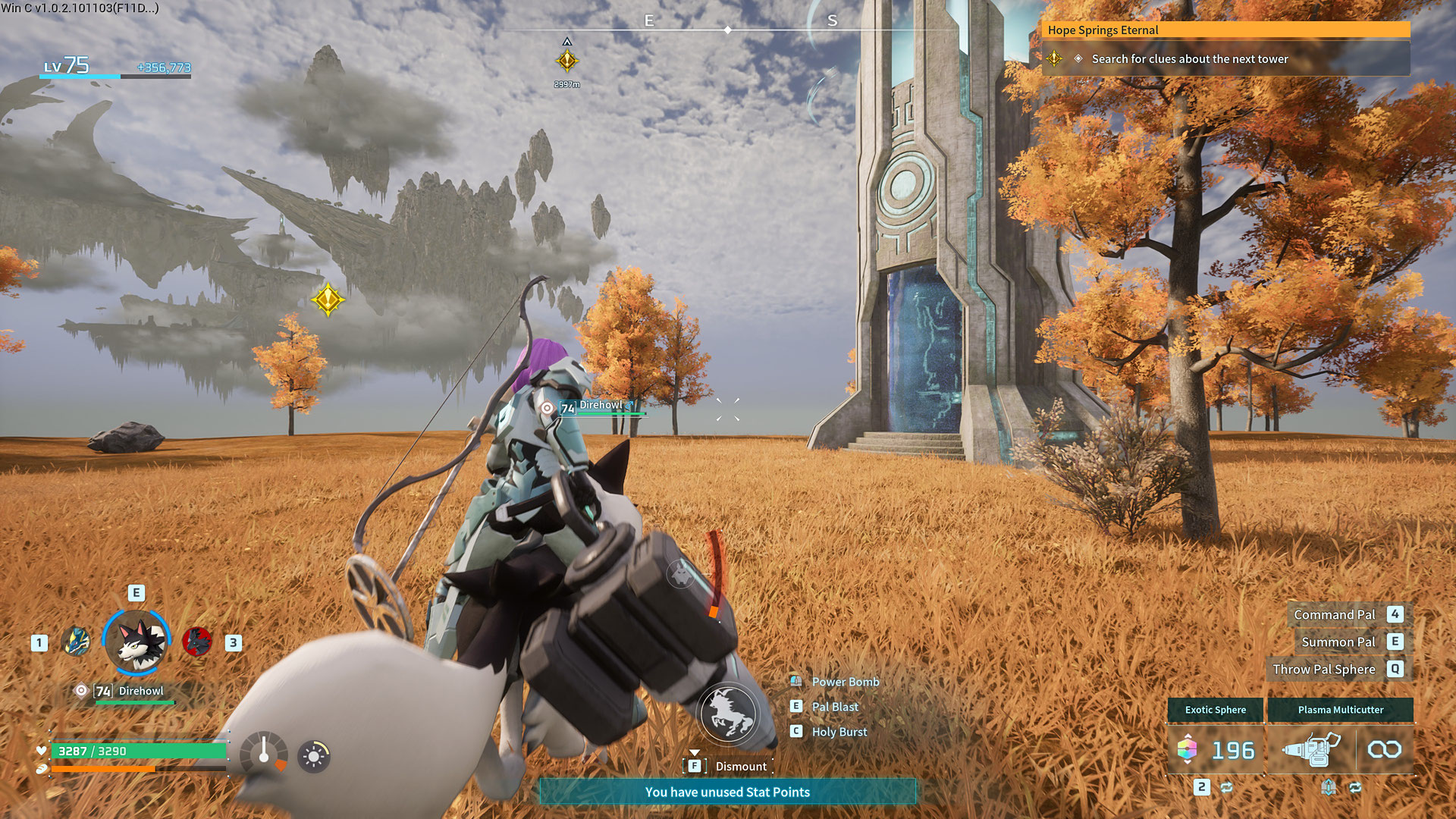
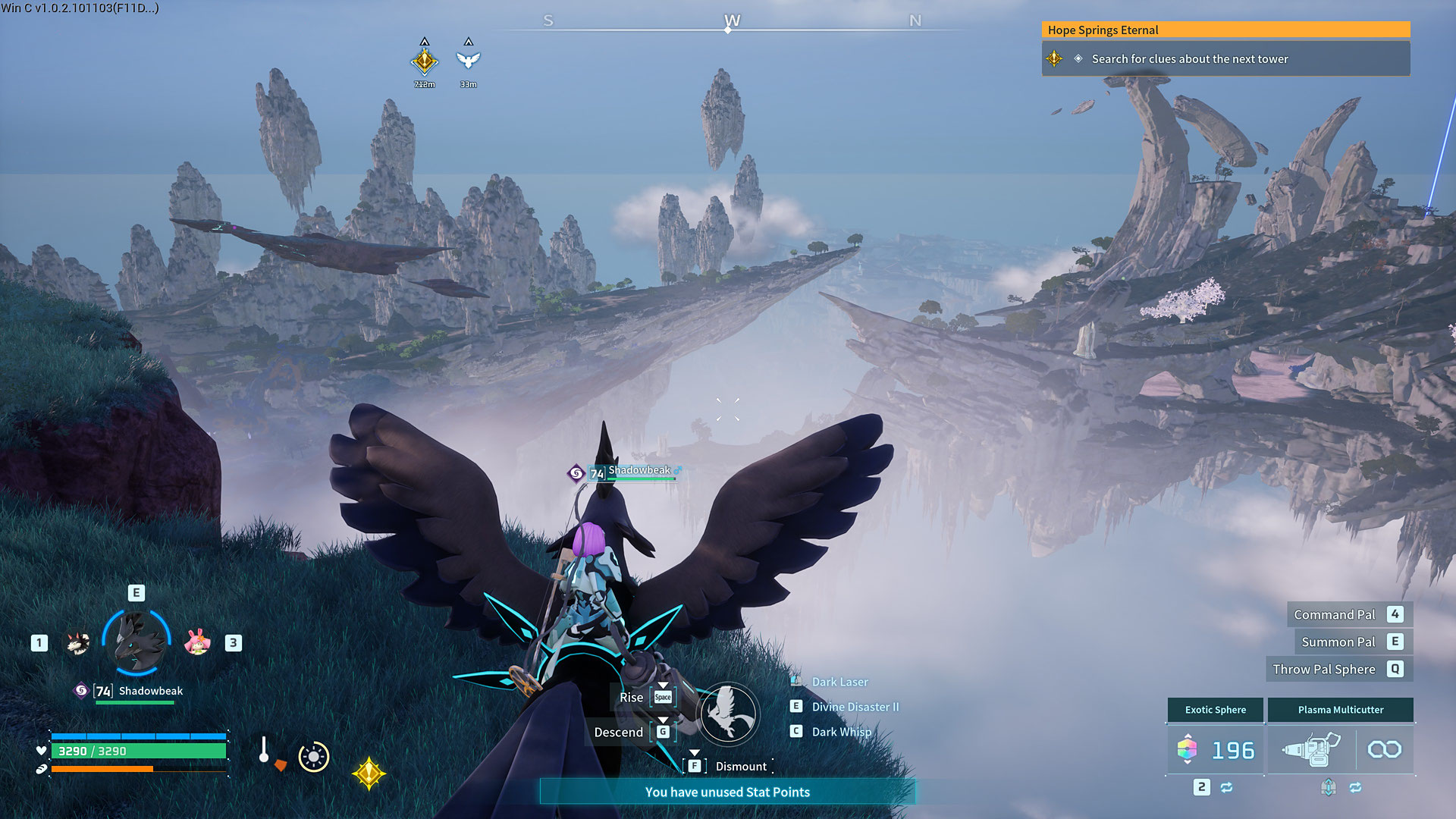
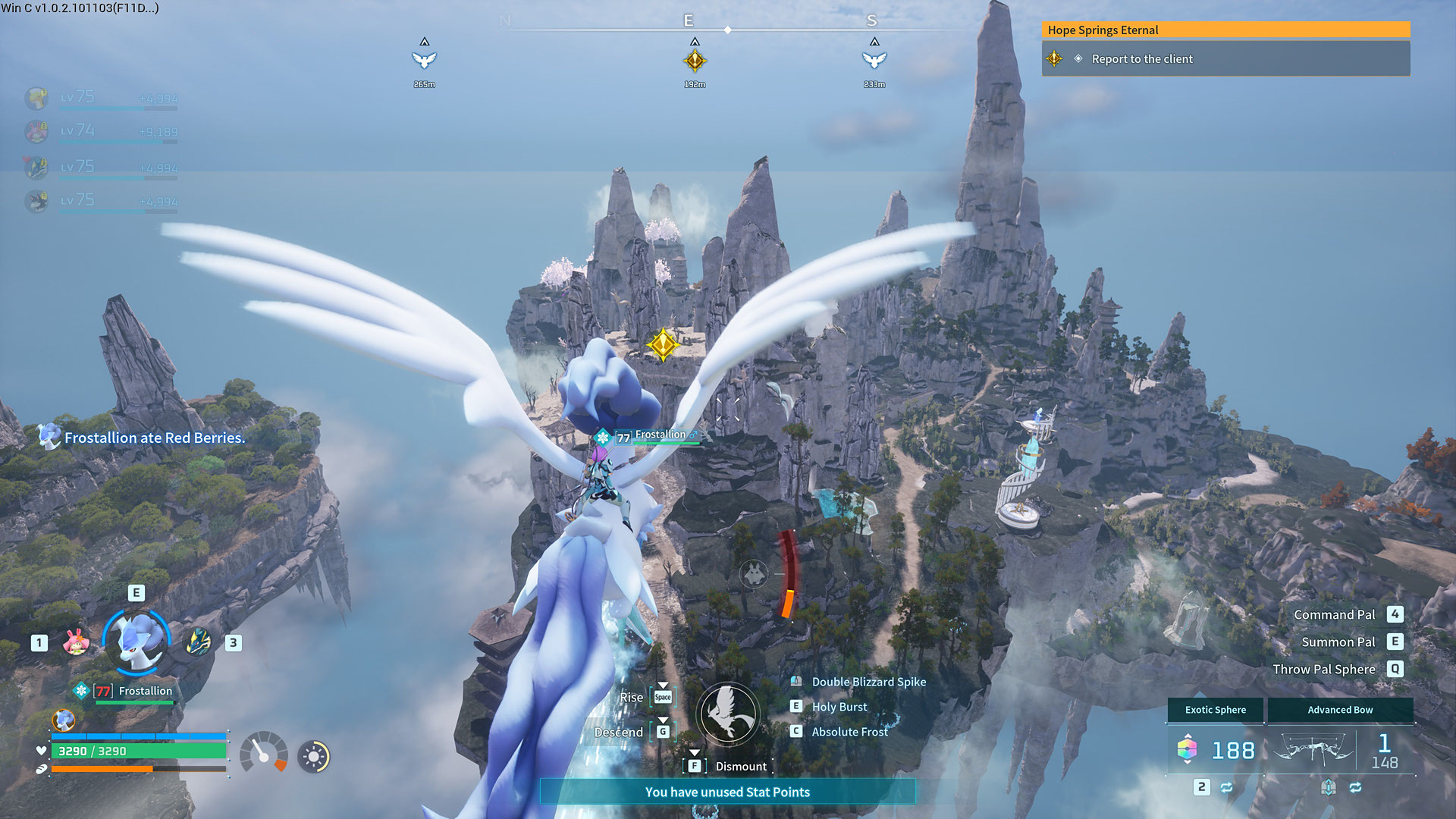
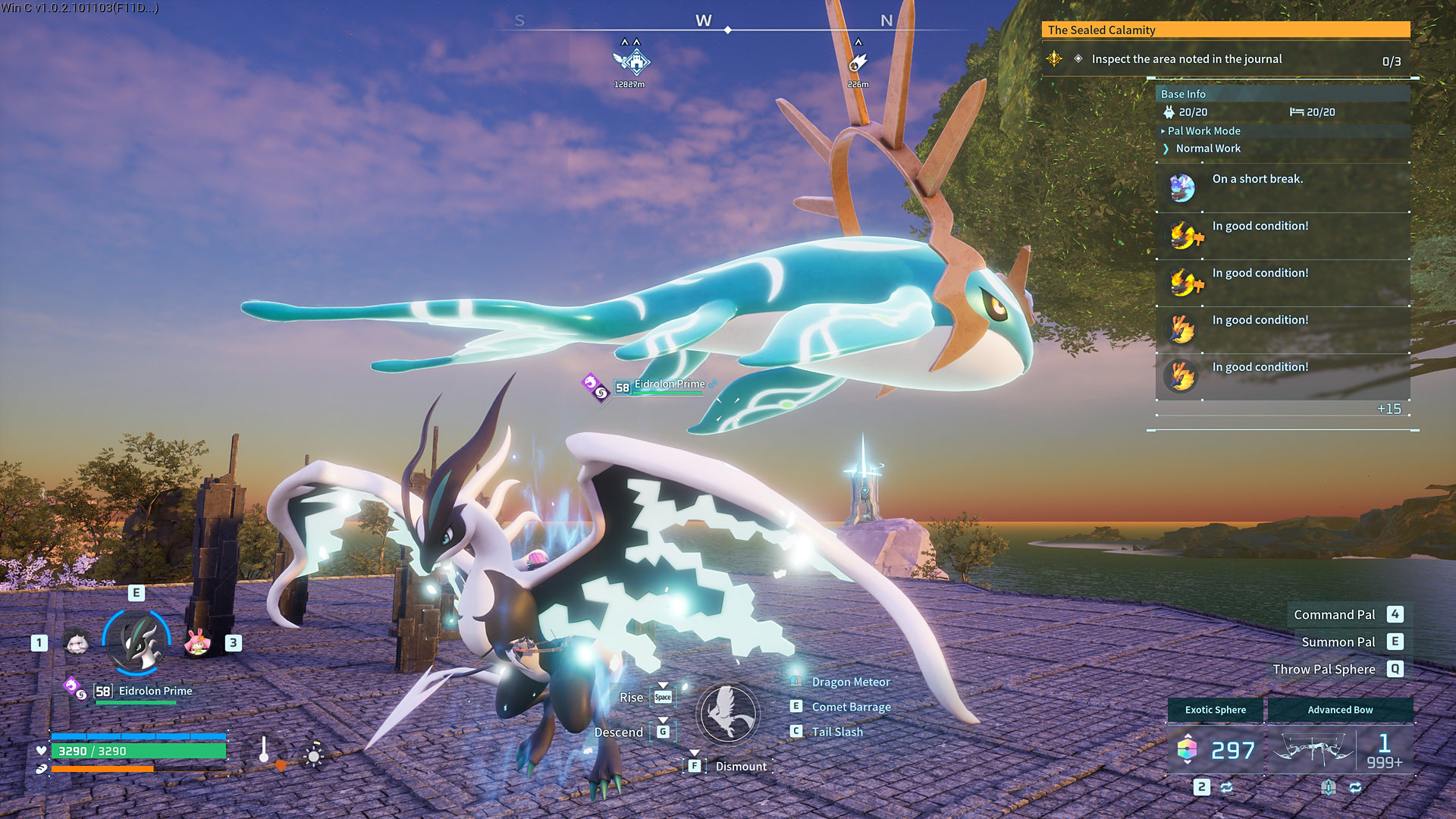
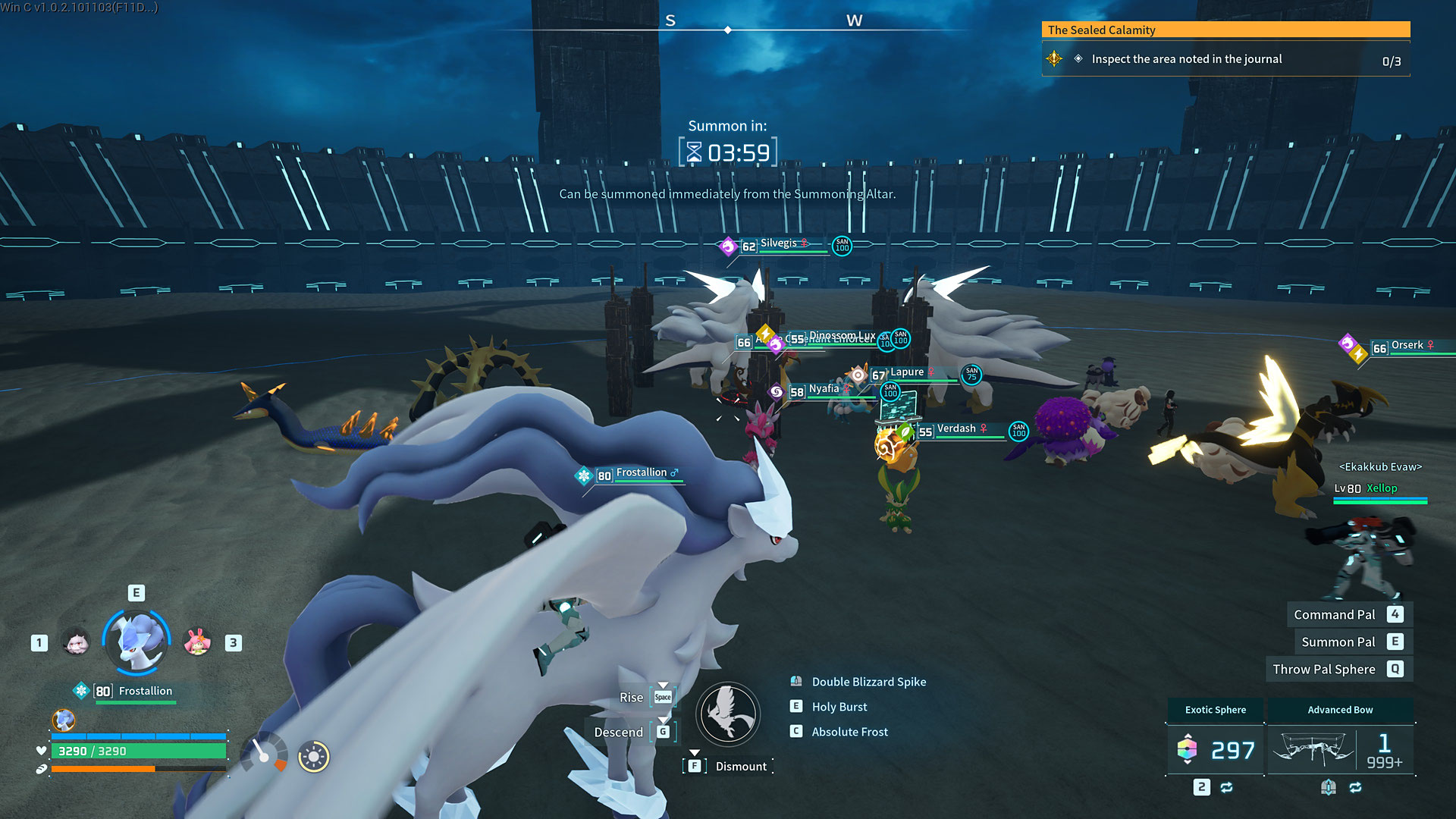
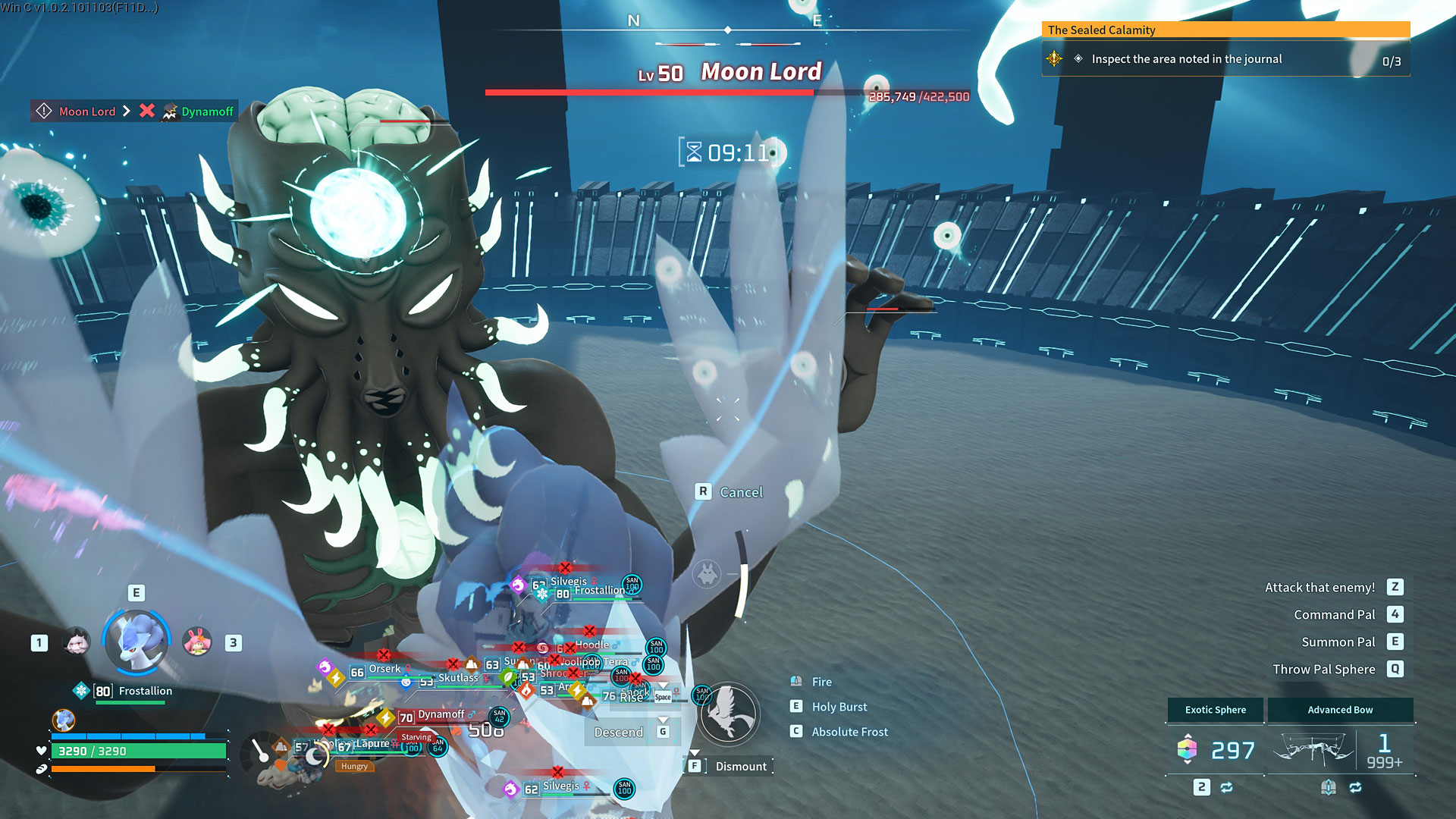
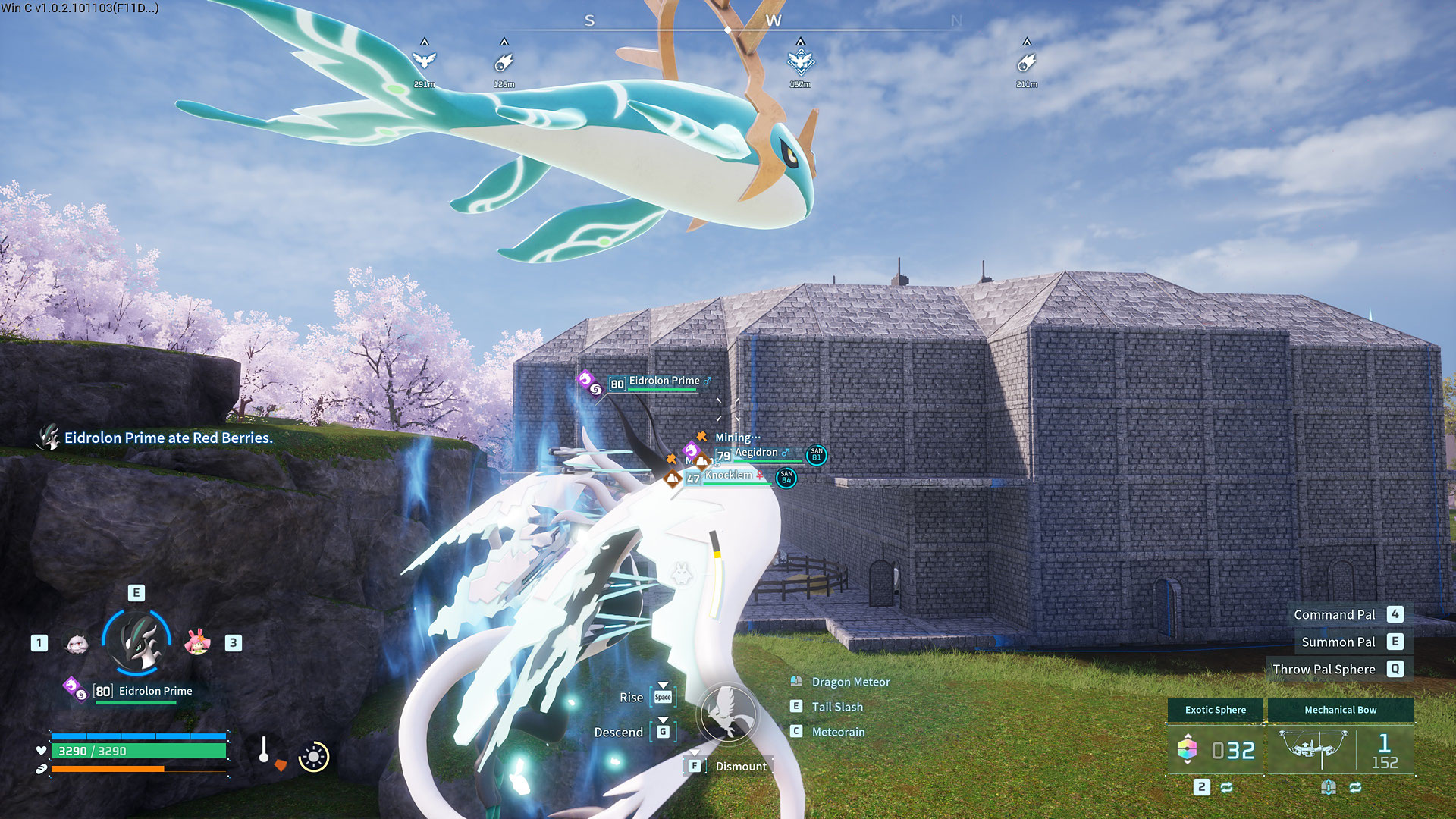
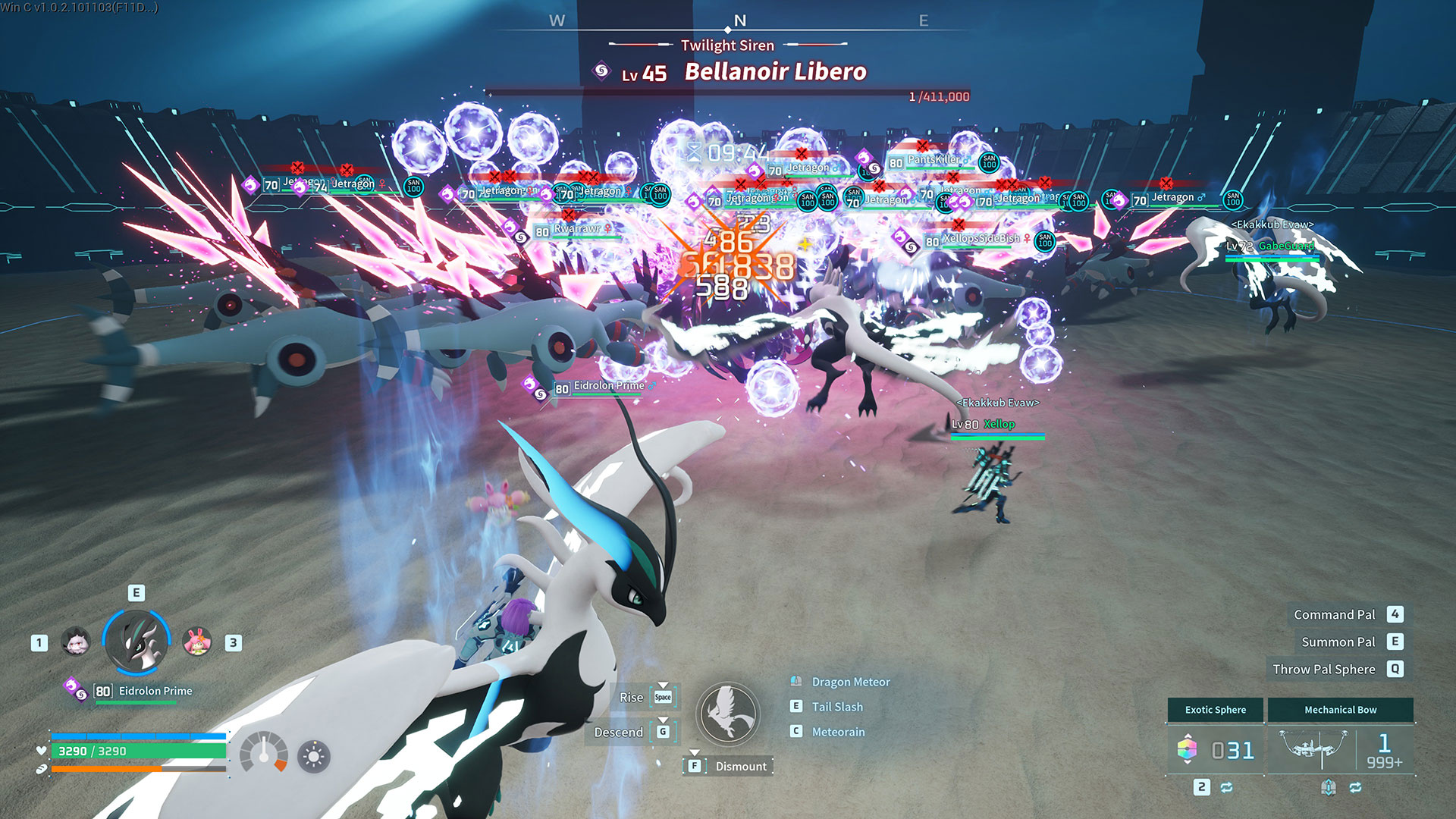
As for what the full release actually adds, the 1.0 changelog was one of the longest I’ve ever had to sort through. The headliners are Sunreach, a new set of islands floating in the sky above Palpagos, and the World Tree, the final zone at the heart of the game’s reworked story. The update also brings 72 new Pals, made up of 47 brand new ones and 25 variants, pushing the roster to 287, while the level cap jumps from 65 to 80 with new Awakening and Mutation systems to chase.
This marks our third playthrough as a group, and since we’ve already been through a good chunk of the game twice before, we tweaked some server settings to speed things up this time around. Even with those adjustments, we’ve sunk about 65 hours into 1.0, which should tell you something about how well the loop still holds up. Whatever else I say from here, the game clearly still works on us.
Listful Thinking
Two weeks into Early Access, we published a list of 20 improvements for a better Palworld, and I’m genuinely surprised by how many of them made it into 1.0. The Ring of Mercy is essentially the false swipe mechanic we asked for, preventing your attacks from incapacitating a Pal you’re trying to capture. Breeding has been overhauled so getting the traits you want isn’t nearly as painful as before, moving materials between bases is much easier, and managing your Pals and what they do around the base has improved considerably.
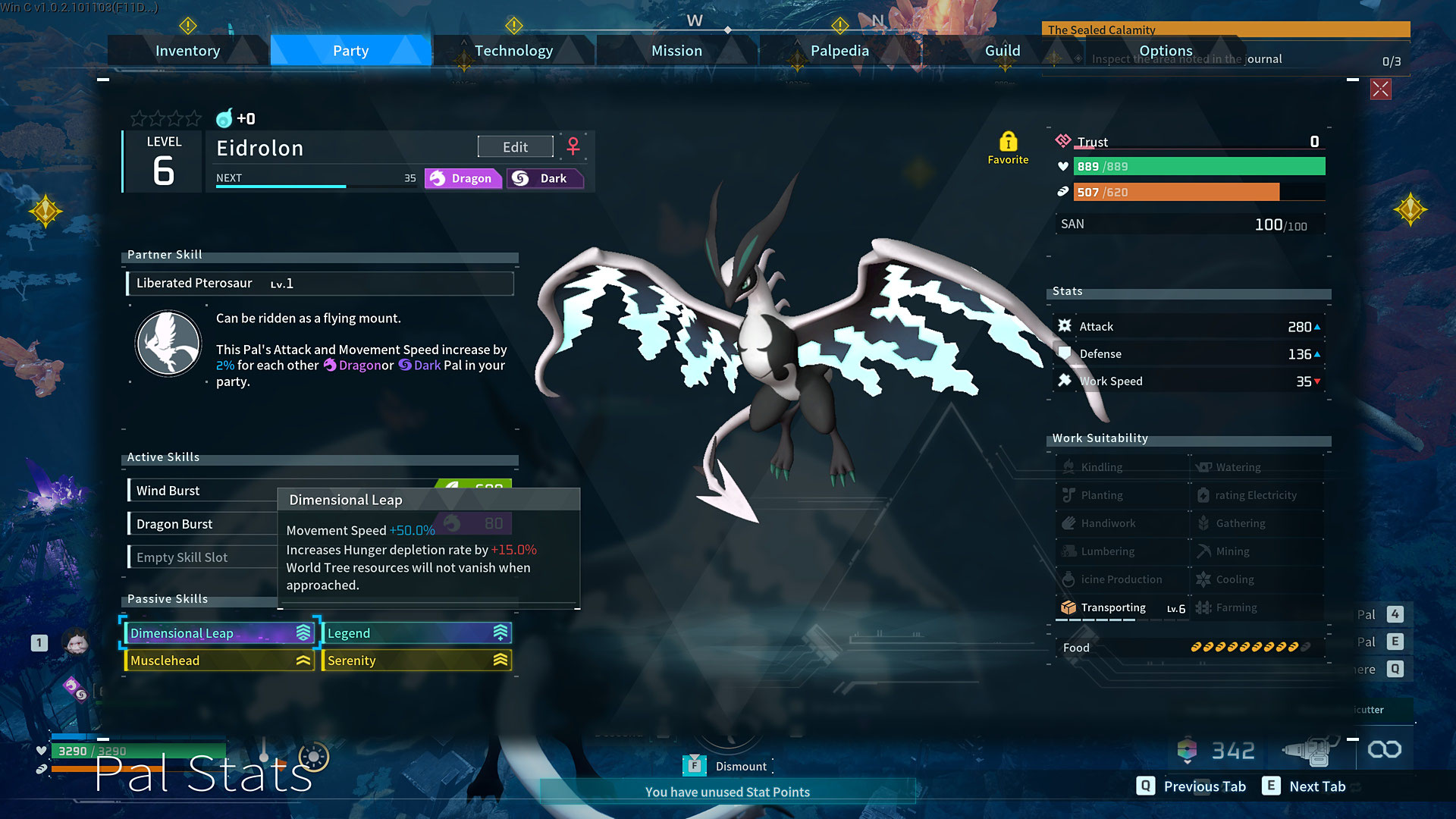
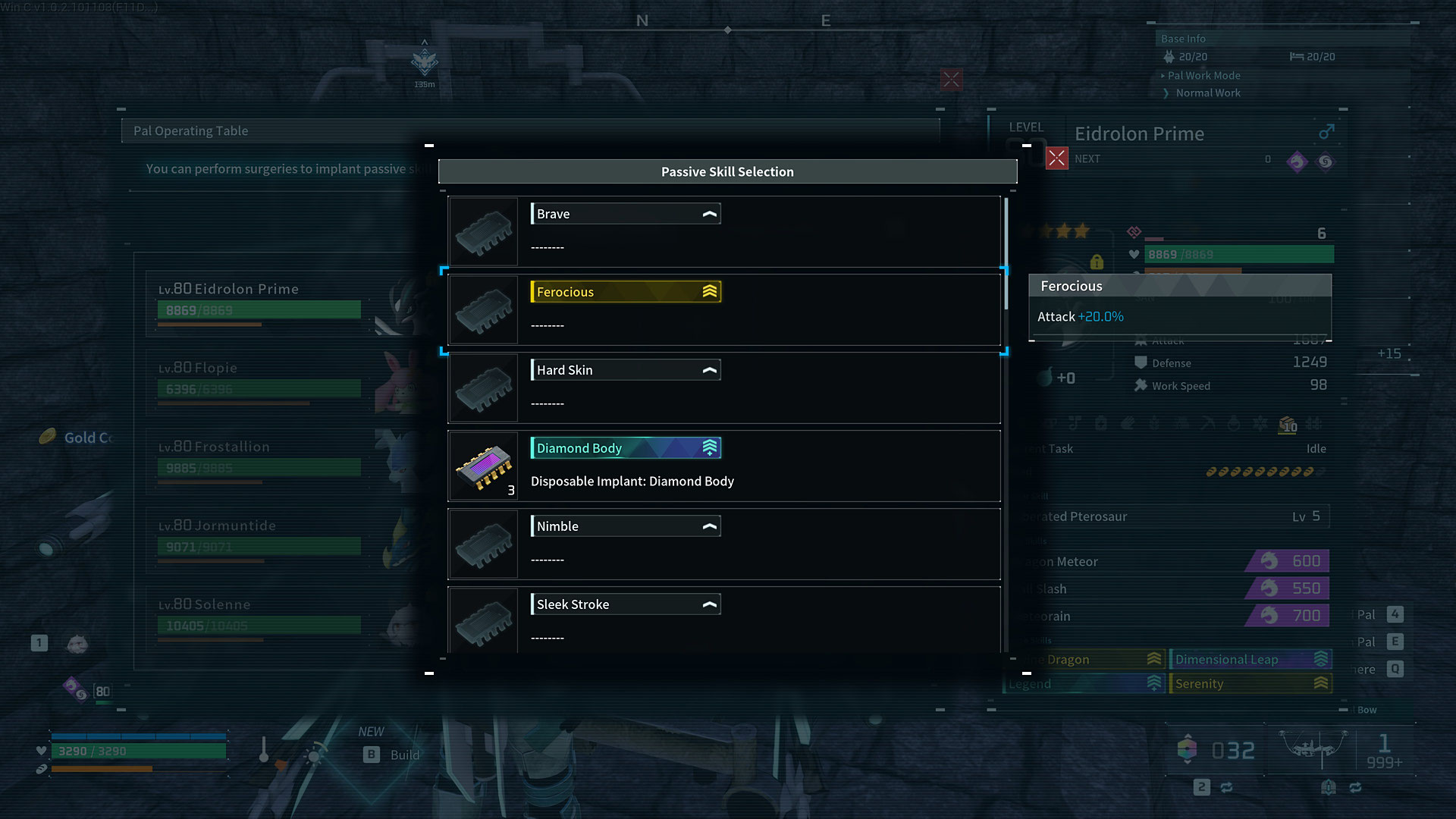
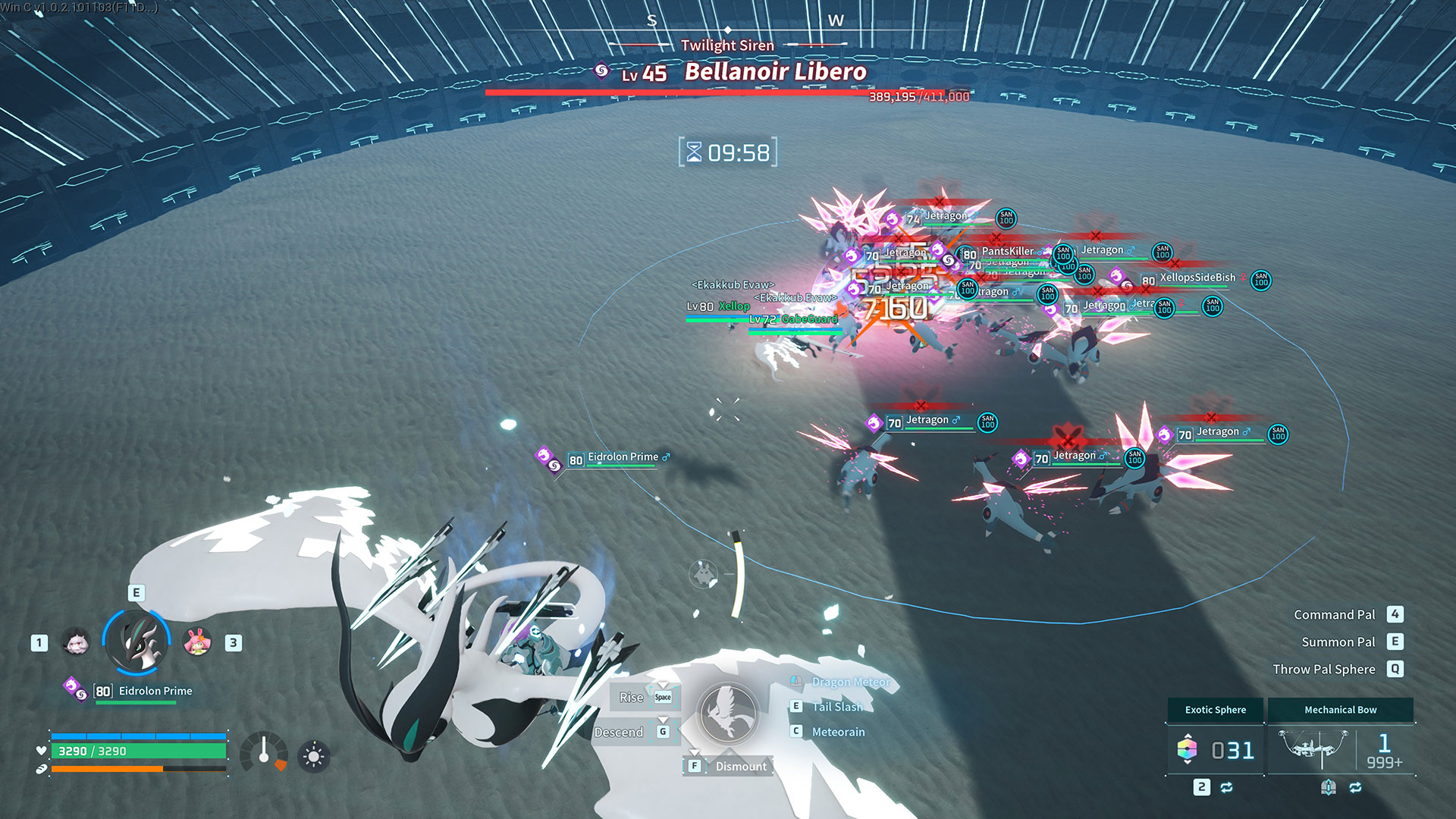
Beyond the wishlist items, there are a lot more skills and ways to customize your Pals than before, to the point where combat can center around your Pals and their skills rather than whatever weapon you have equipped. You can still do substantial damage yourself, but in 1.0, that feels more like an option than a requirement. Combined with the Pal Surgery Table taking the pain out of chasing traits, building a specific team is more satisfying than it’s ever been.
Not everything on our list made it into 1.0, though, and a couple of the misses are the ones I cared about most. There’s still no way to relocate structures without disassembling them entirely, and the game still hasn’t addressed how long it takes to craft necessities like spheres. Even the Ring of Mercy’s execution is a bit baffling, since you have to open your inventory and equip or unequip it every time you decide whether a Pal gets captured or killed. There’s nothing strategic about remembering a menu, and a simple toggle would have done the job.
Sphere and Loathing
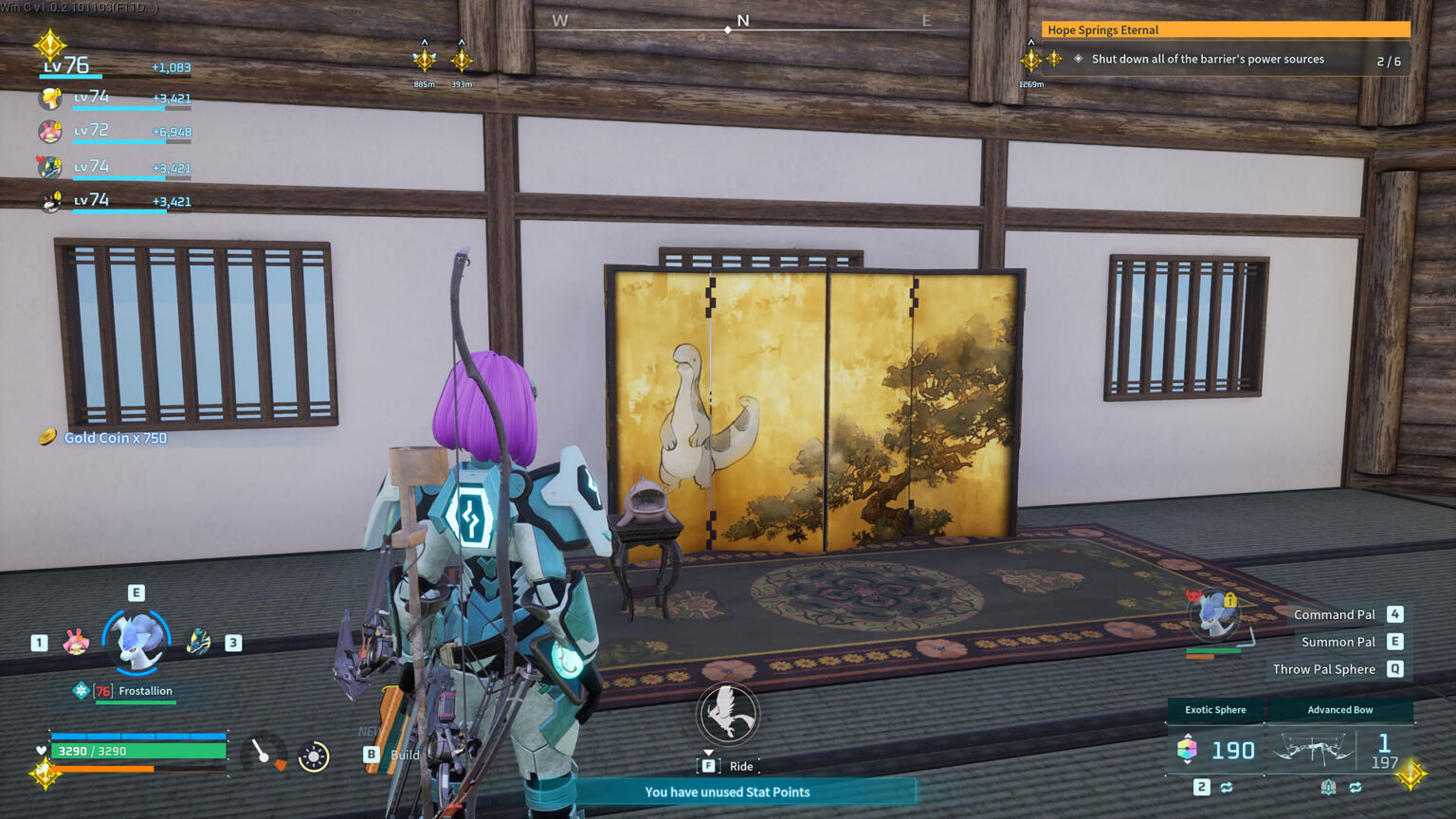
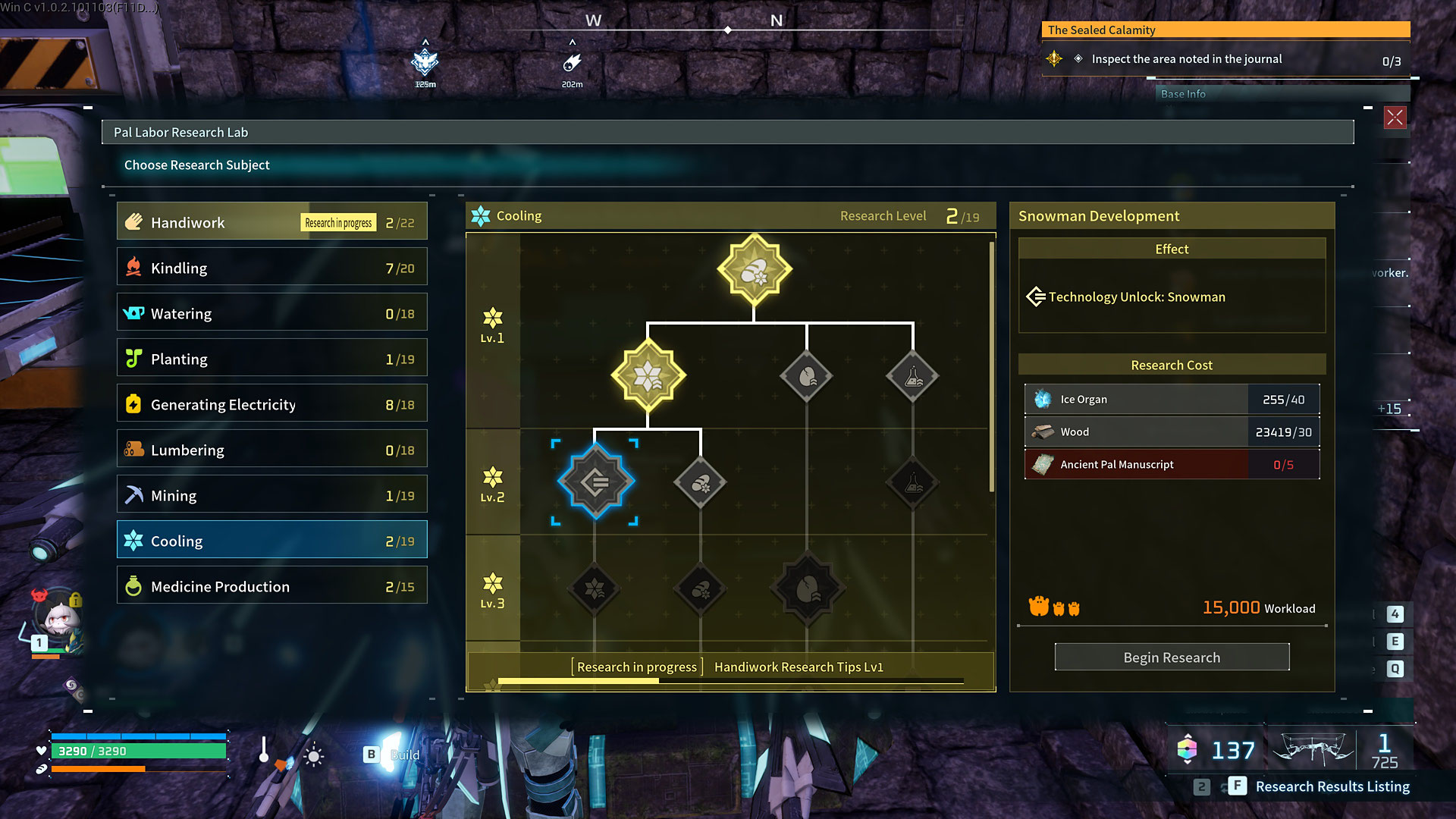
That sphere complaint deserves its own section, because the endgame economy is where 1.0 lost me. Everything at the end of the game funnels through World Tree Holy Water, a material that drops randomly from Pals in the World Tree and, at least from what we’ve seen, can’t be obtained anywhere else. You need it for Paloxite Ingots, which means you effectively need it for everything at the end of the game. The intended answer is building an efficient farming team that increases drops, but I didn’t exactly find that very fun.
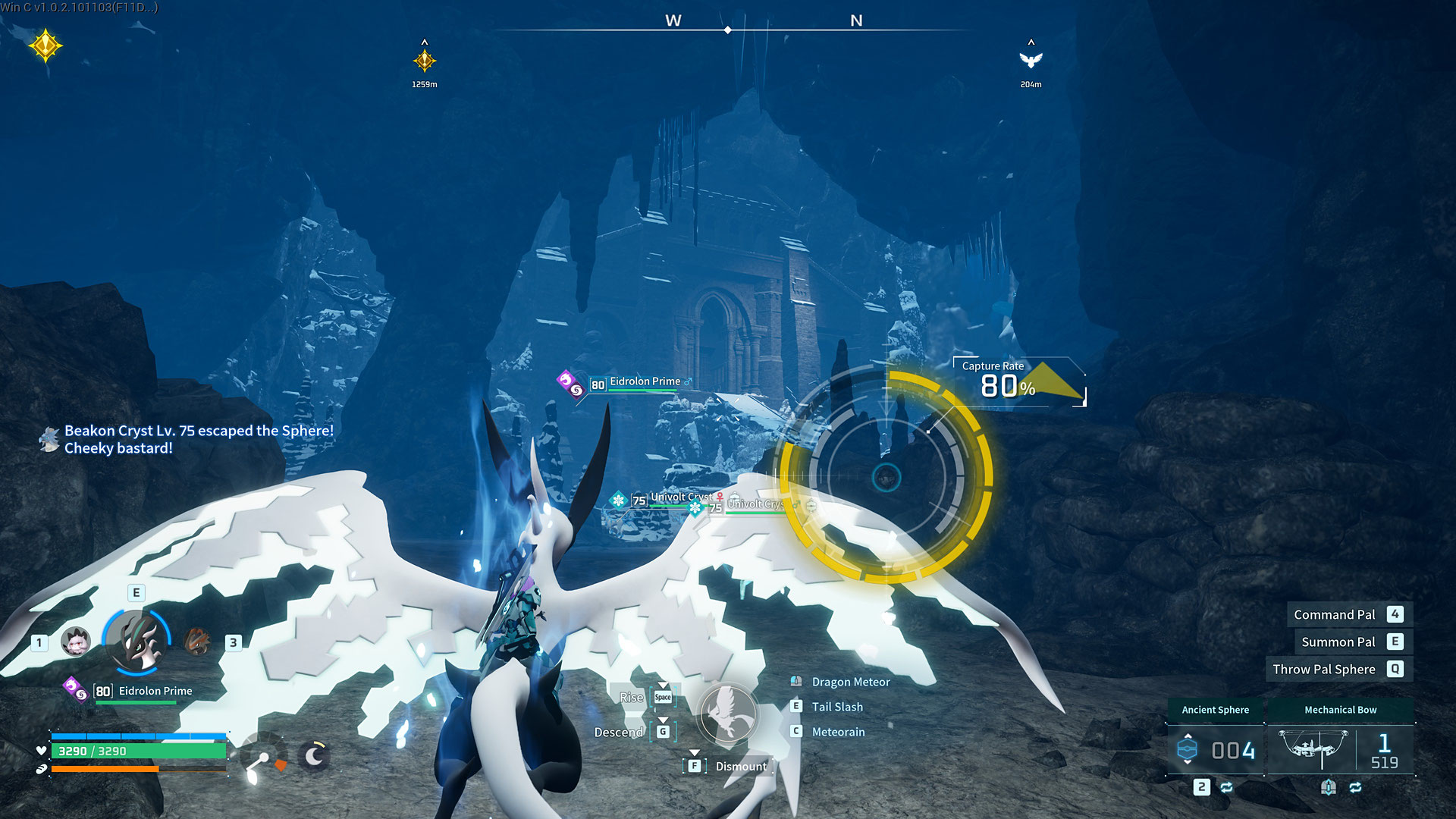
Ancient Spheres, the top-tier capture tool, are the biggest casualty of this system. Crafting them requires those hard-to-farm materials, and even the smelting is a time sink, to the point where I ended up running two Ancient Furnaces just to keep Paloxite Ingots moving. You can fall back on Sol Spheres, the next tier down, since they’re much easier to craft, but the success rate is low enough that you’ll burn 10 to 15 of them trying to capture a Pal above level 70. That’s not fun either.
The whole joy of Palworld, at least for me, is capturing Pals so you can deploy them at your base or bring them into your party. Making the sphere itself a chore to craft undermines the exact thing the game does best. I’m honestly not sure why Pocketpair gated spheres behind materials this tedious to farm, because the result is an endgame that spends more time gathering and crafting than catching.
Barking Up the World Tree
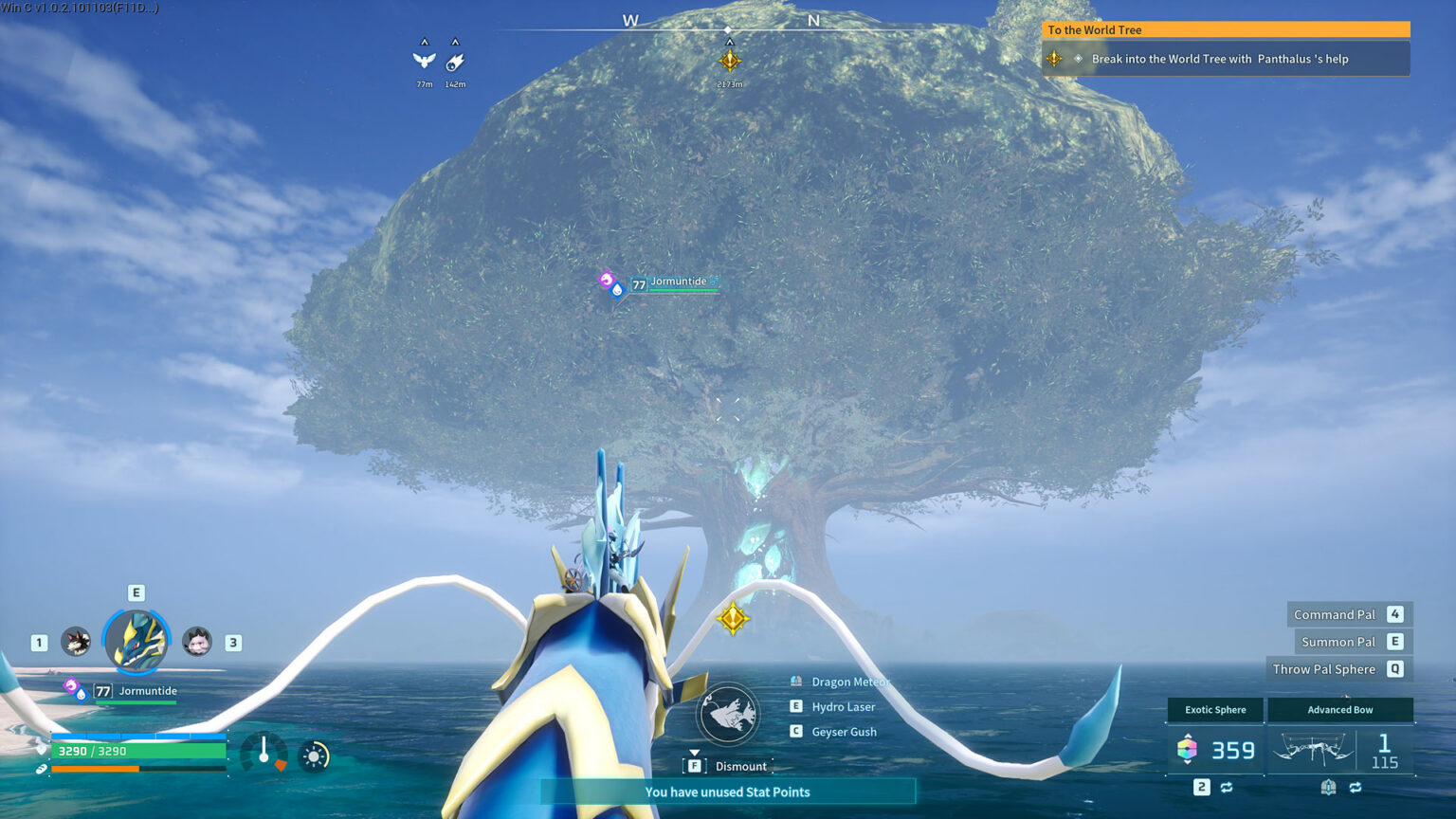
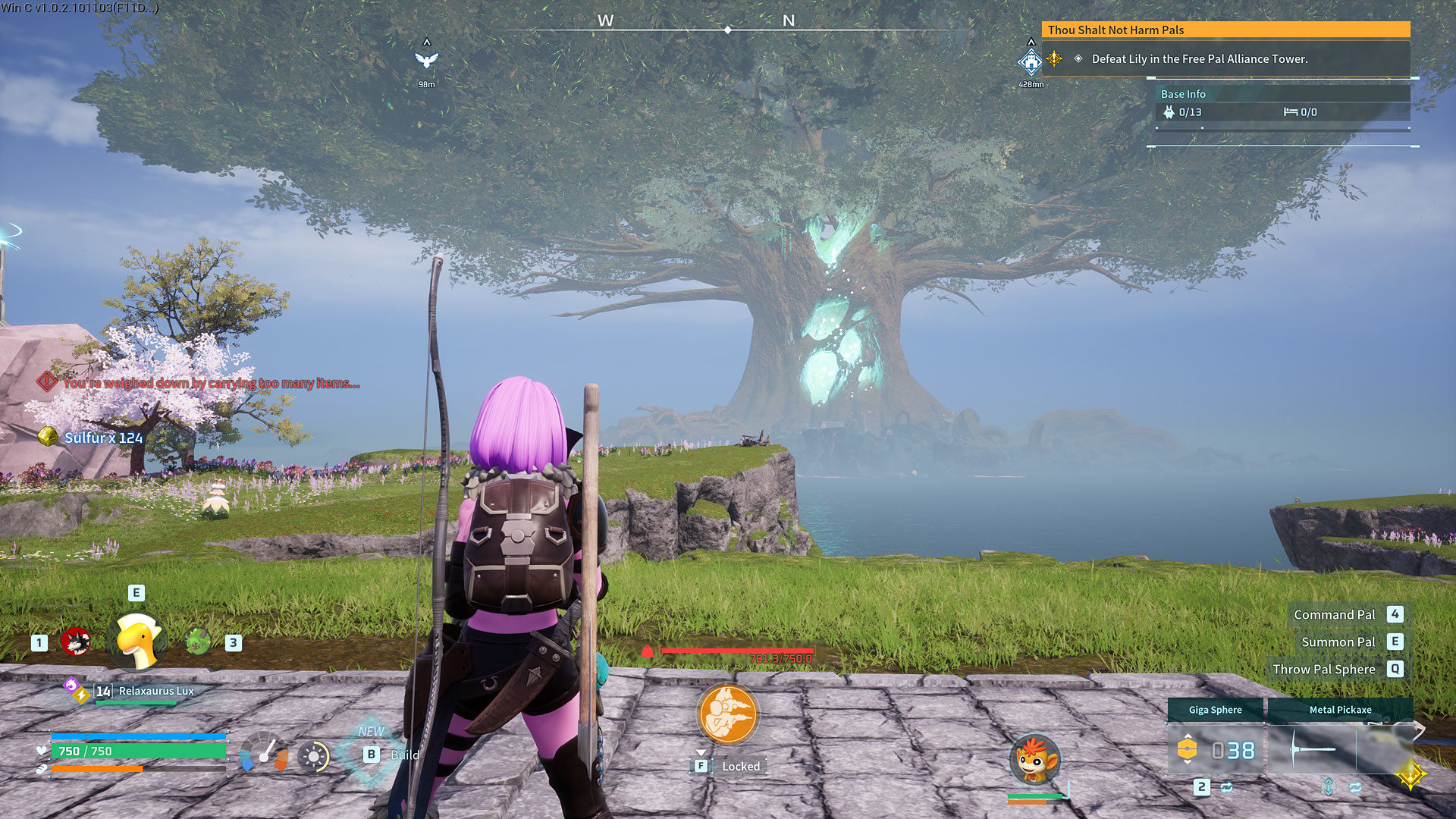
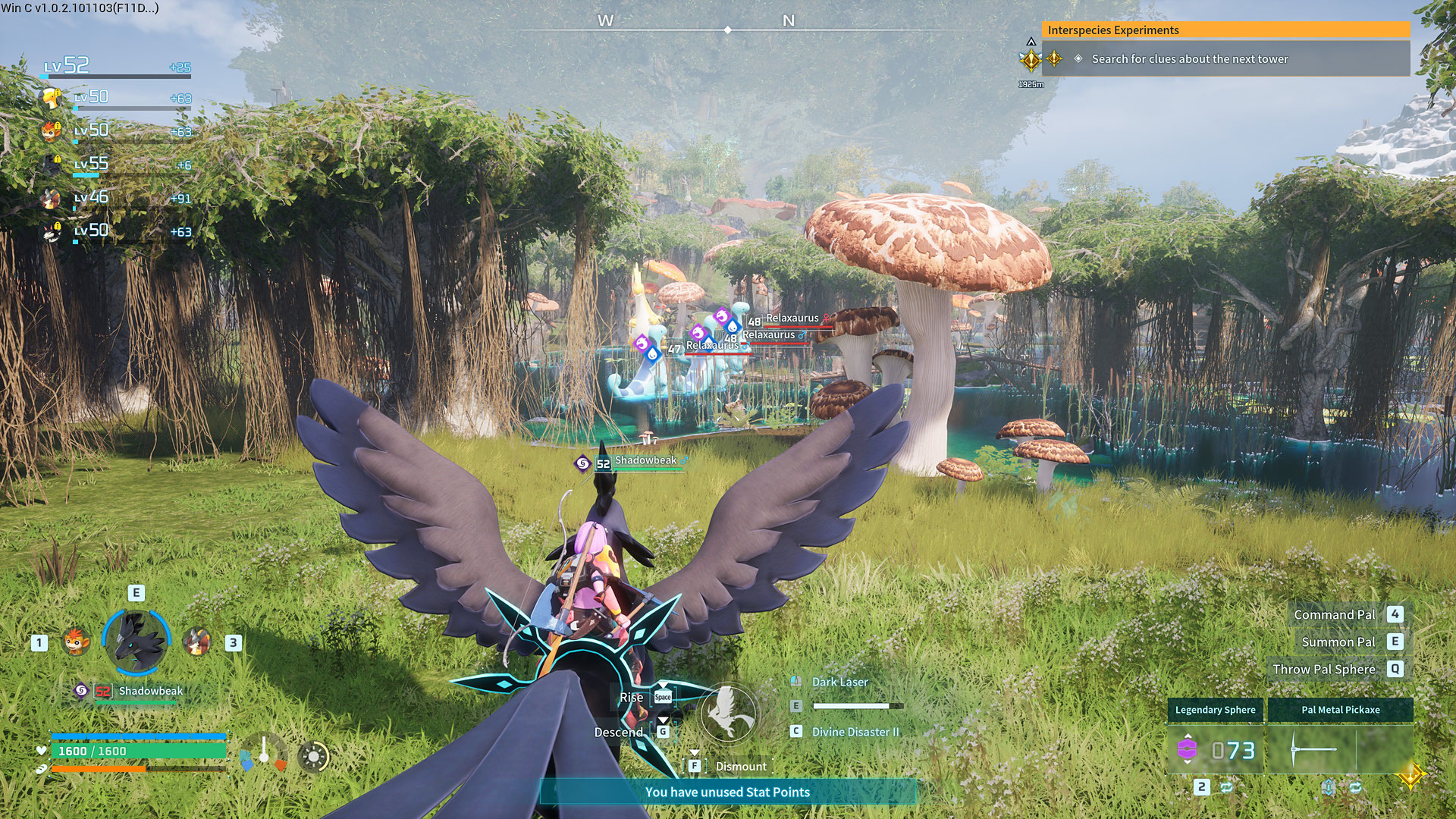
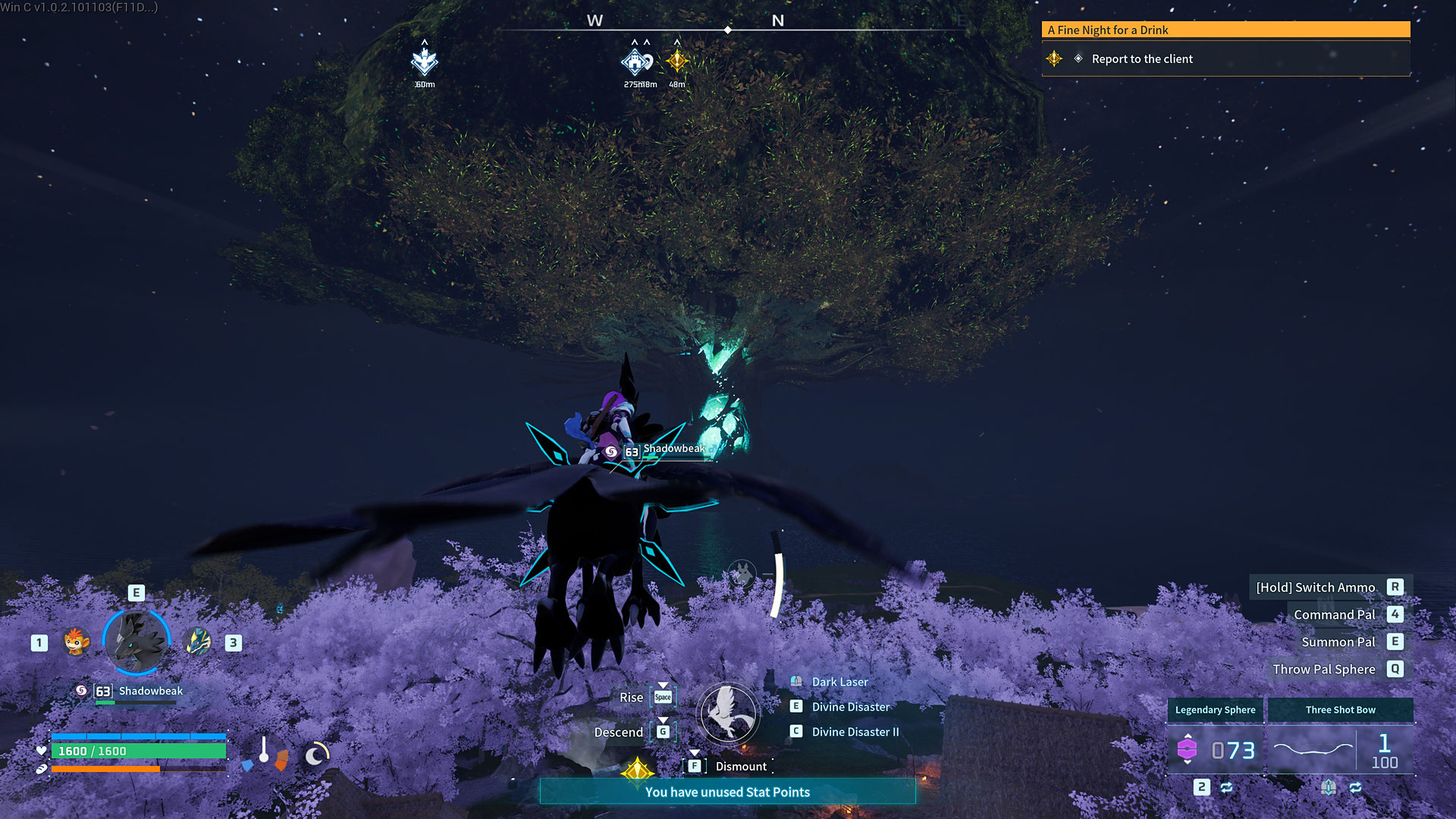
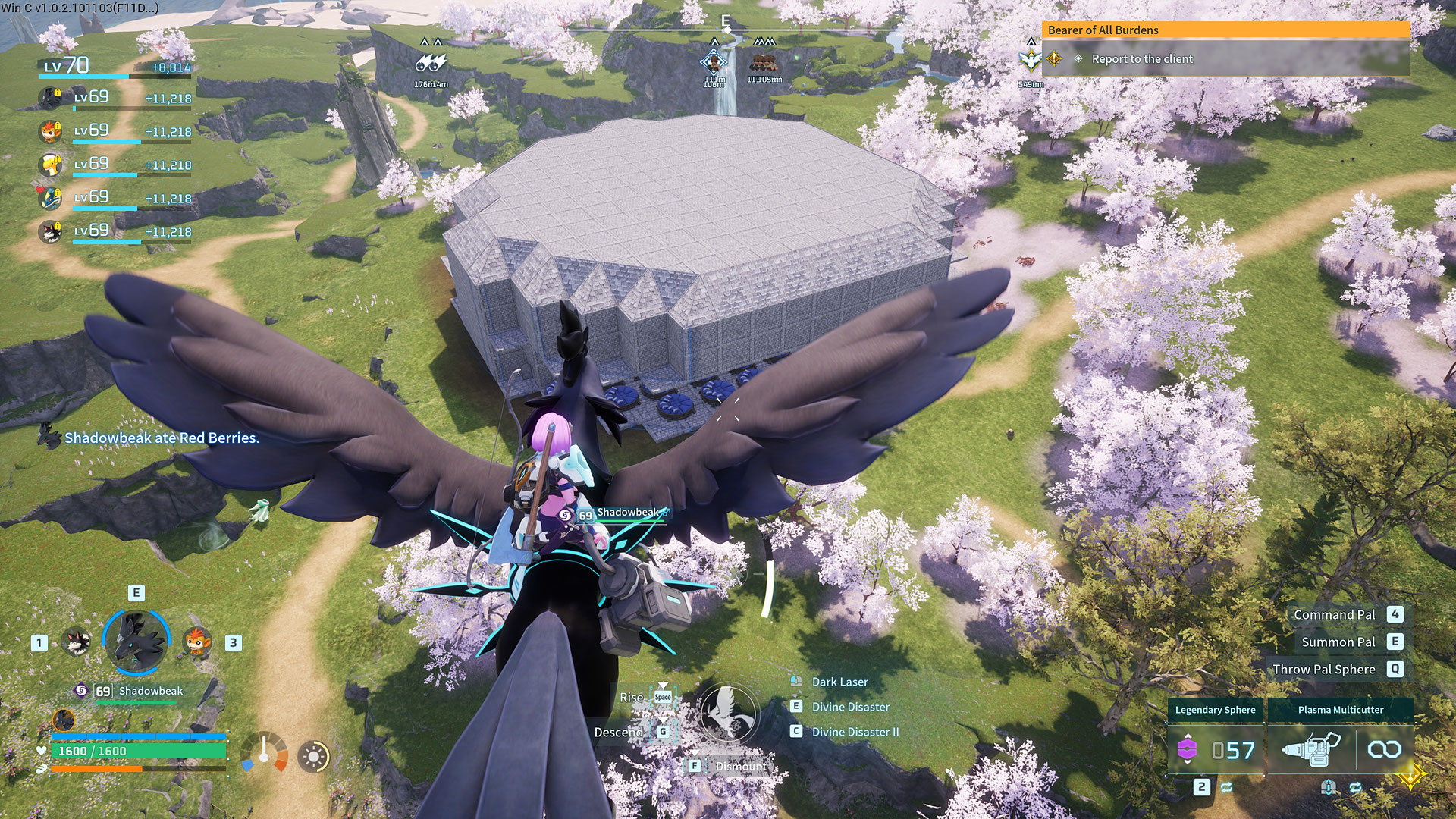
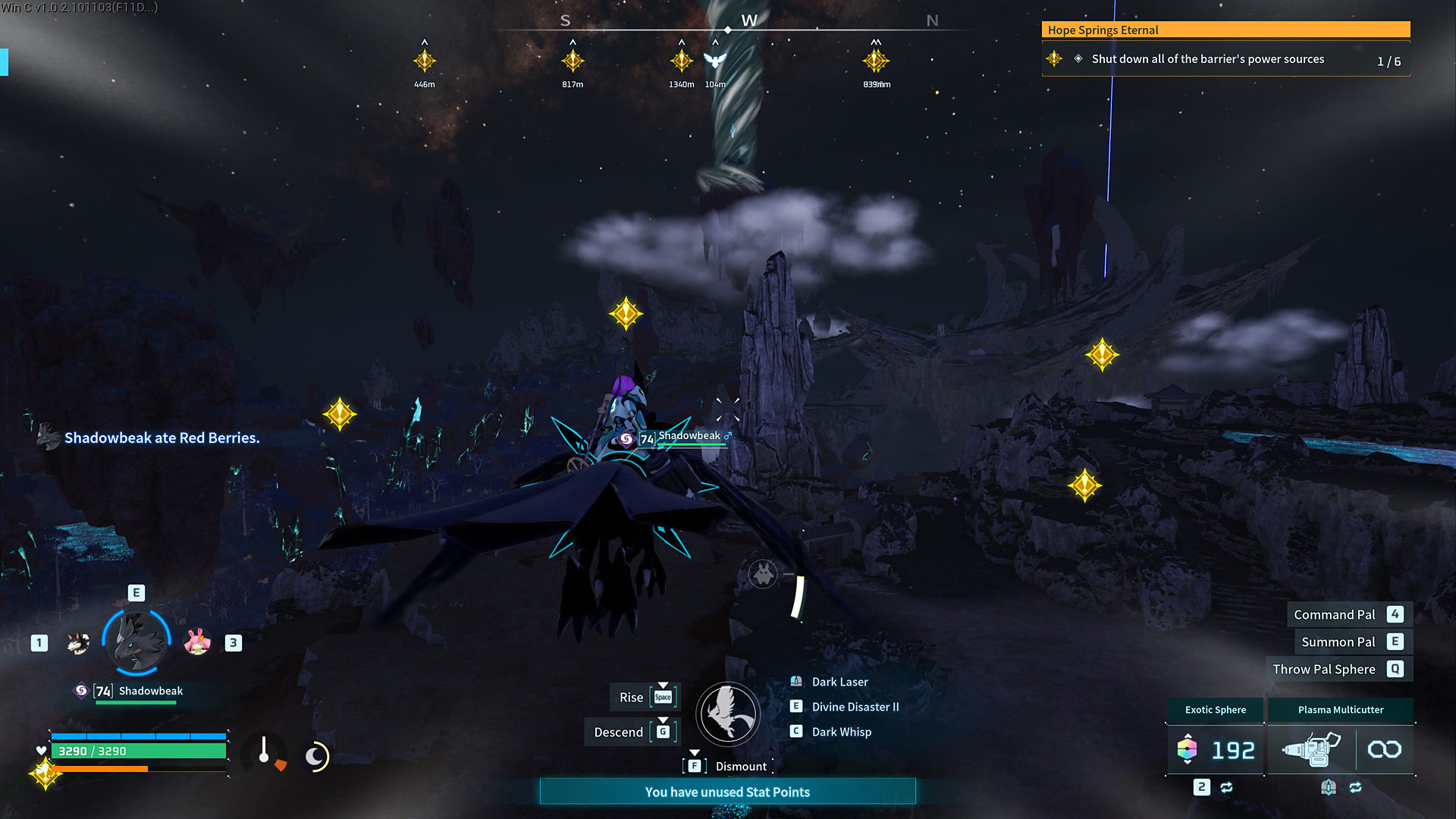
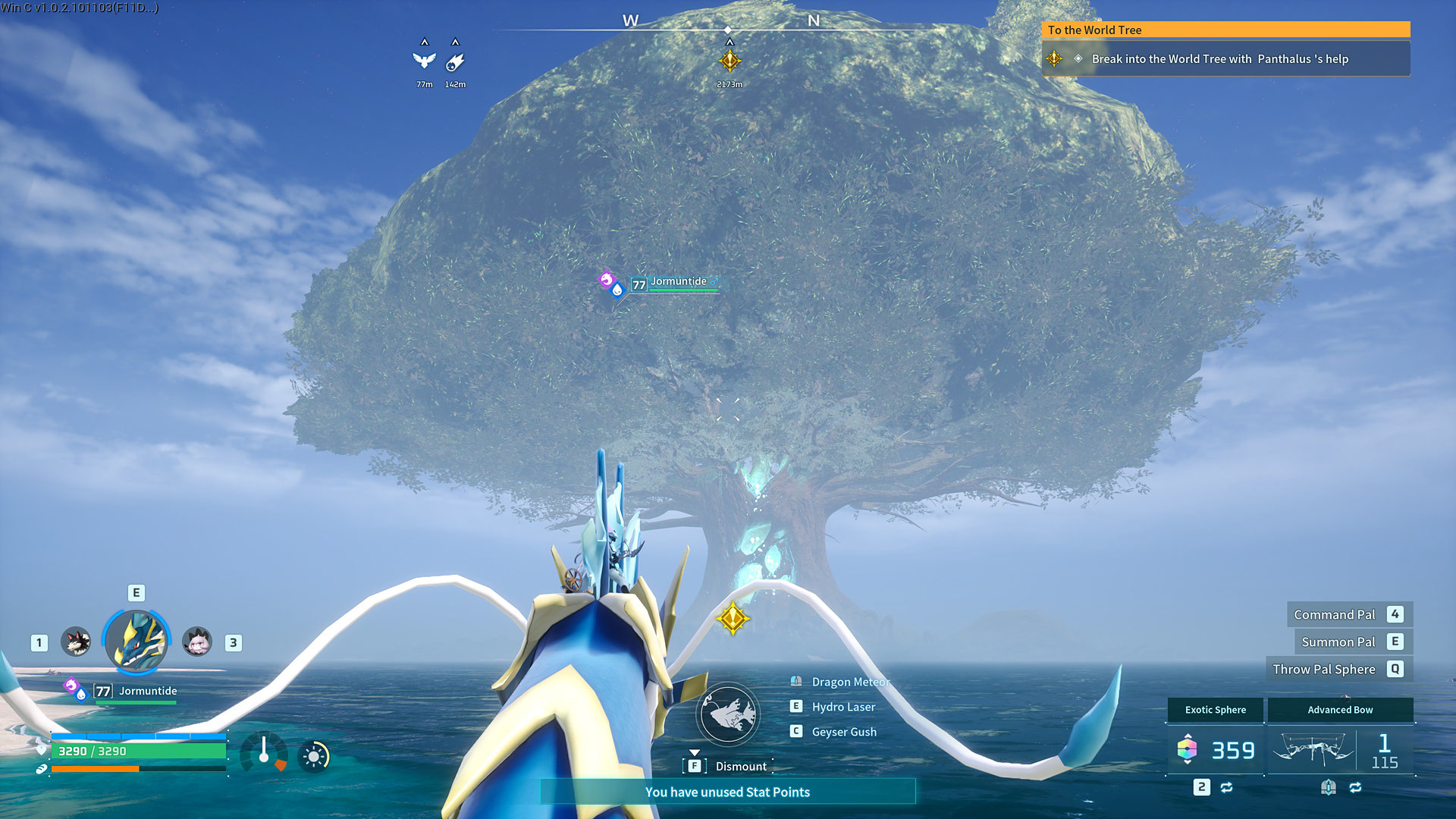
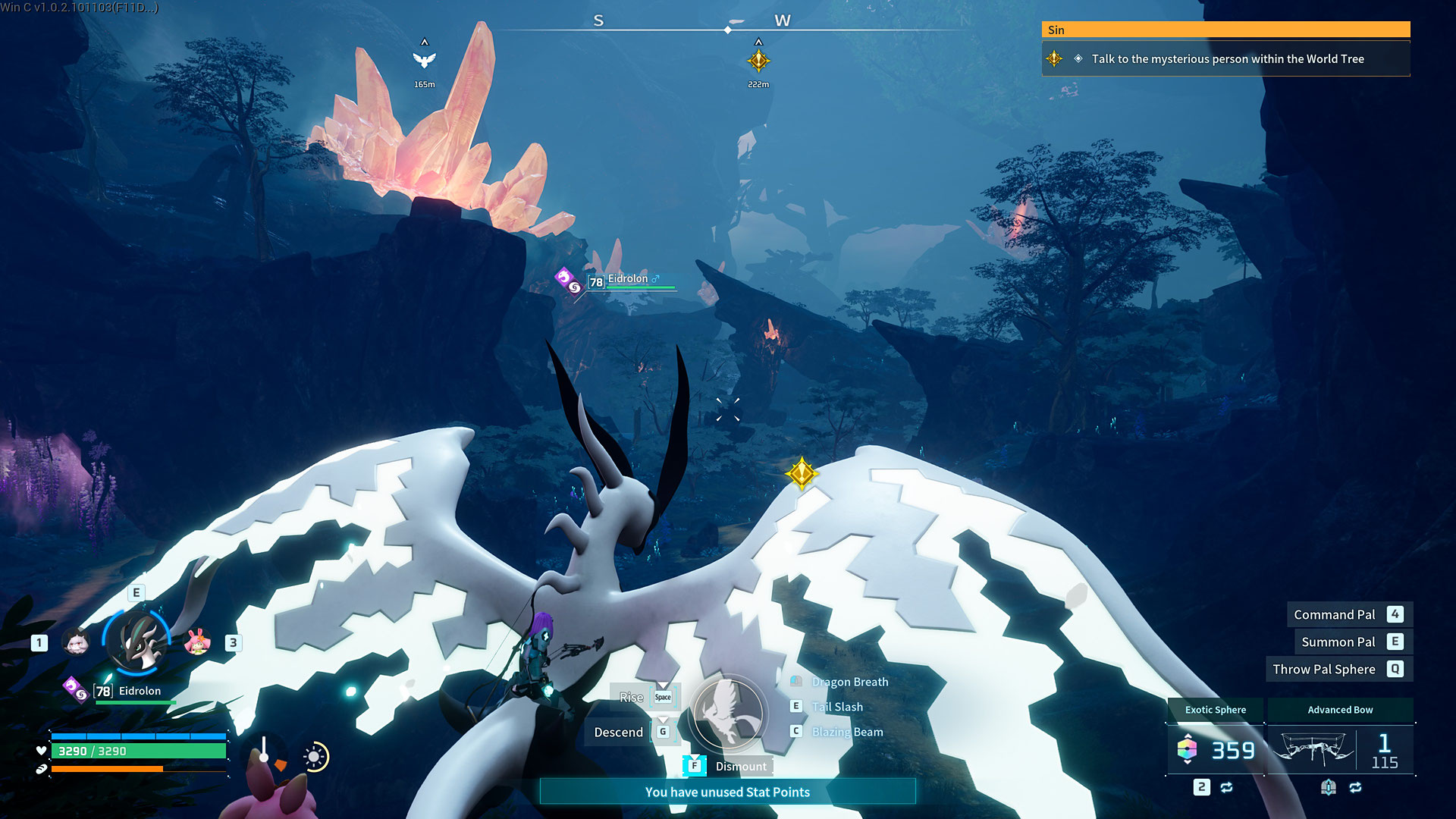
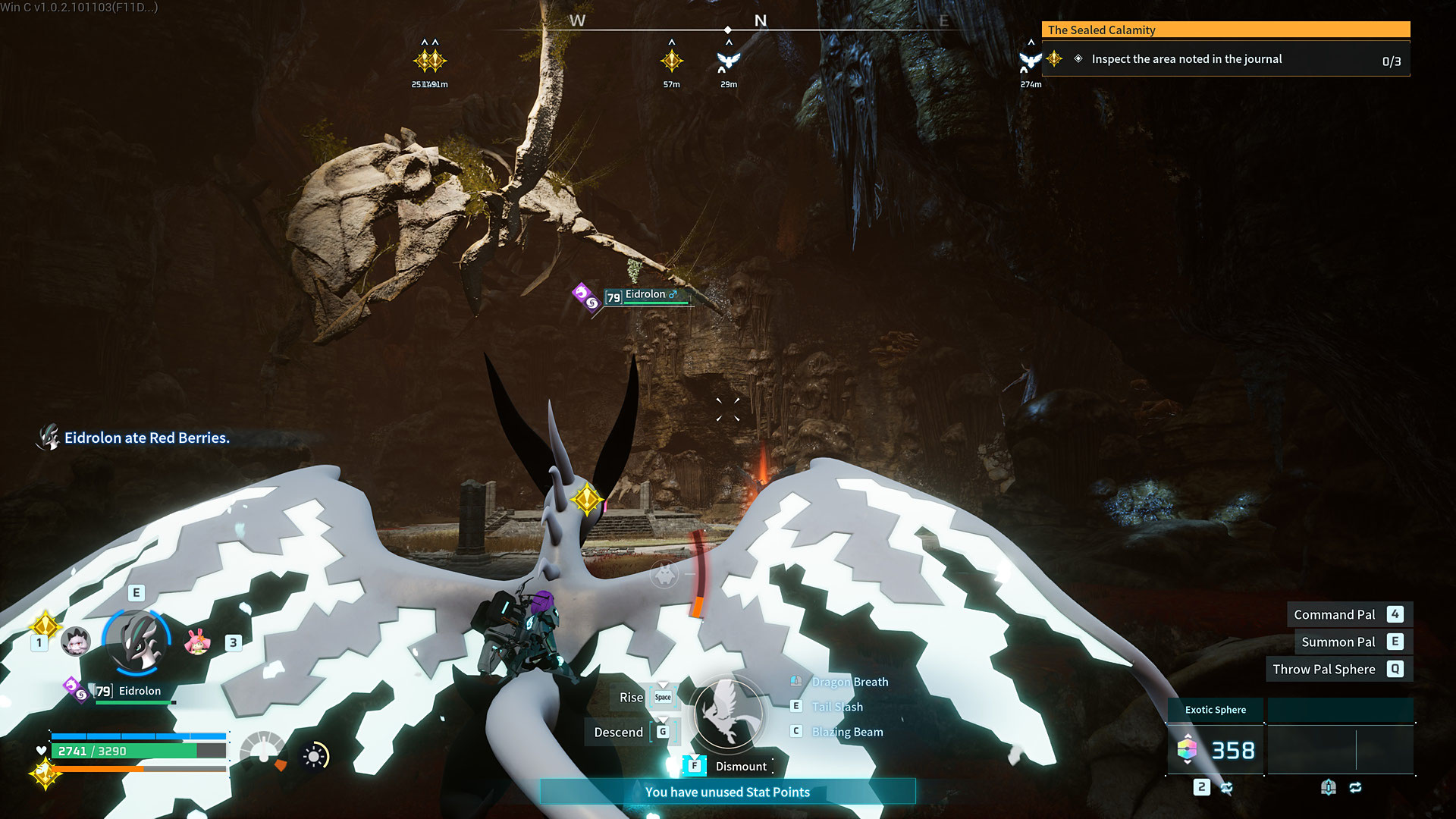
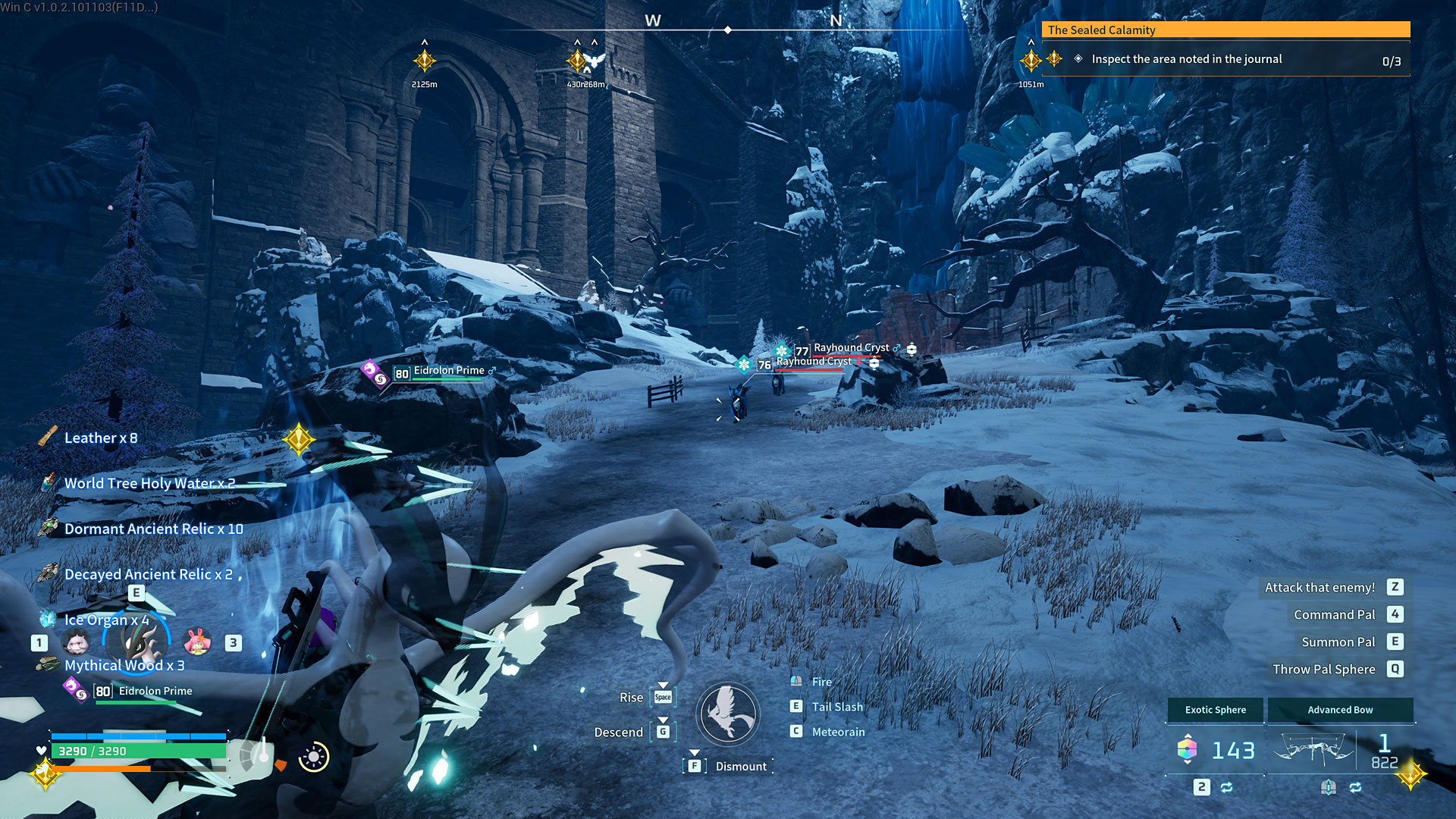
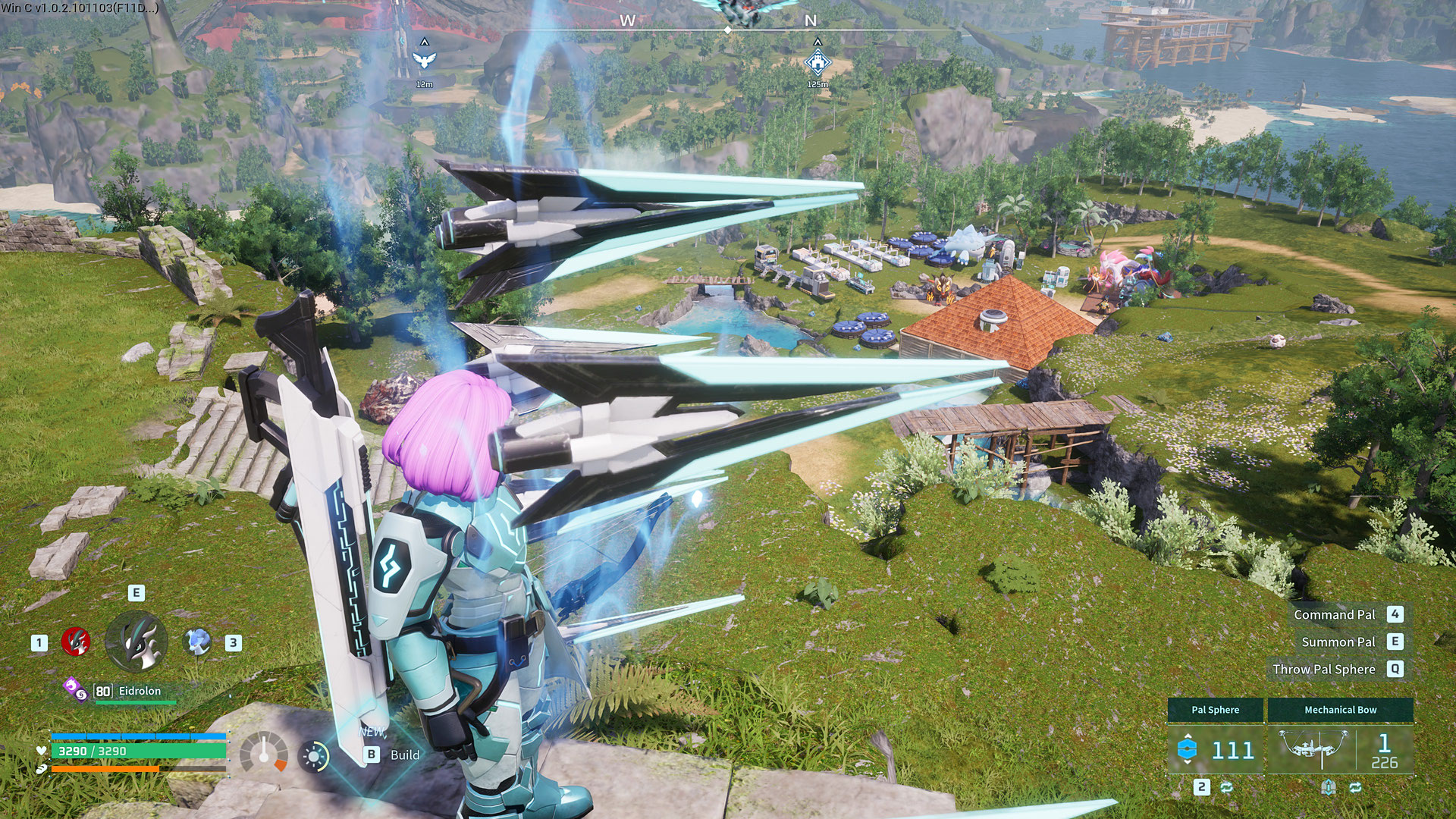
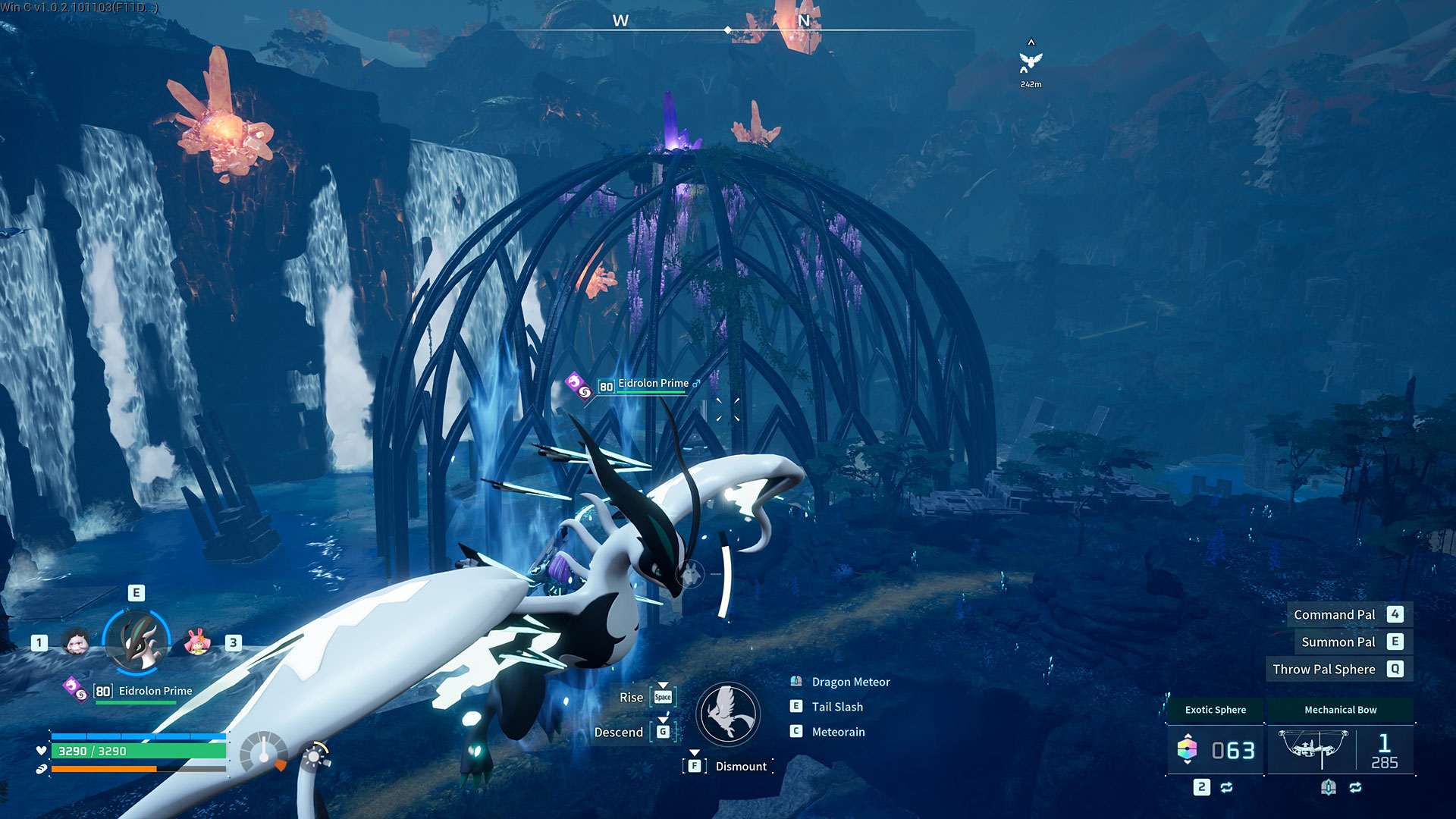
To be fair to the World Tree itself, the final zone is one of the most impressive things in 1.0, with a lot to explore and plenty of new Pals to capture. It genuinely feels like a distinct place rather than a remix of existing biomes, and working through it as a group gave our playthrough a proper final act. In terms of raw content, Pocketpair delivered here.
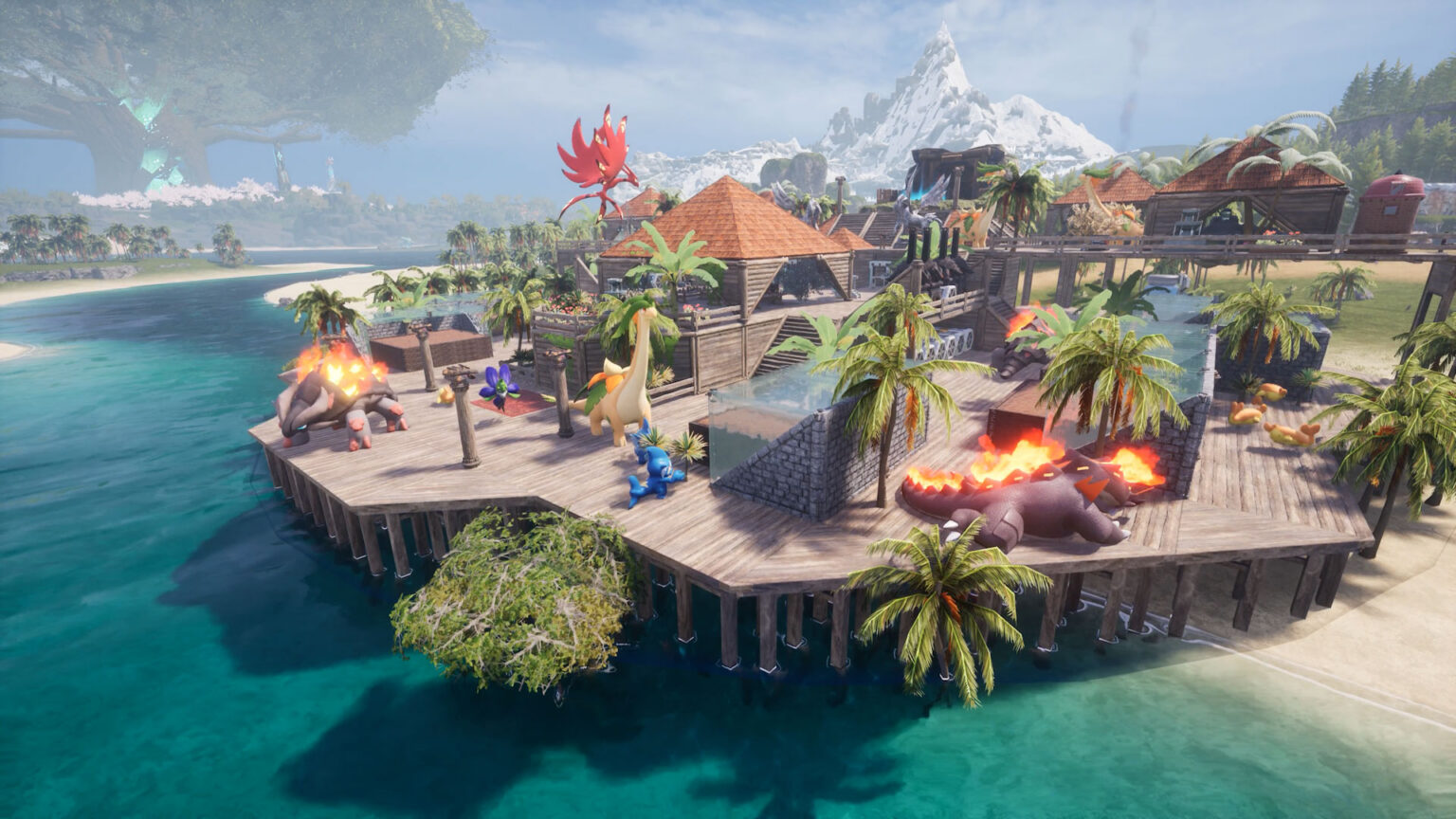
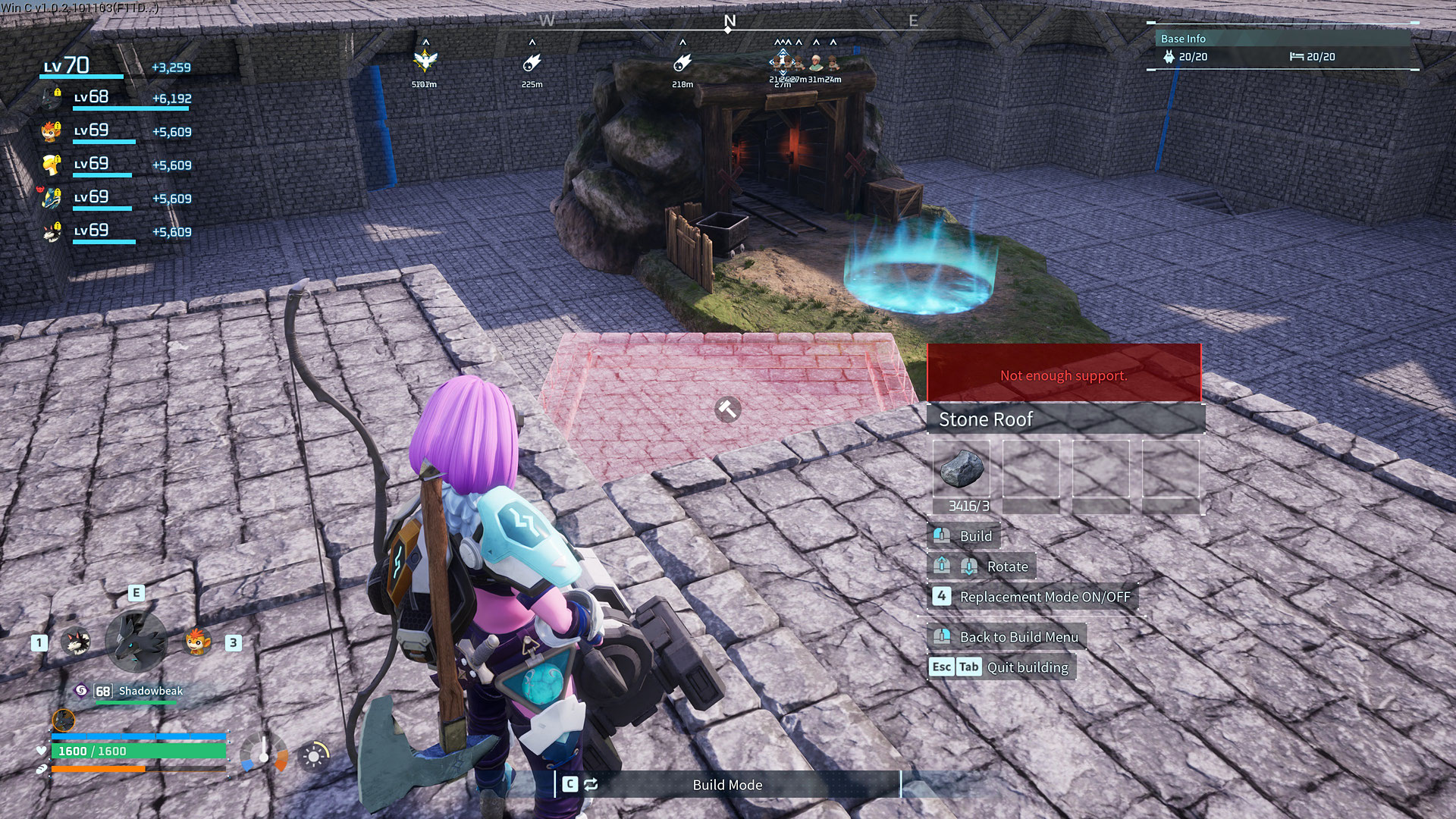
What you can’t do anywhere in the World Tree is build, and that decision honestly baffles me. The zone is completely separate from the rest of the game, and not being able to establish any sort of presence there feels like a big disconnect. I can imagine reasons for it, like wanting to design the map a specific way without accounting for player structures, but I don’t think that justifies breaking away from one of the game’s core pillars. Base building is that important to Palworld’s identity.
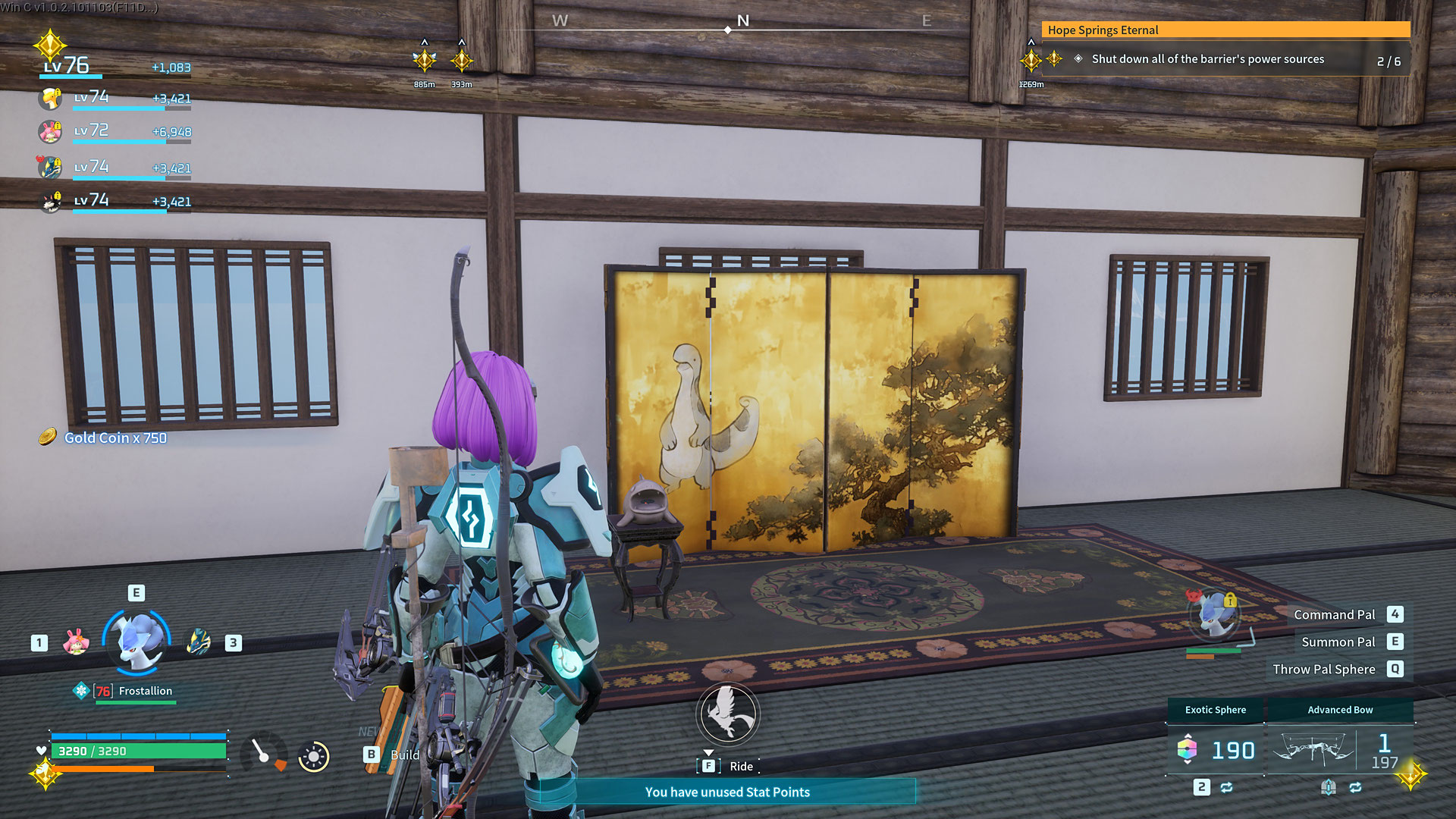
Then there’s the story, which technically exists in 1.0 but might as well not exist at all. I read all the dialogue and I still couldn’t tell you what the game is trying to say or do, and the characters mean nothing to me, which stings because some of their designs are really cool. For comparison’s sake, Pokémon Pokopia had a much more interesting story, and narrative wasn’t even the main focus of that game either. There was a real opportunity for worldbuilding here, and instead it feels like the team wanted to push the idea of Palworld having a story and delivered less than the bare minimum.
Quality of Strife
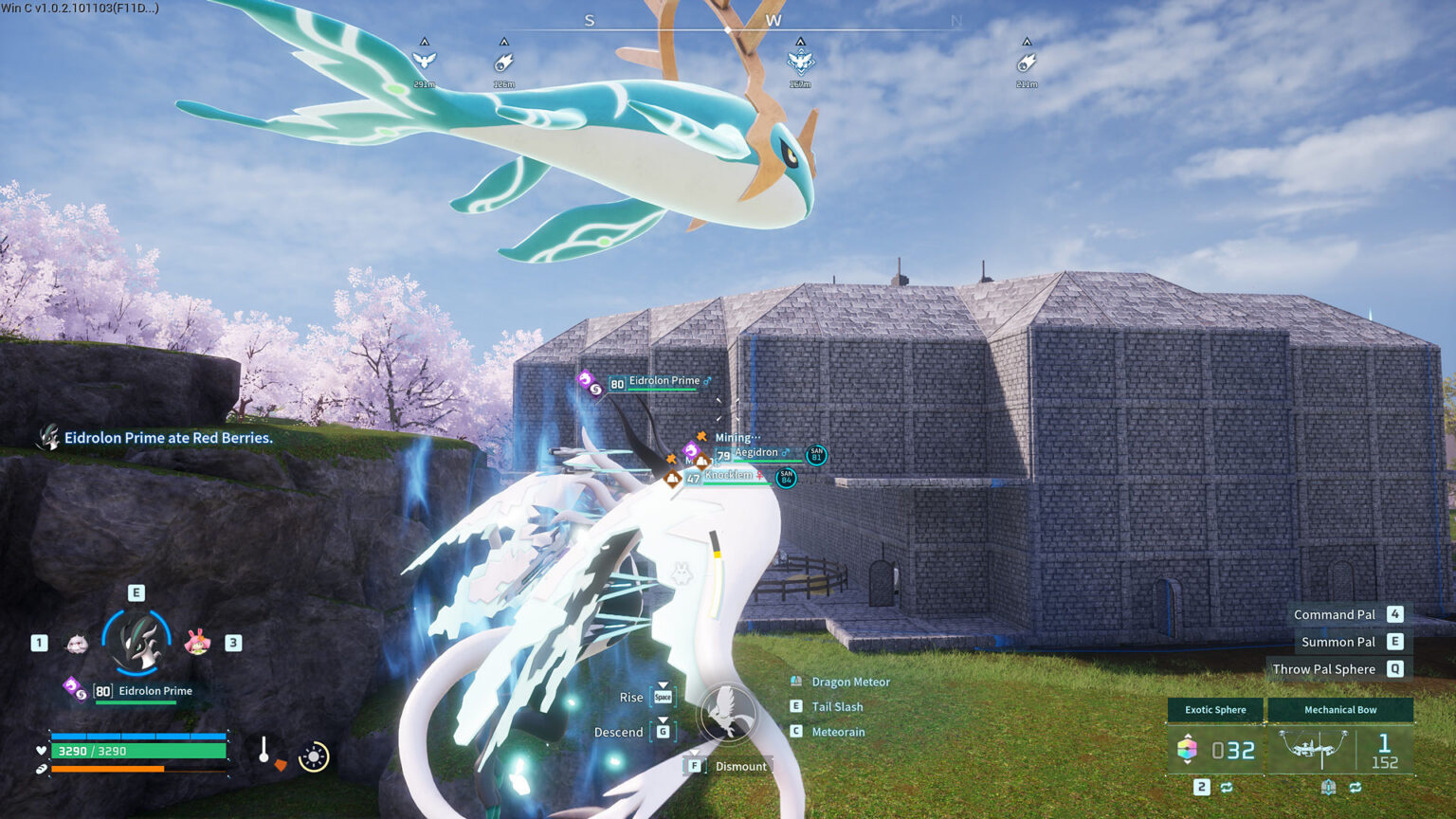
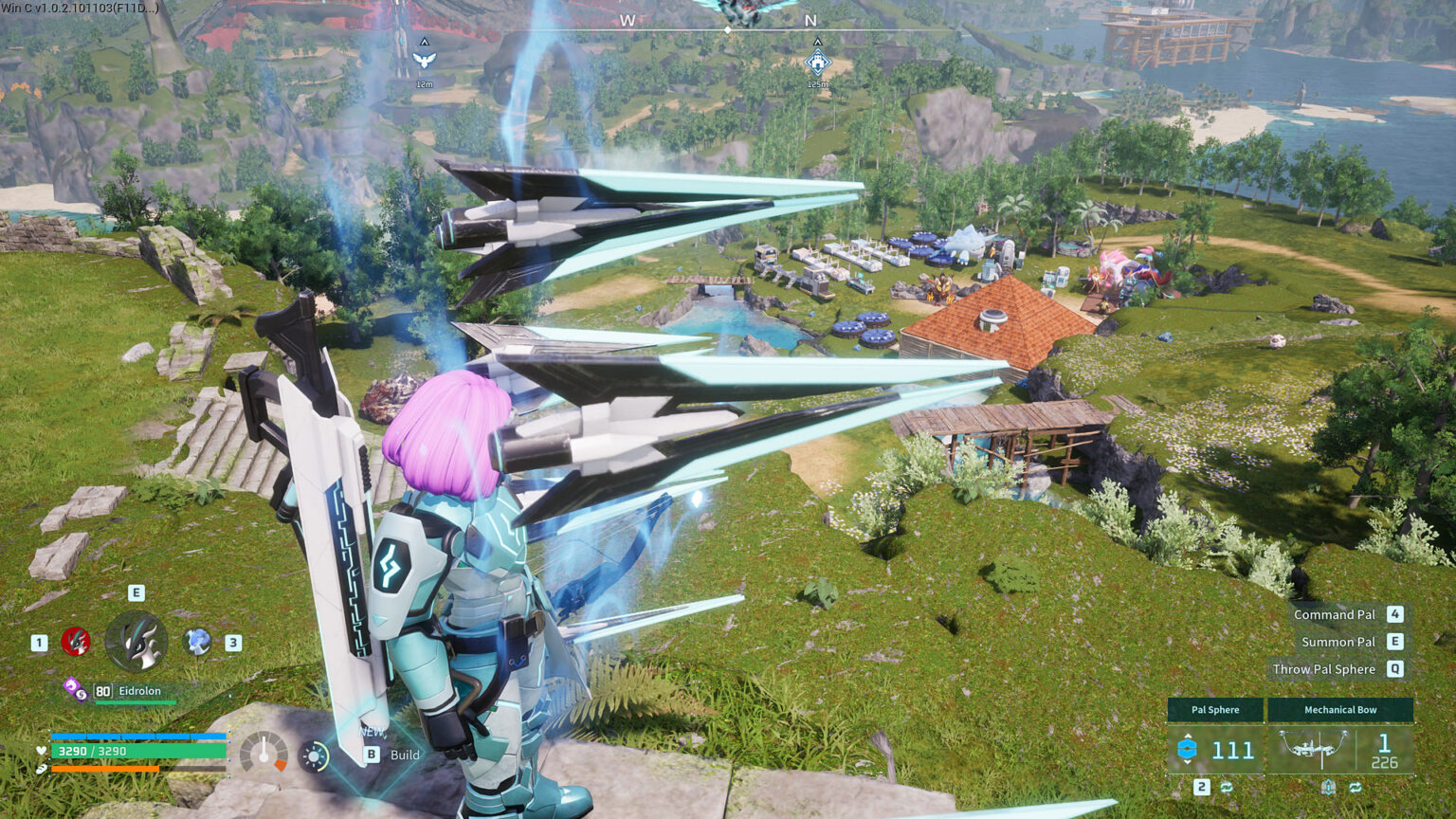
For all the polish 1.0 brings, the game still has moments of jank and mildly annoying bugs. The hitbox for throwing spheres is inexplicably tiny on certain Pals, and my personal favorite is lining up a bow shot on an enemy, releasing the arrow, and watching my own Pal step directly into its path. It’s one thing if you’re aiming at your Pal, but it’s another when your target is clear and your companion decides to intercept at the last second. I really feel like projectiles should just pass through your Pals.
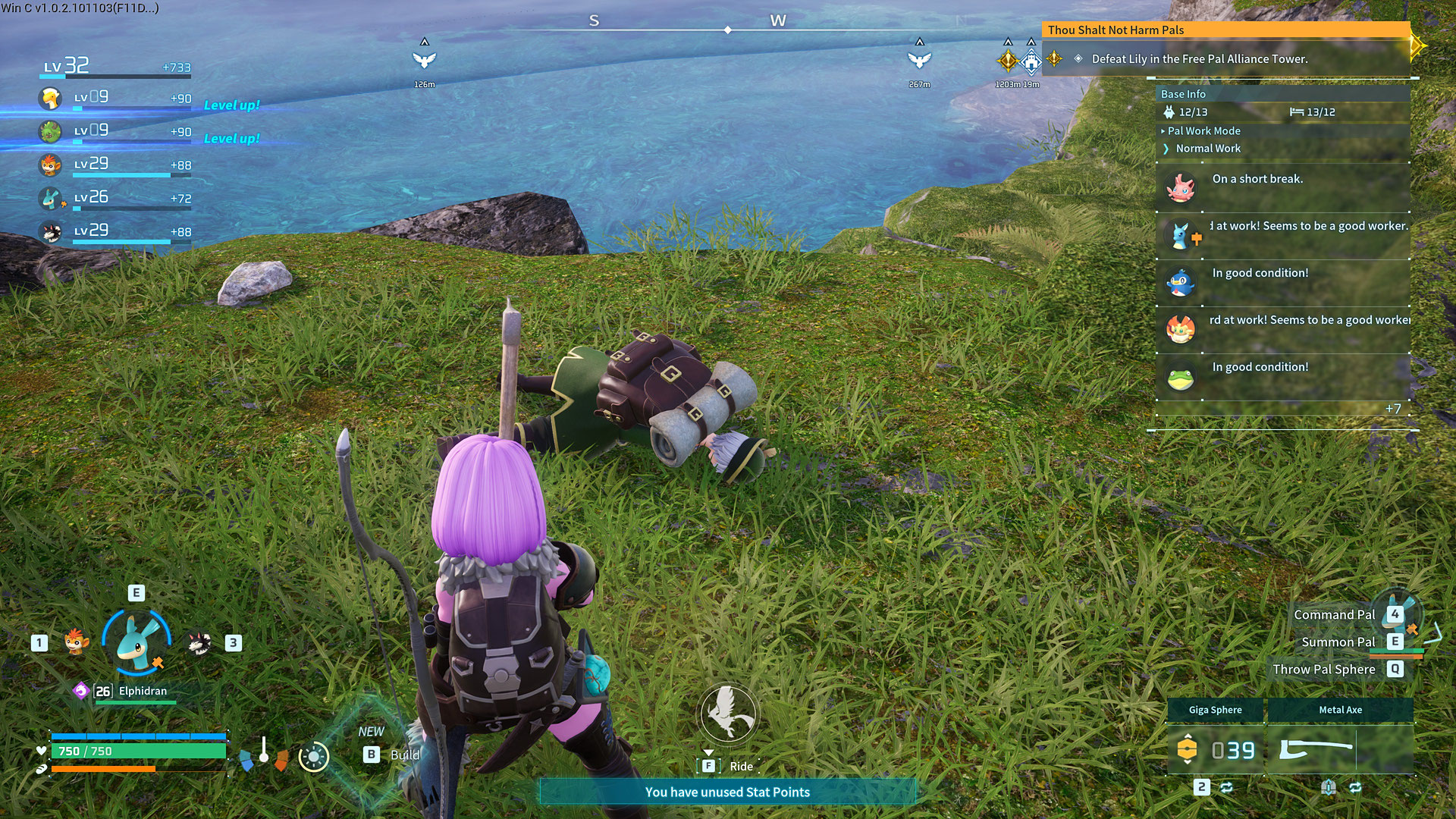
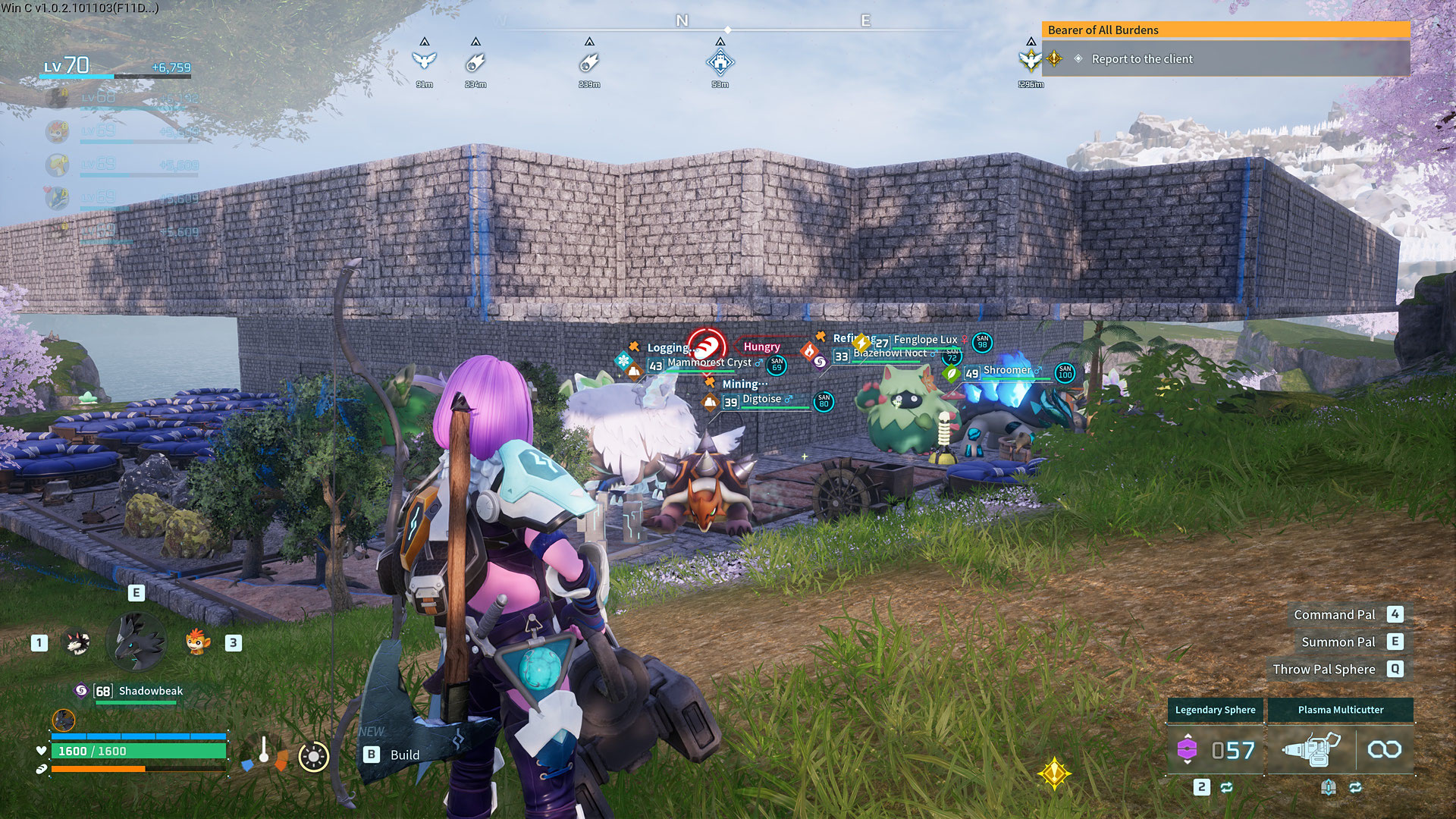
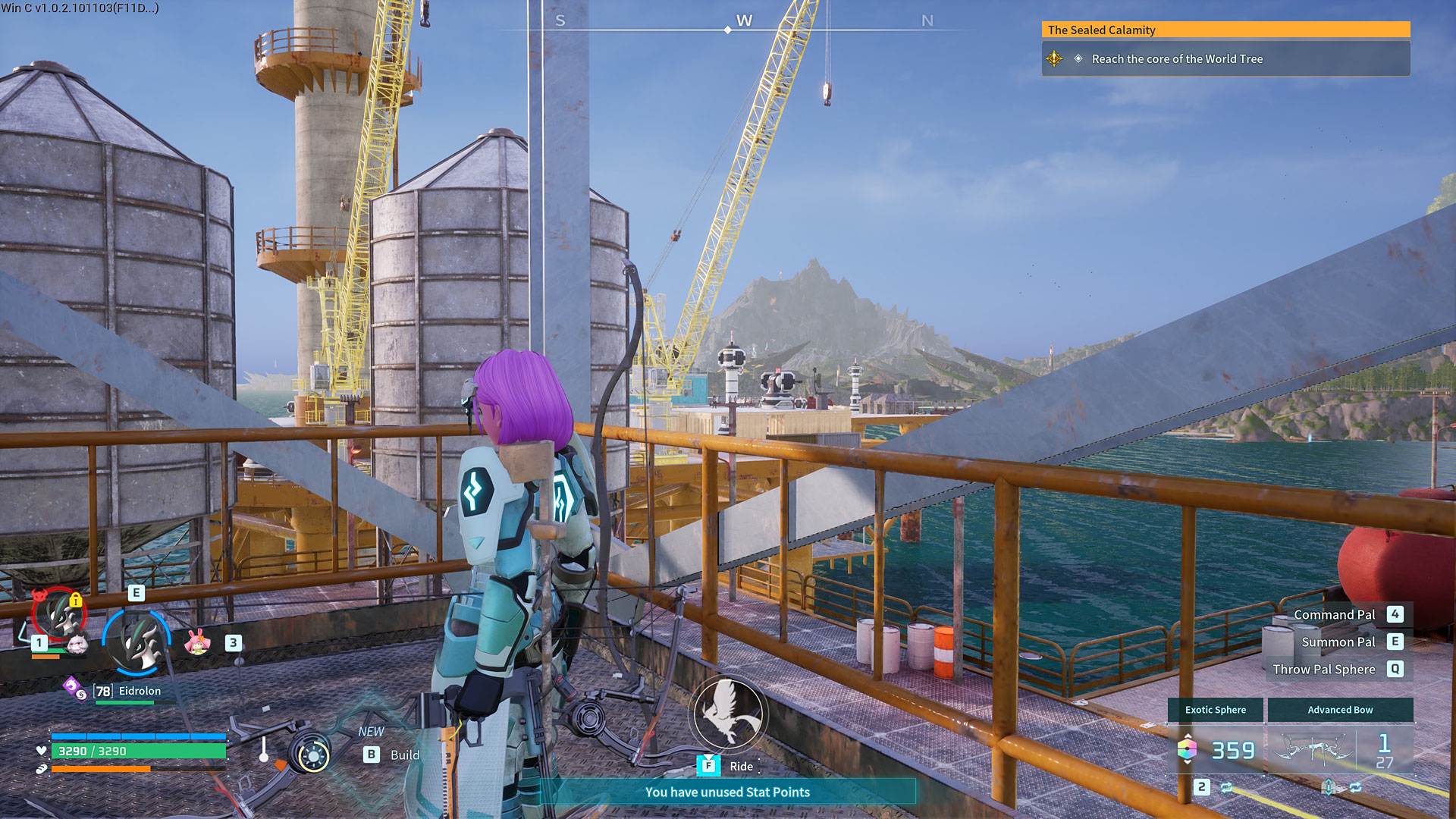
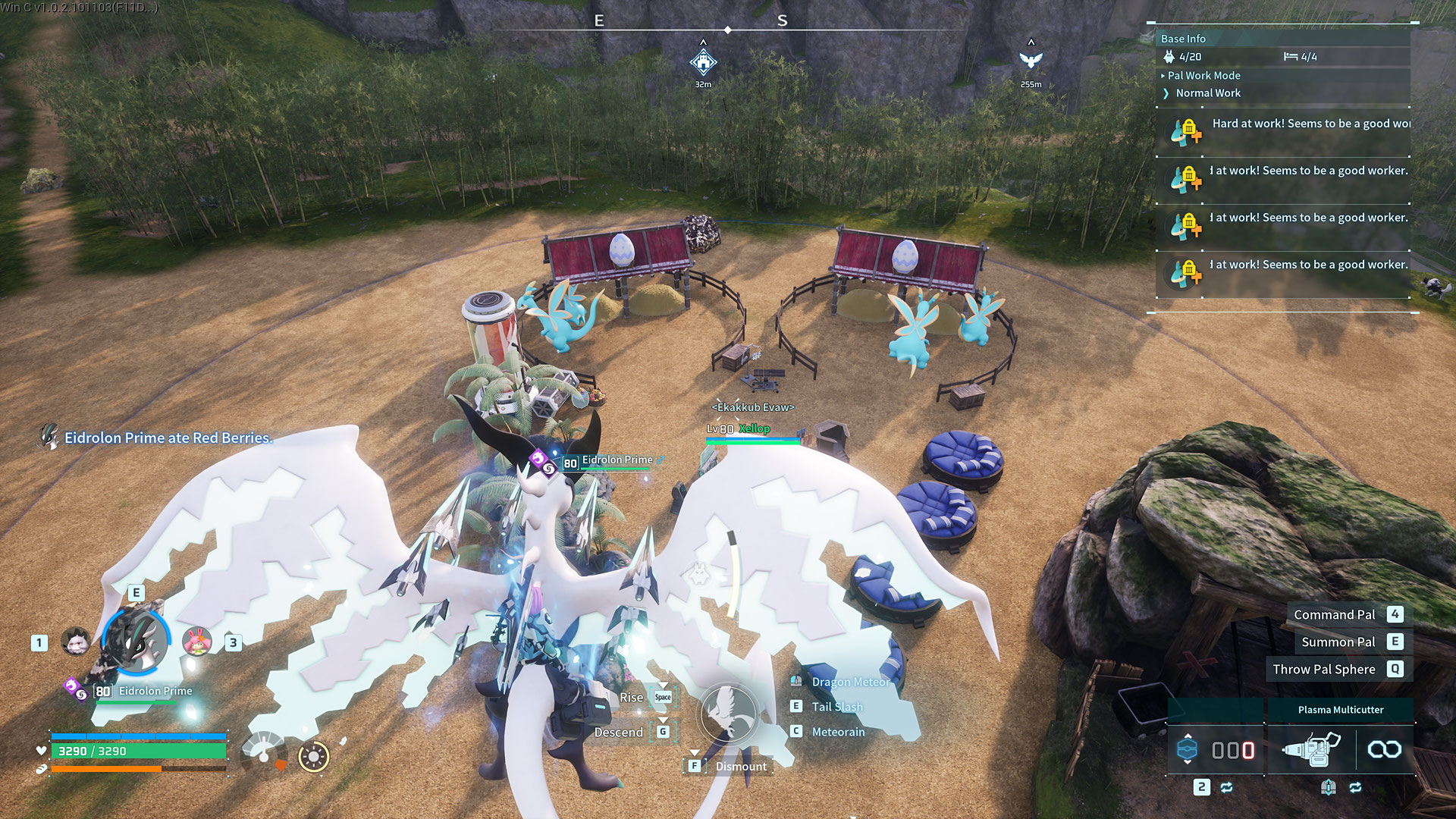
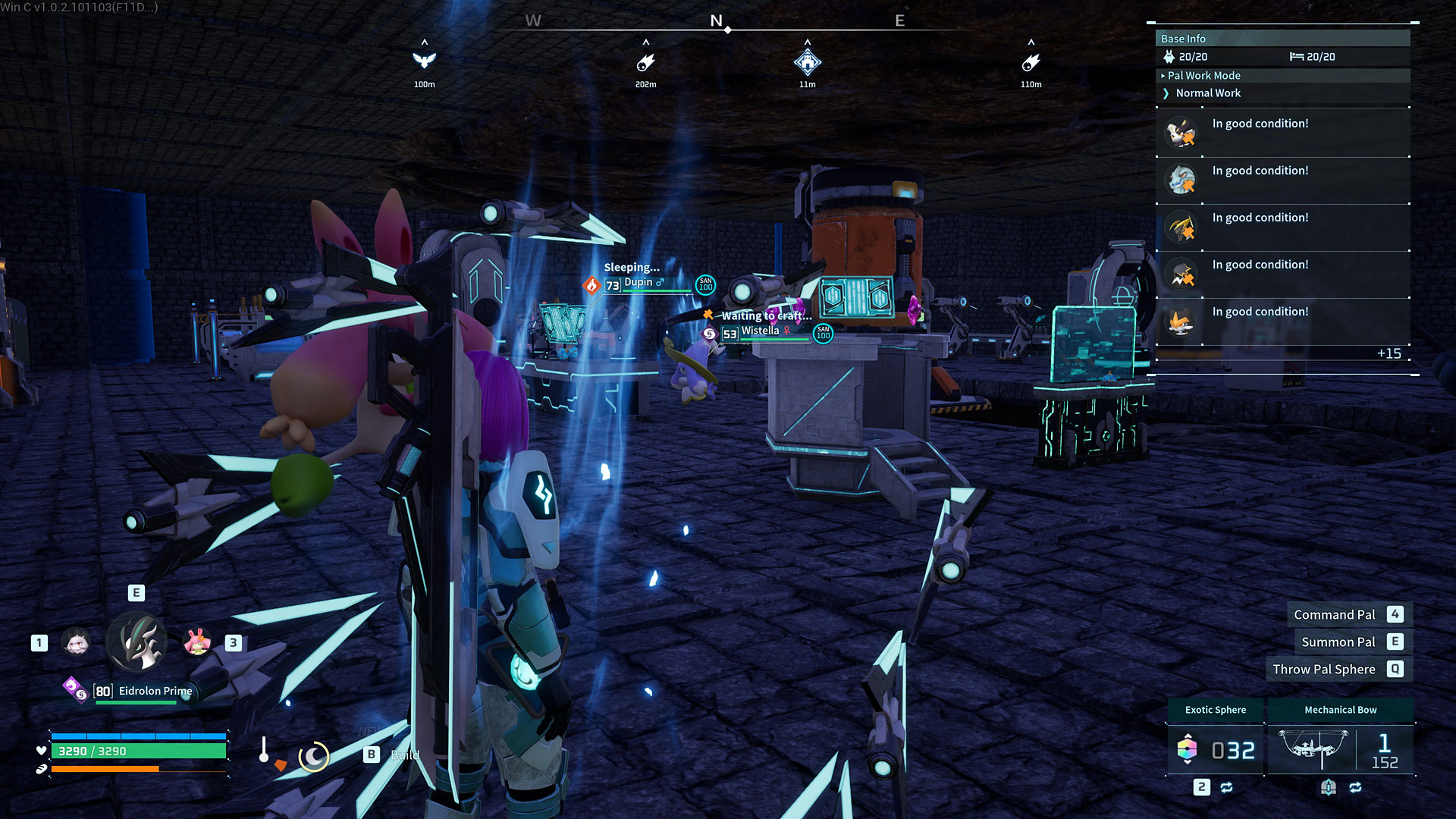
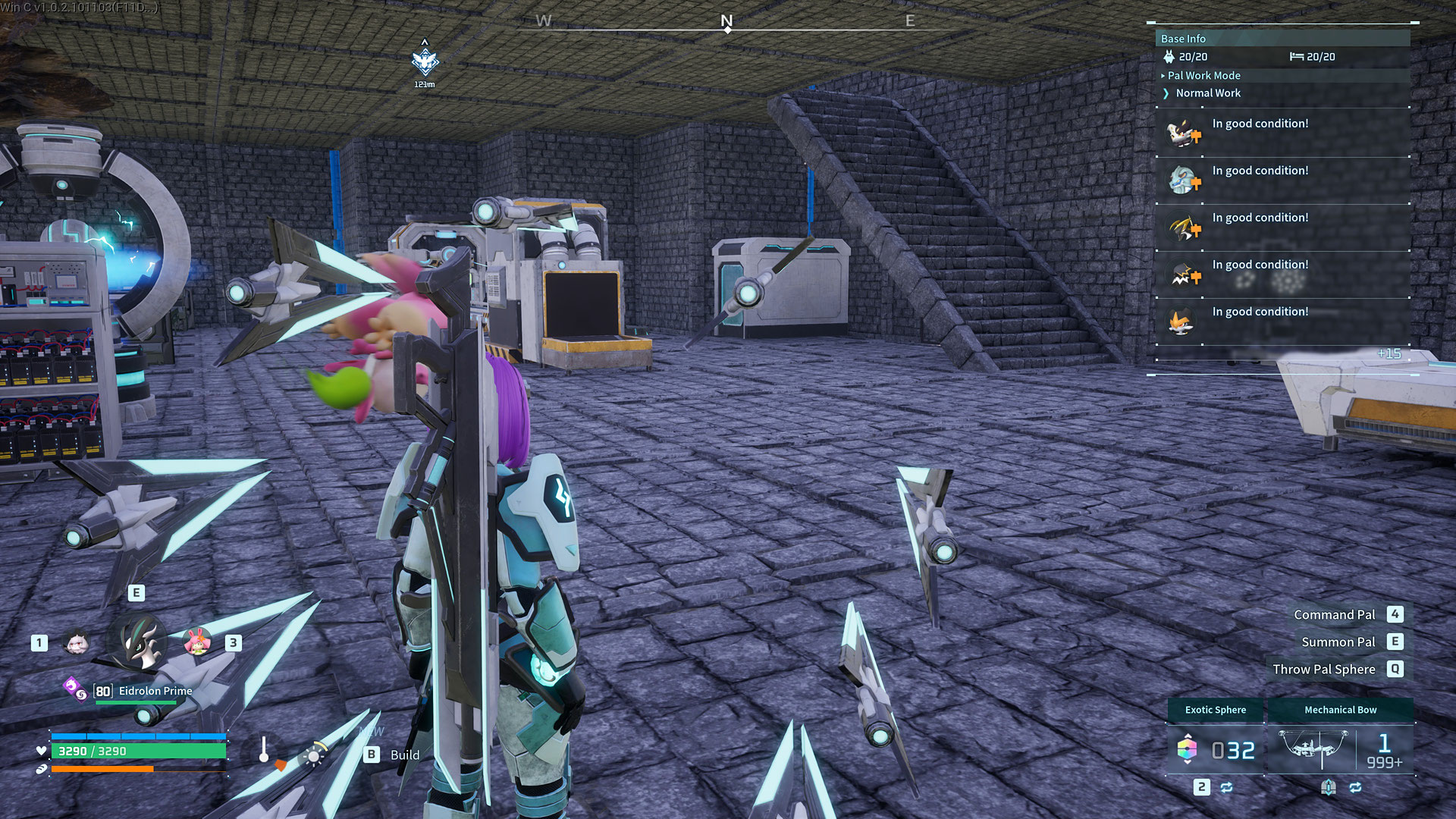
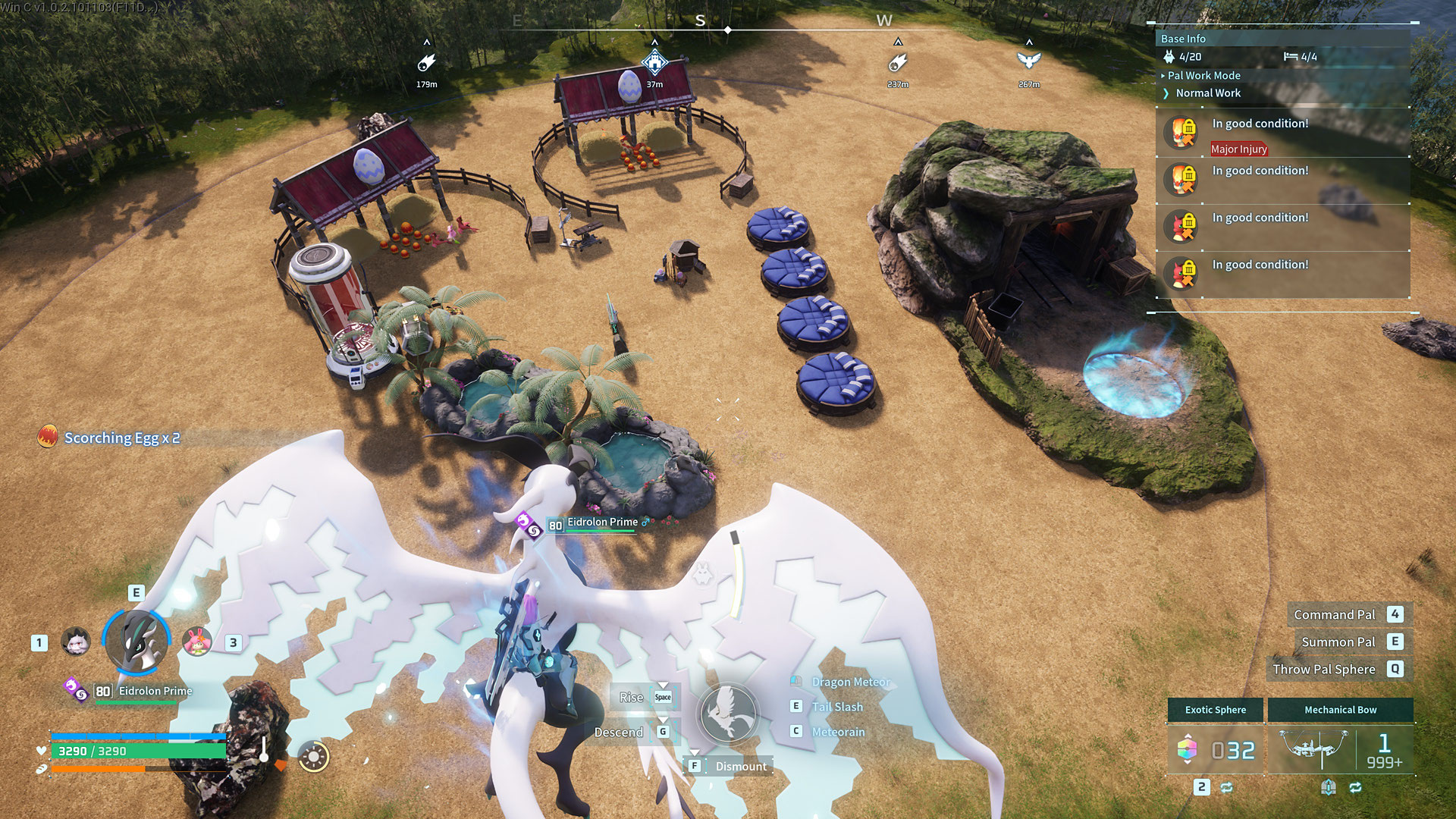
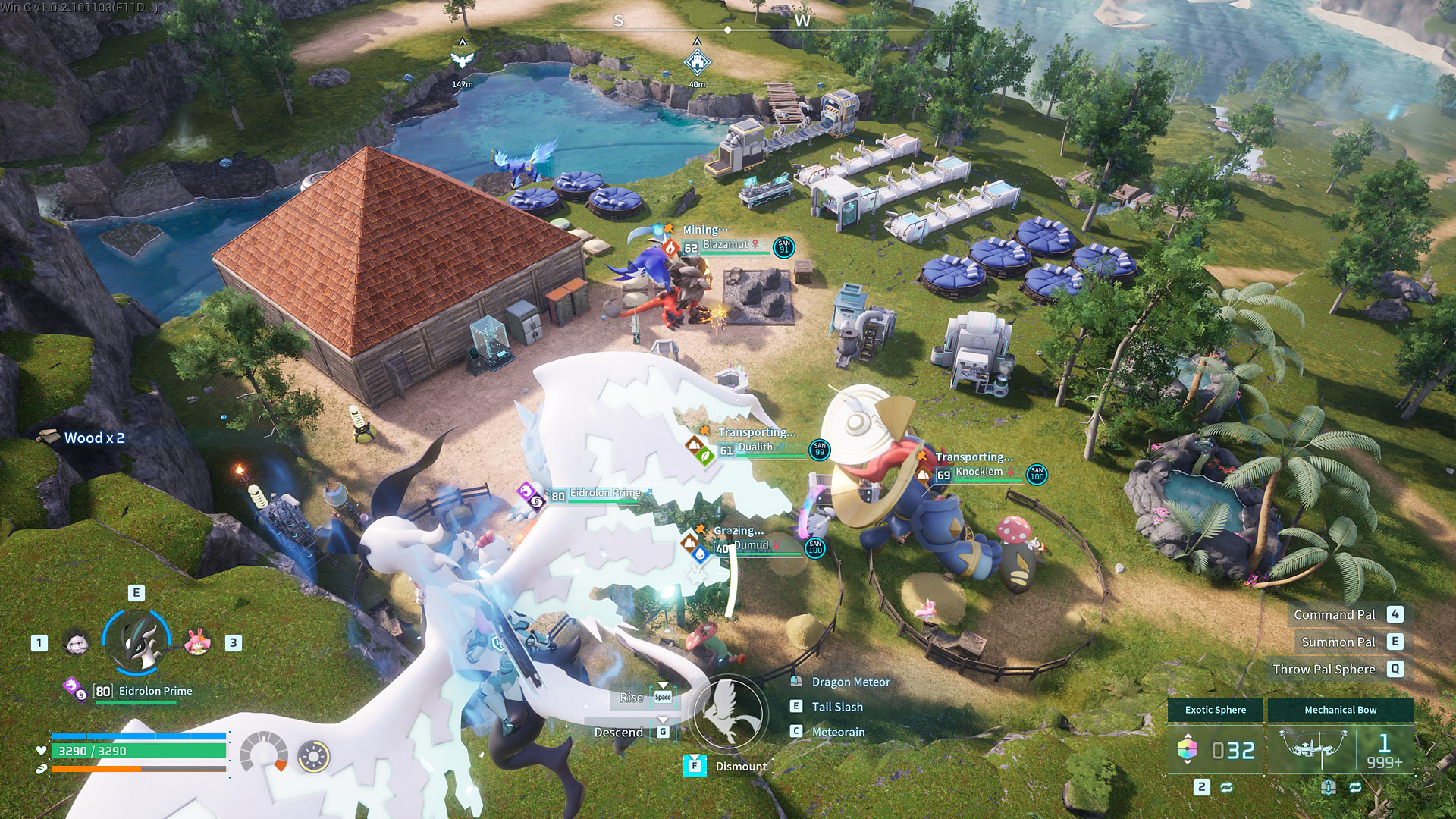
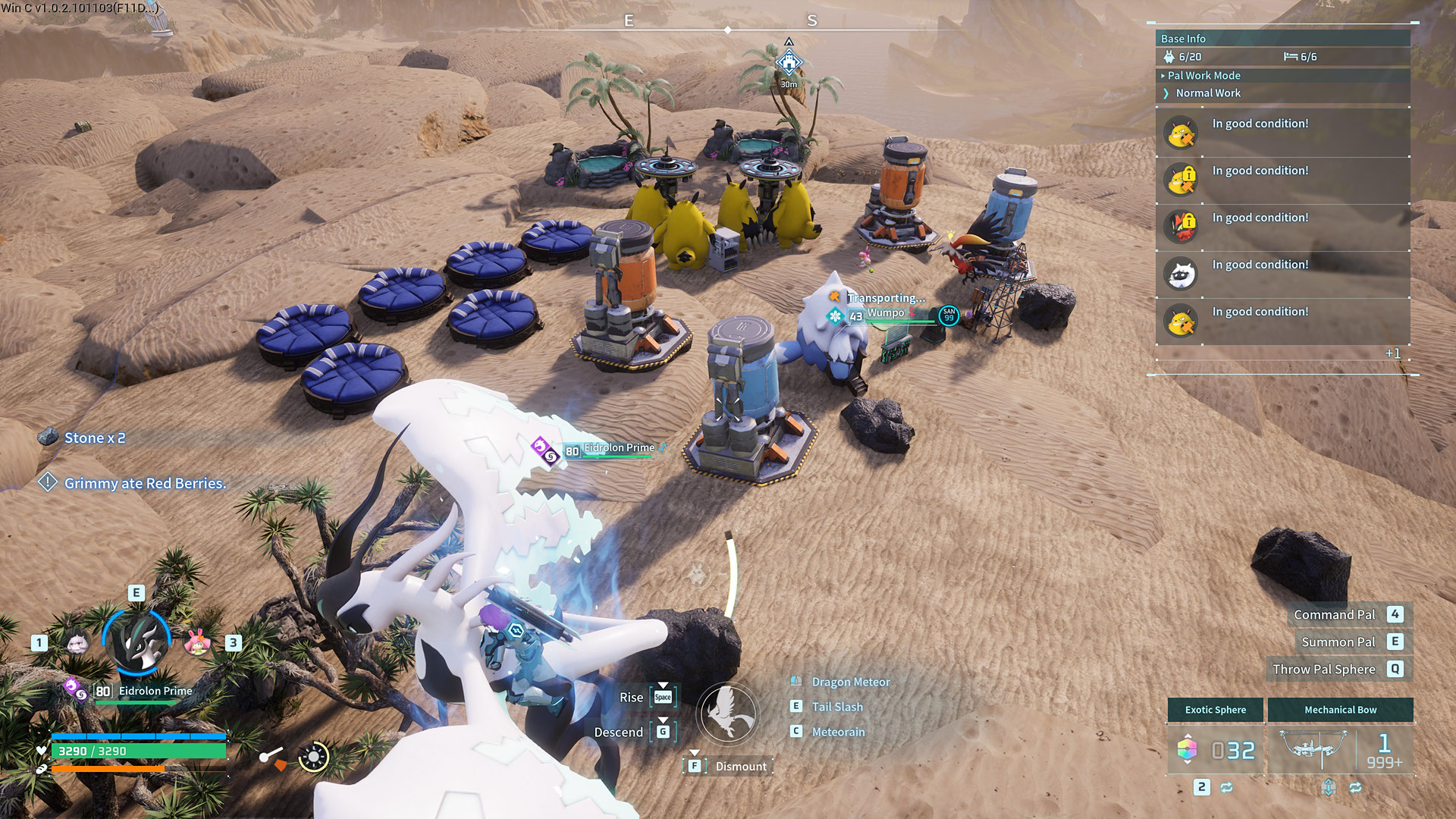
Base logic remains just as inscrutable when Pals aren’t assigned to a specific task. I can have five transport Pals wandering my base with transport enabled and still return to find 1,999 Paldium Fragments sitting at the crusher for hours. Break frequency is another mystery, because nothing beats queuing up Paloxite Ingots, watching my Pals craft three of them, and then watching everyone wander off to relax. It’s not a food issue either, since I stock the feed box with big meals instead of plain berries.
I also wish assigned Pals would move to another station where they can help once their current queue is done. I like leaving one kindling and one cooling Pal at each of my Ancient Furnaces, but once the Paloxite Ingots are finished, it would be nice if they could automatically hop over to the Plasteel I have queued in the Gigantic Furnace instead of forcing me to assign separate kindling Pals there. These little things add up to real frustrations over time. If you set everything up correctly with the right Pals in your base, all of it should just be automated.
Creature Comforts, Revisited
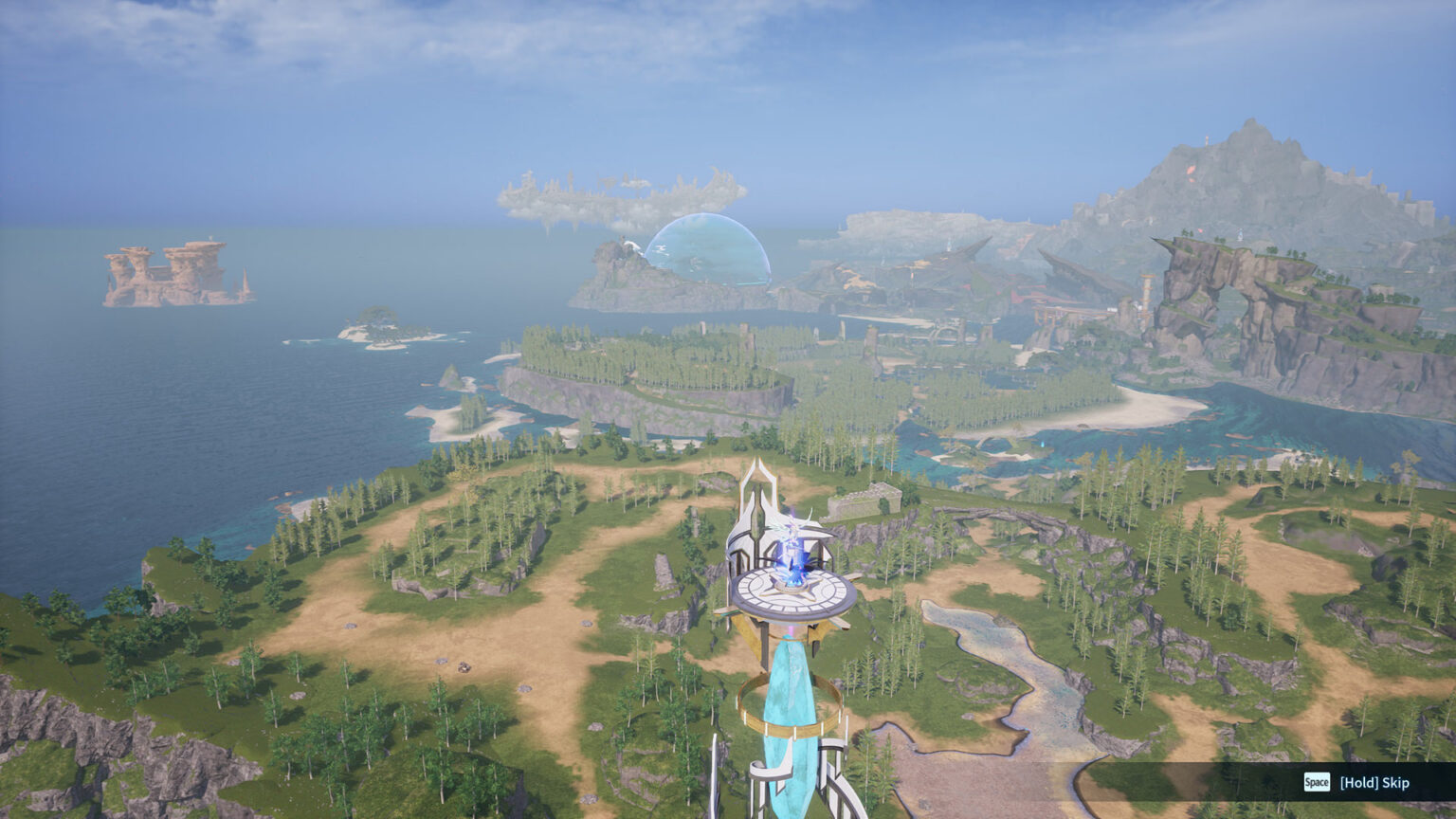
The reason I’m airing all of these gripes is that a 1.0 release comes with a certain level of expectations. Quality of life issues that players have called out for years should be addressed by the time the Early Access label comes off, and while the amount of content is great, Palworld didn’t really evolve between Early Access and 1.0. The foundation was clearly strong from day one. I just kept waiting for Pocketpair to add layers of depth on top of it.
I wouldn’t even say I set my expectations unreasonably high for what the full release needed to deliver. I just wanted something different introduced to the loop, something that made Palworld feel unique and innovative within its genre. Dune: Awakening might be a rough comparison considering what happened to that game after launch, but it shipped with a lot of features that were genuinely new to the survival genre. That’s the kind of swing I kept hoping Palworld would take, and it never comes.
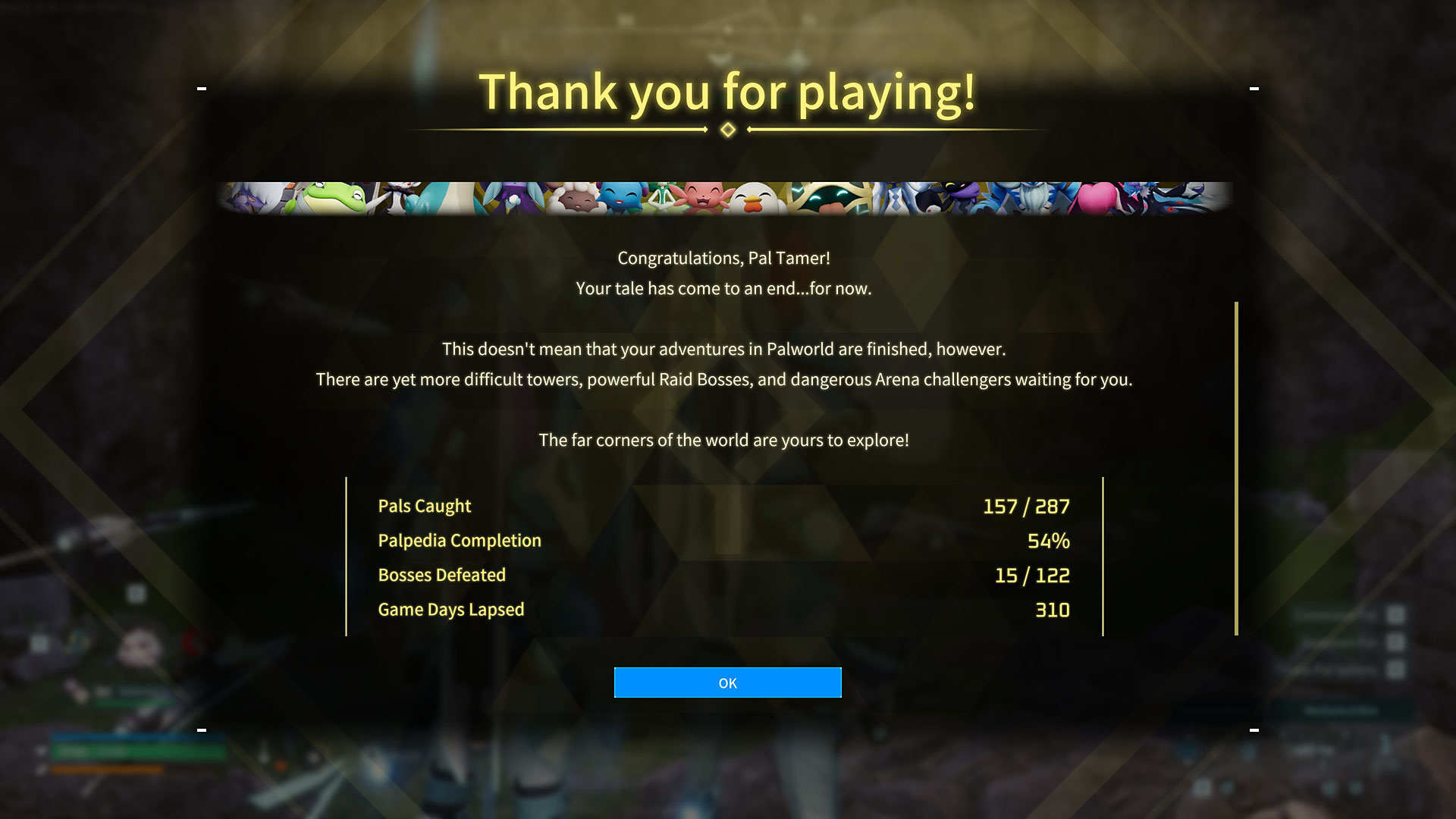
Don’t get me wrong, though, because Palworld is a great game, and nearly 200 hours across multiple playthroughs means there’s clearly something here that’s a ton of fun and keeps our group coming back. If you’ve never played it, picking it up is a no-brainer, especially if you have friends, with a huge world to explore, a massive roster of Pals to collect, and plenty to customize and do. Just know that a lot of it will feel the same real quickly. Now, I’m off to write an even longer improvements post for 1.0 than the one I wrote for Early Access.
Palworld has an official release date of July 10, 2026, for PlayStation 5, XBOX One, XBOX Series X|S, and PC. This review is based on a purchased retail copy of the game on PC. While FullCleared does have affiliate partnerships, they do not influence our editorial content. We may earn a commission for purchases made through links on this page.
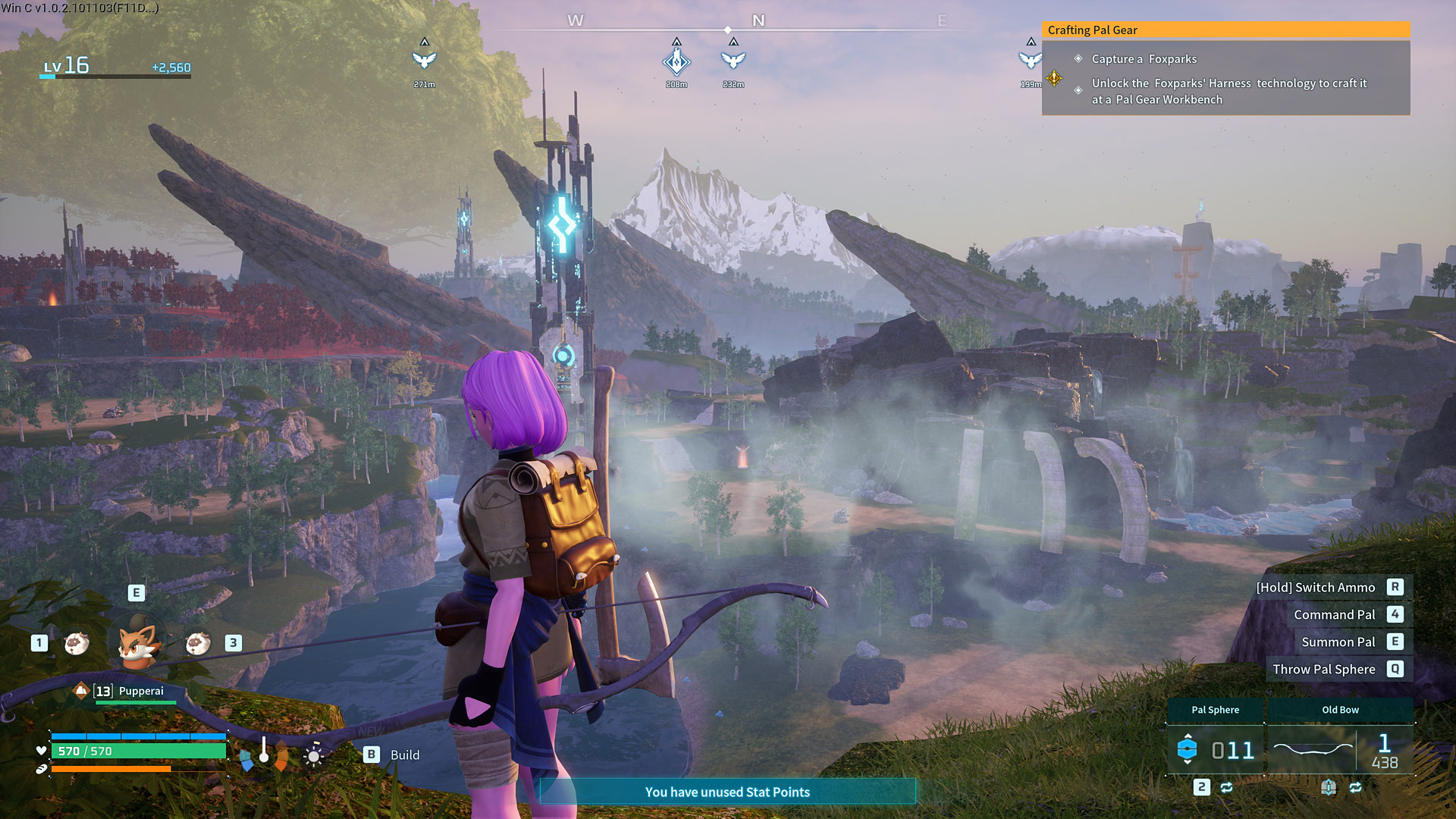
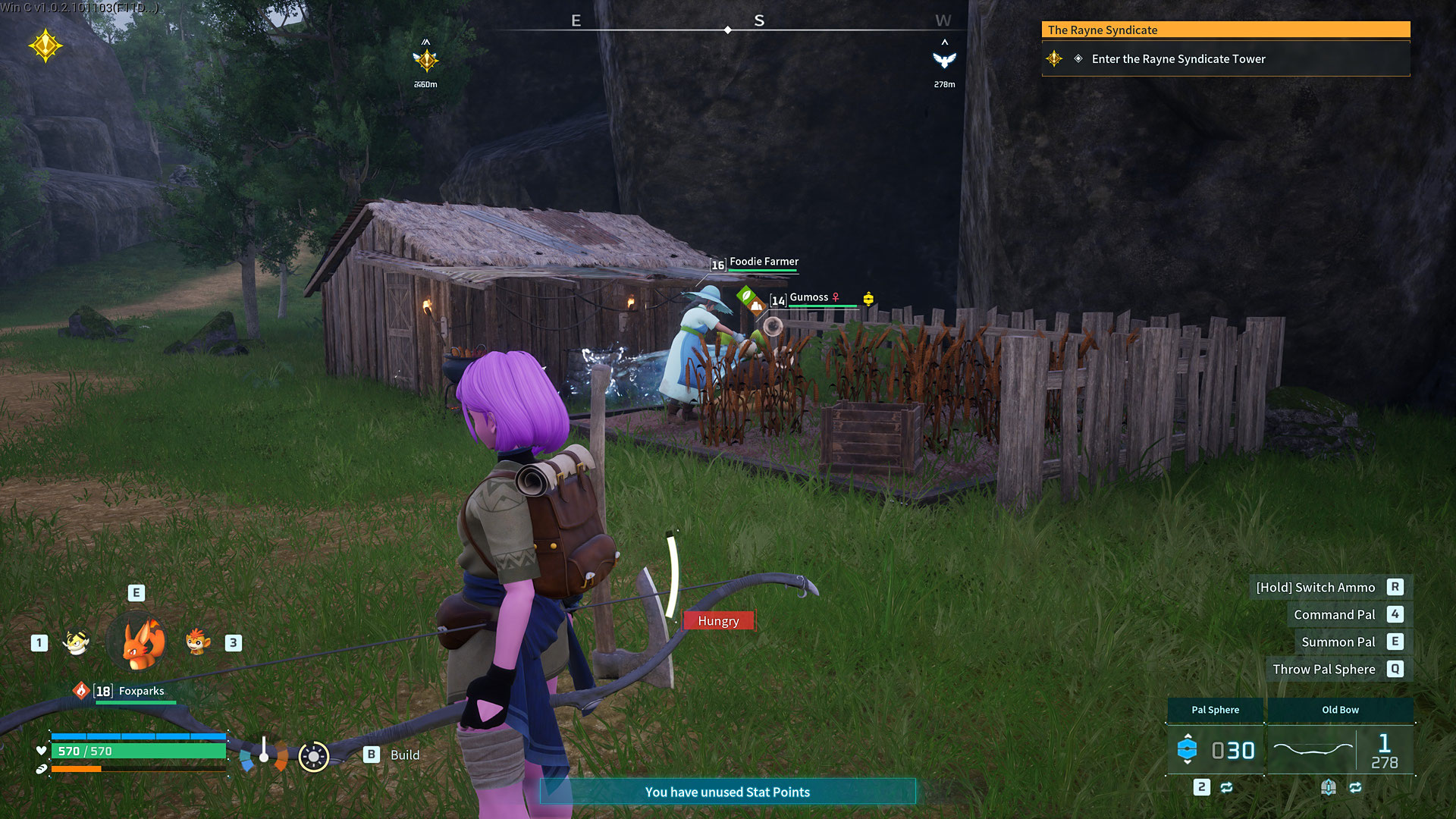
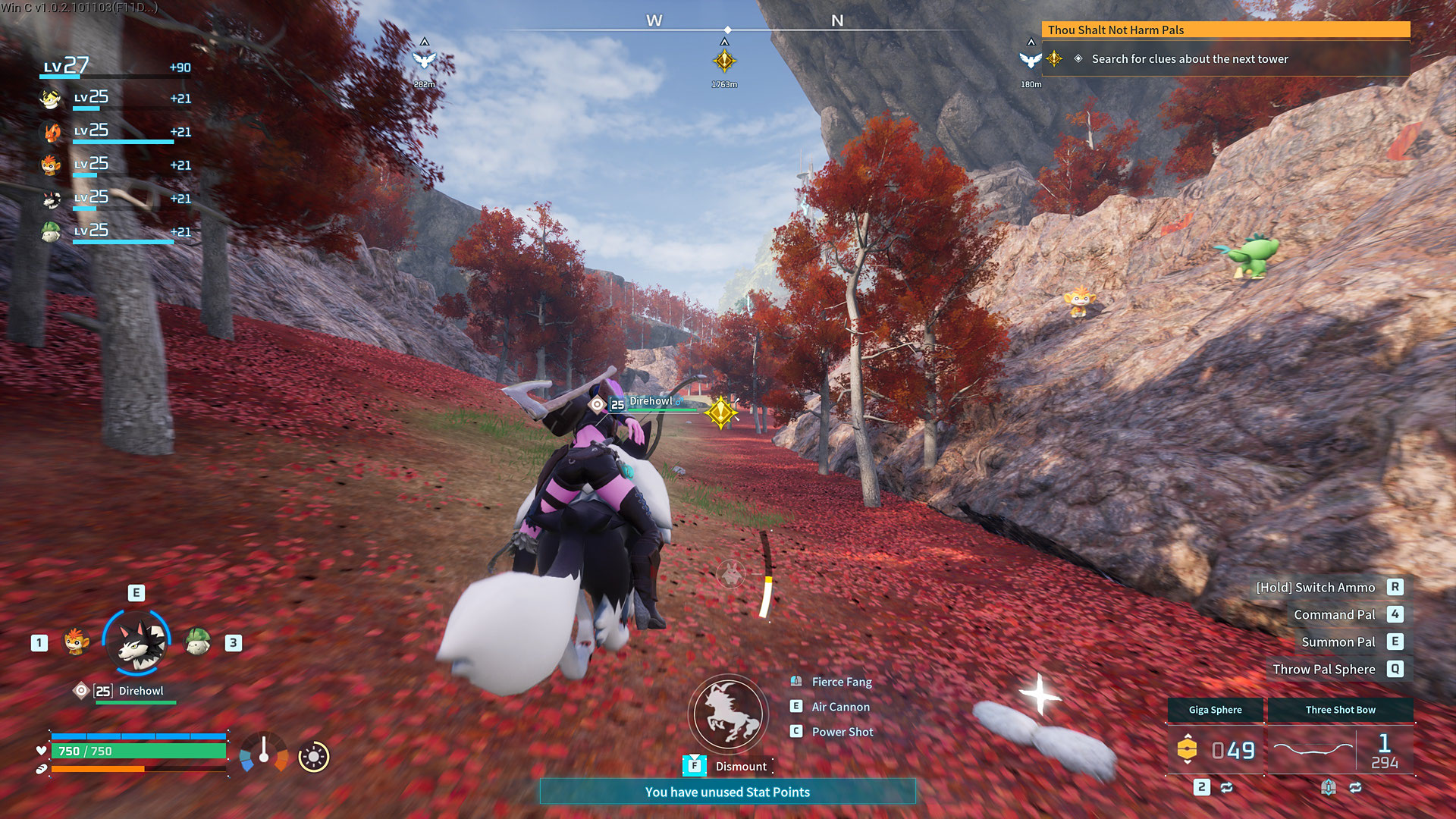
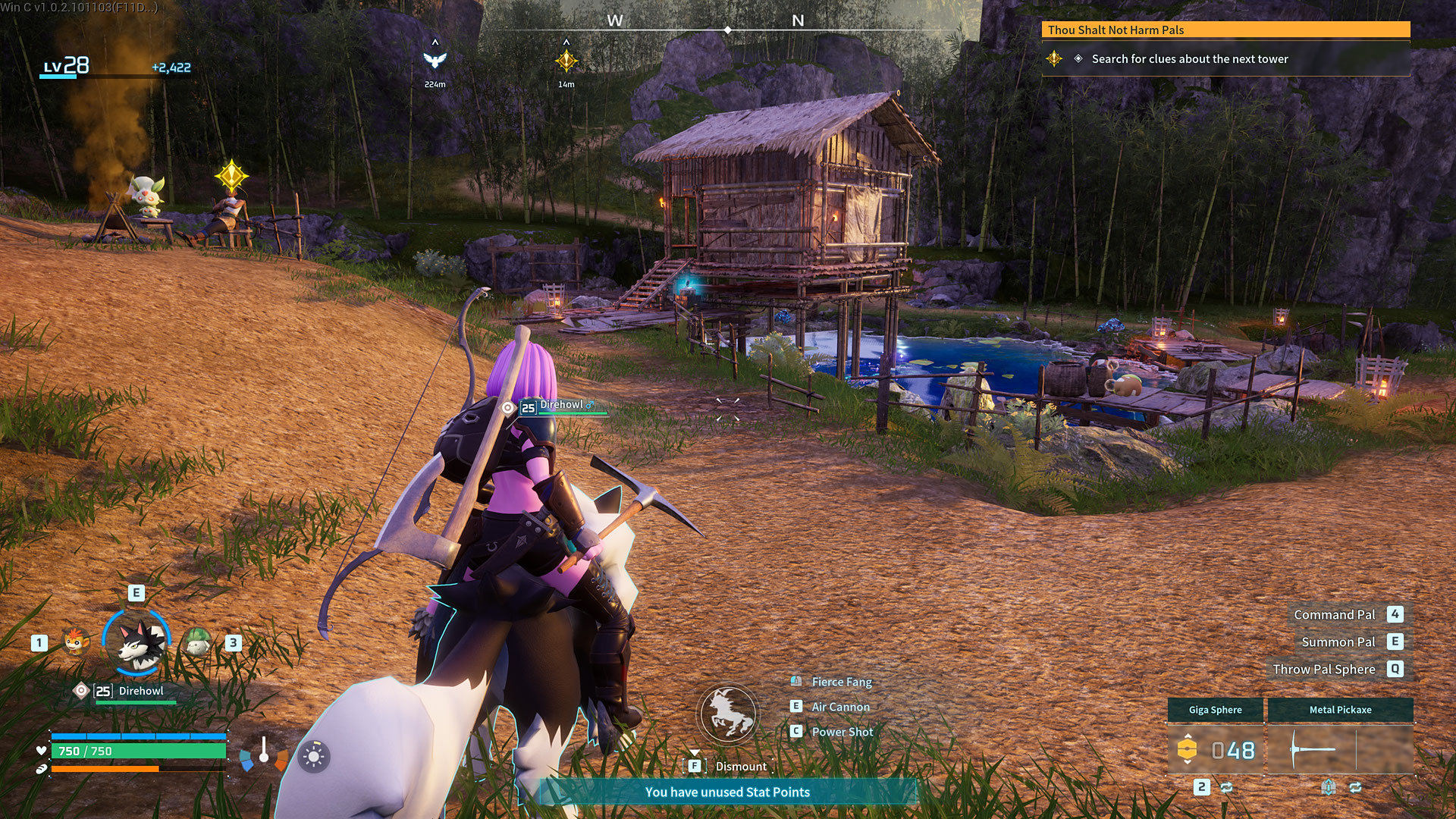
Palworld Review Gallery


Continue?
Like our content?
Subscribe to our newsletter and get video game news, reviews, features, and deals straight to your inbox.
You're subscribed!
Thanks for signing up. Look for an email from Substack at .
No email after a few minutes? Subscribe on Substack.
This newsletter may contain advertising, deals, or affiliate links. Subscribing to the newsletter indicates your consent to our Privacy Policy. You may unsubscribe from the newsletter at any time.