Quick Verdict
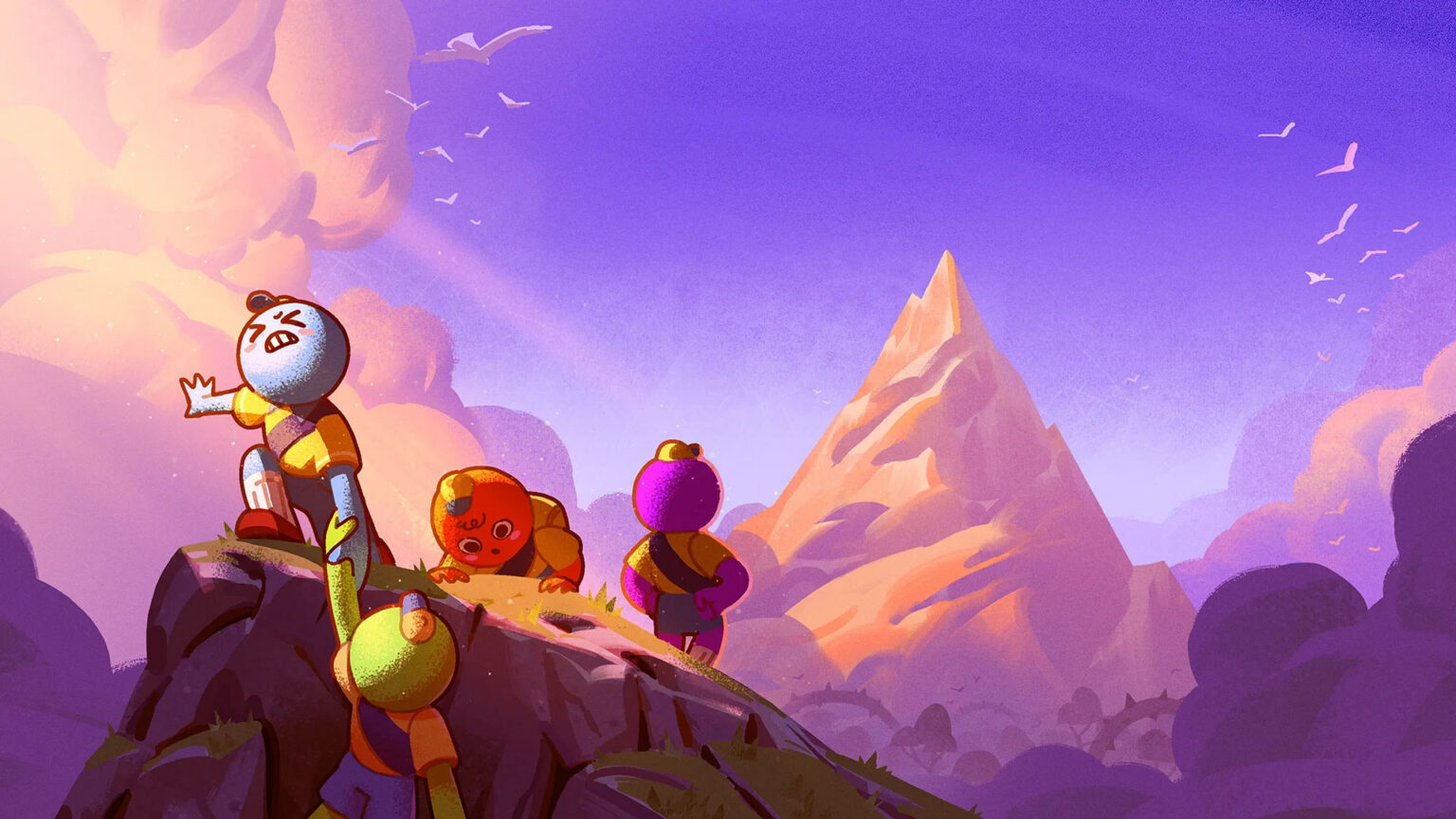
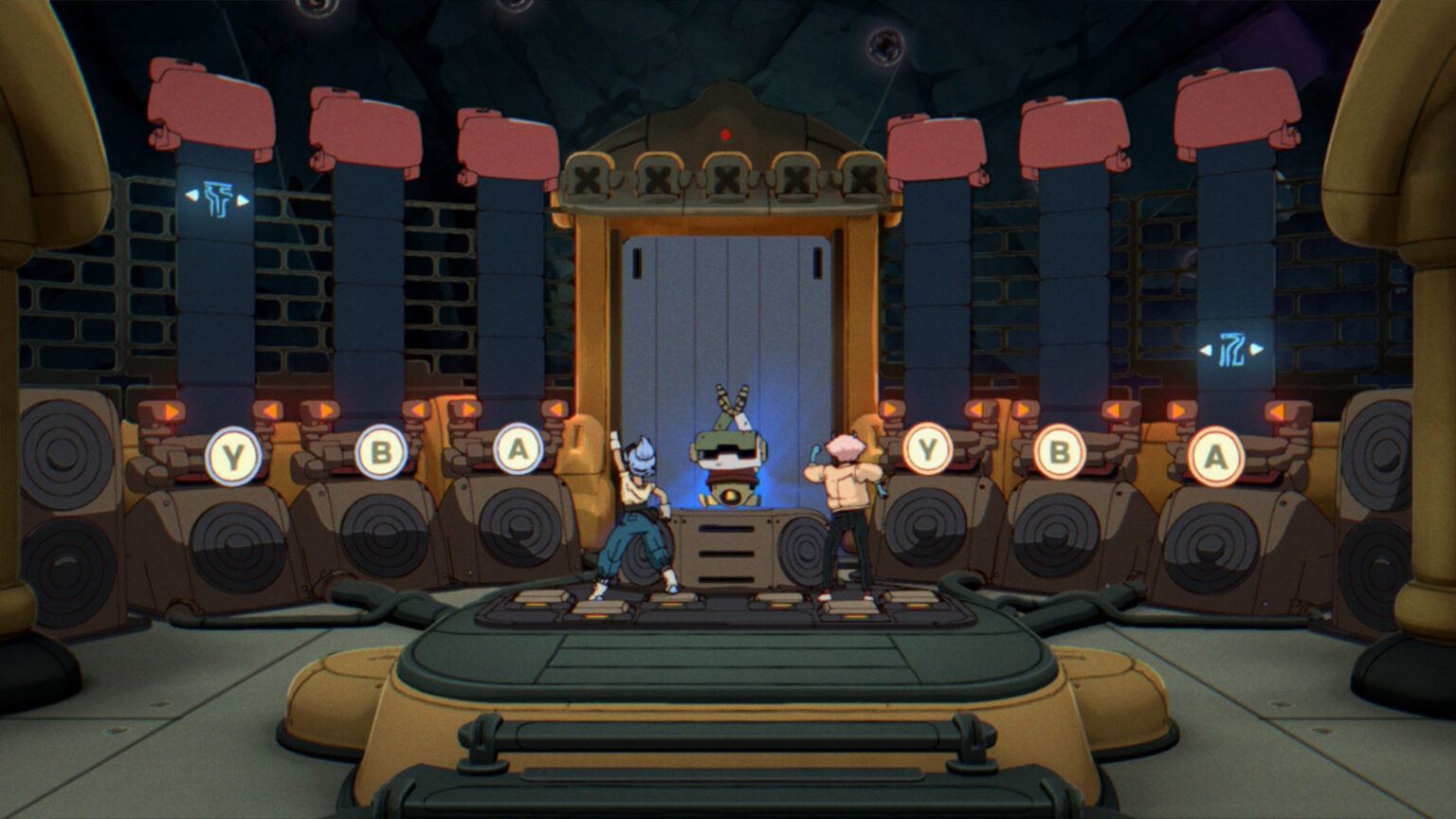
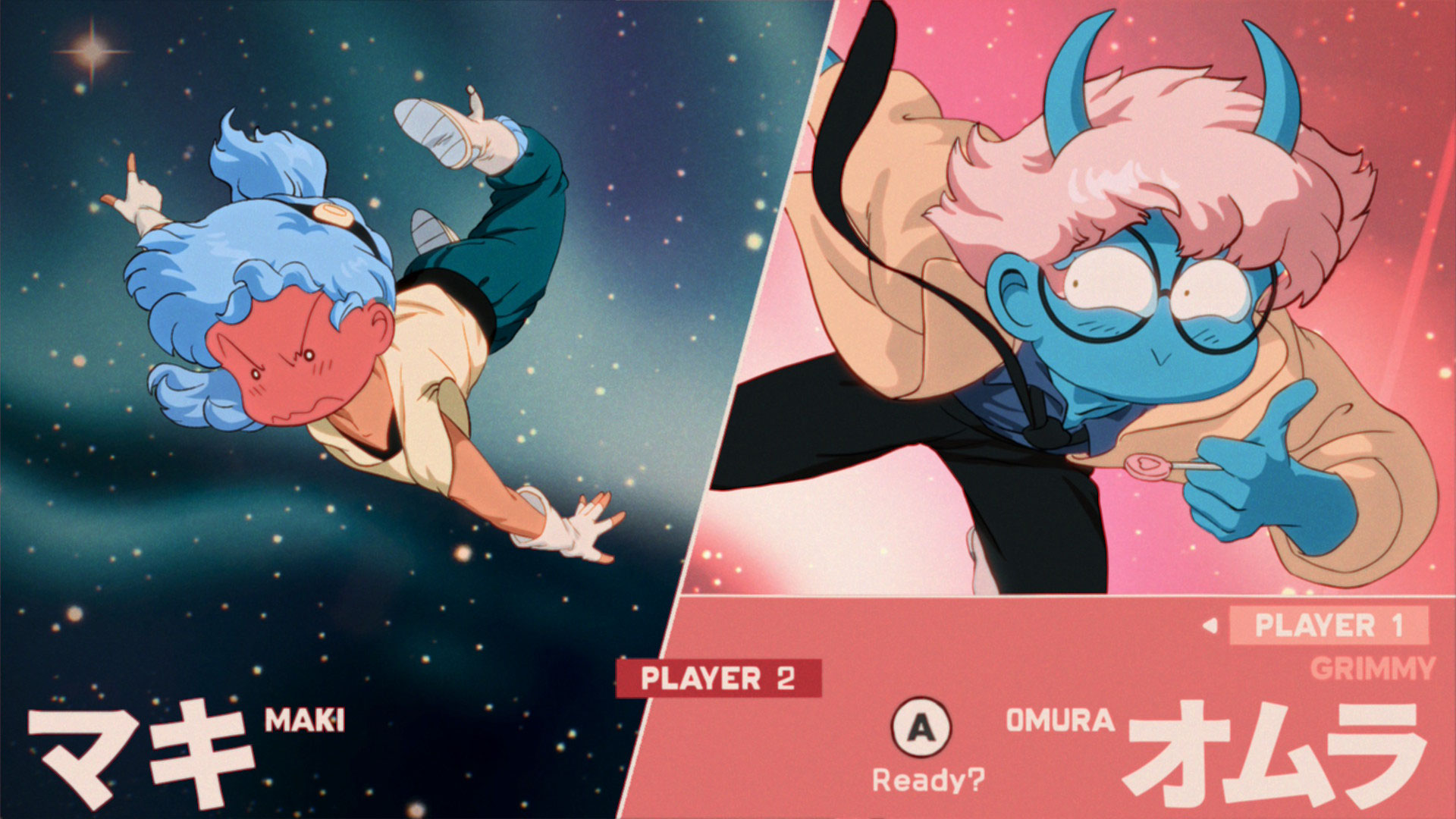
If you’ve played any of Hazelight Studios’ co-op games, you already have a pretty good idea of what Orbitals is, and that’s both the best and worst thing I can say about it. Developed by Tokyo-based Shapefarm and directed by Jakob Lundgren, who worked as a designer on A Way Out, It Takes Two, and Split Fiction, Orbitals is a two-player asymmetric co-op puzzle adventure that’s exclusive to Switch 2. It also looks like a lost anime from the late 80s, and I mean that as the highest compliment.
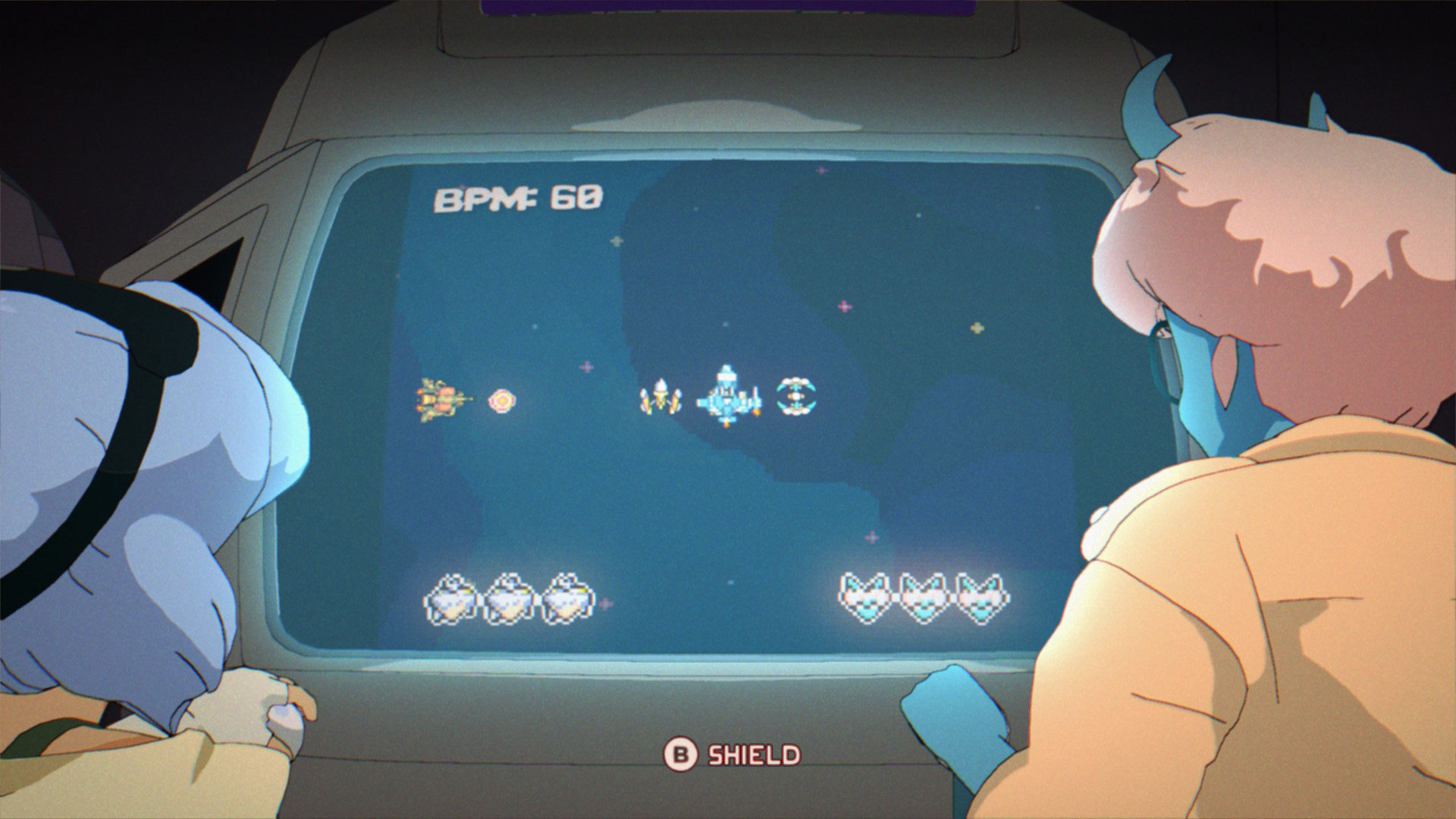
We rolled credits in around six hours, and that was after engaging with every mini-game we came across. That’s disappointingly short, though your time will vary depending on how well you and your partner work together and how quickly you figure out some of the puzzles. Everything inside those six hours is good. There’s just not enough of it. Still, if you’ve enjoyed any of the Hazelight titles and are wondering whether Orbitals has anything new to offer, the answer is yes. The tool-based role swapping alone is a clever idea Hazelight has never tried, and Maki and Omura are more likable than any pair the genre has produced so far. If you have a partner ready to go, this is an easy recommendation.
Frame of Mind
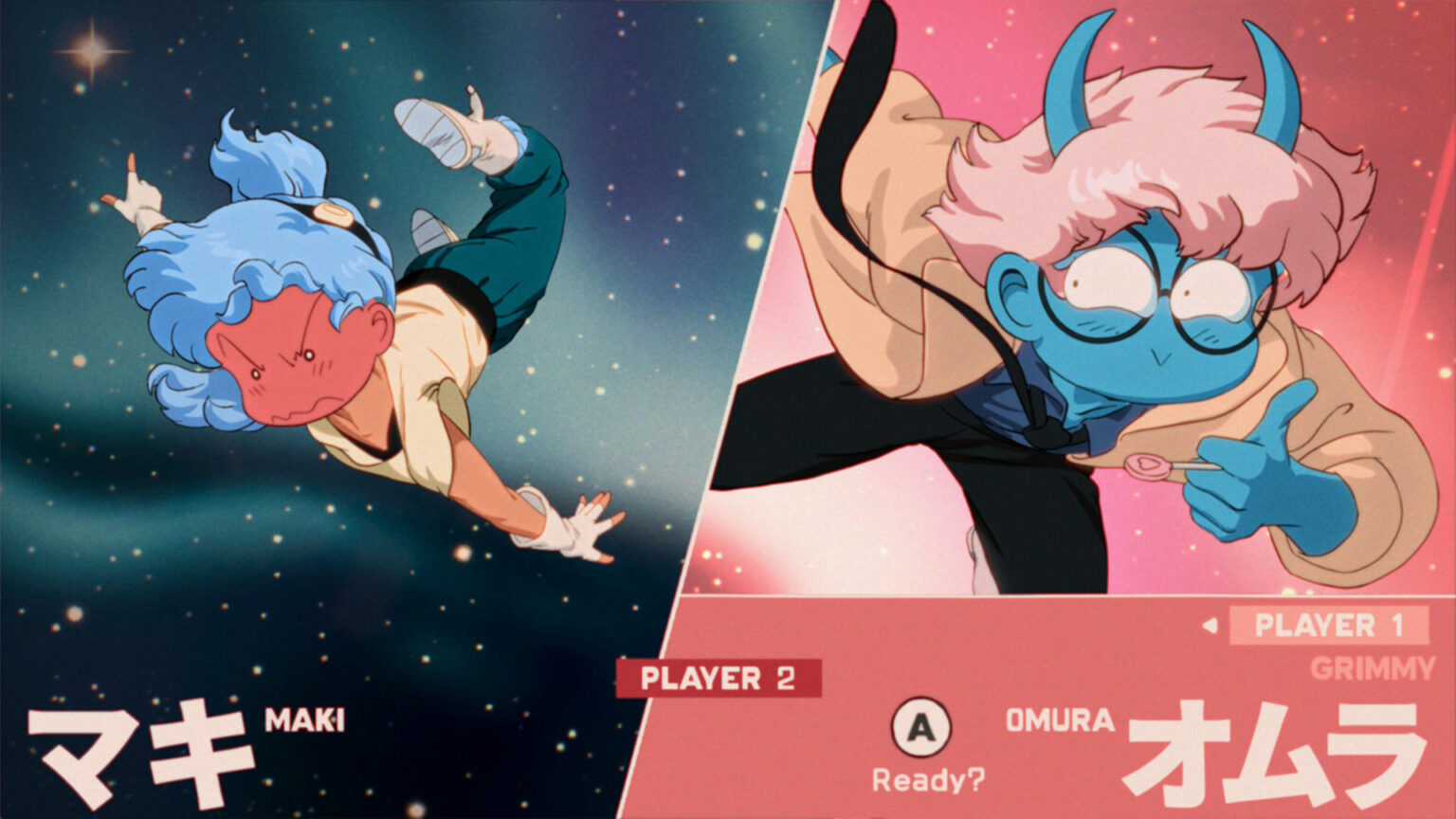
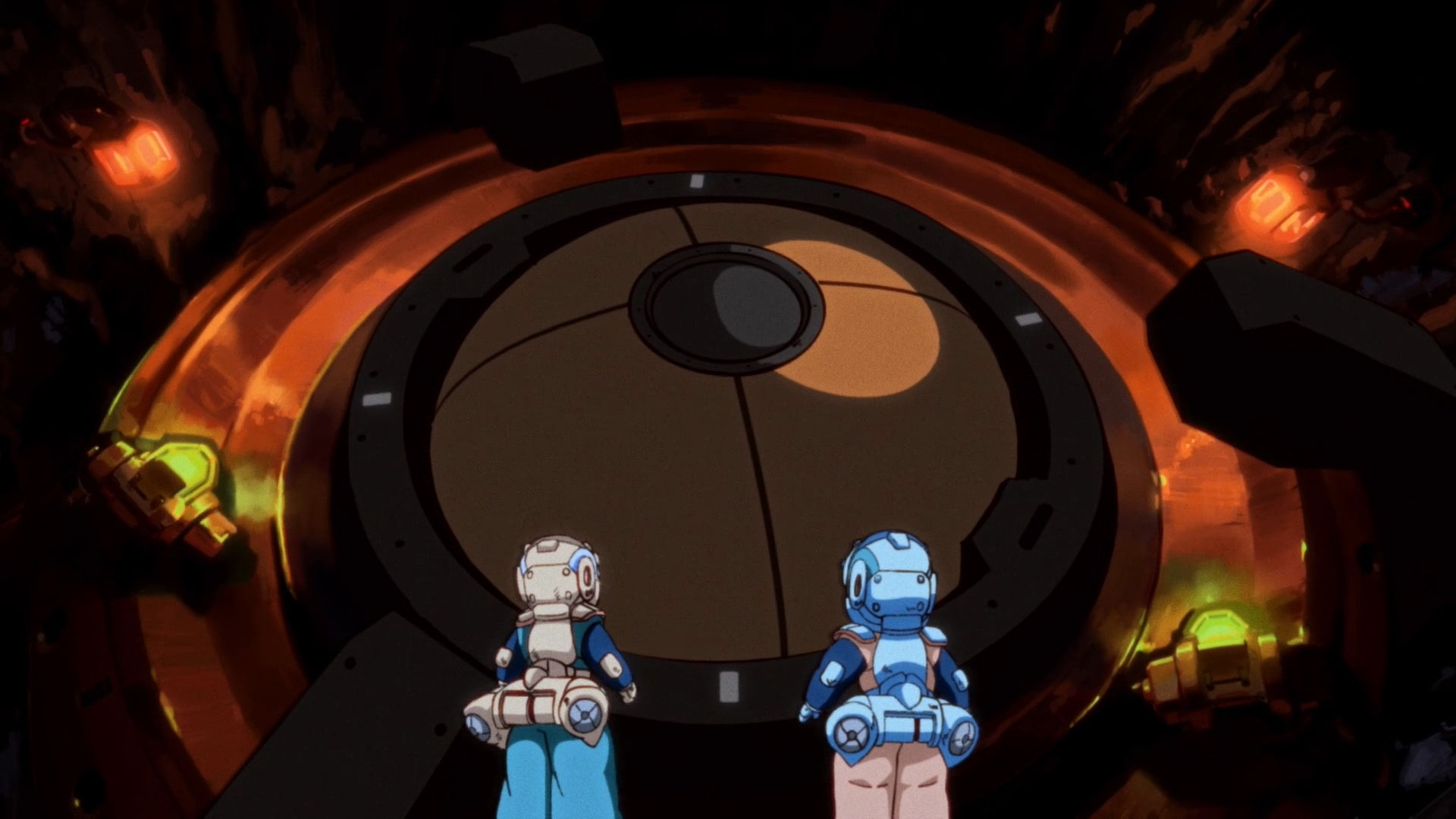
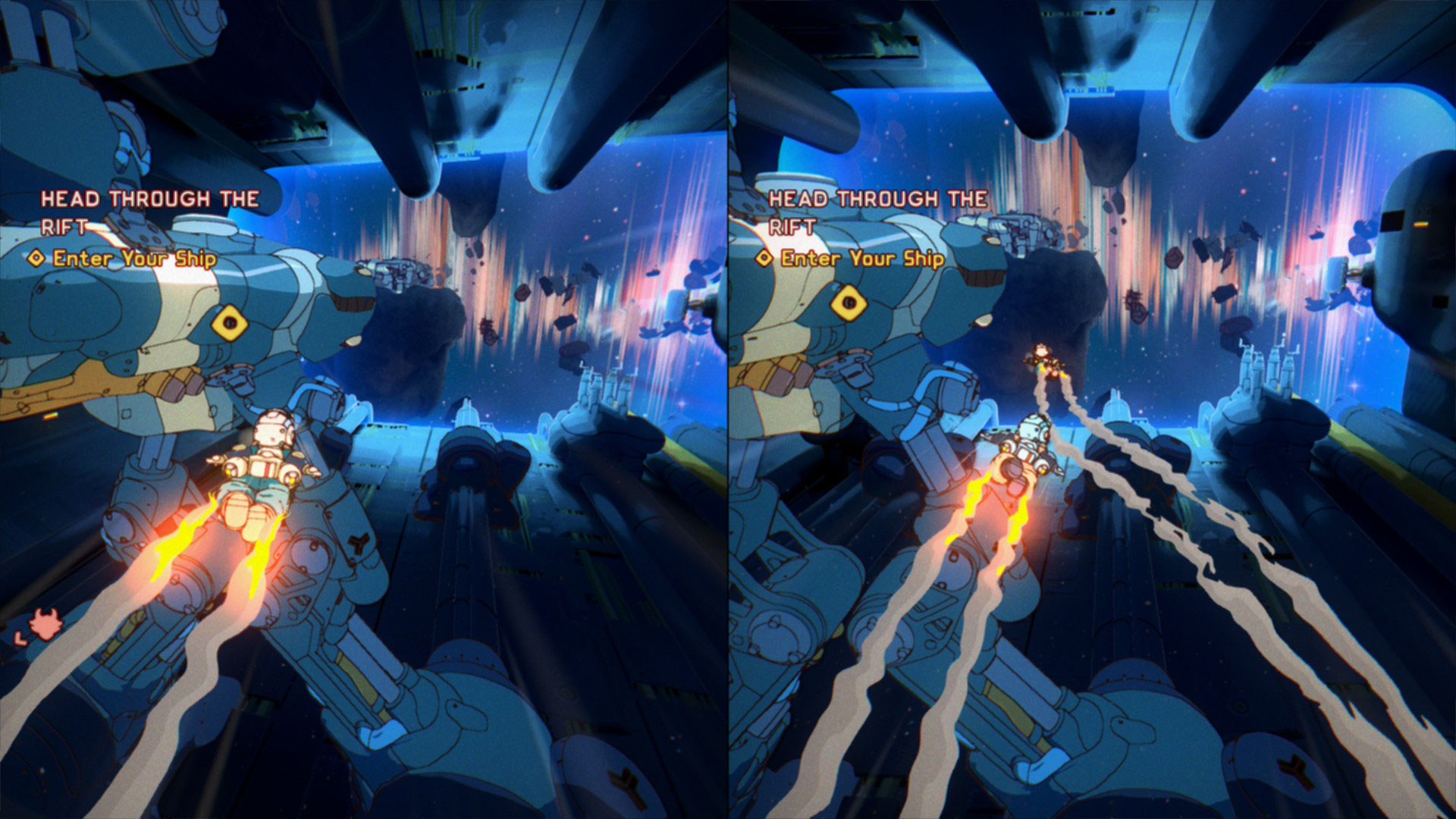
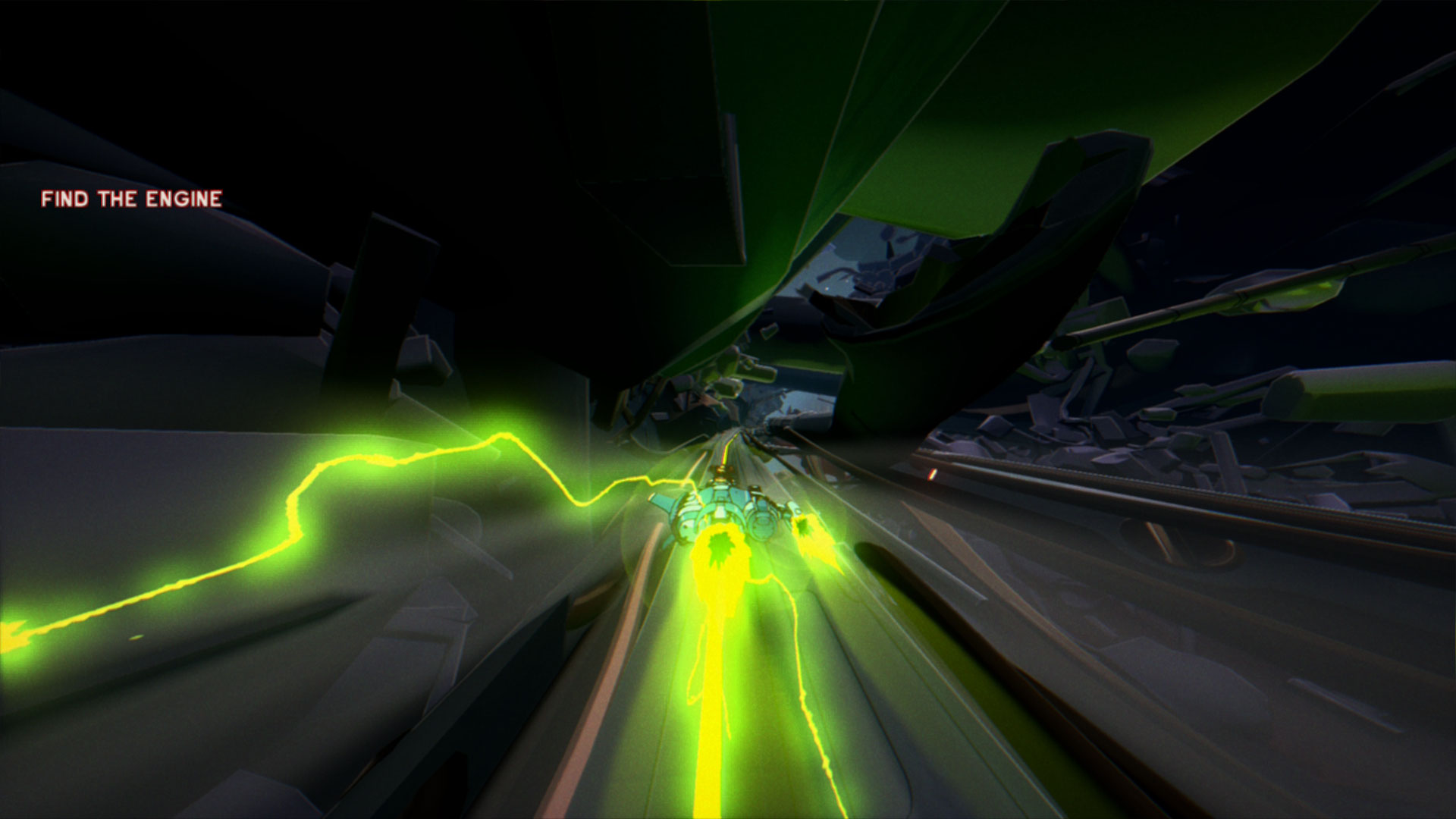
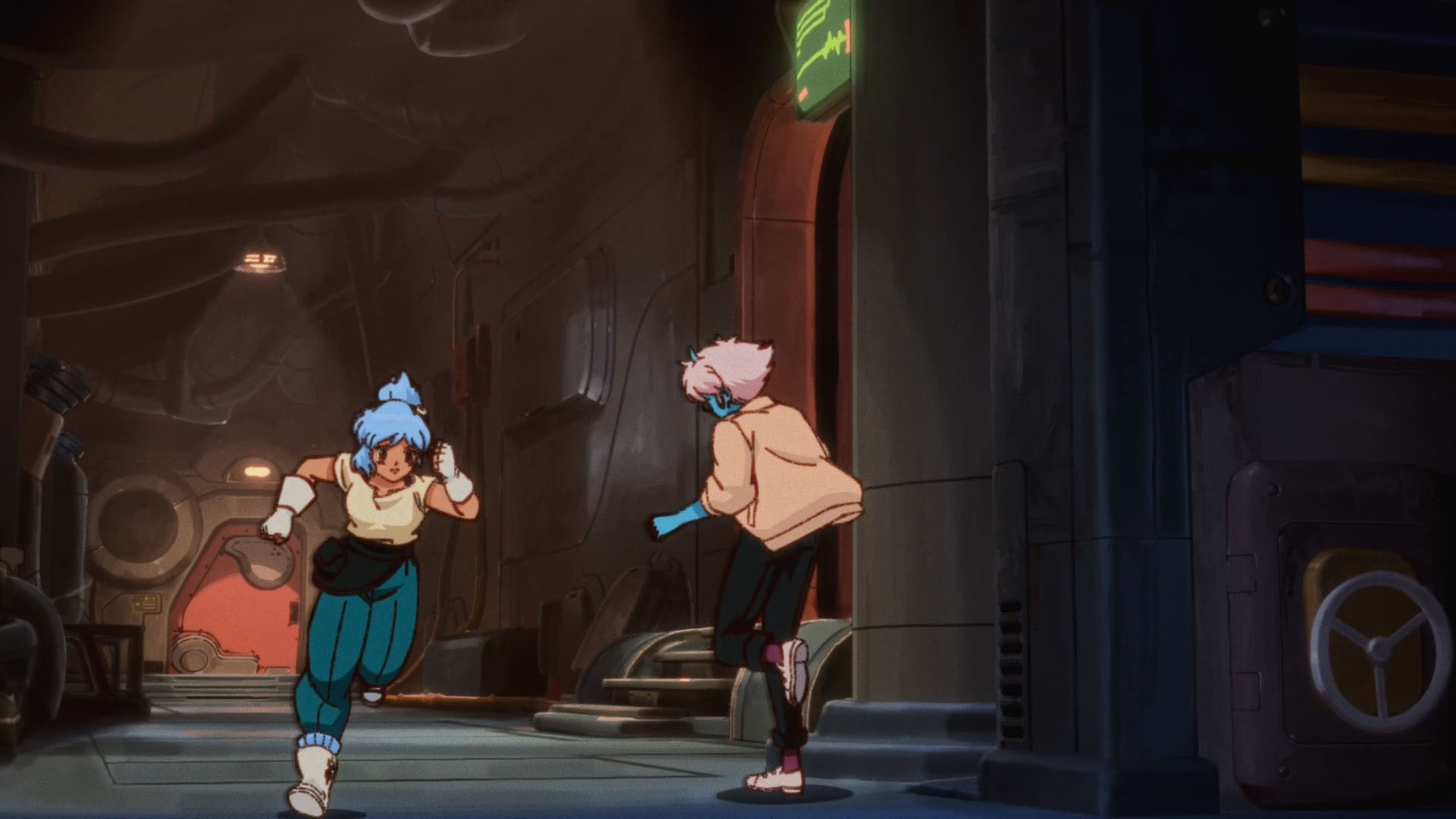
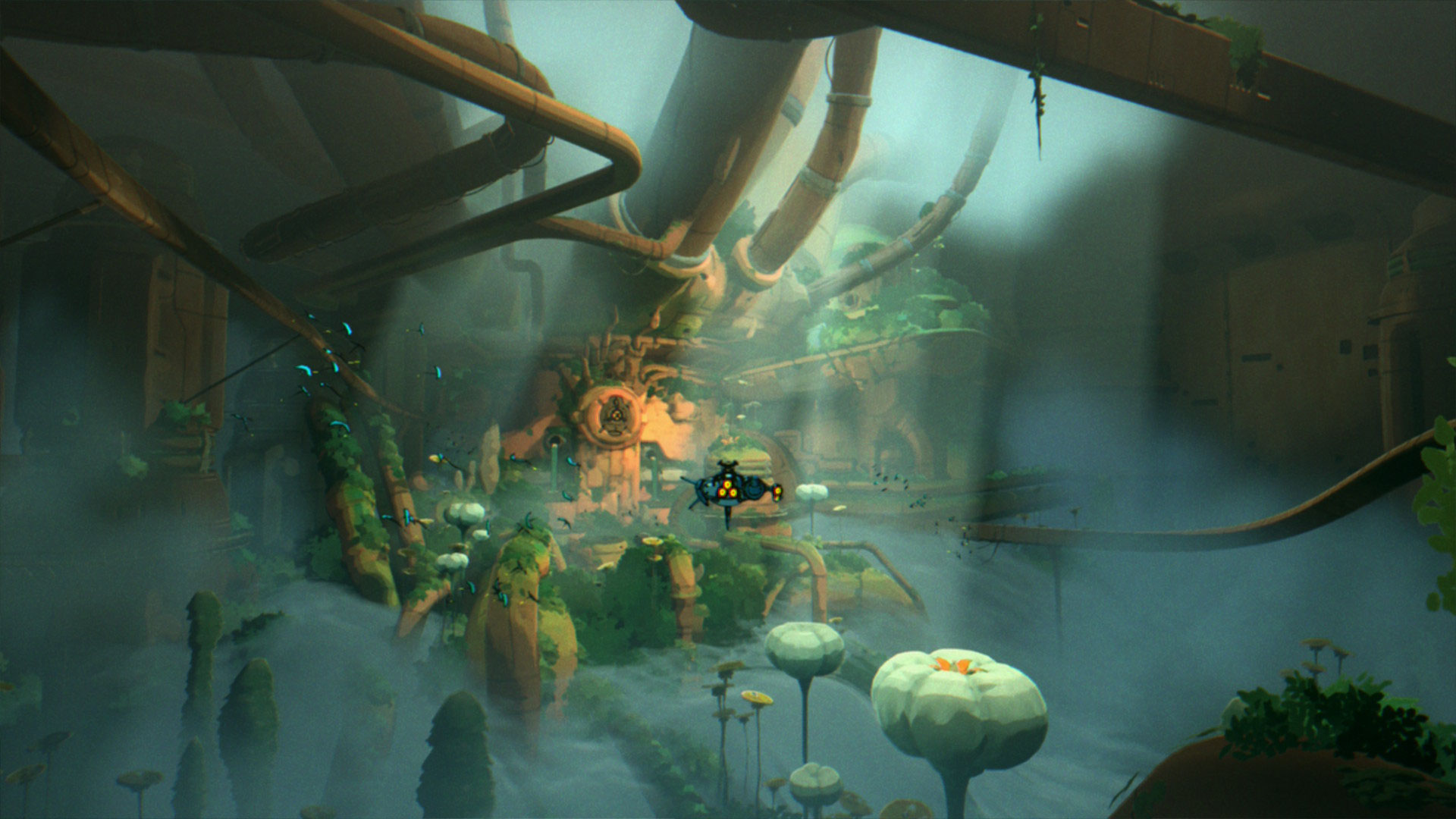
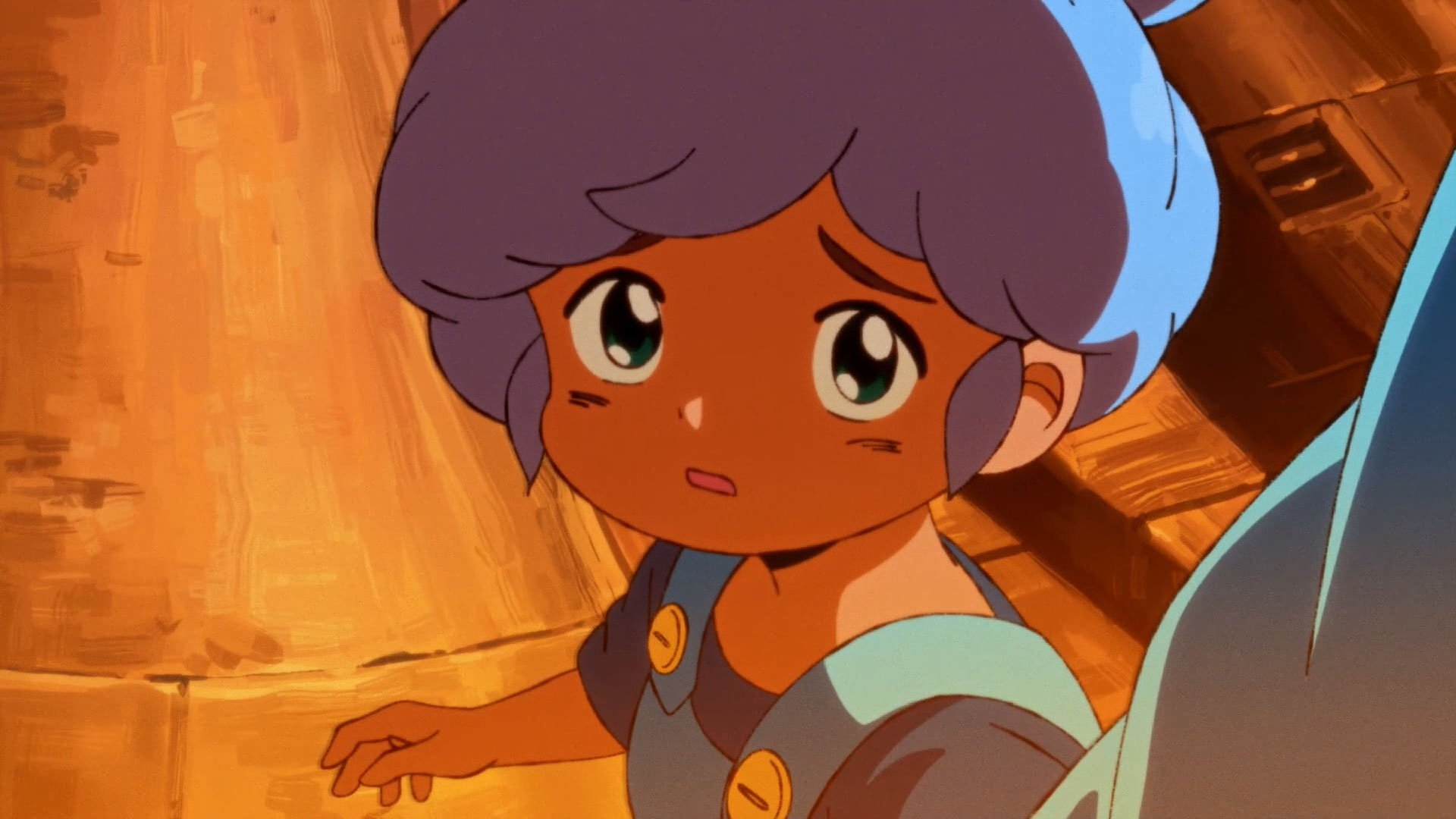
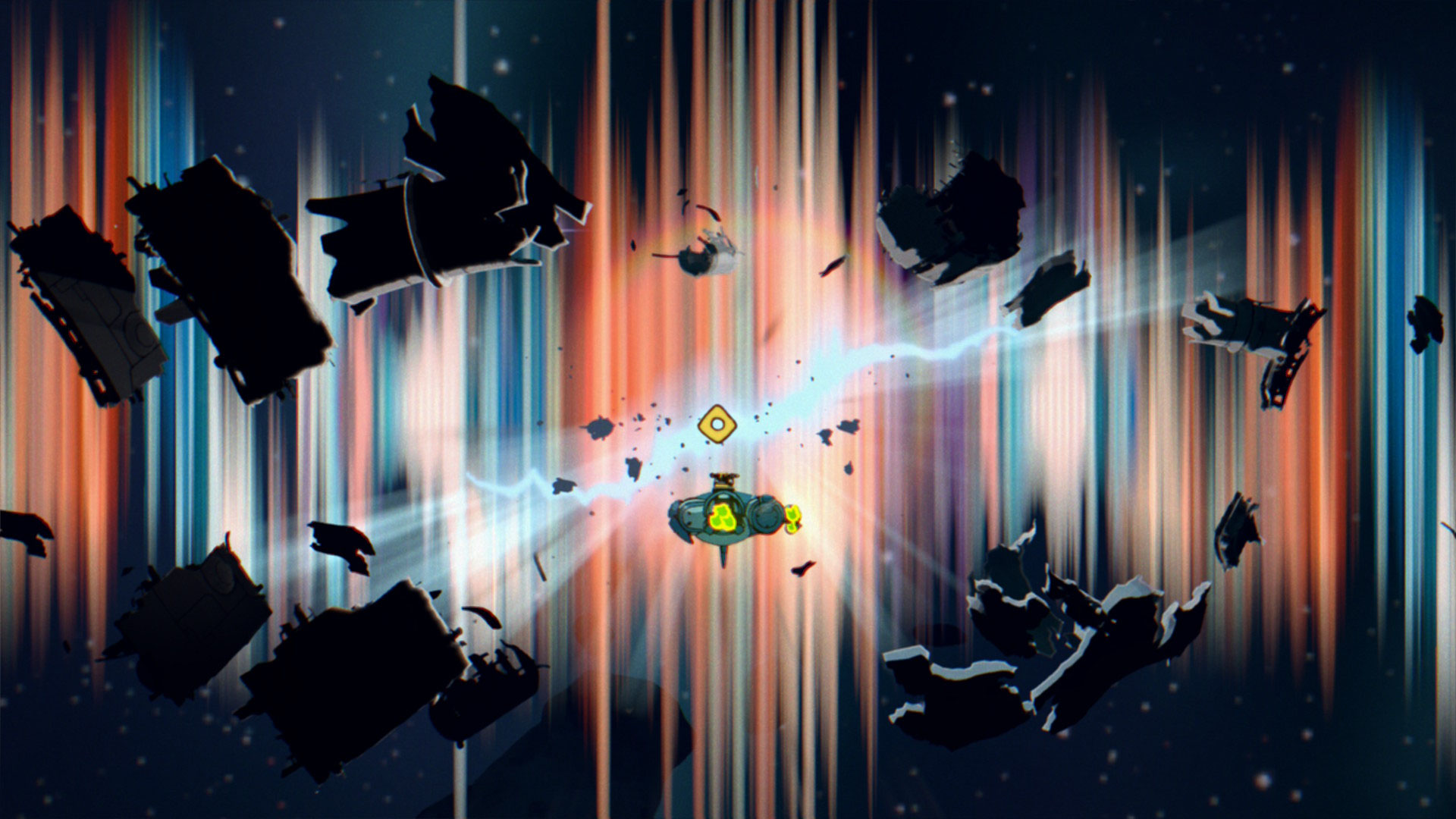
Before we get into the puzzles, we have to talk about this game’s presentation, because it’s the first thing anyone is going to notice. As someone who grew up on the classic anime of the 80s and 90s, I absolutely adored how Orbitals looks. Shapefarm partnered with Studio Massket, an anime studio that worked on Lycoris Recoil, for the hand-drawn cutscenes, and the in-game visuals match them closely enough that the handoff between the two barely registers.
The cleverest trick, though, is how the game handles framerate. Rather than animating everything as smoothly as the hardware allows, Shapefarm generally runs the game at 30 FPS while animating characters and other moving objects at 12 or 24 FPS, similar to traditional hand-drawn anime. It sounds like a gimmick on paper, but in practice, it’s the single biggest reason Orbitals feels like a cartoon you’re controlling rather than a game with a cartoon filter slapped on top.
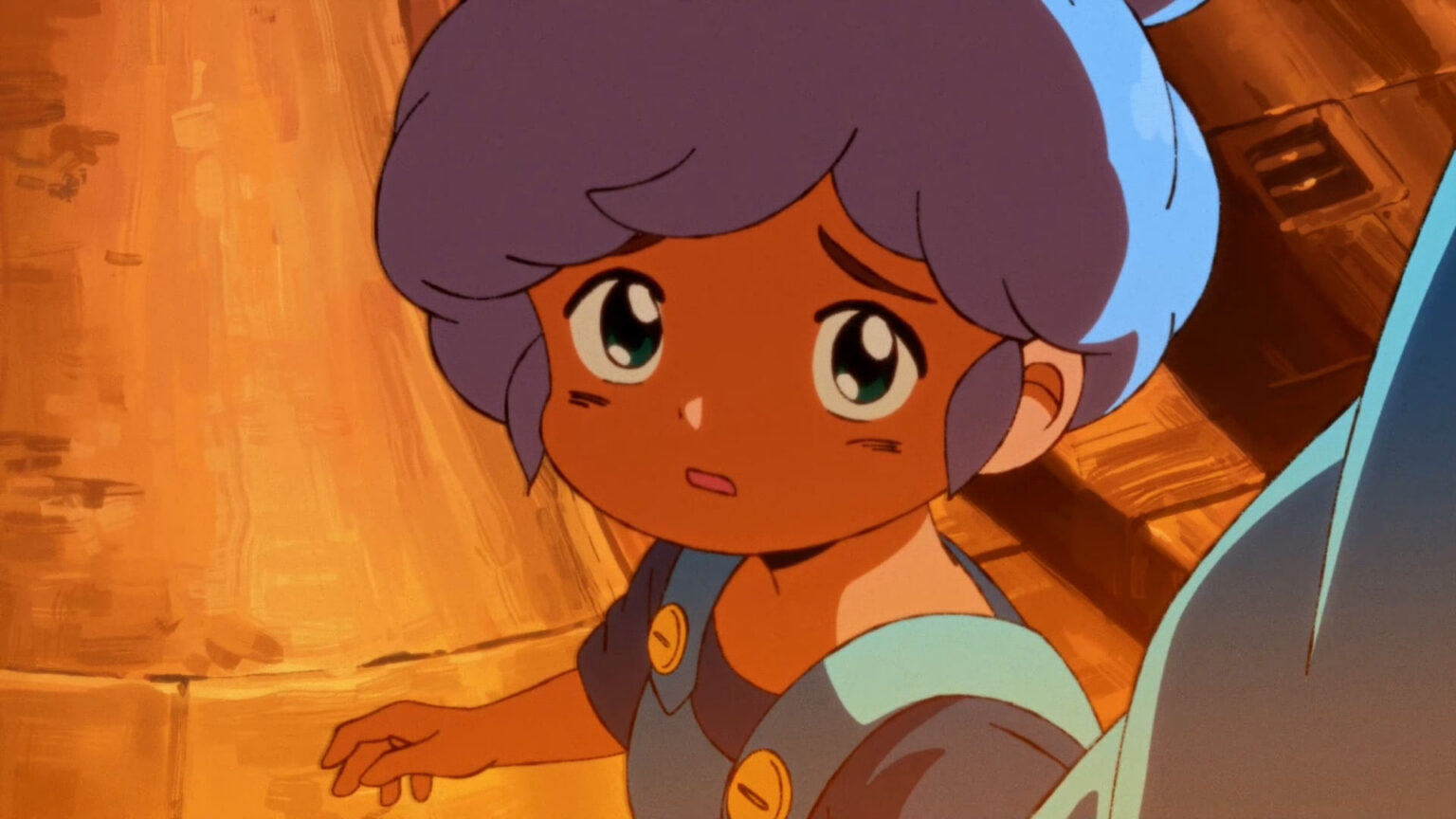
The voice acting is excellent too, with full English and Japanese casts, and I became particularly fond of Maki’s expressions as the adventure went on. Her reactions carry a lot of personality, and they’re a big part of why the character grew on me the way she did.
Tool Sharing
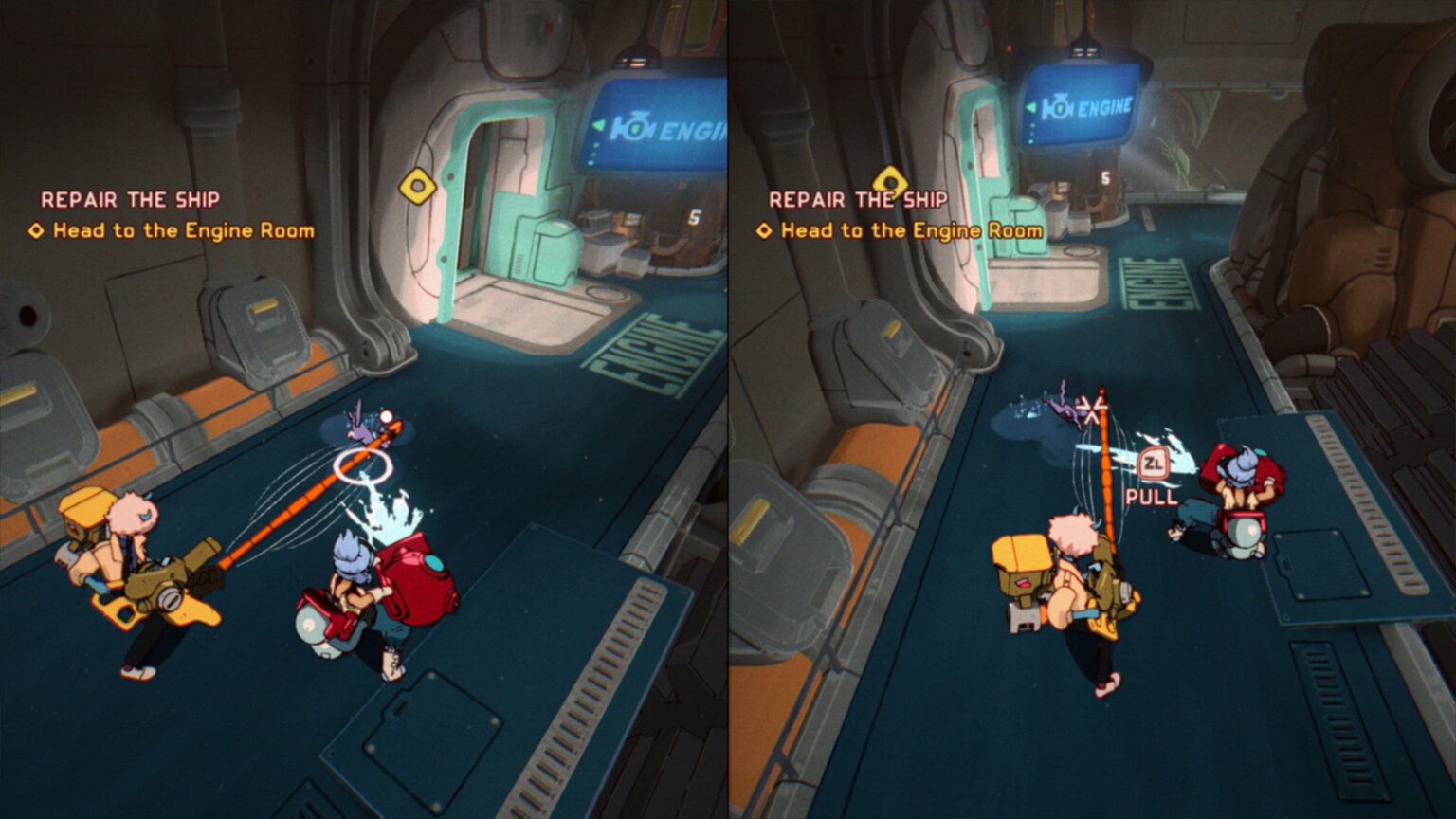
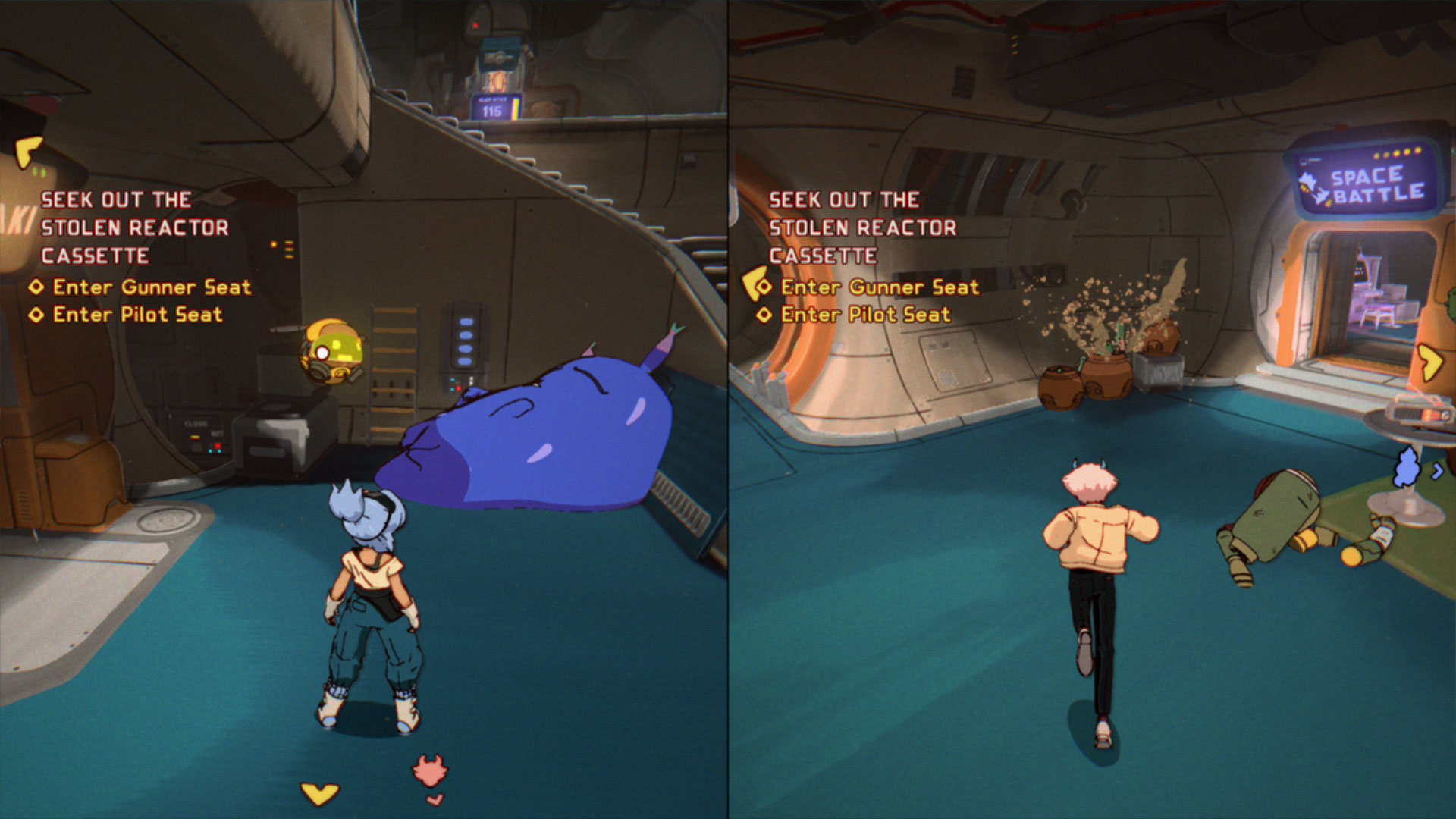
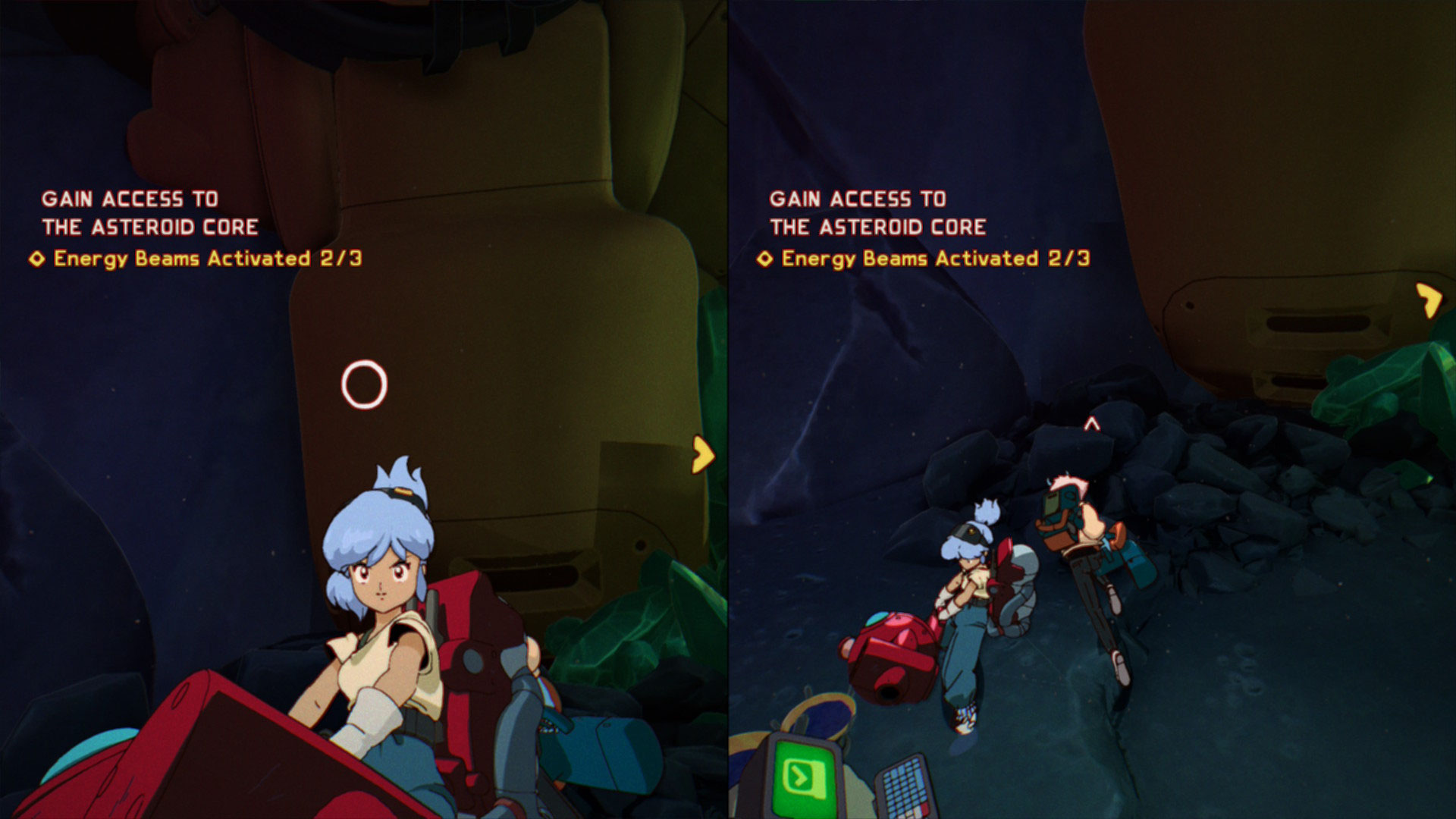
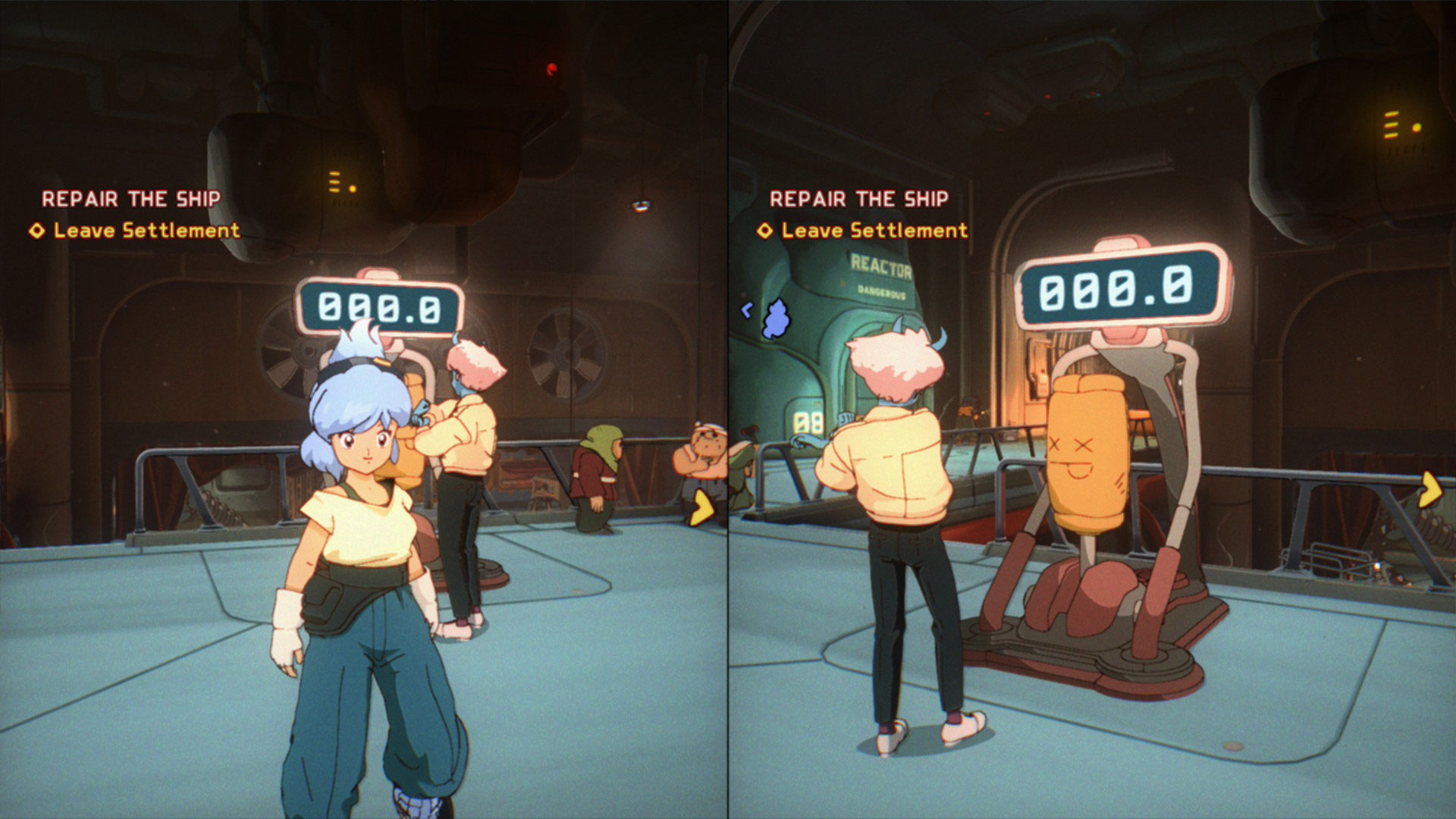
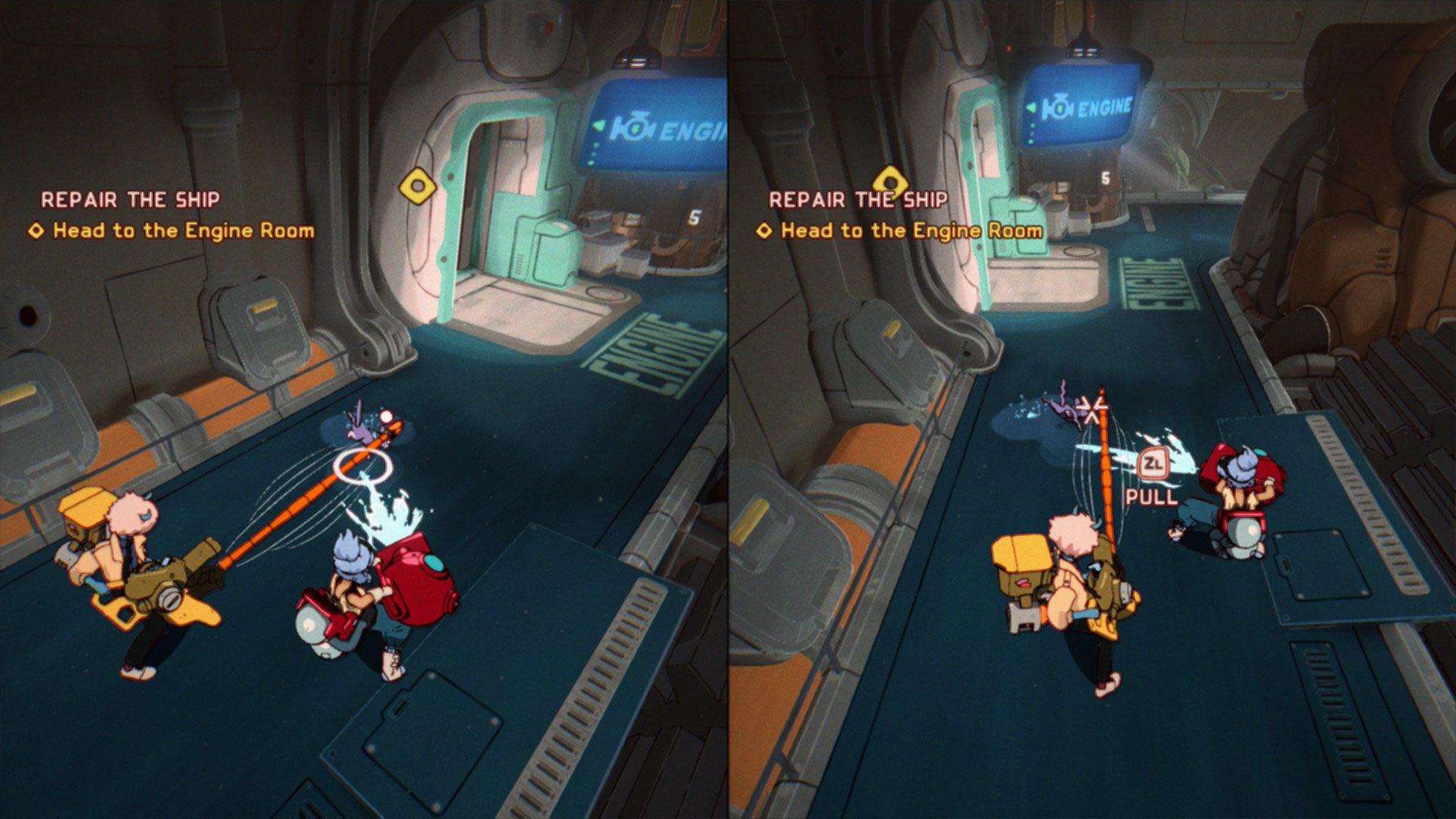
Orbitals clearly takes a lot of inspiration from Hazelight’s games, from A Way Out to It Takes Two to Split Fiction, which shouldn’t surprise anyone given the director’s resume. But there are plenty of original ideas here. For starters, instead of being locked into a specific role tied to a specific character, what each player actually does comes down to which tool they grab. One tool might be a grabbing arm, another might be a laser, and swapping tools with your partner means swapping jobs on the spot.
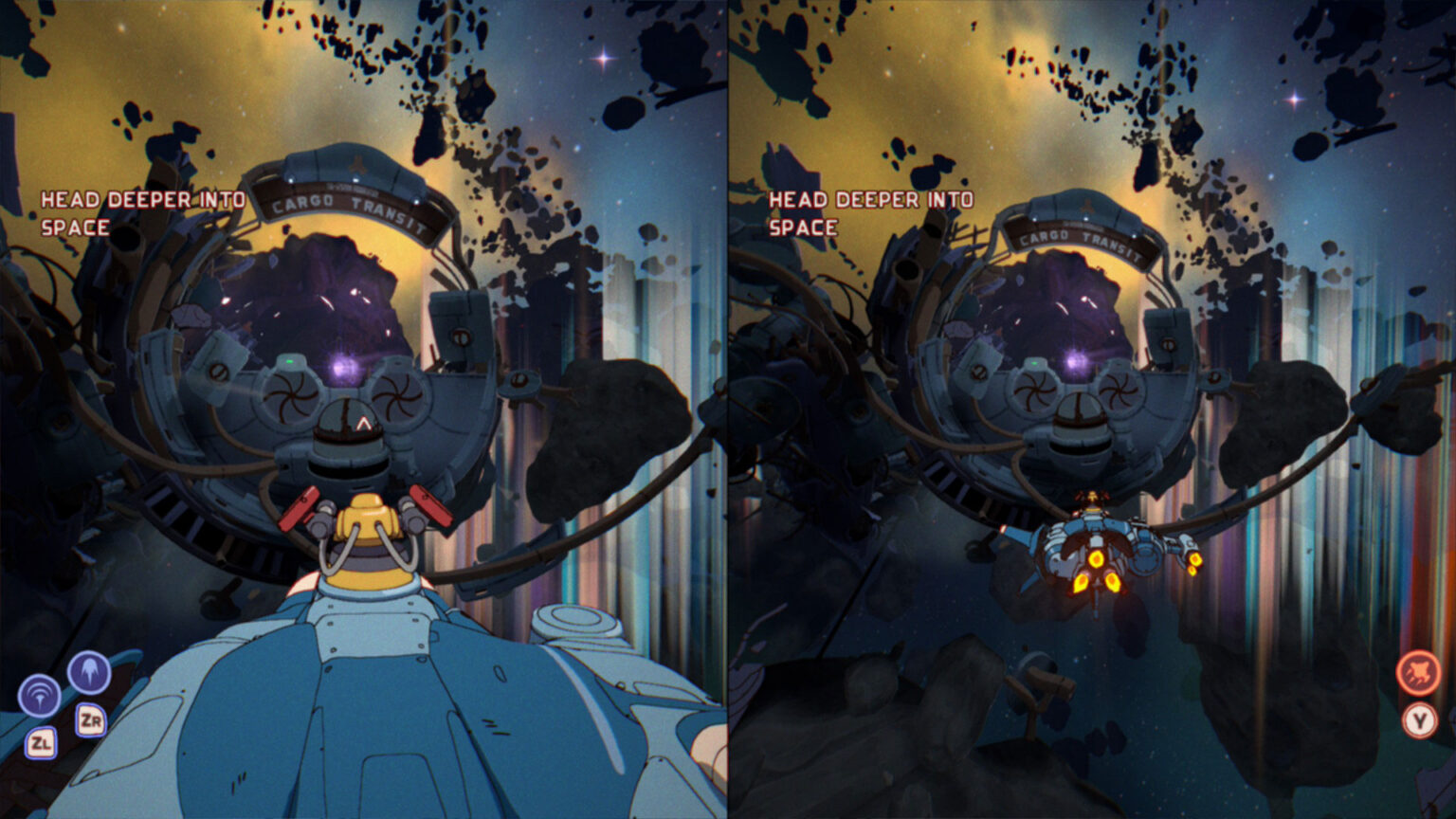
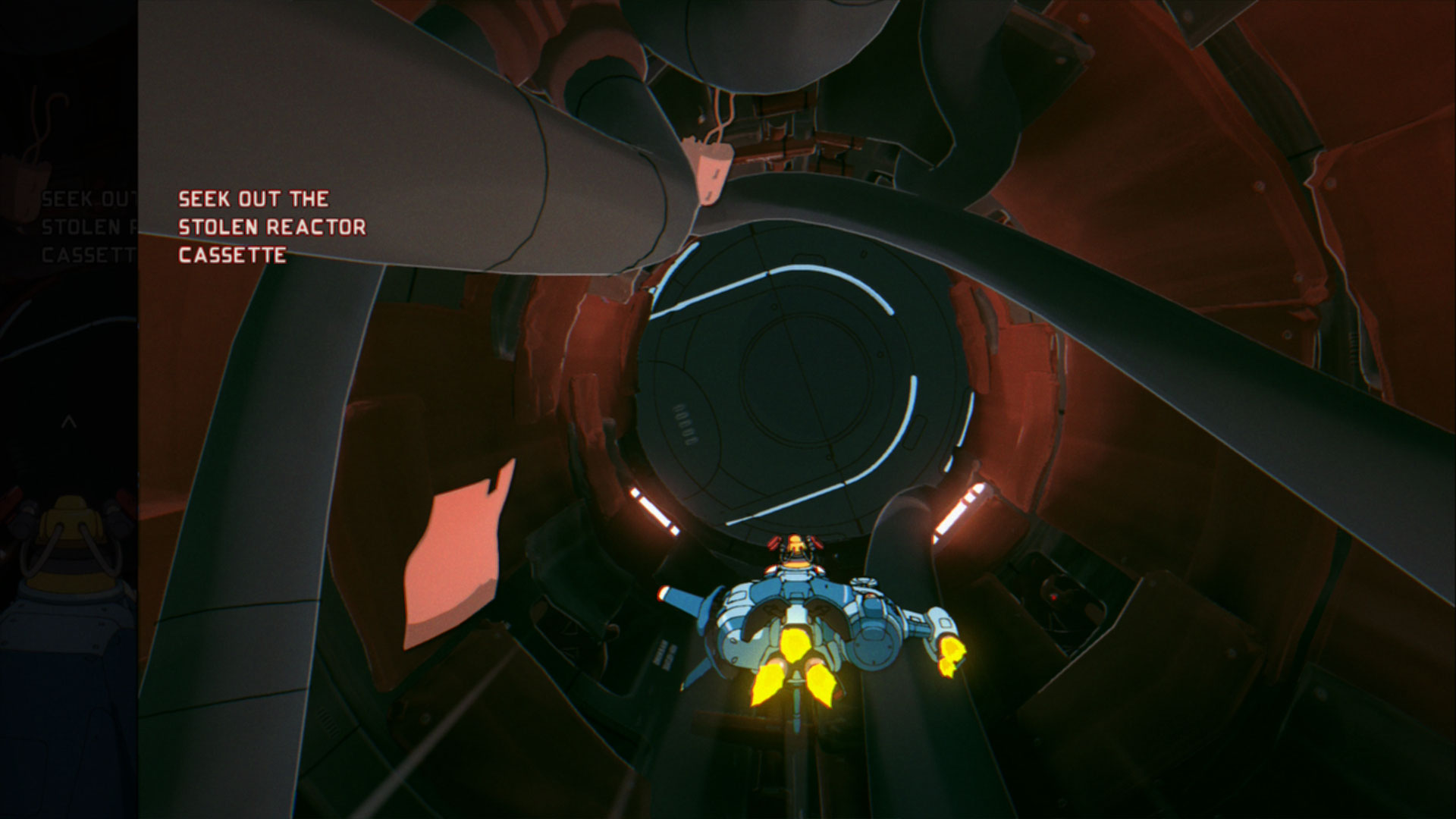
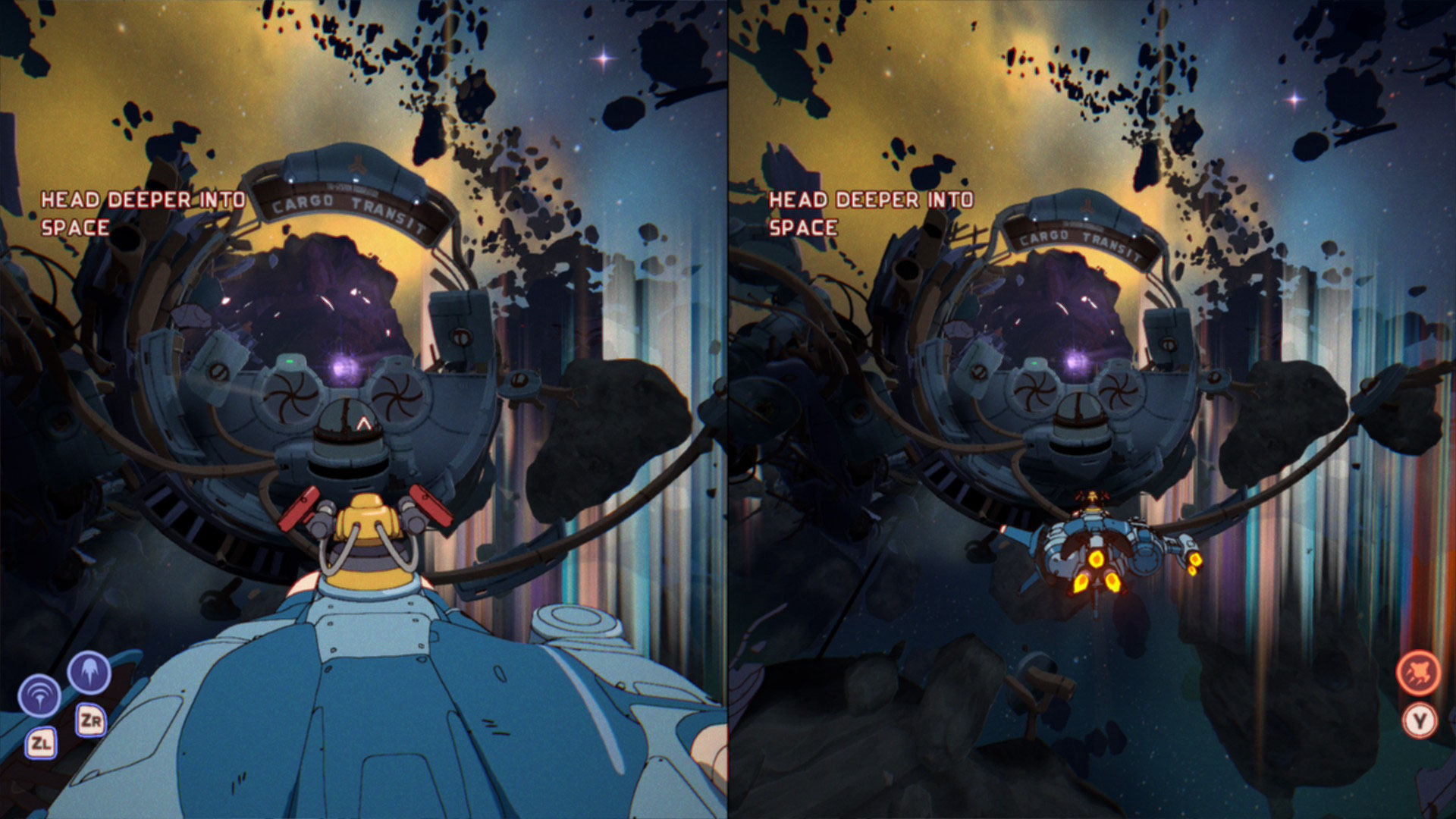
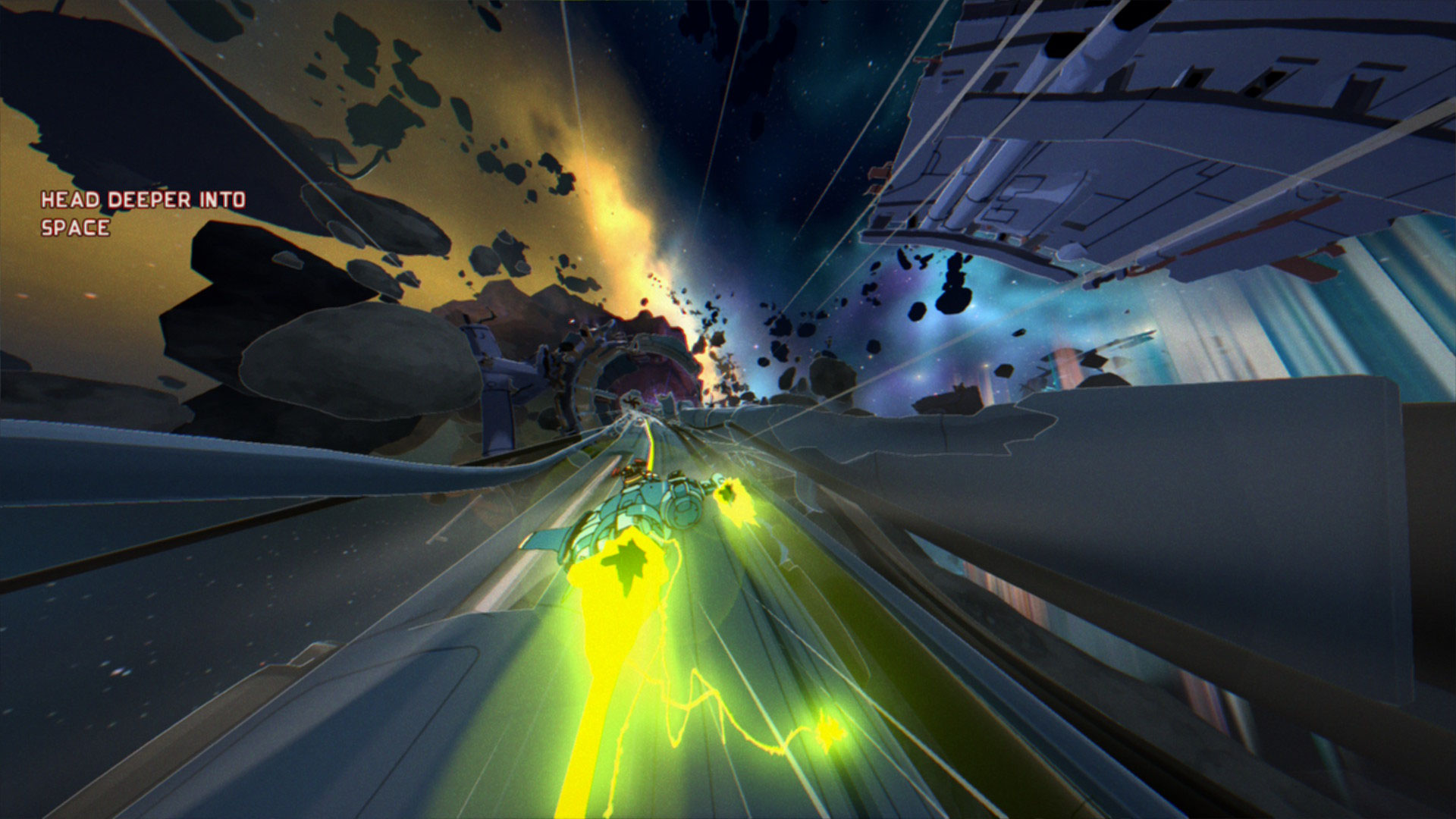
That’s a very different approach from Hazelight titles, where your character is generally locked into a specific role or ability for a given section, and it’s a really clever way of handling things because it lets you and your partner each engage with the style of gameplay you prefer. The same idea carries over to the ship sections, which split into a pilot and a gunner. The puzzles themselves have good variety, and a few of the mechanics felt completely new to us. We ran into a lot of things that felt very cleverly designed.
Visual aids help too, with on-screen indicators showing what each player can interact with based on the tool they have equipped. If you’ve played any of the Hazelight titles, most of Orbitals will feel second nature: you’re always thinking about cause and effect and glancing at your partner’s screen to figure out exactly what’s going on. If you’re new to this style of co-op game, Orbitals is a great introduction to it. The generous checkpoint system means you’re never repeating things over and over after a failure, and outside of the rare situations where both players die and you restart a segment, dying has no real consequences. You respawn and carry on as you were.
Running on Empty
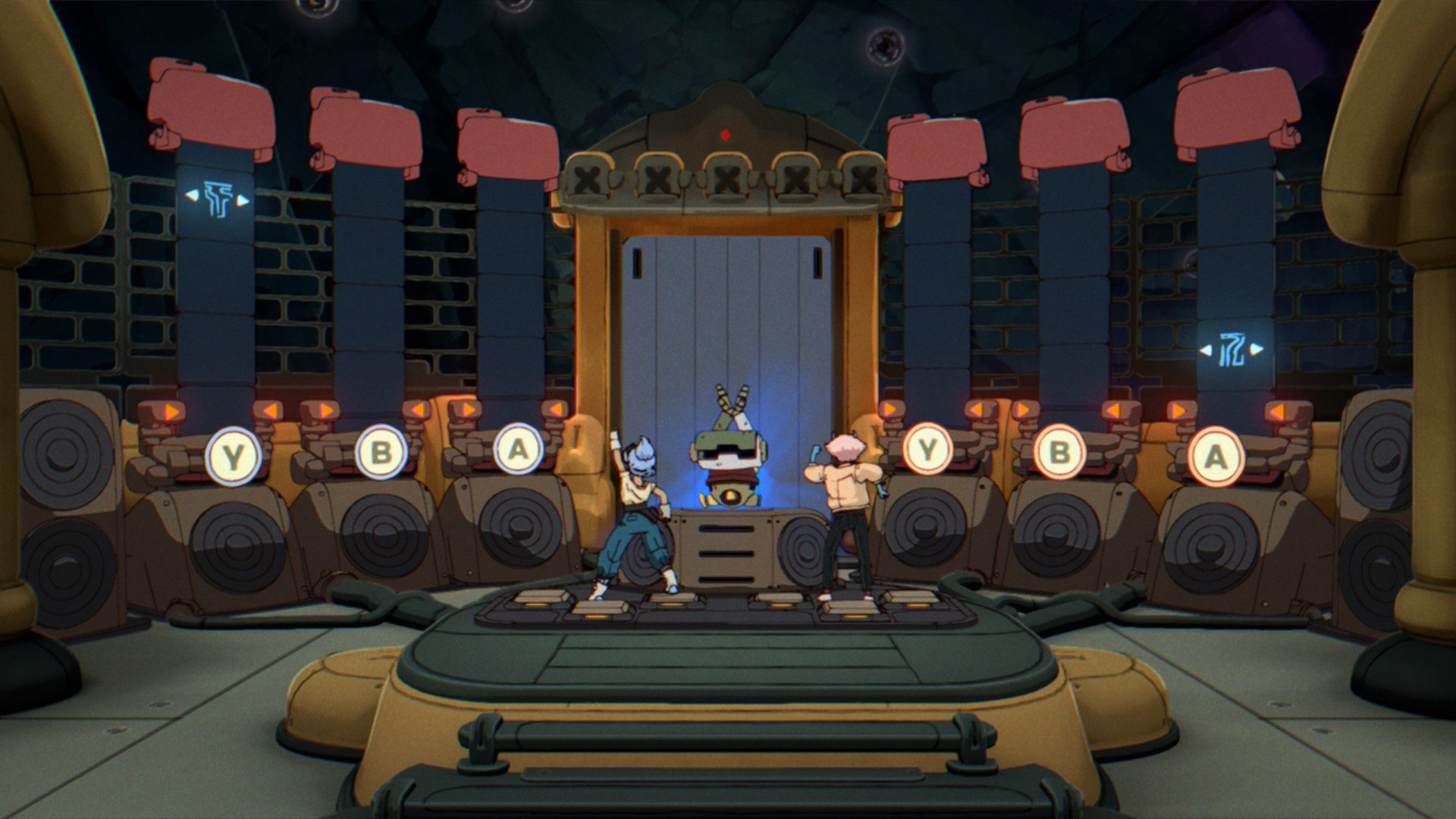
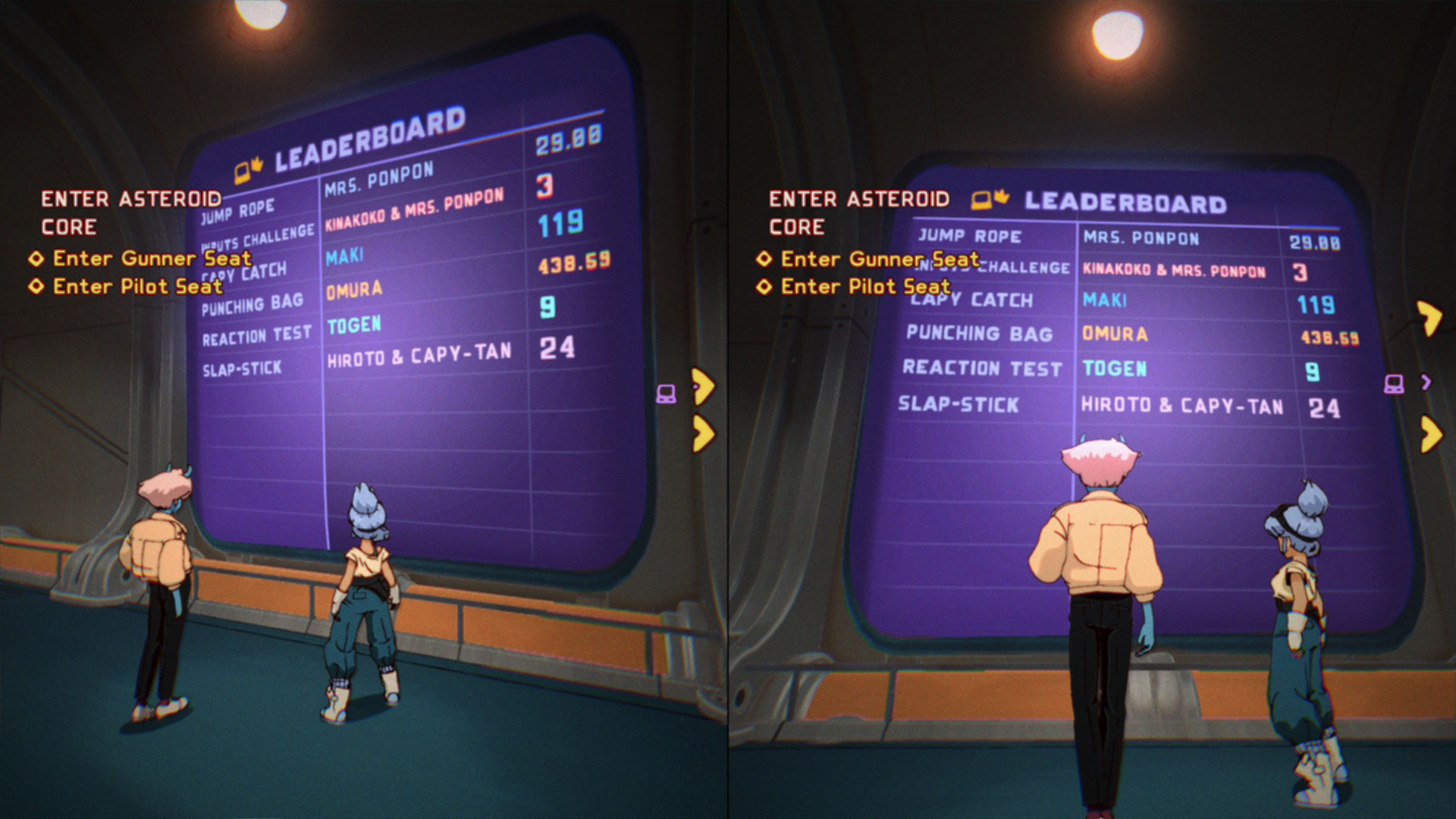
Our biggest complaint with Orbitals is how short it is. The loop itself is solid: you and your partner fly the ship to a new area, clear the objective, head back to the ship to check out whatever’s new on board (a mini-game you discovered, a creature you brought home), and then continue on. There’s also a settlement that acts as a mini-hub you’ll visit from time to time. It’s a good rhythm, but unfortunately, it just doesn’t last.
We came away with the impression that the game ran out of development funding somewhere along the way. There were certain segments that felt like they should have been gameplay but were handled with a short cutscene instead. We obviously don’t know if that’s what actually happened, but that’s the impression we got, and it happened more than once.
In my Split Fiction review, I noted that the game ran 13 to 15 hours without a dull moment. Orbitals is less than half as long. For us, this style of game really fits best in the 10 to 12 hour range, and six hours means Orbitals wraps up right around the point where Hazelight’s games are just getting warmed up.
No Bad Blood
The story, for the most part, is serviceable. I’d actually argue it’s better than anything Hazelight has done, and I said in my Split Fiction review that the story was that game’s weakest point, so keep that bar in mind. It’s very much a 90s anime with every trope you can think of, and we found it pretty entertaining overall, but it’s mainly carried by Maki and Omura, as it should be.
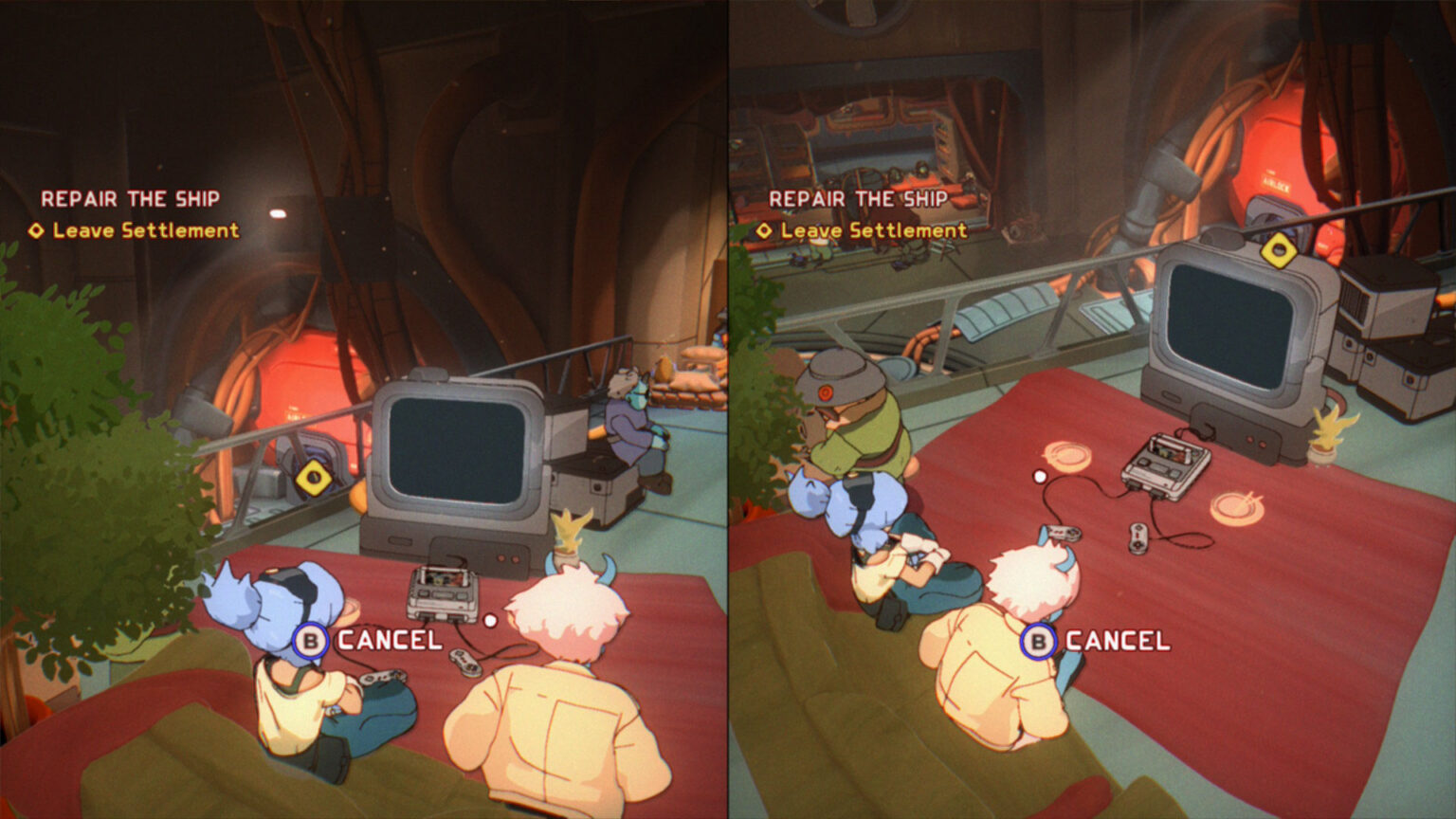
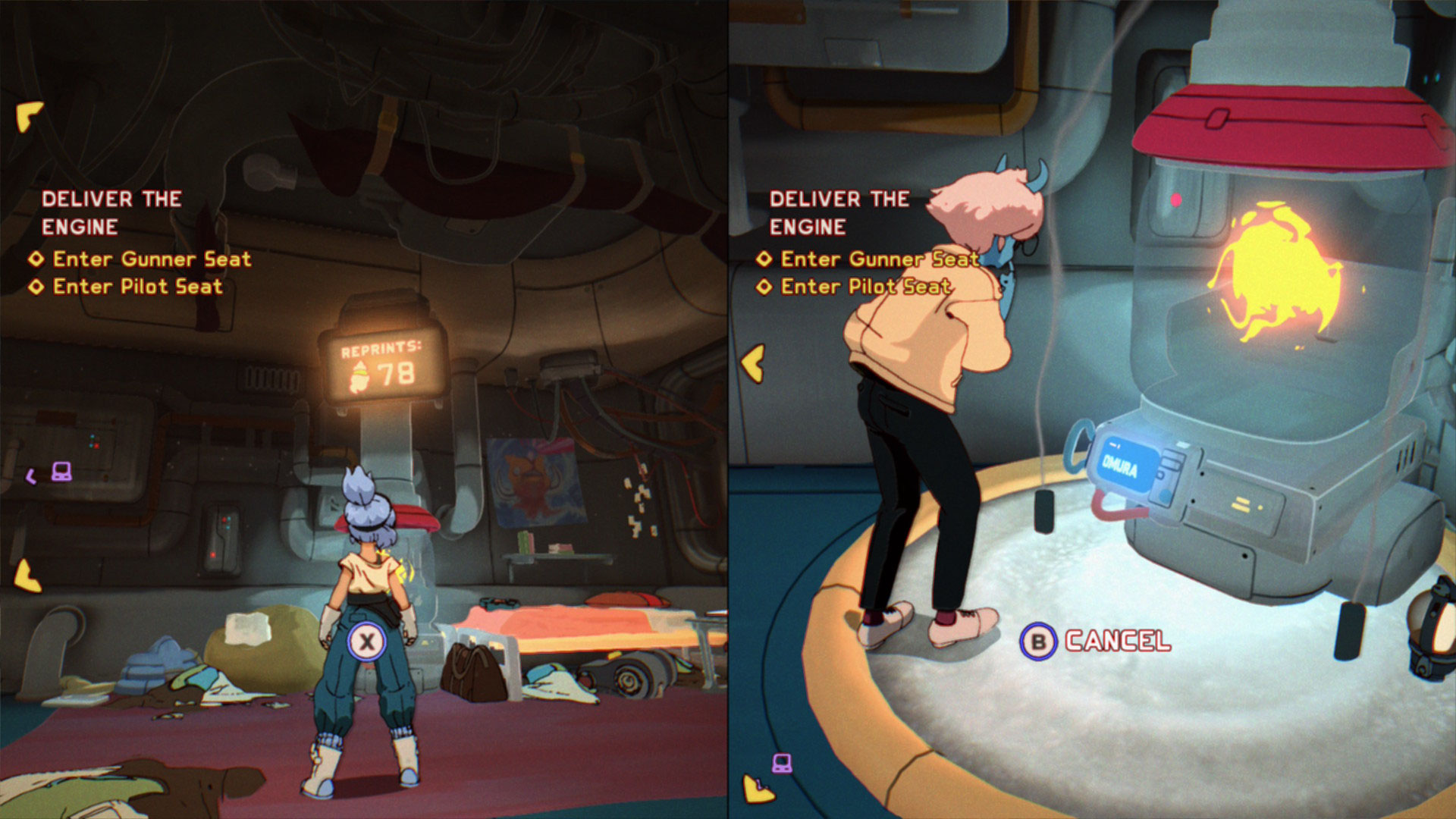
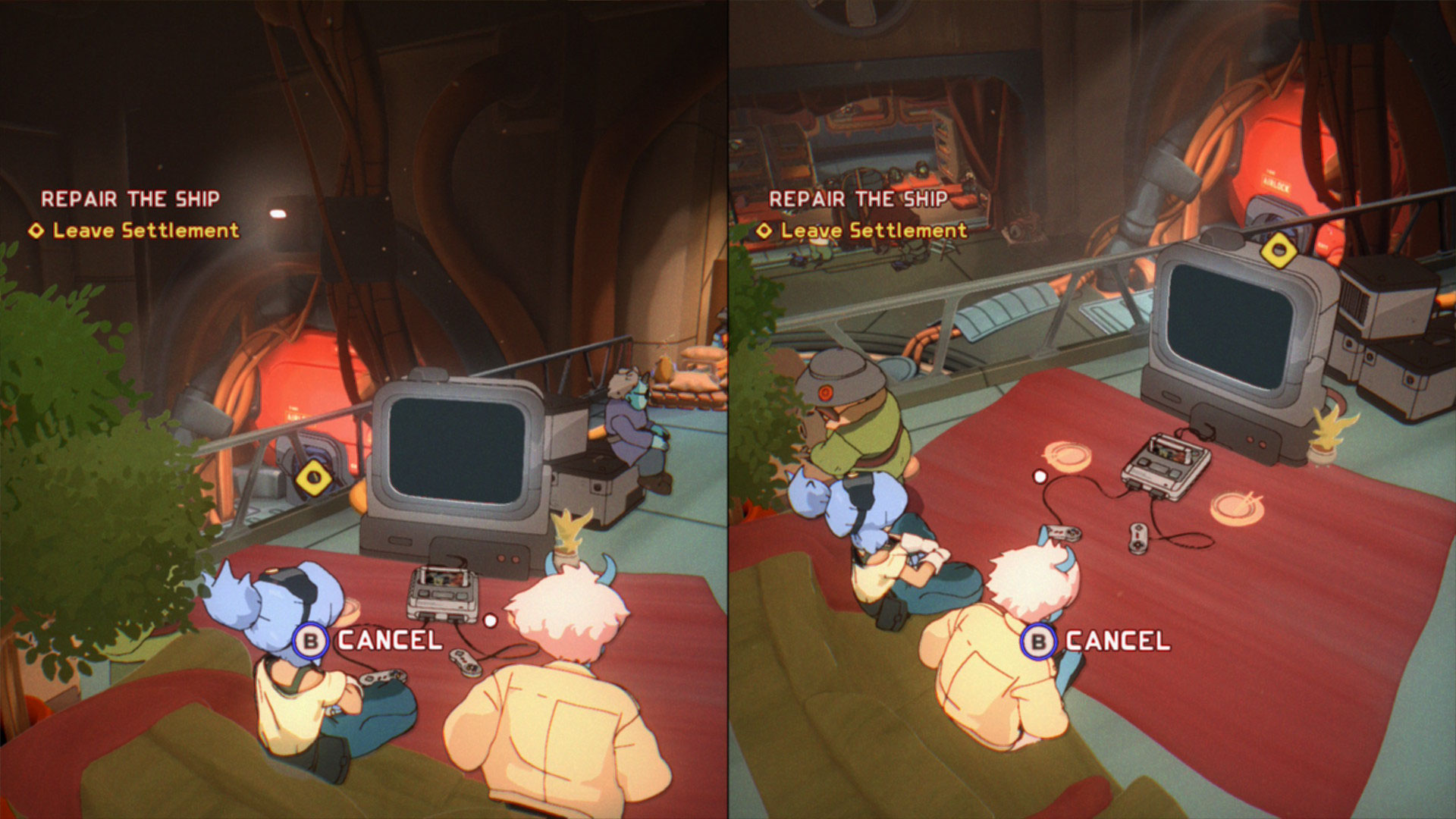
What really sets the tone apart is the relationship between those two leads. In Hazelight’s games, it usually feels like your character and your partner’s character are at odds and only working together because they have no other choice. Orbitals makes it clear from the start that Omura and Maki are lifelong friends who not only get along but have spent a lot of time together, and their contrasting personalities show up in small ways, like how different their two rooms on the ship are. It’s one of those things you don’t realize is an issue with Hazelight’s games until you play Orbitals and come away appreciating the difference. When you think about it, it also makes a lot more sense for a co-op game you’re probably playing with someone you’ve played games with before. This is a feel-good game through and through.
We really loved the creatures too. They’re scattered throughout the game and add a lot of charm to the world, and it was always entertaining to see how each one ended up on our ship and how the ones already on board reacted to the new arrivals.
Splitting the Bill
At $39.99 digital and $49.99 physical, we’d understand if some people find Orbitals a little too expensive for its runtime. Like Hazelight’s games, though, it comes with a Friend’s Pass, meaning only one person needs to own it to play with someone else, and on Switch 2 it also supports GameShare, so the second player doesn’t even have to download anything. In a sense, you can split the cost down the middle with whoever you’re playing with.
We’d also say it’s enjoyable enough to play through at least twice, even if only to swap tools throughout the adventure and see everything from the other perspective. You’ll already know how to solve the puzzles the second time around, so it’ll be an even shorter experience, but a fun one all the same.
We’re hoping Orbitals is enough of a success that Shapefarm gets the funding to make another one, ideally a longer one. If you’ve enjoyed any of the Hazelight titles released since that studio was formed, there’s no reason we can think of to skip this. If you’re new to the genre and eyeing this as an entry point, it’s an ideal one: not overly difficult, but not overly simple either, and you and your partner will feel very clever solving some of these puzzles. More than anything, we’re just happy that more games like this are being made. Instead of waiting a few years between Hazelight titles, we can now see what other creative developers do with a similar premise.
Orbitals has an official release date of September 3, 2026, for Switch 2. This review is based on a purchased retail copy of the game on Switch 2. While FullCleared does have affiliate partnerships, they do not influence our editorial content. We may earn a commission for purchases made through links on this page.
Orbitals Review Gallery (possible spoilers!)
Continue?
Like our content?
Subscribe to our newsletter and get video game news, reviews, features, and deals straight to your inbox.
You're subscribed!
Thanks for signing up. Look for an email from Substack at .
No email after a few minutes? Subscribe on Substack.
This newsletter may contain advertising, deals, or affiliate links. Subscribing to the newsletter indicates your consent to our Privacy Policy. You may unsubscribe from the newsletter at any time.