Quick Verdict
I’ve never been shy about saying that Final Fantasy is my favorite gaming franchise, so Final Fantasy Resonance immediately went on my most anticipated list when it was announced earlier this year. I also have no qualms about mobile gaming in general, so while some people took issue with it being based on Final Fantasy Brave Exvius, I couldn’t care less. The idea of a Final Fantasy title going back to its roots with the stunning HD-2D treatment has been high on my list for a long time. I’m glad it finally happened, and more importantly, I’m glad to say that it delivered.
I didn’t play much of Final Fantasy Brave Exvius, so I basically knew nothing about the story of Rain and his companions going in. Outside of recognizing the Visions from previous Final Fantasy entries, this experience was entirely fresh and new to me. If you’re a fan of classic, turn-based Final Fantasy, you’re going to love Final Fantasy Resonance, because it feels like a return to the franchise’s roots, with plenty of little callbacks and tributes that will surely put a smile on your face. If you’re new to Final Fantasy and wondering whether this is a good entry point, I would definitely say yes. It’s a modern interpretation of what many of us fell in love with nearly 40 years ago, with beautiful visuals, an excellent soundtrack, and great voice acting. The story is where things get interesting, because on its own, I’d say it falls into the “good enough” category, though longtime Final Fantasy fans will probably appreciate it more since it really does roll elements of several classic entries into one plot.
Crystal Chronicles
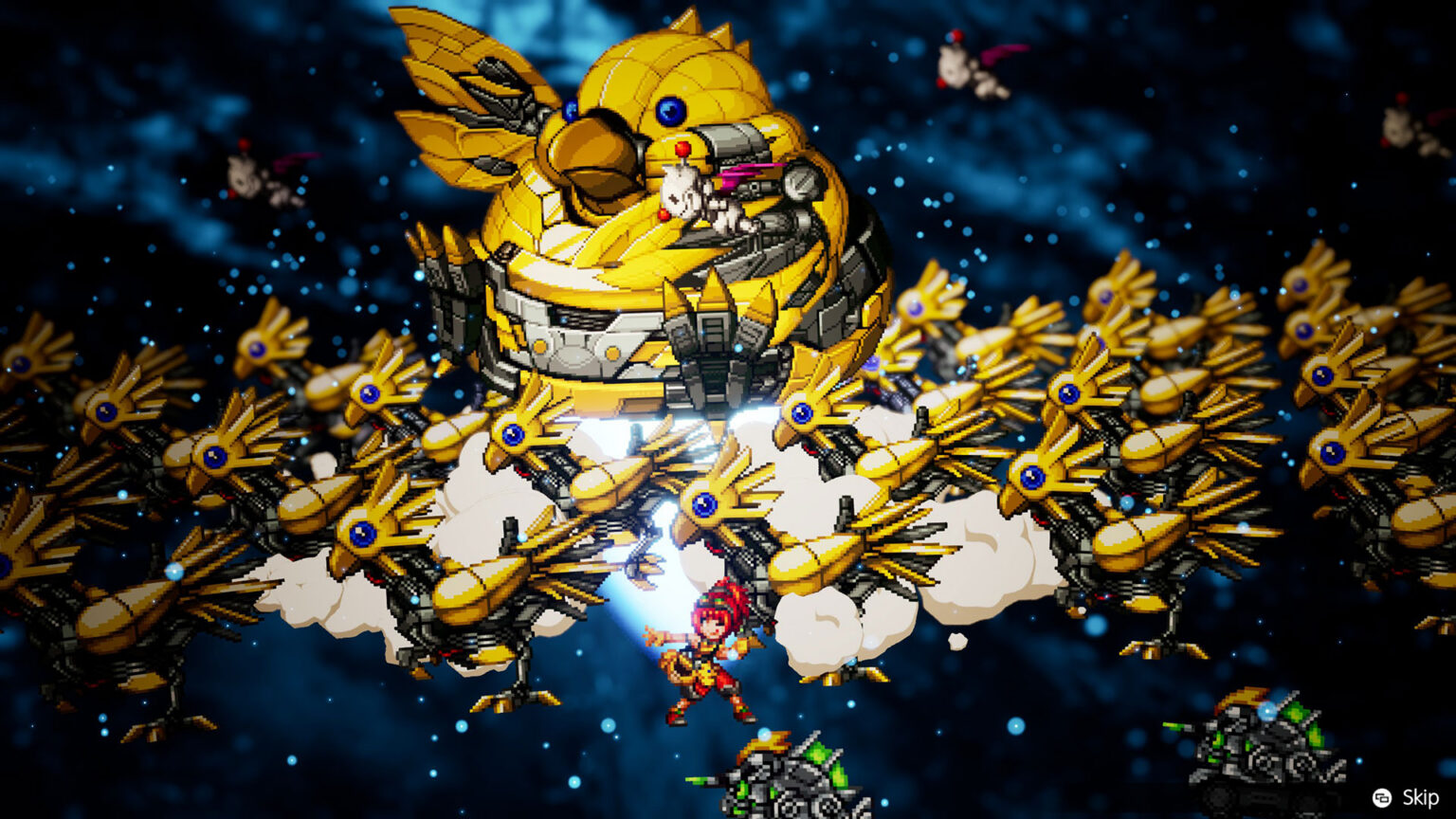
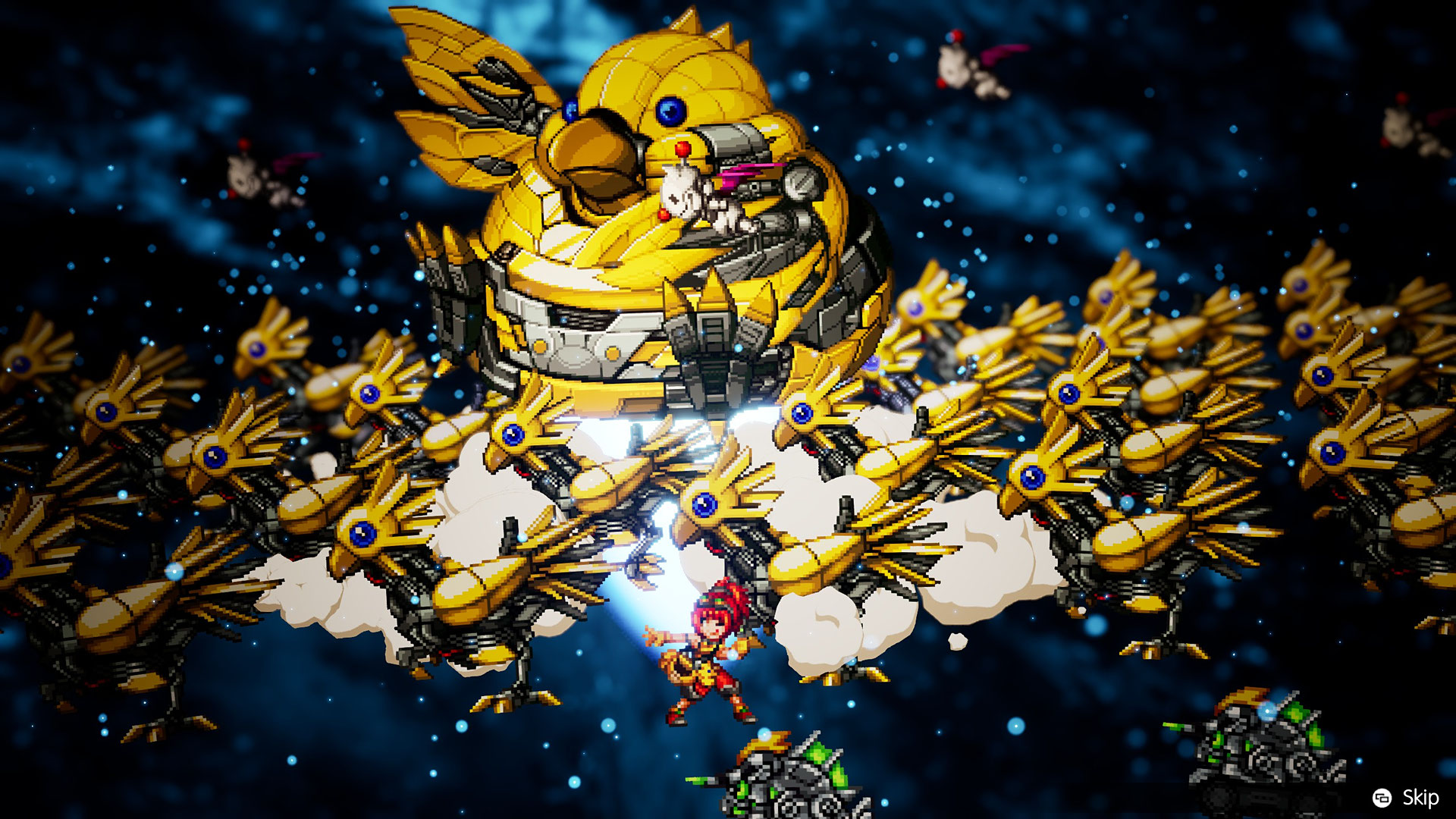
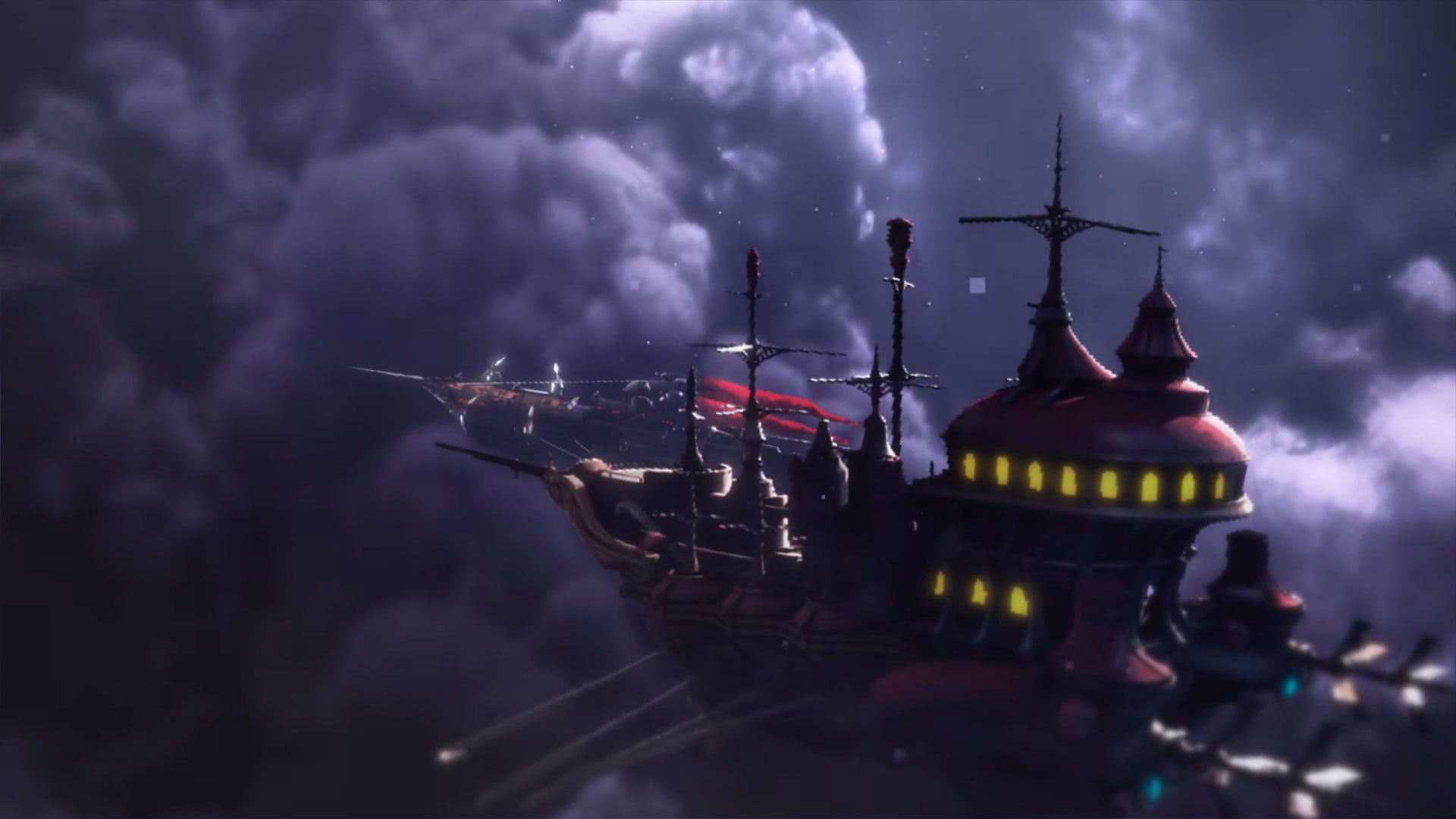
When Final Fantasy XVI launched in 2023, there was a lot of discussion about what makes a Final Fantasy game a Final Fantasy game. Is it the chocobos and moogles, the combat, the story, or the franchise’s obsession with pretty hair and moody characters? Many fans just wanted a classic, turn-based experience, and last year’s Clair Obscur: Expedition 33 went out of its way to prove there’s still a place for that in today’s gaming world. Square Enix had a bit of a surprise for those fans this year, announcing Final Fantasy Resonance and releasing it less than five months later. What we got was an HD-2D interpretation of a shuttered mobile game, complete with turn-based combat, airships, chocobos, moogles, malboros, summons, tents, stockpiled elixirs, and nearly everything else one would argue makes a Final Fantasy game a Final Fantasy game.
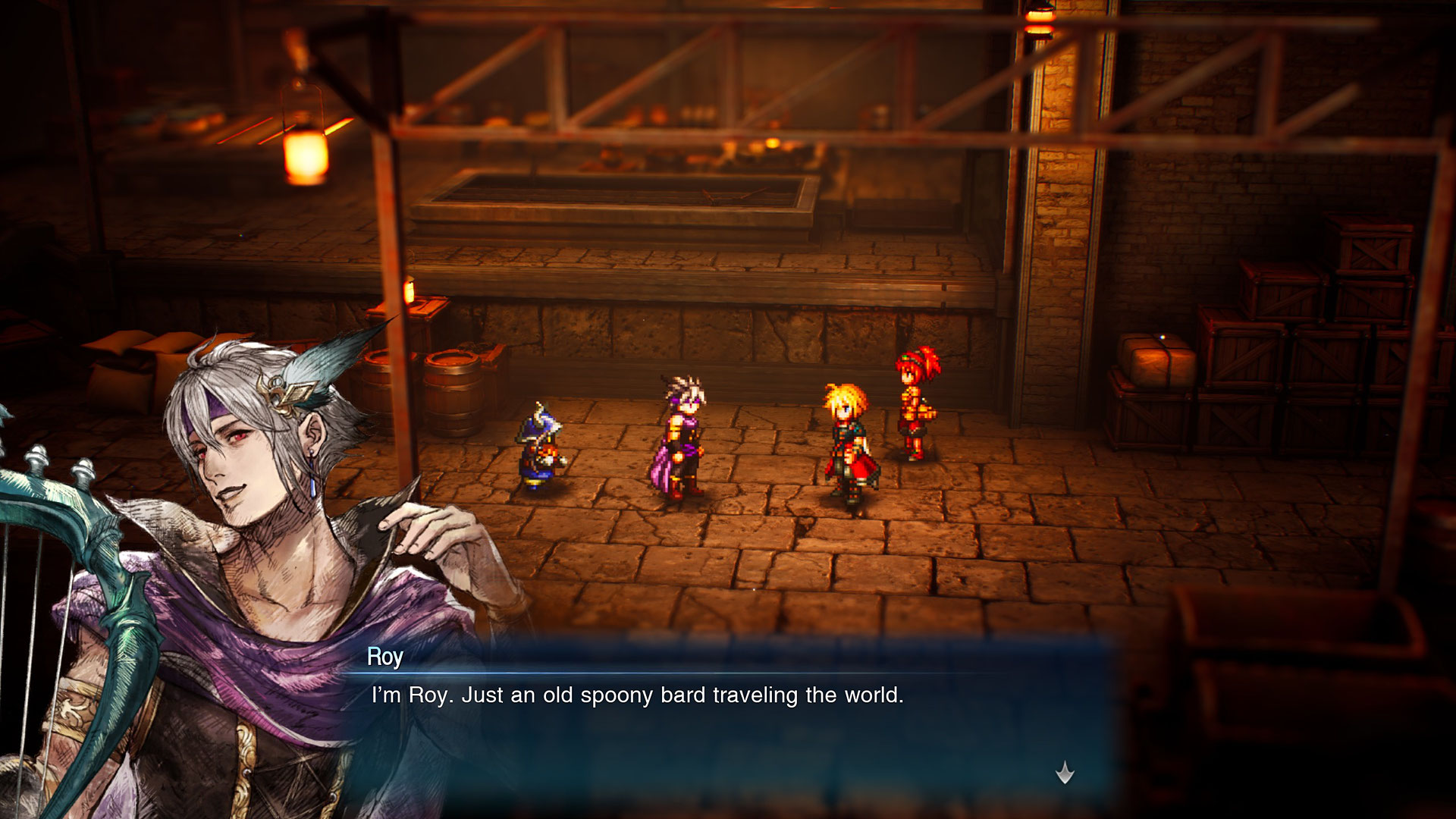
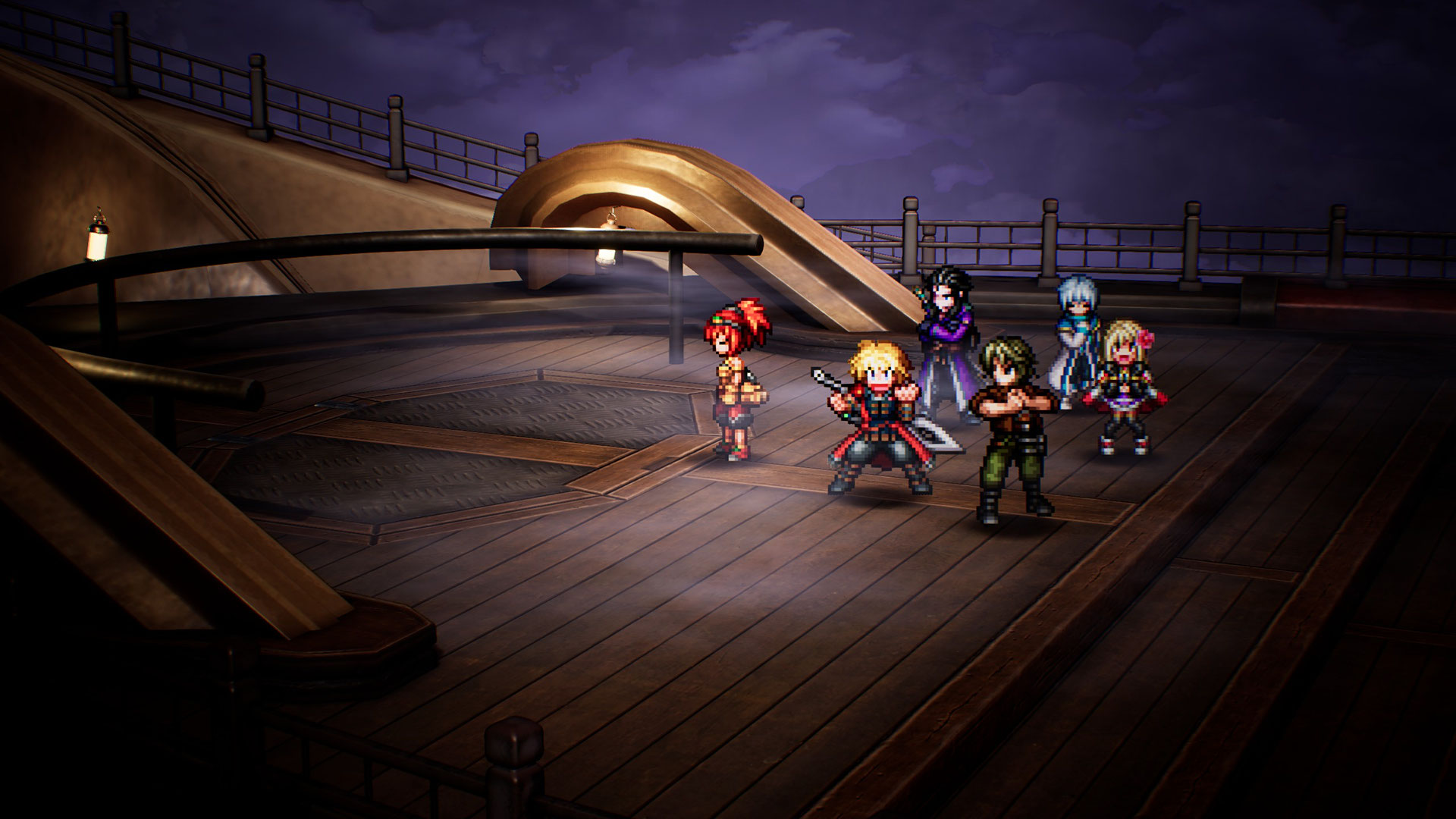
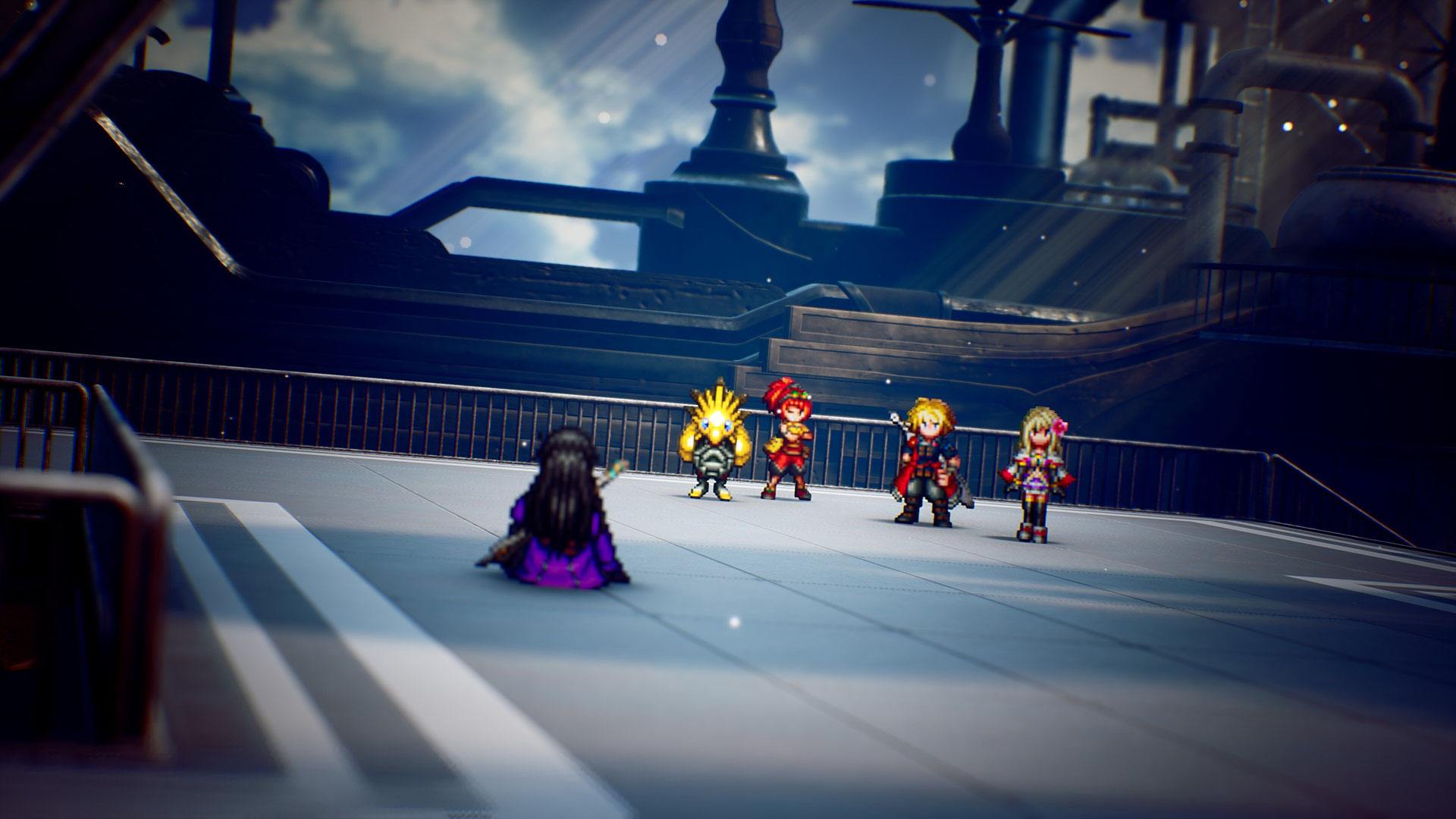
Final Fantasy Resonance follows Rain and Lasswell, knights of Grandshelt, as they get caught up in a conflict that goes back seven centuries. On their journey, they’ll meet a variety of characters, from the sweet-talking Jake to the strategic and stoic Nichol. Through and through, this is a classic Final Fantasy story, right down to its cast of characters. Anyone who has played the earlier Final Fantasy entries will notice bits of familiar personalities here and there, from Sakura’s demeanor to Lid’s rambunctiousness. More importantly, though, these characters work well on their own, even if you don’t happen to recognize any of the little callbacks.
Record Keeper
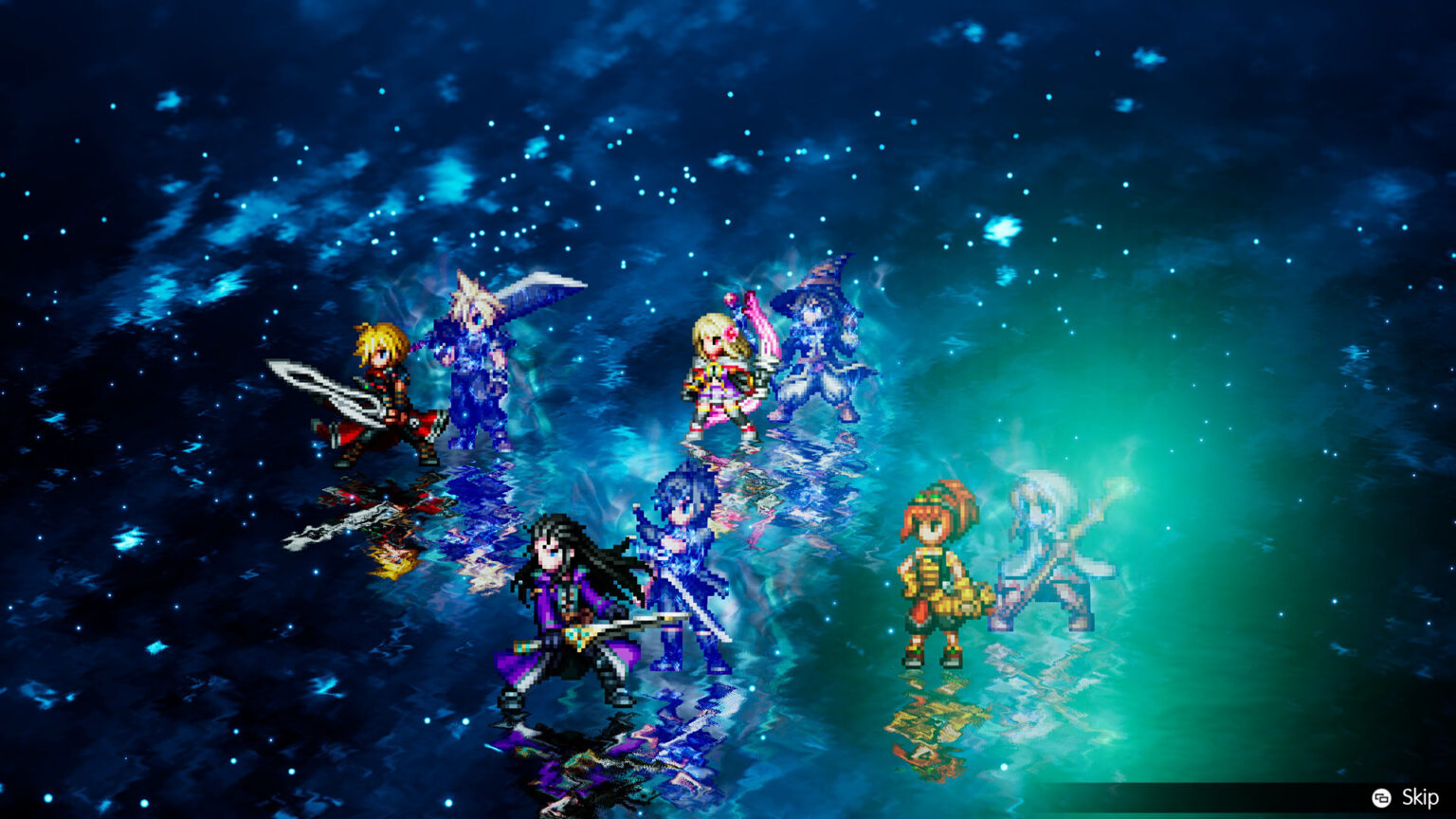
The cast ended up being the game’s strong point for me, which helps because the story itself is predictable. As someone who has played every mainline Final Fantasy entry, many of them multiple times, I’ve seen a lot of the game’s events and “twists” before in previous entries. It was honestly a weird feeling, because part of me was disappointed that I could predict what would happen throughout the entire final act. At the same time, I was oddly satisfied that it went that route, because it shows just how much Final Fantasy Resonance pays tribute to all the mainline entries that came before it. How much you enjoy that aspect really comes down to what you want from a story.
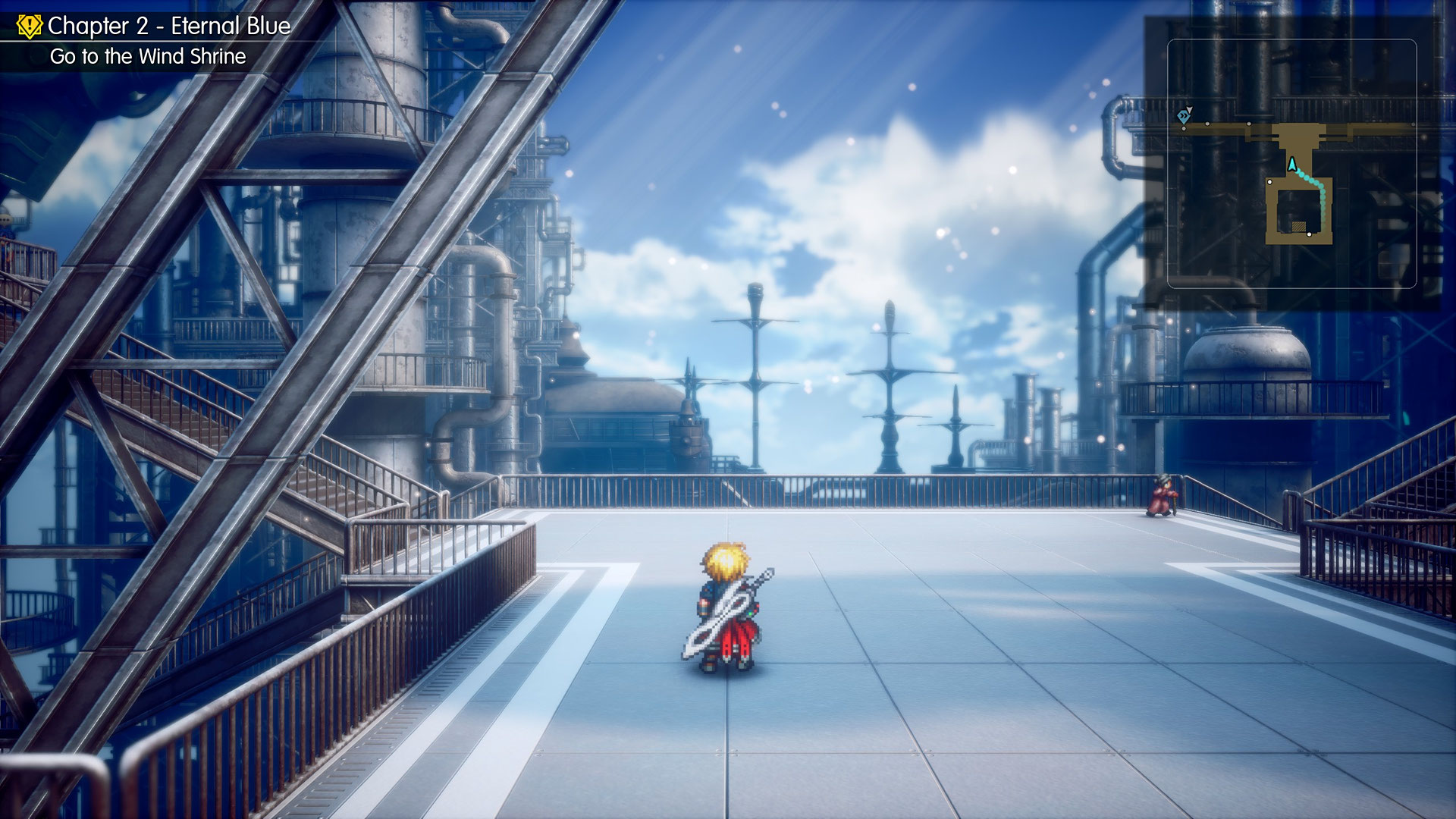
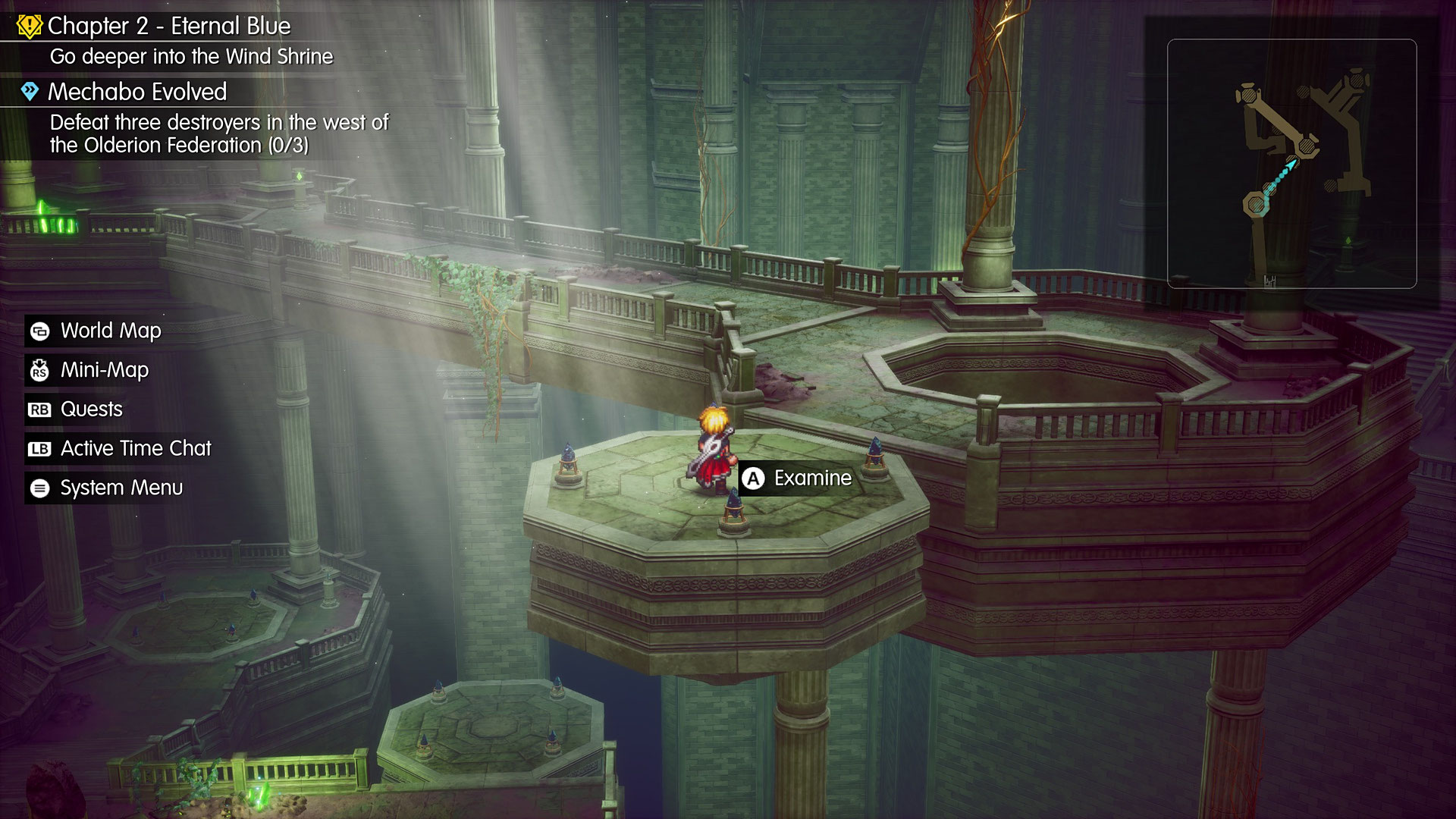
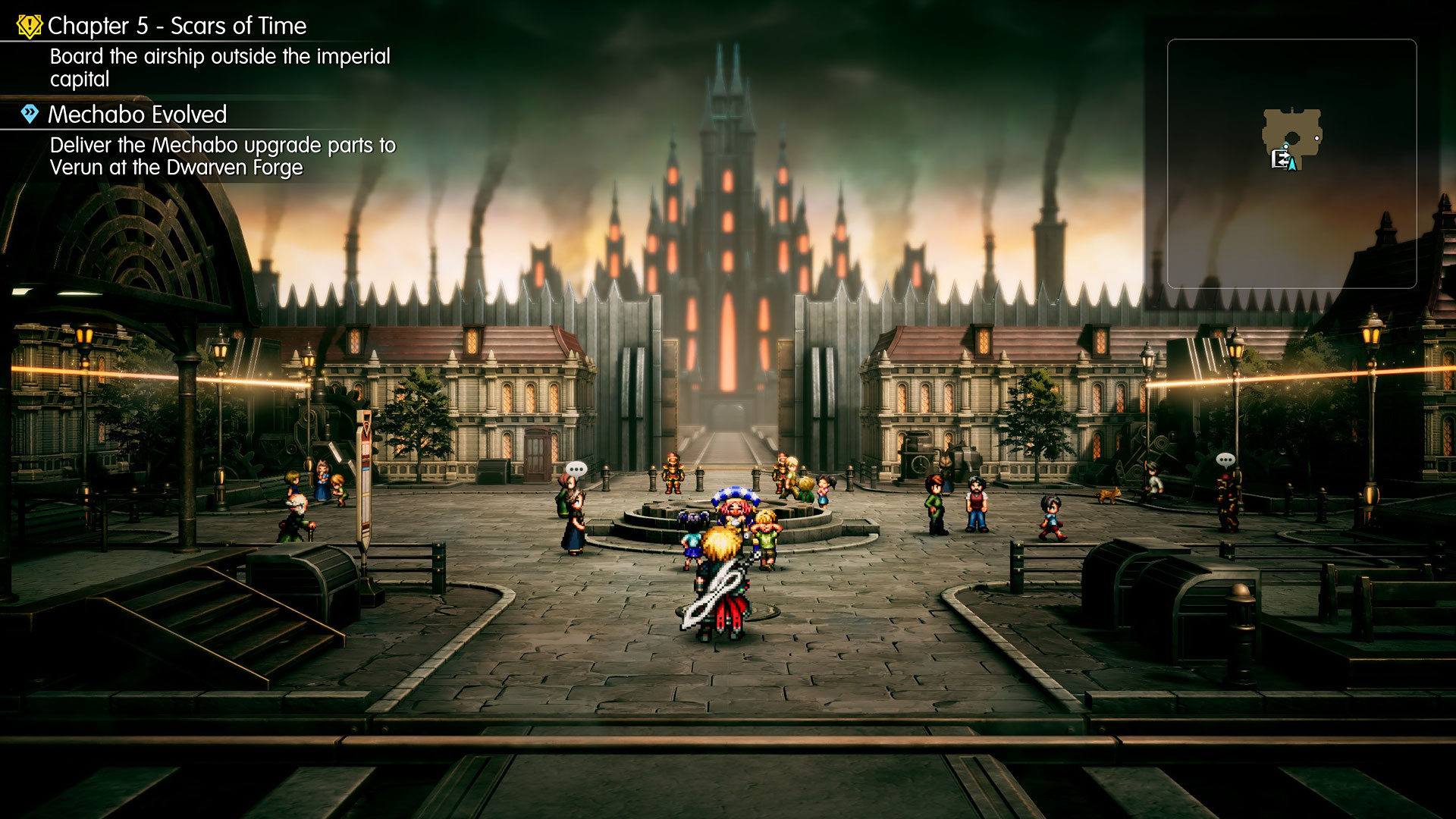
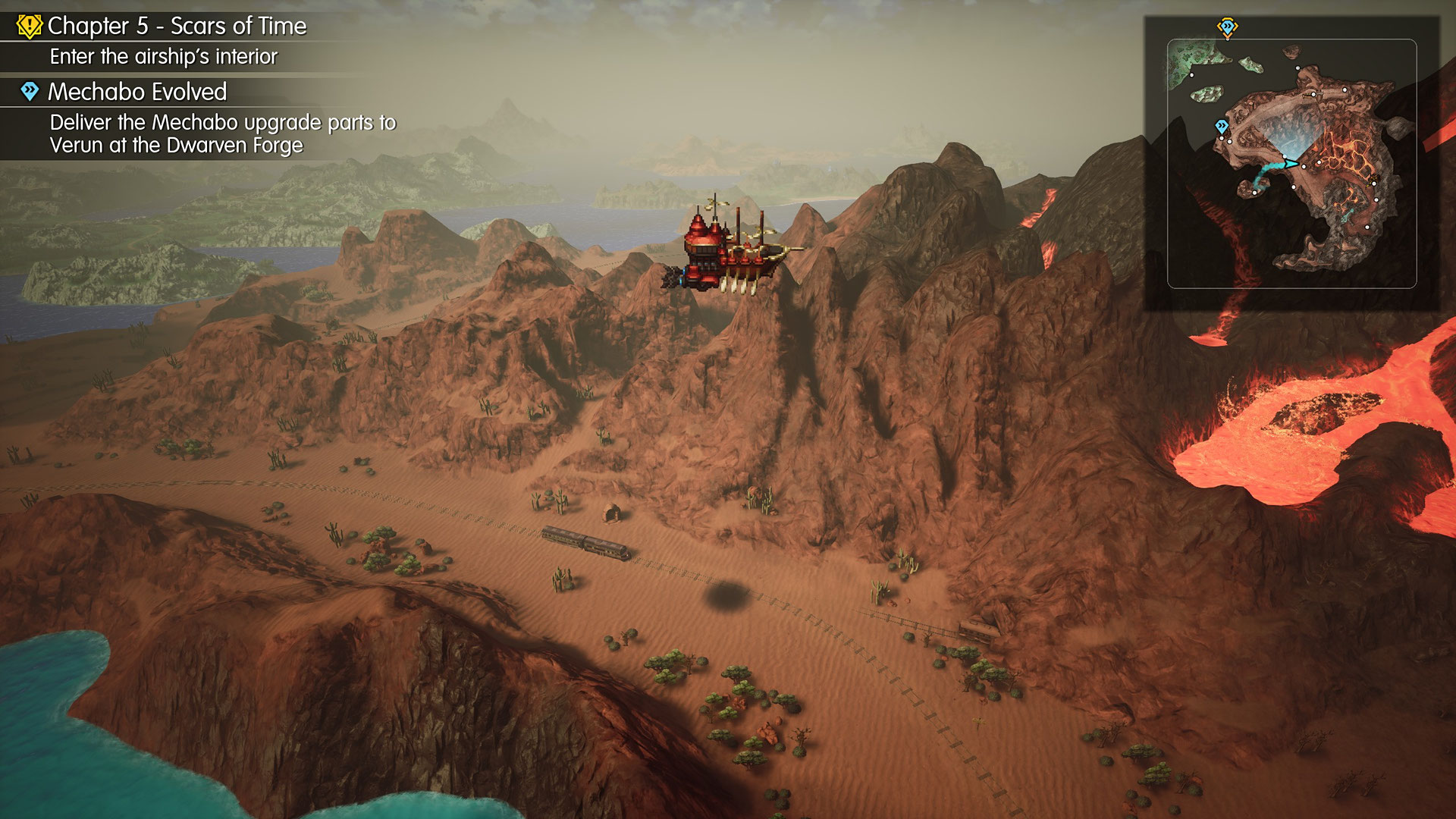
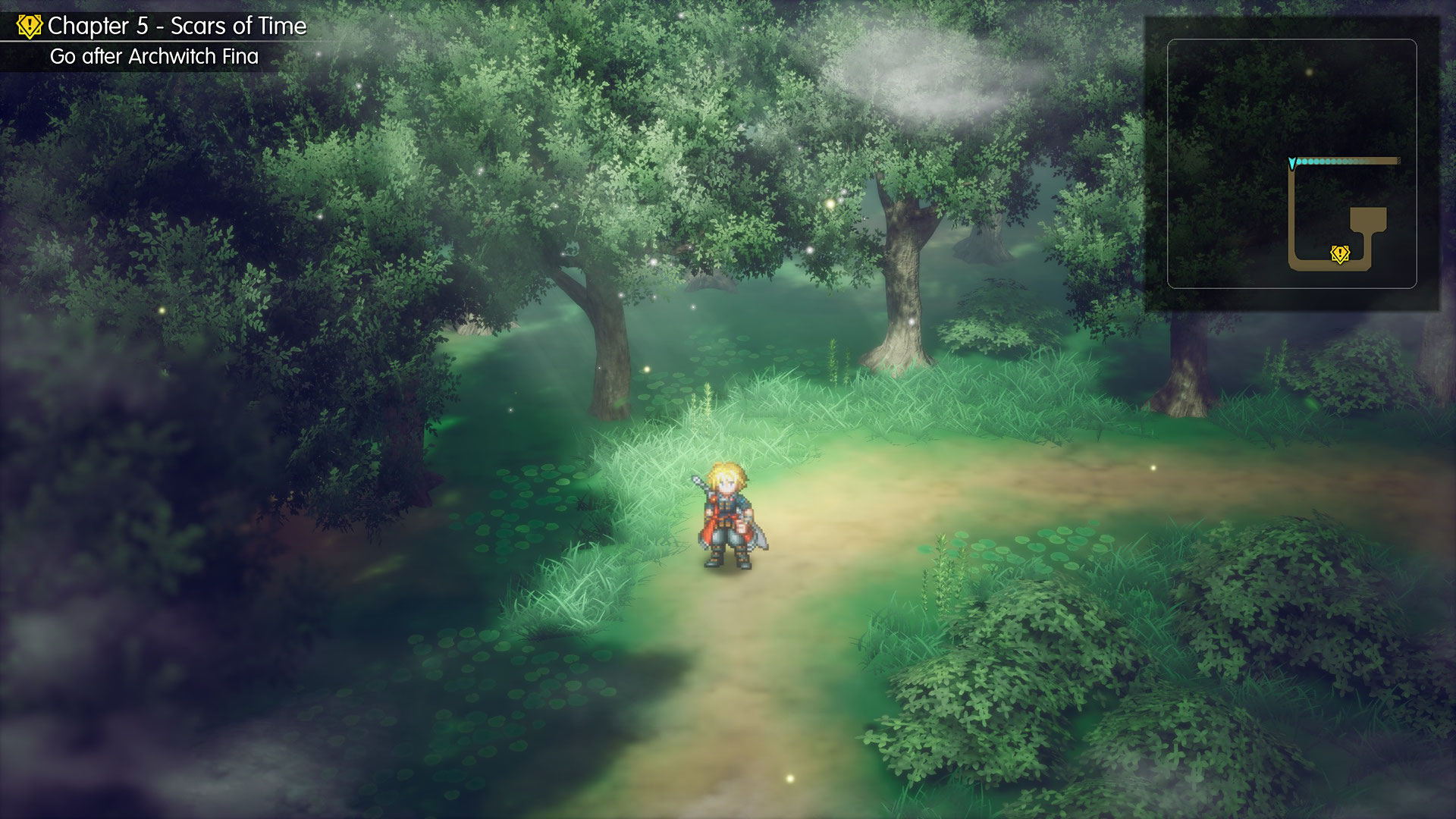
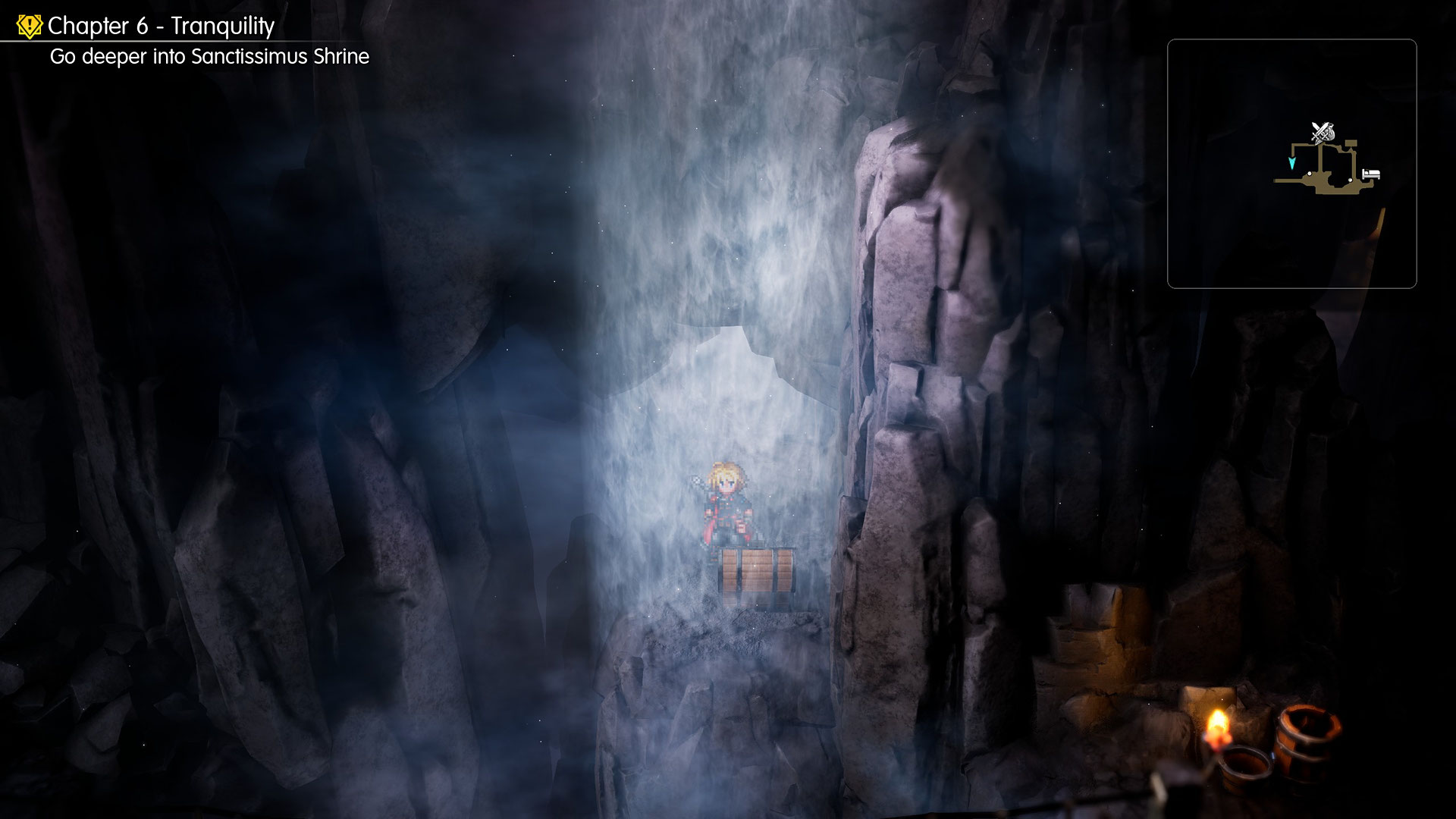
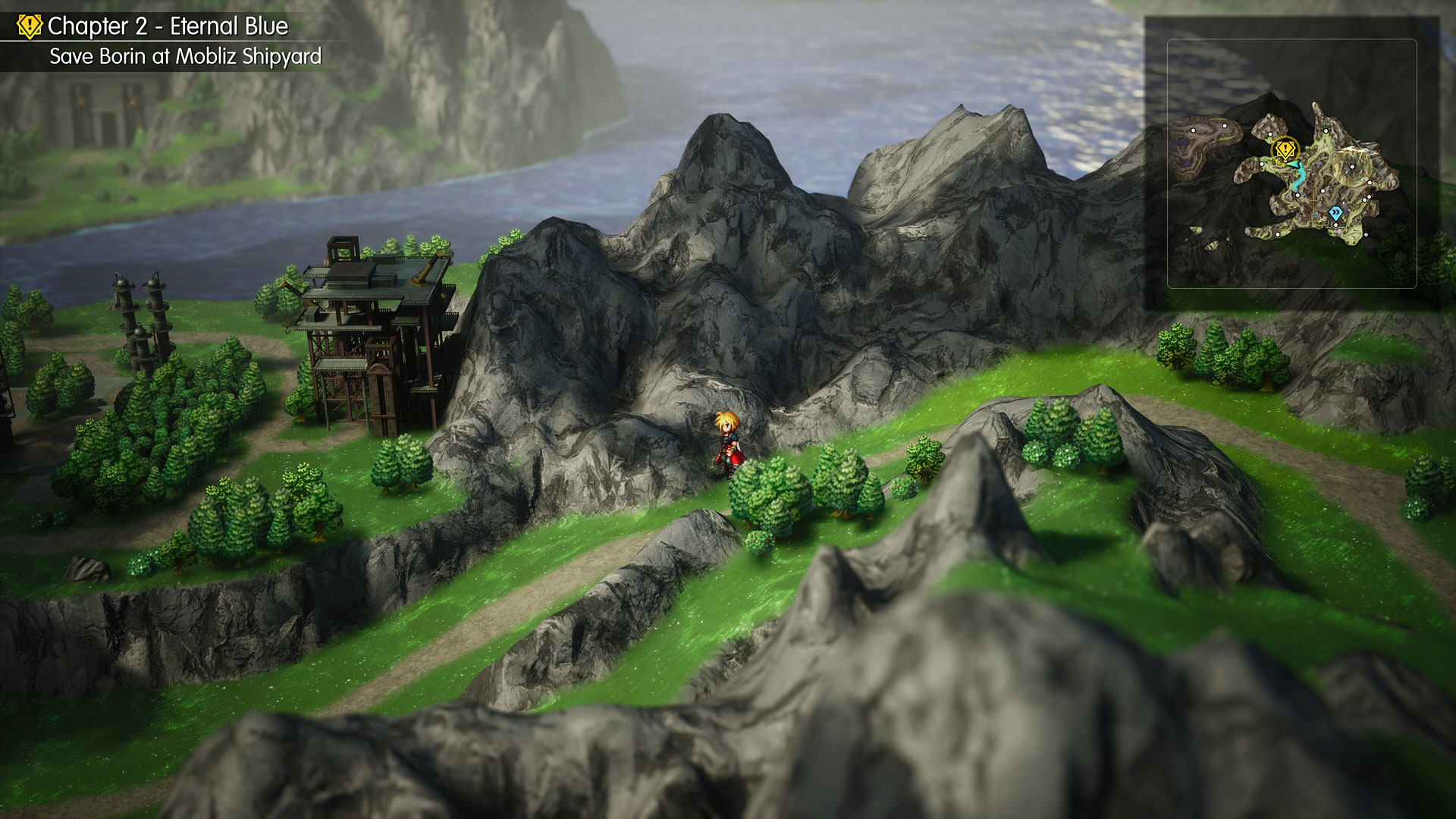
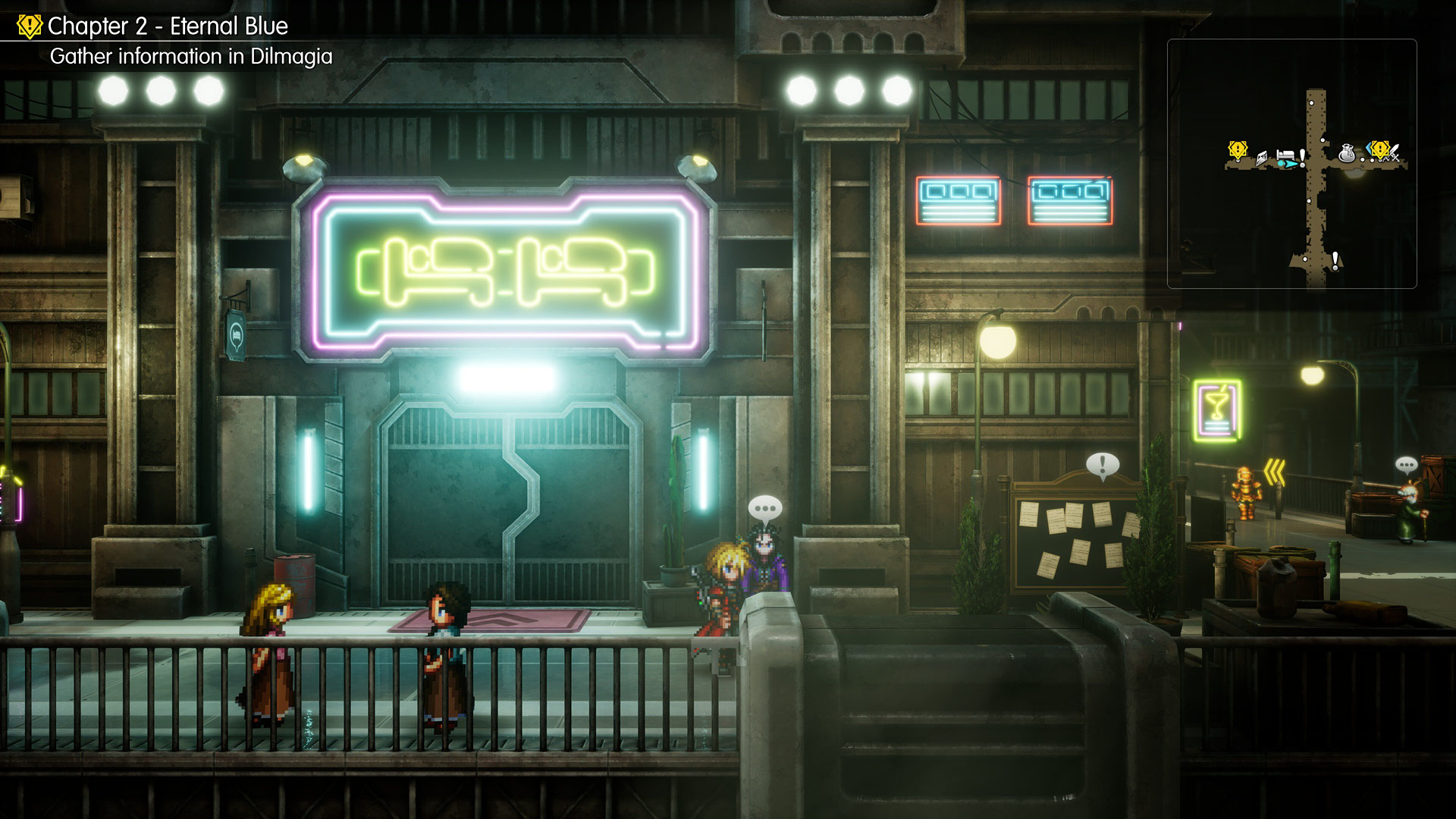
Overall, the game takes a familiar path from beginning to end: explore a town, venture out onto the world map toward a destination, work through a dungeon, fight a boss, get some story content, then rinse and repeat in the next area. The world map is basically what you’d expect if you’ve played a classic Final Fantasy game, and dungeon design is pretty standard fare, with nothing too memorable about it. There’s nothing particularly groundbreaking throughout the experience, though it does take a slightly different approach to random encounters. Battles still trigger randomly as you walk across the world map or through a dungeon, but an encounter sensor on the minimap turns red when one is about to start. It’s an interesting compromise between traditional random encounters and seeing enemies on the screen, although knowing a fight is coming doesn’t mean you can avoid it. Pacing felt fine to me across all eight chapters, even if Chapter 6 ran a little longer than the rest, and the whole thing is really just a comforting throwback to classic Final Fantasy games that’s very well done.
Limit Break
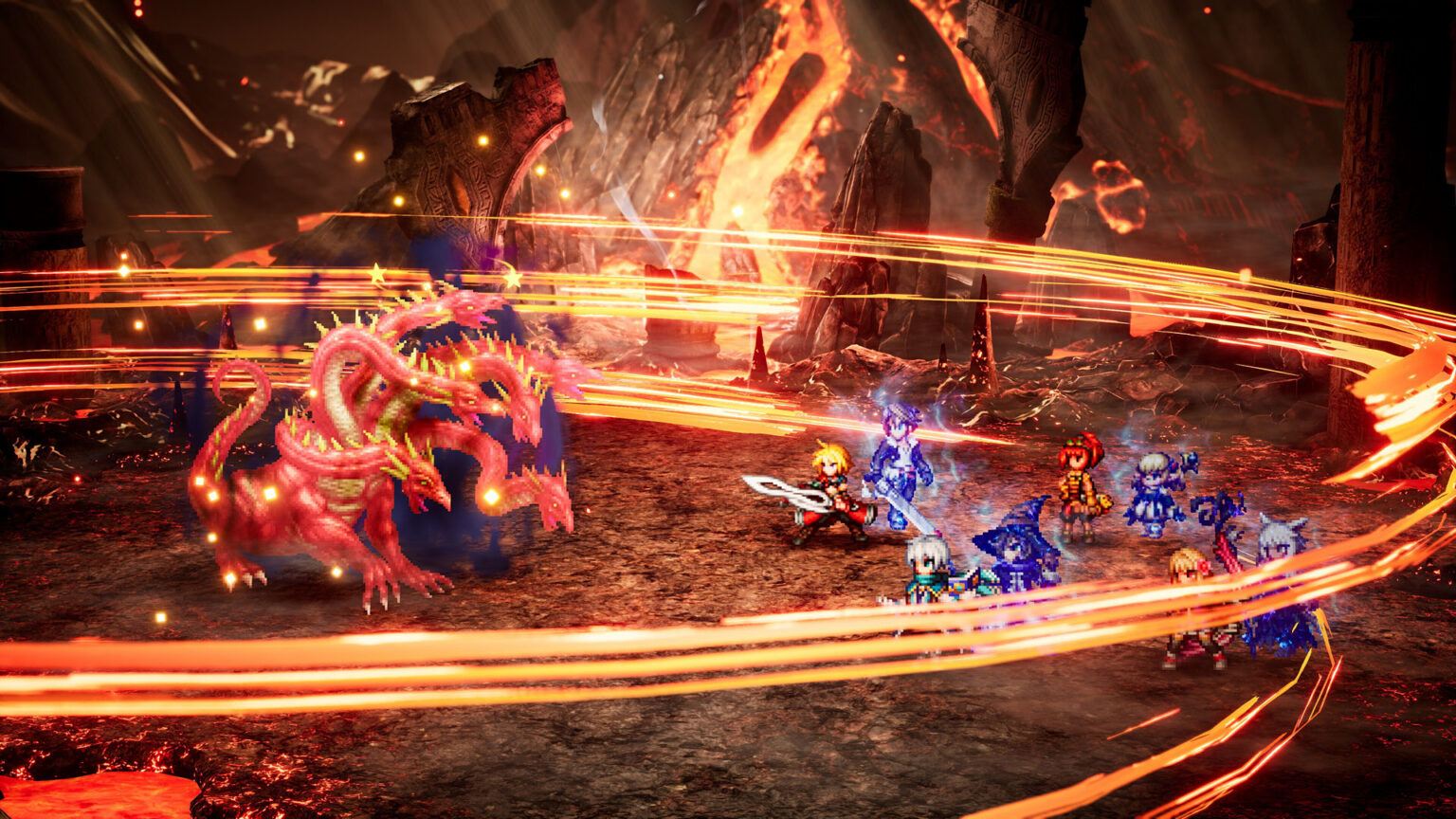
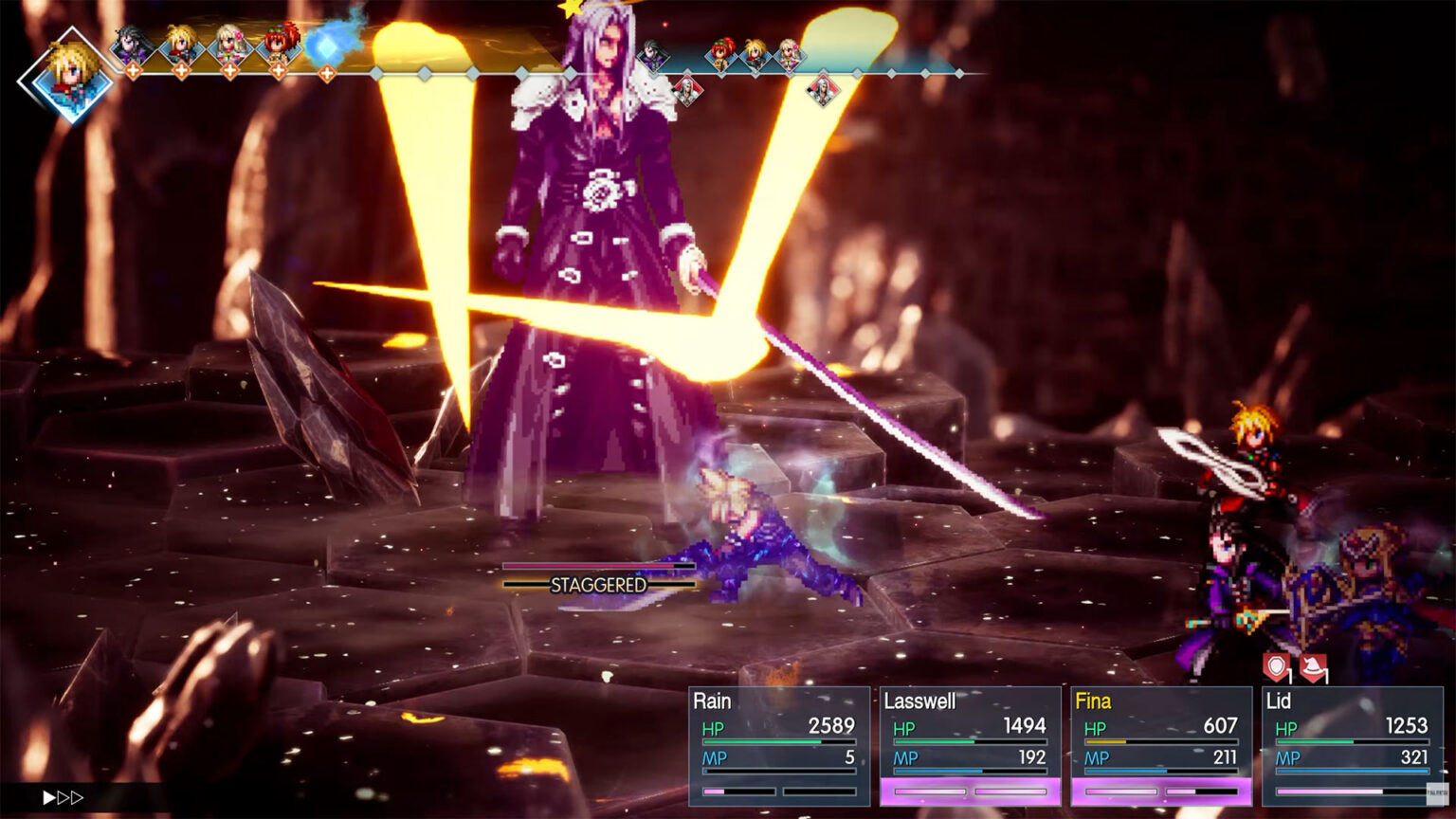
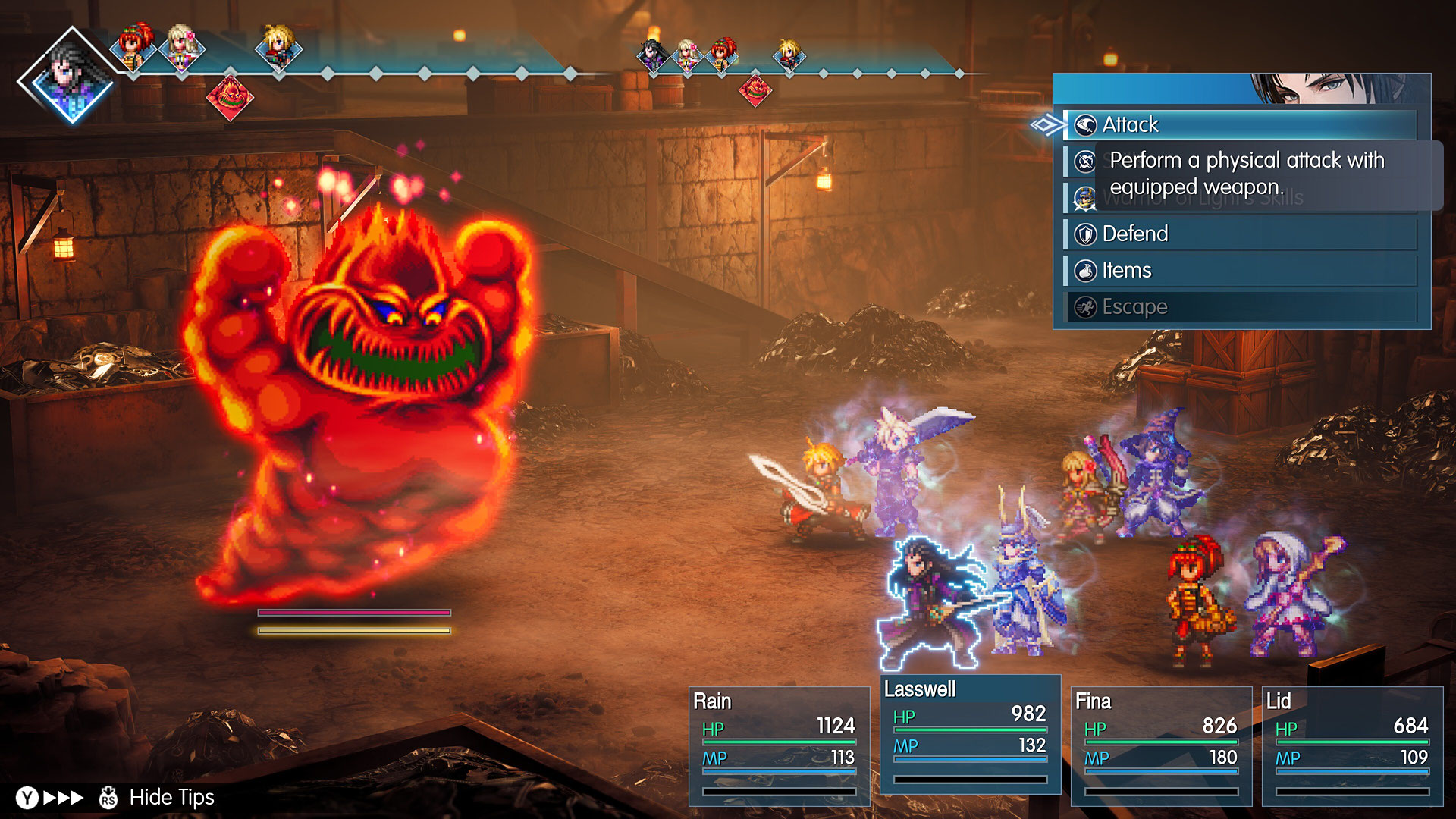
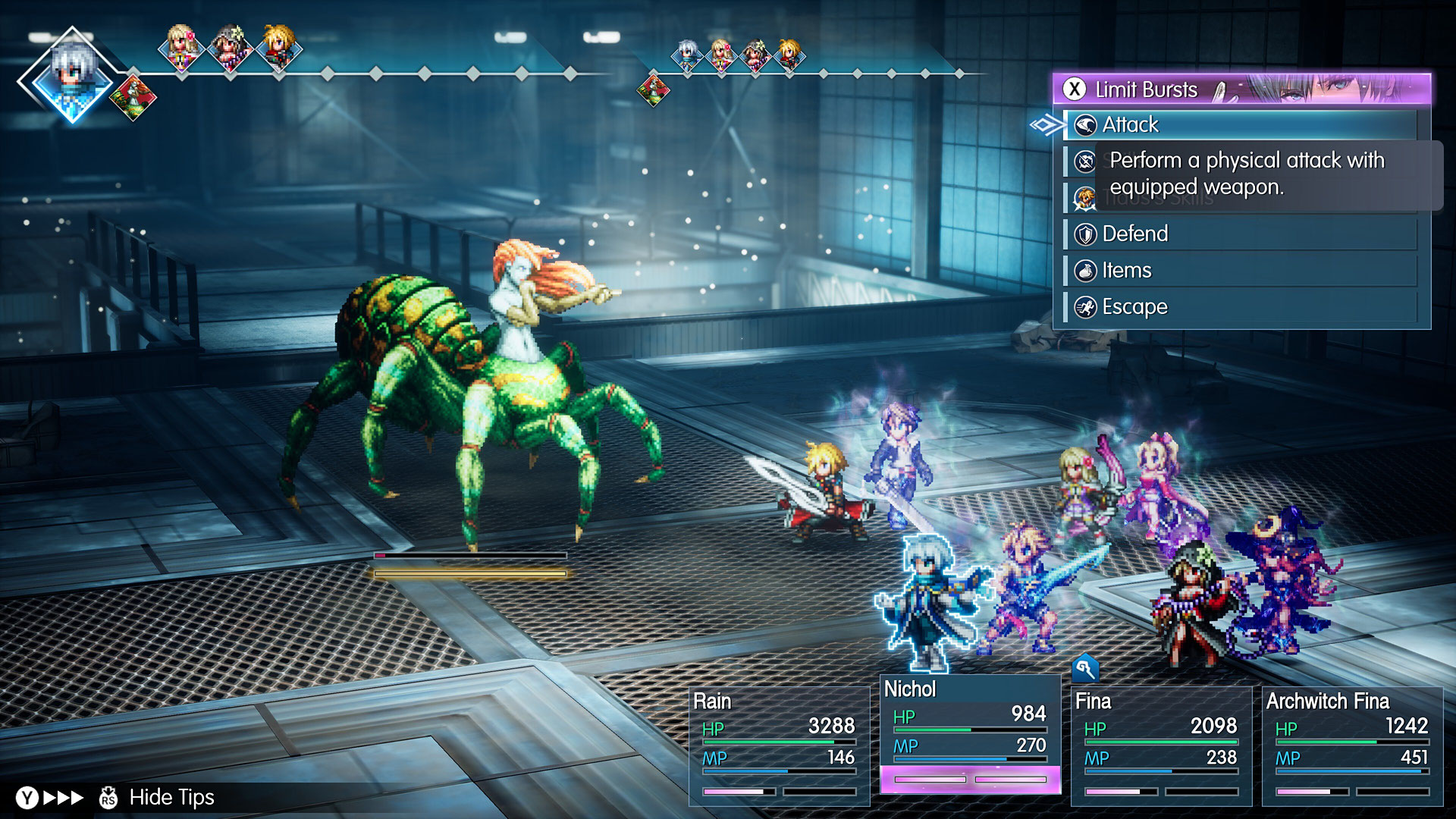
As for gameplay, it’s a modern take on the classic Final Fantasy turn-based formula, and anyone who has played Bravely Default or any of the Octopath Traveler entries will see some inspiration here, which isn’t surprising. Turn order is displayed at the top of the screen, and each enemy has a stagger gauge that drains fastest when you hit its elemental weaknesses. Staggered enemies lose their turn and take more damage, and staggering every enemy in the same turn gives the whole party a bonus action followed by a Resonance attack from one of your Visions. The stagger mechanic is fine, and if you’ve played any other modern RPG, you’ll be familiar with the premise. I didn’t feel like the game revolved around it, though, since you can still do good damage without staggering. I found it more useful for planning out my turns, like when to heal and when to buff, because a stagger gives you some breathing room to stabilize in a long fight. One neat touch is that each ability shows whether it’s better at dealing damage or building stagger.
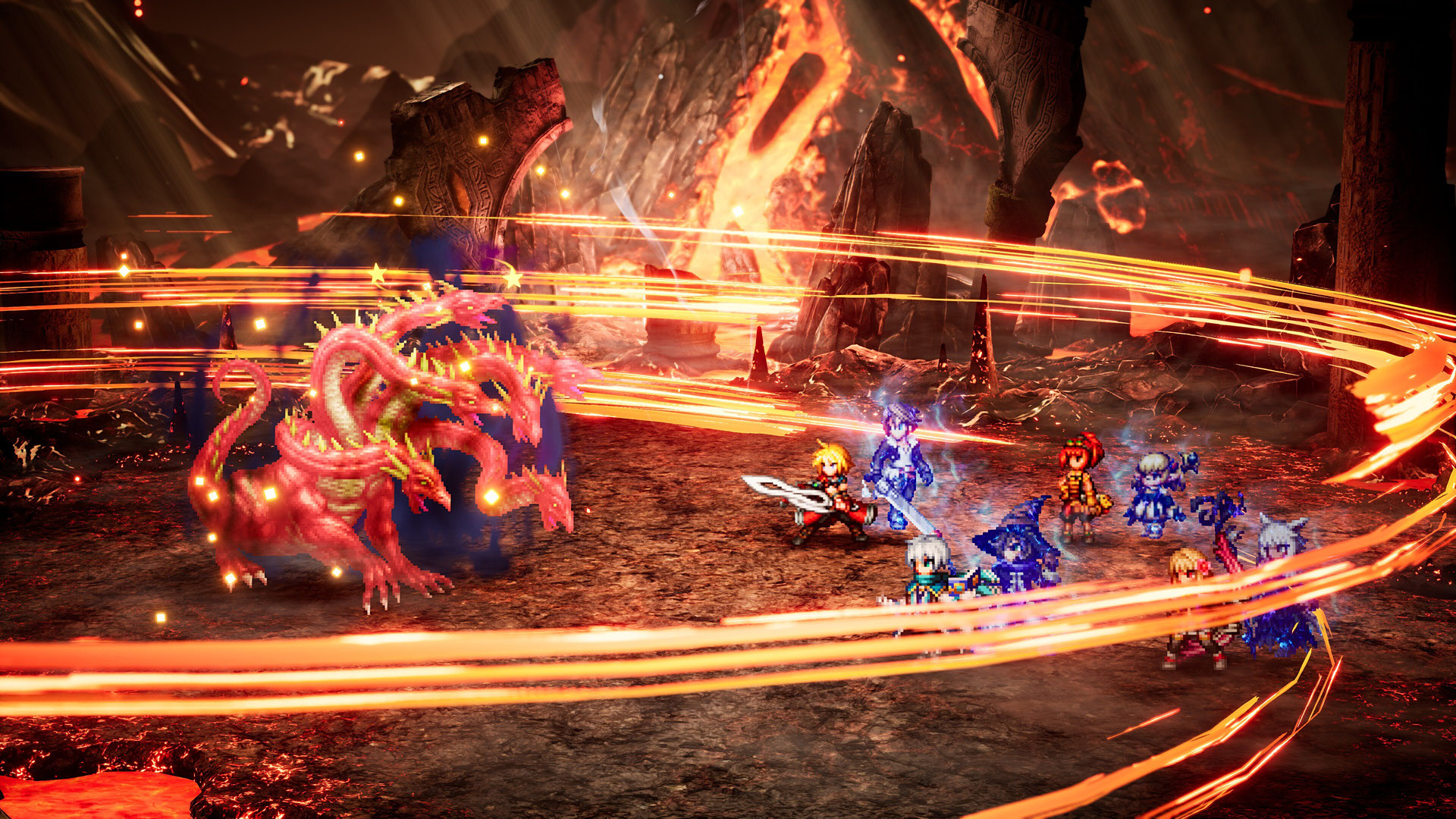
Rounding out combat are Limit Bursts that charge as you fight and espers like Ifrit and Shiva, which you can summon after defeating them. There are three difficulty settings (Casual, Normal, and Expert) that can be changed outside of battle, along with an option to speed up battles. Normal felt comfortable for me, and while some fights were a bit of a challenge in terms of strategy, I never saw a game over screen. A lot of that can be attributed to my familiarity with Final Fantasy systems in general, a focus on elemental weaknesses, and figuring out some of the Vision combinations that “break the game.”
Double Vision
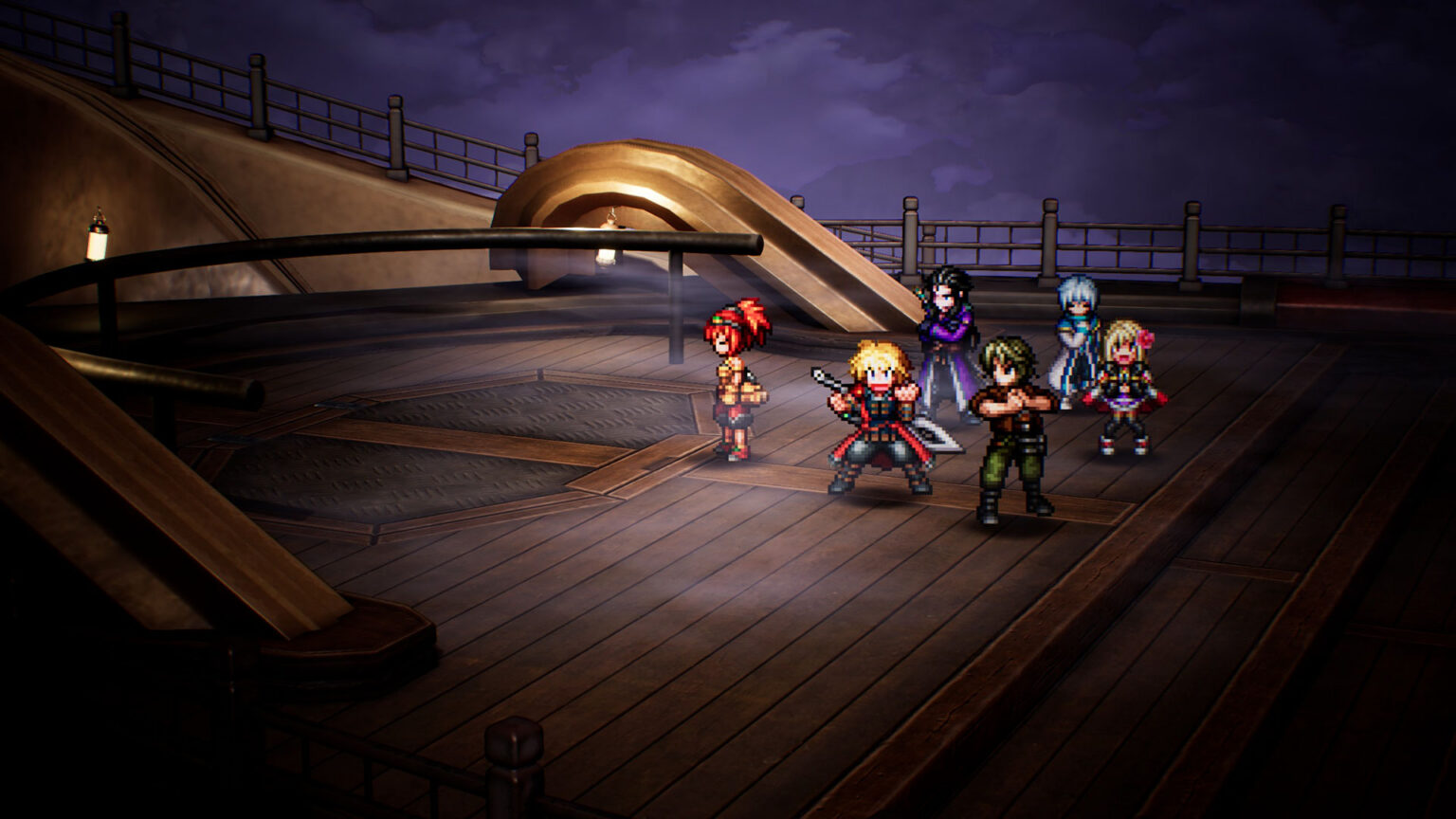
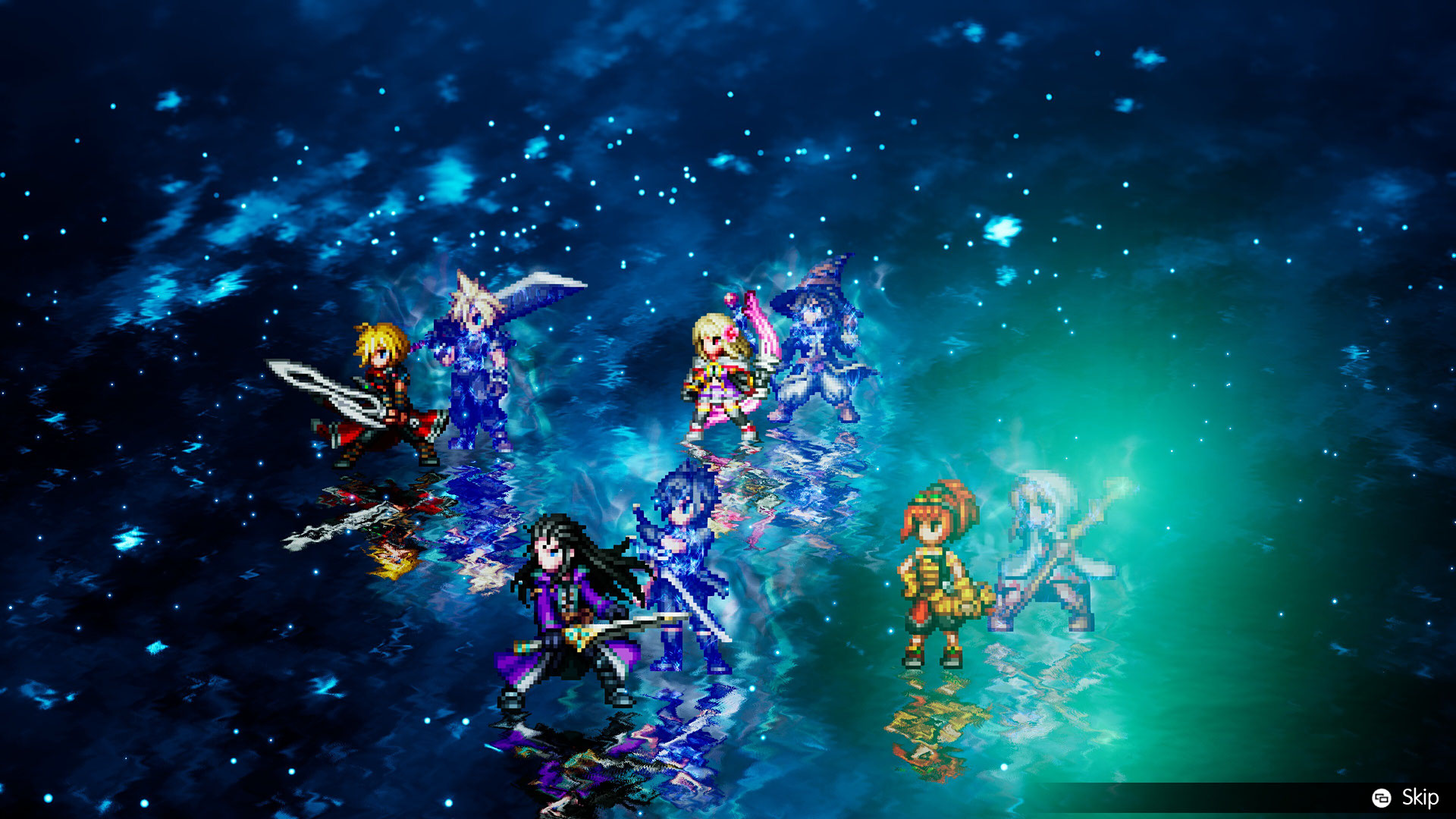
Each character has their own set of abilities and a fixed role, but most of their customization comes from Visions. There are 26 of them in total, most of which are found at Sanctums scattered around the world map, and they represent heroes from across the franchise’s history, from the Warrior of Light to Clive. Each character can equip one Vision at a time, and increasing its Mastery Rank unlocks both passive and active abilities that the character can use even after switching to another Vision. That’s essentially how you build each character’s loadout to bolster their natural abilities. Because of the Visions system, you really can create a party of your favorites rather than feeling forced to run a specific character or composition. While there are certain characters who can make the game easier, they’re hardly a necessity.
This does mean there are some very broken combos in the game, which can negate a lot of the fights, including the later ones. For example, Firion’s Vision teaches Arms Akimbo, which lets a character take two actions in a single turn. That can be combined with Magic Barrage, which casts a chosen spell on random targets four times, although the effect of each cast is halved. Using Arms Akimbo for two Magic Barrages gives you eight casts, which can then be doubled through Mirroring Prism, Nichol’s second Limit Burst that has every party member repeat their action. That means 16 casts of a single spell from one character in one turn.
All the Bravest
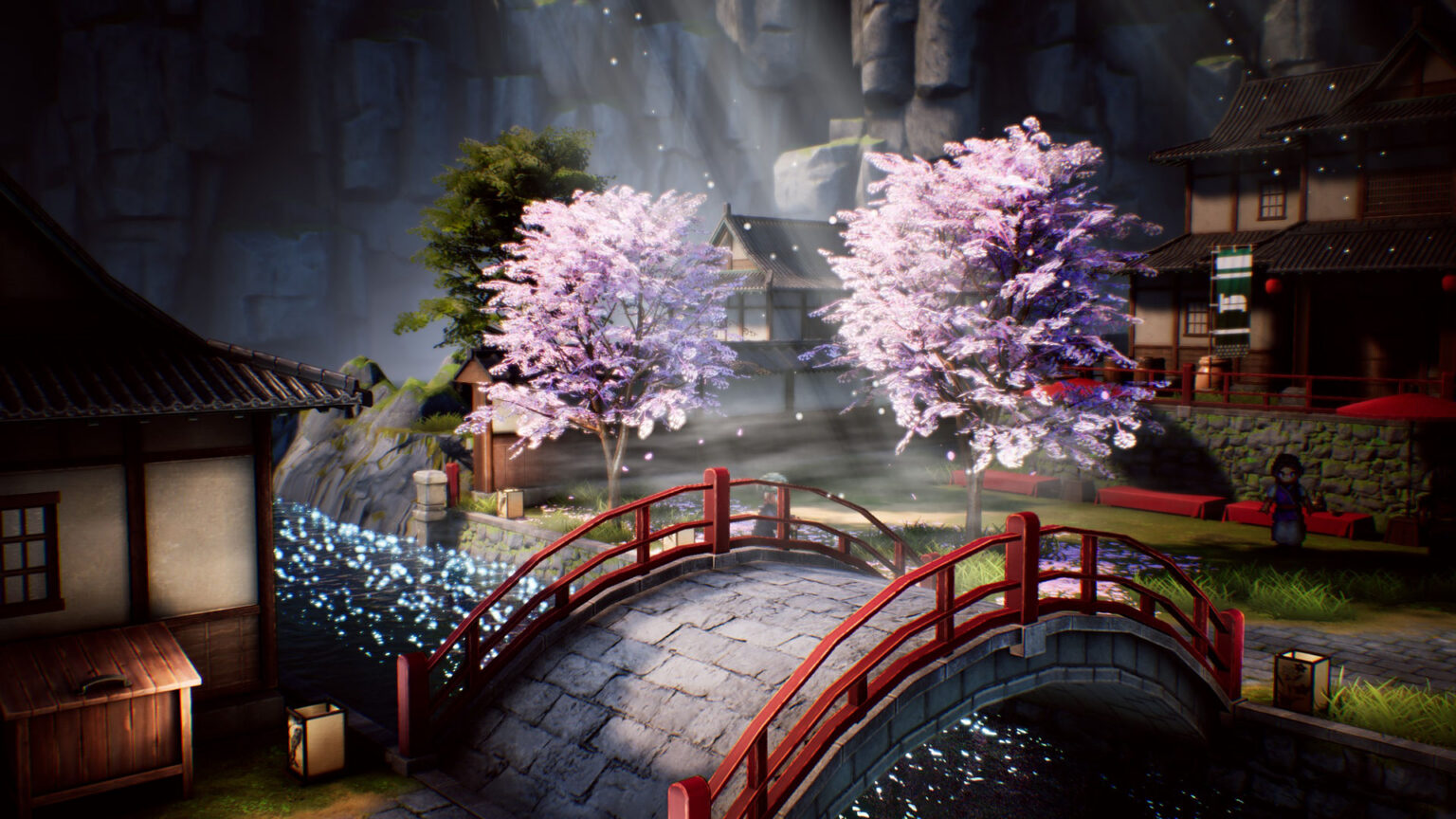
That’s actually where the grind comes into play, since each character can only have one Vision equipped at a time. If you wanted to set up those deadly combos across your entire party of four, or across all eight members of the cast, you’d have to cycle each character through those Visions and level them until the abilities unlock. That can equate to a lot of grinding, which I did not do, though there are specific spots in the game that make it a lot easier. Other character customization comes from your standard weapon, armor, and two accessory slots. Most accessories are pretty standard fare for a Final Fantasy game, and some will be familiar, like the Genji Gloves and Super Ribbon.
For side content, each of the eight main characters has their own little arc that fleshes out their personality and backstory. They’re mostly charming and fun experiences, not so long that they drag and not so short that they feel meaningless, and each one ends with a permanent boost to that character’s stats. I enjoyed all the side content I played and found it rewarding, and that included clearing the entire Colosseum and unlocking every Vision. The lack of a New Game Plus is a bit of a downer, but I’m not really one to repeat experiences unless they’re really, really good, like Final Fantasy VII Rebirth.
A Night at the Opera
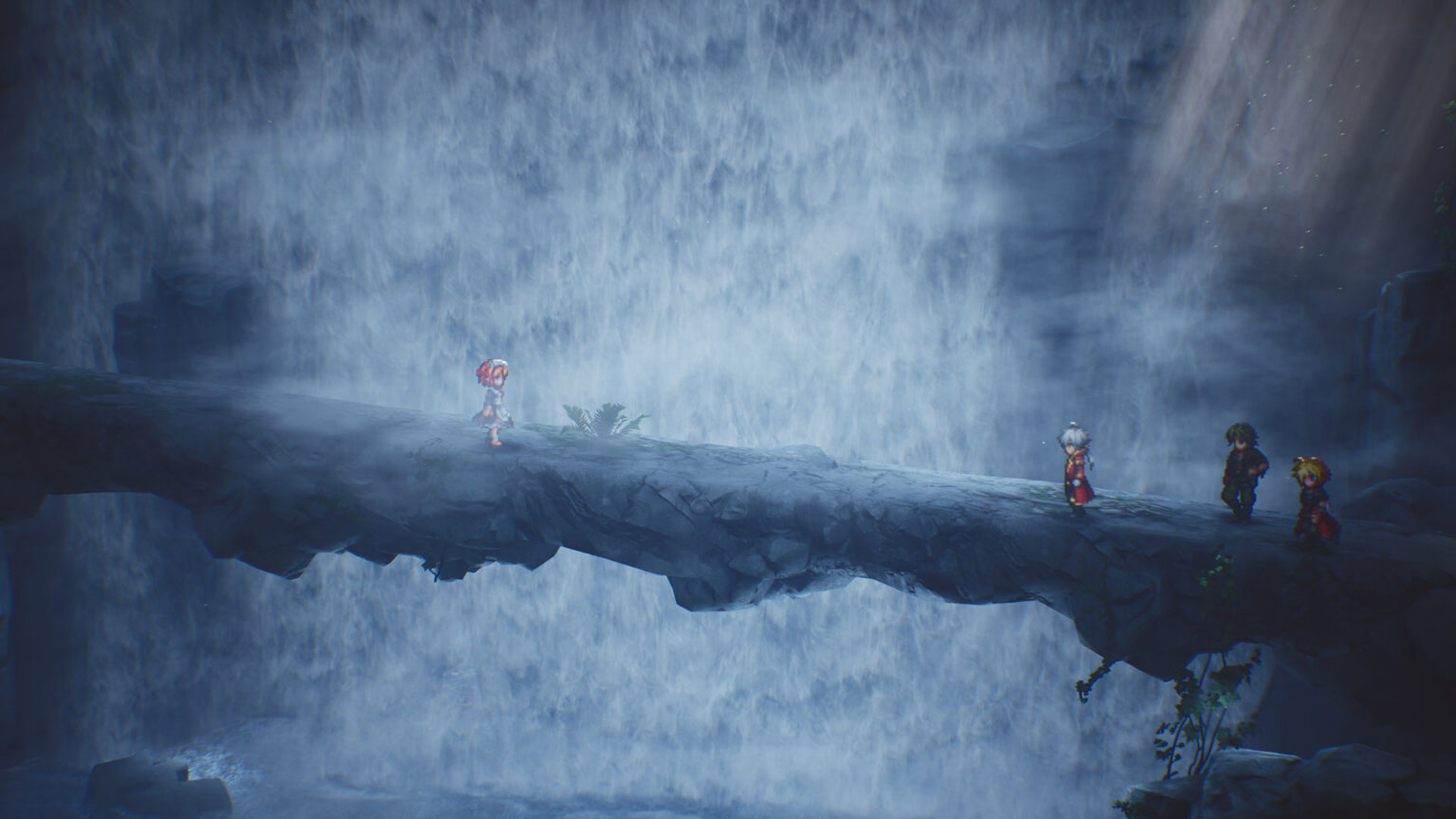
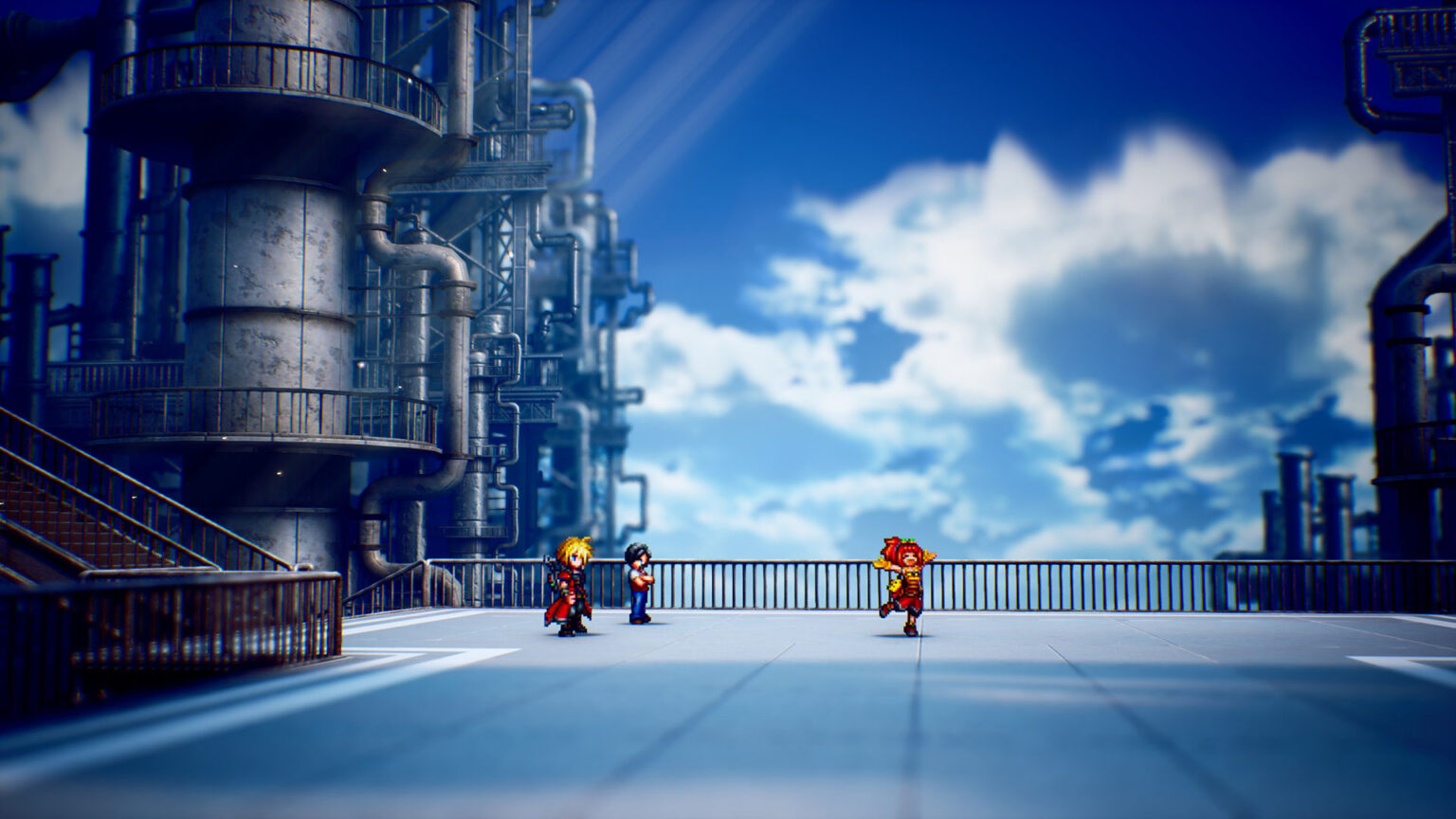
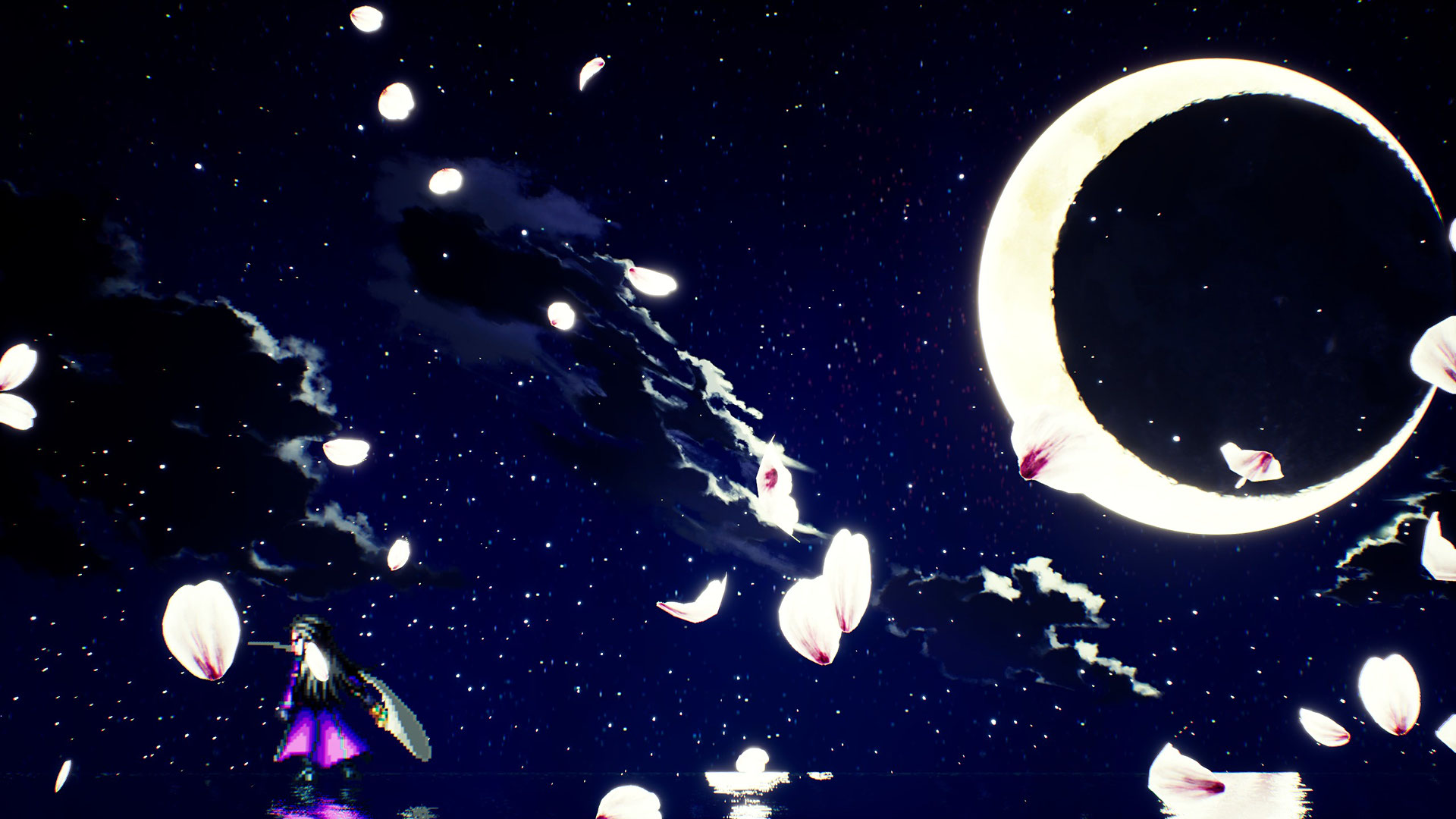
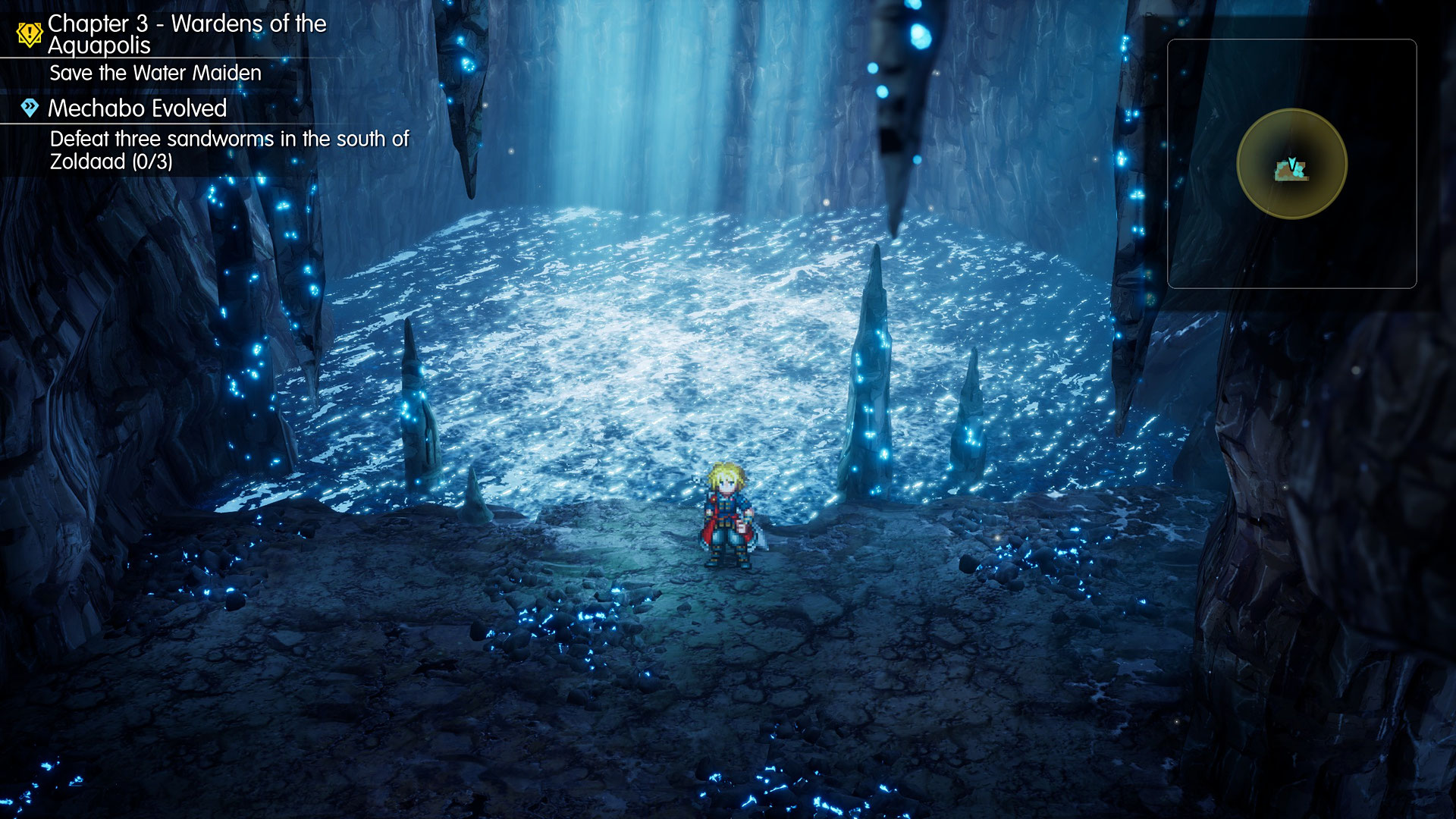
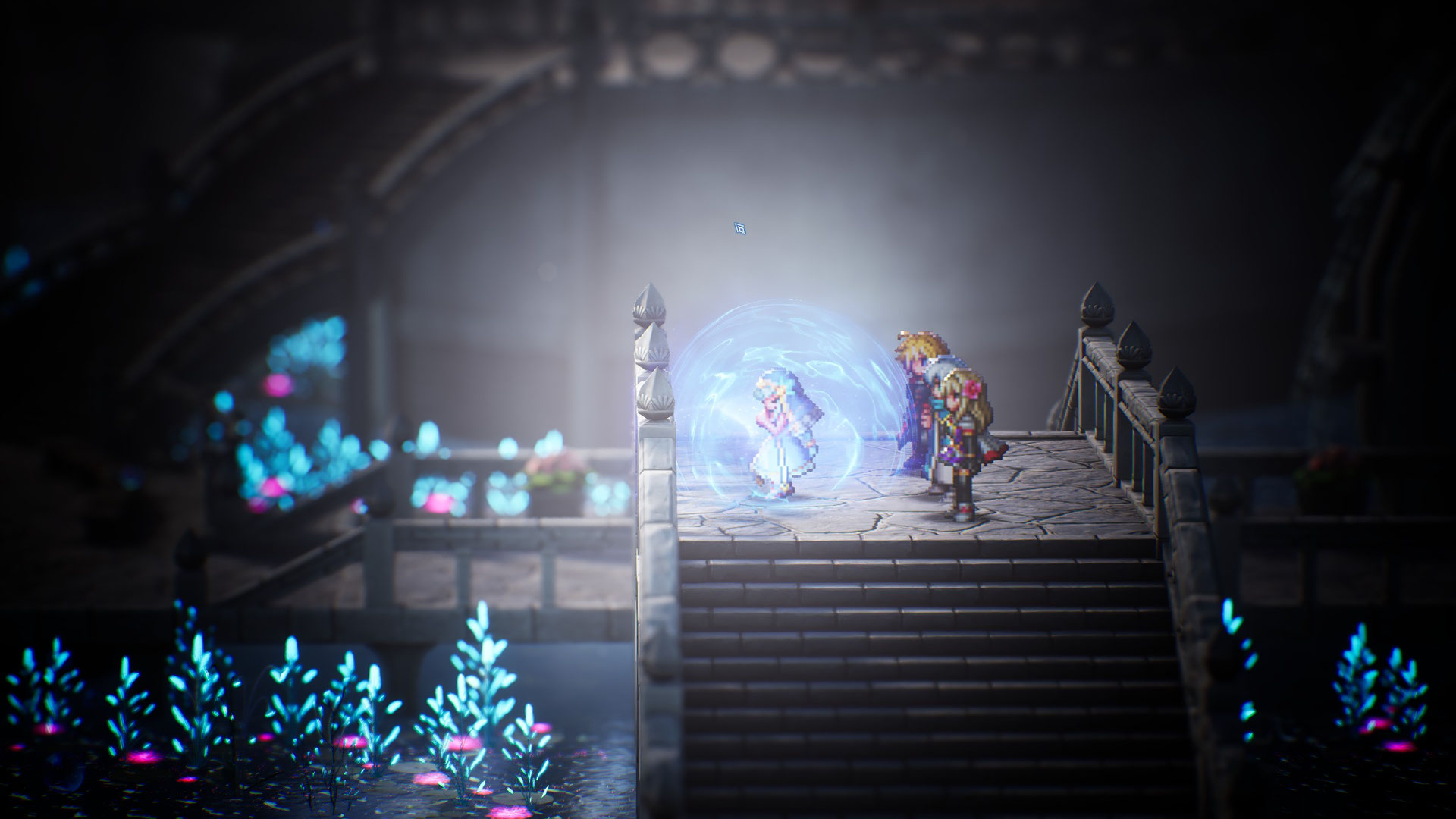
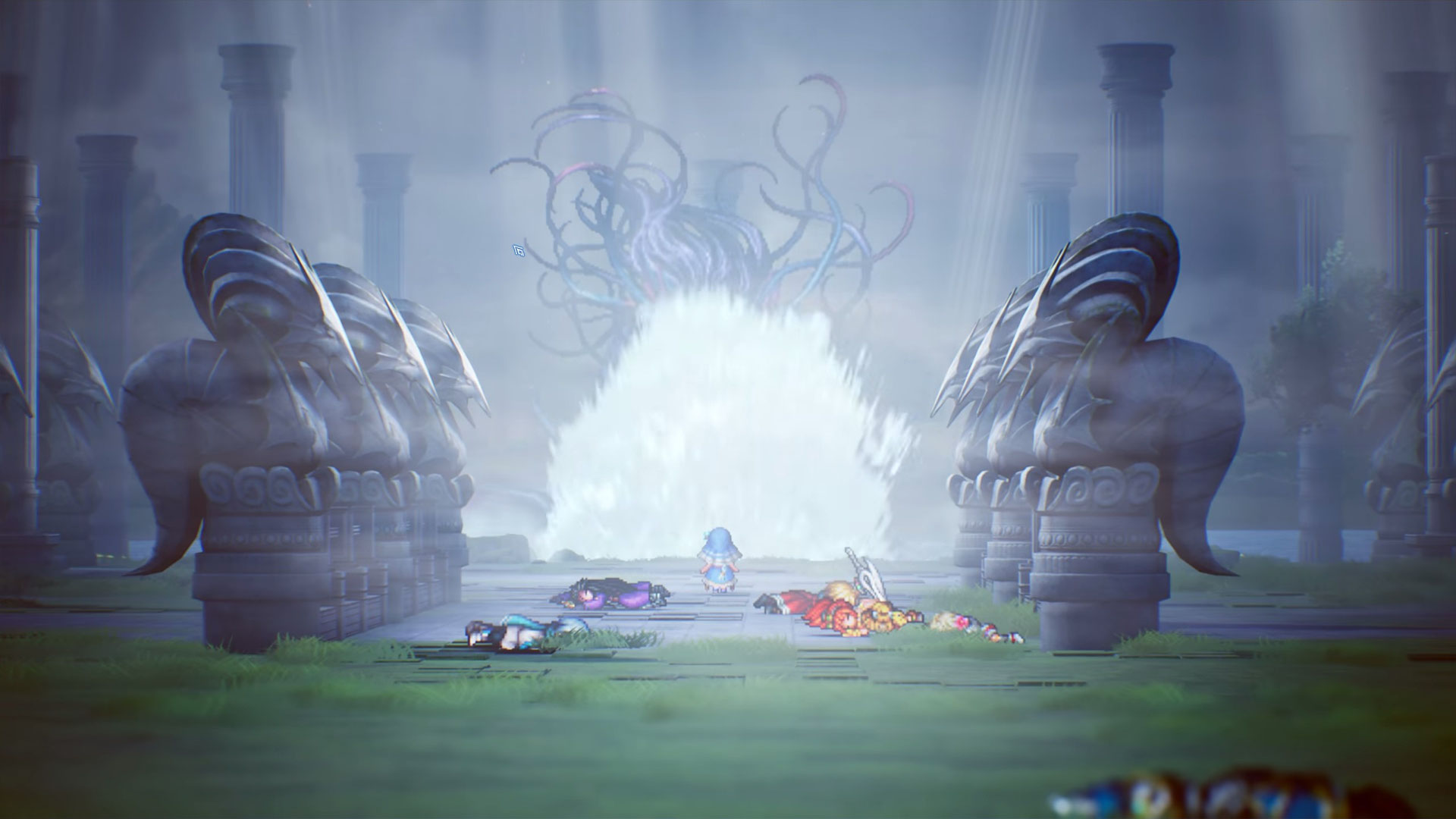
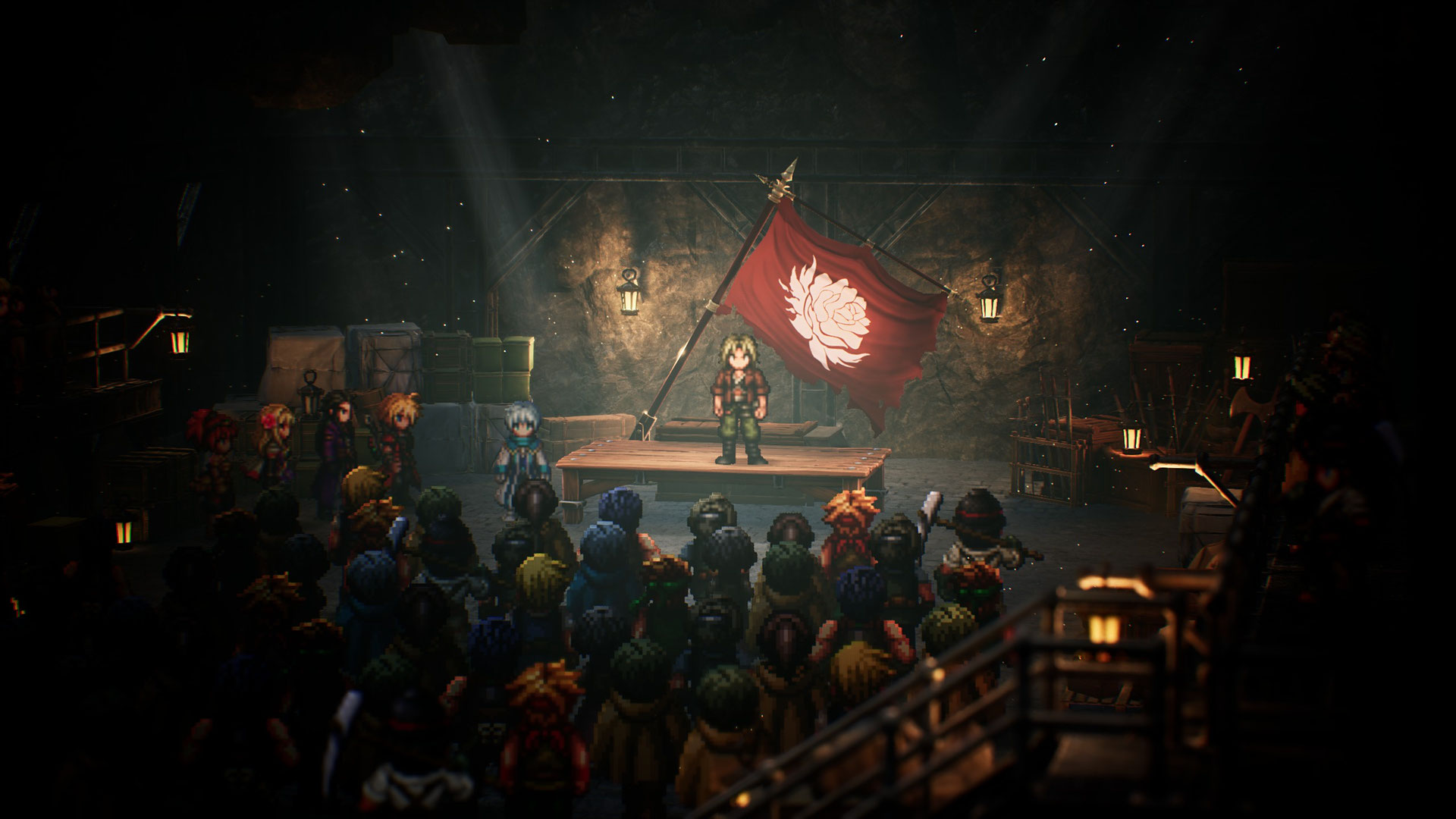
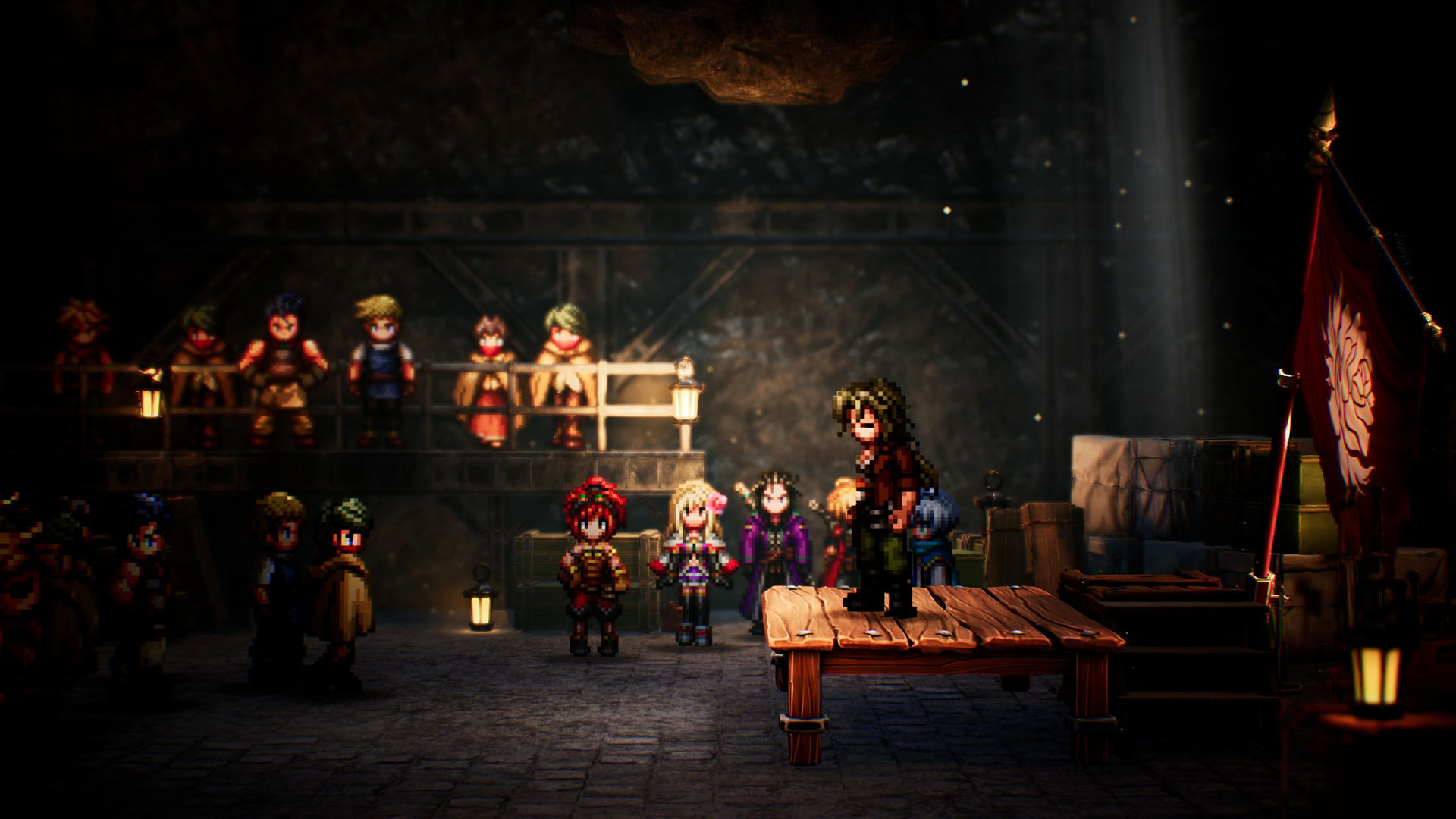
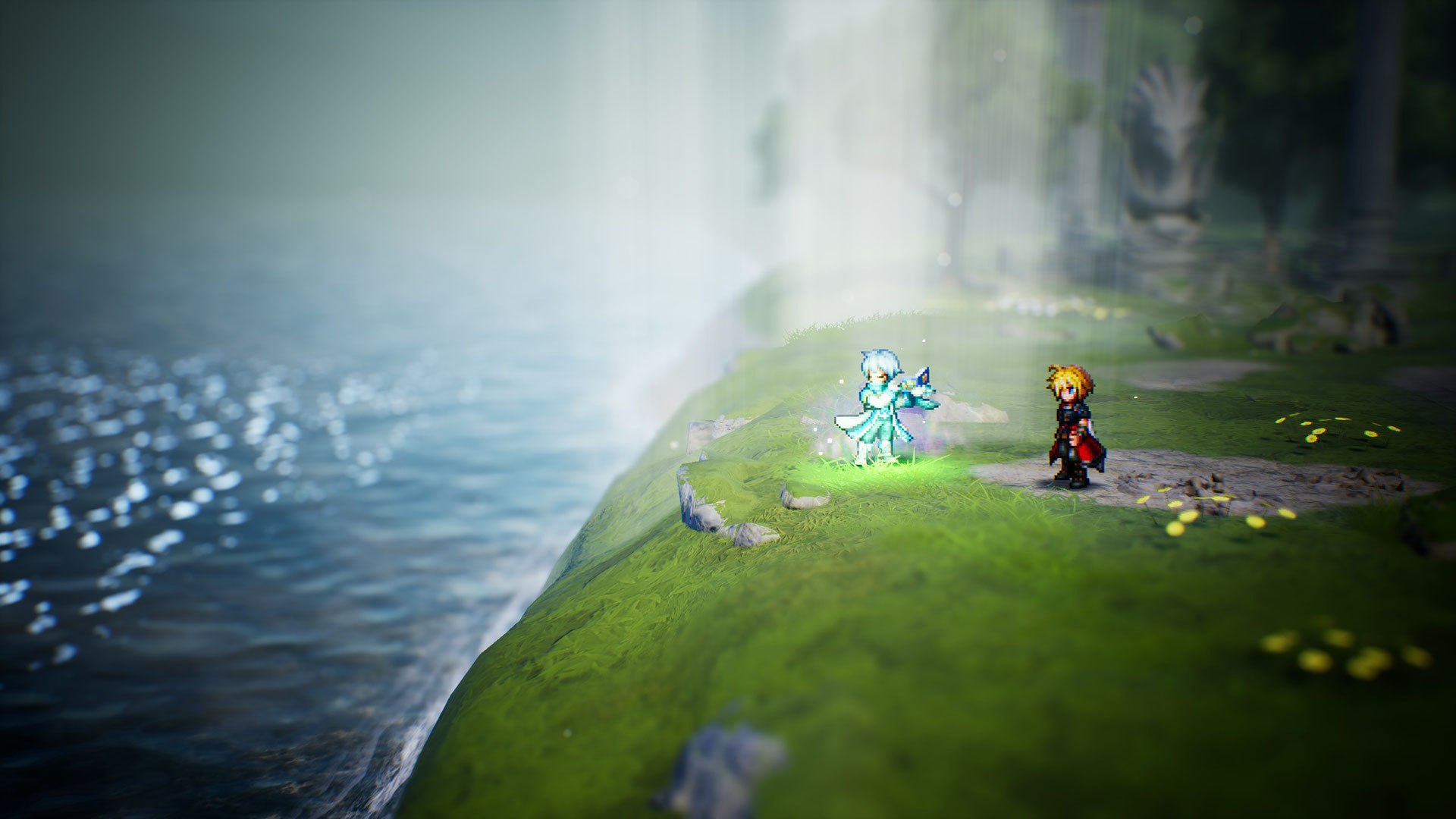
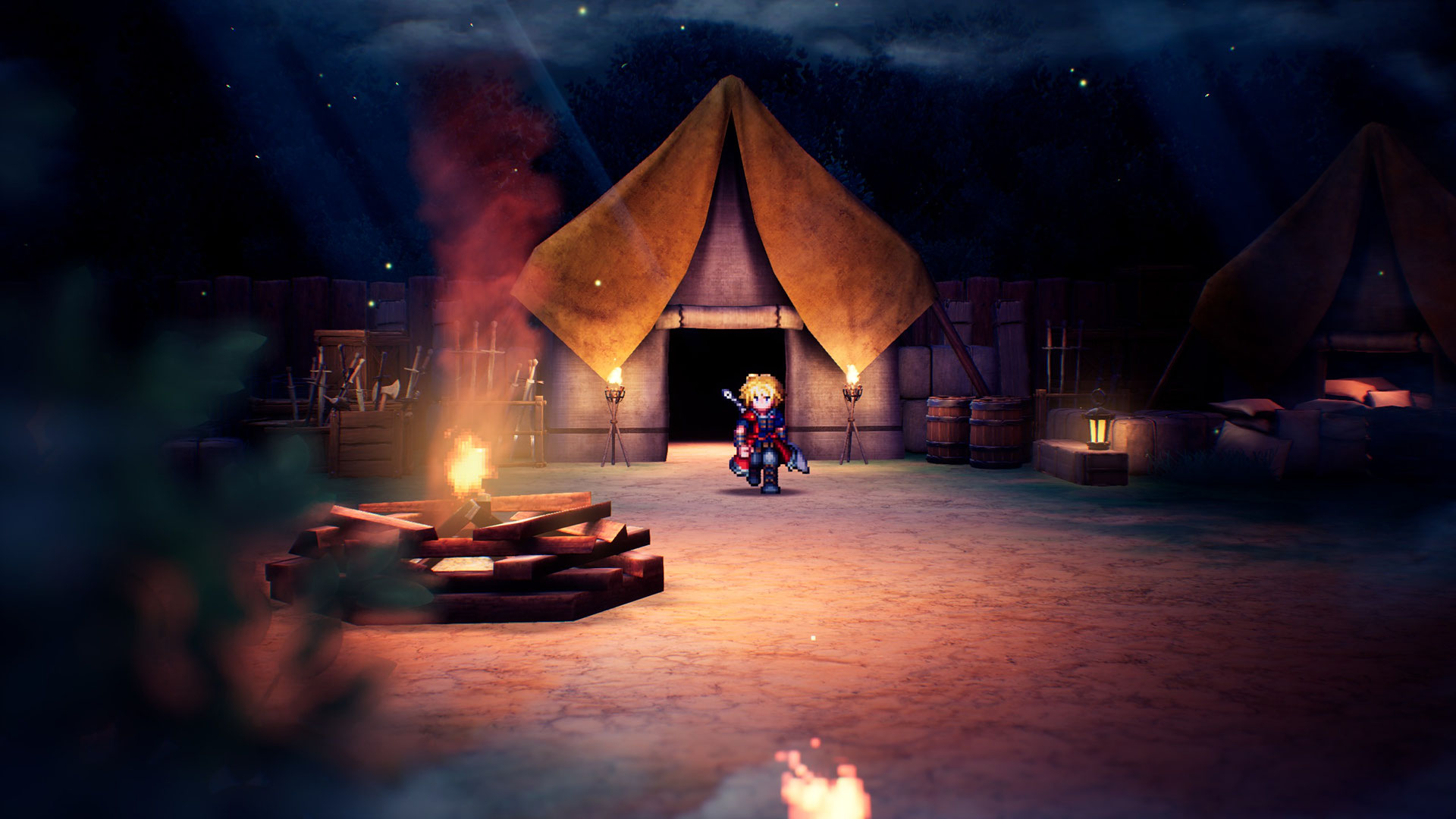
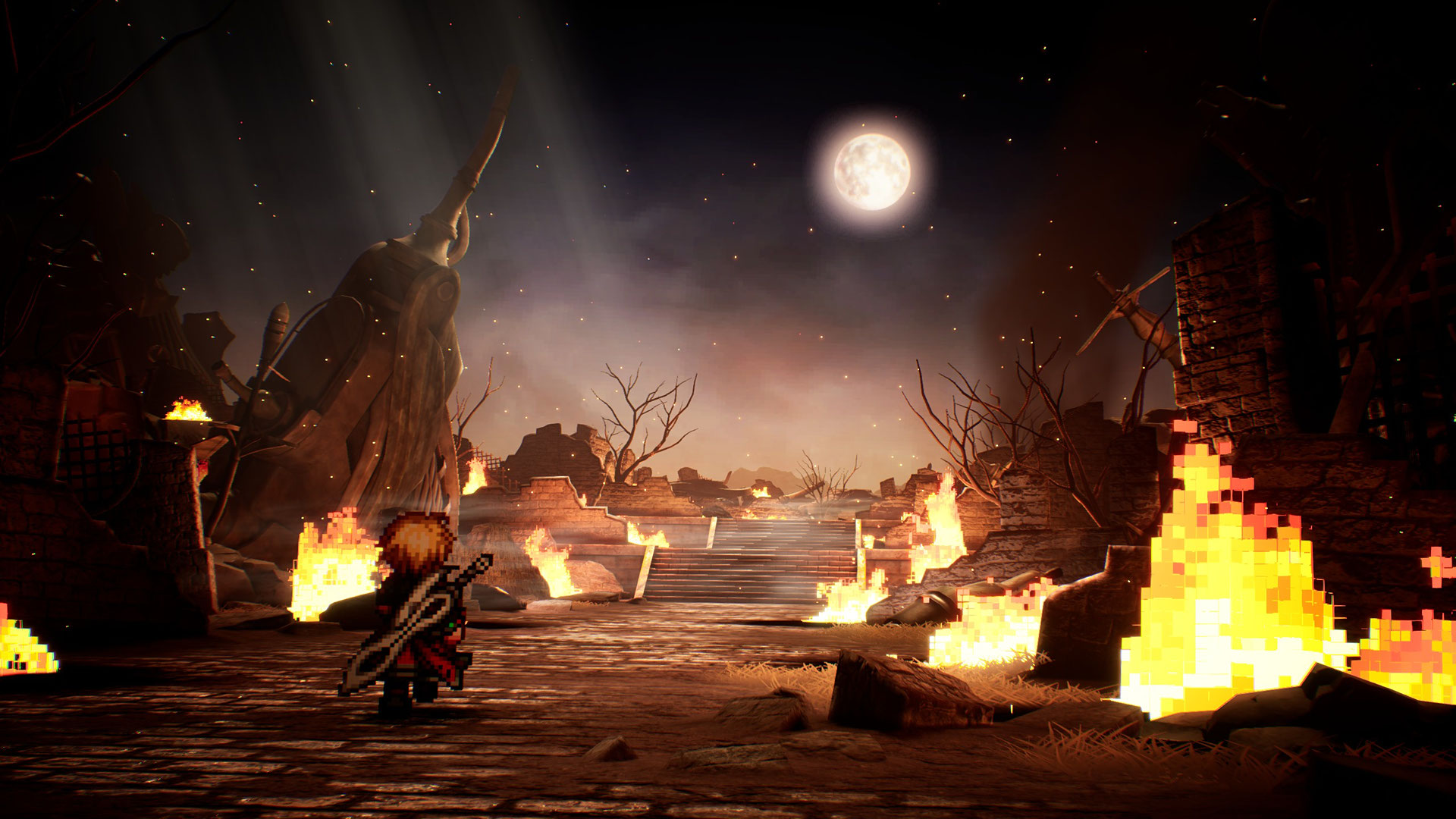
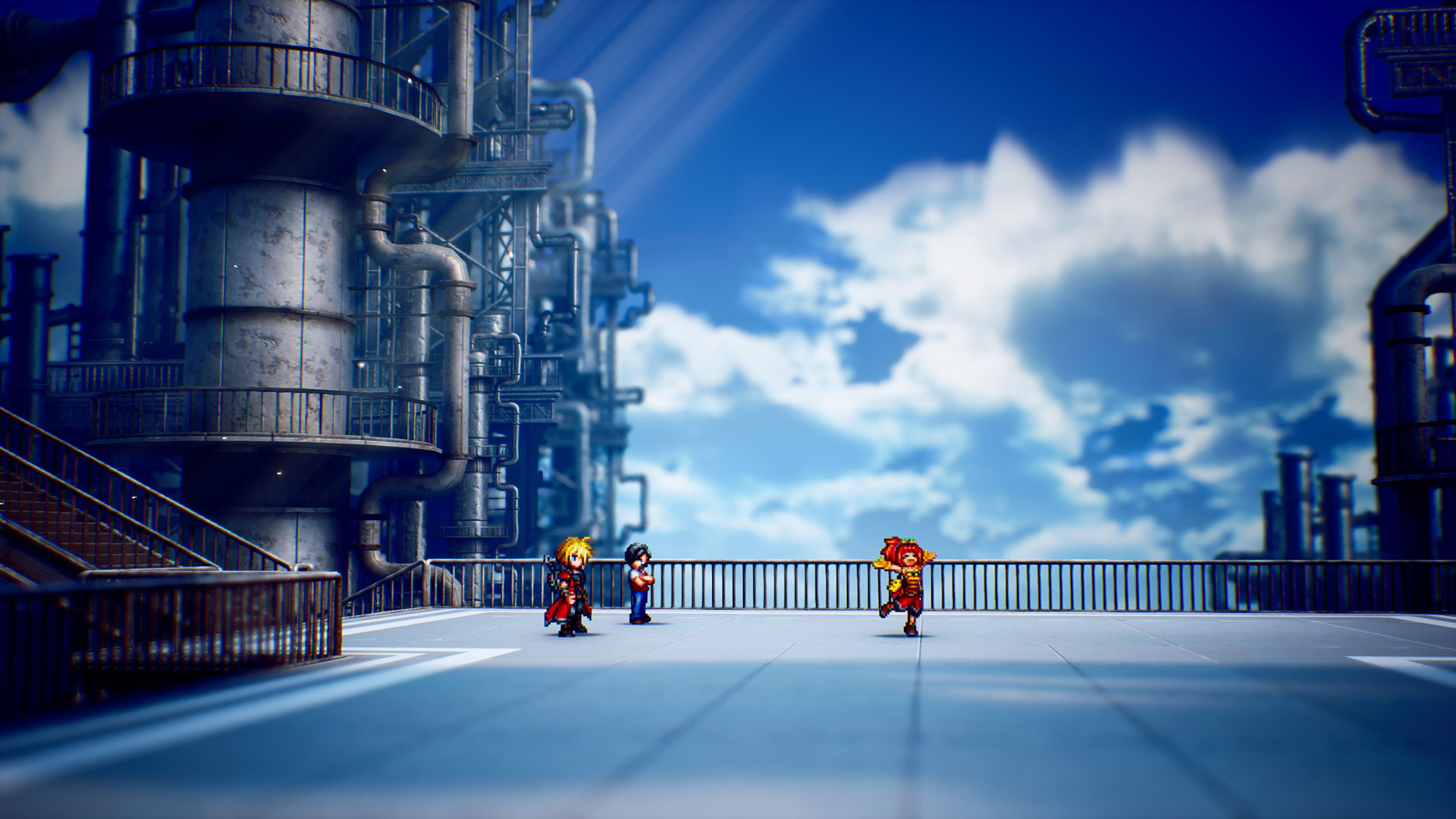
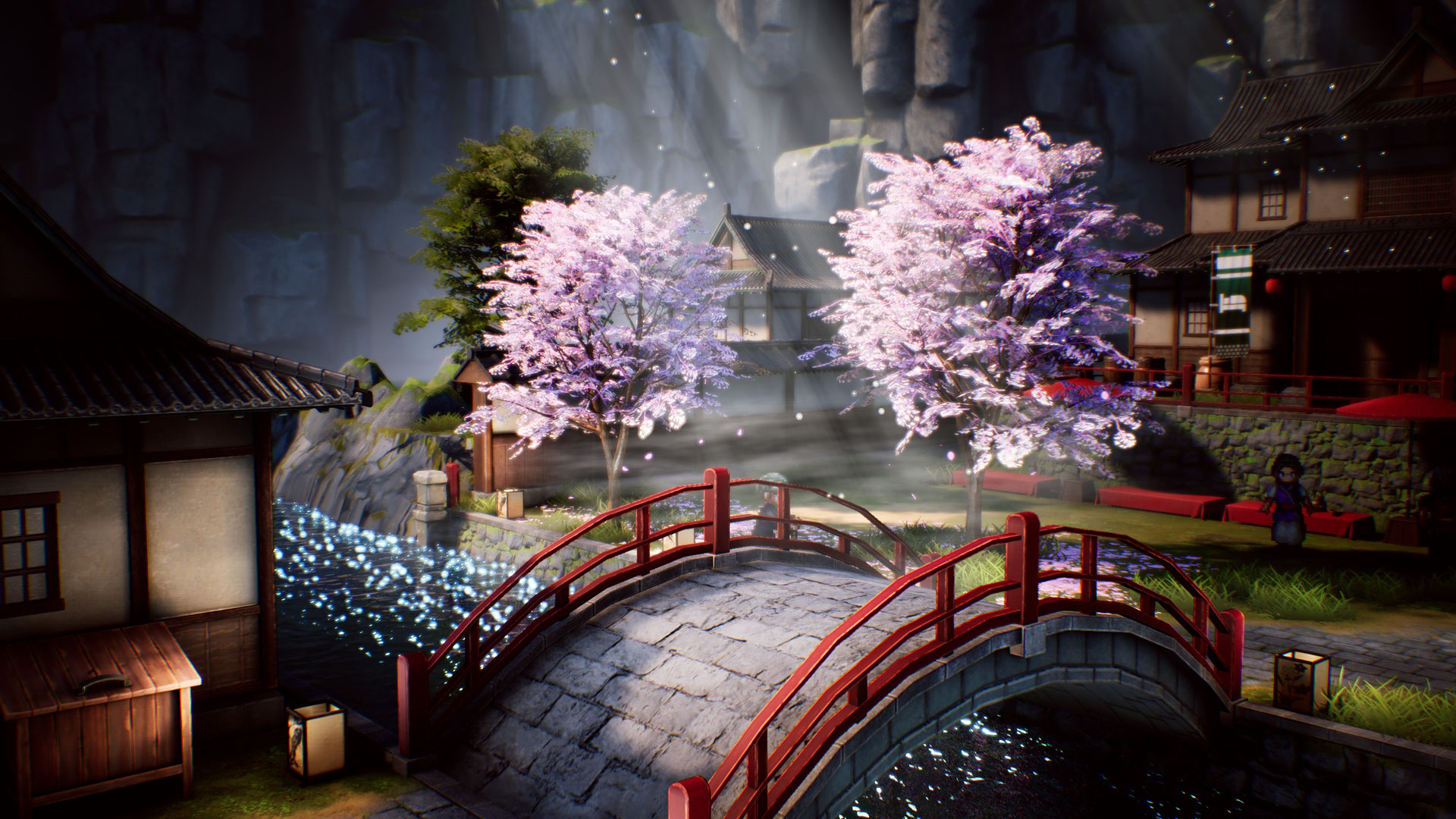
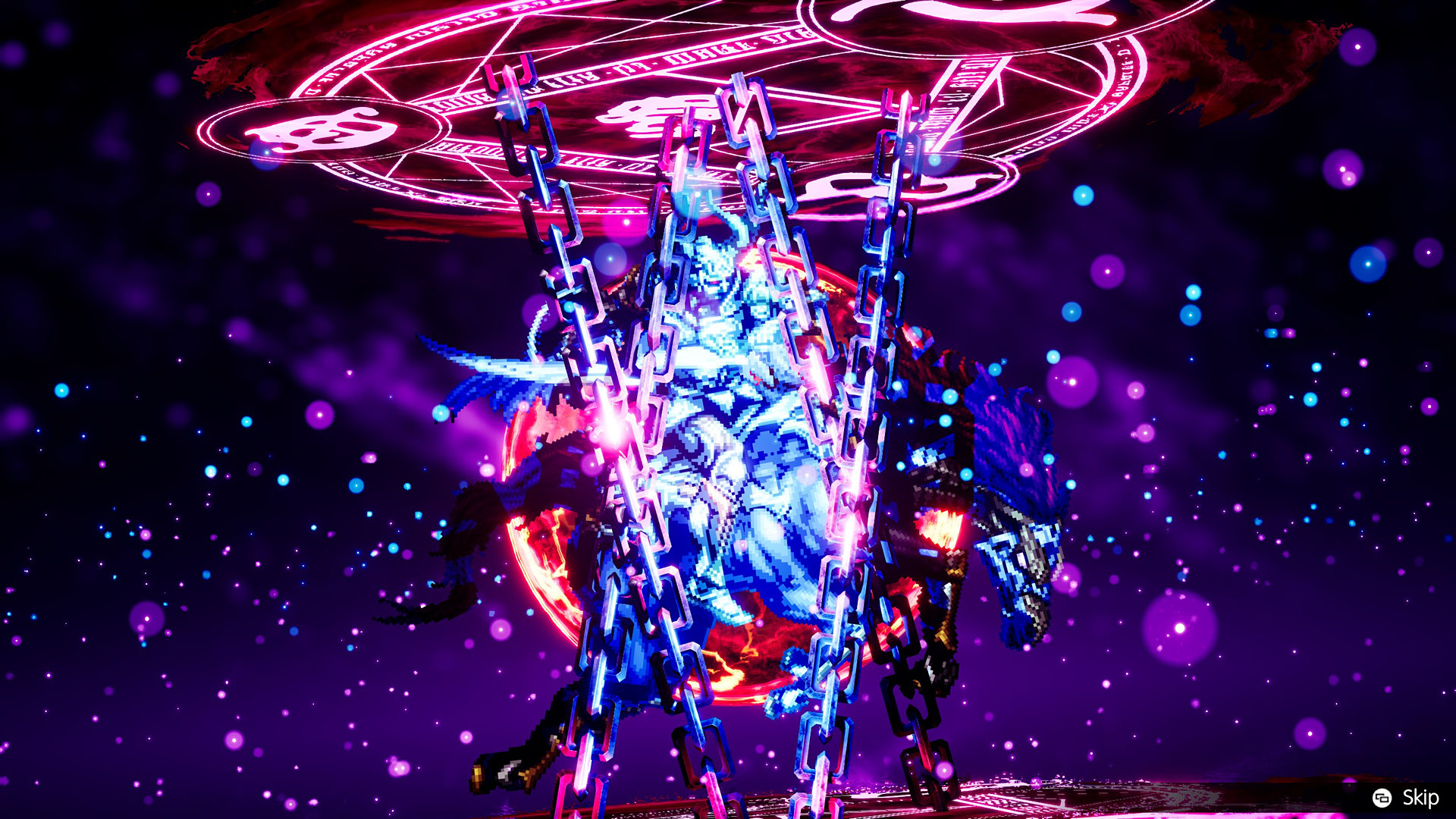
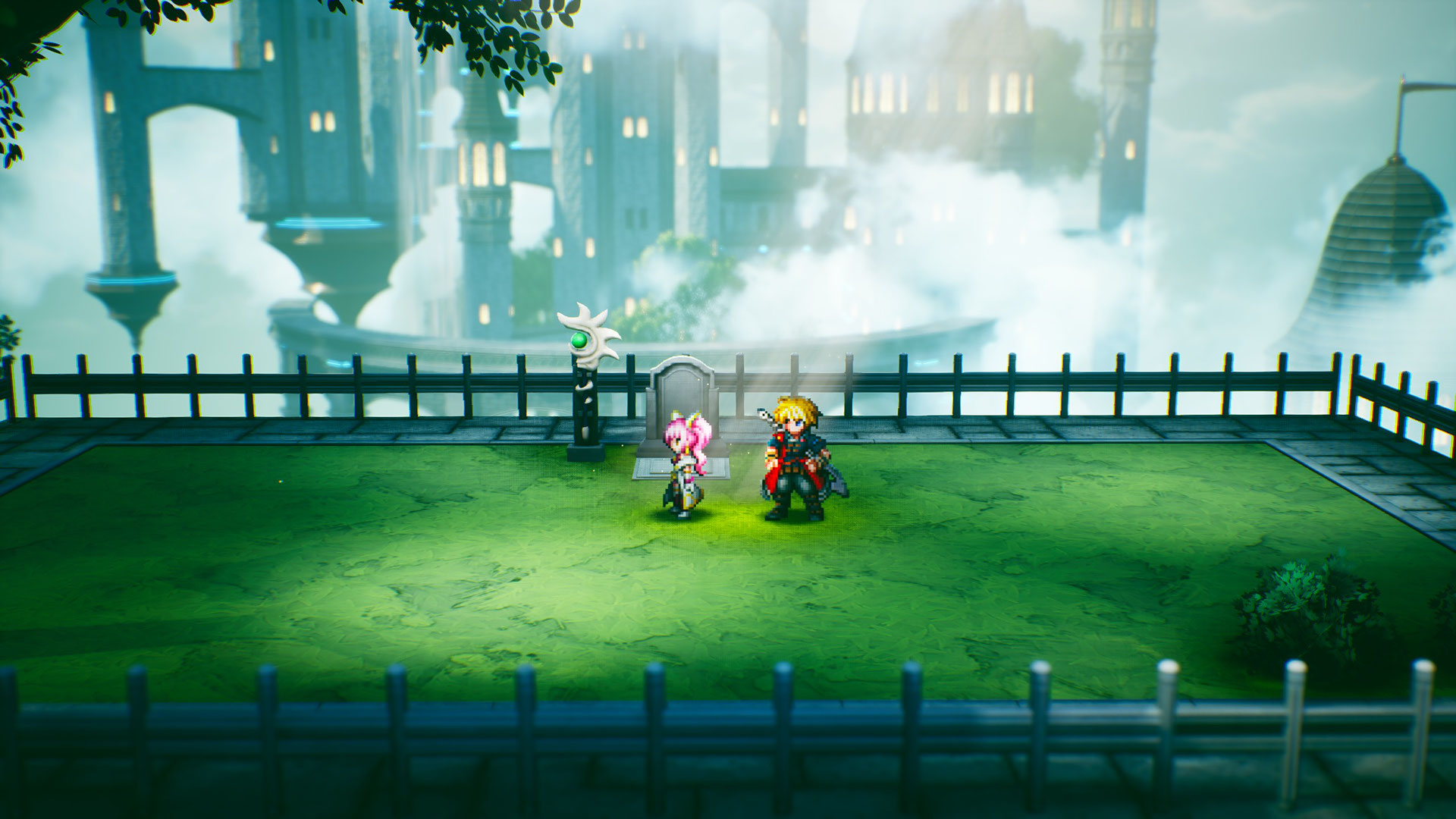
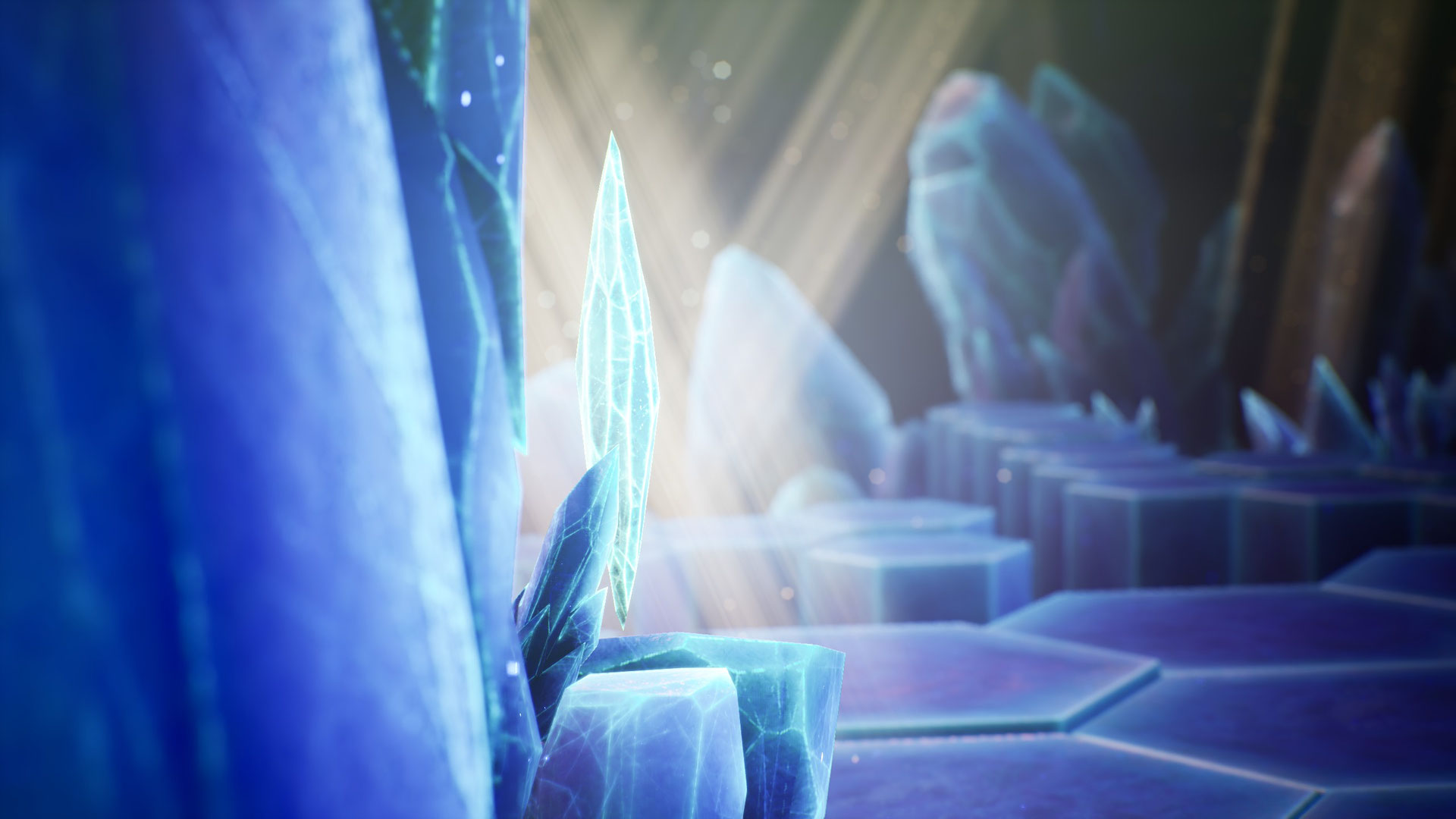
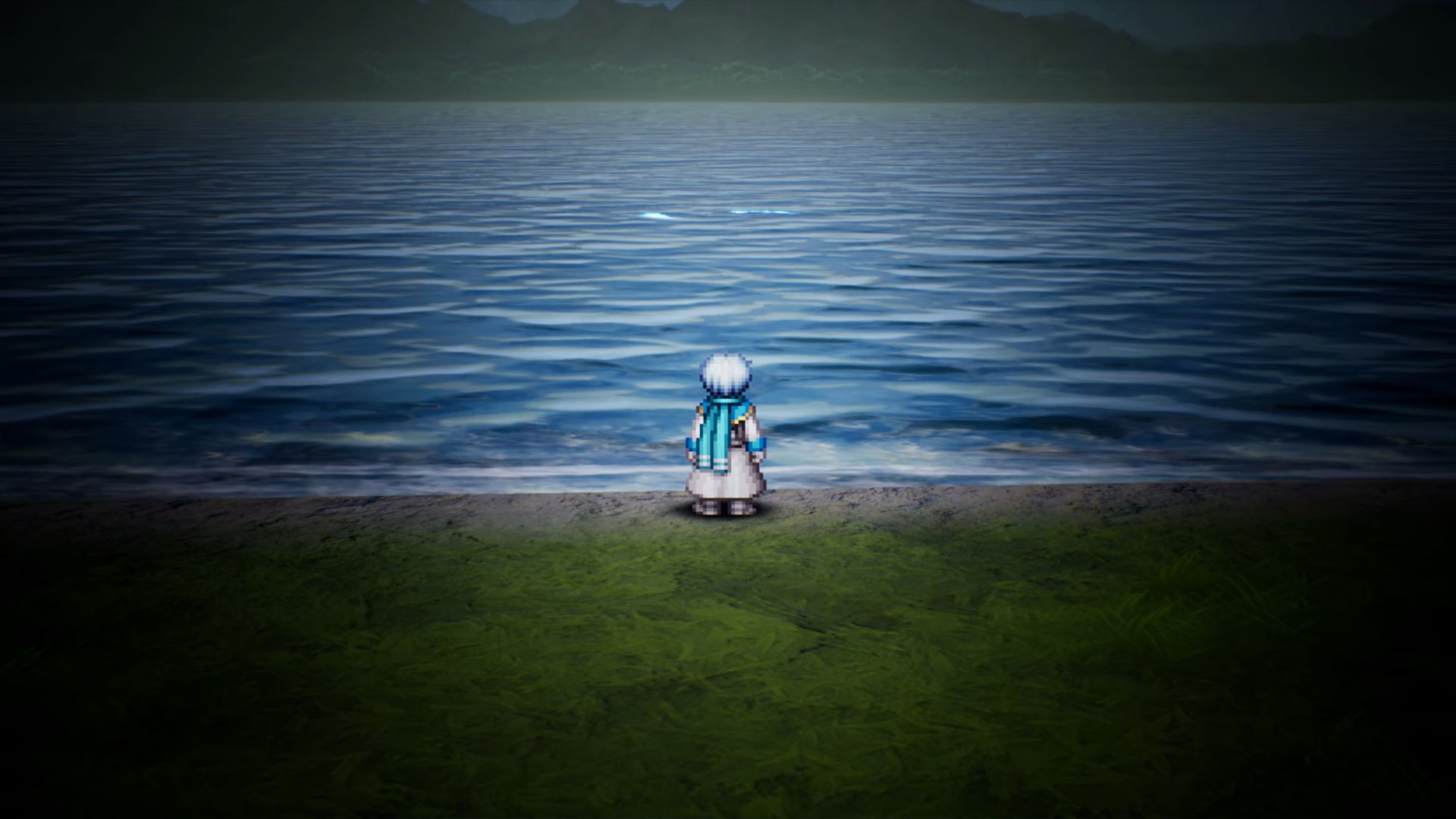
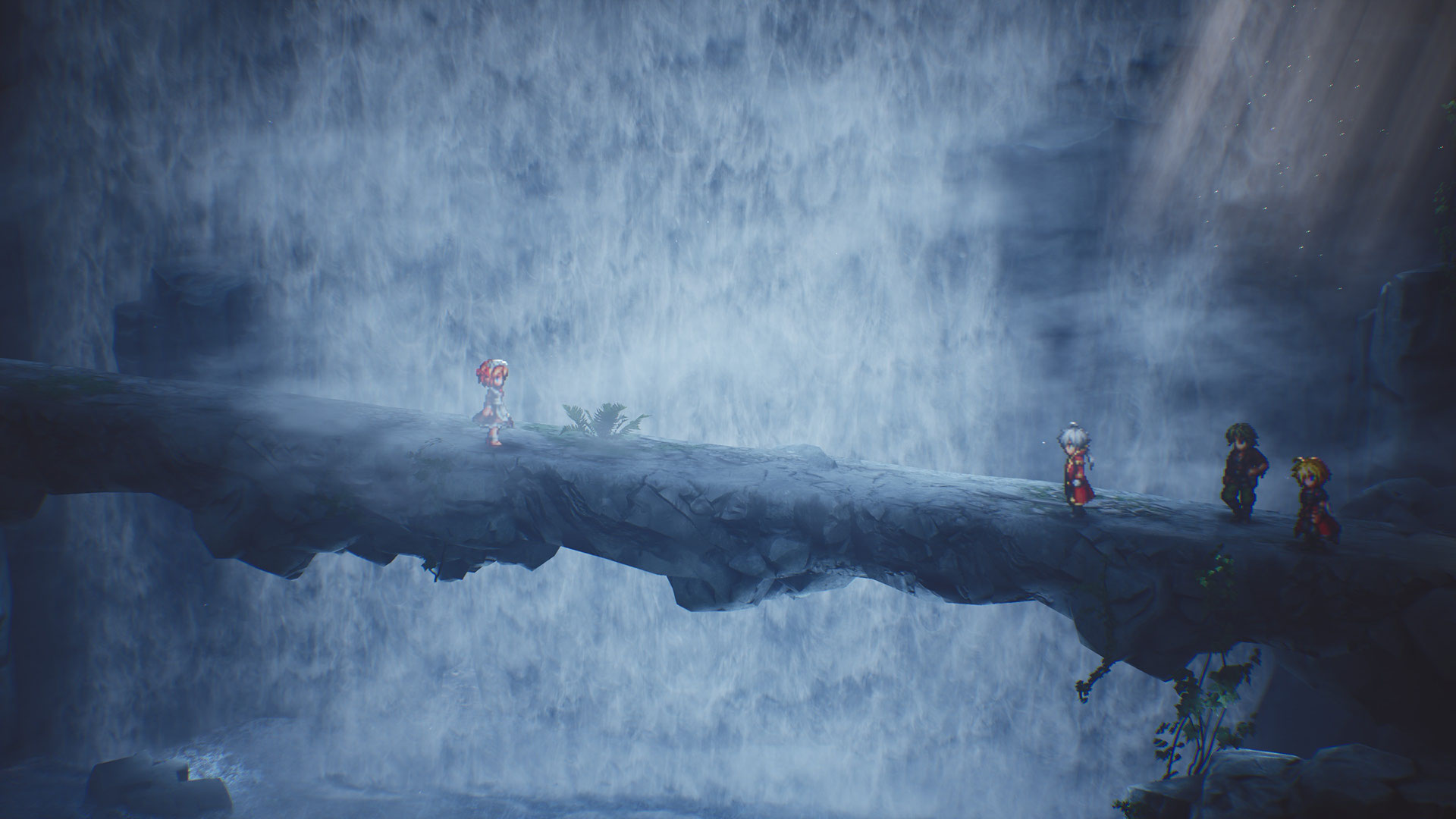
I’m very positive on both the visuals and the music in Final Fantasy Resonance. This is the first Final Fantasy to get the HD-2D treatment, and the way it blends pixel art with 3D elements, along with the change in art style whenever Visions are summoned, makes for a game that’s very pleasing to the eyes. The soundtrack, composed and arranged by Elements Garden, led by Noriyasu Agematsu, is both original and very Final Fantasy-ish, with some common and familiar motifs alongside unique tracks that really fit the game’s theme. It’s on par with some of the best soundtracks Final Fantasy has to offer, though it’s really hard to rank them when they’re all so great to begin with. I played with the English voice track, and as I mentioned earlier, the voice acting is great.
Performance-wise, the game ran smoothly on both my PC and the Steam Machine, where I spent roughly a third of my time playing at 4K. In my Steam Machine review, I said I would buy Final Fantasy Resonance on Steam instead of a console so I could play it at my desk or on the TV, and that’s exactly what I ended up doing. Performance was otherwise solid, with no noticeable frame rate drops or gameplay bugs, which is what you’d expect from an HD-2D title. I did, however, have two hard crashes on PC, one of which resulted in lost progress because the autosave hadn’t triggered, while the Steam Machine never crashed on me.
Phoenix Down
At $49.99, Final Fantasy Resonance is honestly a deal, and I enjoyed it far more than some of the $69.99 games I’ve played recently. In my Marvel’s Wolverine review, I said I’d mainly recommend that game at $50 rather than its full price, and its campaign runs about 15 hours. Square Enix puts the main story of Final Fantasy Resonance at 30 to 40 hours, and I spent around 50 hours completing it along with most of the side content on Normal difficulty, without unlocking every achievement.
I honestly can’t tell you where Final Fantasy Resonance ranks among the other games in the franchise. It’s a great adventure and I enjoyed my time with it, but it won’t be as memorable to me as Final Fantasy IV or Final Fantasy VI, and it falls short of those games for me. What Square Enix and Lancarse did do is rebuild a shuttered mobile game into the kind of classic, turn-based Final Fantasy that many fans have been begging for. I wanted a Final Fantasy that went back to its roots, and for 50 hours with Rain and his companions, that’s exactly what I got.
Final Fantasy Resonance has an official release date of October 22, 2026, for PlayStation 5, XBOX Series X|S, Switch, Switch 2, and PC. This review is based on a purchased retail copy of the game on PC (AMD Ryzen 7 9850X3D, 96GB DDR5-6800 RAM, MSI GeForce RTX 5090 Gaming Trio OC) with additional time on a Steam Machine. While FullCleared does have affiliate partnerships, they do not influence our editorial content. We may earn a commission for purchases made through links on this page.
Final Fantasy Resonance Review Gallery (possible spoilers!)
Continue?
Like our content?
Subscribe to our newsletter and get video game news, reviews, features, and deals straight to your inbox.
You're subscribed!
Thanks for signing up. Look for an email from Substack at .
No email after a few minutes? Subscribe on Substack.
This newsletter may contain advertising, deals, or affiliate links. Subscribing to the newsletter indicates your consent to our Privacy Policy. You may unsubscribe from the newsletter at any time.
Rare · Updated daily
Today's Deals
-
EA Sports Madden NFL 27 - Standard Edition PS5 |Disc I VideoGame
$29.99
Was $69.99-57% -
Shadow Tactics: Anniversary Bundle
$12.65
Was $66.45-80% -
Logitech G733 Lightspeed Wireless Gaming Headset - Black | Suspension Headband, Blue VO!CE Mic, PRO-G Audio, PC, PS5, PS4, Switch Compatible
$79.96
Was $129.99-38% -
Dell 16S Laptop - Windows 11, Intel Core Ultra 9, 32 GB LPDDR5X, 512 GB SSD, 16" Non Touch QHD+, Intel® Graphics, AI PC - Inspiron
$1,499.99
Was $2,149.99-30%