Quick Verdict
As someone who grew up on Team Nintendo during the late 80s and early 90s, I’m still astonished that, after all these years, the company continues to surprise and delight me. Donkey Kong Bananza is more than just a technical showcase for the new Switch 2; it’s Nintendo flexing its muscles and proving it’s still the one to beat when it comes to creativity and pure fun. There’s just something about the idea of Donkey Kong smashing his way through environments in search of bananas that’s so simple, yet works so well.
Throughout my experience with Donkey Kong Bananza, I wrestled with trying to figure out what genre it really falls into. The obvious one would be a 3D platformer, but I’d say that’s actually not a major portion of the game. Overall, I found myself treating Donkey Kong Bananza more like an adventure game, something akin to The Legend of Zelda, rather than Super Mario Odyssey. It’s an interesting evolution of a formula that Nintendo arguably pioneered, and it will surely influence games to come.
Welcome to the Jungle
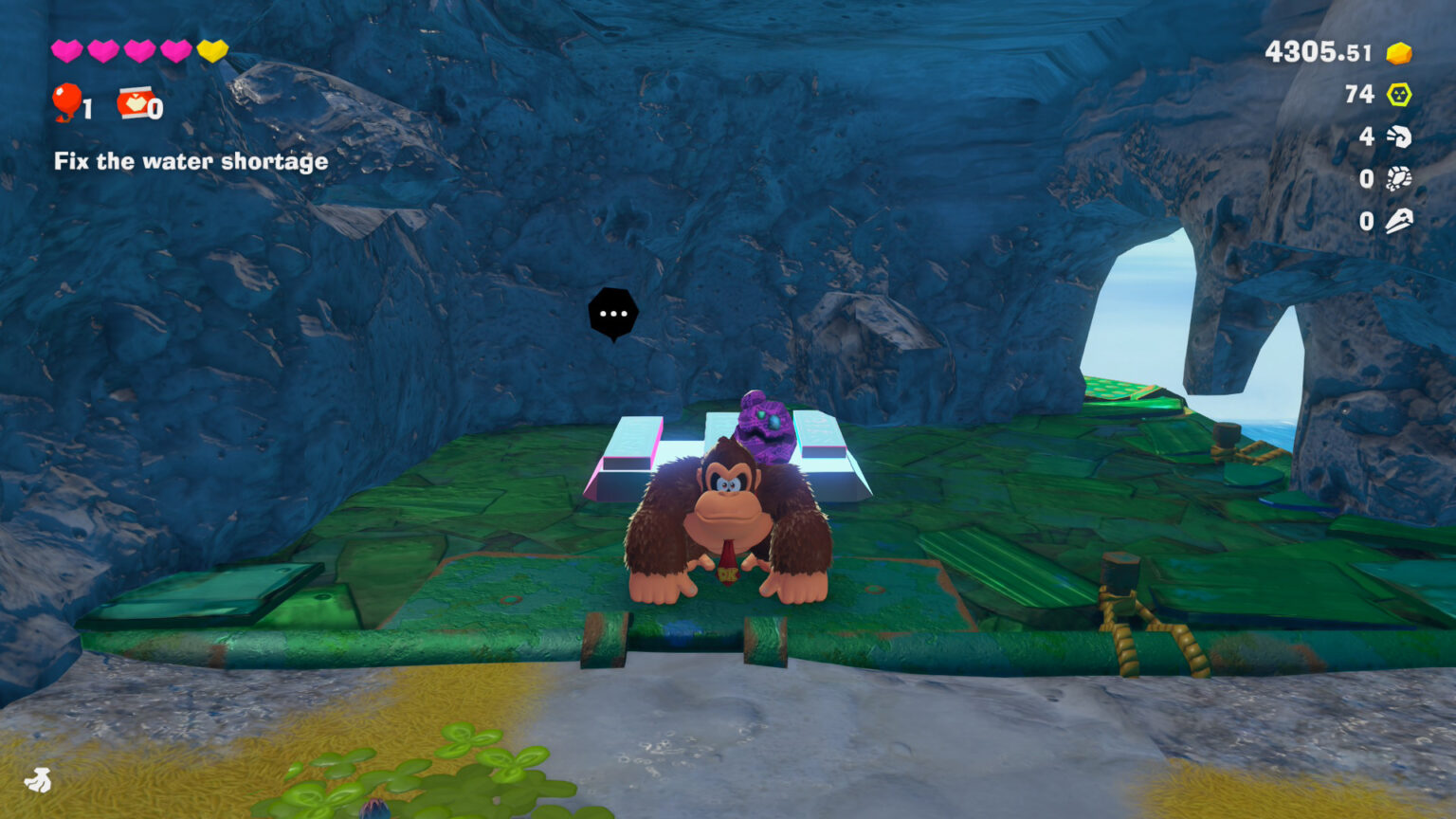
I feel like it’s been a really long time since a console released with two strong exclusives in its launch window. The Switch 2 is off to a really hot start, with Mario Kart World available on launch day and Donkey Kong Bananza coming about six weeks later. This one-two punch really does a great job capturing the hearts of most Nintendo enthusiasts, although I do agree that a new Animal Crossing would have been really appealing. Nonetheless, Donkey Kong Bananza embodies the very essence of a Nintendo game with one of its most iconic characters. It’s part 3D platformer, part adventure, and part collectible game, but its destruction physics and freedom for players to explore however they like really deliver the fun.
Opting for a new Donkey Kong game from the team behind Super Mario Odyssey as a launch title for the Switch 2 is an interesting choice. But if you’ve been following Nintendo and all its activities outside the gaming world, the company hasn’t been shy about shining the spotlight on the smiling gorilla. For starters, Donkey Kong played a major role in The Super Mario Bros. Movie in 2023, and a dedicated Donkey Kong Country section has since been added to various Super Nintendo World parks at Universal Studios. It’s clear, looking back, that Nintendo was setting things up for a major new entry in the Donkey Kong franchise, essentially serving as a reboot. It’s the first original Donkey Kong game since 2014’s Donkey Kong: Tropical Freeze, and the first 3D platformer since Donkey Kong 64 in 1999. In other words, Donkey Kong Bananza is a big deal for Donkey Kong fans.
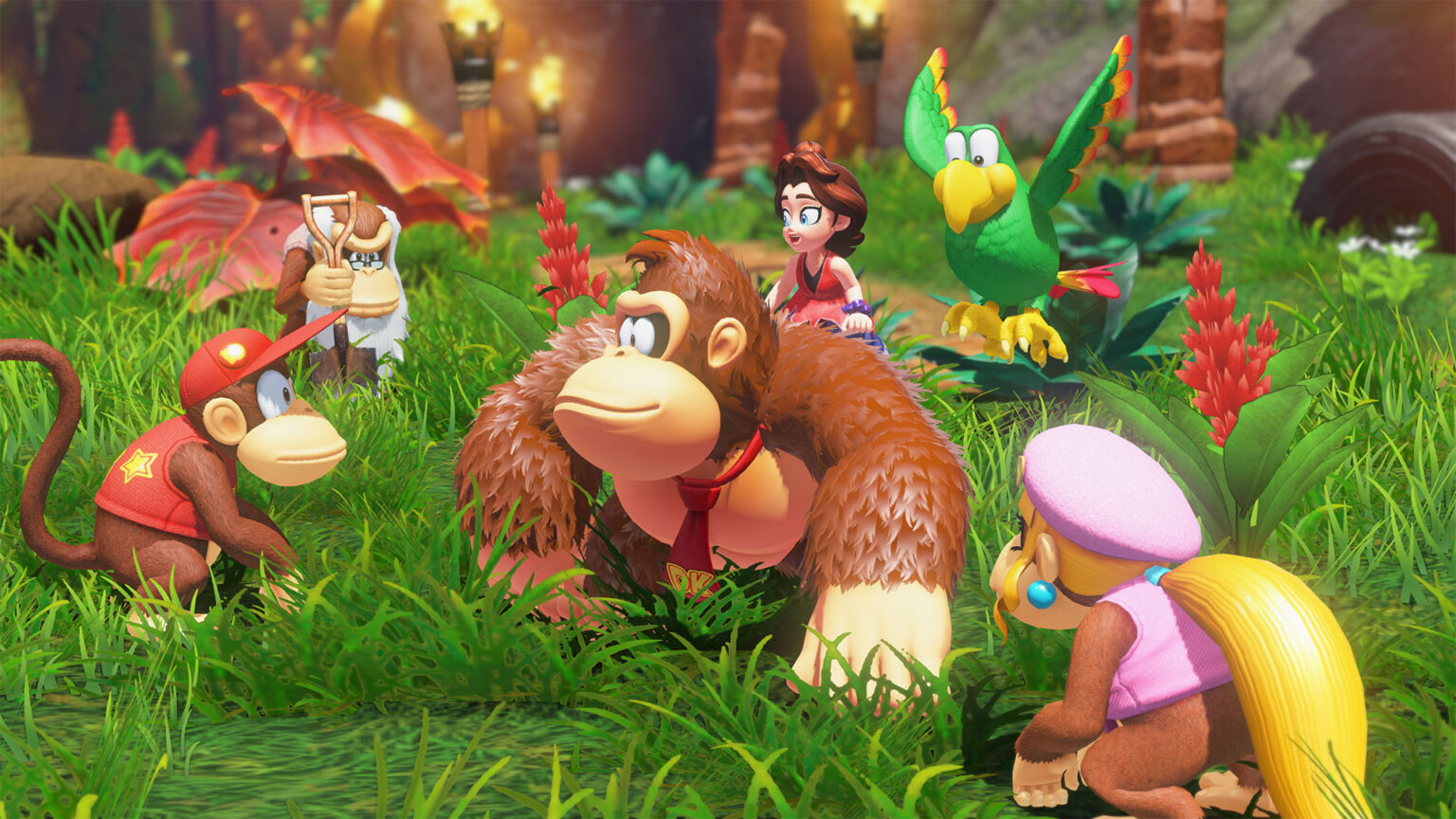
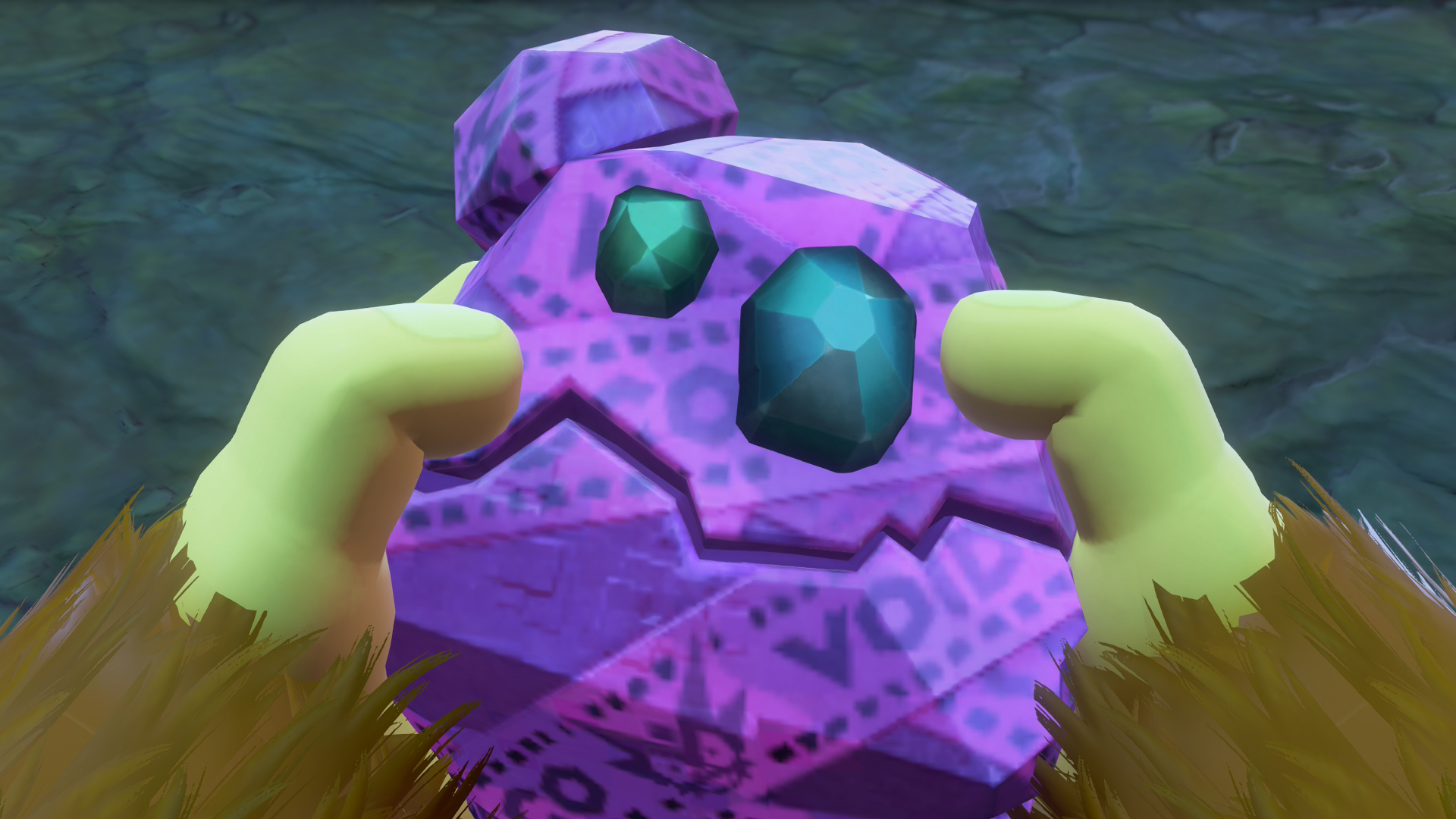
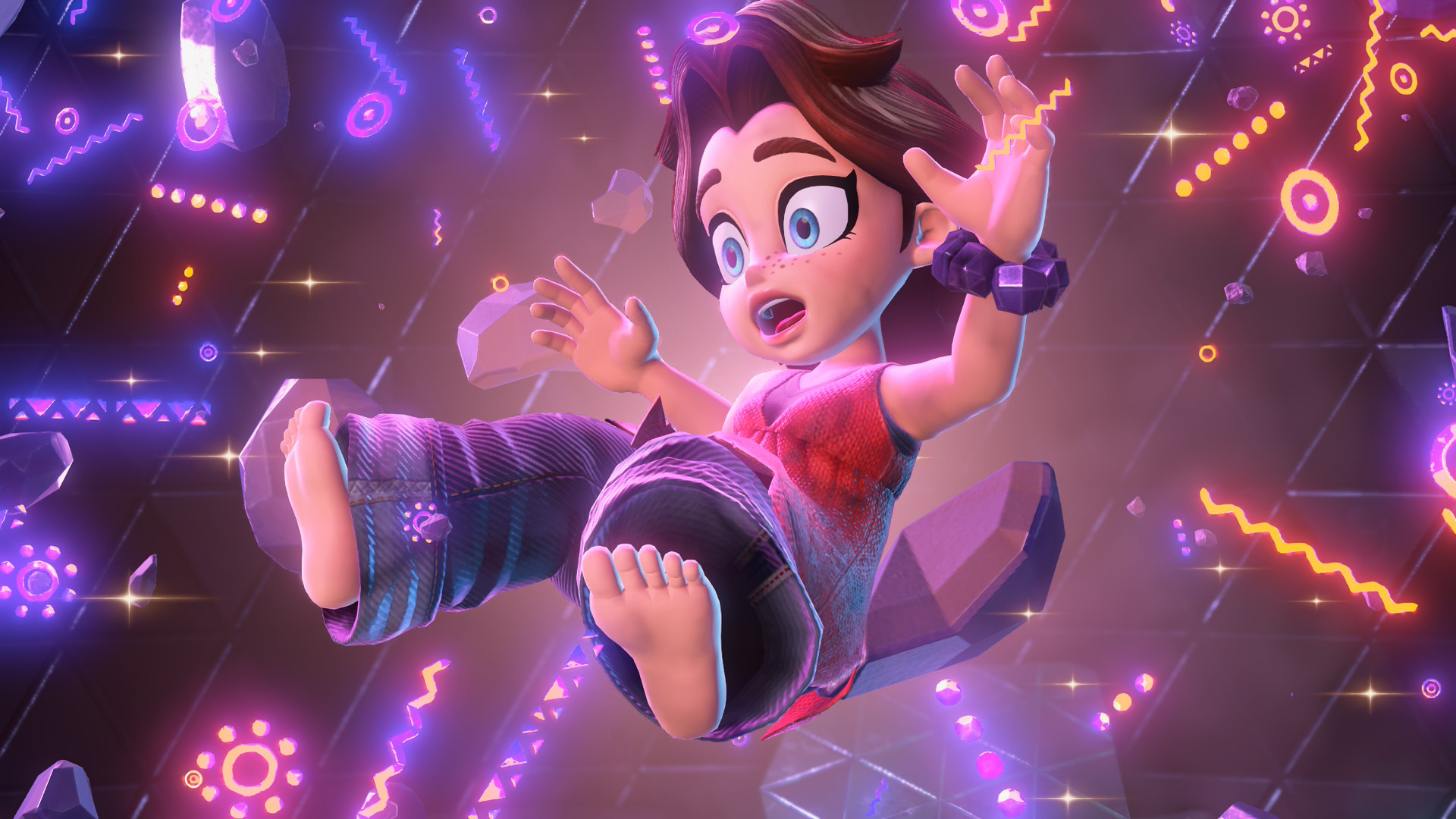
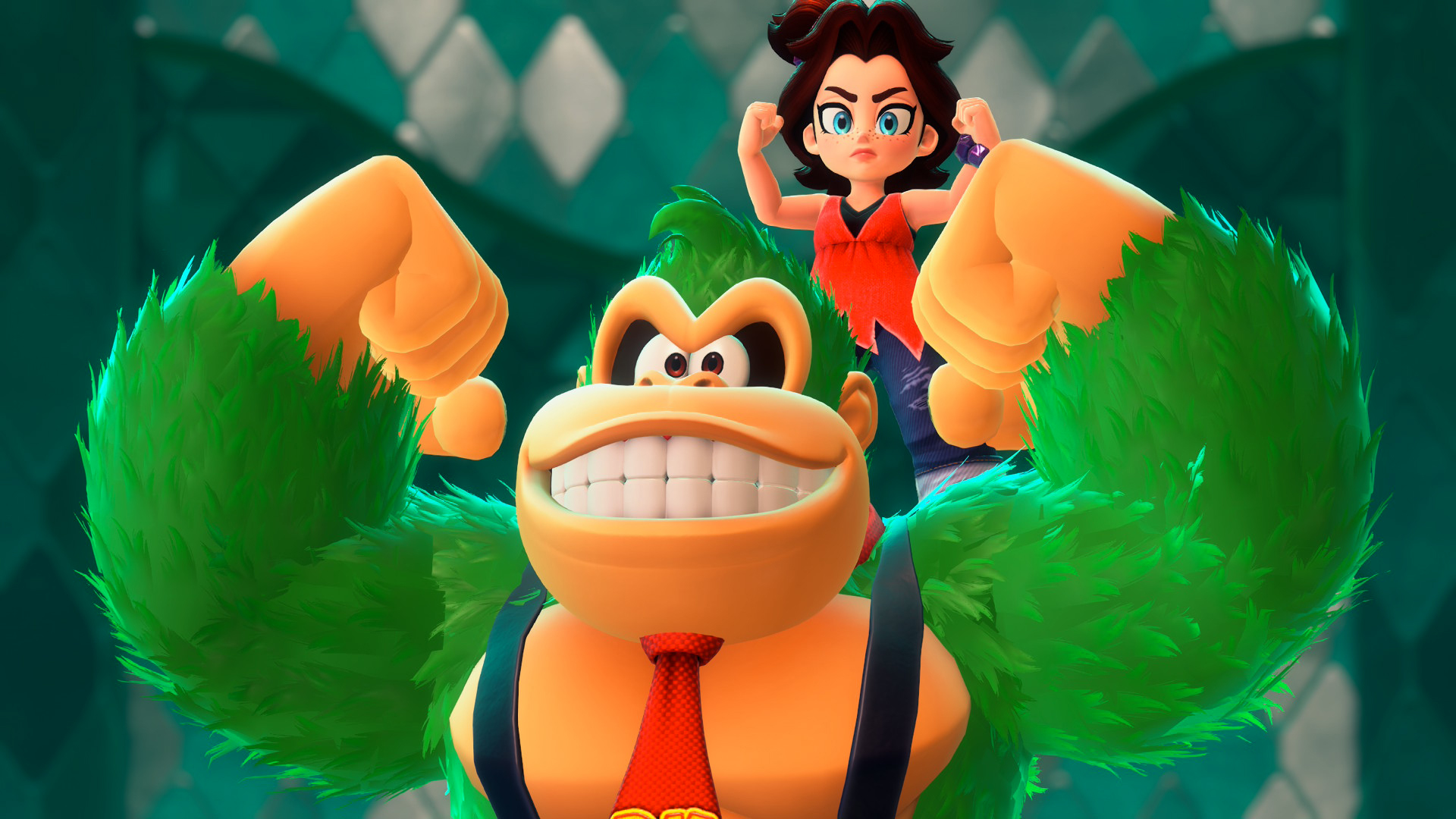
Joining the titular ape on this grand adventure is young Pauline, the same Pauline who first appeared in the original Donkey Kong arcade game. Nintendo hasn’t been very clear on how this impacts the canon Donkey Kong timeline, but it sure feels like they’re rewriting history a bit. It seems intentional that they’re now framing Donkey Kong as a good guy, rather than the original ape who kidnapped Pauline. Of course, Nintendo fans will recognize Pauline from Super Mario Odyssey, though this is a much younger version, and her age plays a role in the story.
Kongcerto Odyssey
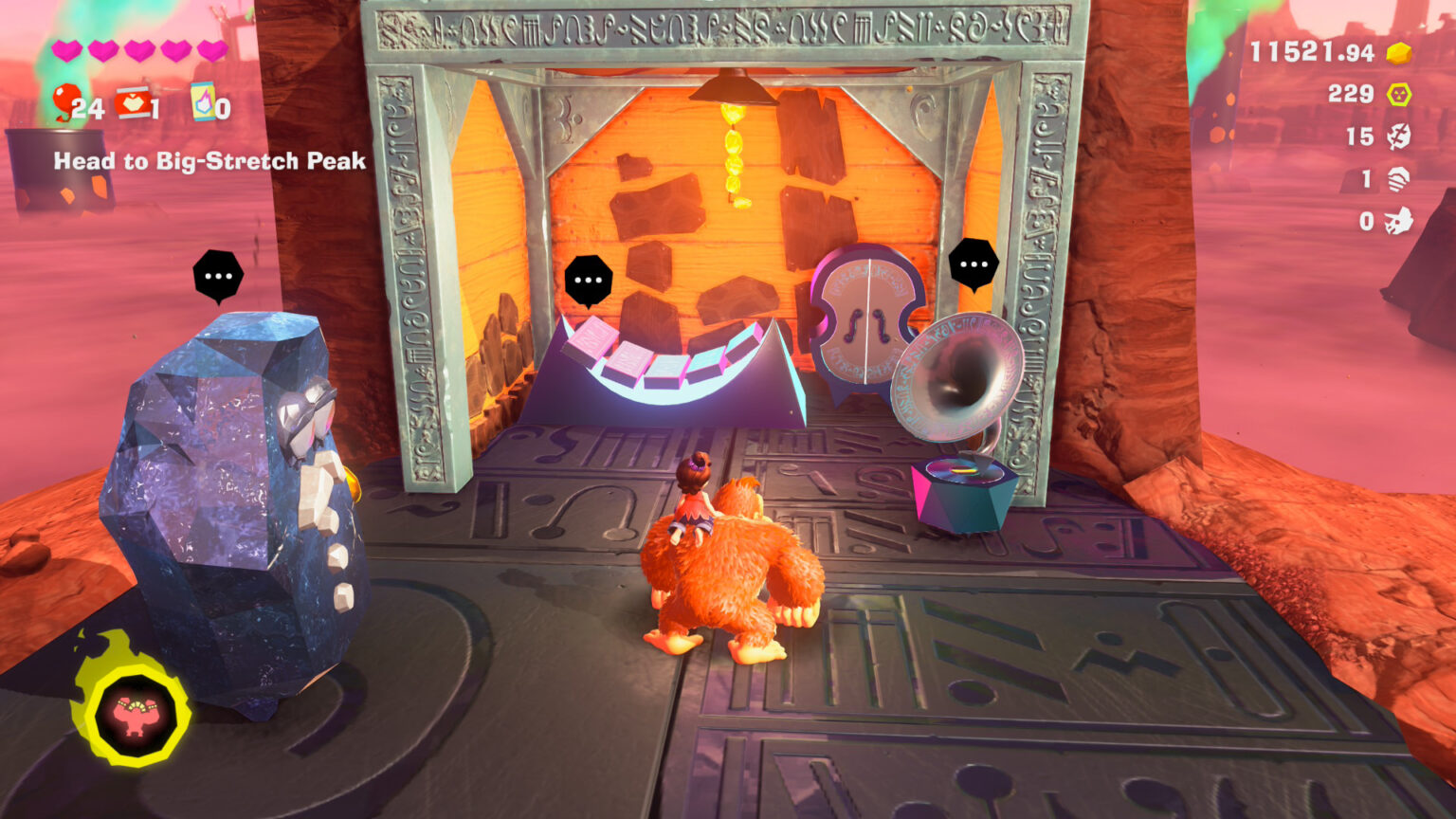
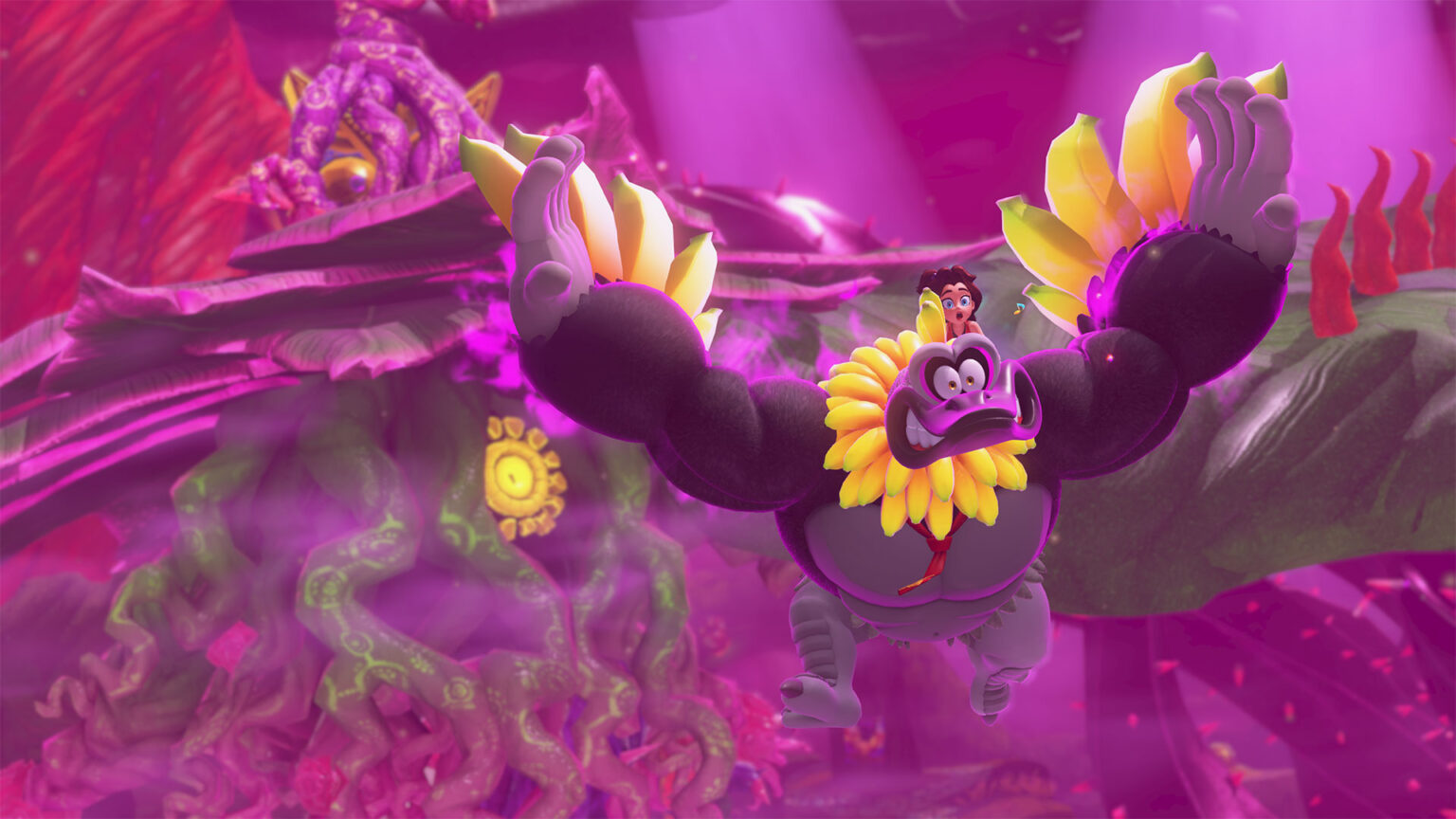
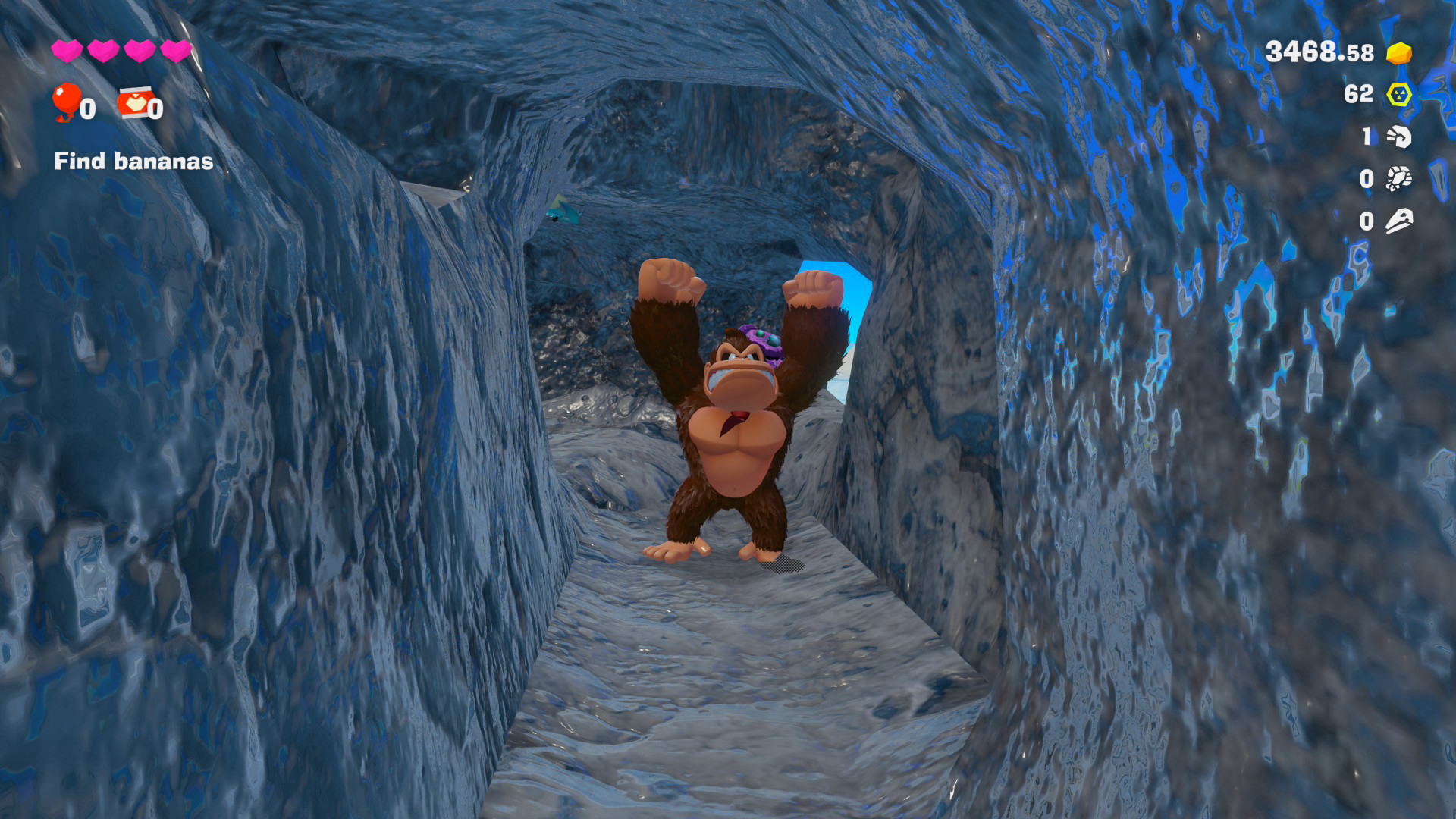
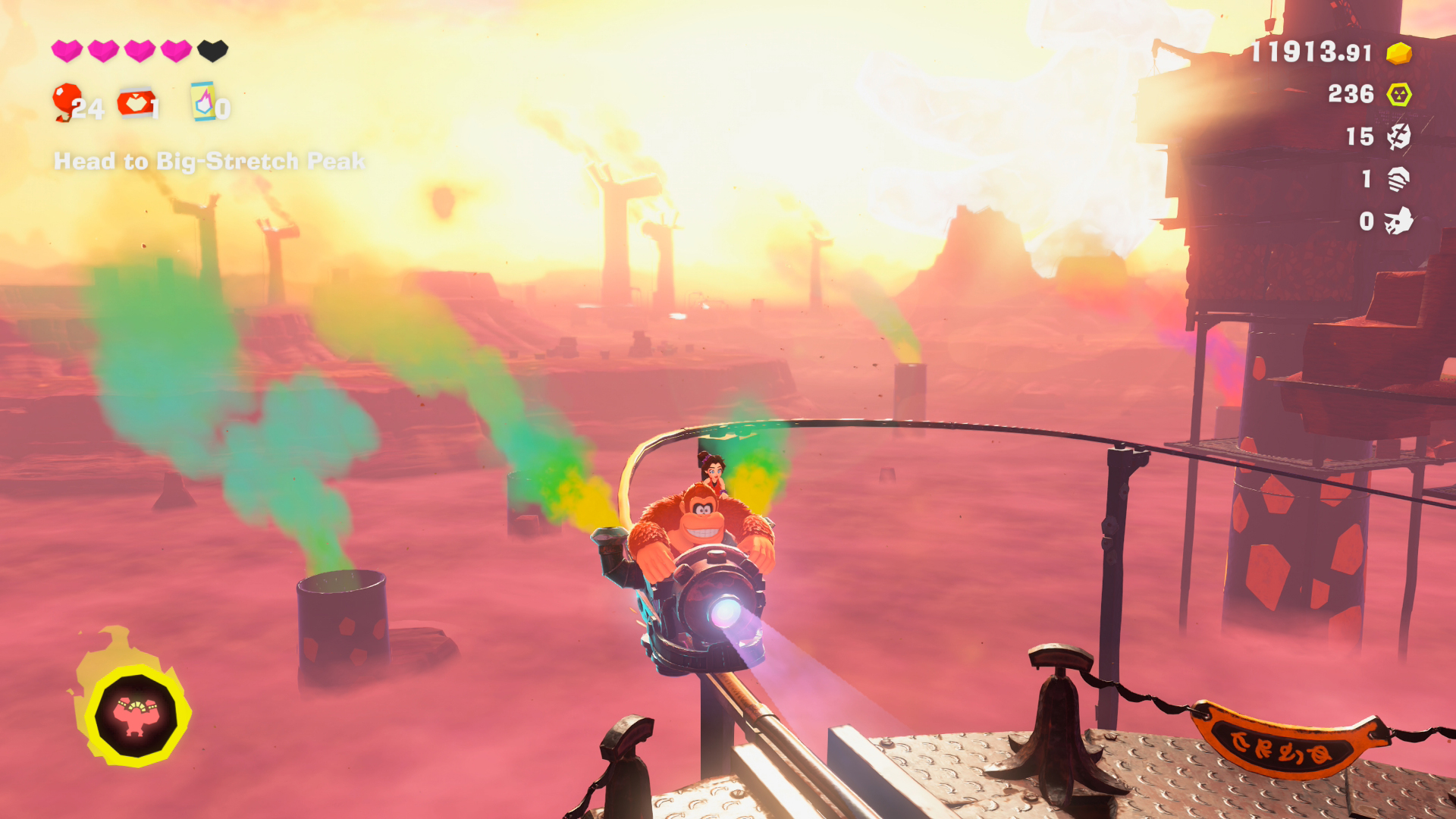
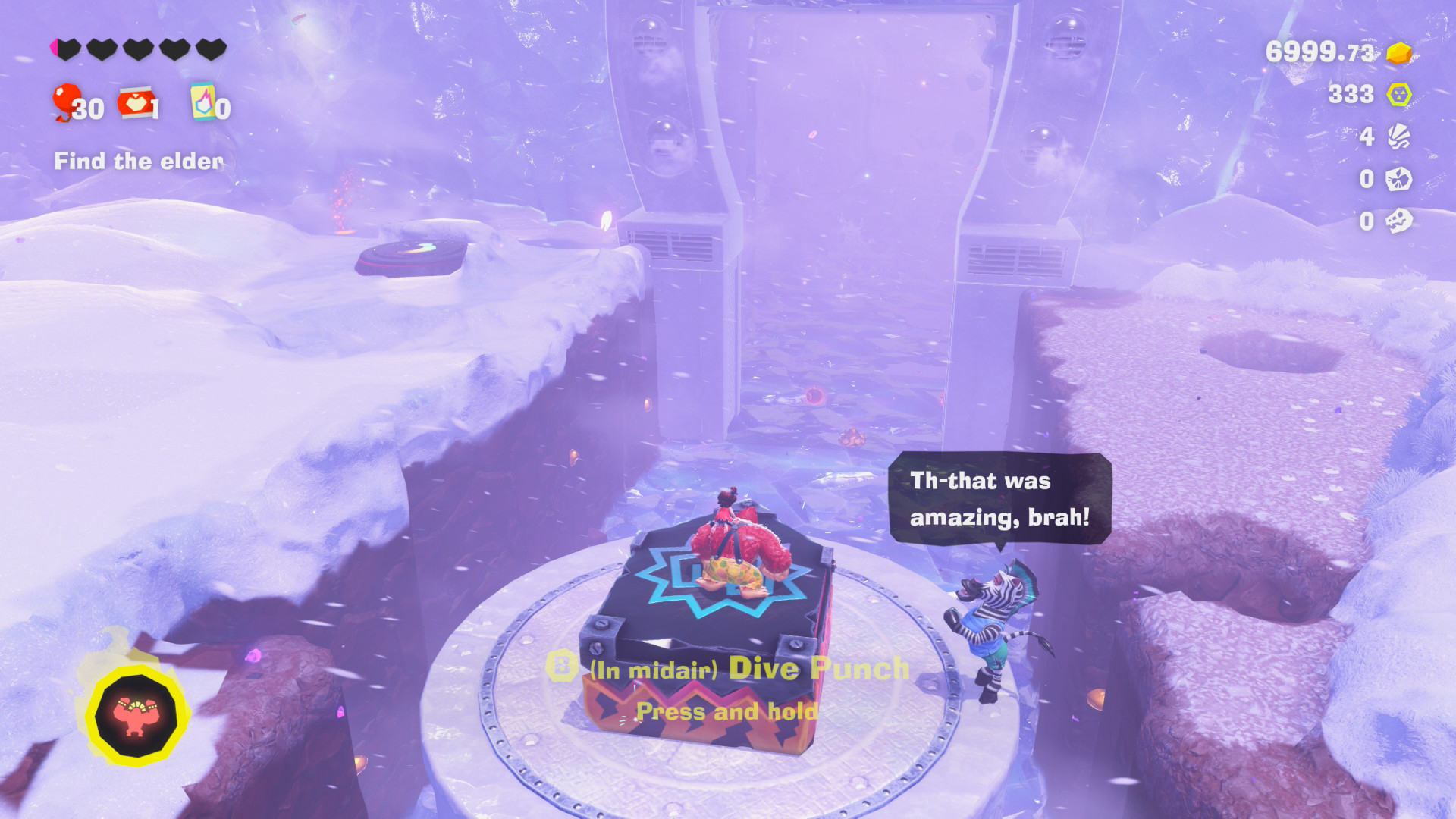
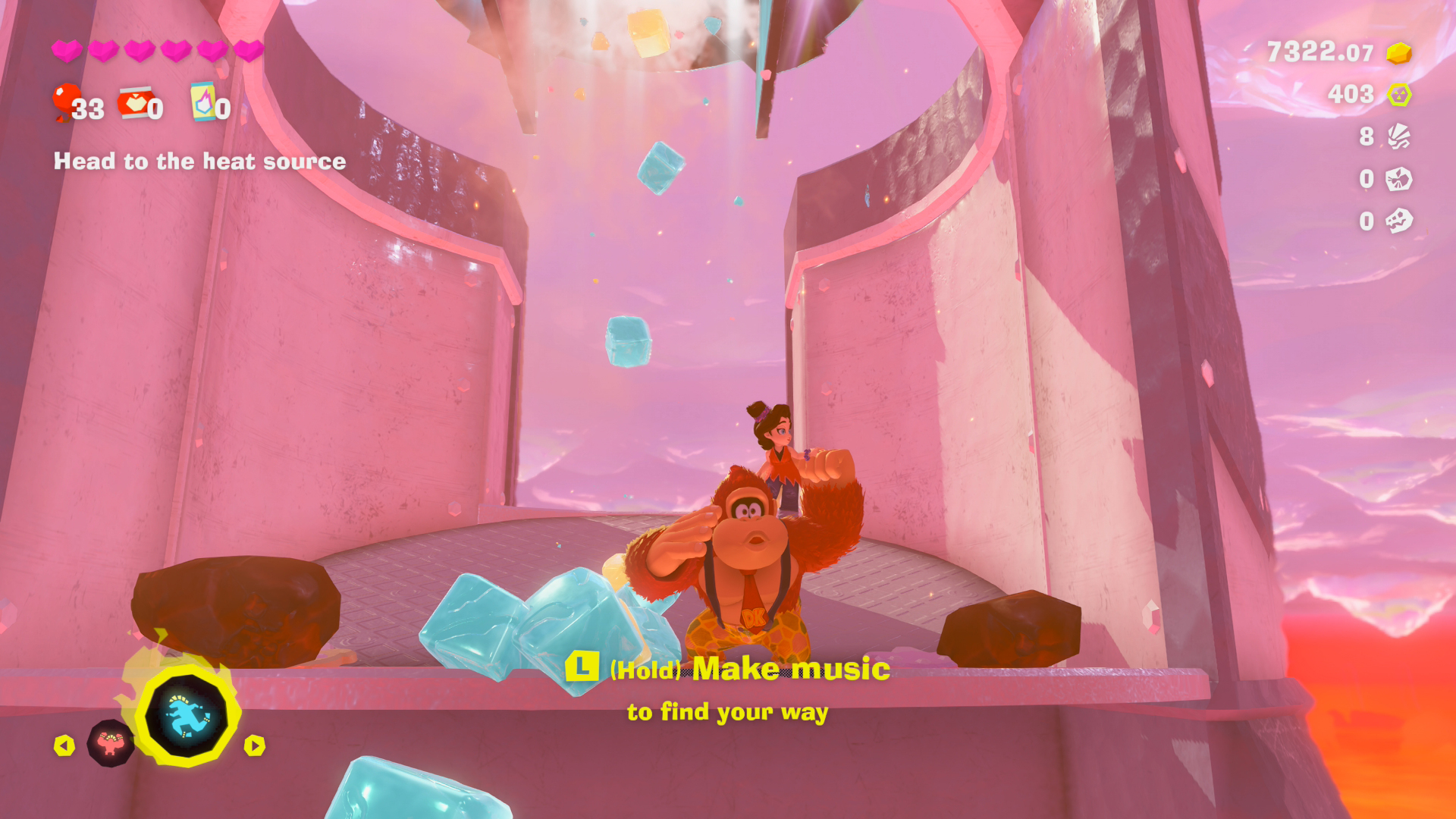
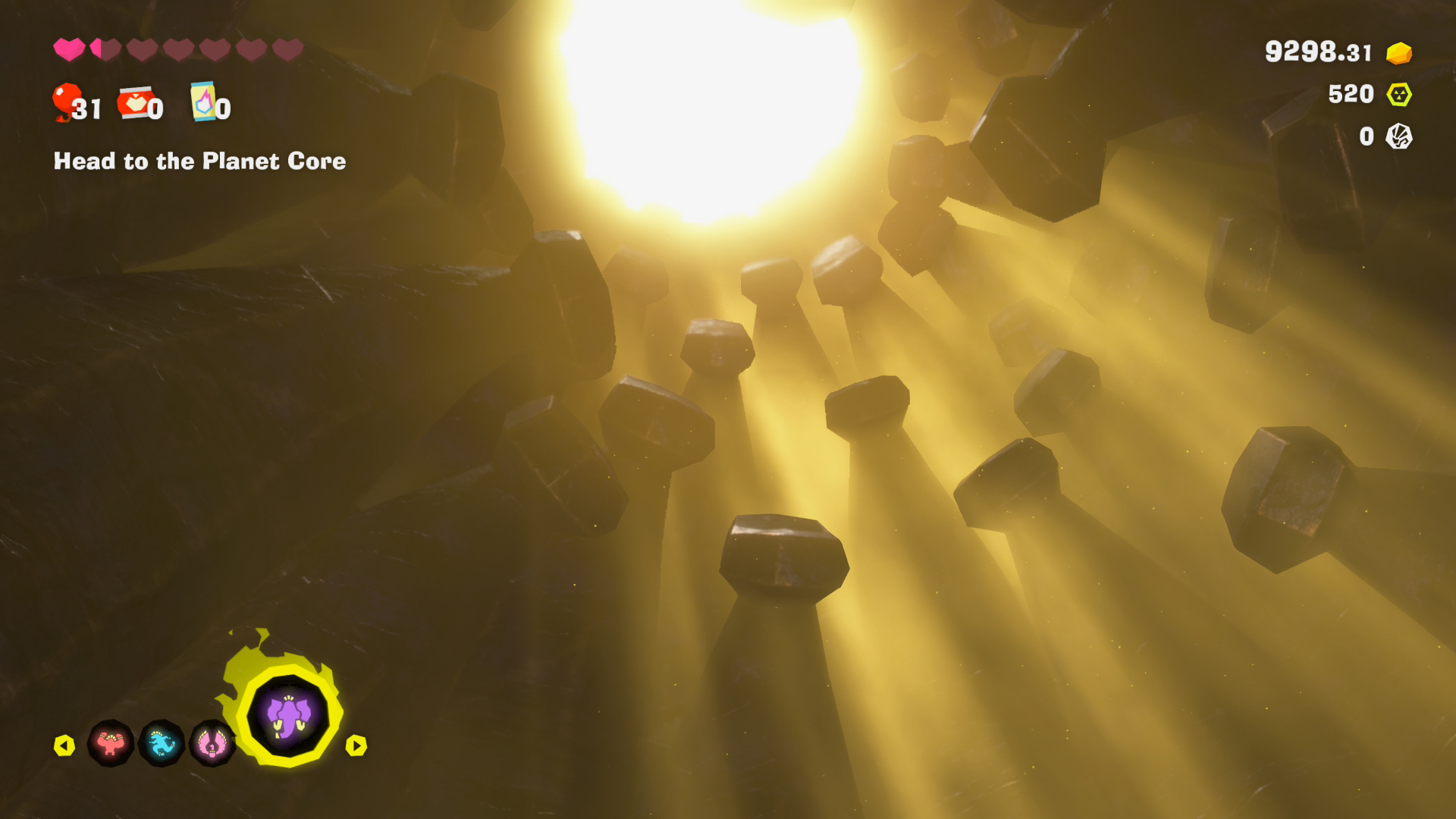
The two set off on a journey to the Planet Core in search of the Banandium Root, which is rumored to grant the wielder a wish. Pauline wishes to go back to the surface, while Donkey Kong just wants more bananas. Yes, the overall premise of the game is rather simplistic, but it does tell a lighthearted tale of companionship, even if Pauline is the only one speaking real words. She’s also the catalyst for Donkey Kong’s Bananza Powers or transformations, which give him abilities inspired by other animals. For example, the Zebra Bananza allows Donkey Kong to run faster, which is necessary on certain terrain that falls apart quickly under his weight. There’s also the Ostrich Bananza, which gives Donkey Kong the ability to float in the air, making it easier to platform. There are others that I don’t want to spoil, and if you don’t want to know what they are, you may want to avoid the gallery at the end of this review.
The design behind the Bananza Powers is interesting because Nintendo had to balance the necessity of using them with giving players the choice of when to transform. There are instances where transforming is the only option, but plenty of situations where it simply makes the challenge easier. I personally enjoyed that freedom of choice, where if I didn’t feel like dealing with a certain precision platforming sequence, I would just use the Ostrich Bananza. Overall, I enjoyed the variety the Bananza Powers offered, but I would say I only engaged with them 10 to 15 percent of my playthrough.
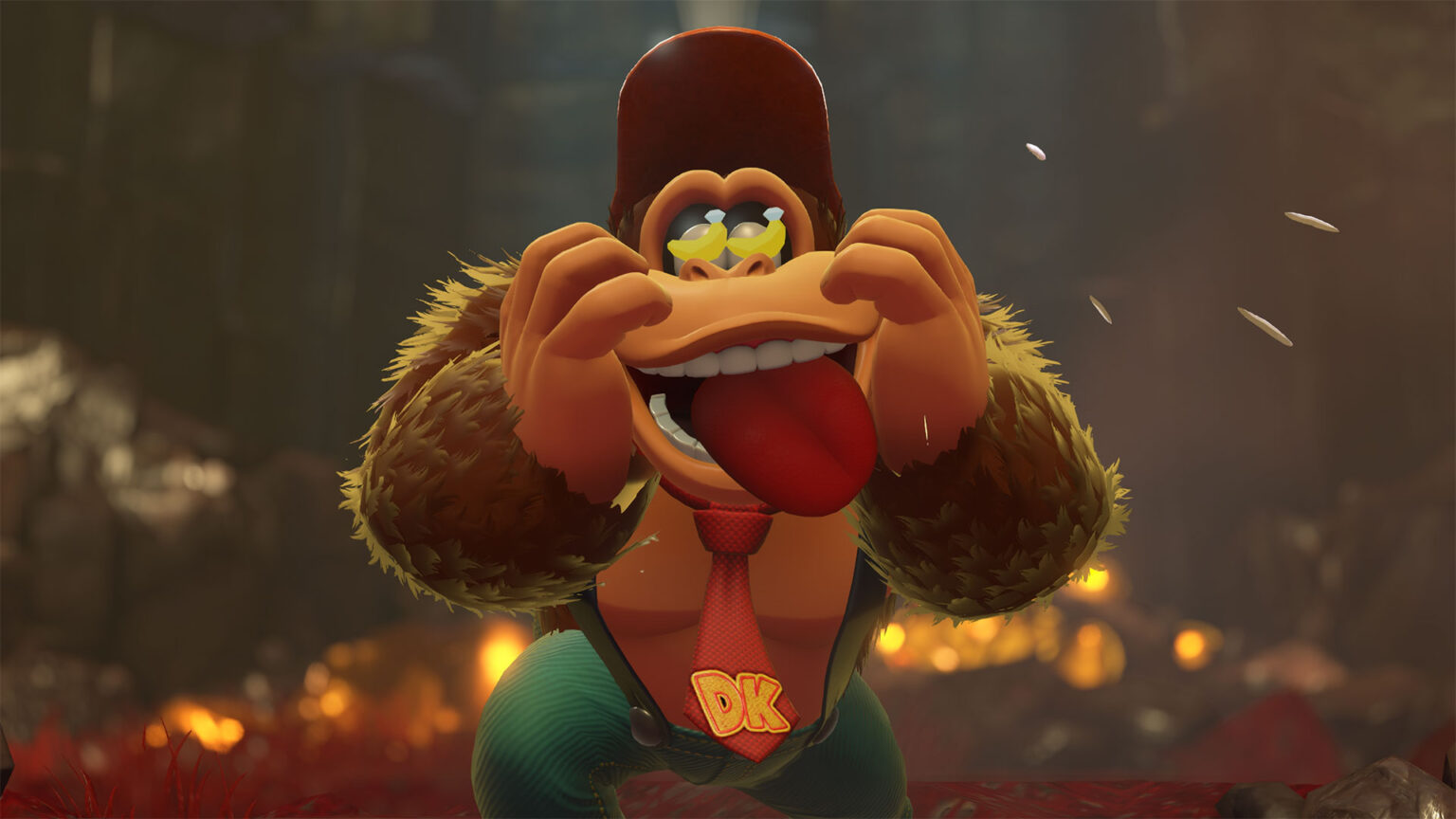
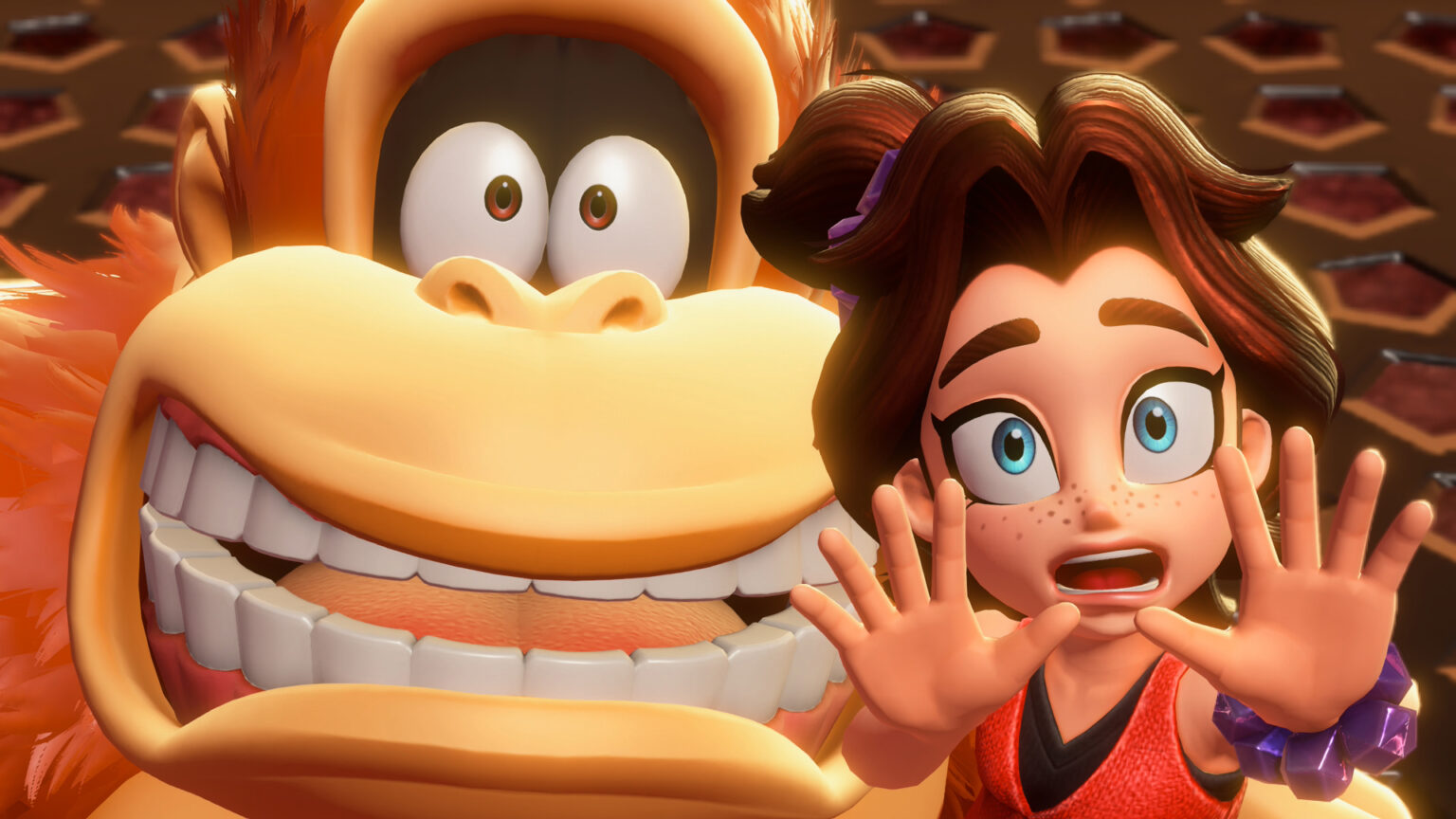
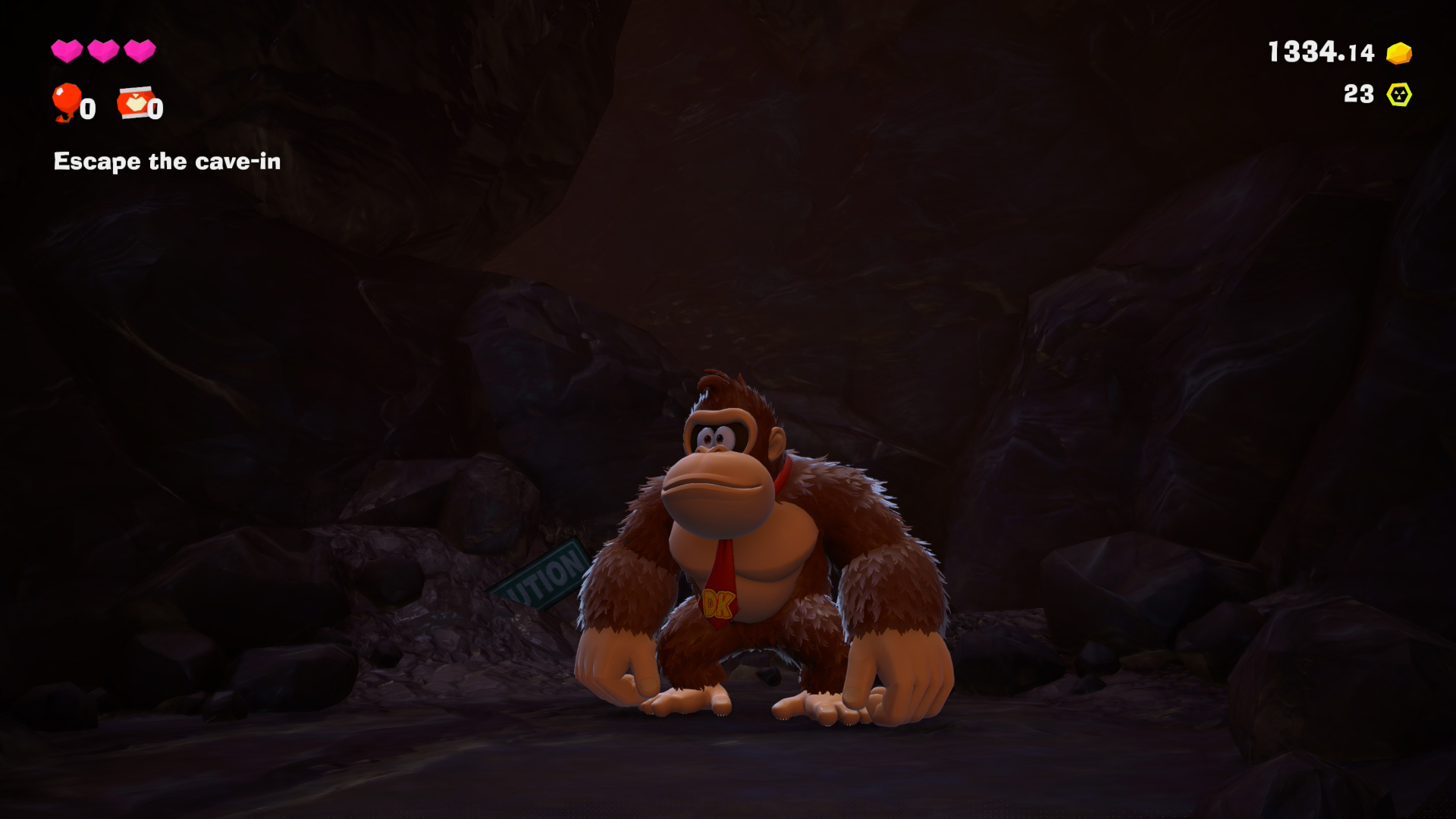
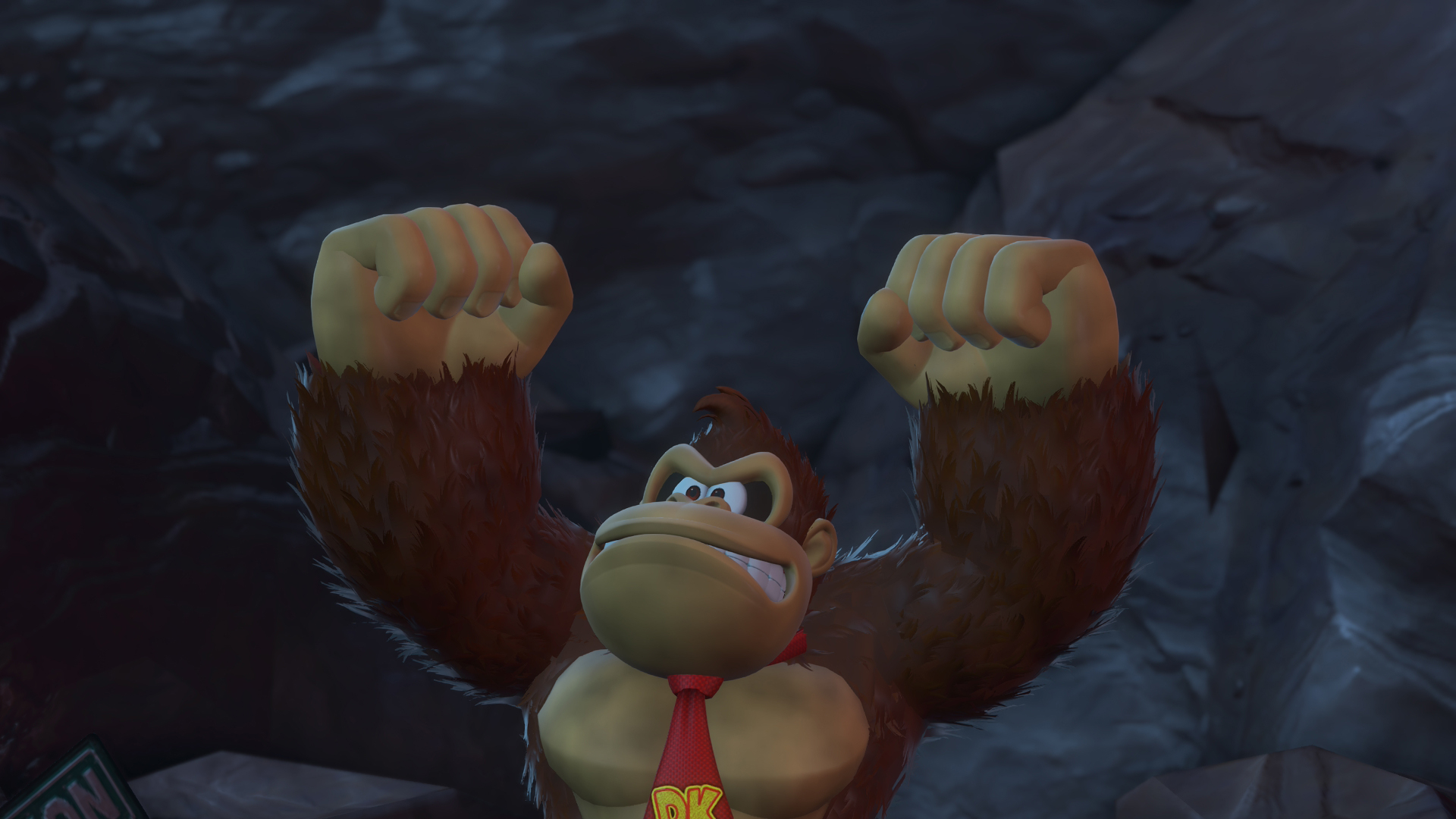
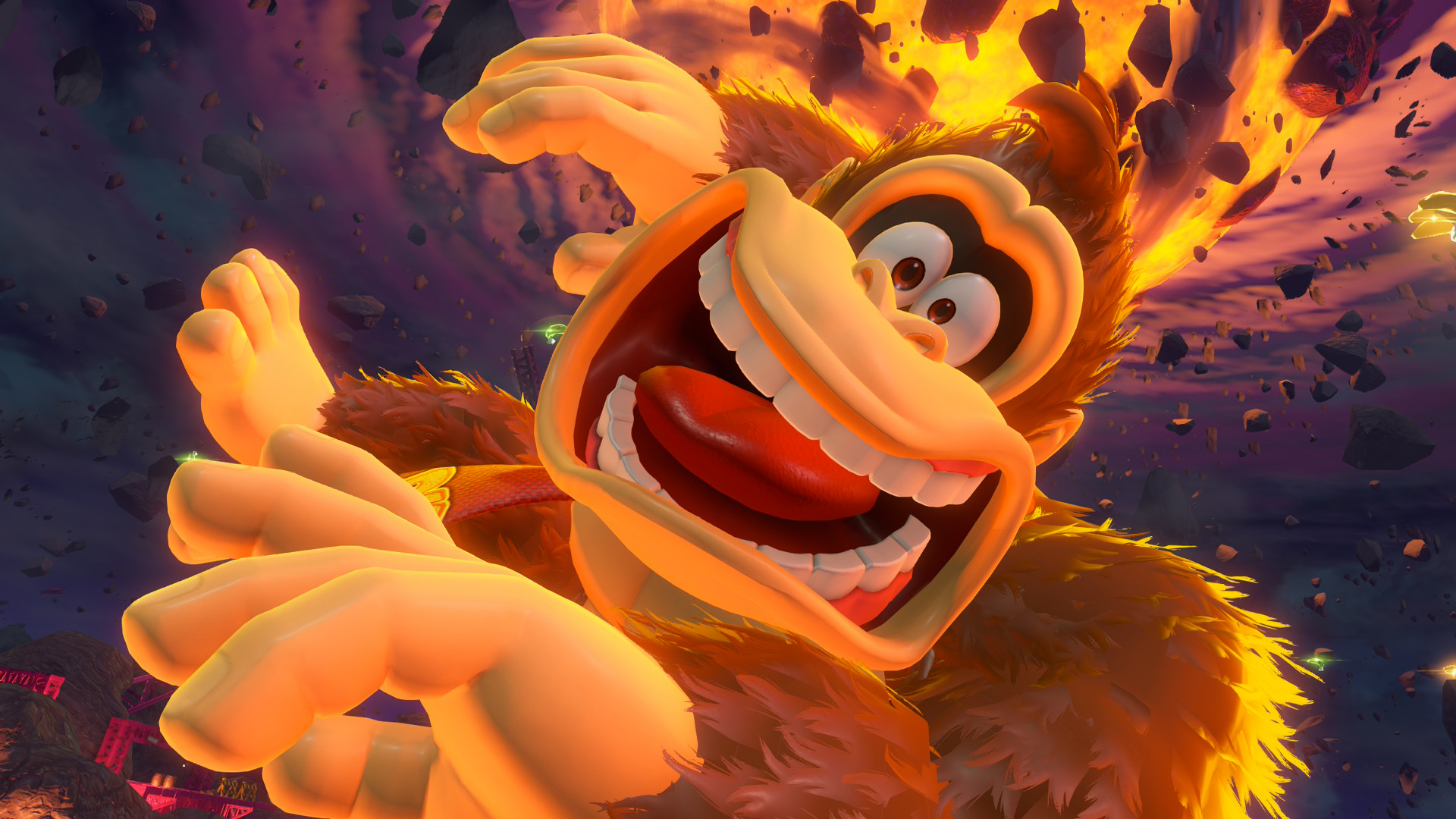
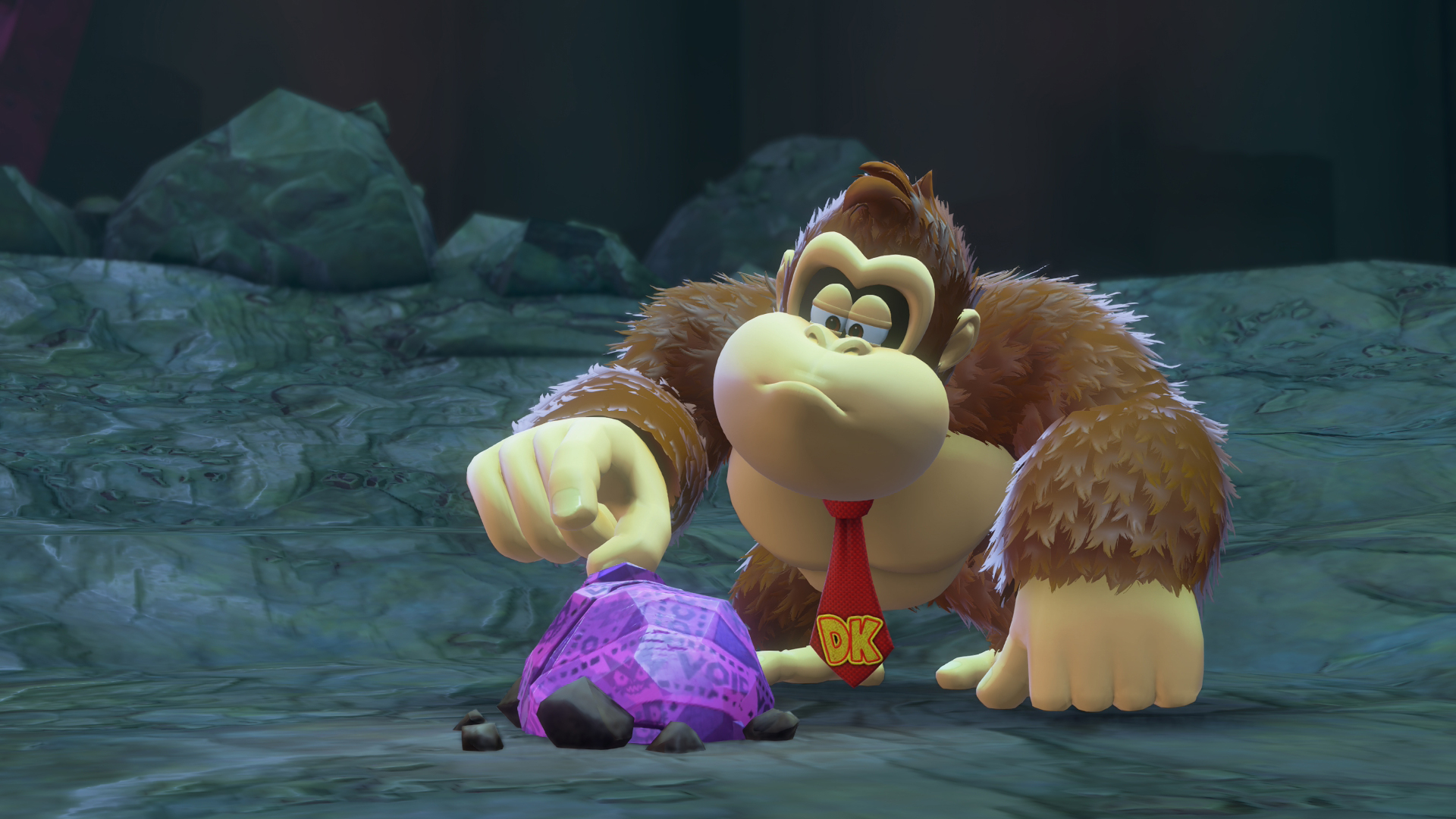
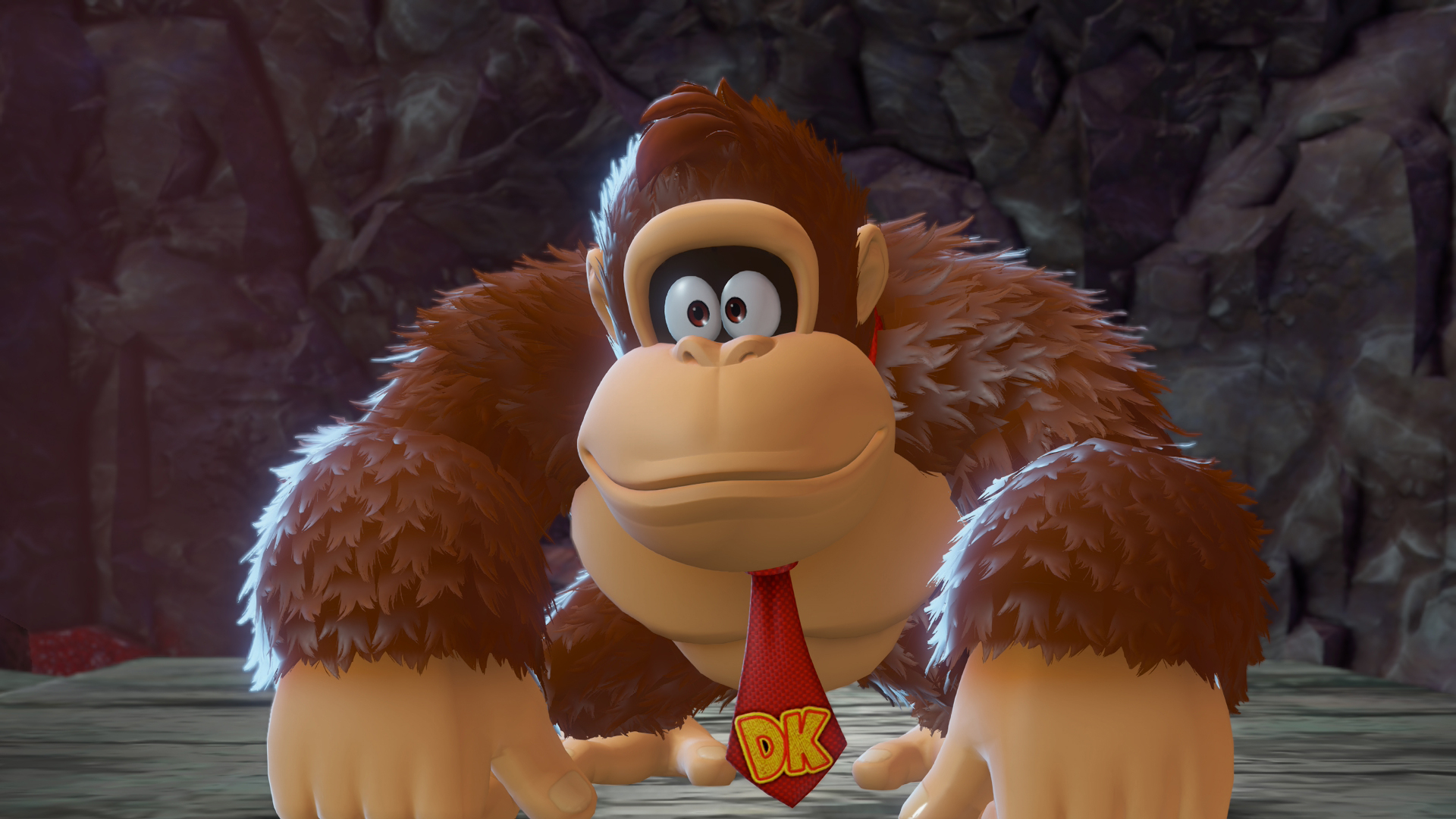
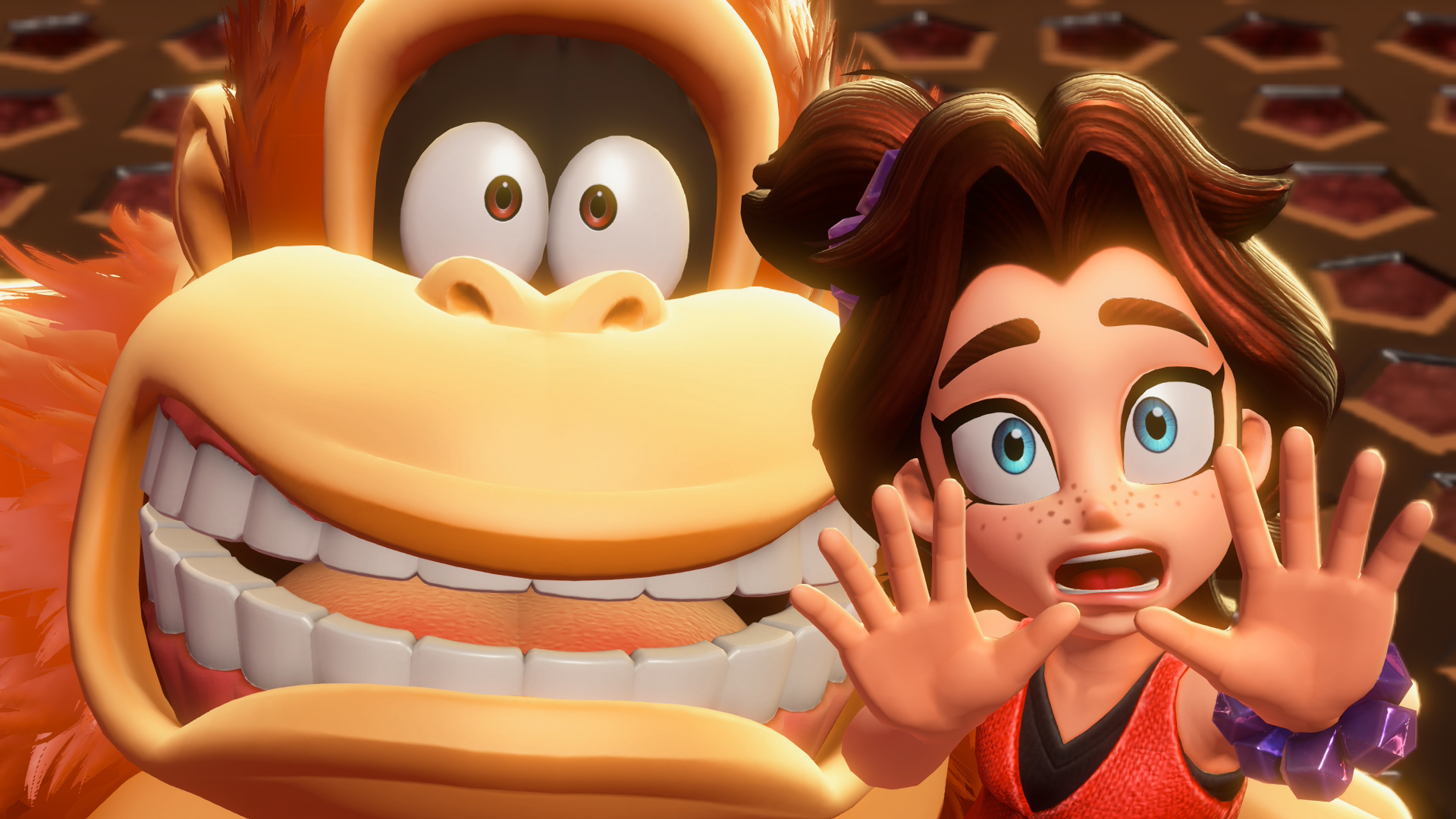
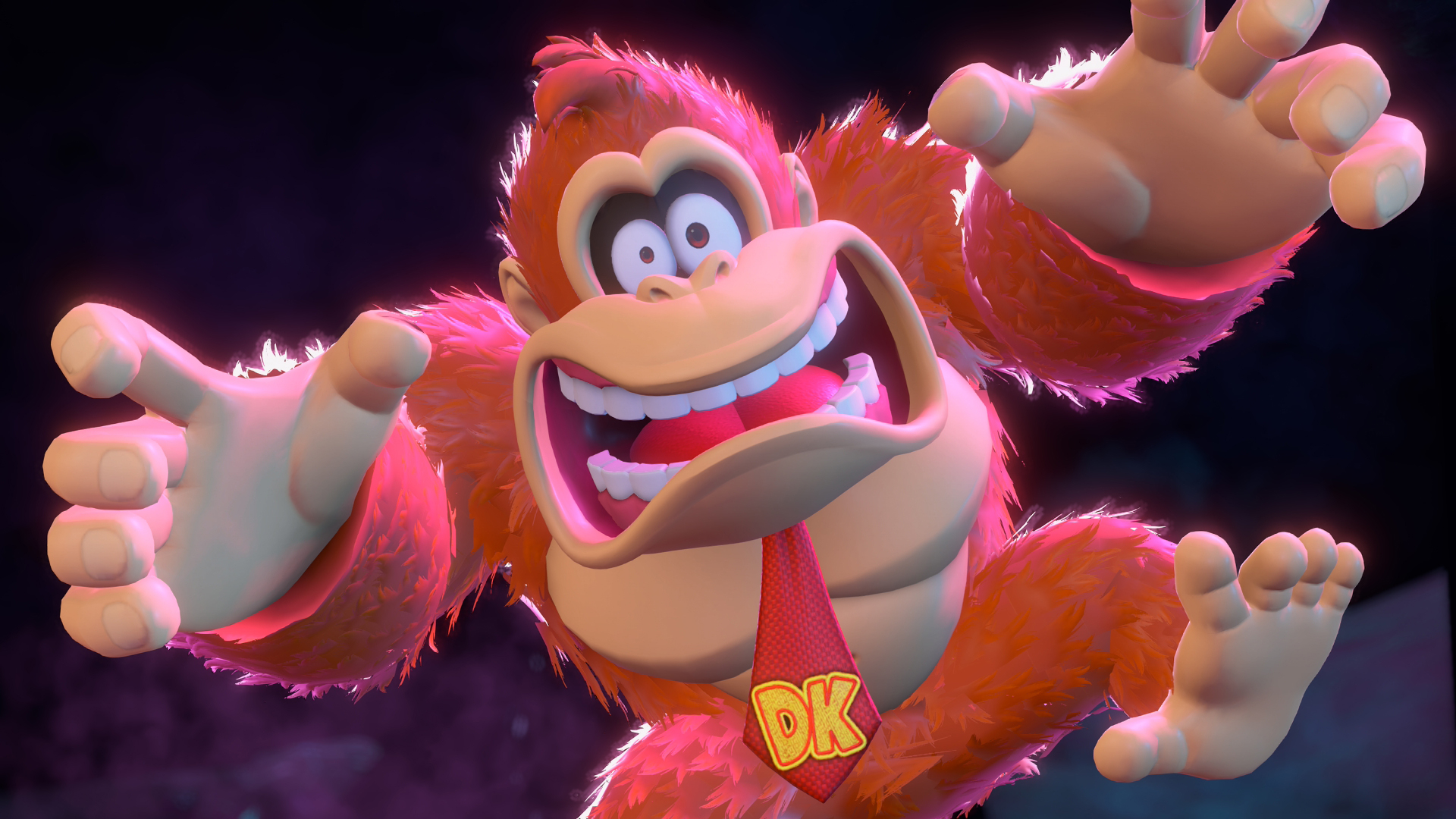
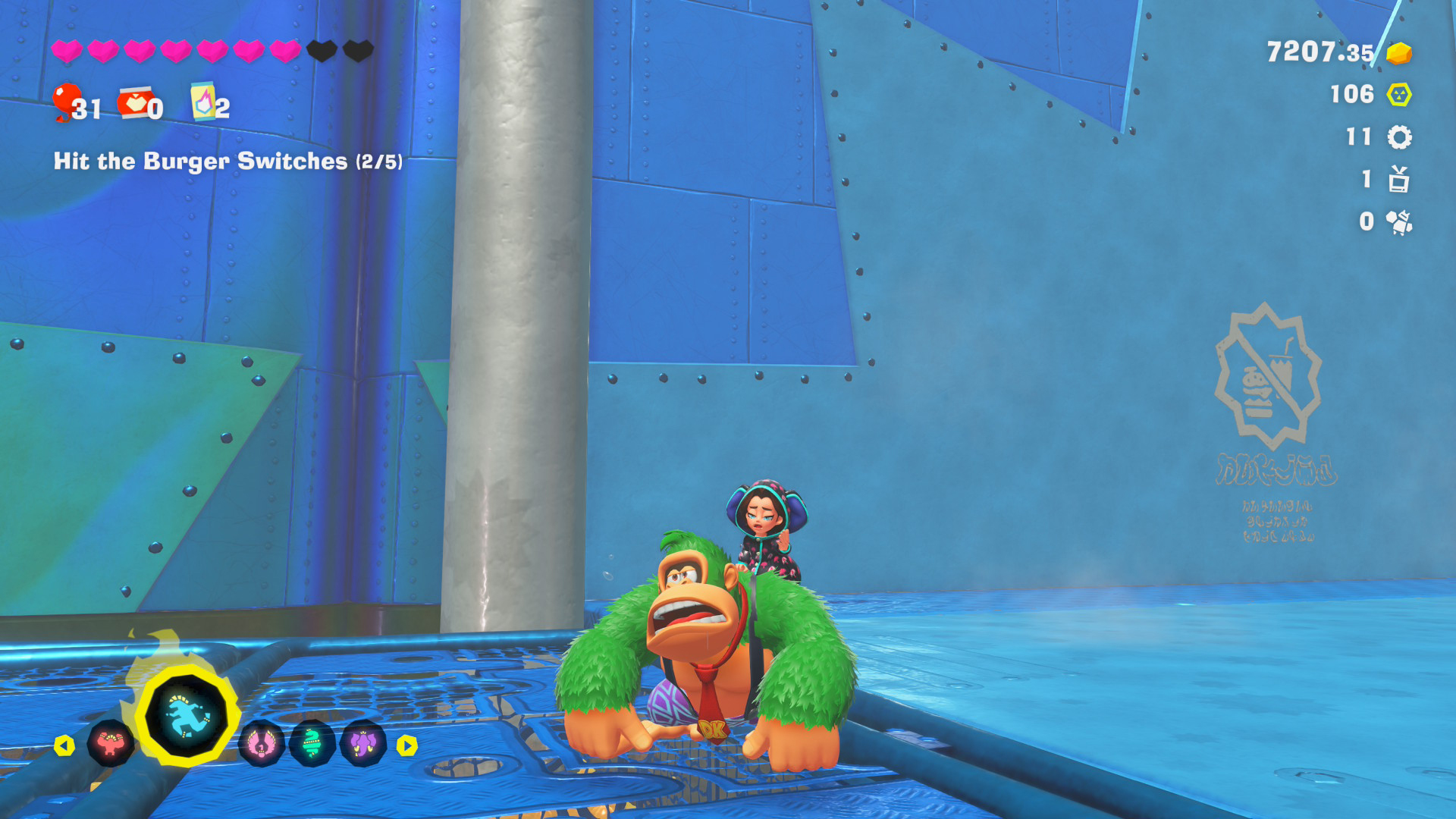
Both characters’ designs are what you’d expect from Nintendo, with expressive details and adorable faces. Donkey Kong looks exceptionally impressive, from his confused expressions to his joyful grins. While Nintendo has never put a major focus on graphical fidelity, seeing this design of Donkey Kong in 4K proves just how much visuals can contribute to the enjoyment of a game. These little moments where Donkey Kong is shocked or even angry just feel a lot different than anything we’ve experienced in the past, thanks to the Switch 2’s hardware.
Destruction Derby
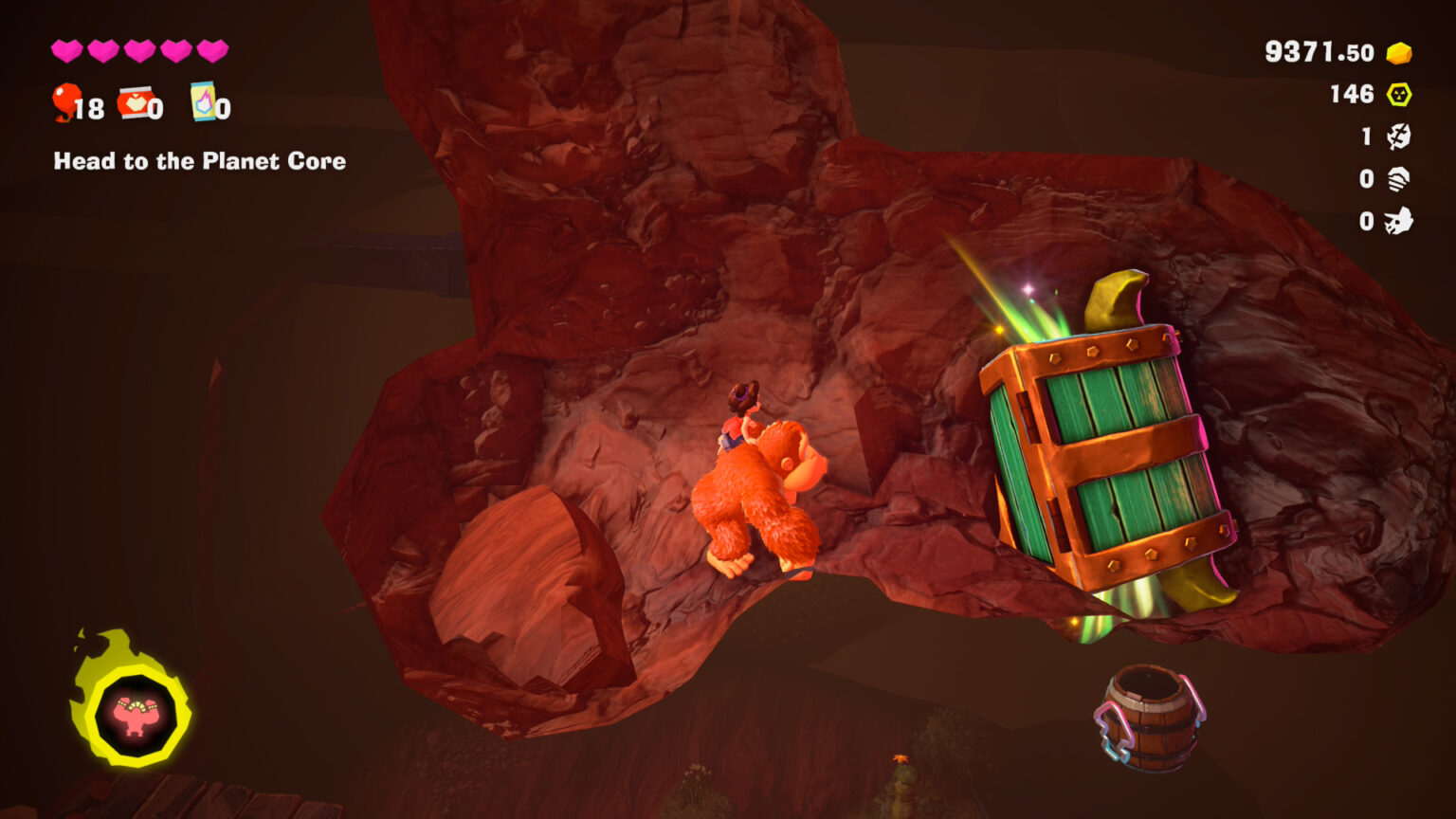
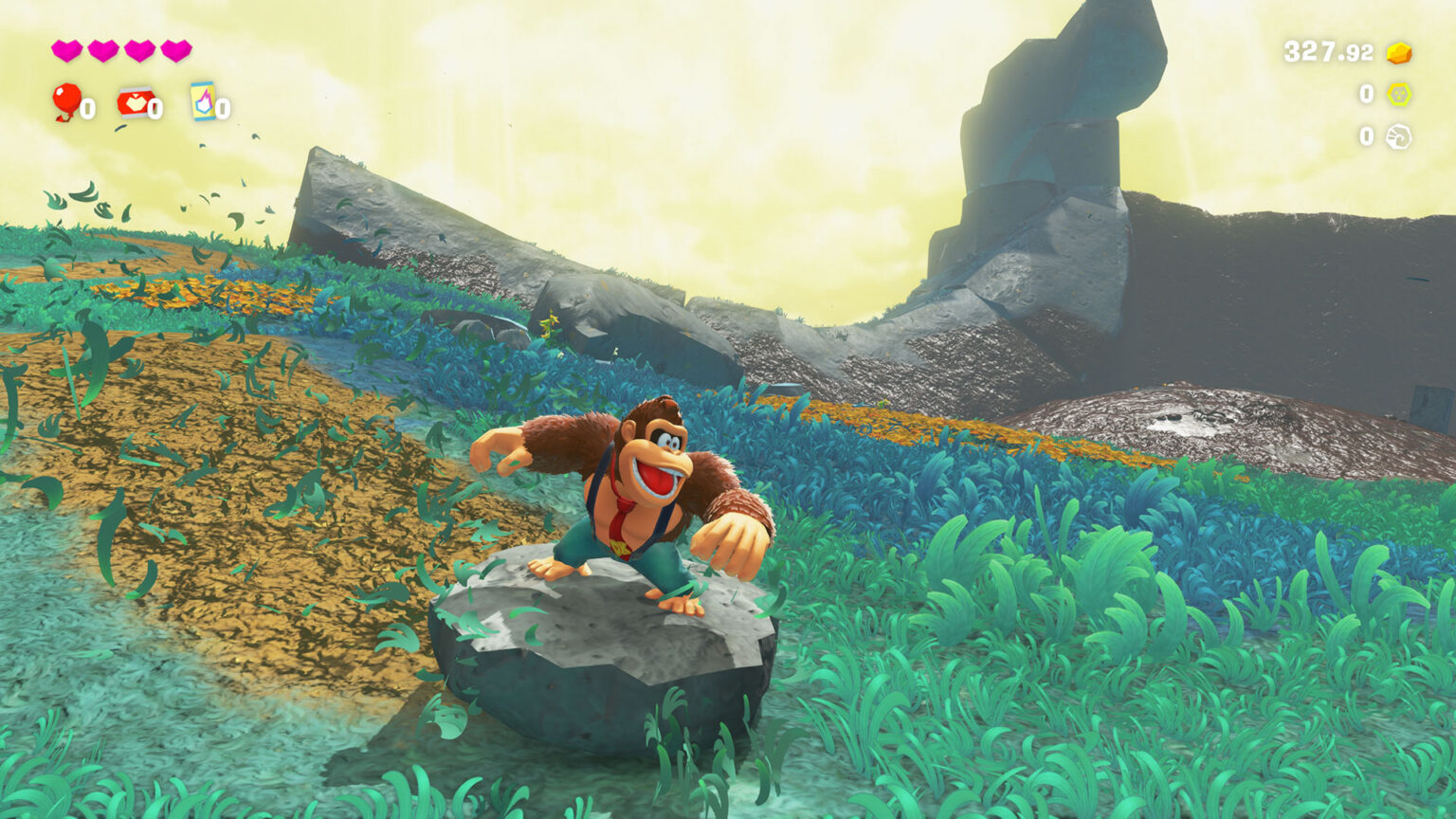
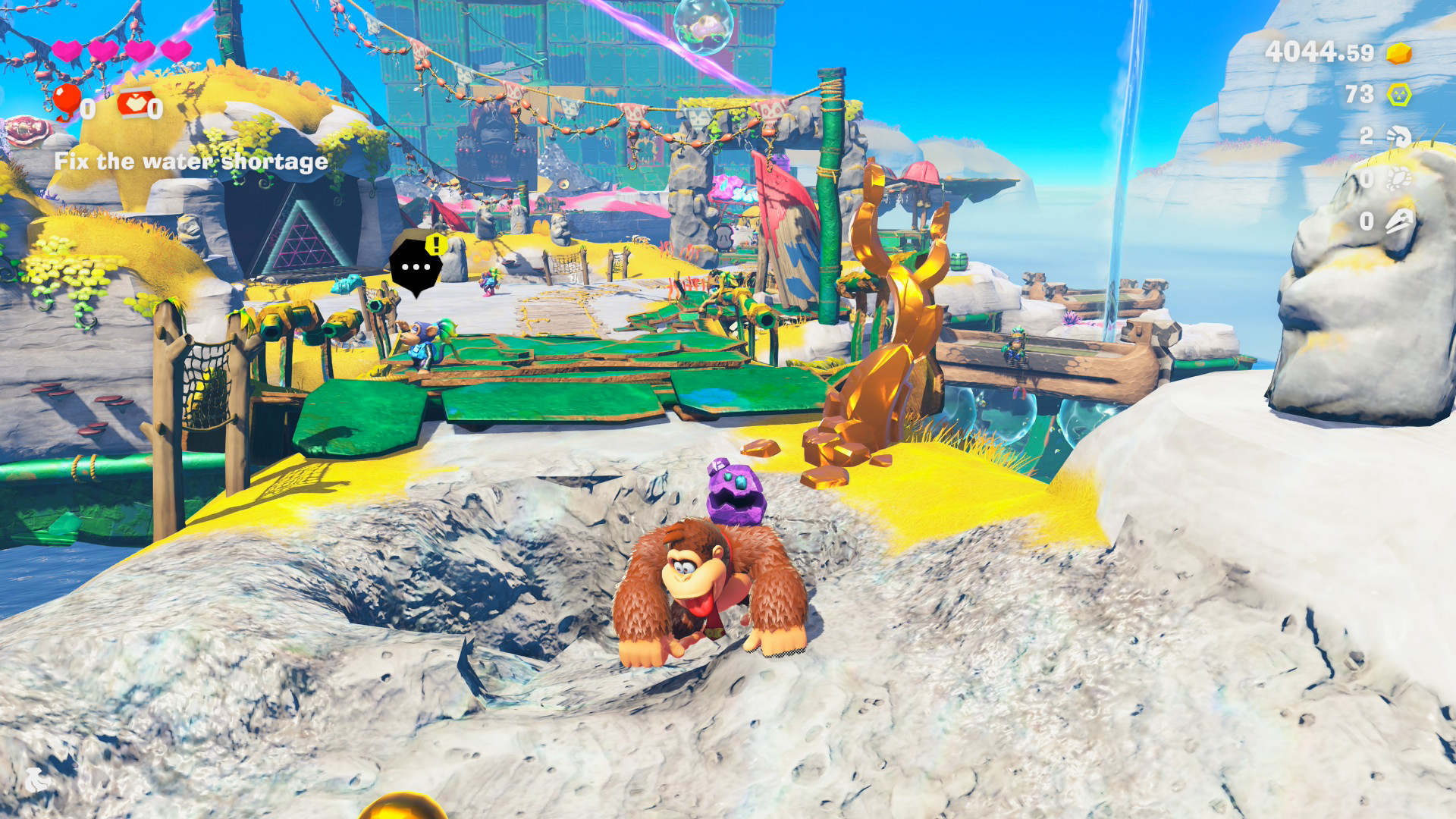
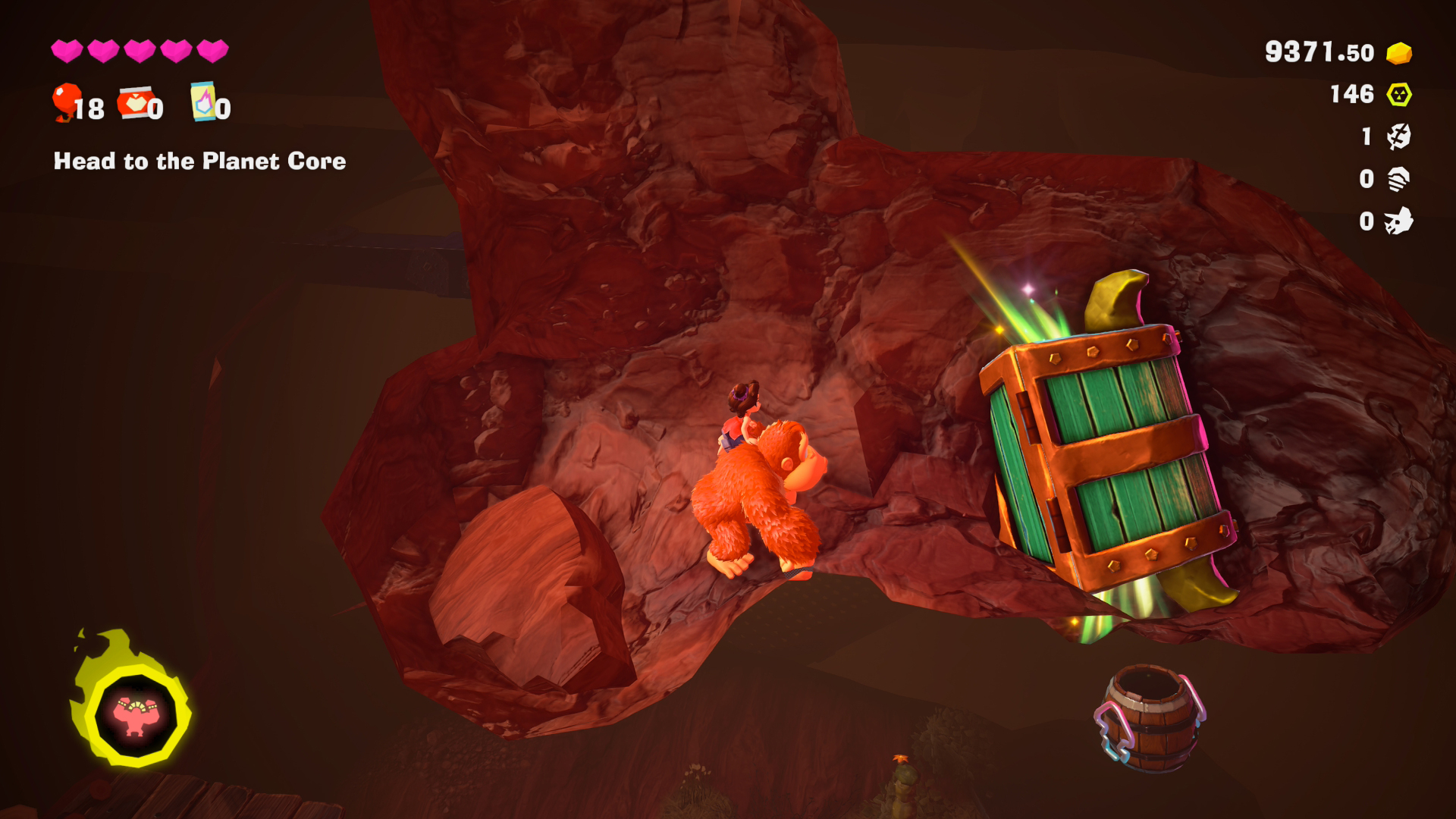
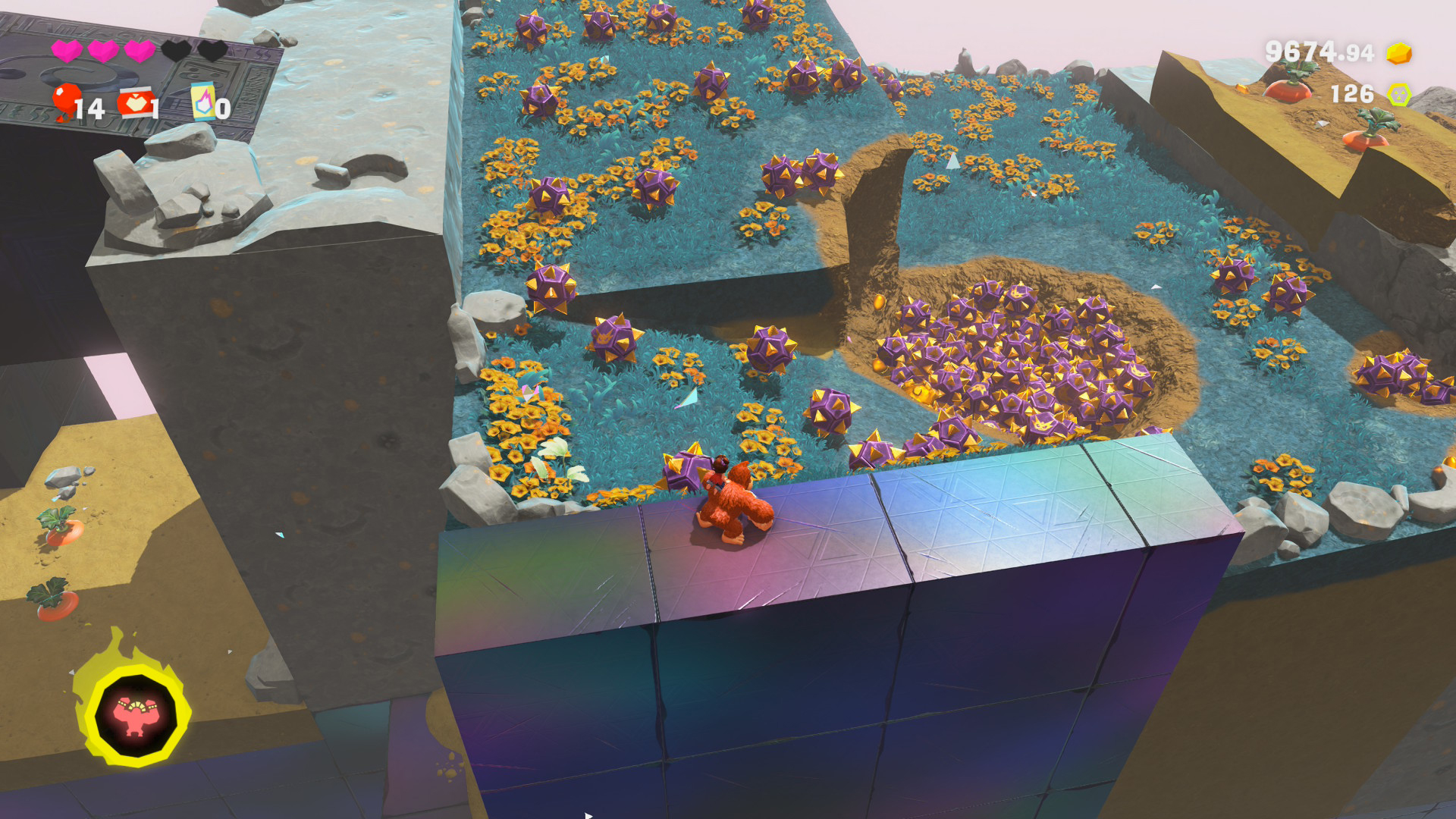
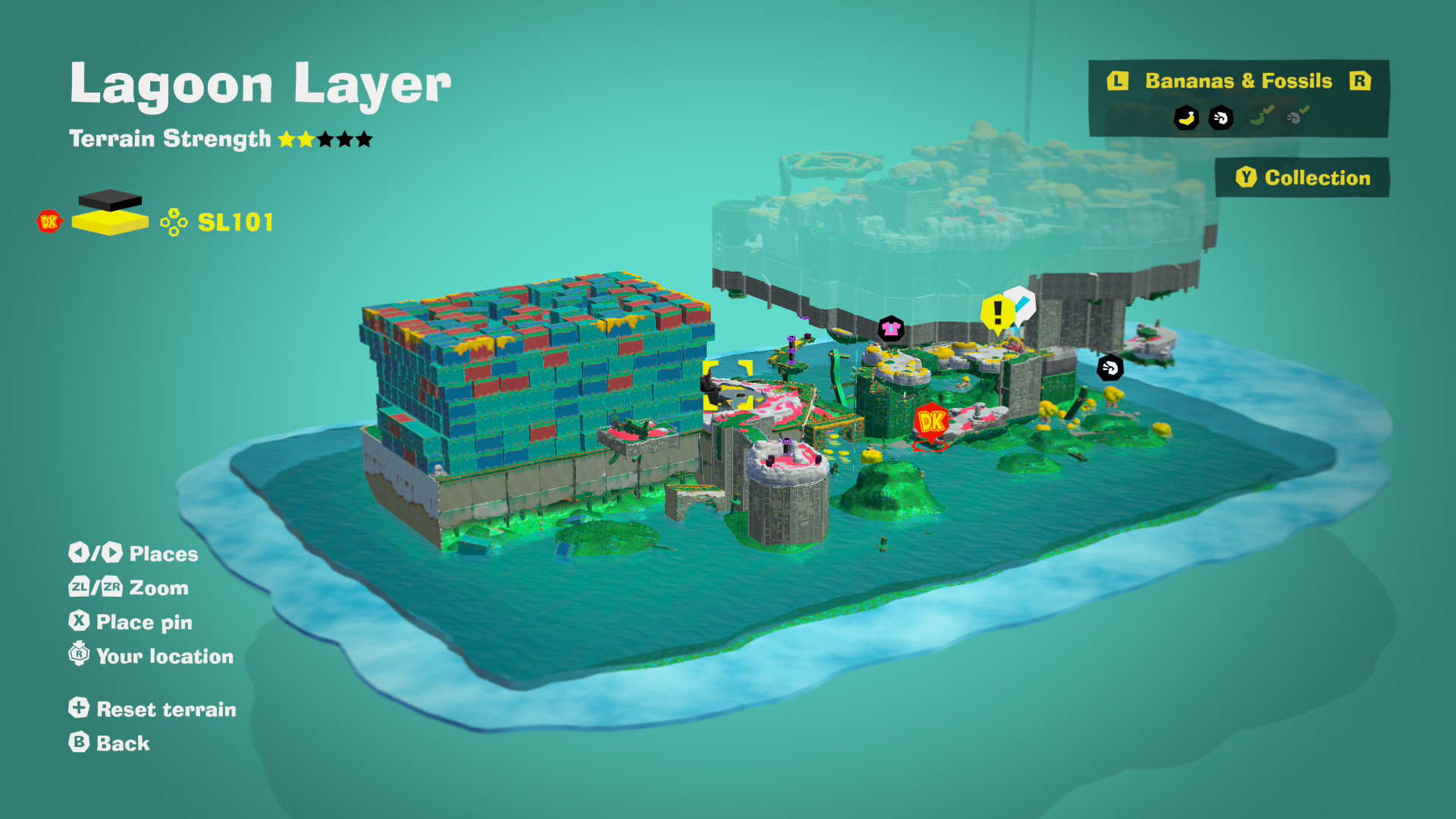
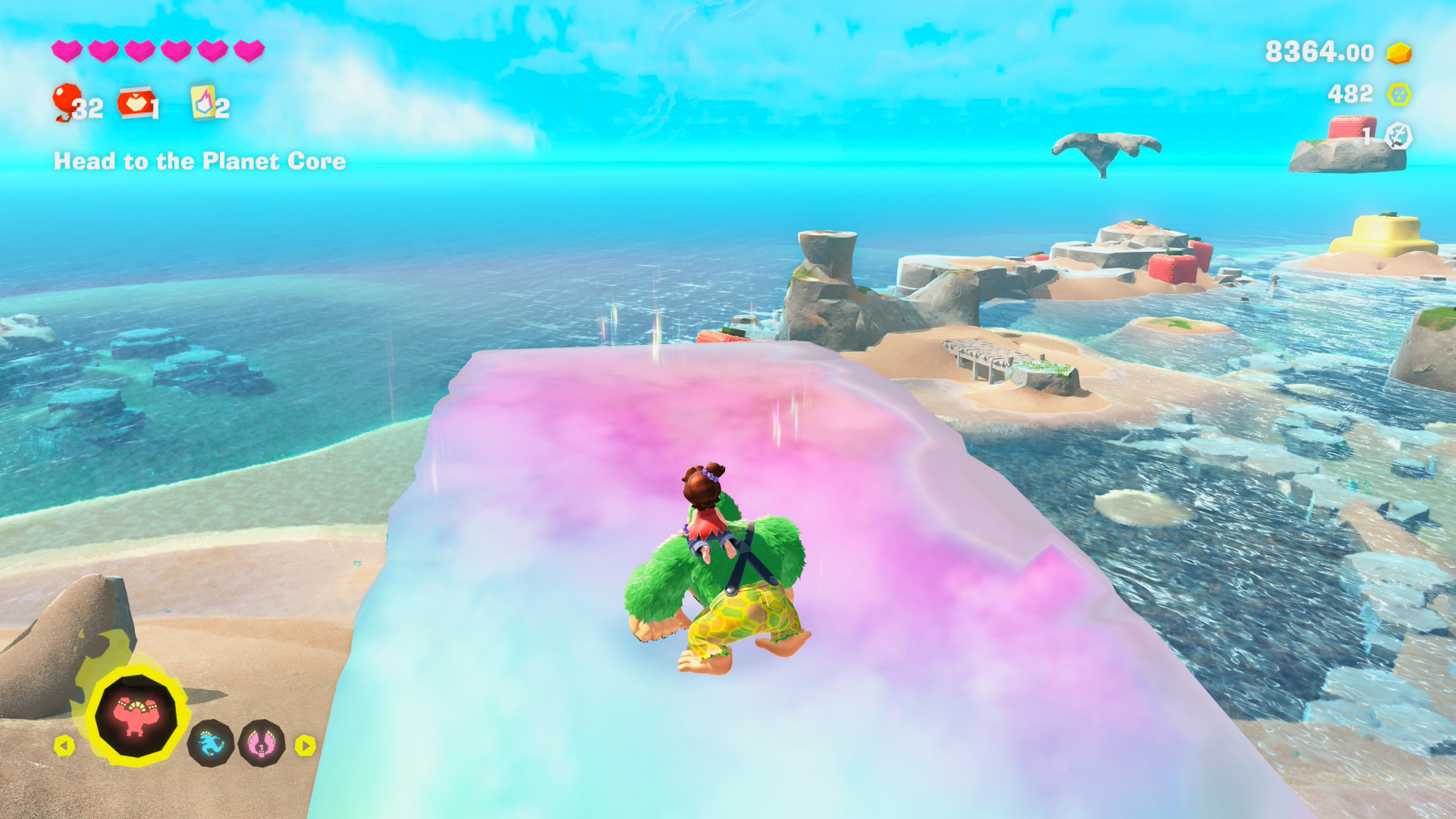
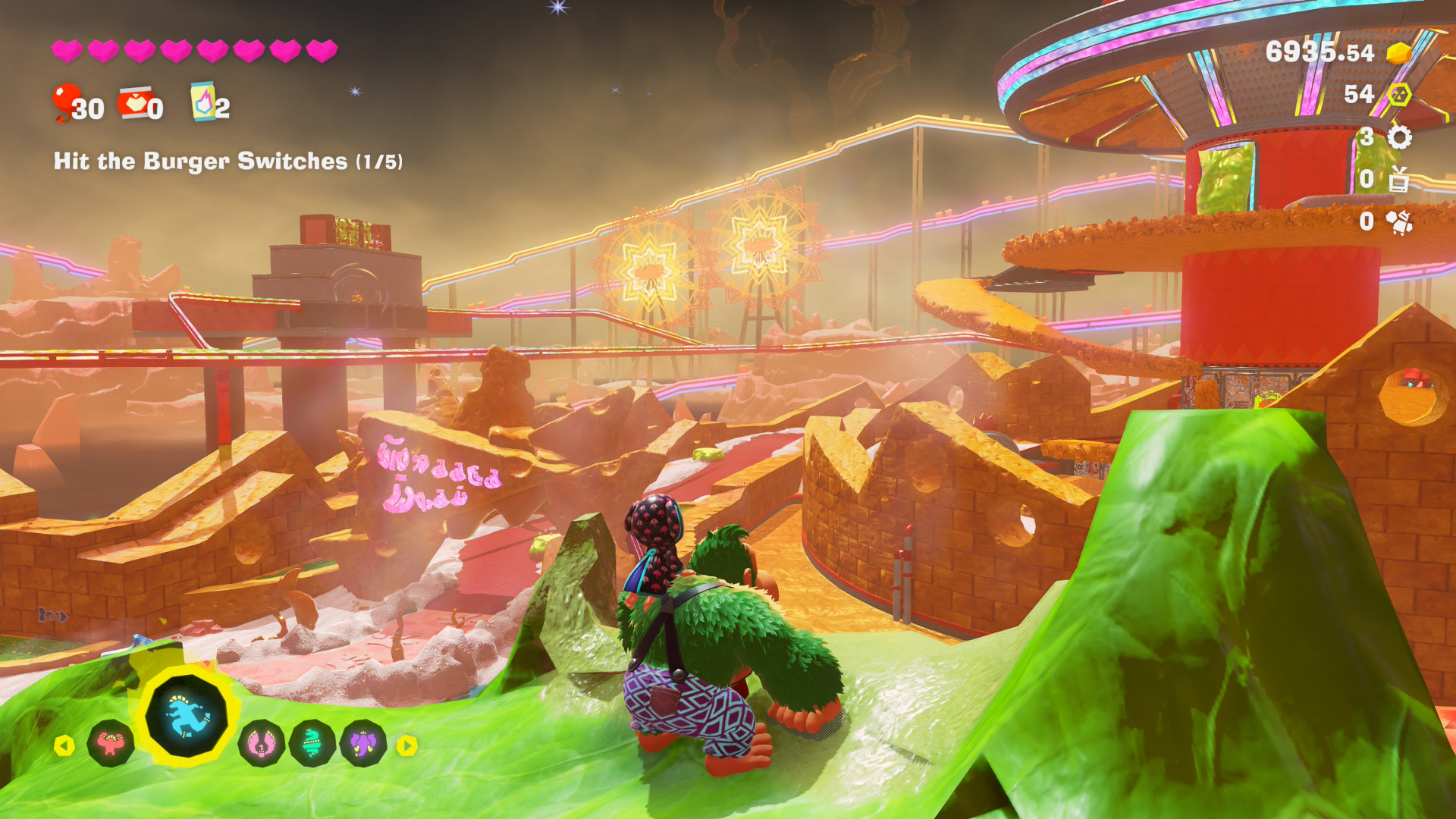
Now, many will say the star of the game is its ability to destroy the environment and wreak havoc from one corner of the map to the other. There are, of course, guidelines put in place so Donkey Kong isn’t able to burrow all the way down to the Core. Basically, you can think of each level as having an unbreakable frame, which means Donkey Kong will eventually run into something he can’t smash. These surfaces are typically made of metal, and they’re scattered throughout the game, so he can’t destroy everything in his sights. Donkey Kong can also climb many of the surfaces like Link can in Breath of the Wild and Tears of the Kingdom, offering a degree of freedom that really is unlike any other 3D platformer out there.
It’s easy to compare Donkey Kong Bananza to last year’s Astro Bot, but I really found the two experiences to be different enough. Astro Bot focuses much more on precision platforming, while most of Donkey Kong Bananza does not. The exception is the abundance of side content, many of which feature set pieces that harken back to older Donkey Kong games. Fans of the series will find a lot of Easter eggs throughout the adventure, and it’s clear Nintendo wants Donkey Kong to once again be a main mascot for the brand. Like Astro Bot, though, much of Donkey Kong Bananza’s challenging content is entirely optional. I did find the main game’s overall difficulty to be a bit easy, and most of the platforming sections weren’t very tricky.
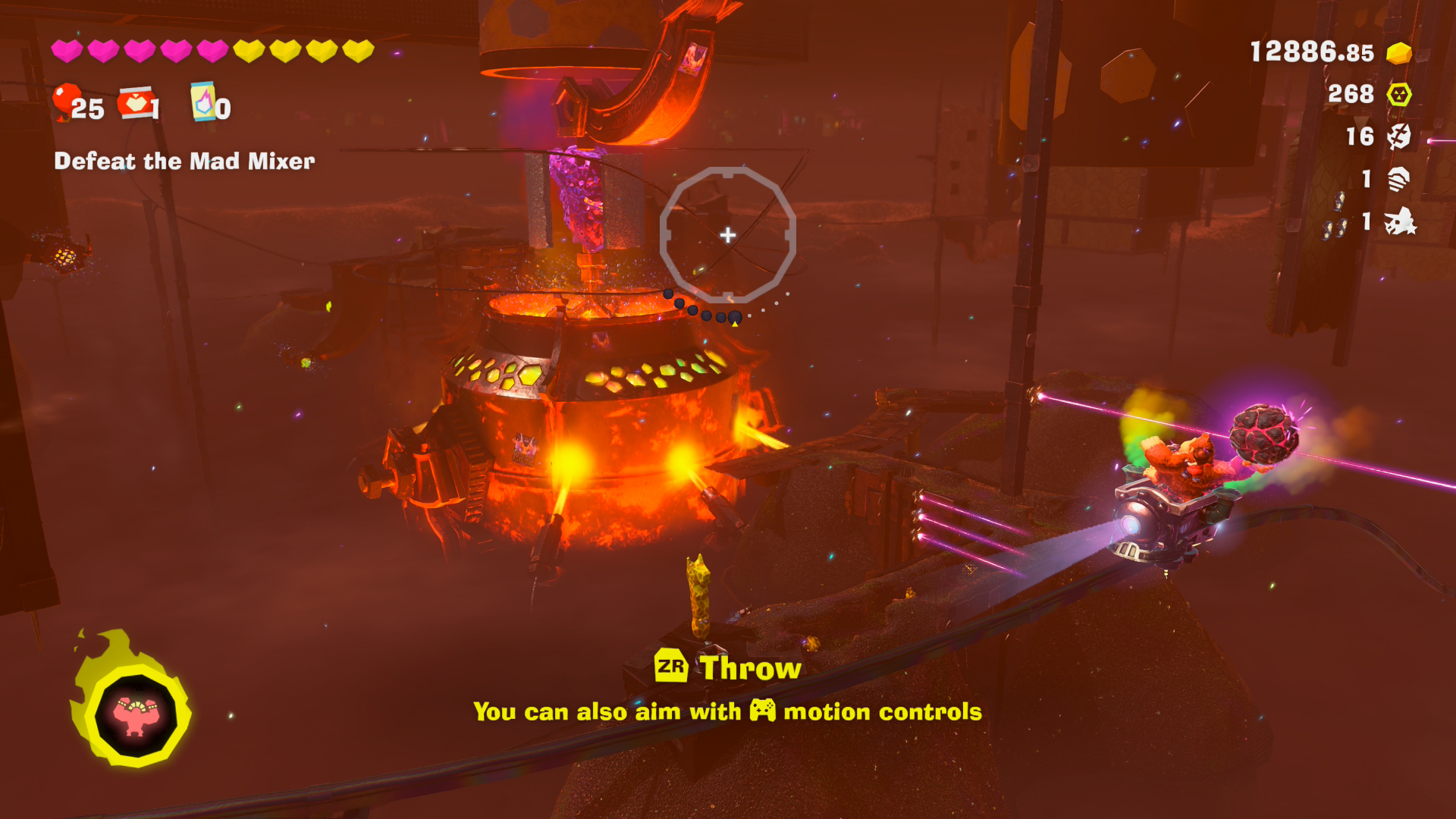
Surprisingly, the design of most boss battles is very basic. In fact, some bosses can be taken down in under a minute, while others just have very tedious gimmicks rather than being challenging or fun. I can’t really think of a single memorable boss battle, and I found the final two fights to be a slog as the bosses in those encounters were essentially damage sponges, unlike the rest of the game. It’s one thing that I didn’t really understand throughout my playthrough, as Donkey Kong Bananza oozes creativity in every corner. From level design and destructible environments to NPC interactions and Pauline’s dialogue, most of Donkey Kong Bananza feels fresh and new. Somehow, the boss battles are as bland as they come, and that’s one area where Astro Bot fares much better. Despite those boss fights, though, the final two hours of Donkey Kong Bananza are absolutely unforgettable. Again, I’ll avoid spoilers, but Nintendo pulls out all the stops, and there’s plenty more to enjoy after the credits roll.
Ripe for the Picking
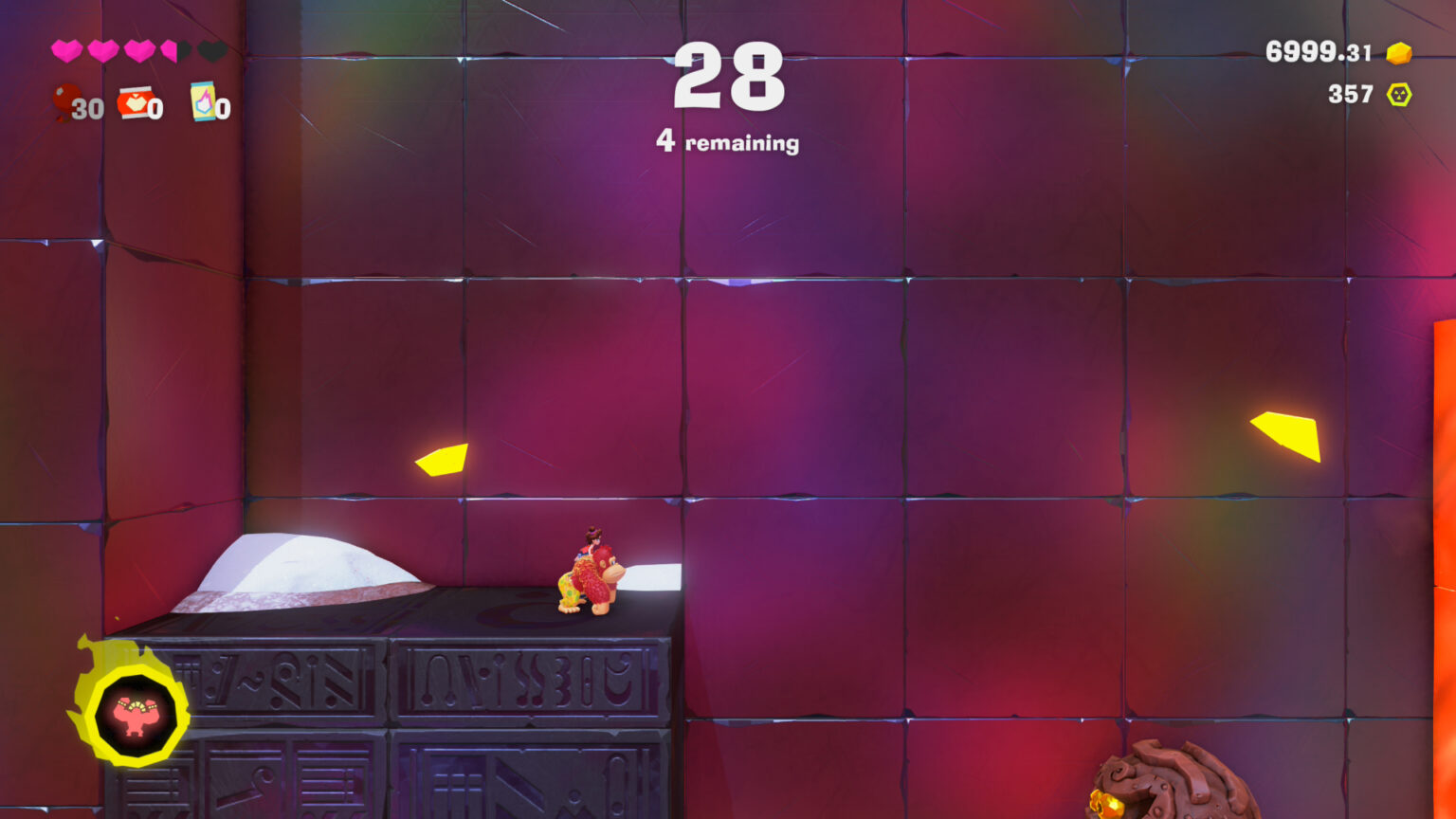
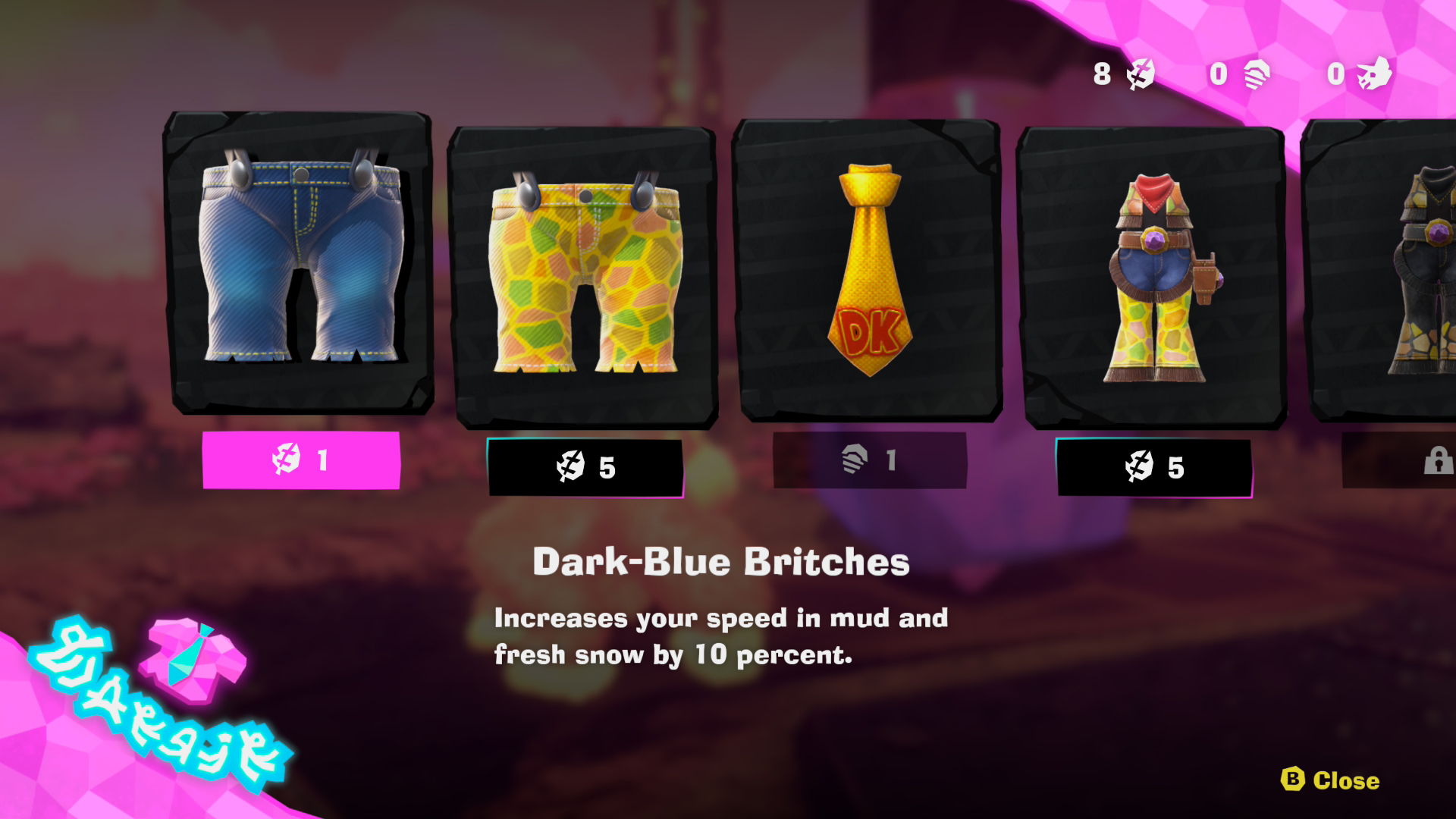
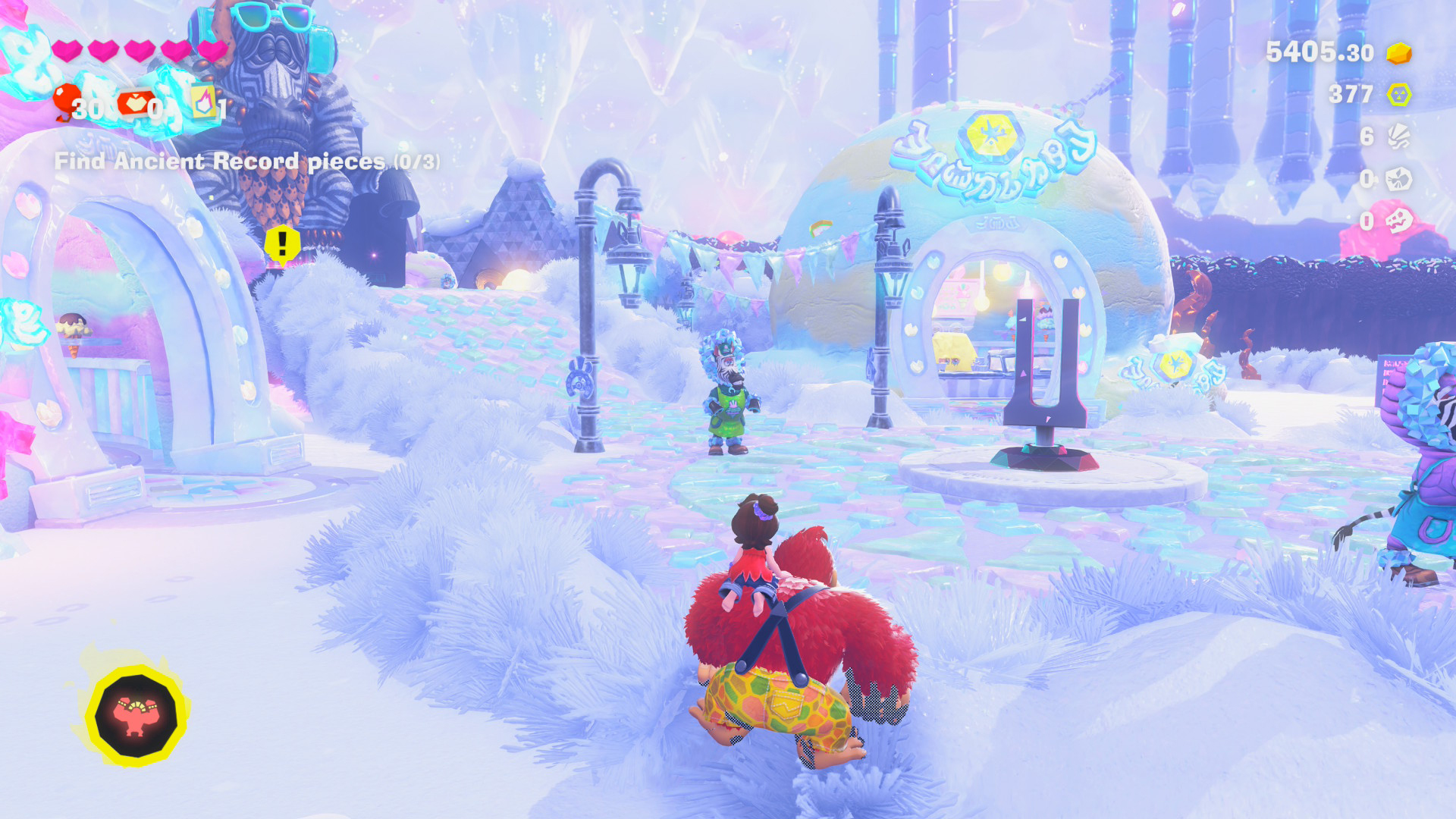
While I understand why Donkey Kong Bananza is considered a 3D platformer, I really found it to be more like an adventure game packed with collectibles to find. The game’s main currency is gold, which is plentiful and used to purchase single-use items like balloons and apple juice. Gold is also subtracted each time Donkey Kong dies, but I never found it to be an issue. There are also fossils in each layer that are used to purchase cosmetics for both Donkey Kong and Pauline. These include outfits for both characters that have enhancements tied to them, along with the ability to change Donkey Kong’s fur color, which only affects his appearance. This is very similar to what Super Mario Odyssey has in terms of customization.
The main hunt is for Banandium Gems, giant golden bananas used as currency to unlock skill points. The skill tree isn’t particularly complex, and its upgrades are rather generic, but it gives the player a sense of reward and choice based on their playstyle. Upgrades range from more health to reducing the number of punches necessary to break terrain. Players can also improve the range of Donkey Kong’s hand slap, which not only gathers up items but also reveals hidden ones. There are also a variety of upgrades associated with each Bananza Power, granting more utility for each one. Finally, there are Banandium Chips scattered throughout the layers that can be redeemed for Banandium Gems.
This core loop of smashing and destroying the environment while hunting down collectibles in order to unlock more upgrades and customizations for Donkey Kong and Pauline is what makes Donkey Kong Bananza so special. The recipe isn’t that complex, but in true Nintendo fashion, it’s done in a way that feels so satisfying and fun. Oftentimes, us gamers talk about game feel—when a game just feels good to play. Whether that’s shooting, jumping, or parrying, there’s this sensation associated with certain games where it feels uniquely gratifying. Donkey Kong Bananza manages to deliver in spades, and sometimes I found myself spending hours flattening an entire area to unearth all its secrets.
Aped Crusader
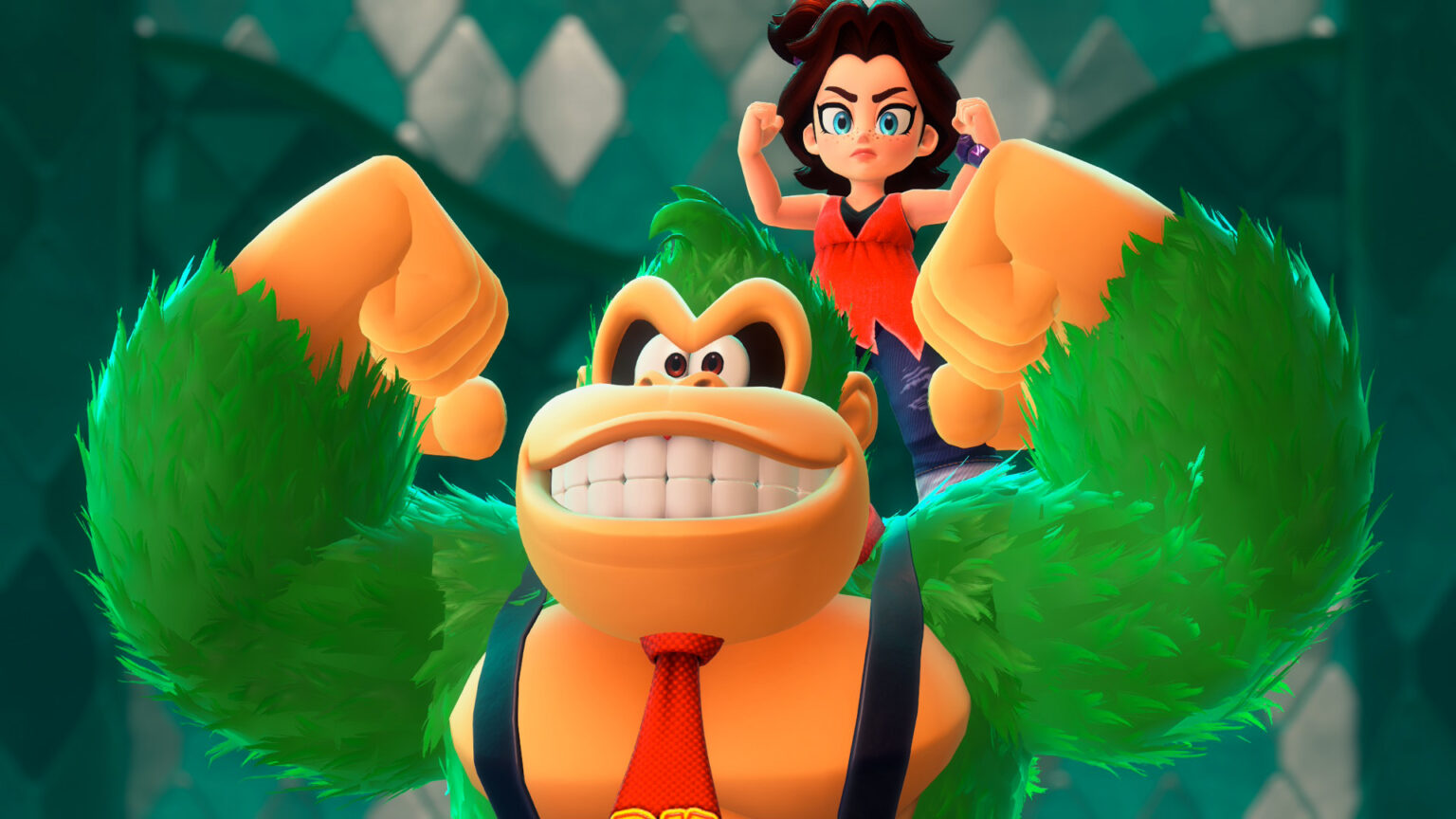
Within an hour of playing Donkey Kong Bananza, I wondered what the team at Nintendo EPD must have been thinking when Astro Bot collected numerous Game of the Year awards in 2024. Time and again, whenever someone appears to challenge Nintendo’s supremacy in platforming, the company shows up in a big way. This goes all the way back to the Mario vs. Sonic days, as SEGA tried its best to rival Mario with its own unique spin on 2D platforming. Even the likes of Banjo-Kazooie, Ratchet & Clank, Spyro, and Crash Bandicoot will never be as memorable as games like Super Mario Galaxy. Most people would agree that Nintendo popularized the 2D and 3D platforming genres, and each time we think it’s managed to perfect it, something better comes along.
Nintendo took a bit of a gamble by ushering in a new console era with a Donkey Kong title rather than a Mario release. But this unique blend of gameplay couldn’t have been done with another Nintendo mascot. The iconic ape is most fitting for a character who represents having the power to destroy an entire island with his bare fists. After 50 to 60 hours of gameplay, my biggest complaints are extremely minor: the final two boss fights are much longer than they need to be, there are some frustrating frame rate drops, and the game’s sound mixing on a 5.1 surround setup is off. To make matters worse, the game offers no options to adjust individual sound volume, meaning you can’t dial back Donkey Kong’s grunts to hear more of the music.
Donkey Kong Bananza may have a simple story, but it’s actually a bit more than you’d expect from a Nintendo platformer. The whole experience is bolstered by the fact that Pauline is fully voiced, bringing life to her character and companionship. While some may complain that the game isn’t terribly difficult, side content can be challenging and does require platforming skills. At the end of the day, though, Nintendo did what it does best: create a game designed to be fun. Trust me, Donkey Kong isn’t the only one with a silly grin on his face.
Donkey Kong Bananza has an official release date of July 17, 2025, for Switch 2. This review is based on a purchased retail copy of the game on Switch 2. While FullCleared does have affiliate partnerships, they do not influence our editorial content. We may, however, earn commissions for products purchased via affiliate links.
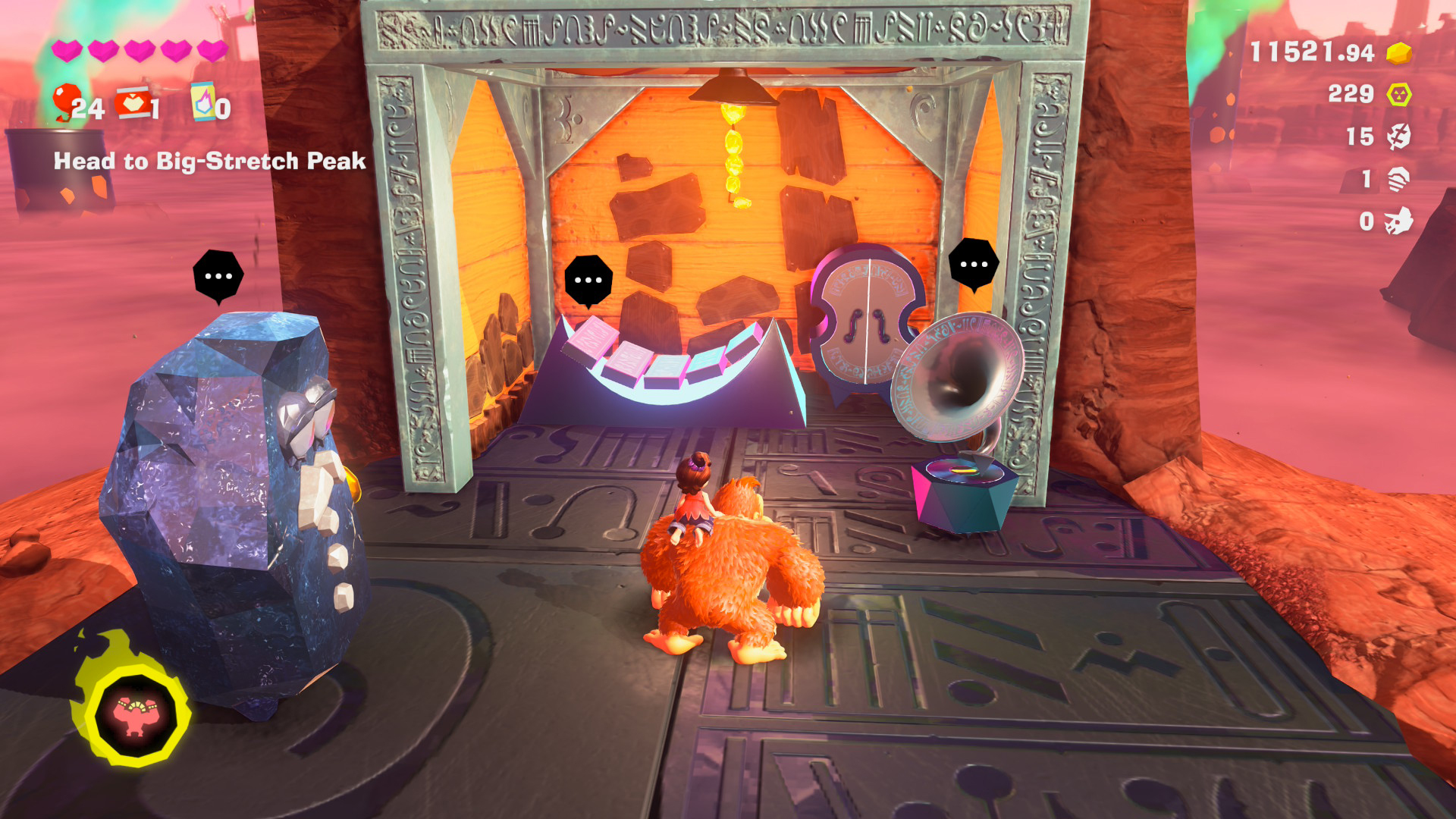
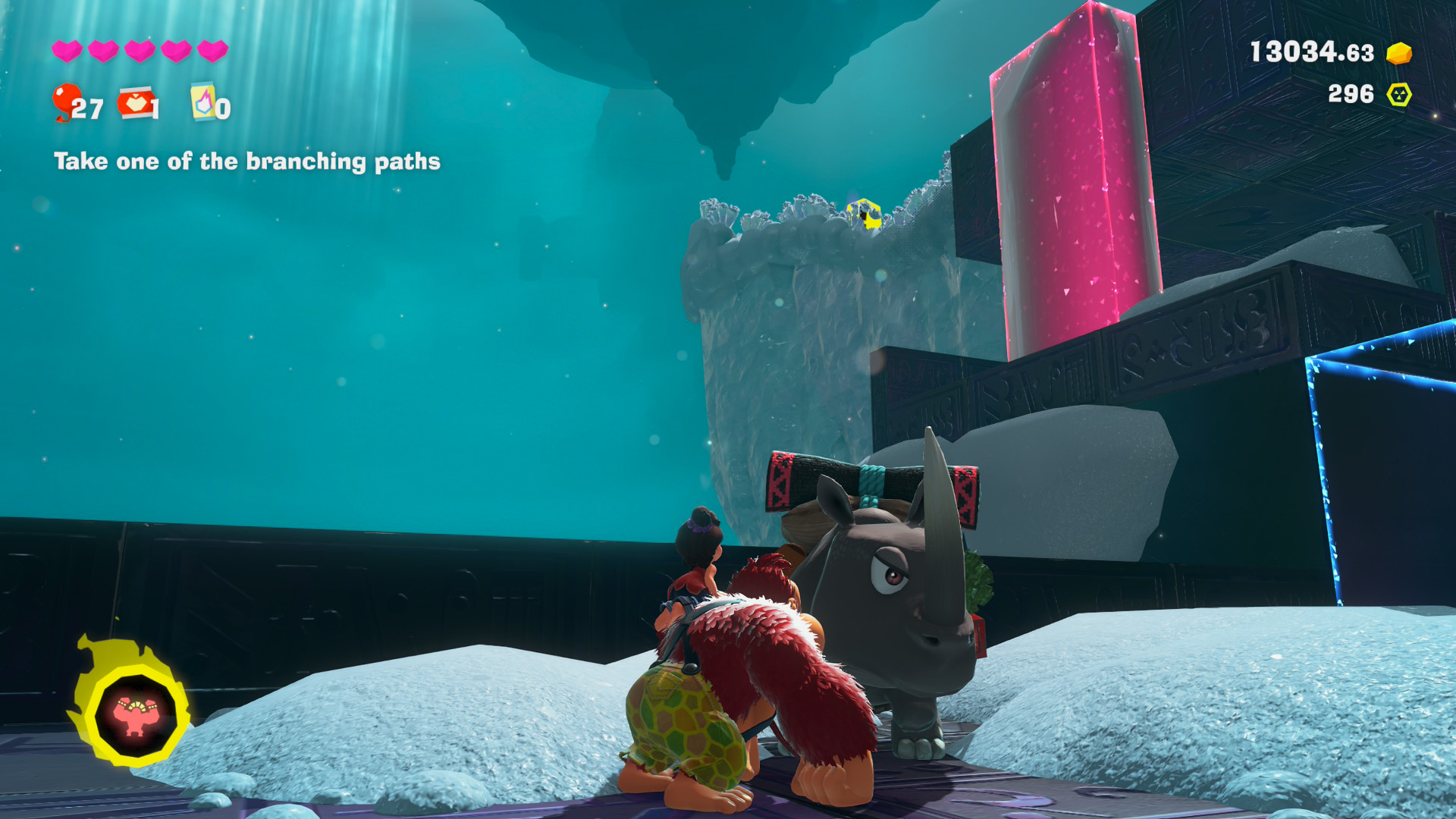
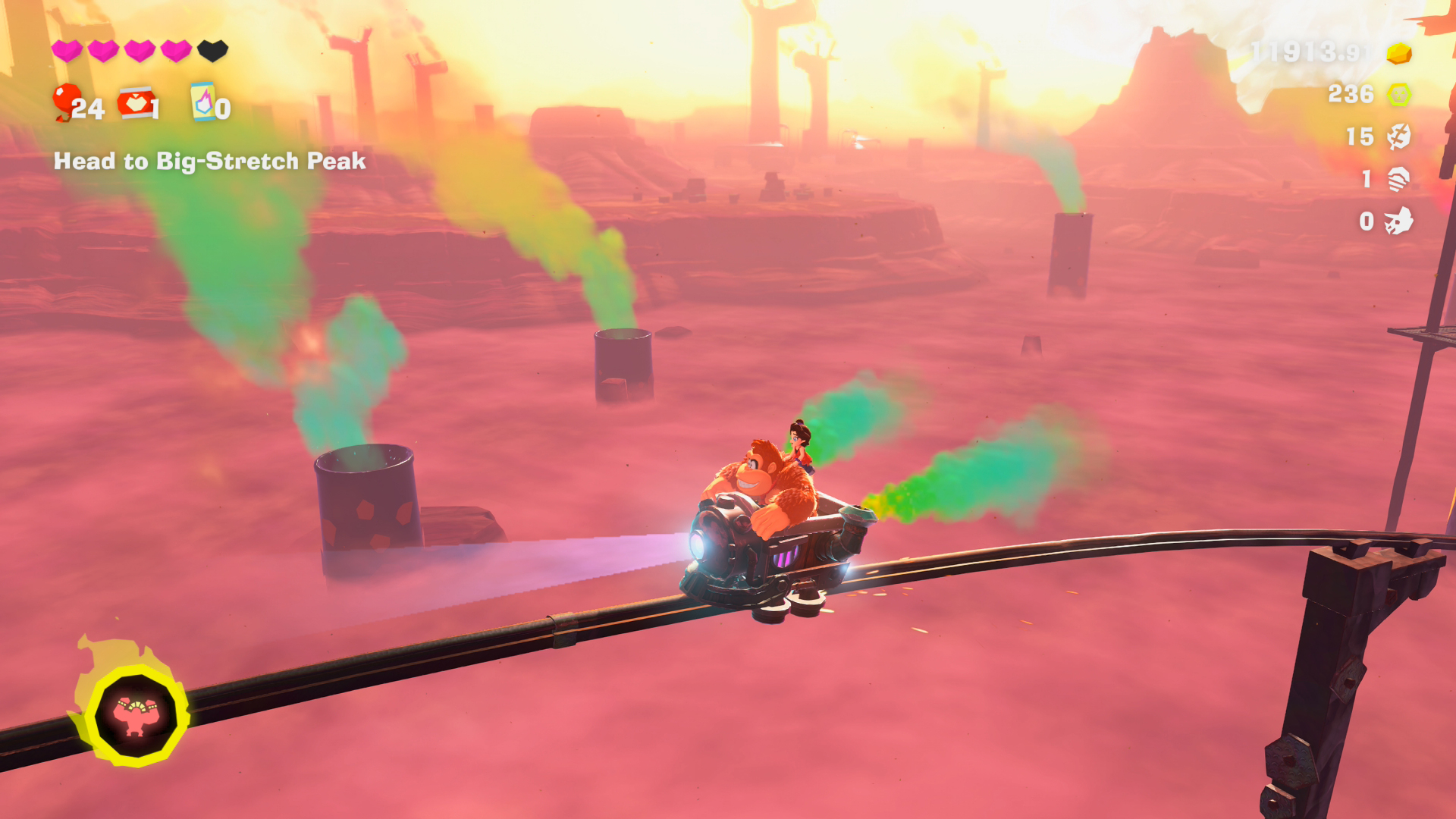
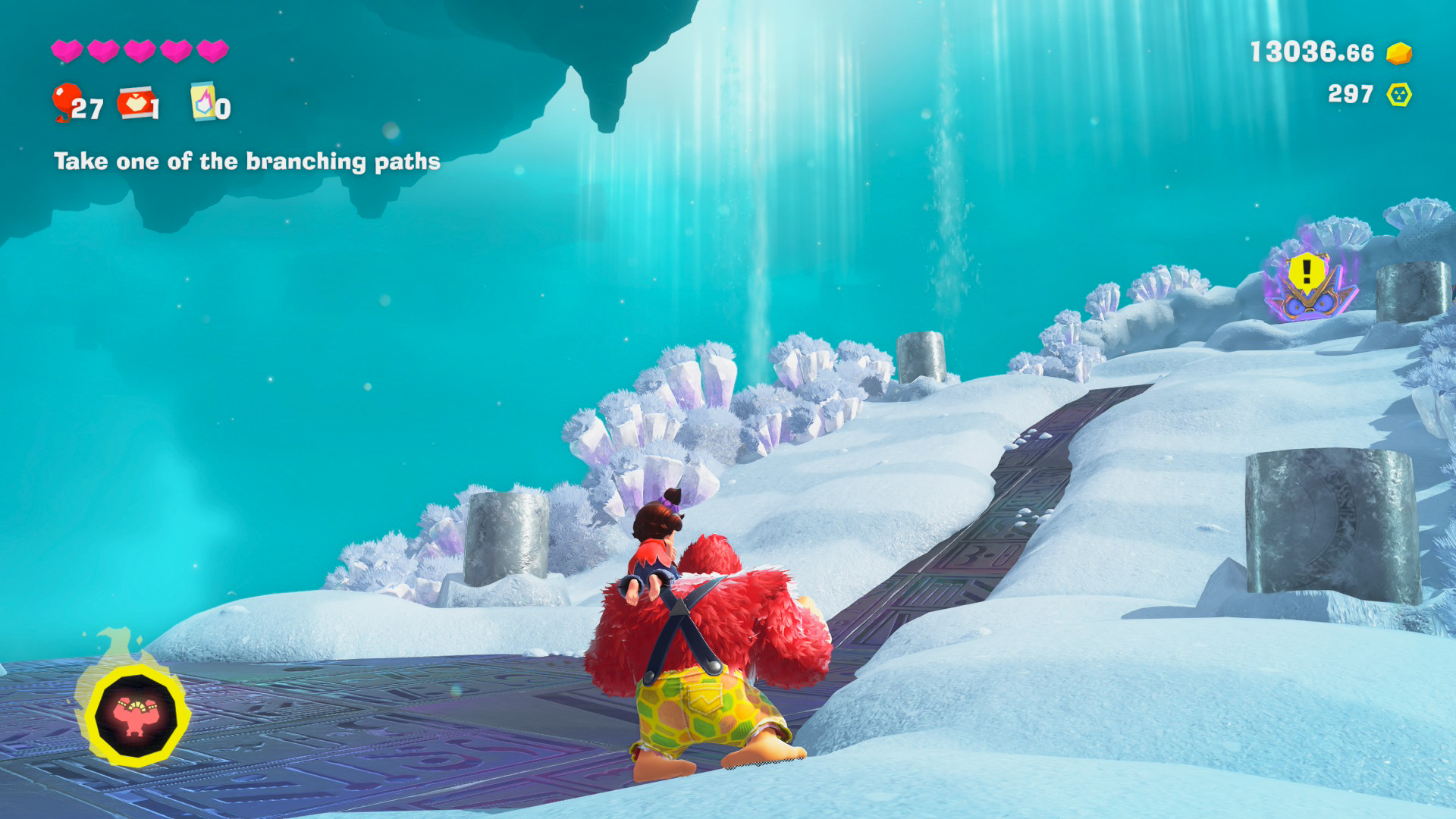
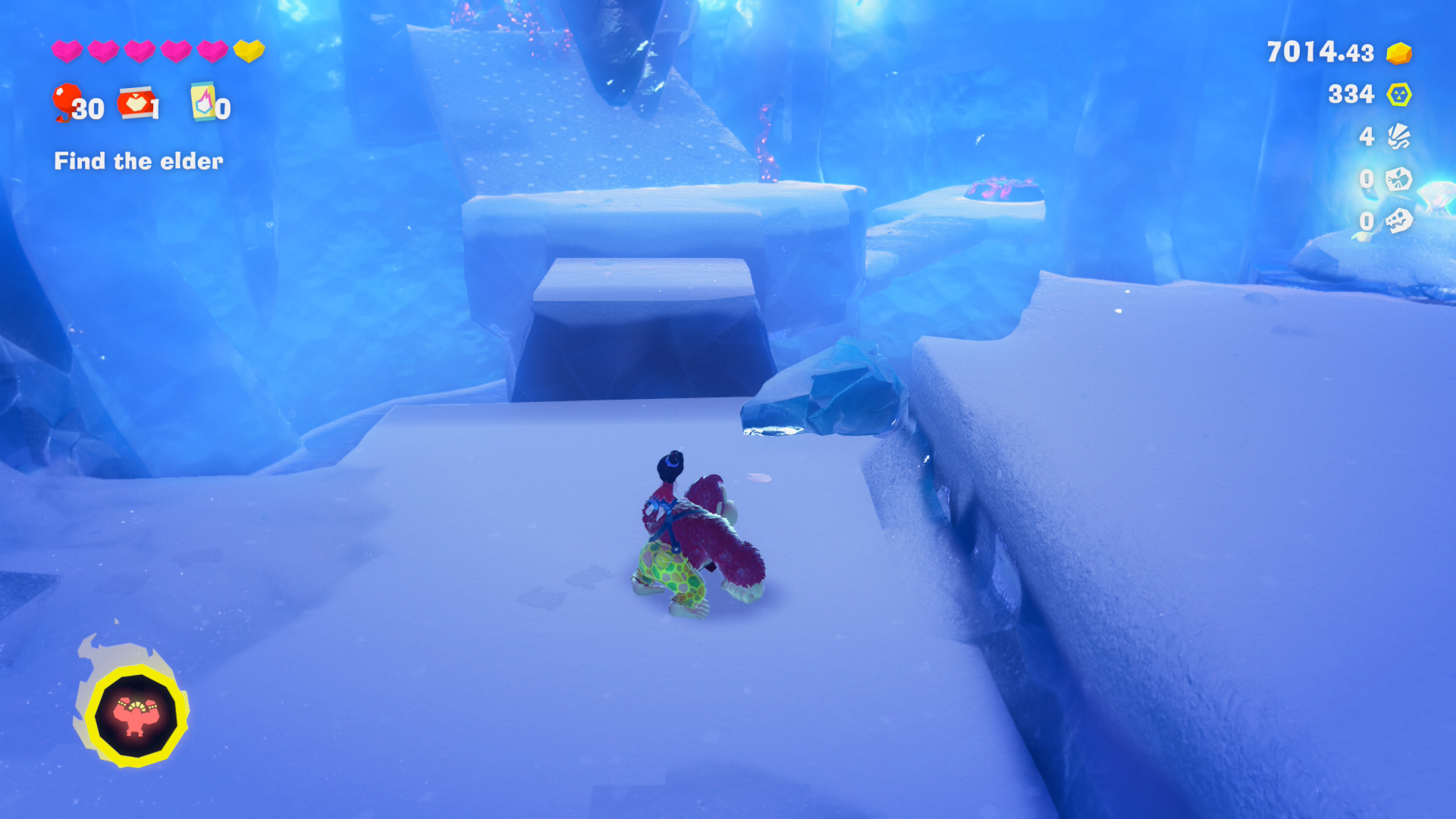
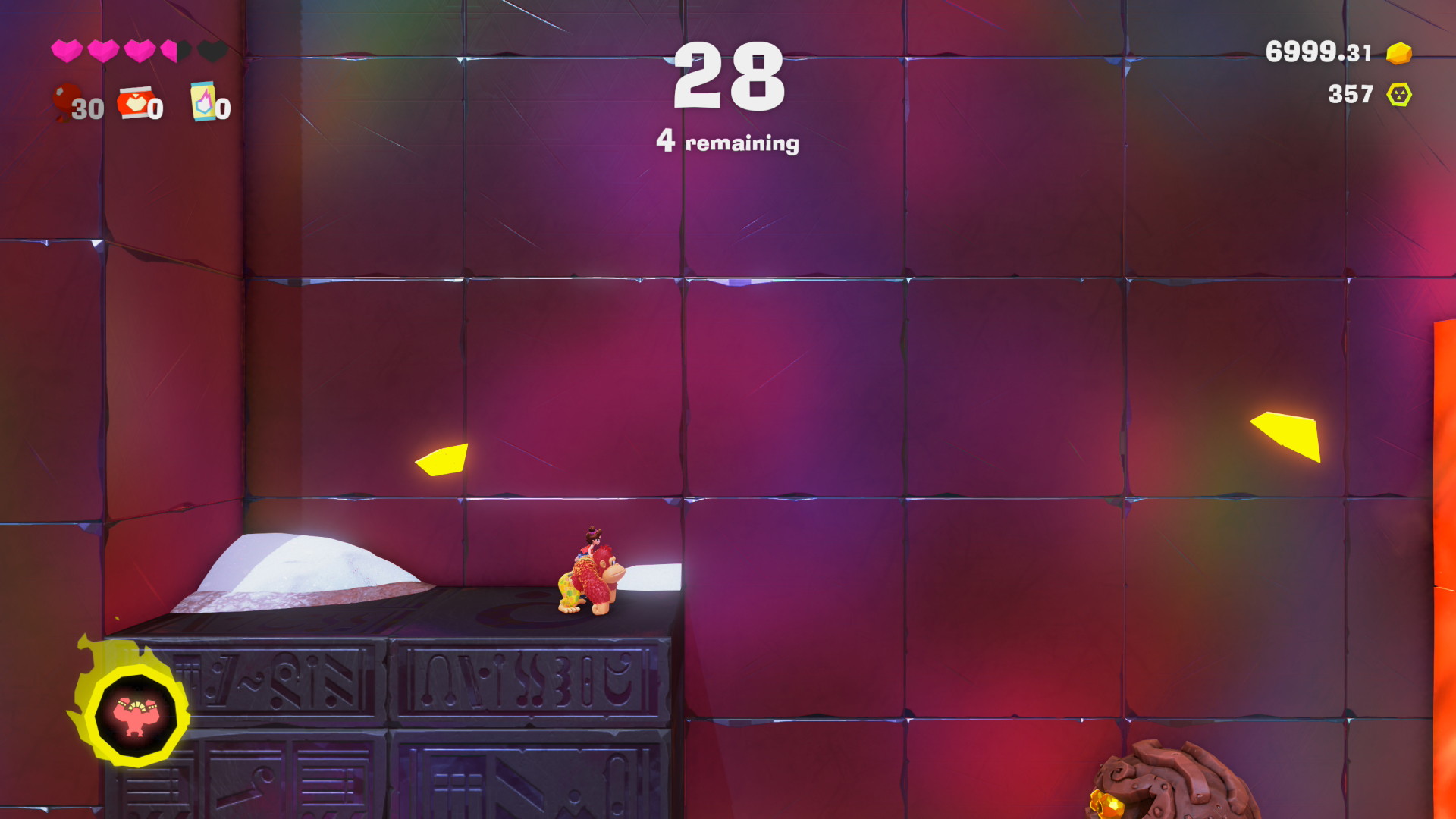
Donkey Kong Bananza Review Gallery (possible spoilers!)

Continue?
Like our content?
Subscribe to our newsletter and get video game news, reviews, features, and deals straight to your inbox.
You're subscribed!
Thanks for signing up. Look for an email from Substack at .
No email after a few minutes? Subscribe on Substack.
This newsletter may contain advertising, deals, or affiliate links. Subscribing to the newsletter indicates your consent to our Privacy Policy. You may unsubscribe from the newsletter at any time.