
Atari’s acquisition spree continues, with the company announcing today that it has acquired the complete and exclusive rights to the first five Wizardry games and their underlying IP. The deal covers Wizardry: Proving Grounds of the Mad Overlord (1981), Wizardry II: The Knight of Diamonds (1982), Wizardry III: Legacy of Llylgamyn (1983), Wizardry IV: The Return of Werdna (1987), and Wizardry V: Heart of the Maelstrom (1988), often collectively referred to as “The Llylgamyn Saga.” It also pulls in many other Wizardry-related games, contract rights, and other intellectual property from that era.
This is an interesting pickup for Atari given the franchise’s place in RPG history. The original Wizardry is widely credited as a cornerstone of the Japanese RPG genre, with direct lineage to series like Final Fantasy and Dragon Quest. The original NES, SNES, and PC games and their underlying IP, including spells, characters, places, and monsters from the original Wizardry universe, have been unavailable to developers and fans for over 25 years. Wizardry 6, 7, and 8 are owned by Japanese publisher Drecom and are based on a different fictional universe, so they’re not part of this deal.
Atari didn’t waste time to lay out its plans for the franchise. The company says it will bring the games back through expanded digital and physical distribution, with remasters, collections, and new releases on the table. Beyond game publishing, Atari is also planning merchandise, card and board games, books and comics, and TV and film projects as part of a long-term plan to build the Original Wizardry into a broader entertainment franchise. That might seem like a lot for an IP that’s been dormant for decades, but it lines up with Atari’s broader pattern of acquiring legacy gaming brands and trying to revive them across multiple media.
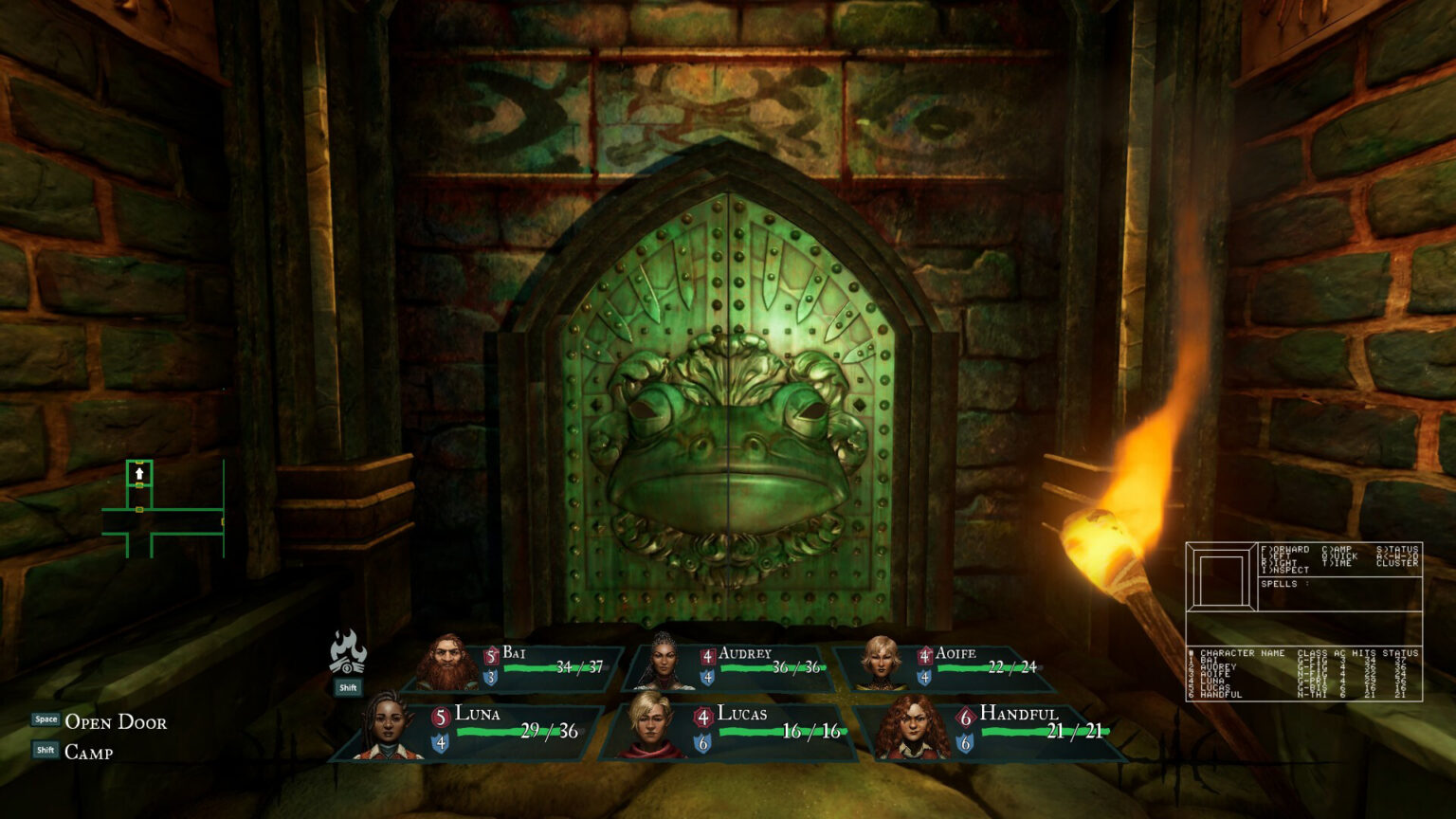
If you’ve been paying attention to Atari news, the Wizardry acquisition doesn’t come entirely out of left field. In 2024, Atari’s Digital Eclipse studio published a remake of Wizardry: Proving Grounds of the Mad Overlord that layered modern 3D graphics over the original Apple II text-based code. The remake was praised by original fans, introduced a new generation of players to the franchise, and won a Grammy for its original score by composer Winifred Phillips. Co-creator Robert Woodhead acknowledged the new audience opportunity in the announcement, noting he’ll be “paying attention to the reactions of gamers who decide to take on a real old-school challenge.” It’ll be a real test of how much modern audiences are willing to engage with these early CRPGs even with quality of life improvements layered on top.