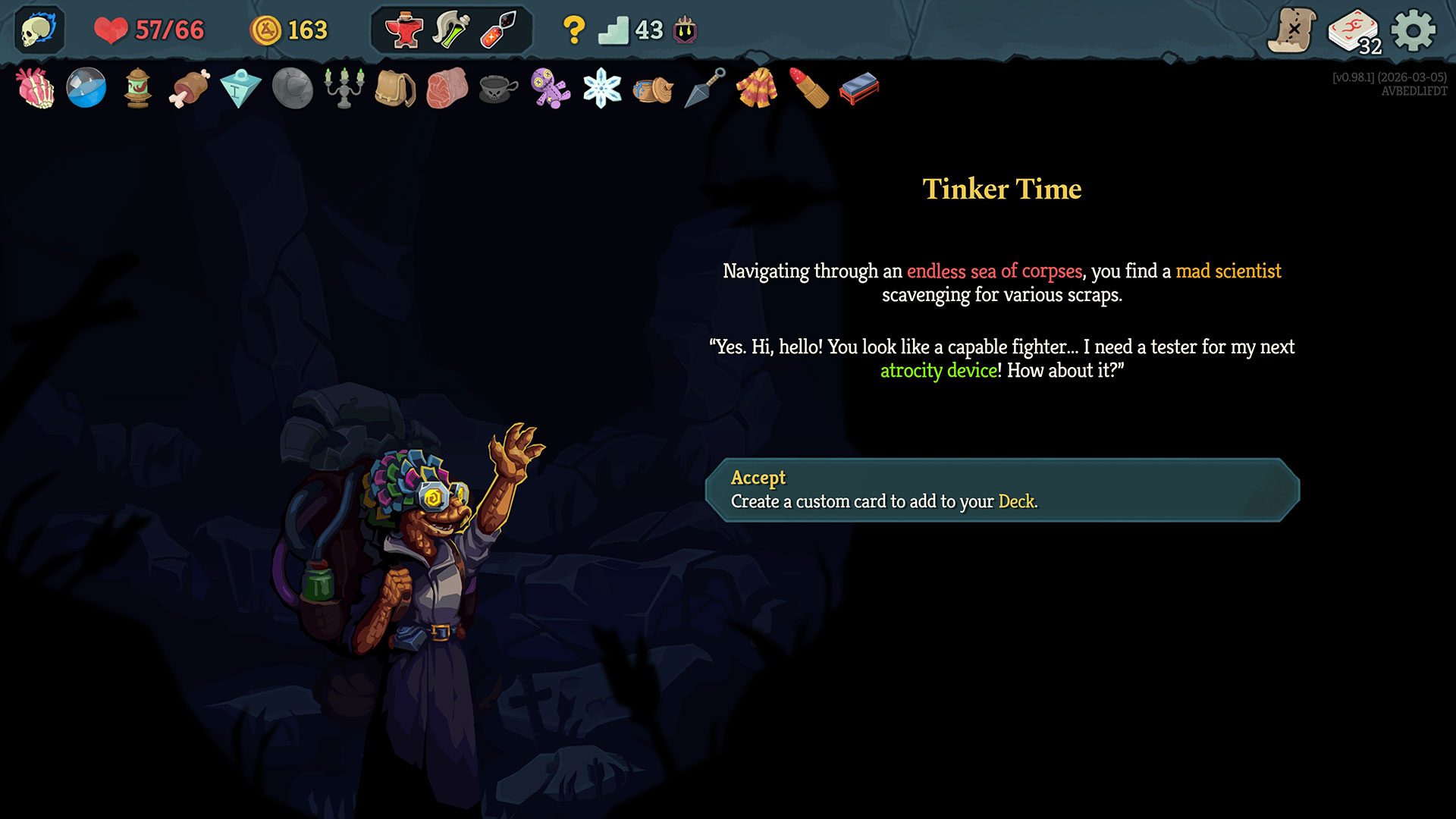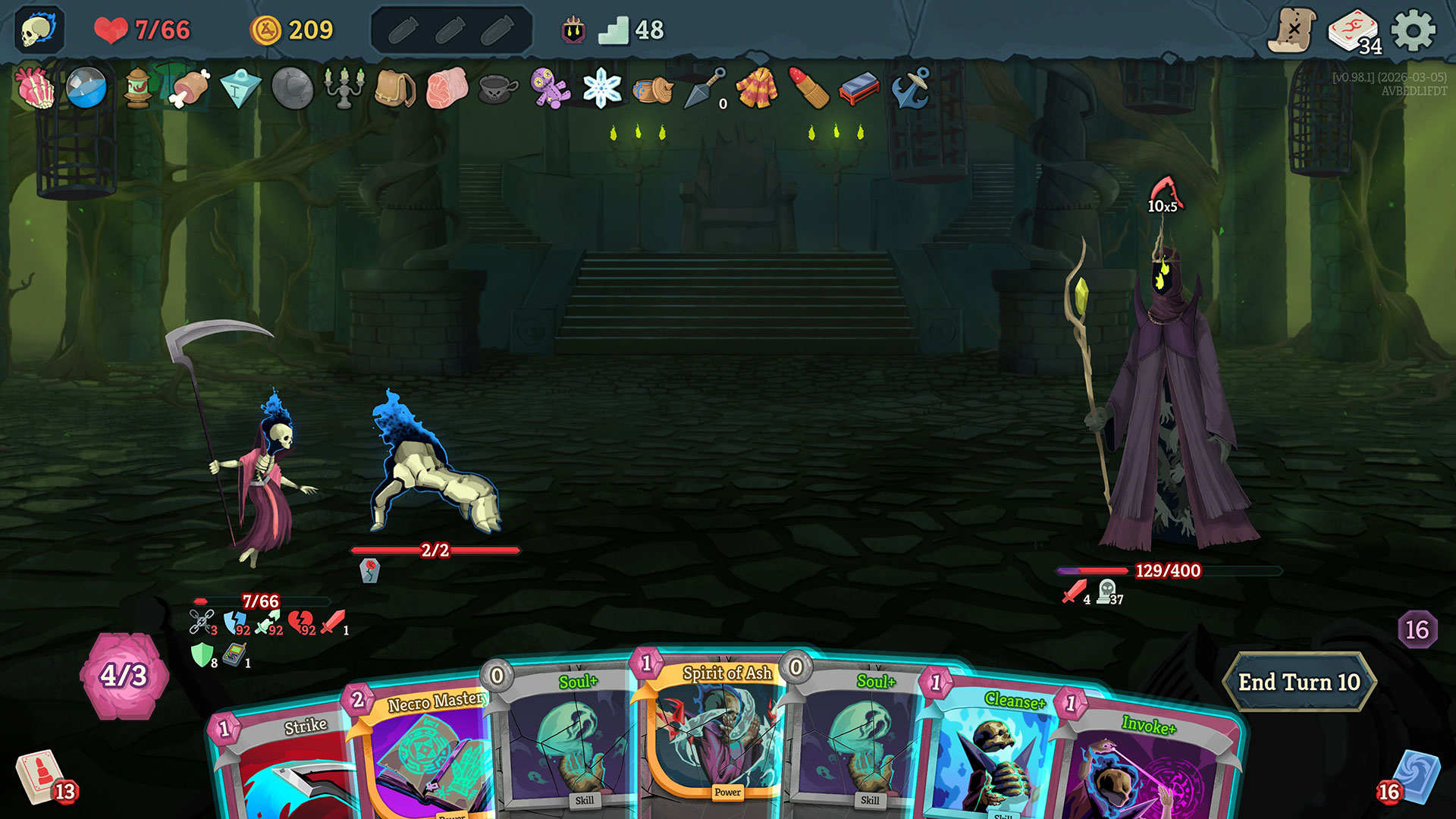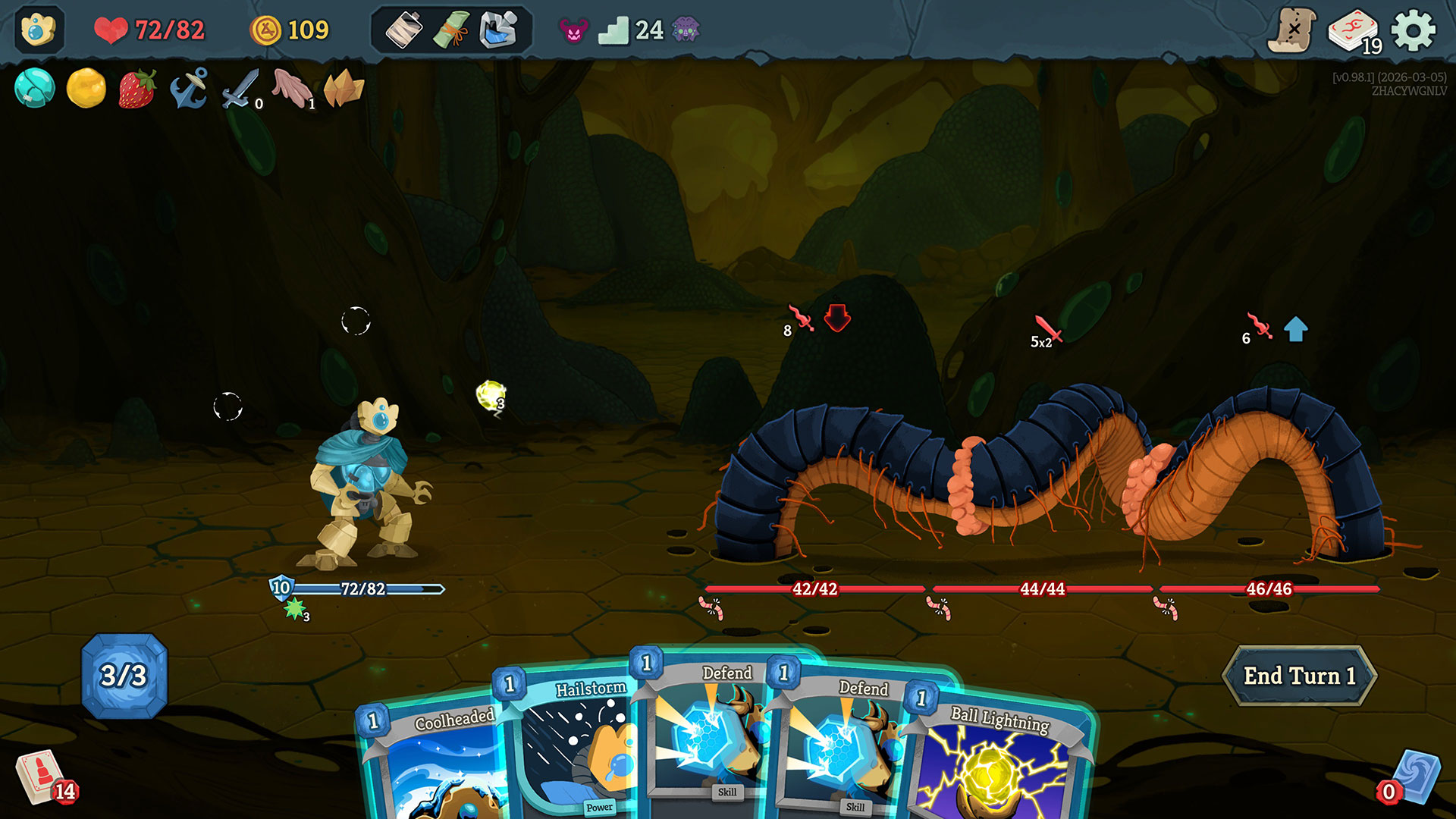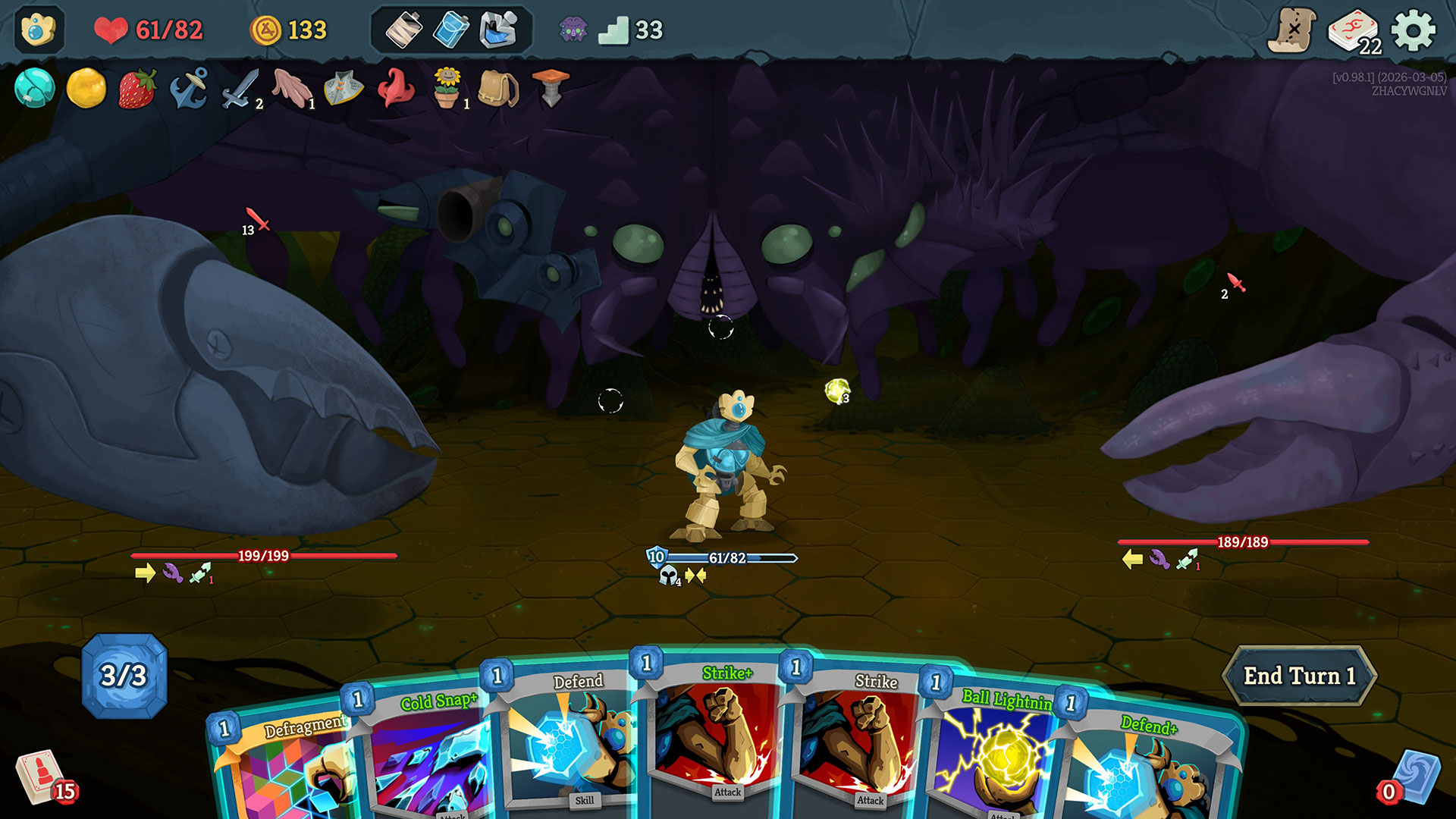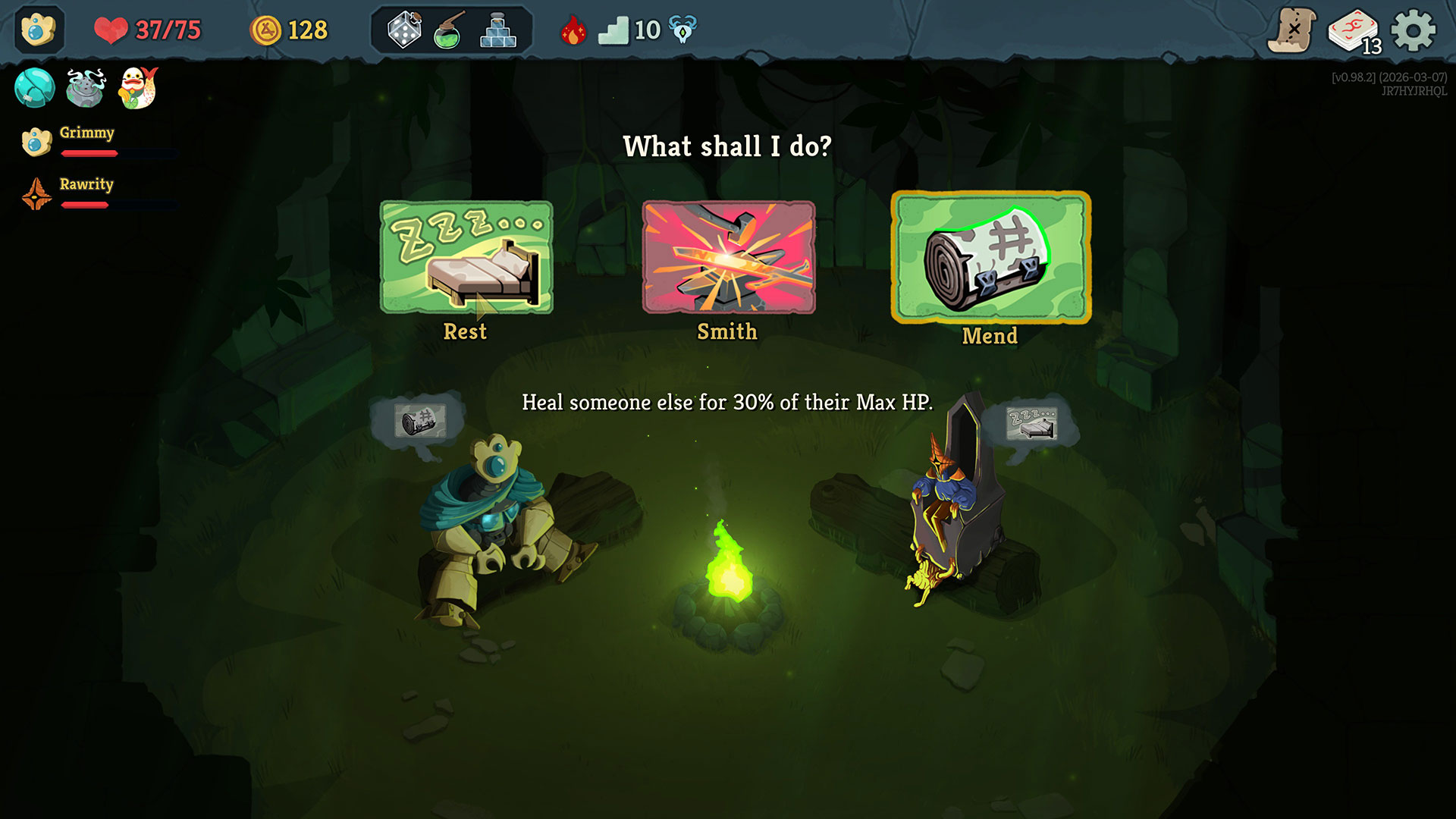

When Slay the Spire 2 launched on March 5, it more than doubled Marathon’s concurrent players on Steam, on its way to peaking at over 574,000 days later. I said it then and I’ll say it again: we’re in a golden age of indie games. That a roguelike deckbuilder from a small team can dwarf a AAA shooter from the original creators of Halo says a lot about the state of the industry. I’ve put roughly 30 hours into Slay the Spire 2 since launch, and I would have easily doubled that if Pokémon Pokopia wasn’t also competing for my attention. Having played through all five classes and done several co-op runs, I’m confident saying this is exactly the sequel fans wanted, even if it plays things relatively safe.
Slay the Spire 2 is very much like Monster Train 2 in its approach to being a sequel. It takes everything that worked in the original, polishes it to a shine, and adds just enough new content to justify the shiny new 2 in its name. Don’t expect any revolutionary changes here. This is an evolutionary sequel through and through. The minute-to-minute gameplay will feel immediately familiar to anyone who spent hundreds of hours with the original, but many of the new enemies and their mechanics force players to rethink how they approach the lethal puzzle each hand presents. It’s still Slay the Spire at its core, and that’s a good thing.
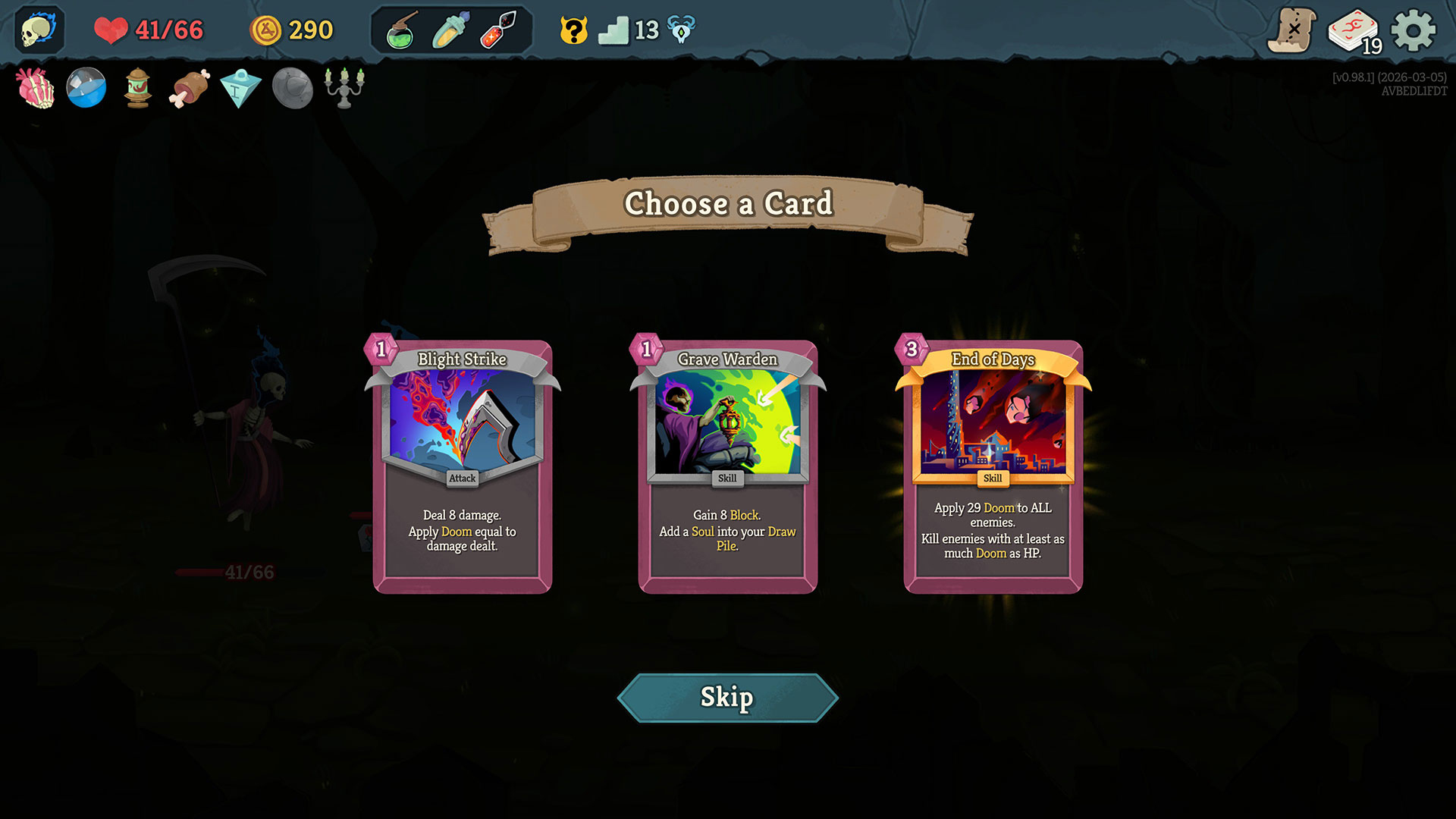
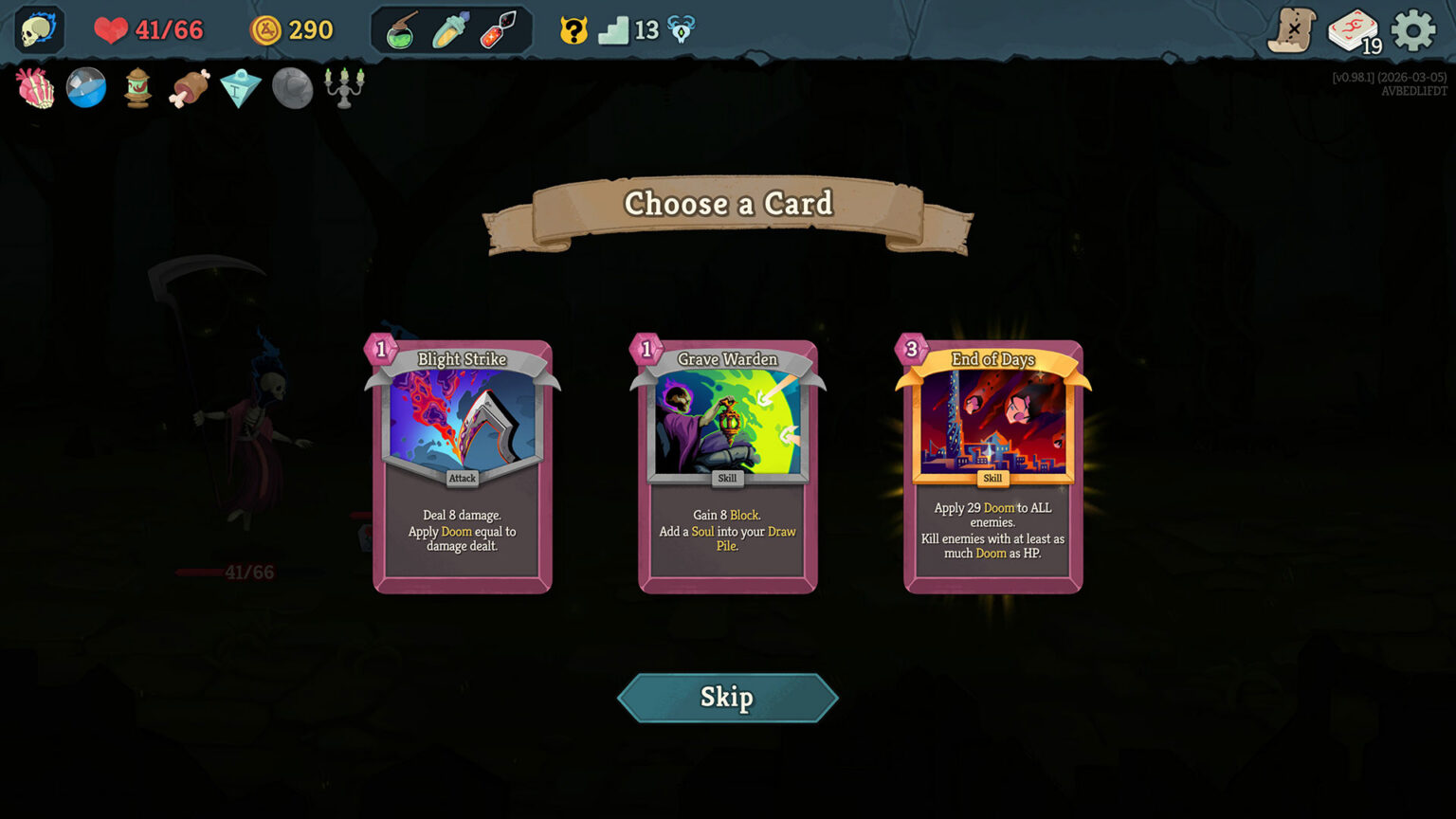
For those who have never played Slay the Spire, the concept is simple but wildly addictive. It’s a roguelike deckbuilder where players choose a class and fight their way up a series of floors, building a deck of cards along the way. Each run is different because the cards, relics, events, and enemies you encounter are randomized, meaning you have to adapt your strategy on the fly rather than relying on a single approach. Combat is turn-based, with players using their hand of cards to deal damage, apply debuffs, and block incoming attacks. Between fights, you’ll make choices about which path to take, whether to rest or upgrade a card, and which rewards to pick up. A single run takes roughly 30 to 60 minutes, but the “just one more run” factor is dangerously real. The original Slay the Spire essentially created its own genre when it launched, and games like Monster Train, Balatro, and Across the Obelisk all exist because of it.
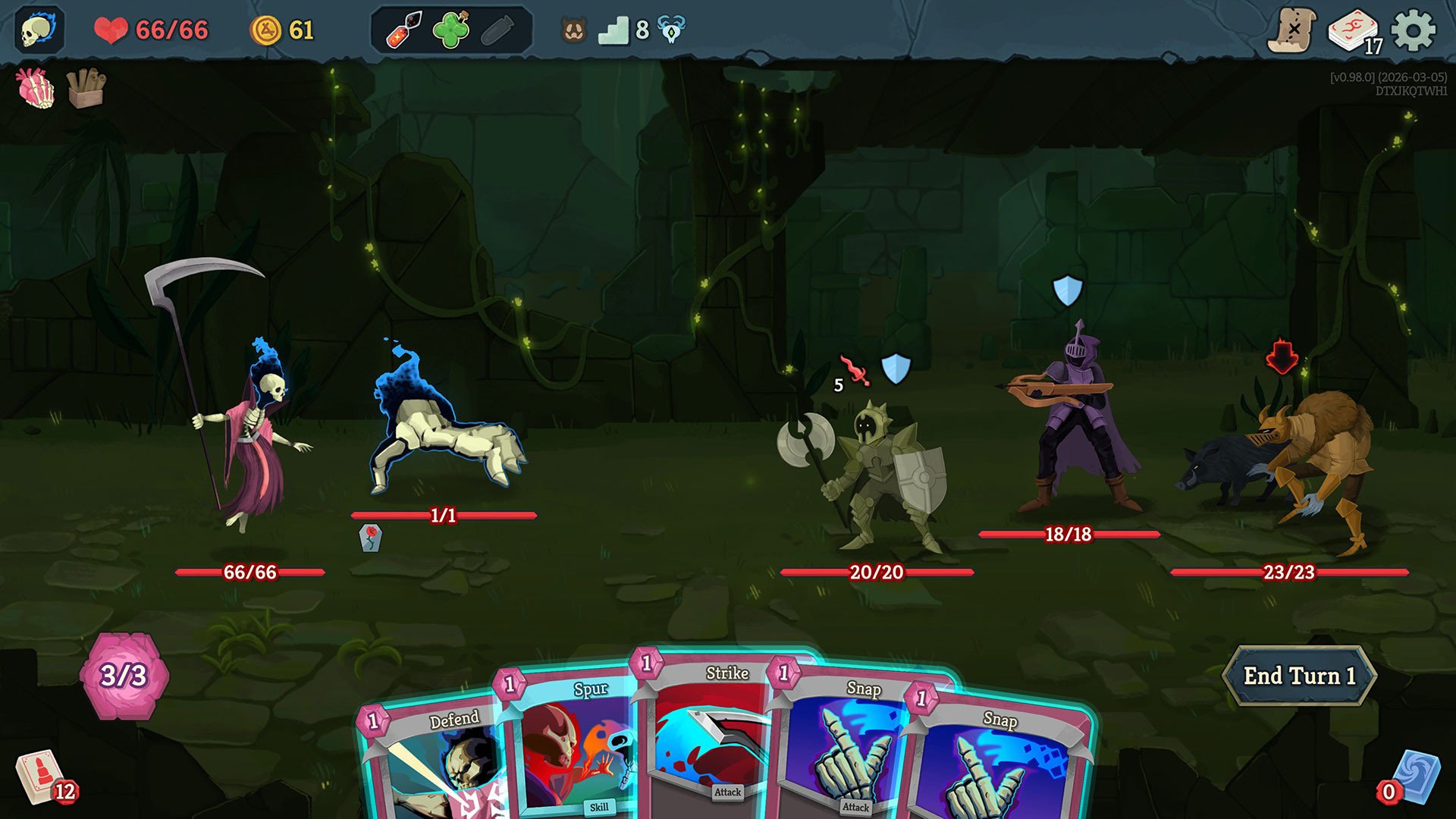
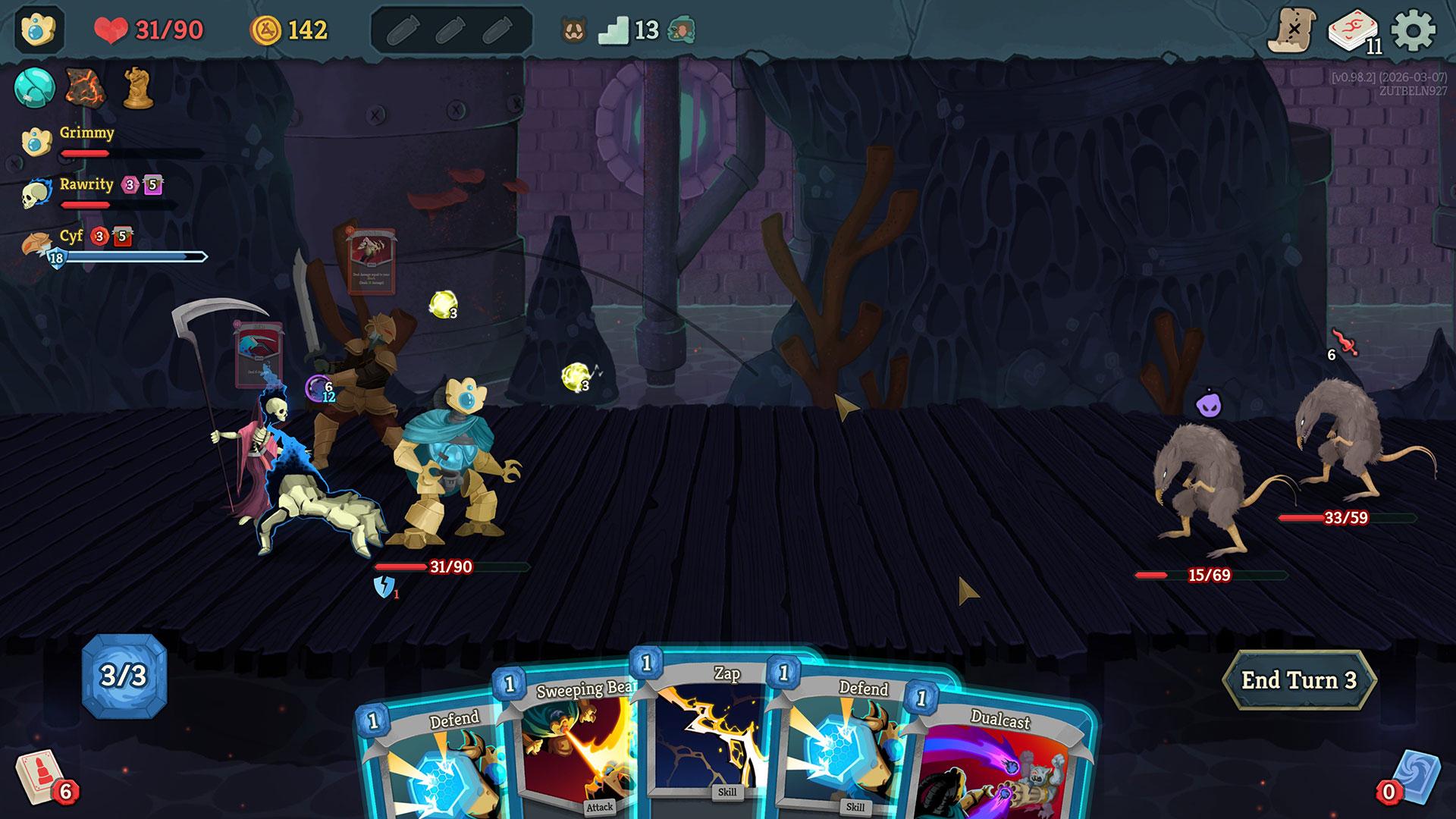
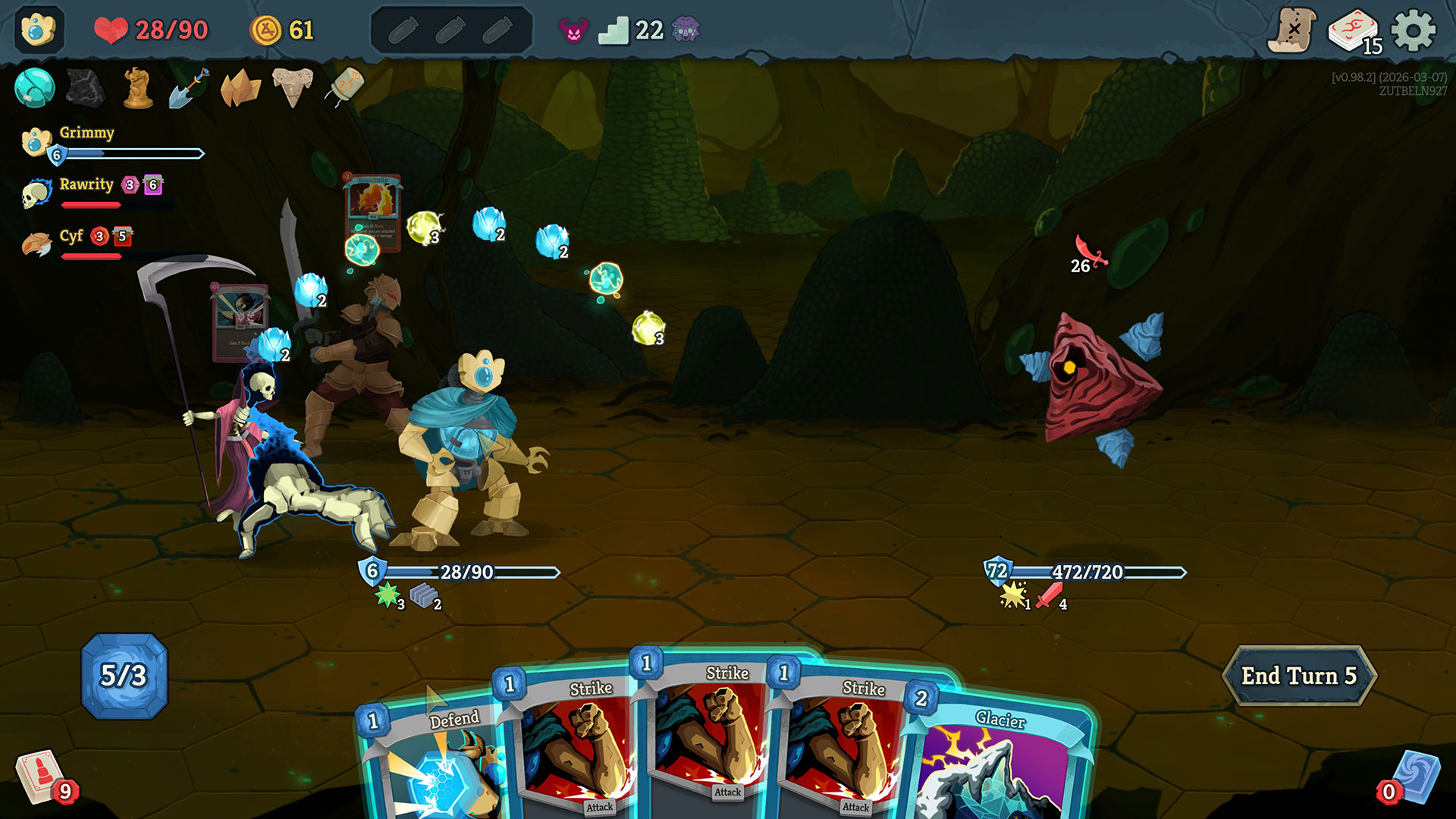
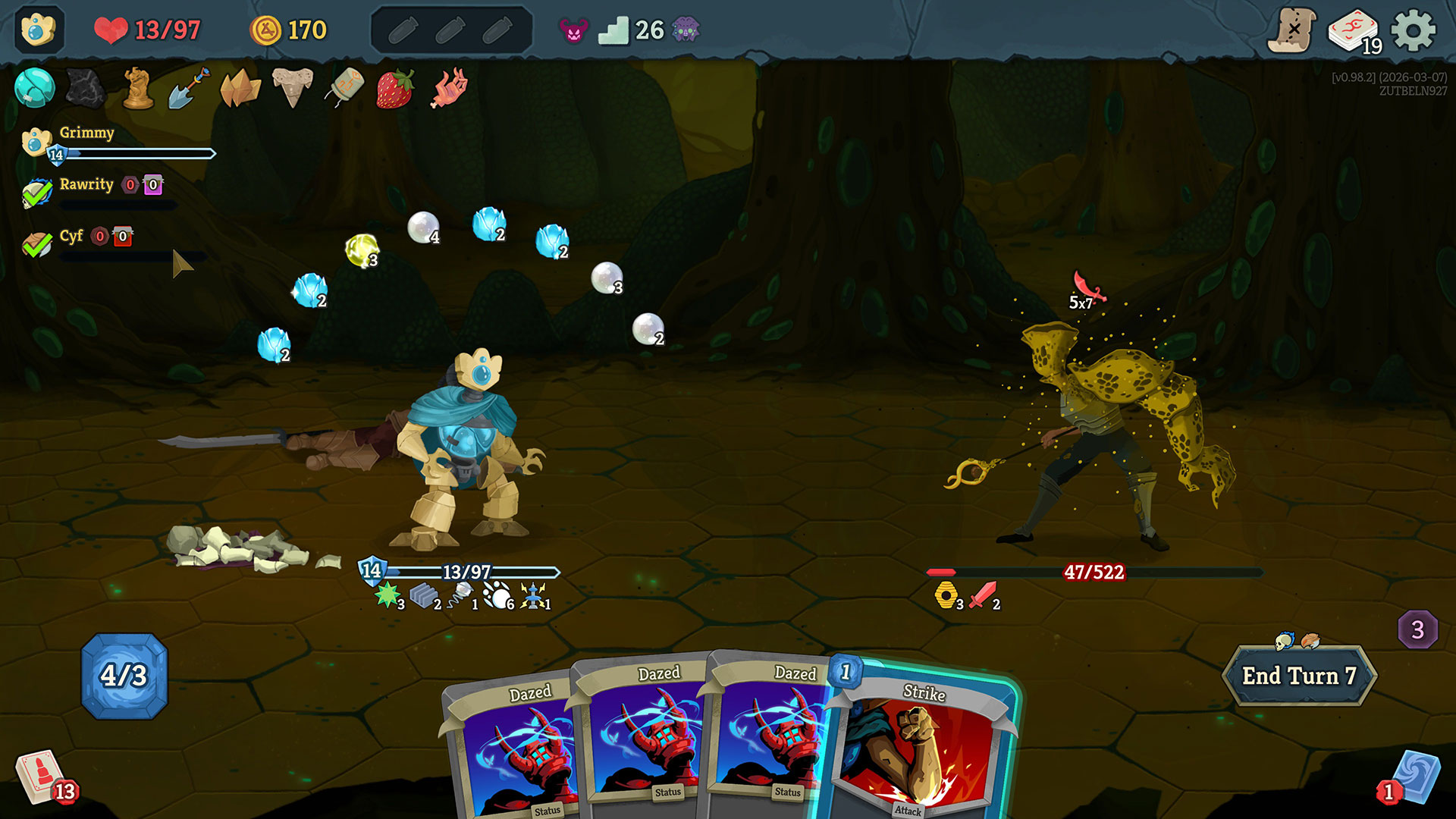
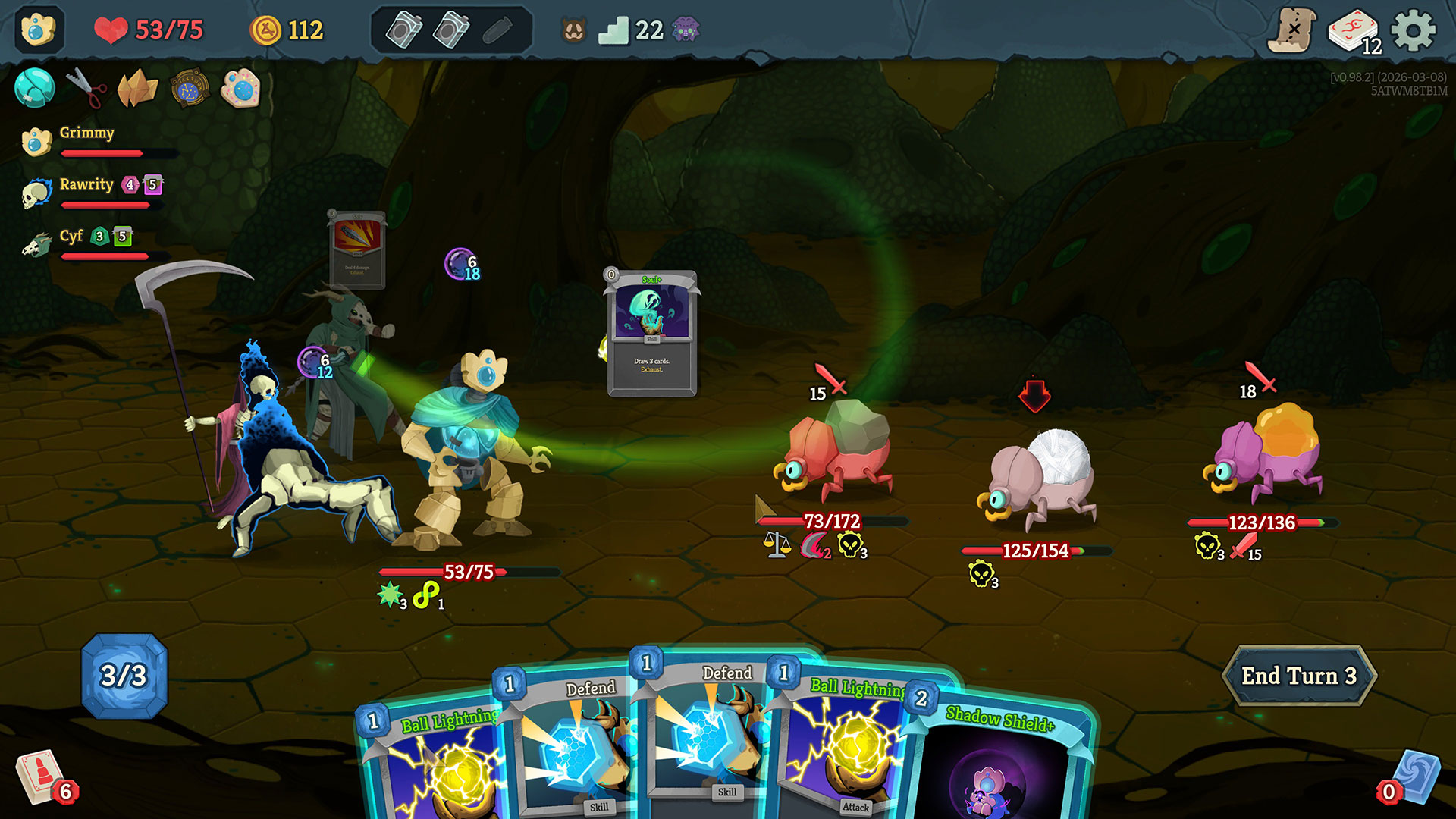
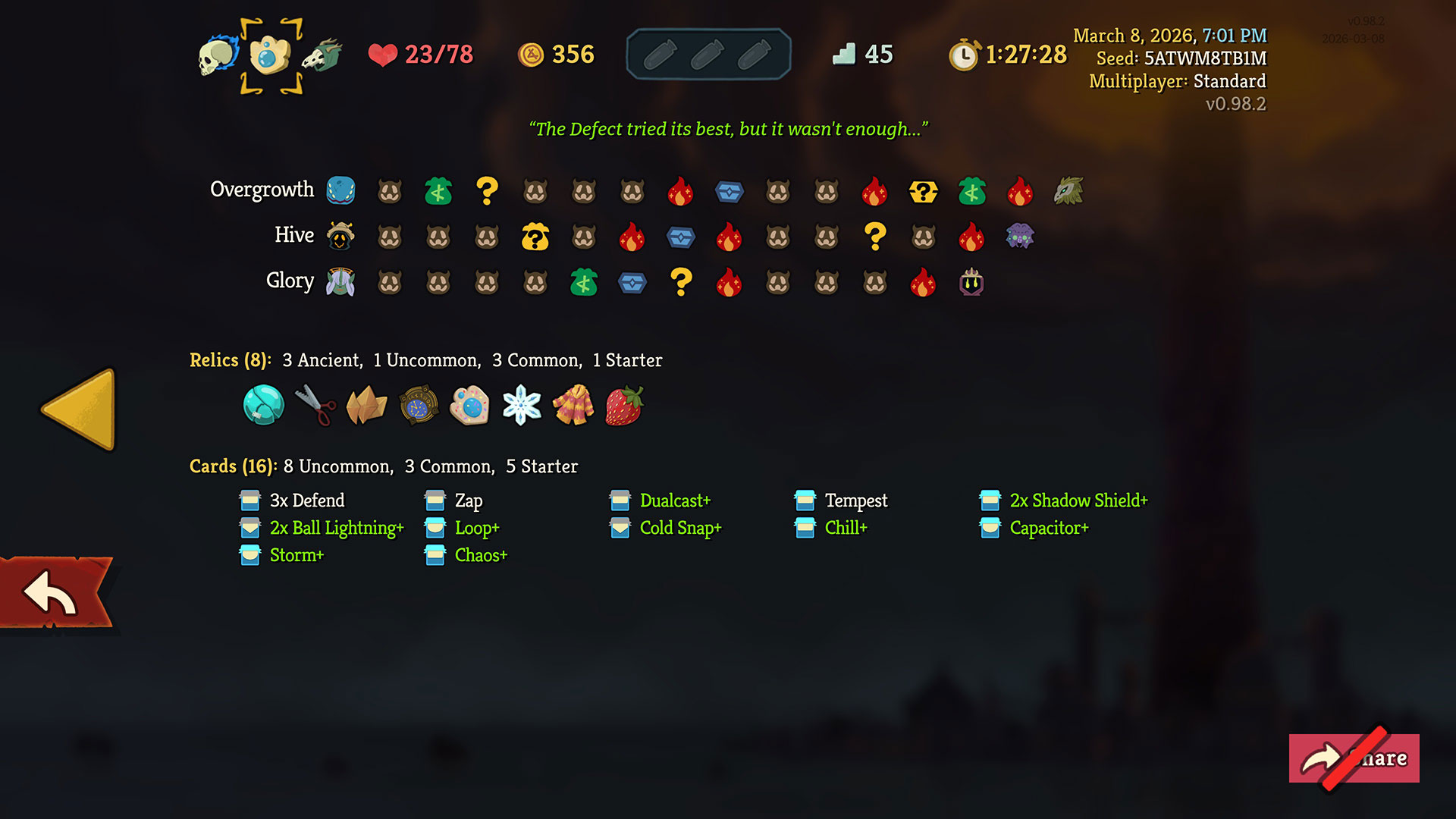
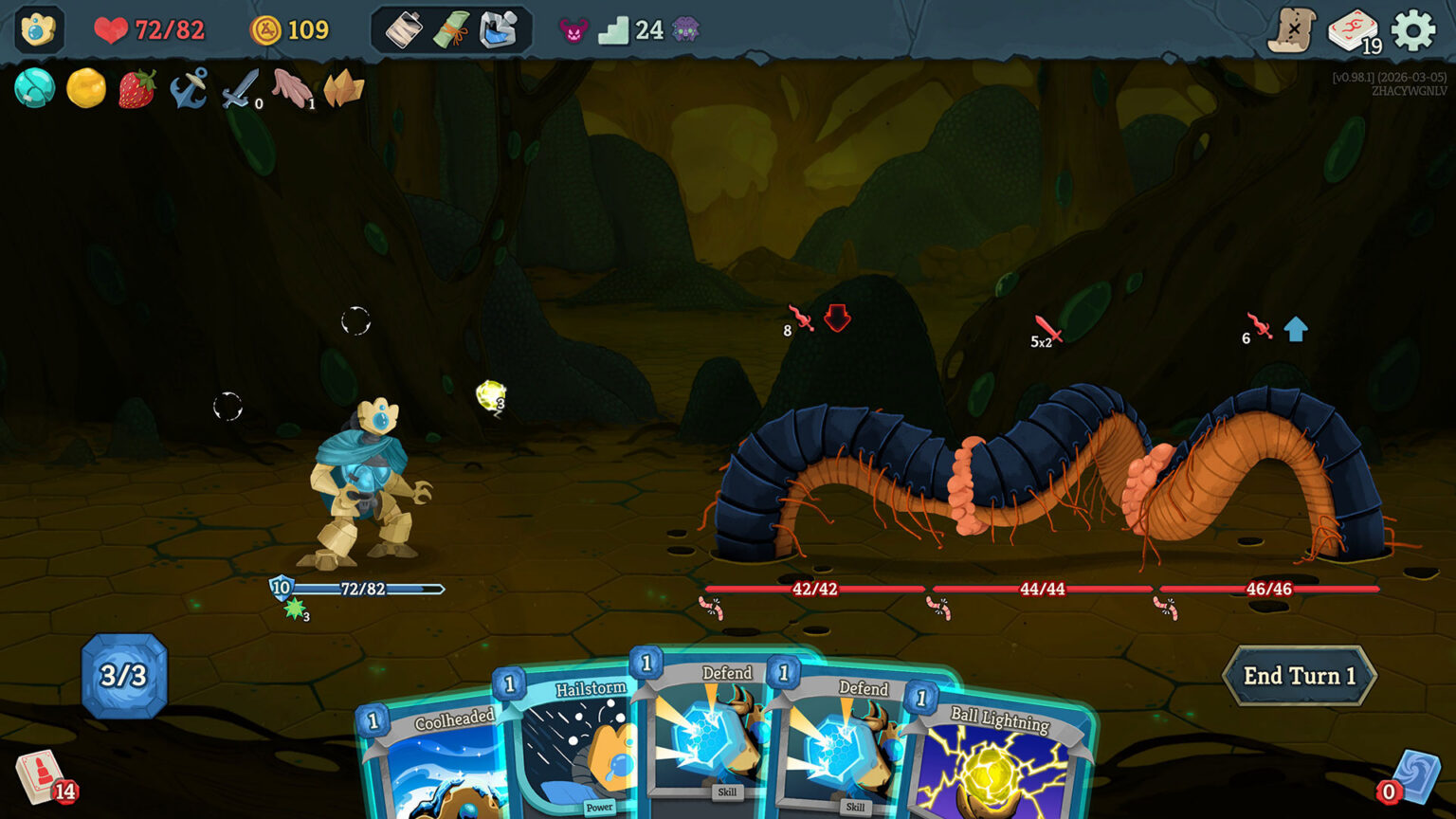
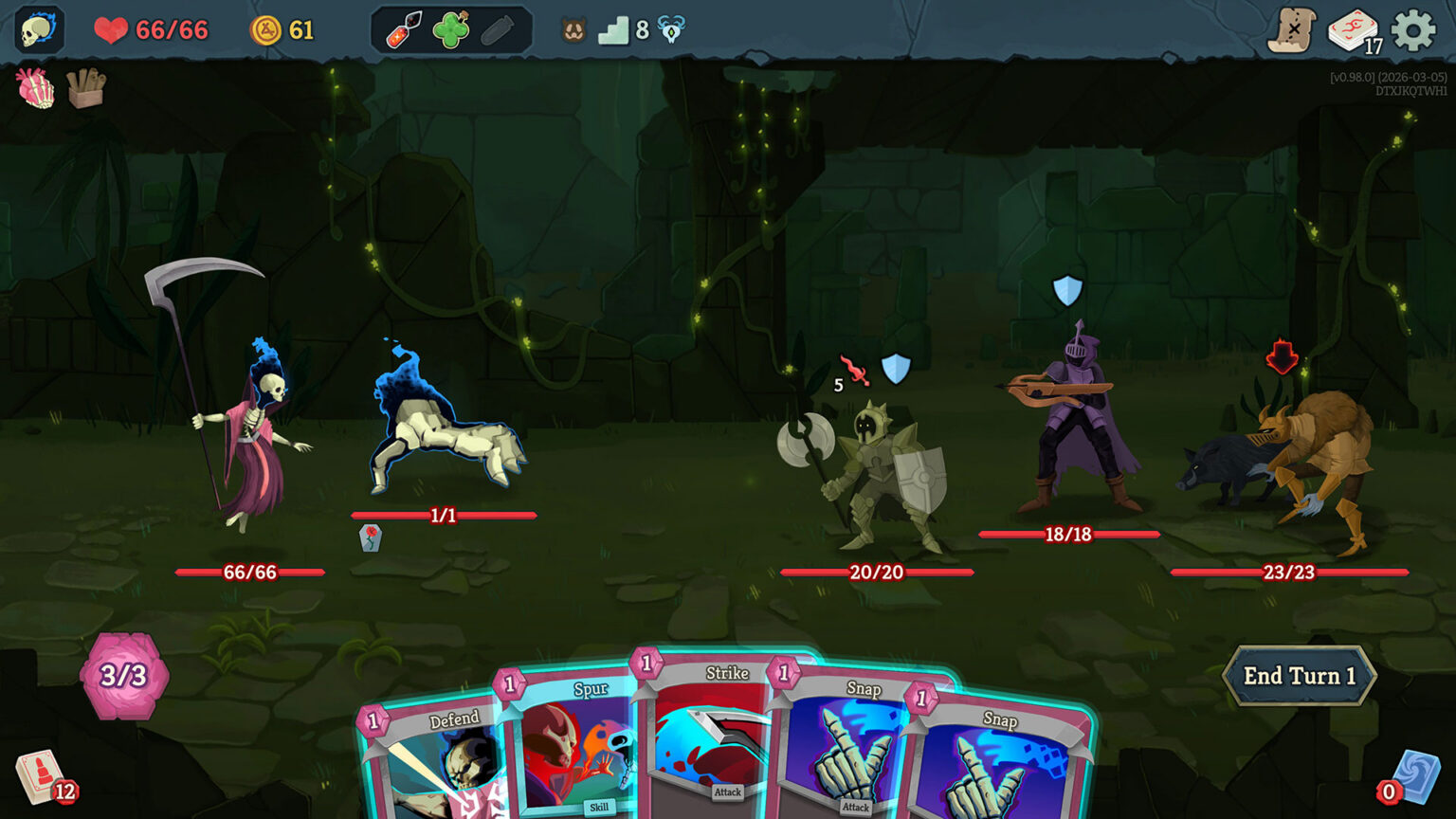
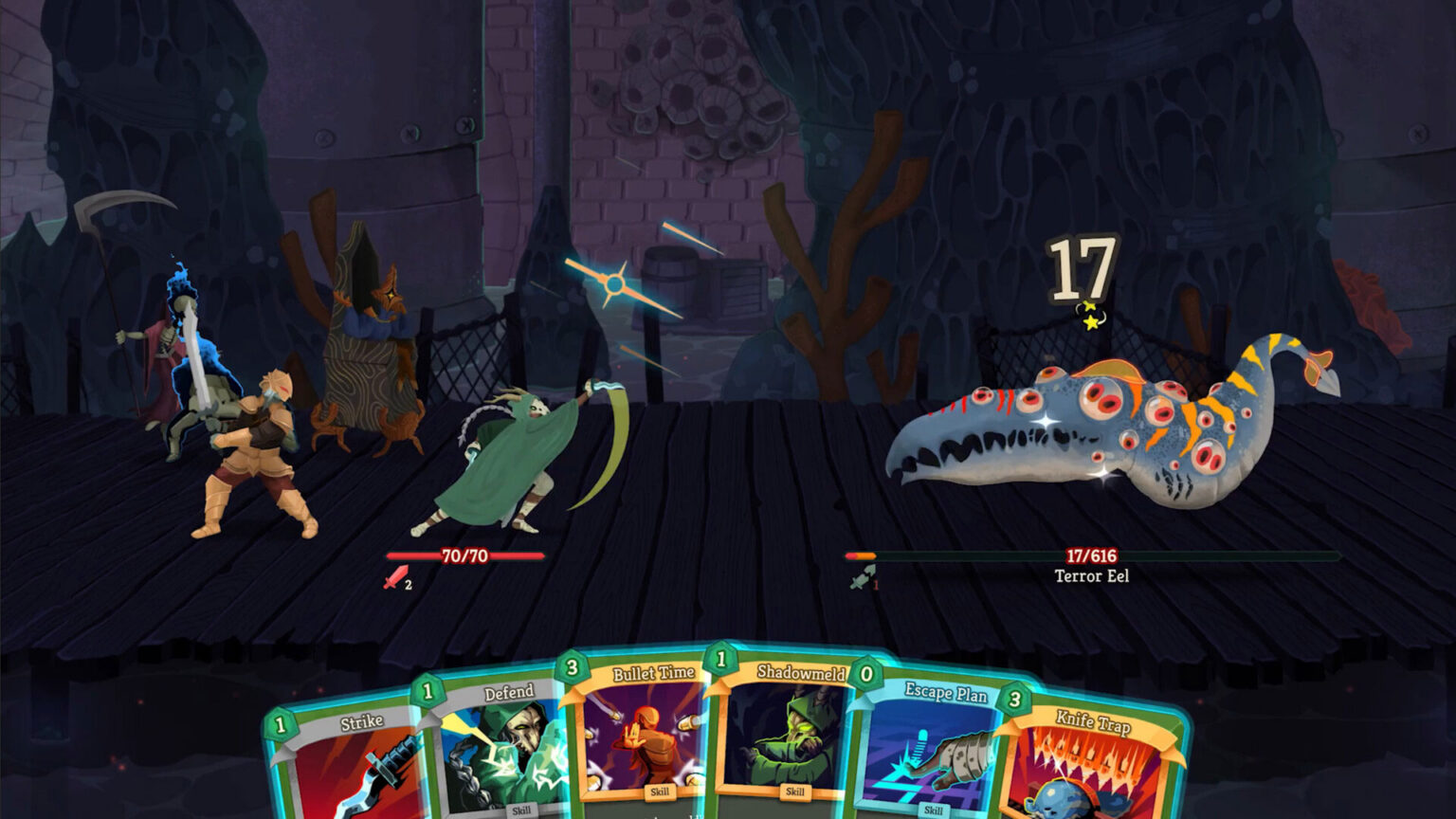
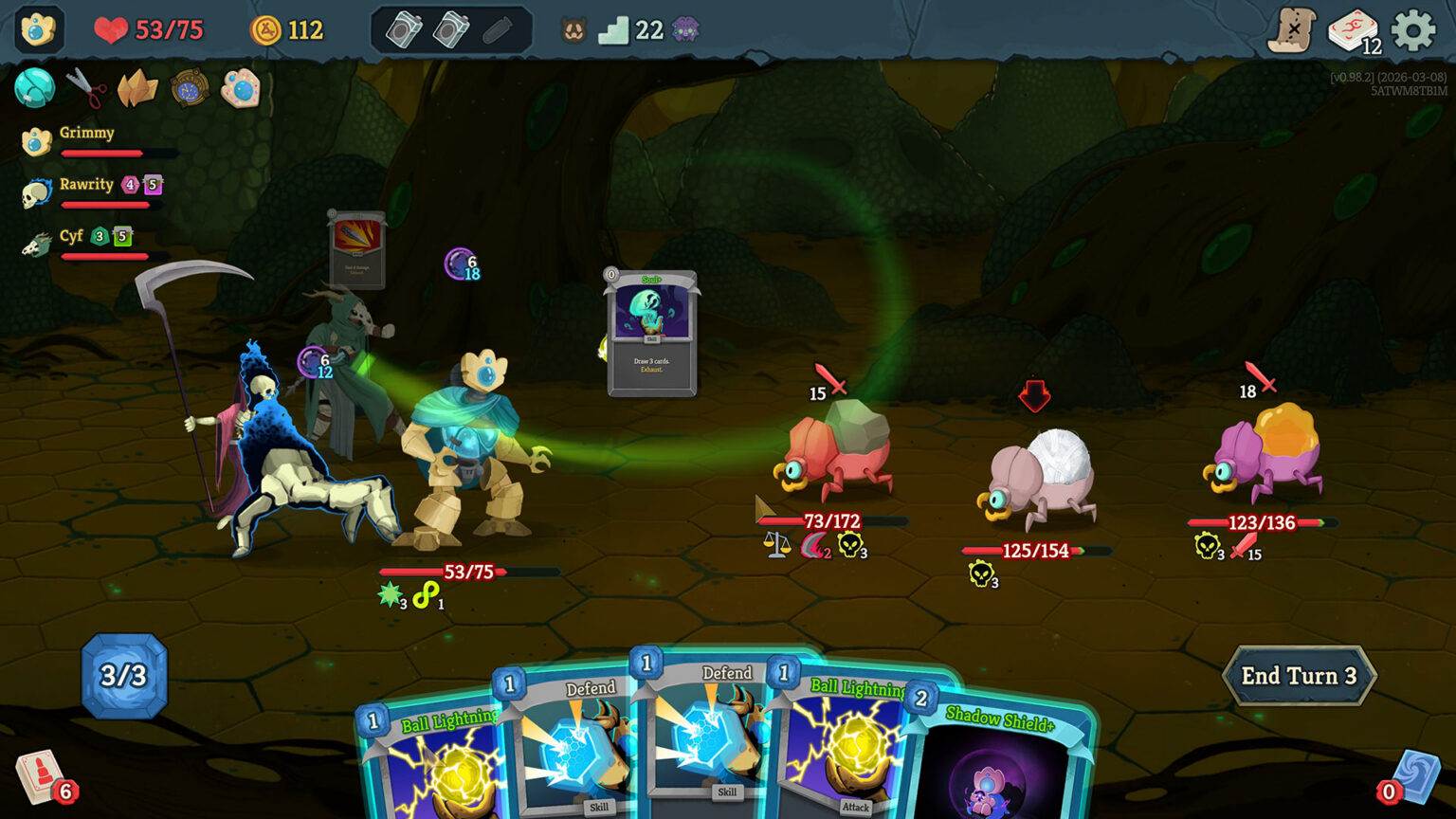
There are five classes this time around, three returning and two new. The Defect remains my favorite, since that’s the class I mained in the original, but the Necrobinder and good ‘ol Osty have been winning me over. Osty’s mechanics add a layer of strategy that feels distinct from anything in the first game. The Regent is probably the most complex of the new additions, with an additional resource in the form of stars that fundamentally changes how you plan each turn. I feel like it’s going to take at least a dozen runs before I’m comfortable with its playstyle. It’s worth noting that the Watcher, who was added to the original game as its final character, is not in the current Early Access build. If that was your main, you’ll have to find a new favorite for now, though it’s possible the Watcher returns before the game’s full release. I haven’t had many successful runs yet, mainly because I’ve been bouncing between classes to see how everything works rather than grinding it out on a single character. In terms of balance, each class feels pretty solid in single player right now. Like the original, trying to force a build won’t always work out, especially if it’s dependent on a single card. I’m looking at you, The Silent, and your silly Knife Trap.
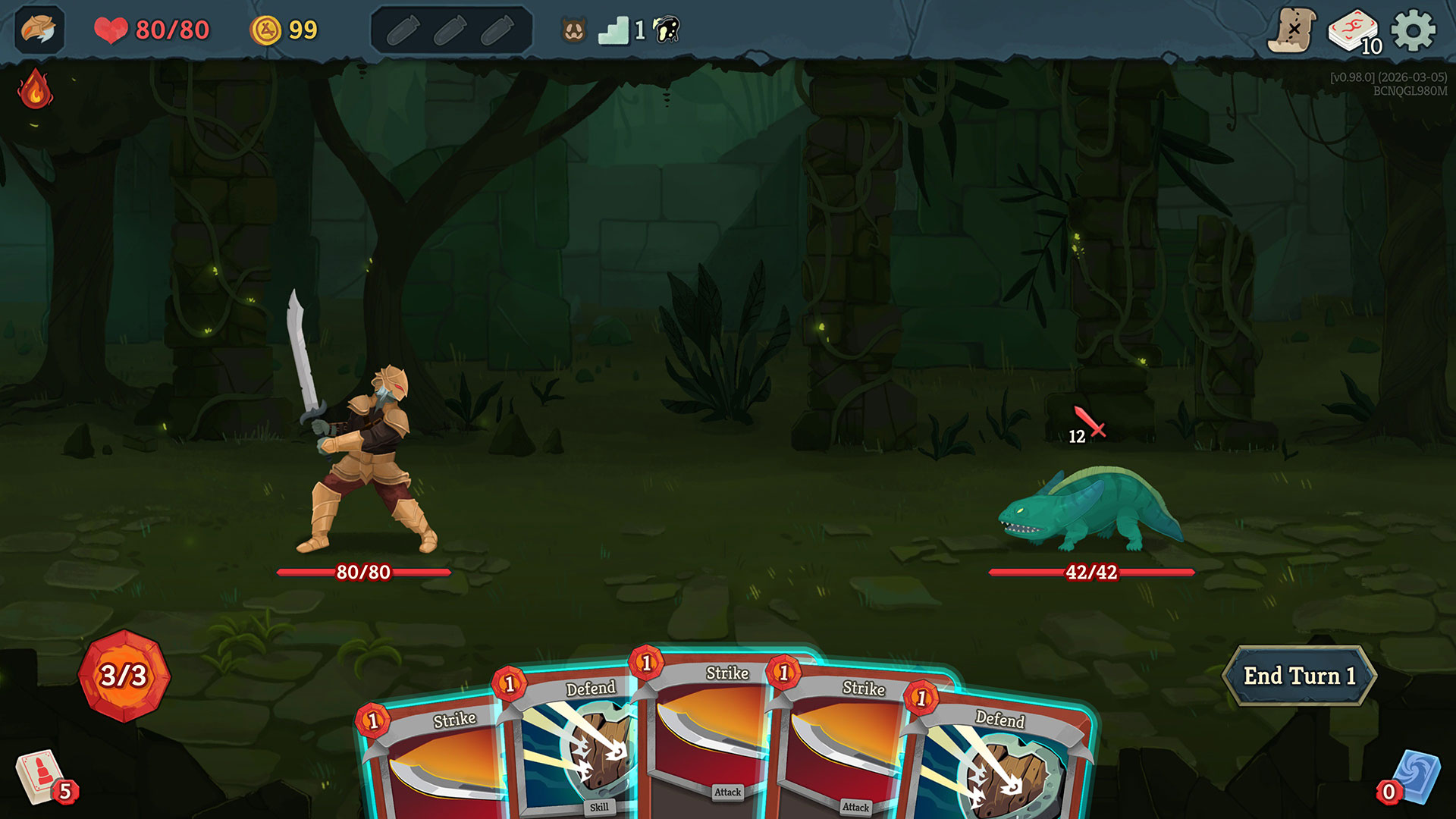
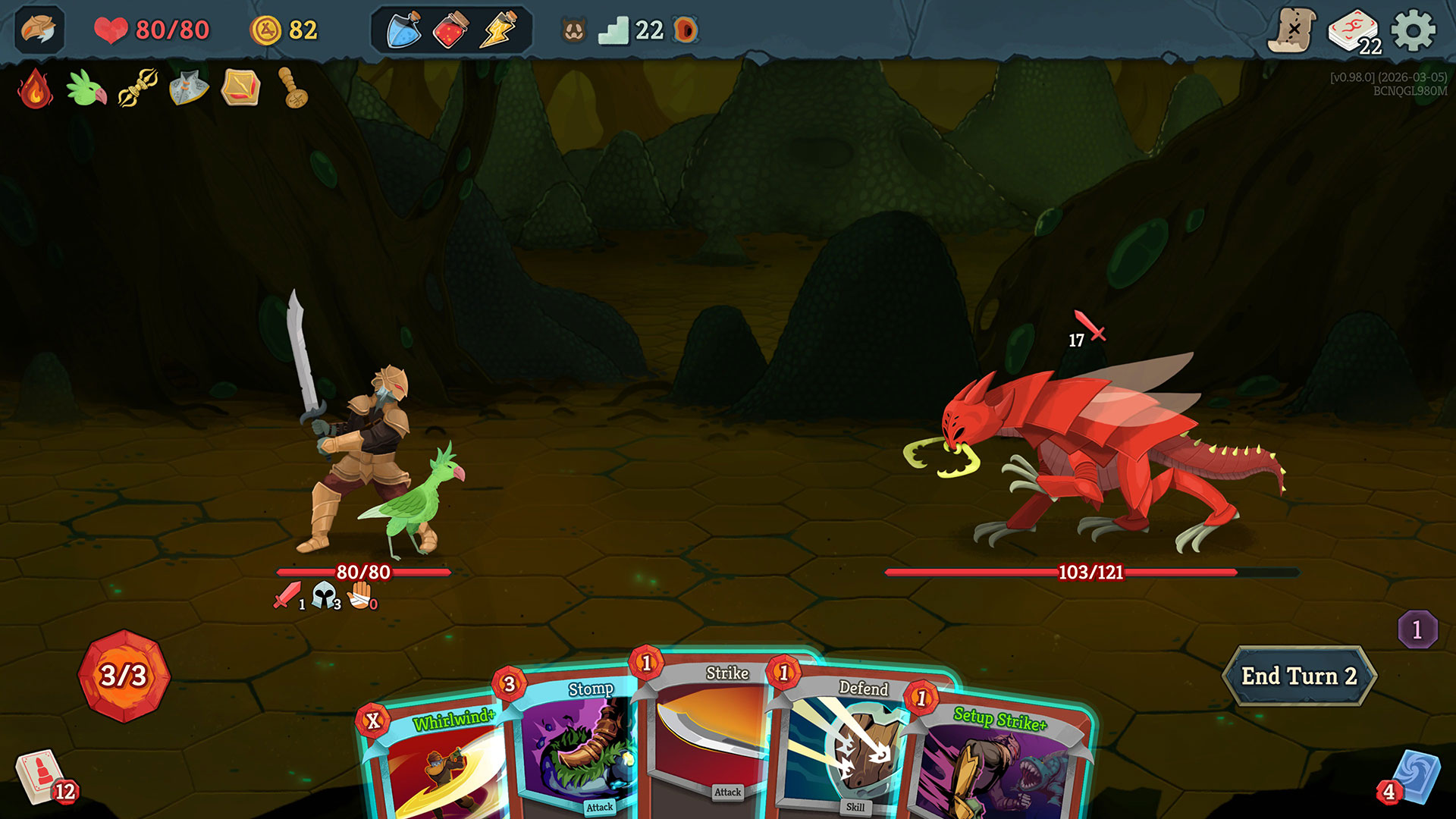
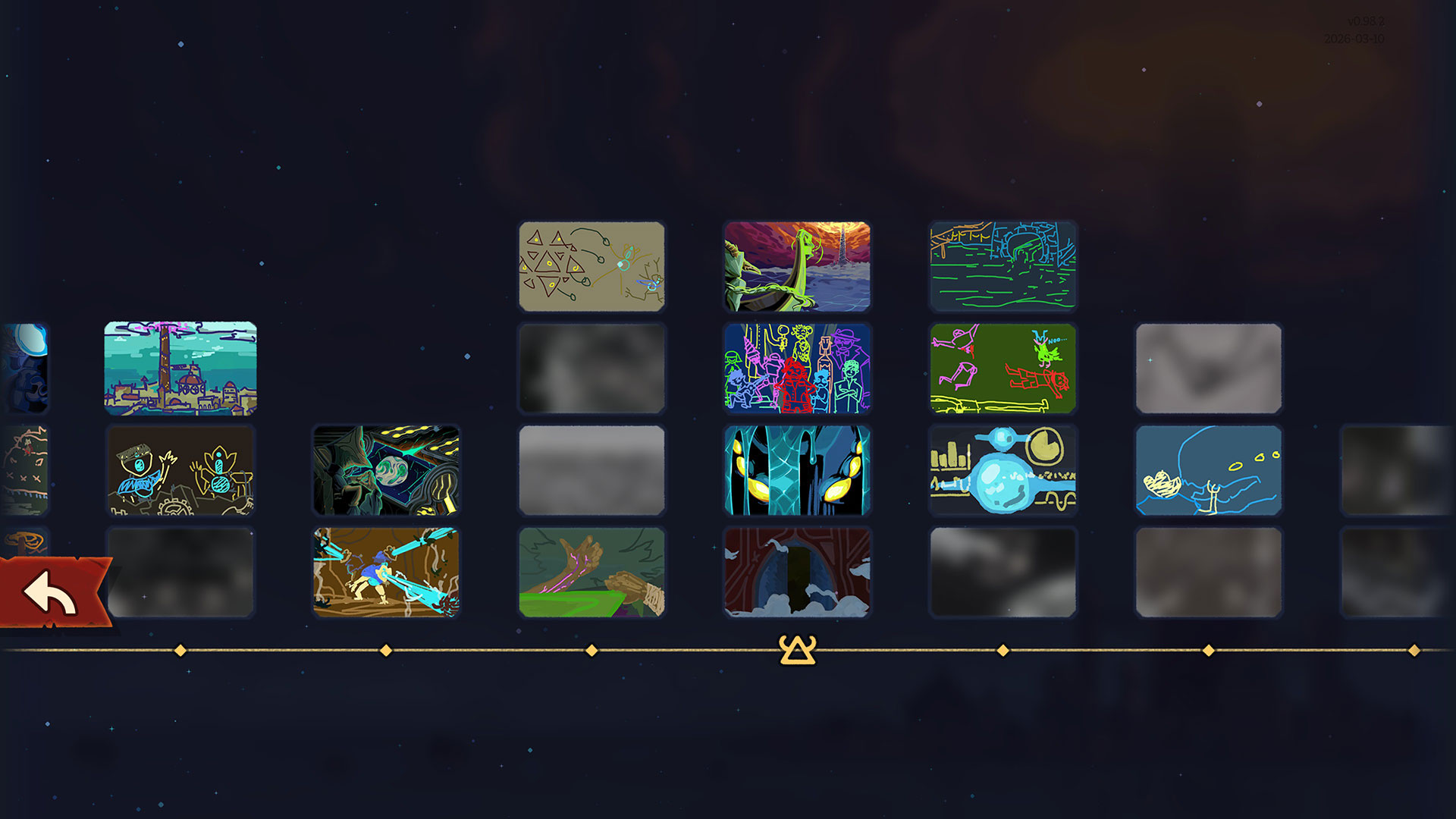
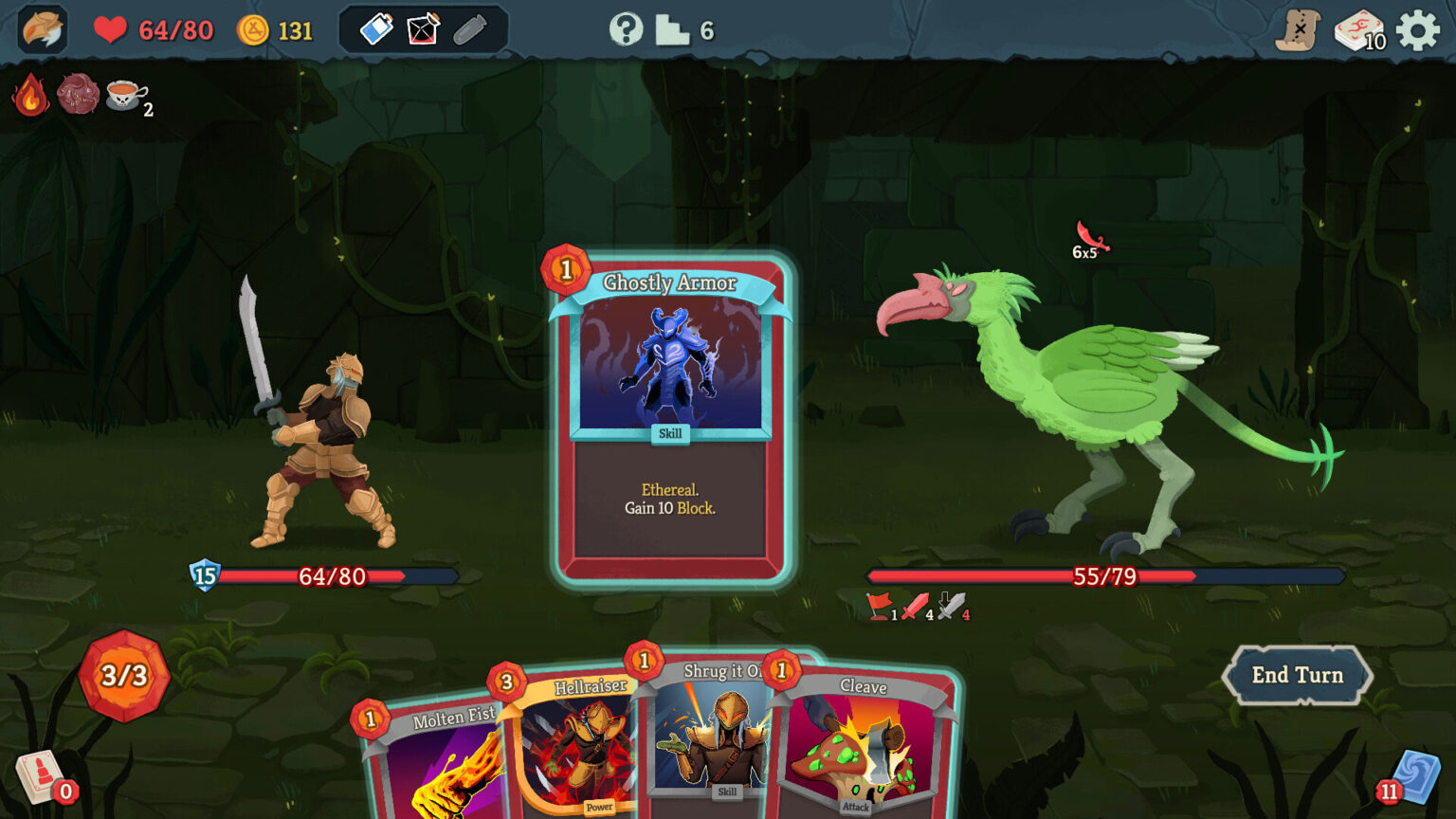
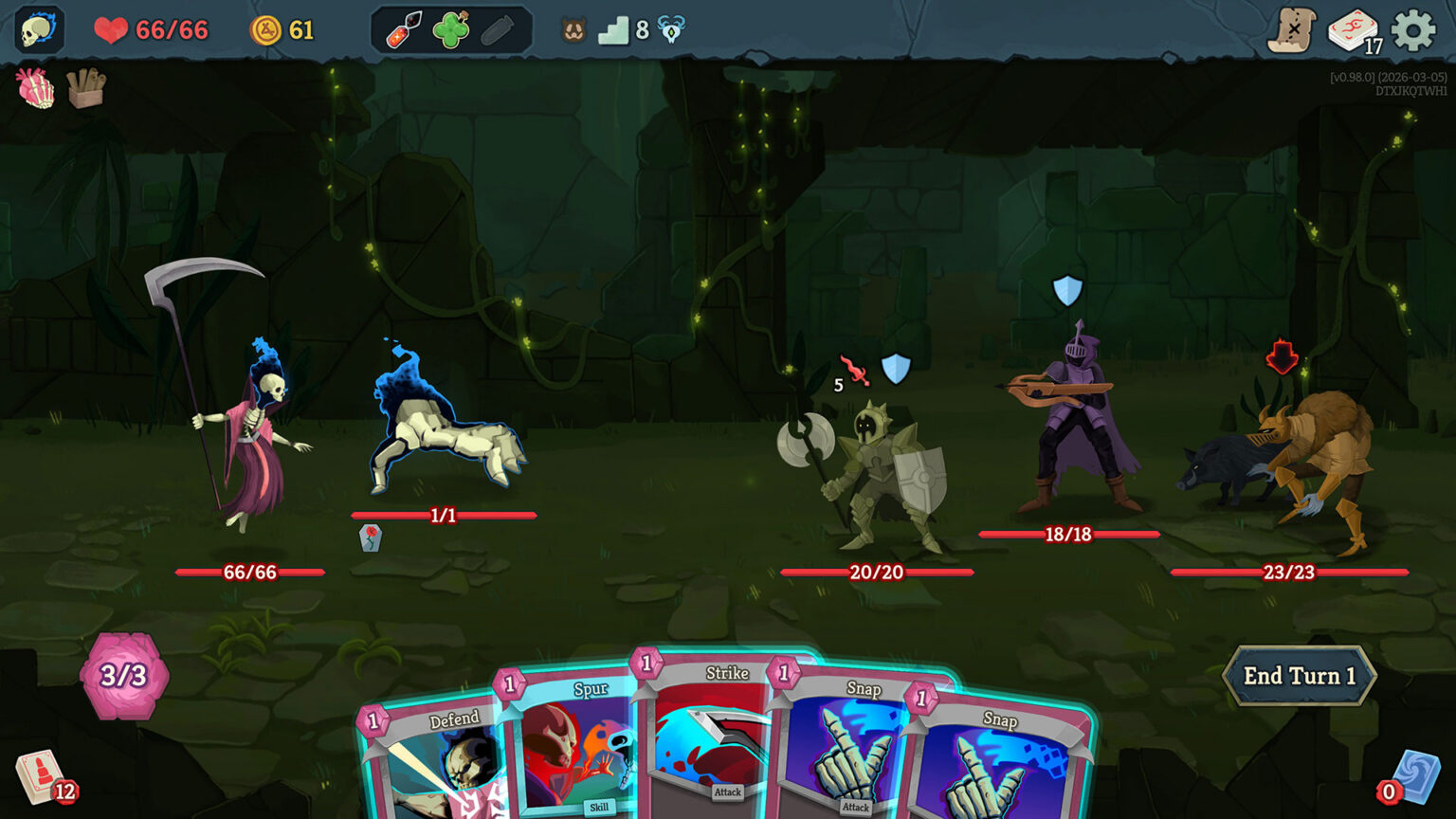
Visually, Slay the Spire 2 is a noticeable step up from the original. Character models are larger, animations are more elaborate, and enemies feel alive even when idle. Deaths are more dramatic, and the overall presentation has a lot more personality to it. Although Slay the Spire 2 is in Early Access, it’s honestly hard to tell what’s actually missing. There are already dozens, if not hundreds, of hours of content here. The only thing I could point to that clearly needs work is some of the placeholder MSPaint-style artwork scattered throughout. Personally, I think it’s charming and part of me hopes they keep some of it, but it’s obvious it’s meant to be temporary. In terms of bugs or Early Access jank, I haven’t run into any, which isn’t surprising given Mega Crit’s reputation. Slay the Spire was one of the most polished games you could pick up once it was feature complete, and the sequel is building on that same foundation. For those wondering what is actually missing, there’s no true ending yet, Steam Achievements are disabled, and console ports for PlayStation 5, Xbox Series X|S, and Switch 2 aren’t expected until full release. Mega Crit estimates Early Access will last one to two years.
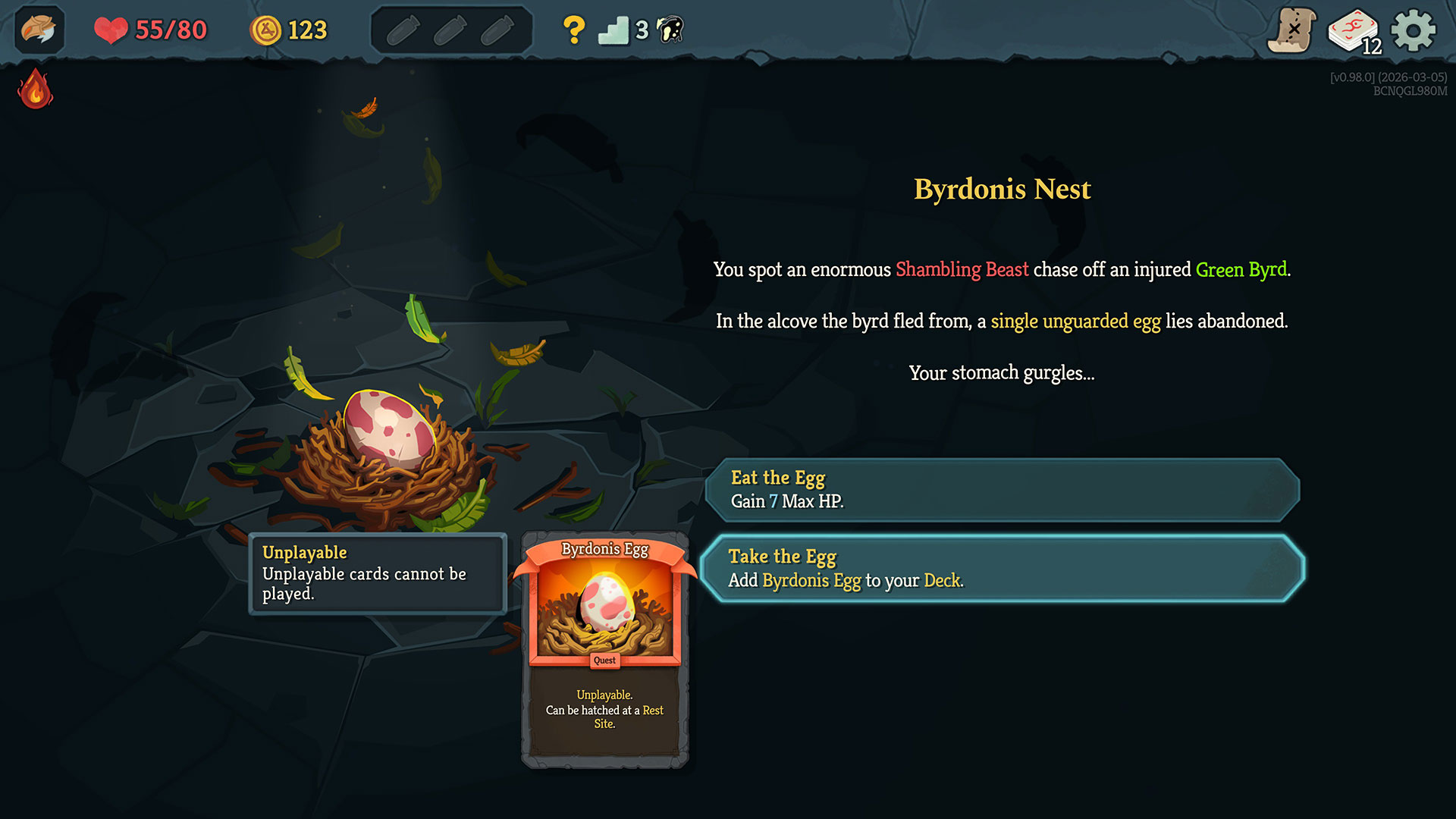
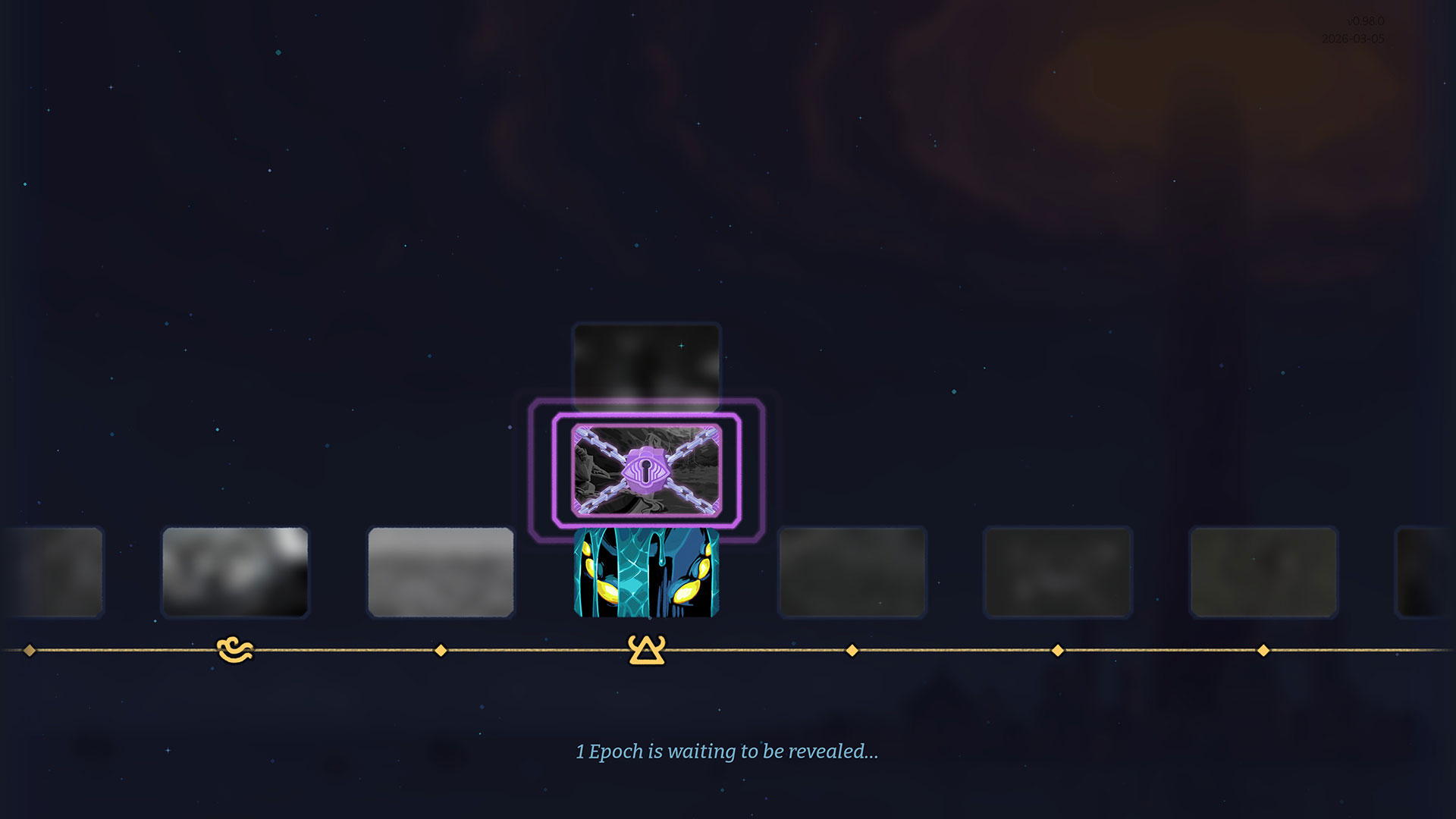
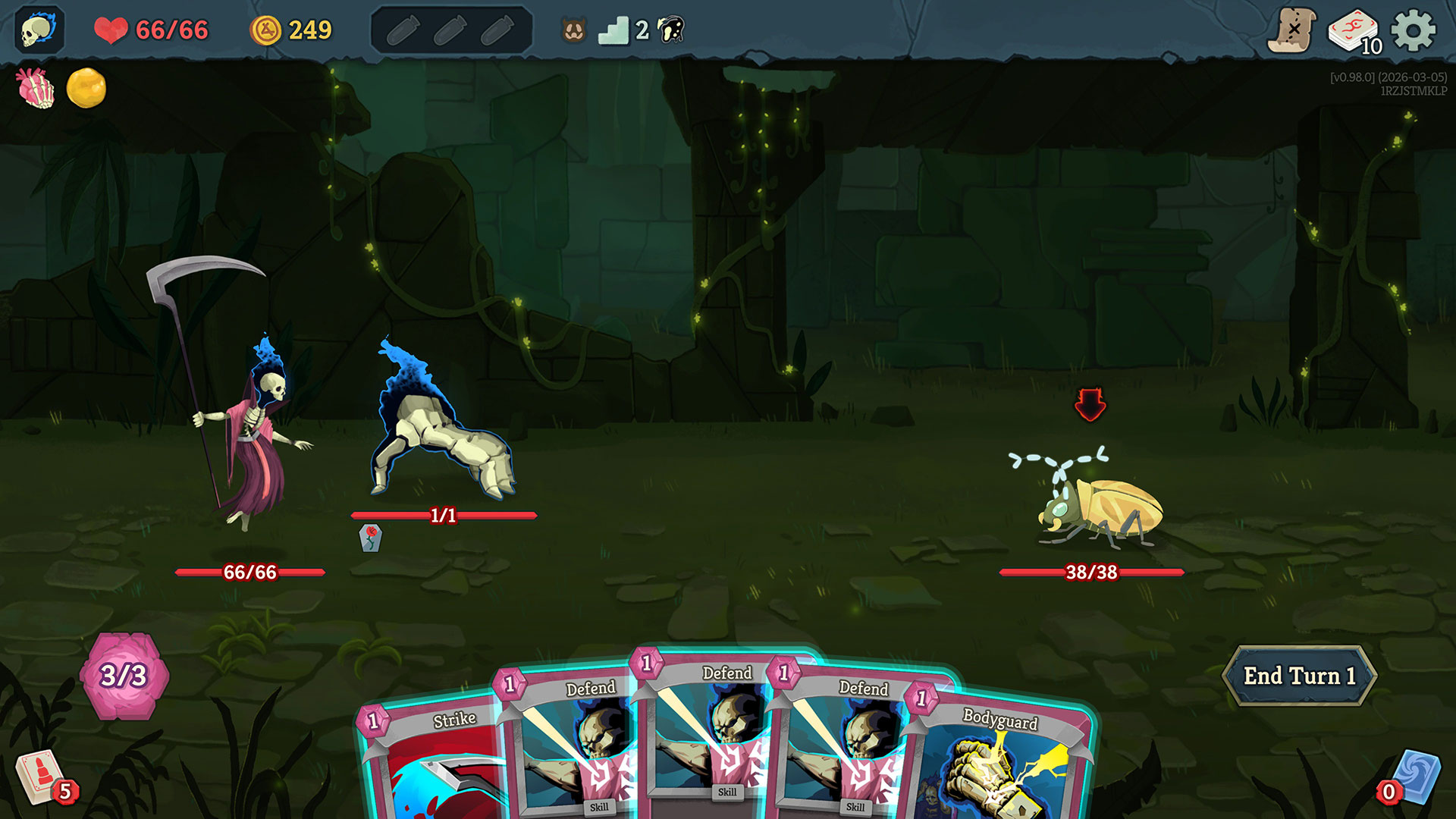
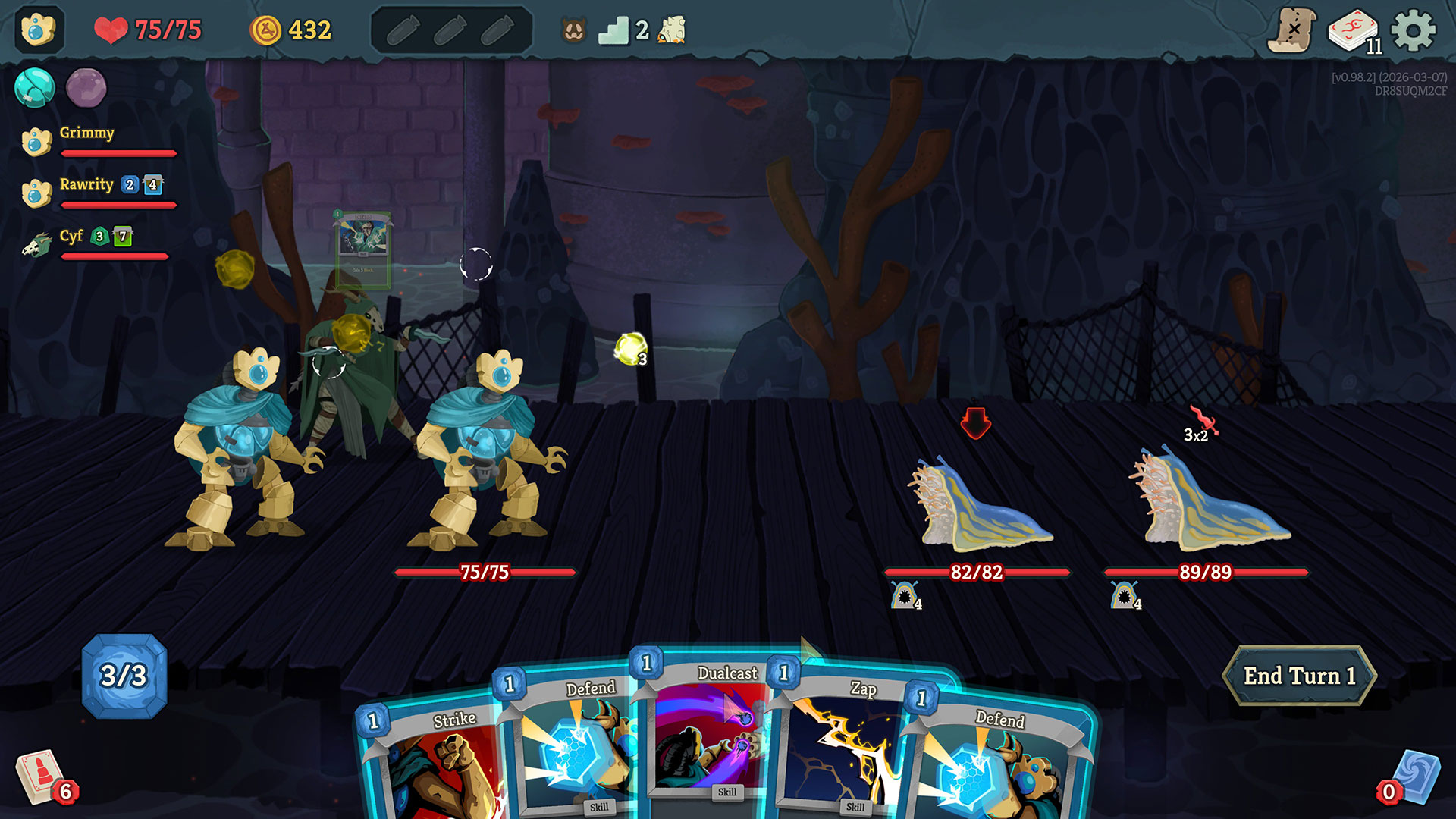
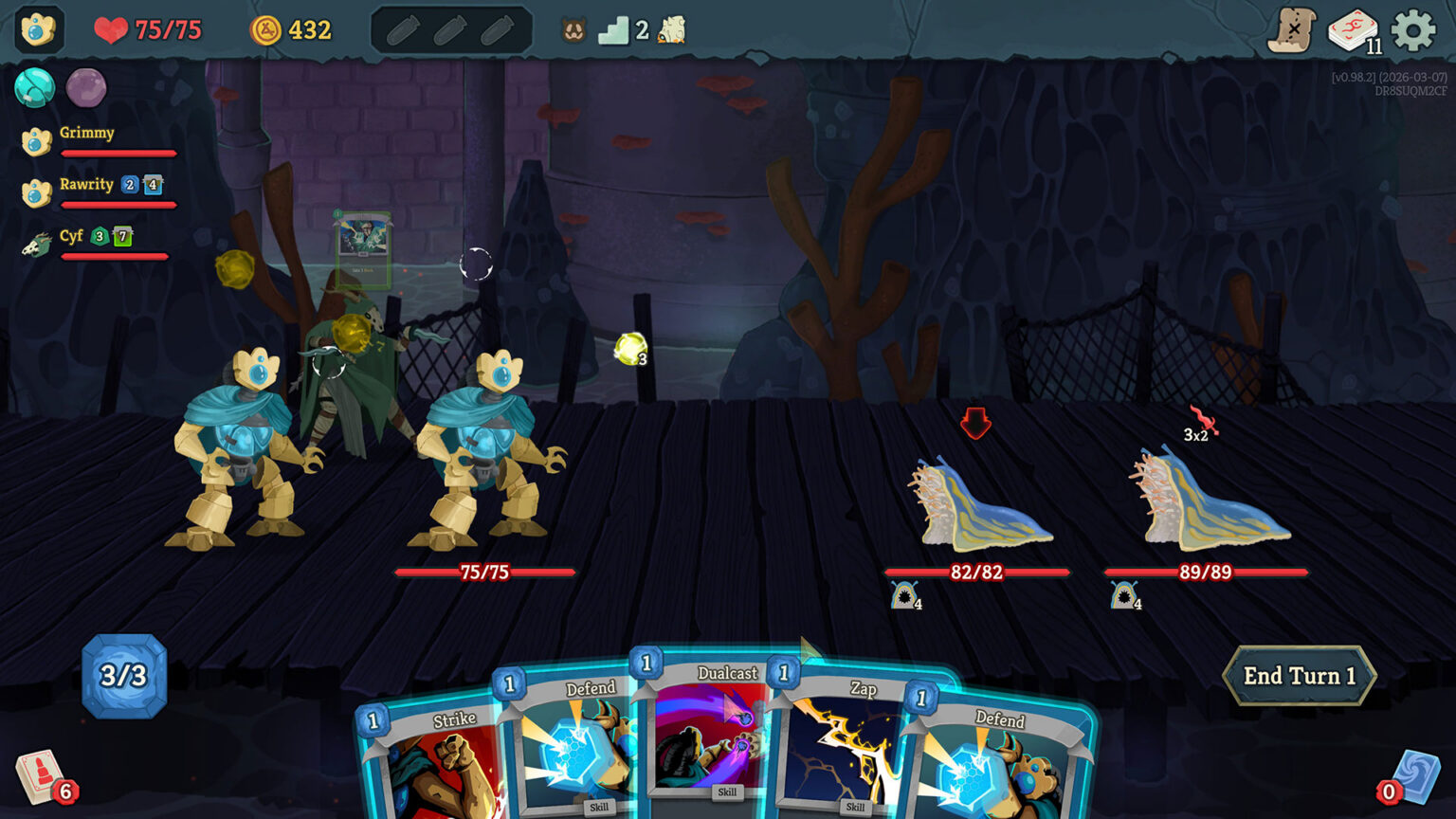
Two new systems stand out that give the sequel its own identity beyond just more cards and classes. The first is the Timeline, a progression system that unlocks lore fragments, new cards, relics, potions, and other content across runs. It gives repeated attempts a sense of purpose, and for the first time in the series, there’s actual world-building that goes beyond flavor text—though it’s still not much. The second is Alternate Acts. Act 1 currently has two versions, Overgrowth and Underdocks, each with completely different environments, enemies, events, and bosses. Alternate versions for Acts 2 and 3 are confirmed to arrive during Early Access. It’s a clever way to keep runs feeling fresh, and it’s one of the reasons why the Early Access build already feels so packed with content.
What truly justifies this being a sequel rather than just Slay the Spire 1.5 is the addition of co-op. While some of my usual co-op group is on vacation, I’ve done several runs with others and had a great time. It works differently than other co-op deckbuilders like Across the Obelisk and HELLCARD. Everyone plays in real time, and queuing up a bunch of actions has them resolve in the order they’re played. Everyone can choose any class they’ve unlocked, and it doesn’t have to be unique. If your entire team wants to be Regents and trigger 24 orbs at the end of a turn, go for it. We found it works best to call out debuffs first and then go in a set order each time, so everyone knows who is doing what and when.
Where things get wild in co-op are the multiplayer-specific cards. Some of them are absolutely game breaking, and that makes for incredibly entertaining moments, and I think that’s fine. Playing with others should always be about having fun as a group, and having more powerful combinations in co-op works because everyone is laughing and having a good time. It’s also a fantastic way for newcomers to learn how Slay the Spire works. Veterans can essentially carry newer players through runs while teaching them mechanics, and the best way to learn these games is by watching someone else play. Being able to participate during that experience instead of just spectating is amazing.
Without a doubt, I’d recommend picking up Slay the Spire 2 now rather than waiting for the full release. But considering it peaked at over 574,000 concurrent players on Steam, there’s a good chance you already own it and this first impressions piece is pointless. If it is, I don’t feel too bad about it, because the only reason it took this long to publish is that I’ve been too busy playing both Slay the Spire 2 and Pokémon Pokopia.
Slay the Spire 2 First Impressions Gallery