Quick Verdict
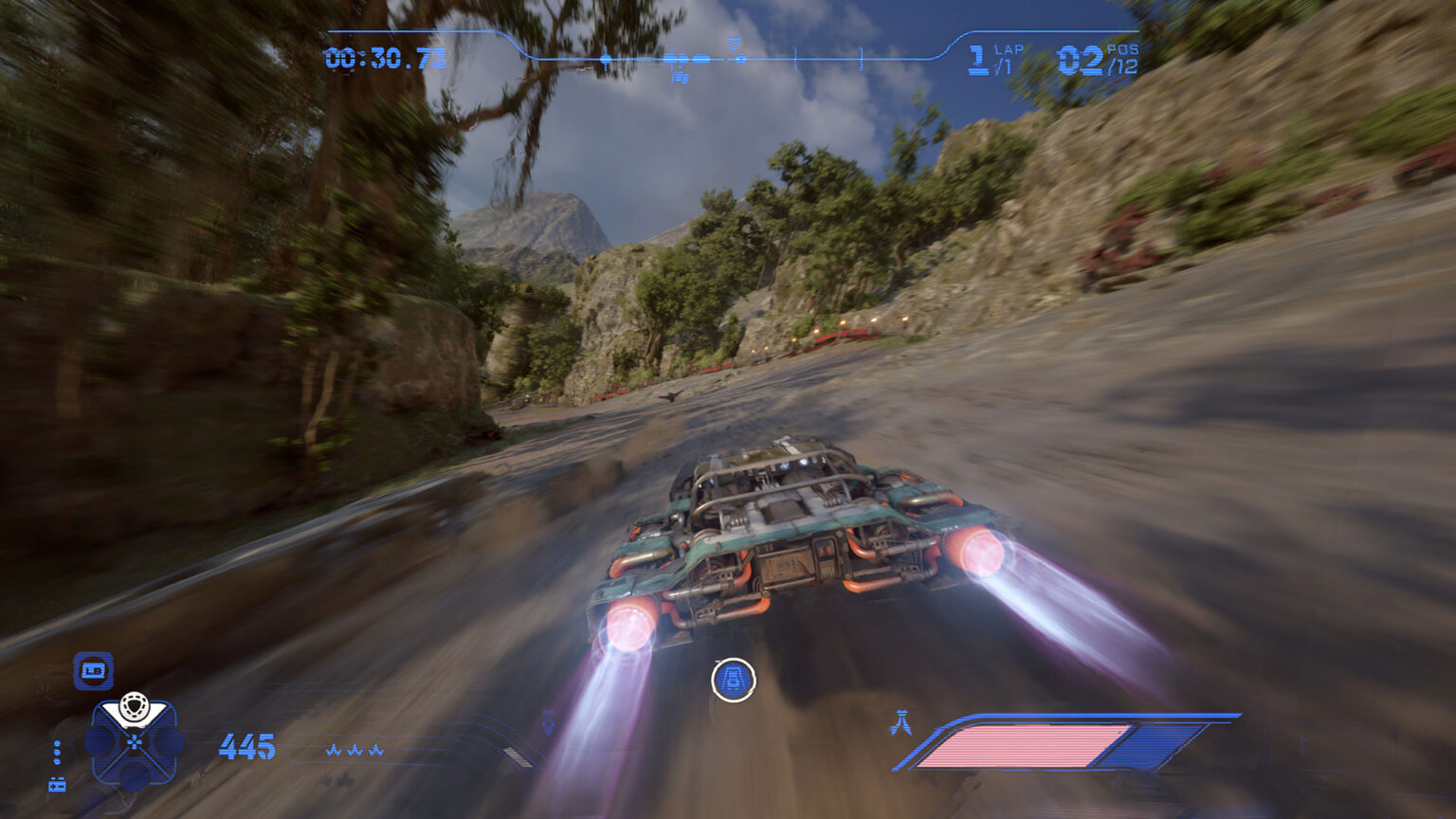
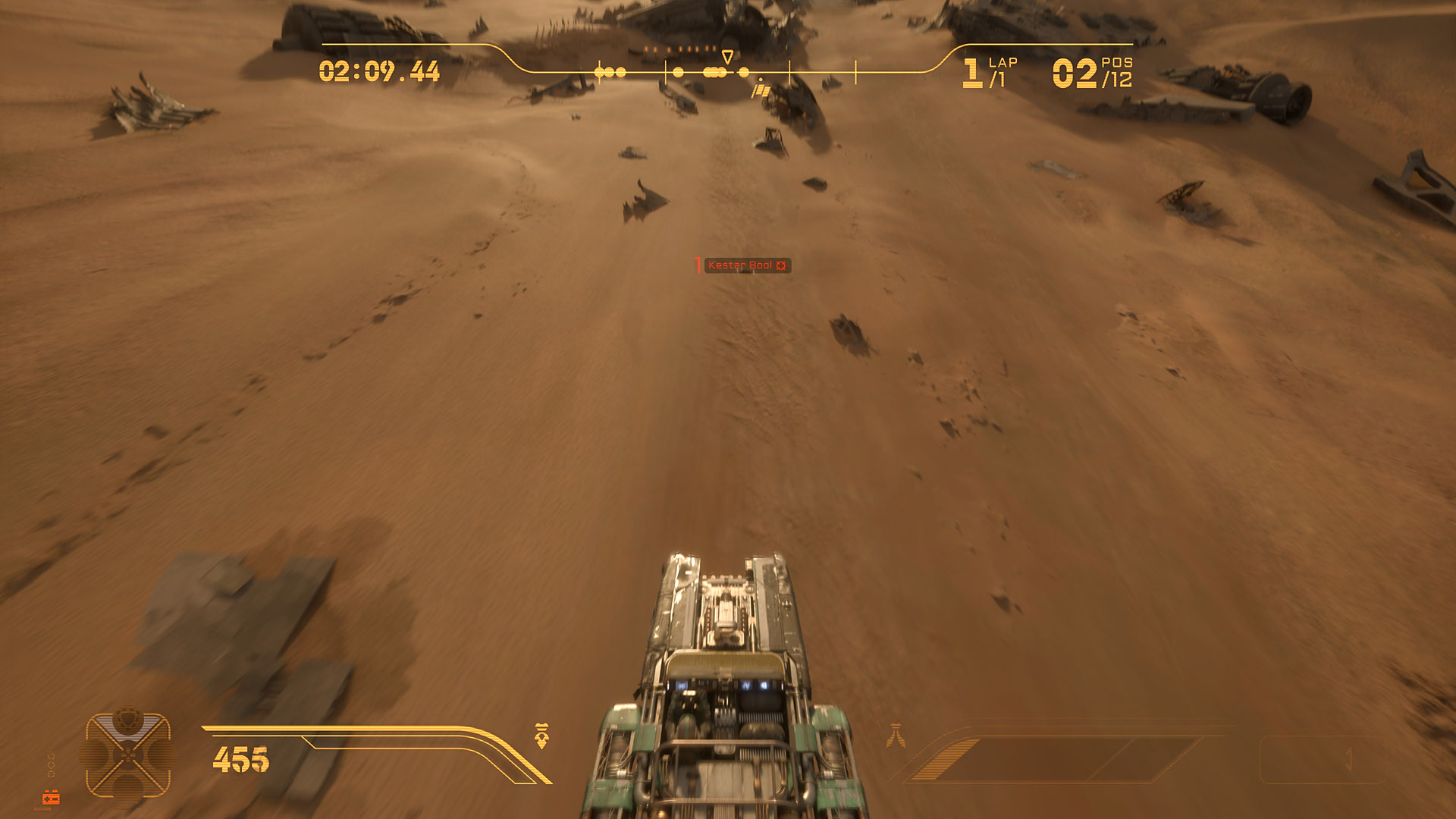
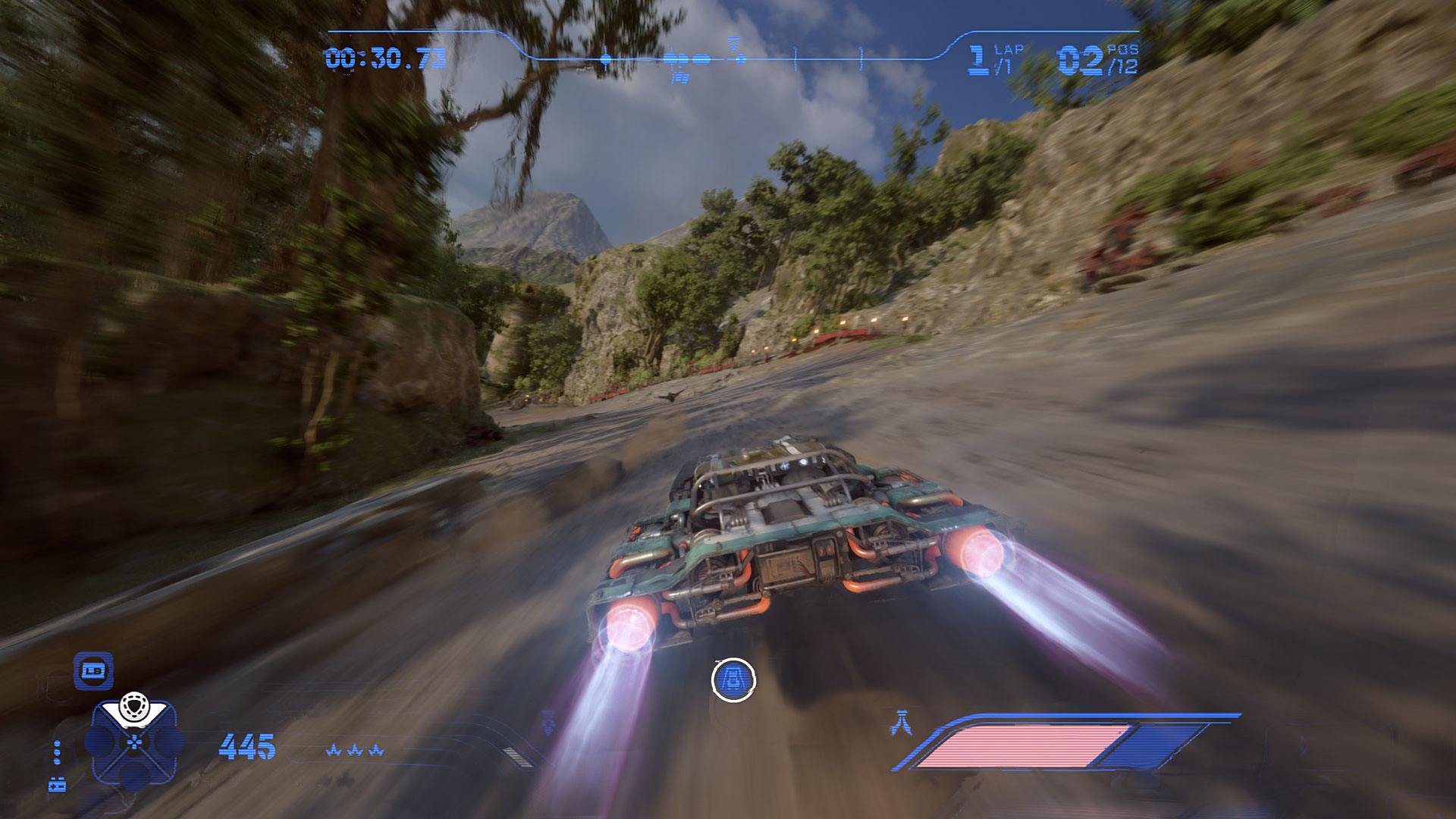
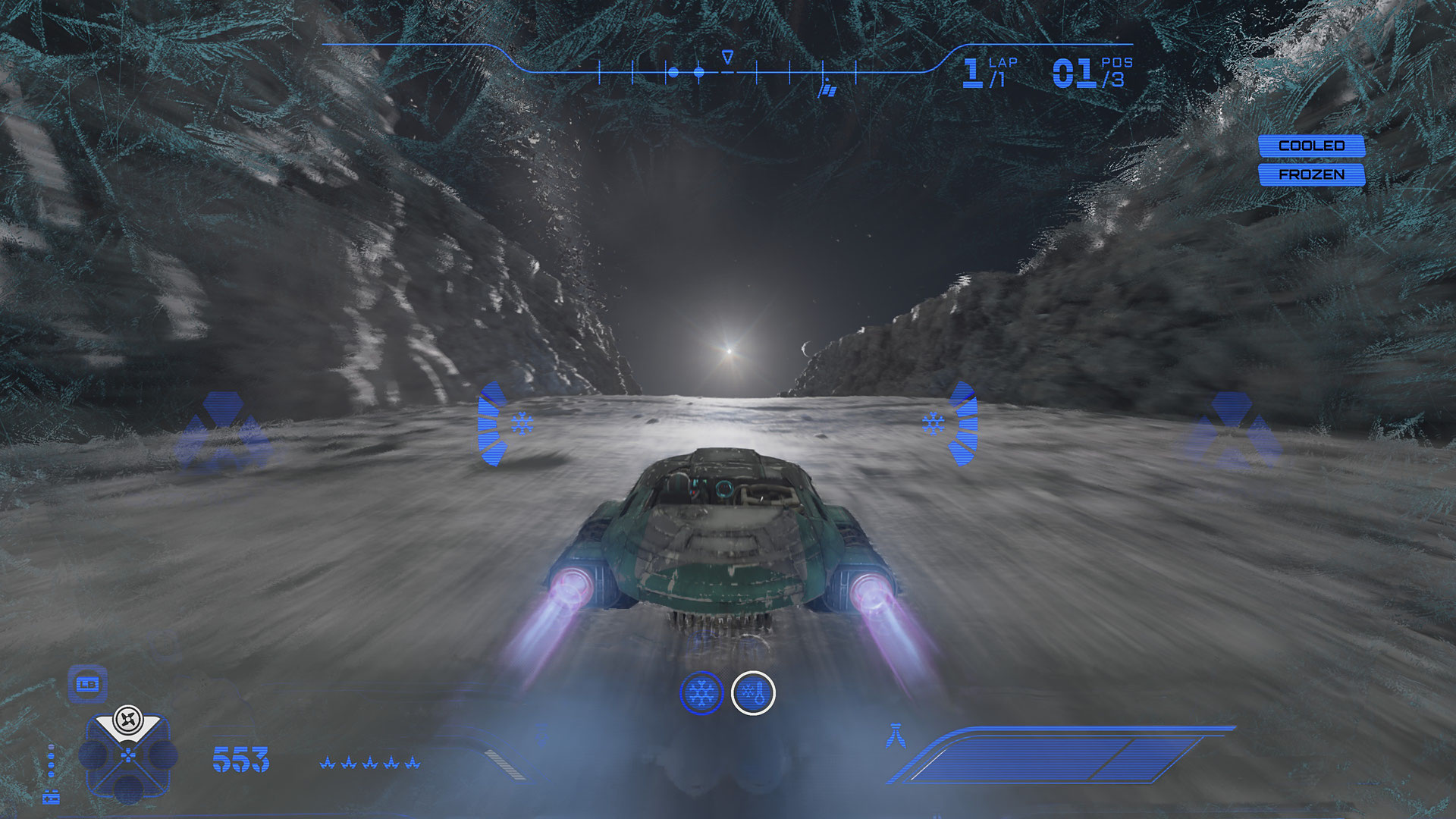
A lot of the conversation around Star Wars: Galactic Racer has focused on its Burnout DNA, which makes sense considering developer Fuse Games was founded by Criterion veterans who worked on Burnout and Need for Speed. I enjoyed the Burnout franchise back in the day, especially Burnout Paradise, but after a few hours with Galactic Racer, a different comparison stuck with me. This is basically what I thought F-Zero was like when I played it as a kid on the SNES. F-Zero was a groundbreaking futuristic racing game that delivered a sense of speed unlike anything else I had played at the time, and that feeling is exactly what Galactic Racer recaptures.
It’s also one of those games that really answers the question of how fun a game can be when you’re not very good at it. Turns out, Galactic Racer can be a blast even if you never feel like you’re getting any better. What makes it more interesting is that you can’t simply grind permanent upgrades to make your way to the championship, thanks to some cleverly designed upgrade caps. Eventually, you have to learn the tracks and get at least half-decent at racing to finish the campaign. Or you could just lower the difficulty, but what’s the fun in that? The roguelite structure works, though it doesn’t have the depth to keep you chasing a build, and the racing demands enough focus that one or two runs a night was my limit.
Rogue Run
As someone who has consistently said you can add roguelite elements to pretty much every video game genre and make it fun, assuming it’s designed properly, I was really happy to finally see that formula shoved into an arcade racer. When Fuse Games showed the campaign at Summer Game Fest, I noted that a roguelite structure isn’t what most people picture for a Star Wars racer, and after 20 hours, it’s still the part that makes the game feel unique. Each campaign run is called a Tour, and the setup will be familiar to anyone who has played a game like Slay the Spire. You choose your path one event at a time, deciding whether you’re competing in a standard race, some sort of trial, or a special event that can unlock certain upgrades for your racer. After you commit to an event, there’s no backing out.
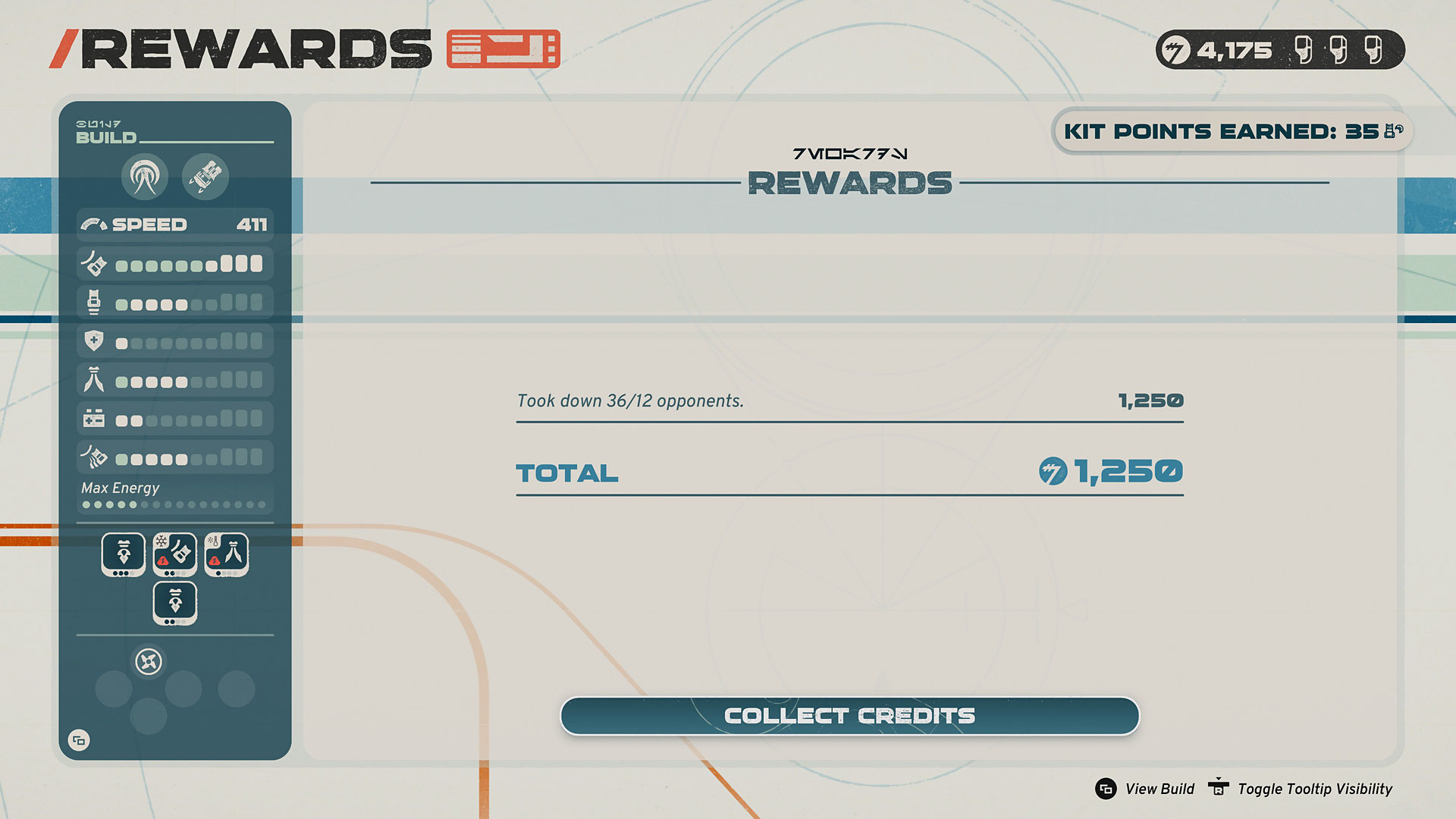
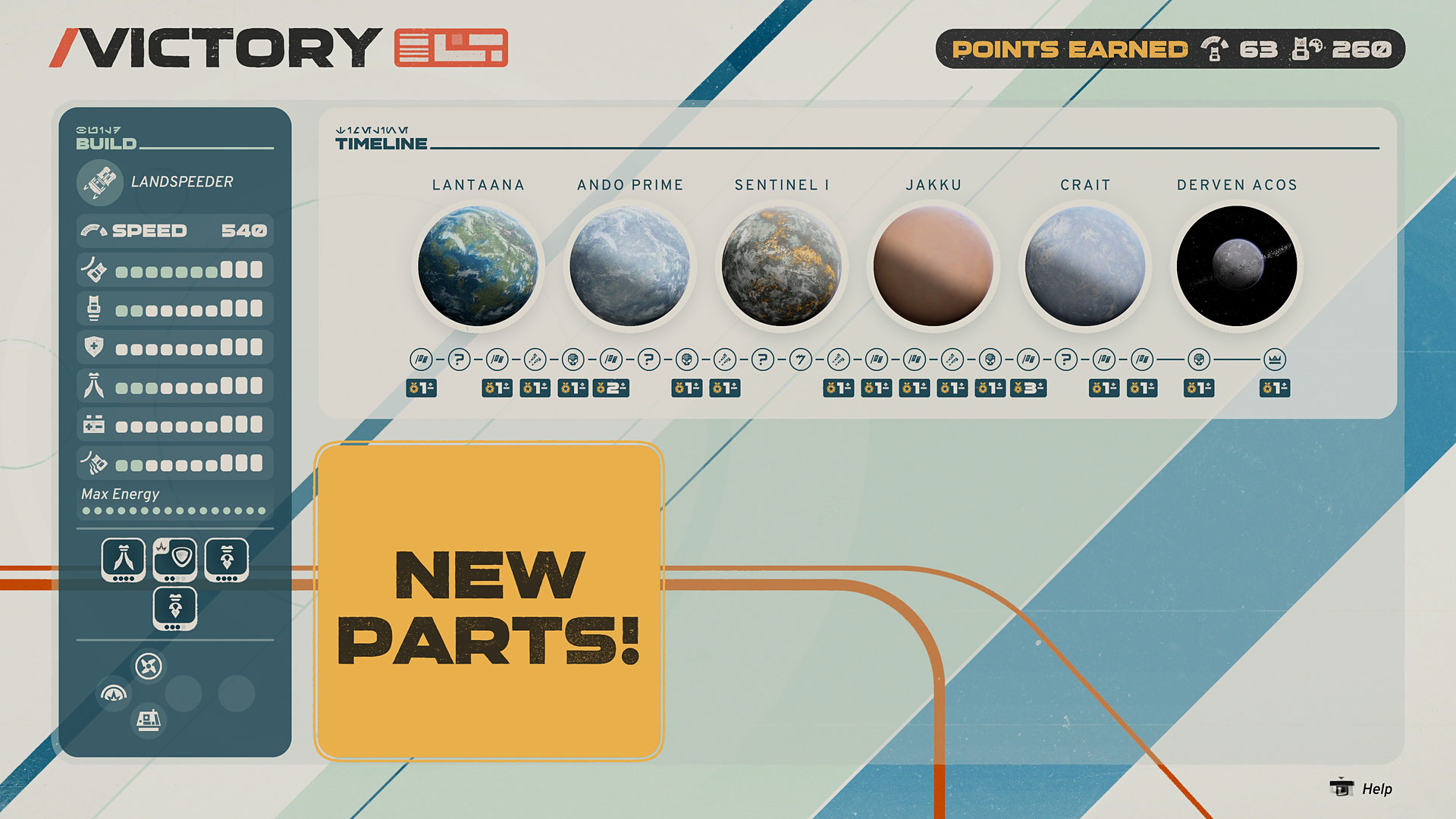
Once you qualify for the Galactic League, you also choose a Backer, which is the game’s term for a sponsor. That decision can significantly impact your run through the credits you earn for doing what your Backer asks of you. Of the three Backers, the Hutts pay out for every second you spend in first place, to give one example. On top of that, there are sidebets you can place on individual races, which serve as a fun risk-and-reward system. If you’re confident you can finish ahead of a particular rival, you might as well put some money on it. Those credits then go to Hibi, the mechanic who runs a workshop in each planet’s paddock, where you install parts you’ve earned on the track or bought from her.
I will say the actual choices you have to make aren’t as significant as what you’d find in other roguelites. It never felt like I failed a Tour because I didn’t get what I wanted out of a pick-one-of-three screen, and every single time a run ended, it was because of my driving. Not once did I think a certain unlock would have been the difference between winning and losing. That being said, the choices you do get obviously increase your chances of winning. They’re there to enhance your playstyle, not really define it.
Favor the Bold
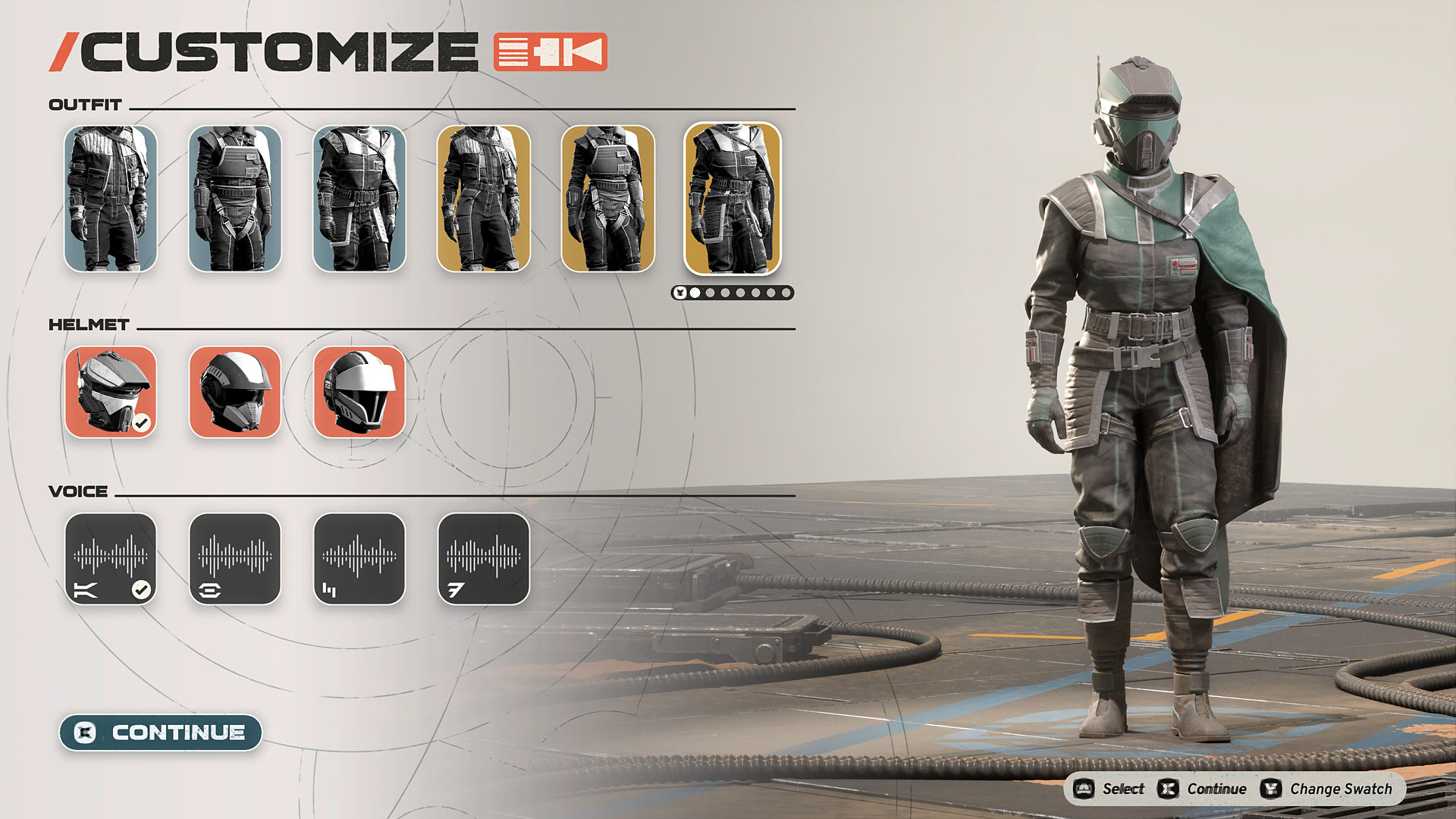
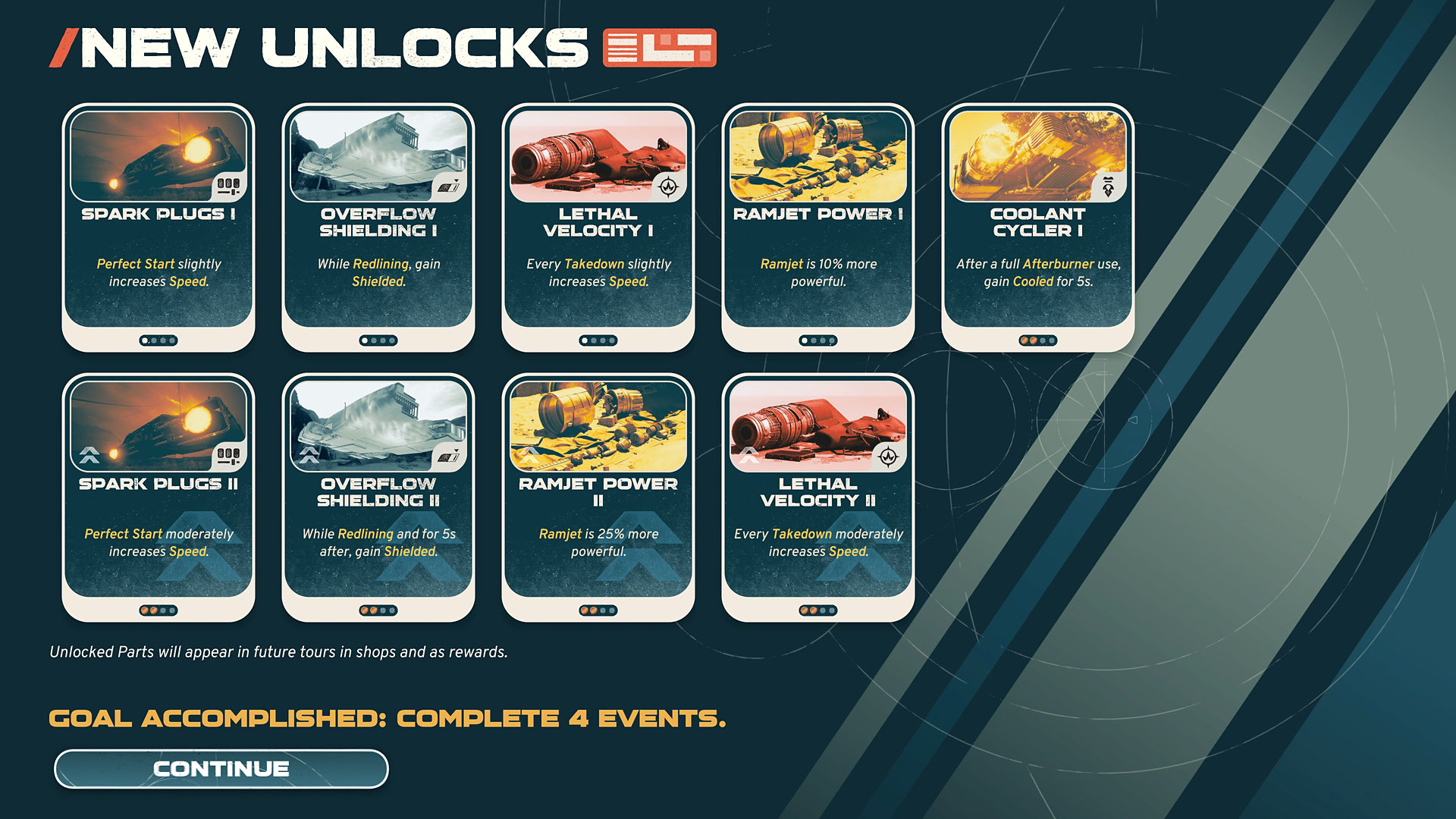
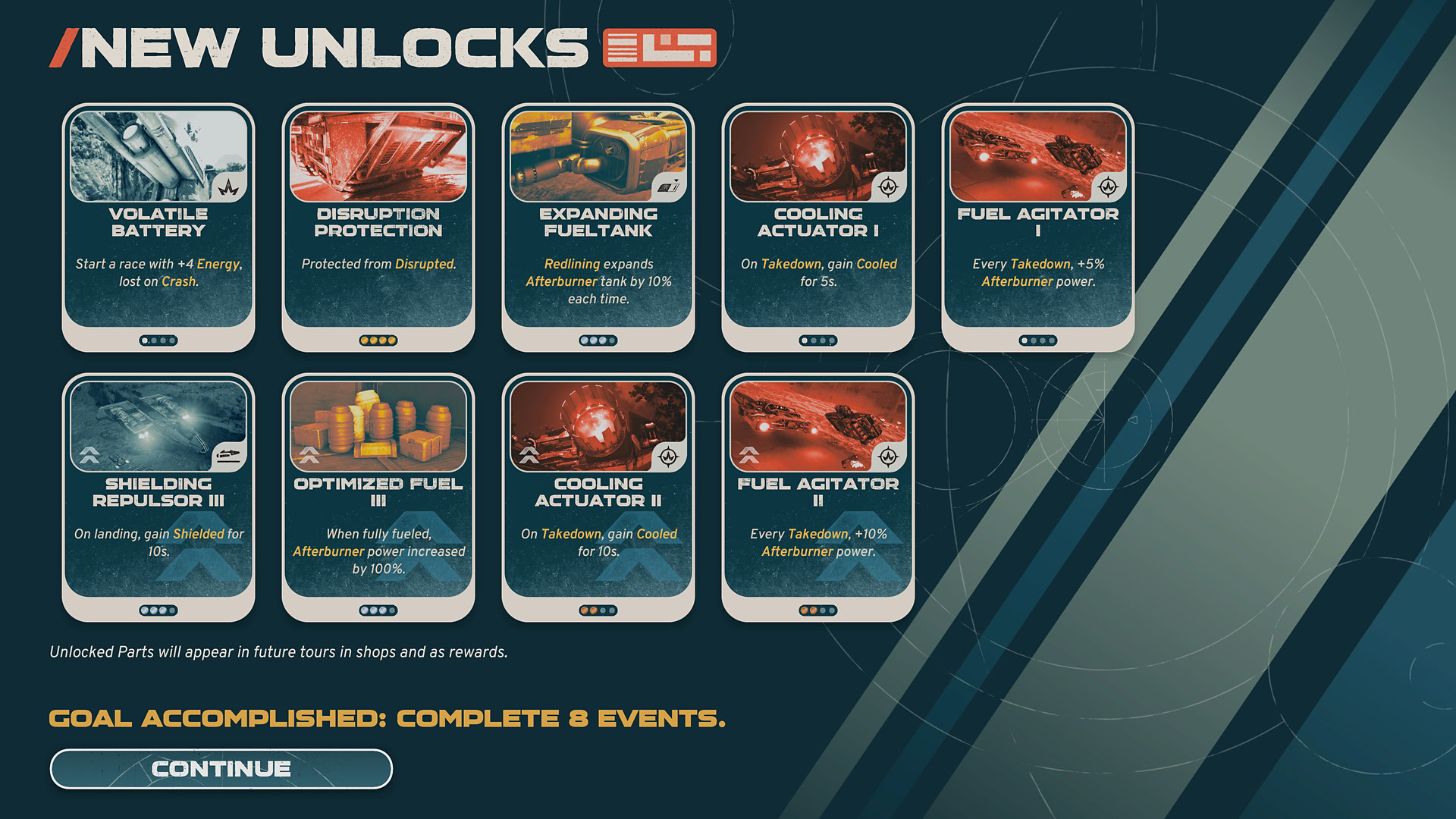
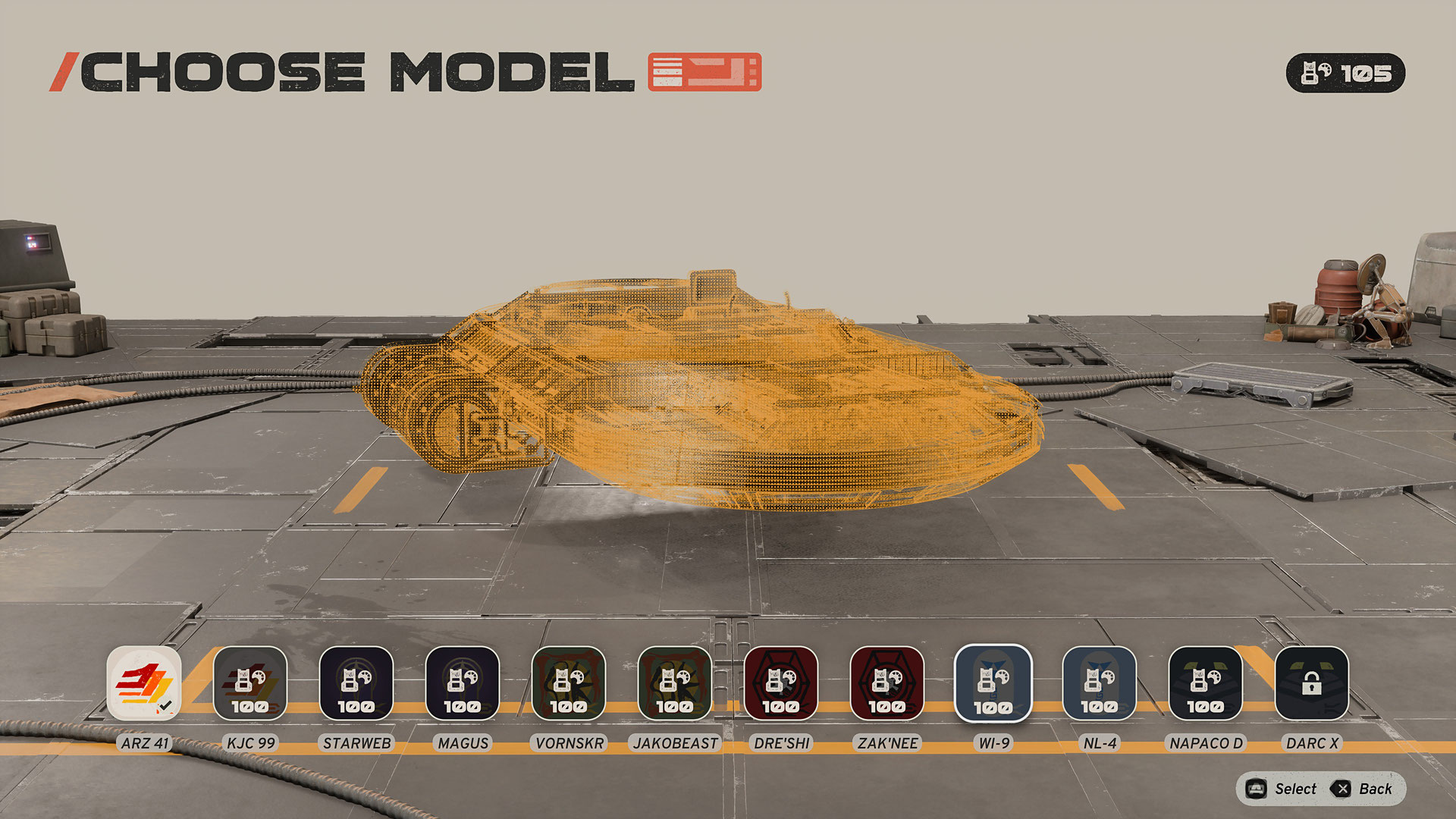
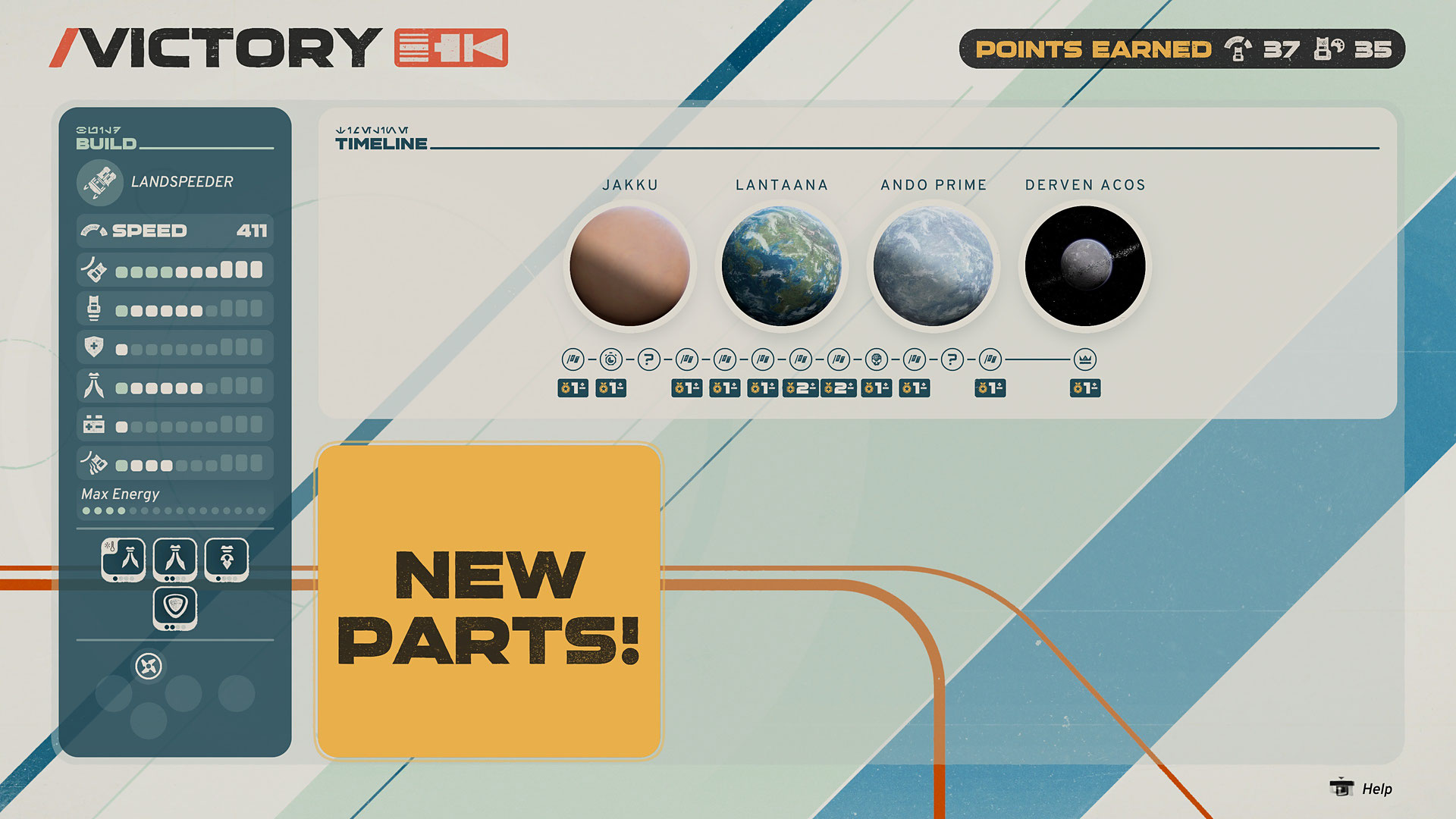
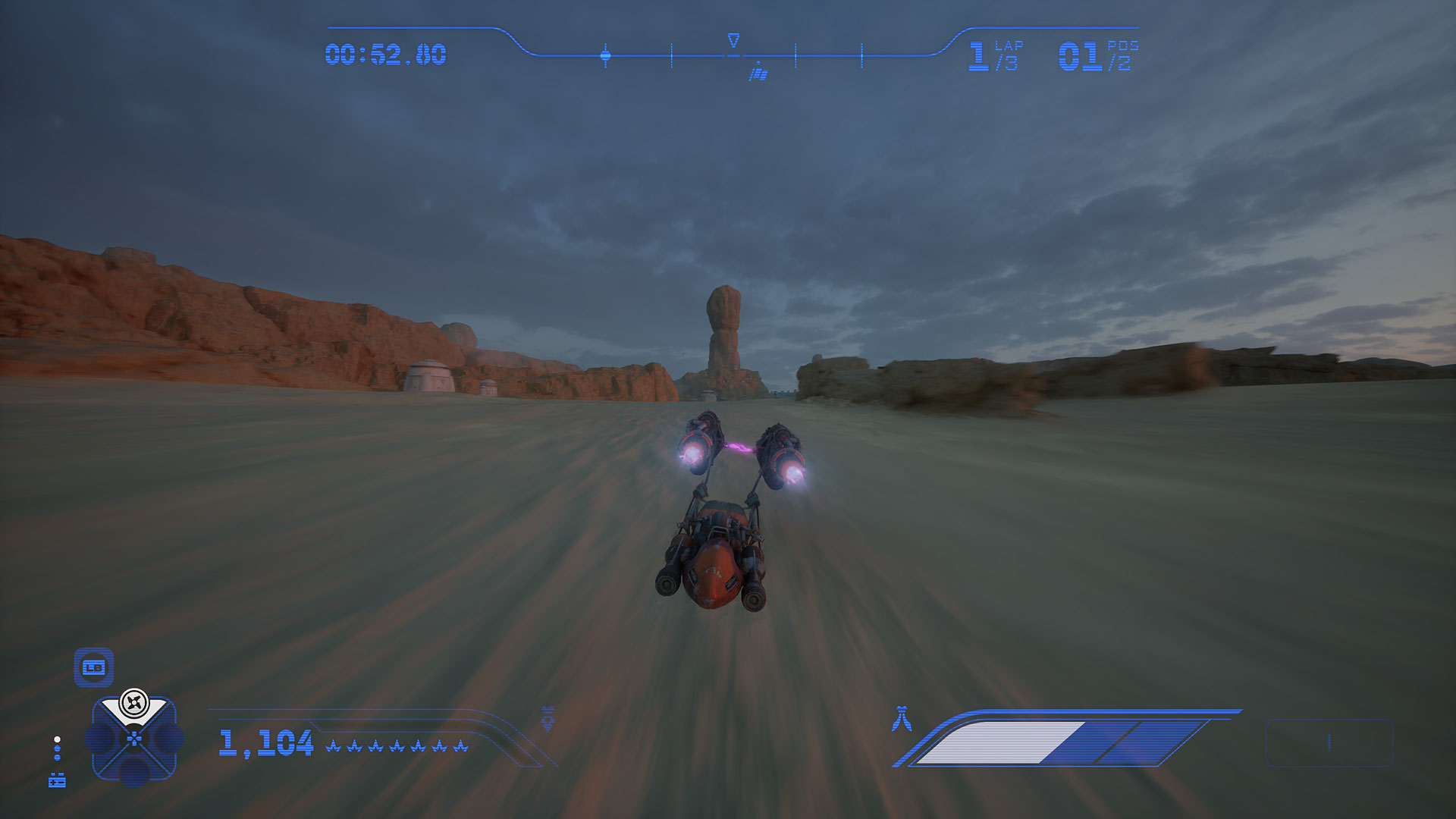
There are plenty of decisions to make before you even climb into the cockpit. A Tour starts with picking a speeder class from the landspeeder, speeder bike, and skim speeder, with podracers reserved for specific events. From there, you pick a Racer Style, which is a starting archetype like Survivor, Redliner, Brawler, or Ramjet Rider that tilts your early stats and abilities in one direction. There are 14 of them in total. After that, you equip up to three Favors, which are perks like extra parts slots or protection for your League Token. There are 20 Favors to unlock through character encounters, sidebets, and challenges during Tours. Favors also rank up the more you use them, so one you’ve carried through a few planets ends up stronger than a fresh pick.
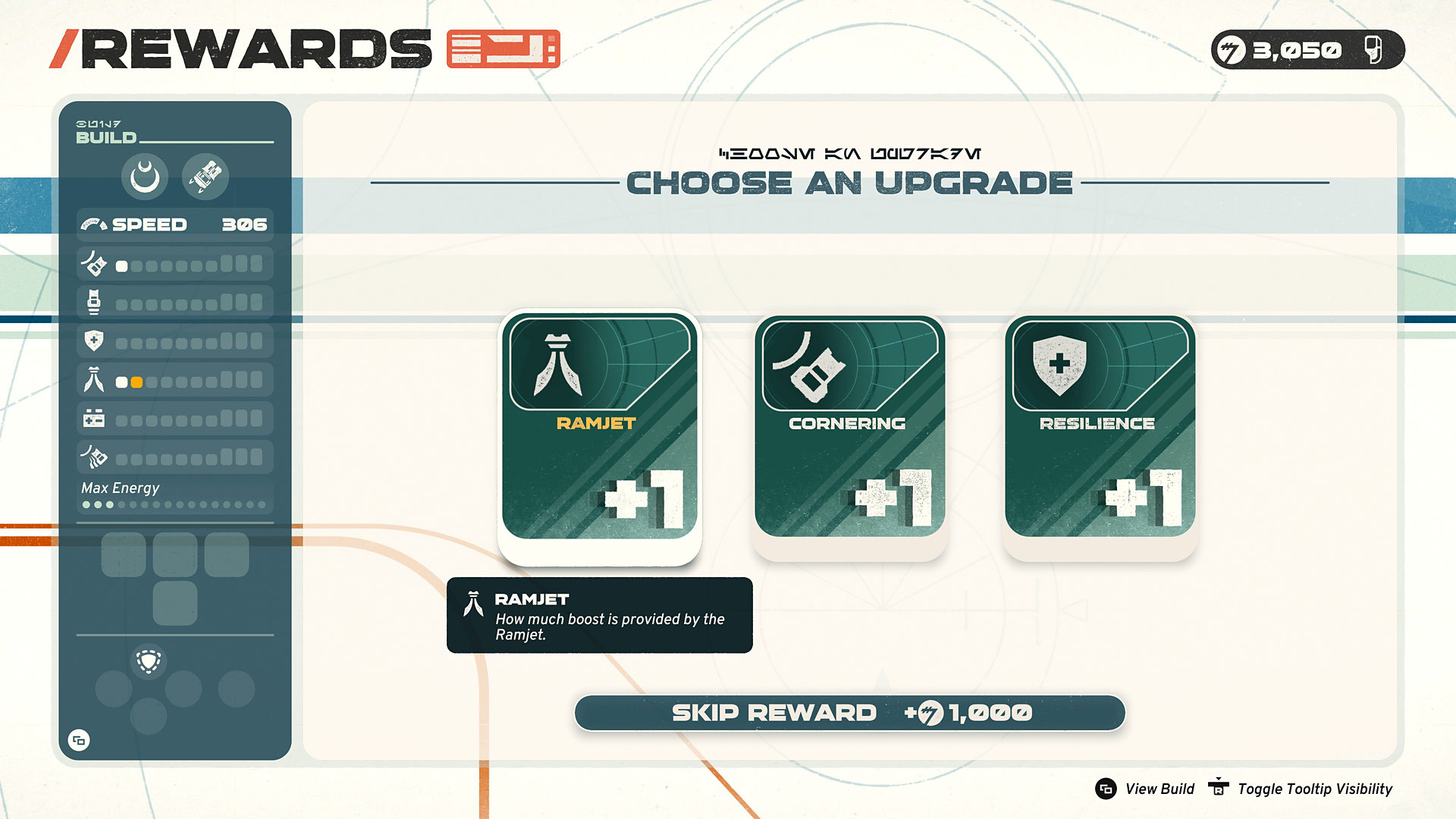
Most of the upgrades during a Tour go to your racer itself, such as improving its cornering and drifting ability, resilience, and afterburner and ramjet speeds. In a way, it’s like choosing whether you want to run an offensive or defensive build. If you want to drive aggressively and as fast as possible at all times, risking the chance of smashing into a mountain, there’s a build for that. If you prefer to be a bit more strategic about how you race, you can go that route too. The upgrades, parts, and abilities handed out after each event give you enough to keep leaning in whichever direction you started.
I ended up sticking with the default landspeeder under the impression that I could just grind my way to maxed-out stats before starting a run. That’s not the case, though, since your racer’s permanent level is capped at 15, which means you’ll always need to build it up over the course of each Tour. It’s a nice way of balancing the meta progression, so the game never feels too easy and each run still feels rewarding. There are so many Favors and abilities to unlock that I just wish a few of them felt truly gamebreaking, because sometimes that’s the best part of a roguelite. Maybe those combinations exist, but I never found anything that made me feel unstoppable in a race. Most gamers will probably see that as a good thing, because it keeps the focus squarely on player skill.
The Fun Awakens
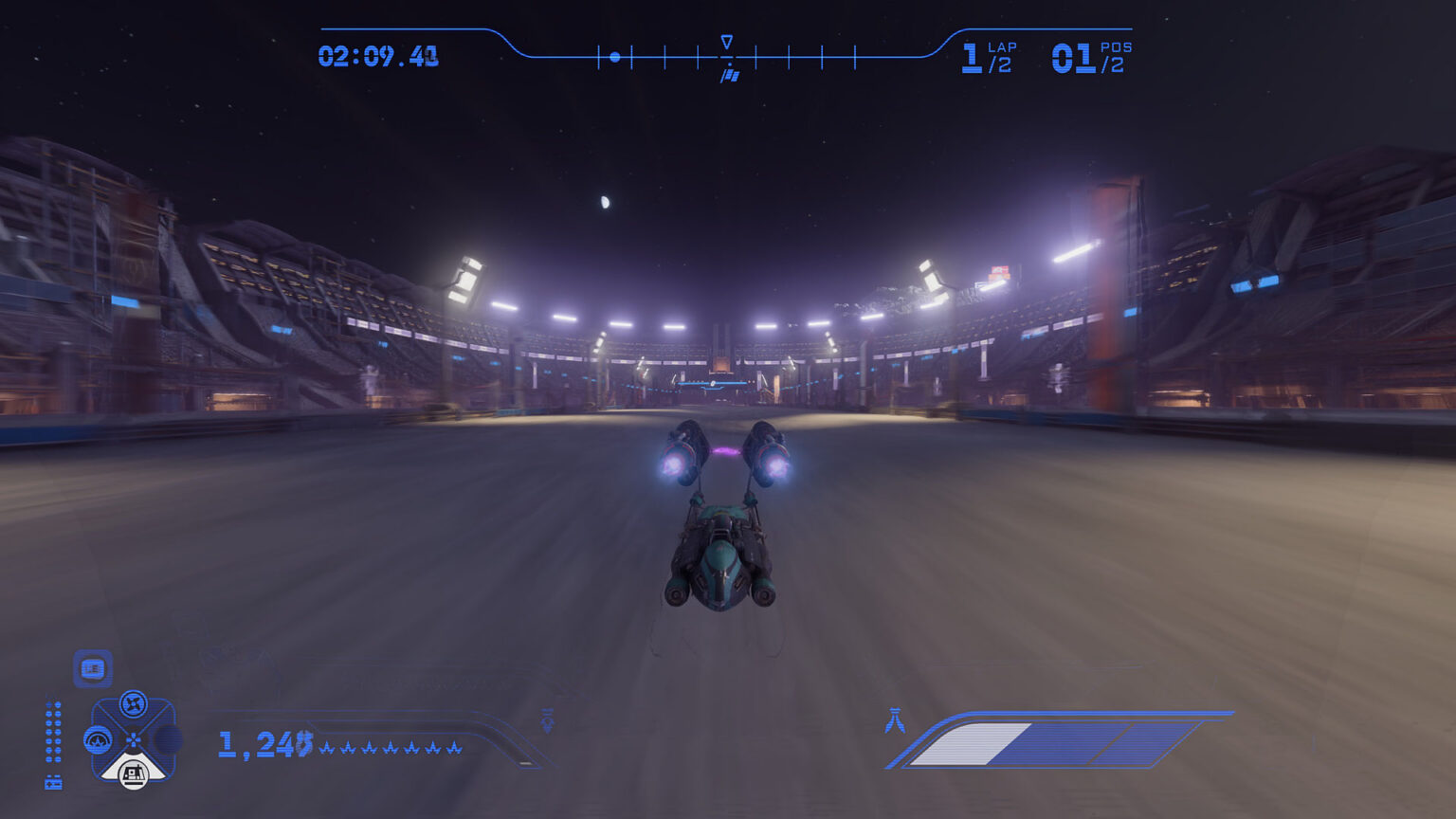
I am fully in the camp of believing that bad games can still be fun, and that good games might not be fun for everyone. For example, there are plenty of so-called friendslop games out there, but we end up enjoying them because we’re having fun as a group doing stupid things. Then there’s a game like Elden Ring, which is clearly one of the best games ever made and beloved by millions, but I never really found it fun to play. It’s why, despite spending 30 to 40 hours with it, I’ve never managed to finish it or felt the desire to. Part of it is that I’m terribly impatient, and part of it is that I generally don’t find FromSoftware’s combat that enjoyable. There are too many games out there, and if you’re not having fun with one, it’s best to move on.
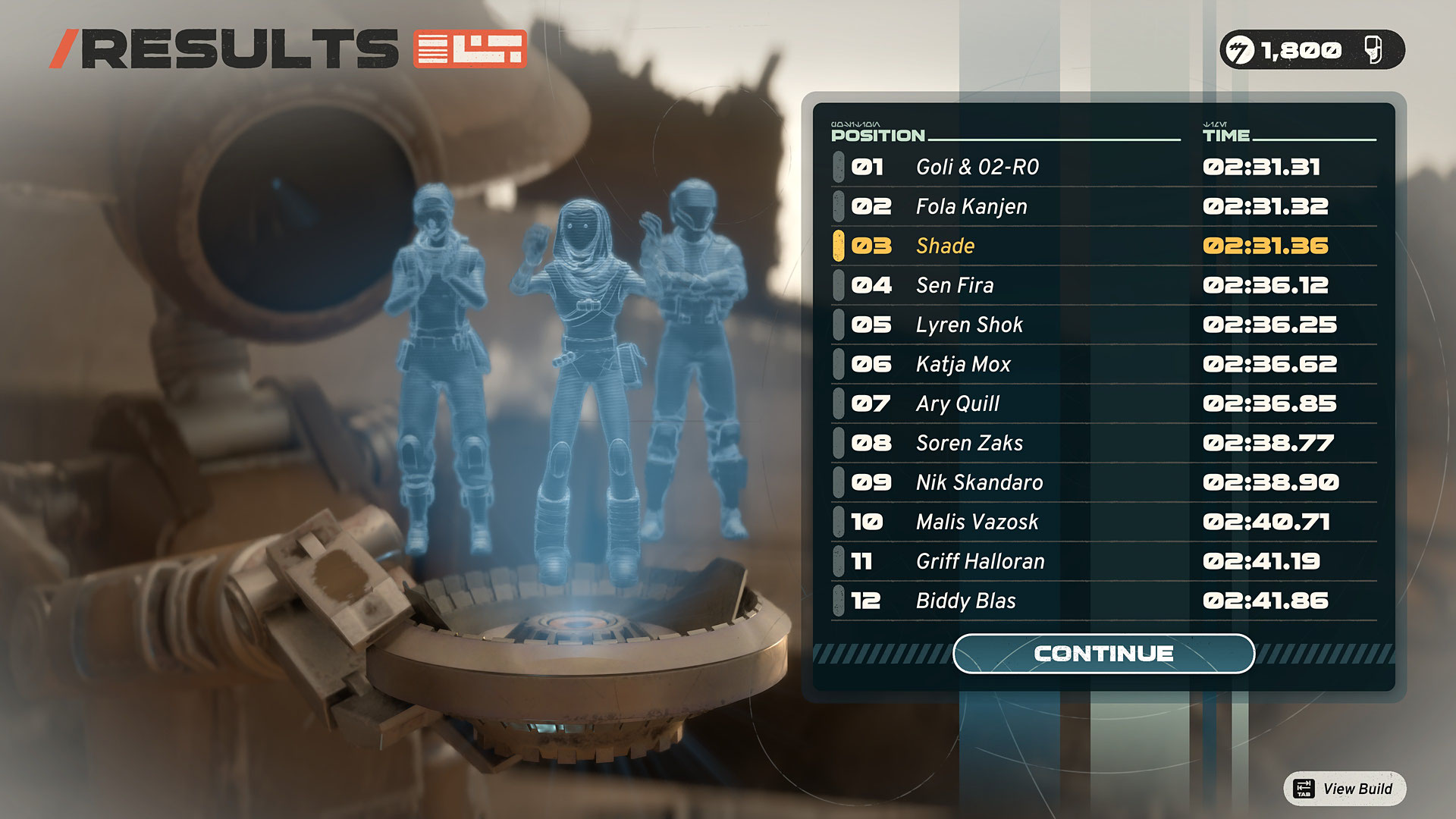
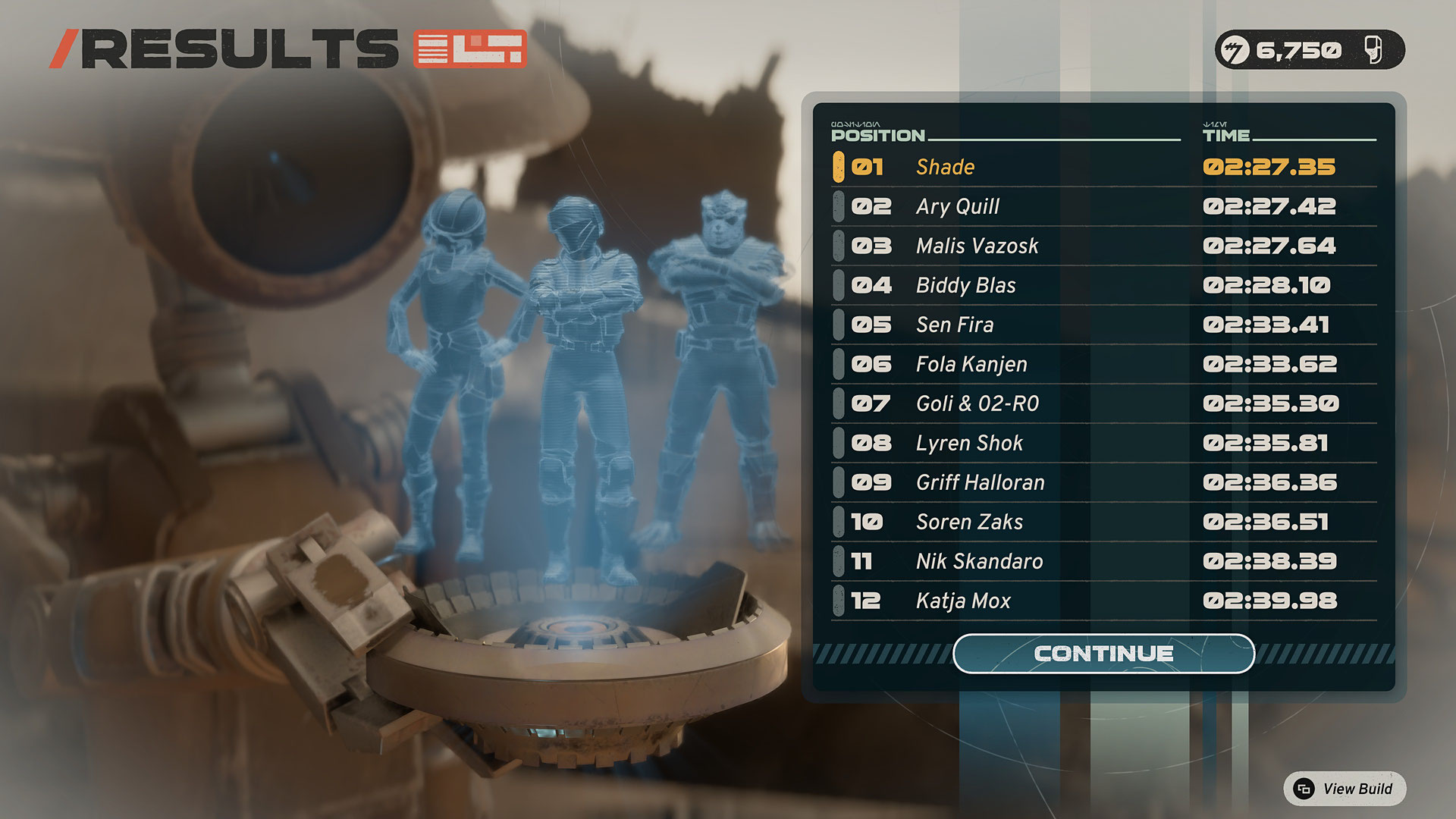
Star Wars: Galactic Racer proves that a game can be fun even if you suck at it. There were streaks where I messed up every turn imaginable, destroying my racer as quickly as I possibly could in each race. It didn’t matter, because the racing itself is so enjoyable that I just moved on to the next Tour after a failure. Each Tour starts with a League Token, and losing too many races or burning through your crash allowance ends it. Some perks and unlocks carry over to the next run, so a failed Tour isn’t a complete loss, even if most of the progress toward the championship resets.
That being said, Galactic Racer also isn’t the type of game I could sit and play for several hours in a row. I found myself doing one or two Tours each night, which is a big part of why this review is coming out a few weeks after launch. You really do have to focus to play this game well, and sometimes that’s a bit mentally exhausting after a long day. For reference, I spent about 20 hours with the game to finish the campaign, counting every Tour that ended early, with nearly all of that time spent in the campaign rather than the other modes.
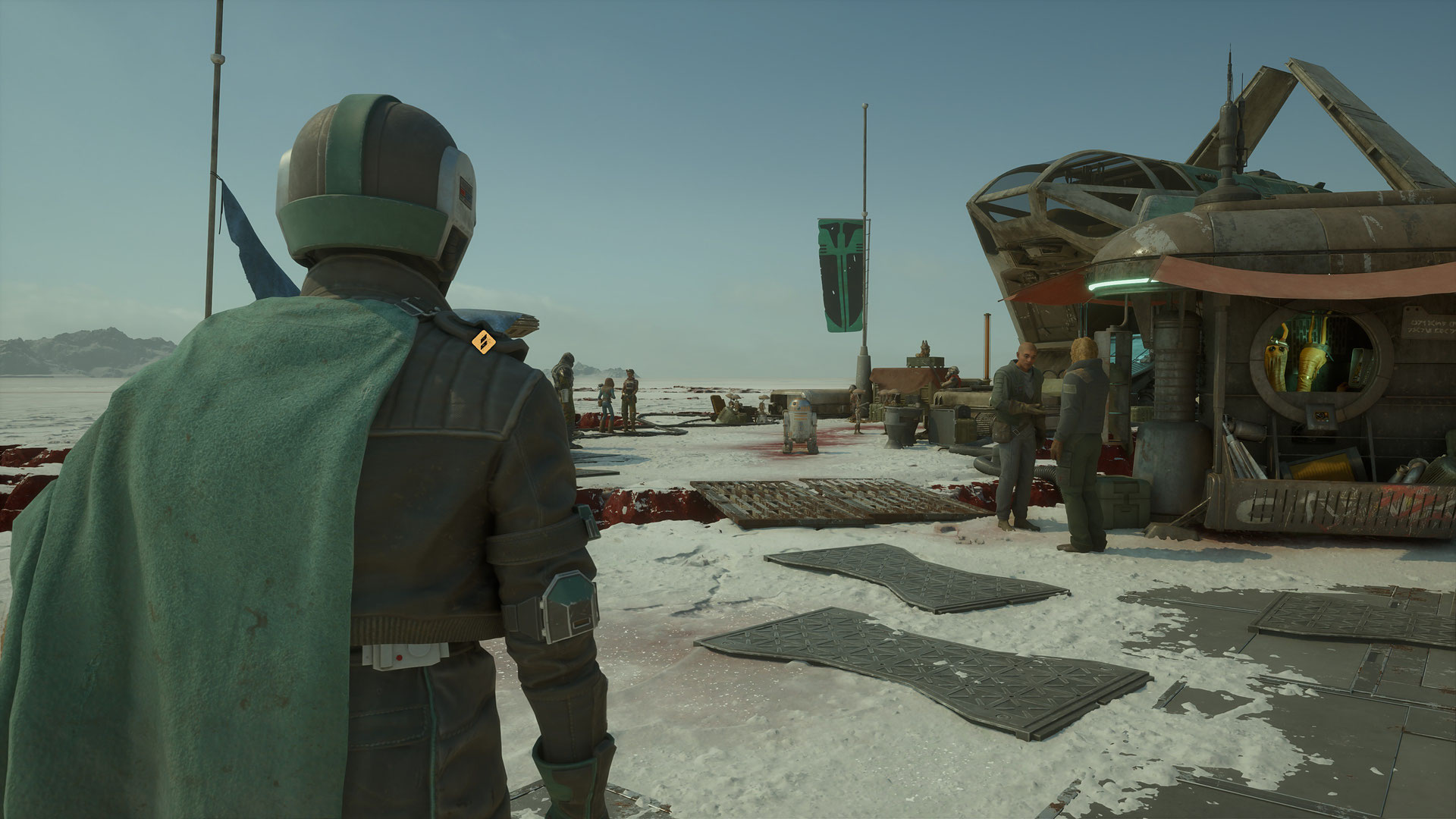
Revenge of the Shade
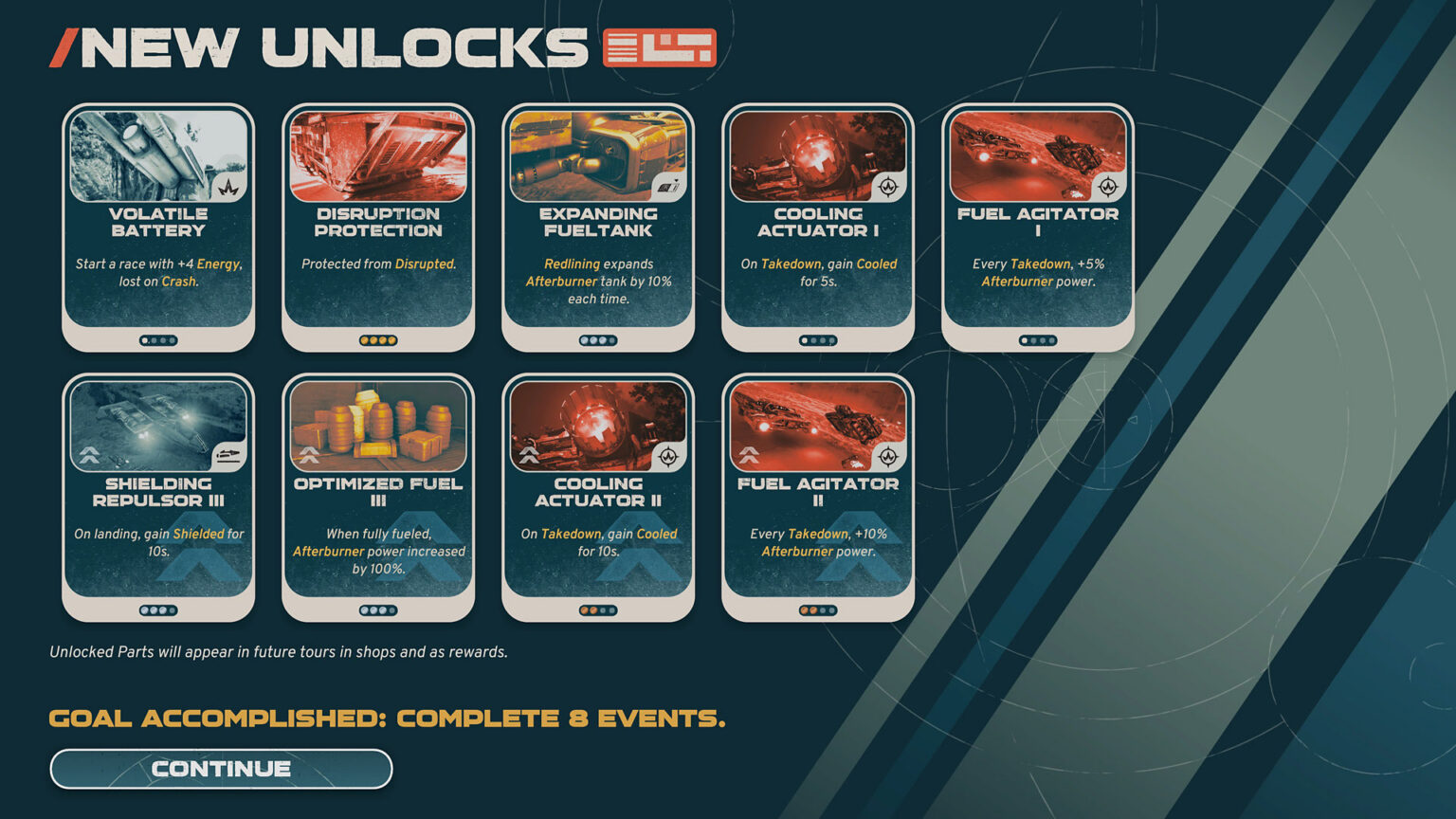
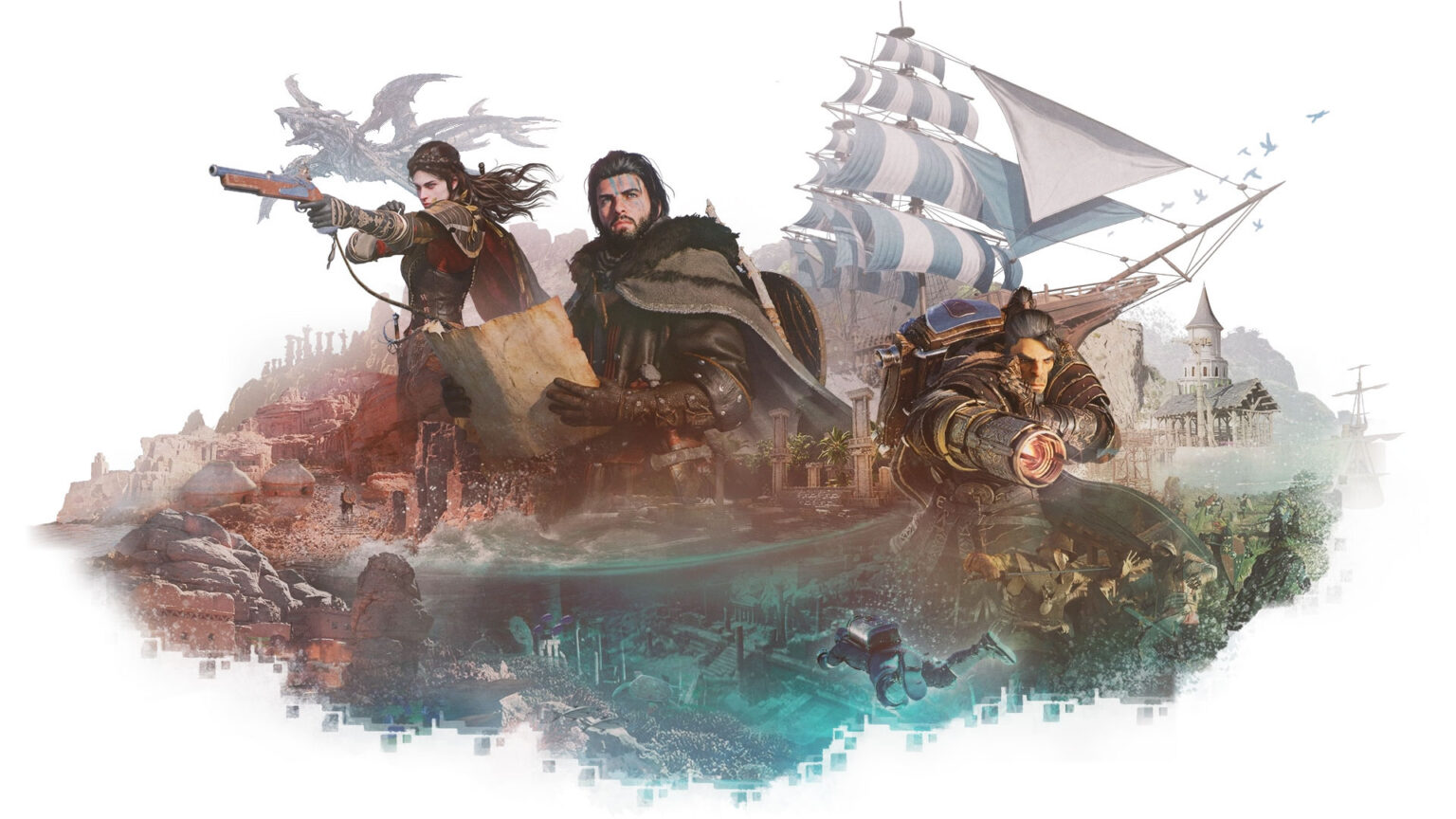
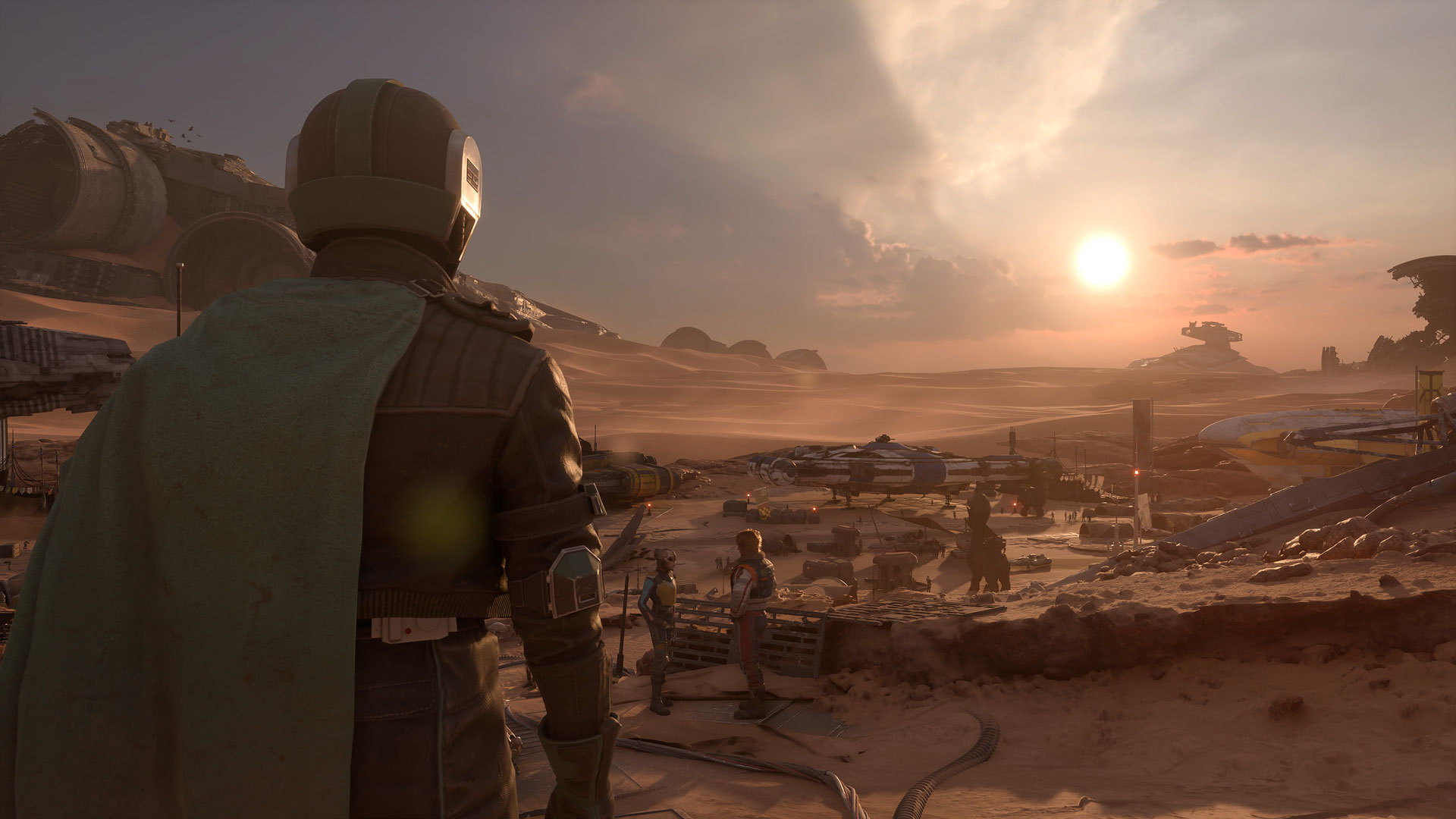
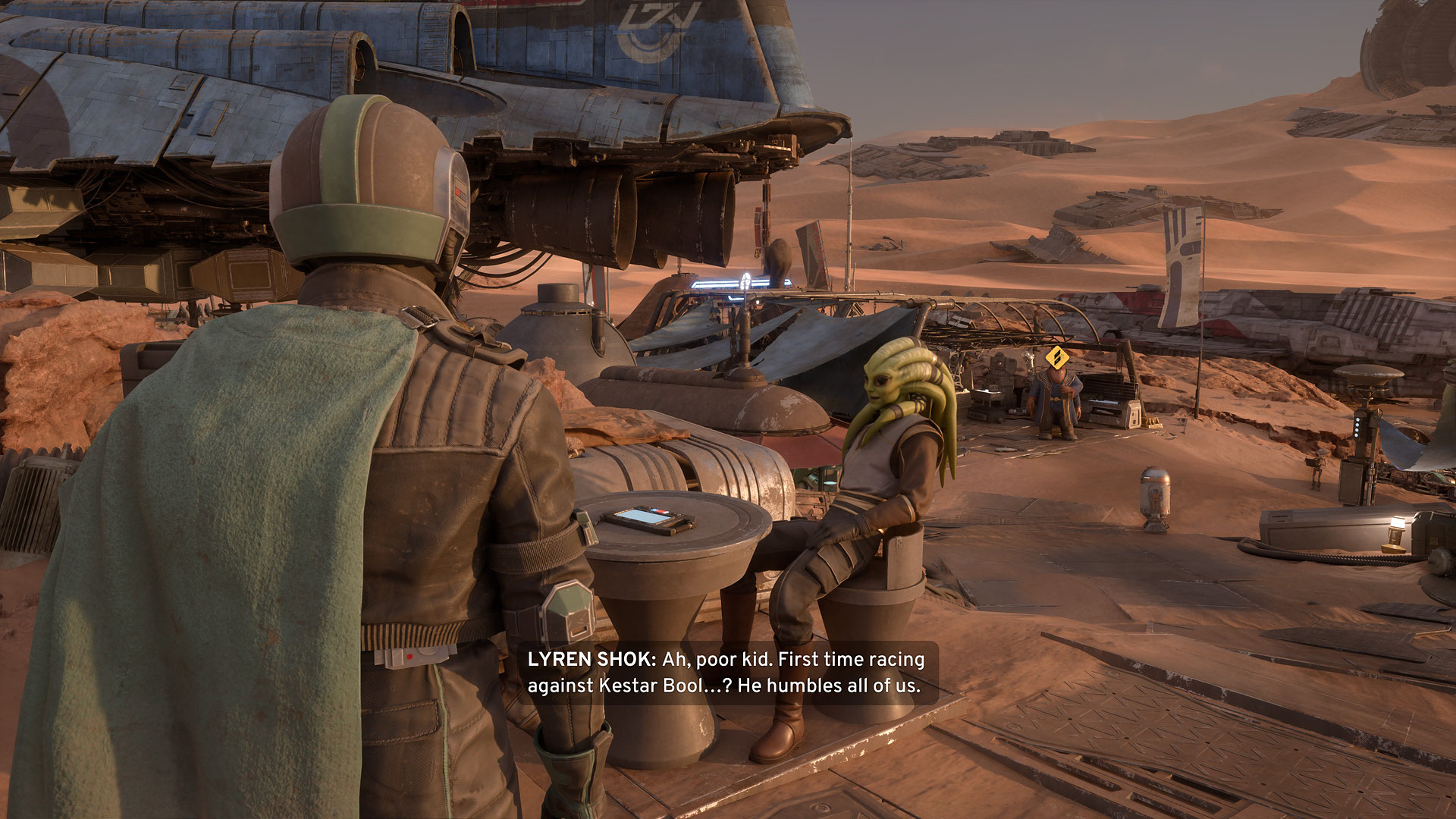
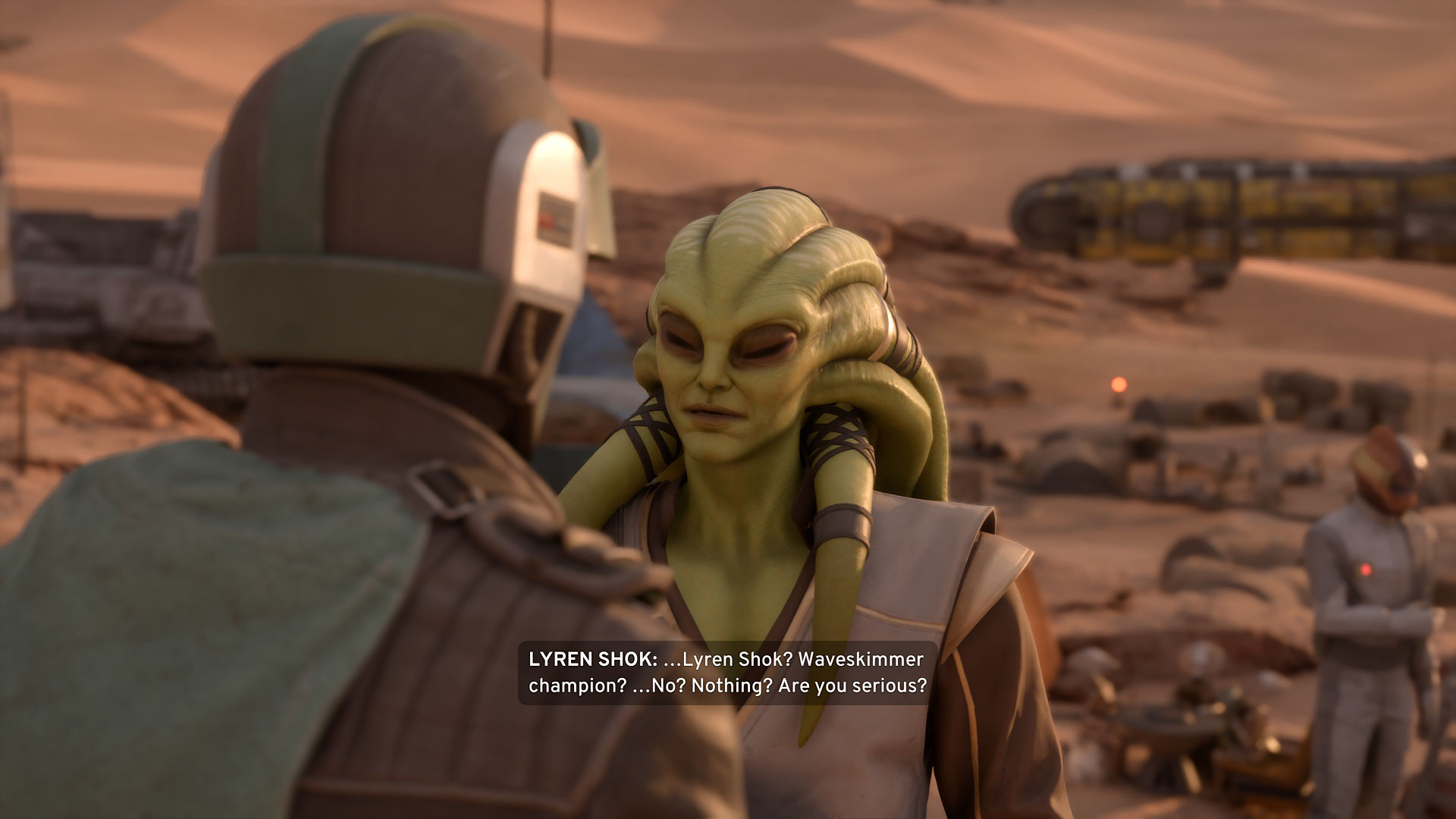
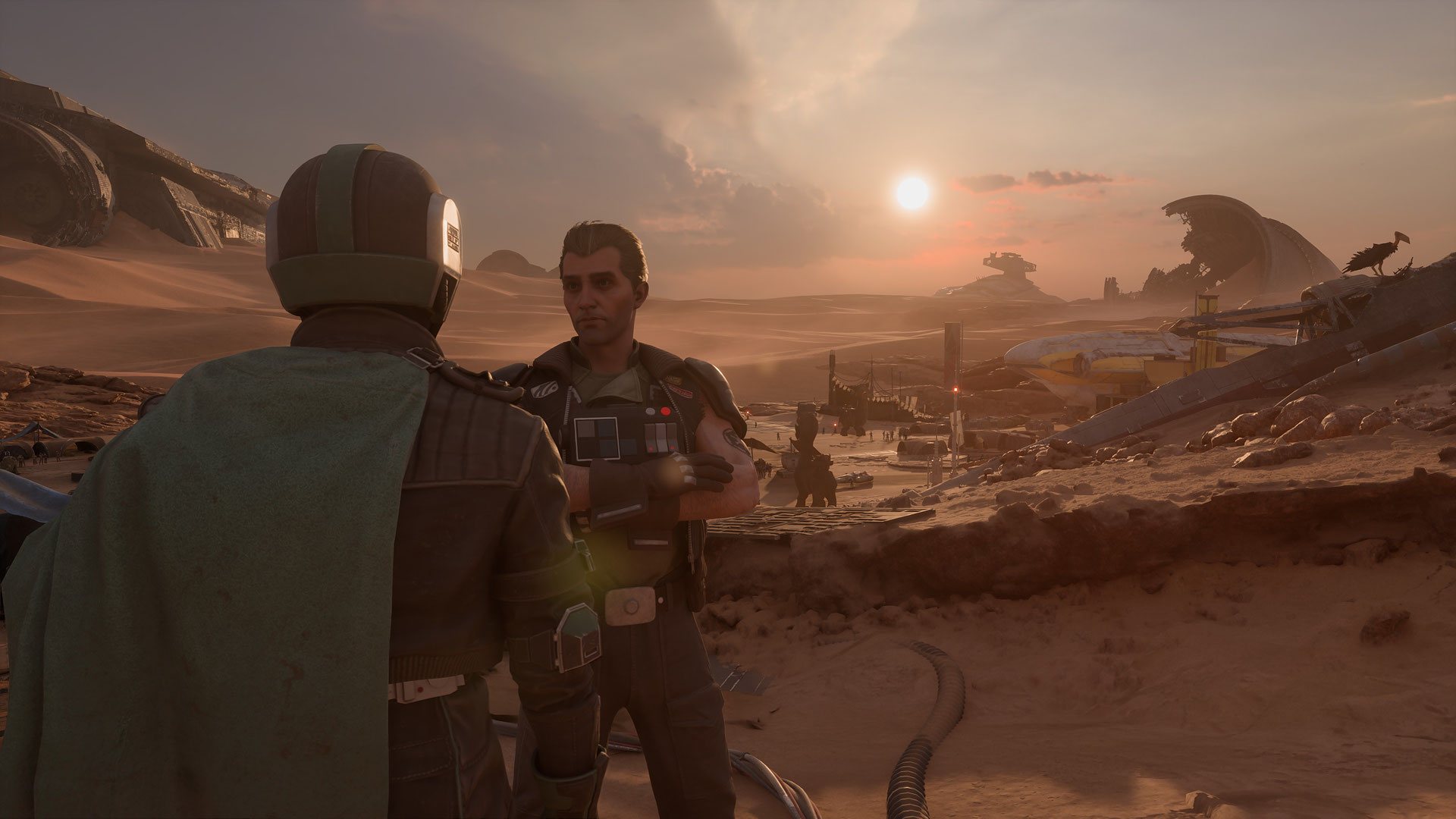
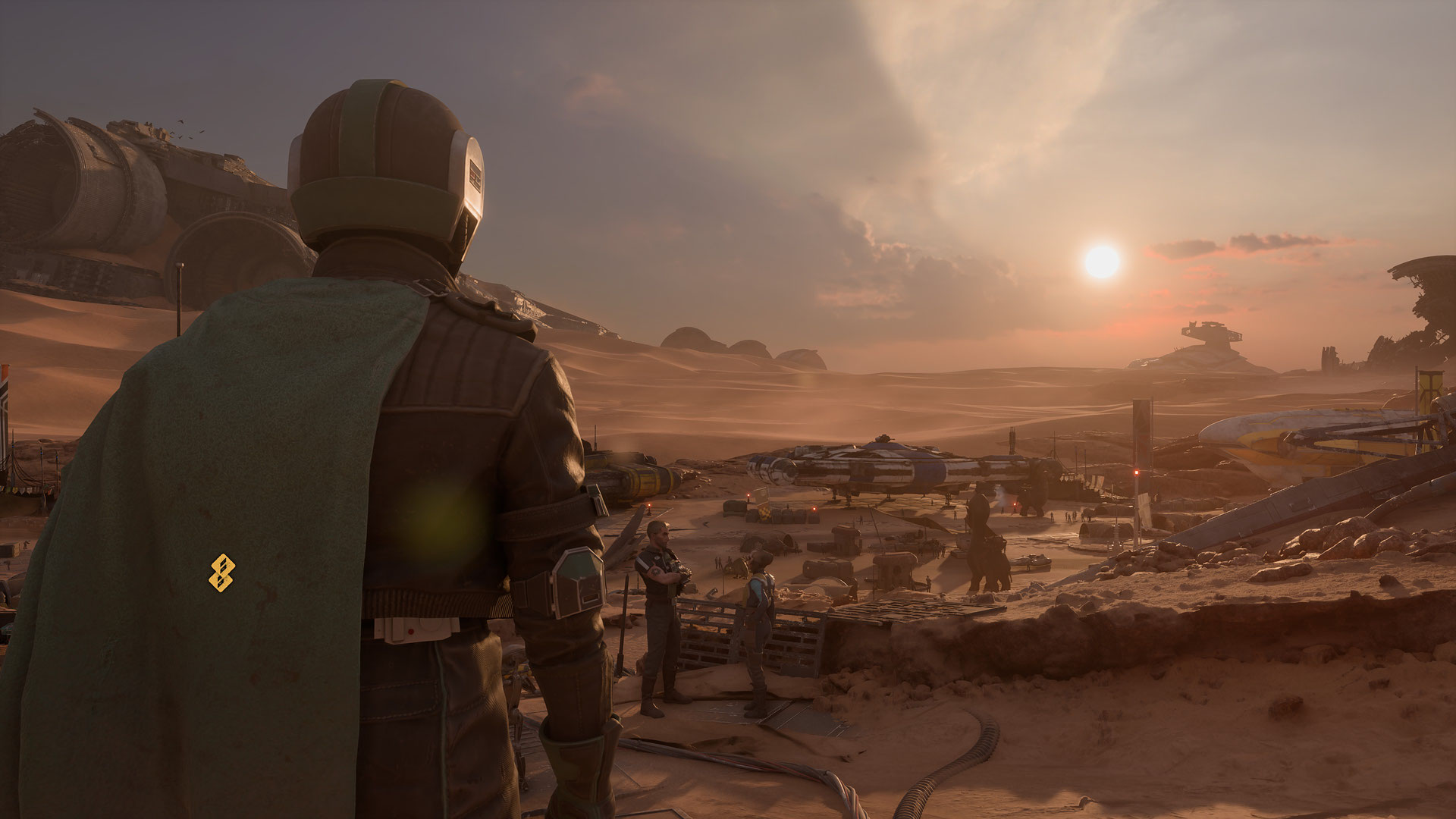
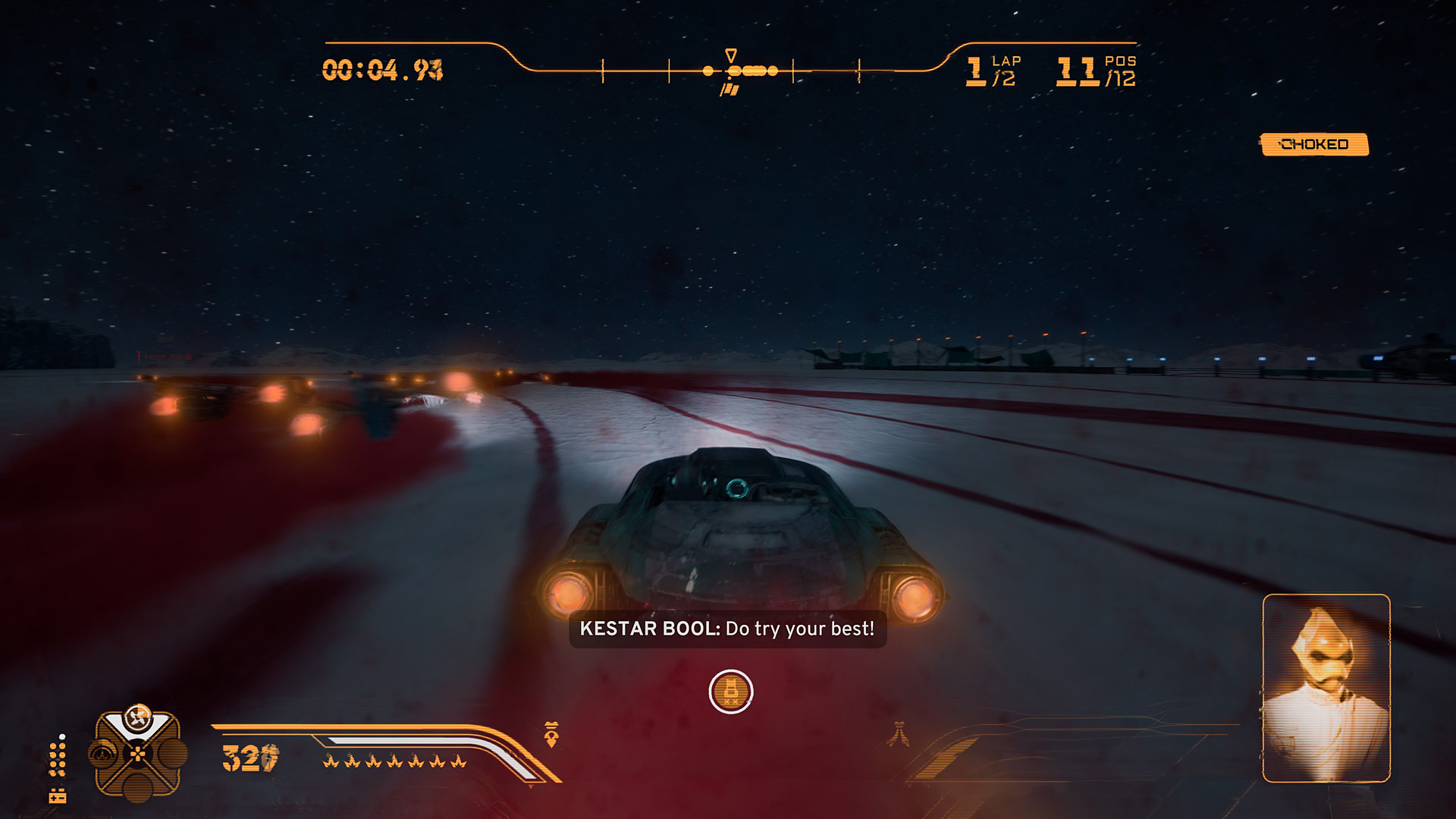
As for the game’s story, it’s passable. It follows a mysterious lone racer named Shade, who enters the Galactic League, an unsanctioned circuit in the Outer Rim, with a grudge against the family of its reigning champion, Kestar Bool. Hibi handles your racer, Sebulba shows up along the way, and there are no Force powers or Jedi anywhere in sight. The whole thing still feels very Star Wars, though, and it reminded me a bit of a side story out of the animated series Star Wars Resistance, where the stakes are personal rather than galactic.
Most of the characters have their own personalities, and there are some twists and turns that pay homage to classic Star Wars lore. If you’re a die-hard Star Wars fan, you’ll appreciate those nods, especially when they involve Sebulba, and there’s even a little bit of humor involving young Anakin Skywalker. There are also some pleasant surprises I don’t want to spoil, which is about the best thing I can say about the story. It’s good enough that I wouldn’t want to spoil it, but not memorable enough to be the main reason to play the game.
I guess in that sense, it’s very Star Wars after all, at least where the modern Star Wars creations are concerned. As I said in my Star Wars Zero Company review, I think much of the franchise’s recent output has been average at best, and Zero Company was the rare one that far exceeded my expectations. The story here comes from lead writers Chris Remo and Duncan Fyfe, while Gordy Haab composed the score. The game also received a Golden Joystick Awards nomination for Best Audio Design, which I mentioned when it made our list of games to play in October.
Crash Course
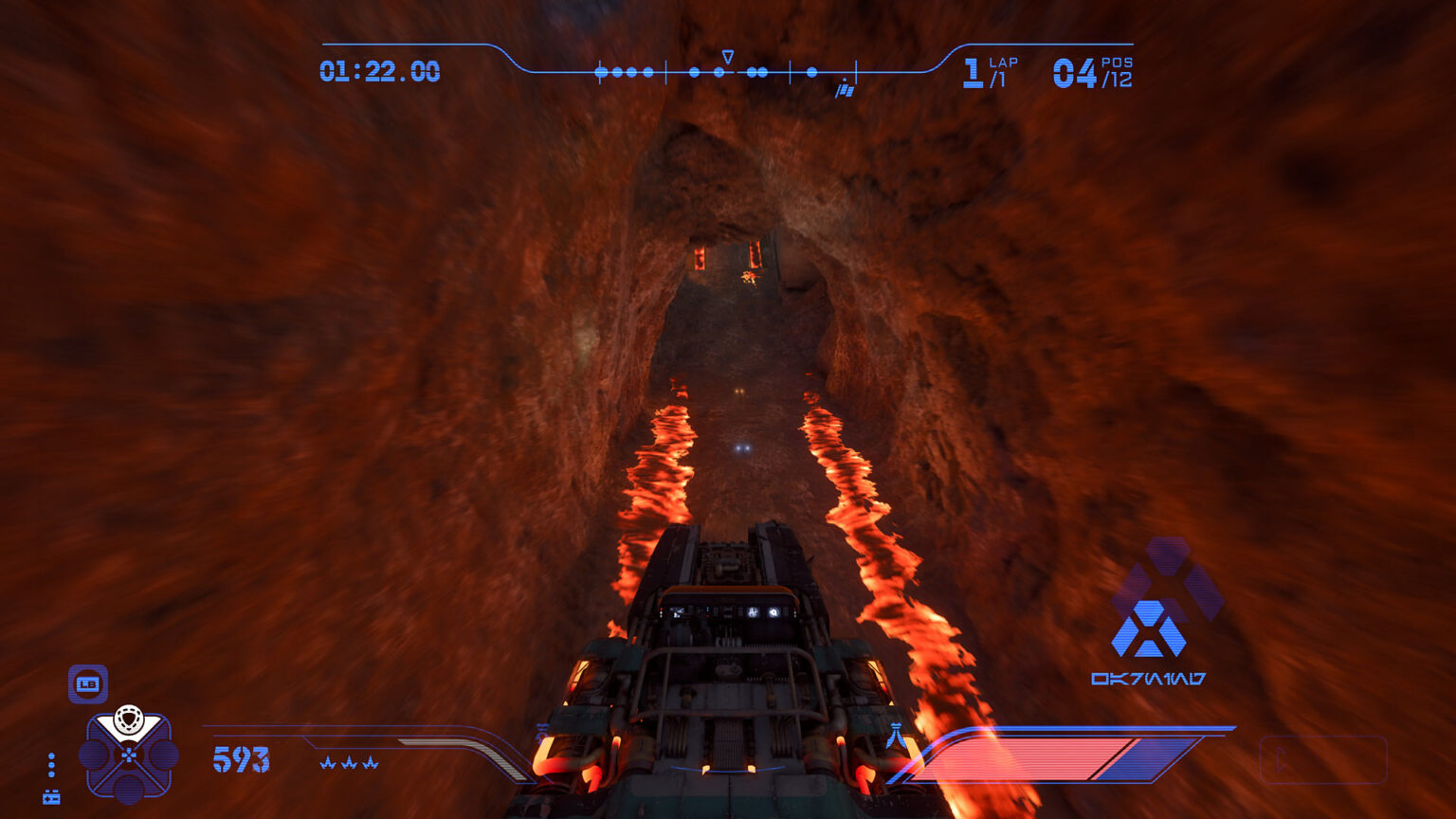
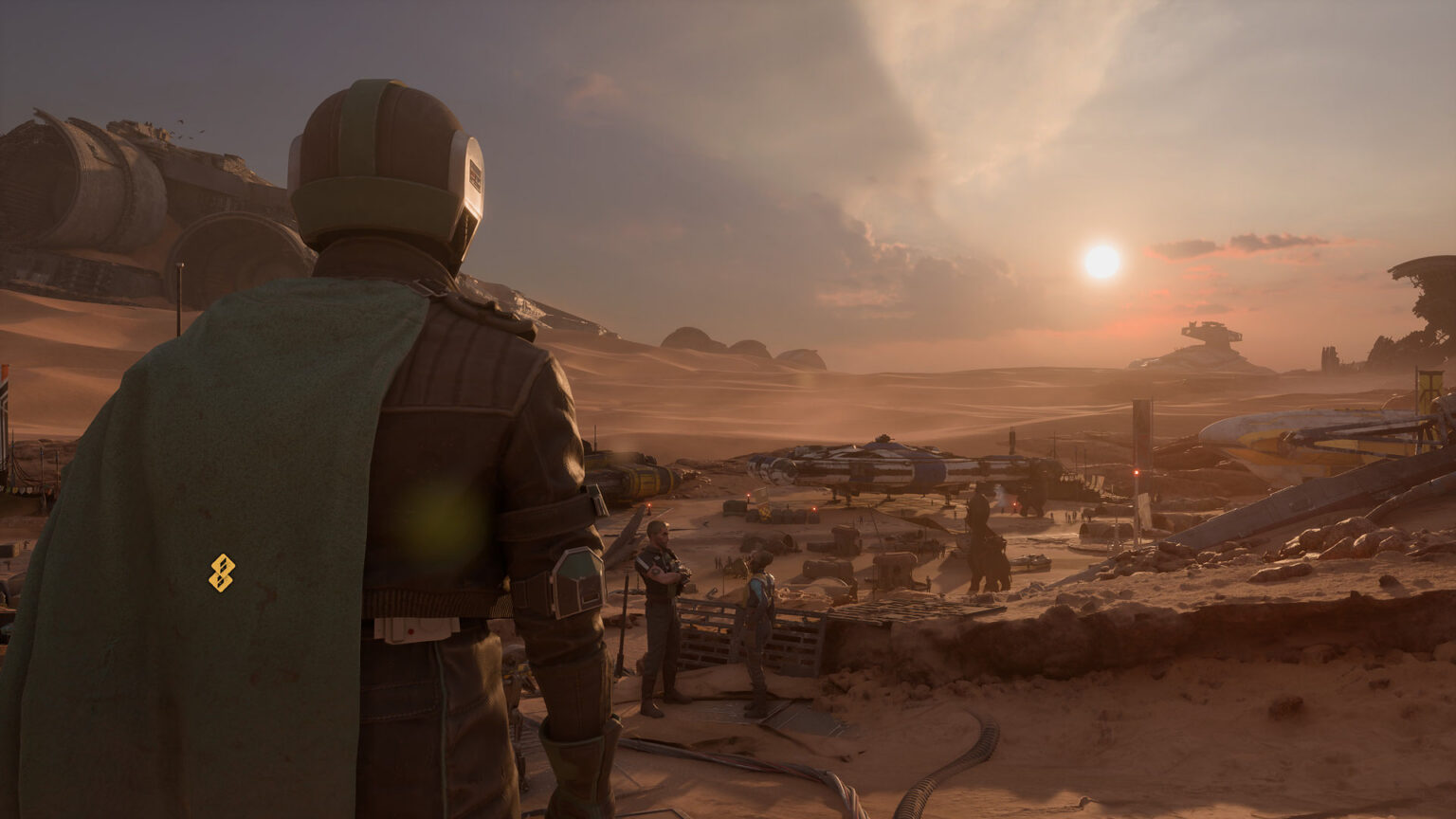
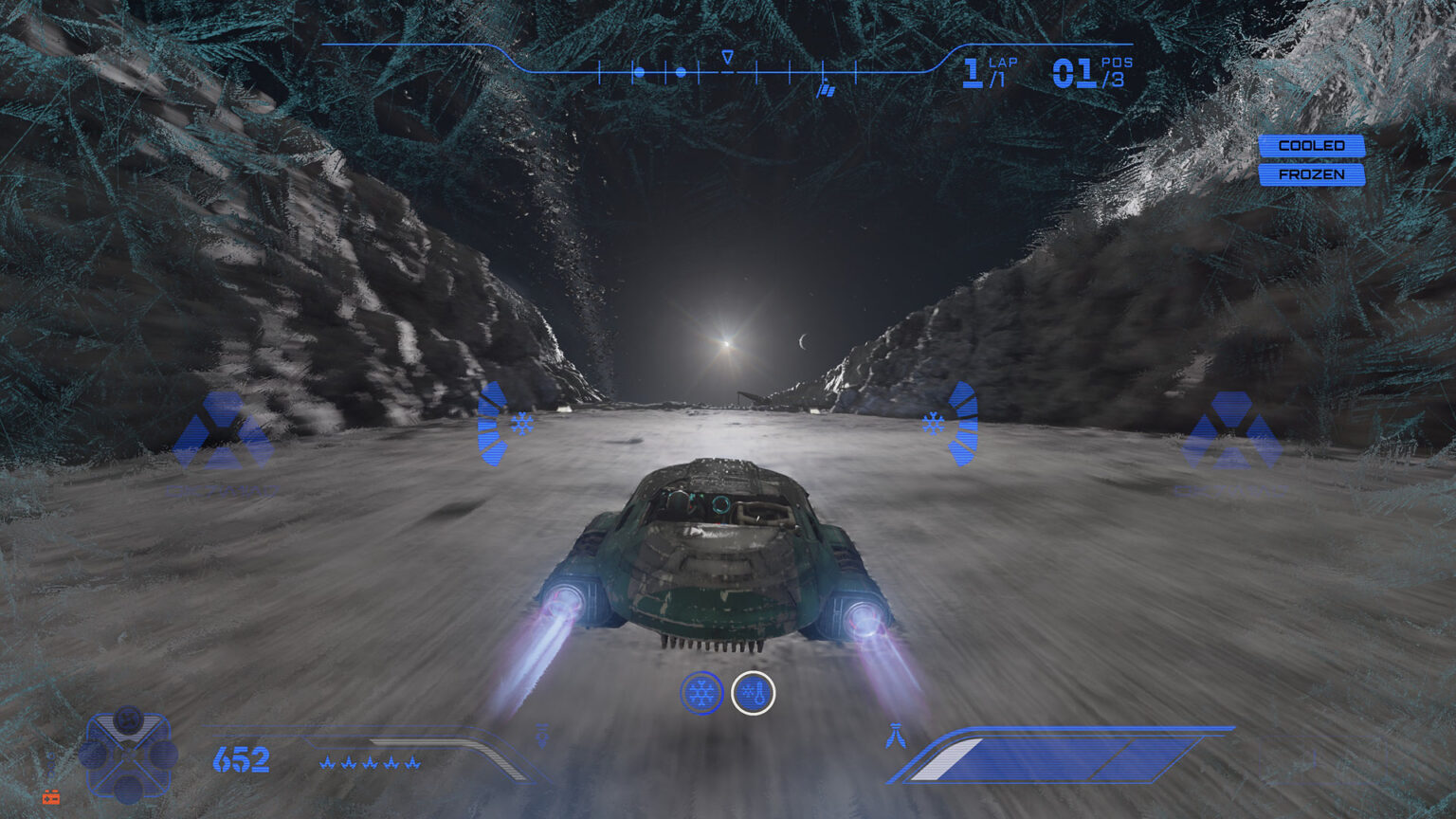
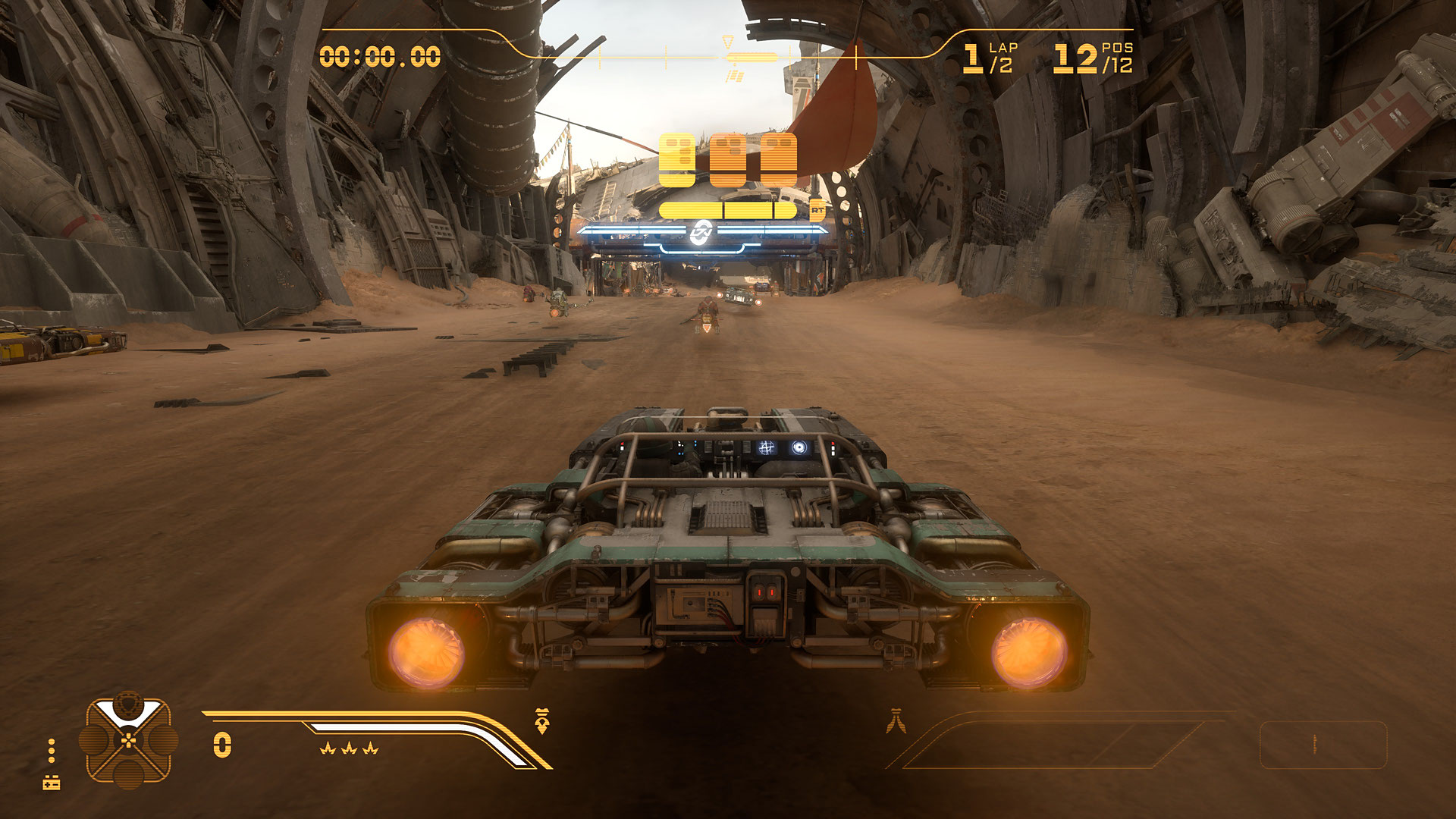
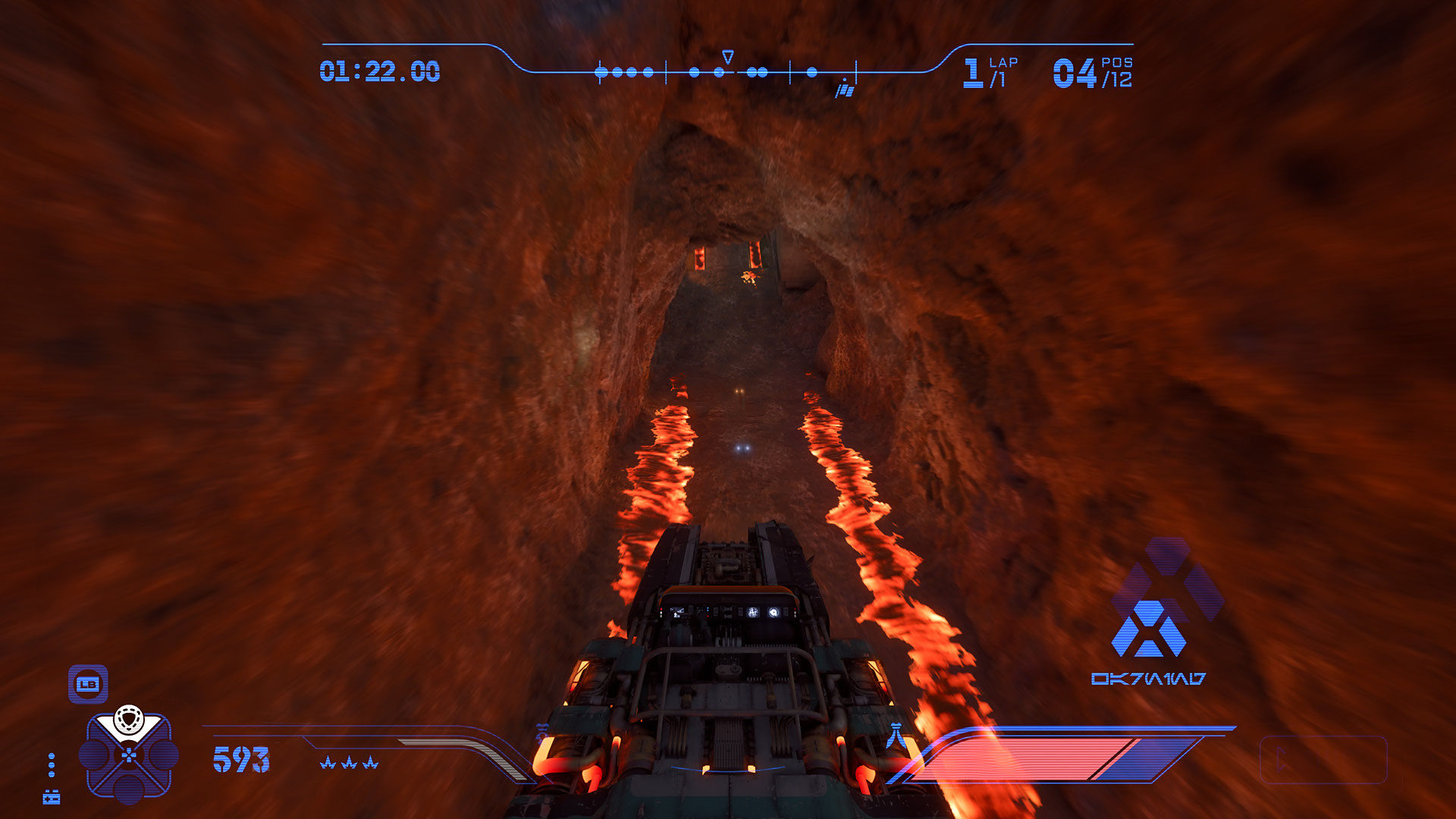
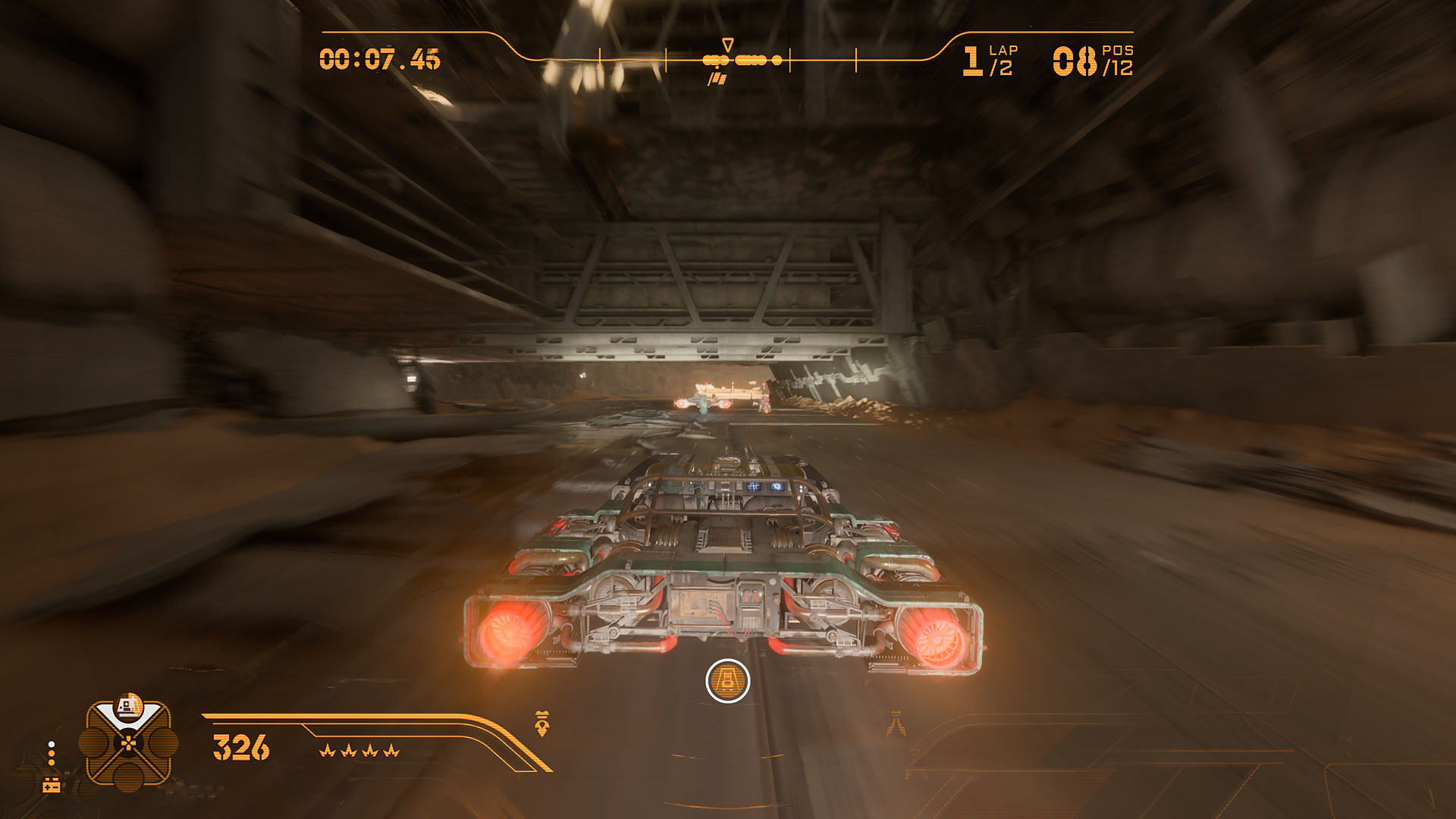
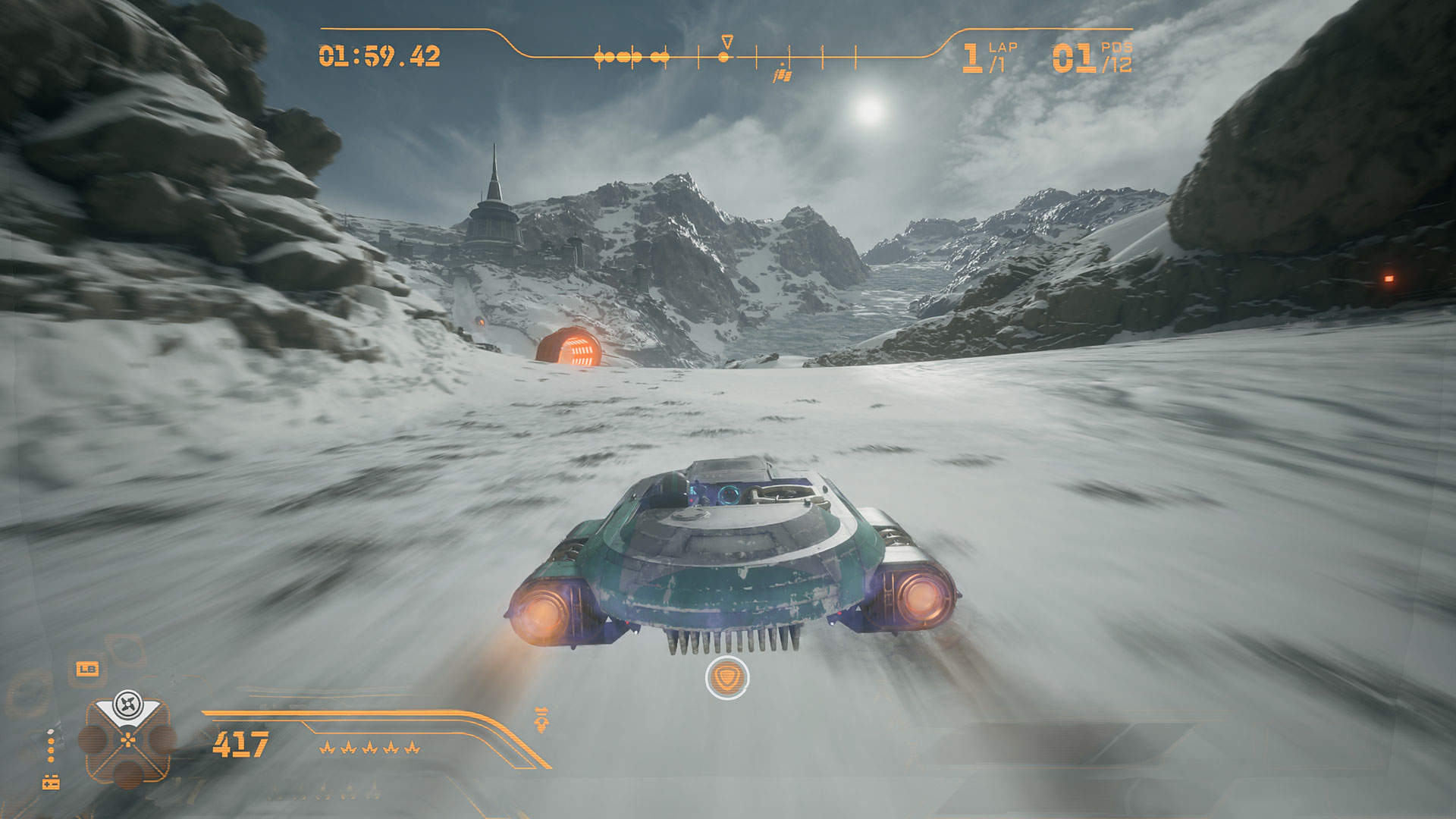
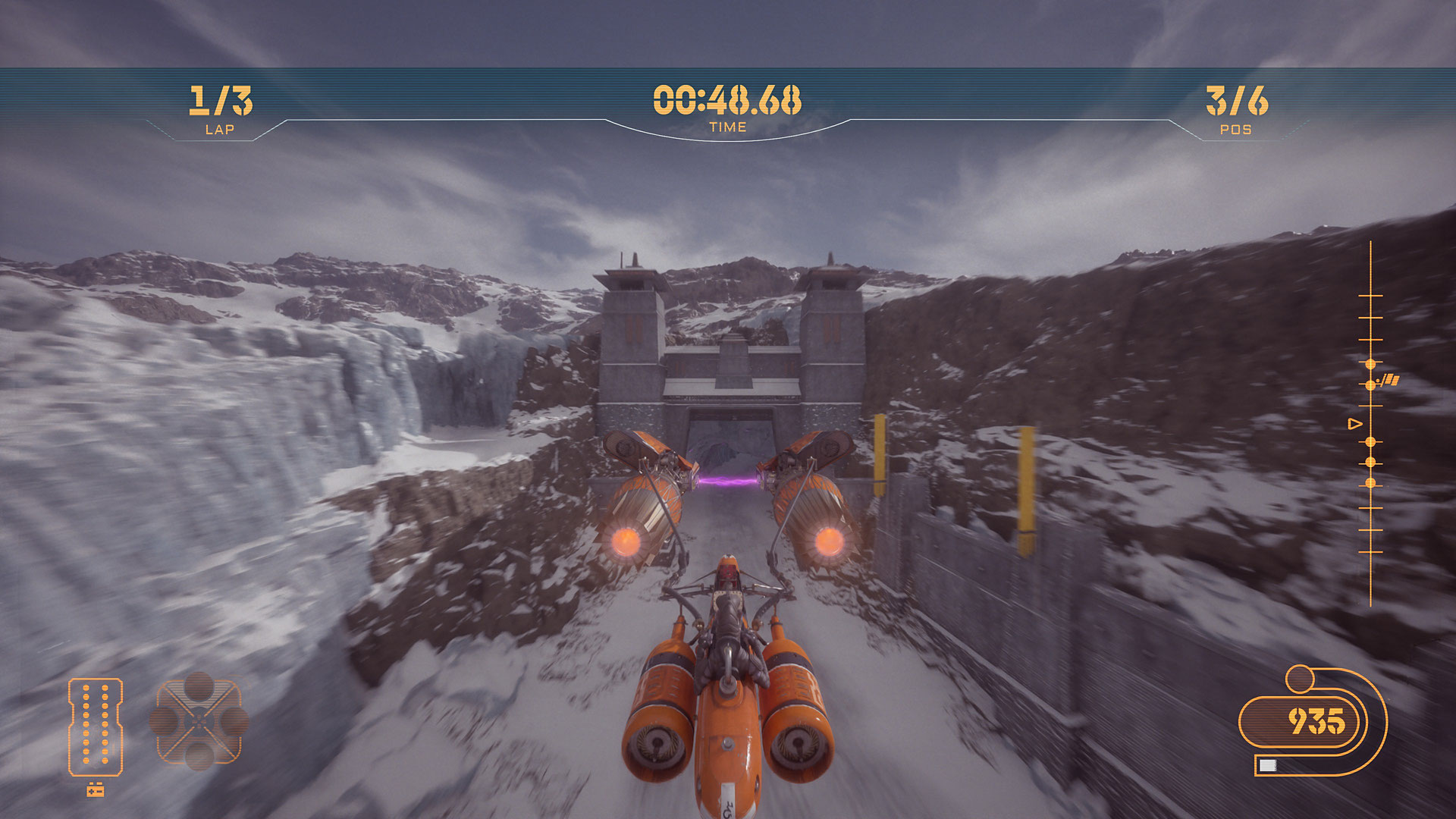
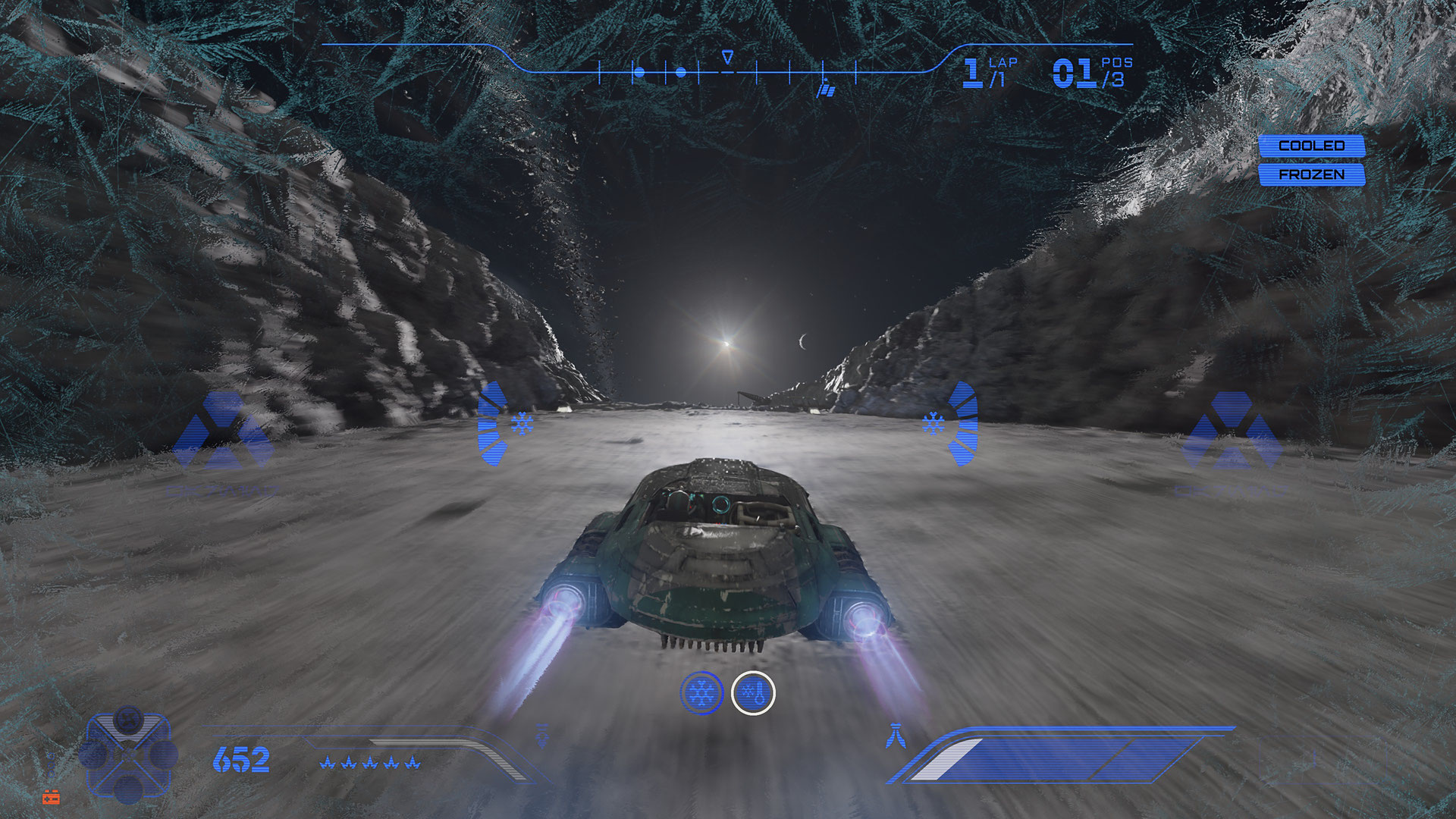
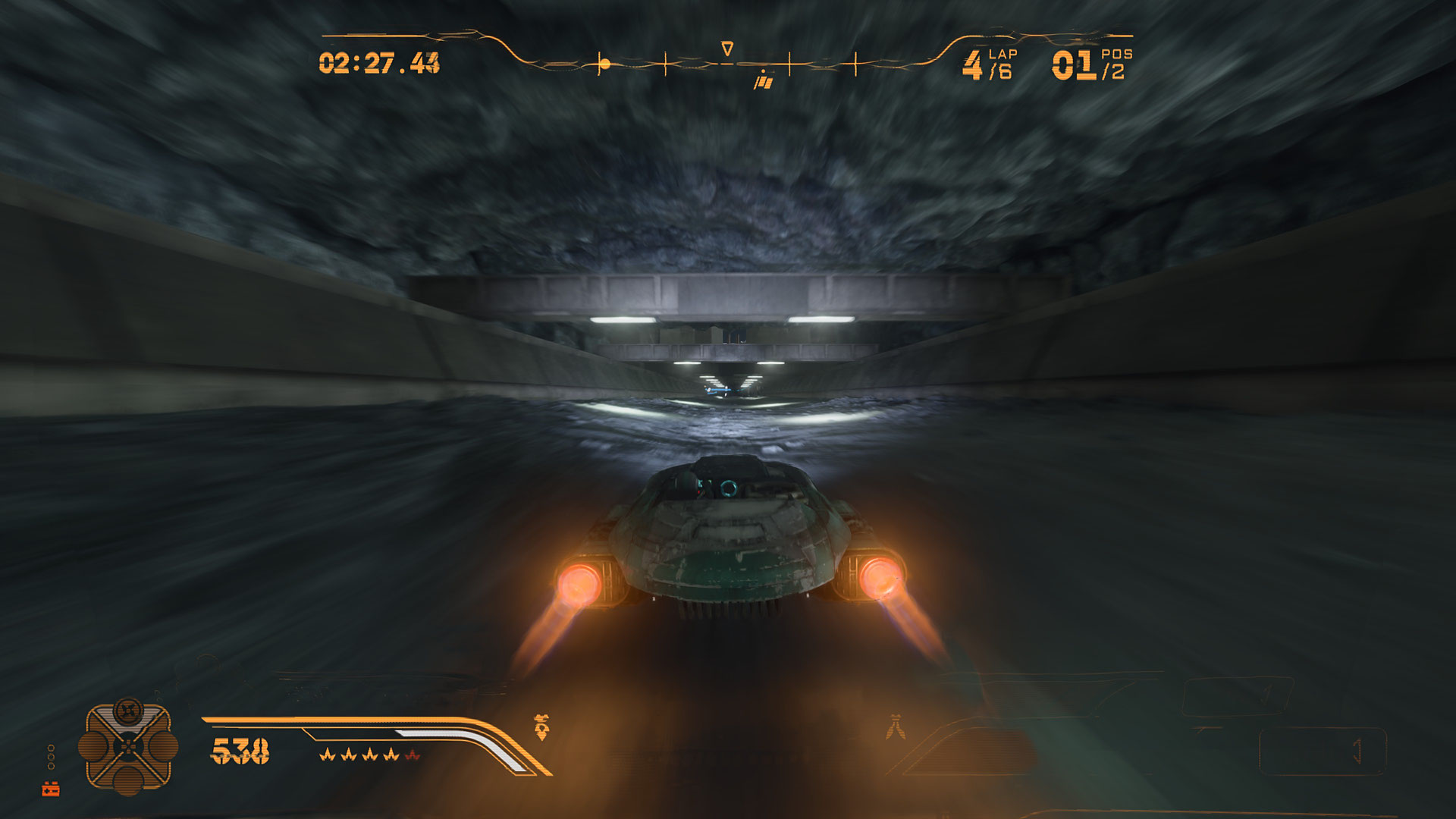
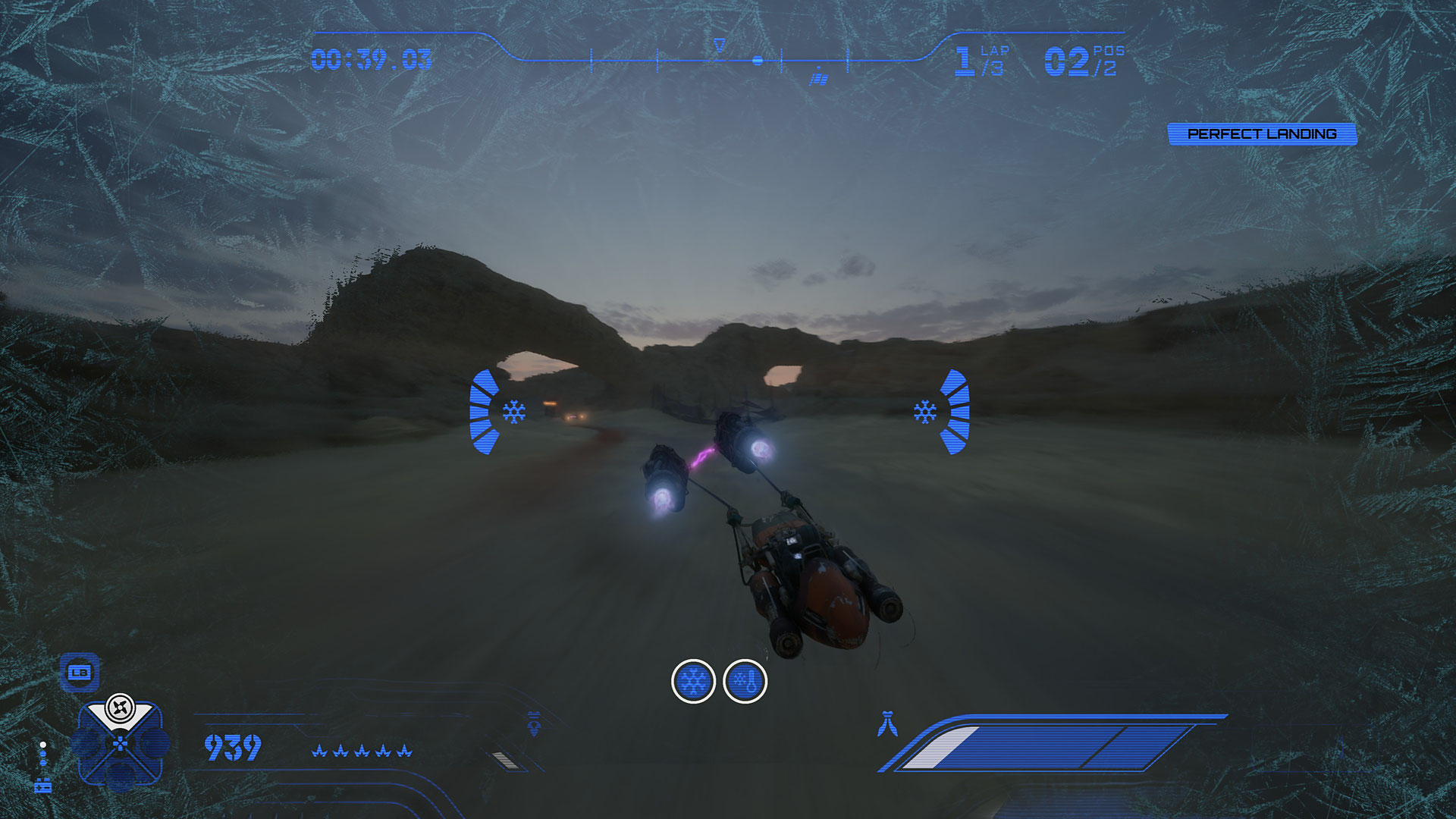
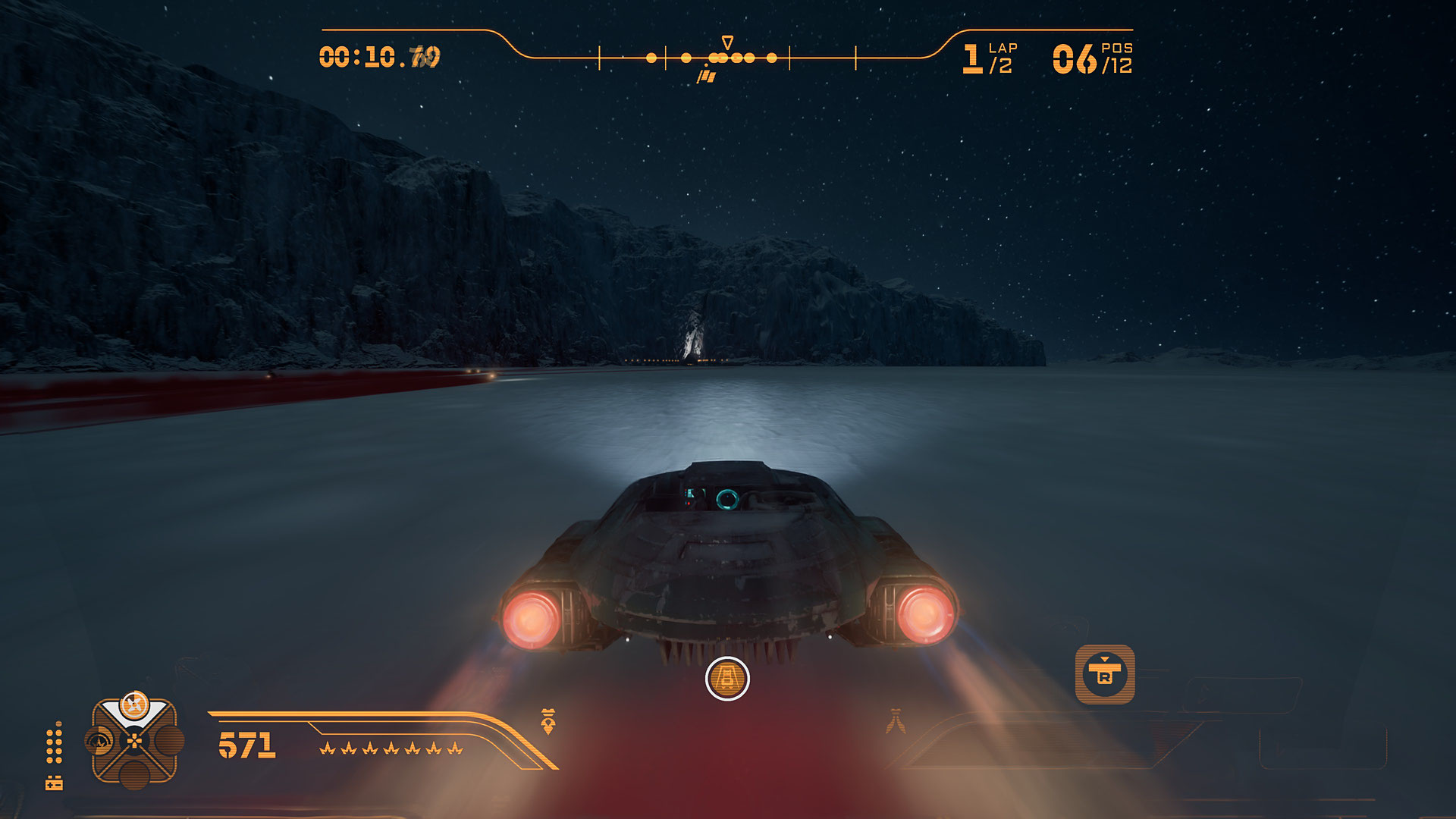
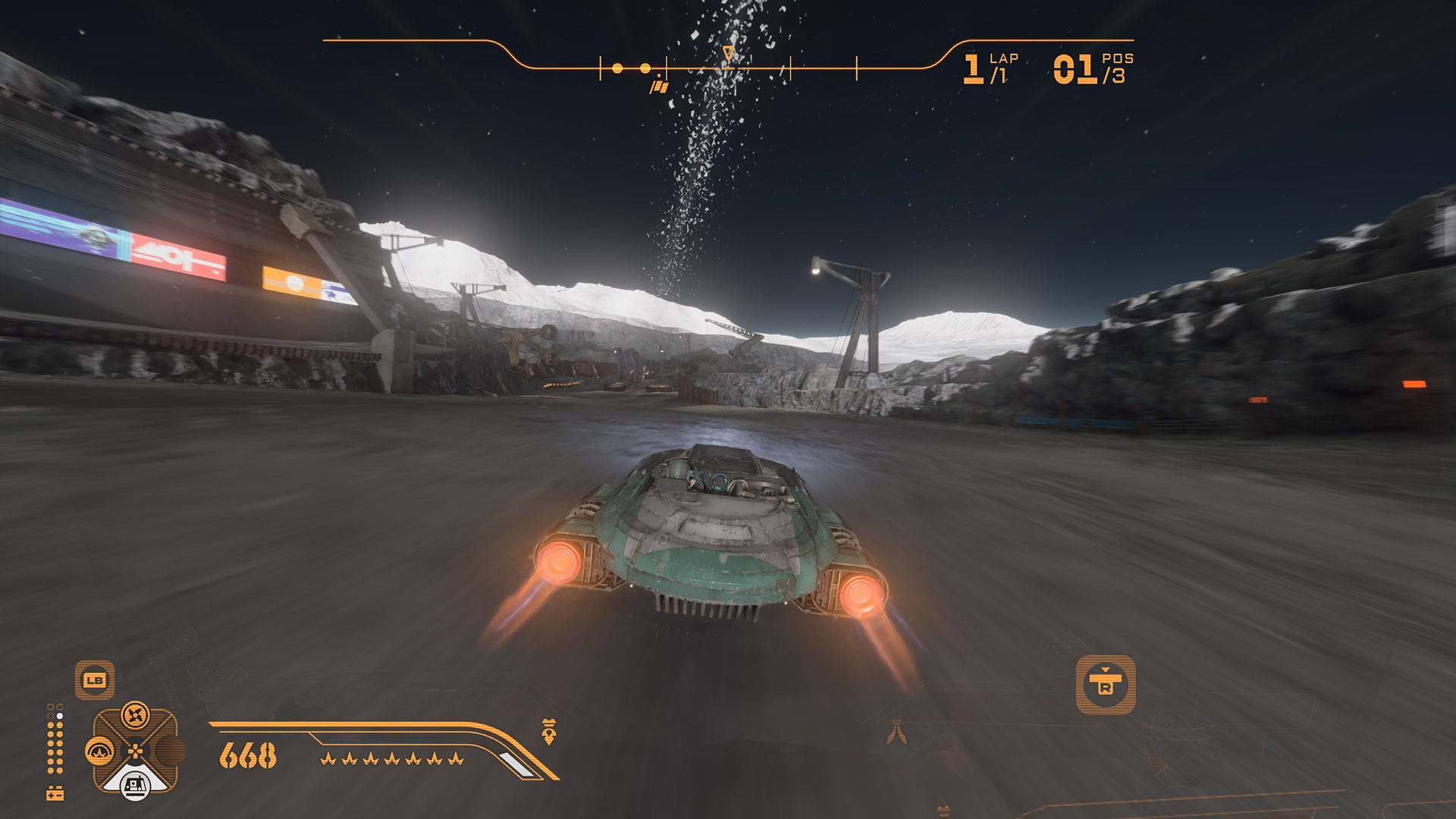
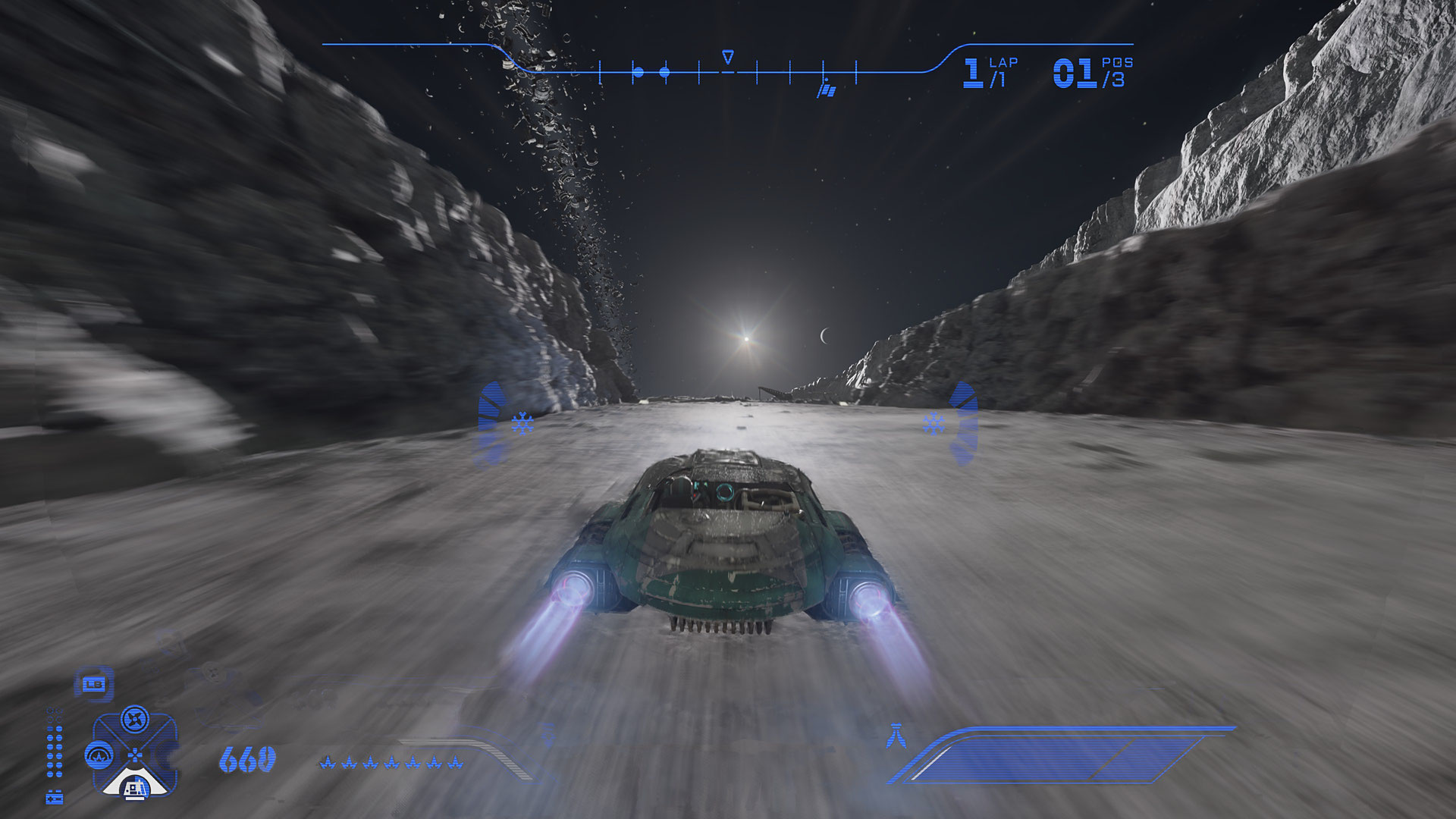
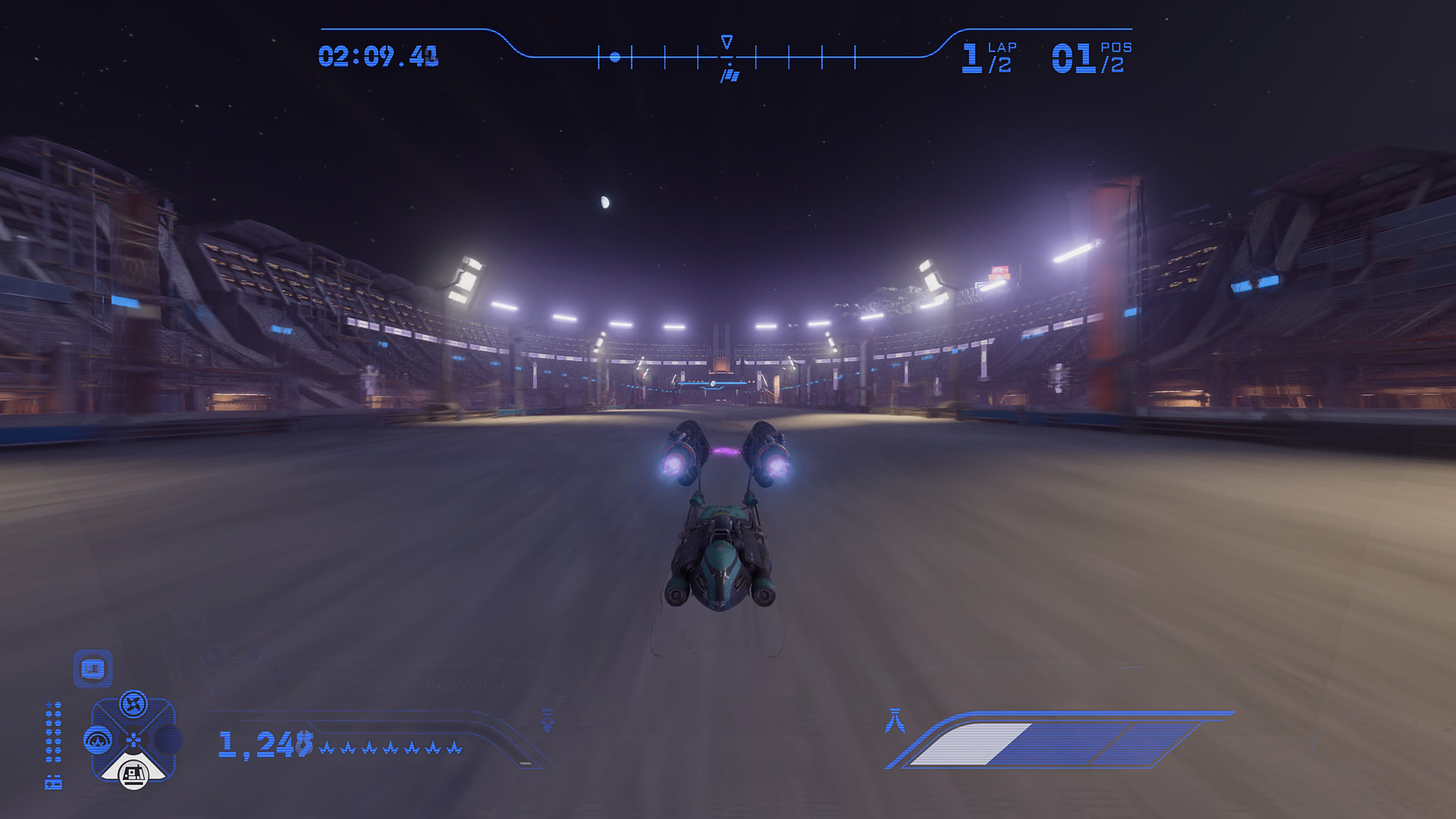
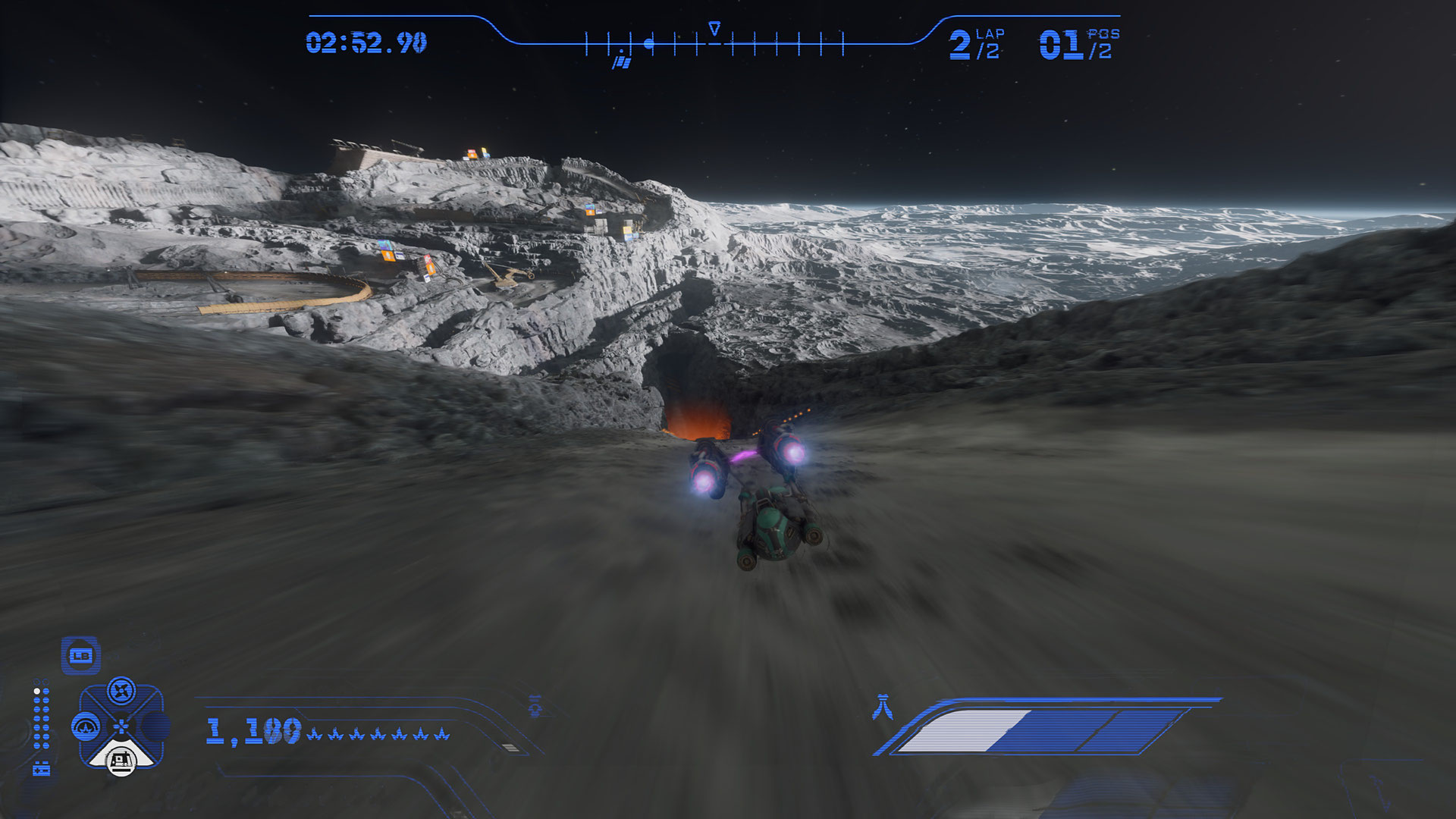
Visually, the game is gorgeous, and it really nails that sense of speed I keep coming back to. It will take some getting used to before the game starts to feel slower in your head, and certain planets were harder for me to read than others. I think that will vary from person to person, and it’s also largely dependent on how quickly you can memorize tracks. Each planet has multiple tracks along with reversed versions, and the hazards differ from one to the next. Sentinel I’s acid rivers and Ando Prime’s ice require different tactics than the Graveyard of Giants on Jakku.
I’m terrible at recognizing environments and memorizing tracks in a video game, which is ironic since I can do it very well in real life after spending time in motorsports. So while I can understand why some people might feel the tracks get repetitive after a few Tours, I found them fresh every single time I played, because I couldn’t remember anything for the life of me. Most of the time, I was purely focused on making the next turn rather than trying to remember whether it went left or right based on the flag I just flew past. The game does a good job of indicating which direction to go, but there were a handful of times when the environment completely tricked me, and I ended up off course or even going the wrong way.
As for complaints, my biggest one initially was the takedown camera cuts, but thankfully you can disable those in the settings, and I highly recommend you do. That still leaves the crash camera when you wreck your own racer, which really serves as a second penalty on top of the crash itself. Crashing is bad enough, but having the camera interrupt your view, then dealing with wherever the game decides to place you back on the track, can be jarring. Don’t be surprised if you crash immediately after crashing sometimes, because the game will put you in a bad spot when you respawn from time to time. Performance on my PC was great, as expected, though the game itself did crash on me a couple of random times over those 20 hours.
The Last Lap
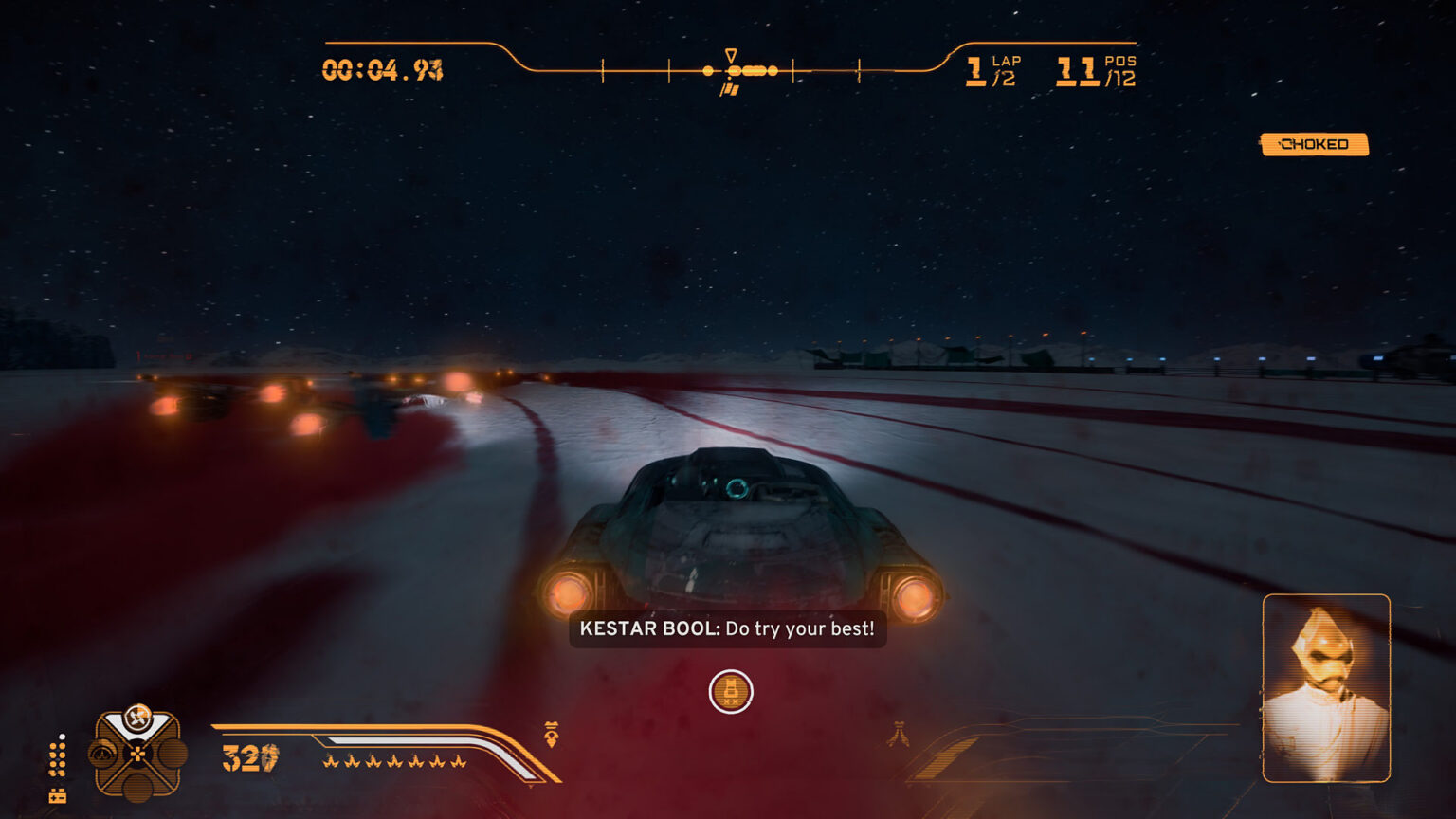
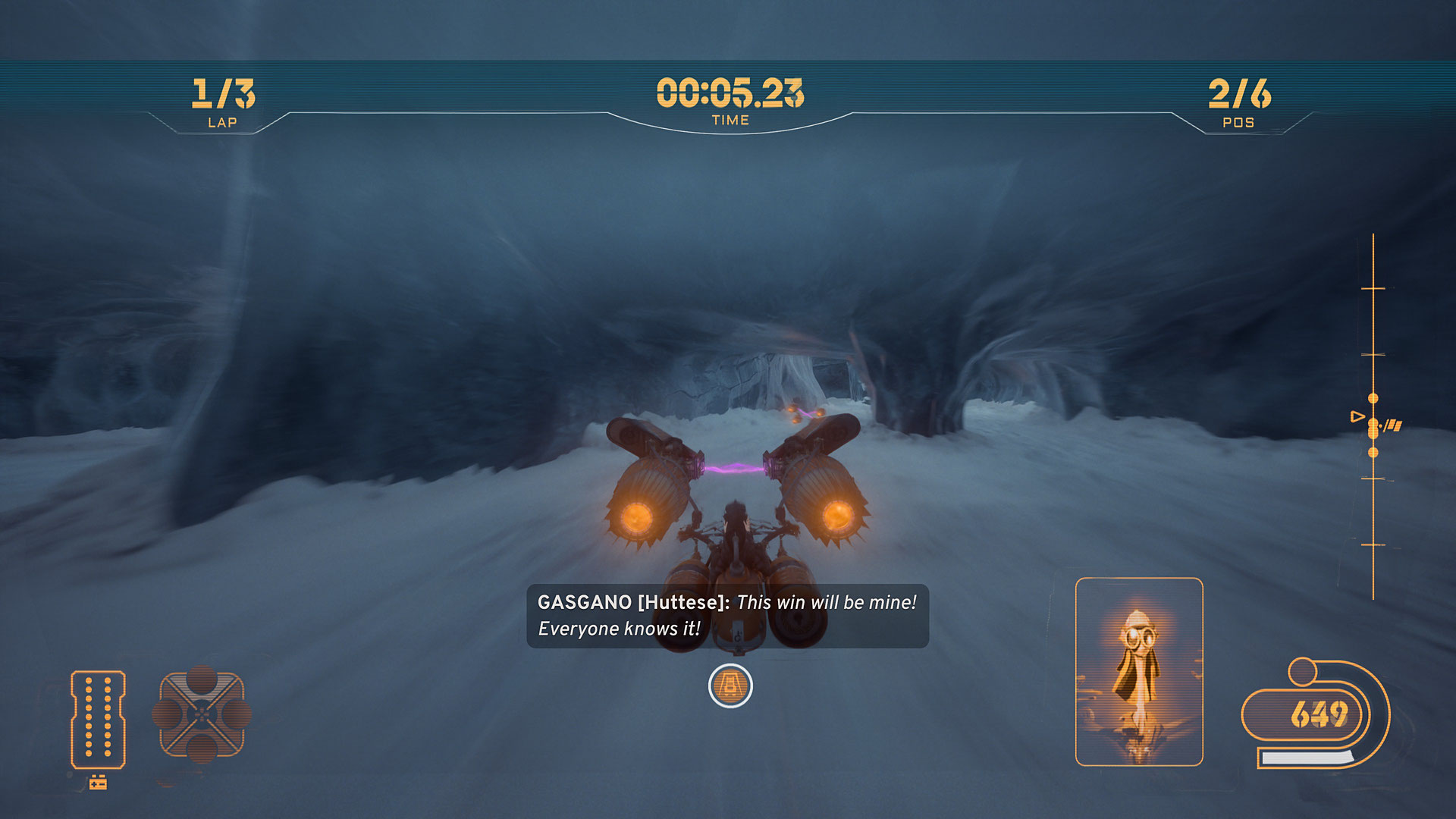
As a general motorsports and racing fan who really enjoyed Forza Horizon 6 earlier this year, I found Galactic Racer offers an entirely different experience from what you might be used to in a racing game. Between its roguelite structure and just how fast it feels, it’s a surprisingly unique experience, especially coming from a studio that was only founded in 2023. If you’re a Star Wars fan, you’ll find other reasons to enjoy it, from its subtle nods to podracing to a cast that pulls straight from The Phantom Menace. Surprisingly, I found the takedowns to be one of the less appealing aspects of the game, mainly because I was far more focused on surviving than taking out my opponents. It’s pretty risky to attempt a takedown when you’re going full speed in a race.
Overall, I’d highly recommend Star Wars: Galactic Racer if you’re a fan of arcade racing games. I wouldn’t say to jump on it just because you’re a Star Wars fan, because you’re still going to have to enjoy the fast-paced gameplay of an arcade racer, and the Star Wars content is on the lighter side. There also isn’t a ton of depth to the customization and roguelite aspects, so you shouldn’t expect to chase a build each run the way you would in Slay the Spire or Hades. The choices do have an impact on your run, though.
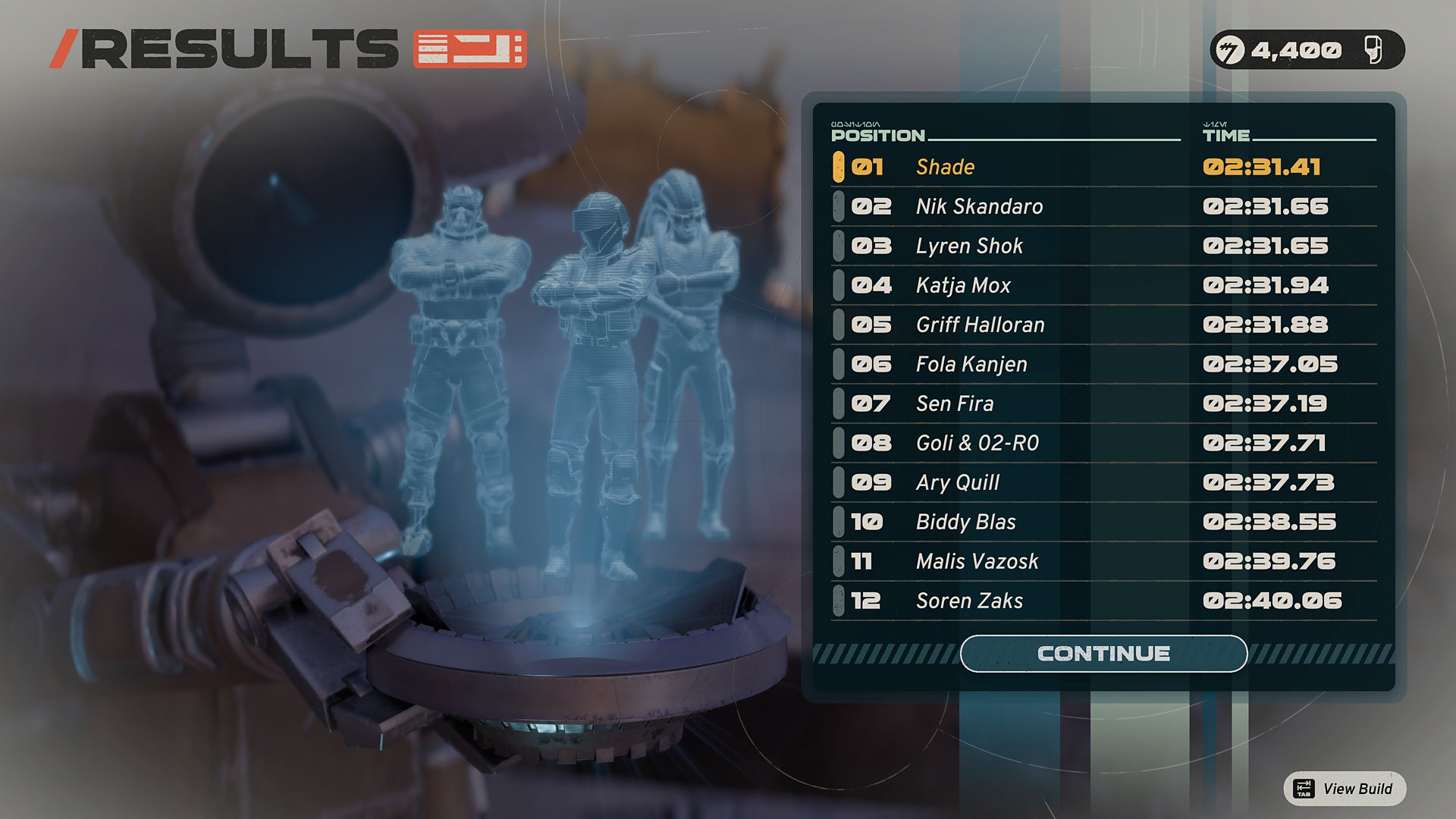
I never got that “just one more run” urge with Galactic Racer, mainly because I was never chasing any sort of build. I haven’t spent much time with multiplayer yet, either, though its 12-racer lobbies and podracer-only events are something I’m looking forward to once my schedule clears up. What kept me coming back for a Tour or two each night was the racing itself. The game felt like I had to get better in order to succeed, not just get lucky with my choices, and it was fun enough that I didn’t mind how slowly that happened. Star Wars: Galactic Racer is the F-Zero I remember from childhood, which is to say the one that never actually existed, and I had a great time being bad at it.
Star Wars: Galactic Racer has an official release date of October 6, 2026, for PlayStation 5, XBOX Series X|S, and PC. This review is based on a purchased retail copy of the game on PC with an AMD Ryzen 7 9850X3D, TeamGroup T-Create Expert 96GB DDR5-6800 RAM, and an MSI GeForce RTX 5090 Gaming Trio OC. While FullCleared does have affiliate partnerships, they do not influence our editorial content. We may, however, earn commissions for products purchased via affiliate links.
Star Wars: Galactic Racer Review Gallery (possible spoilers!)
Continue?
Like our content?
Subscribe to our newsletter and get video game news, reviews, features, and deals straight to your inbox.
You're subscribed!
Thanks for signing up. Look for an email from Substack at .
No email after a few minutes? Subscribe on Substack.
This newsletter may contain advertising, deals, or affiliate links. Subscribing to the newsletter indicates your consent to our Privacy Policy. You may unsubscribe from the newsletter at any time.