Quick Verdict
Generally, I’d have a hard time summarizing any game with just a single word. With Metroid Prime 4: Beyond, however, one word kept running through my head during my 17-hour playthrough: tedious. Never have I felt so frustrated playing a first-party Nintendo game, with certain sequences making me question whether anyone thoroughly playtested the game. I can forgive some of its archaic design choices as a way to preserve Metroid Prime’s style of gameplay, but many of the issues come from new additions to the series.
Without a doubt, Metroid Prime 4: Beyond is the most disappointing game I played all year, and I went in with fairly low expectations, given the game’s development cycle. The best thing I can say about it is that, at the very least, it feels like a complete game rather than something that was stuck in development hell for years. The thing is, though, the cracks are evident, and it’s clear that there’s a mashup of visions and ideas here, very few of which are fully fleshed out. Top it all off with an extremely disappointing ending and you’ve got yourself a game that’s more frustrating than fun.
Suit Yourself
As usual, I think it’s important to provide some context so you know whether or not my thoughts about this game are relevant to you. When it comes to Metroid games, my favorite has been, and likely always will be, Super Metroid on the SNES. I have a lot of fond memories of spending weekends playing through that game in an era where you essentially had to discover everything on your own. There wasn’t an internet to turn to when you got stuck, and solving many of those puzzles was a major reason why the game was so satisfying to play. Now, try as I might, I don’t remember much about the original Metroid Prime on GameCube. I know I played it, but I remember very little about it. I also did not revisit it when Metroid Prime Remastered released in 2023.
Because I also didn’t play Metroid Prime 2 or Metroid Prime 3, I debated whether I would pick up Metroid Prime 4: Beyond. Eventually, curiosity won out because I just had to see the result of a game that spent at least eight years in development. I also had a bit of faith that, since this is a first-party Nintendo title helping ring in a new generation with the Switch 2, it would at least be a fun and engaging experience. After all, Nintendo doesn’t always have to hit high marks when it comes to voice acting, character development, or even storytelling, so long as the game is fun.
As someone who has played games for 12 to 15 hours in a single session, it was telling that it took me over 10 days to put in less than 20 hours with Metroid Prime 4: Beyond. Twice, I considered giving up on the game entirely, but I knew I was toward the end and forced myself to roll credits. Somehow, that made things worse, because I found that the ending of Metroid Prime 4: Beyond was pretty awful. I hate to say it, but I actually regret spending the time I did with the game. I probably could have stopped halfway and walked away with a more favorable impression of it, though it still would have been pretty forgettable.
Dread by Design
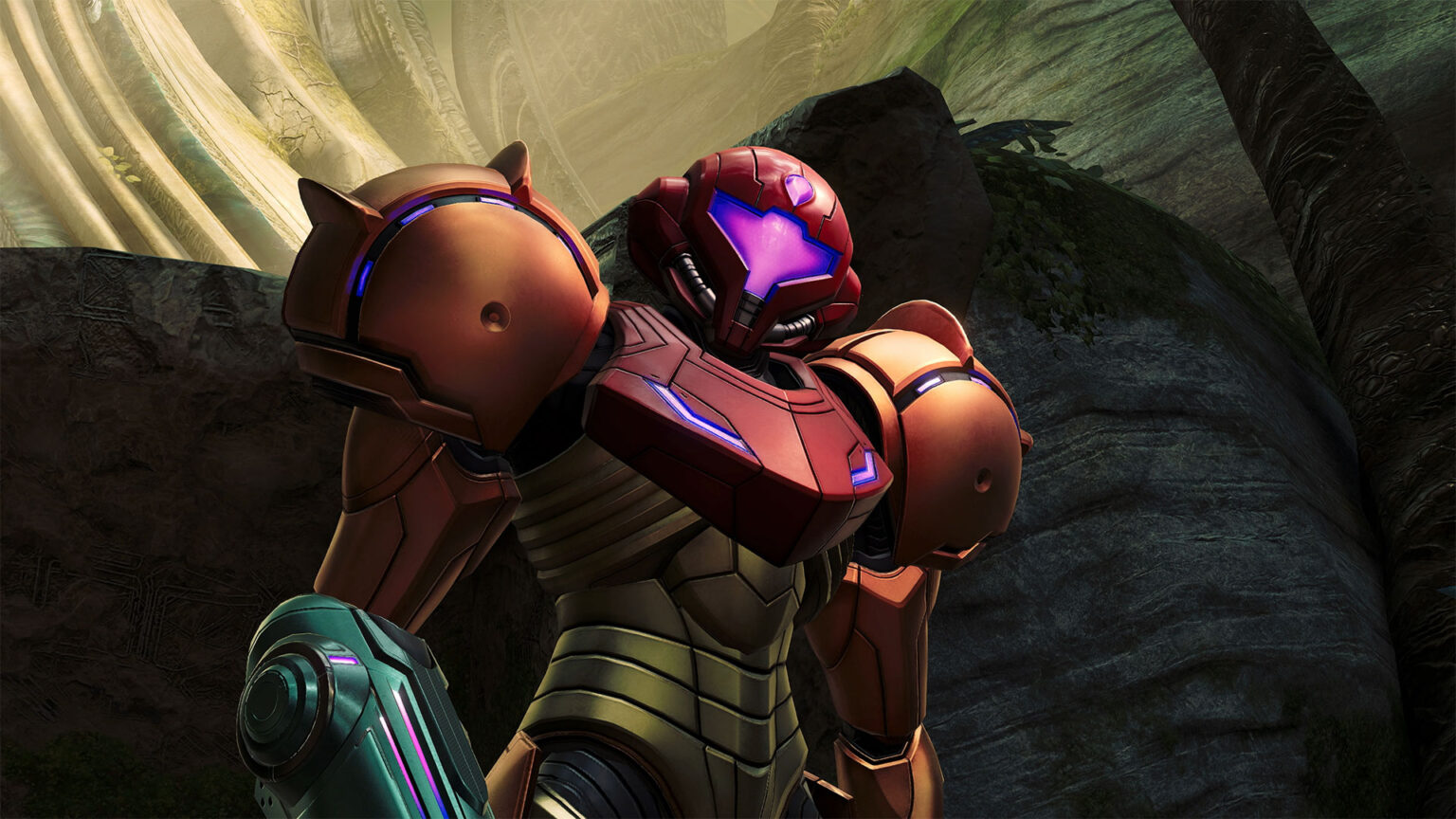
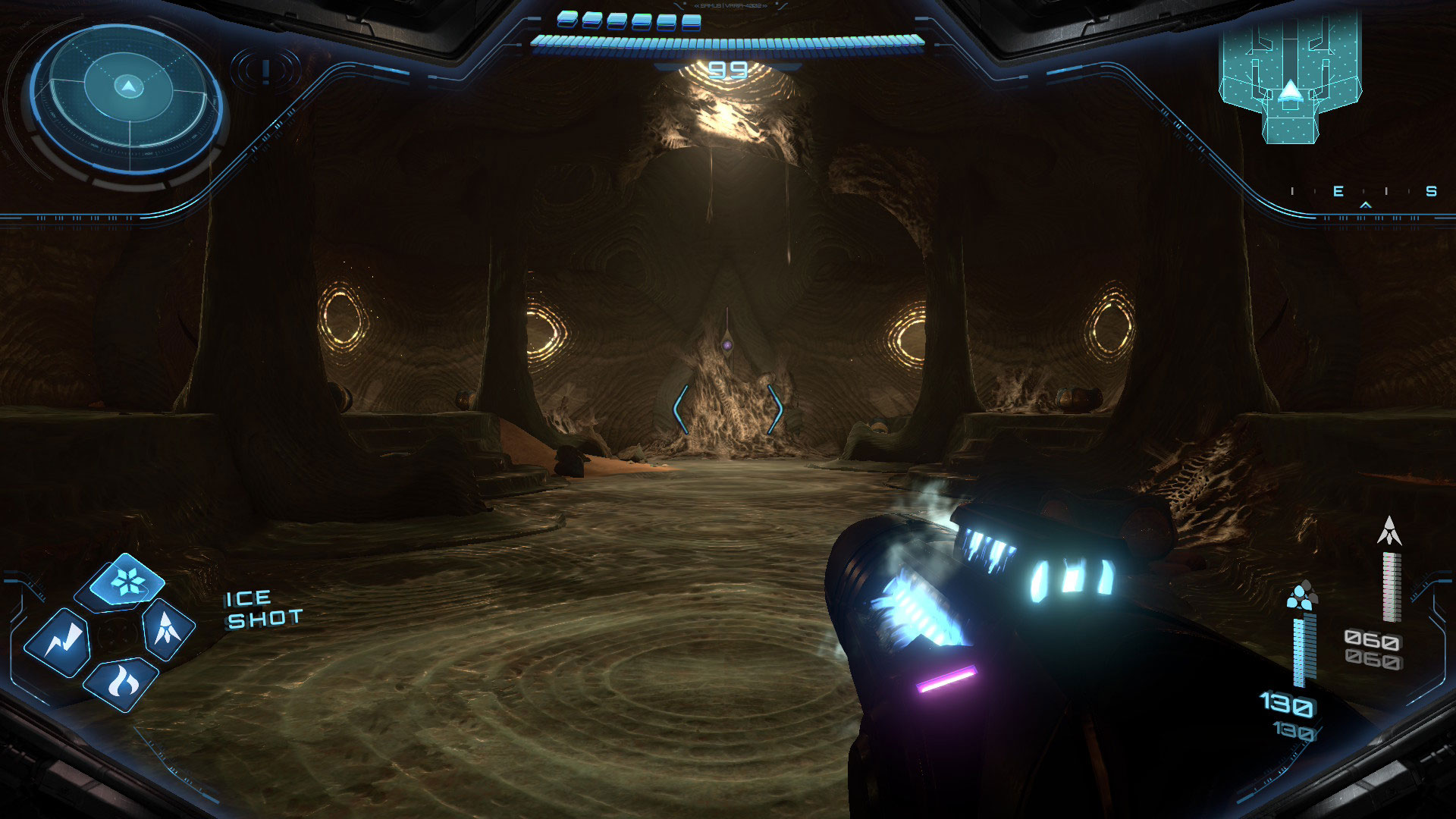
As I mentioned before, I can look past many of Metroid Prime 4: Beyond’s old-school design choices because it wants to retain the gameplay of classic Metroid Prime games. With that said, I want to be clear that it succeeds on all fronts if that’s what you’re looking for with Metroid Prime 4: Beyond. If you simply want a much prettier Metroid Prime game, you’re going to get that with this entry. But there’s the caveat that some new elements have been added to the formula, and some of them don’t work at all. Though I don’t remember much about the original Metroid Prime, I can recall its first-person combat and general exploration, which Metroid Prime 4: Beyond recaptures in a modern way. The return of scanning is a mixed bag. It remains useful for puzzle hints, but the amount of scannable objects feels excessive. Plenty of scans add little to the world, and some return almost nothing at all.
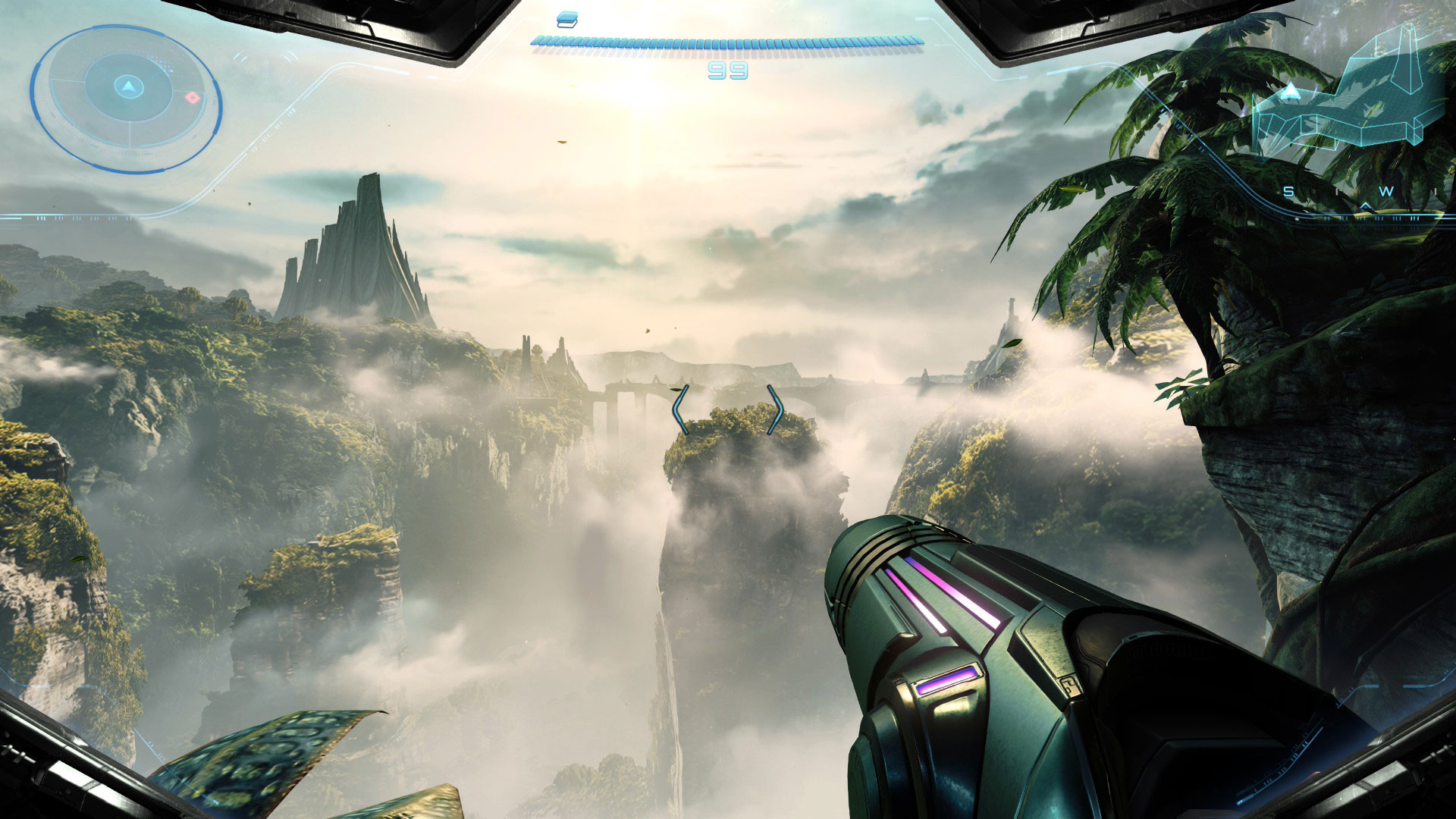
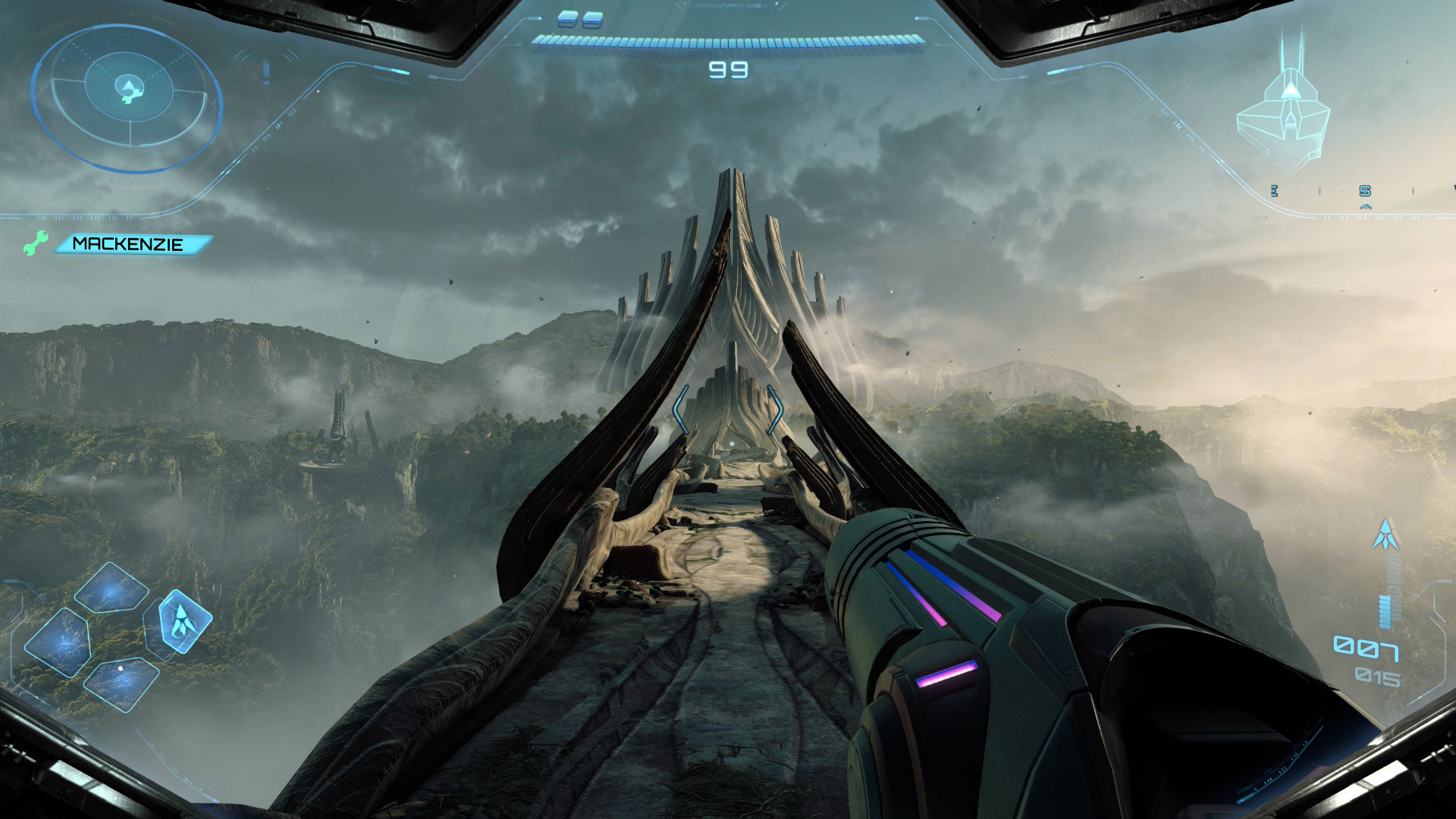
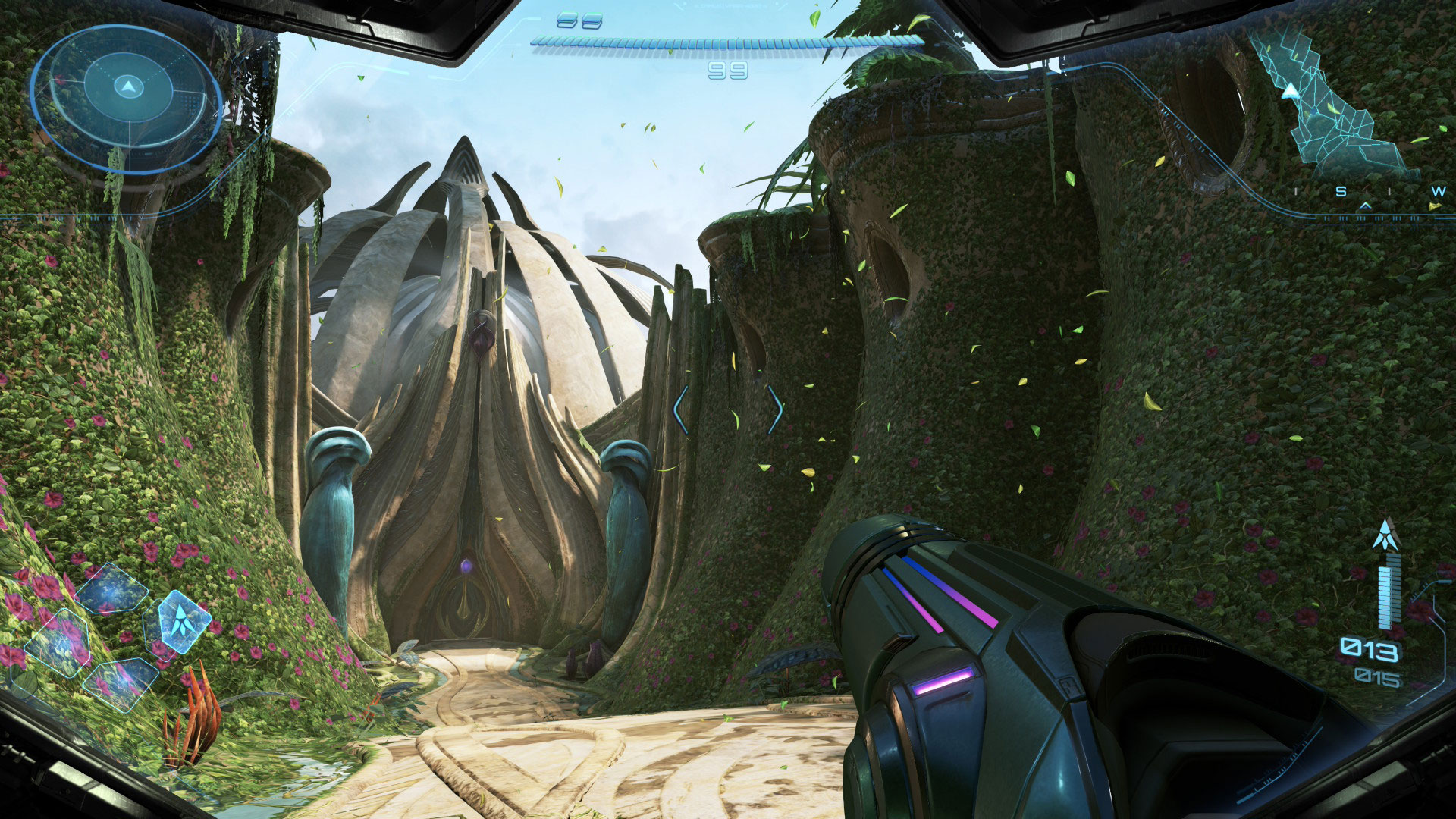
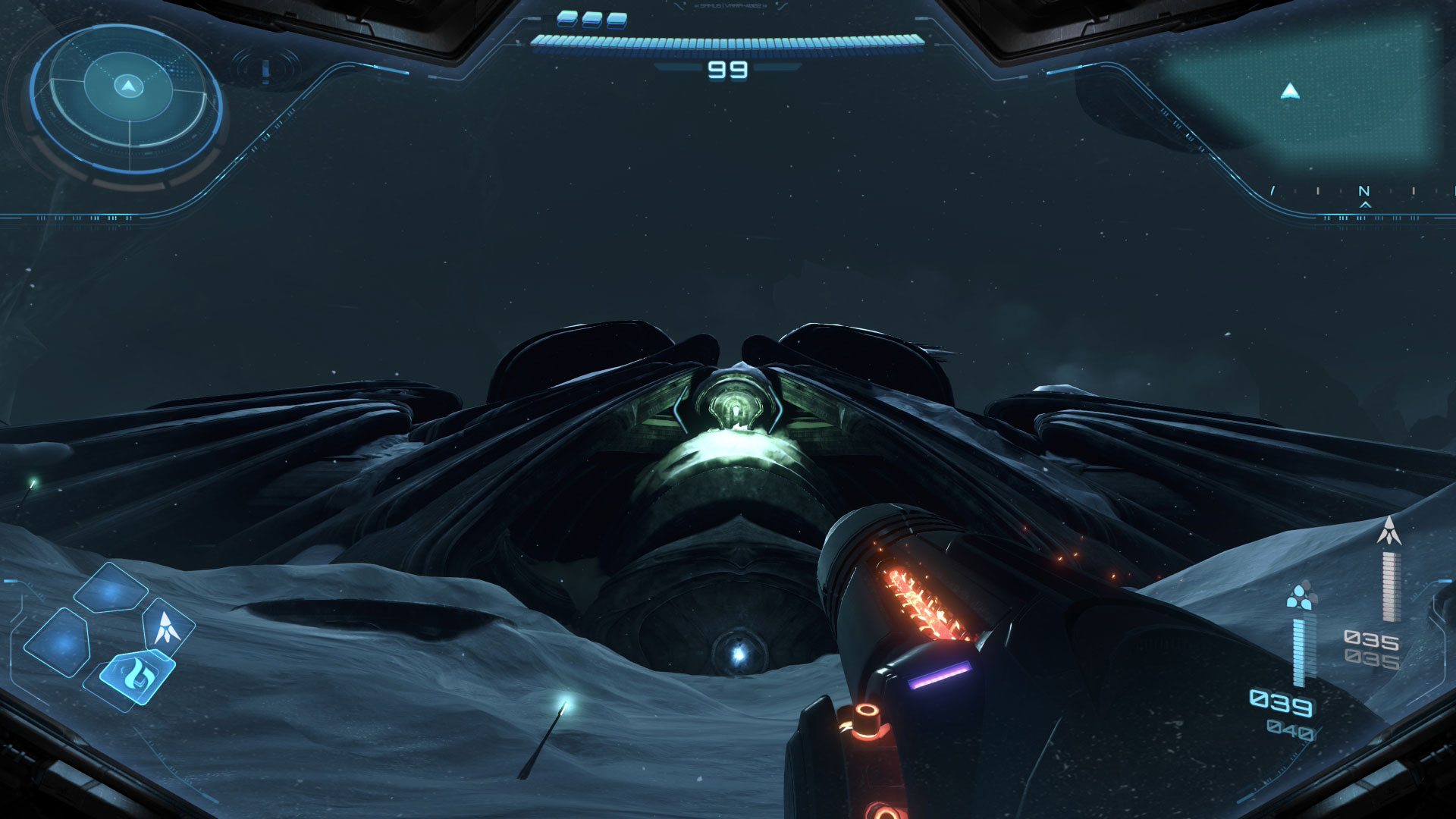
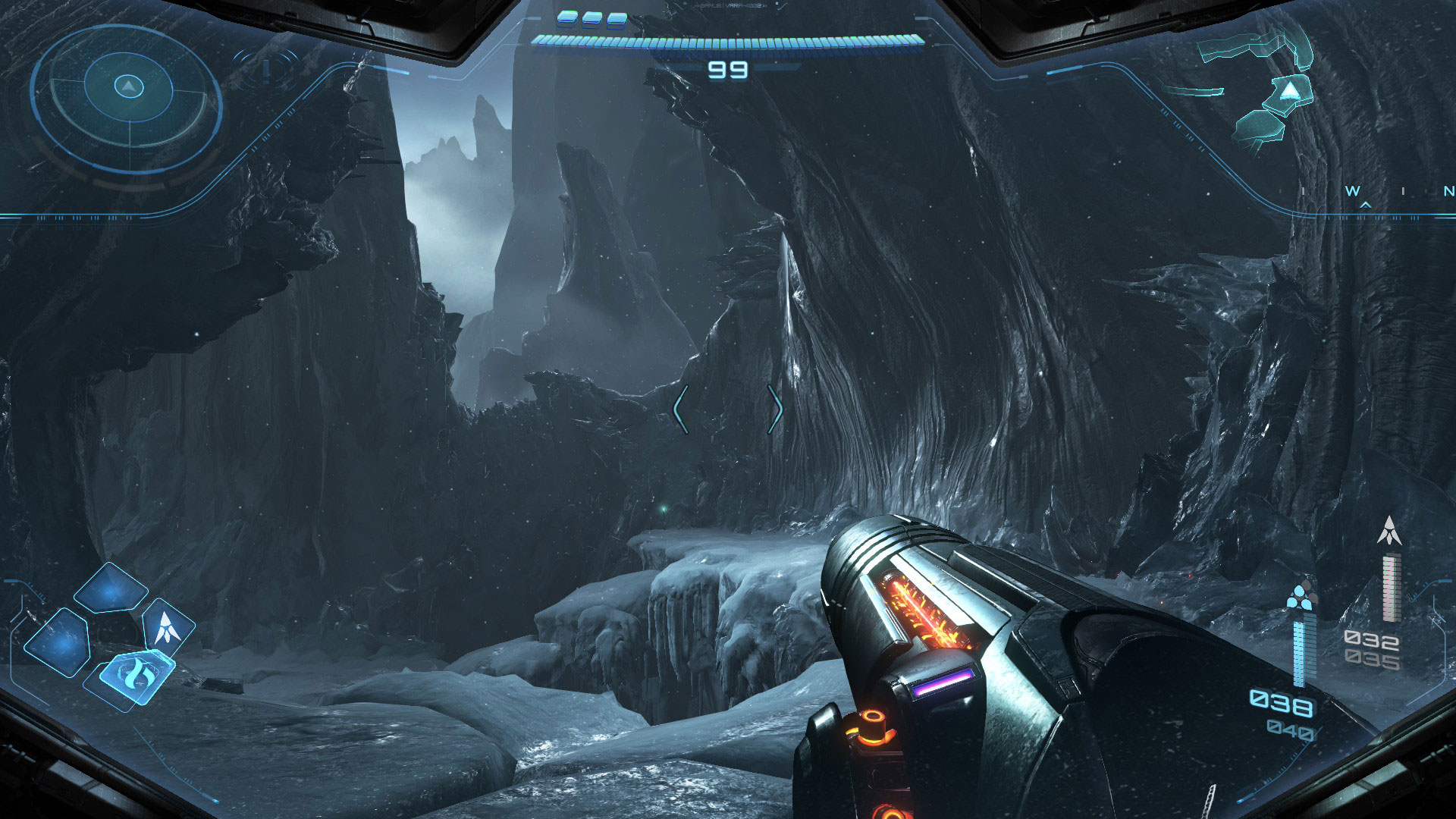
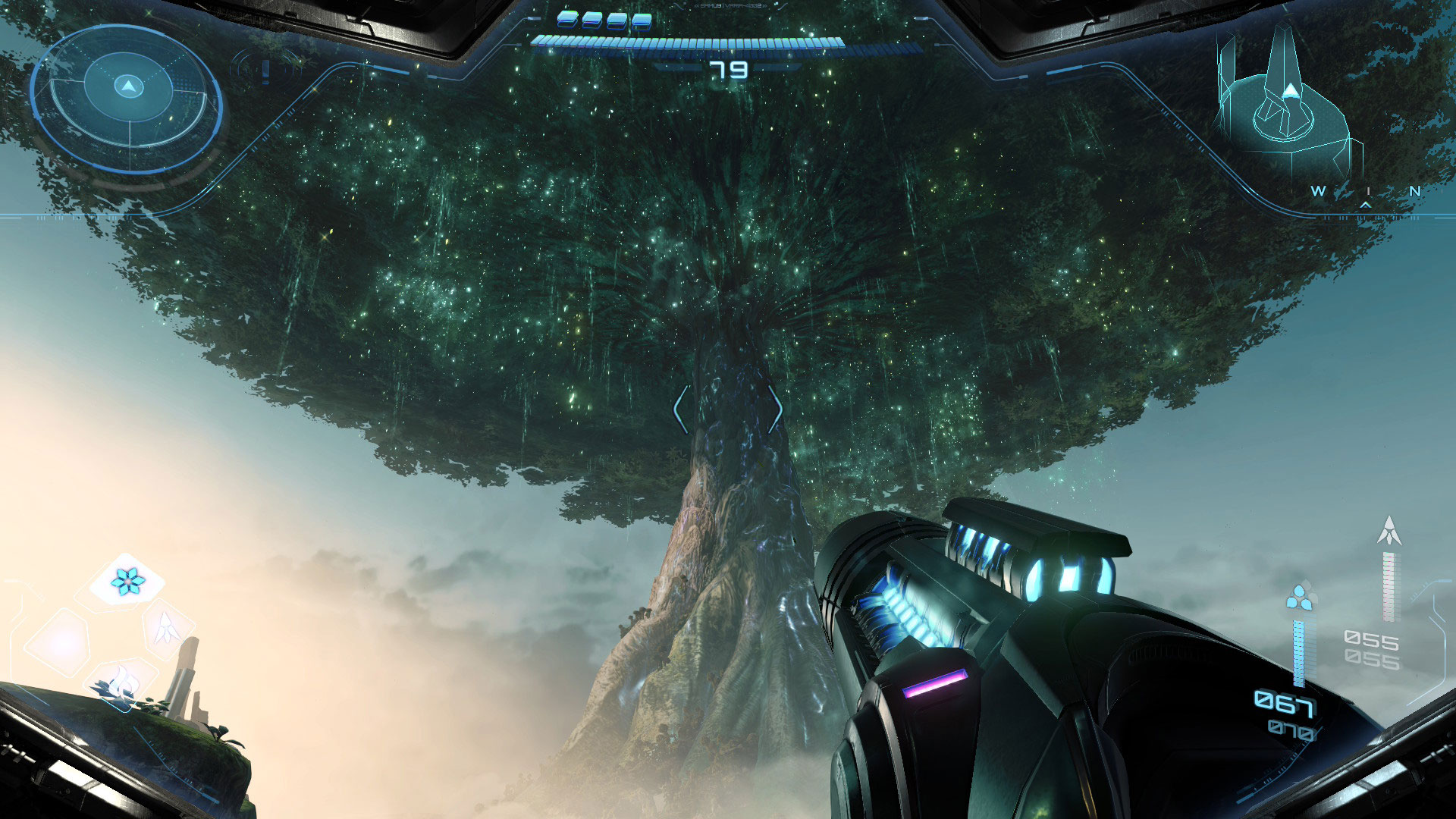
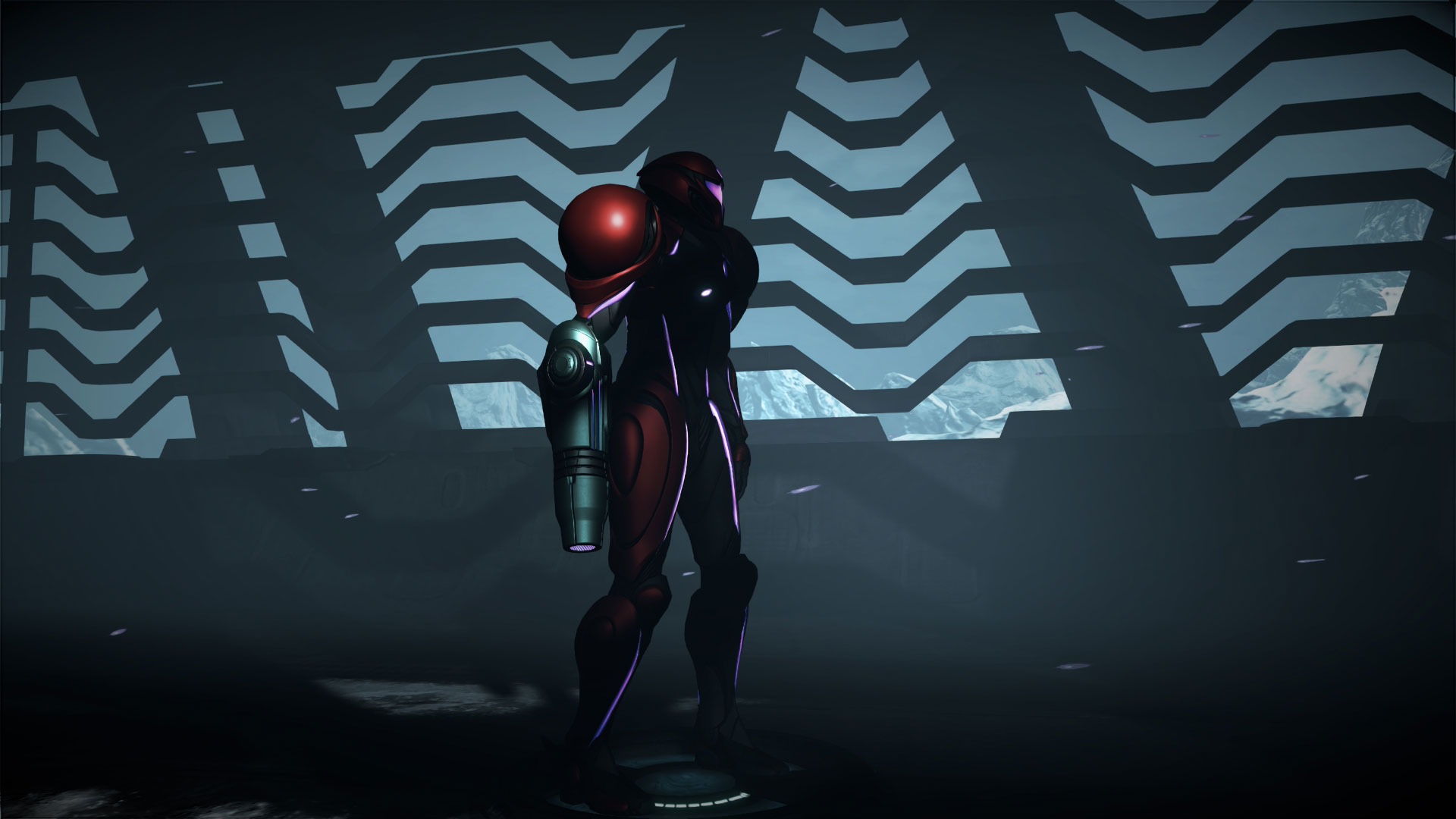
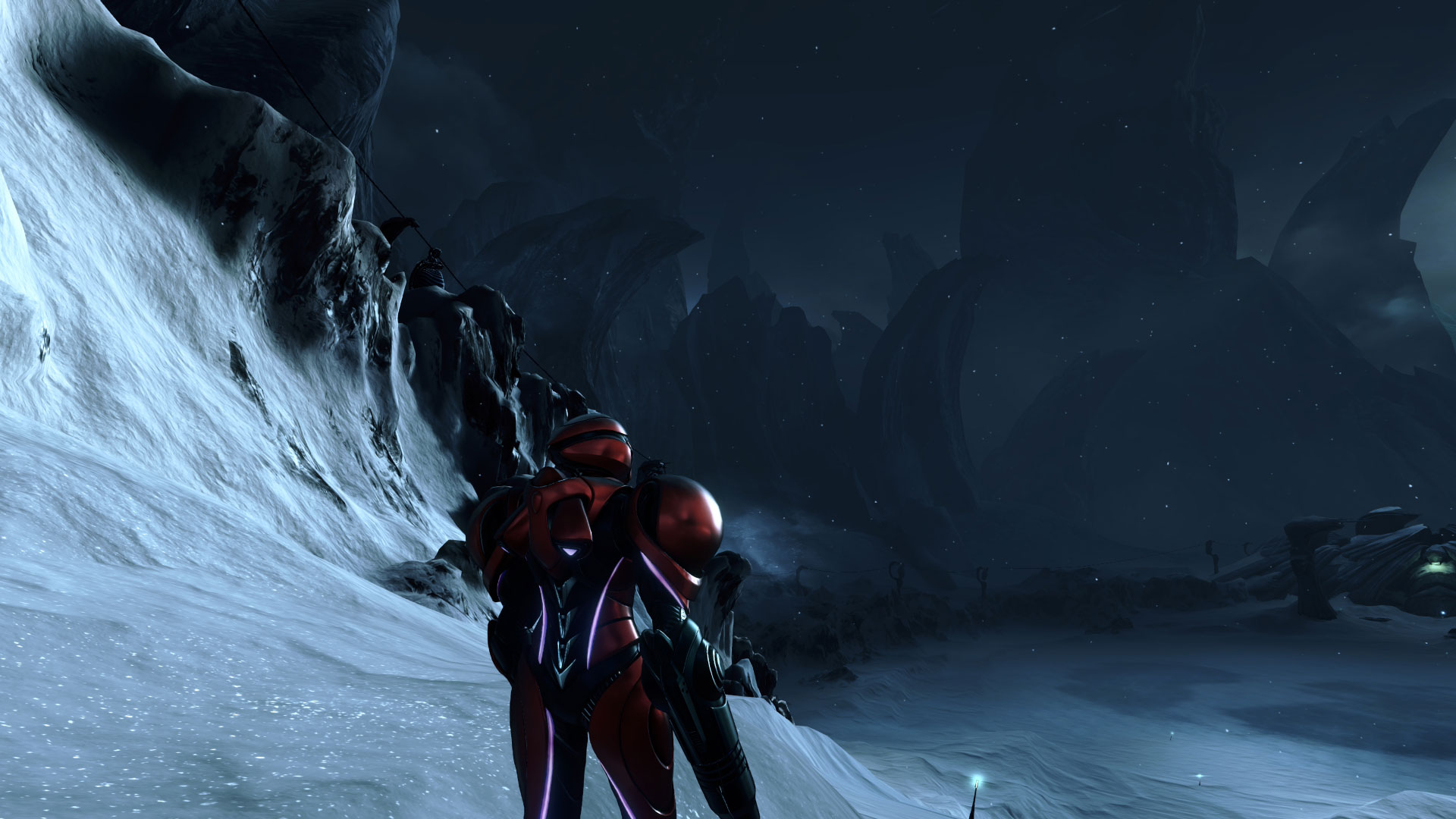
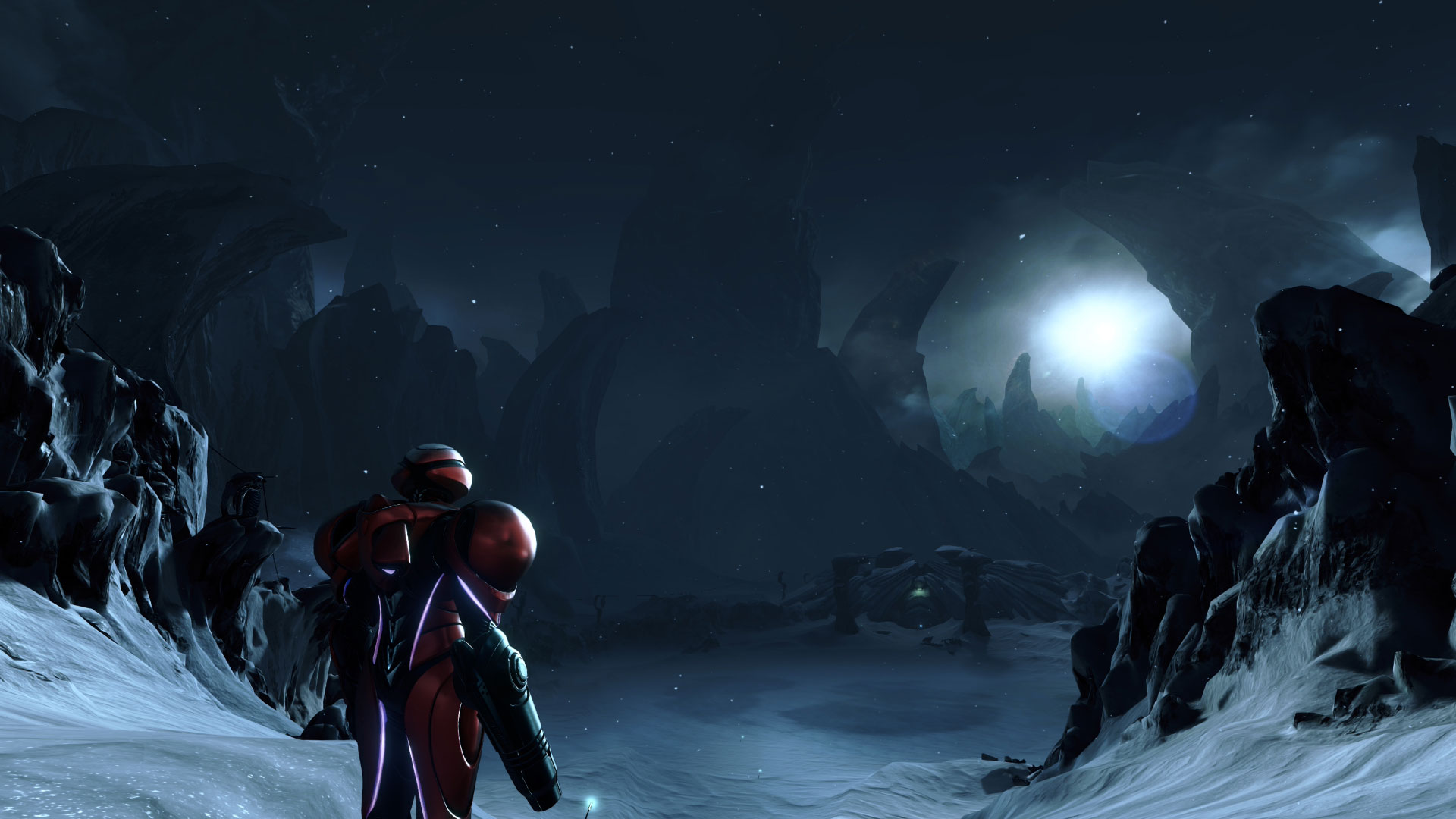
Even if you’re not new to the franchise, it’s worth mentioning that the game’s controls take a bit of getting used to. For me, the default controls felt unintuitive when it came to targeting, and I had to play around with many of the settings before it all felt natural. I avoided using motion and mouse controls since I mainly played docked with the Switch 2 Pro Controller. I also chose to prioritize 120 FPS over 4K visuals, and despite that, Metroid Prime 4: Beyond is one of the best-looking games I’ve played all year. It’s remarkable how great this game looks on the Switch 2, even though I played the majority of it at 1080p.
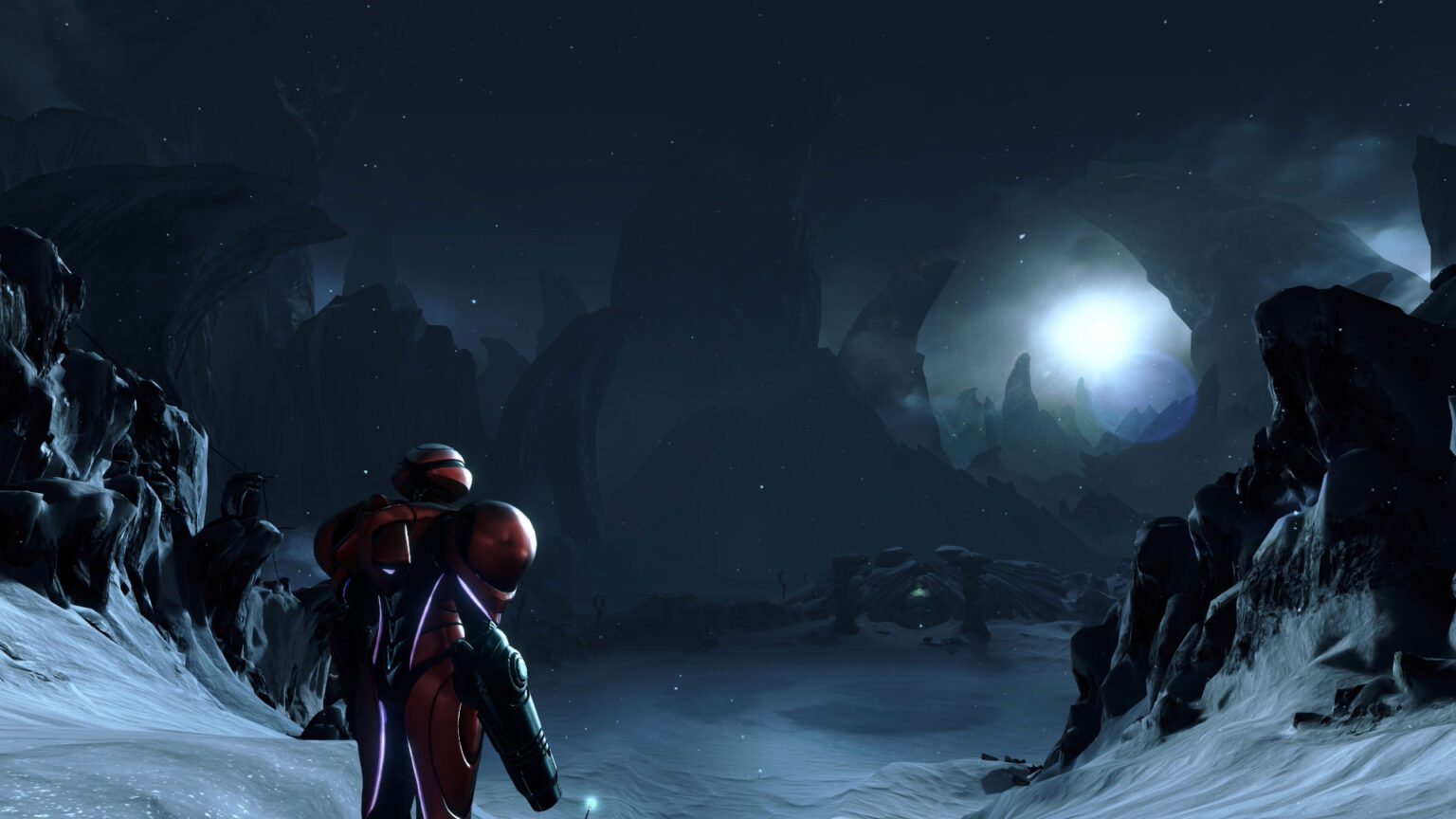
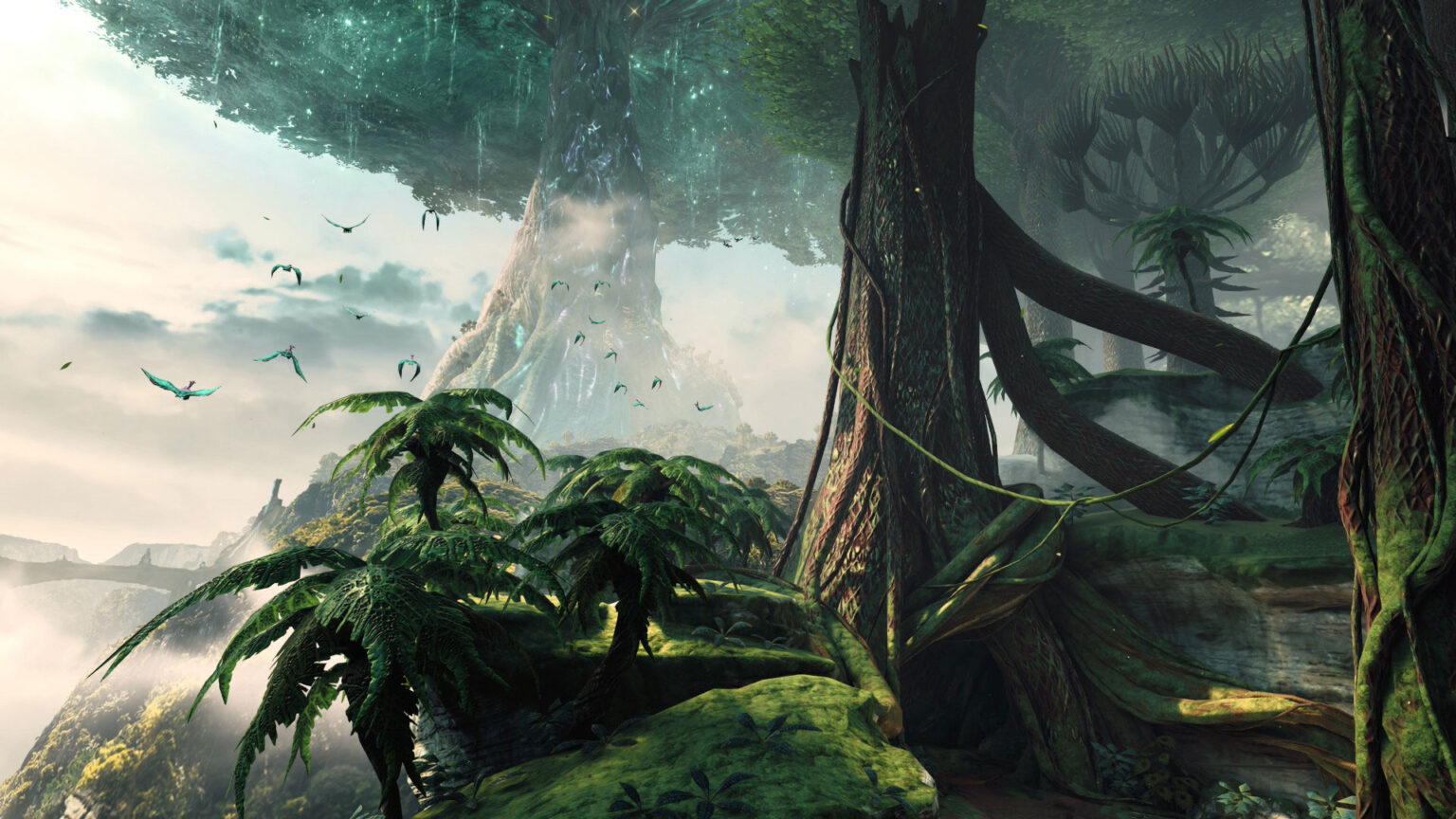
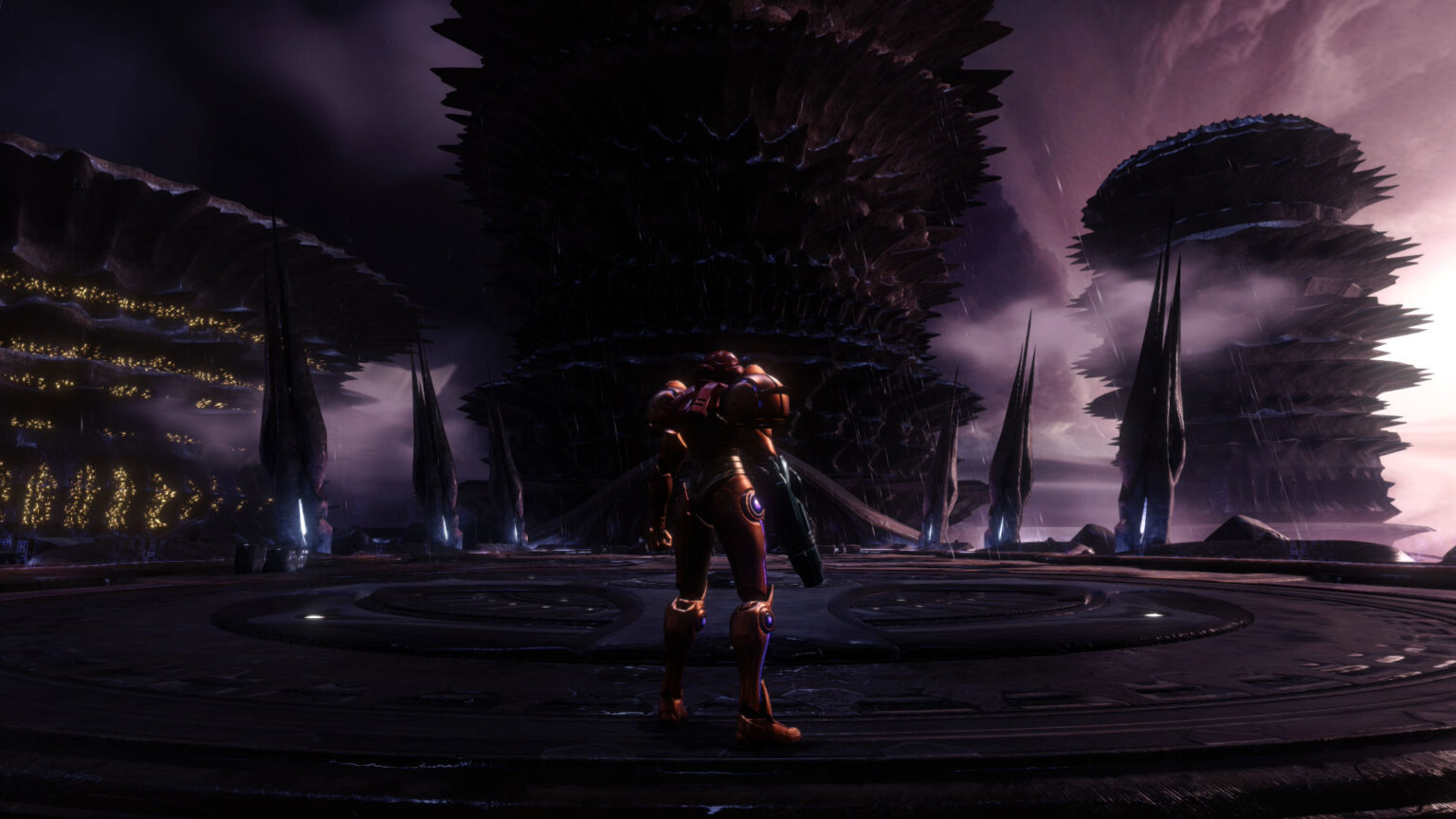
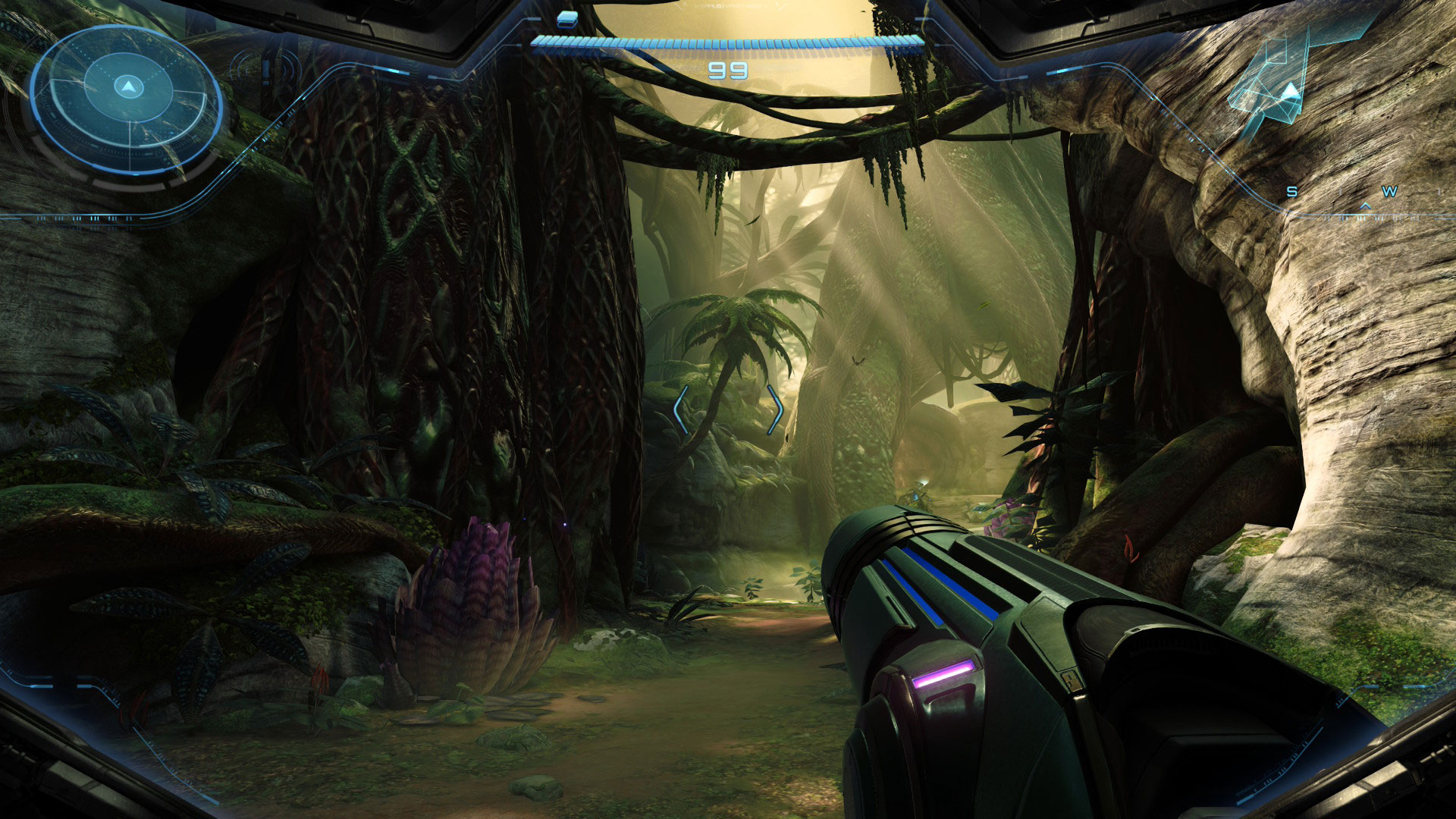
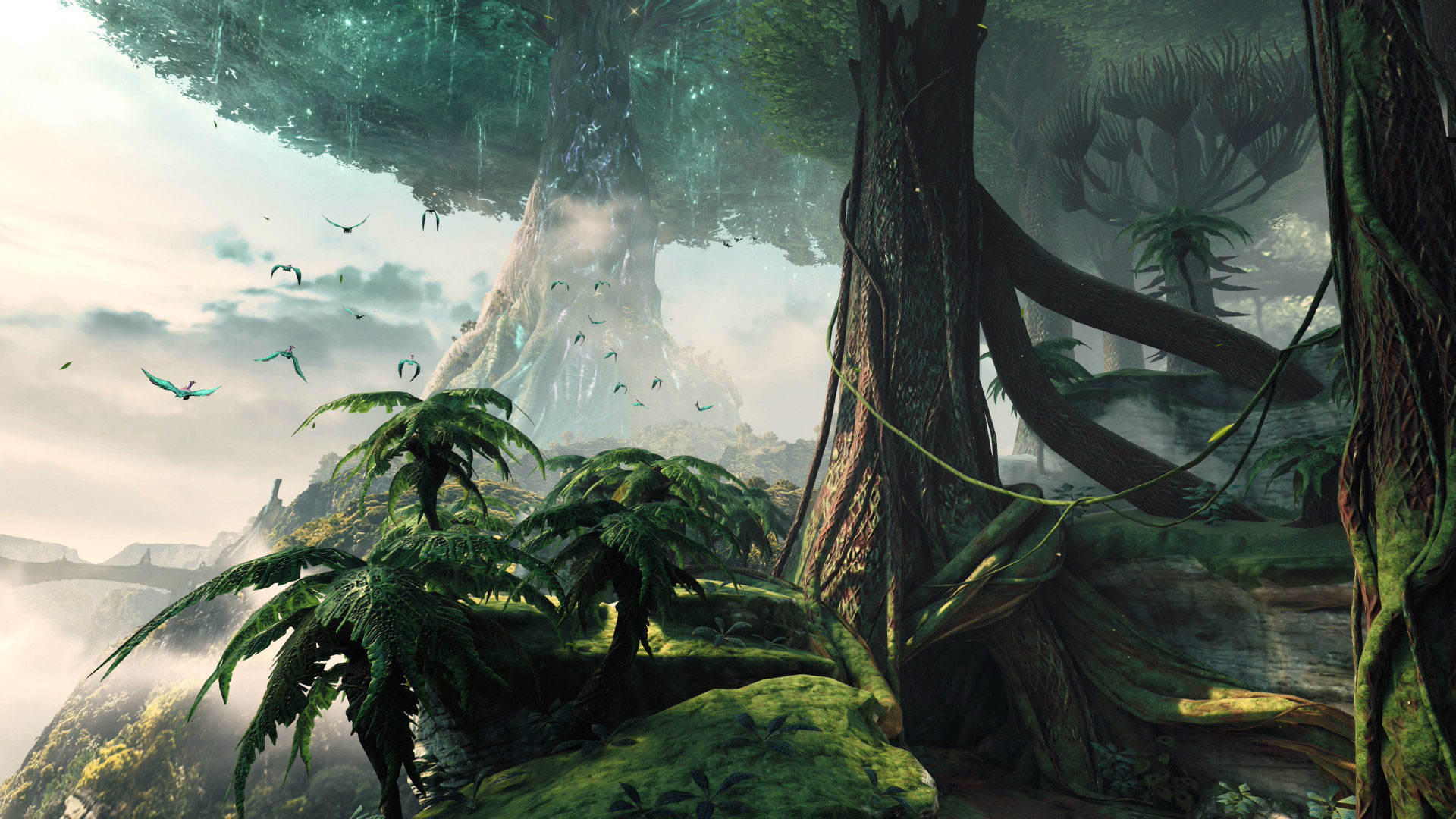
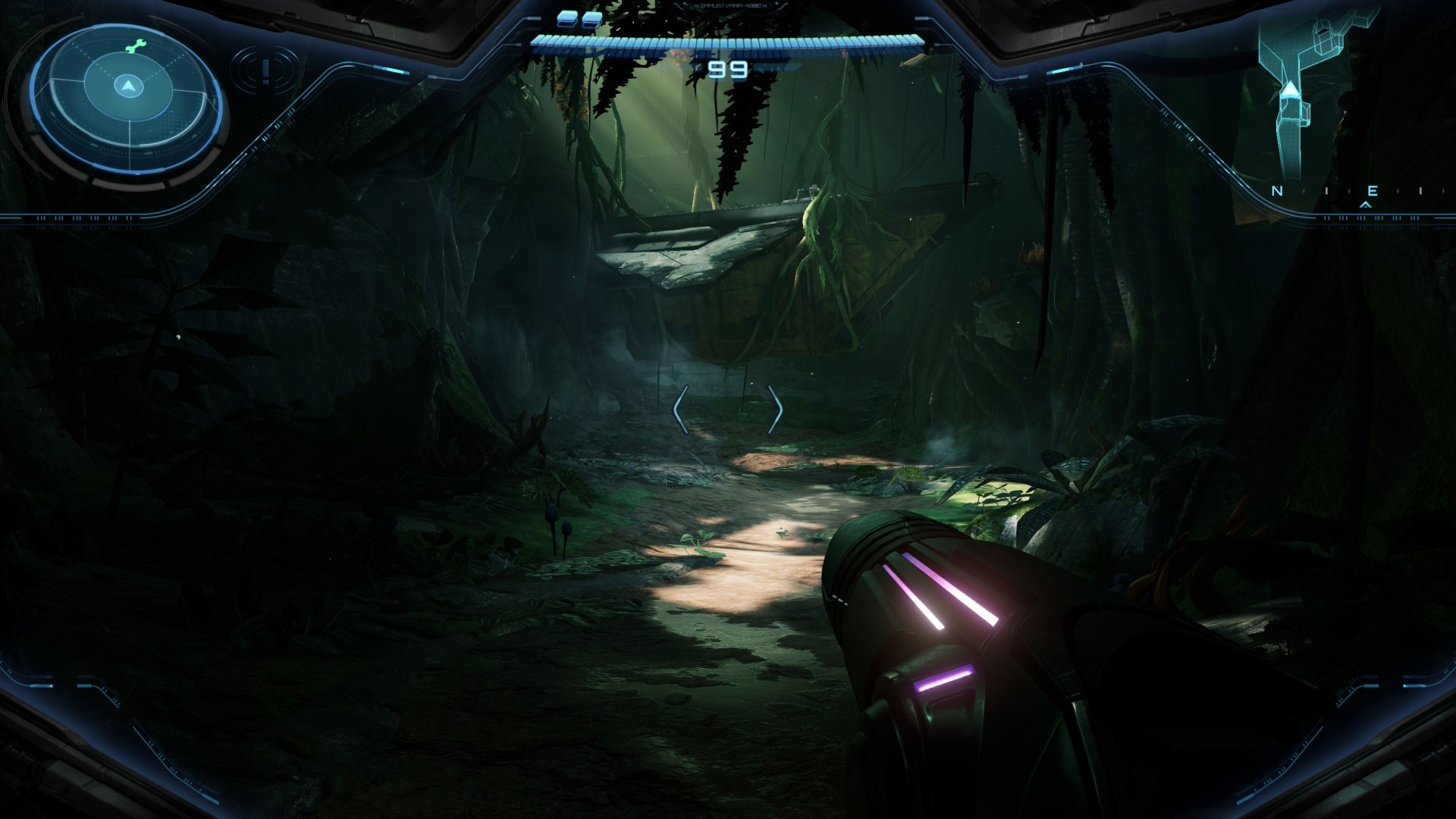
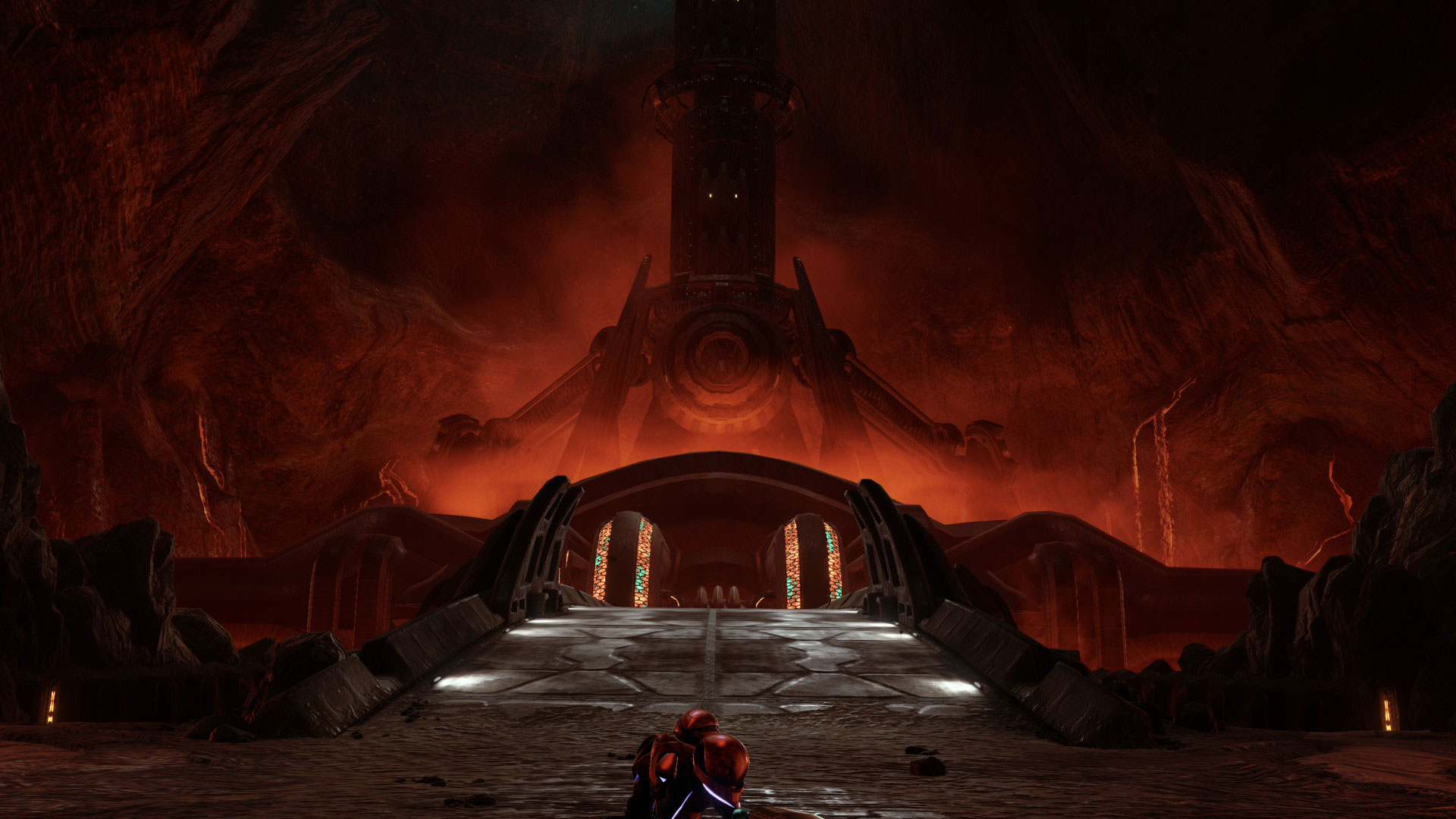
Metroid Prime 4: Beyond starts off strong, as the first zone, Fury Green, really shows off all of the game’s beauty. The music in the zone is mystifying, and the overall presentation just oozes with style. Unfortunately, a lot of that luster wears off pretty quickly as subsequent zones start becoming one-note and a bit drab. What became evident to me the more I played Metroid Prime 4: Beyond were the sections of the game where it felt like development time simply ran out, or no one could agree on what belonged in that zone. With six total zones to experience through the adventure, I found the latter half of the game severely lacking in creativity when compared to the first half.
Prime Time Problems
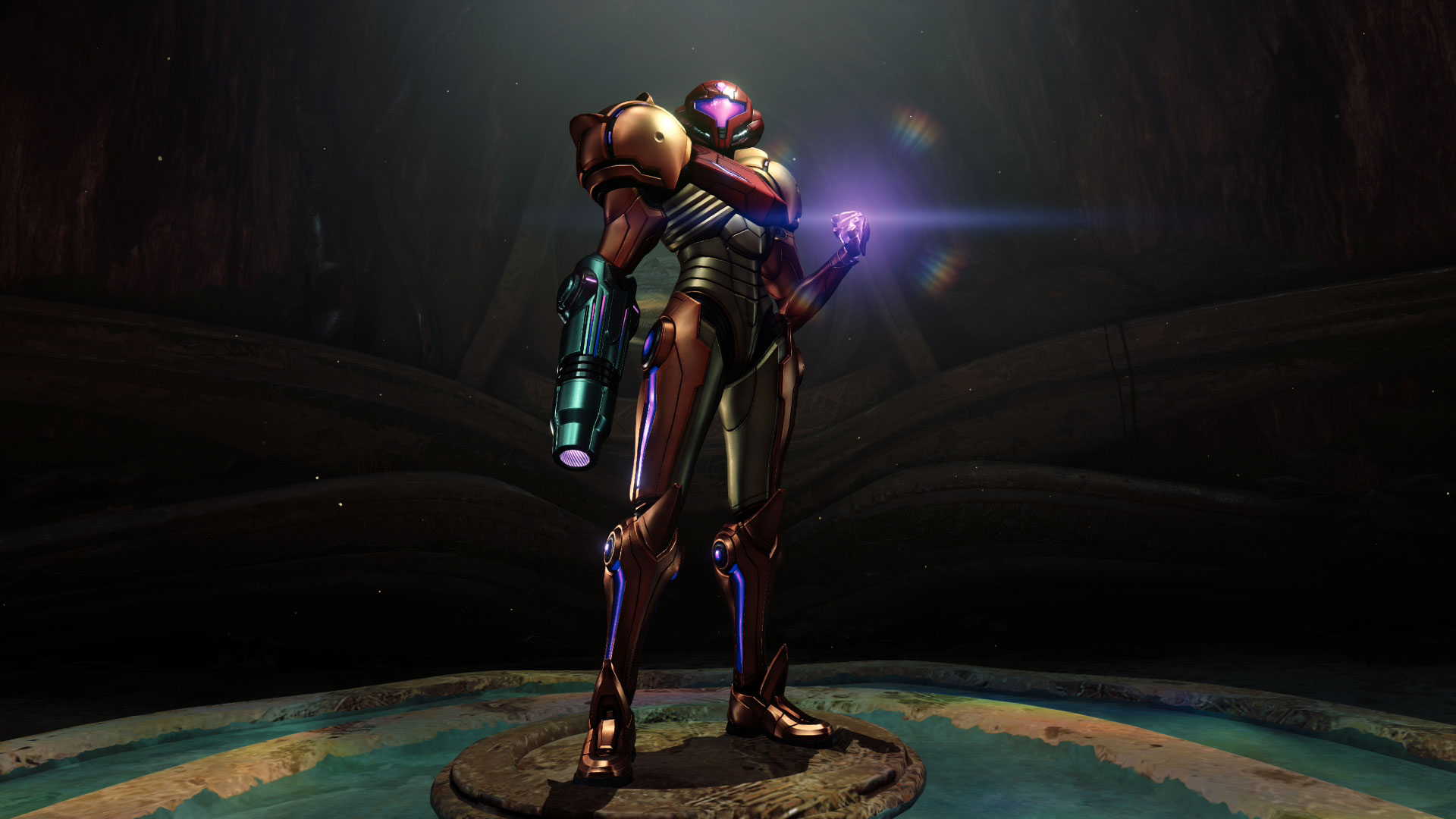
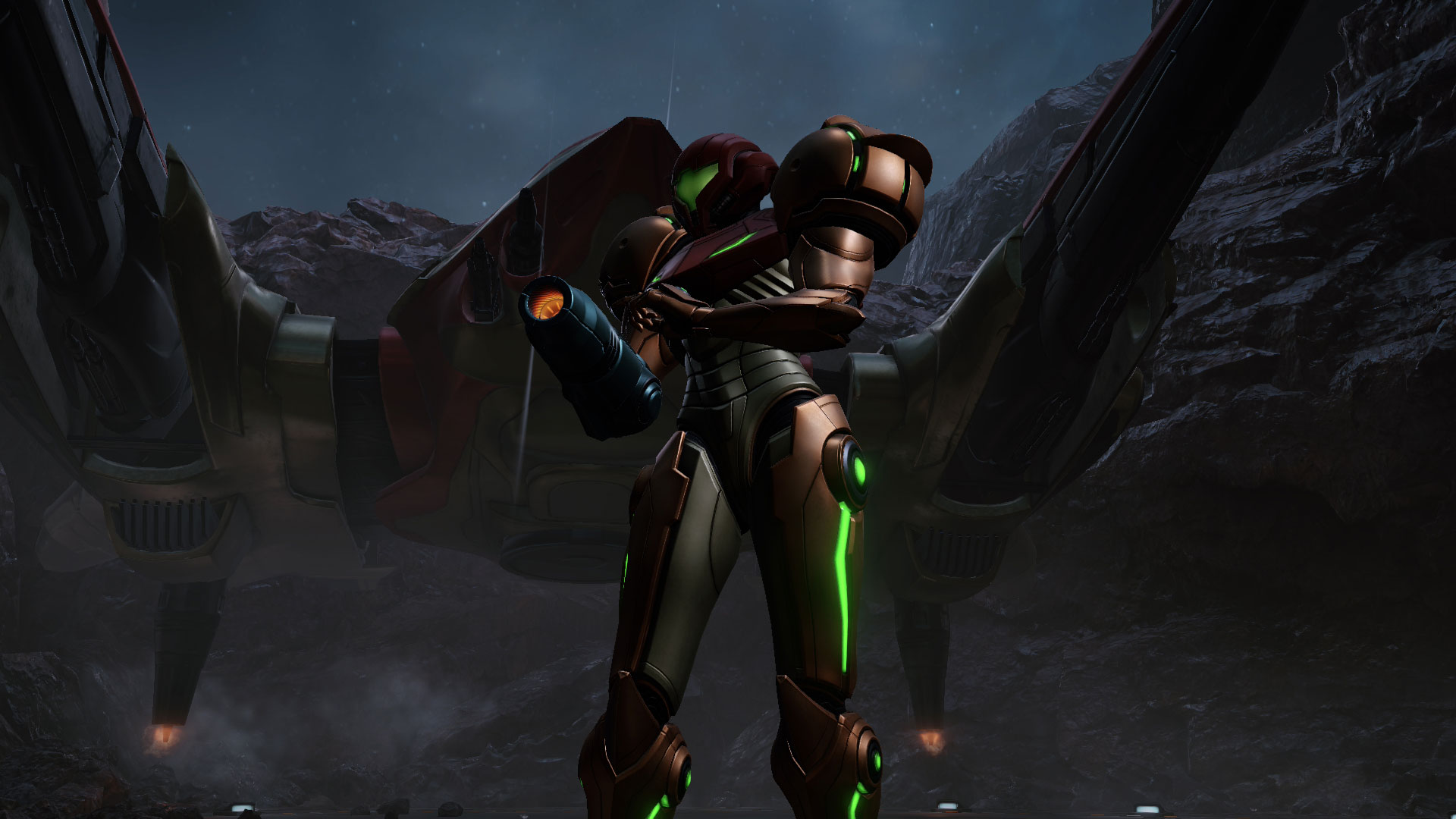
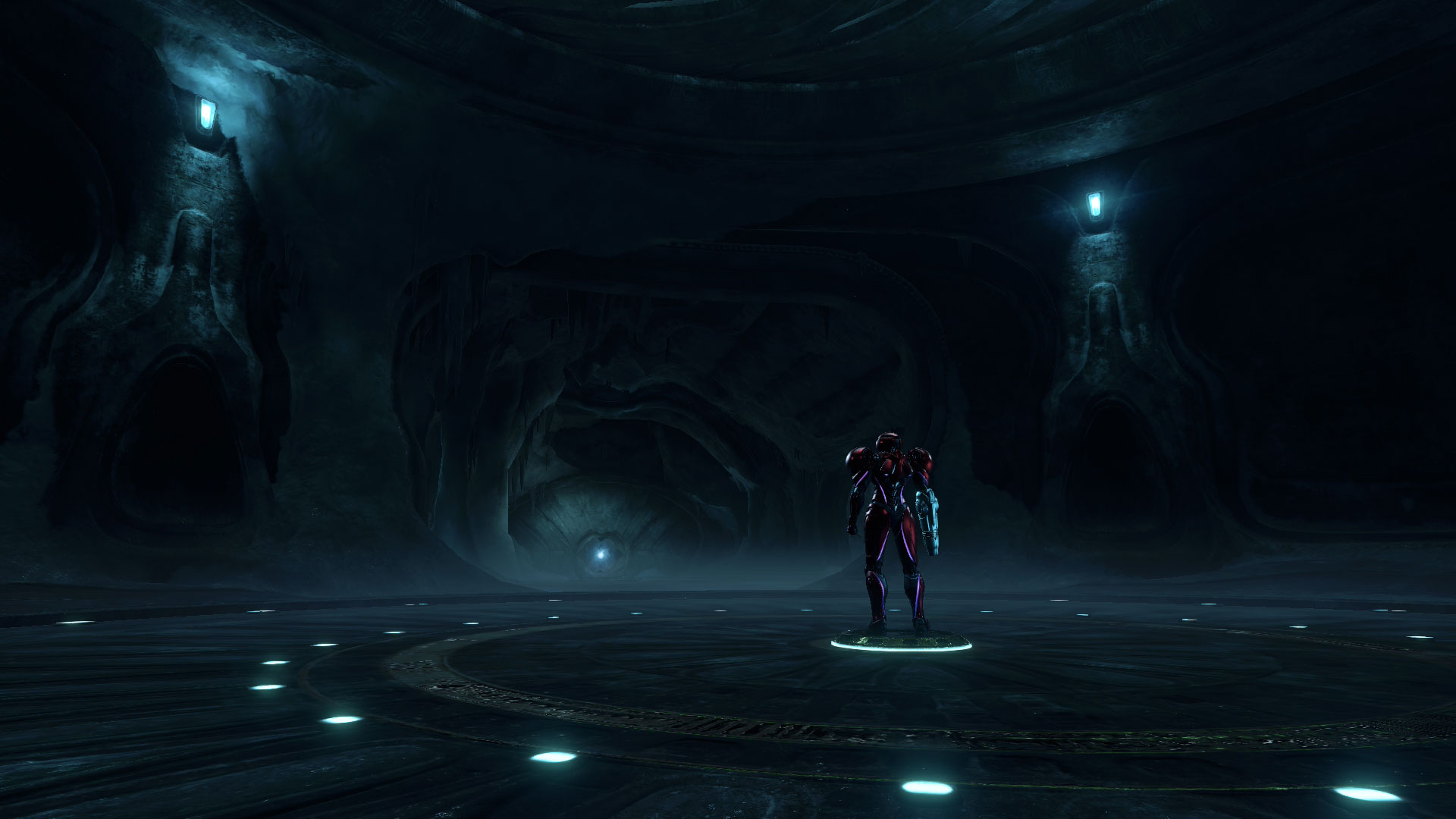
If you’re new to Metroid or the Metroid Prime franchise, the game stars galactic bounty hunter Samus Aran. This is the series that helped coin the term metroidvania, which is essentially an action-adventure style built around a large, interconnected map where players can’t access everything right away. The general appeal of a Metroid game is gradually unlocking new abilities, so when you backtrack to earlier areas, you can access new paths, secrets, and zones. Metroid Prime 4: Beyond sticks to that formula, and while it gives you the impression that you have some freedom in the order you complete the five zones, you really don’t have much. That doesn’t really impact the game’s experience, though; what really hurts it is the backtracking and revisiting of zones.
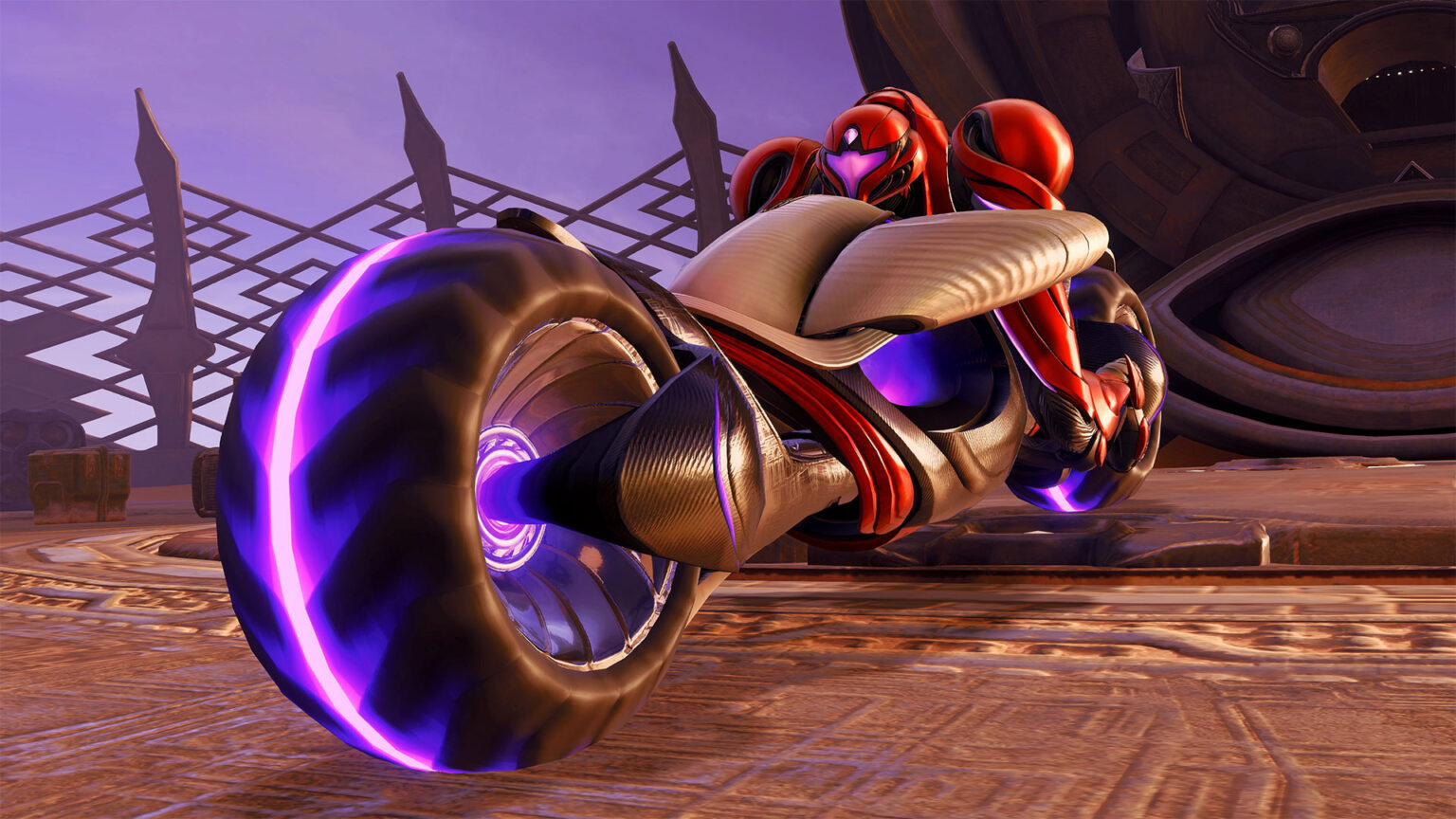
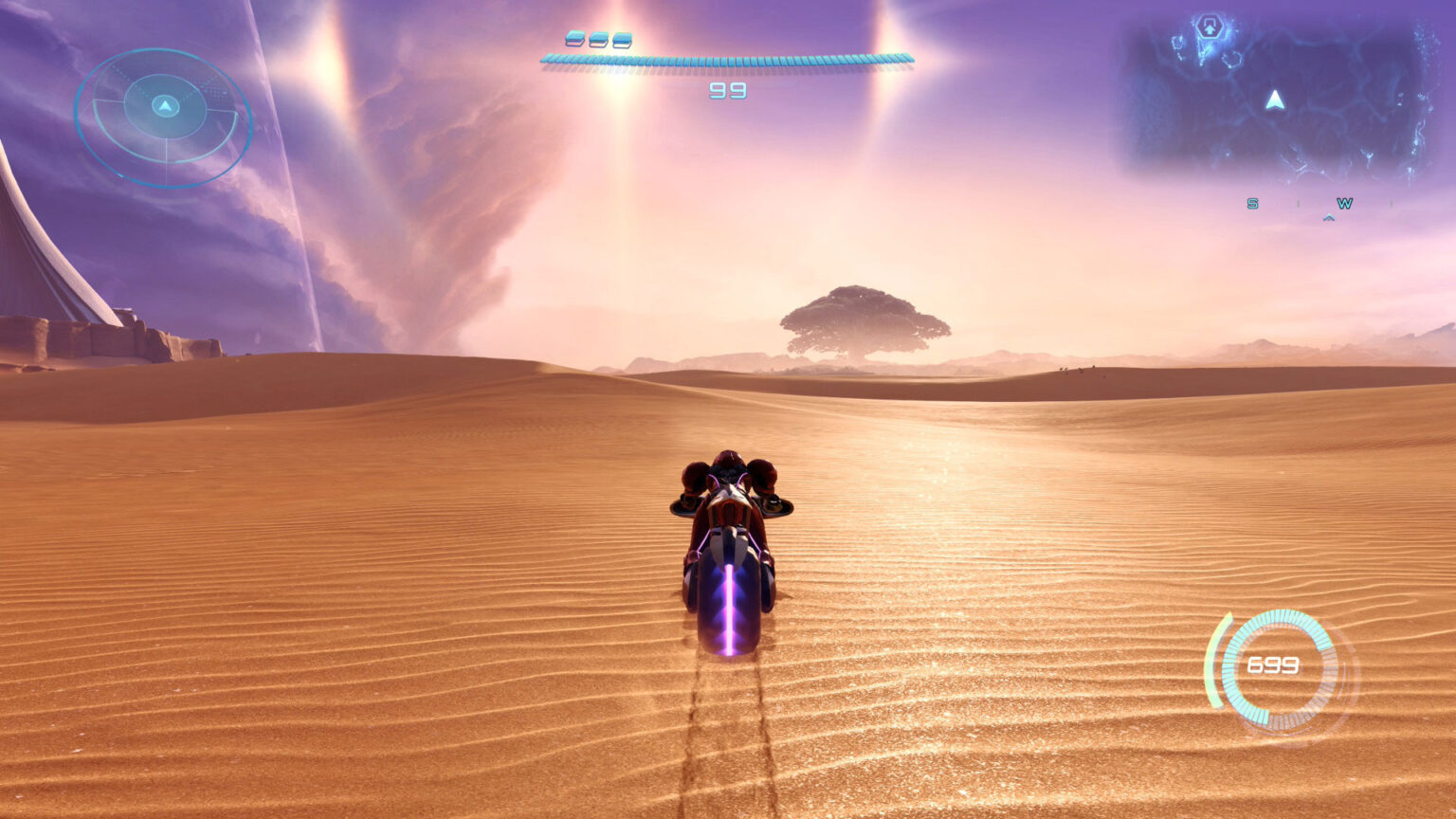
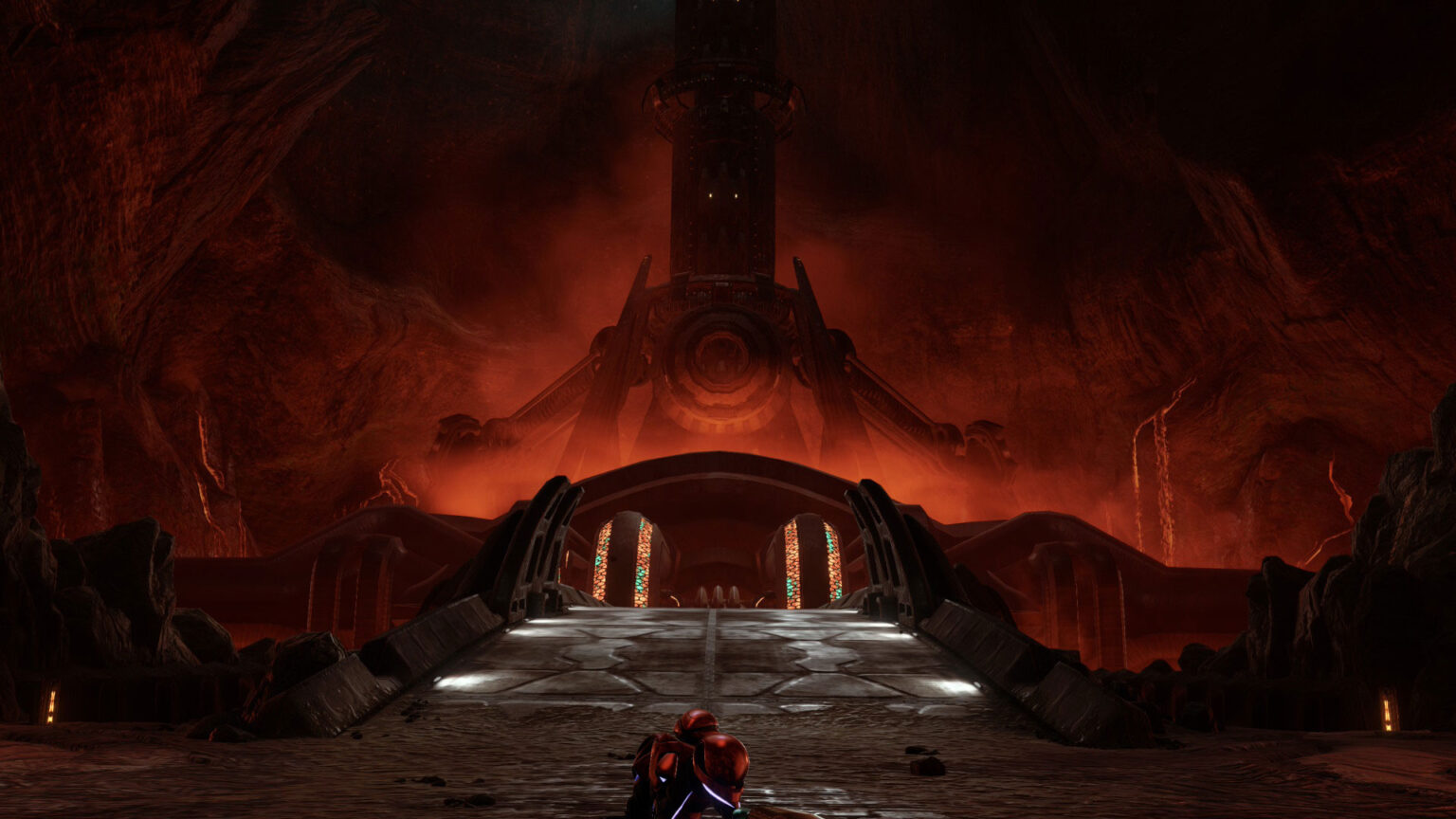
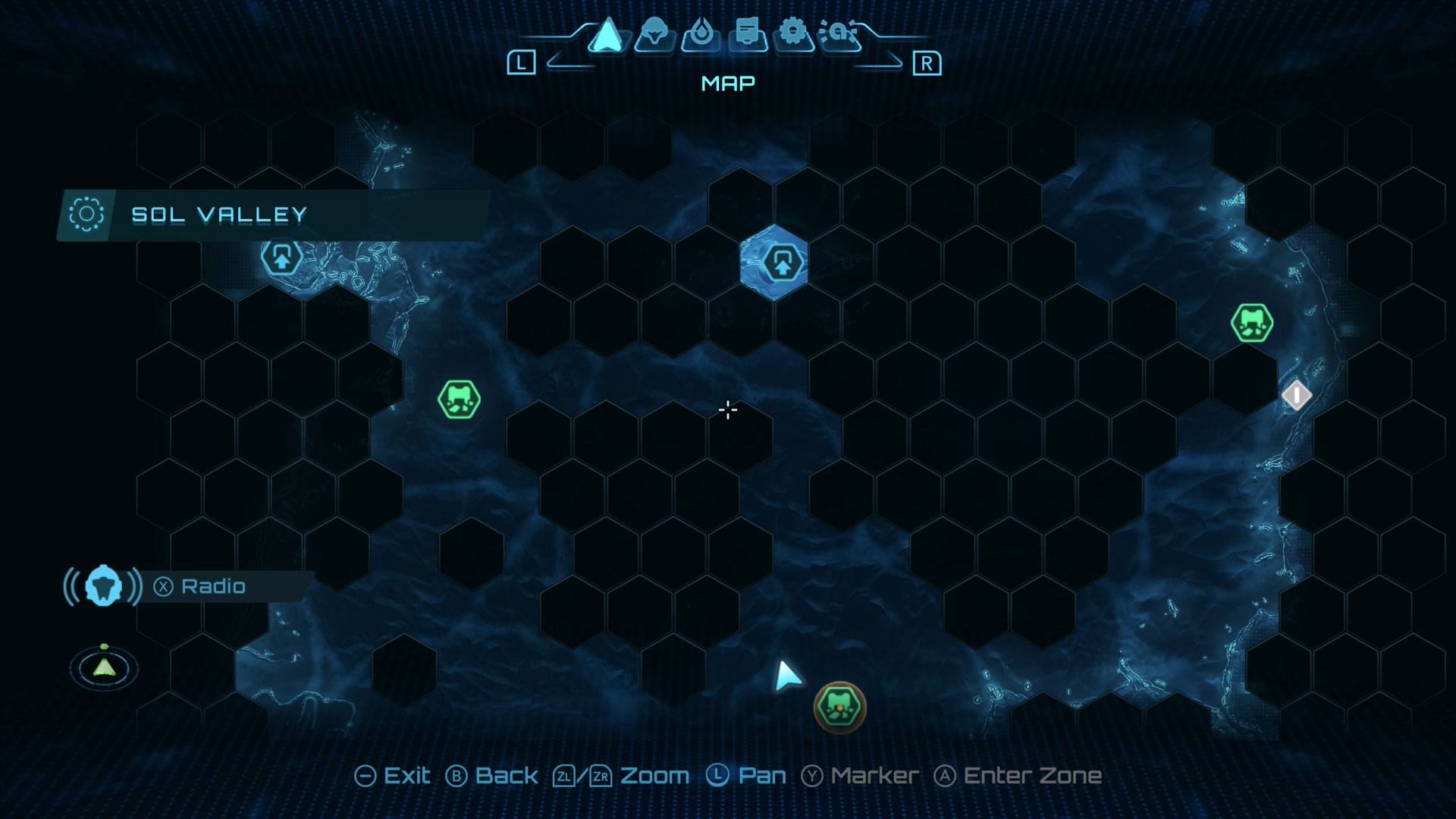
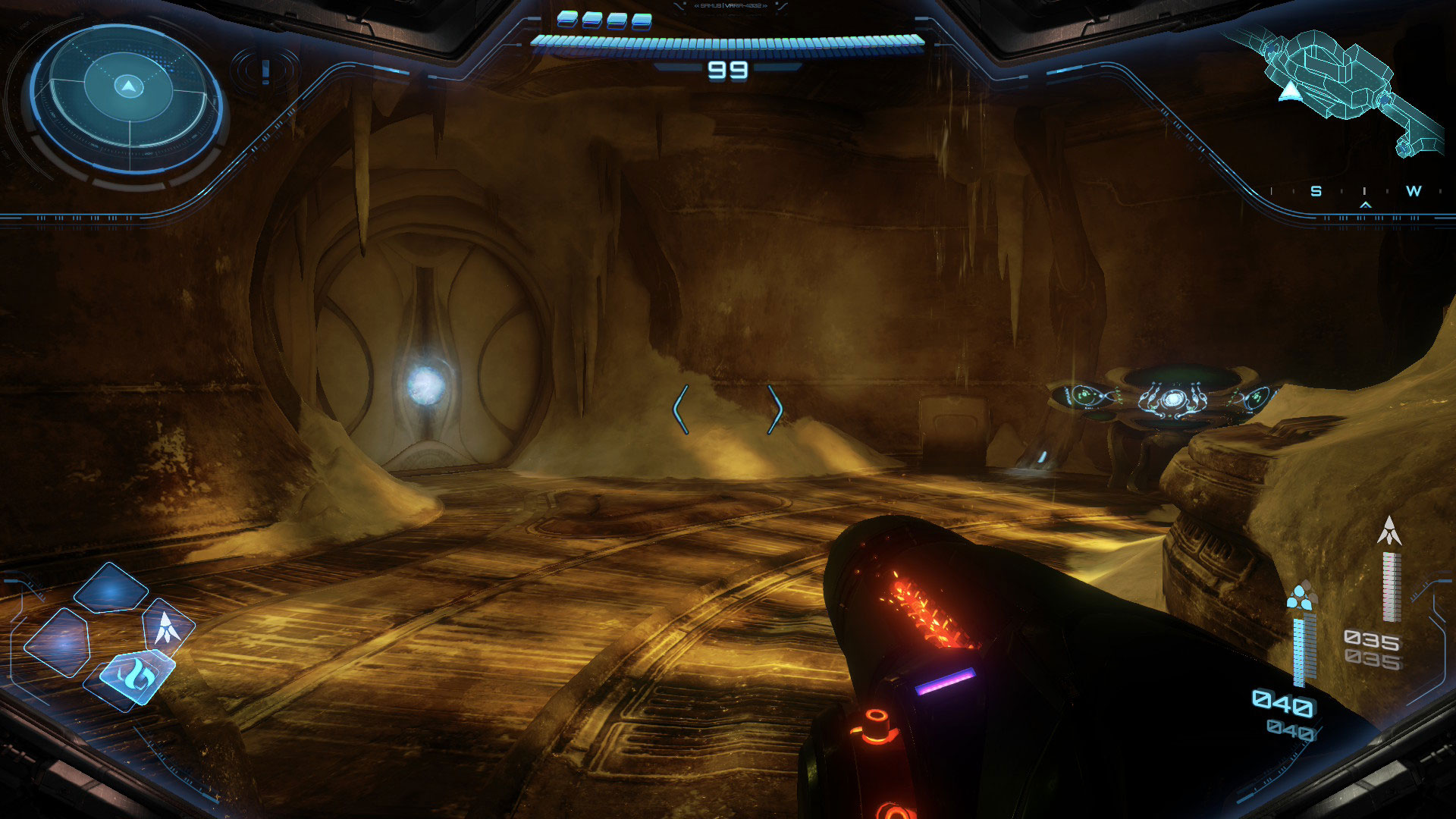
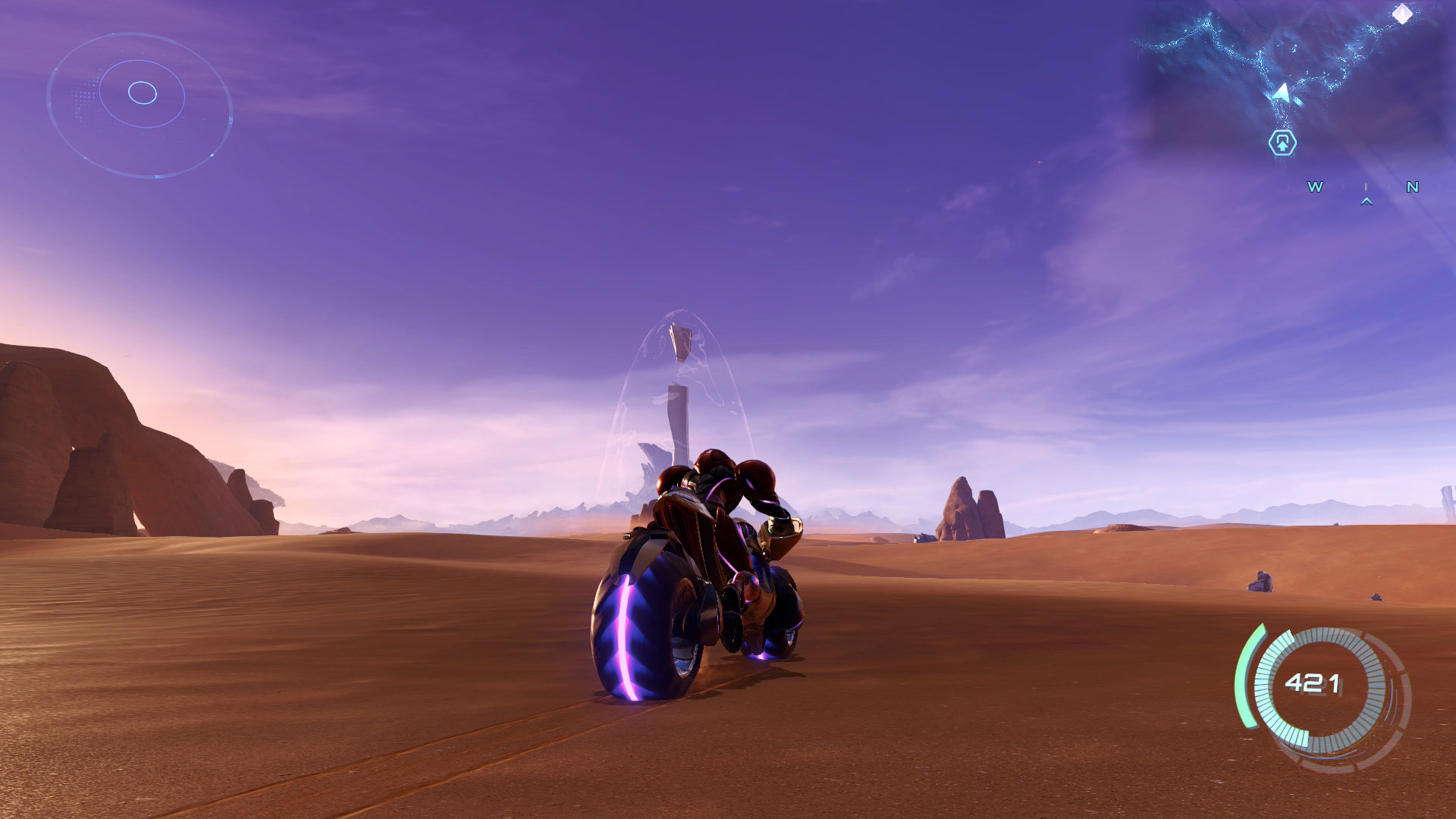
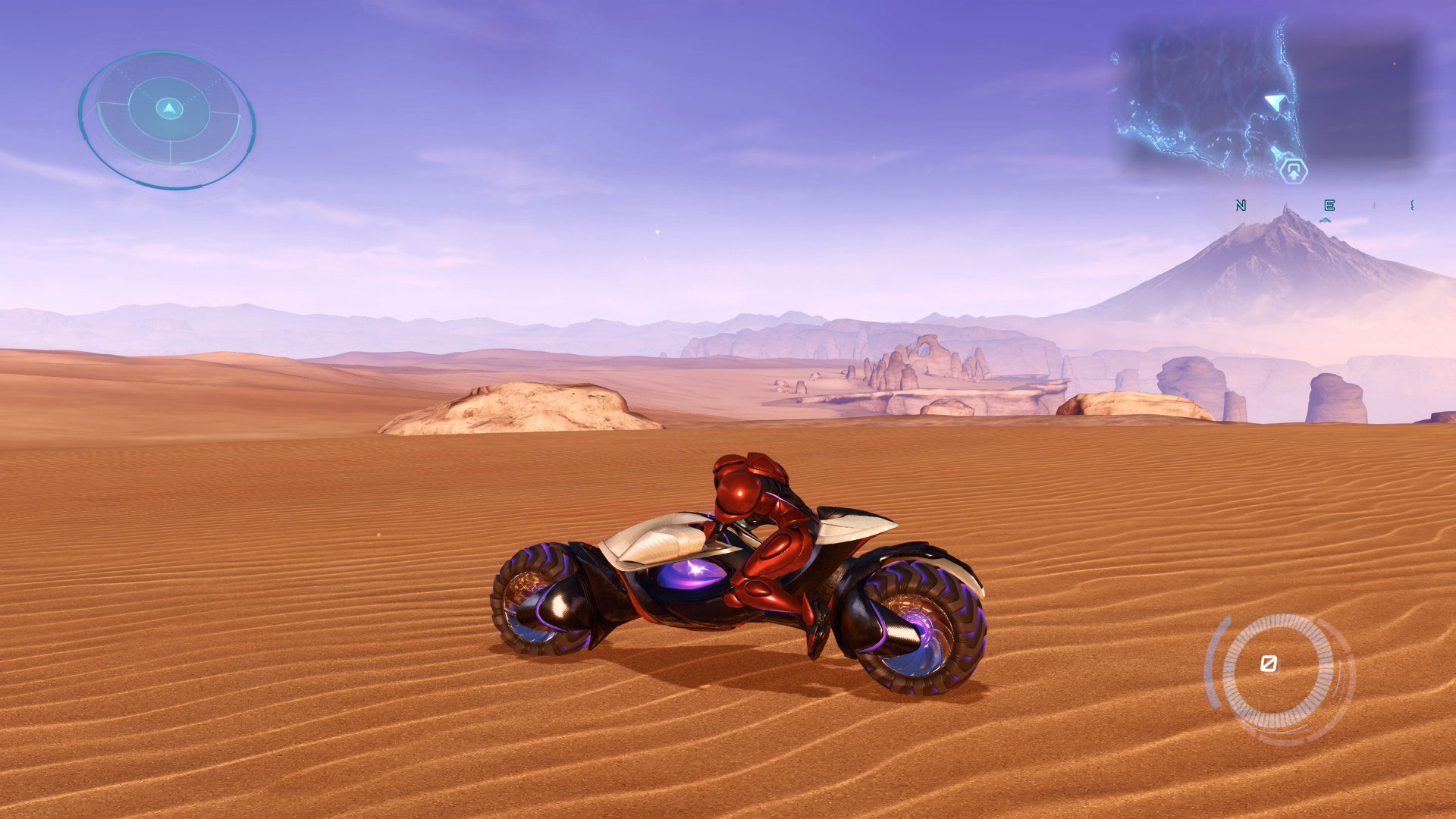
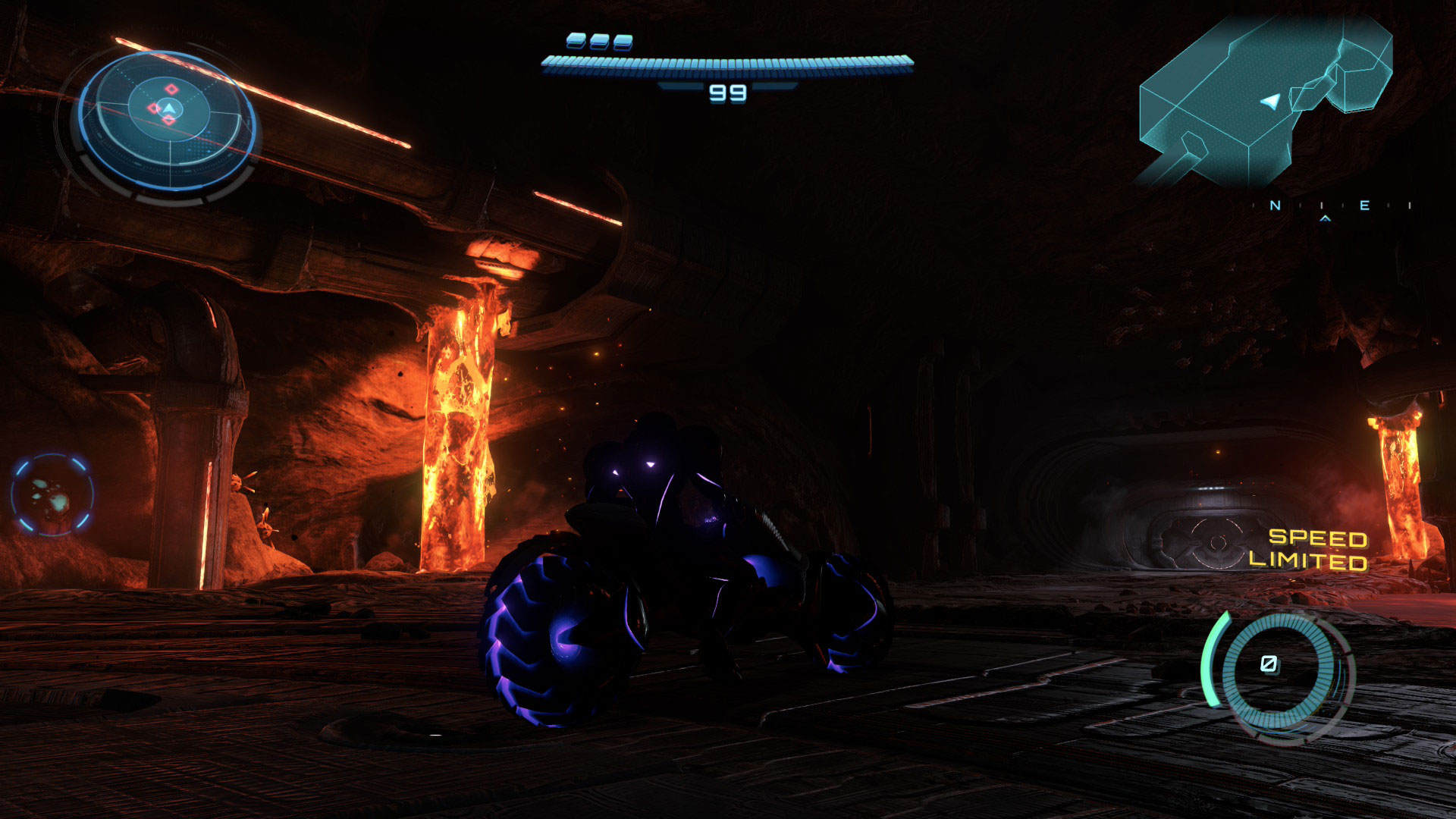
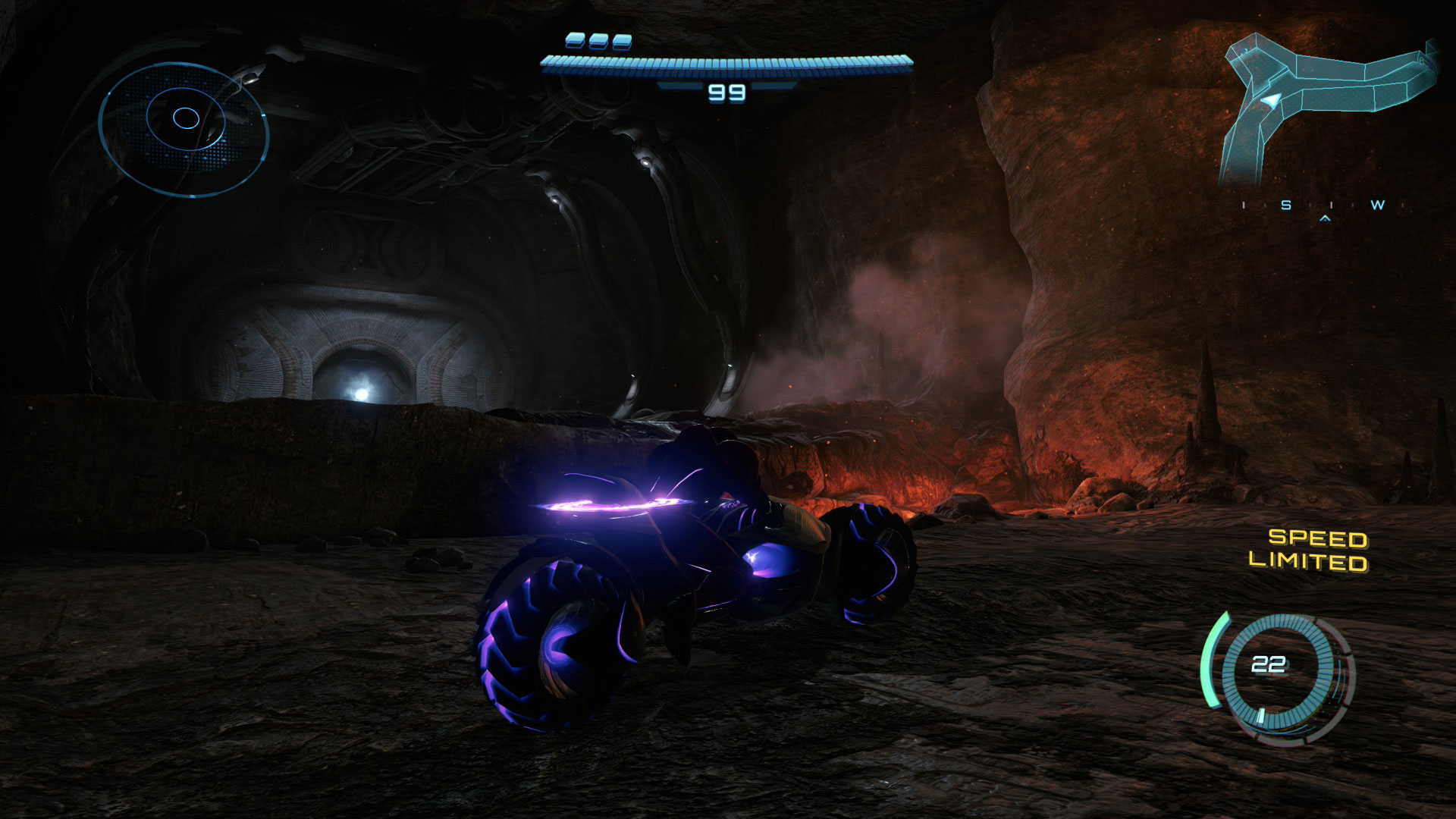
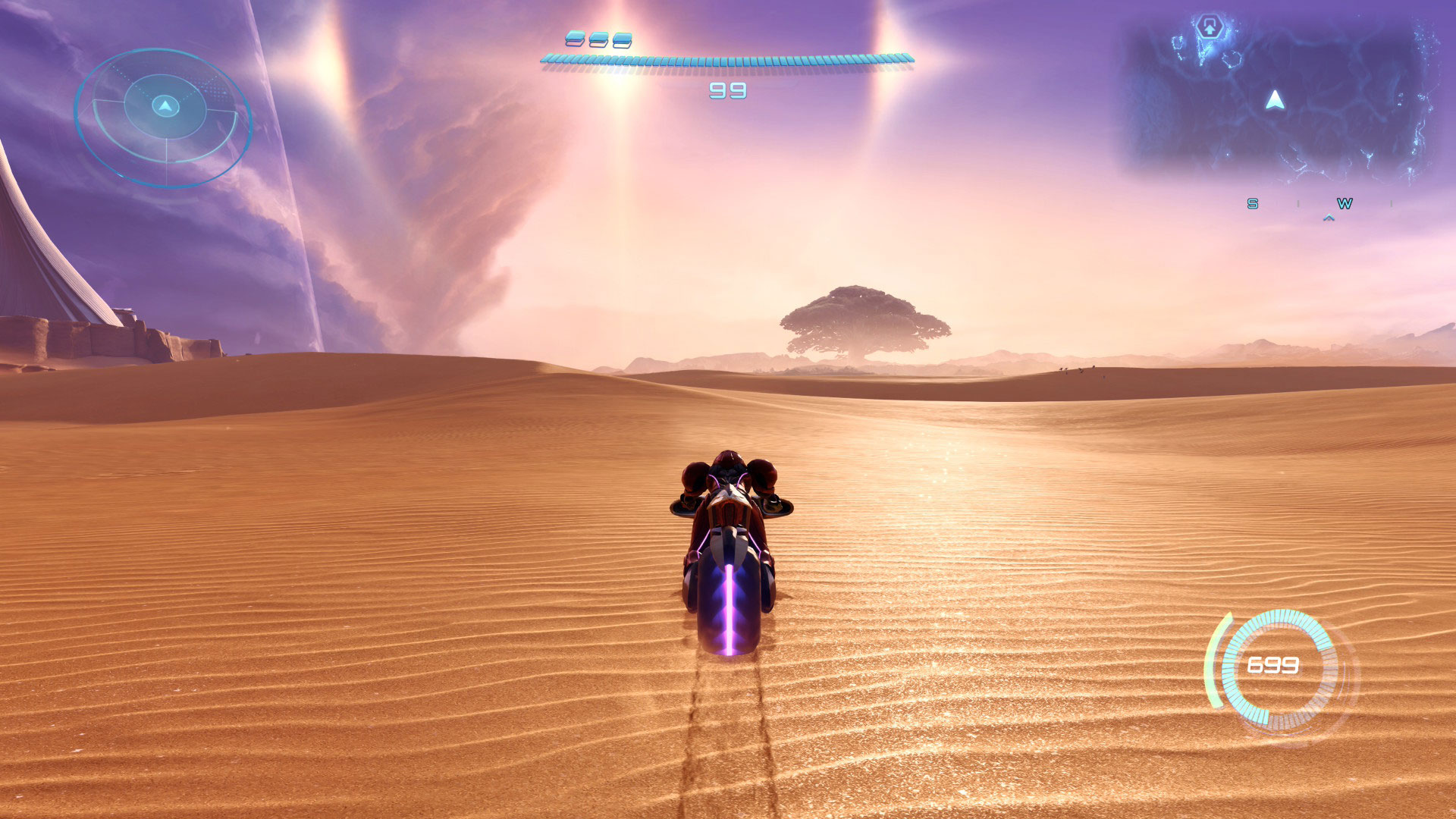
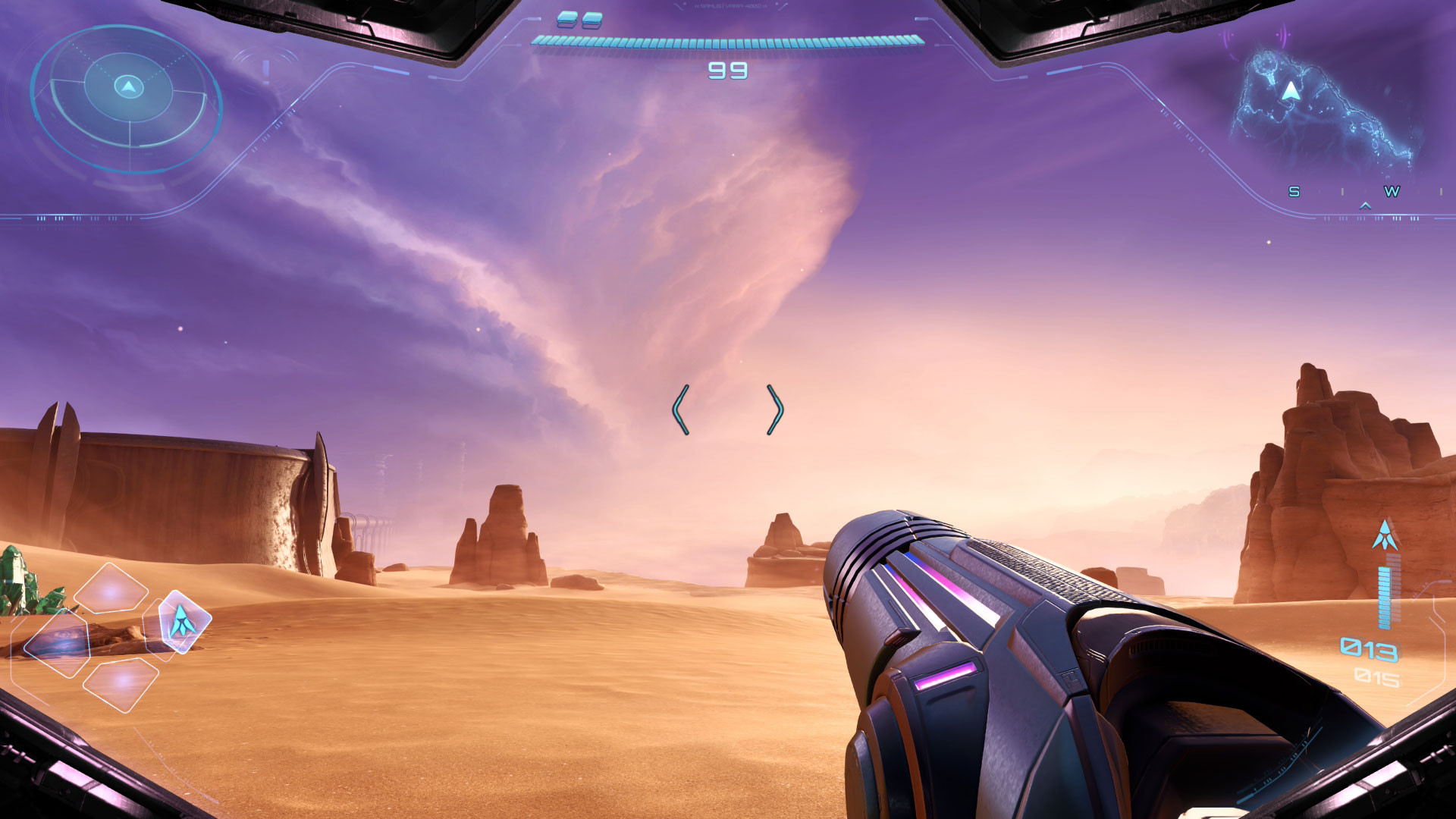
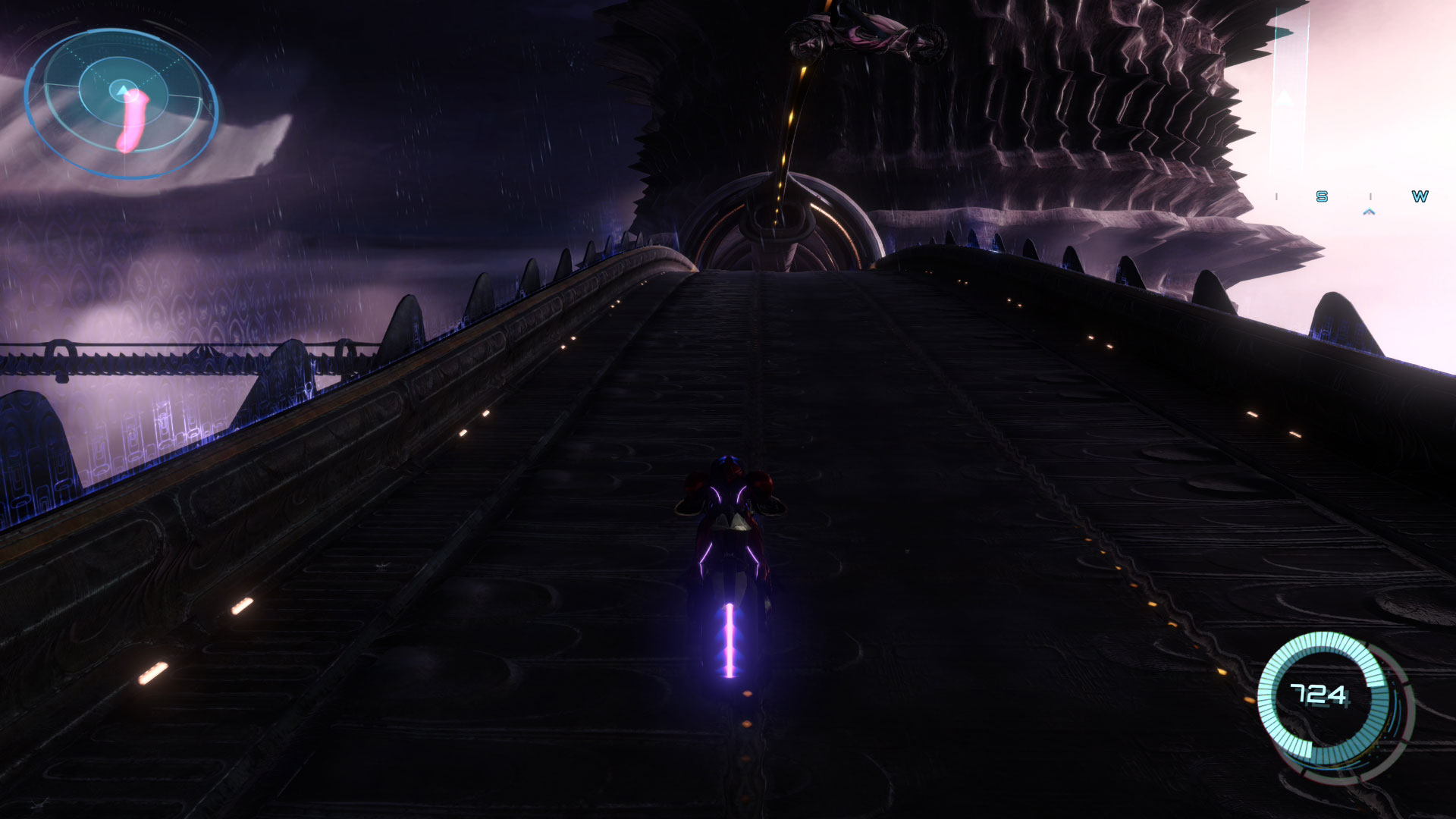
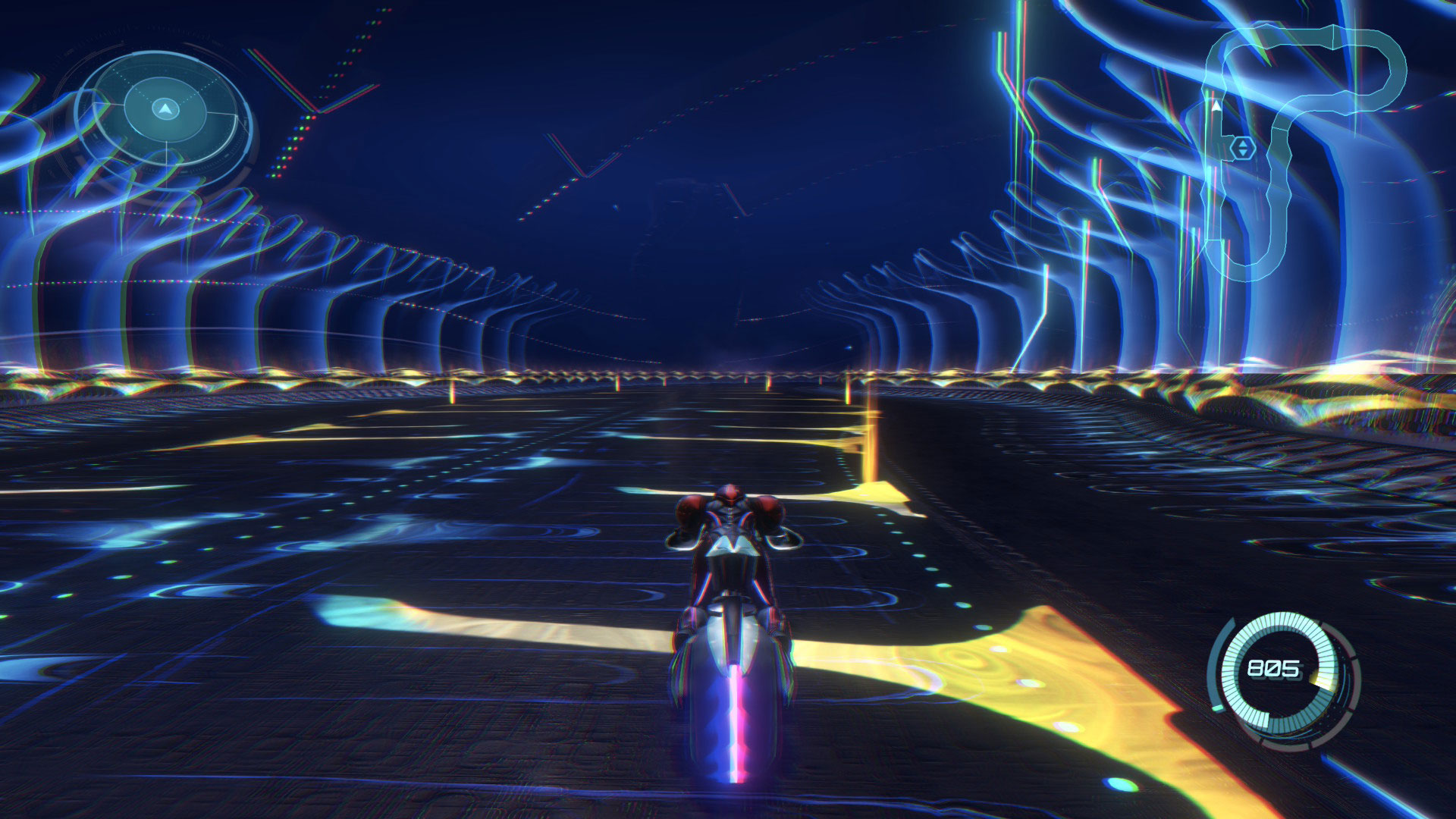
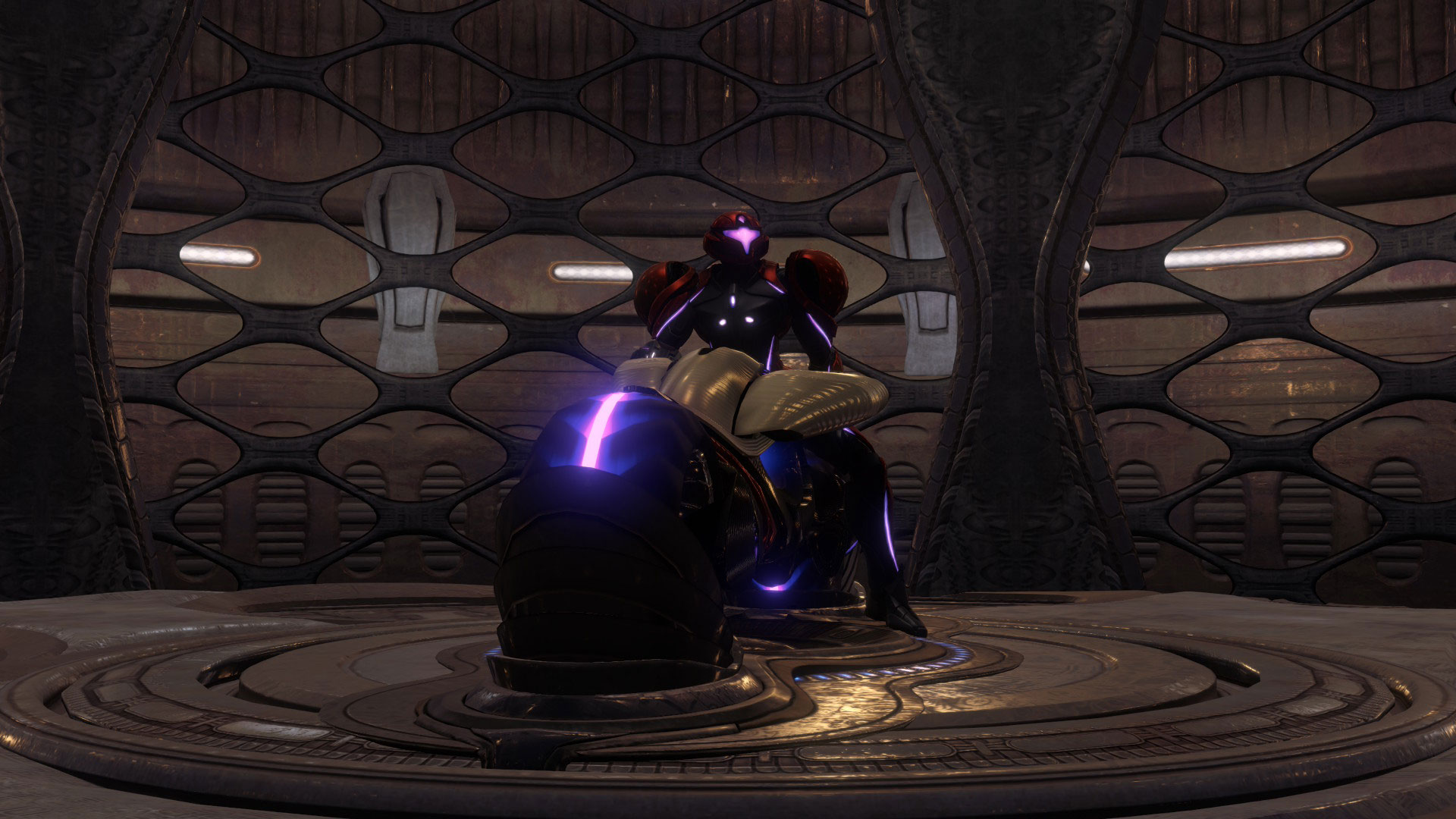
Metroid Prime 4: Beyond introduces Vi-O-La, a motorcycle that Samus unlocks about a third into the game. Vi-O-La becomes the main method of transportation in the open desert area of Sol Valley, which acts as a hub that connects the five main zones scattered across the map. The problem with Sol Valley is that it’s a fairly large zone with hardly anything of interest in it outside of the main objectives. There isn’t a ton to discover, there aren’t many mysteries to solve, and the desert itself is just boring to look at.
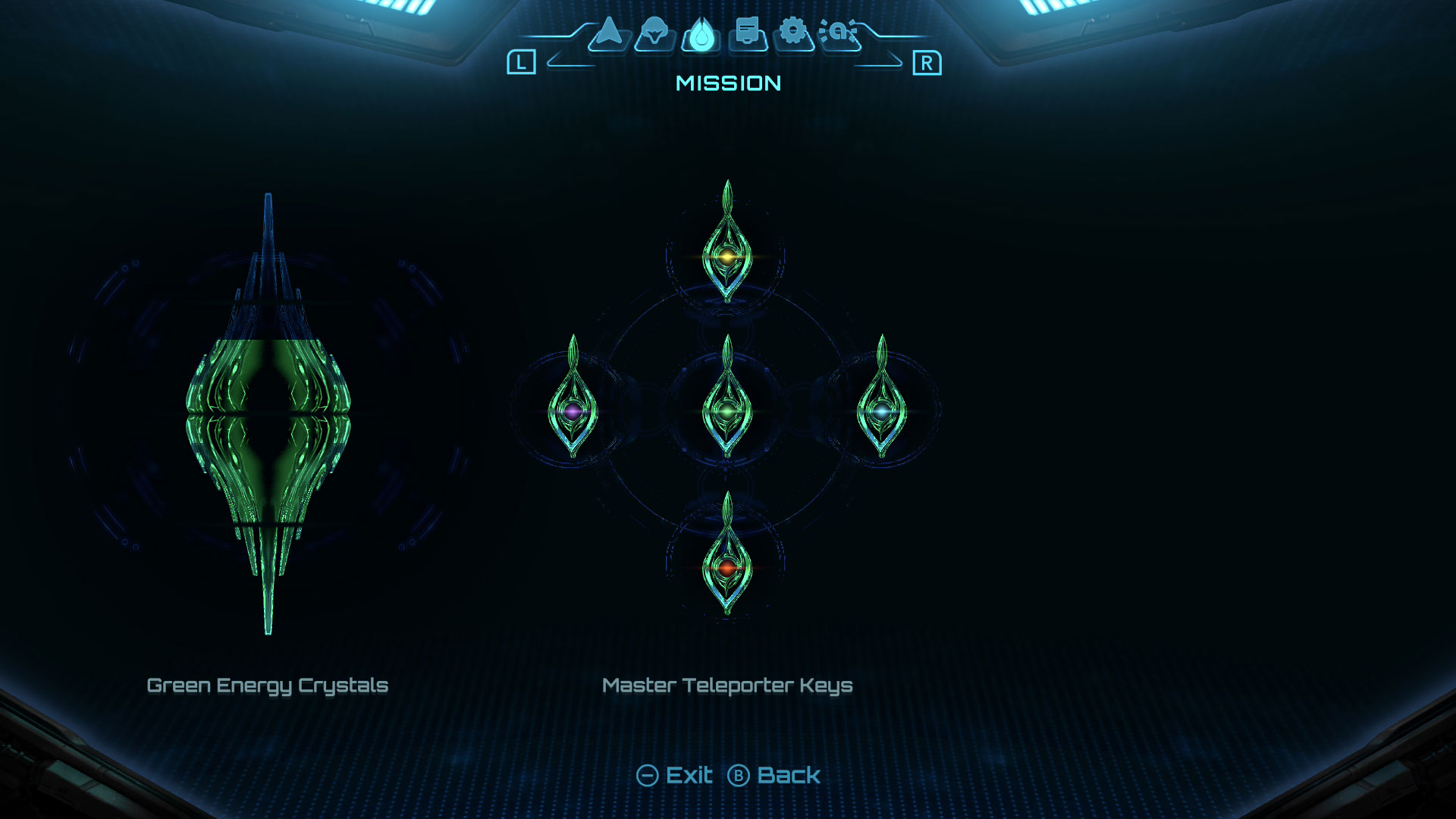
One of the main reasons the desert exists is so you can collect these green crystals that are necessary to enter the final area of the game. While the game does tell you the importance of gathering these green crystals, it doesn’t emphasize just how many you need to get. Despite being warned about the green crystals from fellow reviewers and consciously gathering as much as I could every time I was out in the desert, I still ended up having to spend over 30 minutes at the end before I had enough. This was one of the moments that made me want to abandon the game because there’s no real indicator of how many more crystals you need until you deposit the green crystals. Meanwhile, one of the NPCs incessantly reminds you to collect green crystals, as if there were anything else you could possibly do in the game.
Roll With It
Speaking of the NPCs, that was another huge miss for me in the game. While I didn’t find them as annoying as some people on the internet make them out to be, my biggest issue with them is that they don’t really add anything to the game’s story. I’d go so far as to say that the writing and voice acting from characters in games like Wuthering Waves or Genshin Impact are better than these side characters in Metroid Prime 4: Beyond. The game tries really hard to make them matter and for you to care about them, but the generic and predictable writing makes it all just fall flat. It’s been less than three hours since I rolled credits, and I can’t even remember half of their names.
To add to my frustrations with the NPCs, if they’re joining you in battle and happen to fall, you have a limited amount of time to heal them, or you get the dreaded Game Over screen. For the vast majority of the game, this isn’t a big deal, but at one section of the game, it becomes a huge deal. In fact, it was almost a deal-breaker for me. To avoid spoilers, I won’t give too many details, but basically there’s a sequence in the game where the number of NPCs who die is left to chance, and if too many of them fall, you don’t have enough time to heal all of them before it’s all over. This was so frustrating because it didn’t boil down to player skill. It was all because the AI of the NPCs weren’t programmed to actually avoid damage. I looked this up after experiencing it to make sure I didn’t miss anything, and based on what I found, there were plenty of people who went through the same issues I did.
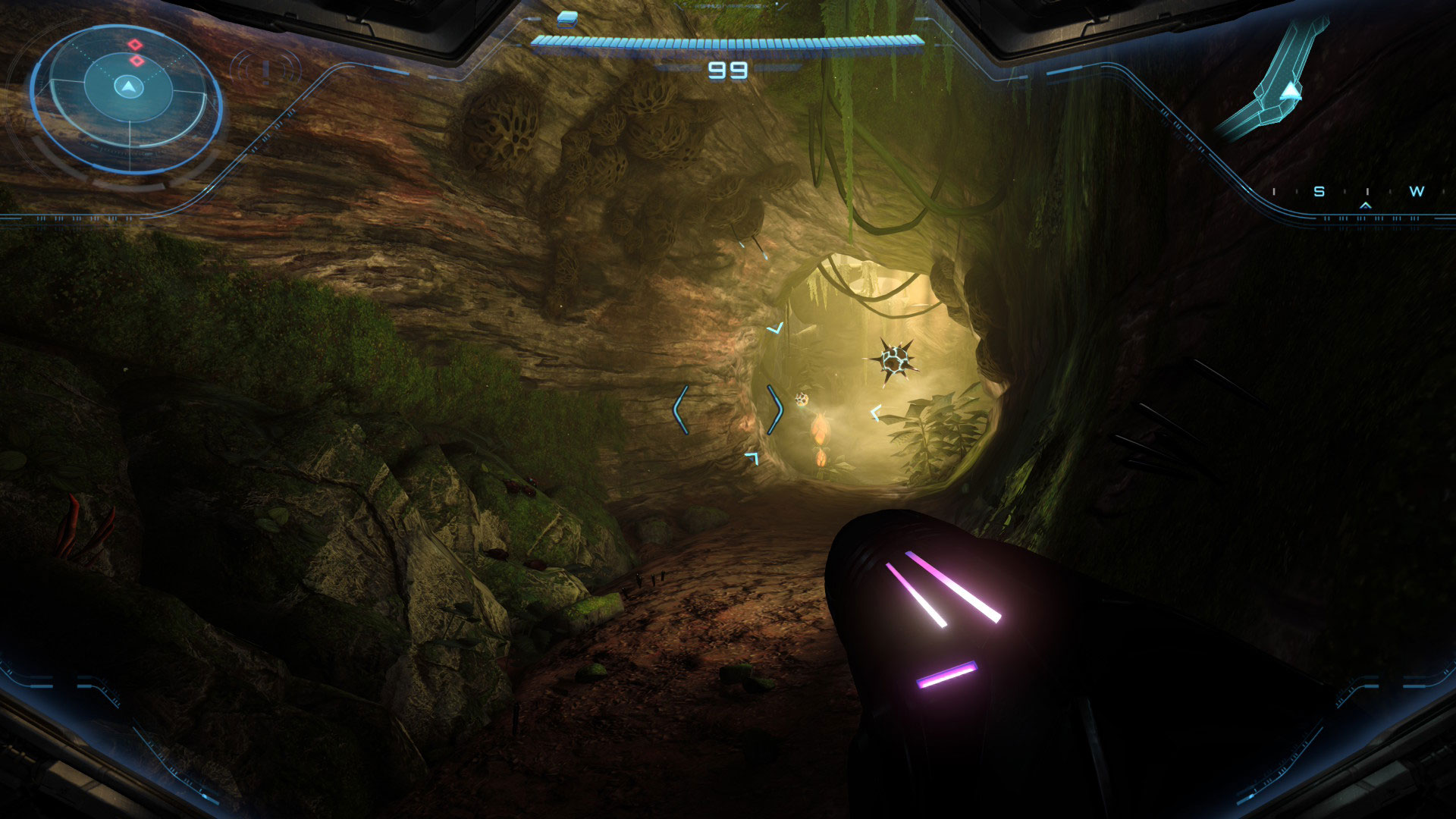
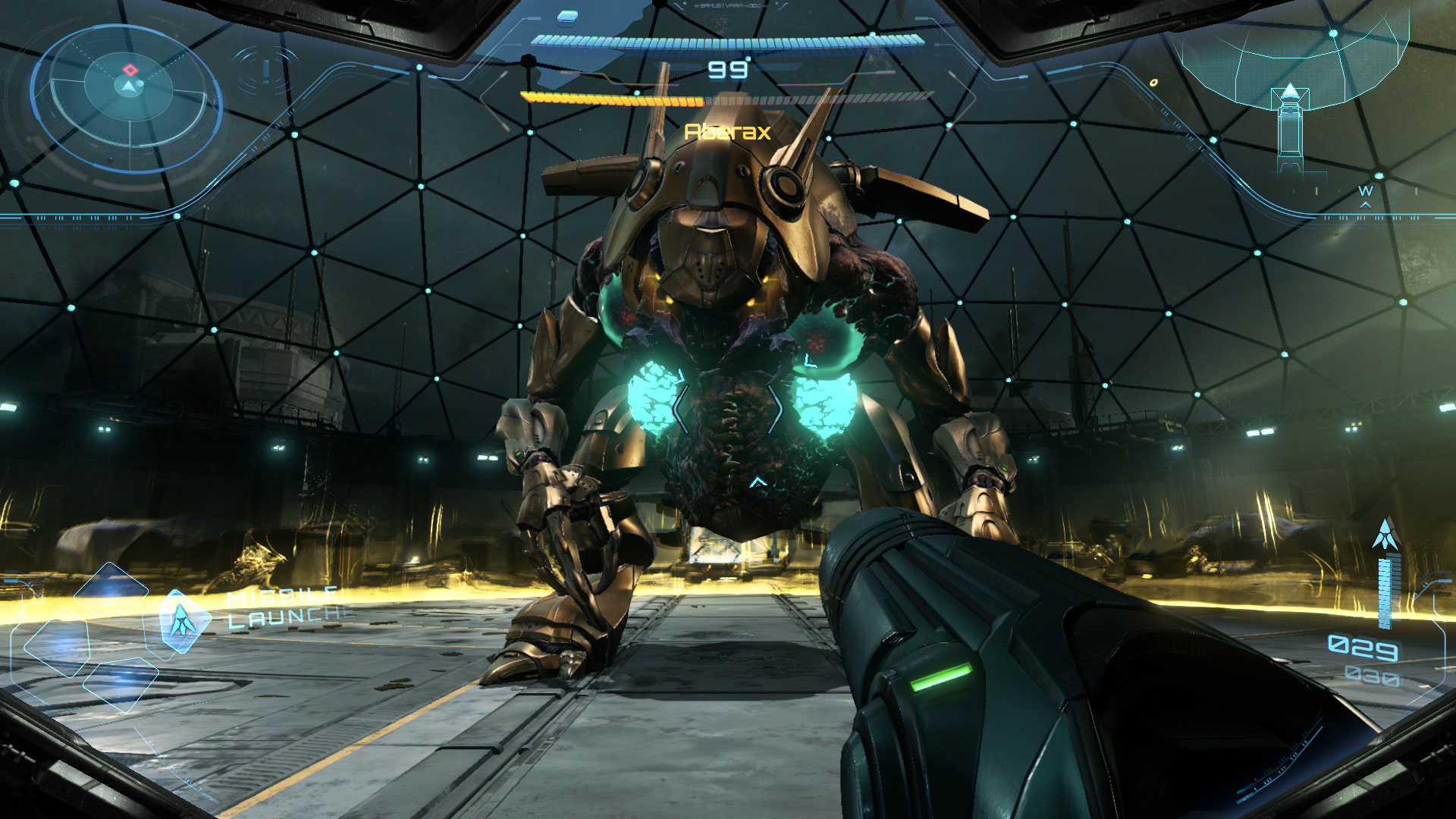
What’s annoying about all of this is that the opening four to six hours of the game are really good. I was captivated by the world, intrigued by the combat, and even found the initial boss fights quite clever and fun. The combat, for the most part, is serviceable, although the game does lack enemy variety and isn’t much of a challenge outside of a couple boss fights. It all started to unravel past that mark, though, as future zones felt uninspired, one-note, and even linear in some cases. Some of the game’s backtracking felt tacked on rather than intentional, and most of the time it felt more like a chore riding all the way back to a certain area to unlock a certain power-up. Metroid Prime 4: Beyond somehow manages to lose the desire to go back and pick up that new toy. It feels more like “I have to” instead of “I want to.”
Beyond Reason
The impression that I got while playing through Metroid Prime 4: Beyond is that the team simply ran out of time to create the game they had envisioned. That might sound absurd given how long the game was in development, but we don’t know how long Retro Studios formally worked on the project, or what state it was in. If the quality from the first two zones carried over to the rest of the game, then I would be singing a very different tune about Metroid Prime 4: Beyond. Unfortunately, the final hours of the game were so poorly designed that it really soured my entire experience. To be fair, this probably comes off harsh, but this is a $69.99 title for the Switch 2. With it, you get about 20 to 25 hours for a full 100 percent playthrough, and unless you really love the gameplay of Metroid Prime, there are areas of this game that will disappoint you.
After all this time without a mainline Metroid Prime entry, Metroid Prime 4: Beyond could have been a strong starting point for new fans, including those introduced to the franchise through 2021’s Metroid Dread. I just don’t think Metroid Prime 4: Beyond is strong enough to win over a new generation of players, partly because it skips modern conveniences like fast travel. The metroidvania genre is clearly having a moment, and the attention around Hollow Knight: Silksong is part of that. I know their gameplay styles sit on opposite ends of the spectrum, but the exploration-driven core loop still overlaps in a few key ways.
Very rarely do I feel like a game doesn’t justify its price. Even for games that are shorter than 20 hours, so long as they’re meaningful or fun, I won’t complain. I get it: games are increasingly more expensive to make, and everyone’s perception of value is different. But in the case of Metroid Prime 4: Beyond, I think it’s fair to criticize the game’s price and the amount of content you’re getting. Even though it took me 17 hours to roll credits, it would be accurate to say that three to four of those hours were spent doing something completely meaningless. Whether it was riding back to Fury Green for the 10th time to do something that Samus should have been capable of doing herself, or riding around looking for green crystals to smash, a good chunk of my time spent in this game wasn’t engaging or fun. It’s sad, too, because those moments completely overshadow the time I did have fun and enjoy the game. They’re just quickly forgotten because of how low the other moments were. I just hope this isn’t the last we see of Samus Aran, because Metroid fans deserve better.
Metroid Prime 4: Beyond has an official release date of December 4, 2025, for Switch and Switch 2. This review is based on a purchased retail copy of the game on Switch 2. While FullCleared does have affiliate partnerships, they do not influence our editorial content. We may earn a commission for purchases made through links on this page.
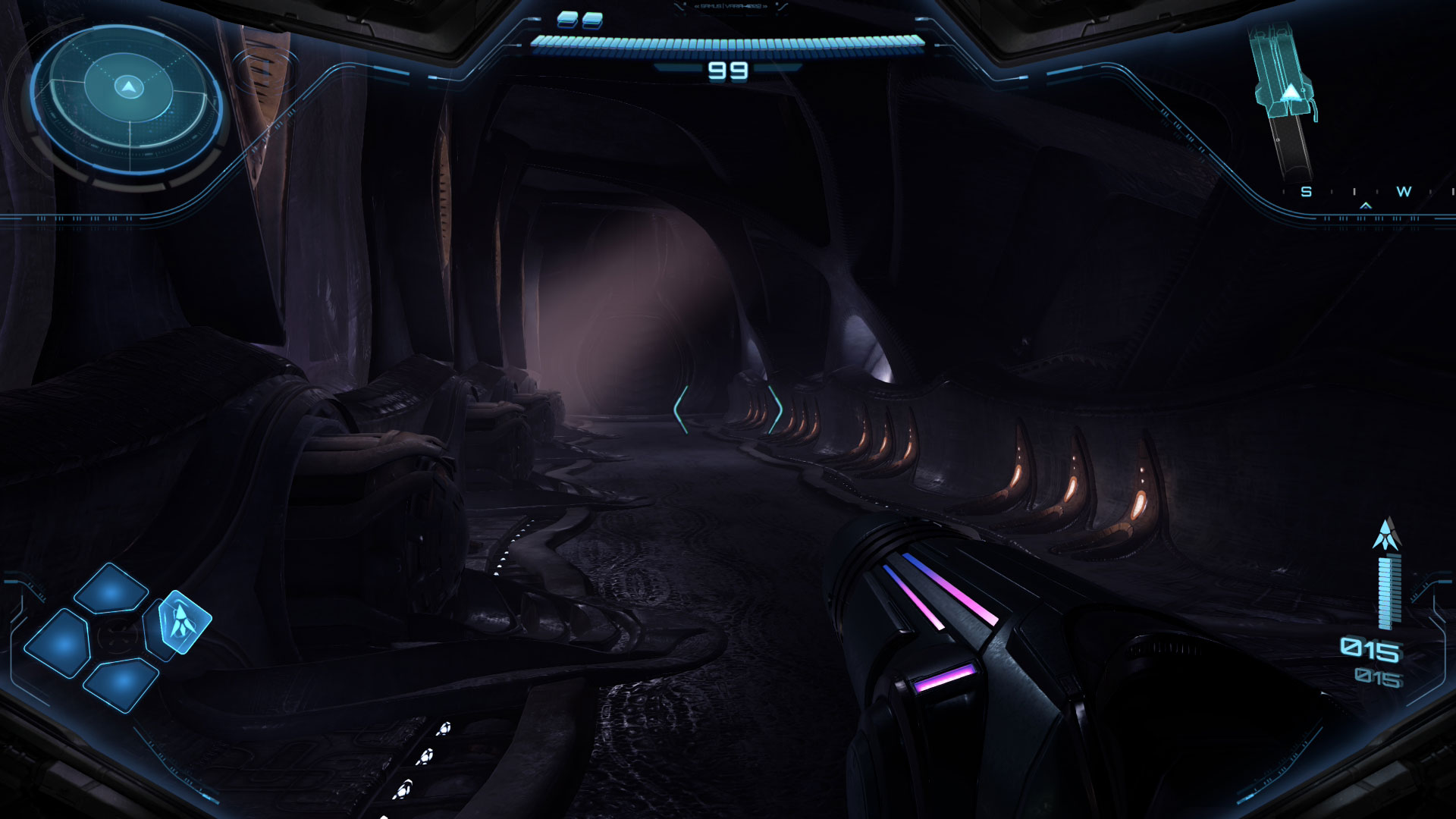
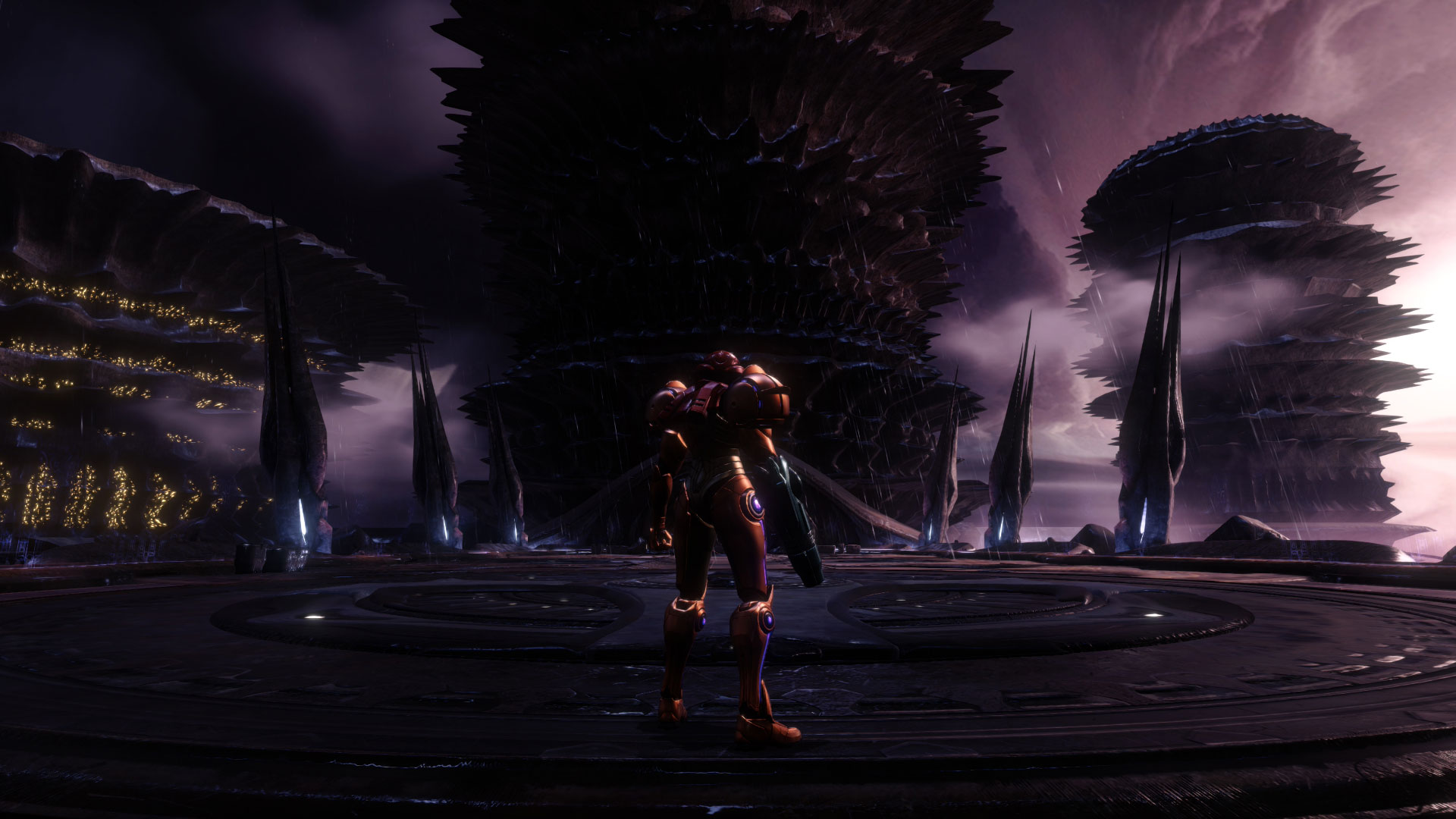
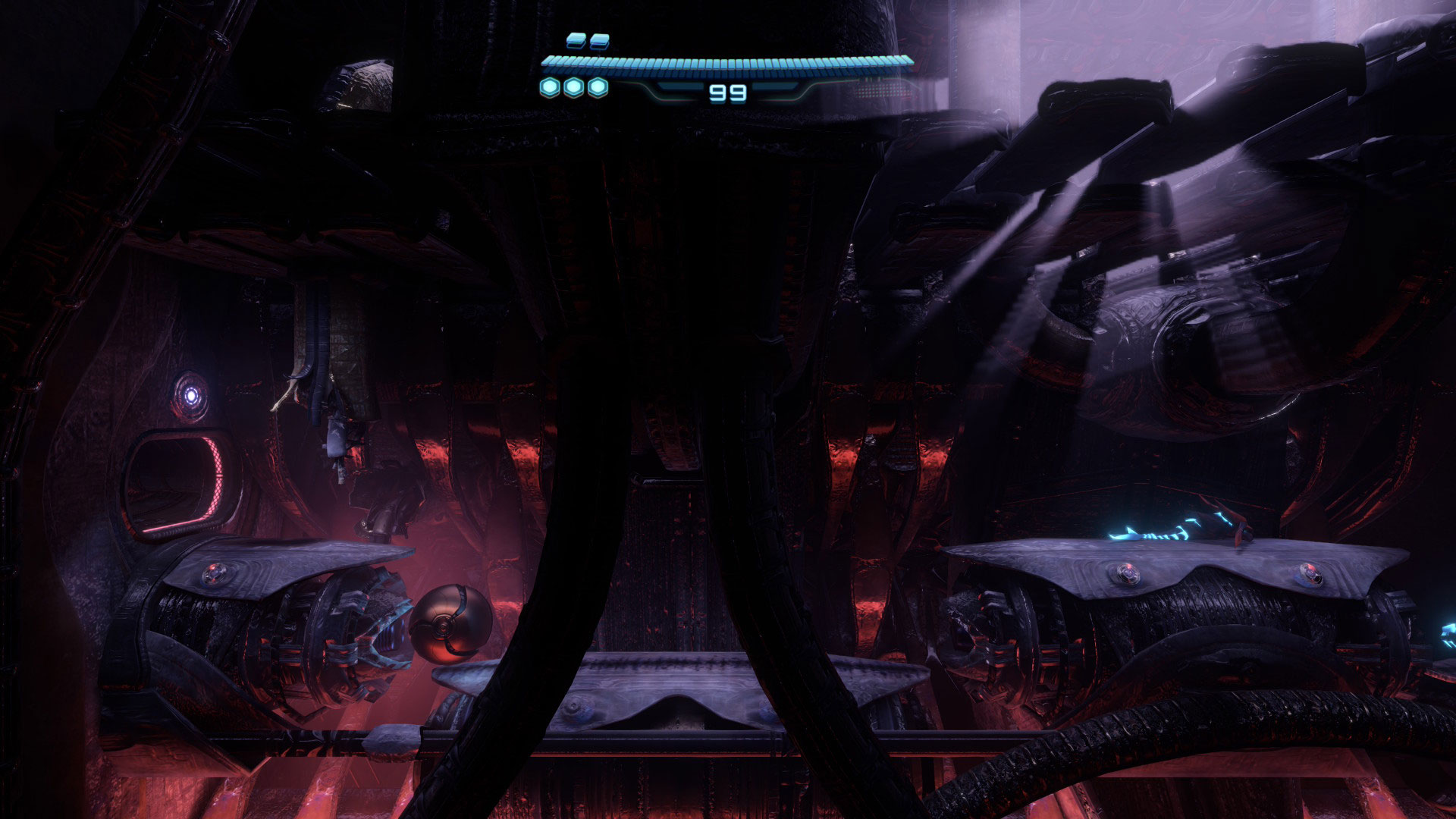
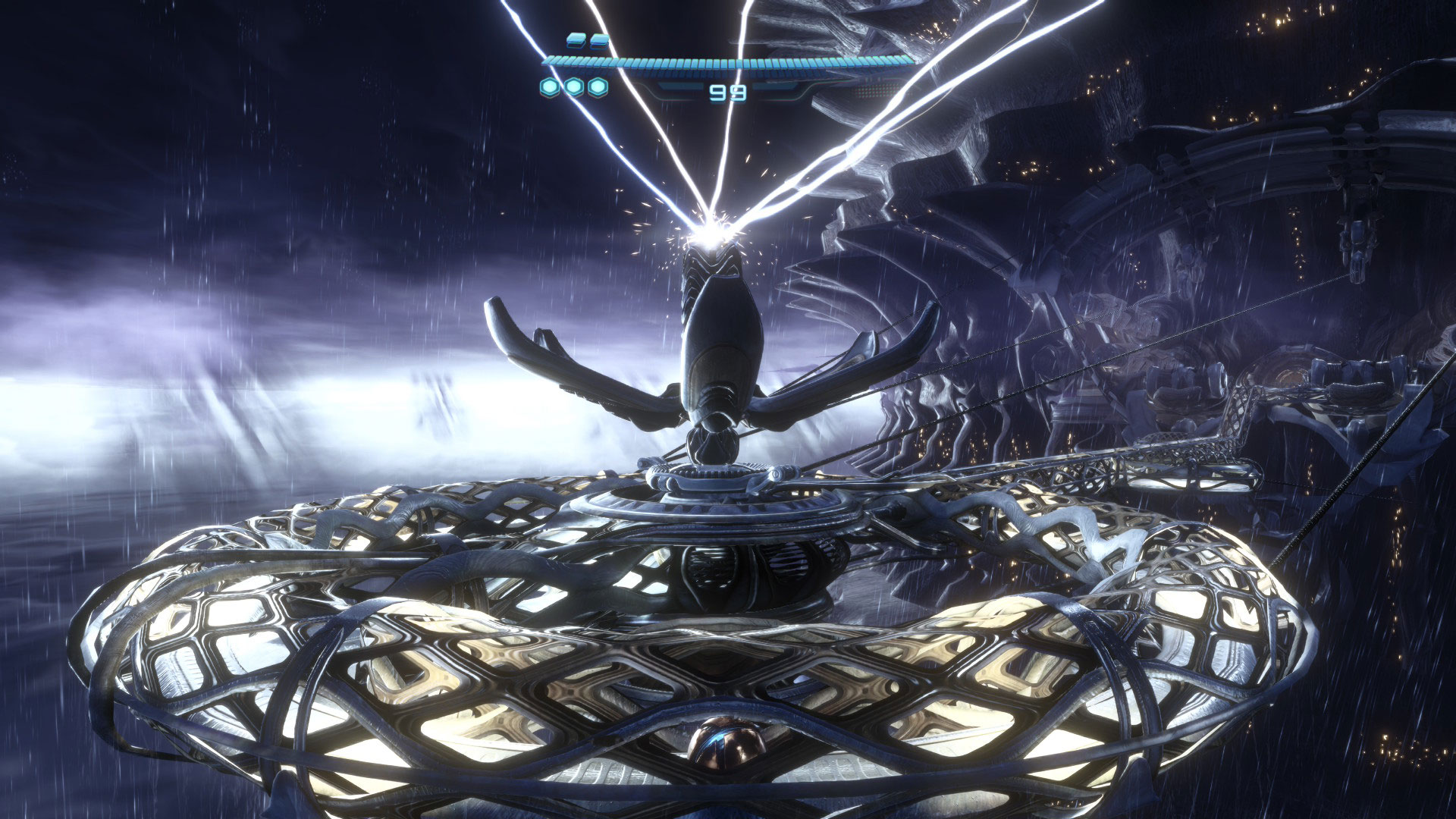
Metroid Prime 4: Beyond Review Gallery (possible spoilers!)
Continue?
Like our content?
Subscribe to our newsletter and get video game news, reviews, features, and deals straight to your inbox.
You're subscribed!
Thanks for signing up. Look for an email from Substack at .
No email after a few minutes? Subscribe on Substack.
This newsletter may contain advertising, deals, or affiliate links. Subscribing to the newsletter indicates your consent to our Privacy Policy. You may unsubscribe from the newsletter at any time.