
Quick Verdict
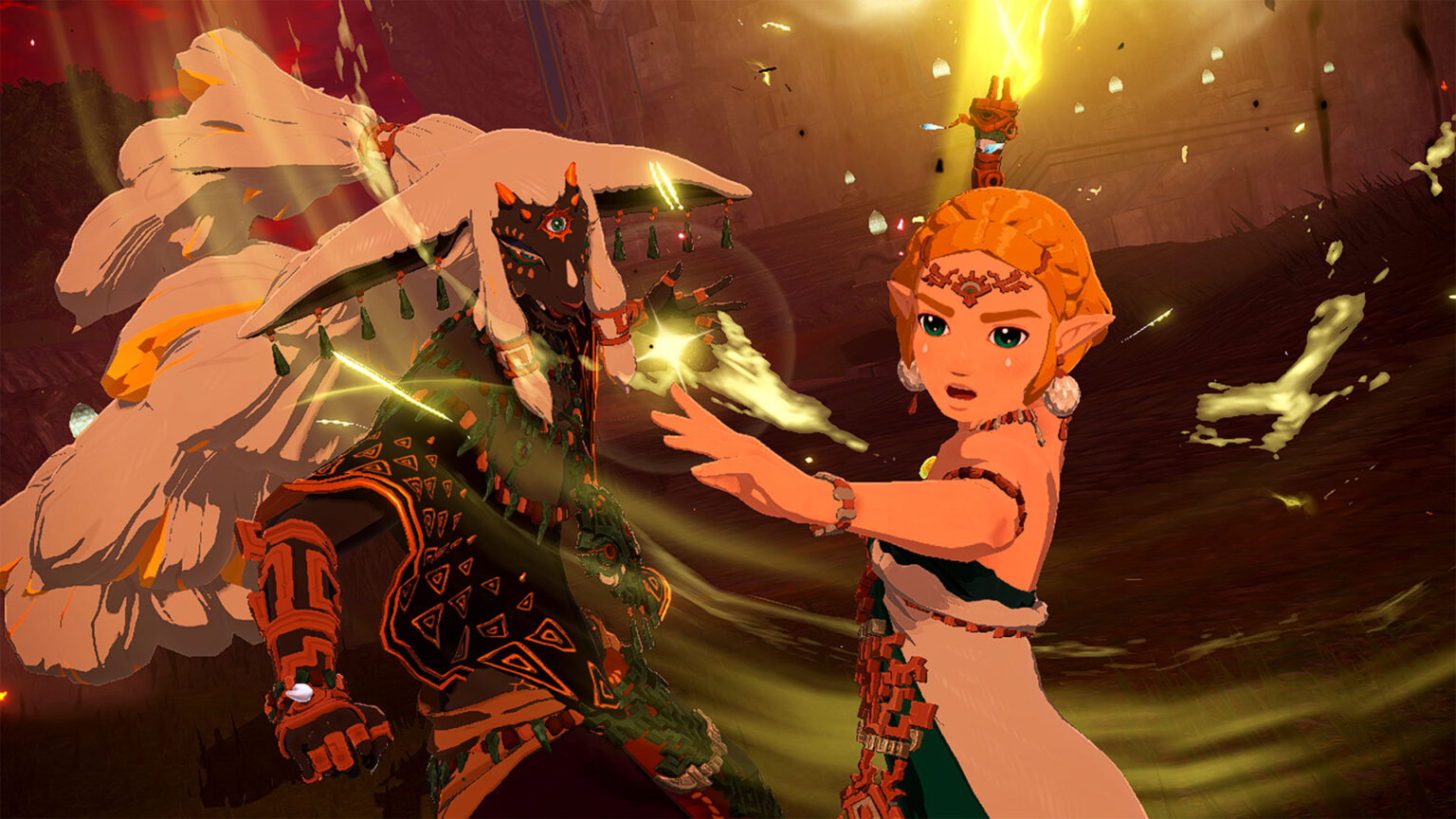
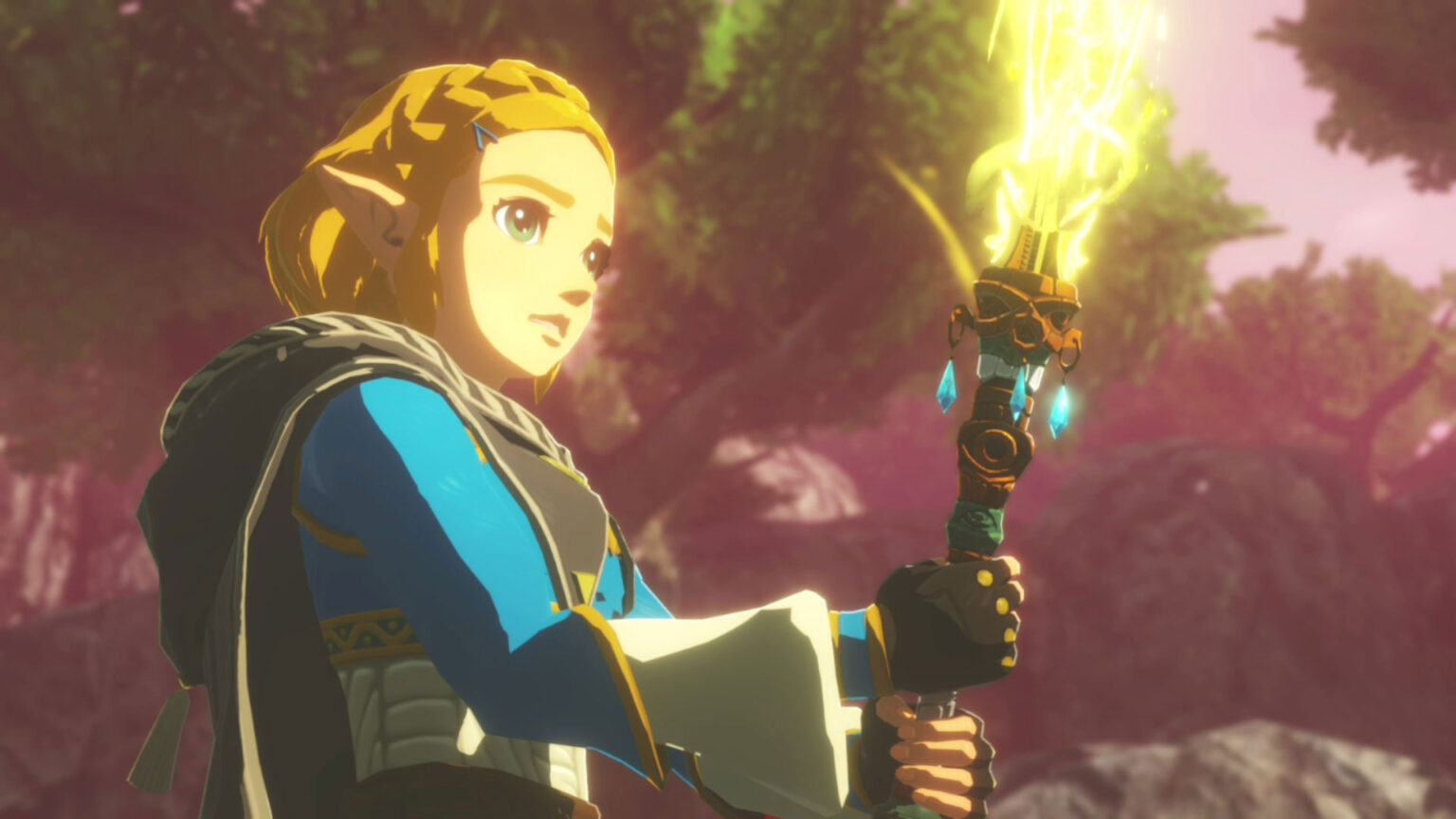
As someone who enjoys playing a variety of different genres, I see games as a lot like food. Sometimes I’m in the mood for a serious and intense experience like The Last of Us, while other times I just want to turn my brain off and play something like Hyrule Warriors: Age of Imprisonment. This has been a packed year of games to review, and Hyrule Warriors: Age of Imprisonment came at just the right time for me. It delivered over 25 hours of mindless fun while fleshing out the story of The Legend of Zelda: Tears of the Kingdom.
The game isn’t particularly memorable, nor does it really introduce anything new to the musou genre. I also can’t speak to how it compares to previous installments in the Hyrule Warriors franchise, as Age of Imprisonment is the first one I’ve ever finished. Still, I enjoyed my time with it and don’t regret playing it, largely because I was in the mood for a game just like this. It’s not too difficult on Normal, too heavy, or too time-consuming, but you definitely have to enjoy its repetitive gameplay to make it to the end.
Ocarina of Grime
I actually wasn’t planning on playing Hyrule Warriors: Age of Imprisonment. There are still a few games I hope to run through before the year’s end, including Hades II and Hollow Knight: Silksong, but neither sounded appealing to me last week. I did play the original Hyrule Warriors on the Wii U, but only spent a few hours with it before I got bored. While I see why people enjoy Warriors games, they have always felt a bit shallow and repetitive to me. Turns out, that type of gameplay was exactly what I needed to cleanse my palate before diving back into a game like Hades II. I decided to pick up Hyrule Warriors: Age of Imprisonment on a whim, especially since I loved The Legend of Zelda: Tears of the Kingdom.
Because I don’t have much experience with previous titles in the Hyrule Warriors franchise, I can’t offer a good opinion on whether Age of Imprisonment improves on those experiences. What I can say is that Hyrule Warriors: Age of Imprisonment manages to incorporate some of the iconic elements from Tears of the Kingdom, namely Zonai devices, into its gameplay. Sure, you can probably get through the entire game just by mindlessly button mashing, but understanding how all the Zonai devices work and how to take advantage of elemental chains makes the game much more satisfying to play. It took a few hours before everything clicked, but once it did, I couldn’t wait to hop from mission to mission.
Mastered Swordplay
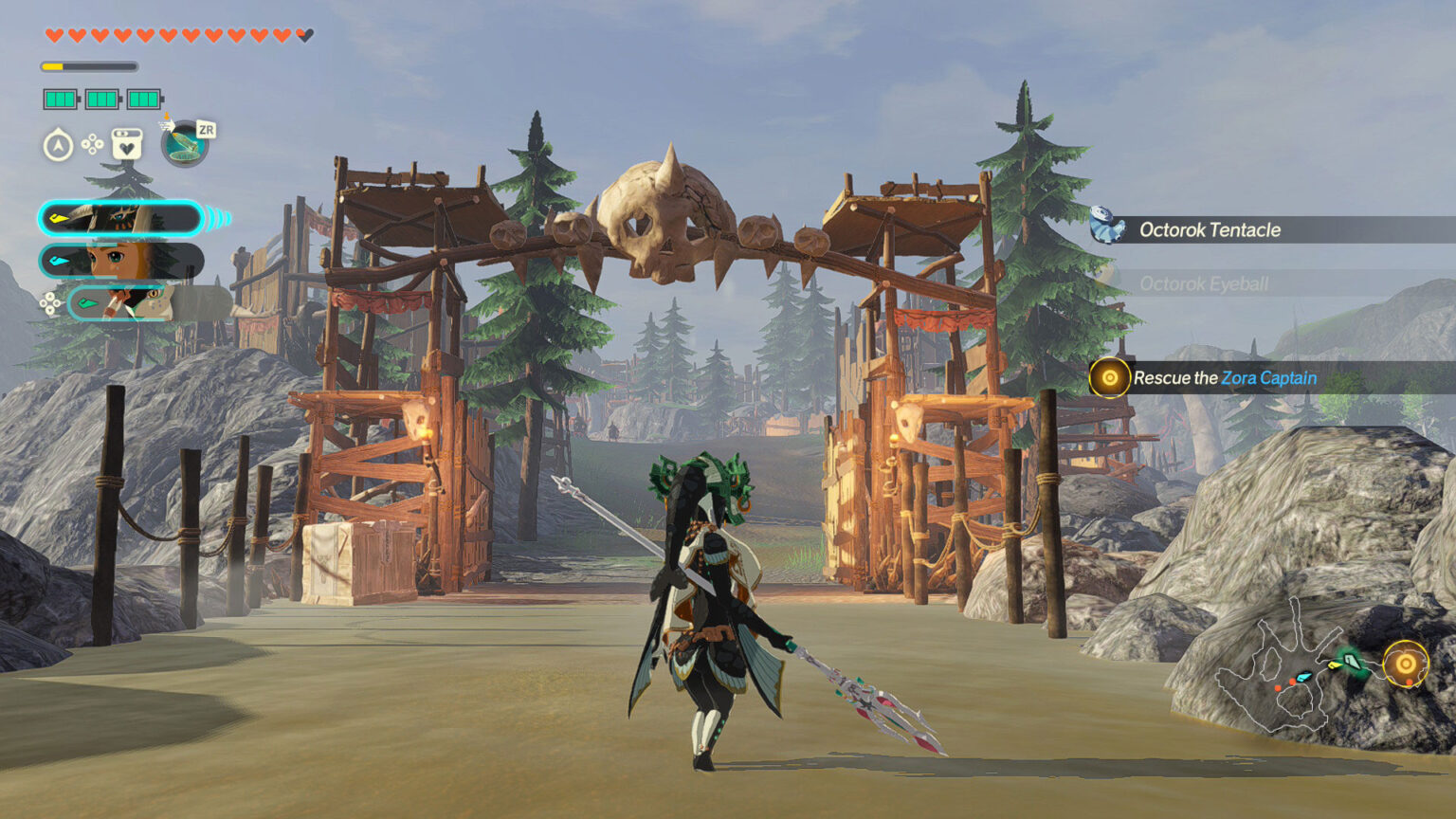
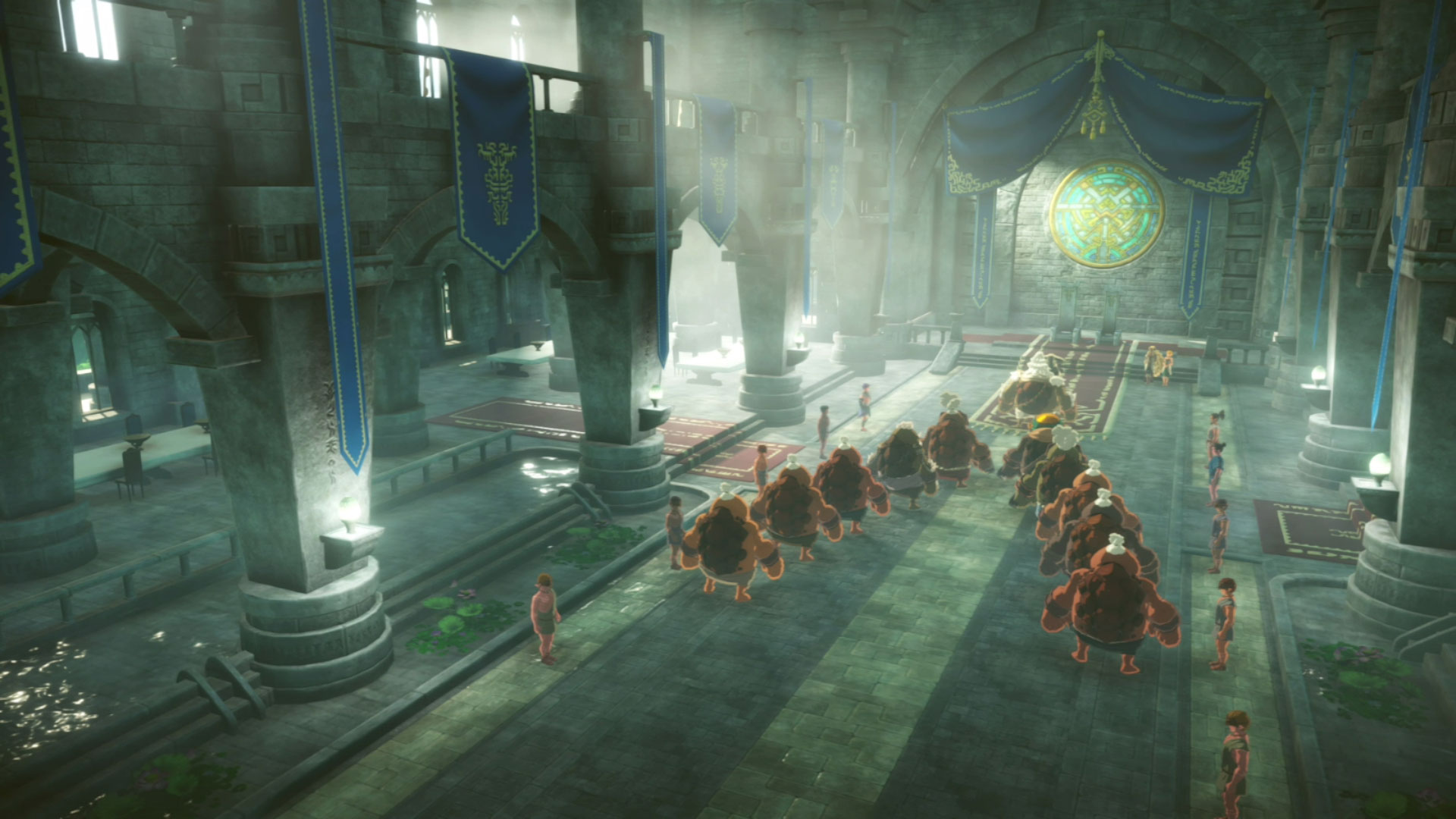
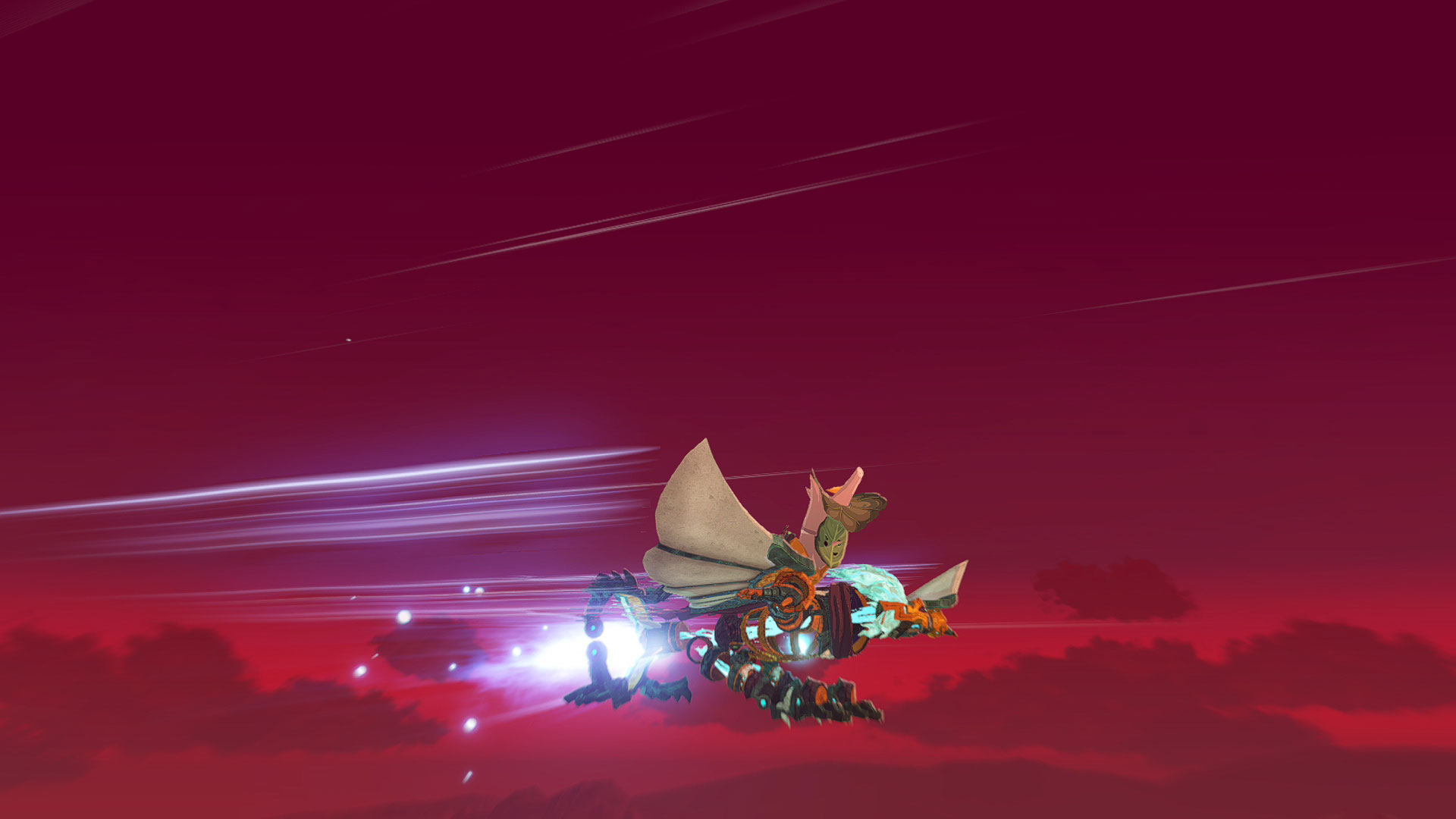
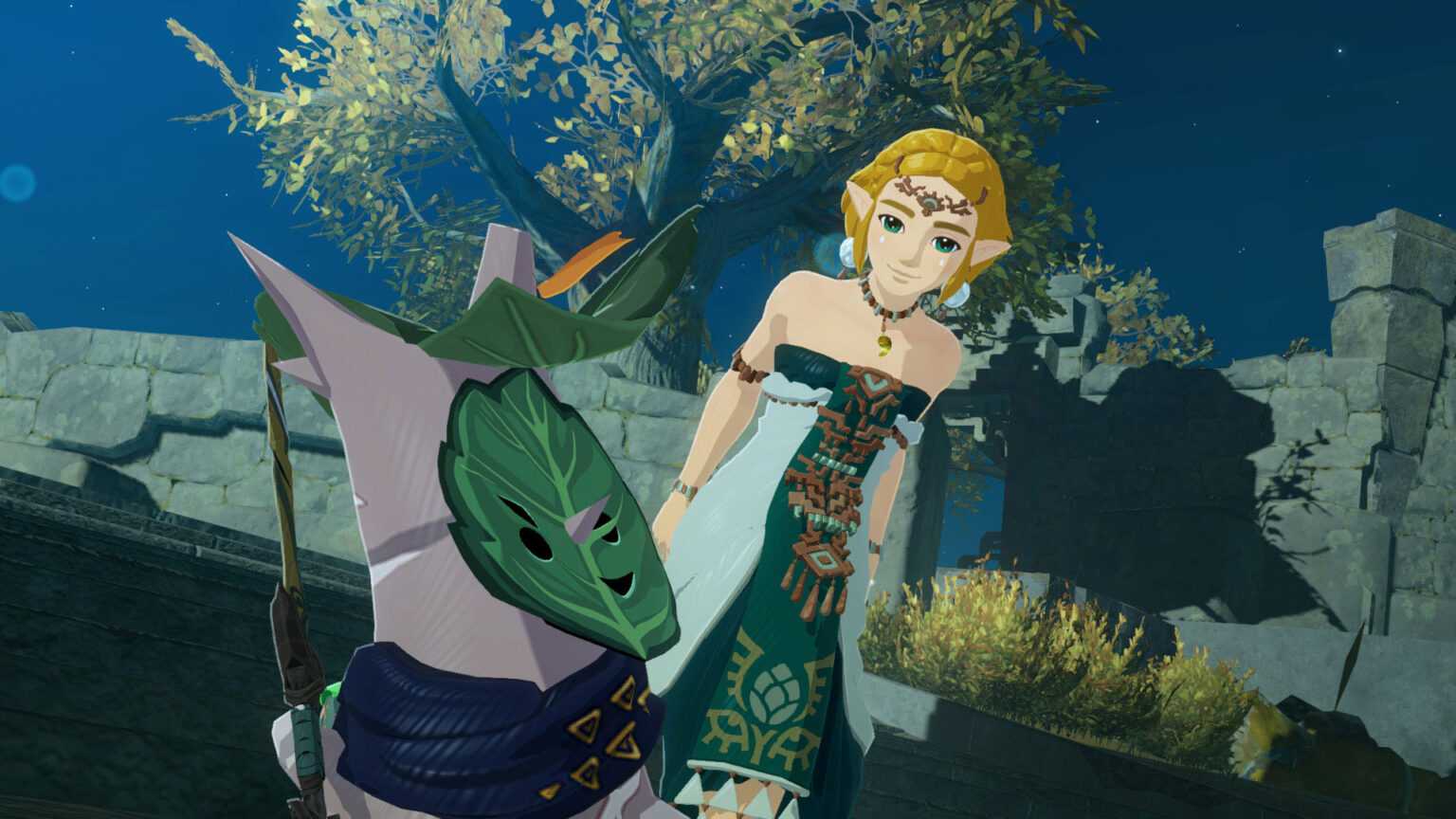
Hyrule Warriors: Age of Imprisonment tells the story of Demon King Ganondorf’s invasion as depicted in The Legend of Zelda: Tears of the Kingdom. If you played Tears of the Kingdom, you’ll know the general idea. There are several additions, though, including Calamo the Korok, a playable character who also brings some comic relief with his light-hearted personality. As the story unfolds, the roster fills with characters that, I found, offer a good variety of gameplay styles. This mix of characters also ties into Sync Strikes, which are powerful attacks performed by two allies working together. For the most part, I found myself controlling the main characters, as some of the side ones did feel like filler. Each mission restricts which characters are playable, ensuring that you’ll learn the playstyles for many of them.
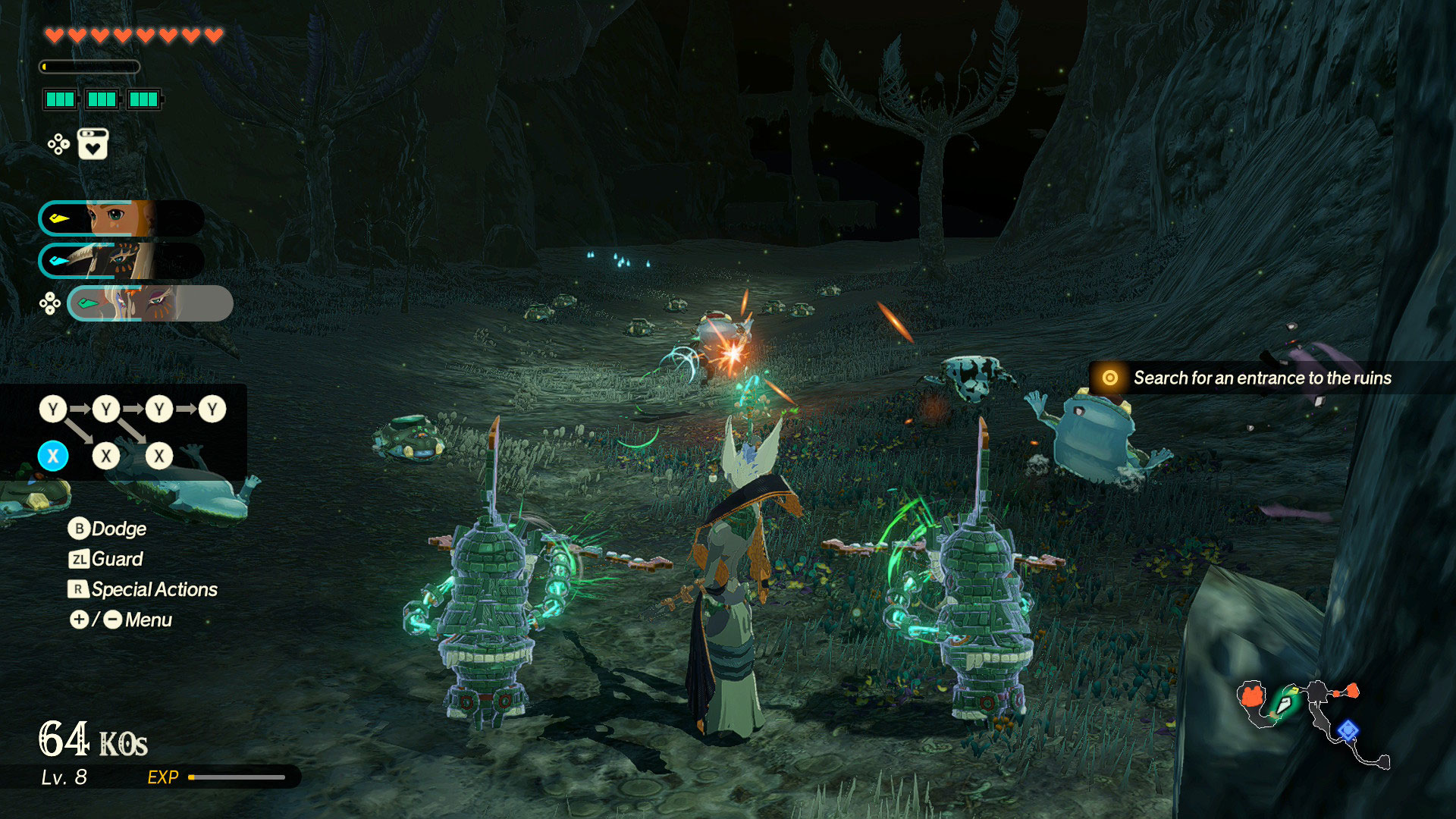
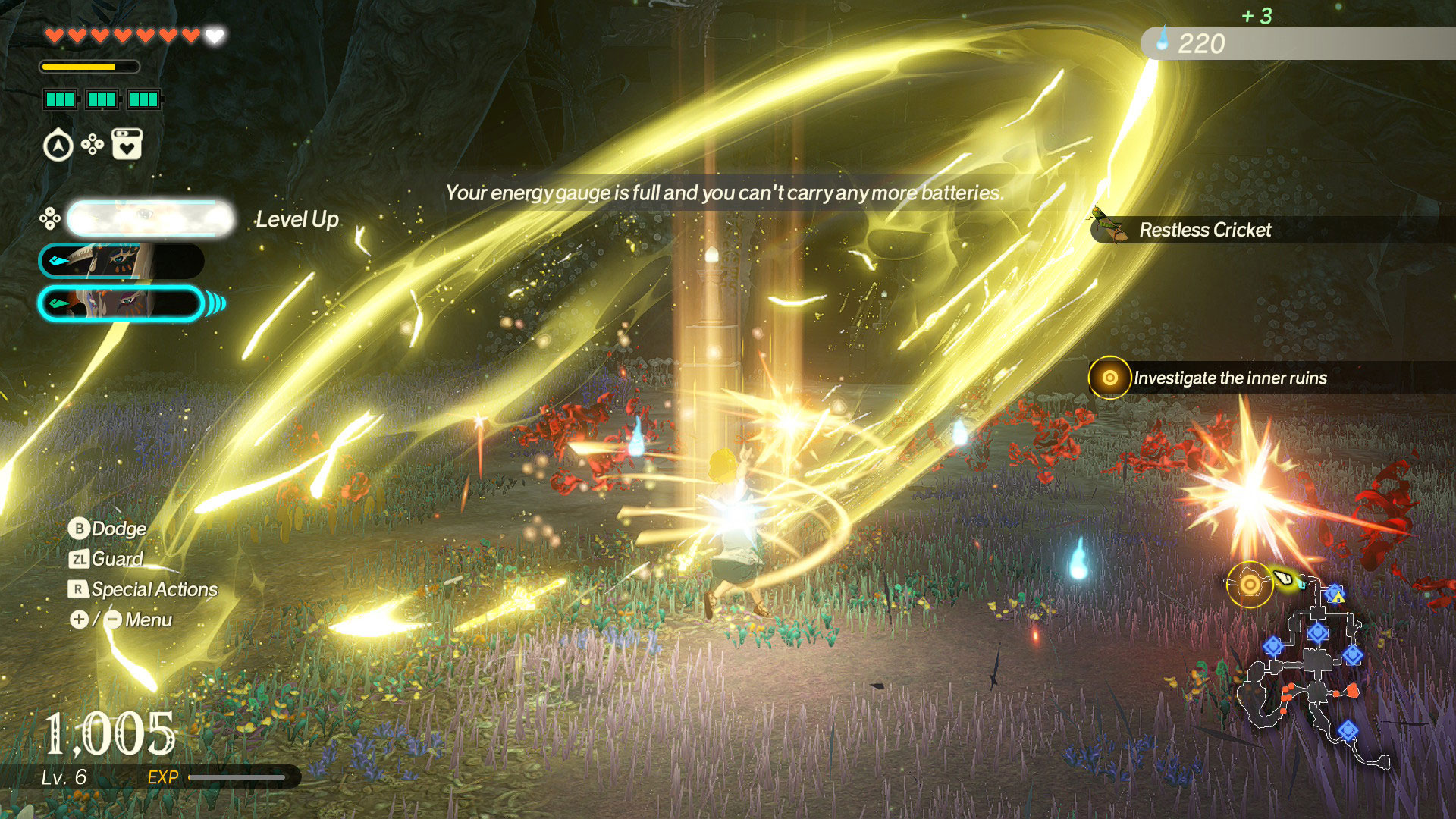
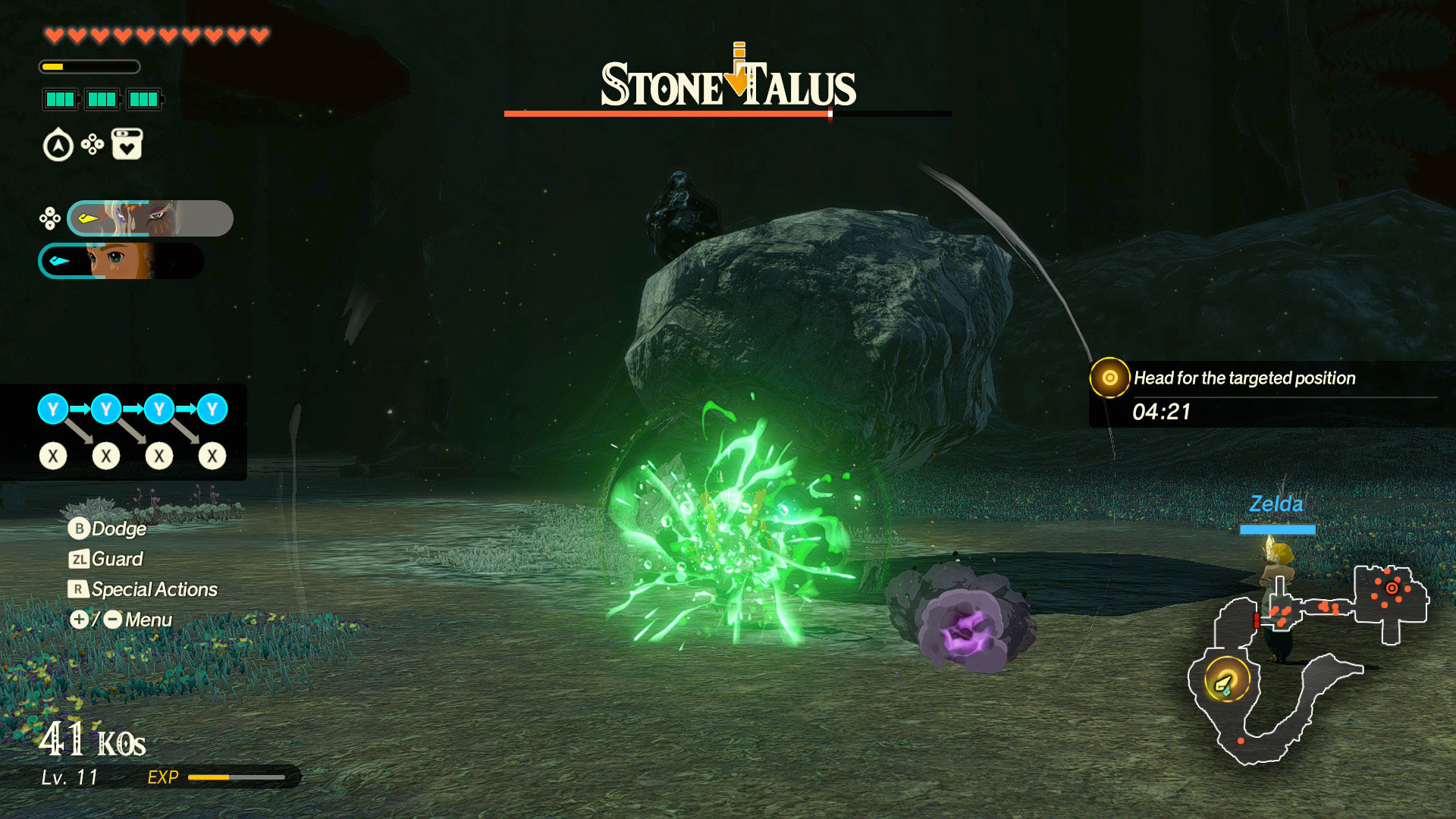
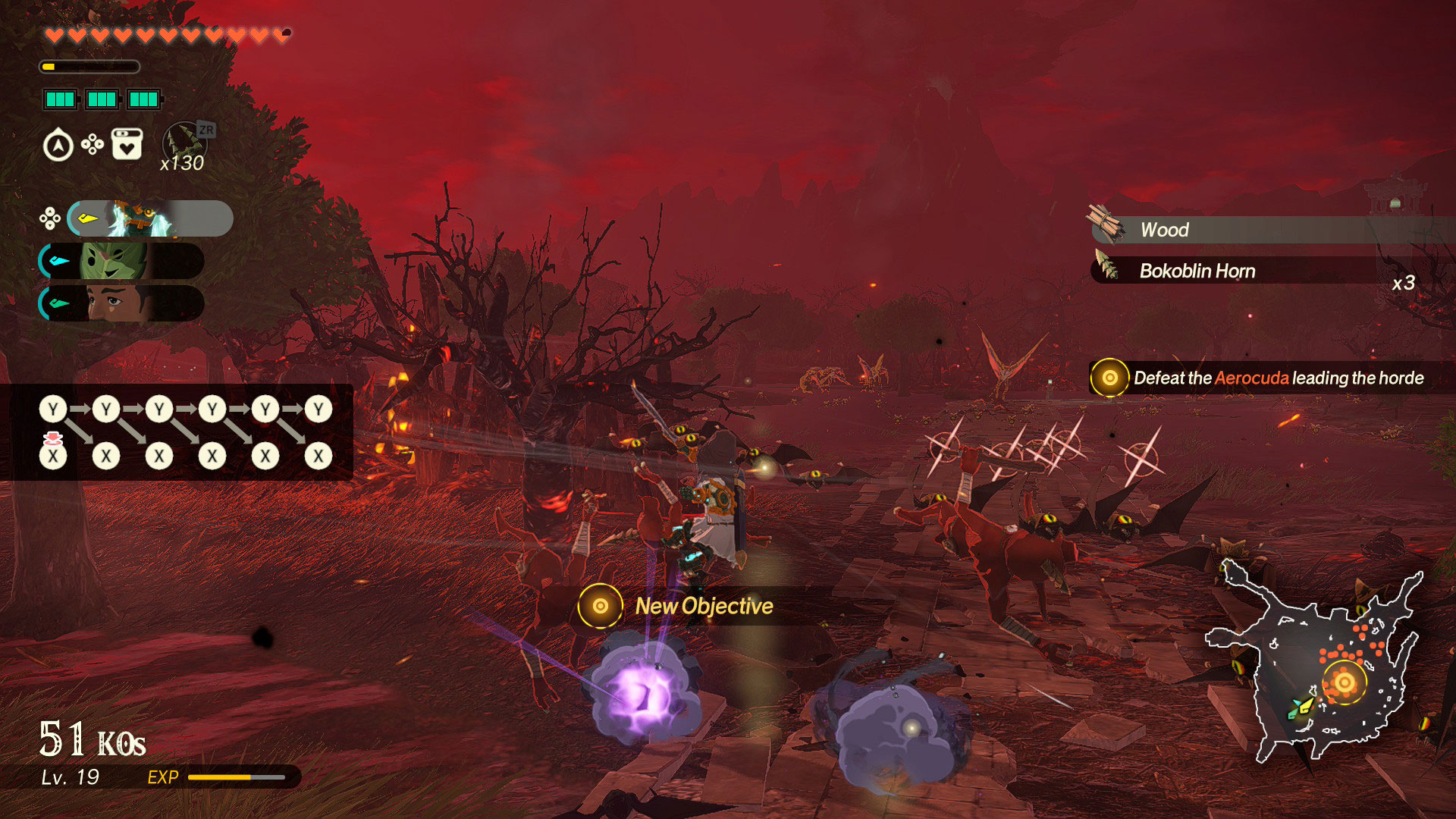
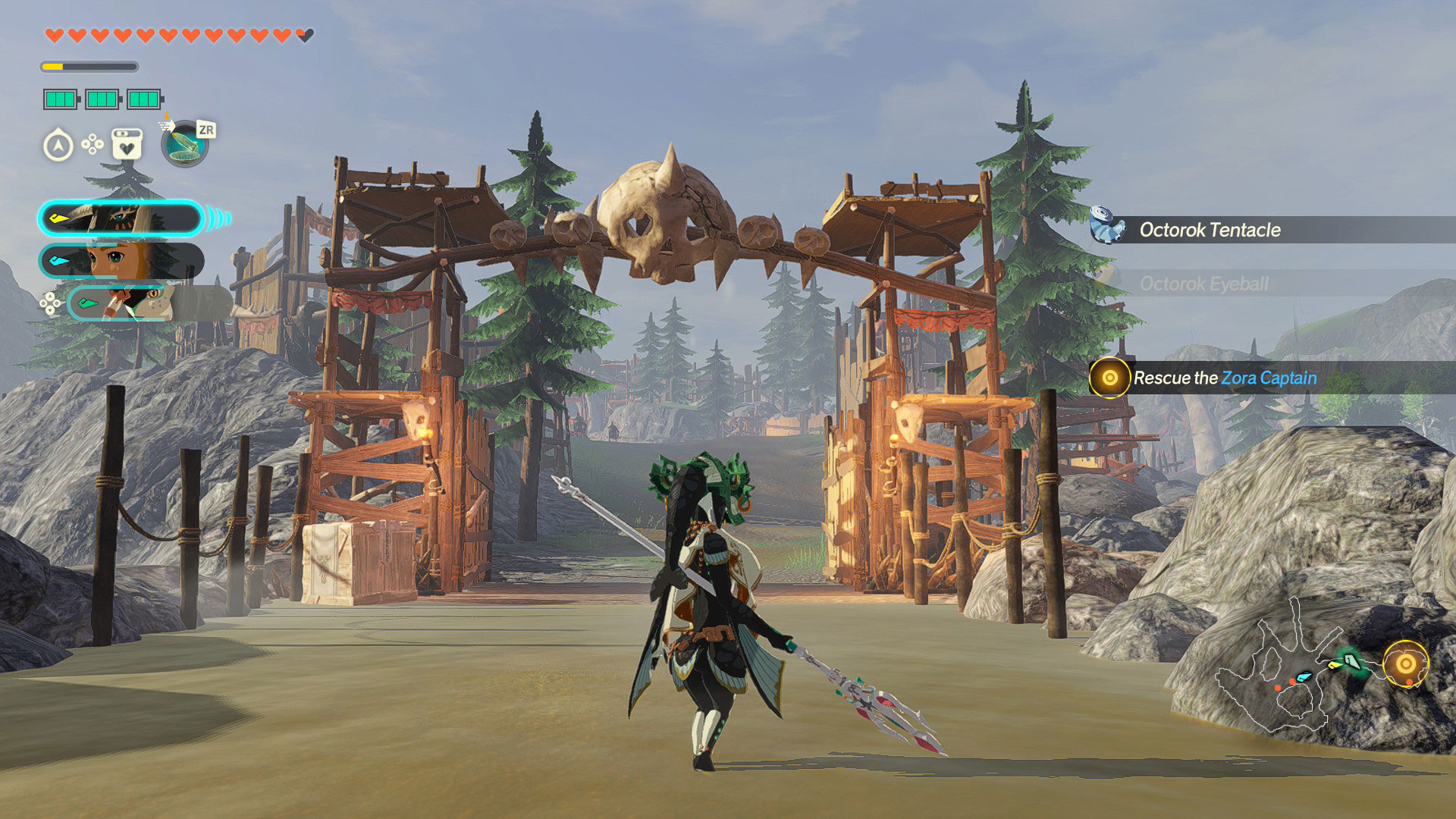
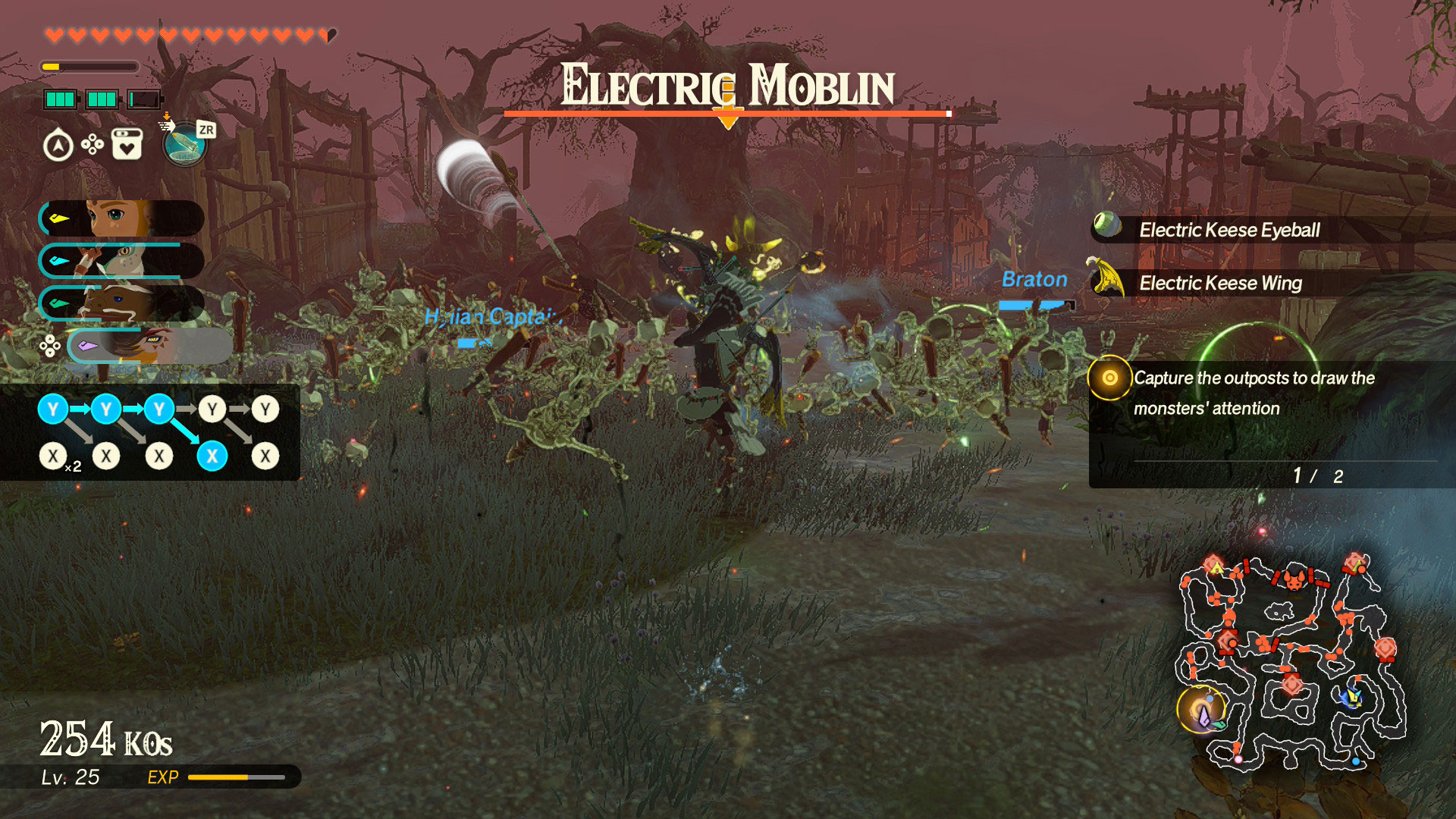
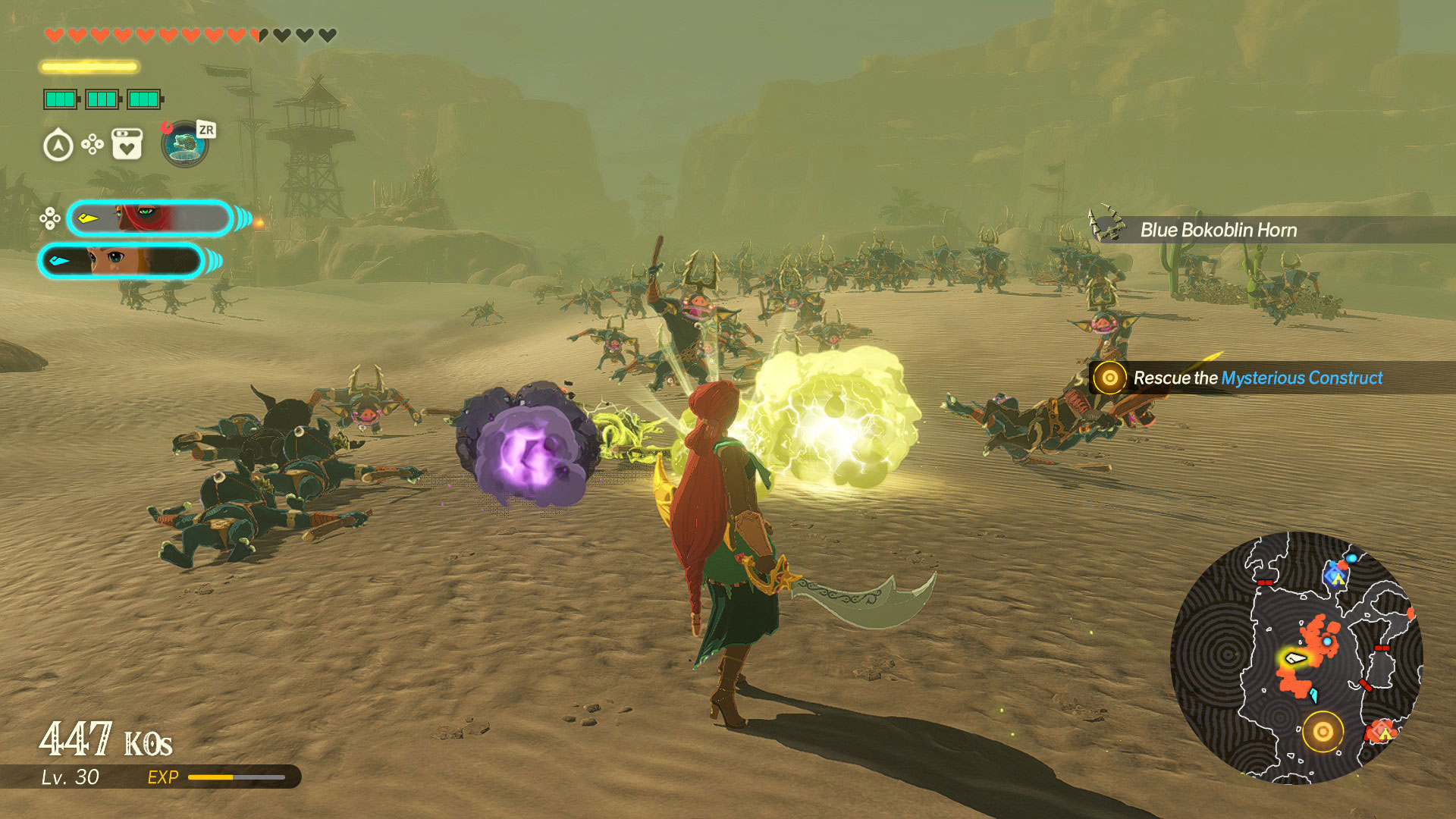
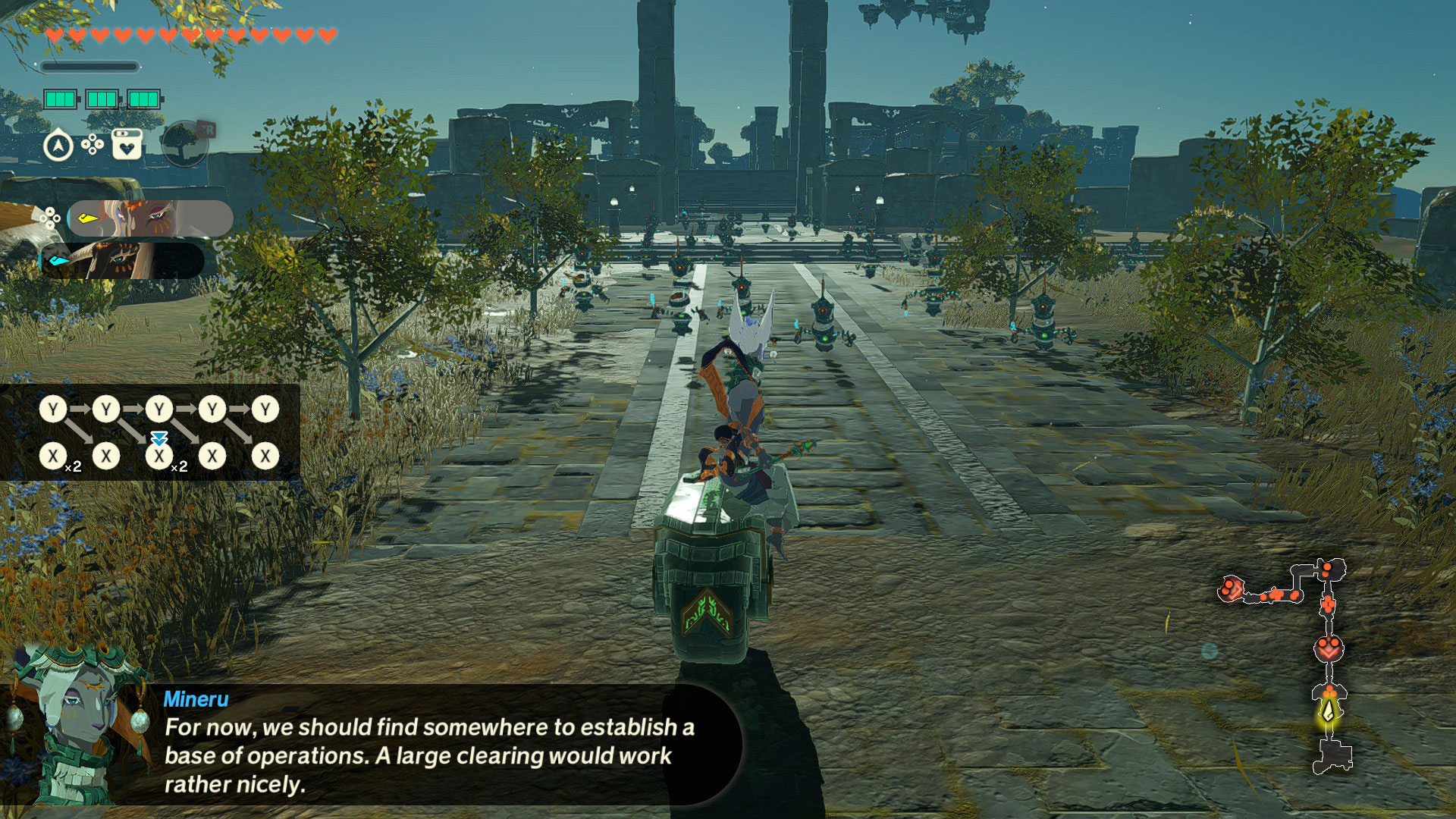
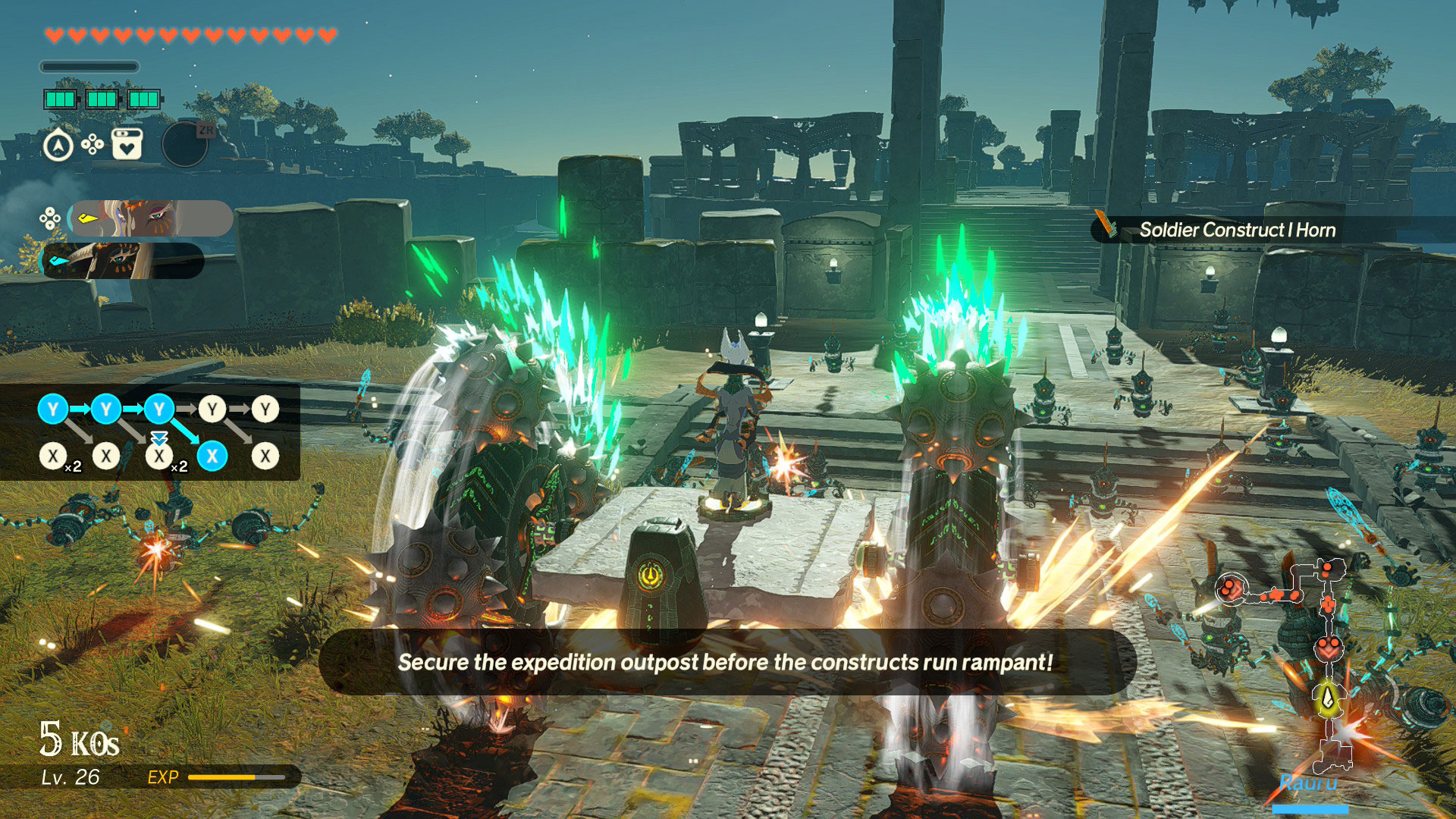
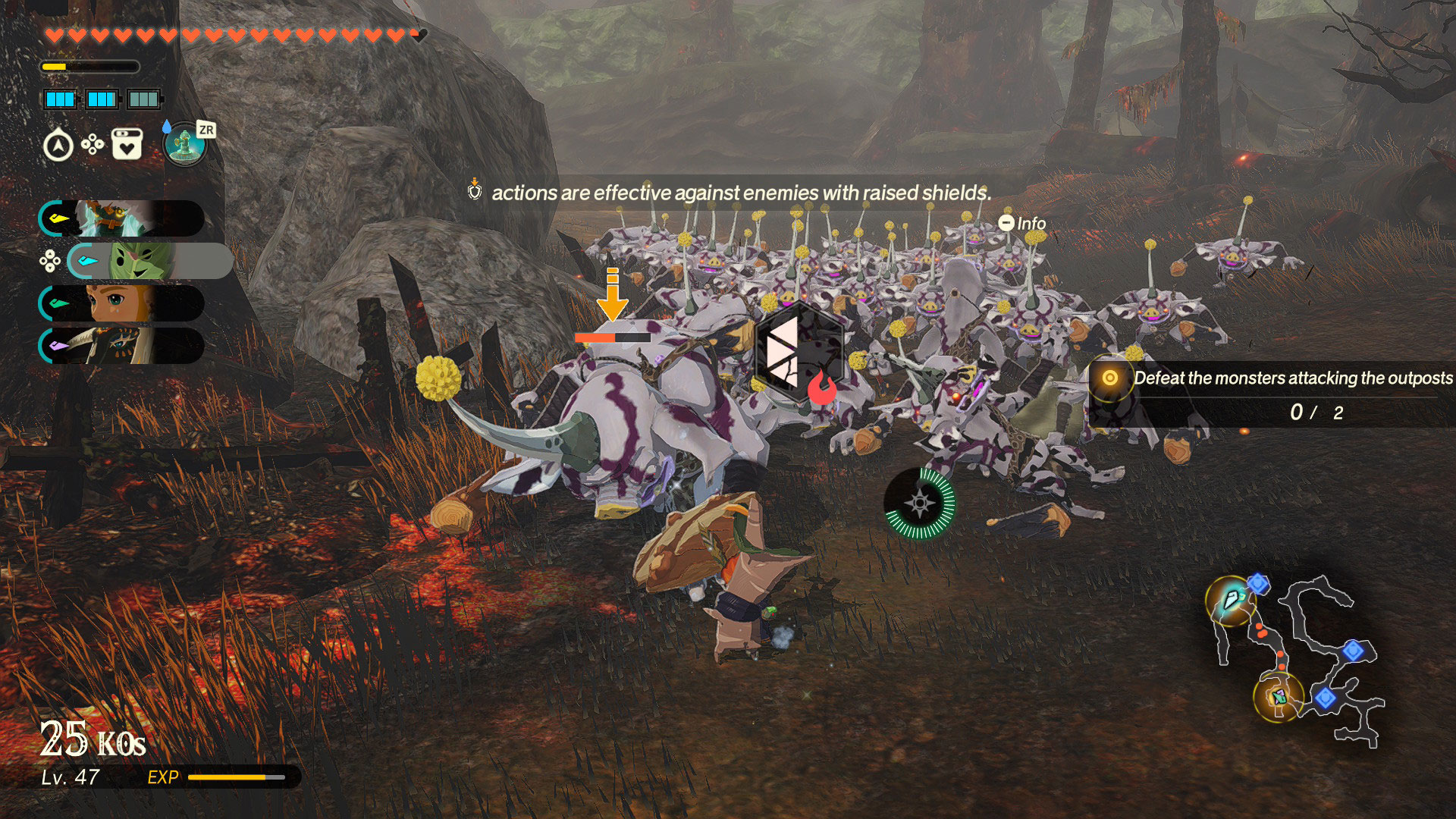
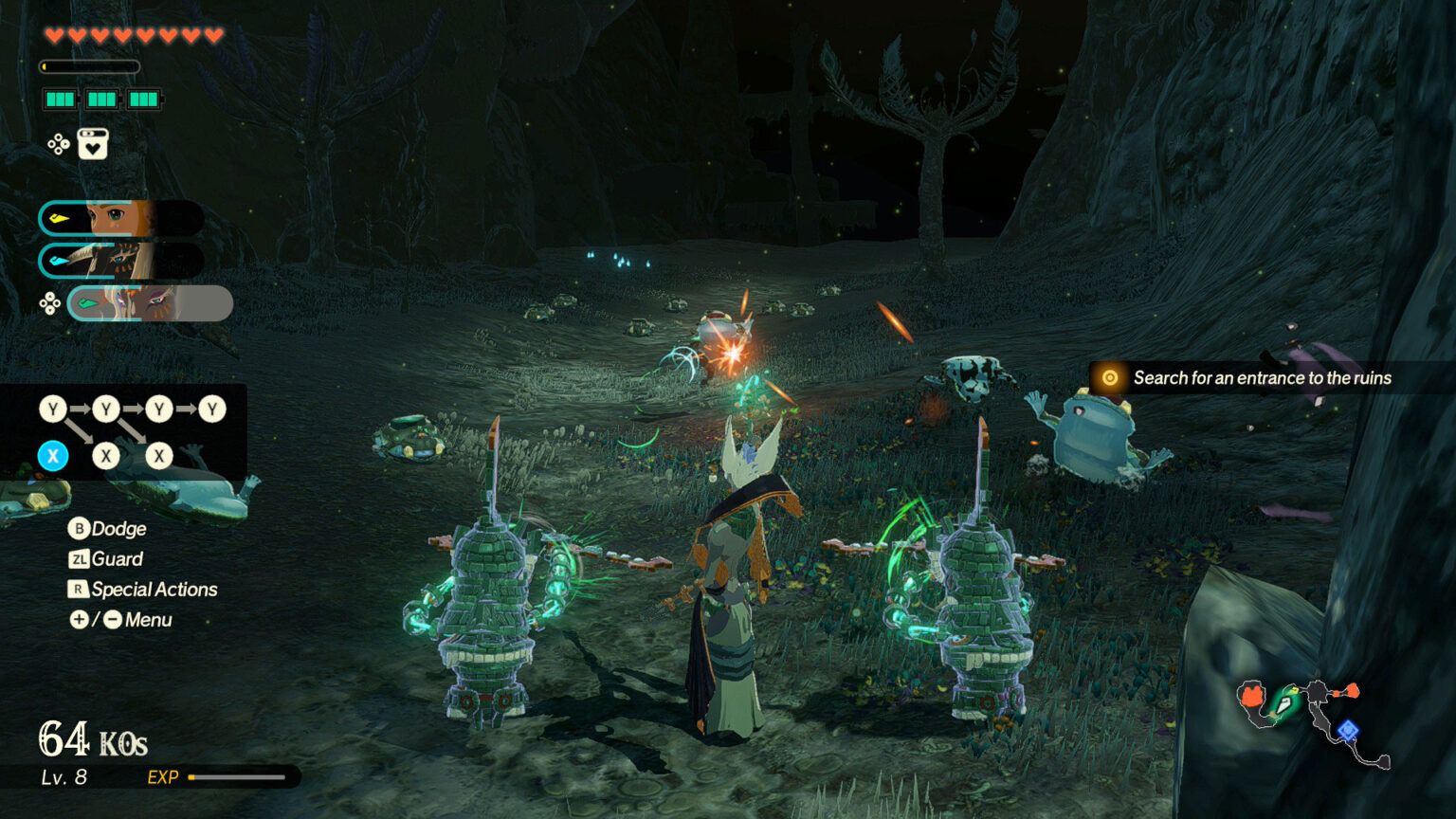
If you’ve played a Warriors game before, you know what to expect when it comes to the game’s core gameplay. If you haven’t, though, it’s very much a 1 vs. 1,000 mentality, where the map is filled with trivial enemies for you to smash apart and destroy. There are mini-bosses and bosses throughout the levels that present a bigger challenge, and really, those are the main enemies you’re actually fighting. The hundreds of trash enemies that you’ll decimate while navigating around the map don’t require much strategy or thought, but that’s also where the bulk of the entertainment and power fantasy comes from. It also gives you an opportunity to play with different combos and moves to learn what works best at any given time. Don’t expect a lot of variety in the missions, though, as they mostly boil down to killing enemies and capturing camps.
Big Goron Energy
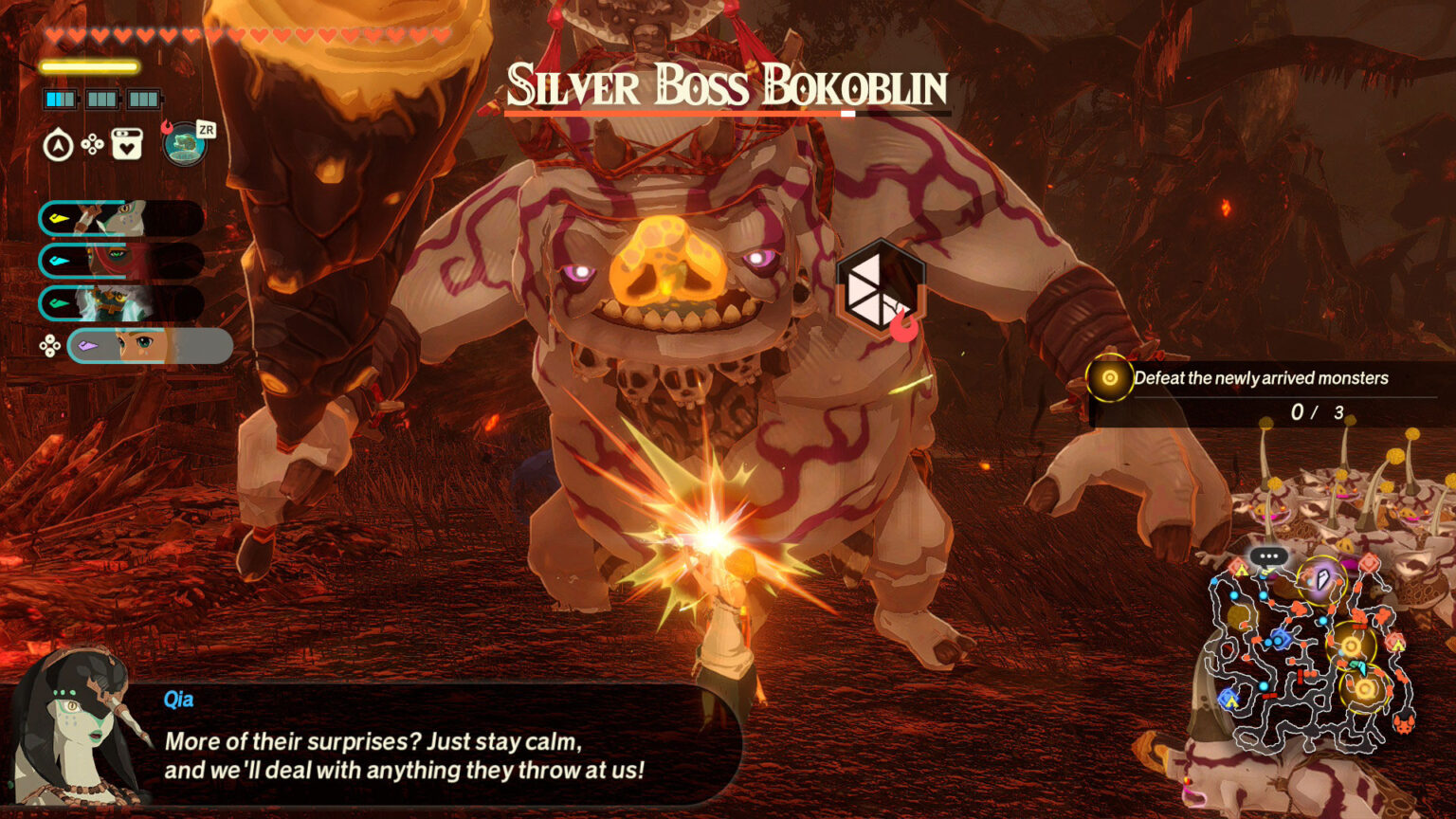
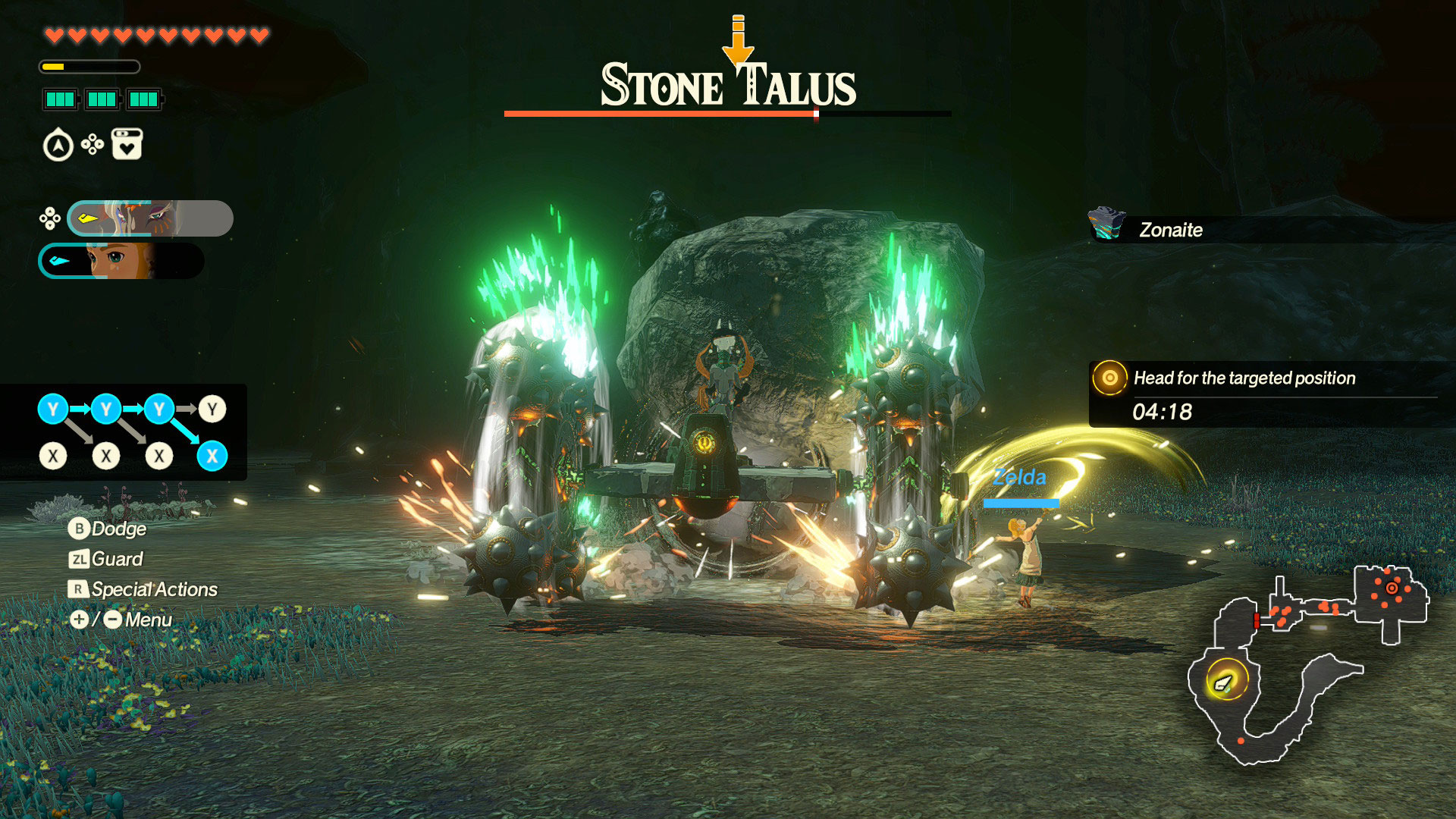
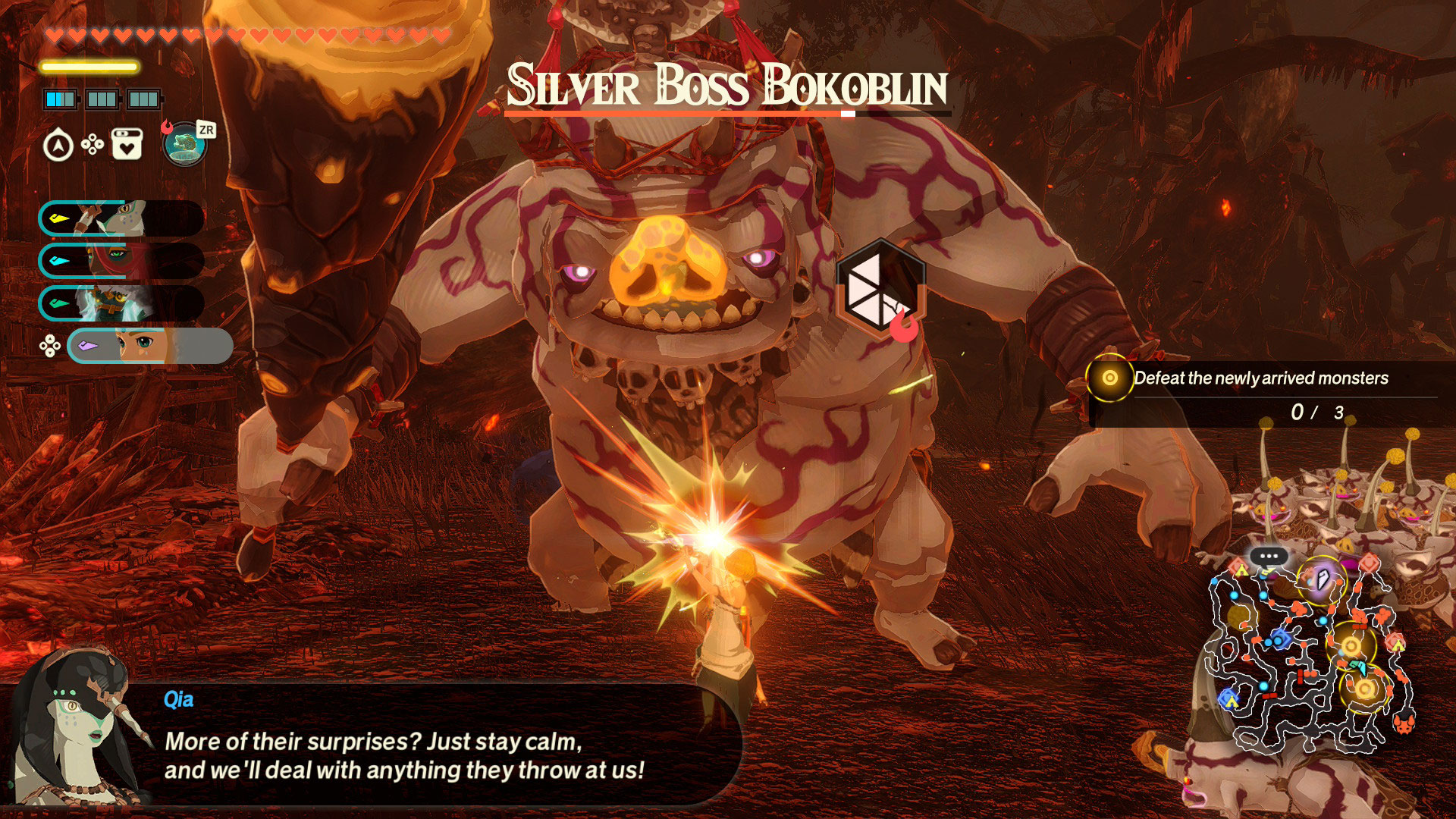
The two big twists to combat are Unique Skills and Zonai devices. Unique Skills are used to interrupt certain attacks from mini-bosses and bosses. At first, you’ll have to decipher which one to use by reading the enemy’s stance on the screen, whether it looks like they’re charging forward, going into the air, raising a shield, or readying a projectile. Once you counter it the first time, an icon will appear underneath the enemy’s health bar to alert you to which Unique Skill to use. Again, this isn’t terribly complex and is basically another rock-paper-scissors-type mechanic, but it does feel oh so satisfying when you properly counter and interrupt the enemy’s attack.
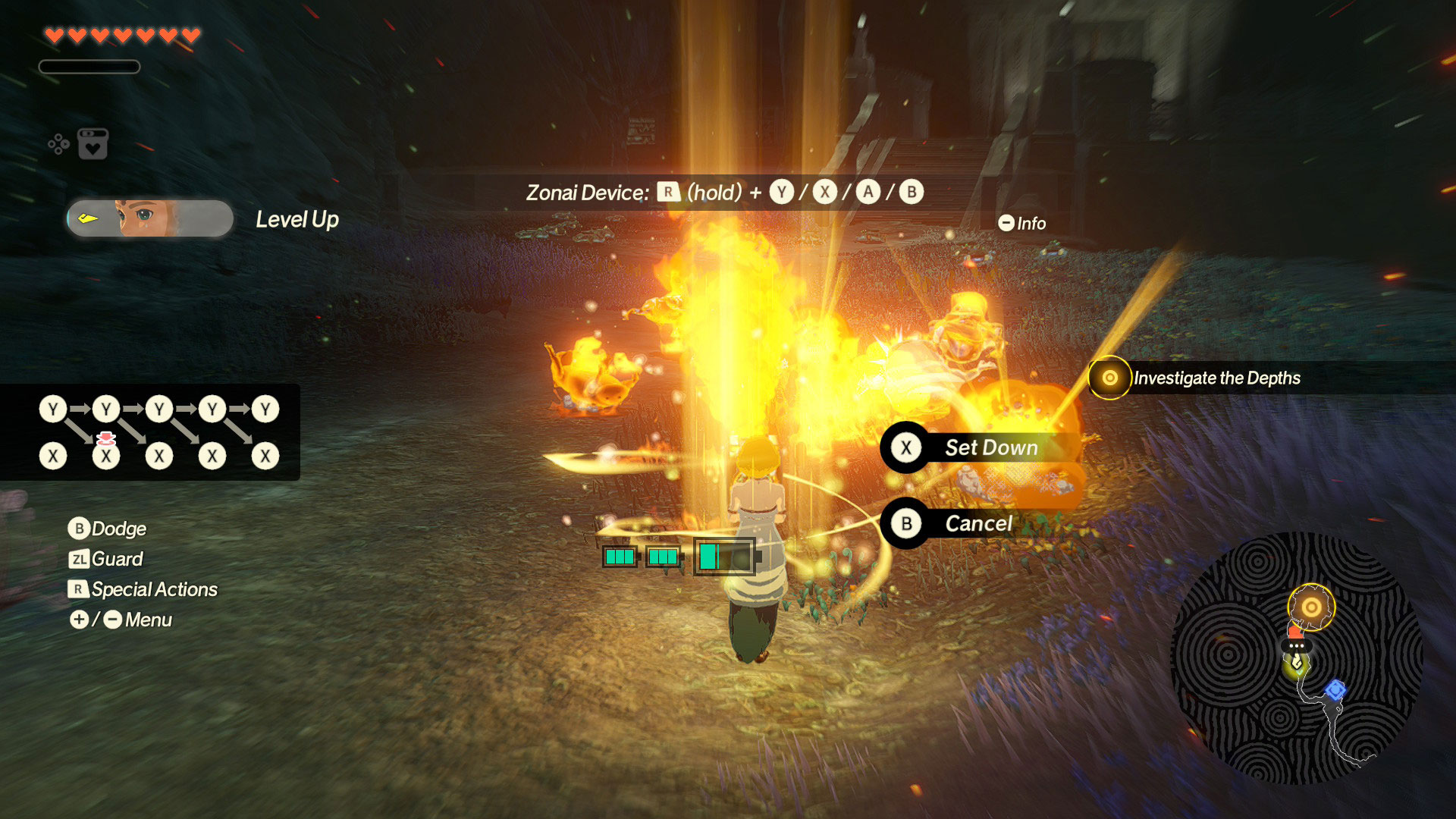
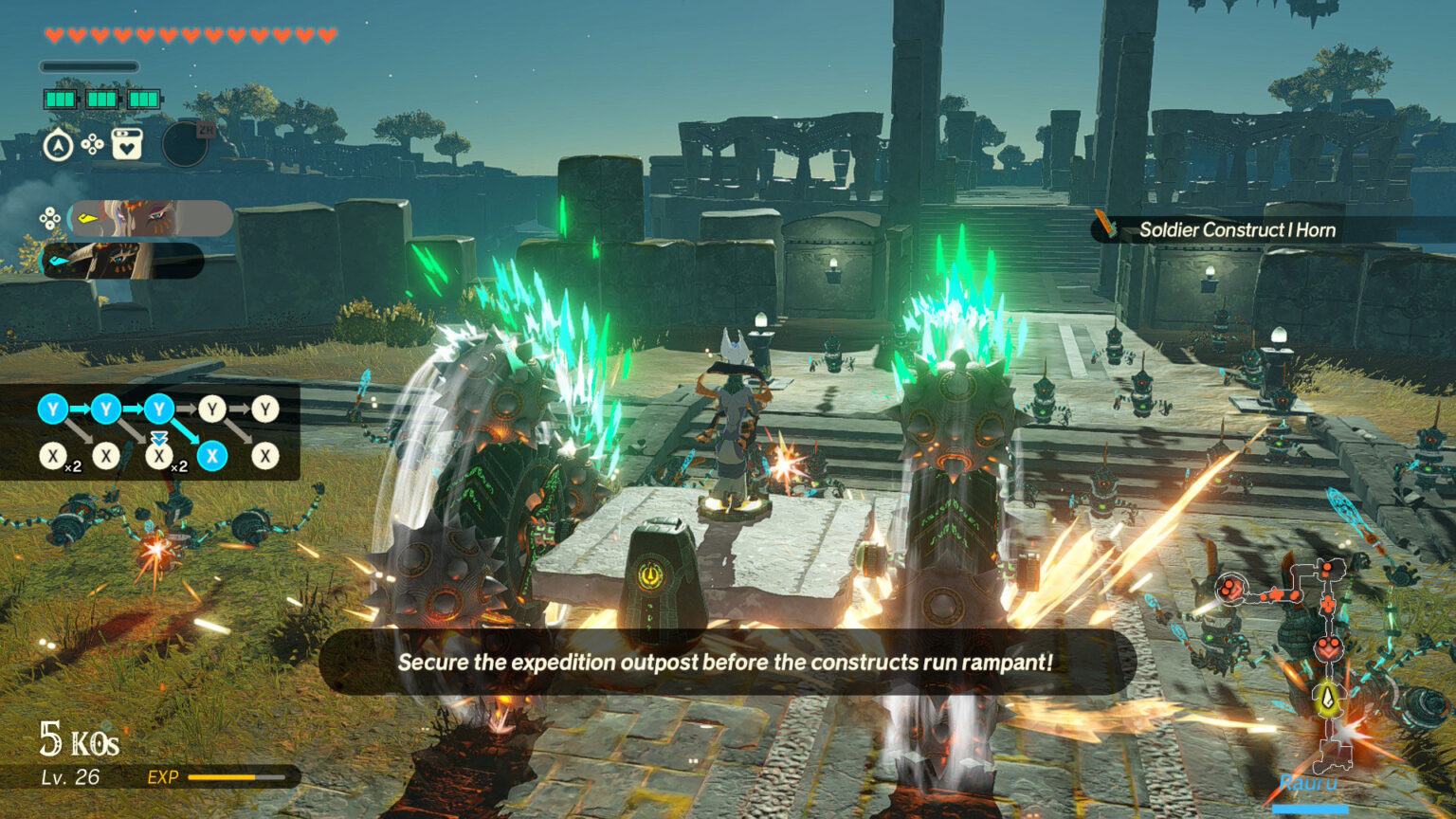
The more complex mechanic comes in the form of Zonai devices, which also play into Age of Imprisonment’s focus on elemental attacks. I found myself abusing the Zonai devices to quickly stagger enemies by targeting their weaknesses and melting away the Weak-Point Gauge, which takes the form of a hexagon with six slices. This is basically a stagger bar because once you deplete the Weak-Point Gauge, you’re able to execute a Weak-Point Smash that does a significant amount of damage. I really enjoyed experimenting with different loadouts of Zonai devices to make quick work of all the more powerful enemies. That being said, Zonai devices in Age of Imprisonment don’t offer the same sandbox freedom to build as in Tears of the Kingdom. It does, however, channel that spirit into pre-built devices with elemental combos that tie into the gameplay style nicely.
Familiar Legends
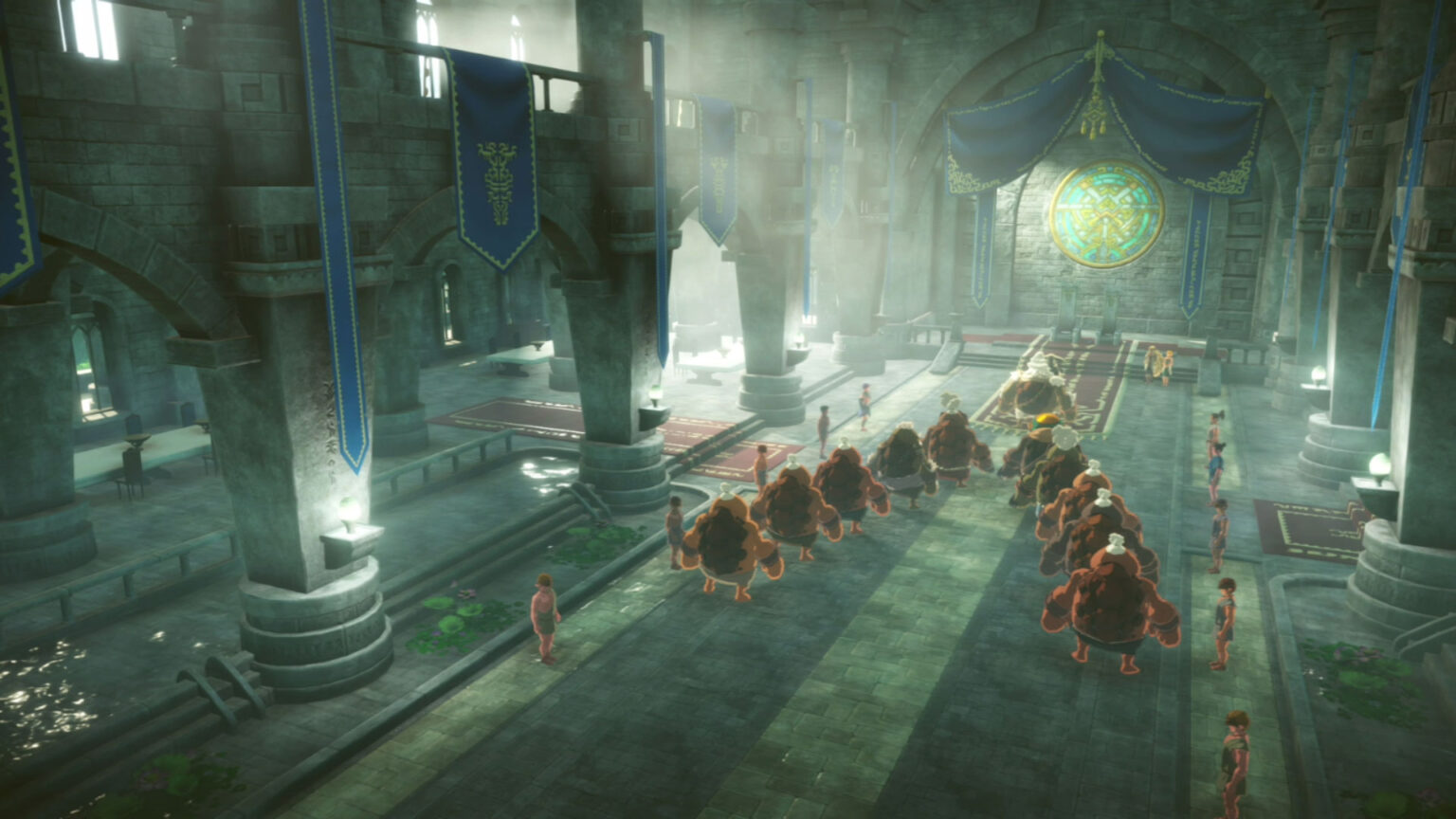
Along with Sync Strikes, each character also has a special attack that can be used once the bar fills up. These attacks typically didn’t deal a large amount of damage, but they were perfect to use to interrupt an enemy’s attack. Ironically, special attacks didn’t really feel all that special to me, and they were the one mechanic I interacted with the least during my playthrough. As for going on the defensive, you can dodge and guard against attacks, with a perfect dodge opening a chance to perform a Flurry Rush. Essentially, time slows, giving your character a window of opportunity to unleash numerous attacks before things go back to normal. As expected, the window to execute a perfect dodge is pretty generous and easy to pull off, especially if you’ve spent time playing any Soulslike over the years.
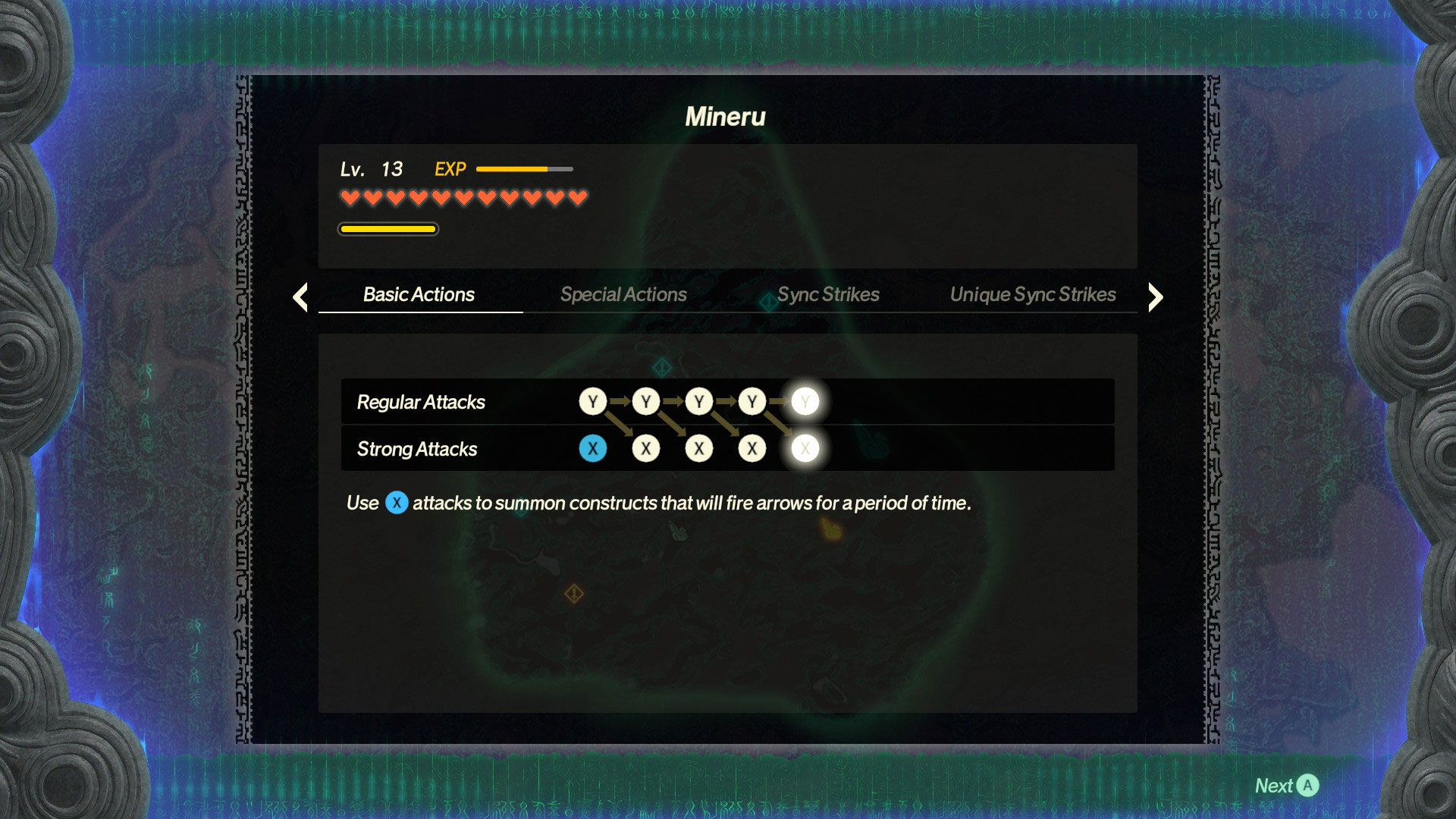
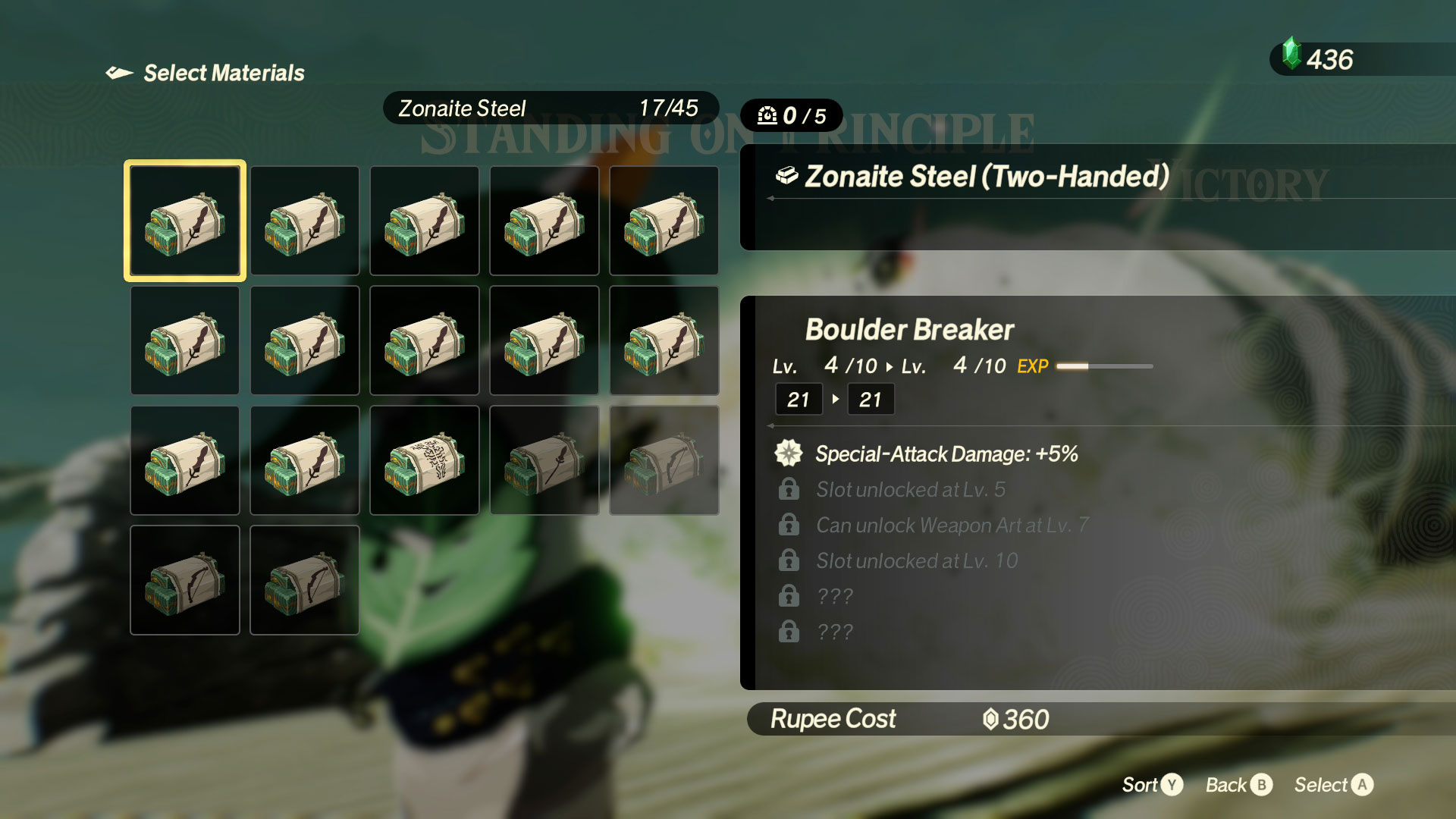
All of these mechanics combine with a basic combo system where pressing your basic attack a number of times before a strong attack results in a different finisher. These sets of combos expand over time as you complete more missions on the map and unlock nodes that require certain item donations. This is also where you’ll find ways to increase the maximum number of hearts for characters, as well as special attack gauge expansions and other character-specific enhancements. Progression also comes in the form of weapon upgrades, which use weapon materials and rupees, and general levels for each character. The more you play as a character, the faster they’ll level, which means you’ll typically want to switch between characters so they all level up equally.
Echo Chamber
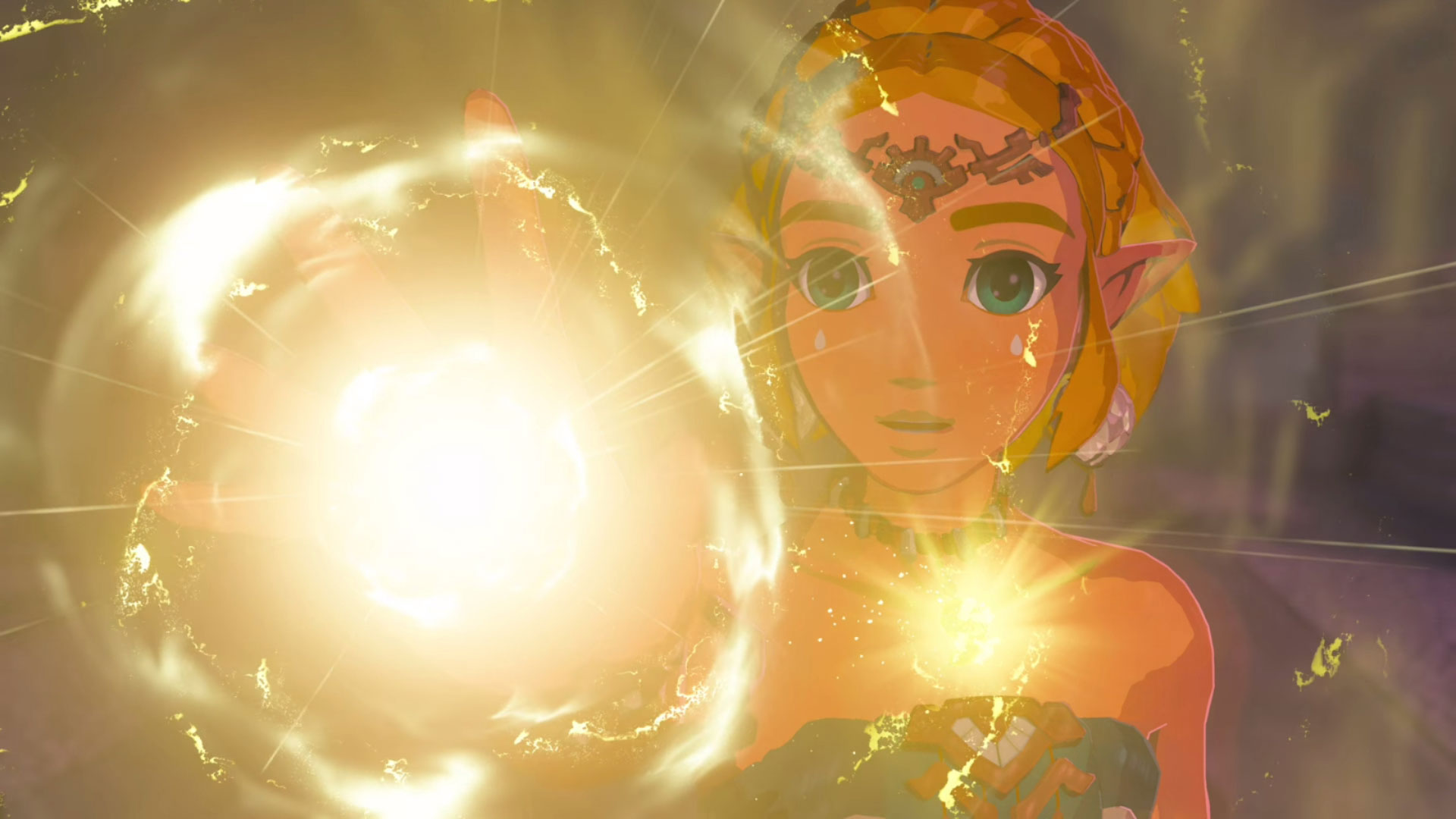
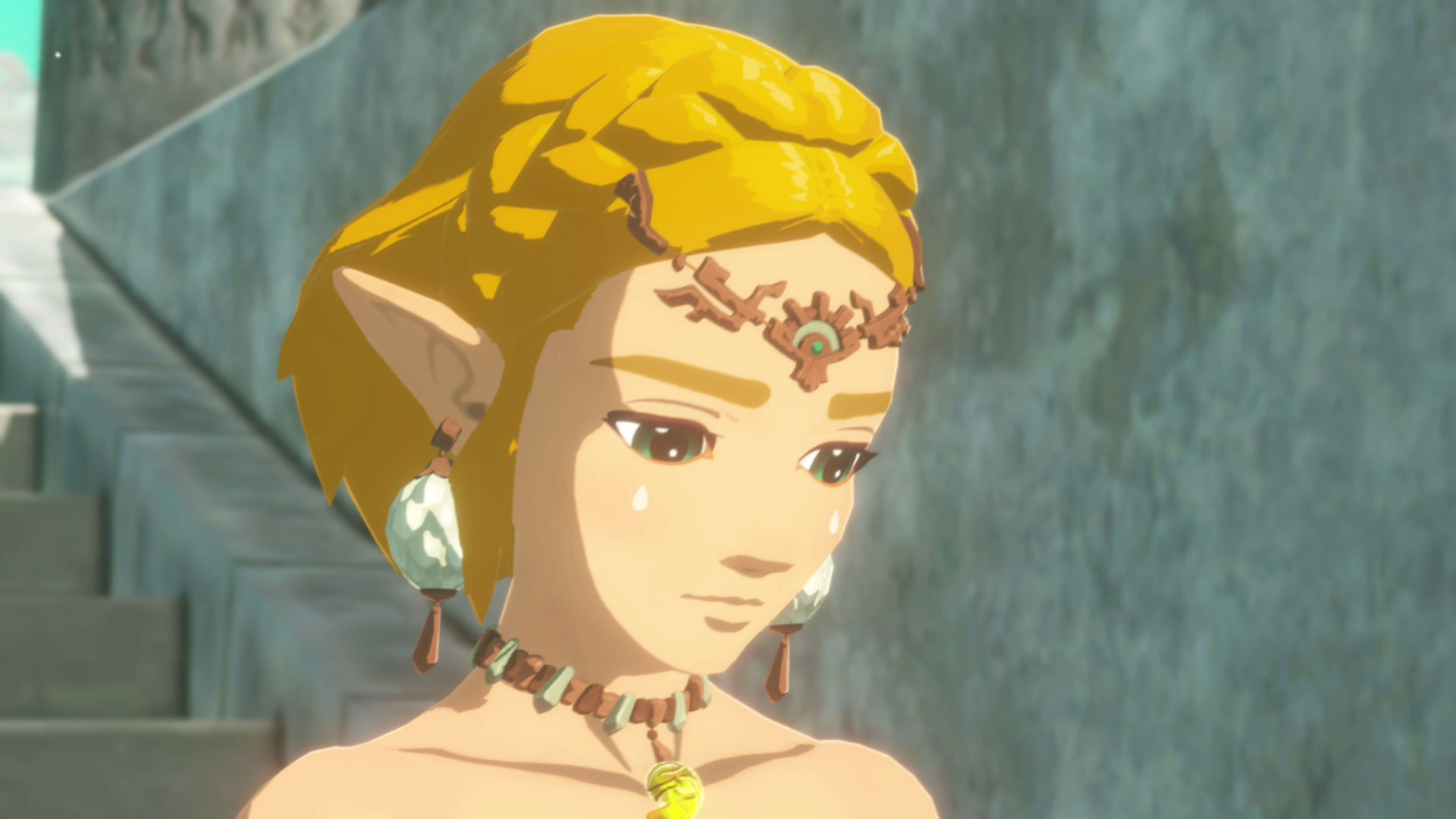
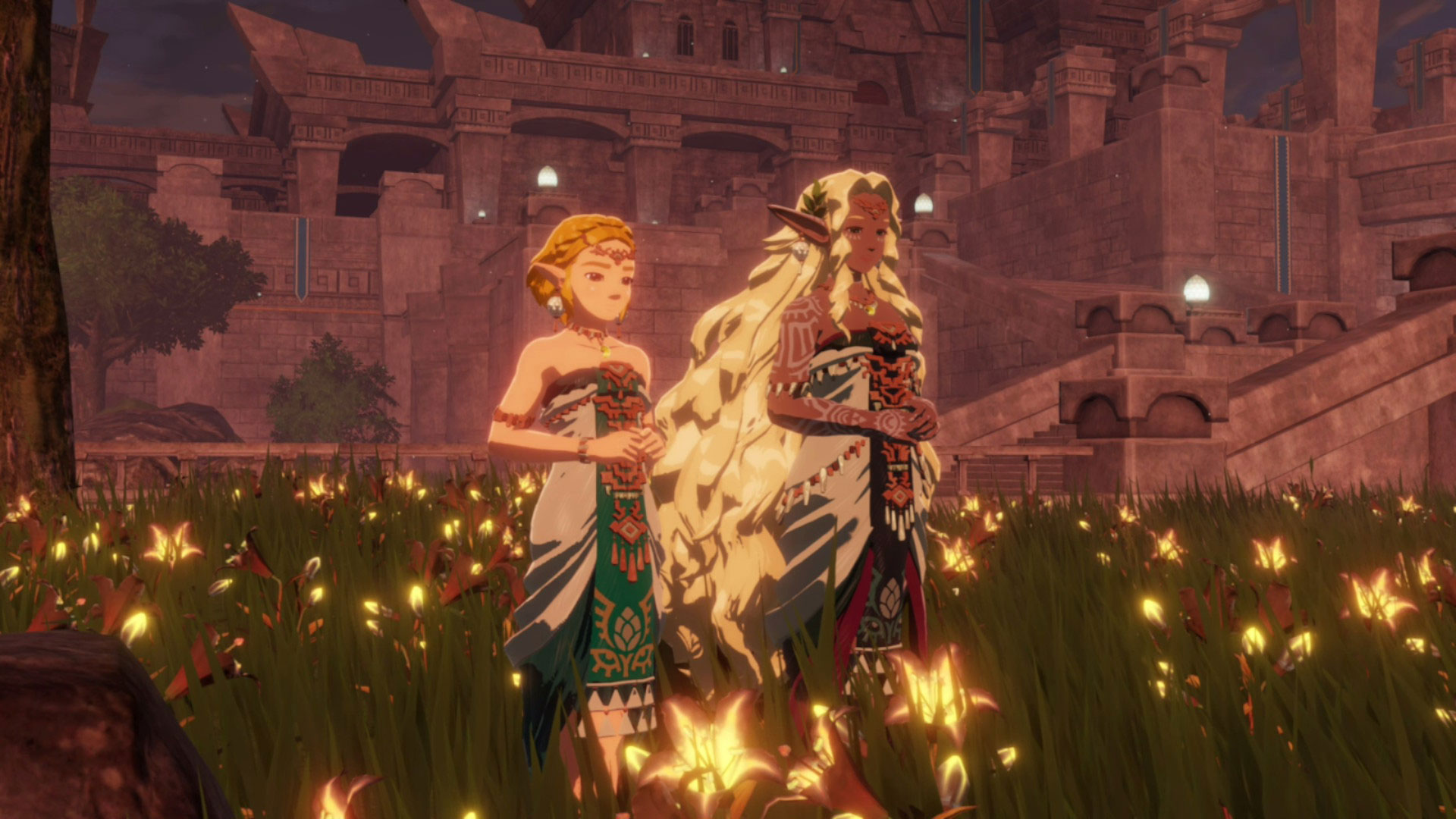
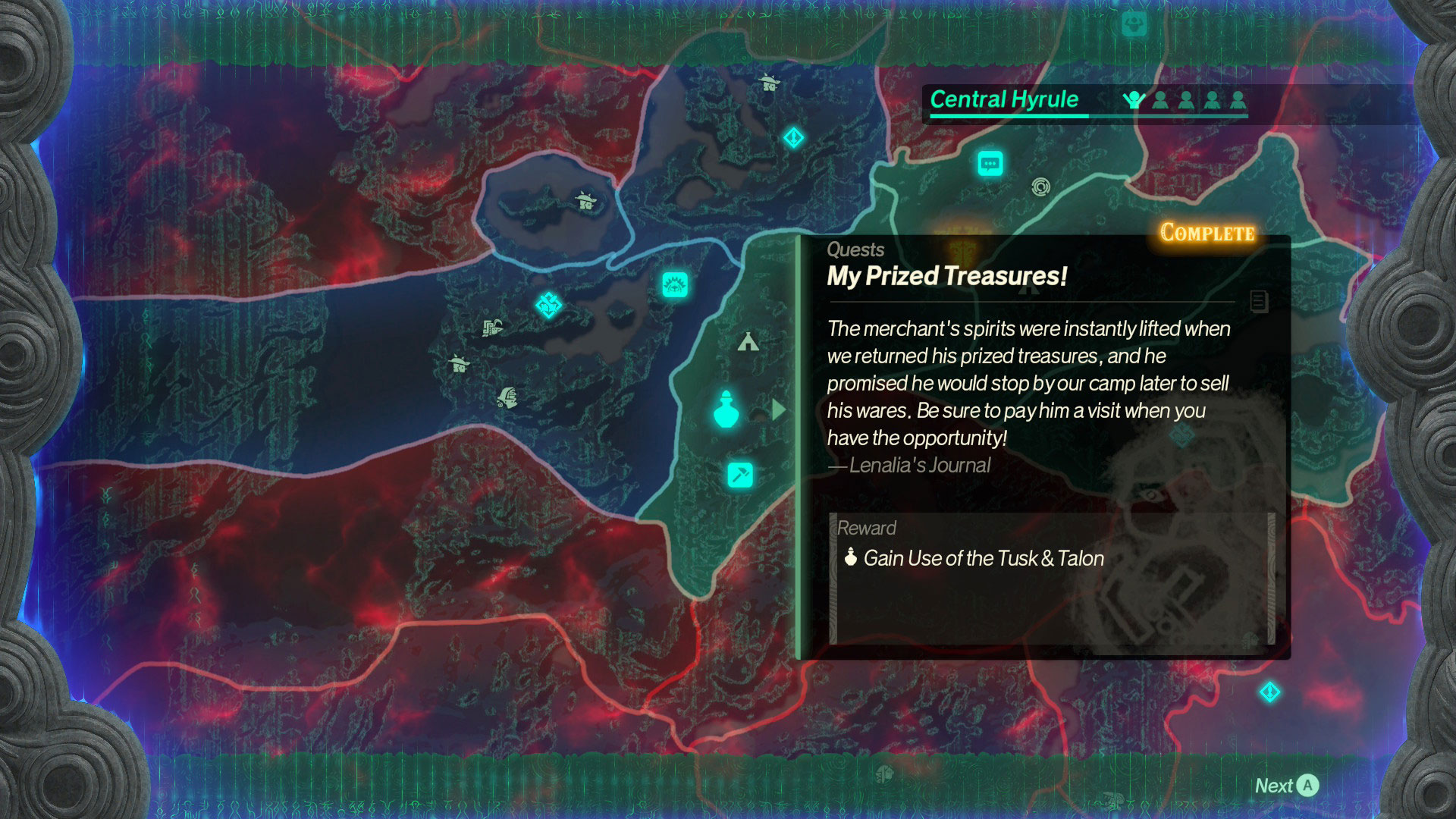
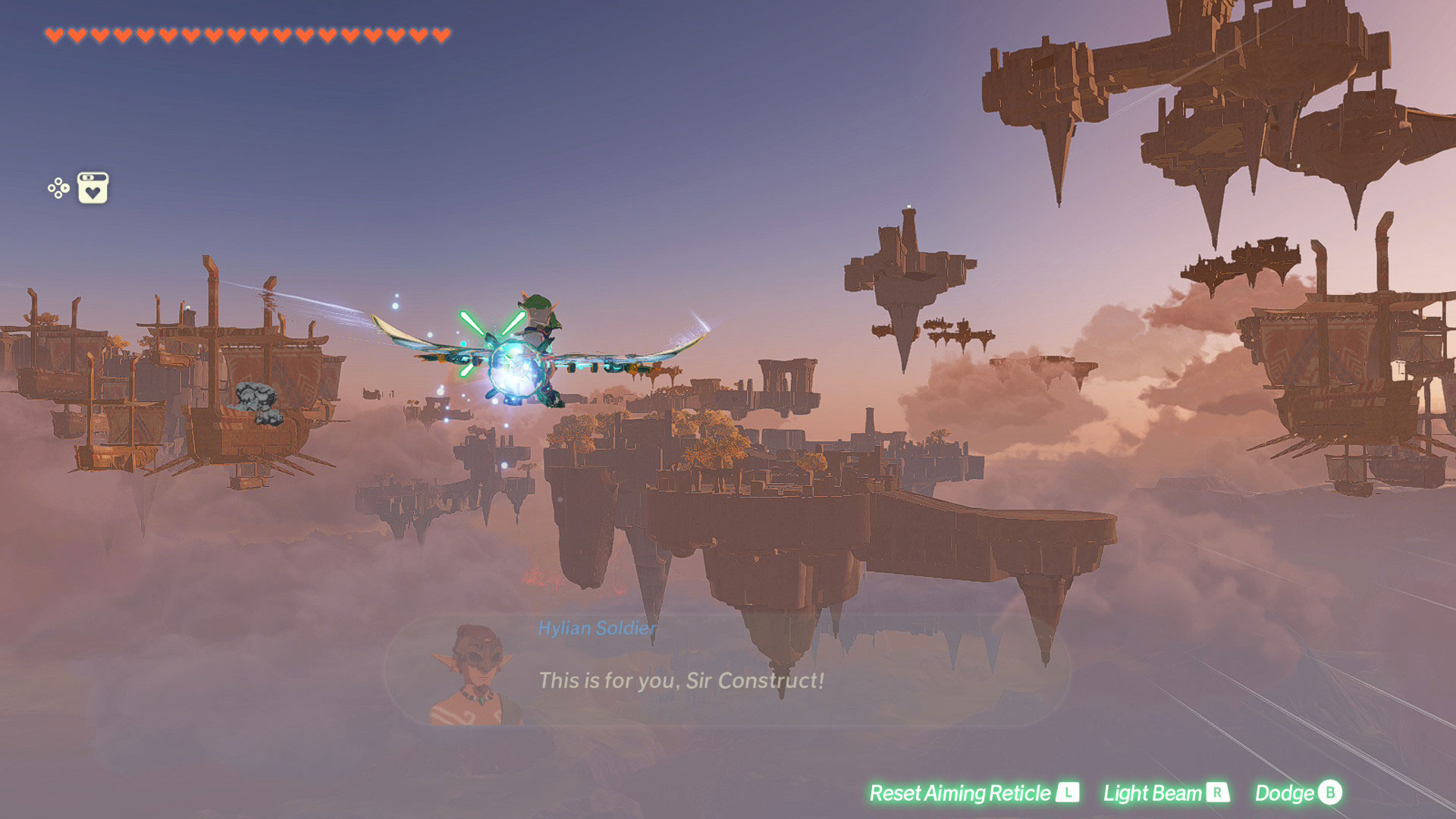
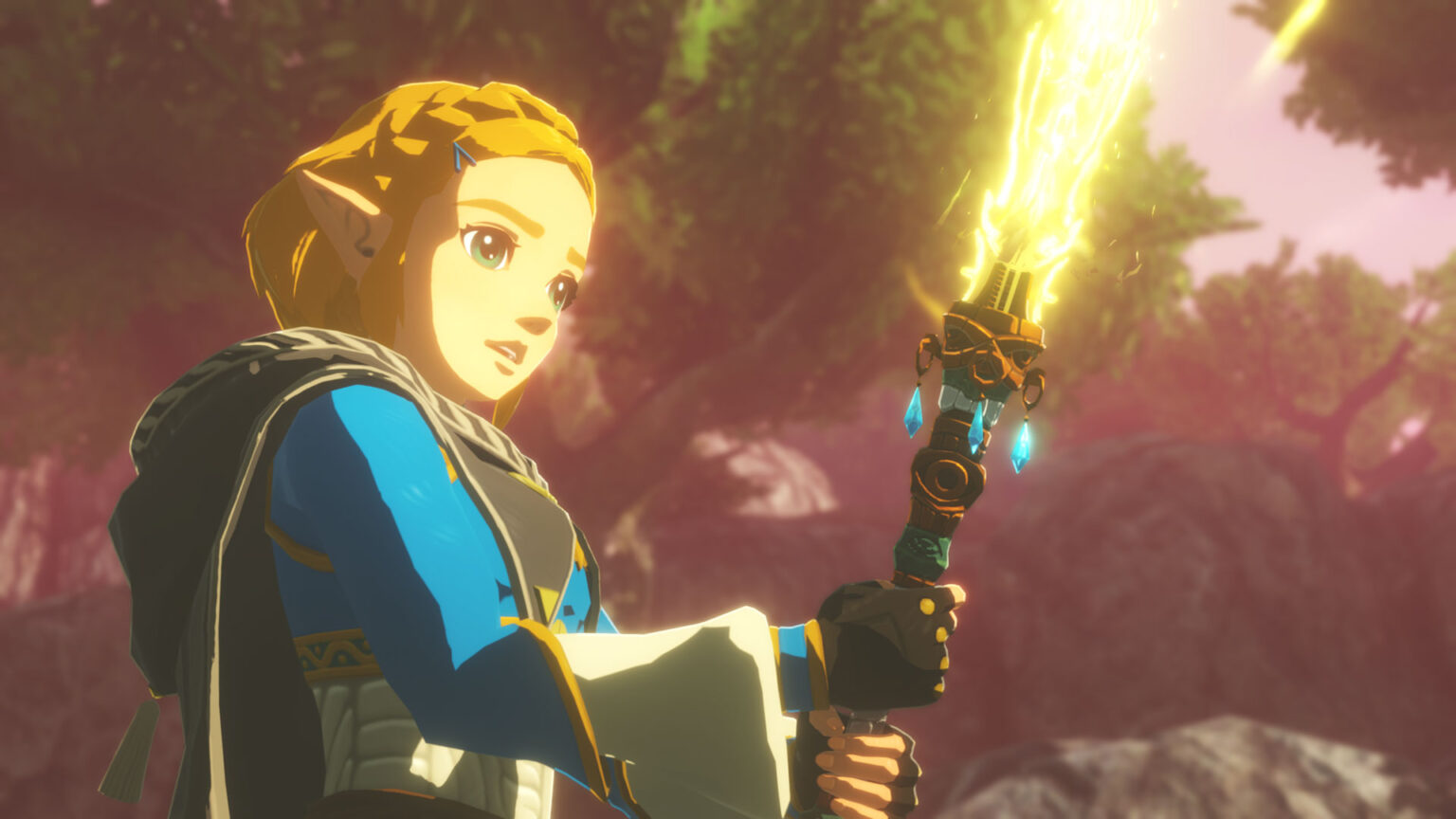
The main story of Hyrule Warriors: Age of Imprisonment takes around 20 hours to complete, assuming you do a few side missions here and there to keep up with the recommended level for the main quests. If you truly love the gameplay, though, I imagine there’s another 20 hours’ worth of side content to do, considering how many nodes were still left untouched on my map when credits rolled. There’s also some post-game content with Vicious Battles, which recommends having your characters at a minimum level of 70. As for the story being told, it fills in the gaps from Tears of the Kingdom with more dialogue and voice-acted cutscenes that bring more personality to many of the key characters during the war. It’s nothing too memorable, but if you’re like me and loved Tears of the Kingdom, you’ll enjoy what’s being shown on screen.
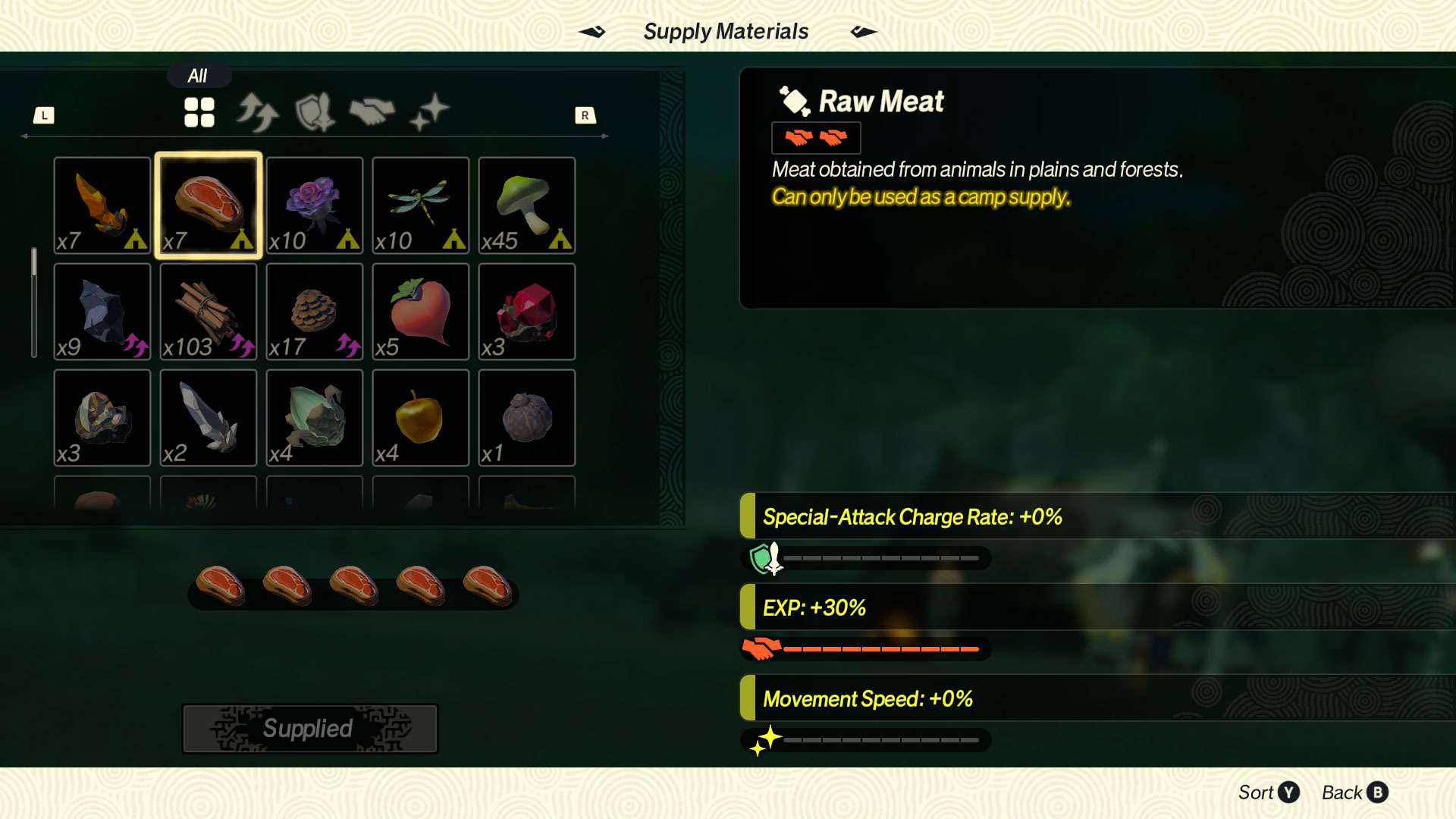
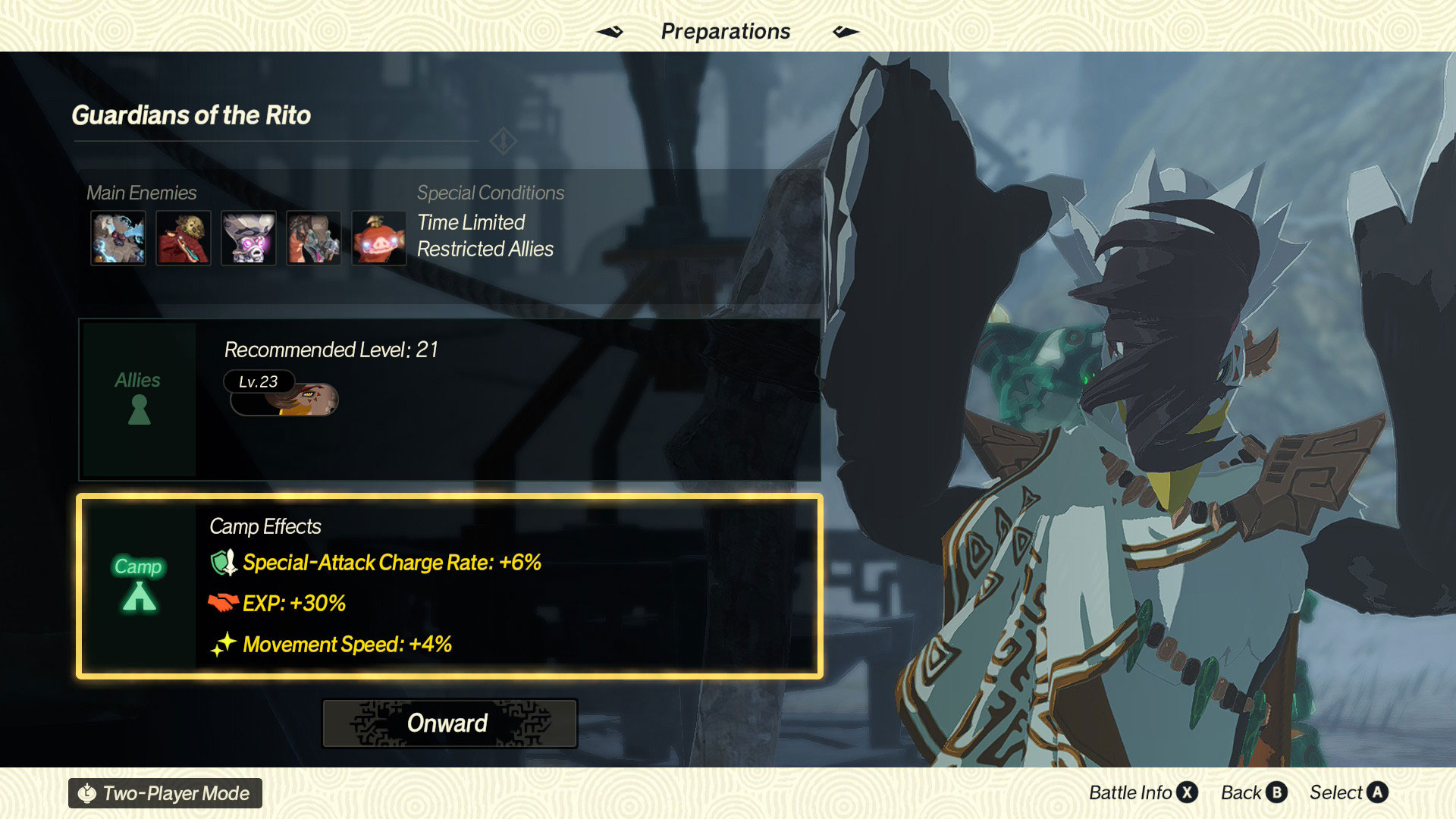
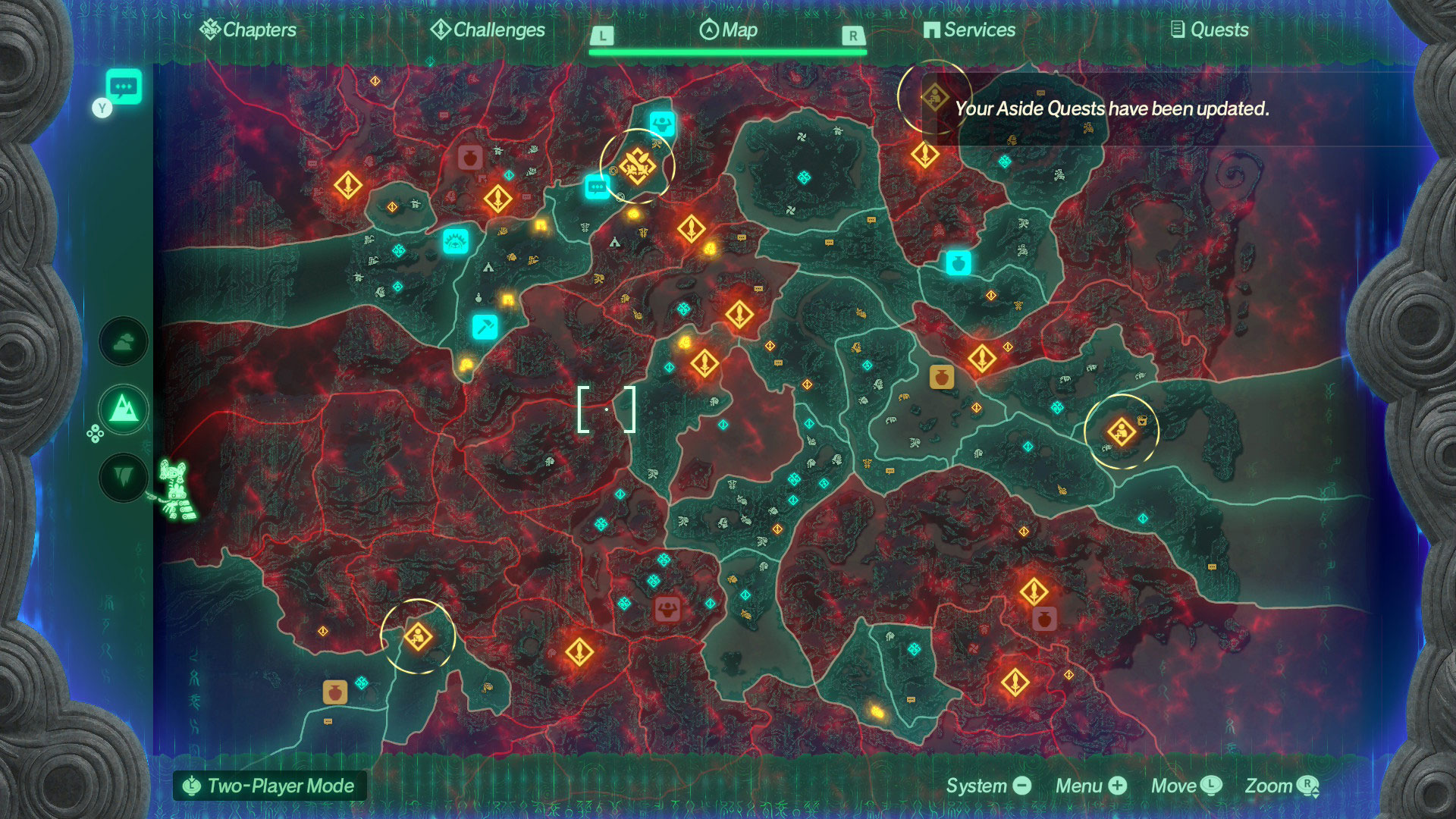
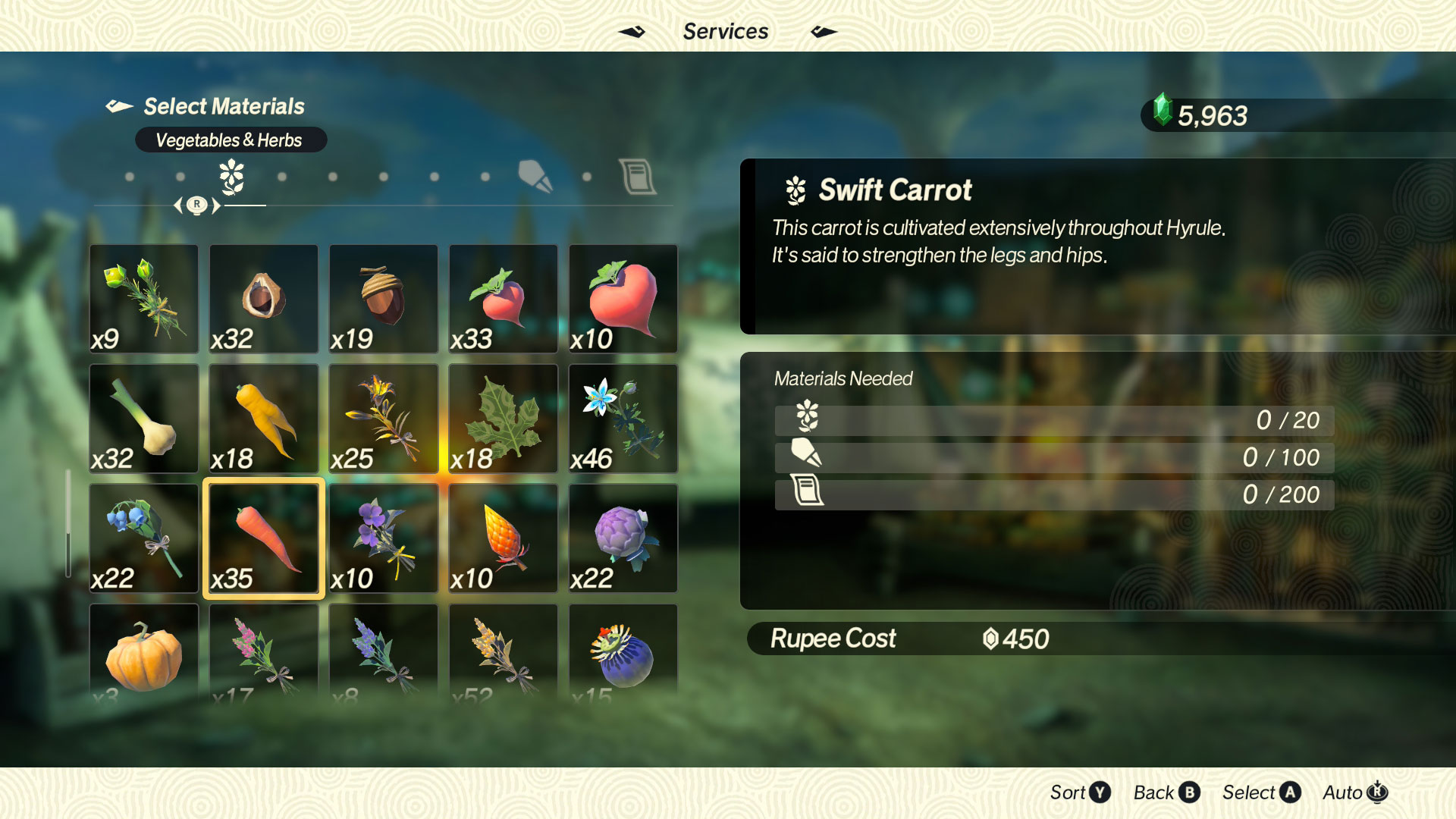
While venturing through each of the missions, there are also some collectibles to keep an eye out for. There are, of course, Korok Seeds to collect, which can be used to expand various inventory slots, as well as treasure chests for more materials. Many of these supplies can be used at camp to boost your stats, such as special attack charge rate, XP gain, and movement speed. You’re allowed to allocate up to five materials for each mission, some of which offer bonuses to multiple stats. It’s really not a very deep or compelling mechanic, as I found myself just using what boosted my XP and movement speed the most.
Déjà View
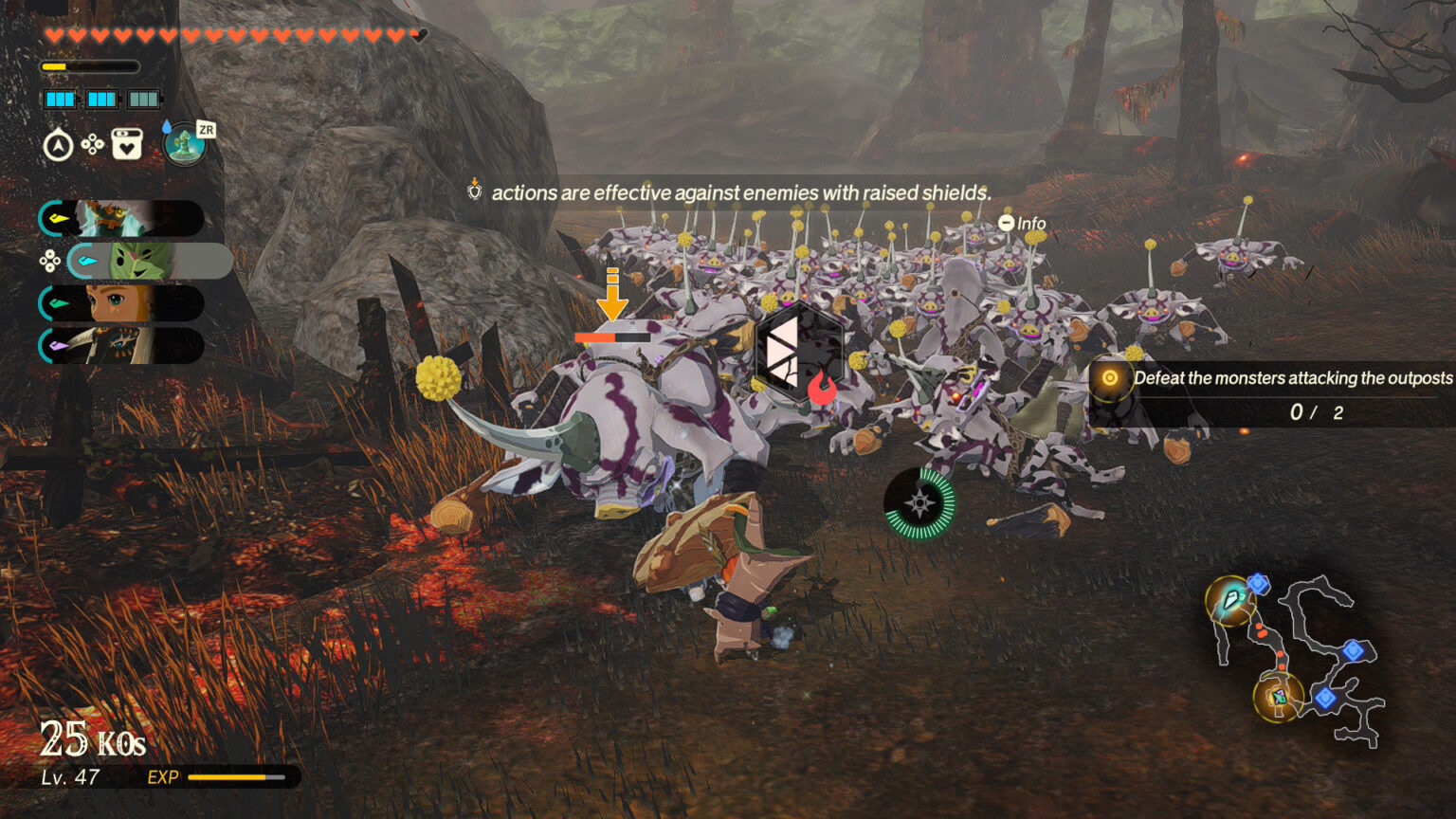
Hyrule Warriors: Age of Imprisonment is a game that’s designed to be mindless fun from beginning to end. Those who want to dig deeper into the game’s mechanics will have a much easier time going through its battles and, arguably, will find it much more satisfying to play. It was really enjoyable figuring out the quickest way to burn down bosses, especially since there isn’t a huge variety of enemies you’ll encounter. Switching between up to four characters on some of the missions also keeps gameplay feeling fresh, though you will ultimately find yourself pushing the same few buttons in the same order, regardless of which character you’re playing. If you want more of a challenge, you’ll definitely want to play on Hard or Very Hard difficulty.
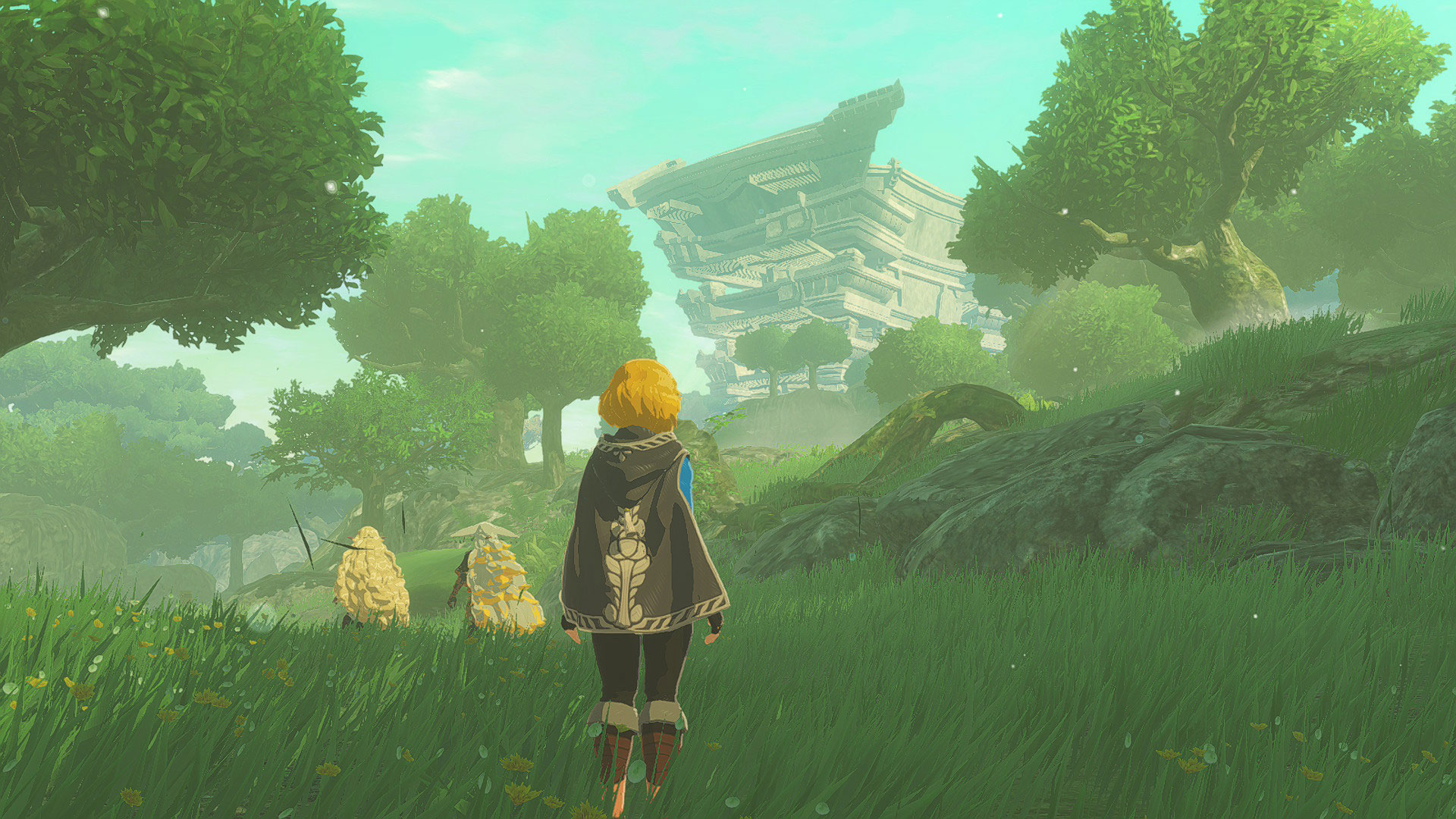
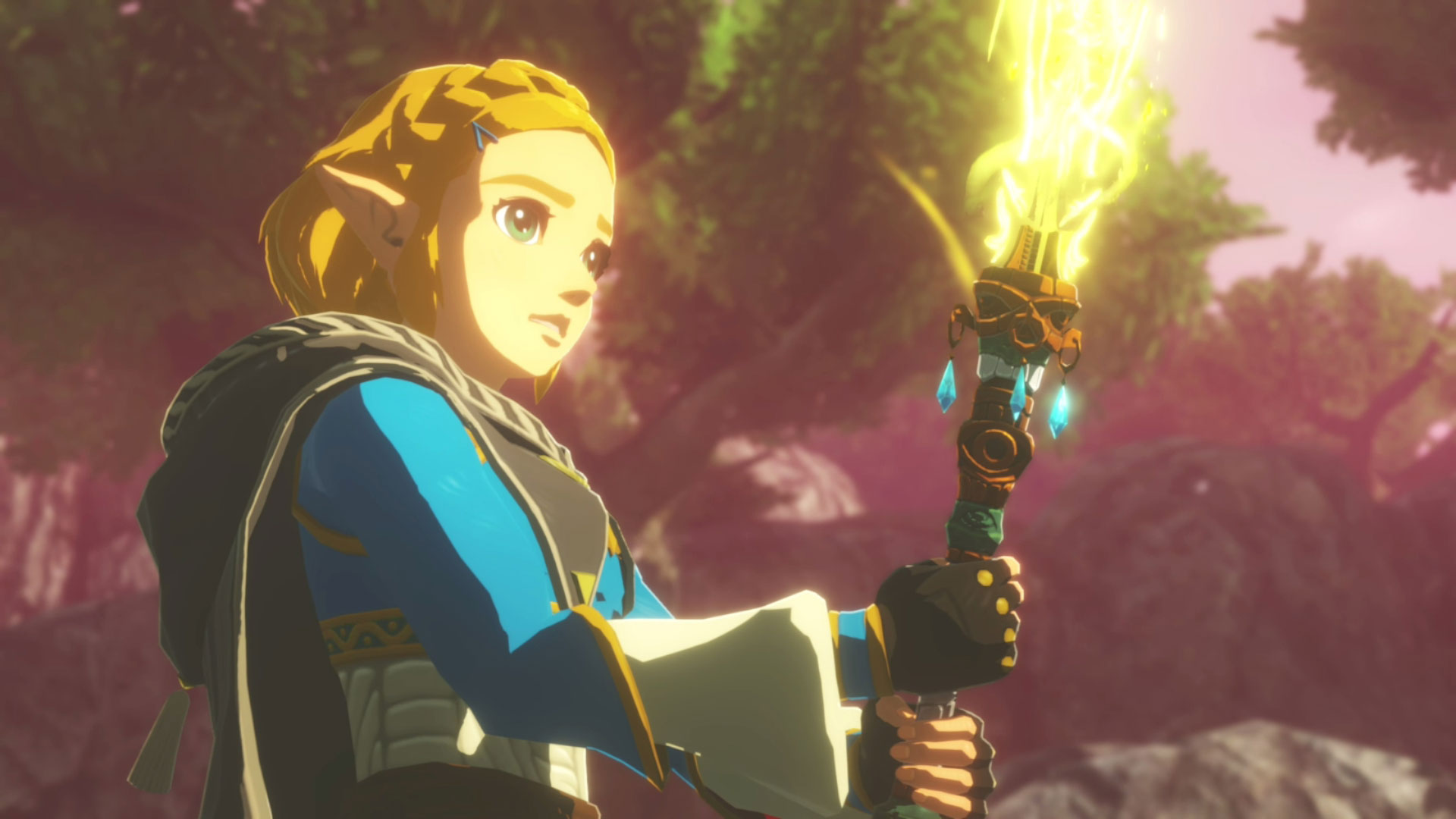
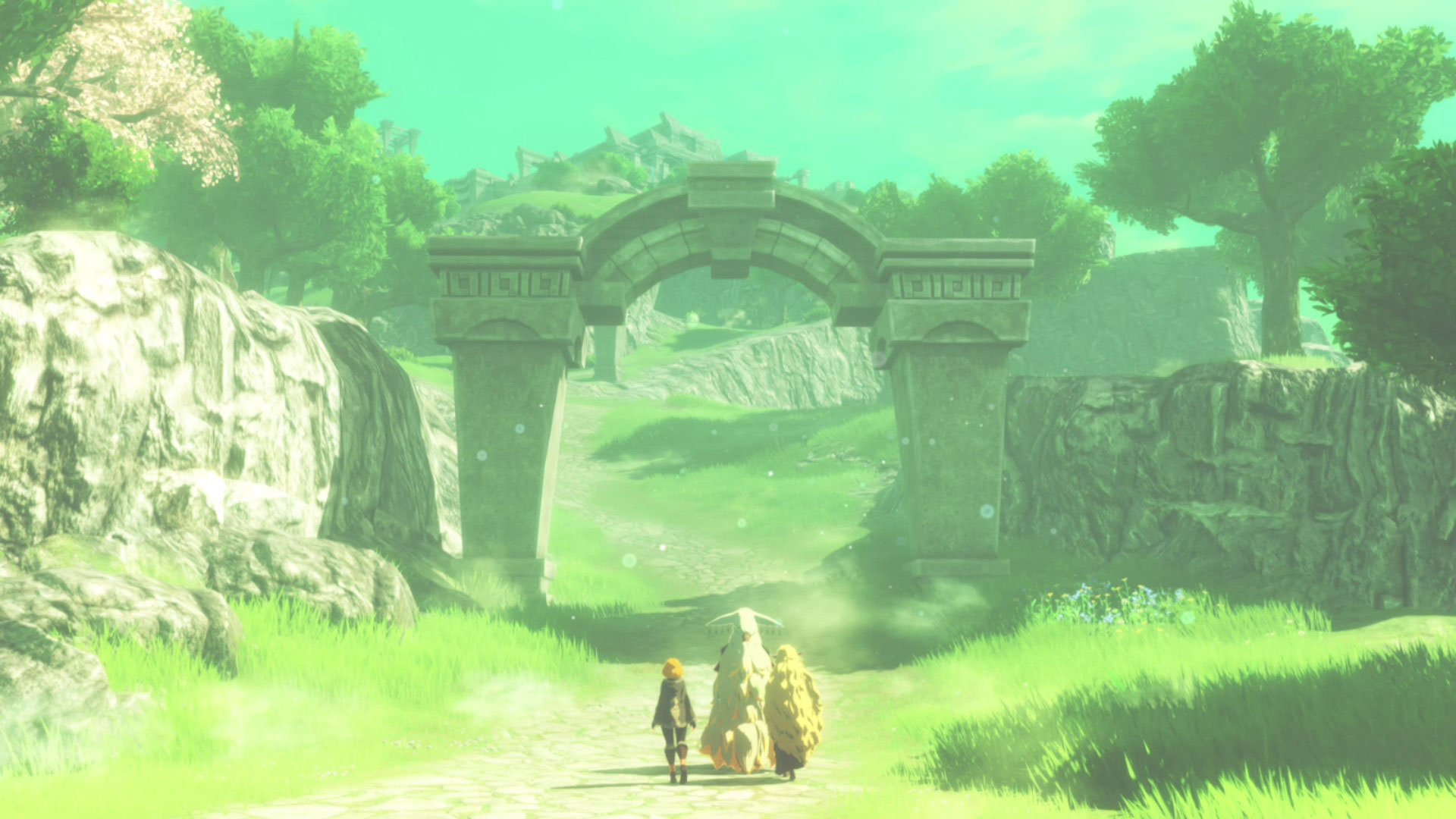
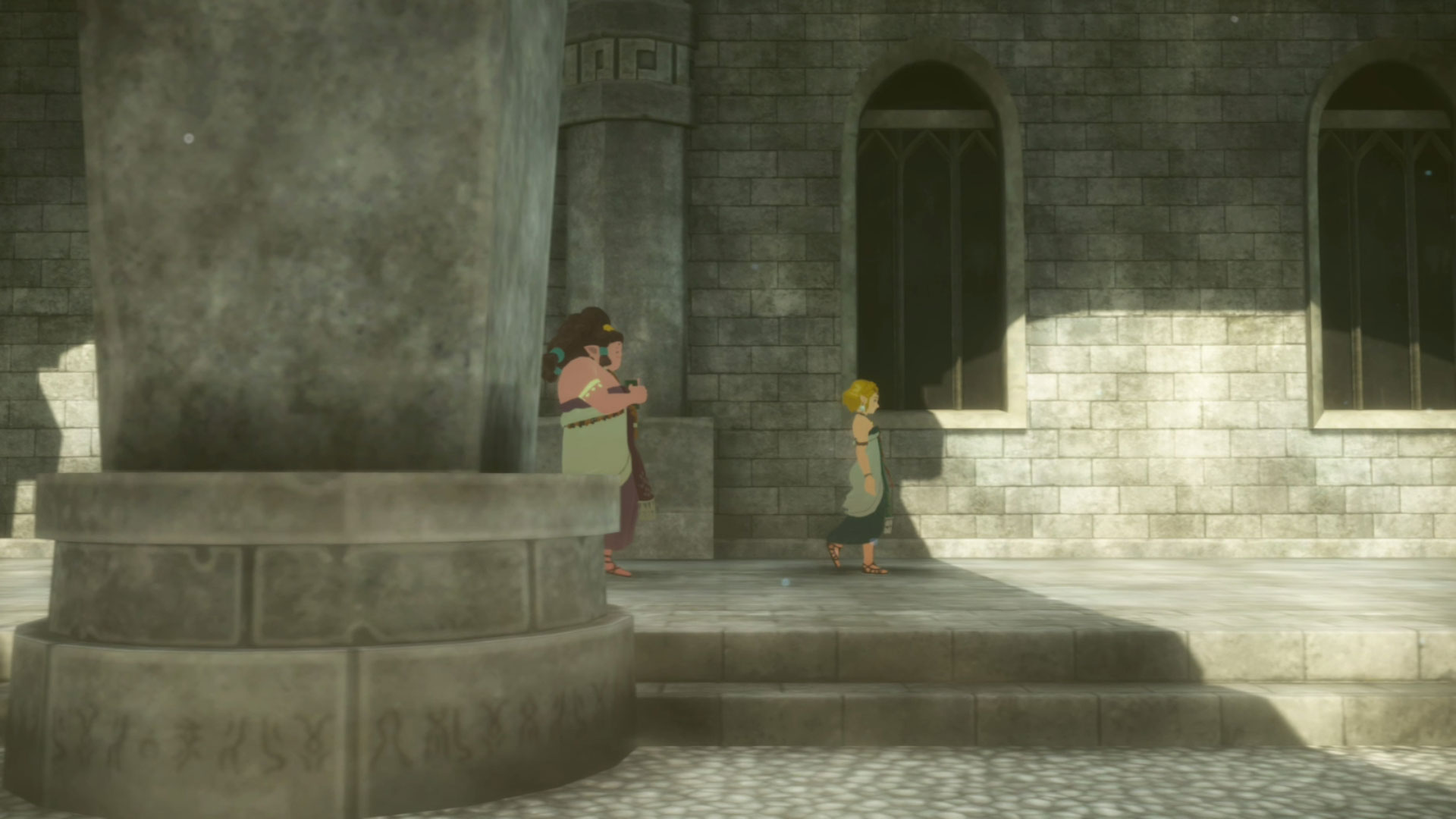
Performance on the Switch 2 targets 60 FPS, but I did notice some frame rate drops when things got busy on the screen. It never slows down to the point where it’s frustrating or even noticeable, as it feels pretty much stable overall. Graphically, though, it’s obvious the game isn’t running at 4K. Screenshots are output at 1080p, but Age of Imprisonment definitely uses dynamic resolution scaling. If you’re playing local co-op, expect the experience to take a hit, dropping to 30 FPS instead of 60 FPS. Overall, though, the game runs and looks great when docked and performs well in handheld mode.
Those who are just dying for more content set in The Legend of Zelda universe will likely want to pick up Hyrule Warriors: Age of Imprisonment. It’s always nice to spend more time with many of these iconic characters and several new ones. While it’s not an extremely memorable story, I do like what they did with Calamo and I think he’s the standout in the experience. If you loved Tears of the Kingdom, it’s great seeing some of Hyrule’s familiar sights, albeit in a different time. This isn’t a game you’ll be thinking about months after you finish it, but if you find the repetitive gameplay enjoyable, it’s not one you’ll regret playing. I’d argue its $69.99 price tag is steep for what it offers, and it might be a better game to grab when it’s on sale. It’s exactly what I needed, though: a frustration-free game that focused on fun more than anything else.
Hyrule Warriors: Age of Imprisonment has an official release date of November 6, 2025, for Switch 2. This review is based on a purchased retail copy of the game on Switch 2. While FullCleared does have affiliate partnerships, they do not influence our editorial content. We may earn a commission for purchases made through links on this page.
Hyrule Warriors: Age of Imprisonment Review Gallery (possible spoilers!)